24 Toys From the ’80s That Kids Played With Until They Broke
The 1980s produced toys engineered with a profound assumption: children would play with them intensely and without mercy until they failed completely. Manufacturers didn’t design for durability in the way they claimed, but rather for sustained play until the plastic cracked, the motor burned out, or the battery died and couldn’t be replaced without destroying the toy.
These toys were meant to be consumed through play, to be beloved until they literally fell apart in a child’s hands. That design philosophy created toys that actually justified their cost through years of continuous use, unlike modern toys designed to look engaging in the package but fall apart after weeks.
Many of these toys were sold with minimal packaging and no warnings about what children shouldn’t do with them. Parents didn’t supervise play obsessively, and toys were expected to withstand genuine abuse.
When a toy broke, it was mourned genuinely because replacement wasn’t automatically assumed. The toy had provided months or years of service and had earned the respect of mourning its passing.
Speak & Spell
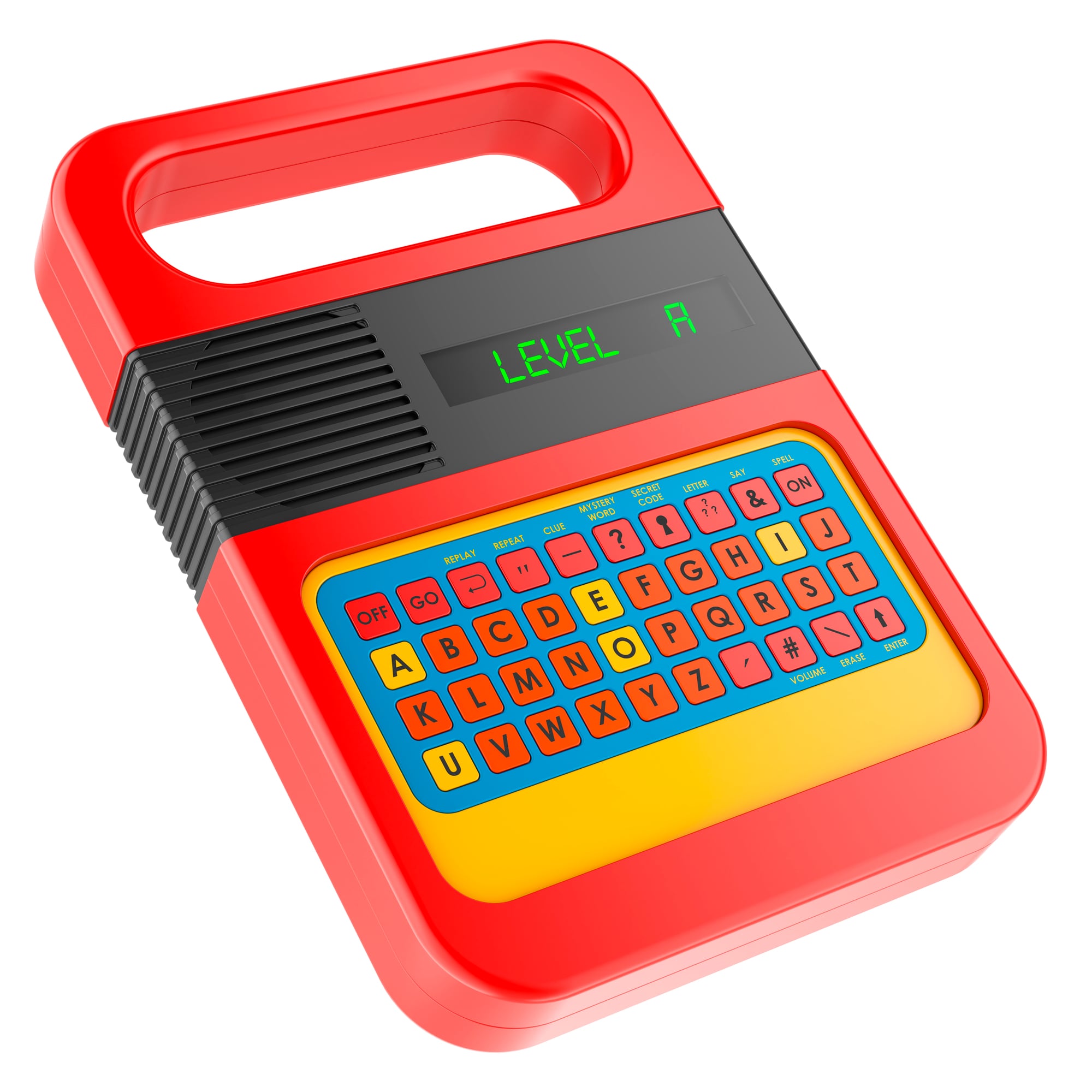
Texas Instruments’ Speak & Spell used voice synthesis technology that seemed impossible to children, combining education and entertainment through simple spelling challenges delivered in an electronic voice. The toy lasted for years of intensive play and represented the cutting edge of consumer electronics available to middle-class families.
Rubik’s Cube

The Rubik’s Cube sold millions of units and created a genuine cultural phenomenon around puzzle-solving. Kids played with them obsessively, twisting and attempting until the mechanism slowly wore and the colored stickers peeled off, but not before years of use.
Transformers
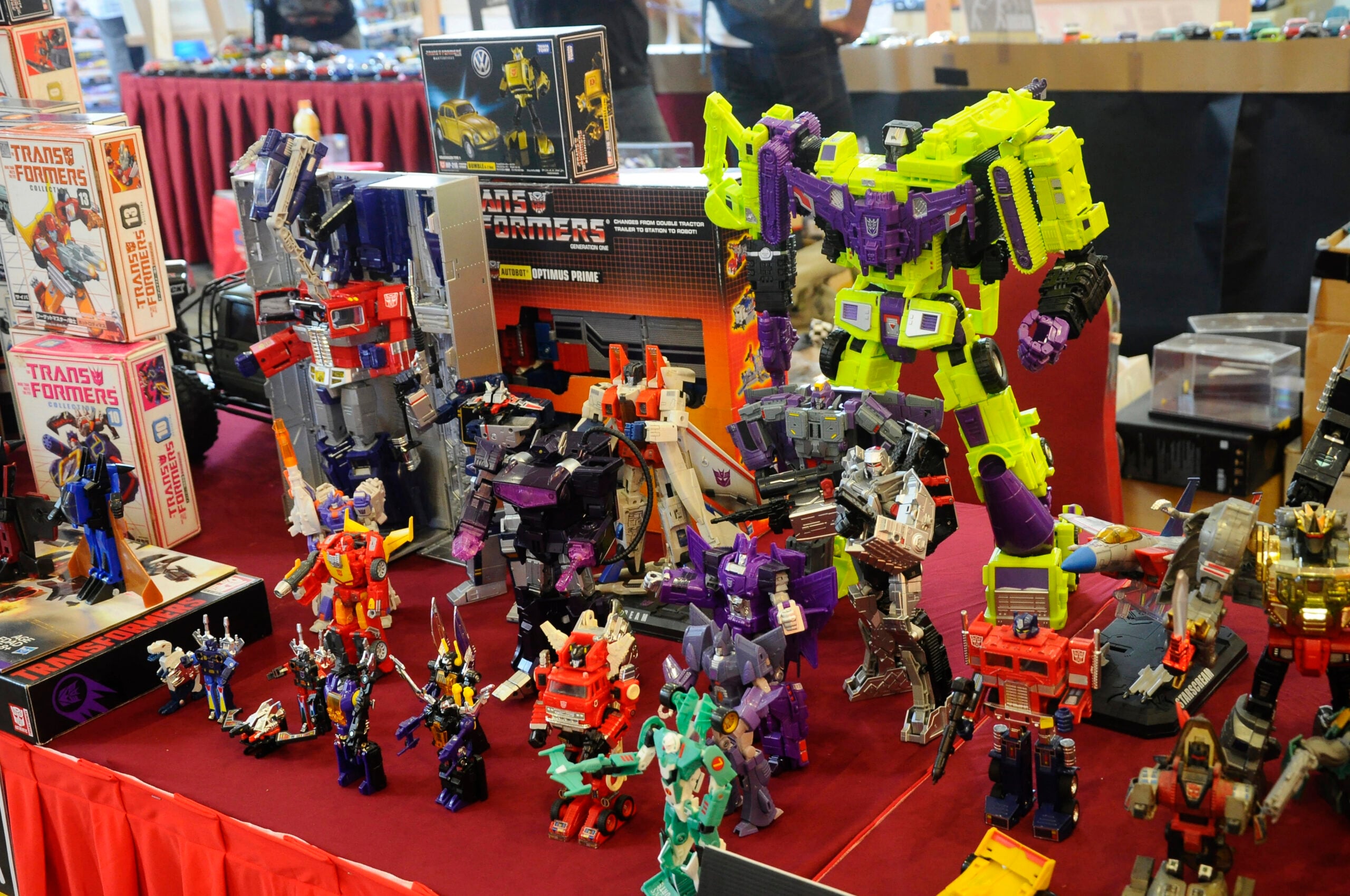
Transformers toy line action figures featured mechanical transformations from vehicles to robots with plastic and metal components that survived years of repeated transformation cycles. The complexity and durability made them premium toys that retained value through years of play.
Mattel Hot Wheels Track
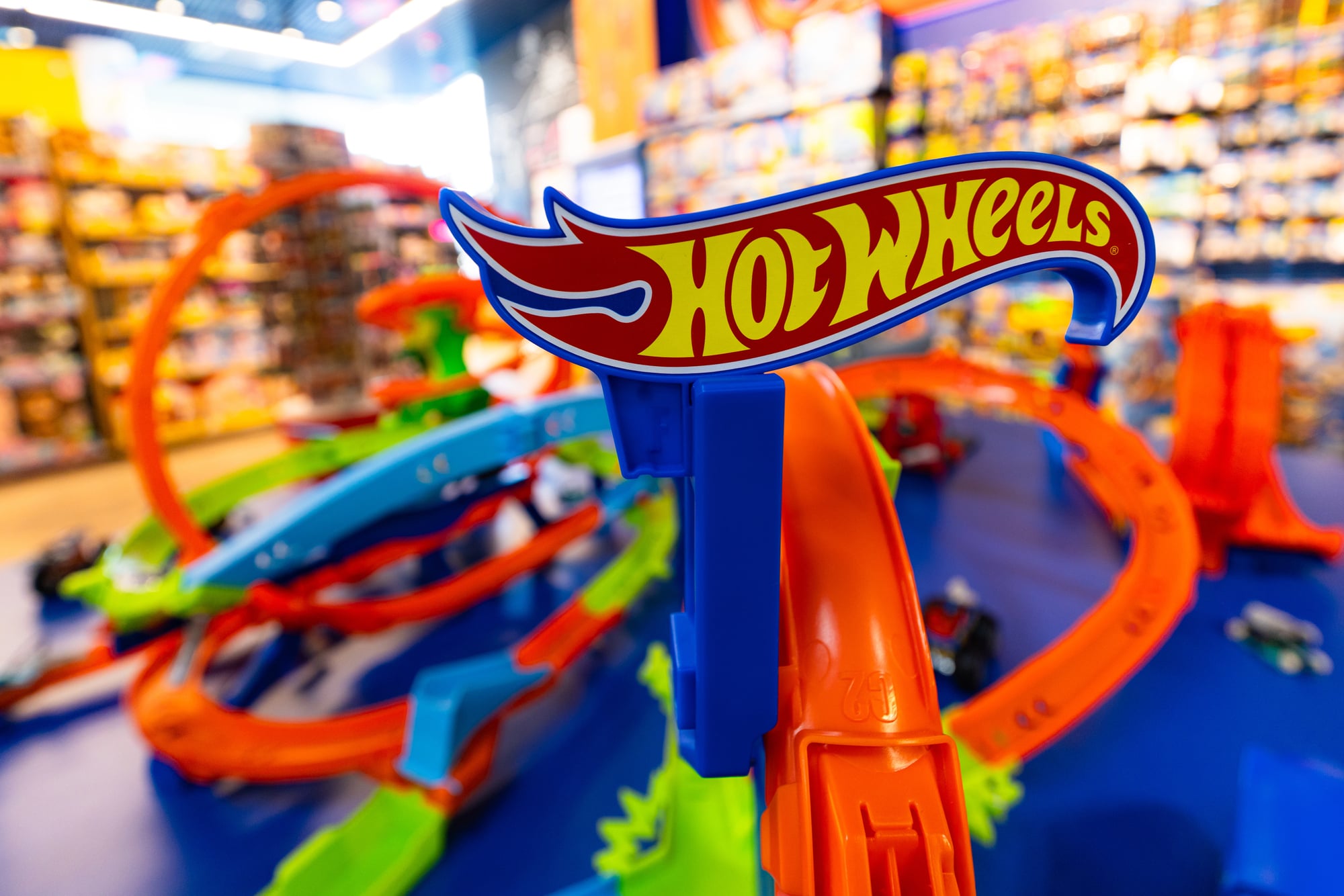
Hot Wheels racetracks allowed elaborate track construction and car racing that burned out motors and sent plastic pieces flying but kept kids engaged for years. The track systems expanded endlessly and survived through accumulated damage that only slowly rendered them unplayable.
Star Wars Action Figures
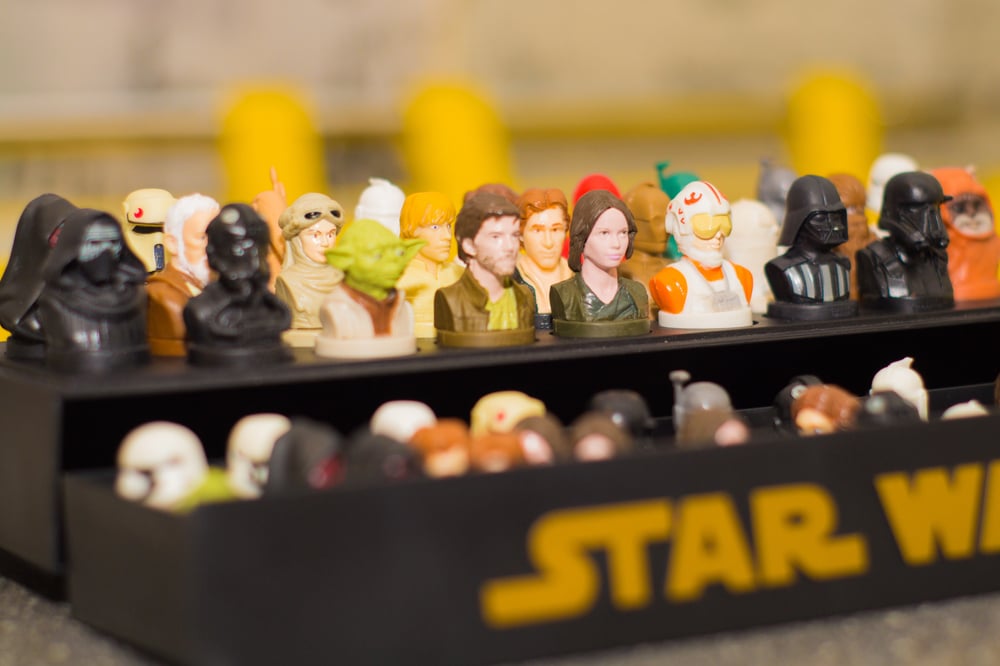
Kenner’s Star Wars figures featured articulated joints that held through years of play, battles, and outdoor adventures. The figures yellowed, joints loosened, and accessories vanished, but the core toy survived long-term play that would destroy modern action figures.
Atari 2600
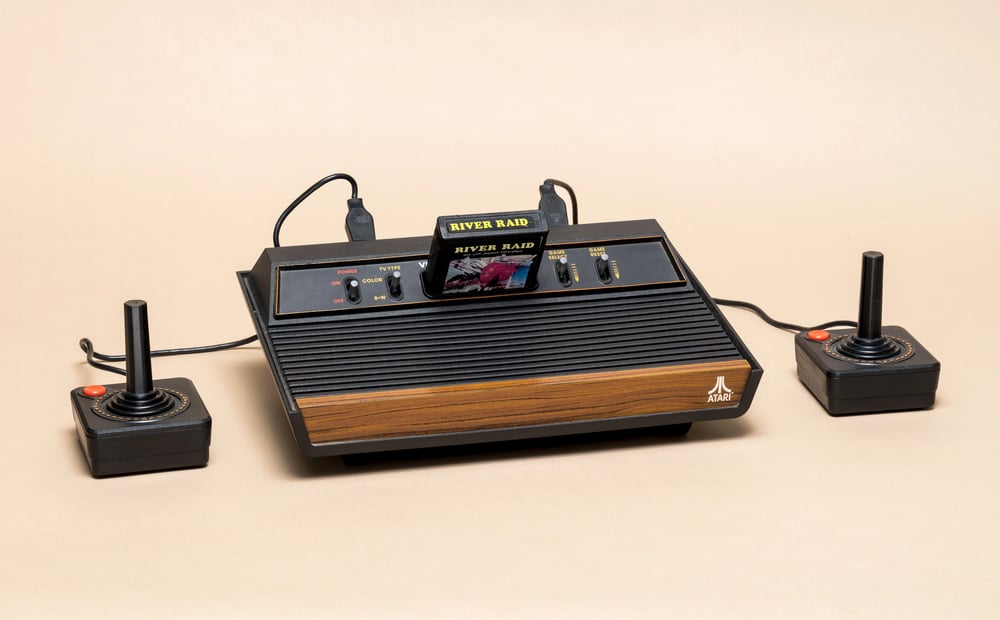
The Atari 2600 console itself rarely failed despite heavy use, though joysticks wore out quickly. The system’s longevity and catalog of games made it a fixture in households for many years, with many units still functioning decades later.
Lite-Brite
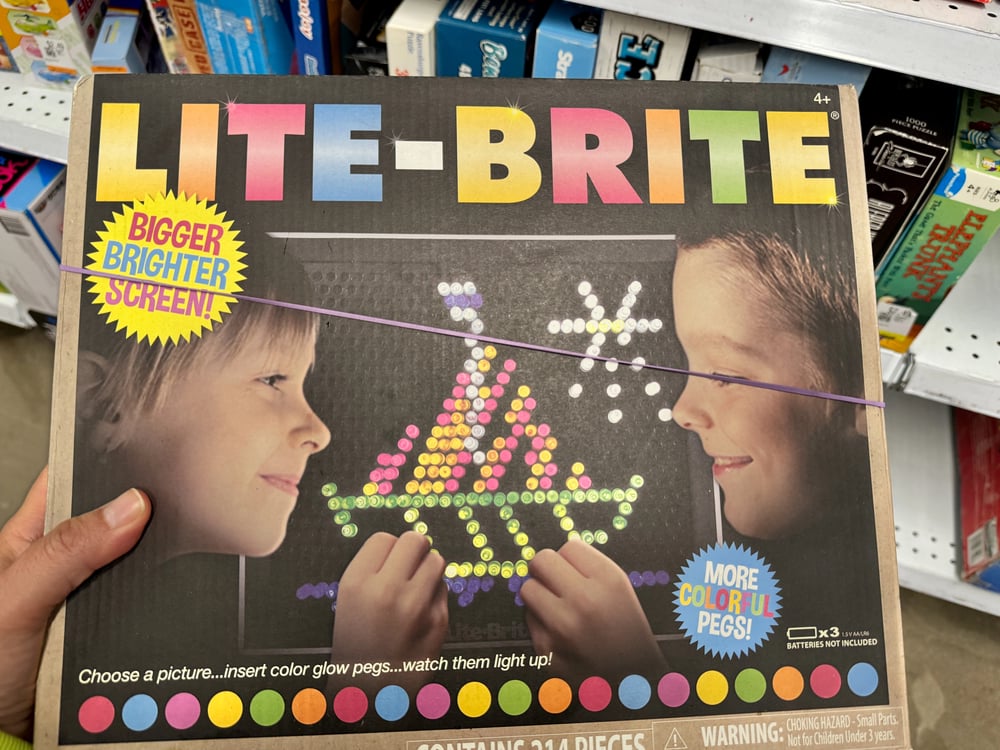
Lite-Brite’s plastic pegs and light board seemed simple but provided hours of creative play and light creation. The toy rarely broke functionally and provided years of entertainment before bulbs burned out or children moved on to other interests.
Simon
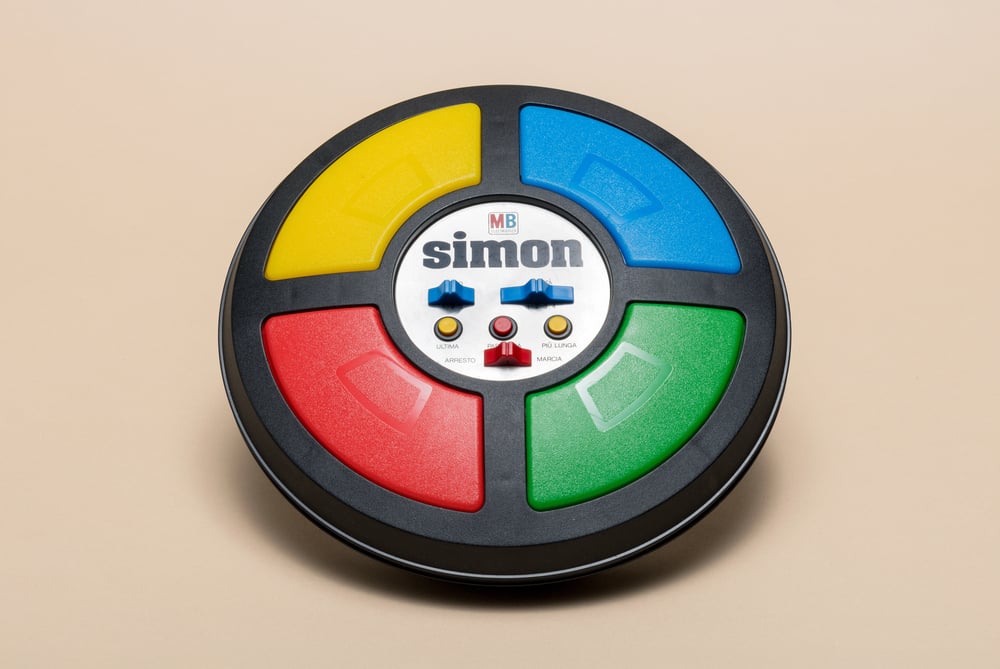
The electronic memory game Simon required button-pressing precision and endurance, engaging kids repeatedly over months and years. The toy’s simple mechanism meant it rarely broke and could function for years despite intense play.
Tomy Pocket Games
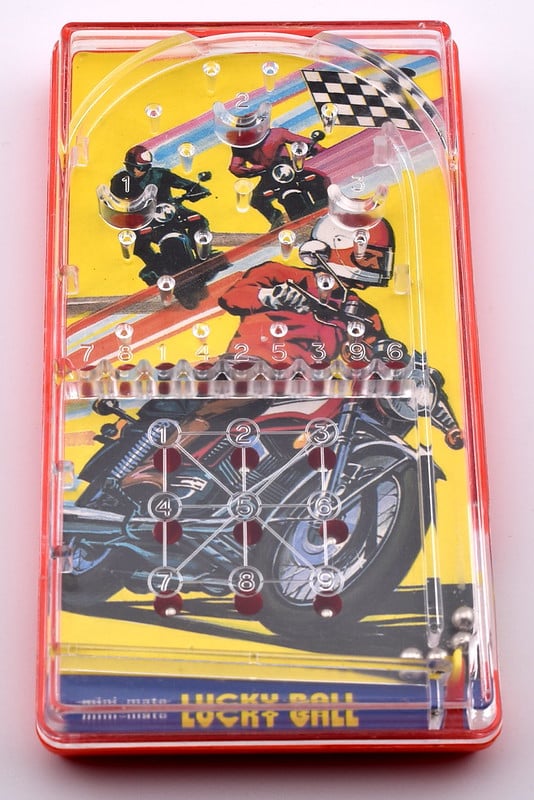
These handheld electronic games featured tiny LCD screens and simple games that could be played for years despite rough handling. The devices rarely broke and created portable entertainment that preceded modern gaming handheld systems.
View-Master
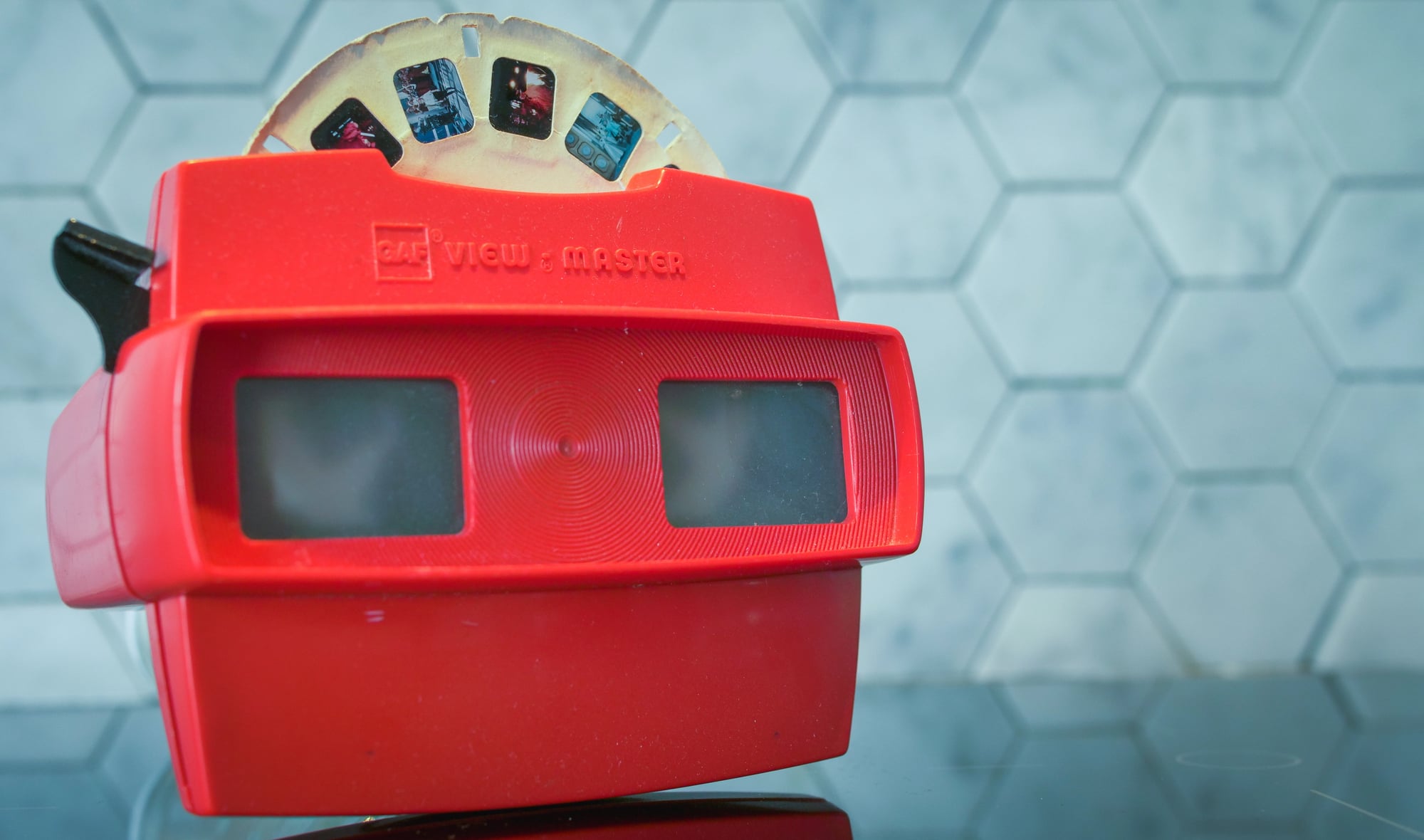
View-Master stereoscopic viewers featured rotating wheels of images that kids clicked through repeatedly for hours. The devices were nearly indestructible and provided years of visual entertainment before the novelty faded.
Slinky
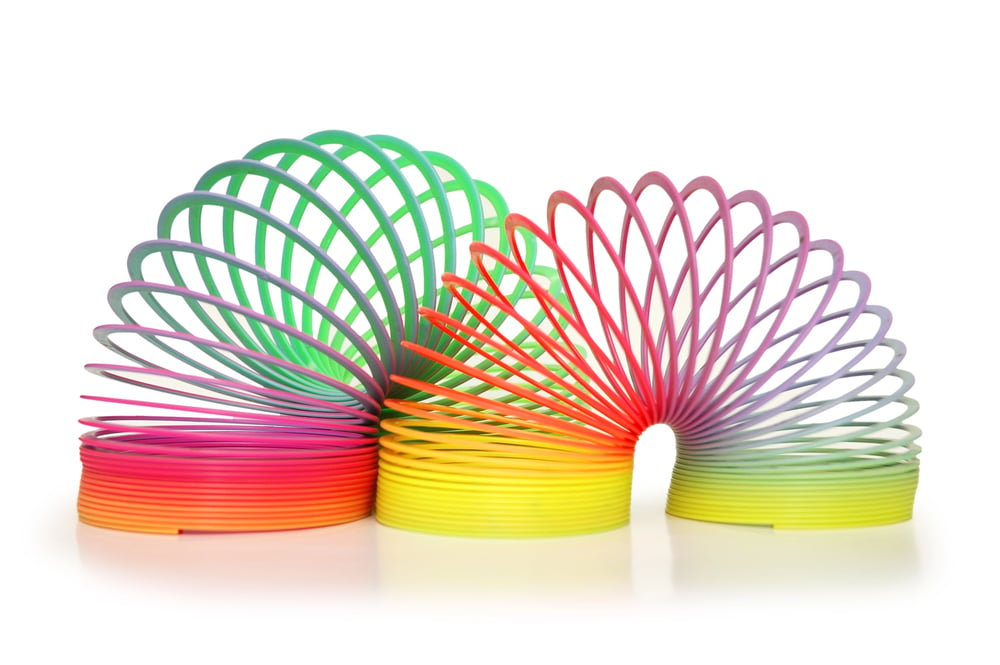
The Slinky toy seemed impossibly fragile but actually proved remarkably durable through years of being walked down stairs, stretched, and tangled. Many Slinkies from the 1980s still exist and function, proving longevity despite constant aggressive play.
Yo-Yo
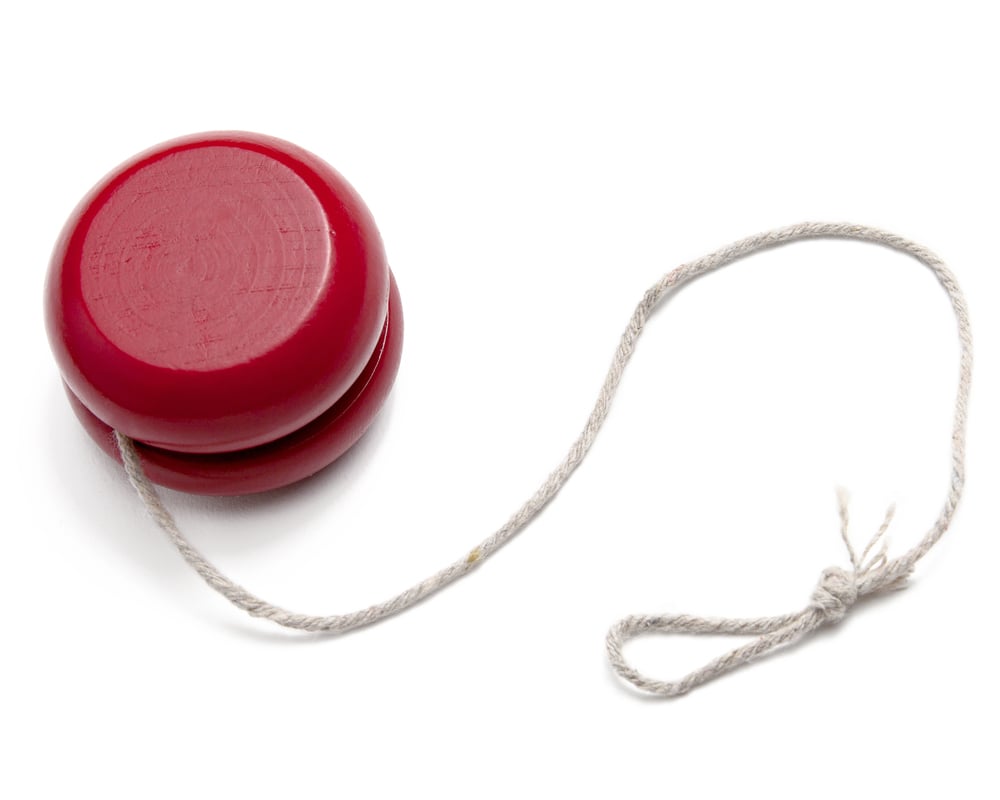
Yo-Yos sold in massive quantities and endured years of spinning, string-wearing, and impact with concrete. The toys were cheap enough that replacement was economical but durable enough that many single yo-yos lasted for years.
Etch A Sketch
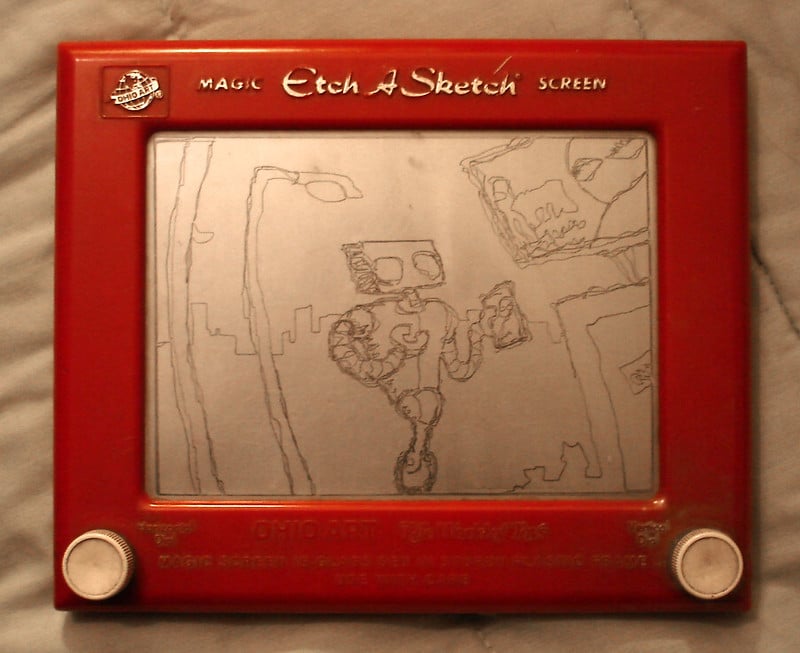
The mechanical drawing toy required only that children turn the dials and proved remarkably durable despite years of use. Etch A Sketch devices from the 1980s still function perfectly, demonstrating durability that survived decades of ownership.
Twister
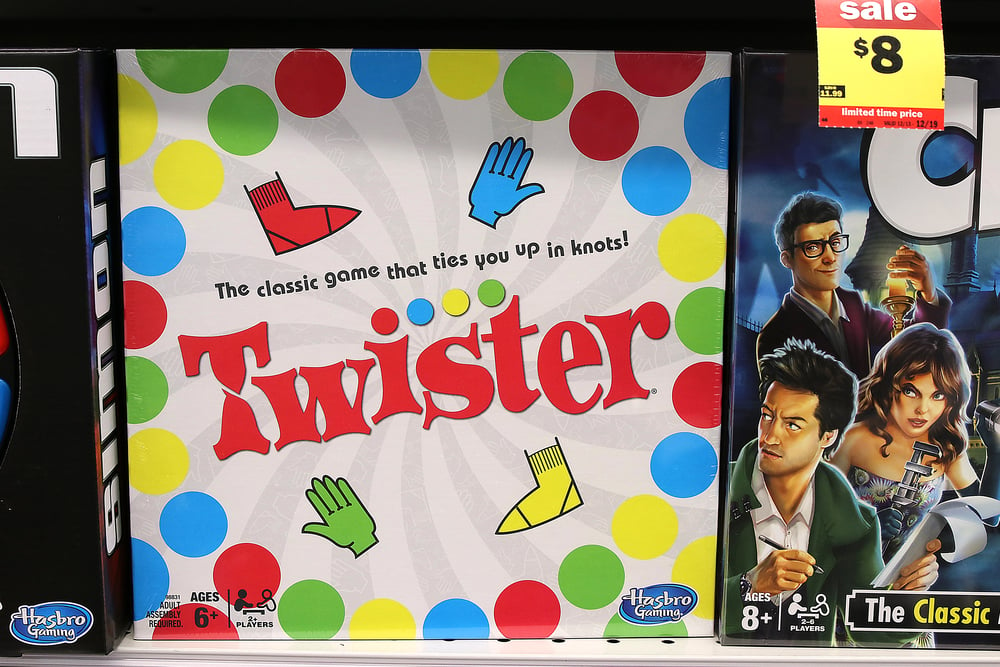
Twister mats might wear and stain but the game mechanism itself lasted indefinitely, supporting generations of play from the same mat. The simple concept and durable construction made Twister a perennial party game that rarely needed replacement.
Barbie Dolls

Barbie dolls from the 1980s survived years of hair-pulling, outfit changes, and outdoor play despite eventual wear. The basic doll construction proved durable enough that many examples remain functional decades later despite rough handling.
Uno Card Game
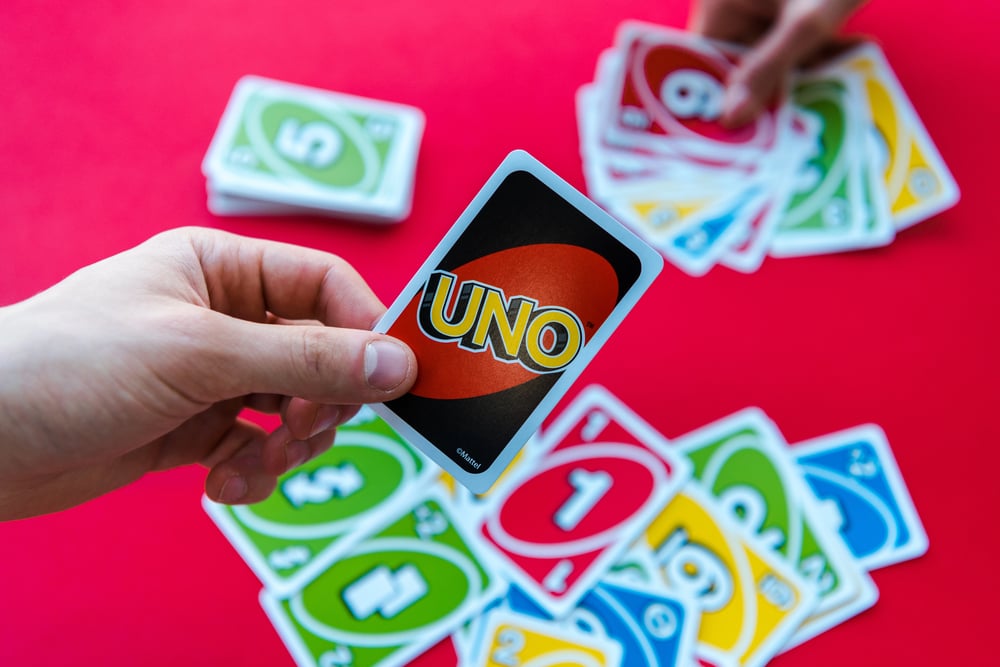
Uno cards from the 1980s endured years of shuffling, spilling, and rough handling that would destroy lesser products. Card games proved more durable than people generally assumed, with sets surviving decades of play.
Connect Four
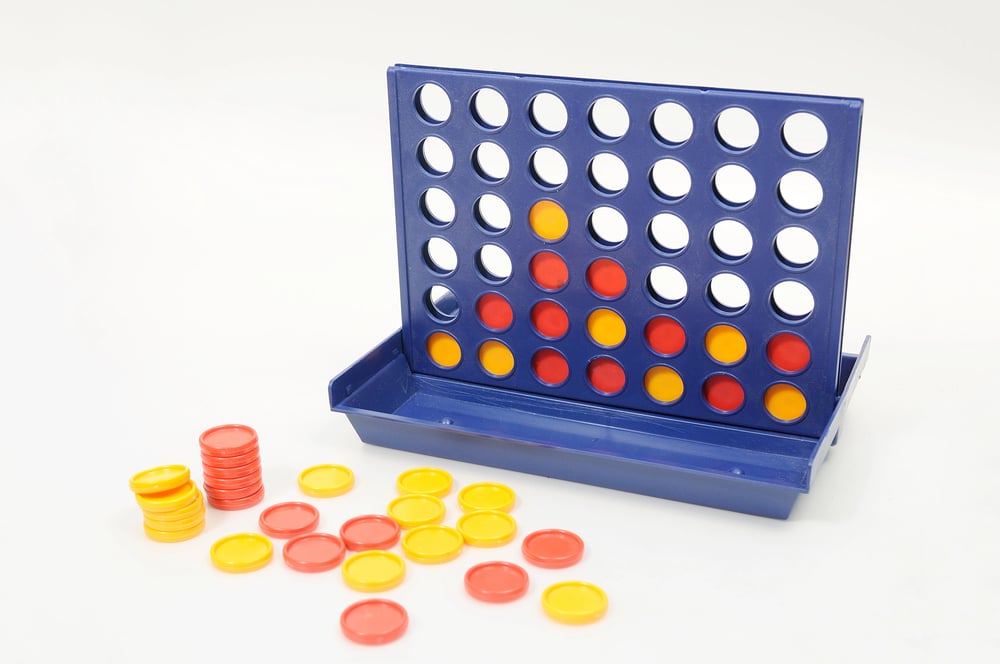
The simple plastic game with gravity-fed checker pieces lasted through years of competitive play without meaningful degradation. The mechanical simplicity and lack of electronic components made the game nearly indestructible.
Cabbage Patch Kids
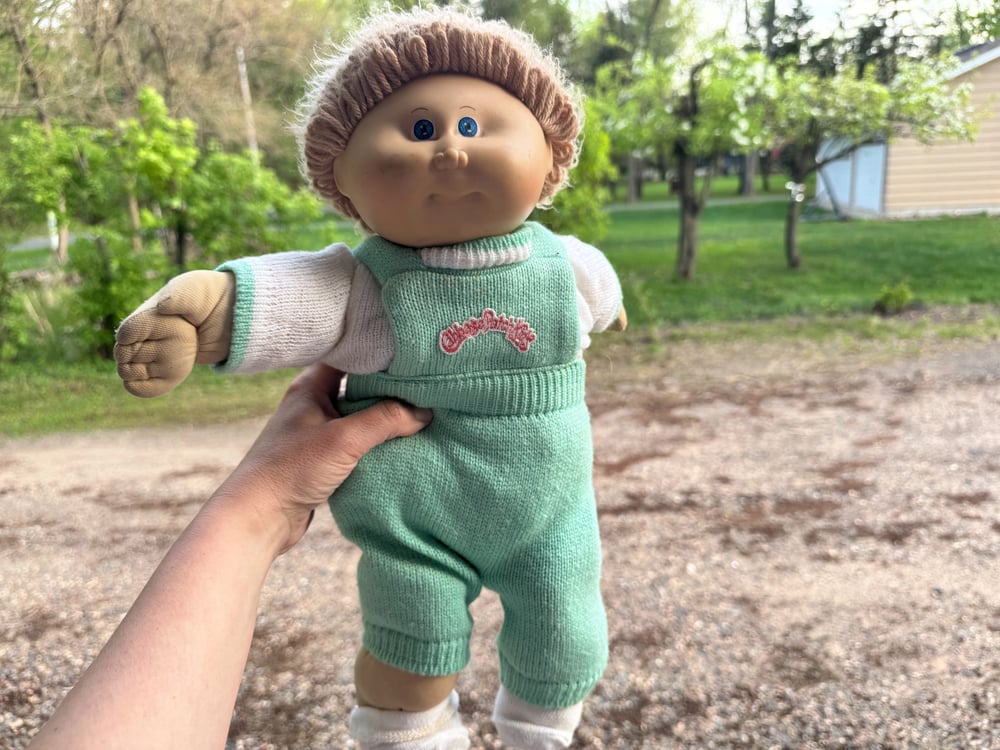
Though primarily valuable as dolls, Cabbage Patch Kids survived years of play and handling that would damage more delicate toys. The adoption certification and individual identity created emotional attachment that extended play duration.
Care Bears

Care Bear plush toys survived years of hugging, carrying, and outdoor play despite fabric wear. The simple stuffed construction meant they rarely broke functionally and could be cuddled until fabric completely disintegrated.
Spirograph
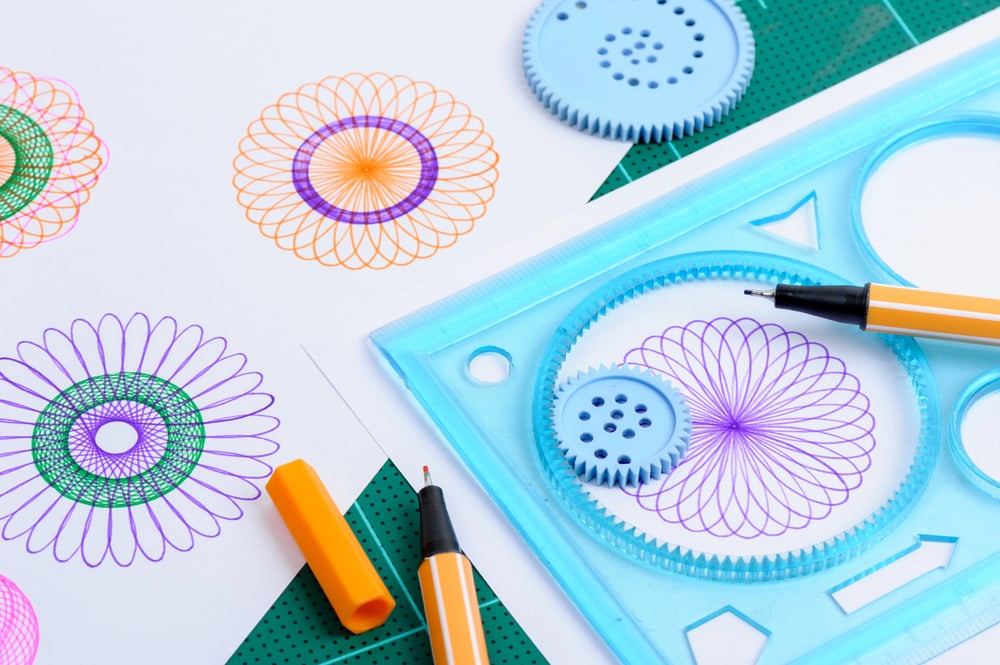
Spirograph’s plastic templates and marker-based drawing system created mathematical art through mechanism that rarely broke. The drawing sets survived years of use and provided endless creative potential that kept kids engaged repeatedly.
Operation
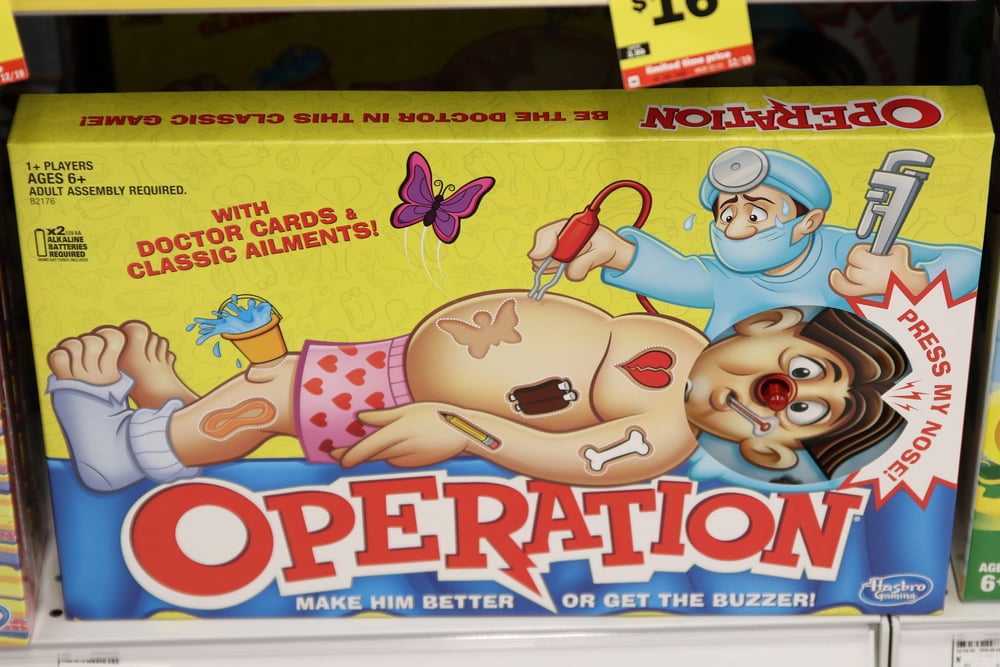
The electronic game featuring a buzzer that sounded when the tweezers touched the sides proved surprisingly durable despite years of frustrating gameplay. The simple electronic mechanism rarely failed completely.
Lawn Darts
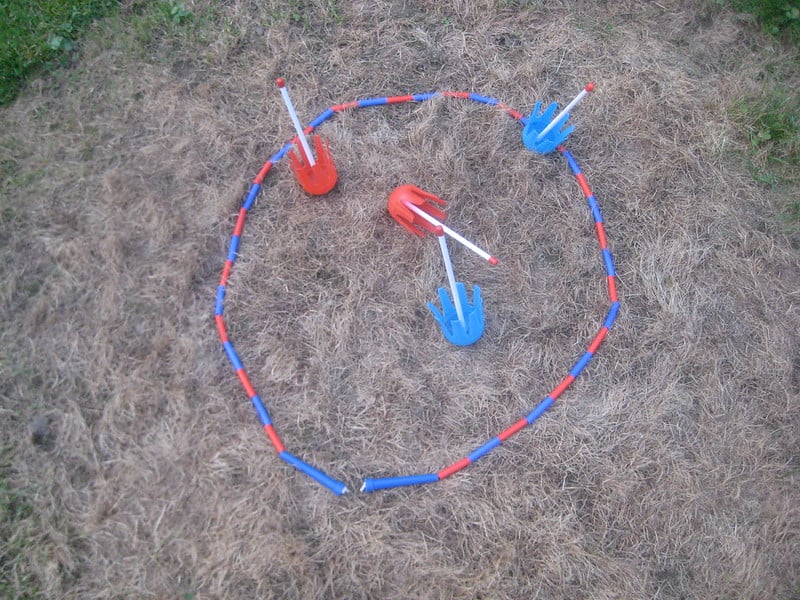
Lawn Darts actually flew and stuck in grass through physics rather than electronics, creating outdoor play that lasted for years. The toys were eventually banned but represented genuine play durability during their availability.
Nerf Foam Toys
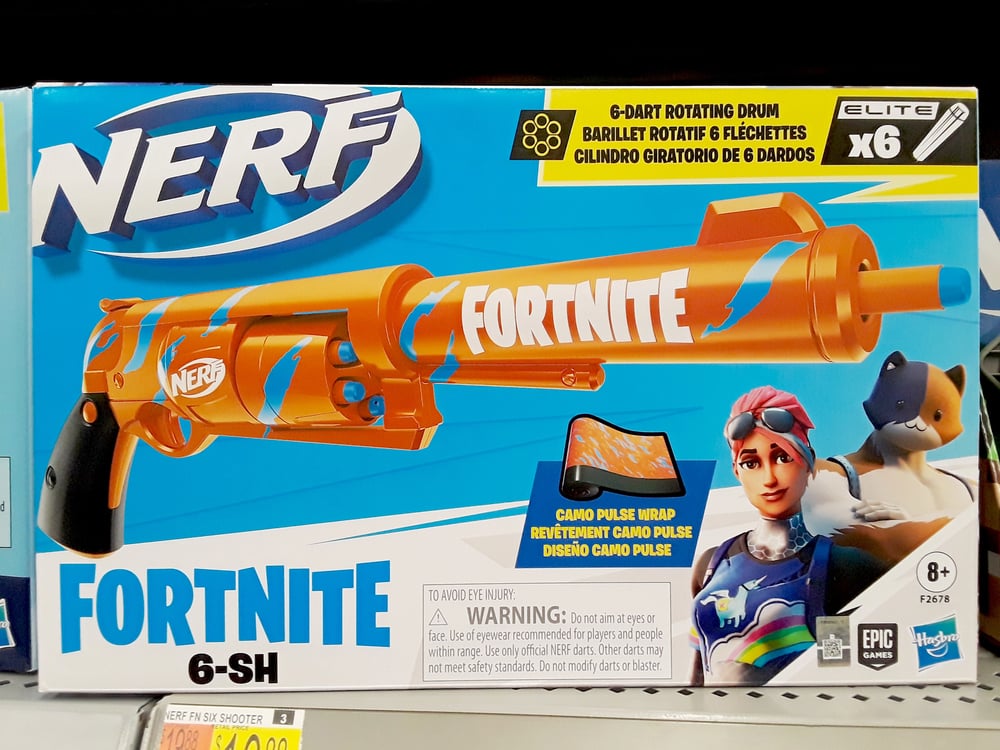
Nerf toys offered soft foam construction that survived years of impact play and seemed virtually indestructible. Children threw them, hit things with them, and engaged in imaginative play that rarely damaged the foam core.
Doll Houses and Furnishings
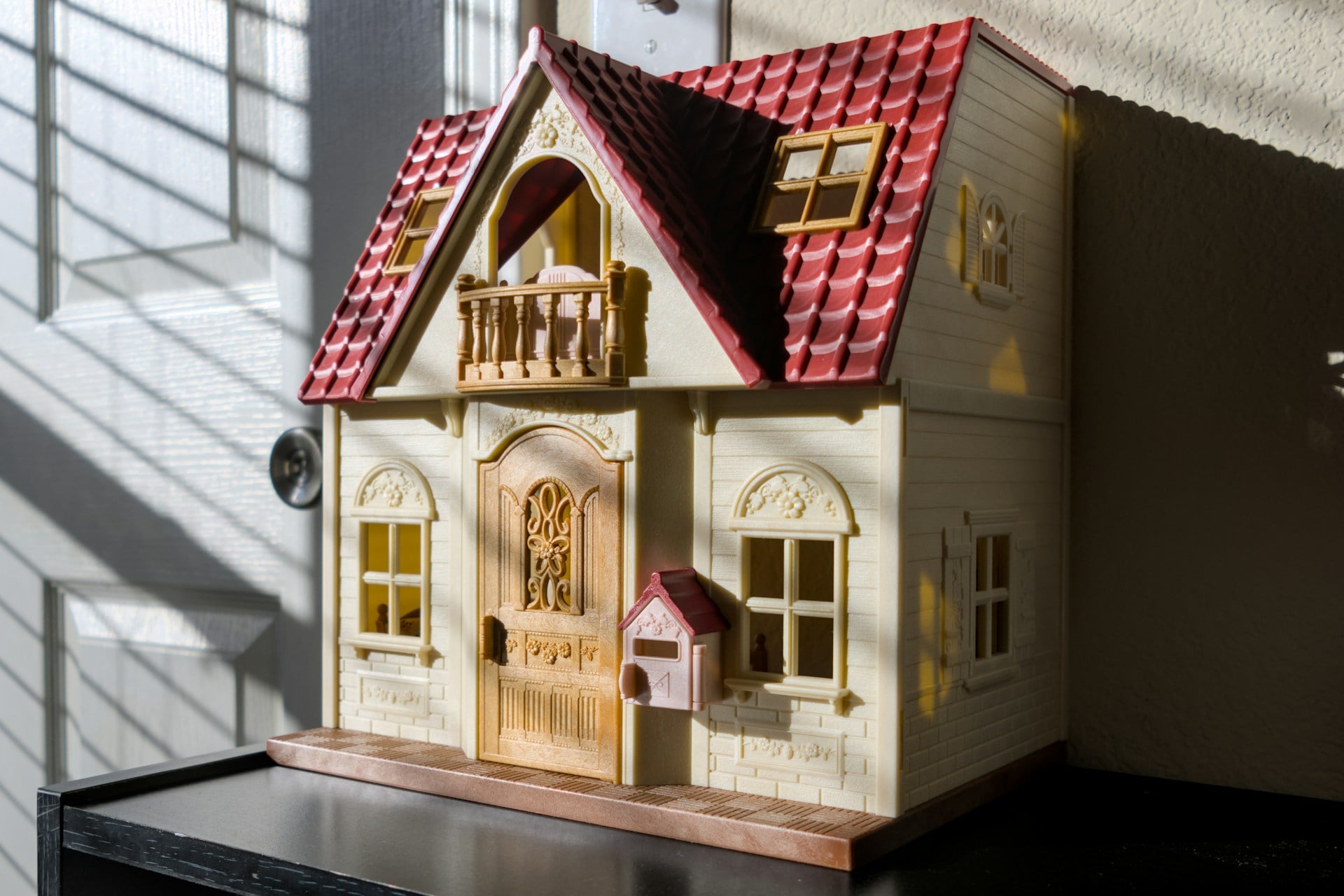
Doll house construction proved remarkably durable through years of play and refurbishing. Plastic components held and wooden structures survived play that would destroy less robust toys, often passing to younger siblings.
Defining Durability Through Play
The 1980s toy philosophy assumed that broken toys represented value through extended use rather than defects. A toy that survived five years of intensive play and then broke had served its purpose and deserved replacement through upgrade rather than replacement for failure.
This durability standard created childhood memories of toys as persistent companions rather than disposable entertainment.
More from Go2Tutors!

- The Romanov Crown Jewels and Their Tragic Fate
- 13 Historical Mysteries That Science Still Can’t Solve
- Famous Hoaxes That Fooled the World for Years
- 15 Child Stars with Tragic Adult Lives
- 16 Famous Jewelry Pieces in History
Like Go2Tutors’s content? Follow us on MSN.



