Colors That Affect Your Mood Instantly
You walk into a room painted bright yellow and suddenly feel lighter. Then you step into a navy blue space and your breathing slows.
This happens because colors do more than just decorate—they trigger immediate responses in your brain and body. The science backs it up, and you experience it every day whether you realize it or not.
Red brings instant energy
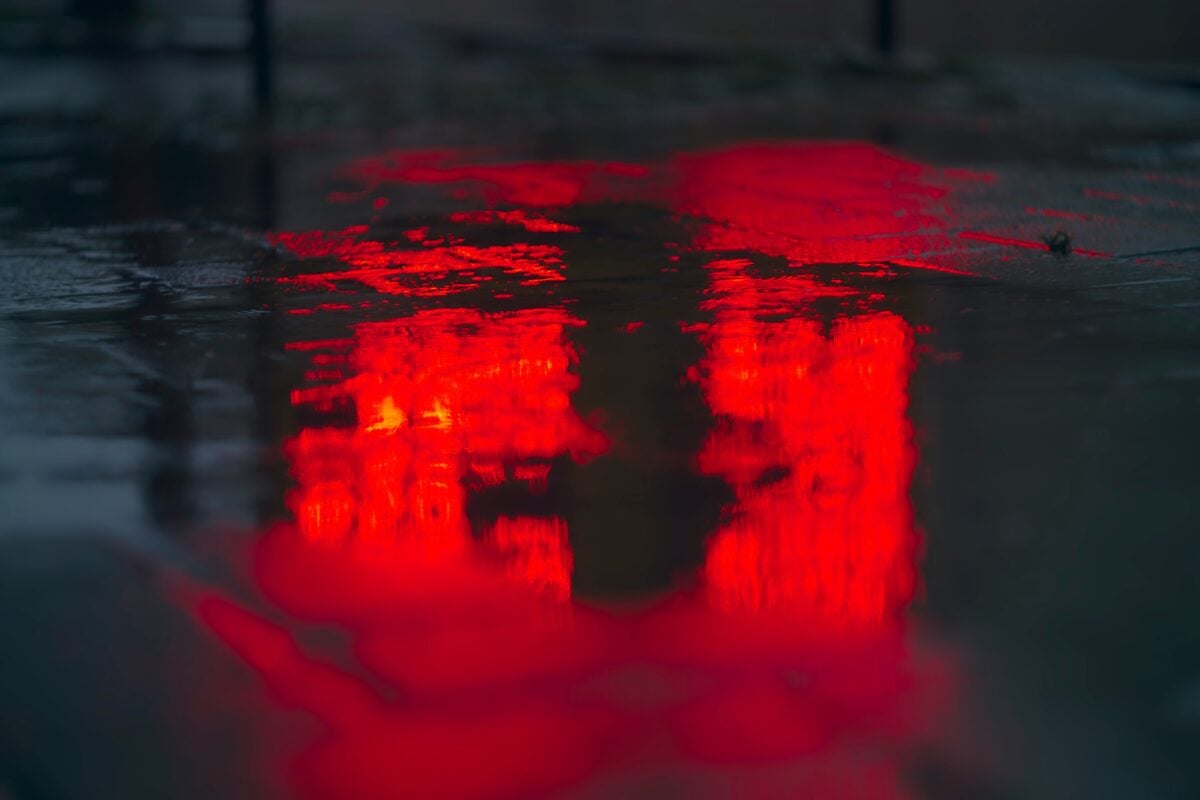
Red grabs your attention faster than any other color. Your heart rate actually increases when you look at it for more than a few seconds.
This color works well when you need a boost before a workout or an important meeting. But too much red in a bedroom or office can make you feel agitated instead of energized.
Blue calms you down immediately

Blue lowers your blood pressure and slows your breathing. Hospitals use it for this exact reason.
When you feel overwhelmed, looking at something blue—even just a photo of the ocean—can reset your nervous system. It’s why so many people feel peaceful near water.
Yellow lifts your spirits fast
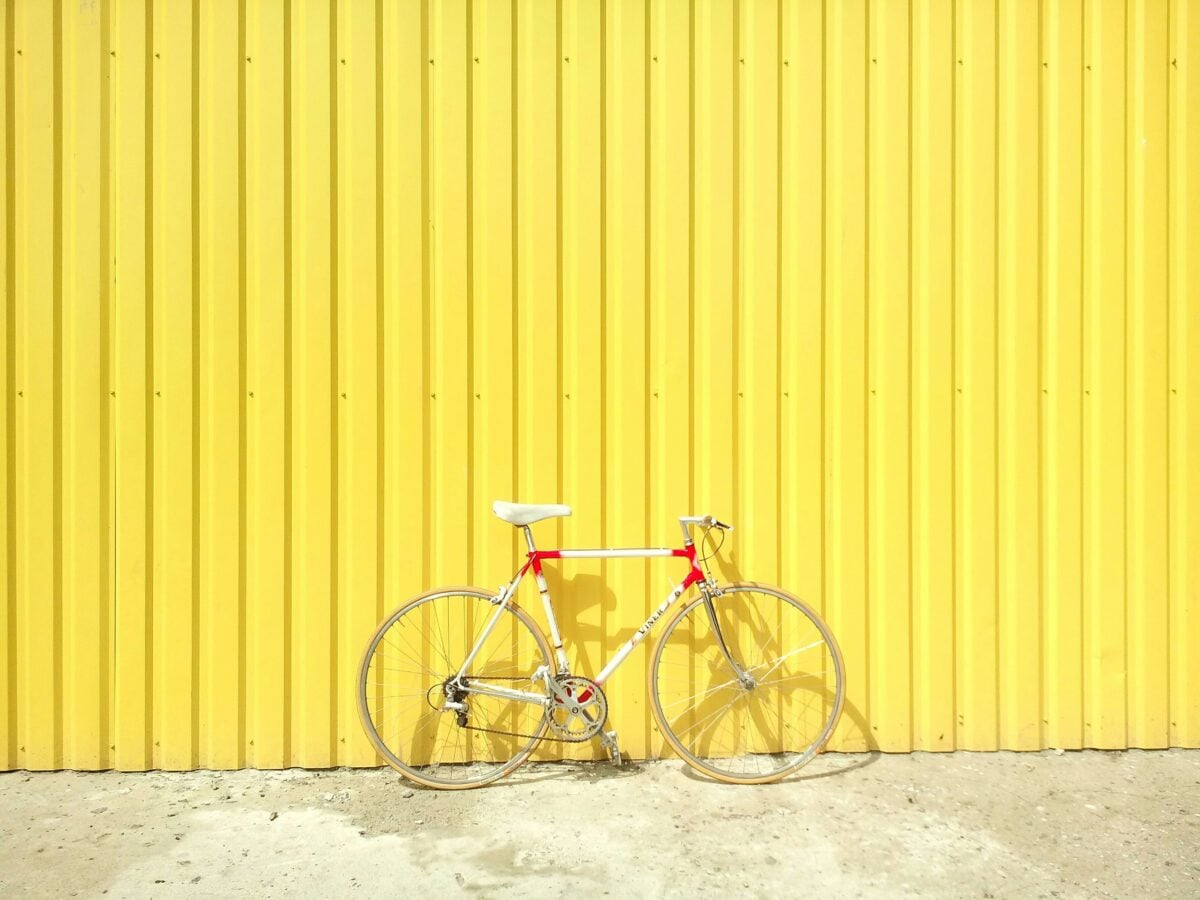
Yellow stimulates the part of your brain that produces serotonin. That’s the chemical linked to feeling happy.
A splash of yellow in your morning routine can shift your entire day. Just keep it to accents rather than covering whole walls, since too much can actually increase anxiety.
Green balances your emotions

Green sits in the middle of the color spectrum, and that physical balance translates to psychological balance. Your eyes process it with minimal strain.
Nature surrounds us with green for good reason. Even looking at plants on your desk reduces stress and improves focus within minutes.
Orange generates enthusiasm

Orange combines red’s energy with yellow’s happiness. It makes you feel more social and talkative.
This color works perfectly for spaces where you want people to connect and have fun. It also increases appetite, which explains why so many restaurants use it in their design.
Purple sparks creative thinking

Purple has long been associated with imagination and luxury. It stimulates the problem-solving parts of your brain.
When you’re stuck on a project, surrounding yourself with purple can help you think differently. Artists and writers often keep purple objects nearby for this reason.
Pink softens your mood

Pink reduces aggression and creates feelings of calm. Some prisons paint cells this color to reduce violent behavior.
The effect happens fast—within minutes of exposure. Soft pink works especially well in spaces where you want to feel nurtured and safe.
Black adds power and focus

Black makes you feel more confident and in control. It’s why people wear it to important meetings and events.
Too much black can feel heavy or depressing, but the right amount creates a sense of sophistication and authority. It also helps you concentrate by eliminating visual distractions.
White clears your mind

White gives your brain a break. It represents a blank slate and allows you to think more clearly.
Clean white spaces help you process information faster and make decisions more easily. This color also makes small rooms feel larger, which can reduce feelings of being trapped or stressed.
Gray provides stability

Gray doesn’t demand attention, which can be exactly what you need when everything feels chaotic. It grounds you without overwhelming your senses.
People often overlook gray, but it creates the perfect backdrop for processing emotions and thoughts. It’s neutral enough to let you feel whatever you need to feel.
Brown connects you to earth
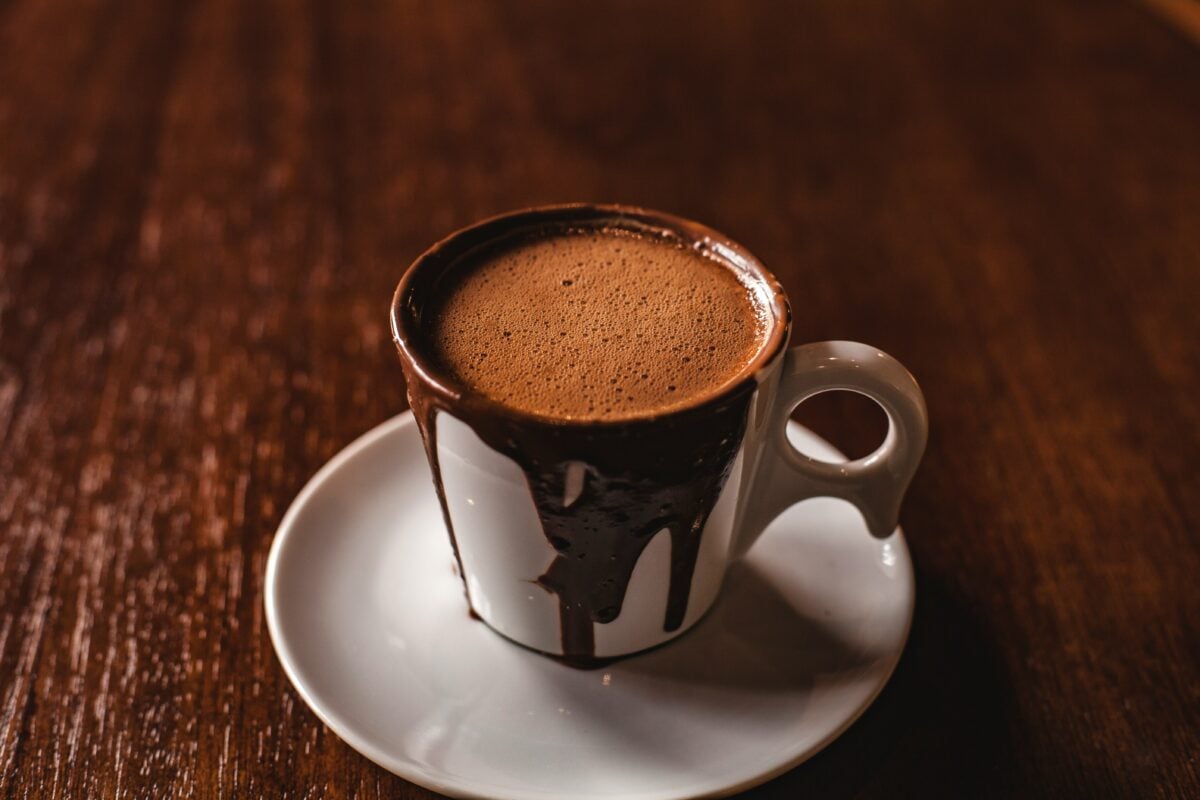
Brown makes you feel secure and supported. It’s the color of soil, wood, and stone—things that have existed long before you and will exist long after.
Warm brown tones in your space can reduce anxiety about the future. They remind you that some things remain constant no matter what changes around you.
Turquoise opens communication

Turquoise combines blue’s calm with green’s balance. It makes you more willing to express yourself honestly.
This color works well in spaces where you have difficult conversations or need to think through complex problems. It encourages clarity without the intensity of pure blue.
Coral brings playfulness

Coral feels warm and friendly without being as aggressive as red or orange. It makes you smile without trying too hard.
When you need a mood boost but don’t want to feel hyped up, coral hits the sweet spot. It’s gentle enough for everyday spaces but still adds noticeable warmth.
The colors you choose choose you back
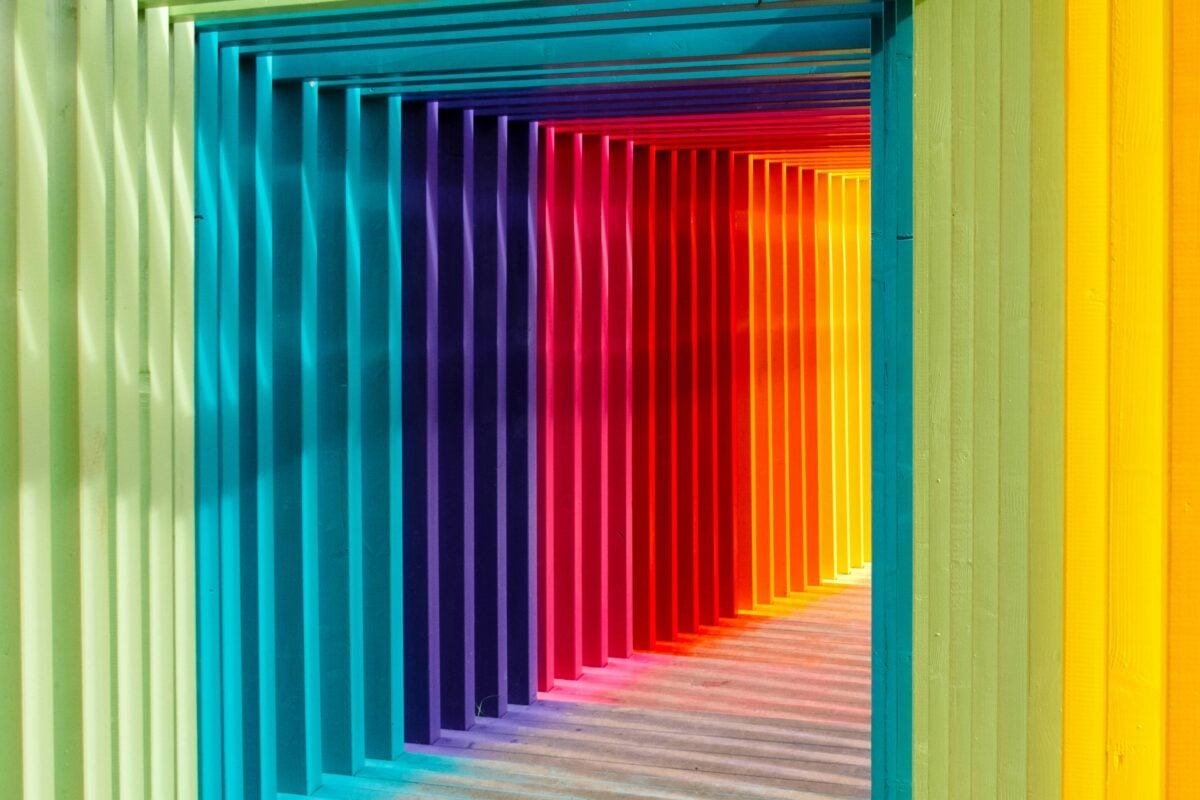
You might notice you pick some colors when feeling a certain way. It’s no accident – your mind gets what it craves.
Watch how different shades affect your mood, good or bad. Trust those gut feelings about hues, even if they don’t make sense on paper.
More from Go2Tutors!

- The Romanov Crown Jewels and Their Tragic Fate
- 13 Historical Mysteries That Science Still Can’t Solve
- Famous Hoaxes That Fooled the World for Years
- 15 Child Stars with Tragic Adult Lives
- 16 Famous Jewelry Pieces in History
Like Go2Tutors’s content? Follow us on MSN.