25 Assassinations That Completely Altered the Course of a Nation
History doesn’t always turn on elections, revolutions, or the slow grind of economics. Sometimes it turns on a single moment — a gunshot in a motorcade, a dagger in a senate chamber, a bomb beneath a carriage on a cobblestone street.
Assassinations have a way of collapsing decades of political momentum into a single afternoon, and the world that exists on the other side of that afternoon rarely resembles the one that came before. Some of these killings unleashed wars that consumed millions.
Others silenced movements that might have reshaped entire continents. A few are so familiar they’ve been reduced to trivia, their genuine horror worn smooth by repetition.
But behind each one is a nation that was heading somewhere — and then, suddenly, wasn’t.
Julius Caesar
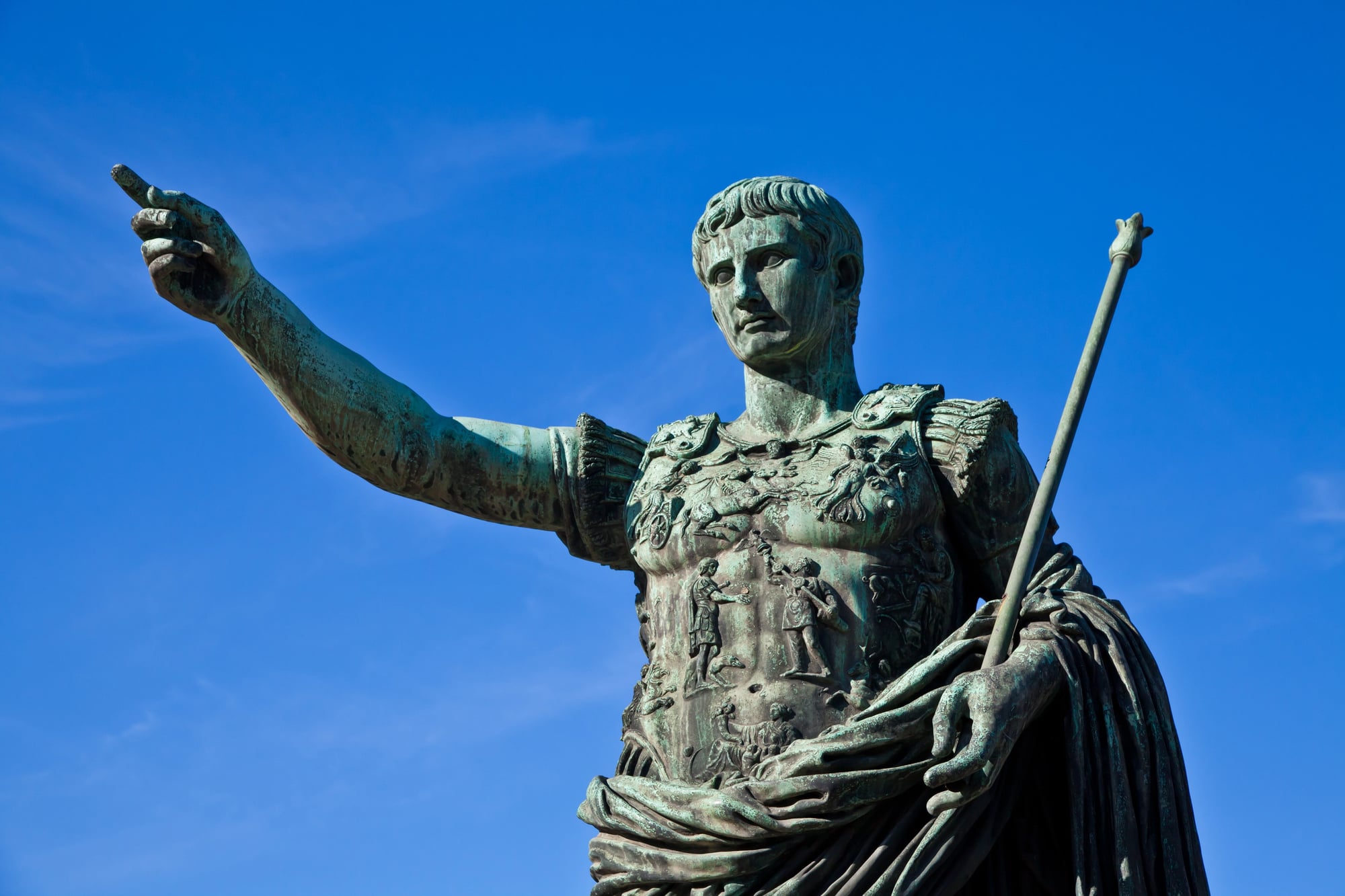
Rome was already cracking under the weight of Caesar’s ambition, but the senators who stabbed him on March 15, 44 BCE, believed they were saving a republic. They weren’t.
The killing didn’t restore anything — it ignited a succession of civil wars that finished off the Roman Republic entirely and handed power to Augustus, the first emperor.
Abraham Lincoln
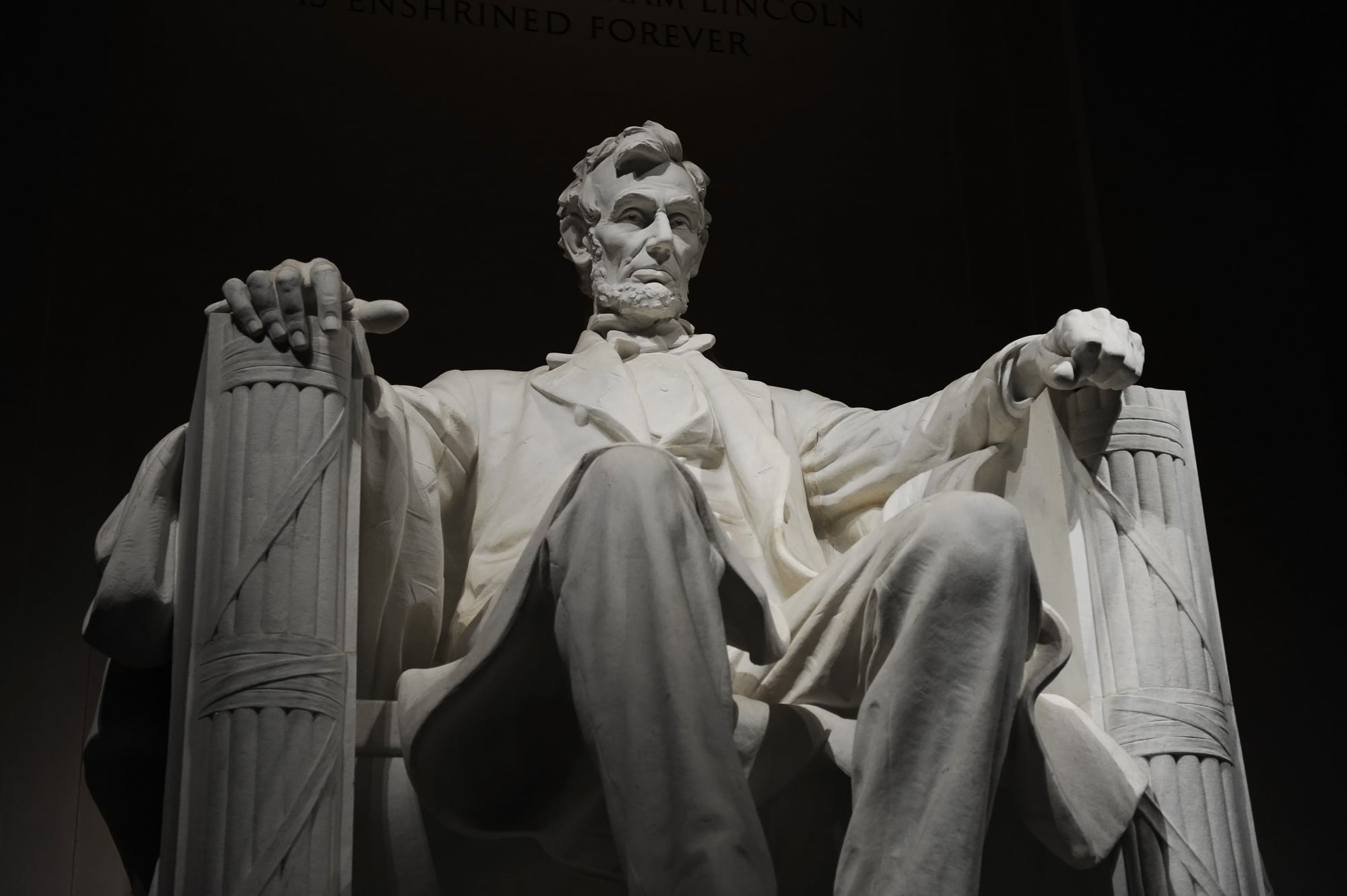
Lincoln’s murder on April 14, 1865, didn’t just end a presidency — it ended the most plausible version of a humane Reconstruction. The man who replaced him, Andrew Johnson, systematically dismantled federal protections for formerly enslaved people, and the political window that Lincoln might have held open slammed shut with consequences that echoed for more than a century.
Archduke Franz Ferdinand
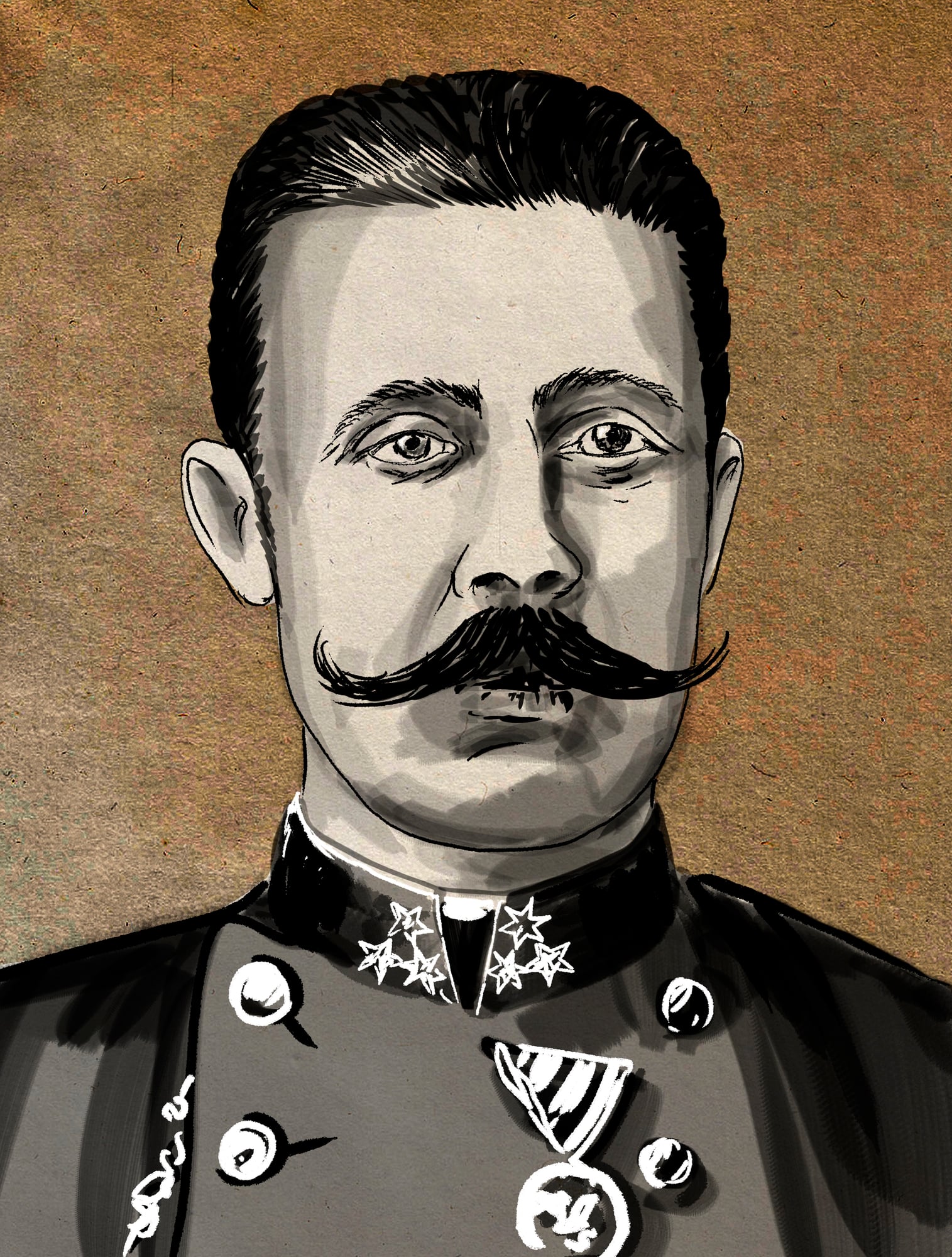
The assassination of Franz Ferdinand in Sarajevo on June 28, 1914 — carried out by Gavrilo Princip, a 19-year-old Bosnian Serb nationalist — is the killing that most directly produced a world war, which is saying something for a single pistol shot on a city street. What followed was a chain of mobilizations, ultimatums, and declarations so swift and so catastrophic that historians still argue about whether anyone in Europe actually wanted what they got.
Somewhere between 17 and 20 million people died.
Mahatma Gandhi
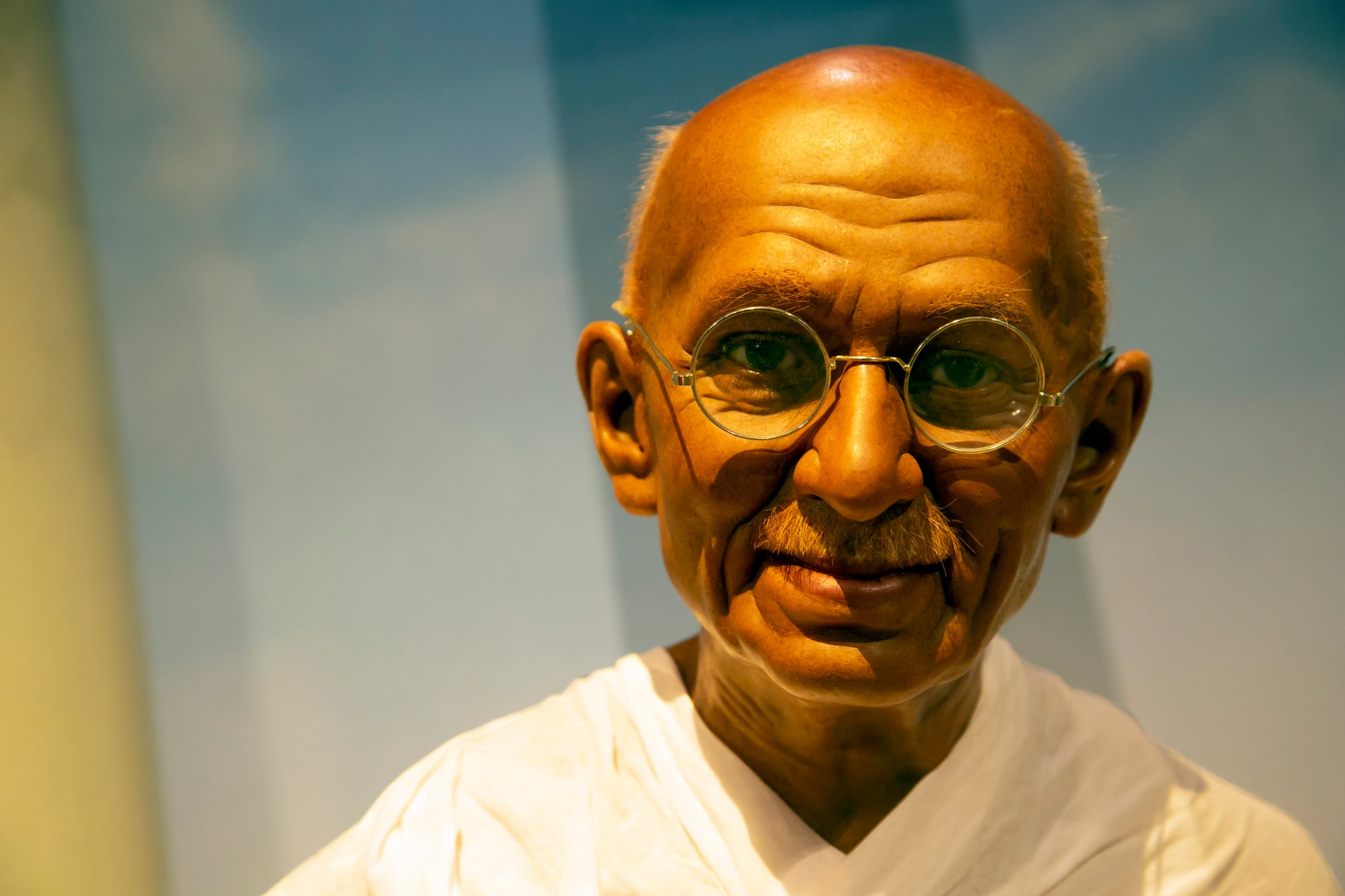
Gandhi’s assassination in January 1948, less than six months after Indian independence, removed the one figure with genuine moral authority over the violence tearing the subcontinent apart. Nathuram Godse, a Hindu nationalist who despised Gandhi’s insistence on Hindu-Muslim reconciliation, pulled the trigger and in doing so guaranteed that the partition’s wounds would fester without the one voice capable of calling people back toward something better.
John F. Kennedy
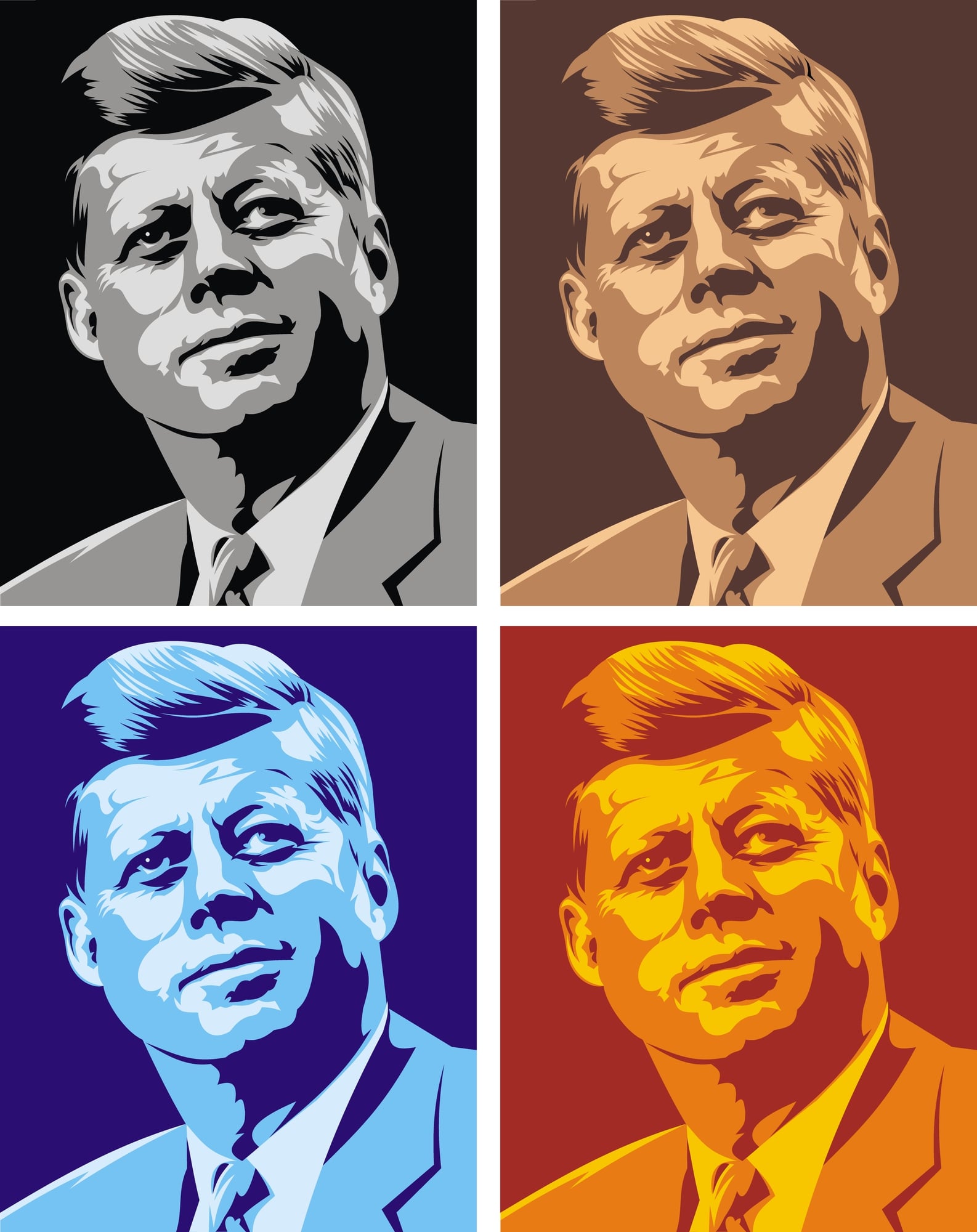
Kennedy’s assassination is the one that won’t stay buried — not because the facts are so elusive, but because the gap between who he was and who people needed him to be has never quite closed. Shot in Dallas on November 22, 1963, he left behind a country in the middle of several crises — civil rights, Vietnam, Cold War brinksmanship — that his successor would handle very differently.
And yet the mythology grew so large it eventually obscured the actual man, which is its own kind of strange monument.
Martin Luther King Jr.
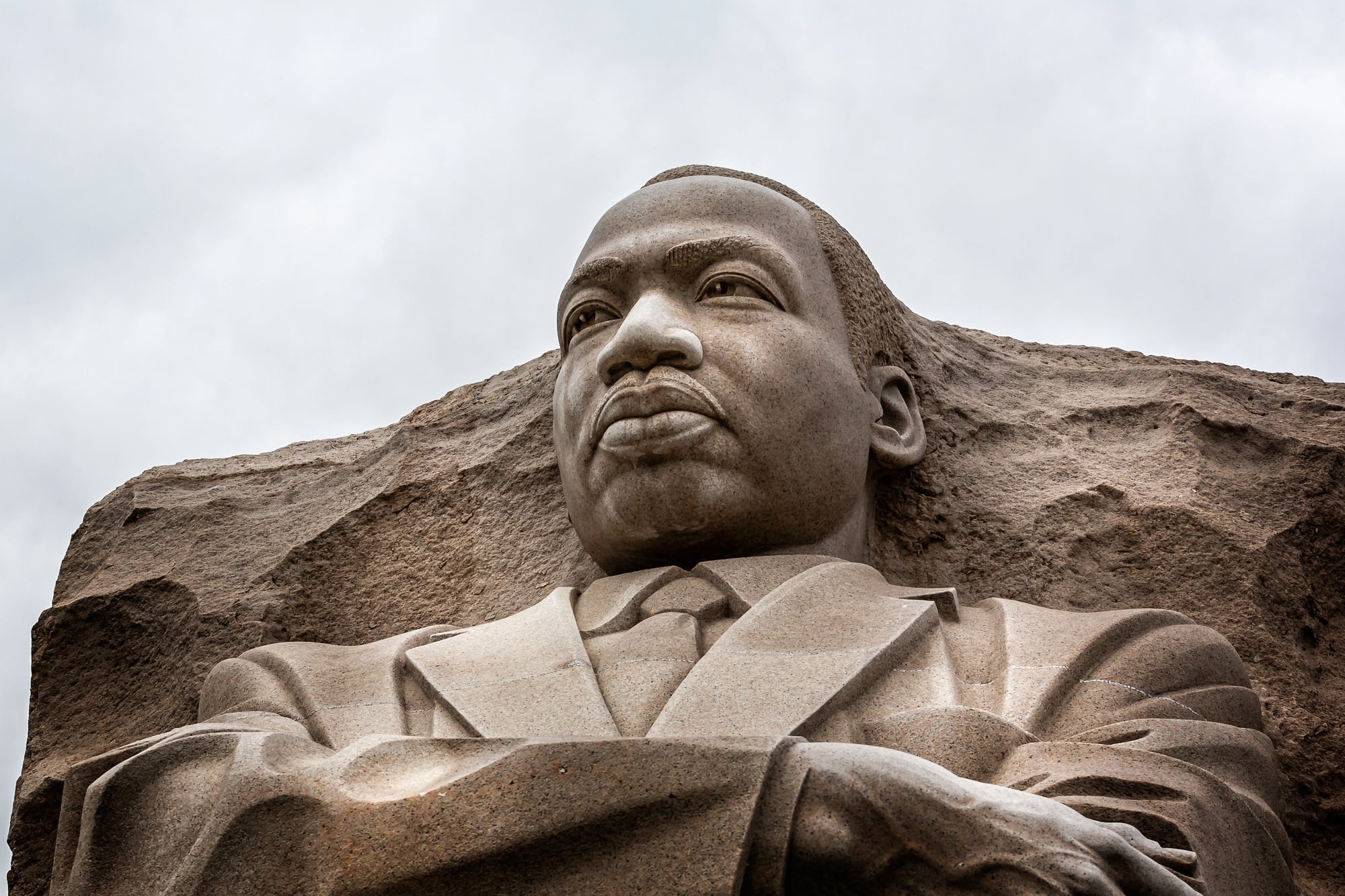
The murder of Martin Luther King Jr. on April 4, 1968, didn’t just silence a voice — it broke something structural in the civil rights movement that never fully repaired. The rage that followed his death in Memphis burned through more than 100 American cities, and the political backlash hardened in ways that shaped domestic policy for decades.
King was 39.
Robert F. Kennedy
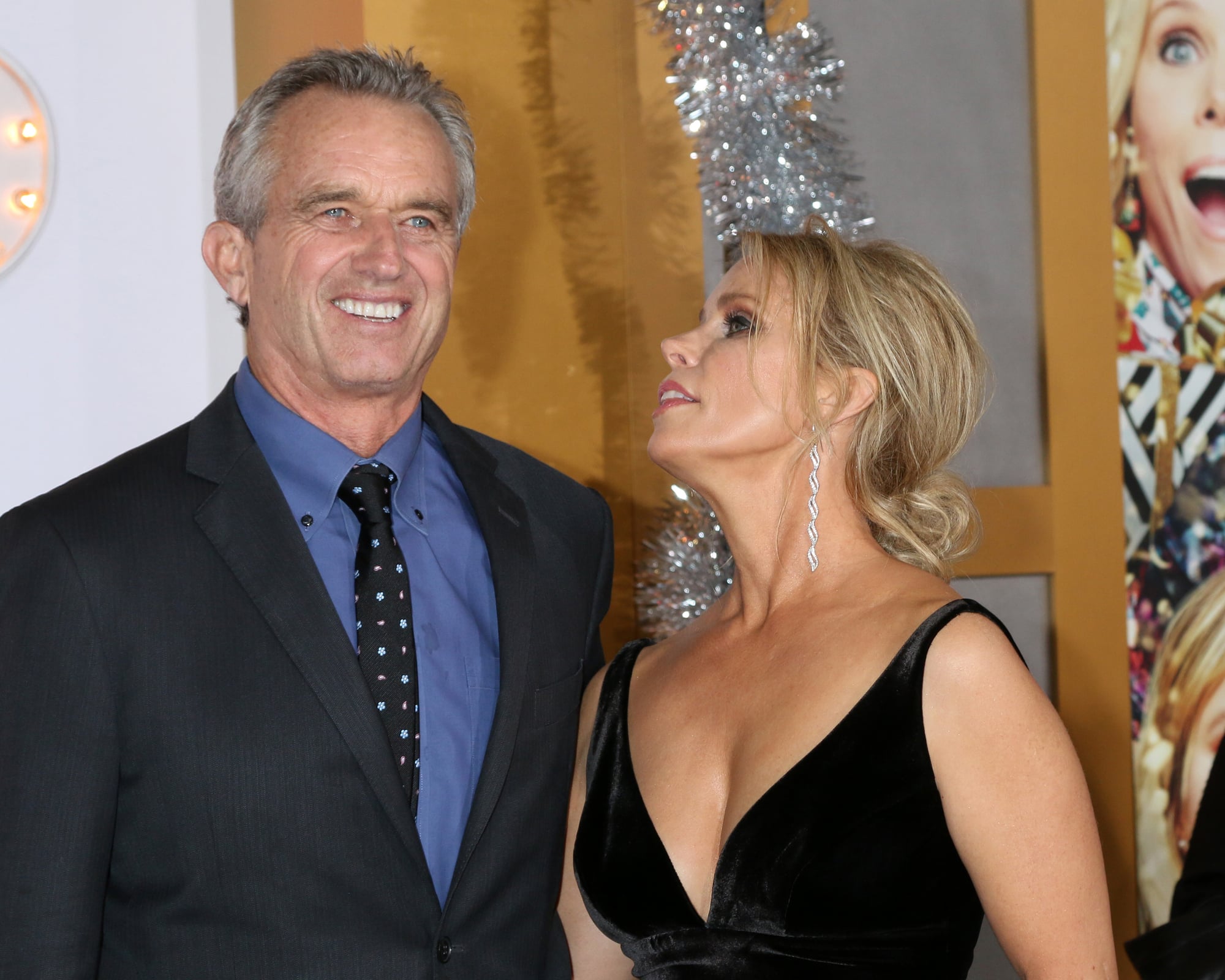
Robert Kennedy was shot on June 5, 1968, just minutes after winning the California Democratic primary, and the trajectory of that election — and possibly the Vietnam War — bent sharply in that moment. The 1968 Democratic Convention became a disaster.
Richard Nixon won the presidency. And Vietnam dragged on for seven more years.
Patrice Lumumba
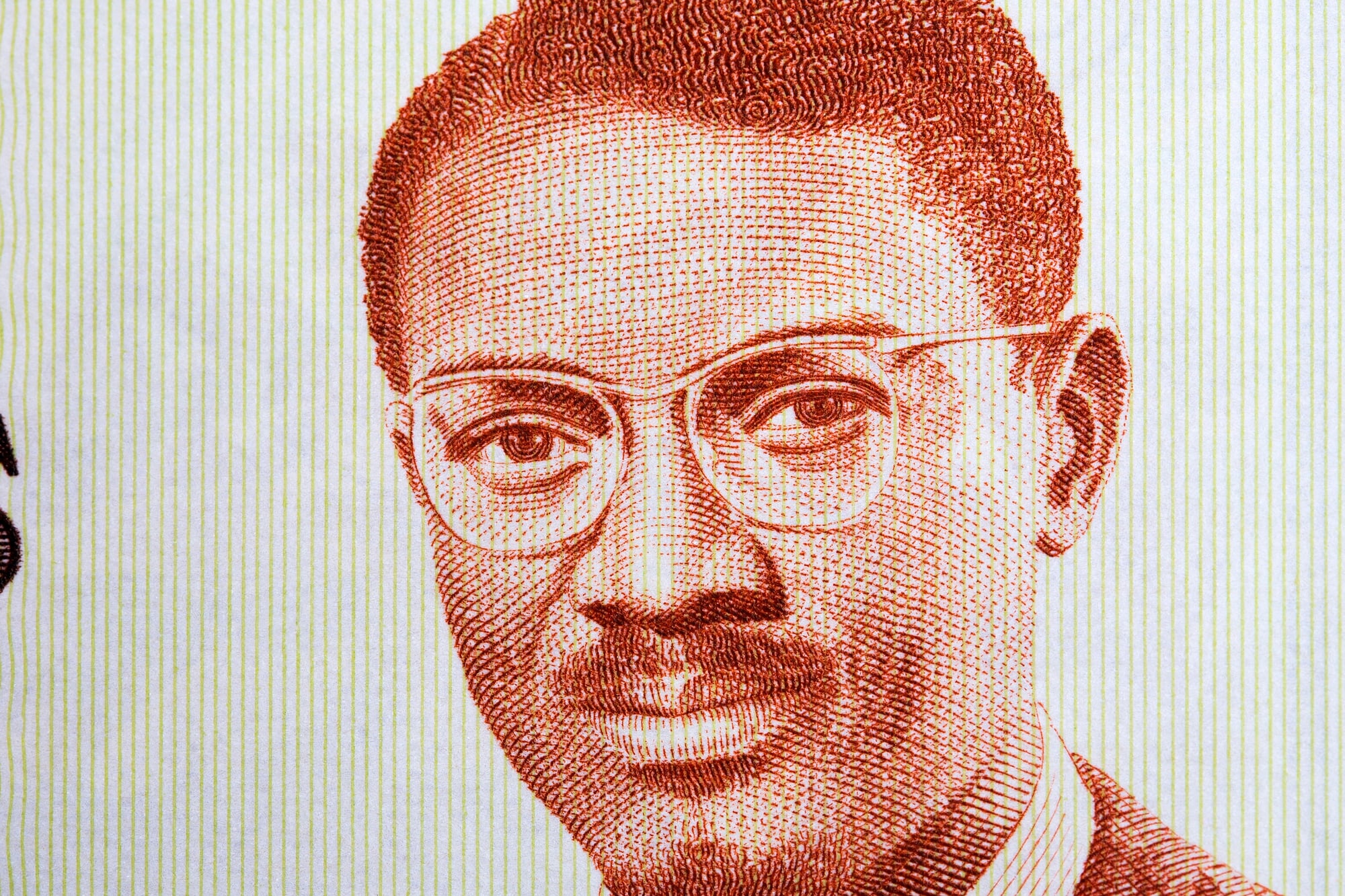
Lumumba was the first democratically elected Prime Minister of the Democratic Republic of Congo, and he lasted roughly ten weeks in office before being deposed and, in January 1961, executed — with the involvement of Belgian and American intelligence services, a fact confirmed decades later by declassified documents. Congo’s subsequent decades under Mobutu Sese Seko, one of the most extractive and brutal dictatorships in African history, represent the clearest possible picture of what his removal cost.
Anwar Sadat
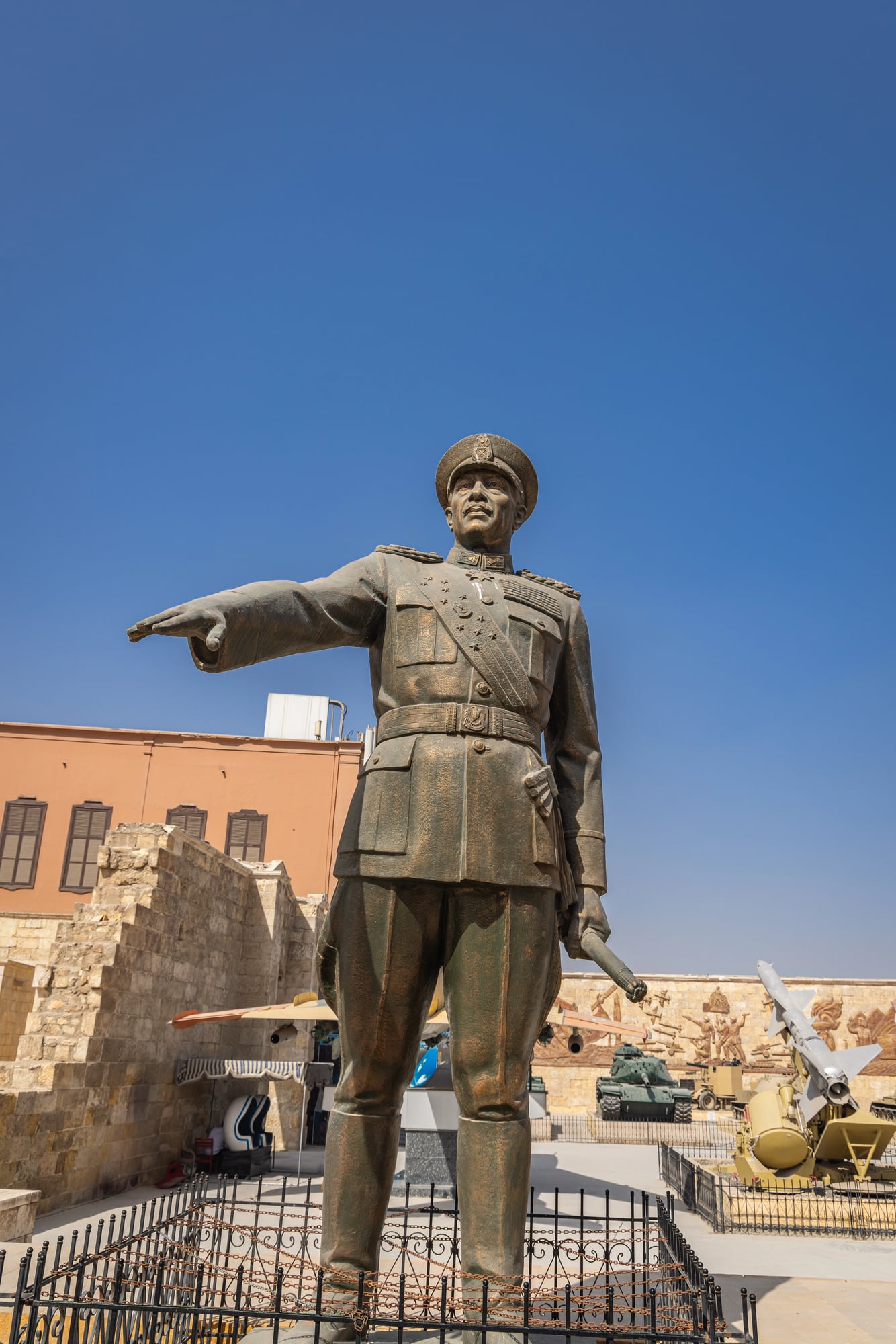
Sadat was killed by Egyptian Islamic Jihad members during a military parade on October 6, 1981 — the eighth anniversary of the October War — and the irony is that he was assassinated partly because of the peace he’d made with Israel, the same peace that earned him the Nobel Prize. Egypt’s direction under Hosni Mubarak grew considerably more authoritarian and considerably less bold.
The Camp David Accords held, but the vision behind them essentially stopped.
Yitzhak Rabin
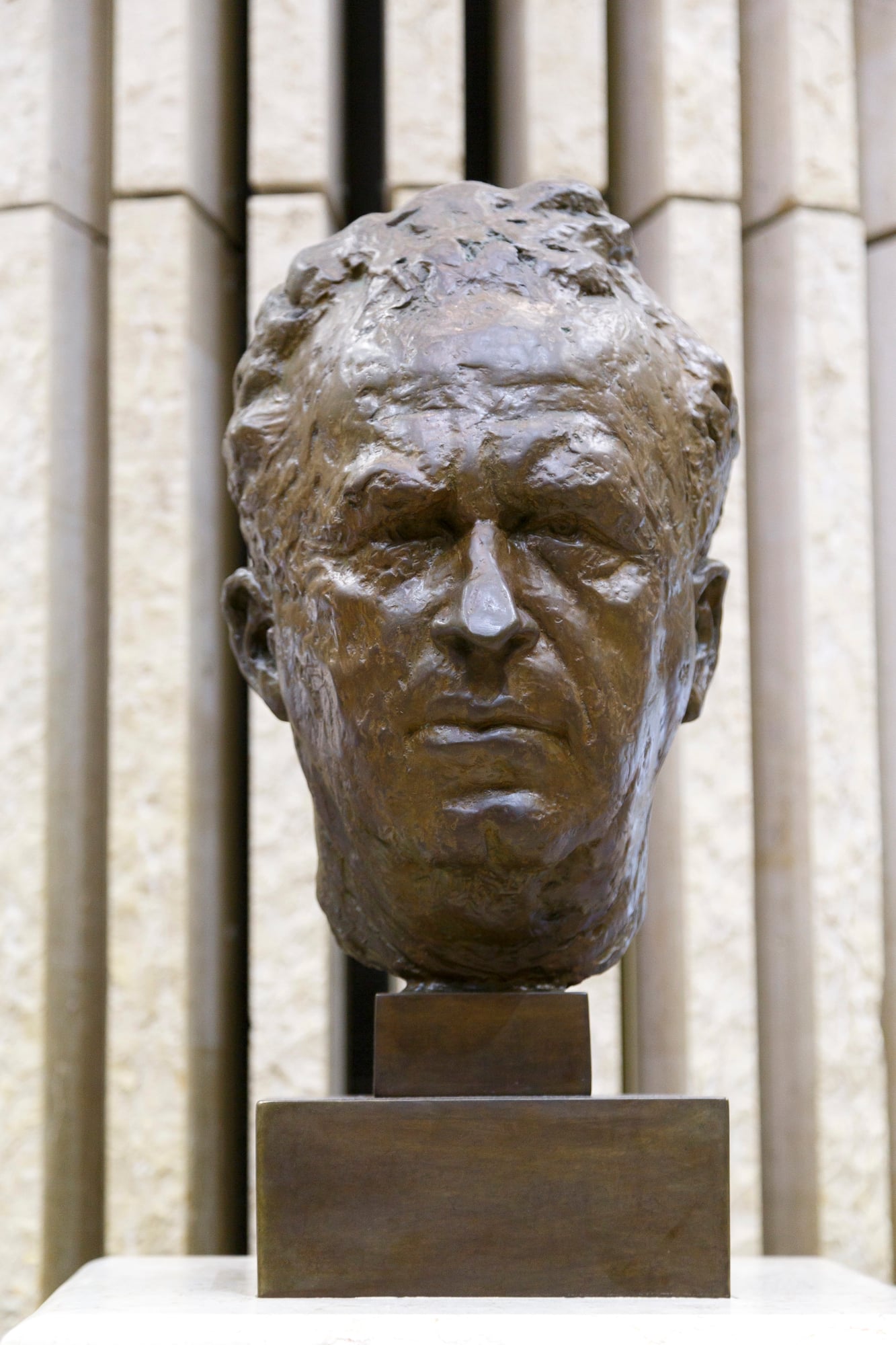
Yitzhak Rabin was shot dead at a peace rally in Tel Aviv on November 4, 1995, by Yigal Amir, an Israeli far-right extremist who believed he was acting on religious law. The Oslo peace process, fragile and contested as it was, lost its most credible Israeli advocate at the exact moment it needed him most.
The two-state solution has never come closer to reality than it was in that period — and it has been moving in the opposite direction ever since.
Indira Gandhi
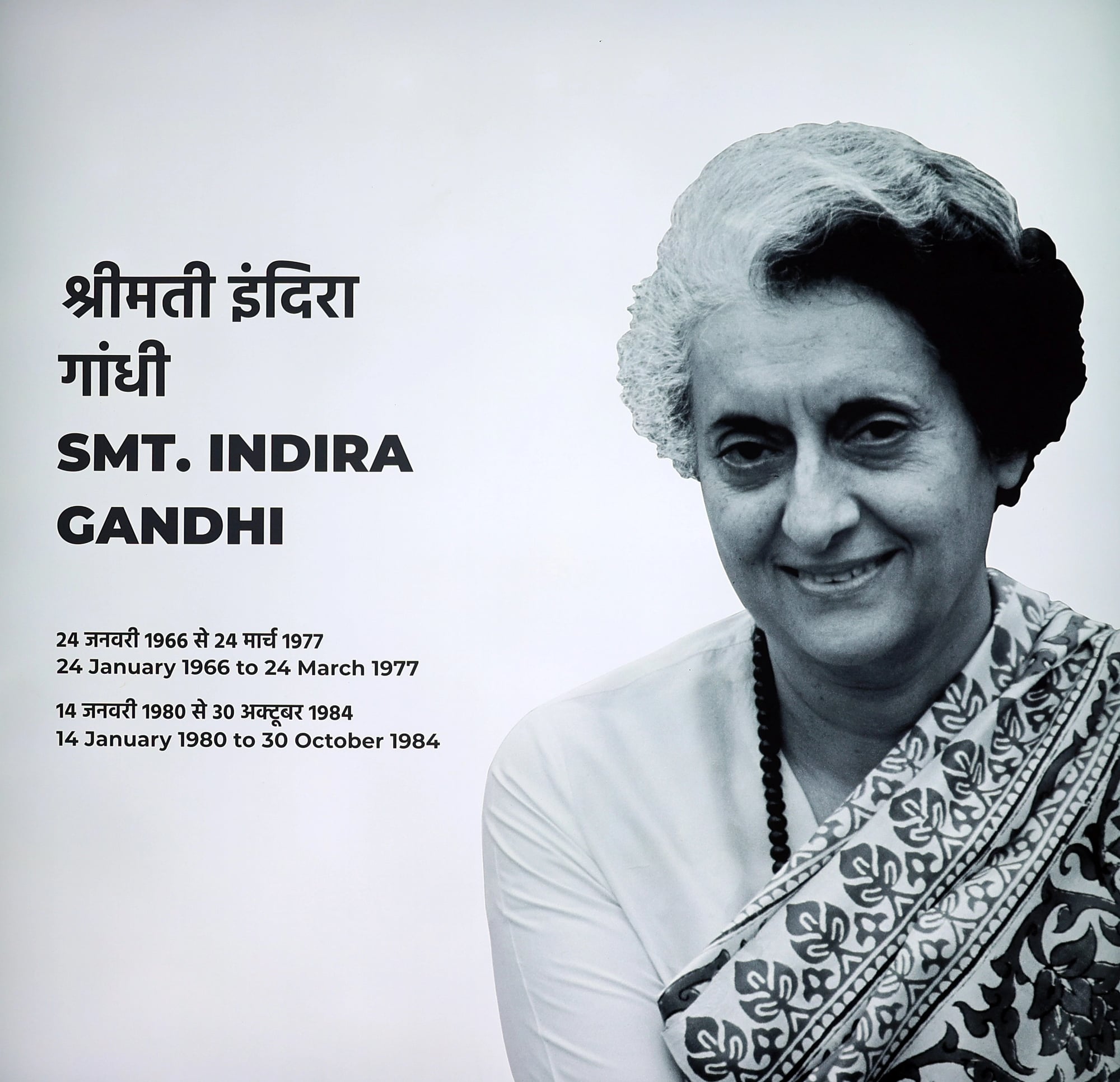
India’s Prime Minister Indira Gandhi was assassinated by two of her own Sikh bodyguards on October 31, 1984, in retaliation for her authorization of Operation Blue Star — a military assault on the Golden Temple in Amritsar that left hundreds dead. What followed her killing was an anti-Sikh pogrom in which thousands of civilians were murdered across India, many with the tacit complicity of Congress Party officials.
Her death created a wound in Indian pluralism that never entirely healed.
Rajiv Gandhi
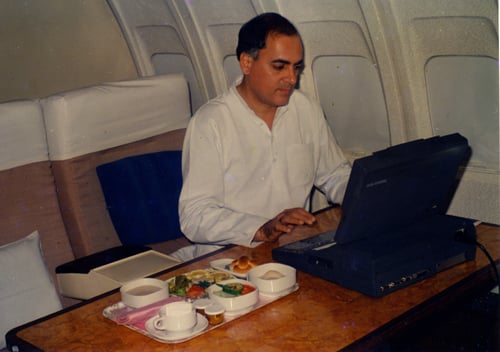
Rajiv Gandhi, who succeeded his mother as Prime Minister and was later voted out of office, was killed by a Tamil Tiger bomber during a campaign rally in Tamil Nadu on May 21, 1991. It was a killing that collapsed both a political comeback and any remaining Indian leverage over the Sri Lankan civil war — a conflict that would grind on for another 18 years and end in mass civilian slaughter.
Chris Hani
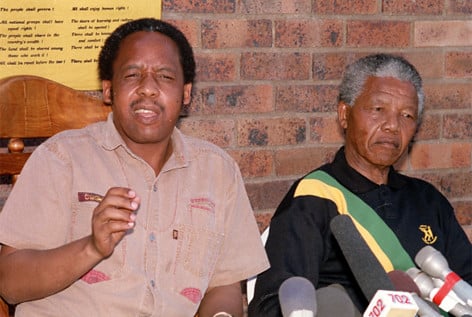
Chris Hani — leader of the South African Communist Party, chief of staff of Umkhonto we Sizwe, and one of the most beloved figures in the anti-apartheid movement — was shot outside his home on April 10, 1993, by a Polish immigrant with ties to the far right. South Africa came closer to racial civil war in the days that followed than at almost any other point in the transition away from apartheid.
Nelson Mandela, not the sitting white government, was the figure who managed to pull the country back from the edge.
Benazir Bhutto
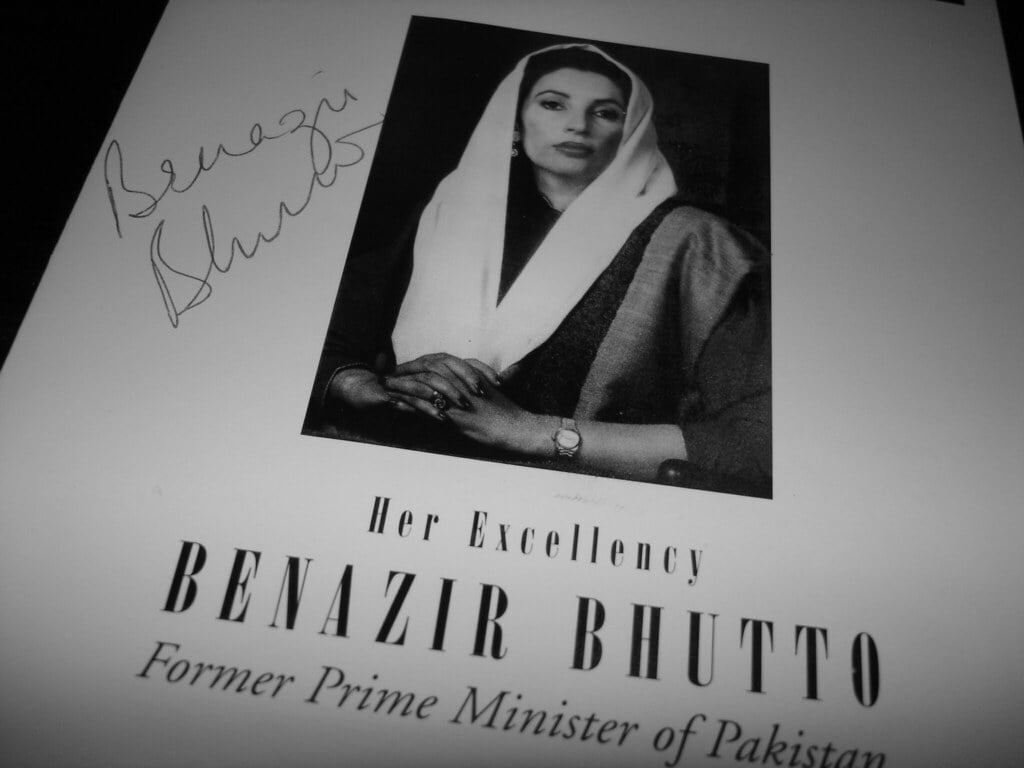
Pakistan’s former Prime Minister Benazir Bhutto was killed on December 27, 2007, at a campaign rally in Rawalpindi — a killing that detonated Pakistan’s already unstable political landscape and handed the forces of extremism a propaganda victory they didn’t have to work hard to exploit. She was the first woman elected to lead a Muslim-majority nation, and her return to Pakistan after years in exile had been, in many people’s minds, a last serious attempt at democratic stability.
That attempt ended in a blast and a crowd running in every direction.
Thomas Sankara
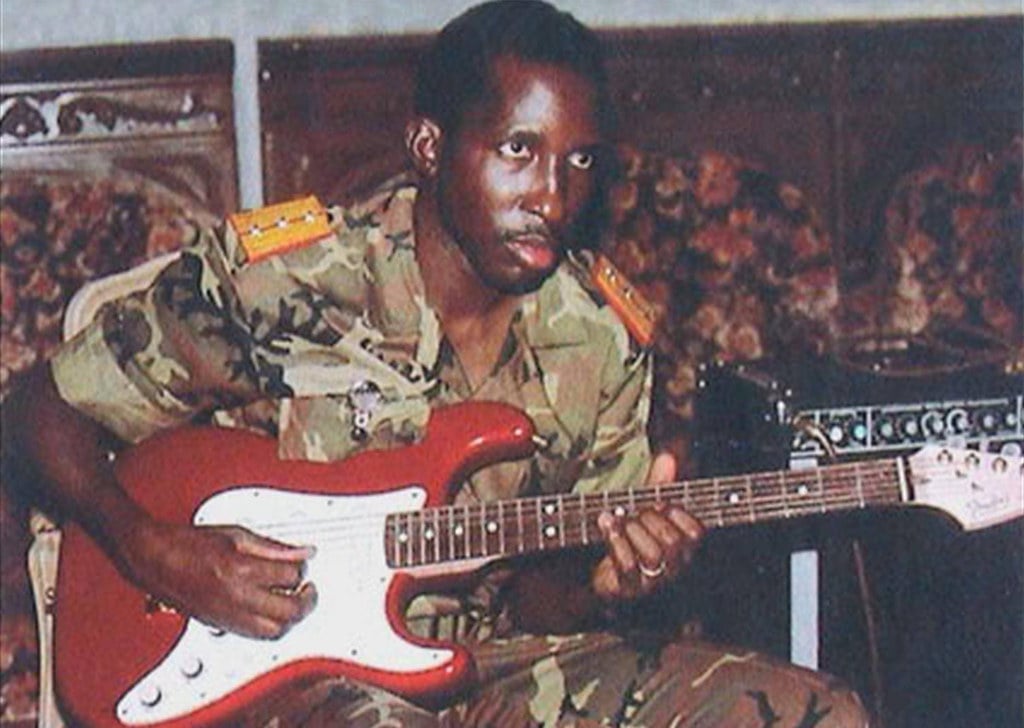
Sankara led Burkina Faso for just four years before being shot on October 15, 1987, in a coup orchestrated by his former friend Blaise Compaoré — who then ruled the country for 27 years. In those four years, Sankara had vaccinated 2.5 million children against meningitis and yellow fever in a single week, planted millions of trees to halt desertification, and made Burkina Faso nearly food self-sufficient.
The man who killed him dismantled all of it.
Olof Palme
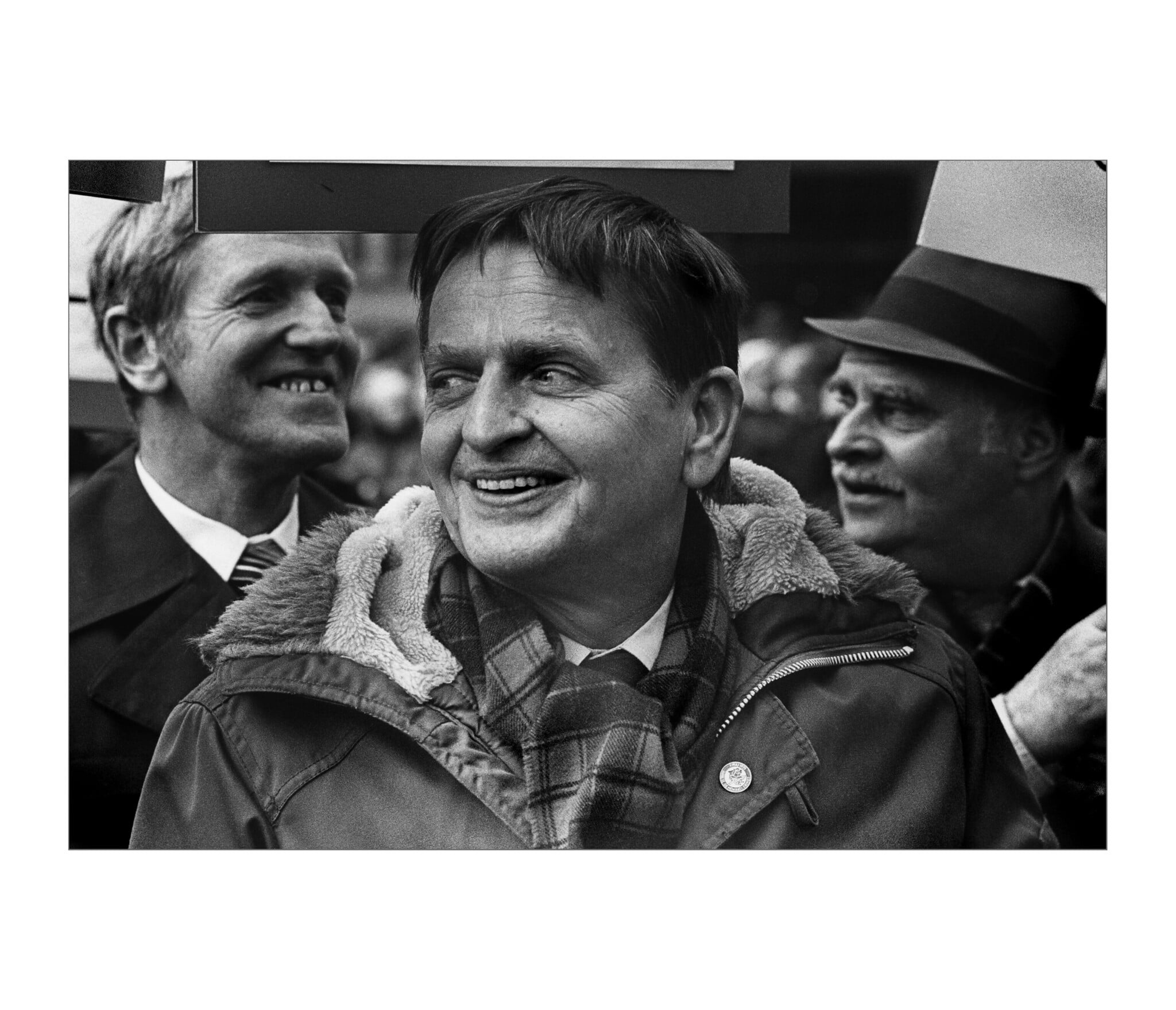
Sweden’s Prime Minister Olof Palme was shot dead on a Stockholm street on February 28, 1986, while walking home from the cinema with his wife — no security detail, no armored car, just a man and his wife on an ordinary Friday night. The killing shattered Sweden’s particular self-image as a safe, open, functional society in a way the country is still, arguably, processing.
The case remained officially unsolved for 34 years.
Solomon Bandaranaike
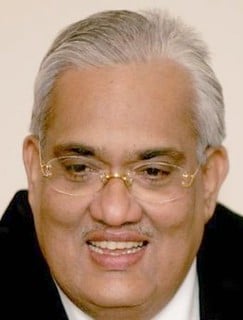
Ceylon’s Prime Minister S.W.R.D. Bandaranaike was shot by a Buddhist monk on September 25, 1959 — which was already a strange enough fact — and his death removed a figure whose ethnic nationalist policies had already inflamed Tamil-Sinhalese tensions, but whose political successors made those tensions considerably worse. The civil war that eventually consumed Sri Lanka for 26 years traces a long, credible line back through the political instability his assassination accelerated.
His wife, Sirimavo Bandaranaike, became the world’s first female head of government after his death.
Park Chung-hee
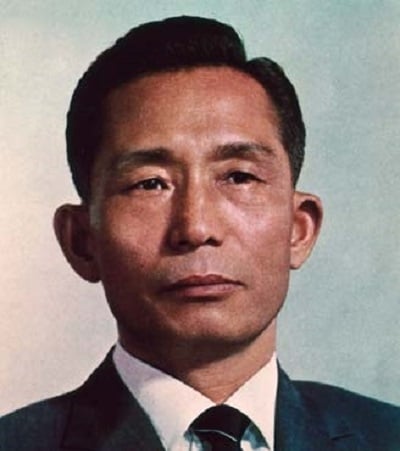
South Korea’s authoritarian President Park Chung-hee was shot dead on October 26, 1979, by the director of his own intelligence service, Kim Jae-gyu, during a private dinner — a killing that was simultaneously a coup, a personal dispute, and a political crisis all at once. Park had presided over South Korea’s economic transformation while running one of Asia’s more repressive governments, and his death opened a brief democratic moment that was rapidly closed by another general, Chun Doo-hwan, within months.
Musa Sadr
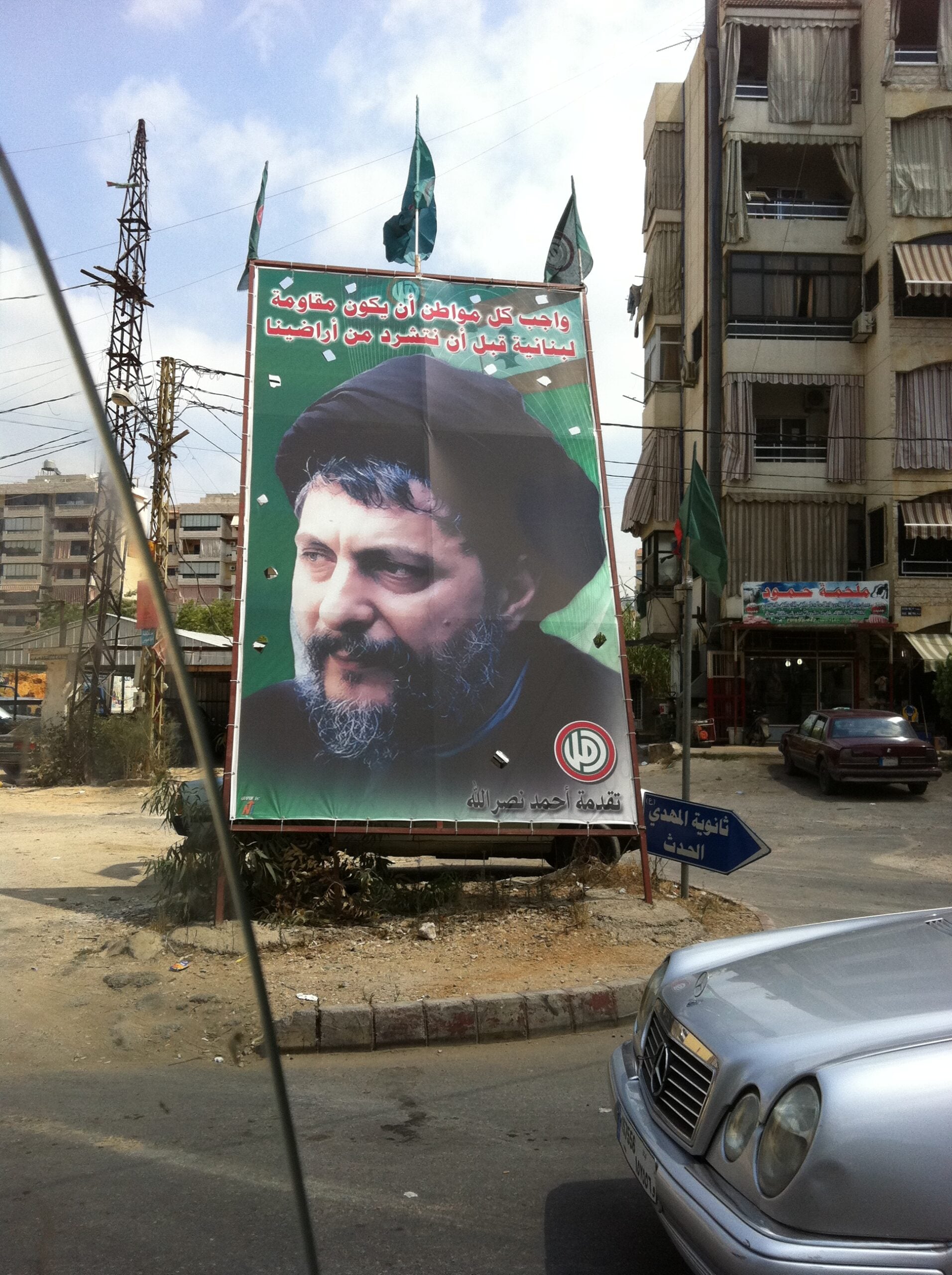
The Lebanese Shia cleric Imam Musa Sadr disappeared on August 31, 1978, during a visit to Libya — almost certainly killed on Muammar Gaddafi’s orders, though his body was never found and Libya never admitted it. Sadr had been the central moderating force within Lebanese Shia politics, a figure explicitly opposed to sectarian violence, and his disappearance created a vacuum that more radical movements — eventually including Hezbollah — moved to fill.
Lebanon has never had a comparable figure since.
Georgi Markov
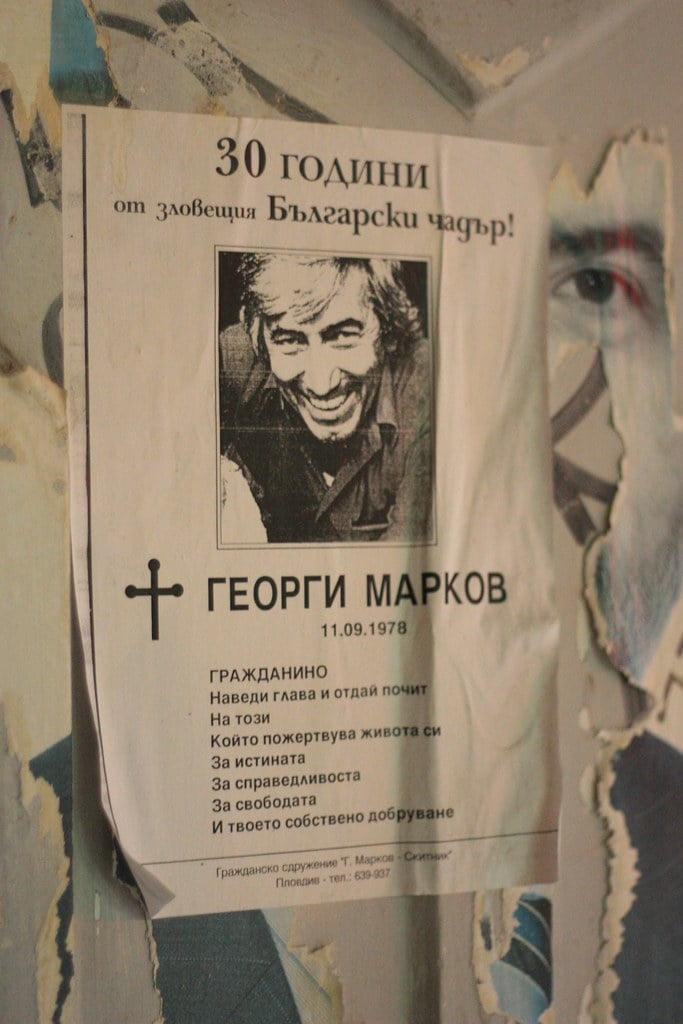
Bulgarian dissident Georgi Markov was killed on a London bridge on September 11, 1978, by a ricin pellet fired from a modified umbrella — a method so theatrical it sounds invented, except that British forensic pathologists confirmed it. The killing was carried out by the Bulgarian secret police with probable KGB assistance, and it remains one of the most brazen state-sanctioned murders ever carried out on British soil.
It established, with grim clarity, exactly how far the Eastern Bloc was willing to reach.
Rafik Hariri
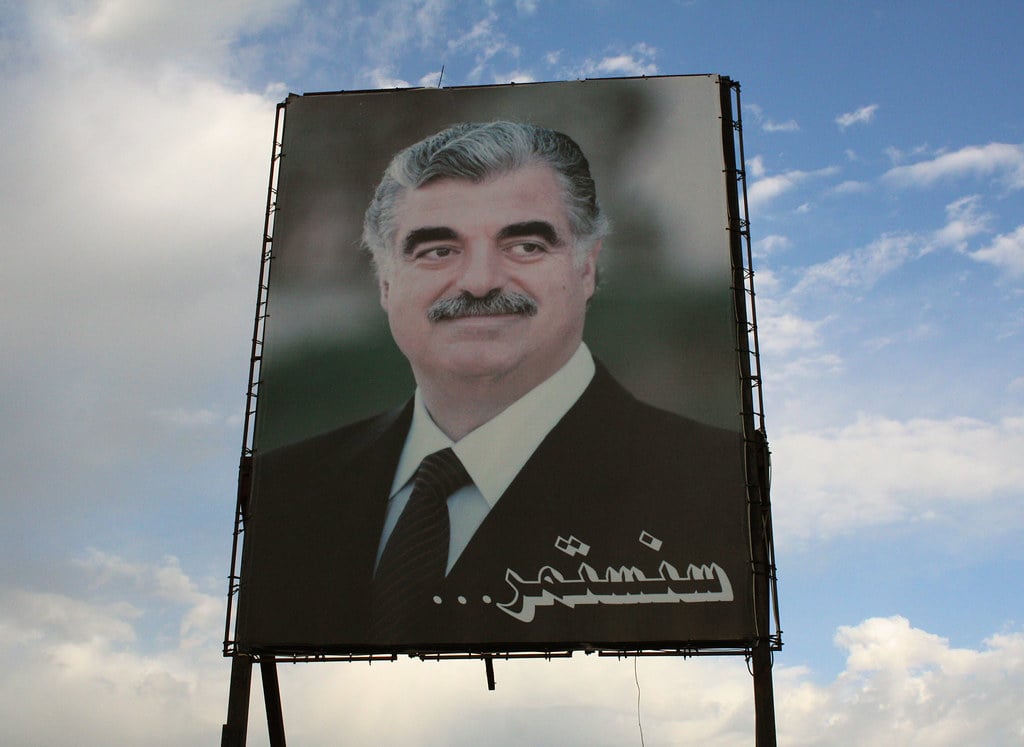
Lebanon’s former Prime Minister Rafik Hariri was killed in a massive truck bomb explosion in Beirut on February 14, 2005, along with 21 others. The killing ignited the Cedar Revolution — weeks of mass protests that forced Syrian troops to withdraw from Lebanon after a 29-year military presence.
A UN-backed tribunal eventually implicated members of Hezbollah, though convictions were secured only in absentia.
Benigno Aquino Jr.
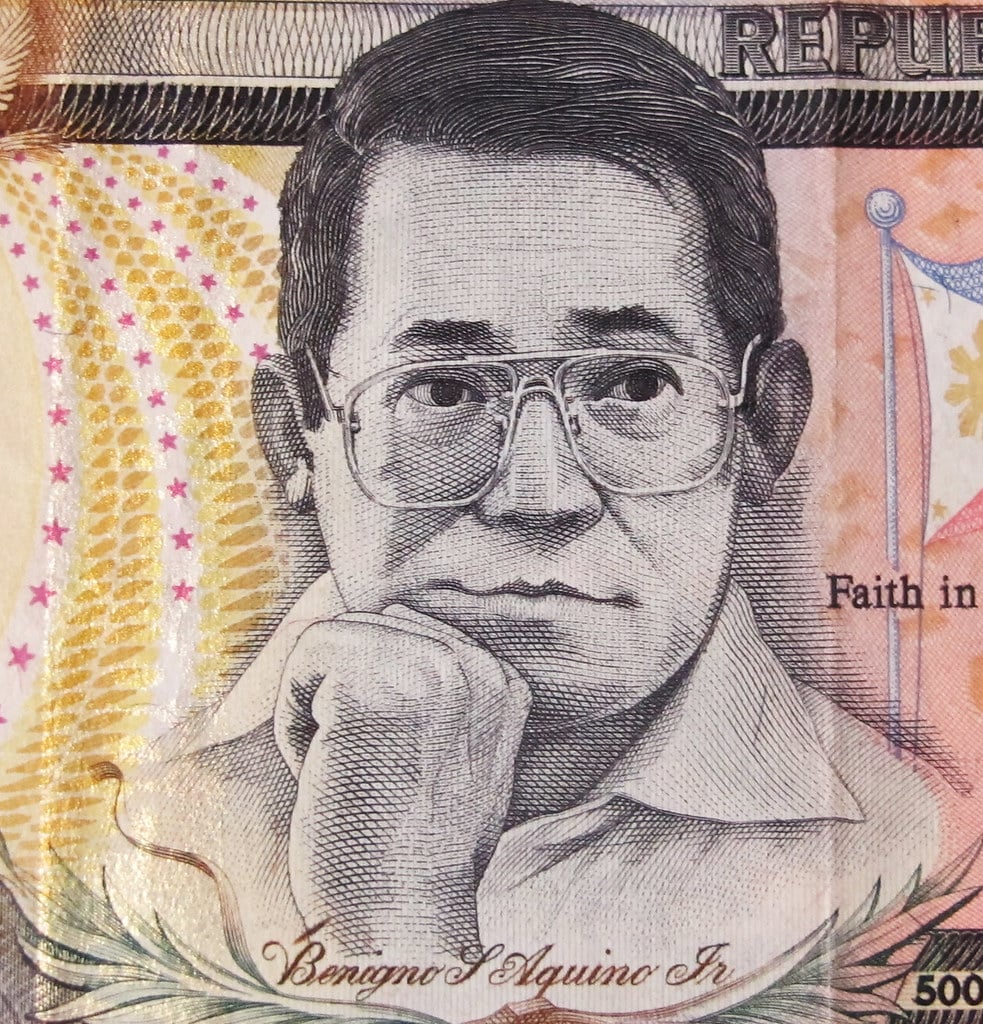
Filipino opposition leader Benigno “Ninoy” Aquino Jr. was shot on the tarmac of Manila International Airport on August 21, 1983, the moment he stepped off a plane after years of exile — killed, in full view of journalists and photographers, before he could even leave the airport. The brazenness of it galvanized opposition to Ferdinand Marcos in a way that years of quieter repression hadn’t.
His wife, Corazon Aquino, eventually led the People Power Revolution that ousted Marcos in 1986.
Hassan al-Banna
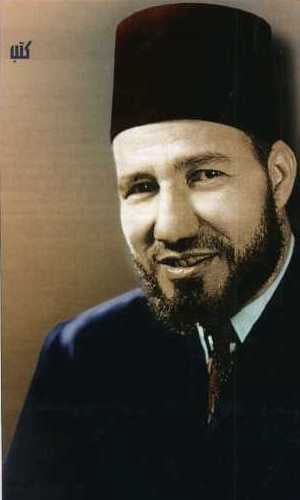
Hassan al-Banna, the founder of the Muslim Brotherhood, was killed by Egyptian government agents in Cairo in February 1949 — a killing that removed the man who might have shaped the organization’s direction but did nothing to stop the organization itself. Al-Banna had built one of the 20th century’s most enduring political movements, and his death turned him into a martyr whose writings and ideas spread throughout the Arab world long after he was gone.
Movements are harder to assassinate than people.
Walter Rodney
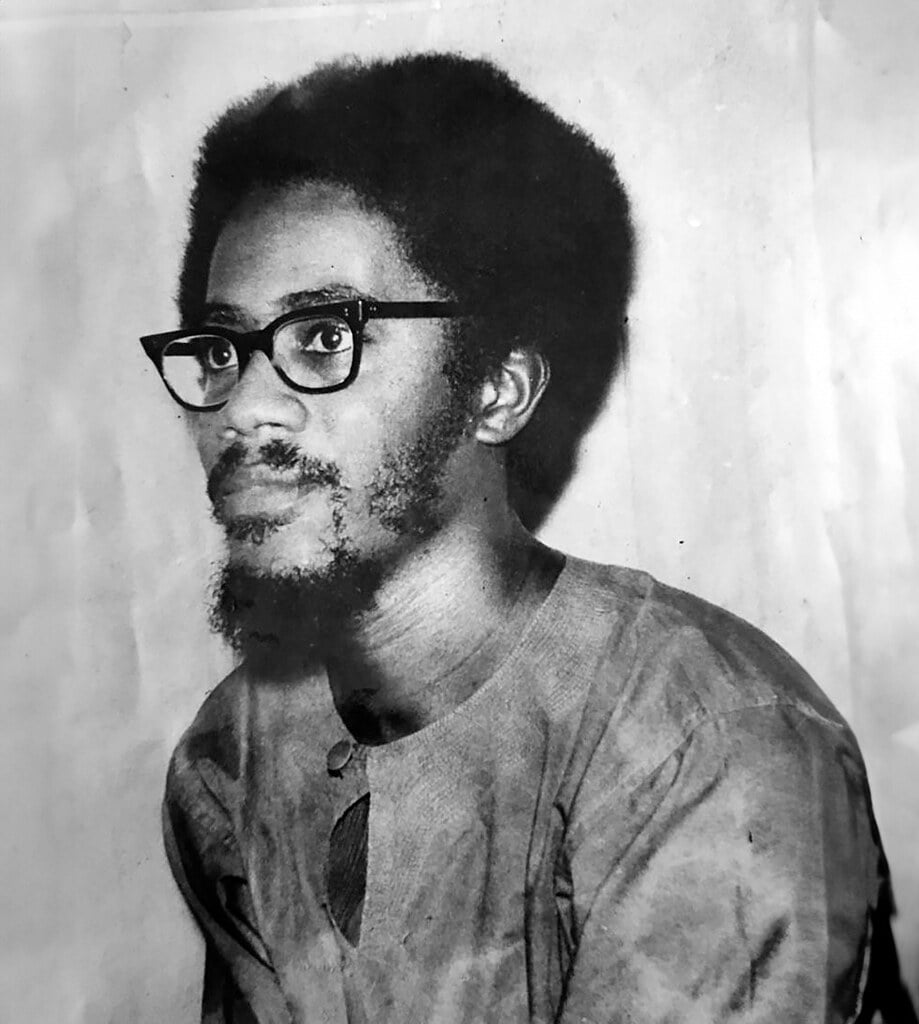
Guyanese historian and political activist Walter Rodney was killed by a bomb on June 13, 1980, in Georgetown — a killing widely attributed to the government of Forbes Burnham, though official acknowledgment came only decades later. Rodney was 38 years old, the author of “How Europe Underdeveloped Africa,” one of the most widely read works of anti-colonial scholarship, and the most credible opposition figure Guyana had.
His death left a political and intellectual gap in Caribbean and African radical thought that simply wasn’t filled.
Dag Hammarskjöld
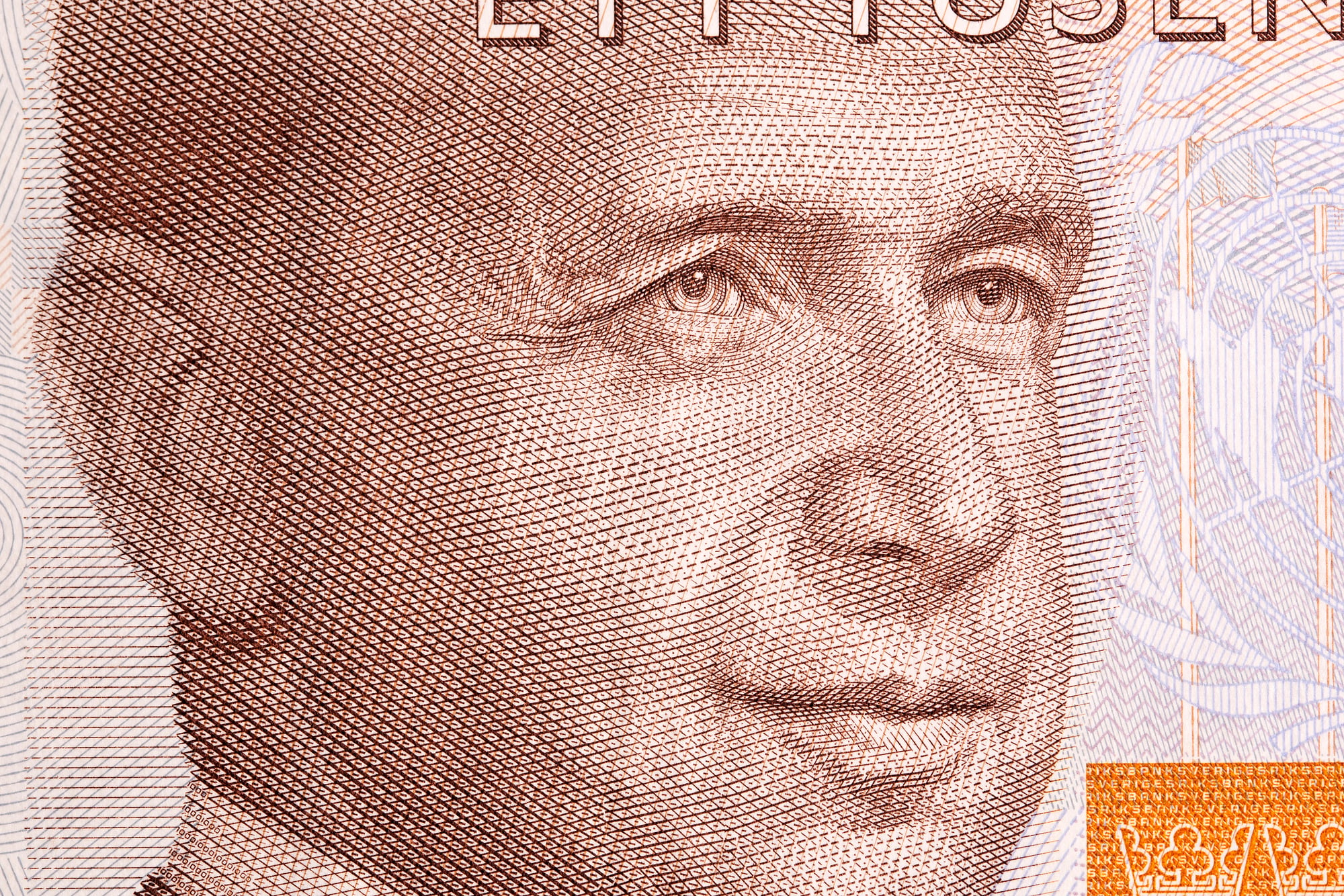
The death of United Nations Secretary-General Dag Hammarskjöld on September 18, 1961 — when his plane went down in what is now Zambia while he was traveling to negotiate a ceasefire in the Congo — has never been conclusively explained. Investigations spanning decades have found credible evidence of foul play, with multiple governments and mercenary groups identified as possible actors.
Hammarskjöld was arguably the most effective Secretary-General the UN has ever had, and his death during the Congo crisis left that mission — and the institution itself — permanently diminished.
When History Hinges on a Single Moment

What’s unsettling, once you sit with enough of these, is how contingent everything turns out to be. Not fragile in an abstract sense — concretely fragile, like a structure that looks solid until one bolt gives and the whole thing shifts.
The world didn’t have to become what it became after Dallas in 1963, or Sarajevo in 1914, or Rawalpindi in 2007. These were moments where the future was genuinely open, and then, very suddenly, it wasn’t.
That’s not a comfortable thought to carry around — but it’s an honest one, and honesty is the least these people deserve.
More from Go2Tutors!

- The Romanov Crown Jewels and Their Tragic Fate
- 13 Historical Mysteries That Science Still Can’t Solve
- Famous Hoaxes That Fooled the World for Years
- 15 Child Stars with Tragic Adult Lives
- 16 Famous Jewelry Pieces in History
Like Go2Tutors’s content? Follow us on MSN.