25 Discoveries Made Outside a Laboratory
Not every major discovery began at a bench with controlled variables and a hypothesis waiting to be tested. Some of the most consequential finds in science and archaeology happened on a hillside, in a field, at a kitchen table, or in the water off a small island, made by people who were not looking for what they found.
These discoveries share a common thread: attentive people noticing something in the world that did not fit their expectations, then following that observation far enough to matter.
Velcro
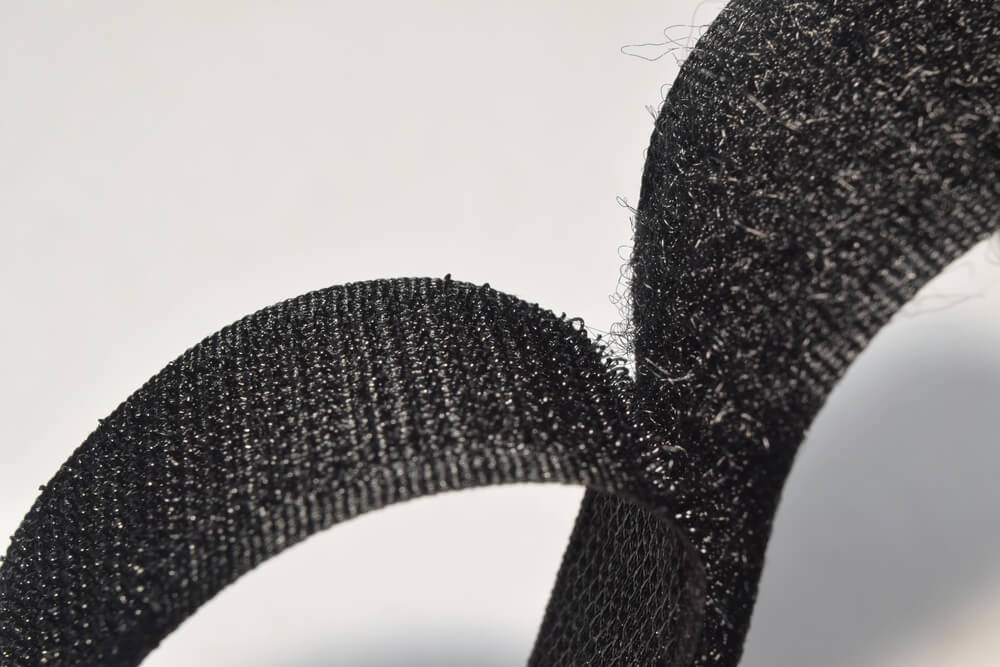
Swiss engineer George de Mestral noticed burrs sticking stubbornly to his clothes and his dog’s fur after a walk in the countryside in the 1940s. Examining the burrs under a microscope back home, he saw the tiny hooks that let them cling to fabric and fur.
That observation led directly to the hook-and-loop fastening system now used on everything from shoes to spacecraft.
The Rosetta Stone
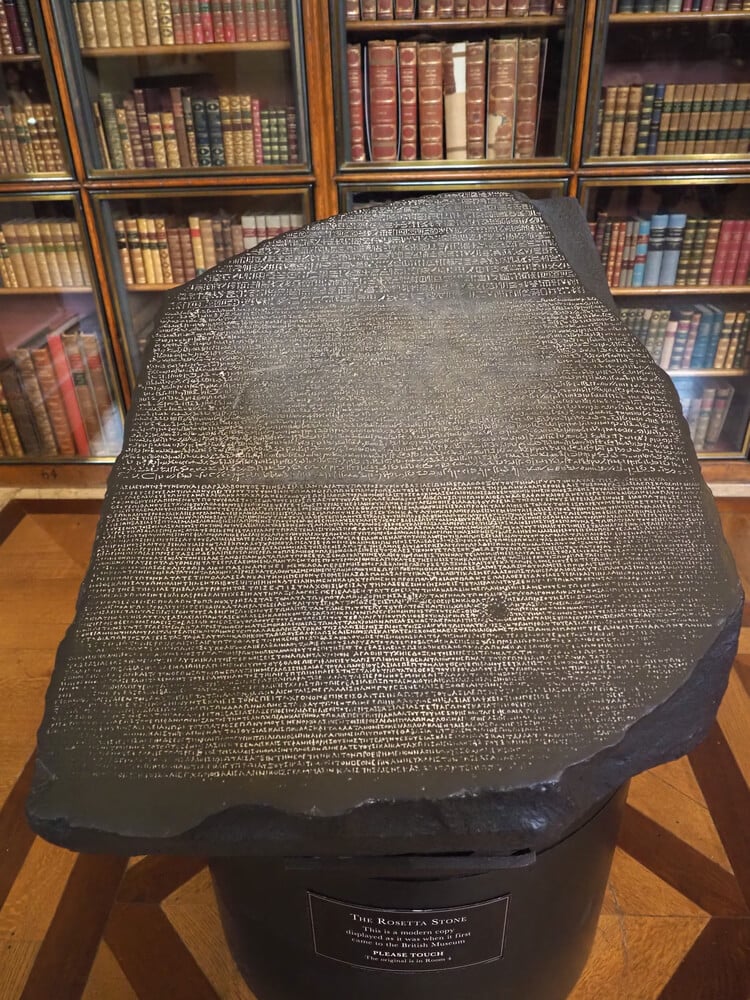
French soldiers rebuilding a fort near the town of Rosetta in Egypt in 1799 uncovered a large stone slab inscribed with the same text written in three scripts, including ancient Greek and Egyptian hieroglyphs. The find gave scholars a long-sought key for translating hieroglyphic writing, since the Greek text could be read directly.
Jean-François Champollion used it two decades later to finally decode the hieroglyphic script.
The Antikythera Mechanism
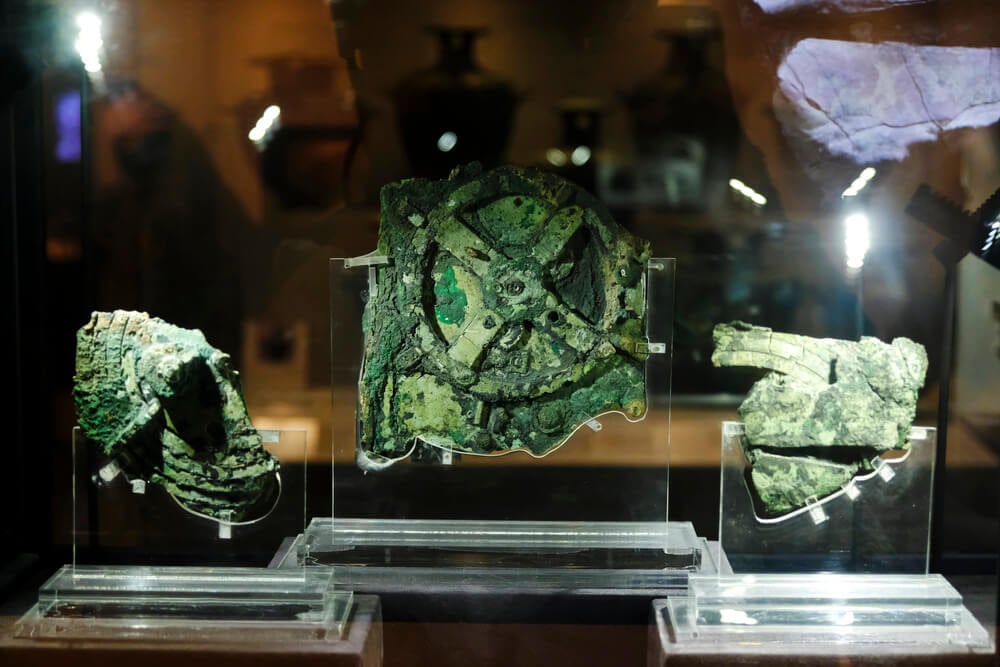
Greek sponge divers exploring a shipwreck off the island of Antikythera in 1901 recovered a corroded bronze device covered in gears and inscriptions. Decades of later analysis revealed it to be an extraordinarily sophisticated ancient astronomical calculator, used to predict eclipses and track celestial cycles.
It remains one of the most technically advanced surviving artifacts from the ancient world.
The Lucy Fossil
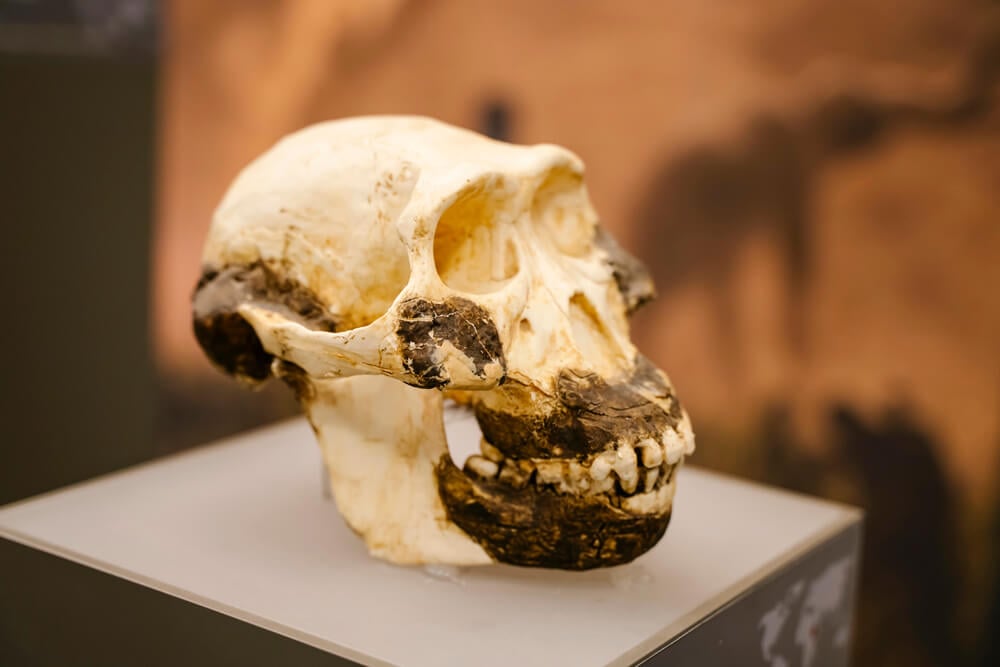
Paleoanthropologist Donald Johanson and a graduate student were walking through a gully in Ethiopia’s Afar region in 1974 when a fragment of bone caught Johanson’s eye in the sediment. The dig that followed recovered roughly 40 percent of the skeleton of an early human ancestor, later named Lucy.
The find reshaped understanding of when and how human ancestors began walking upright.
The Dead Sea Scrolls
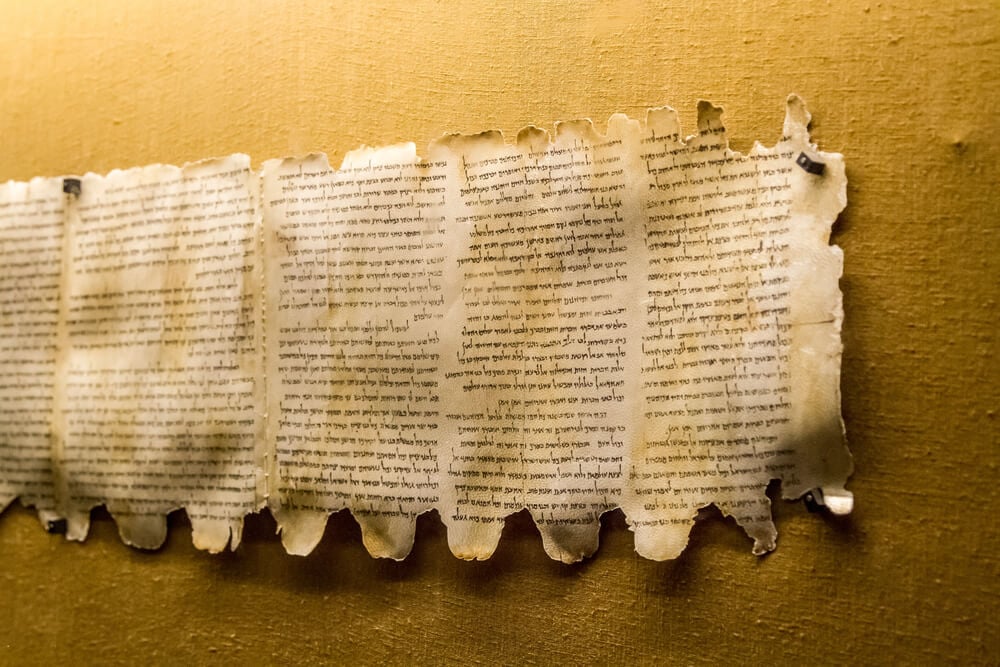
A Bedouin shepherd searching for a lost goat reportedly tossed a stone into a cave near the Dead Sea in 1946 or 1947 and heard something break, leading him to discover ancient clay jars containing scrolls. The texts turned out to include some of the oldest known copies of Hebrew scripture, along with other Jewish religious writings.
The discovery transformed scholarly understanding of religious texts from the period.
The Terracotta Army
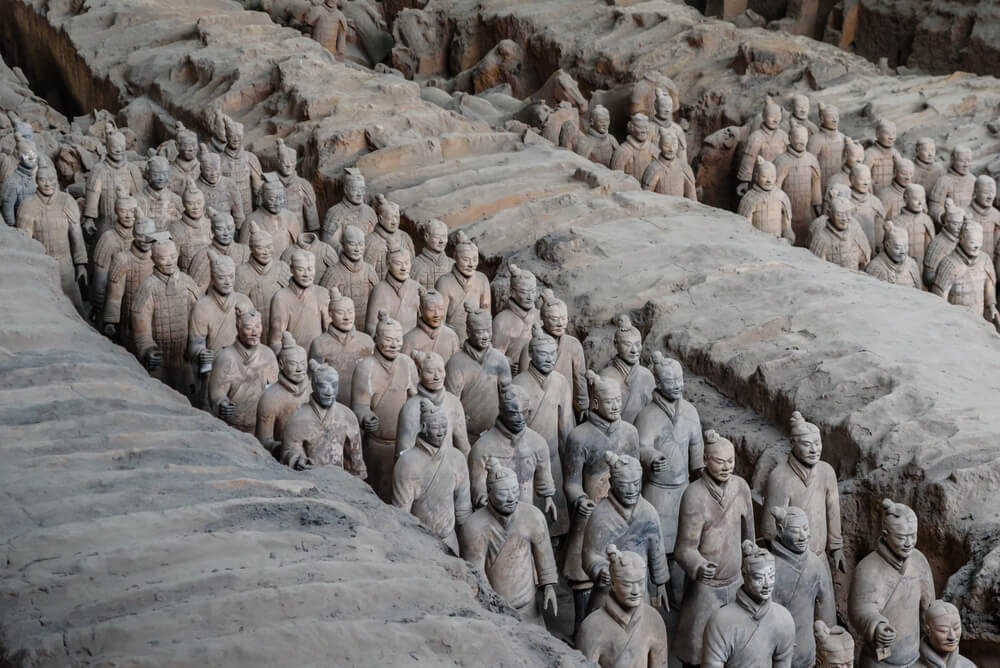
Farmers digging a well near Xi’an, China, in 1974 struck fragments of clay figures buried beneath the soil, alerting archaeologists to what turned out to be a vast underground army of life-sized terracotta soldiers. The figures were built to accompany China’s first emperor, Qin Shi Huang, into the afterlife.
Thousands of individually detailed statues have since been excavated from the site.
The Insulin-Pancreas Link
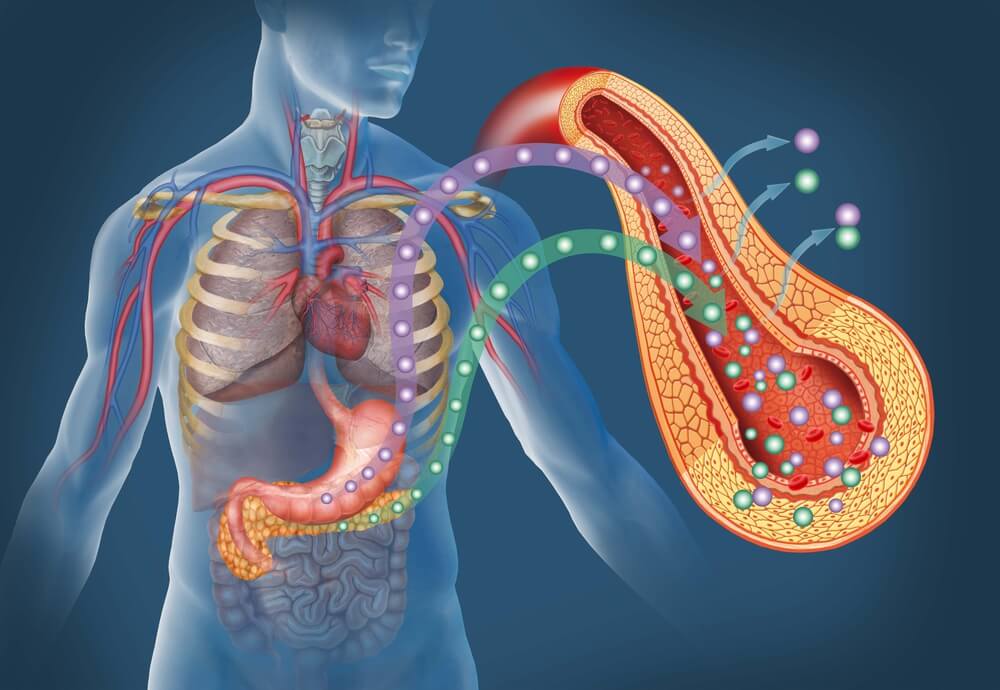
Physiologists Oskar Minkowski and Joseph von Mering noticed in 1889 that flies were unusually attracted to the urine of a dog whose pancreas they had surgically removed for an unrelated experiment, and testing revealed the urine was full of sugar. The observation connected the pancreas directly to diabetes for the first time.
That link eventually led other researchers to isolate insulin as a treatment decades later.
Continental Drift Fieldwork
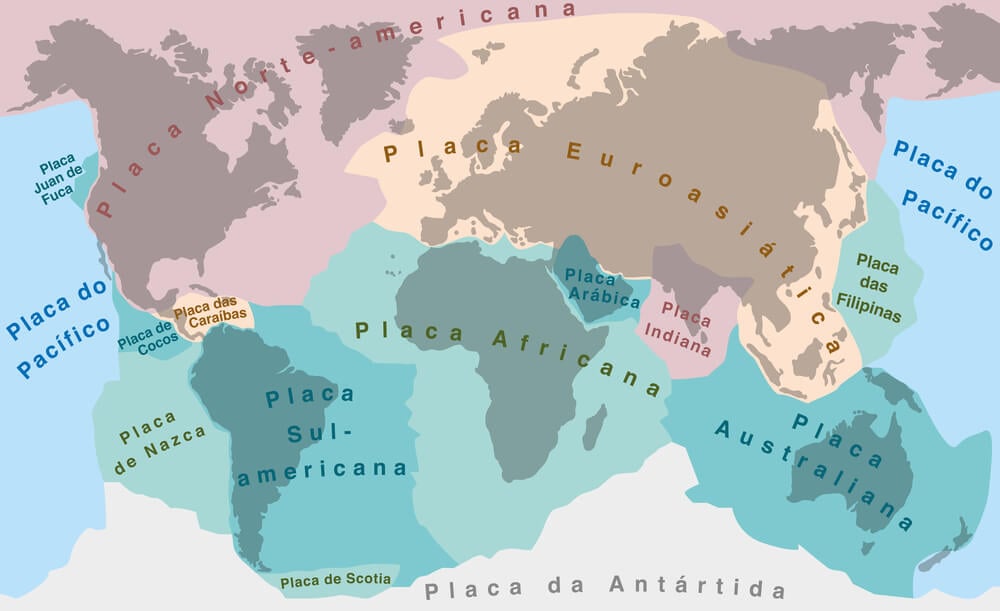
Meteorologist Alfred Wegener developed his theory of continental drift partly while comparing coastlines on maps, but much of his supporting evidence came from fieldwork studying rock formations and fossils during expeditions to Greenland. The physical matching of geological layers across continents that appeared to have once been joined built the case for his theory.
He died during one of these expeditions before the idea gained wide acceptance.
Vulcanized Rubber
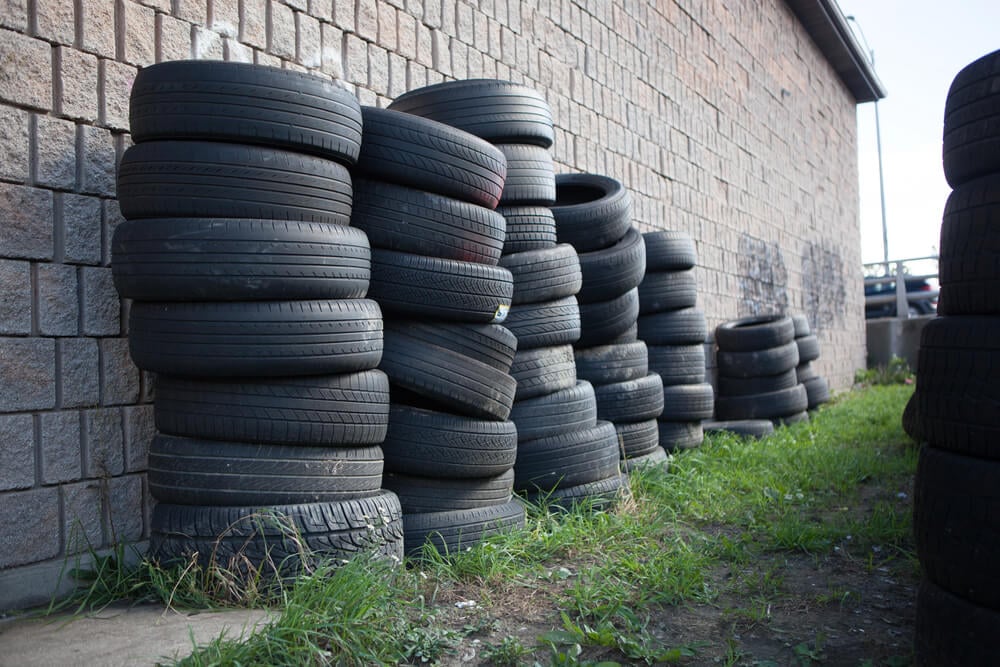
Charles Goodyear was experimenting with rubber and sulfur mixtures at home when he accidentally dropped a batch onto a hot stove, expecting it to melt further. Instead, the mixture hardened into a durable, weatherproof material.
That kitchen accident became the vulcanization process that made rubber commercially useful in tires and countless other products.
Saccharin

Chemist Constantin Fahlberg was working with coal tar compounds at a lab bench during the day but noticed an unusually sweet taste on his hands while eating dinner without having washed up first, in 1878. Tracing the taste back to a compound he had handled earlier led him to identify the first artificial sweetener.
Saccharin went on to become a widely used sugar substitute.
Cosmic Microwave Background Radiation
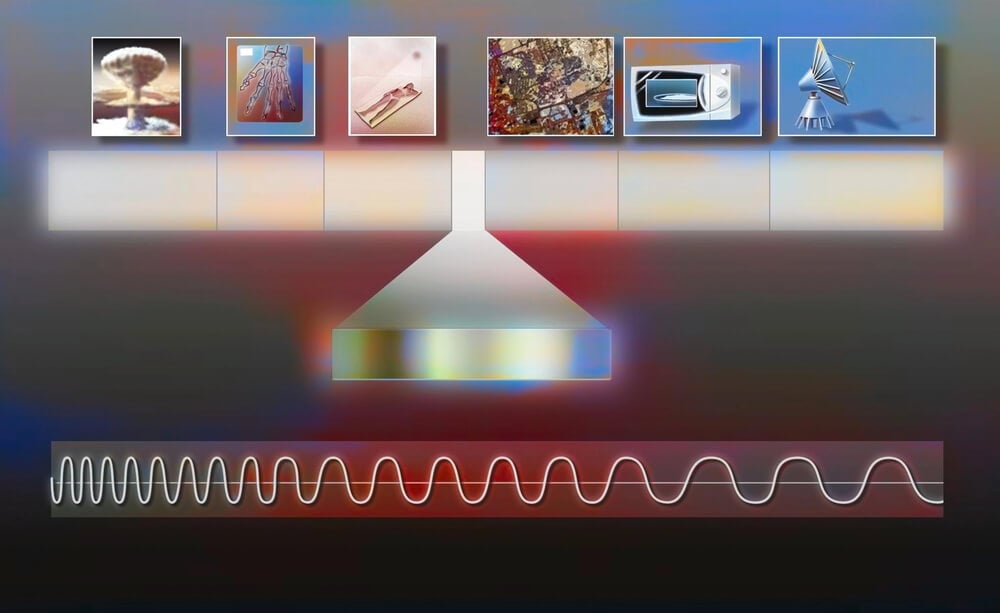
Radio astronomers Arno Penzias and Robert Wilson were trying to eliminate a persistent background noise picked up by a large antenna in New Jersey in 1964, initially suspecting equipment problems or even pigeon droppings on the receiver. The noise turned out to be faint radiation left over from the Big Bang, present uniformly across the sky.
The accidental find provided strong supporting evidence for the Big Bang theory and earned the pair a Nobel Prize.
Pulsars
Graduate student Jocelyn Bell Burnell noticed a strange, extremely regular radio signal while reviewing paper chart recordings from a radio telescope she had helped build in 1967. The signal was so precise that she and her colleagues briefly joked it might be a message from an alien civilization.
The source turned out to be a rapidly spinning neutron star, the first pulsar ever identified.
The La Brea Tar Pits Fossils
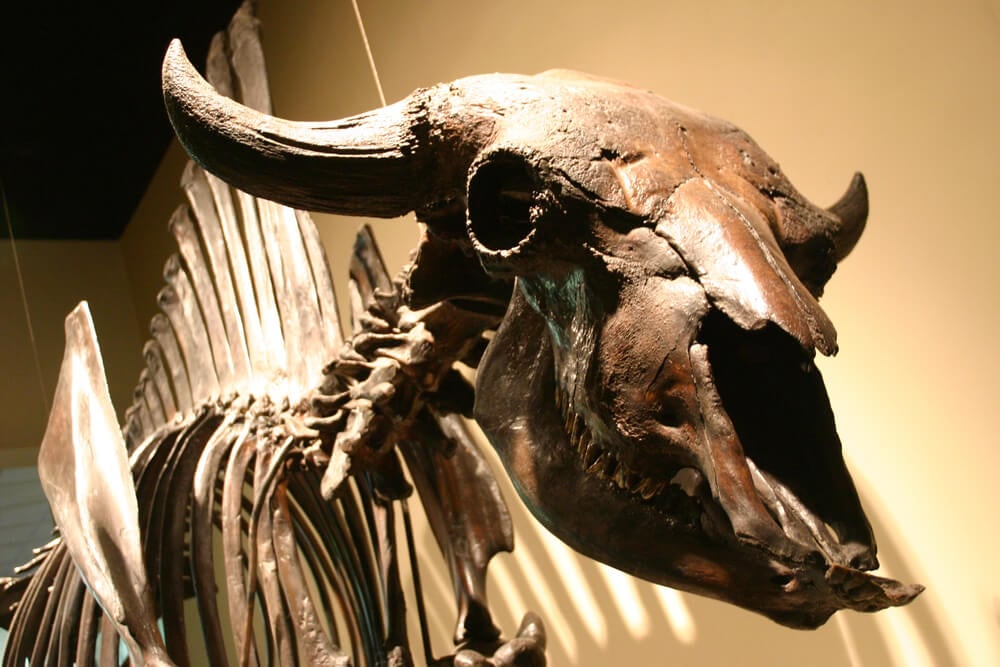
Natural asphalt seeps in what is now Los Angeles trapped animals for tens of thousands of years, and workers and ranchers in the area began pulling large bones from the sticky ground long before scientists took formal interest. Systematic excavation beginning in the early twentieth century recovered an extraordinary record of Ice Age mammals.
The pits remain an active dig site in the middle of a modern city.
Ötzi the Iceman
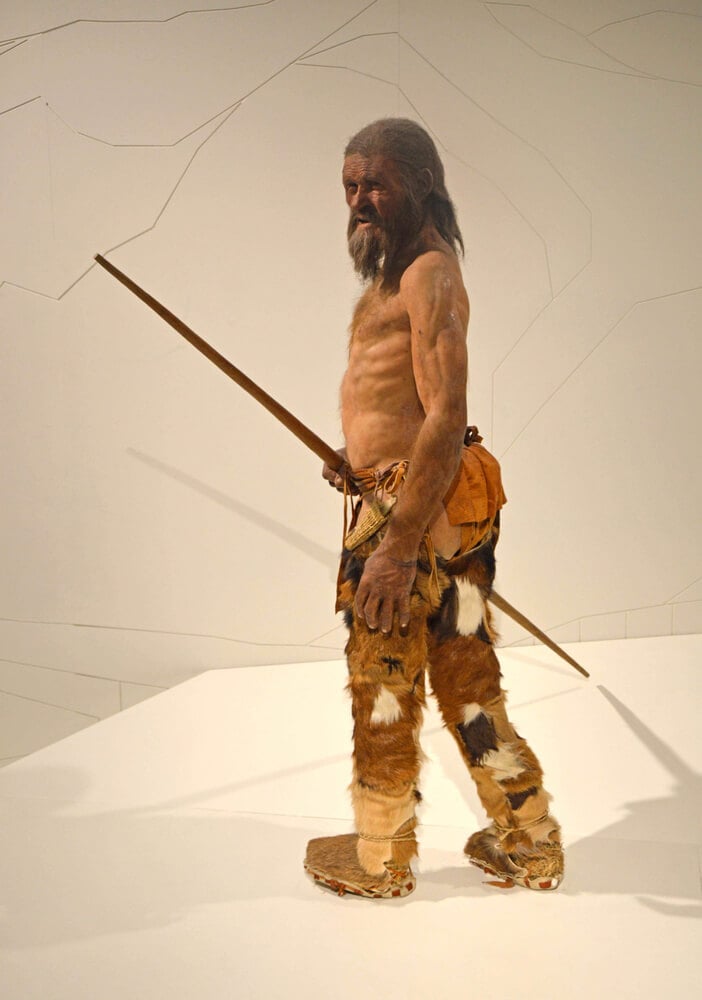
Two hikers came across a body partially exposed in melting ice high in the Alps in 1991, initially assuming it was a modern mountaineering casualty. The remains turned out to be more than 5,000 years old, remarkably preserved along with clothing and tools.
Ötzi became one of the most studied ancient human remains ever found.
The Lascaux Cave Paintings
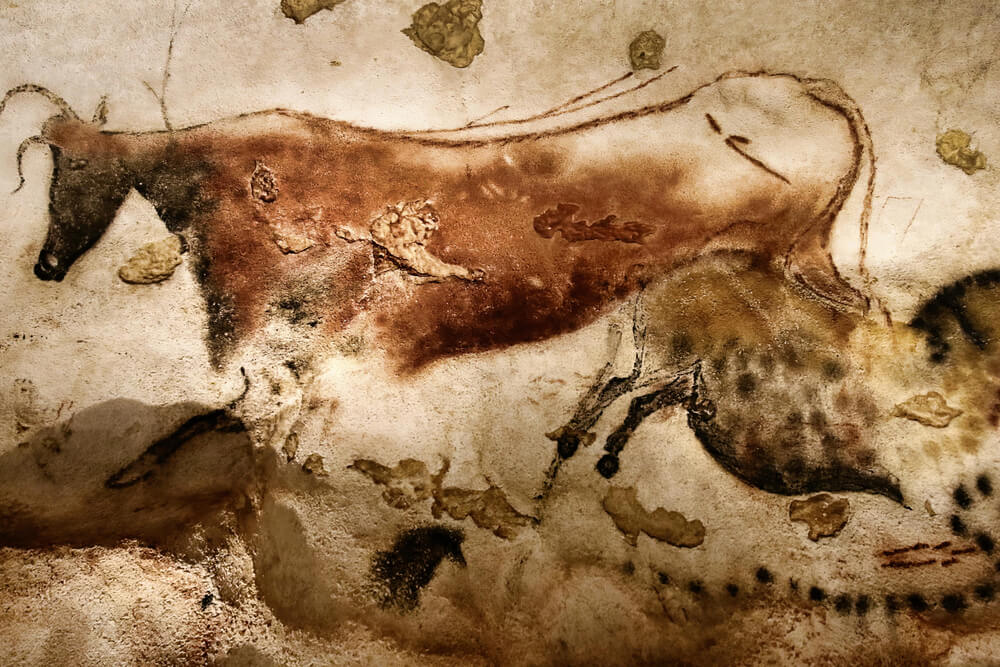
Four teenagers exploring a hillside near Montignac, France, in 1940 followed a dog into an opening left by a fallen tree and found a cave covered in prehistoric paintings of animals. The images turned out to be roughly 17,000 years old, among the finest examples of Paleolithic art ever found.
The cave was closed to the public decades later to protect the paintings from damage caused by visitors’ breath.
The Chauvet Cave Paintings
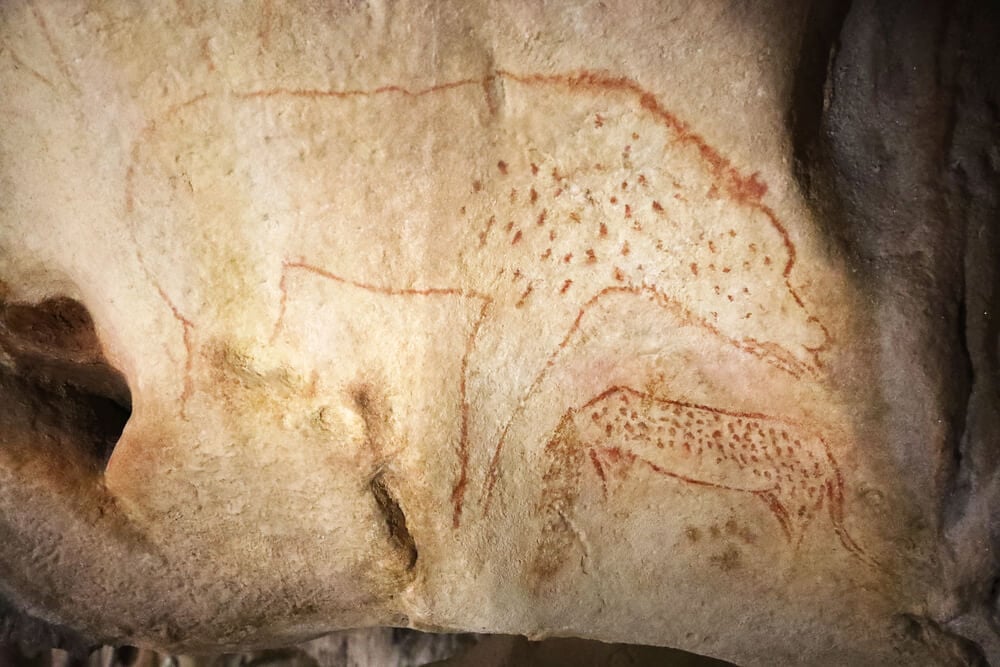
A team of recreational cavers exploring a cliffside in the Ardèche region of France in 1994 felt a draft of air coming from a small opening in the rock and dug through to find a cavern filled with detailed animal paintings. Later dating placed the artwork at more than 30,000 years old, far older than researchers initially expected for work of that quality.
The find pushed back timelines for when humans began creating sophisticated representational art.
The Archaeopteryx Fossil
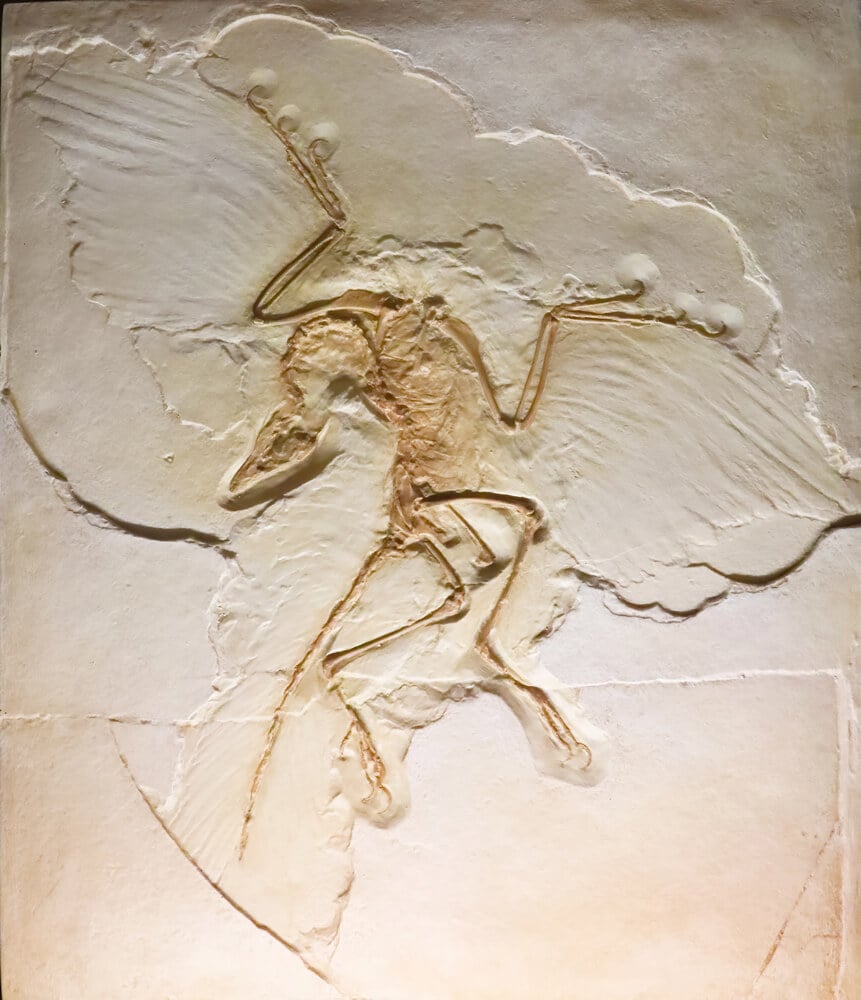
A quarry worker extracting limestone near Solnhofen, Germany, in 1861 found a fossil showing clear feather impressions alongside reptilian skeletal features. The specimen provided some of the earliest strong physical evidence connecting dinosaurs and birds.
It remains a touchstone fossil in the study of evolutionary transitions.
Cowpox and Vaccination

English physician Edward Jenner observed that milkmaids in rural Gloucestershire who had caught cowpox from cattle rarely came down with smallpox, a pattern noted informally among farm workers before he tested it scientifically. Jenner used that field observation to develop a deliberate cowpox exposure as protection against smallpox in 1796.
The technique became the basis for the modern practice of vaccination.
Seafloor Mapping
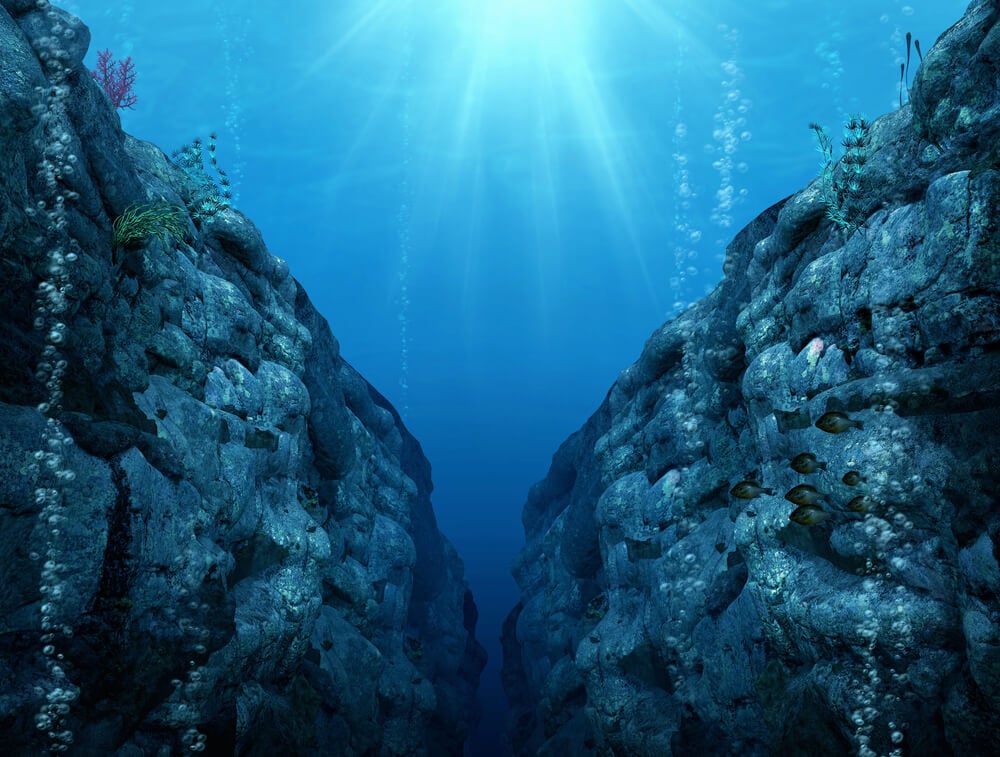
Geologist and cartographer Marie Tharp spent years analyzing sonar data gathered by research ships crossing the Atlantic, noticing a consistent rift running down the middle of the ocean floor. Her detailed maps, produced from data collected far from any conventional lab, provided crucial early evidence for continental drift and plate tectonics.
Some colleagues initially dismissed her findings as “girl talk” before further data confirmed them.
Chimpanzee Tool Use
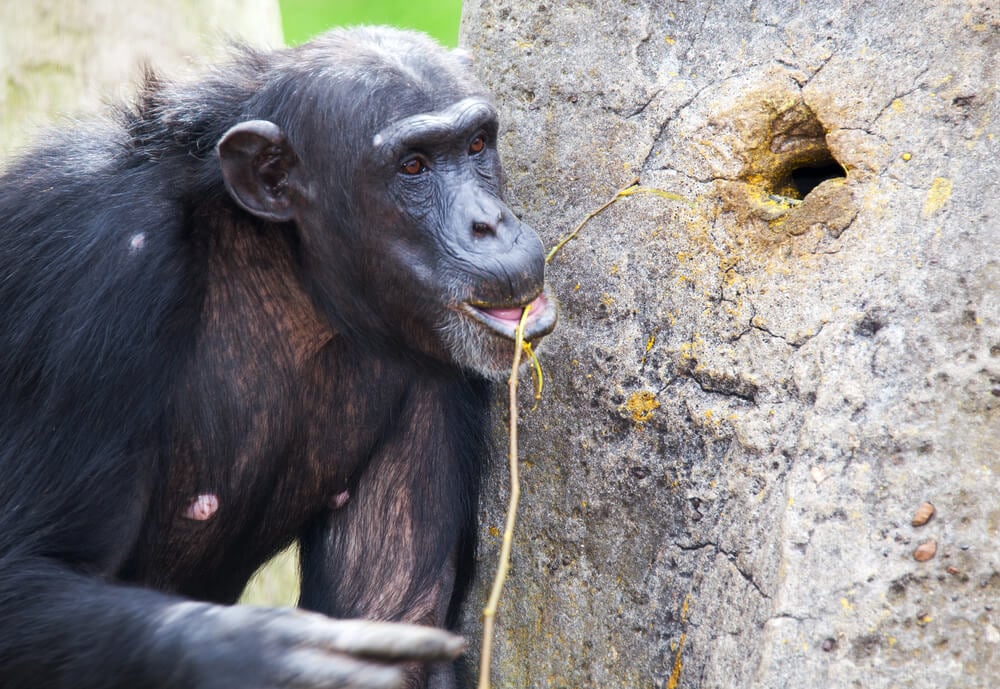
Primatologist Jane Goodall observed a wild chimpanzee stripping leaves from a twig and using it to extract termites from a mound while conducting field research in Gombe, Tanzania, in 1960. The observation overturned the long-standing assumption that only humans made and used tools.
Her ongoing fieldwork reshaped scientific understanding of primate behavior and cognition.
The Olduvai Gorge Fossils
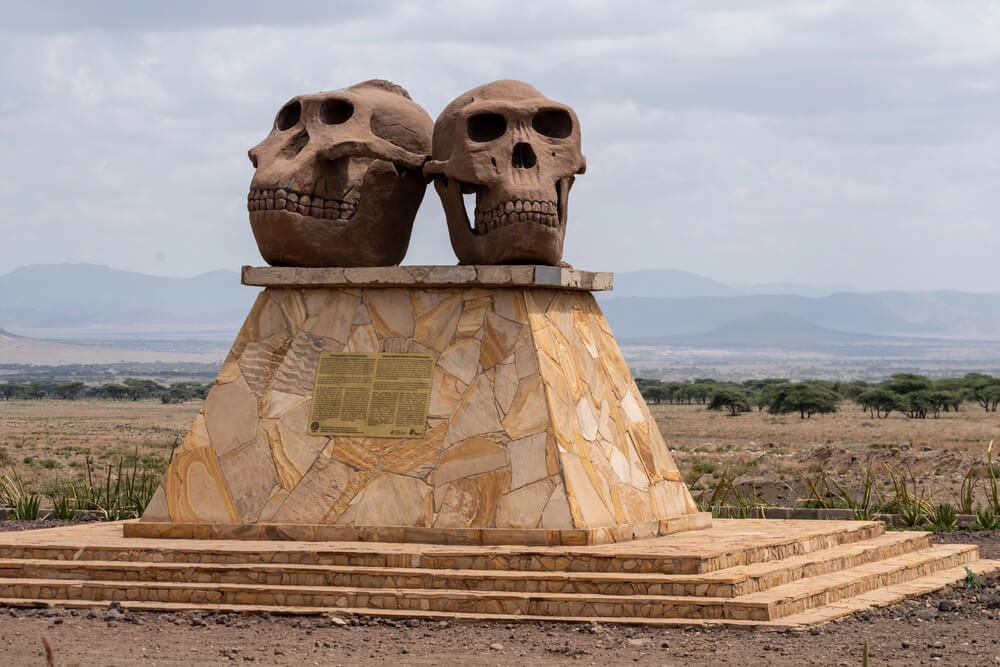
Paleoanthropologists Louis and Mary Leakey spent decades conducting fieldwork at Olduvai Gorge in Tanzania, gradually recovering a series of early hominid fossils and stone tools from exposed rock layers. Their finds pushed back the known timeline of human evolution in Africa by hundreds of thousands of years.
The gorge remains one of the most important sites in the study of early humans.
Ice Core Climate Records
Scientists drilling deep ice cores from glaciers in Antarctica and Greenland recovered layers of compressed snow containing tiny trapped air bubbles that preserve a record of the atmosphere going back hundreds of thousands of years. The work takes place almost entirely in remote field camps rather than conventional labs, with samples analyzed later.
These cores have become one of the most important direct records of past climate conditions available to researchers.
Halley’s Comet’s Periodicity

Astronomer Edmond Halley calculated in the early 1700s, based on historical observation records rather than laboratory experiments, that a comet seen in 1682 matched the orbit of comets recorded in 1531 and 1607. He predicted the same comet would return in 1758, a forecast he did not live to see confirmed.
The comet’s return on schedule established that at least some comets travel in predictable, repeating orbits.
The Sutton Hoo Ship Burial
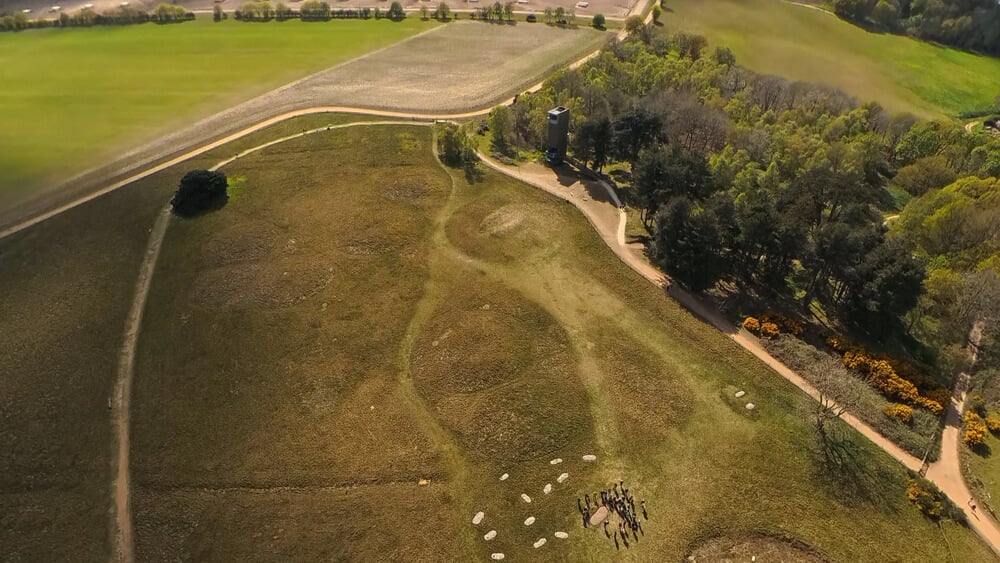
An amateur archaeologist hired by a landowner in England began excavating low mounds on her property in 1939, uncovering the imprint of a large buried ship filled with elaborate early medieval treasure. The find included an ornate ceremonial helmet and gold jewelry, providing an extraordinary window into early Anglo-Saxon England.
It remains one of the richest archaeological finds ever made in Britain.
Machu Picchu
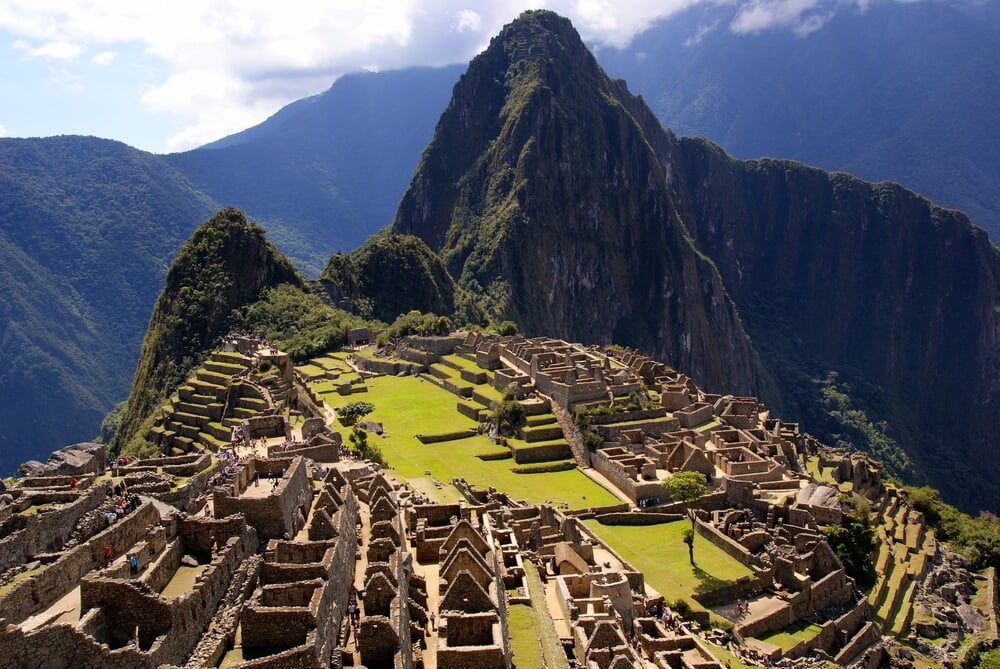
Historian Hiram Bingham was led to the overgrown mountaintop ruins of Machu Picchu in 1911 by a local farmer who knew the site, though Bingham was originally searching for a different, legendary lost city. His subsequent expeditions and writing brought international attention to the Incan site.
Machu Picchu remains one of the most recognized archaeological sites in the world.
What the Field Teaches the Lab

Laboratories are built to isolate a single variable and test it under controlled conditions, which is precisely why they are poorly suited to finding what nobody thought to look for in the first place. The natural world does not organize itself around a hypothesis, and some of its most important evidence only shows up to someone standing in the right gully, cave, or kitchen at the right moment.
None of this makes controlled experimentation less essential. It simply means the story of discovery includes a wider cast of characters than lab coats alone: soldiers, shepherds, farmers, hikers, and teenagers following a dog into an opening in the ground.
More from Go2Tutors!

- The Romanov Crown Jewels and Their Tragic Fate
- 13 Historical Mysteries That Science Still Can’t Solve
- Famous Hoaxes That Fooled the World for Years
- 15 Child Stars with Tragic Adult Lives
- 16 Famous Jewelry Pieces in History
Like Go2Tutors’s content? Follow us on MSN.