25 Everyday Items That Are Illegal in at Least One Country
Travel enough, and you’ll discover that the world operates by different rules than the ones hanging in your hometown post office. That innocent item sitting in your kitchen drawer might be considered contraband somewhere across the globe.
What feels perfectly normal in one place can land you in serious legal trouble just a few time zones away.
Chewing Gum
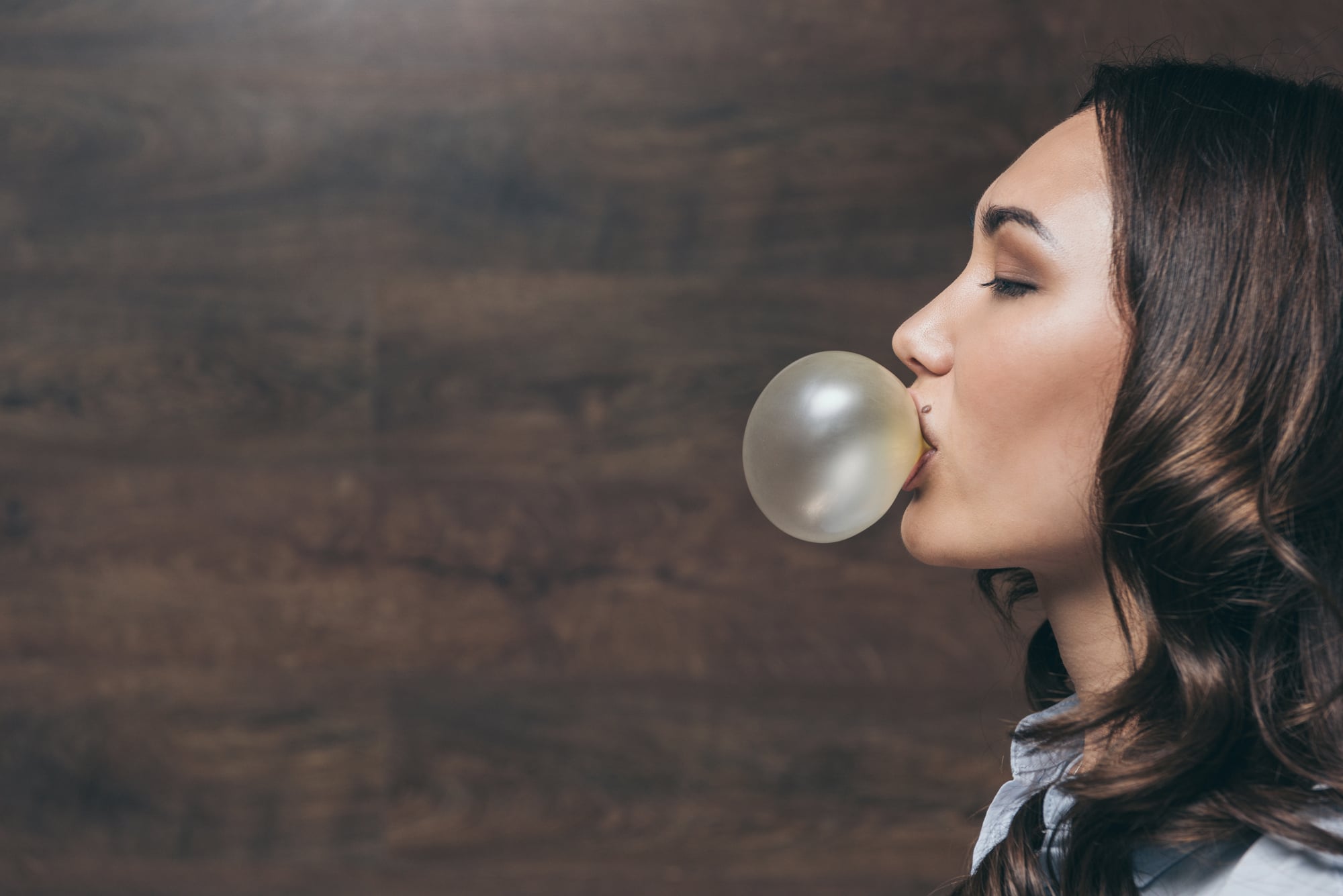
Singapore banned chewing gum in 1992, and they weren’t kidding around. The city-state got tired of gum stuck to subway doors, sidewalks, and pretty much every public surface imaginable.
You can face fines up to $100,000 for importing it commercially.
Kinder Surprise Eggs
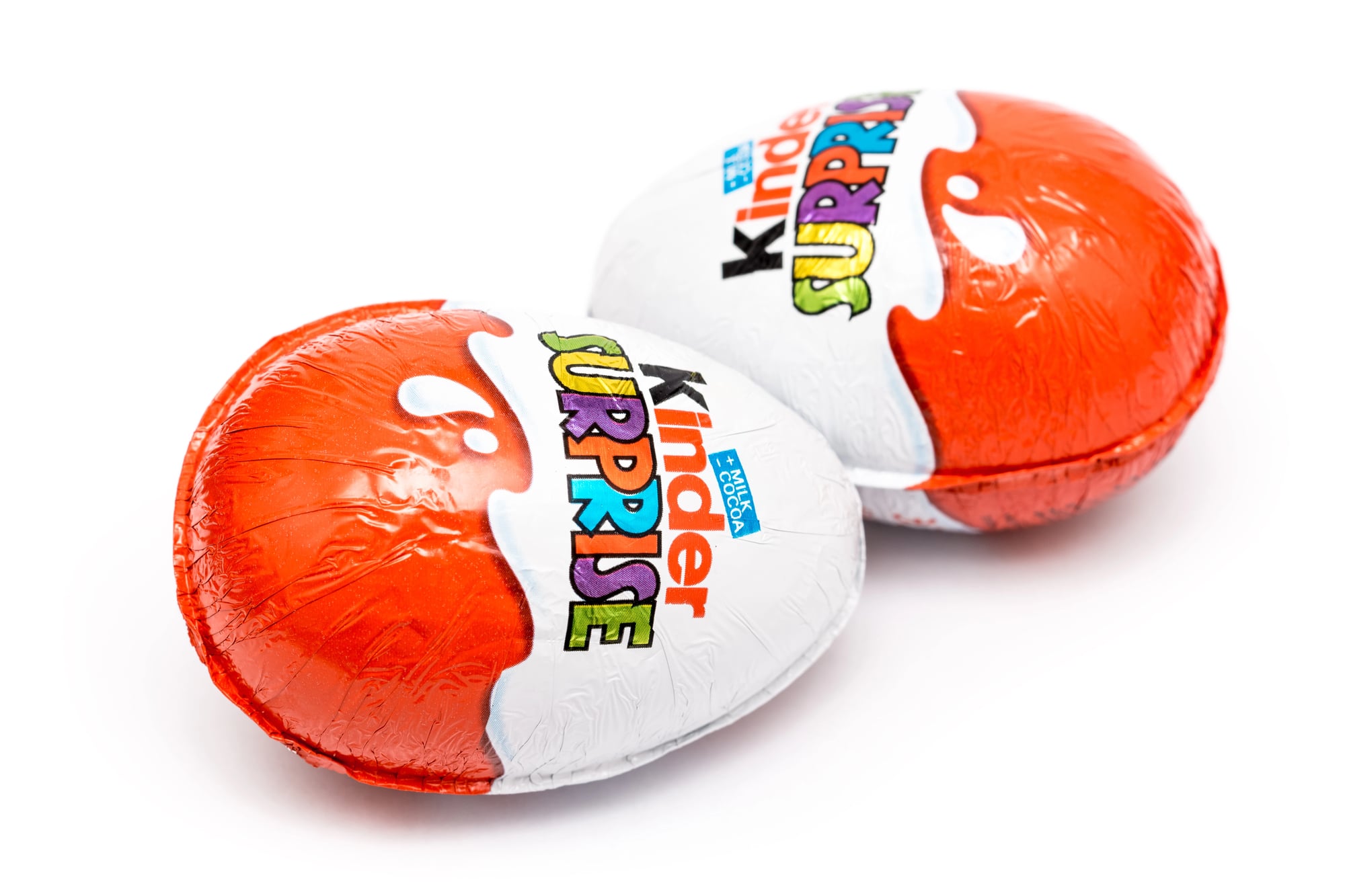
The United States prohibits these chocolate treats because of the toy inside (which creates a choking hazard according to FDA regulations that ban non-food items embedded in edible products). Parents worldwide find this baffling, considering kids have been safely enjoying these for decades.
The irony is that America allows plenty of other things that are arguably more dangerous.
Baby Walkers
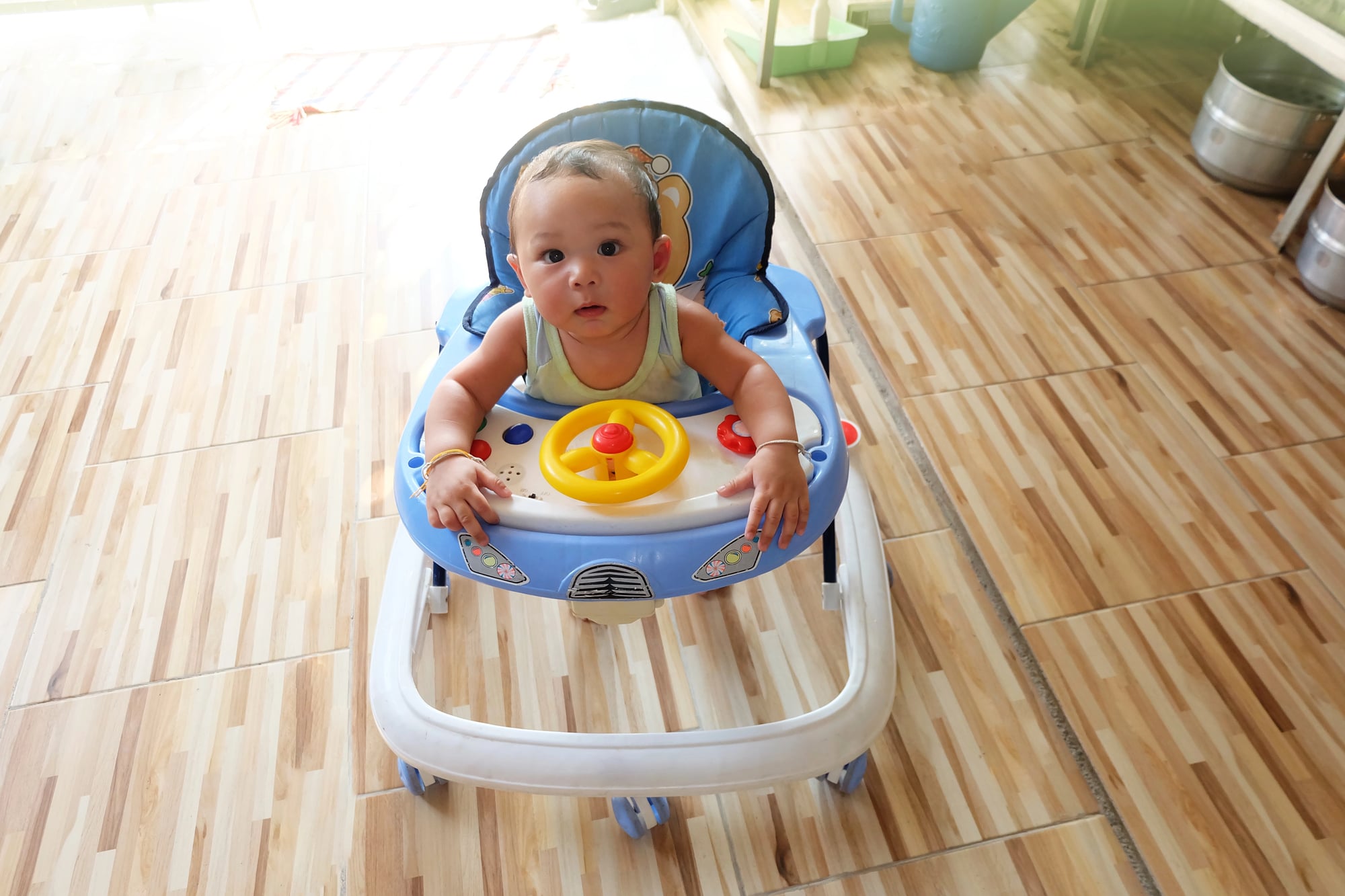
Canada decided baby walkers cause more harm than help — which, when you think about it, makes sense the way a house cat makes sense of quantum physics until it doesn’t. These wheeled contraptions send thousands of kids tumbling down stairs each year, so Canada banned their sale, import, and advertisement entirely.
And yet the rest of us still wheel our toddlers around like tiny demolition experts in training.
Plastic Bags
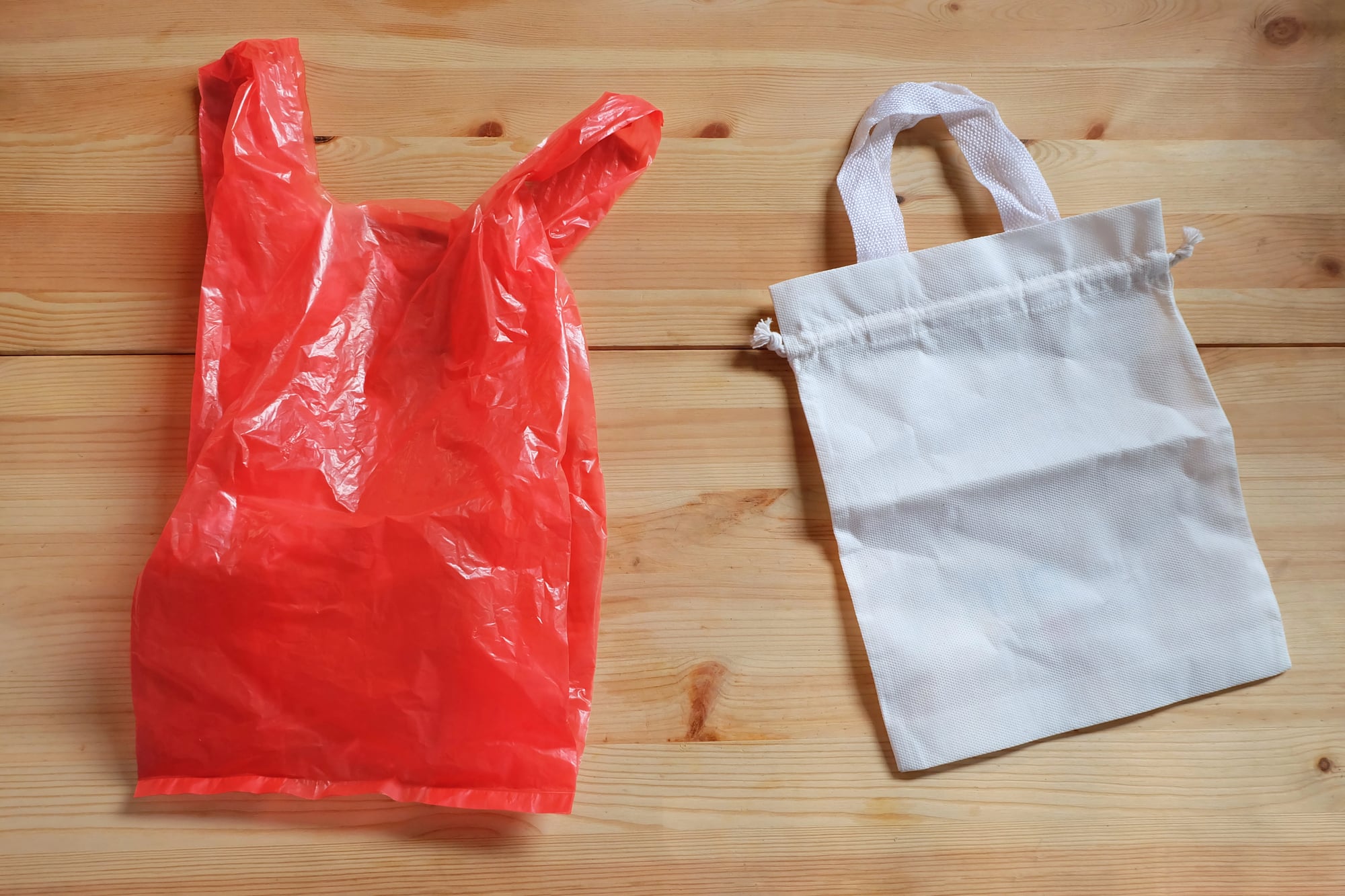
Kenya takes plastic bag violations seriously — possession can result in up to four years in prison or fines reaching $40,000. The country banned plastic bags in 2017 after they clogged drainage systems and littered national parks.
Even tourists have been arrested for carrying items in plastic bags from duty-free shops.
Electronic Cigs
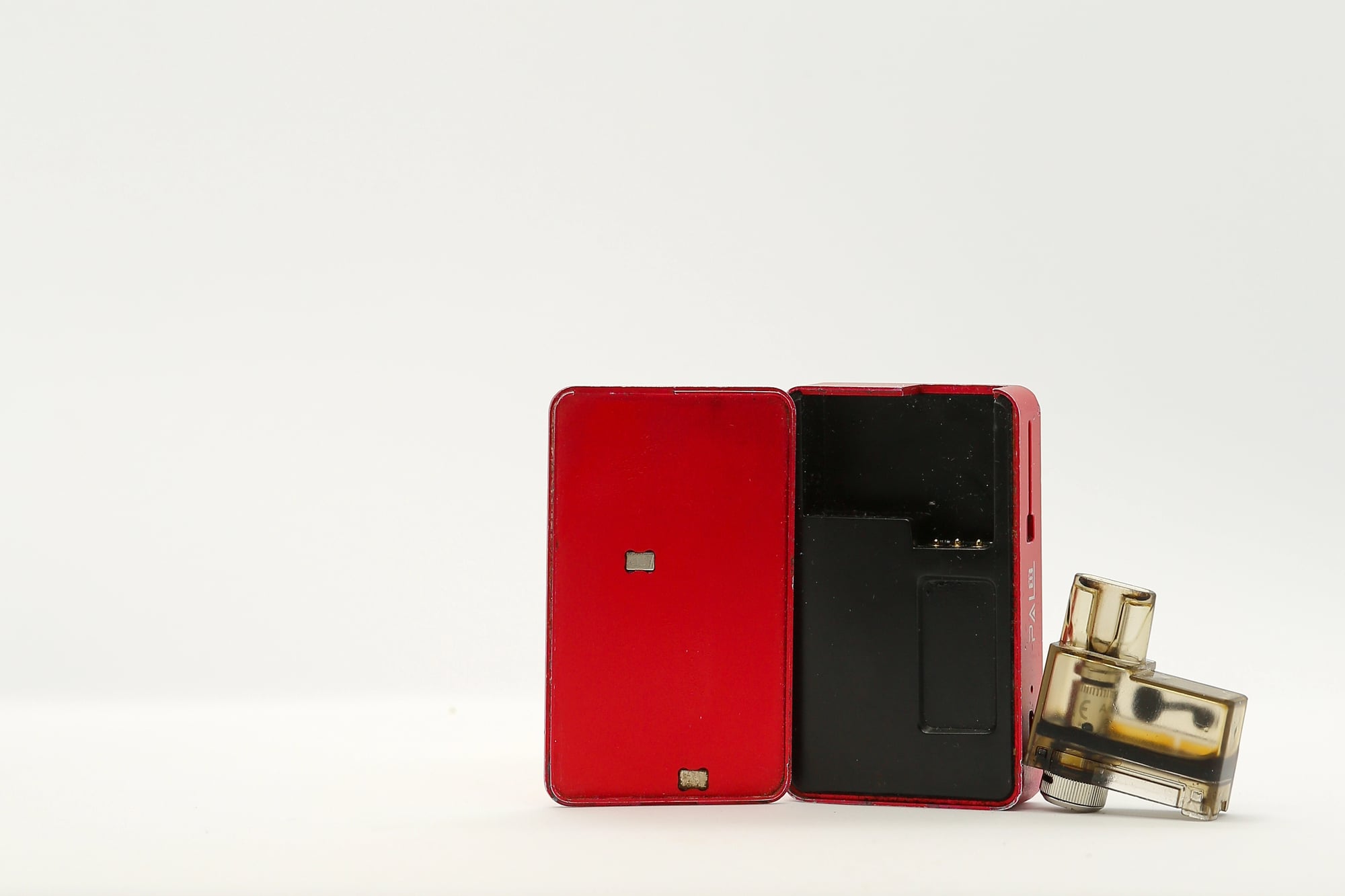
Brazil, Argentina, and several other countries treat e-cigs like contraband (the irony being that regular nicotine products remain perfectly legal in most of these places). The reasoning involves health concerns and regulatory gaps, though enforcement varies wildly.
So you can smoke a cig on a Rio beach, but that sleek vaping device will get you in trouble.
Poppy Seeds
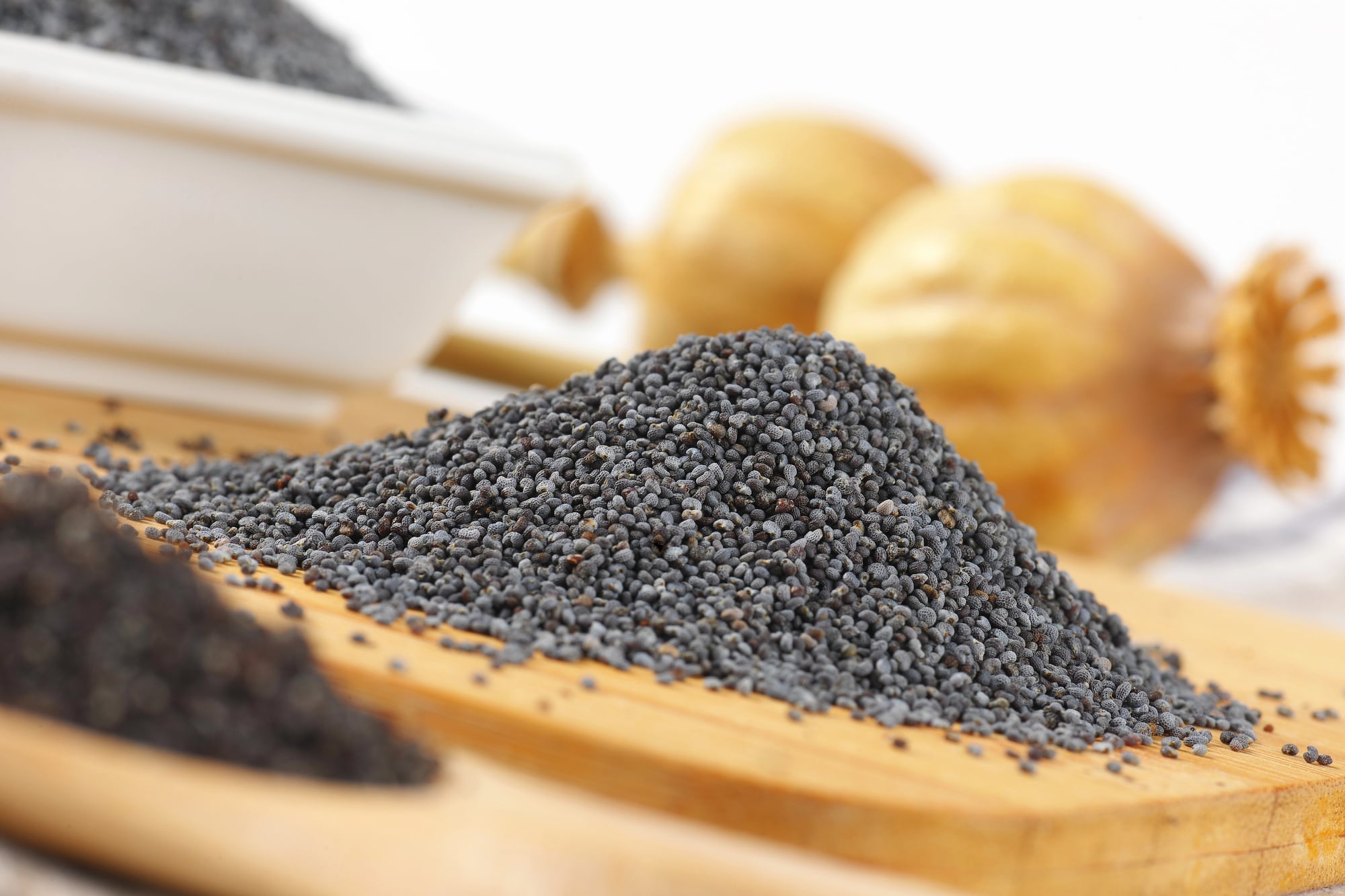
The United Arab Emirates bans poppy seeds because they can contain trace amounts of opiates — which sounds reasonable until you realize this means your everything bagel is technically drug paraphernalia. Singapore and Taiwan have similar restrictions, and customs officials don’t care that your grandmother’s lemon poppy seed muffins never got anyone high.
Even minuscule amounts can trigger positive drug tests, making the ban somewhat logical from a law enforcement perspective.
Camouflage Clothing
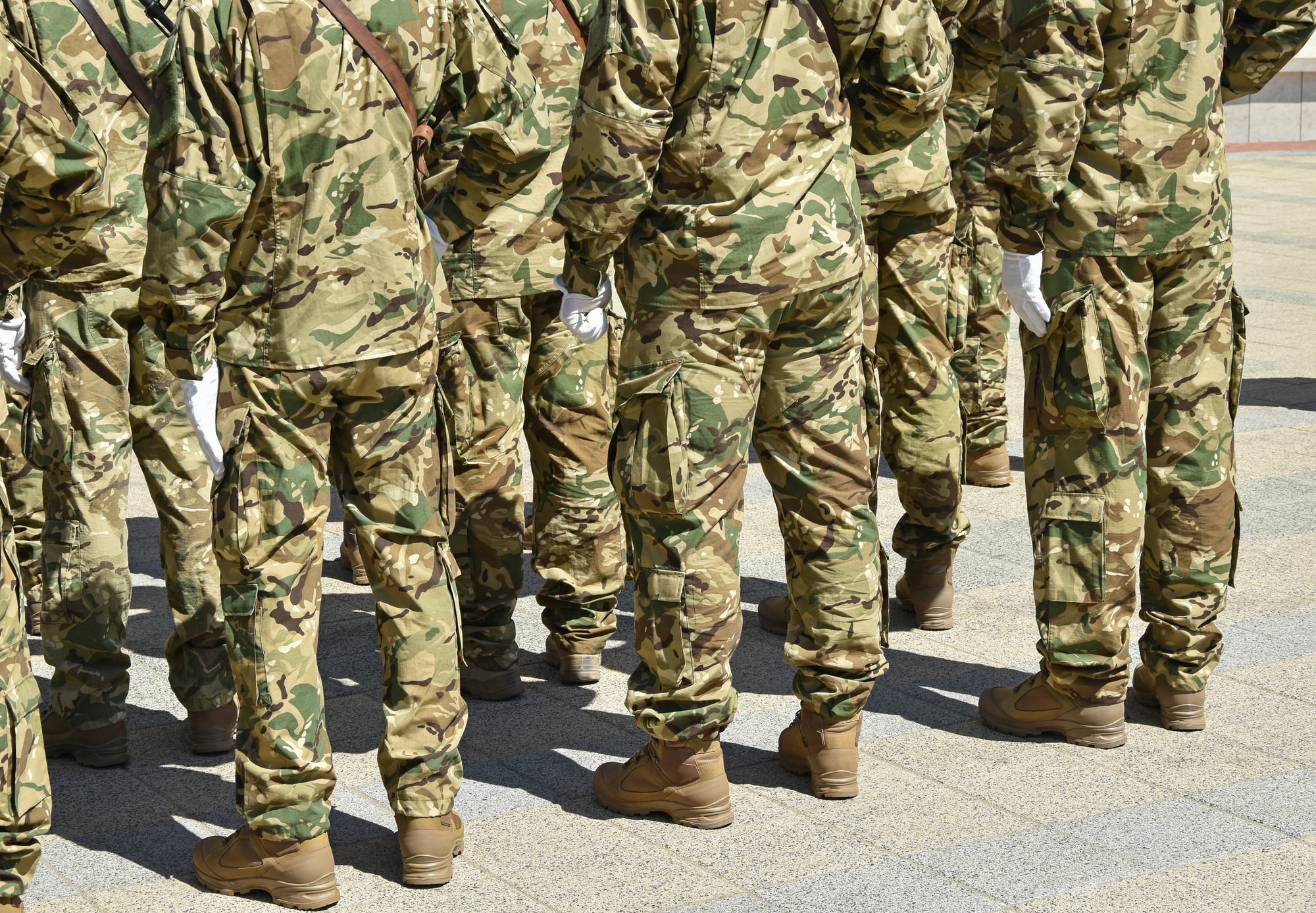
Military camouflage patterns are illegal for civilians in Barbados, Jamaica, and several other Caribbean nations. The logic is straightforward: only military personnel should dress like military personnel.
Tourists wearing camo shorts have been arrested, fined, and forced to change clothes at the airport.
Magazines and Books
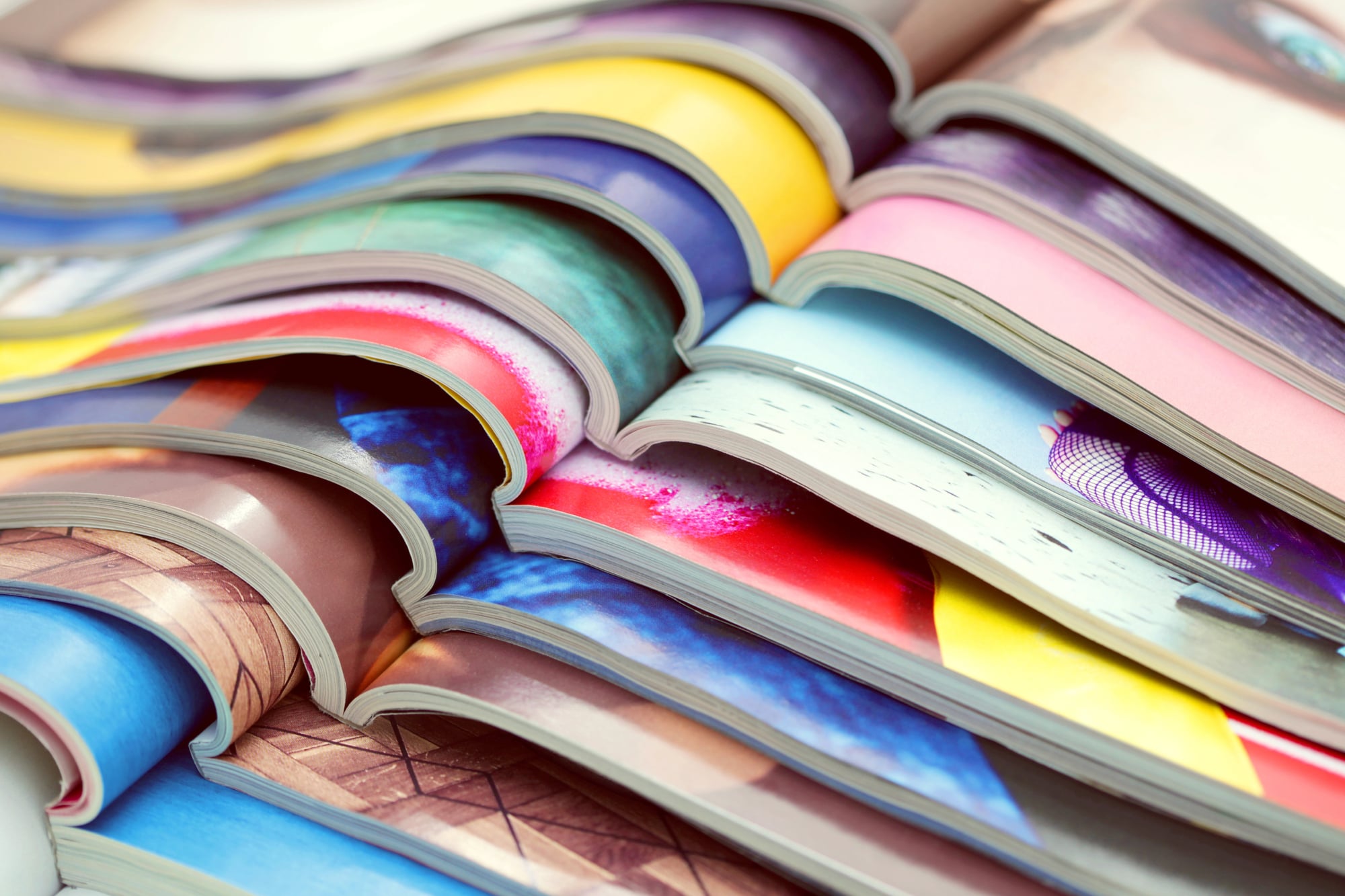
Saudi Arabia strictly controls printed materials entering the country, and what seems like innocent reading material elsewhere can land you in serious trouble. Religious texts from other faiths, political magazines, and even some fashion publications face scrutiny.
The same novel sitting on your coffee table might be considered subversive literature there.
Blue Jeans
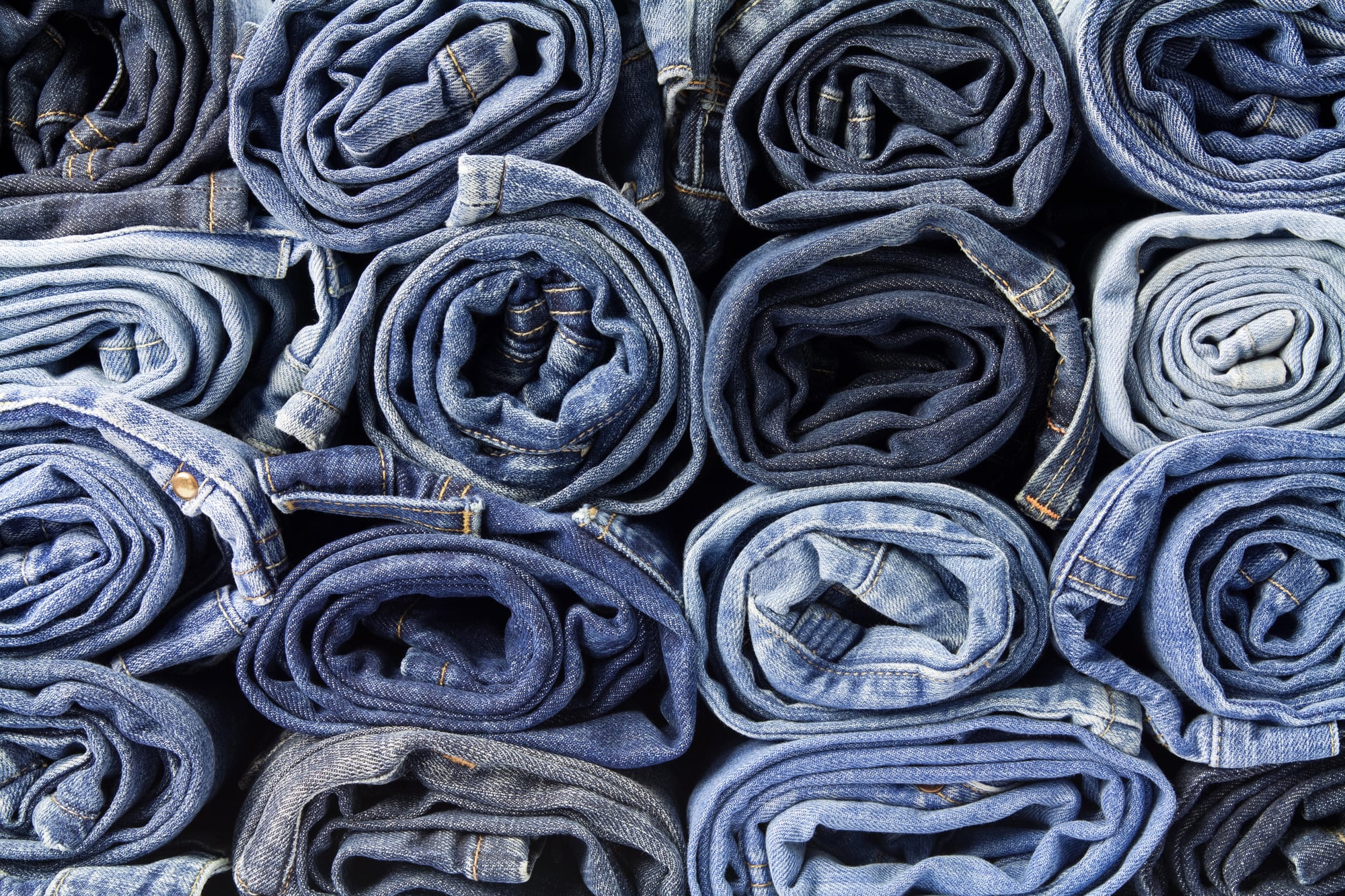
North Korea has historically restricted or banned Western clothing, including denim jeans, viewing them as symbols of American imperialism (because apparently cotton stitched in a particular pattern threatens national security). The restrictions have loosened somewhat in recent years, but bringing obviously Western clothing can still raise suspicions.
Fashion becomes politics when the state decides what people should wear.
Satellite Phones
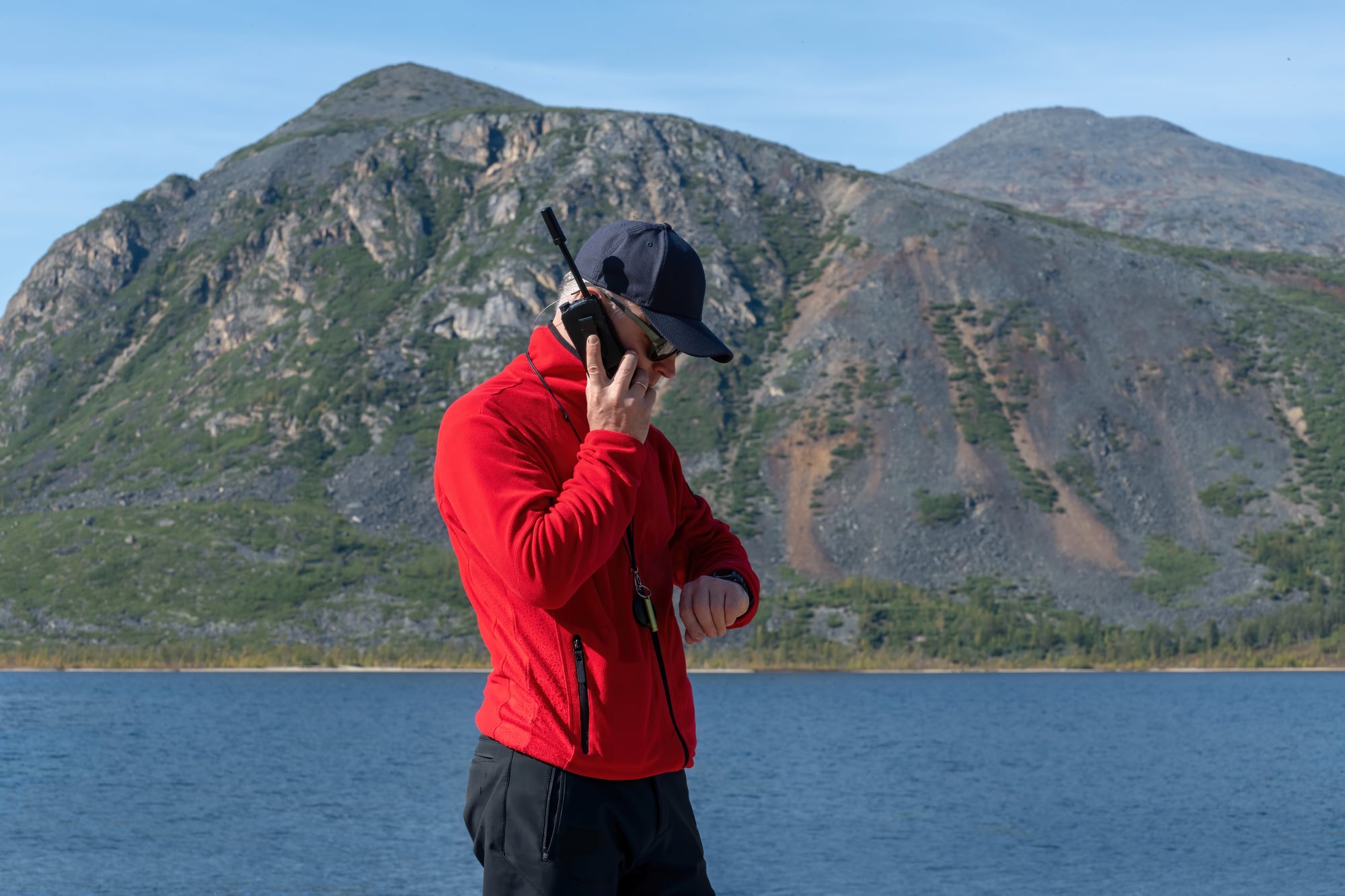
Russia requires special permits for satellite phones, and unauthorized possession can result in hefty fines or imprisonment. The devices can transmit data outside government monitoring systems, which makes authorities nervous.
Business travelers have been detained for carrying satellite communication equipment without proper documentation.
Yellow Clothing
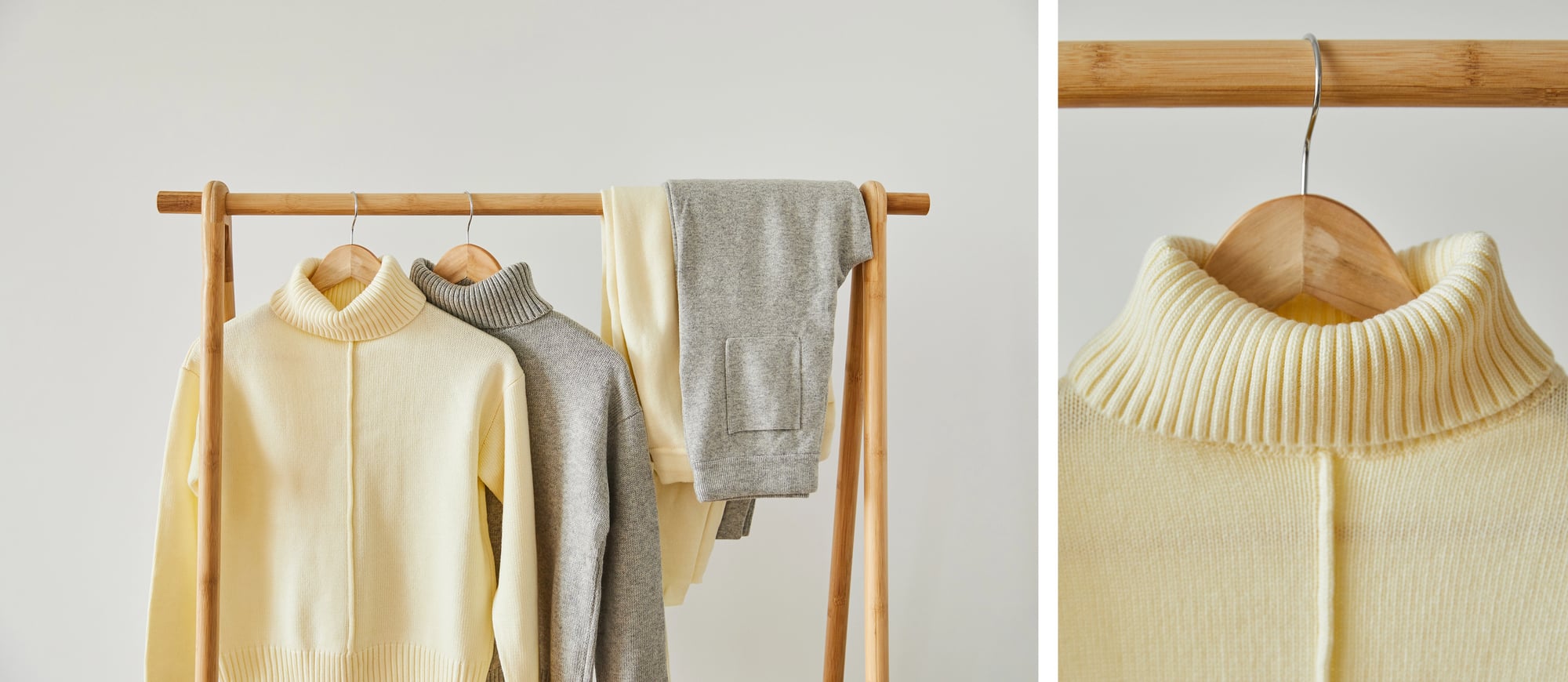
Malaysia occasionally enforces restrictions on yellow clothing during politically sensitive periods, as the color became associated with opposition movements. Protesters adopted yellow as their signature color, so the government responds by treating yellow shirts like protest banners.
Context matters more than the actual clothing.
Bubble Gum
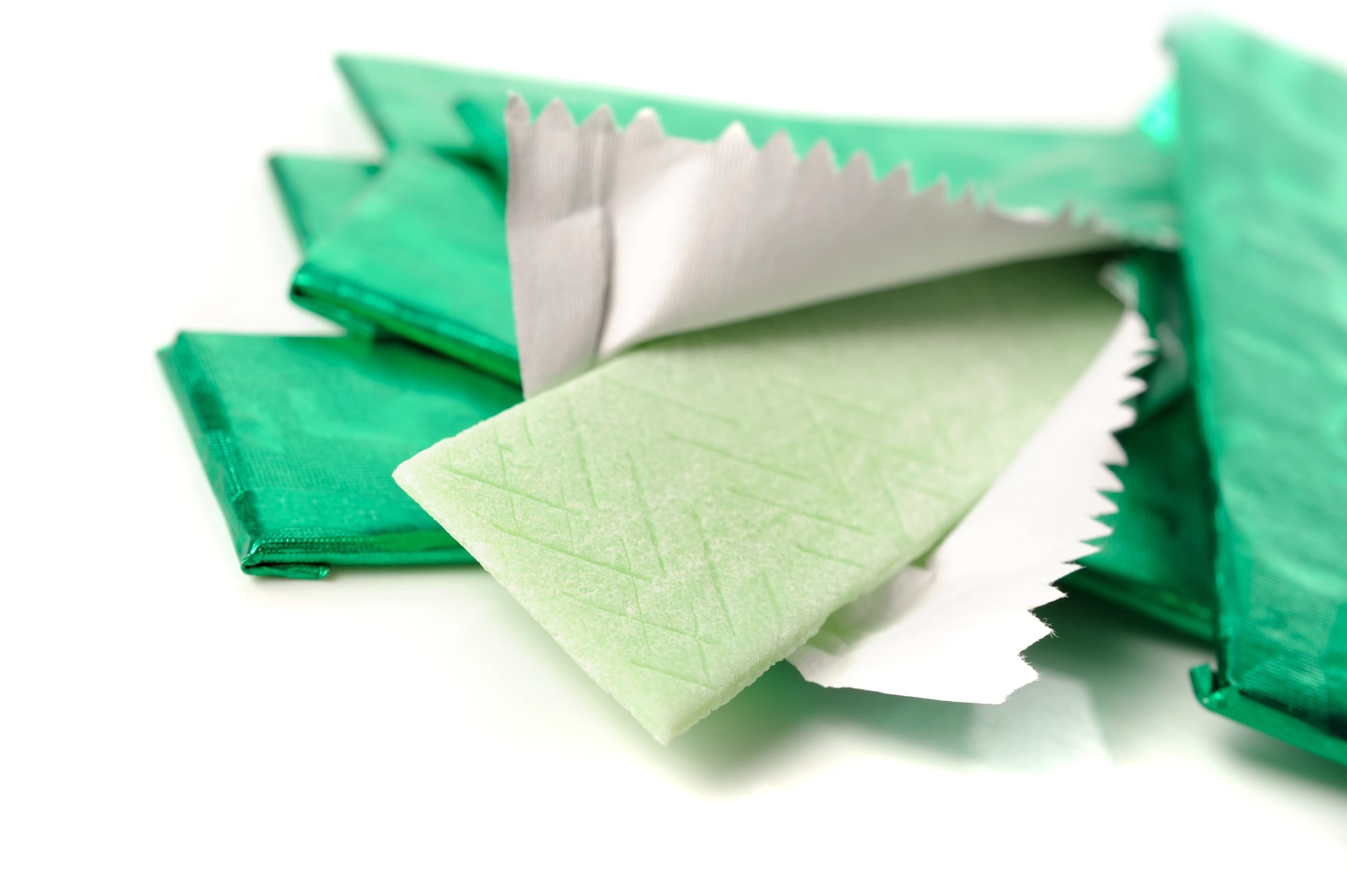
Singapore’s gum ban extends beyond chewing gum to include bubble gum, and customs officers know the difference (which suggests they’ve spent considerable time studying gum varieties for enforcement purposes). The penalties remain steep, and the ban stays popular with residents who appreciate clean public spaces.
Dental or therapeutic gum requires a prescription, making Singapore possibly the only place where gum becomes a controlled substance.
Playing Cards
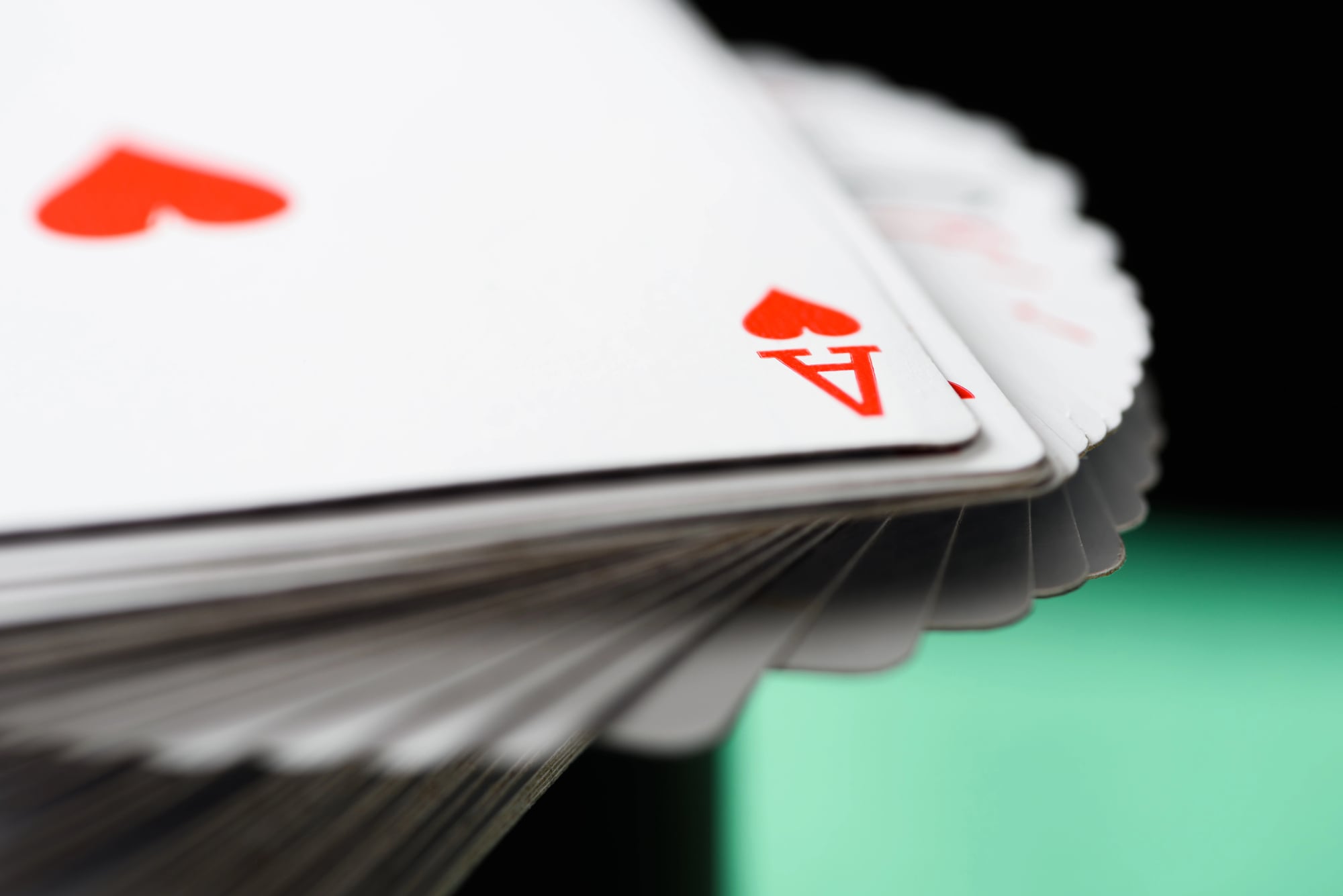
Saudi Arabia has restrictions on playing cards in certain contexts, particularly when gambling is involved. Regular playing cards aren’t universally banned, but their possession can raise questions depending on circumstances and location.
The same deck of cards used for innocent family games elsewhere might be viewed with suspicion there.
Energy Drinks
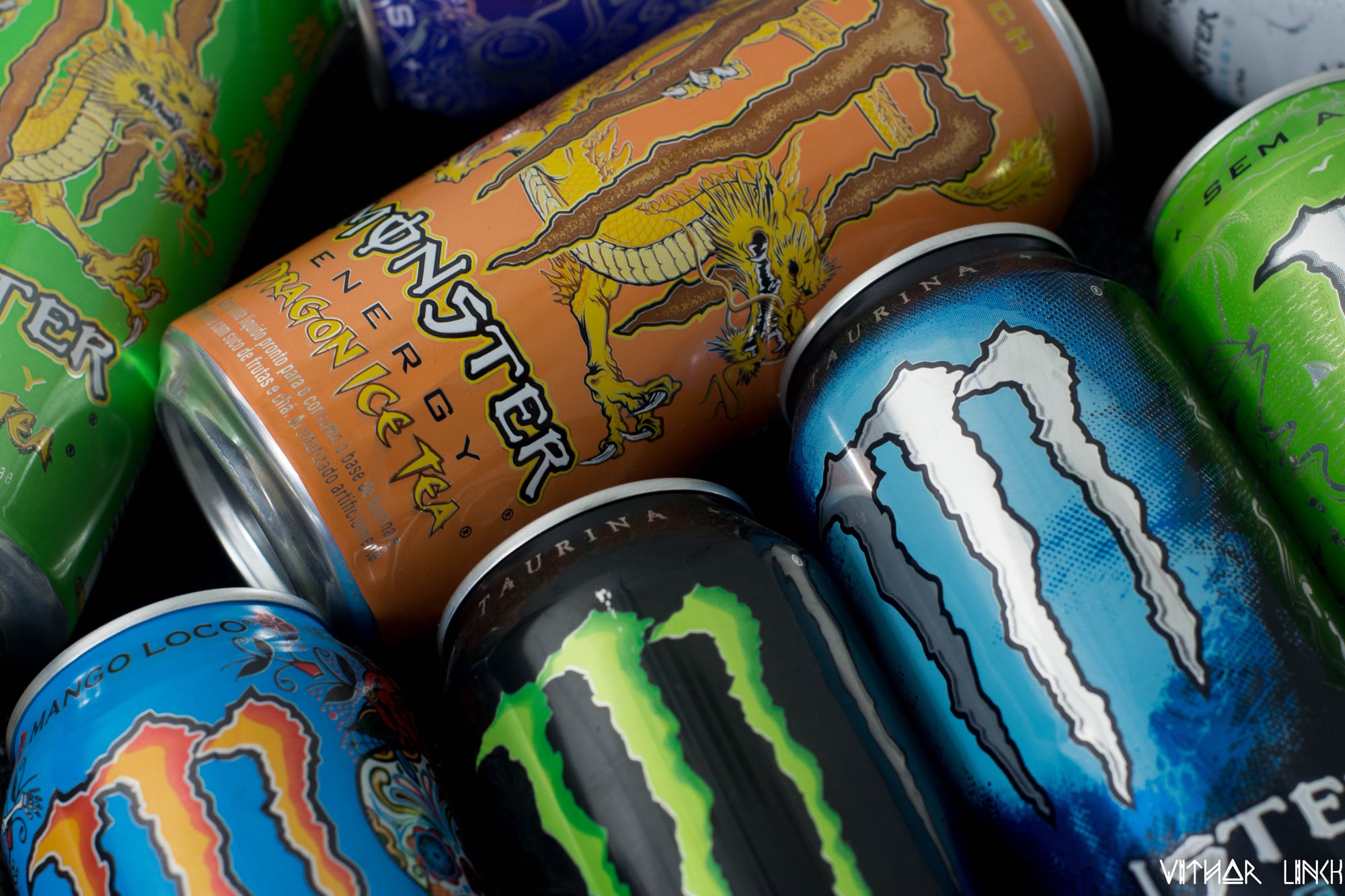
France has banned or restricted certain energy drinks containing high levels of caffeine and taurine. Red Bull was prohibited for years before regulations loosened to allow modified formulations.
The concern centers on health risks from excessive stimulant consumption, though enforcement focuses more on sales than personal possession.
Shredded Cheese
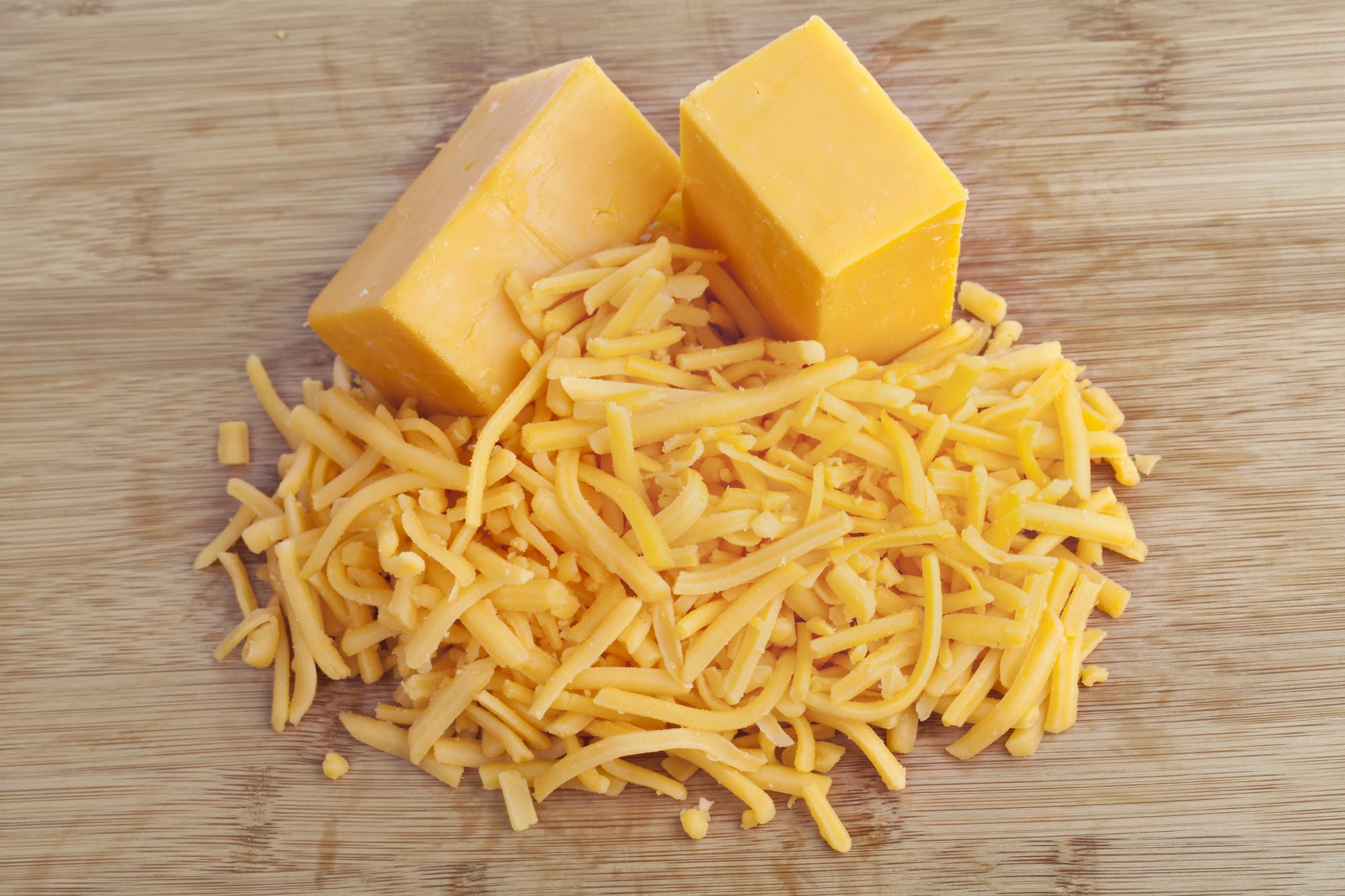
Belarus has import restrictions on certain processed cheese products, including some pre-shredded varieties from Western countries (apparently cheese sovereignty matters more than most people realize). The ban aims to protect domestic dairy producers and maintain food security.
Your pizza topping becomes an economic weapon when governments decide to protect local industries.
Water Guns
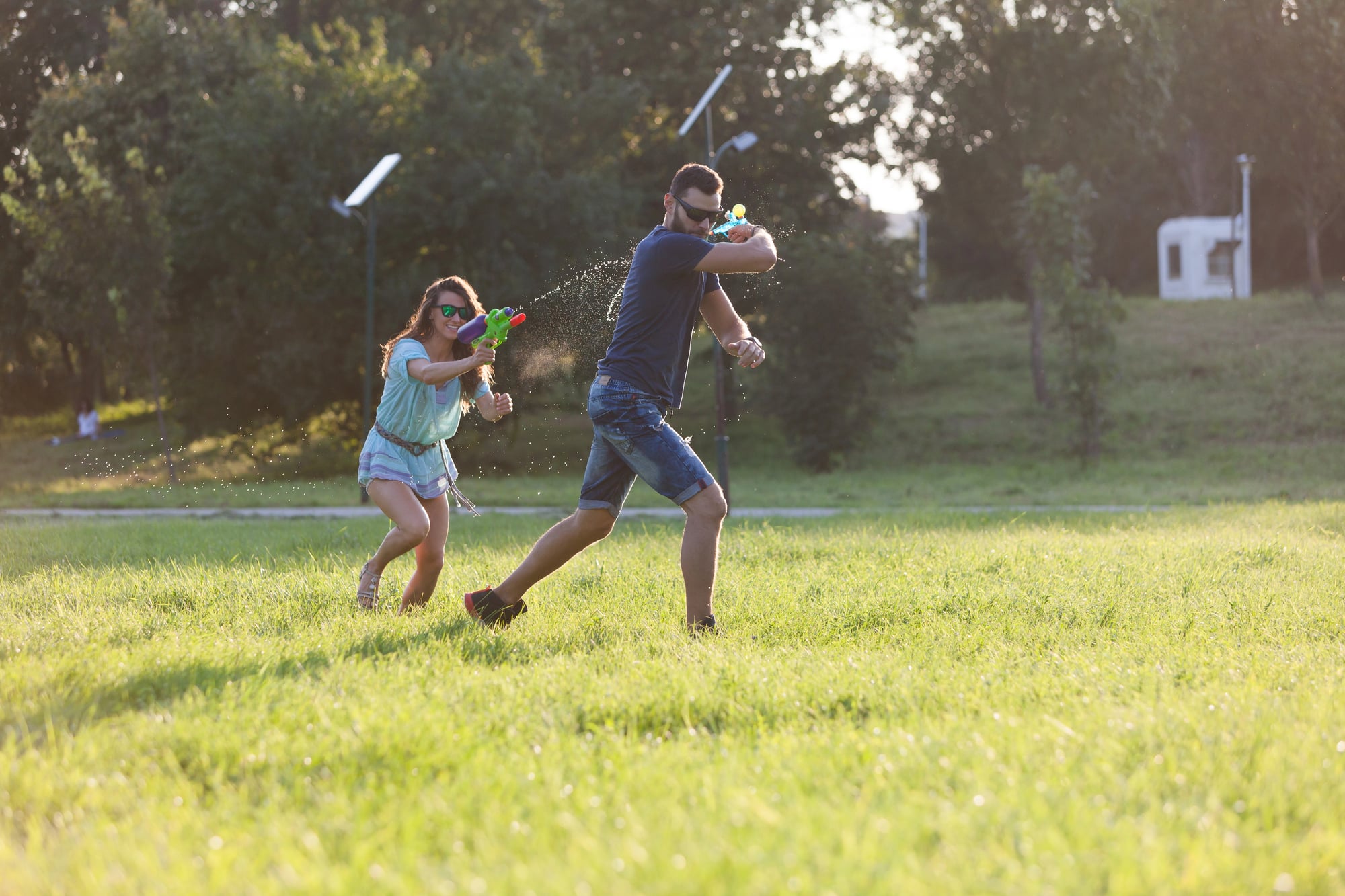
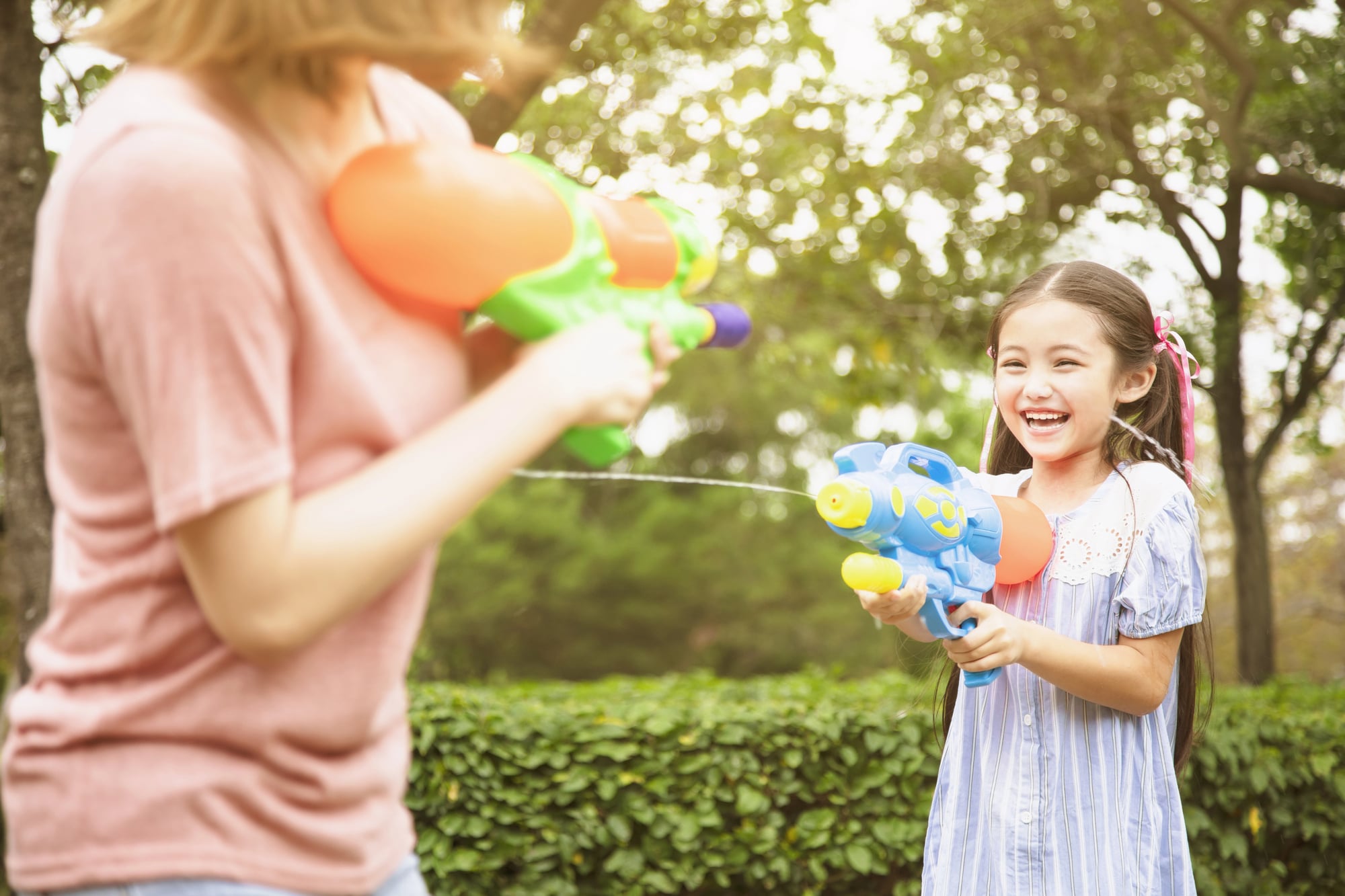
Malaysia and Singapore have restrictions on toy weapons, including water guns that look realistic. The concern involves public safety and the potential for confusion with actual weapons.
Airport security treats realistic-looking toy guns as potential threats, regardless of their harmless function.
Flip-Flops
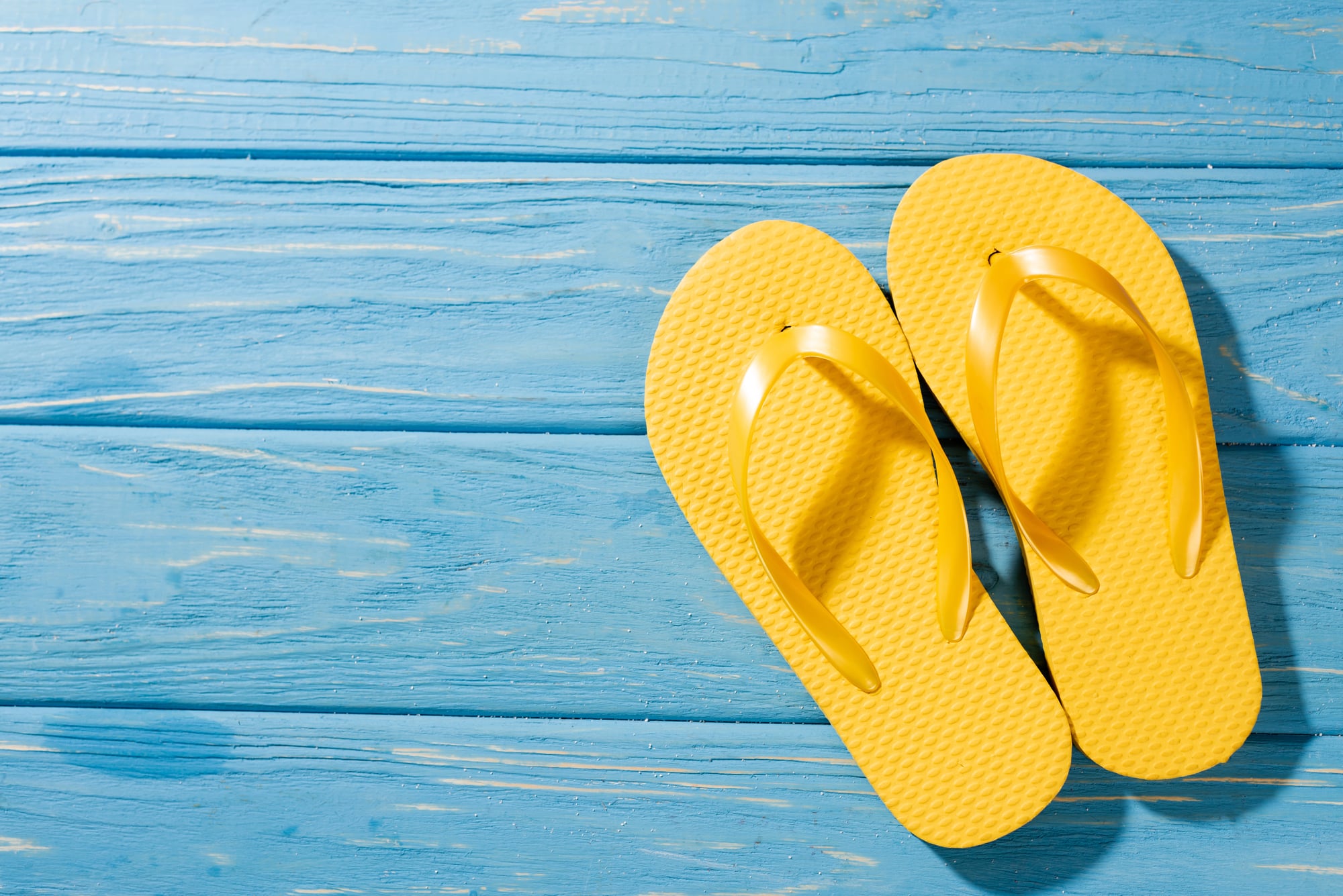
Some European churches and certain public buildings in conservative countries prohibit flip-flops as inappropriate footwear. While not technically illegal everywhere, these restrictions can catch tourists off guard when trying to enter religious sites or government buildings.
Footwear becomes a matter of respect and cultural sensitivity.
Laptop Computers
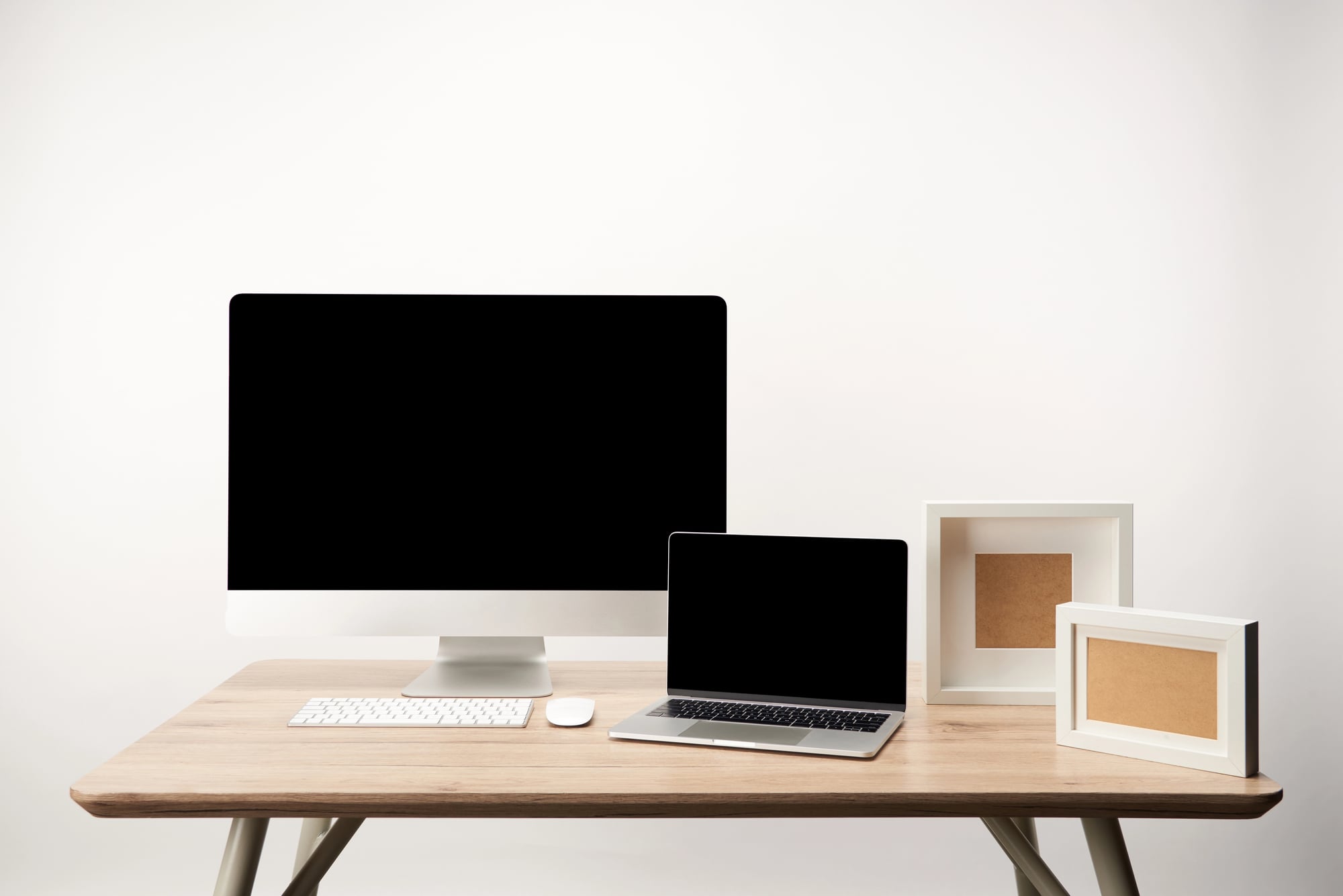
Certain countries require registration or permits for bringing laptop computers across borders, particularly models with advanced encryption capabilities. North Korea and some Middle Eastern nations scrutinize electronic devices for security reasons.
Your work computer might be considered surveillance equipment depending on its specifications and destination.
Vitamins and Supplements
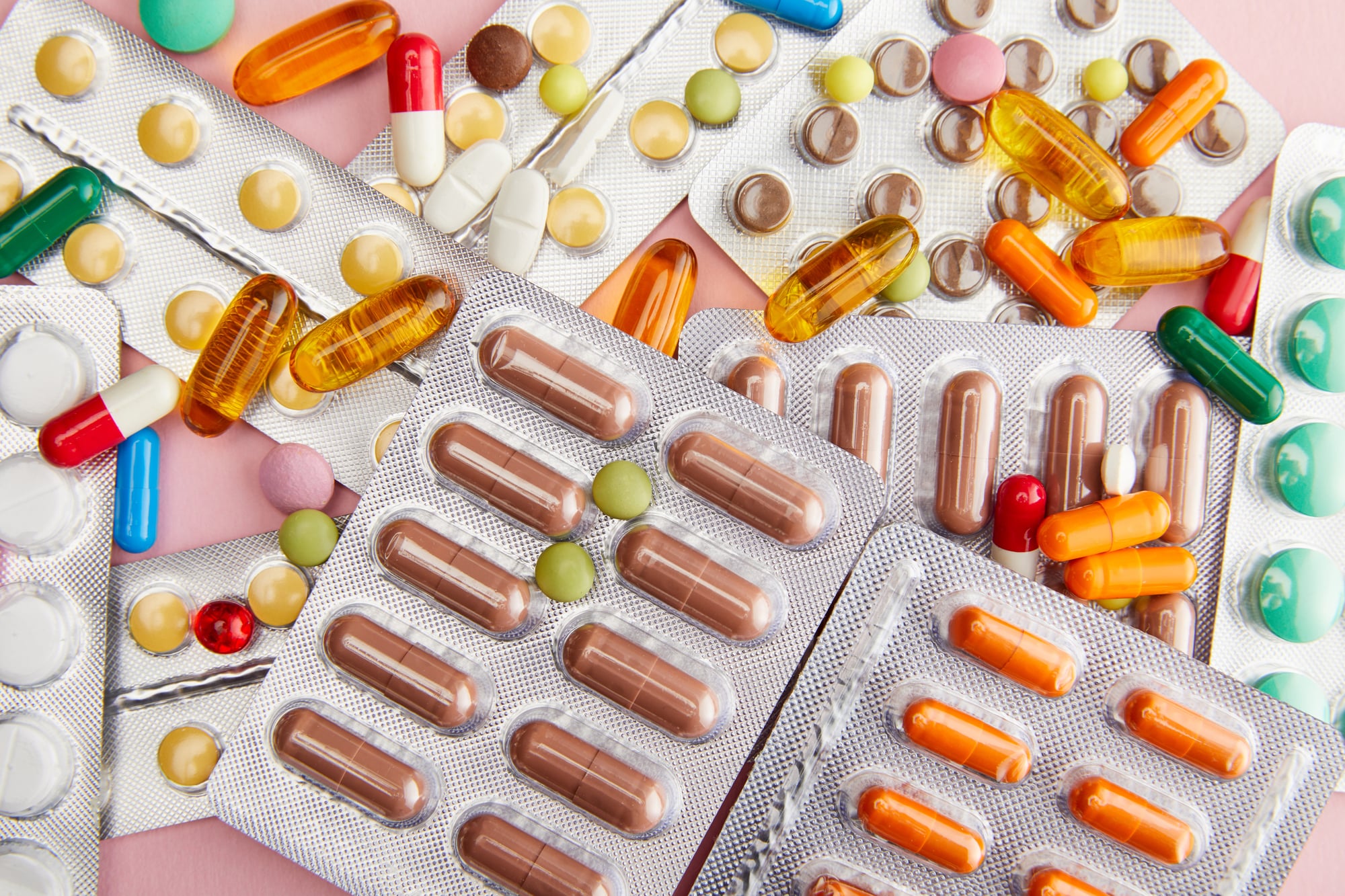
Japan has strict regulations on vitamin and supplement imports, banning many products that are common in Western countries. Even basic multivitamins can be confiscated at customs if they exceed allowable dosages of certain nutrients.
Health supplements become controlled substances when regulations prioritize different safety standards.
Nail Polish
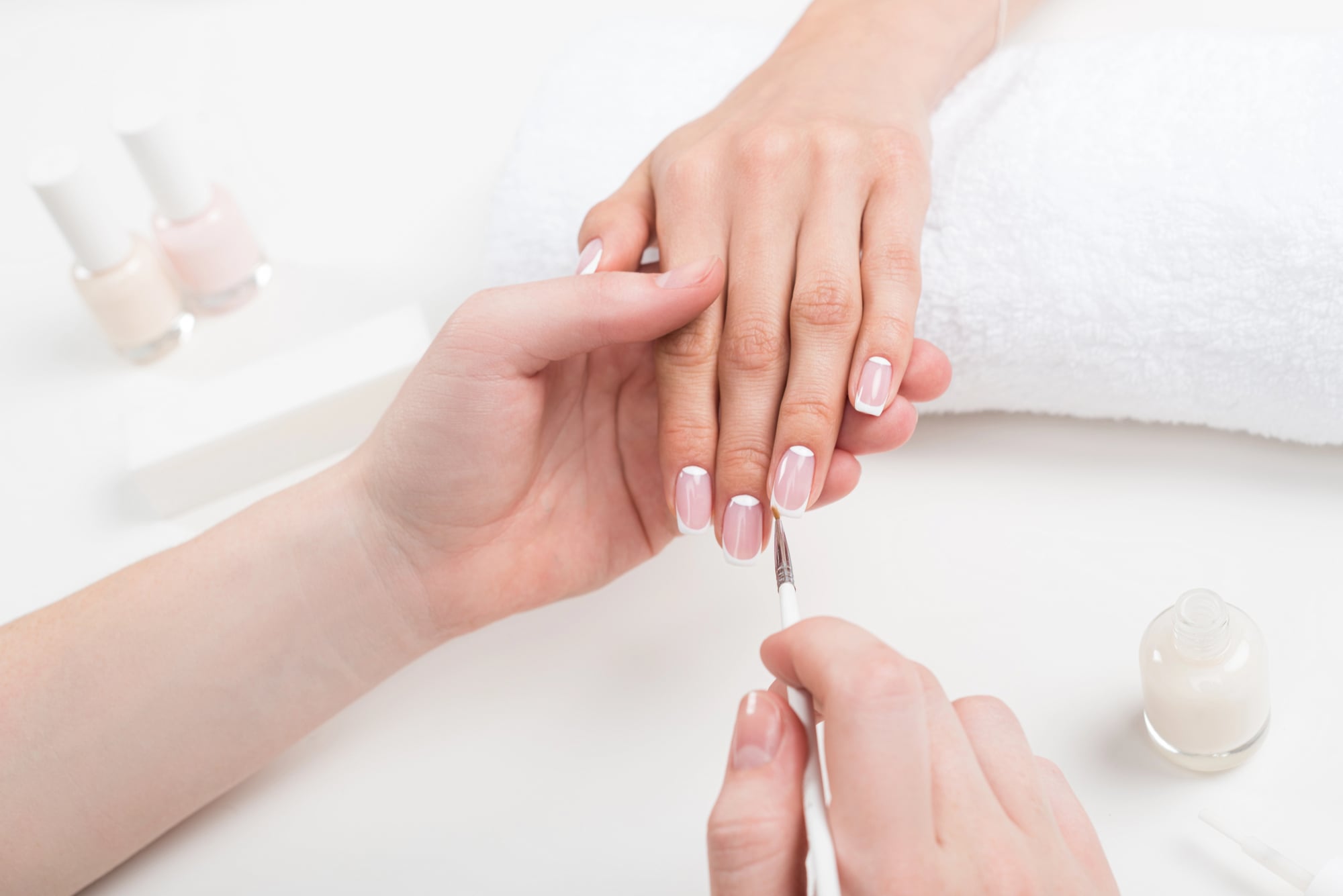
Some airlines and countries classify nail polish as hazardous material due to its flammable nature and chemical content. While personal amounts are usually acceptable, larger quantities face restrictions or outright bans.
Beauty products join the ranks of dangerous goods when chemistry meets transportation safety.
Highlighter Pens
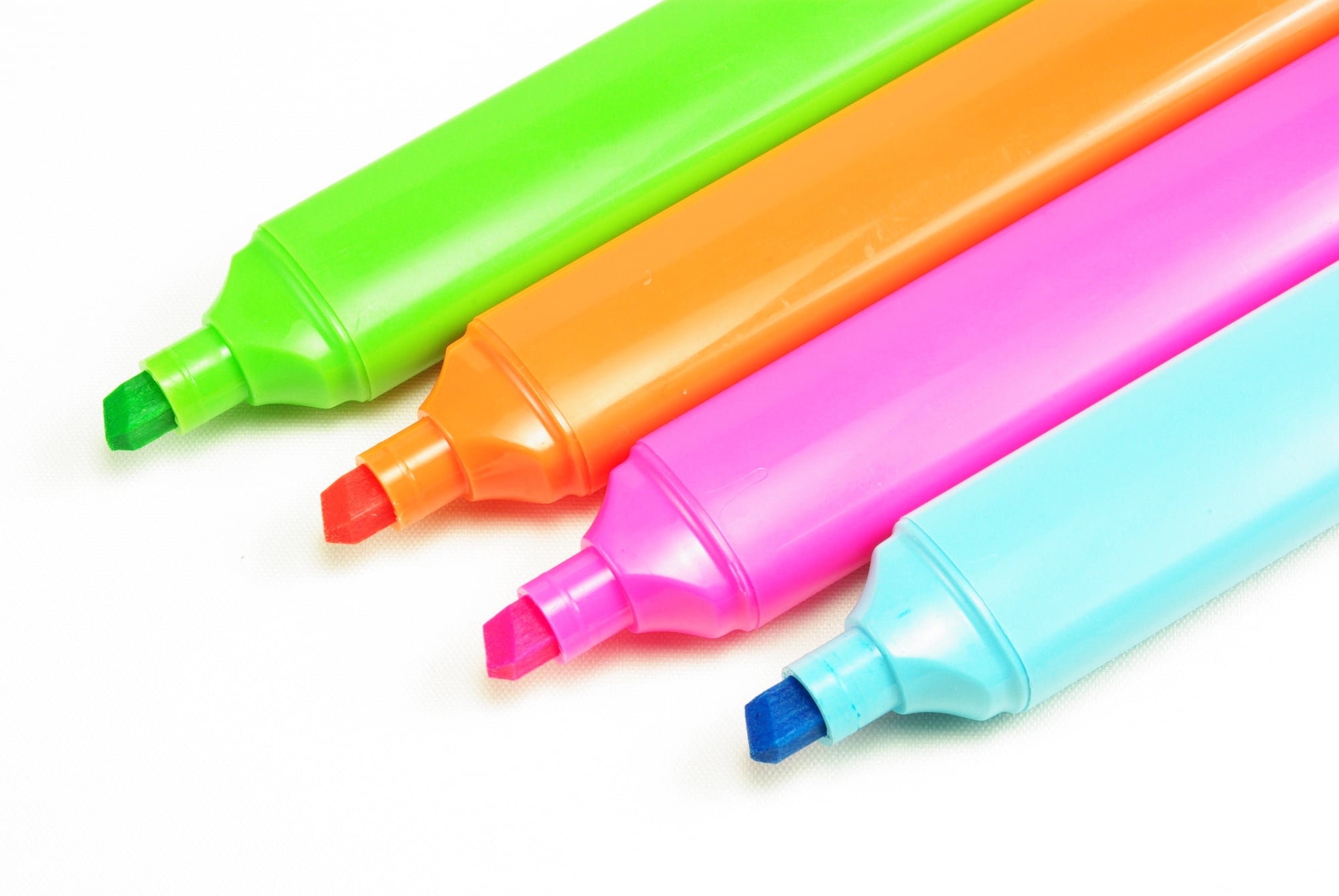
Certain countries restrict highlighter pens and markers containing specific solvents that can be used for huffing or other substance abuse. The concern focuses on public health rather than the pens’ intended use.
Office supplies become controlled items when their chemical components pose abuse risks.
Alarm Clocks
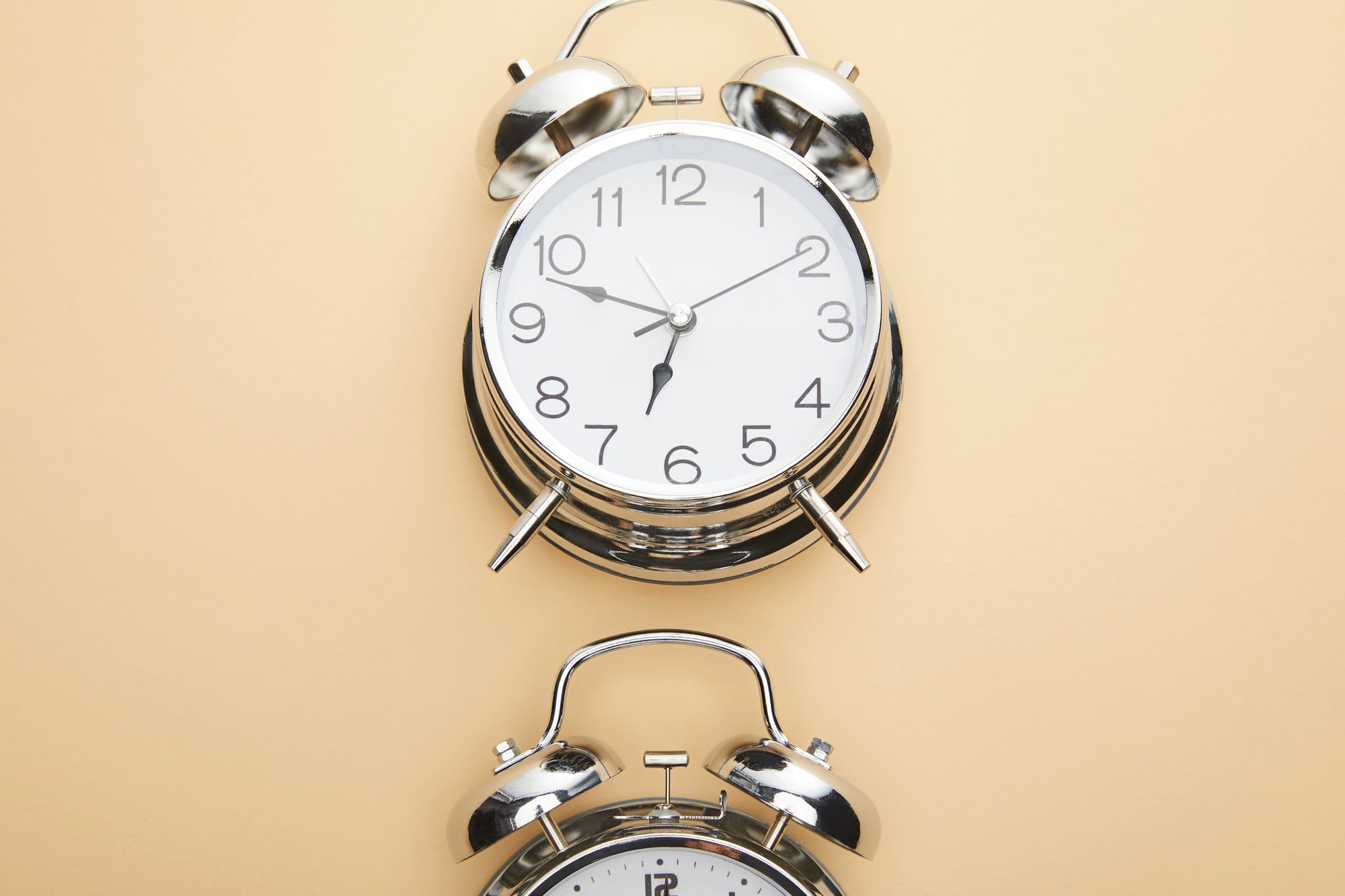
Some countries scrutinize alarm clocks and timing devices due to security concerns about improvised explosive devices. Certain models with complex timing mechanisms face additional screening or restrictions.
Your wake-up device becomes suspicious when officials worry about alternative uses.
Fishing Line
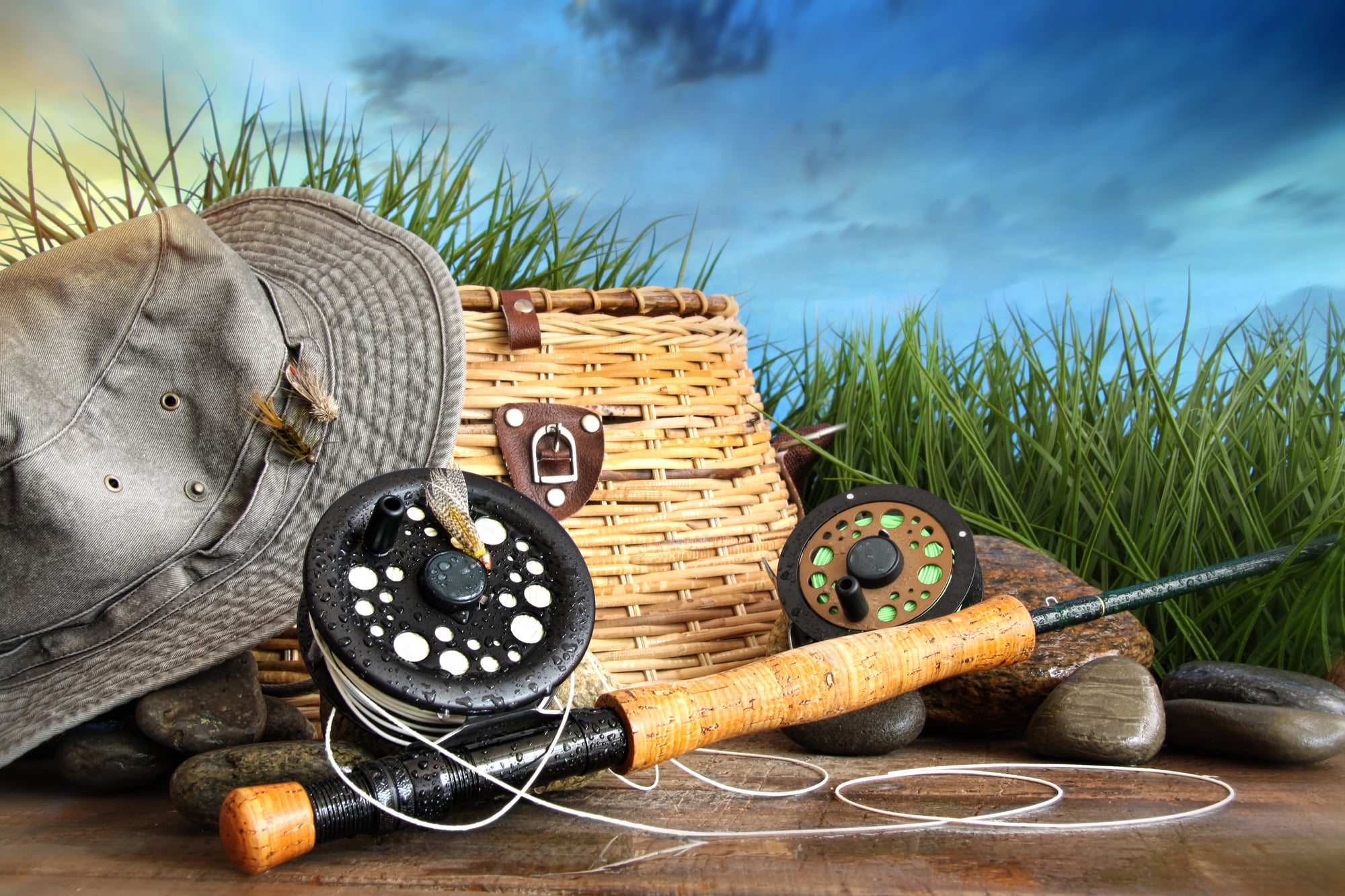
Strong fishing line faces restrictions in some high-security areas due to its potential use in creating weapons or security breaches. The same monofilament used for catching fish can be classified as dangerous material in certain contexts.
Recreational equipment becomes a security concern when officials consider all possible applications.
Instant Coffee
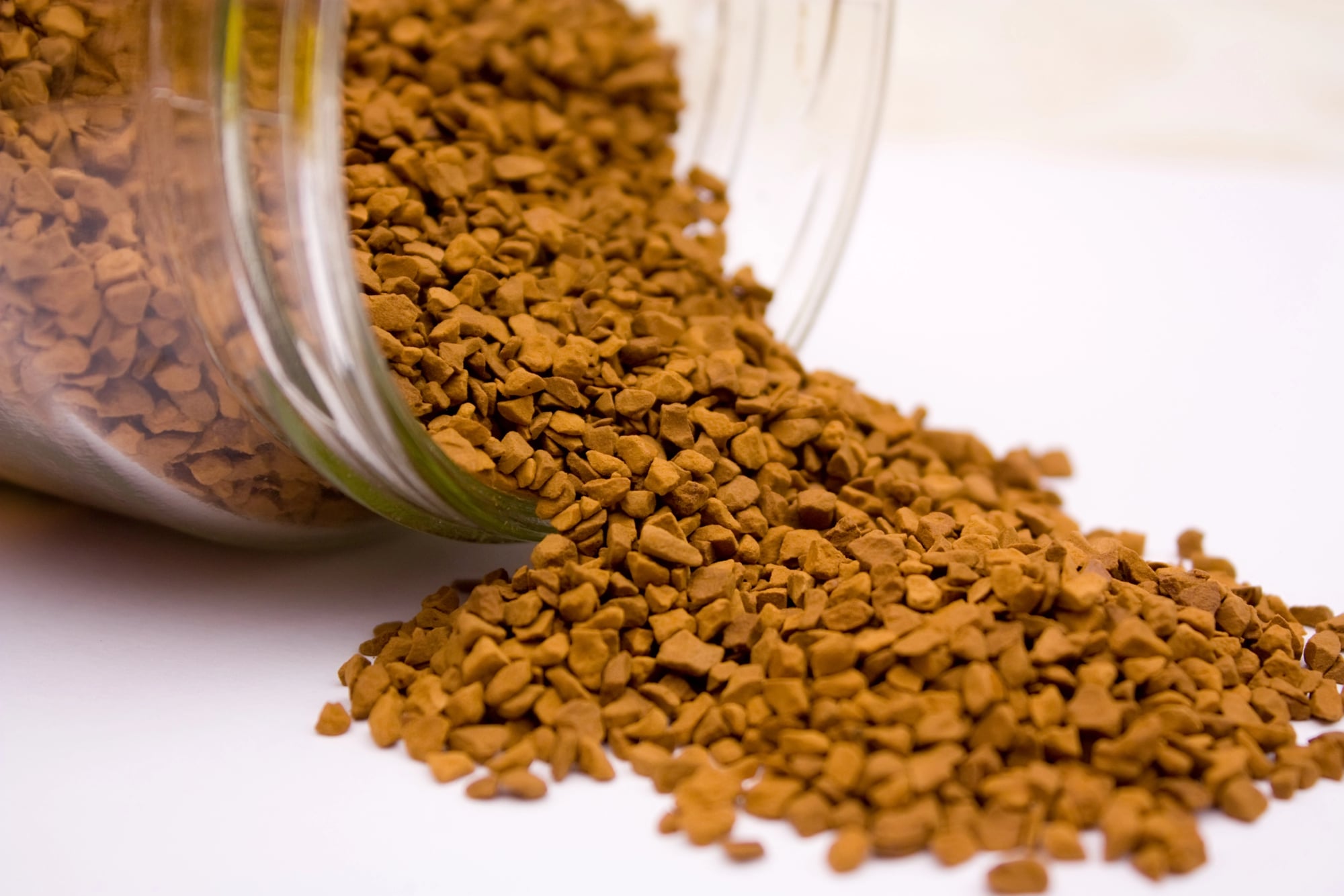
Myanmar has had various restrictions on instant coffee imports to protect local coffee industries and maintain economic control. Trade policies can turn your morning caffeine fix into contraband depending on political and economic priorities.
Beverage preferences become matters of national policy when governments intervene in markets.
Disposable Lighters
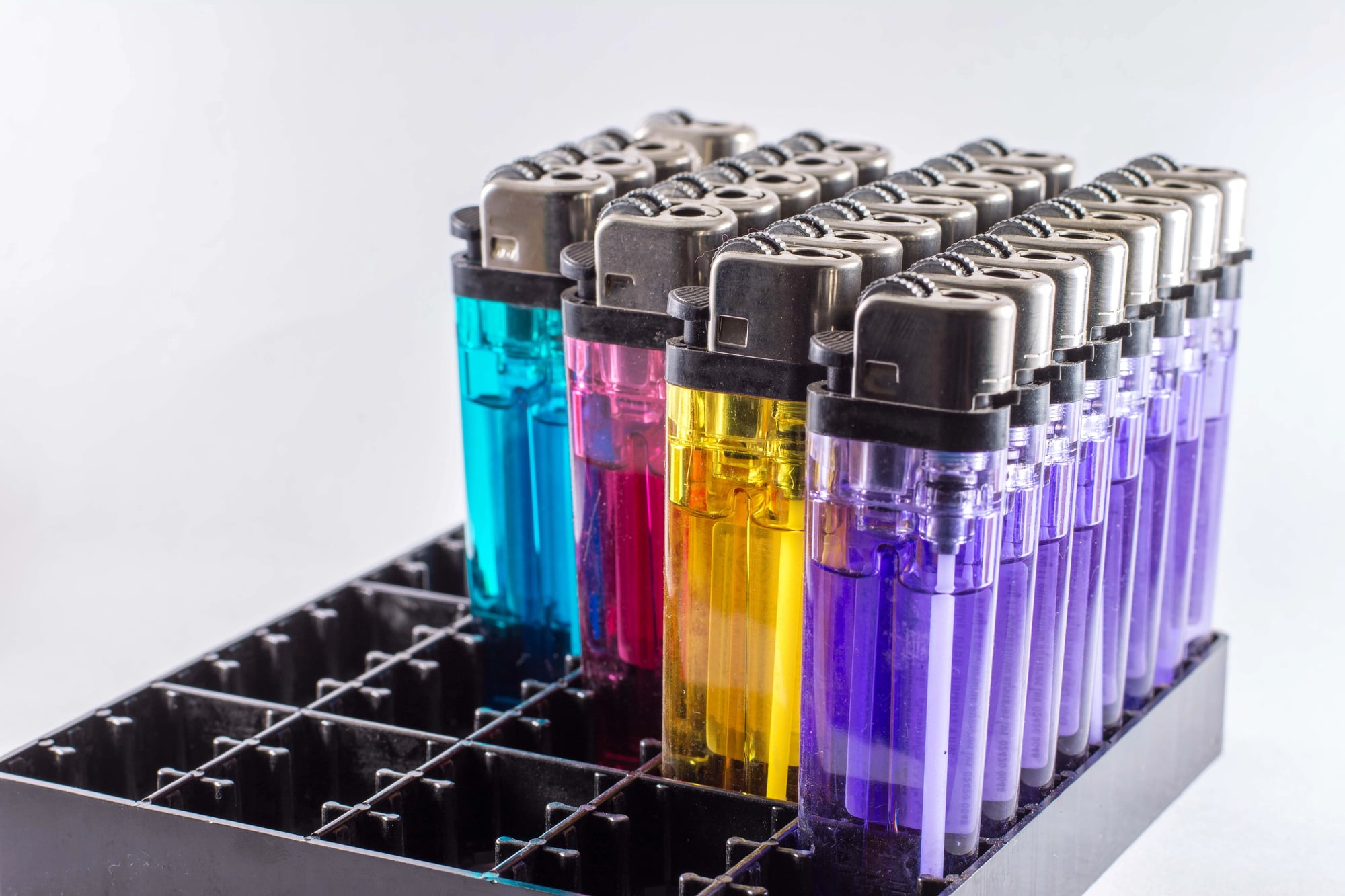
Many countries restrict disposable lighters on airplanes and in certain public buildings due to fire safety concerns. Some nations have extended these restrictions to broader contexts, making common household items subject to confiscation.
Fire safety transforms everyday tools into regulated items when authorities prioritize prevention over convenience.
The World’s Rulebook Keeps Changing
These restrictions remind us that normal is relative, and what seems obviously harmless in one place can be genuinely problematic elsewhere. Laws reflect local priorities, cultural values, and historical experiences that might not translate across borders.
The best approach is researching destination-specific regulations before traveling, because ignorance of local laws provides no protection from their enforcement.
More from Go2Tutors!

- The Romanov Crown Jewels and Their Tragic Fate
- 13 Historical Mysteries That Science Still Can’t Solve
- Famous Hoaxes That Fooled the World for Years
- 15 Child Stars with Tragic Adult Lives
- 16 Famous Jewelry Pieces in History
Like Go2Tutors’s content? Follow us on MSN.