16 Aircraft That Were Designed for War But Never Saw Combat
Throughout aviation history, military engineers have created remarkable flying machines intended to dominate the skies during conflict. Yet, for every legendary warbird that made its mark in battle, numerous aircraft designed with a deadly purpose never fired a shot in anger, remaining forever untested in their intended role.
Here is a list of military aircraft that, despite being built for war, never experienced the combat for which they were so carefully designed.
XB-70 Valkyrie
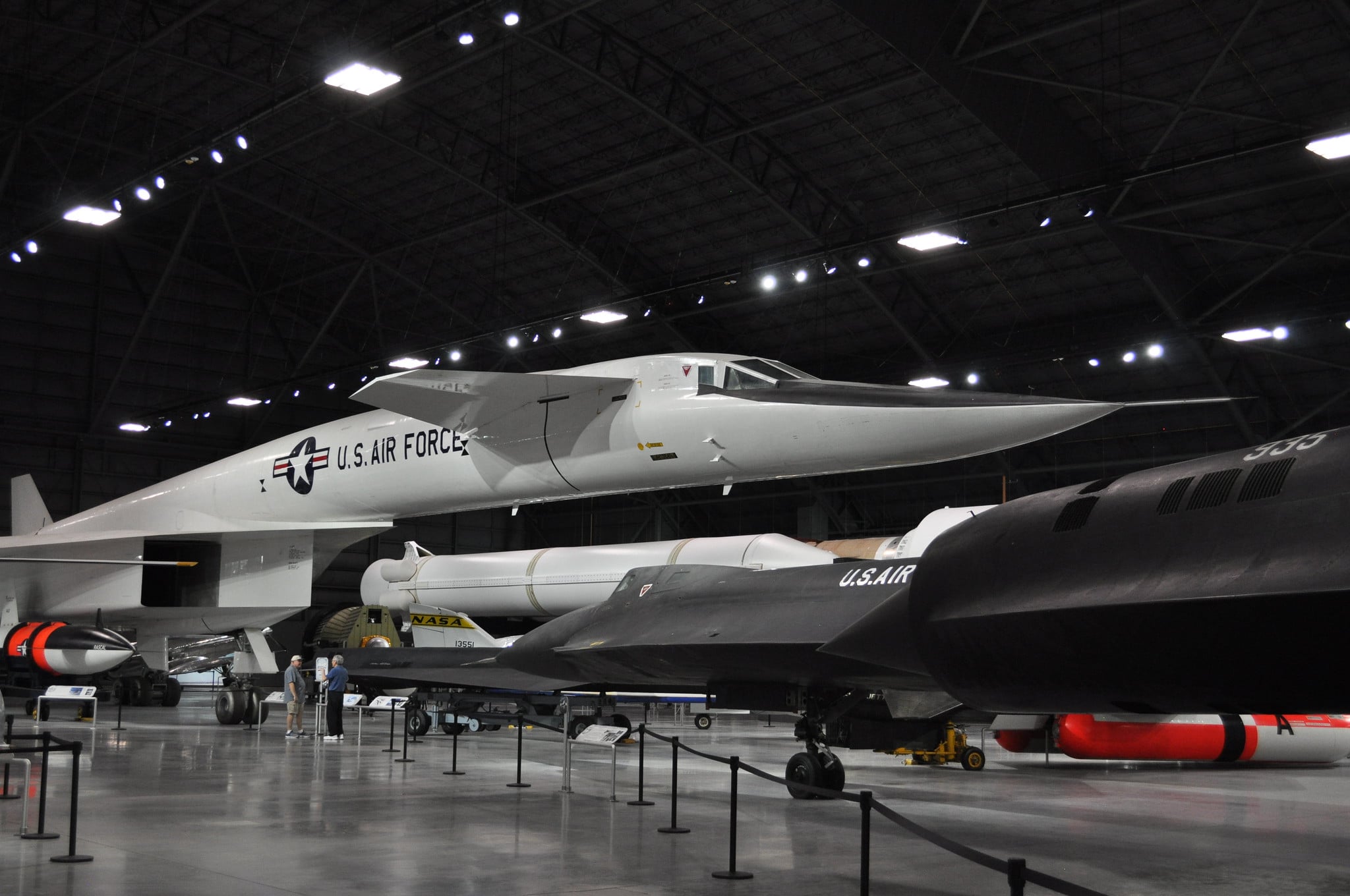
This massive supersonic bomber represented the pinnacle of American Cold War engineering. Capable of Mach 3 speeds at 70,000 feet, the Valkyrie was meant to outrun Soviet interceptors while delivering nuclear payloads.
Only two prototypes were built before the program was canceled in 1961 when intercontinental missiles made high-altitude bombers vulnerable and obsolete. Its magnificent delta wing design remains one of aviation’s most distinctive silhouettes.
F-108 Rapier
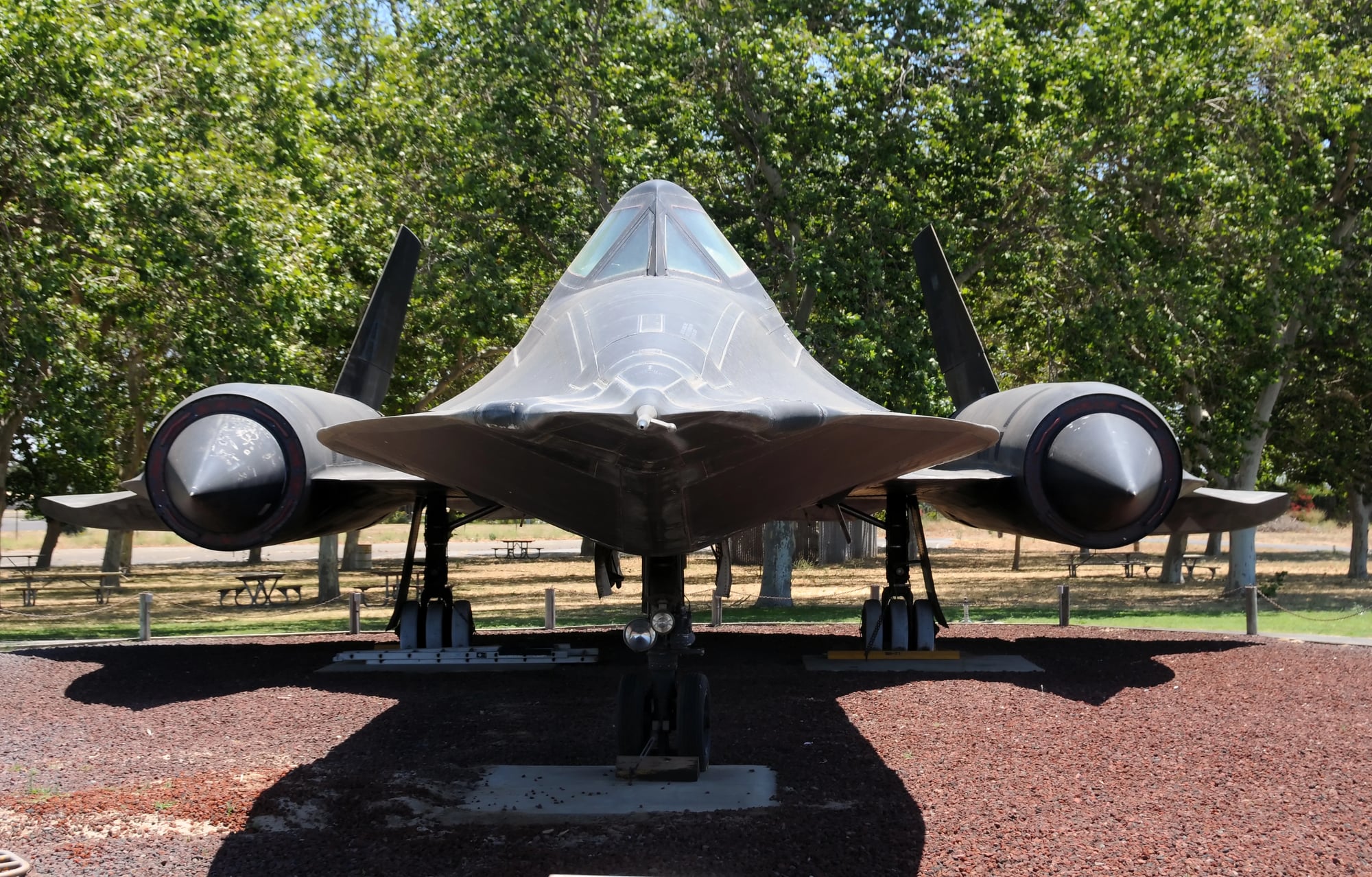
North American Aviation’s interceptor was designed to protect America from Soviet bomber fleets coming over the Arctic. The Mach 3 aircraft would have carried three nuclear-tipped missiles and featured an advanced radar system to engage multiple targets simultaneously.
Budget constraints and changing strategic priorities led to cancellation in 1959 after only mock-ups were completed. Many of its innovations were later incorporated into the SR-71 Blackbird reconnaissance aircraft.
Convair B-58B Super Hustler
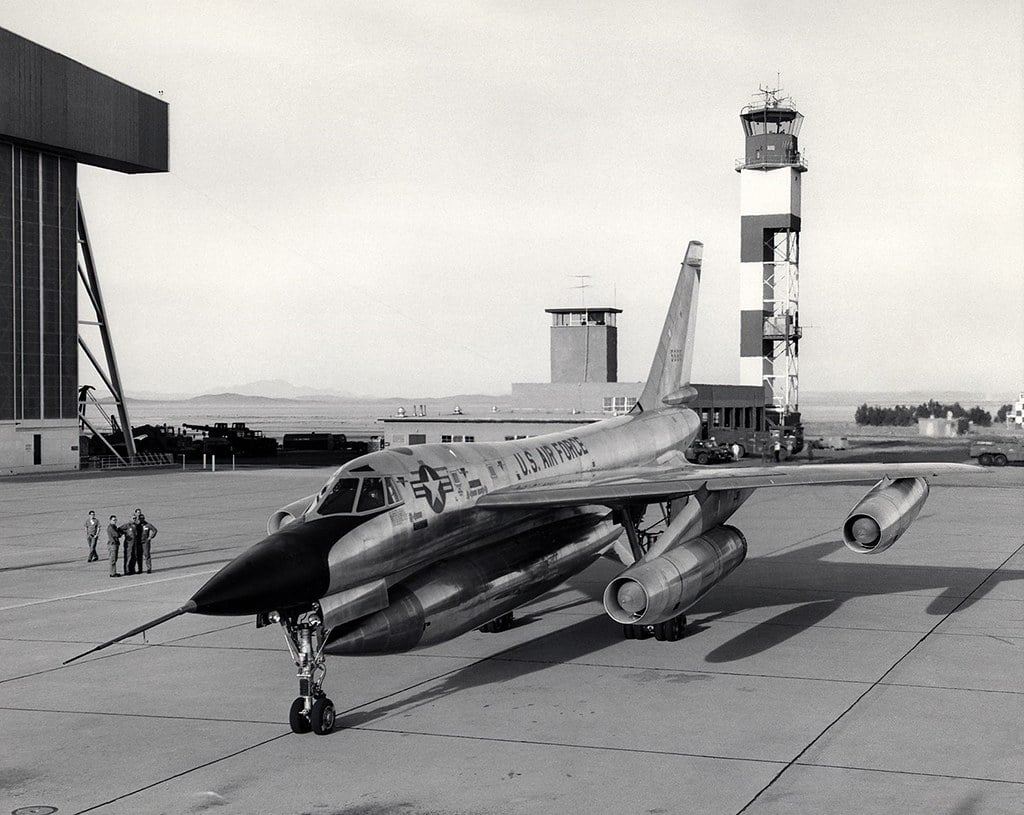
This advanced variant of the B-58 Hustler was designed to launch a smaller, piloted parasite aircraft that would continue to the target at Mach 4. The mother ship/parasite combination would have provided unprecedented strike capability against heavily defended Soviet targets.
The program was canceled in 1959 in favor of missile systems before any prototypes were built. The concept inspired other parasite aircraft designs that similarly never reached production.
Avro Canada CF-105 Arrow
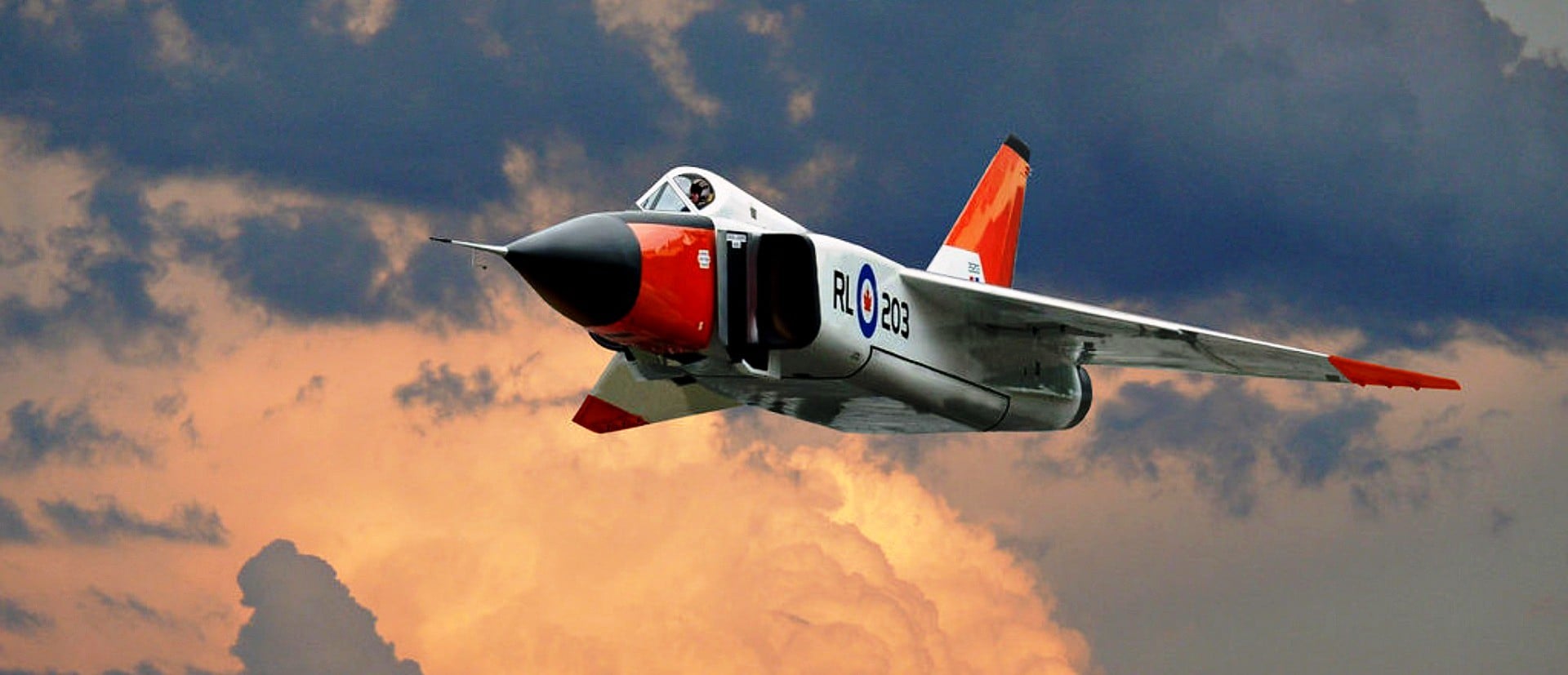
This Canadian interceptor represented cutting-edge aeronautical design when it first flew in 1958. Its delta-wing configuration and powerful Iroquois engines promised performance superiority over any contemporary fighter.
After successful test flights, the entire program was abruptly canceled in 1959, with all aircraft and technical data destroyed. The controversial decision remains a sore point in Canadian aviation history and has spawned numerous conspiracy theories.
Republic XF-103

Designed to intercept Soviet nuclear bombers at speeds exceeding Mach 3, this unusual aircraft featured a titanium and stainless steel structure to withstand the heat of sustained high-speed flight. Its hybrid powerplant combined a traditional jet engine with a ramjet for supersonic operations.
Technical challenges with the complex propulsion system and changing Air Force requirements led to its cancellation in 1957 before the prototype was completed. Only a partial mockup was ever constructed.
Northrop XP-79
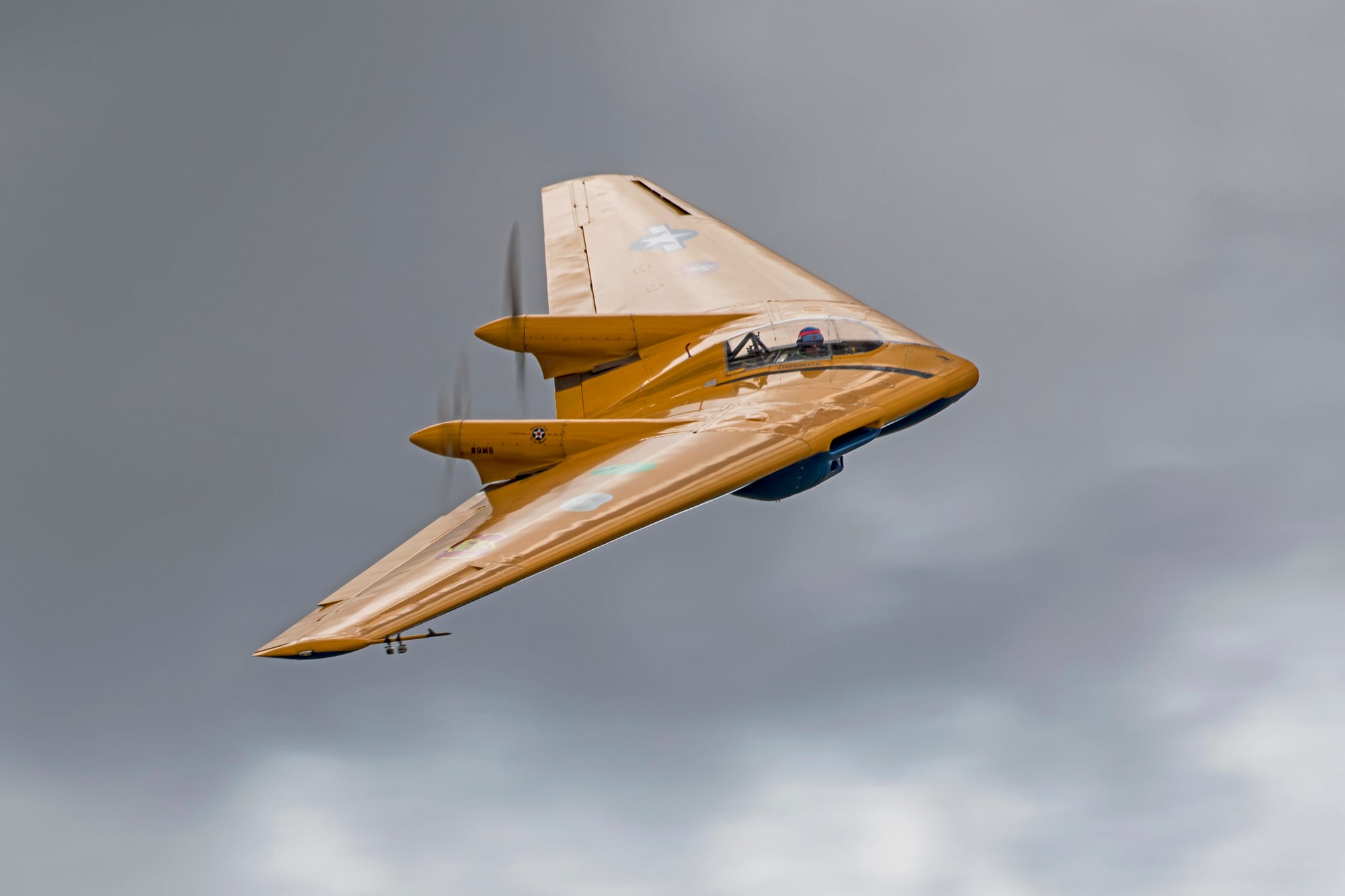
Designed to ram enemy bombers, this flying wing fighter had a magnesium structure and reinforced wings to cut through them. To endure high-g maneuvers, the pilot would lie prone in the cockpit.
The first prototype crashed on its maiden flight in 1945, killing the test pilot; the development was promptly discontinued. Though Northrop’s flying wing idea eventually succeeded in the B-2 Spirit stealth bomber, the strange notion of a ramming fighter plane perished with it.
McDonnell Douglas A-12 Avenger II
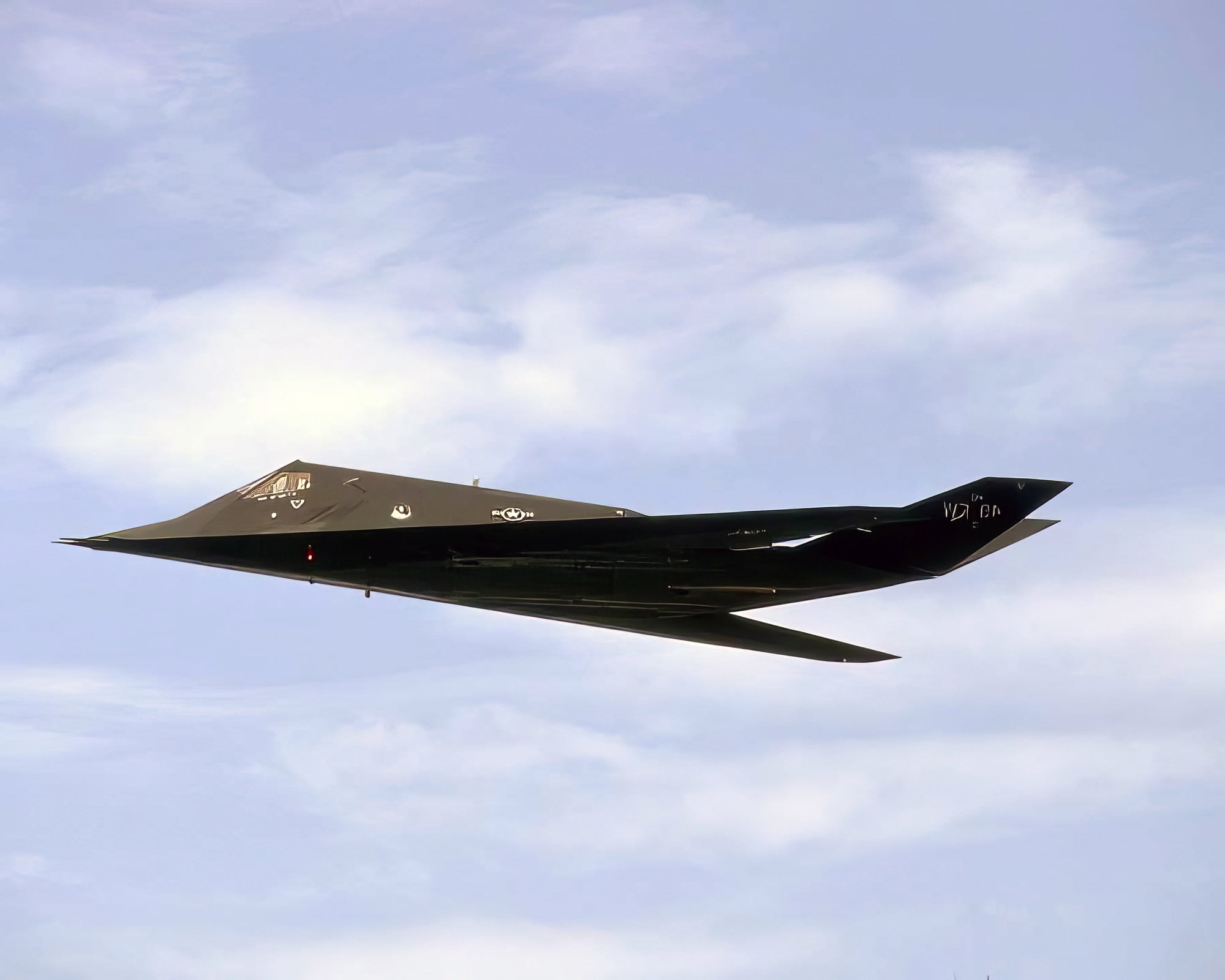
Designed to replace the A-6 Intruder on Navy carriers, this stealth attack plane was called the “Flying Dorito” because of its triangular form. Though technical challenges, weight concerns, and rising costs caused cancellation in 1991 before any planes were completed, development started in 1983.
Before generating nothing more than models and mock-ups, the program spent around $5 billion. Its end set off a 20-year court fight between the government and the contractors.
Lockheed L-133
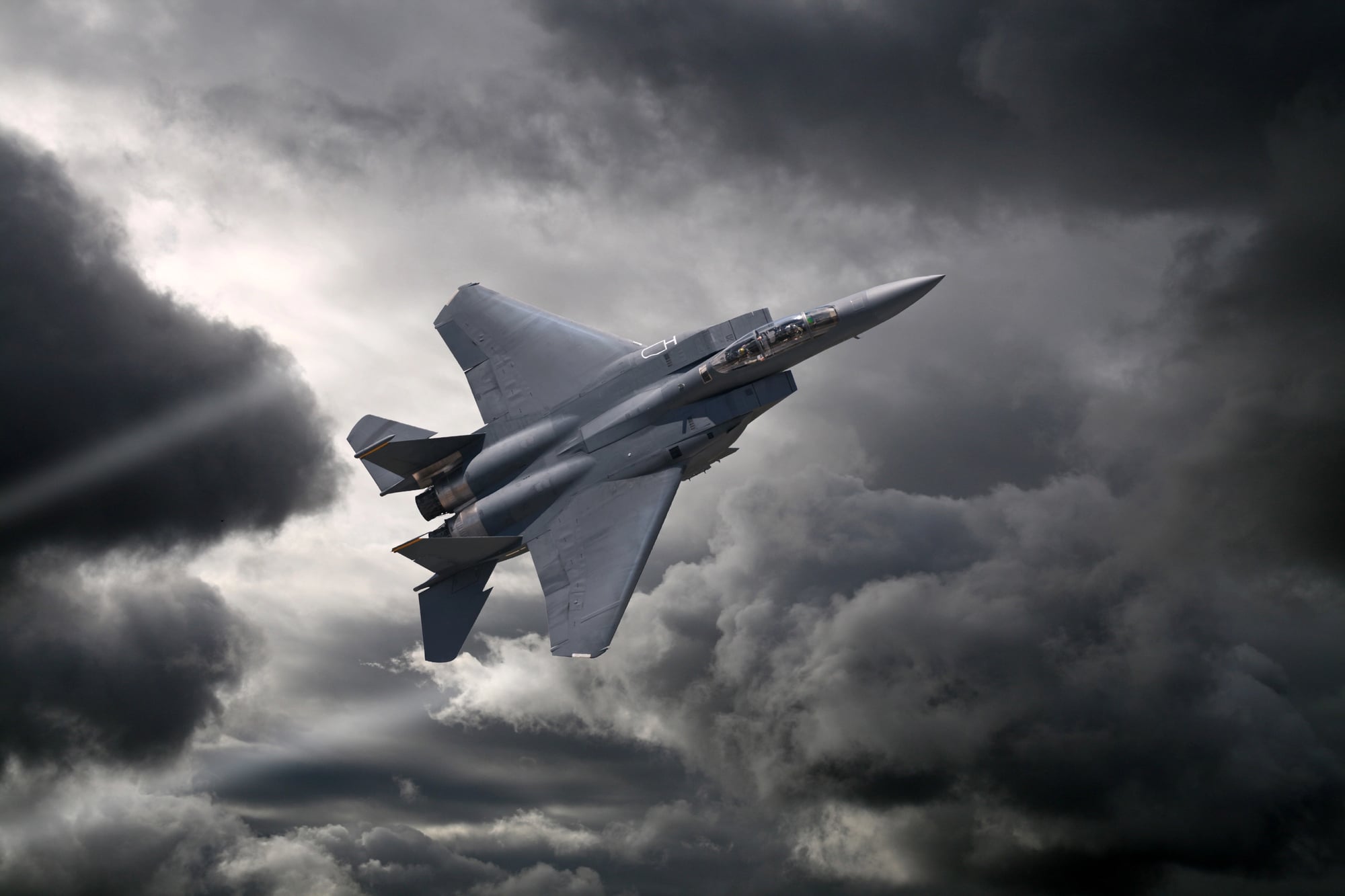
This remarkably advanced jet fighter was designed in 1942, years before jet aircraft became operational in significant numbers. It featured a canard configuration, separate jet engines, and a pressurized cockpit at a time when propeller aircraft still dominated.
The U.S. military considered the design too radical and risky, rejecting it in favor of more conventional jet fighters. Its design concepts wouldn’t become mainstream until decades later.
Saunders-Roe SR.A/1
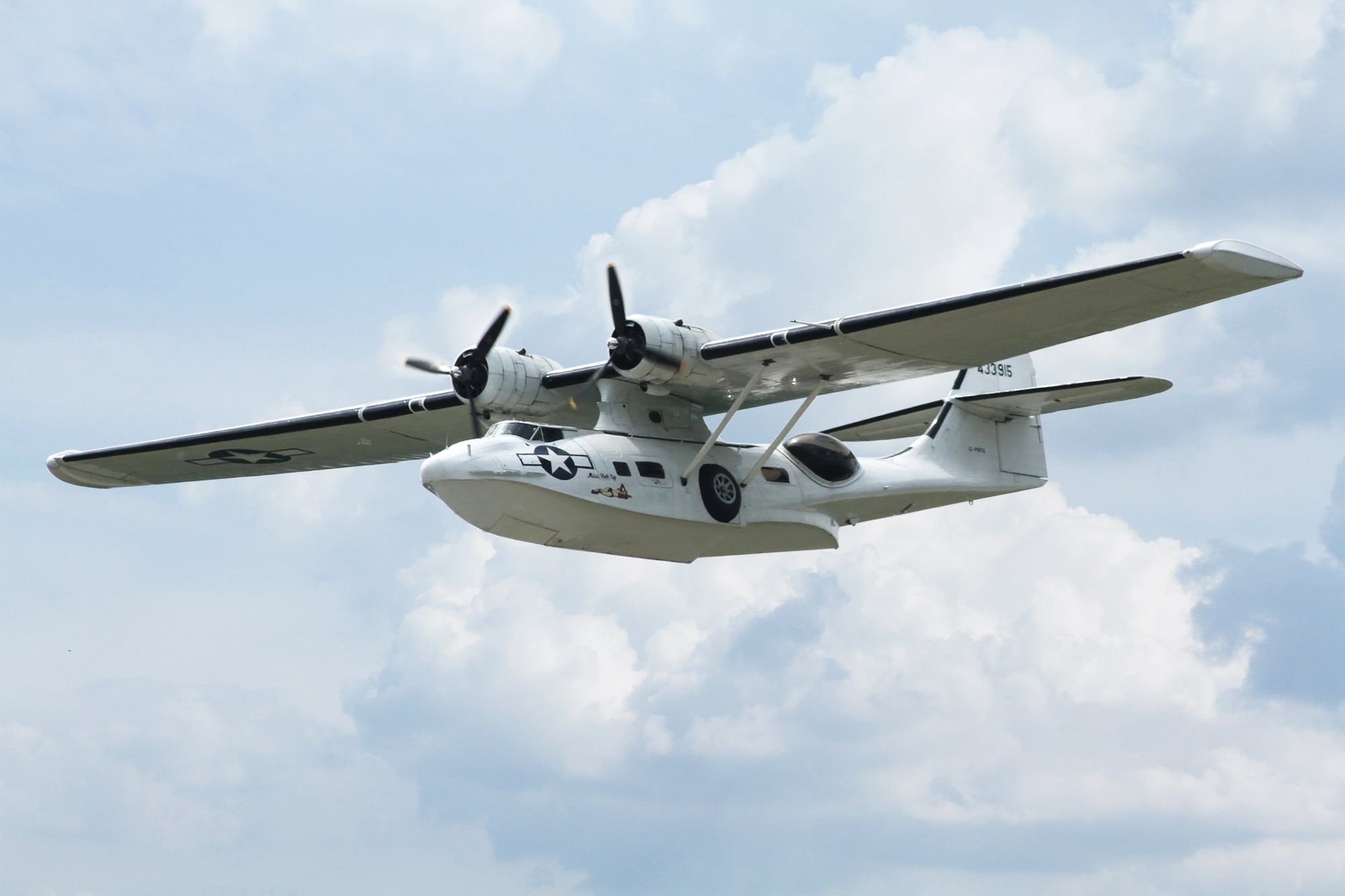
This British jet-powered flying boat fighter was developed toward the end of World War II to defend remote island outposts. The unusual aircraft could land on water yet achieve near-sonic speeds with its jet engines.
By the time prototypes flew in 1947, the war had ended, and conventional airfields had been established in sufficient numbers to make the concept unnecessary. The four prototypes never entered production despite successful testing.
Convair XFY Pogo

Designed to run from tiny warships, this experimental vertical takeoff and landing plane takes off and lands on its tail. An almost difficult chore that made operations very risky was the odd design, which called for pilots to gaze over their shoulders during landings.
Technical issues and the great pilot skill needed caused cancellation before deployment despite successful test flights between 1954 and 1955. For military operations, the tail-sitter design was unworkable.
Tupolev Tu-95LAL

This altered variant of the Soviet strategic bomber had a tiny nuclear reactor to evaluate the viability of nuclear-powered aircraft. Although the reactor powered up during 1960s test flights, it was just utilized to gather data and did not really power the aircraft.
The program was canceled because of worries about crew radiation exposure and the disastrous effects of accidents. Both superpowers soon after gave up the idea of nuclear-powered planes.
Hughes XF-11
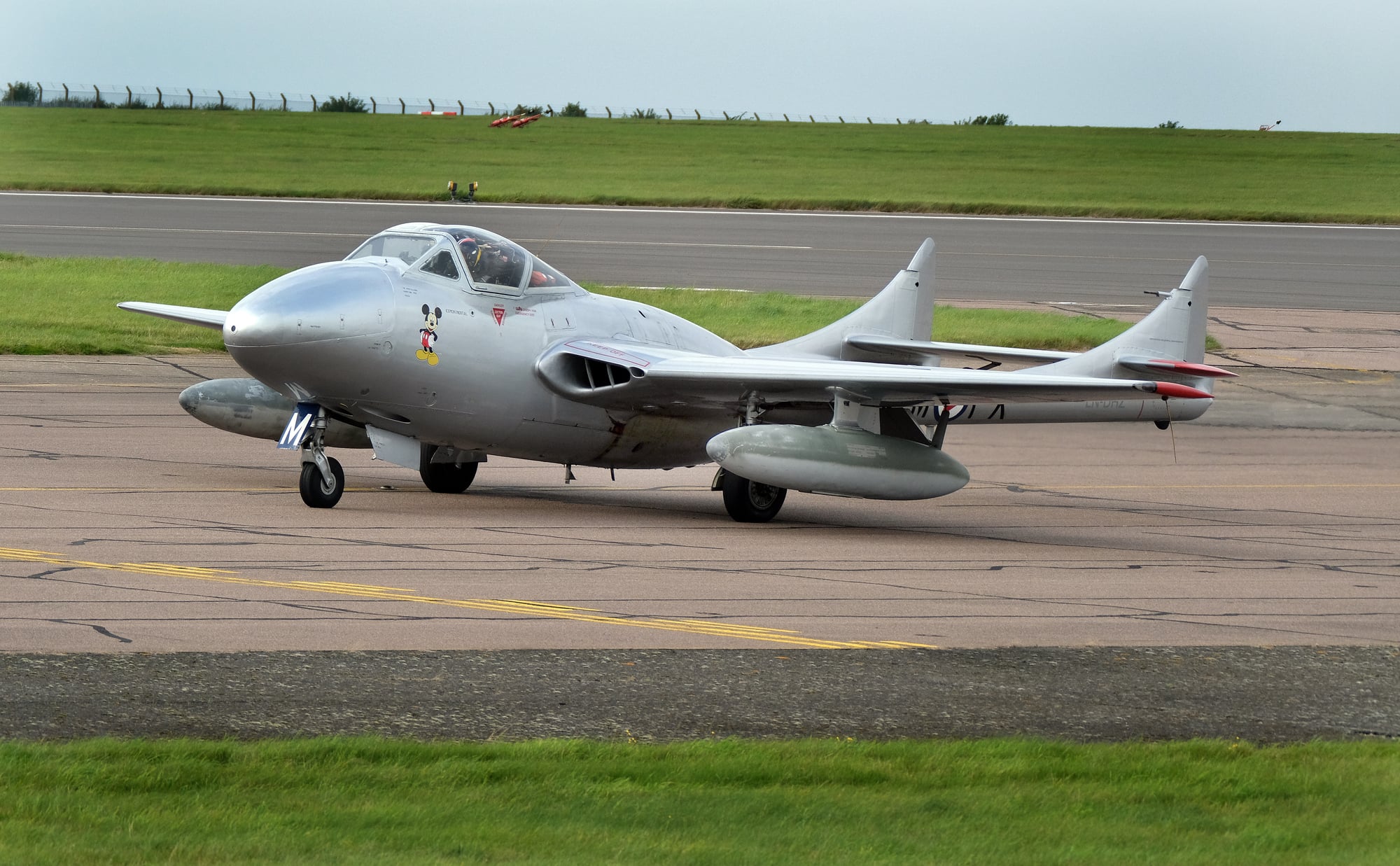
Designed as a reconnaissance aircraft during World War II, this twin-boom aircraft featured contra-rotating propellers for enhanced performance. Development delays meant it wasn’t ready until after the war ended.
The first prototype crashed during its maiden flight in 1946 with Howard Hughes himself at the controls, nearly killing the famous aviator. The program was canceled in 1947 in favor of jet-powered alternatives. The aircraft was immortalized in the film The Aviator.
XP-55 Ascender
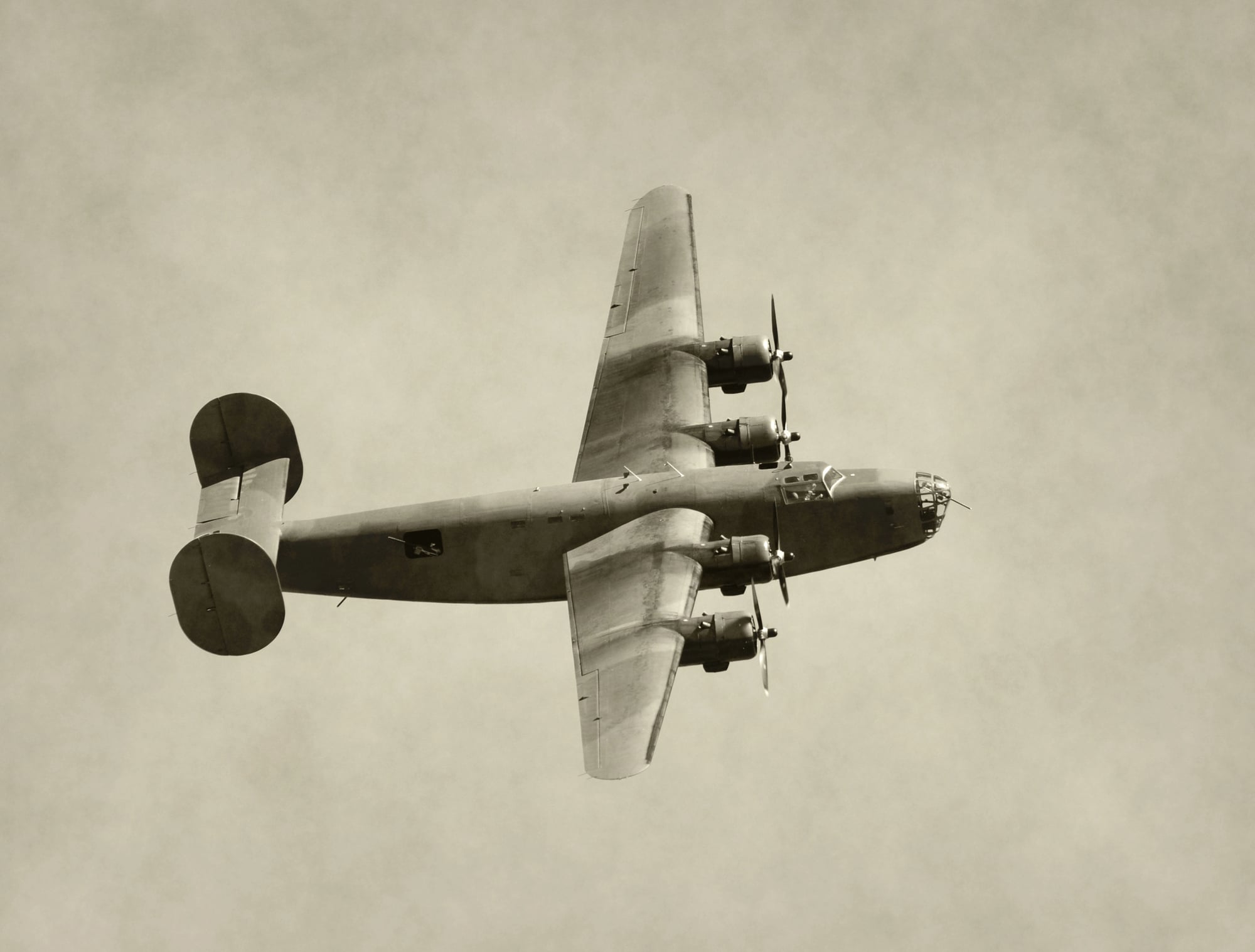
This unusual fighter featured a canard design with a pusher propeller and swept wings—radical departures from the conventional fighter design of the 1940s. Three prototypes were built and tested between 1943 and 1944.
Poor low-speed handling and the emergence of jet technology led to the program’s cancellation before production. Its nickname reflected both its configuration and the military’s assessment of its combat potential.
Heinkel He 176
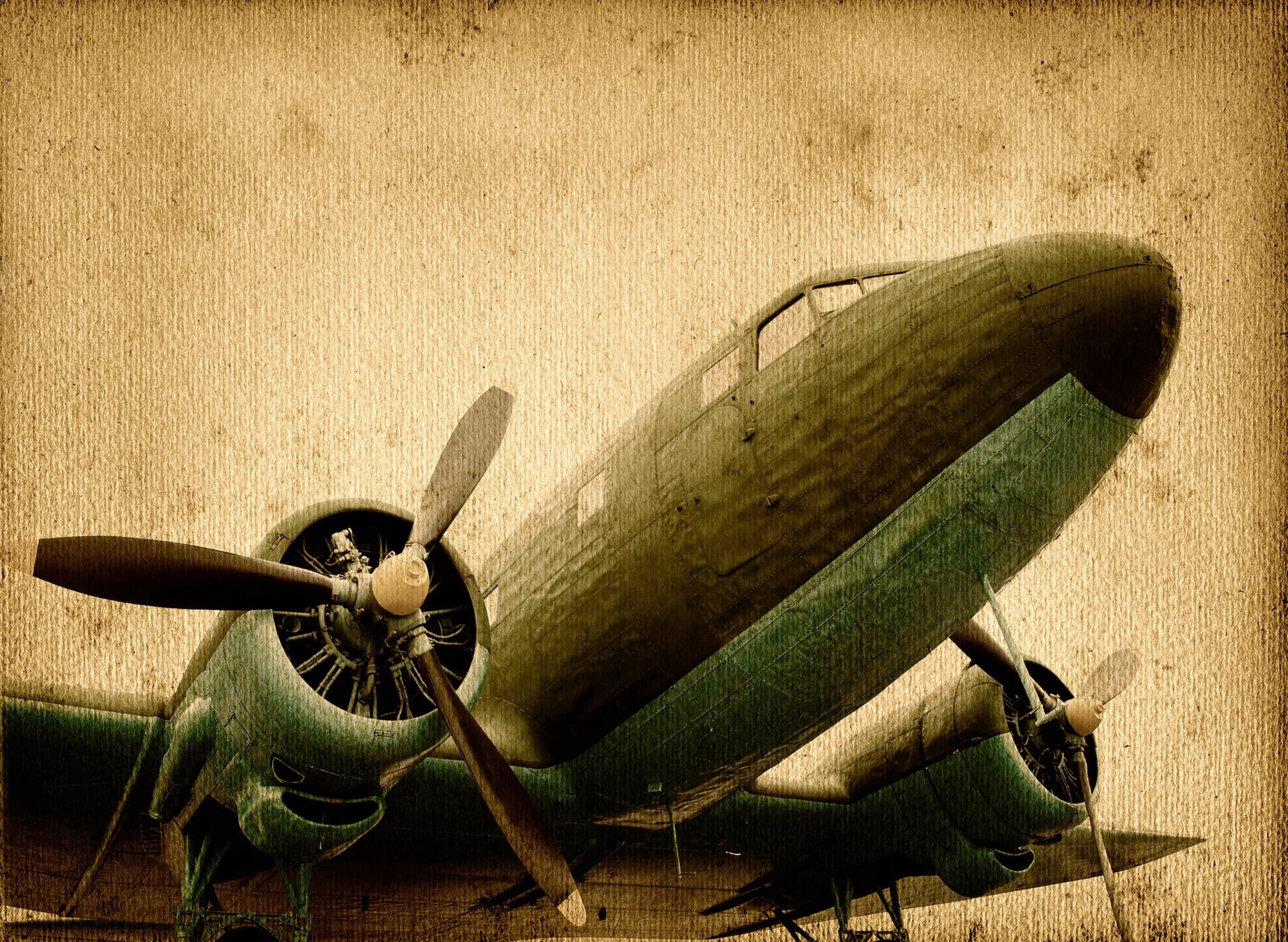
This German aircraft was the world’s first purpose-designed rocket-powered aircraft, first flying in 1939. Created to test the feasibility of rocket propulsion for military aircraft, it paved the way for later rocket-powered interceptors.
Despite successful demonstrations, the Luftwaffe leadership showed little interest, and the program was canceled after only a few test flights. The prototype was destroyed during an Allied bombing raid, erasing this pioneering aircraft from existence.
Fisher P-75 Eagle
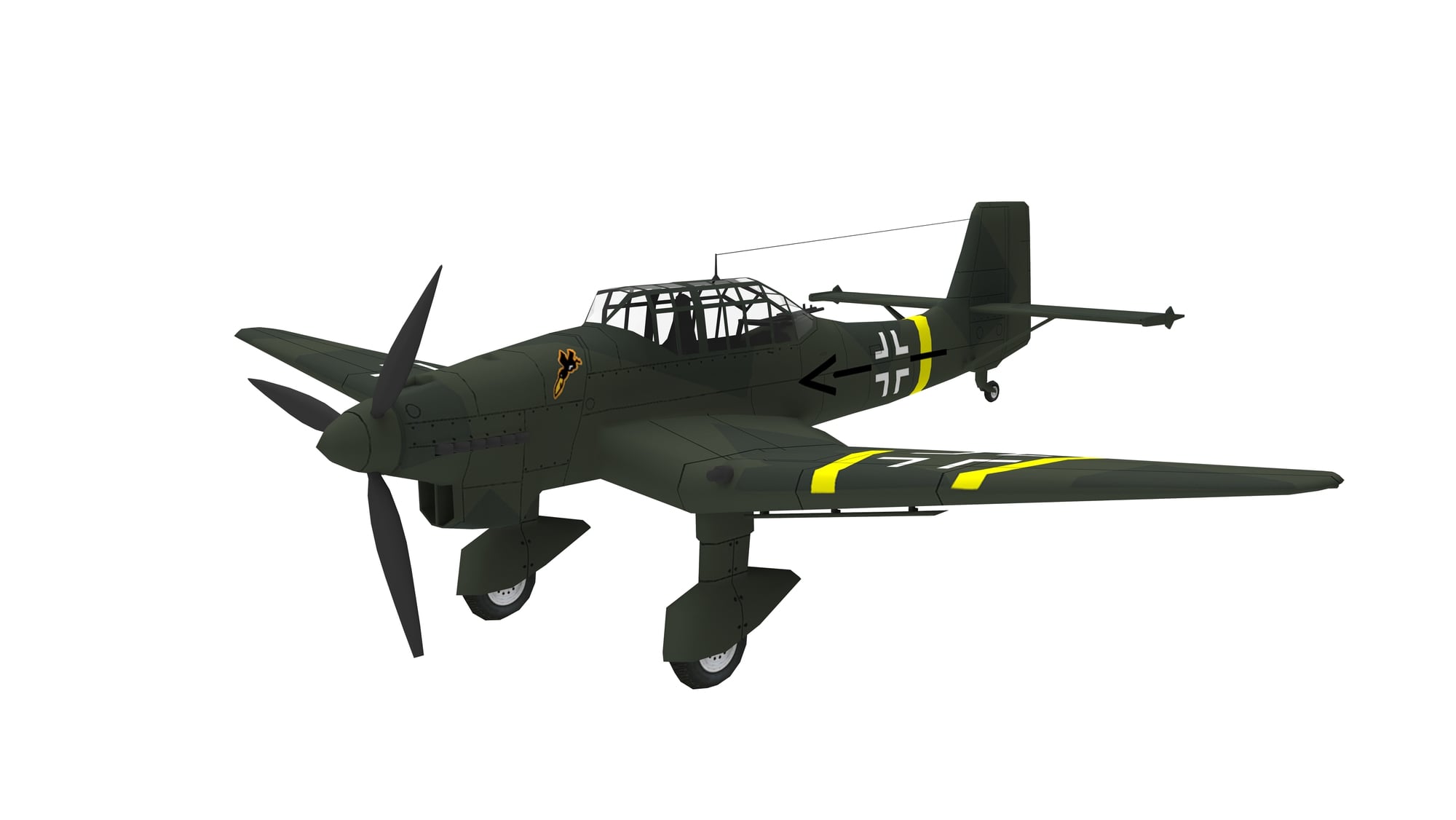
Originally conceived as a “wonder fighter” using components from existing aircraft to speed development, this American fighter suffered from poor performance in testing. Despite an upgraded version with a more powerful engine, the aircraft never met expectations.
With superior fighters already in production, the program was canceled in 1944 after only a handful were built. It gained notoriety as an example of how combining successful components doesn’t necessarily create a successful aircraft.
Kyushu J7W Shinden
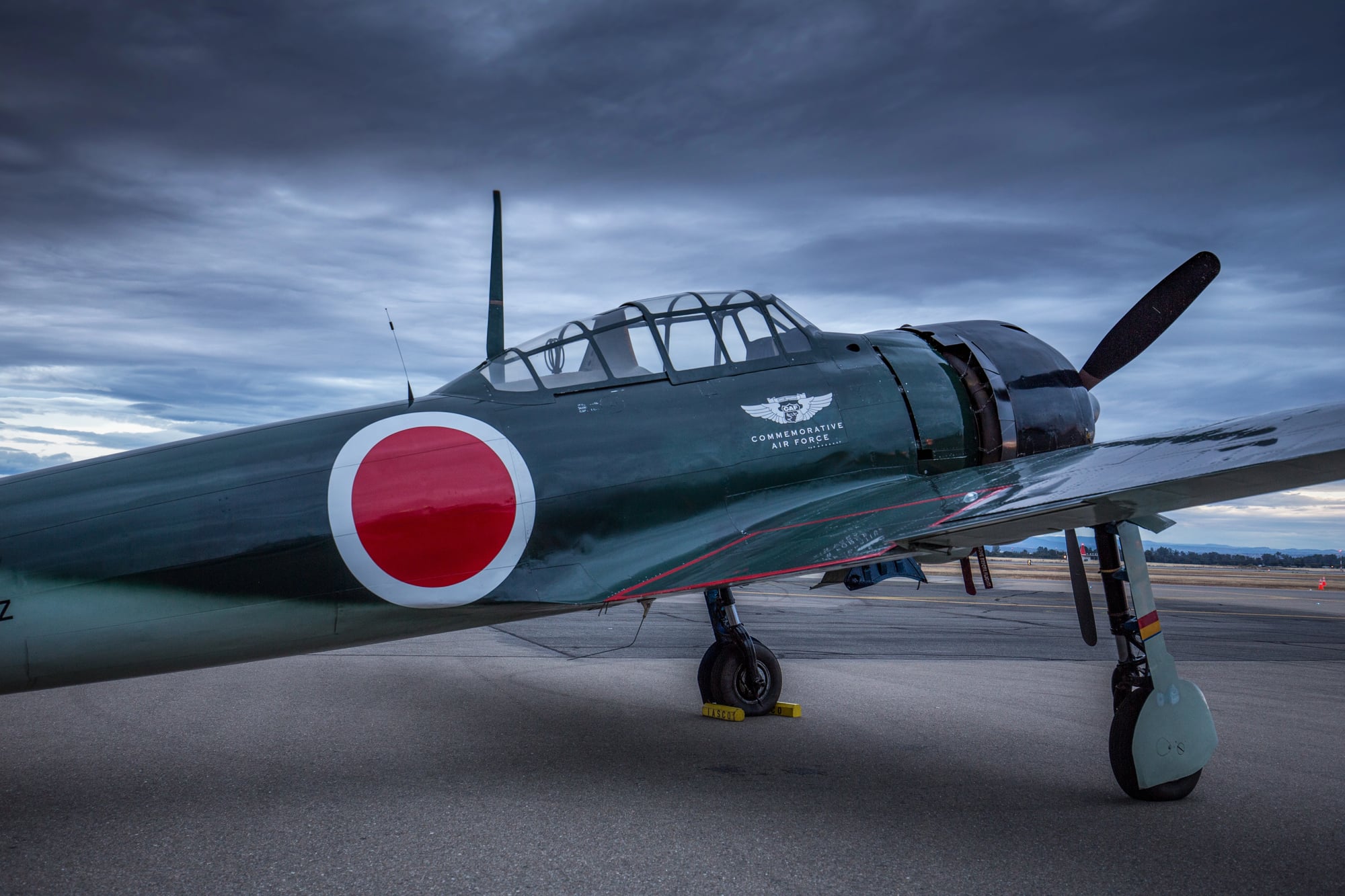
This Japanese canard-style fighter with a pusher propeller configuration was among the most radical aircraft designs of World War II. It promised exceptional performance and climbing ability to intercept American B-29 bombers.
Only two prototypes were built, with the first flying just days before Japan’s surrender in 1945. Full production was planned but never materialized due to the war’s end. The aircraft’s unusual configuration wouldn’t be seen again until modern designs decades later.
Flying Dreams Grounded

These aircraft represent bold visions and technological ambitions that never fully materialized into battlefield realities. Like elaborate chess pieces crafted for games never played, they stand as a testament to human ingenuity during times of conflict.
Their stories remind us that the history of military aviation isn’t just written by the victorious warplanes that dominated the skies, but also by these fascinating machines that remained forever poised on the edge of combat—designed for wars they would never fight.
More from Go2Tutors!

- The Romanov Crown Jewels and Their Tragic Fate
- 13 Historical Mysteries That Science Still Can’t Solve
- Famous Hoaxes That Fooled the World for Years
- 15 Child Stars with Tragic Adult Lives
- 16 Famous Jewelry Pieces in History
Like Go2Tutors’s content? Follow us on MSN.