25 Jobs That Vanished After the Industrial Revolution
Machines did not simply replace work during the Industrial Revolution; they erased entire trades that had existed for centuries. Some jobs disappeared in a decade, while others faded over generations.
Behind each one was a person with a skill and a paycheck.
The list below covers occupations that once filled city streets, factories, and railways. Most sound strange now, which is exactly why they are worth remembering.
Lamplighters

Lamplighters walked city streets at dusk, lighting gas lamps with a long pole and returning at dawn to put them out. Gas street lighting appeared in London on Pall Mall in 1807 and spread across major cities.
Electric lights eliminated the job within a few decades.
Knocker-Uppers

In industrial towns, knocker-uppers woke workers by tapping on windows with long poles or blowing dried peas through tubes. Alarm clocks were expensive, and factory shifts began before dawn.
The job vanished as cheap clocks reached working households.
Match Girls
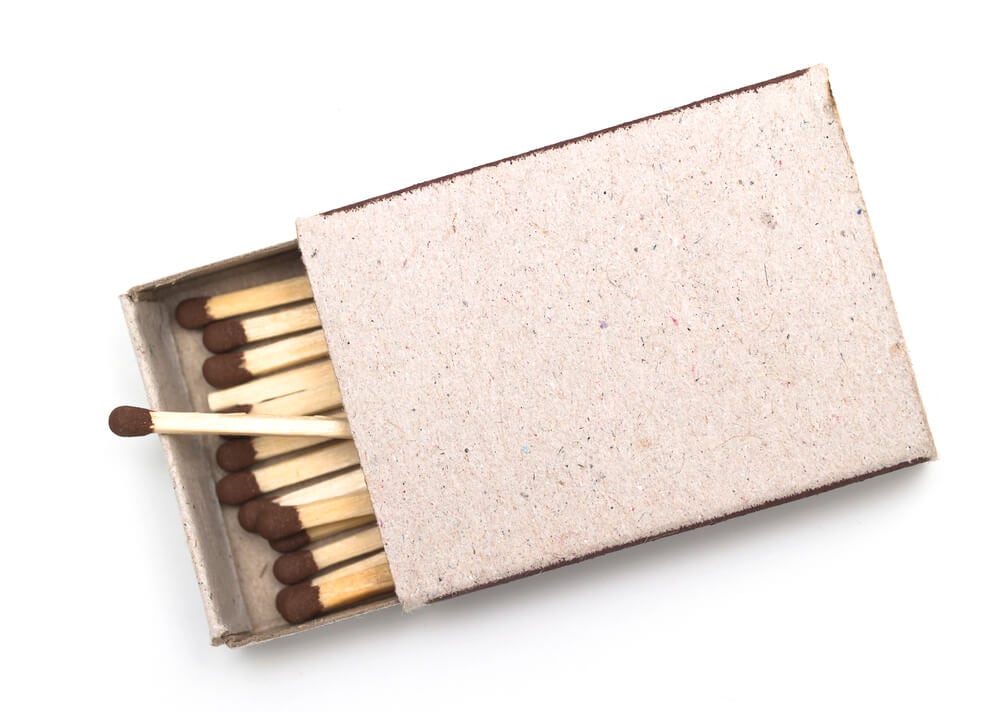
Women and girls at the Bryant and May match factory in London handled white phosphorus, which caused a painful jaw disease called phossy jaw. A strike by the workers in 1888 drew public attention and helped push reform.
Safer chemistry and automation ended the trade.
Breaker Boys
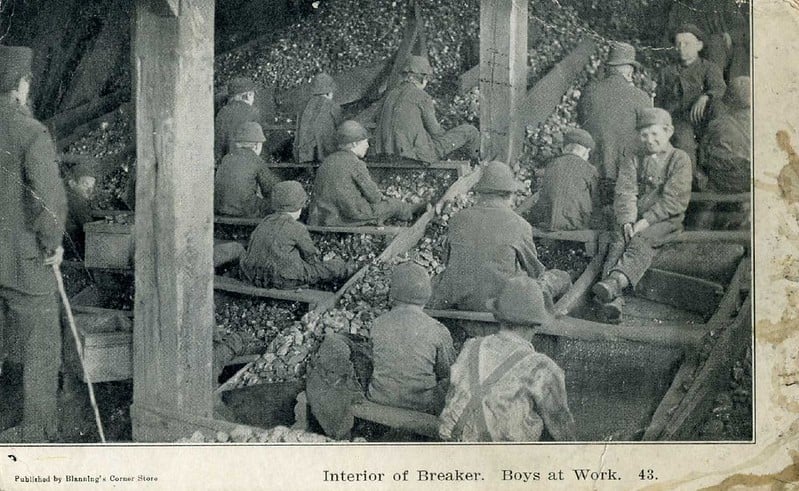
Boys as young as eight sat above chutes in Pennsylvania coal breakers, picking slate from moving coal with bare hands. Photographer Lewis Hine documented the work in the early 1900s.
Child labor laws and mechanical sorting ended the job.
Hand Compositors
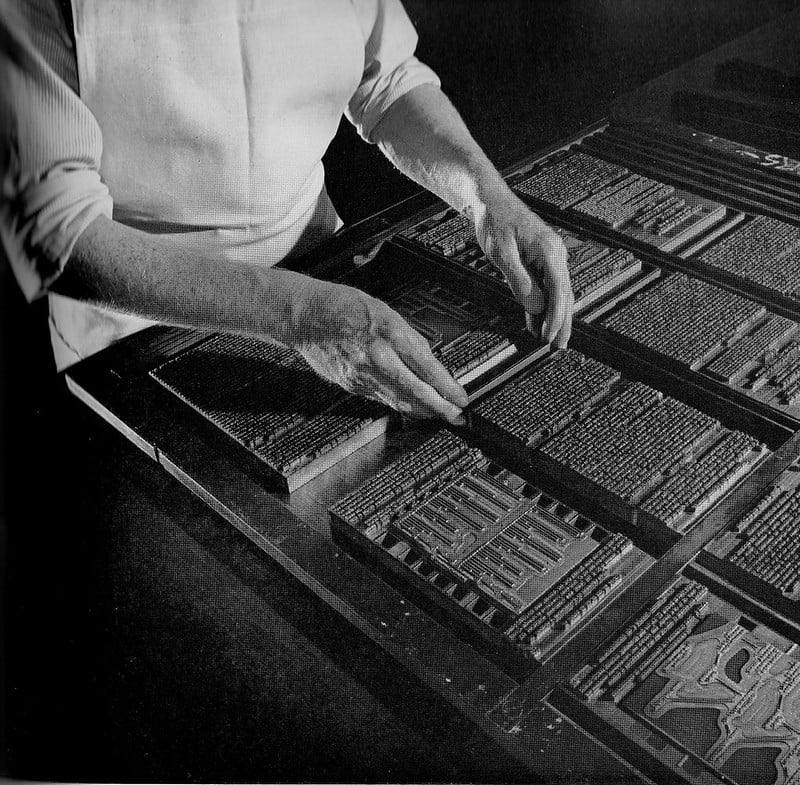
Hand compositors set type letter by letter from cases of metal. The Linotype machine, patented by Ottmar Mergenthaler and first used by the New York Tribune in 1886, replaced the craft with a keyboard.
Printing speeds rose and the trade shrank quickly.
Pony Express Riders
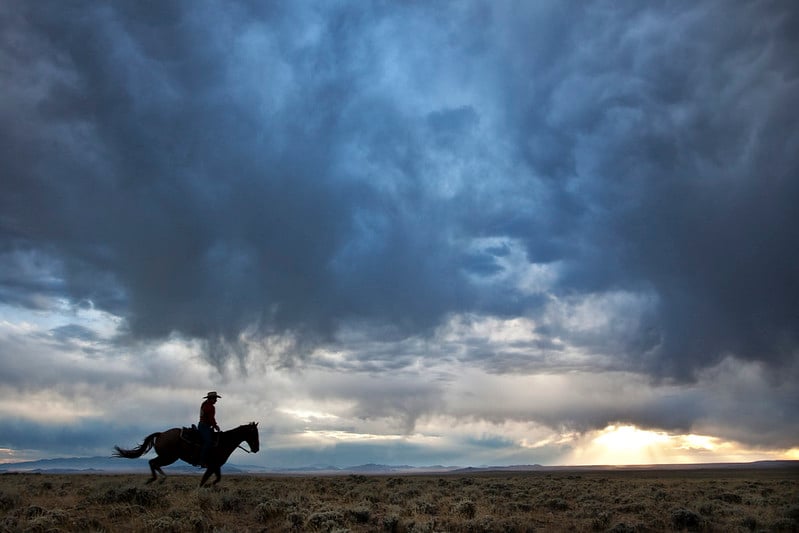
Pony Express riders carried mail between Missouri and California beginning in April 1860, covering the route in about ten days. The transcontinental telegraph, completed in October 1861, made the service obsolete.
The service lasted barely eighteen months.
Telephone Operators
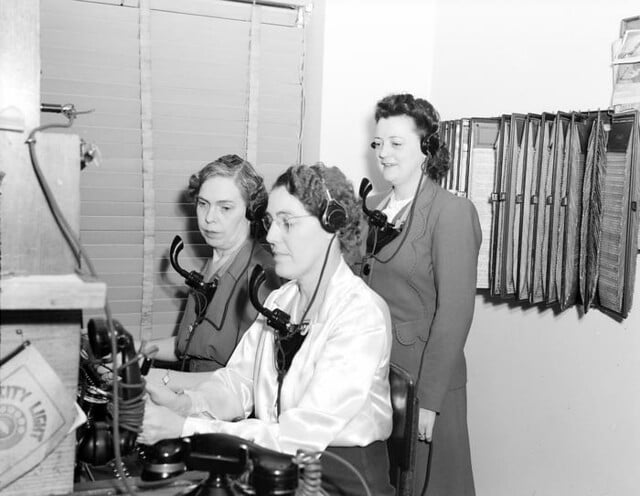
Early telephone exchanges relied on operators who connected calls by plugging cords into a switchboard. During World War I, women known as Hello Girls served with the U.S. Army Signal Corps in France.
The automatic Strowger exchange, introduced in La Porte, Indiana, in 1892, began replacing them.
Handloom Weavers
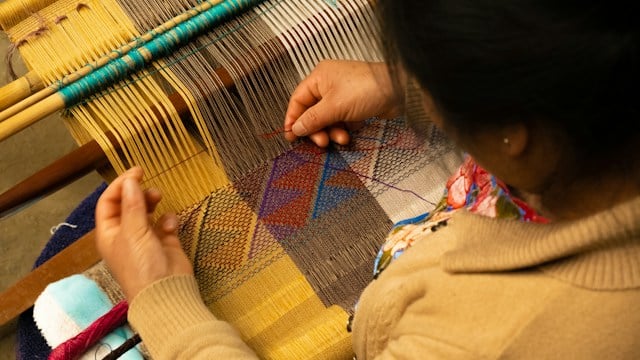
Handloom weavers produced cloth at home until the power loom, developed by Edmund Cartwright in the 1780s, brought weaving into factories. Wages dropped and many weavers faced poverty. Frustration helped fuel the Luddite protests of 1811 to 1816.
Climbing Boys

Chimney sweeps sent small boys up narrow flues to scrape soot. Laws passed in 1840 banned the practice for those under twenty-one, though enforcement lagged until the death of a boy named George Brewster in 1875 prompted stronger action.
Brushes on long rods replaced the children.
Ice Harvesters

Workers cut blocks of ice from frozen ponds and rivers and stored them in sawdust-packed houses. Frederic Tudor shipped New England ice to Martinique in 1806 and to Calcutta in 1833.
Mechanical refrigeration ended the industry.
Elevator Operators
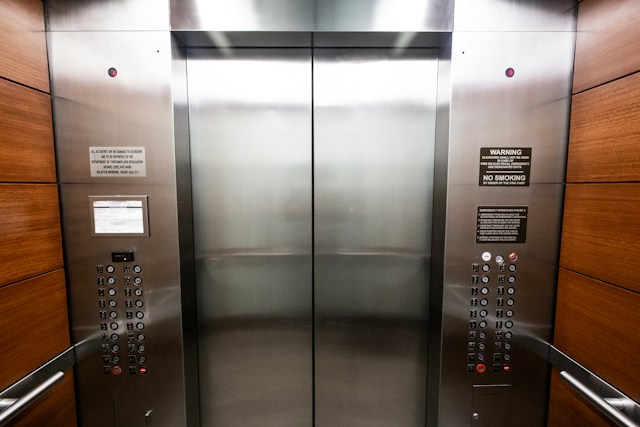
Operators in uniforms once controlled elevator cars with a lever, announcing floors and managing crowds. Automatic push-button elevators gradually replaced them, and a New York strike in 1945 sped up the transition.
By the 1950s the job was fading fast.
Pinsetters

Pinsetters, often teenage boys, reset bowling pins by hand after every roll. AMF introduced an automatic pinspotter in the early 1950s that made the work unnecessary.
The job disappeared quickly as alleys upgraded.
Gandy Dancers
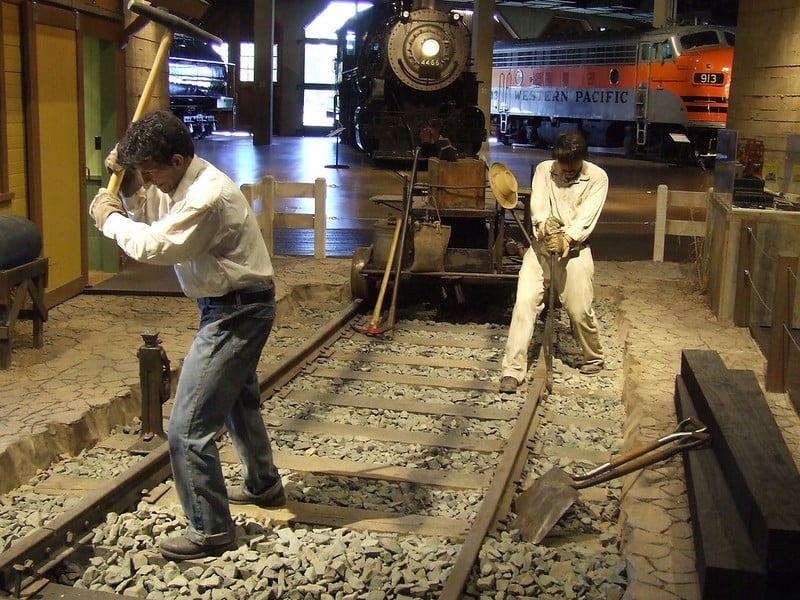
Gandy dancers were railroad track gangs who lined up rails by hand, moving in rhythm to chants led by a caller. Their songs coordinated the swing of heavy tools.
Mechanized tamping and track-laying equipment took over in the twentieth century.
Ostlers
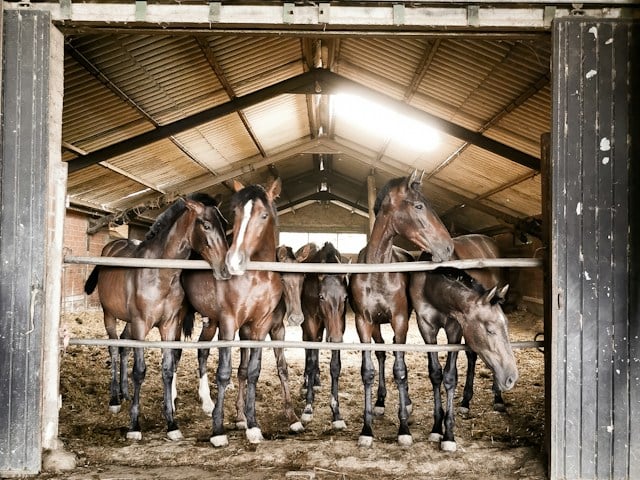
Ostlers tended horses at coaching inns, grooming, feeding, and harnessing teams for the next stage of a journey. Railways and then automobiles cut the need for them.
The inn yards they ran fell silent.
Human Computers

Teams of people, many of them women, performed complicated calculations by hand at observatories and research labs. The Harvard Computers classified stars in the late nineteenth century, and women later calculated trajectories for NASA.
Electronic machines took over the work after World War II.
Daguerreotypists
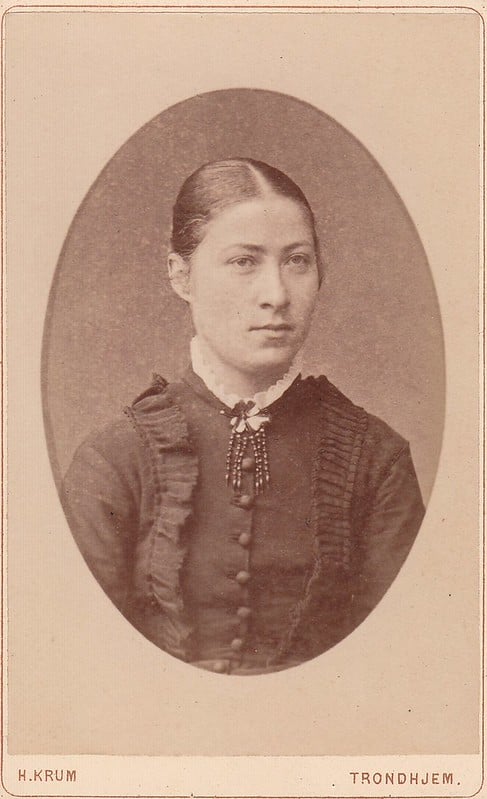
Daguerreotypists made one-of-a-kind portraits on polished silver plates after the process was announced in 1839. Cheaper methods, such as collodion negatives, arrived in the 1850s and made prints easy to copy.
The craft faded within a generation.
Wheelwrights
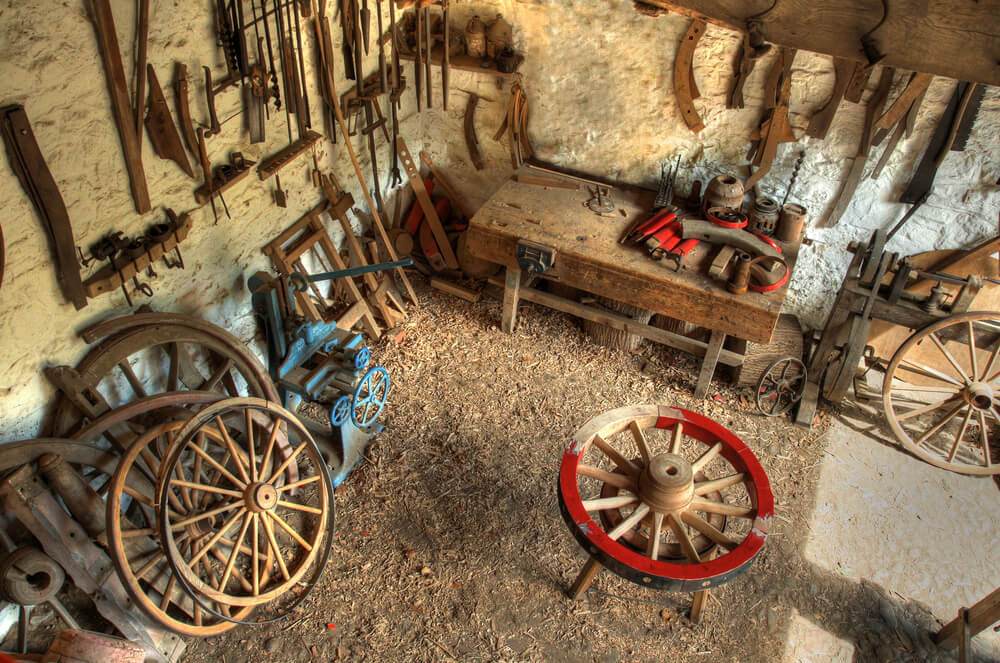
Wheelwrights crafted wooden wheels for carts and carriages, fitting spokes and iron tires. Their skills required precision and years of apprenticeship.
Pneumatic tires and factory-built wheels ended most of the trade.
Water Carriers

Before piped water, carriers hauled buckets from wells and fountains to city households for a fee. New York opened the Croton Aqueduct in 1842, one of the first big systems to deliver running water.
Pipes made the job redundant.
Night Soil Men

Night soil men collected human waste from cesspits after dark and carted it out of cities. London’s great sewer system, built under engineer Joseph Bazalgette in the 1860s, removed the need.
The work was filthy, and few mourned its end.
Crossing Sweepers
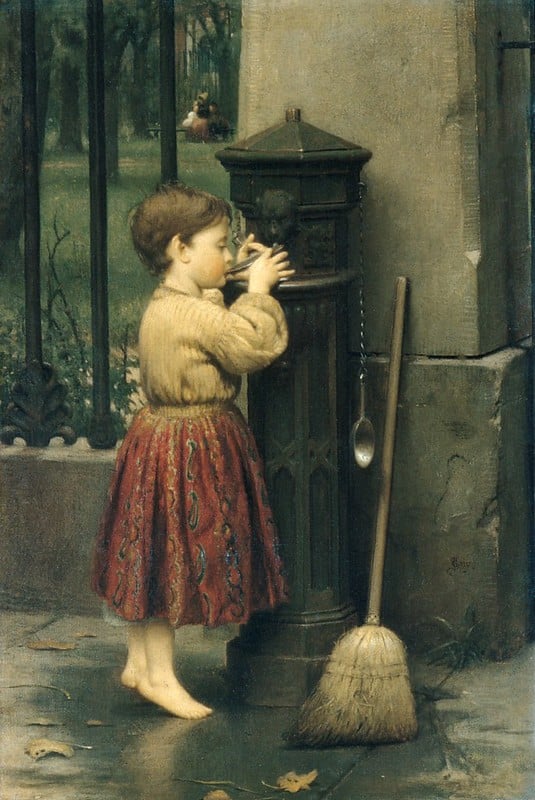
Crossing sweepers cleared paths through the mud and horse dung on busy Victorian streets, hoping for a coin from pedestrians. Many were children or disabled adults with few other choices.
Paved streets and the end of horse traffic wiped out the trade.
Telegraph Messenger Boys

Boys in uniform sprinted from telegraph offices to deliver messages to homes and businesses. Western Union employed thousands of them.
Telephones made the messages unnecessary and ended the job.
Mill Doffers
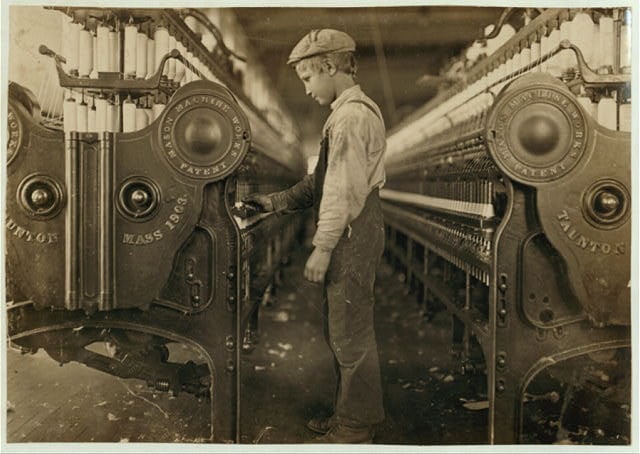
Doffers, often children, replaced full bobbins on spinning frames in textile mills. They worked quickly under moving machinery.
Automatic doffing equipment and labor laws eliminated the job.
Stagecoach Drivers
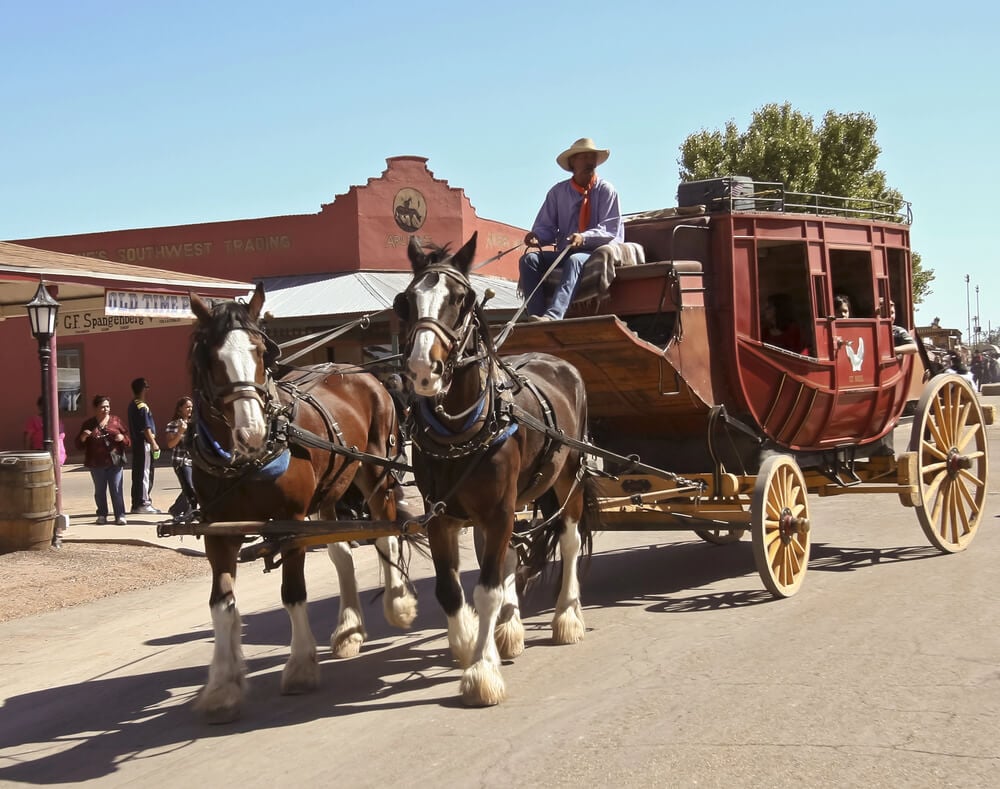
Stagecoach drivers guided teams of horses over rough roads, carrying passengers and mail across the American West. The completion of the transcontinental railroad in 1869 sent business to the rails.
Their name, jehu, lives on only in old stories.
Canal Mule Drivers
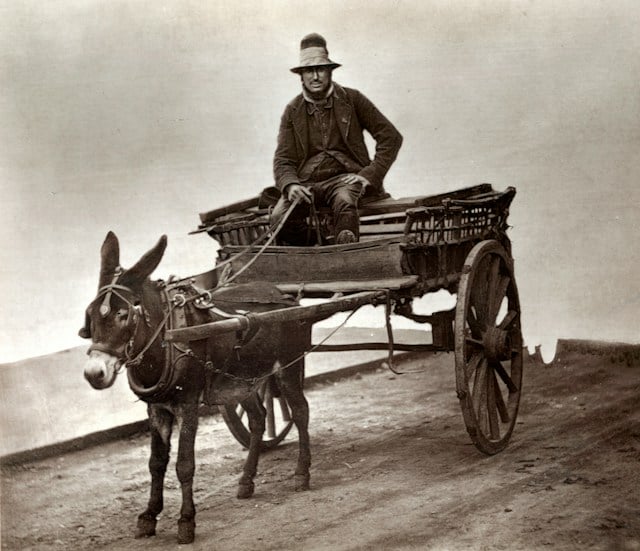
Hoggees led mules along towpaths, pulling barges along the Erie Canal, which opened in 1825 and stretched 363 miles. The song about a mule named Sal captured their routine.
Steam power and railroads replaced the mules and ended the job.
Scriveners

Scriveners and law copyists wrote documents by hand, charging by the page. Herman Melville captured their dreary world in Bartleby, the Scrivener in 1853.
The Remington typewriter, introduced in 1873, replaced the craft.
Skills That Outlived Their Moment

These jobs vanished because machines were faster, cheaper, or safer. Yet the people who held them were often skilled, careful, and proud of their work.
The transition was rarely smooth for the families affected.
The pattern has repeated in every generation since. New tools remove a task and, with it, a way of life, and the workers who lose it must adapt.
Looking back at these forgotten trades is a reminder that every job once seemed permanent.
More from Go2Tutors!

- The Romanov Crown Jewels and Their Tragic Fate
- 13 Historical Mysteries That Science Still Can’t Solve
- Famous Hoaxes That Fooled the World for Years
- 15 Child Stars with Tragic Adult Lives
- 16 Famous Jewelry Pieces in History
Like Go2Tutors’s content? Follow us on MSN.