25 Lost Cities That Were Dismissed as Myth Until Evidence Proved They Were Real
Scholars have a long and humbling history of being wrong about places. Cities described in ancient texts, whispered about in oral traditions, or sketched on early maps were routinely dismissed as invention — too grand, too remote, or simply too inconvenient to be taken seriously.
Then a shovel hits stone, a sonar returns an anomaly, or a LiDAR scan peels back jungle canopy, and suddenly the myth has coordinates. What follows is a list of cities that were real all along, waiting patiently for the right question to be asked in the right place.
Troy, Turkey
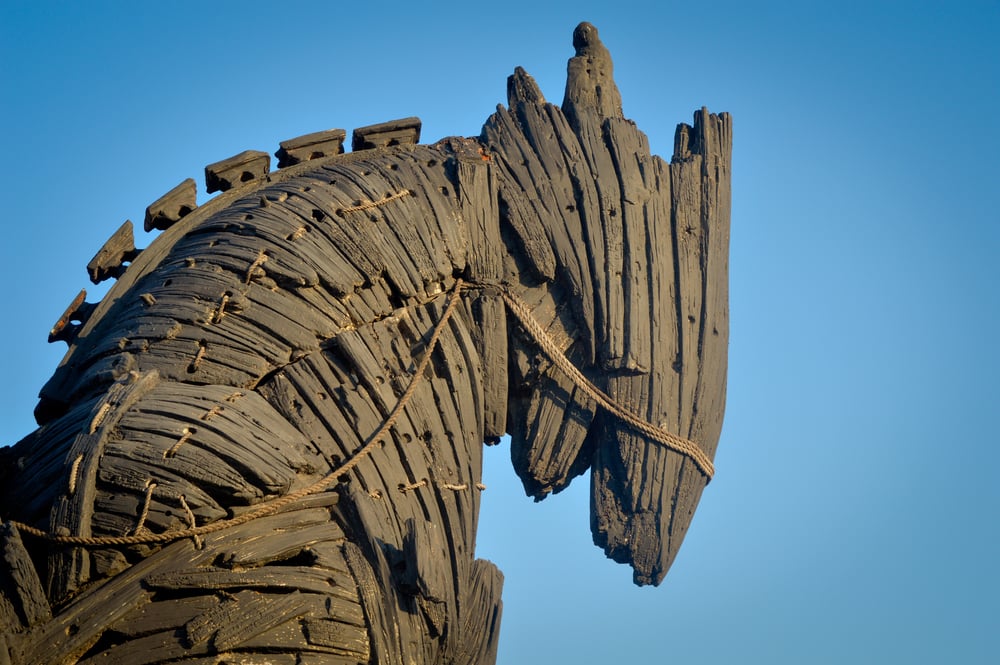
For most of Western literary history, the city of Troy existed only in Homer’s Iliad — a backdrop for gods and heroes that no serious academic believed had a physical address. German businessman-turned-archaeologist Heinrich Schliemann disagreed, treating Homer’s descriptions as geographic clues rather than poetry.
In the 1870s, he began digging at Hisarlik in modern-day Turkey and found not one city but nine, stacked on top of each other across millennia. One layer showed evidence of violent destruction in the 12th or 13th century BCE, consistent with the period Homer described.
The romantic nonsense turned out to have foundations.
Thonis-Heracleion, Egypt
Ancient writers mentioned it clearly enough — Herodotus wrote about it, Egyptian inscriptions called it Thonis, Greek texts called it Heracleion — but no one could find it, and debate raged for centuries over whether the references described one city or two. In 2000, French underwater archaeologist Franck Goddio pulled a carved stone slab from the floor of Aboukir Bay, seven kilometres off the Egyptian coast, under roughly five metres of water.
It was a royal stele naming the location explicitly as Thonis-Heracleion — one city, two names — and describing it as the main customs gateway into Egypt for Greek merchants arriving by sea. The debate that had run for centuries ended in a single afternoon.
Machu Picchu, Peru
Spanish conquistadors spent decades scouring the Andes for Inca wealth and never found this one. The city sat at 2,430 metres above sea level, hidden from the valleys below by cloud and terrain, and the local Quechua population — who had never entirely abandoned the area — had little reason to advertise its existence to colonisers.
American historian Hiram Bingham reached it in 1911, guided by a local farmer, and found mortared stone architecture, terraced agriculture, and astronomical alignments so precise they still draw debate. What the Spanish missed for four centuries, a farmer’s shortcut revealed in an afternoon.
Pompeii, Italy
Pompeii was not lost so much as buried — entombed under four to six metres of volcanic ash and pumice when Mount Vesuvius erupted in 79 CE. The city’s location was eventually forgotten, and for more than 1,500 years it existed only in a few ancient texts most historians treated as unremarkable.
When workers digging an aqueduct channel stumbled across painted walls in 1599, the find was noted and abandoned. Systematic excavation didn’t begin until 1748, revealing an entire Roman city preserved in intimate detail: bread still in ovens, election graffiti on walls, and the plaster casts of people caught in the moment the ash hardened around them.
Great Zimbabwe, Zimbabwe
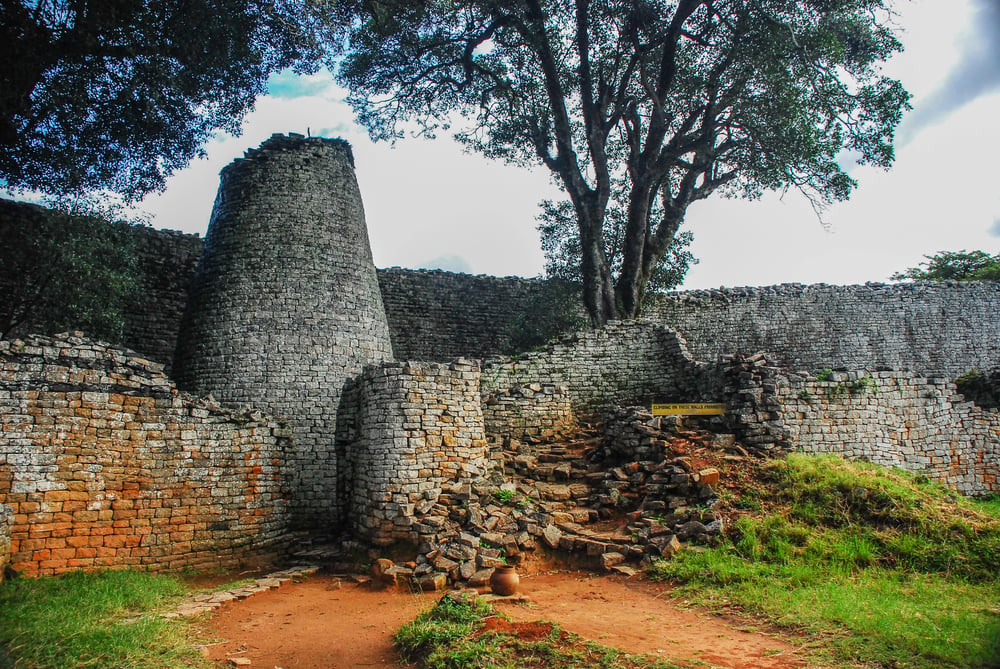
When 19th-century European explorers encountered the massive stone enclosures of Great Zimbabwe — walls up to eleven metres high, built without mortar using interlocking granite blocks — many flatly refused to believe Africans had built them. Theories attributed the ruins to Phoenicians, Arabs, or even the Queen of Sheba.
Archaeological investigation eventually confirmed what local Shona oral tradition had maintained all along: the ruins were the capital of a wealthy Bantu kingdom that controlled the gold trade routes between interior Africa and the Indian Ocean coast from the 11th to 15th centuries. The denial said more about the deniers than about the ruins.
Mohenjo-Daro, Pakistan
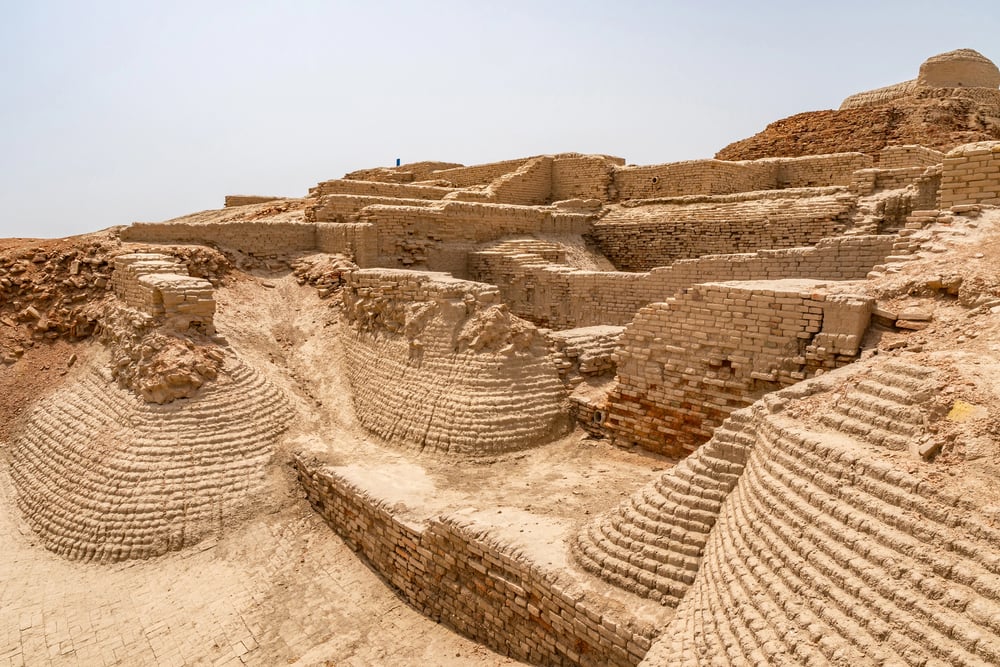
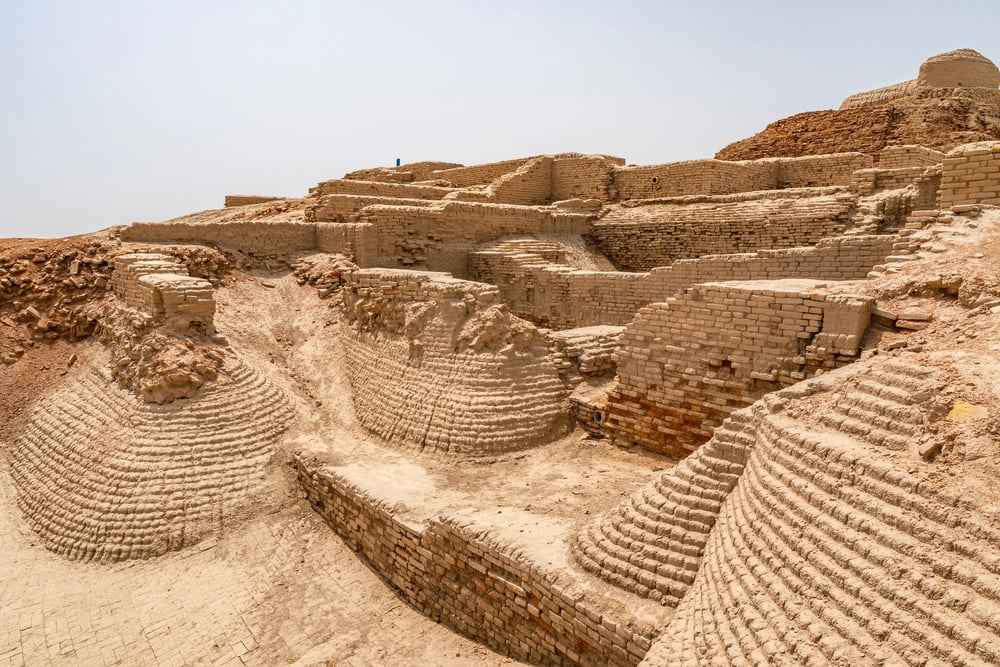
Built around 2600 BCE along the Indus River, Mohenjo-Daro was one of the world’s earliest large urban settlements, home to an estimated 35,000 people. It had a grid-planned street layout, multi-storey brick buildings constructed to standardised dimensions, and a sophisticated sewage system that would not be matched in Europe for another 3,000 years.
The city vanished from the historical record entirely around 1700 BCE and was only rediscovered in 1919 by archaeologist R.D. Banerji, who initially thought the mound in front of him was a Buddhist ruin. The Indus script on its artefacts has still never been deciphered.
Petra, Jordan
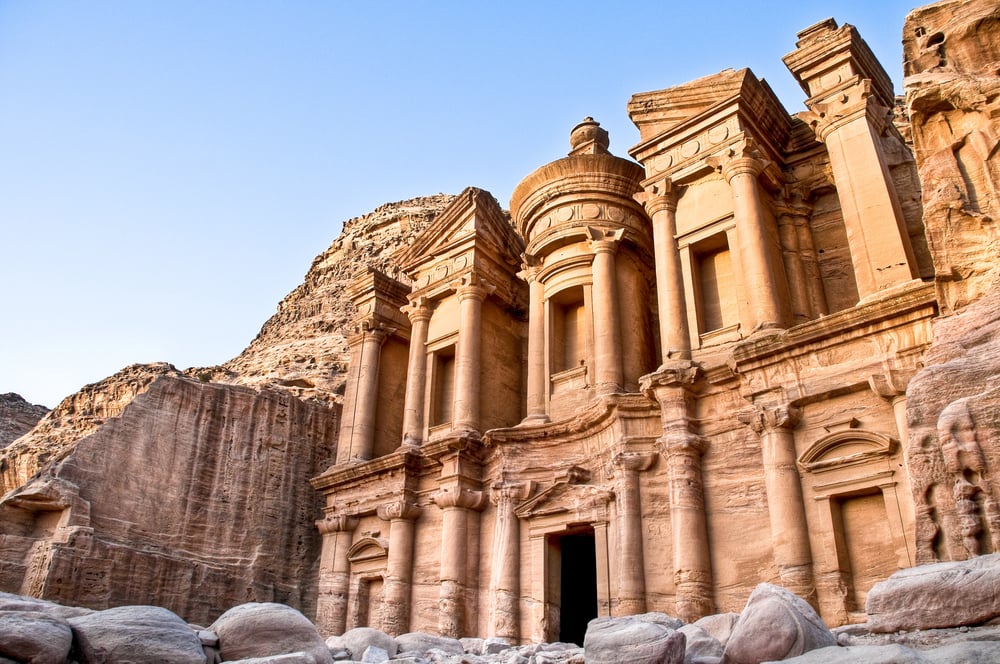
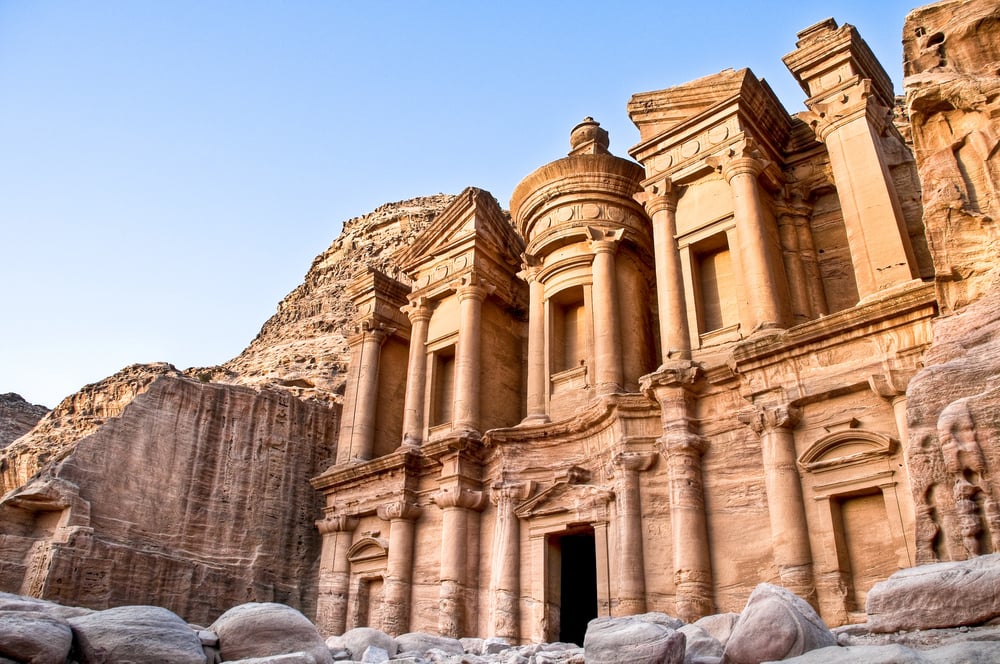
The Nabataean city of Petra — carved directly into rose-red sandstone cliffs in southern Jordan — was known to local Bedouin communities who had lived around it for generations. But European scholars dismissed it as legend until Swiss explorer Johann Ludwig Burckhardt convinced a local guide to lead him there in 1812, disguised as an Arab pilgrim heading to a shrine.
He found an entire city cut into the rock face: temples, tombs, a colonnaded street, and a theatre seating three thousand people. The city had been the Nabataean capital, a crucial node on the incense trade routes, and had simply been known to the wrong people for the right people to notice.
Angkor, Cambodia
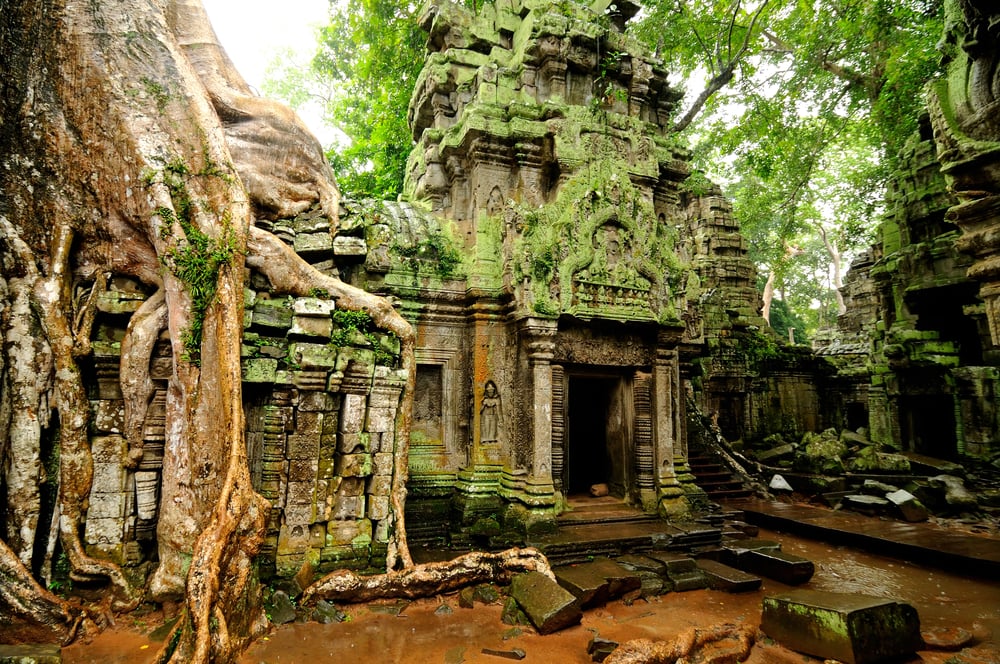
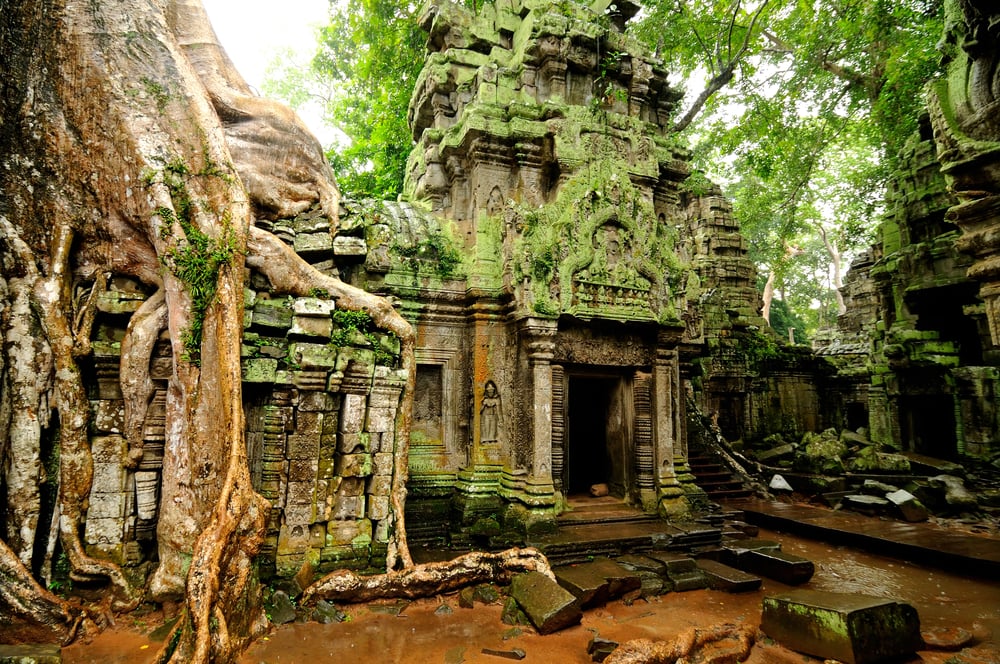
Angkor was never entirely lost — Buddhist monks continued worshipping at Angkor Wat throughout the centuries after the Khmer Empire collapsed in the 15th century. But Western academic circles had no idea a city the size of modern London had existed in the Cambodian jungle until French explorer Henri Mouhot wrote about it in 1860 after being led there by local guides.
LiDAR surveys conducted between 2012 and 2015 subsequently revealed a vast network of suburbs, roads, and hydraulic infrastructure extending well beyond the temples themselves, suggesting Angkor may have been the largest pre-industrial city on earth.
Ciudad Perdida, Colombia
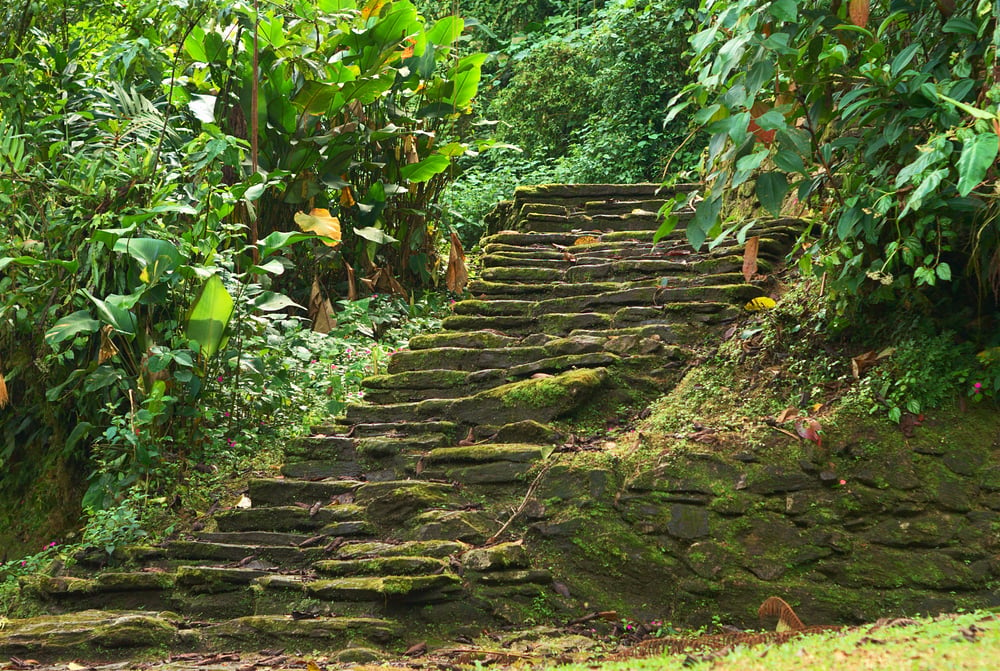
Called Teyuna by the indigenous Kogi people, this terraced city in Colombia’s Sierra Nevada mountains was built around 800 CE — roughly 650 years before Machu Picchu — and was never lost to the communities who had lived near it for generations. It entered wider consciousness in the 1970s, after looters stumbled across stone staircases in the jungle and began extracting artefacts.
Archaeologists followed the looted trail and found 169 terraces connected by stone pathways, with evidence of a population that may have reached 10,000 at its peak. The Kogi, who regard the site as sacred, were entirely unsurprised.
Ubar, Oman
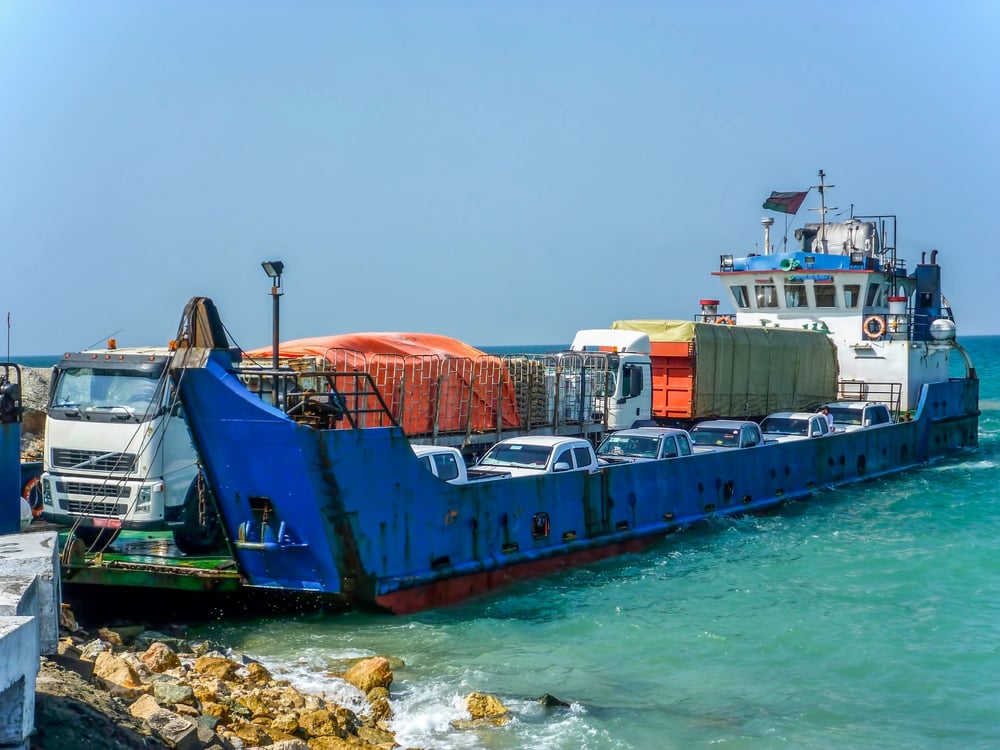
Ancient texts, including the Quran, described Ubar as a city of towering pillars in the Arabian Peninsula, destroyed by divine punishment for the sins of its inhabitants. Claudius Ptolemy mapped a city in roughly the right location in 150 CE.
For centuries, Western explorers searched for it and found only sand. In 1992, an American team led by amateur archaeologist Nicholas Clapp, using satellite imagery to trace ancient caravan routes, followed a convergence of old paths to a limestone cavern in the Omani desert.
The cavern had collapsed, swallowing a fortified settlement built over a freshwater spring — the water source that had made it valuable, and whose collapse had erased it.
Timgad, Algeria
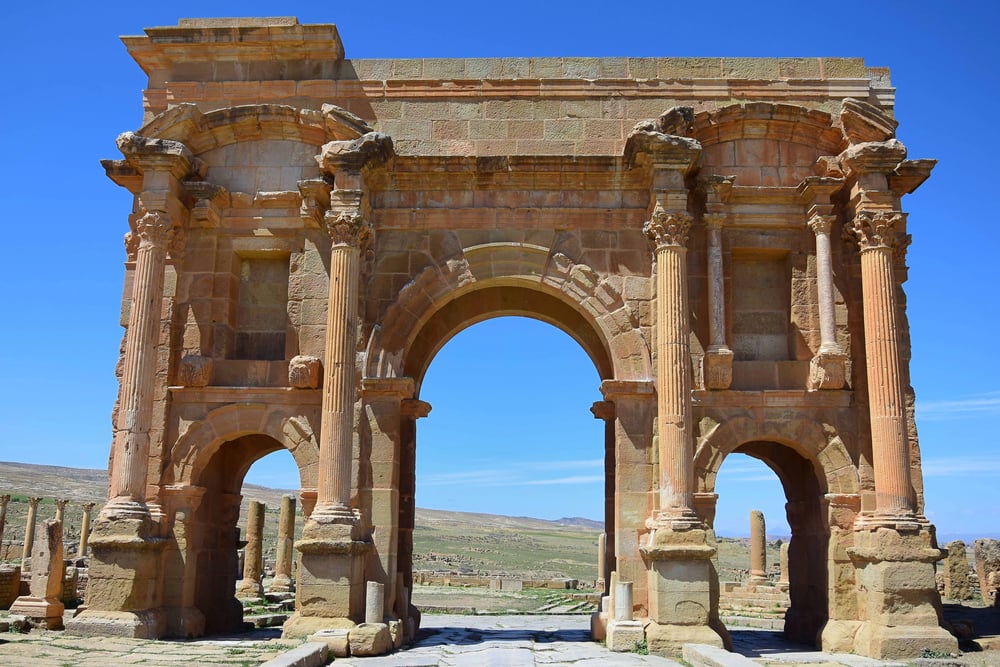
Founded by Emperor Trajan around 100 CE as a military colony in what is now Algeria, Timgad was a fully realised Roman city with a forum, theatre, twenty-three public bathhouses, and a library. It was sacked by the Vandals in the 5th century and then by Berber tribes in the 7th century, after which the Sahara simply drifted over it.
When a French officer rediscovered it in 1881, the desert had preserved the city’s grid layout so completely that the original street markings were still legible. Trajan had built to last; the sand had done the rest.
Helike, Greece
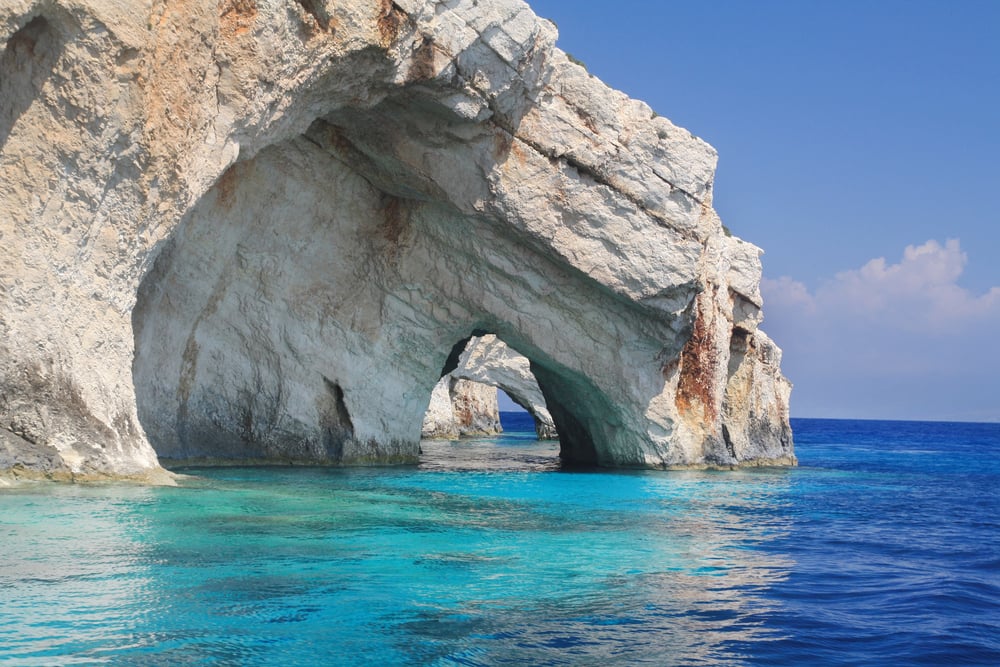
Ancient Greek writers were specific about what happened to Helike: an earthquake and tsunami in 373 BCE destroyed the city in a single winter night and dropped it into the sea. Because early searches found nothing offshore, many scholars concluded the story was exaggerated or symbolic.
Excavations in the 1990s and 2000s eventually located the ruins buried inland, under metres of sediment left by the shifting coastline. The ancient accounts had been accurate all along — the problem was that 2,400 years of geology had moved the shore.
Babylon, Iraq
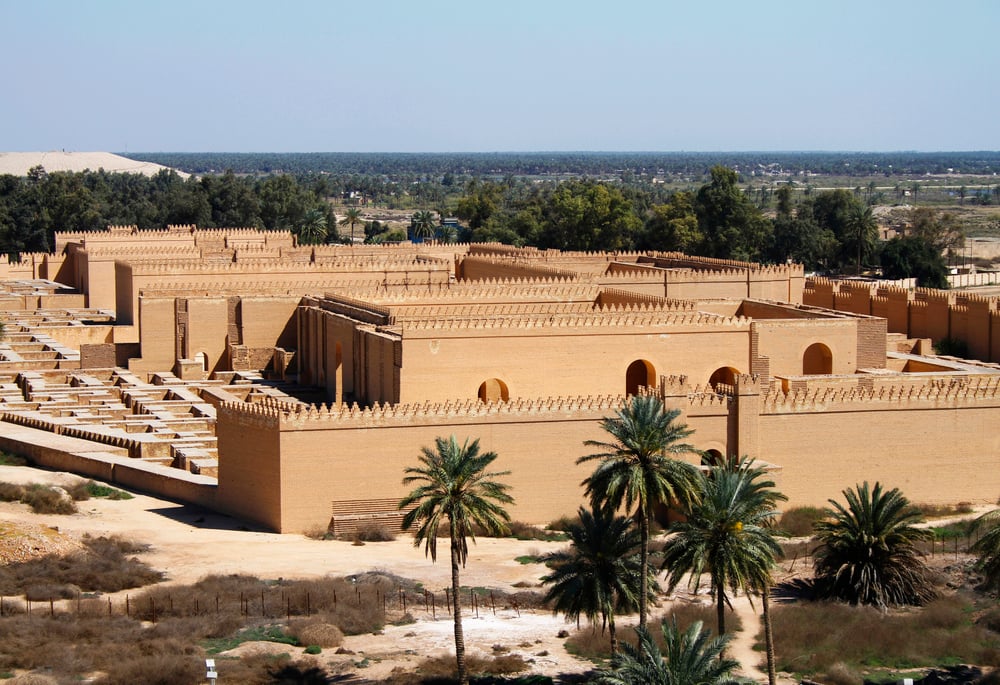
Babylon appears so frequently in the Bible — as the site of the Tower of Babel, as the seat of Nebuchadnezzar’s empire, as the city where Jewish exiles were taken in 597 BCE — that some scholars quietly assumed the scale had been exaggerated for theological effect. German archaeologist Robert Koldewey began digging at a large mound near the Euphrates in 1899 and spent the next 18 years uncovering it: the Ishtar Gate with its glazed blue tiles, the palace complex, the Processional Way.
The city had been exactly as large and as significant as the texts claimed.
Akrotiri, Santorini, Greece
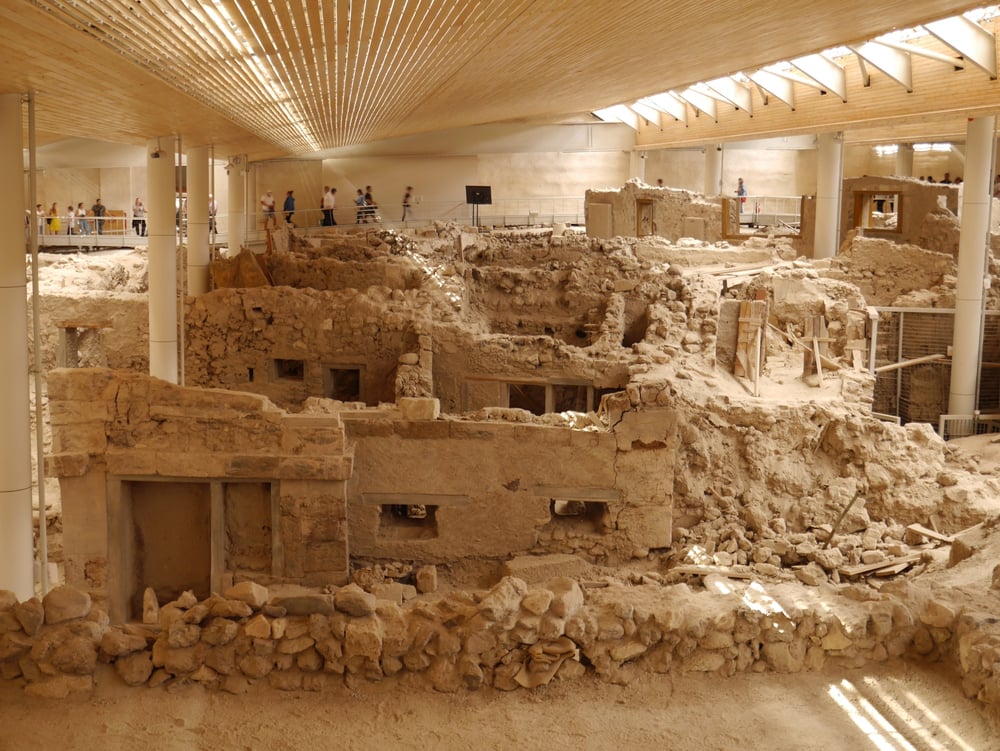
When a volcanic eruption destroyed the island of Thera around 1600 BCE, it buried the Minoan settlement of Akrotiri under metres of ash — and preserved it. Quarry workers broke into ancient walls in 1866 while cutting volcanic earth for use in the construction of the Suez Canal, but excavation didn’t begin seriously until 1967.
What archaeologists found was a prosperous Bronze Age town with multi-storey buildings, sophisticated drainage, and extraordinary frescoes of ships, festivals, and landscapes. No human remains have been found, suggesting the population evacuated before the eruption — and that they knew it was coming.
Cahokia, United States
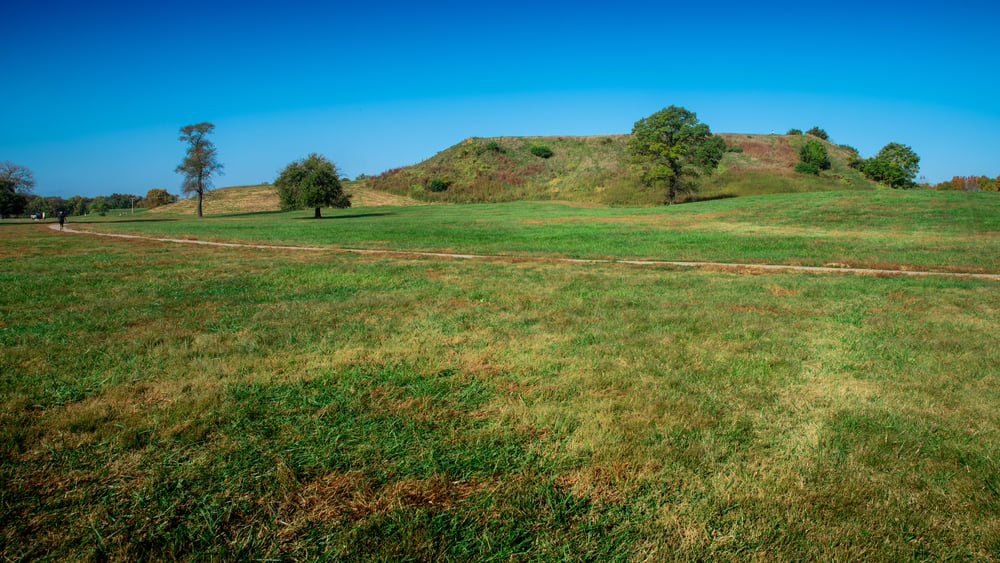
When Europeans settled near the confluence of the Missouri and Mississippi rivers in the 17th and 18th centuries, they found enormous earthen mounds dotting the landscape and had no idea what had made them. Cahokia had been the largest pre-Columbian settlement north of Mexico, home to an estimated 20,000 people at its peak in the 11th and 12th centuries — a population that would not be matched by any North American city until Philadelphia reached that size in the late 18th century.
The city had been abandoned before European contact, its builders and their descendants effectively removed from the story that European settlers told themselves about an empty continent.
Nan Madol, Micronesia
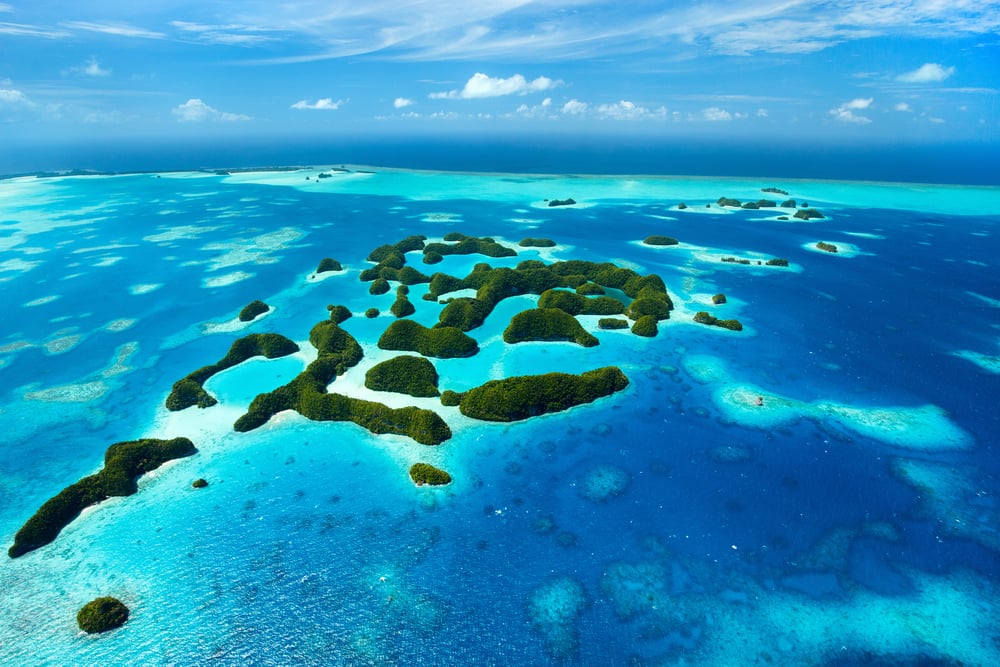
Built on a coral reef off the eastern shore of Pohnpei in Micronesia, Nan Madol is a city of artificial islands connected by canals, constructed from interlocking basalt logs weighing up to fifty tonnes each. European visitors in the 19th century found ruins but no apparent explanation for how an island culture without metal tools or wheeled transport had moved the stone, or where it had come from.
The city served as the ceremonial and political capital of the Saudeleur dynasty from roughly 1200 to 1628 CE and is now a UNESCO World Heritage Site, though the question of how its builders quarried and transported the basalt remains genuinely unresolved.
Mapungubwe, South Africa
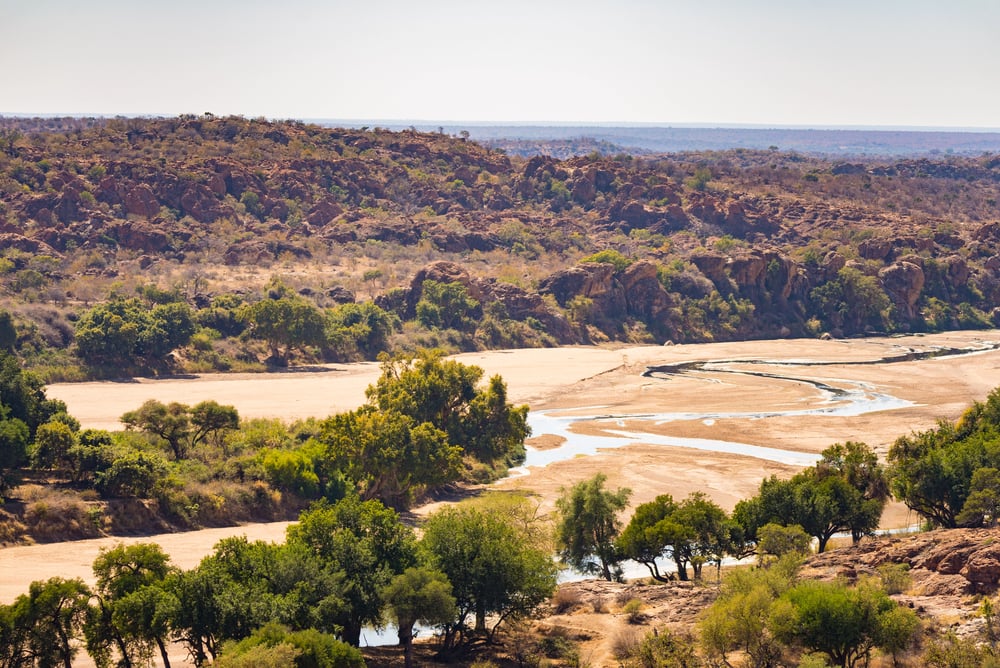
Before Great Zimbabwe rose to prominence, Mapungubwe was the capital of a sophisticated Iron Age kingdom at the confluence of the Limpopo and Shashe rivers. European academics in the early 20th century were so reluctant to accept that the gold objects, glass beads, and trade artefacts recovered from the site represented an African civilisation that findings were initially suppressed under the apartheid government, which found the implications politically inconvenient.
The gold rhinoceros figurines recovered from Mapungubwe are now among the most celebrated artefacts in South African history, and the site became a UNESCO World Heritage Site in 2003.
Xanadu, Mongolia
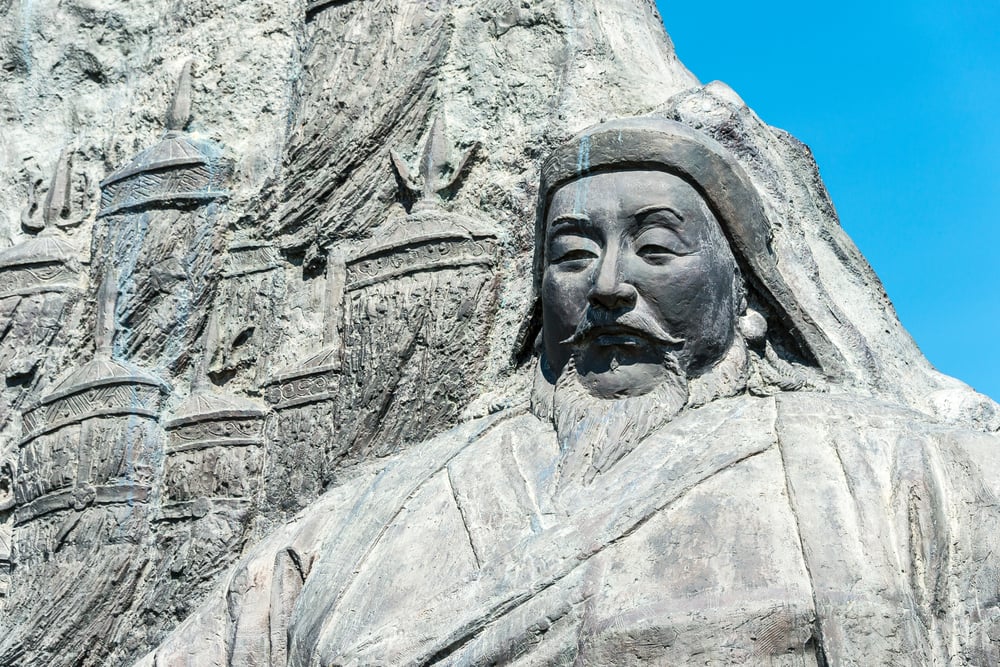
The pleasure dome that Kublai Khan built and Samuel Taylor Coleridge later immortalised in verse was real — or at least, its capital was. Shangdu, the summer capital of the Yuan dynasty, sat on the Mongolian steppe and was visited by Marco Polo, who described its marble halls and hunting grounds.
After the Yuan dynasty fell in 1368, the site was abandoned and gradually vanished into grassland. Archaeologists working from Polo’s descriptions and Chinese historical records located and excavated the ruins in the 20th century, confirming the layout Polo had described and the sheer scale of a city purpose-built for imperial leisure.
Leptis Magna, Libya
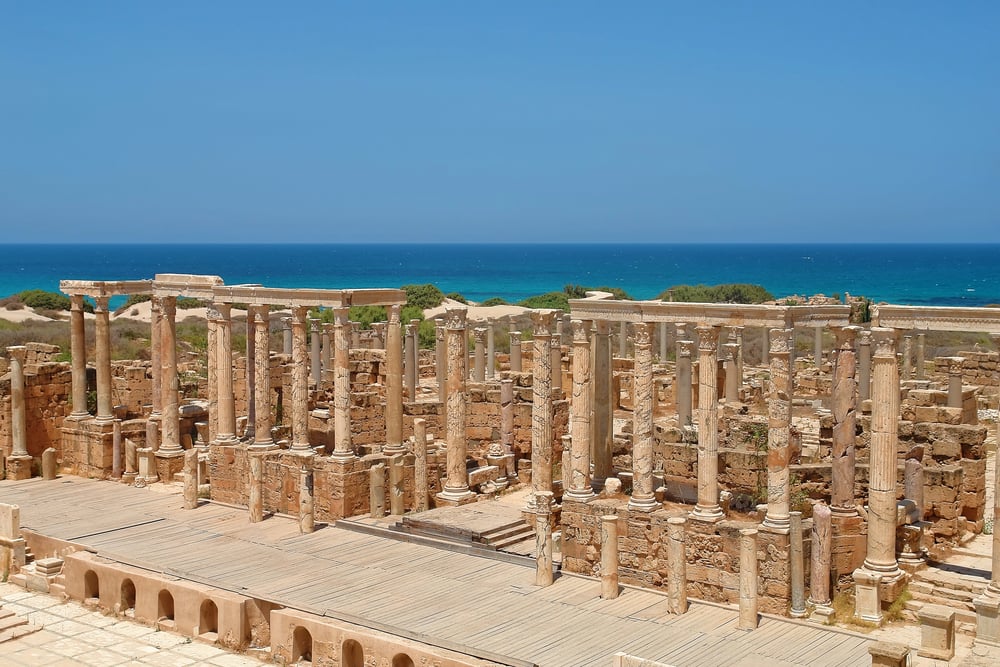
One of ancient Rome’s greatest North African cities, Leptis Magna was the birthplace of Emperor Septimius Severus and at its height boasted a harbour, amphitheatre, and triumphal arch that rivalled anything in Rome itself. After Arab invasions in the 7th century, the city was abandoned and the Saharan sand dunes quietly moved in, covering and preserving the monuments beneath.
When Italian archaeologists began excavating in the 20th century, they found Roman theatre seats, marble colonnades, and carved reliefs in near-perfect condition — better preserved than most sites that had remained above ground.
Palenque, Mexico
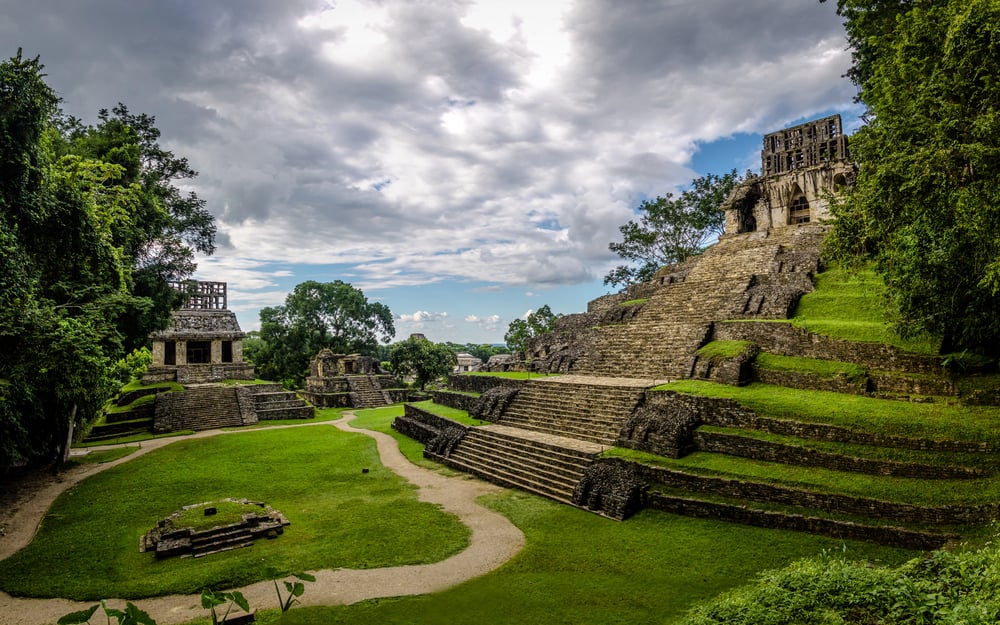
Palenque was one of the most important cities of the Maya lowlands, home to extraordinary art, architecture, and astronomical knowledge. Abandoned in the 9th century, it was reclaimed by jungle so thoroughly that by the time Spanish missionaries encountered references to it in the 16th century, few believed a significant city lay hidden in the Chiapas forest.
Serious archaeological work beginning in the 18th century revealed temples, palaces, and an elaborate aqueduct system. The 1952 discovery of the tomb of King Pakal deep inside the Temple of the Inscriptions — the first Mesoamerican pyramid tomb found buried beneath a pyramid — rewrote assumptions about Maya funerary practice.
Skara Brae, Scotland
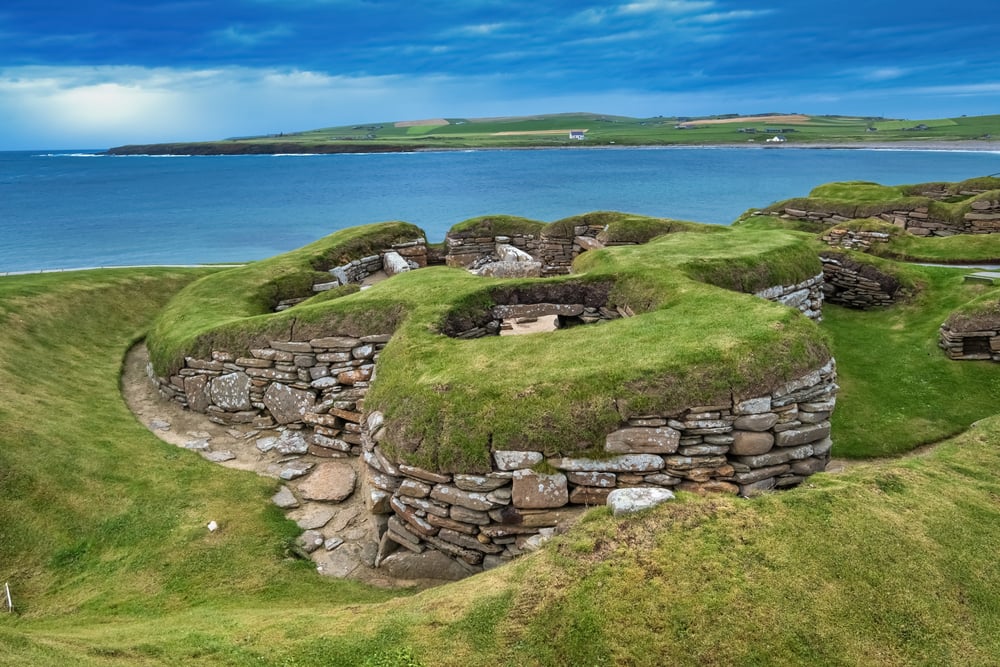
On the Orkney Islands off the northern coast of Scotland, a storm in 1850 stripped away centuries of grass and sand from a coastal mound, exposing the walls of a Neolithic village that had been occupied around 3100 BCE — predating Stonehenge and the Egyptian pyramids. The settlement consisted of stone-built houses with built-in stone furniture: dressers, beds, and shelved storage units.
Because the site had been buried, the organic materials that rarely survive had been preserved, giving archaeologists a rare window into daily domestic life at the edge of the Neolithic world.
Tikal, Guatemala
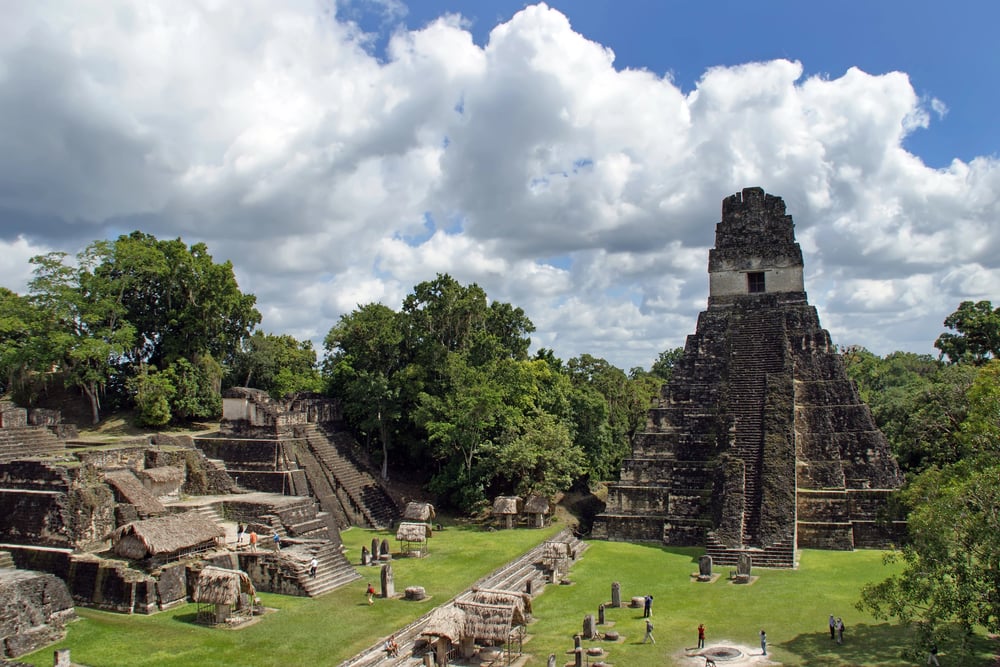
Spanish colonisers who passed through the Petén region of Guatemala heard stories of ancient stone towers rising above the jungle canopy but documented nothing. A Spanish priest named Andrés de Avendaño y Loyola recorded what sounds like a Tikal structure in 1696 while lost in the jungle, but European knowledge of the site didn’t register until 1848, when a Guatemalan expedition formally documented it.
At its peak around 800 CE, Tikal was home to an estimated 90,000 people and was a major military and trade power in the Maya world. Its tallest pyramid rises 65 metres above the jungle floor.
Carthage, Tunisia
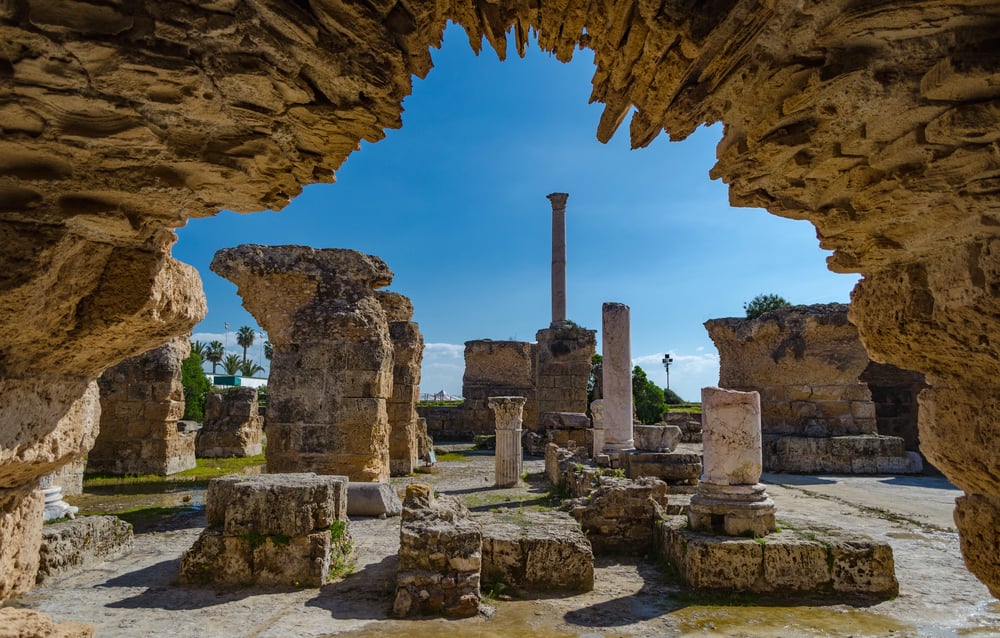
Rome destroyed Carthage so thoroughly in 146 BCE that historians for centuries treated the city as more of a symbol than an actual place. The phrase “Carthago delenda est” — Carthage must be destroyed — became proverbial, and the city behind the phrase faded.
Archaeological excavations on the outskirts of modern Tunis, beginning in the 19th century and continuing through the 20th, recovered ports, temples, cemeteries, and the circular harbours described in ancient sources in enough detail to confirm that Carthage had been exactly what the Romans feared: a city sophisticated and powerful enough to rival Rome itself.
Huiñay Huayna, Peru
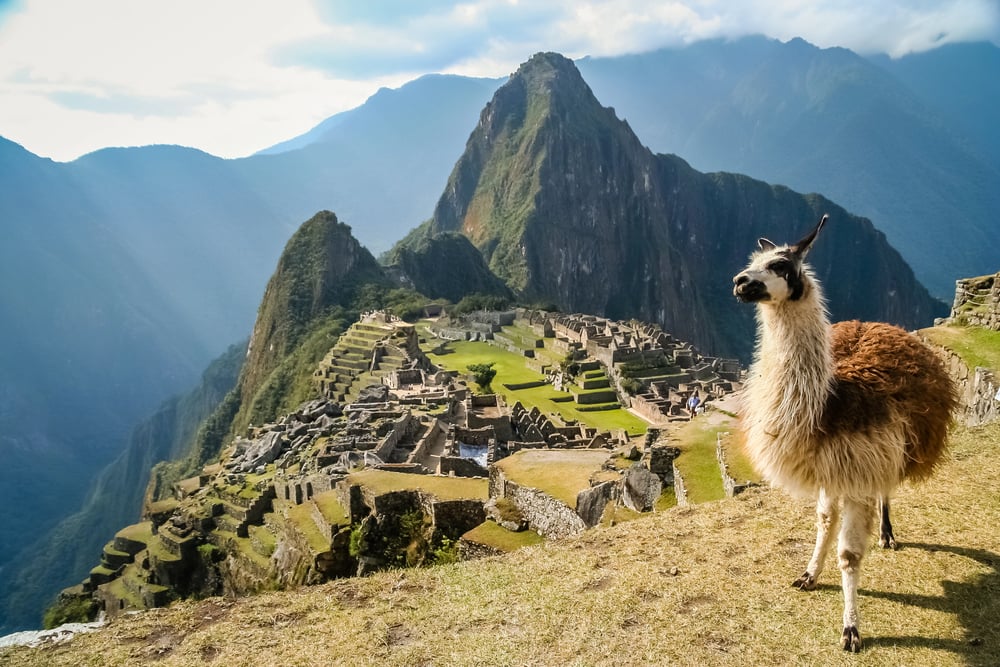
Not every lost city has a single dramatic discovery moment. Huiñay Huayna, a terraced Inca site perched above the Urubamba River on the Inca Trail, was known in Quechua oral tradition but did not appear in Western archaeological records until a Peruvian-American expedition documented it in 1941.
Its name translates as “forever young” — possibly because of the orchids that bloom year-round on its walls — and its function remains disputed, with theories ranging from an elite rest station on the royal road to Machu Picchu to a religious retreat maintained by chosen women. What it is not is mythological.
Ani, Turkey
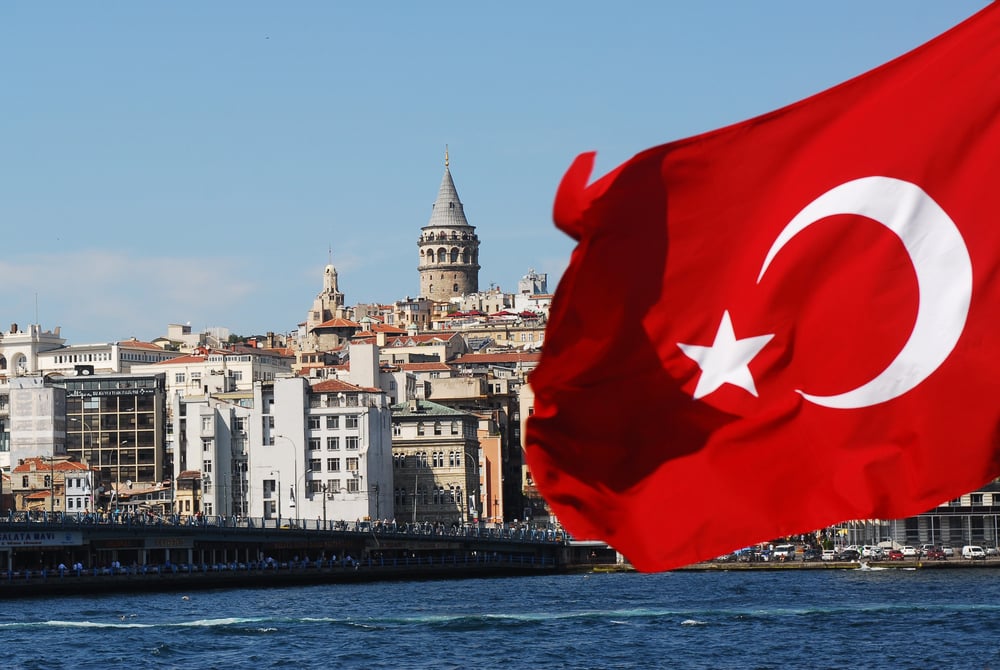
Once the capital of the medieval Bagratid Armenian kingdom and a city of over 100,000 people, Ani sat on a branch of the Silk Road and was, by the 11th century, one of the most significant cities in the region, rivalling Constantinople in size. A series of earthquakes, Mongol raids, and shifts in trade routes reduced it to rubble and then to obscurity.
The ruins sit in northeast Turkey near the Armenian border, and for much of the 20th century political sensitivities restricted access and study. The city is real; the story of its near-erasure from the map is another kind of history lesson entirely.
The Drowned City of Dwarka, India
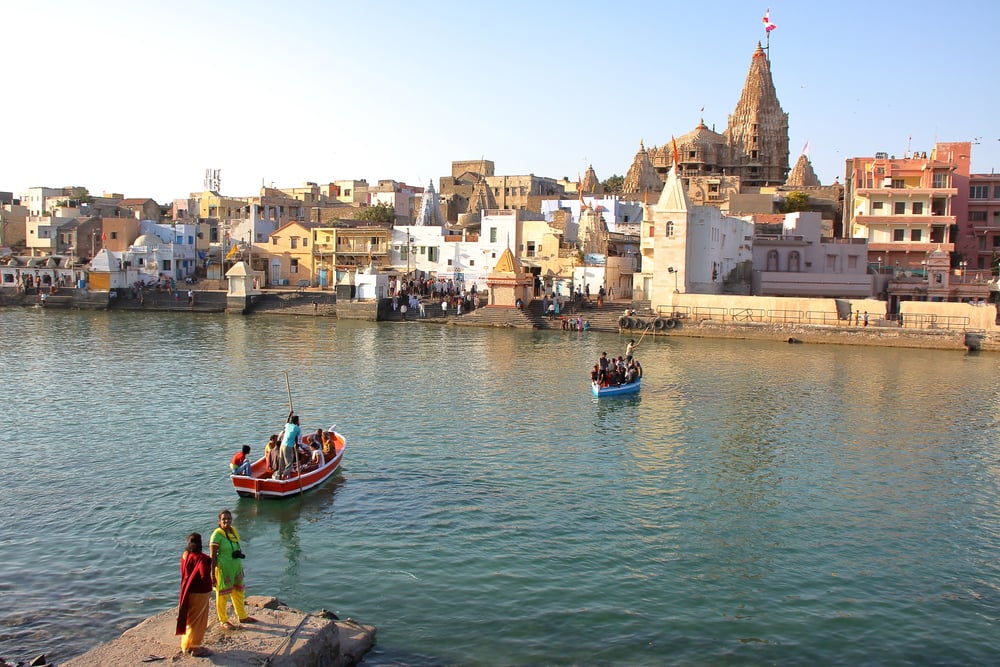
Hindu texts describe Dwarka as a magnificent city built by the god Krishna on the Arabian Sea coast of Gujarat, a city said to have been submerged when Krishna departed the earthly realm. The description was treated as myth until marine archaeologists conducted underwater surveys off the coast of modern Dwarka in the 1980s and 1990s and found submerged stone structures, anchors, and artefacts.
Debate continues about how old the structures are and what they represent — archaeologists have confirmed ruins dating to the 15th century BCE, though some of the recovered material may be older. The mythology pointed at something real.
How much of the story is history and how much is metaphor remains genuinely open.
The Archaeology of Belief
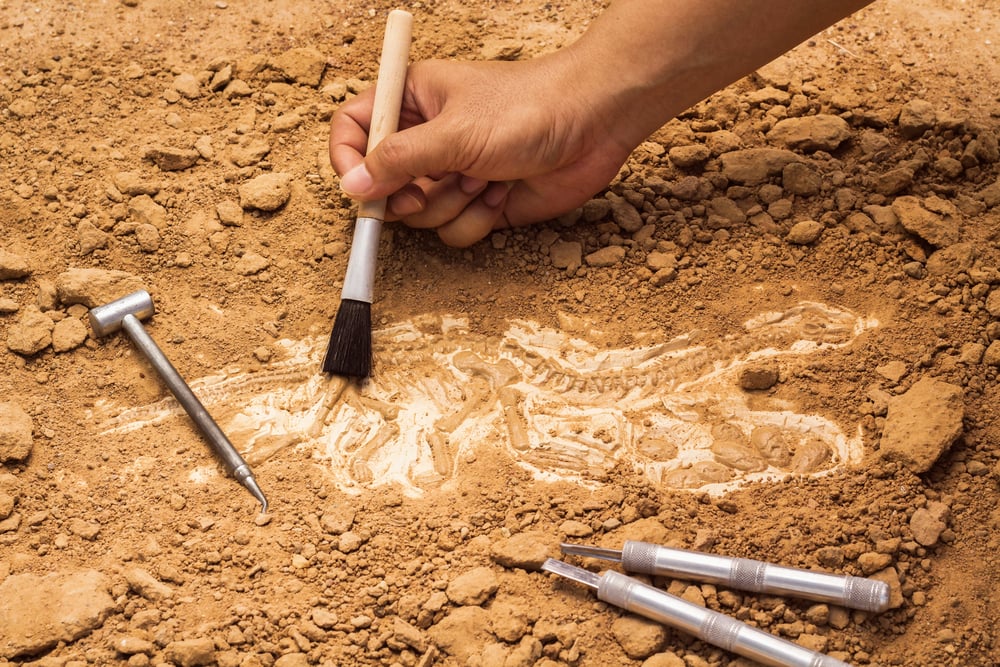
What these cities share is not just the fact of their rediscovery — it’s the pattern of how they were dismissed in the first place. Western scholars tended to distrust oral tradition, indigenous knowledge, and texts written by outsiders.
If a city wasn’t in the canon, it wasn’t on the map. The Kogi knew Ciudad Perdida was there.
The Quechua knew Machu Picchu hadn’t vanished. The Bedouin knew where Petra was.
The problem was never a lack of information; it was a lack of curiosity about who was holding it. Every decade, new technologies — LiDAR, ground-penetrating radar, satellite imaging, marine sonar — find cities that were hiding in plain sight beneath water, sand, and canopy.
The reasonable assumption is that there are more. The better assumption is that someone, somewhere, already knows where they are.
More from Go2Tutors!

- The Romanov Crown Jewels and Their Tragic Fate
- 13 Historical Mysteries That Science Still Can’t Solve
- Famous Hoaxes That Fooled the World for Years
- 15 Child Stars with Tragic Adult Lives
- 16 Famous Jewelry Pieces in History
Like Go2Tutors’s content? Follow us on MSN.