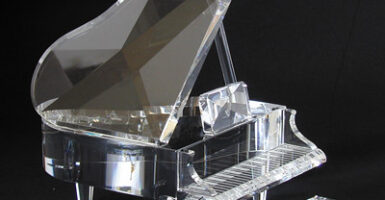
Inside The $3.2M Crystal Piano’s Wild Story
A piano that cost more than most mansions. A piano that looked less like an instrument and more like a sculpture from another world. The $3.2 million crystal piano didn’t just sit quietly in a corner — it dazzled, performed, and then vanished into private hands. Below are the moments, places, and twists that shaped the wild story of one of the most expensive pianos ever made.
Beijing Olympics
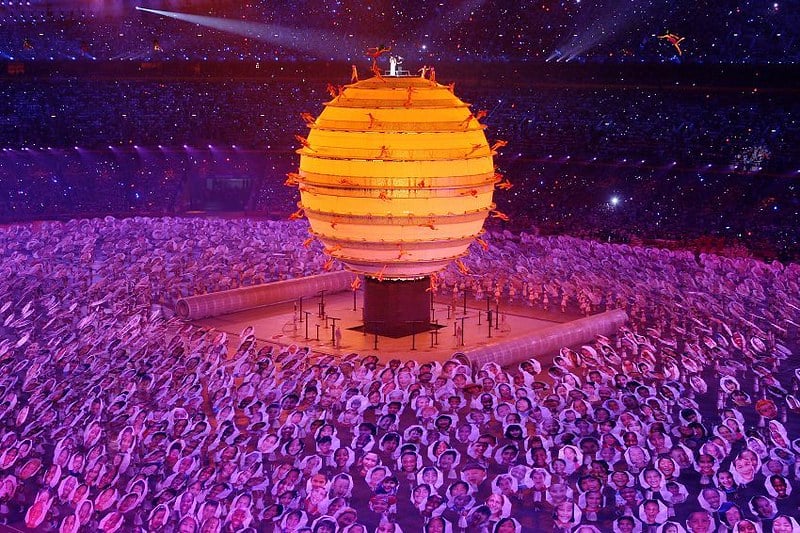
The crystal piano first stunned the world at the opening ceremony of the 2008 Beijing Olympics. Under stadium lights, its glass-like body shimmered as a young pianist played to an audience of billions. It wasn’t just music — it was spectacle. For many, the instrument became one of the event’s most unforgettable images.
Heintzman & Co.
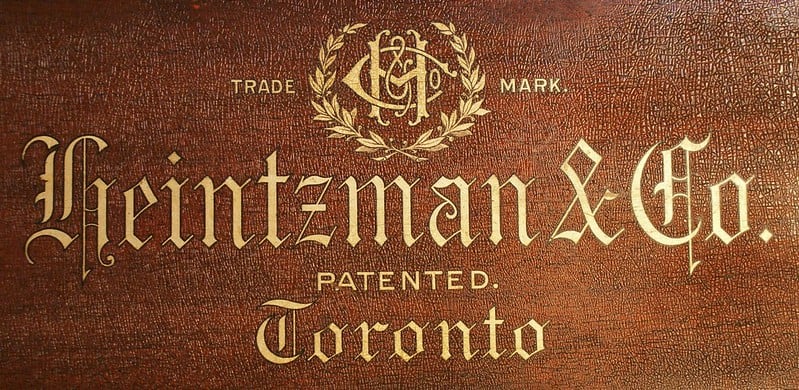
The piano was created by Heintzman & Co., a Canadian-founded piano company with roots dating back to the 19th century. This was not a standard concert grand. It was custom-built, with a transparent acrylic body that looked like carved ice. Still, beneath the shimmering shell, it carried the soundboard and craftsmanship of a true grand piano.
The Price Tag

The final price? A jaw-dropping $3.22 million at auction. That placed it among the most expensive instruments ever sold, rivaling violins by Stradivari and Guarneri. The cost wasn’t just about music. It was about rarity, design, and the sheer theatre of owning such a piece.
Design and Materials
Despite its nickname, the crystal piano wasn’t actually made of crystal. It was built from clear acrylic, strong enough to support the massive string tension of a grand piano yet light-catching enough to sparkle under bright lights. From afar, it looked fragile. Up close, it felt solid — like glass with muscle.
Auction Sale

After its Olympic debut, the piano went under the hammer at a high-profile auction in Beijing. Bidders drove the price higher than anyone expected. And then it was gone — snapped up by an anonymous buyer. A mystery still, as the piano hasn’t been displayed publicly since.
Symbol of Wealth

The piano wasn’t just an instrument; it became a trophy of excess. For some, it symbolized China’s rise on the global stage, a glittering showpiece of modern spectacle. For others, it felt like extravagance taken too far. A polarising symbol, depending on which side of the glass you stood.
Comparisons

The crystal piano has been compared to:
- The $45 million “Lady Blunt” Stradivarius violin.
- Elton John’s rhinestone-studded touring pianos.
- Custom instruments used in Las Vegas shows.
But unlike those, the Heintzman crystal piano was made for one shining moment, then disappeared.
Cultural Impact

Even though it’s hidden now, the piano’s image still circulates in music blogs, Olympic highlight reels, and lists of the world’s most expensive instruments. It’s less about the sound (few have ever heard it live) and more about the look. The piano became a legend the moment it appeared on television screens worldwide.
Last Known Sight
After the auction, reports placed it in the hands of a private collector in China. Some say it sits untouched in storage. Others imagine it gracing a billionaire’s living room, catching sunlight like a frozen wave. No one outside that circle knows for sure.
More Than Music
The crystal piano was never just about melody. It was about showmanship, money, and the idea that even a piano could become a global headline. Part instrument, part artwork, part mystery — its story is still unfolding, even behind closed doors.
A Glittering Disappearance
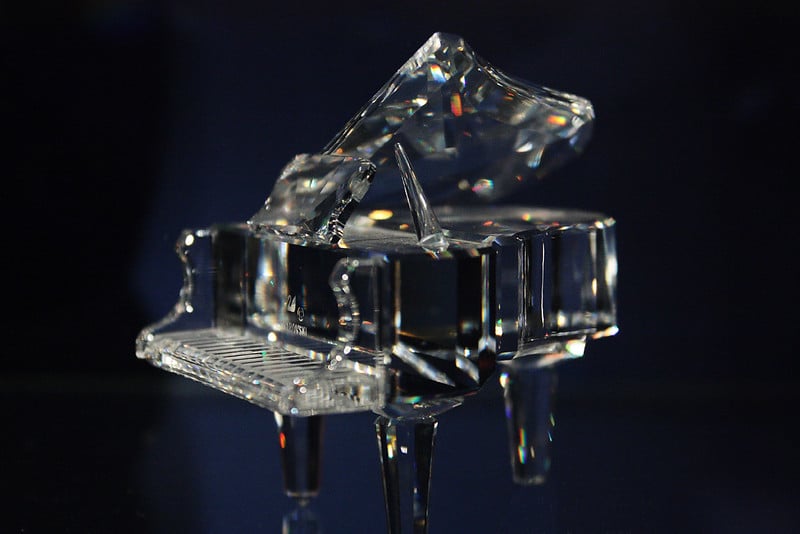
The $3.2 million crystal piano dazzled billions for a brief night, then slipped quietly into obscurity. A reminder that sometimes the loudest legends aren’t heard — they’re seen.
More from Go2Tutors!

- The Romanov Crown Jewels and Their Tragic Fate
- 13 Historical Mysteries That Science Still Can’t Solve
- Famous Hoaxes That Fooled the World for Years
- 15 Child Stars with Tragic Adult Lives
- 16 Famous Jewelry Pieces in History
Like Go2Tutors’s content? Follow us on MSN.