25 Mall Stores That Defined a Generation of Teenage Hangouts
The mall was not just a place to shop. Ask anyone who grew up in the 1980s or 1990s and they’ll tell you: the mall was a destination, a social hub, an entire afternoon in a climate-controlled building with carpet that had no business existing in any color palette.
Your parents dropped you off with twenty dollars and tacit permission to disappear for three hours, and what happened in those three hours was entirely up to the group.
Every mall had its own gravity — anchor stores at each end, food court in the middle, specialty shops along the corridors — and every generation of teenagers built their social geography around those stores. These are the ones that mattered most.
Spencer’s Gifts
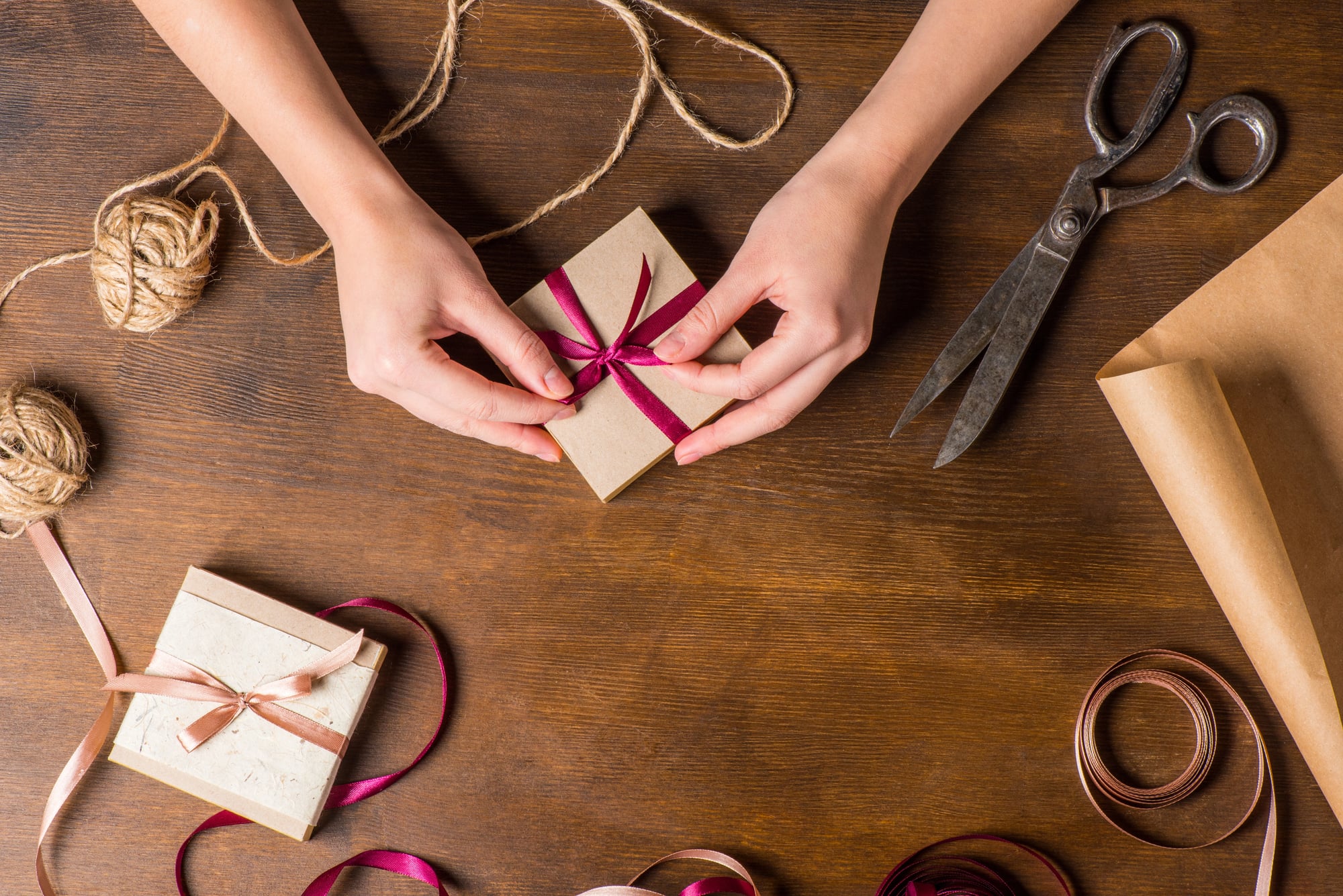
Spencer’s was the store that confirmed the mall had a sense of humor and didn’t particularly care what adults thought of it. The front featured pop culture merchandise, novelty items, and lava lamps.
The further back you went, the more clearly the store was aimed at teenagers specifically. Black light posters ended up on bedroom walls across America. Spencer’s technically served multiple purposes — gifts, novelties, entertainment — but functionally it existed as a rite of passage, a place you browsed primarily for the experience of browsing it. Founded in 1947, Spencer’s still operates today. Everything else on this list has not been as lucky.
Sam Goody
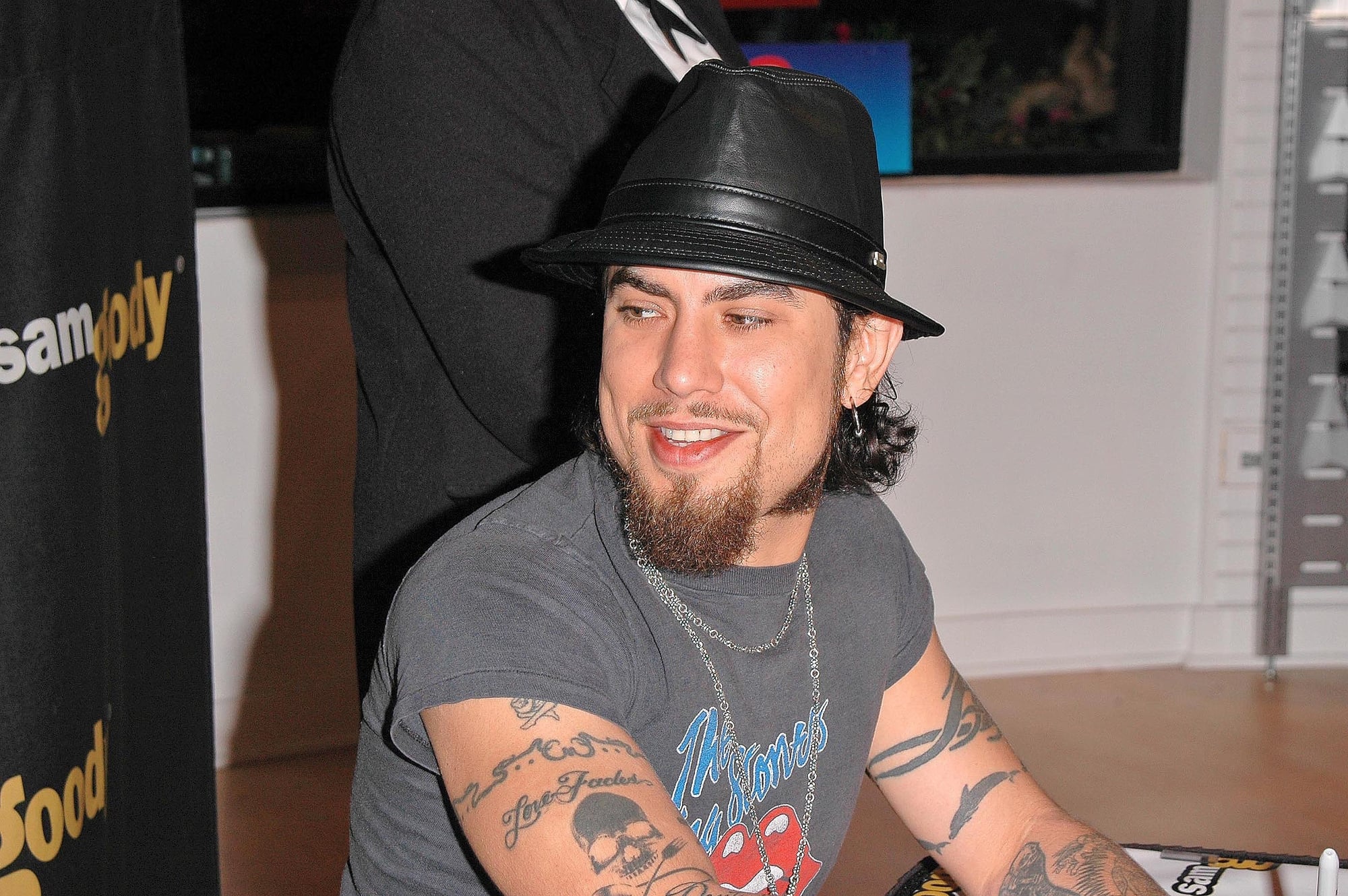
The record store as a specific retail category has essentially ceased to exist, but Sam Goody kept it alive through the 1980s and 1990s with a mall presence that made music discovery a physical, social activity. You flipped through CDs in the racks, used the listening stations to sample new albums before committing, and occasionally spent forty-five minutes there without buying anything because the act of being around music was itself the point.
Sam Goody was owned by Musicland, which was purchased by Best Buy in 2001, declined from there, and filed for bankruptcy in 2006. Most remaining locations converted to FYE.
Claire’s
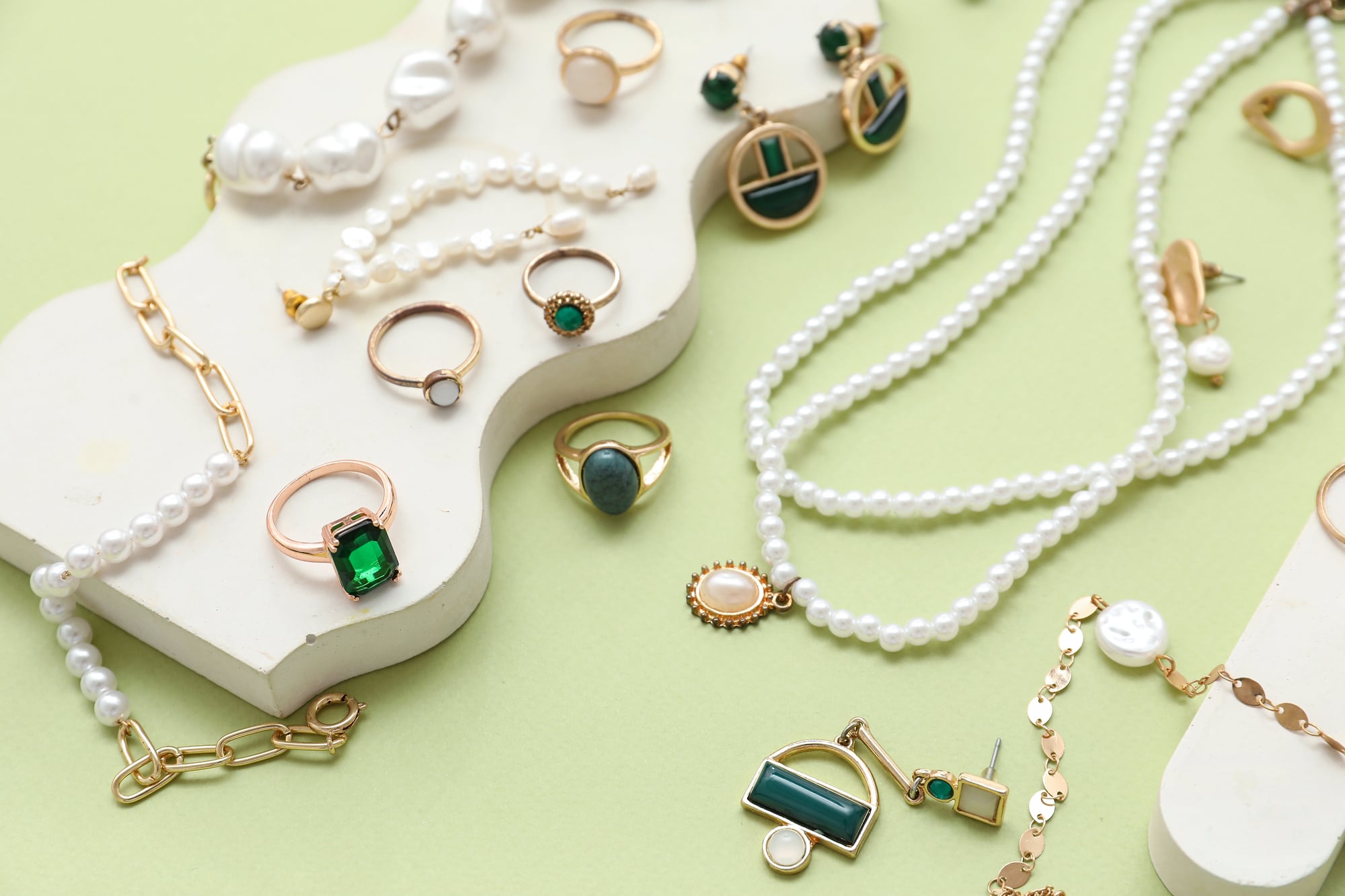
For teenage girls of the 1980s and 1990s, Claire’s was less a store and more a standing appointment. The jewelry was affordable and fun, the accessories covered everything the outfit might be missing, and most significantly — most permanently — Claire’s was where ears got pierced.
The procedure, performed by store employees with a spring-loaded earring gun, was among the most memorable experiences many girls associate with early adolescence. Claire’s acquired its main competitor Afterthoughts in 1999 and consolidated the jewelry-accessories market for teen girls under one brand.
Hot Topic

Hot Topic arrived in 1989 and spent the 1990s becoming the only retail destination that genuinely made teenagers feel that a store was on their side. Band tees, punk accessories, alternative culture merchandise — everything in the store suggested that the people who stocked it had been listening to the same music and watching the same things as their customers.
The black interior and the volume at which the store played music were both deliberate and effective. Hot Topic became the default destination for anyone whose identity didn’t fit the mainstream mall aesthetic.
Waldenbooks

The bookstore at the mall was a different institution from the bookstore on the high street. Waldenbooks was smaller, specifically curated toward the kind of books a mall-goer might actually pick up — bestsellers, mass-market paperbacks, the spinning rack of genre fiction near the entrance.
At its peak in the mid-1980s, Waldenbooks operated more than 1,200 locations, making it the largest bookstore chain in the United States. Kmart acquired it in 1984, Borders acquired the entire Borders-Walden group by the 1990s, and the last Waldenbooks closed in 2011 when Borders filed for bankruptcy.
KB Toys
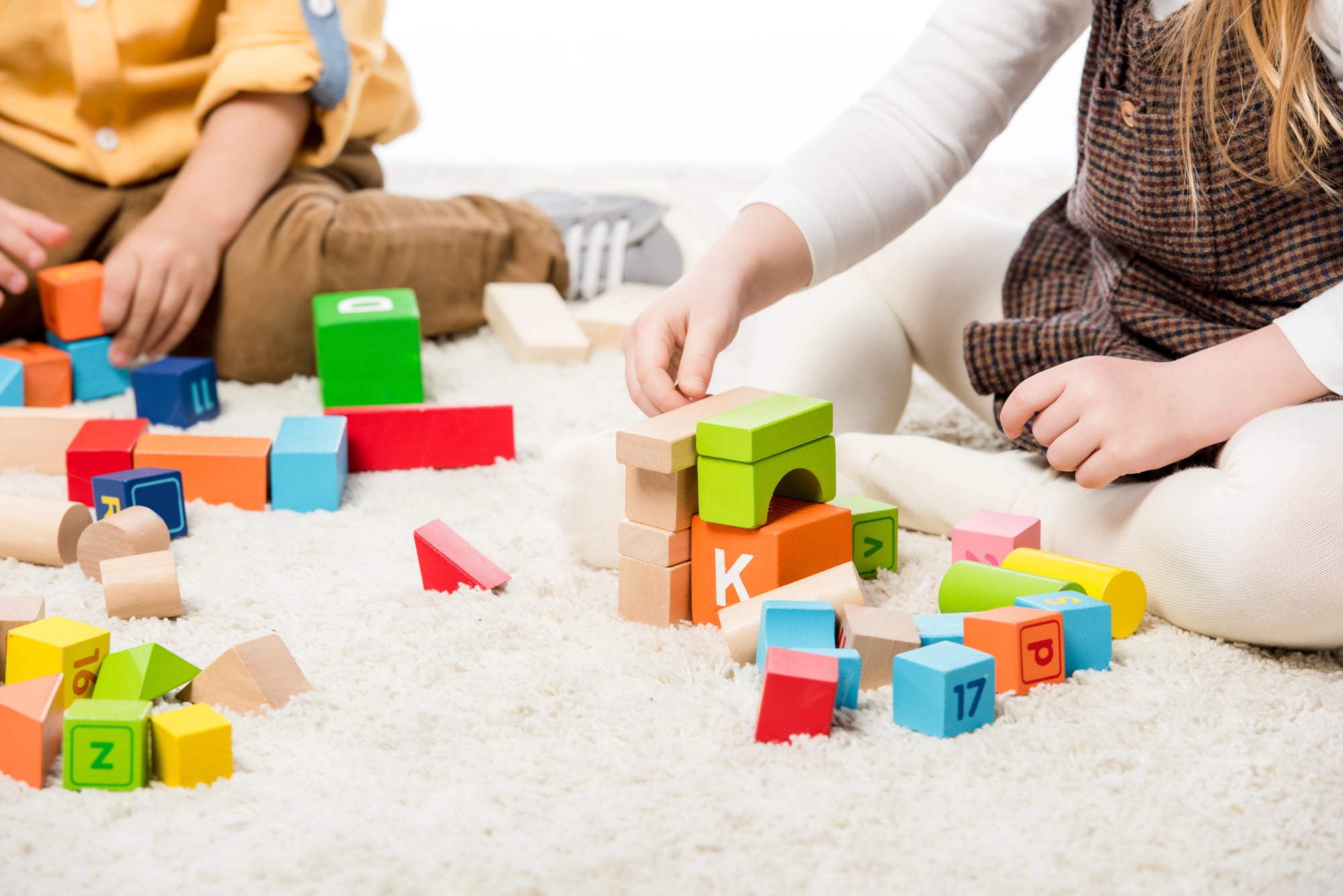
KB Toys — sometimes Kay-Bee — was not the largest toy retailer in America but it was frequently the one inside the mall, which gave it a specific relationship with children being taken to the mall for other purposes. The store had energy, and the energy was contagious, and many shopping trips that were supposed to involve something else entirely acquired a toy-store component simply because KB was there.
At its peak in the 1990s, KB operated over 1,300 stores. The company declared bankruptcy in 2004, again in 2008, and closed permanently in 2009.
B. Dalton Bookseller
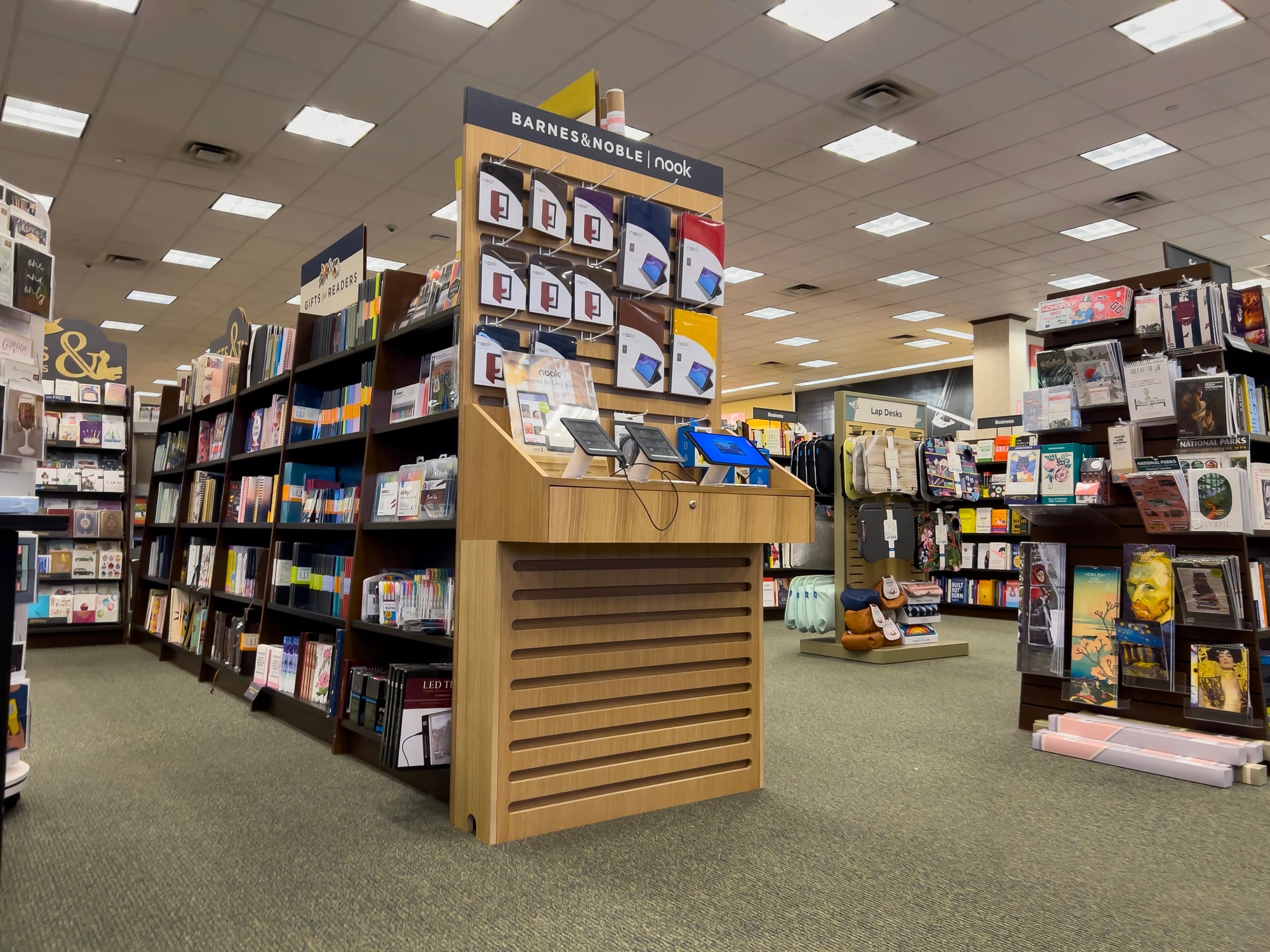
Running parallel to Waldenbooks, B. Dalton served a slightly different demographic — the frequent buyer program attracted serious readers, and the magazine rack near the entrance caught browsers who didn’t necessarily come in for a book. B. Dalton peaked at 798 stores across 43 states in 1986.
Barnes & Noble acquired the chain in 1987 and spent the following decades gradually closing locations, with the final stores shutting in 2010. In many malls, you could find both B. Dalton and Waldenbooks within walking distance of each other, which seems extraordinary in retrospect.
Suncoast Motion Pictures
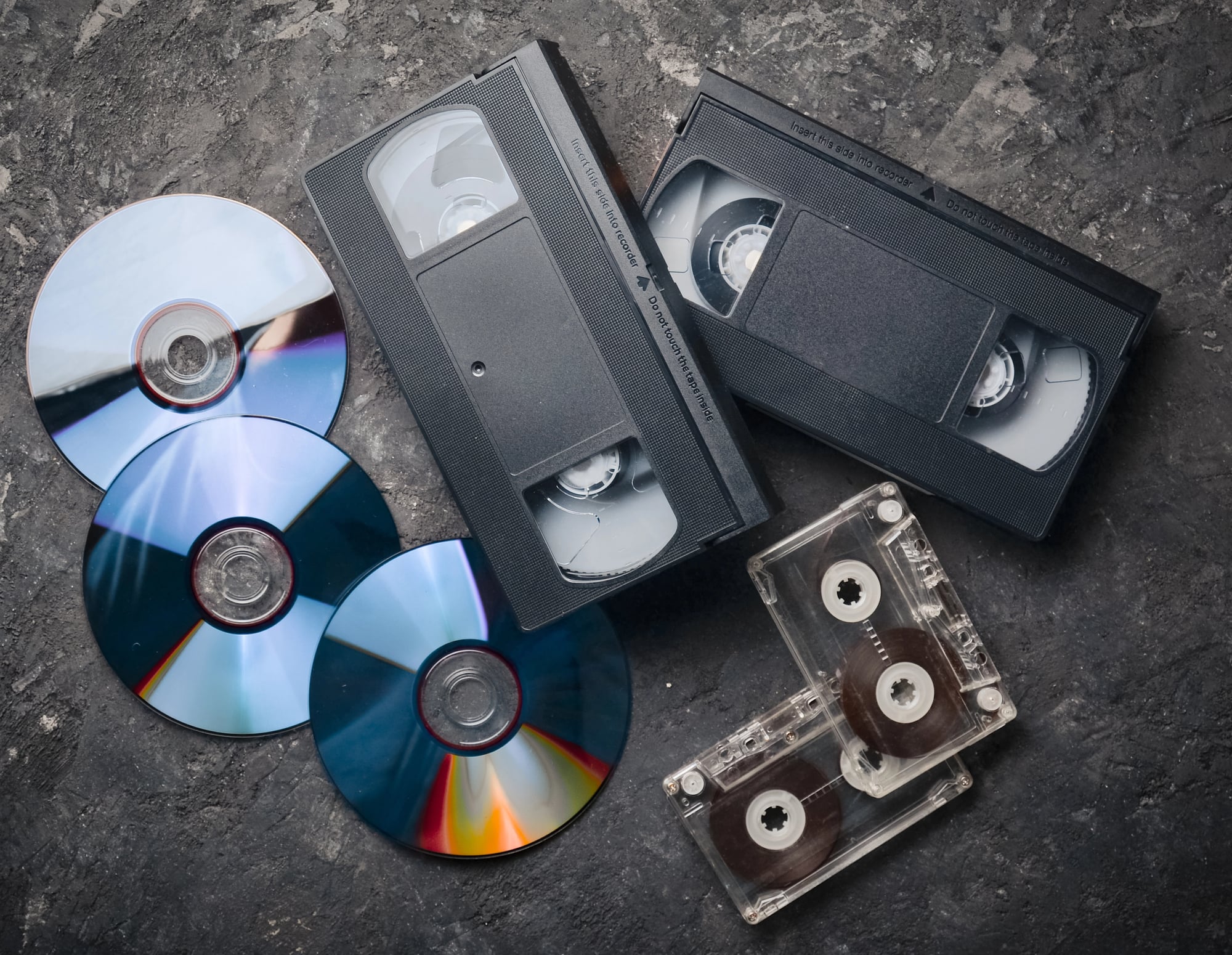
For children who loved films, Suncoast was the store that made movie collecting feel like an adult hobby you could participate in with a teenager’s budget. VHS tapes, movie posters, film merchandise, memorabilia, and later DVDs — all of it curated with a specificity that suggested the buyers actually cared about film rather than just stocking the bestsellers.
Suncoast was owned by Musicland and shared its parent company’s eventual fate: bankruptcy in 2006, with most locations closing by 2009. A handful technically still operate.
Camelot Music
Camelot Music competed directly with Sam Goody for the mall music buyer and distinguished itself through consistent promotional deals and a wider catalog in some locations. Founded in 1956 in Ohio, Camelot eventually operated hundreds of mall locations before the entire physical music retail category imploded following the digital revolution.
Trans World Entertainment acquired Camelot and converted most locations to either FYE or closed them outright. The name has been effectively retired.
Afterthoughts

Founded as a subsidiary of F.W. Woolworth in the 1980s, Afterthoughts sold low-cost jewelry, hair accessories, and fashion items to teen girls, operating as Claire’s direct competitor at 809 locations by 1996. The two stores frequently appeared in the same mall, occasionally within sight of each other, competing for the same afterschool dollar.
Claire’s acquired Afterthoughts in 1999 and phased out the brand by 2002. Shoppers who remember both stores often have specific loyalty to one or the other that they cannot fully explain.
Limited Too

Limited Too was the extension of Limited Express aimed specifically at younger girls — the store where pre-teen style happened before graduating to more “adult” options. Glittery tops, butterfly clips, scented products, and embellished clothing in colors and patterns that would be visible from across the food court.
Limited Too rebranded as Tween Brands in 2006, closed most locations, and then made a comeback under the original name in 2016. Its aesthetic, documented across thousands of yearbook photos, is the definitive visual record of 1990s pre-teen style.
Gadzooks
Gadzooks sold graphic tees, denim, and casual clothing to teenagers who wanted to look slightly more interesting than what was available at the anchored department stores. Each store reportedly kept a Volkswagen Beetle painted in the company’s colors somewhere in or near the storefront, which was the kind of marketing decision that communicated something immediately about the brand’s self-image.
Gadzooks filed for bankruptcy in 2004 after a misdirected pivot to focus exclusively on female customers. Forever 21 acquired the chain in 2005 and closed all locations.
Foot Locker
The referee-striped shirts worn by the staff were a design choice so distinctive that they became the store’s most recognizable feature. Foot Locker sold athletic shoes in the era when athletic shoes became an identity item — when specific Air Jordan releases generated lines that formed before stores opened, when the brand on your feet communicated membership in specific cultural conversations.
The striped-shirt staff, the shoe walls, the specific smell of new leather and rubber — the Foot Locker sensory experience has been replicated inside every memory of the athletic shoe as a status object.
Contempo Casuals

The clothing store aimed at young women that appeared in Clueless as the kind of place its protagonist would shop, and then retained that cultural stamp. Contempo Casuals sold trendy, affordable fashion — the kind that was current enough to matter and inexpensive enough to rotate seasonally.
Wet Seal purchased it in 1995 and by 2001 had phased out the Contempo Casuals brand entirely, replacing it with Wet Seal across all remaining locations.
FYE (For Your Entertainment)
FYE was in many ways the successor to the Sam Goody and Camelot Music locations it replaced — physically occupying the same spaces, selling the same categories — but arriving in a period when the category itself was contracting. CDs were giving way to digital downloads. DVDs were giving way to streaming.
FYE sold music, film, entertainment merchandise, and pop culture items with an awareness that the physical media market was diminishing but that the merchandise market was not. Some FYE locations continue to operate today, leaning further into the collectibles and merchandise that survived the media transition.
Musicland
Musicland was the Midwestern equivalent of Sam Goody — for kids growing up in Ohio, Indiana, Illinois, and surrounding states, Musicland was the mall music store, full stop. Founded in 1955, it eventually owned Sam Goody and operated both chains simultaneously, representing at peak over 650 music store locations combined.
Best Buy purchased the entire Musicland Group in 2001 in a deal that turned badly. The chain was sold again in 2002 and filed for bankruptcy in 2006.
RadioShack
RadioShack’s role in the mall ecosystem was distinct from every other store on this list: it served a practical function. If you needed a battery, a specific cable, a component for a home electronics project, a replacement part for something that had stopped working — RadioShack was the answer.
At its peak, the chain operated more than 8,000 locations. The company filed for bankruptcy in 2015 and again in 2017, with only a small number of franchise locations continuing under the name. Its absence left a specific retail gap that no single successor has filled.
Orange Julius
The food court tenant that occupied a permanent mental slot in every mall memory. Orange Julius had been blending orange-flavored drinks since 1926, with the signature frothy beverage available in a range of fruit flavors by the time it became a mall standard.
Dairy Queen acquired the brand in 1987. Orange Julius still exists as a Dairy Queen sub-brand in some locations, though its free-standing mall presence has diminished significantly since its 1980s peak.
Zany Brainy
Zany Brainy positioned itself as the educational alternative to KB Toys — books, games, puzzles, educational toys, and programming for children that included author readings and in-store events. Founded in 1991, it grew rapidly enough to attract the attention of investors and then expanded too quickly.
The company filed for bankruptcy in 2003 and closed all locations. The concept — educational toy retail — found no direct successor, though its approach has been approximated by various online and specialty retailers.
Chess King

Chess King sold menswear to teenage boys in the 1980s in the specific idiom of that decade: bold prints, patterned shirts, clothing that communicated youth and attitude. It was the store where teenage boys went when they wanted to look like they meant something, and the prices were low enough to make that possible.
By the early 1990s, the brand had been merged into Merry-Go-Round Enterprises. When Merry-Go-Round filed for bankruptcy in 1994, Chess King disappeared with it.
Lerner New York
Lerner New York — later renamed New York & Company — was a women’s clothing store that occupied the working-woman end of mall fashion rather than the teenage end, but its prominence in malls throughout the 1980s made it part of the landscape. The brand eventually became New York & Company, which filed for bankruptcy in 2020 and closed most of its physical retail locations.
Its evolution tracked the broader trajectory of mall-based fashion retail from anchor to appendix over four decades.
Icing by Claire’s
The Icing was Claire’s companion brand, aimed at slightly older customers who had aged out of Claire’s main demographic but hadn’t moved entirely into adult jewelry retail. It occupied an interesting market position — not quite teenager, not quite adult — and sold accessories with a similar philosophy to Claire’s but a slightly more sophisticated aesthetic.
After Claire’s absorbed Afterthoughts, The Icing became the Afterthoughts replacement in the Claire’s portfolio, eventually being folded back into the parent brand.
Sam’s Jewelry
The in-mall jewelry kiosk — not a store with walls, but a freestanding display in the central corridor — was a specific institution distinct from Claire’s and Afterthoughts. Sam’s Jewelry and its equivalents occupied the high-traffic corridors where casual browsers passed between destinations.
The kiosk format meant lower overhead and greater accessibility, and the product sat at a price point between Claire’s costume jewelry and the fine jewelry department of an anchor store. The kiosk itself was the format that survived when individual brands did not — mall jewelry kiosks still populate corridors where the boutique stores used to be.
Babbage’s
Before GameStop dominated video game retail, Babbage’s occupied that position in many malls. The store sold video games, gaming systems, and accessories with the specific expertise of people who actually knew what they were talking about — staff who could recommend based on system preferences, who knew release dates without checking a reference, who understood the difference between titles in a way that big box retailers did not.
Electronics Boutique and Babbage’s eventually merged, then became GameStop, absorbing a specific kind of retail knowledge in the process.
The Food Court
Every store on this list was a destination, but the food court was the center of gravity around which everything else orbited. Orange Julius, Sbarro, Auntie Anne’s Pretzels, Chick-fil-A, the Chinese take-out counter, the pizza place, the burger operation that was nearly but not quite a recognizable chain — the food court offered the specific pleasure of multiple cuisines available simultaneously in a setting with enough tables for a group of teenagers to occupy for two hours without anyone suggesting they ought to order something else.
The mall’s social function happened at those tables as much as anywhere else. The stores you visited determined what you had to talk about when you sat down.
Where Those Afternoons Went

The stores on this list weren’t just retail destinations. They were where an entire generation learned to navigate the world in relatively small doses of unsupervised freedom — where friendships deepened between the Sam Goody listening stations and the Waldenbooks spinner rack, where money earned from chores or birthdays got converted into cassettes or earrings or a shirt that felt like an identity statement.
The mall as a social institution has been collapsing since the 1990s, undermined by e-commerce and changing retail behavior, and with it has gone a very specific kind of afternoon that produced very specific kinds of memories. The particular smell of a mall in the early 1990s — carpet, Orange Julius, department store perfume counter — is not reproducible. Neither is the specific feeling of being dropped off at the entrance with twenty dollars and three hours to figure out what you were.
More from Go2Tutors!

- The Romanov Crown Jewels and Their Tragic Fate
- 13 Historical Mysteries That Science Still Can’t Solve
- Famous Hoaxes That Fooled the World for Years
- 15 Child Stars with Tragic Adult Lives
- 16 Famous Jewelry Pieces in History
Like Go2Tutors’s content? Follow us on MSN.



