Photos of Actors Who Completely Transformed for a Biopic Role
Biographical films require actors to perform something rather unusual. Rather than creating a character from scratch, actors have to become someone else—someone whose voice, look, and mannerisms are already familiar to the world.
For some actors, this means that the challenge brings out incredible changes in their appearance and mannerisms. With hard work and dedication, they remake themselves to become someone else in a rather uncanny manner.
Daniel Day-Lewis as Abraham Lincoln

When Daniel Day-Lewis portrayed Abraham Lincoln in the 2012 film Lincoln, he approached the role with his famously immersive acting style. Rather than simply wearing a costume, he studied Lincoln’s voice, posture, and mannerisms until the performance felt historically grounded.
Day-Lewis adopted a higher-pitched voice based on historical accounts describing Lincoln’s speaking style. Combined with careful physical movement and subtle makeup work, the transformation created a portrayal that many historians praised for its authenticity.
Charlize Theron as Aileen Wuornos

Charlize Theron’s transformation in Monster shocked audiences when the film premiered in 2003. Known at the time for glamorous roles, Theron underwent extensive makeup changes and physical adjustments to portray Aileen Wuornos.
The film’s makeup team used prosthetics and subtle facial changes to mirror Wuornos’s appearance. Theron also altered her posture and expressions, creating a performance that was almost unrecognizable compared to her usual screen presence.
Rami Malek as Freddie Mercury

Rami Malek took on the role of Queen frontman Freddie Mercury in Bohemian Rhapsody. The performance required capturing Mercury’s energetic stage presence while also portraying quieter personal moments.
Malek wore specially designed dental prosthetics to recreate Mercury’s distinctive smile. He also studied countless concert recordings to replicate the singer’s movements and gestures on stage.
Gary Oldman as Winston Churchill

Gary Oldman’s portrayal of Winston Churchill in Darkest Hour required a dramatic visual transformation. Heavy prosthetic makeup reshaped his face and body to match Churchill’s appearance.
The makeup process reportedly took several hours each day. Oldman also focused on Churchill’s distinctive speech patterns, creating a performance that balanced historical accuracy with emotional depth.
Natalie Portman as Jacqueline Kennedy

In the film Jackie, Natalie Portman portrayed Jacqueline Kennedy during the days following the assassination of President John F. Kennedy. The performance required capturing both the public composure and private grief of a figure constantly under scrutiny.
Portman studied archival footage to replicate Kennedy’s soft voice and carefully measured manner of speaking. The result was a subtle transformation built more on behavior than dramatic physical change.
Jamie Foxx as Ray Charles
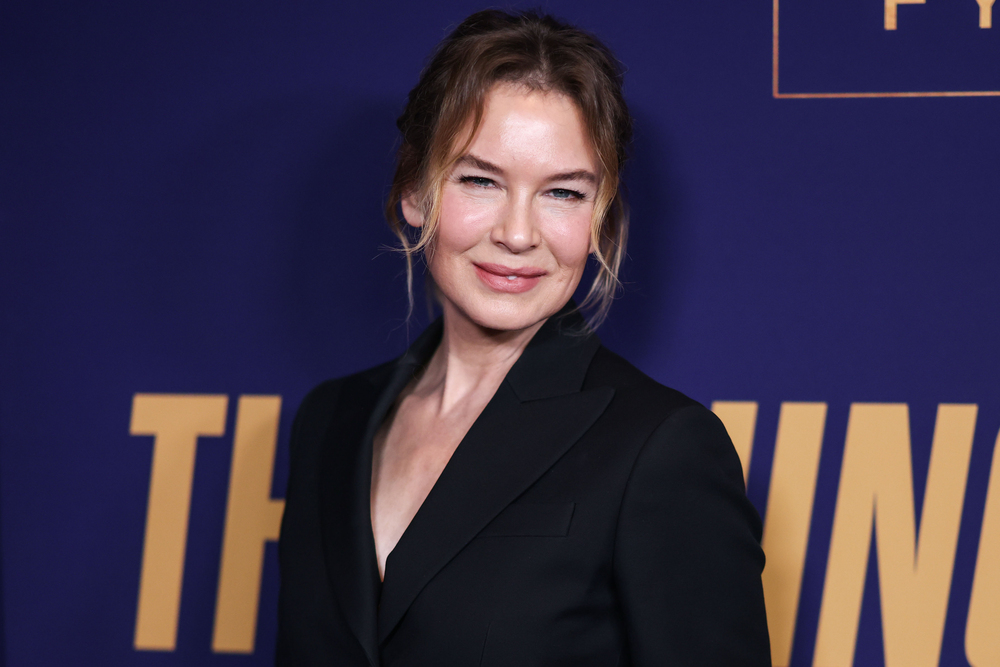
Jamie Foxx’s performance as musician Ray Charles in the film Ray required intense preparation. Foxx practiced piano extensively and spent time studying Charles’s movements and expressions.
During filming, Foxx often wore prosthetic eyelids to simulate Charles’s blindness. This approach helped him understand how the musician navigated the world without sight.
Renée Zellweger as Judy Garland

Renée Zellweger transformed into legendary performer Judy Garland for the film Judy. The role focused on Garland’s later years, portraying both her talent and the struggles that marked her career.
Zellweger worked with vocal coaches to replicate Garland’s singing style while maintaining her own voice. Subtle makeup and body language helped create a convincing resemblance.
Christian Bale as Cheney

Christian Bale is well known for dramatic physical transformations, and his role as Cheney in Vice was no exception. Bale gained weight and altered his posture to match the former vice president’s appearance.
Heavy makeup and hair adjustments completed the transformation. Bale also adopted Cheney’s quiet speaking style, delivering lines with deliberate calm.
Michelle Williams as Marilyn Monroe
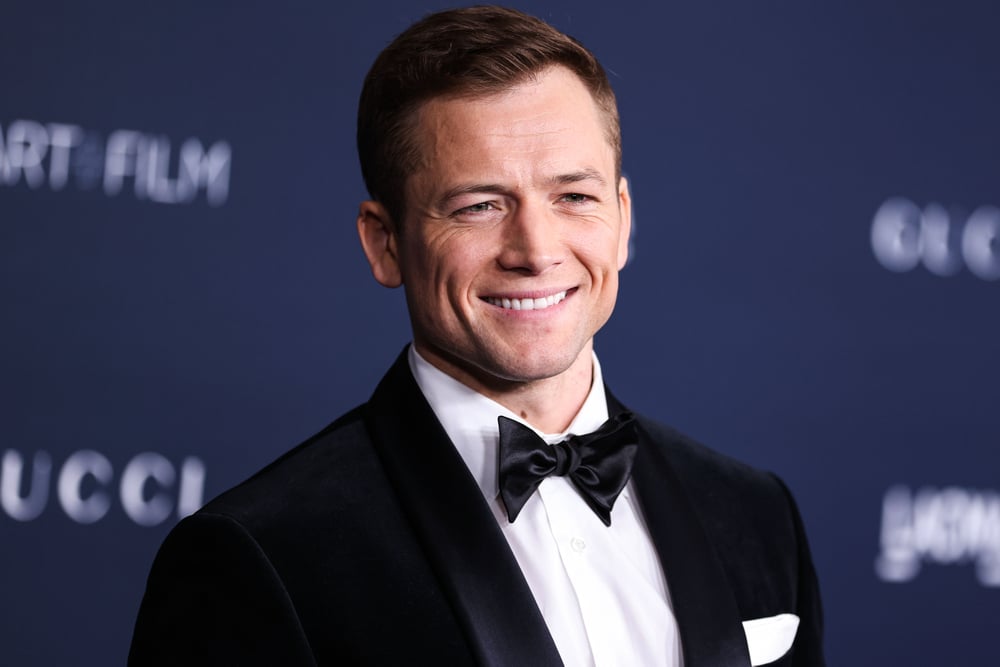
In My Week with Marilyn, Michelle Williams portrayed one of Hollywood’s most recognizable stars. Monroe’s voice, gestures, and screen presence have been studied for decades, making the role particularly demanding.
Williams focused on Monroe’s breathy vocal style and distinctive movements. The performance balanced imitation with emotional nuance.
Taron Egerton as Elton John

Taron Egerton stepped into the flamboyant world of Elton John in Rocketman. The role required capturing both the musician’s energetic stage persona and the personal struggles behind the spotlight.
Egerton performed many of the songs himself, bringing a fresh interpretation while honoring John’s style. Elaborate costumes and stage choreography added to the transformation.
Meryl Streep as Margaret Thatcher

Meryl Streep’s portrayal of British prime minister Margaret Thatcher in The Iron Lady combined precise voice work with careful physical changes. Streep studied Thatcher’s speeches and interviews to capture her cadence.
Makeup and hairstyling helped recreate Thatcher’s recognizable appearance. The performance focused not only on public leadership but also on the personal side of the figure.
Eddie Redmayne as Stephen Hawking

In The Theory of Everything, Eddie Redmayne portrayed physicist Stephen Hawking over several decades of his life. The role required depicting the gradual progression of a neurological condition.
Redmayne carefully studied Hawking’s movements and posture as the condition advanced. The performance relied on subtle physical control to show the changes over time.
Austin Butler as Elvis Presley

Austin Butler’s portrayal of Elvis Presley in Elvis required capturing the voice and stage charisma of one of music’s most famous performers. Butler spent months studying Presley’s recordings and performances.
He adopted elements of Presley’s accent and vocal tone, even off camera during filming. The transformation extended beyond appearance to include the singer’s distinctive stage energy.
Salma Hayek as Frida Kahlo

Salma Hayek portrayed Mexican painter Frida Kahlo in the film Frida. The role required reflecting Kahlo’s artistic spirit as well as her physical appearance.
Makeup artists recreated Kahlo’s distinctive features while Hayek studied the painter’s life and personality. The performance blended visual resemblance with emotional depth.
Forest Whitaker as Idi Amin
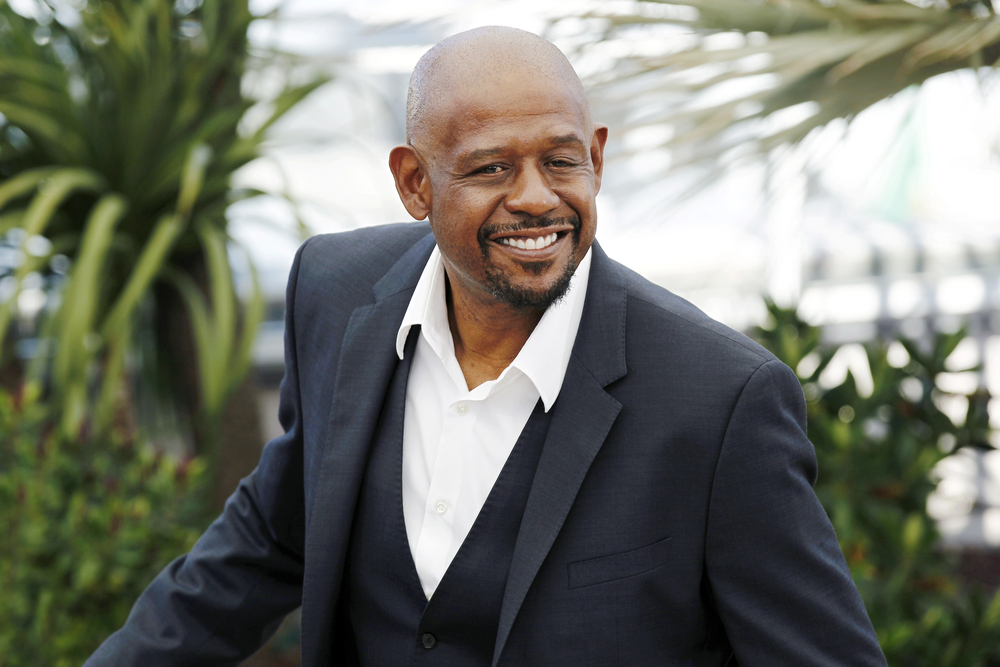
Forest Whitaker’s portrayal of Ugandan leader Idi Amin in The Last King of Scotland required intense character study. Whitaker focused on Amin’s speech patterns and commanding presence.
The transformation combined physical resemblance with an unpredictable energy that mirrored historical descriptions of Amin. The performance earned widespread acclaim for its complexity.
When Acting Becomes Transformation

Biographical performances have been known to take actors to extremes beyond ordinary roles. The physical changes, voice overs, and research all come together to bring history to life in front of the audience.
The best performances are those that go beyond mere imitation to reveal the person behind the public figure. These changes serve to remind people how powerful storytelling can be when it meets with history.
A well-thought-out performance can be like a bridge between two worlds, giving people a chance to look at history in a different way.
More from Go2Tutors!

- The Romanov Crown Jewels and Their Tragic Fate
- 13 Historical Mysteries That Science Still Can’t Solve
- Famous Hoaxes That Fooled the World for Years
- 15 Child Stars with Tragic Adult Lives
- 16 Famous Jewelry Pieces in History
Like Go2Tutors’s content? Follow us on MSN.



