25 Old Steiff Bears and Plush Toys Worth Money
A small metal button clipped into an ear has turned some of the most ordinary-looking childhood toys into serious collectibles. Steiff has been stitching mohair animals in Giengen, Germany, since the nineteenth century, and the best of the old ones now pass through auction houses with the same ceremony as fine furniture.
Value rarely follows size or fame. A tiny lamb or a well-worn dog can outrun a famous bear if the model is scarce and the condition is right, and the clues are usually in the tags, the mohair, and the stitching.
The 55 PB That Launched the Teddy Boom
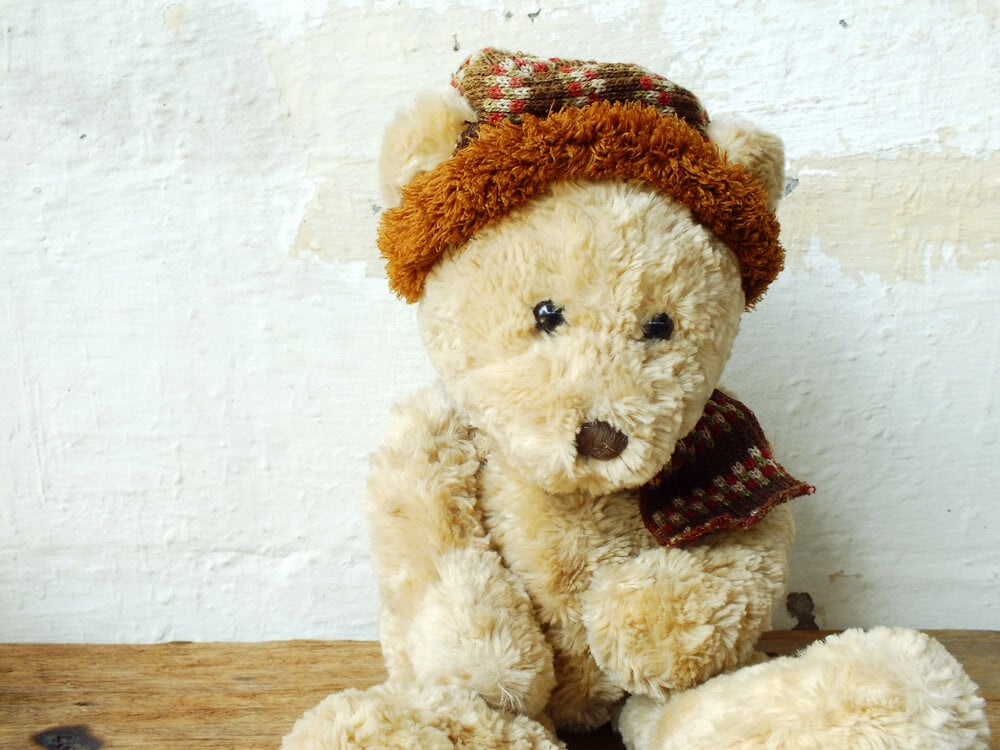
Richard Steiff designed the jointed Bär 55 PB, and the bear drew huge attention at the Leipzig toy fair in 1903, where a buyer from the United States placed an order running into the thousands. The name refers to the 55 centimeter height, and the early examples have long limbs, a humped back, and a pointed muzzle that look nothing like a modern teddy.
Early survivors are prized, and a button in the ear, intact mohair, and tight joints push value far above bears with bald patches or loose limbs.
Teddy Girl and the Christie’s Gavel
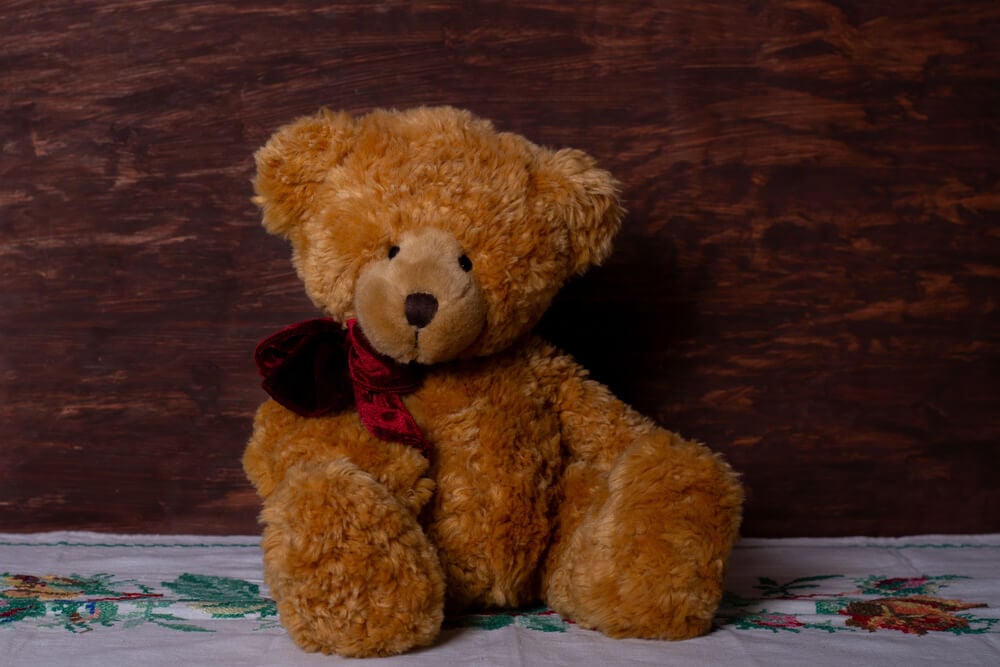
Teddy Girl, an early Steiff bear, became one of the best-known auction bears after selling through Christie’s in London, a sale that pushed antique teddy bears into record-book territory. Buyers at that level look for a documented history, the original button, and mohair that still has its pile.
Bears of the same age without provenance or with heavy repairs trade at a fraction of the prices that make headlines.
The Blue Bear of 1908
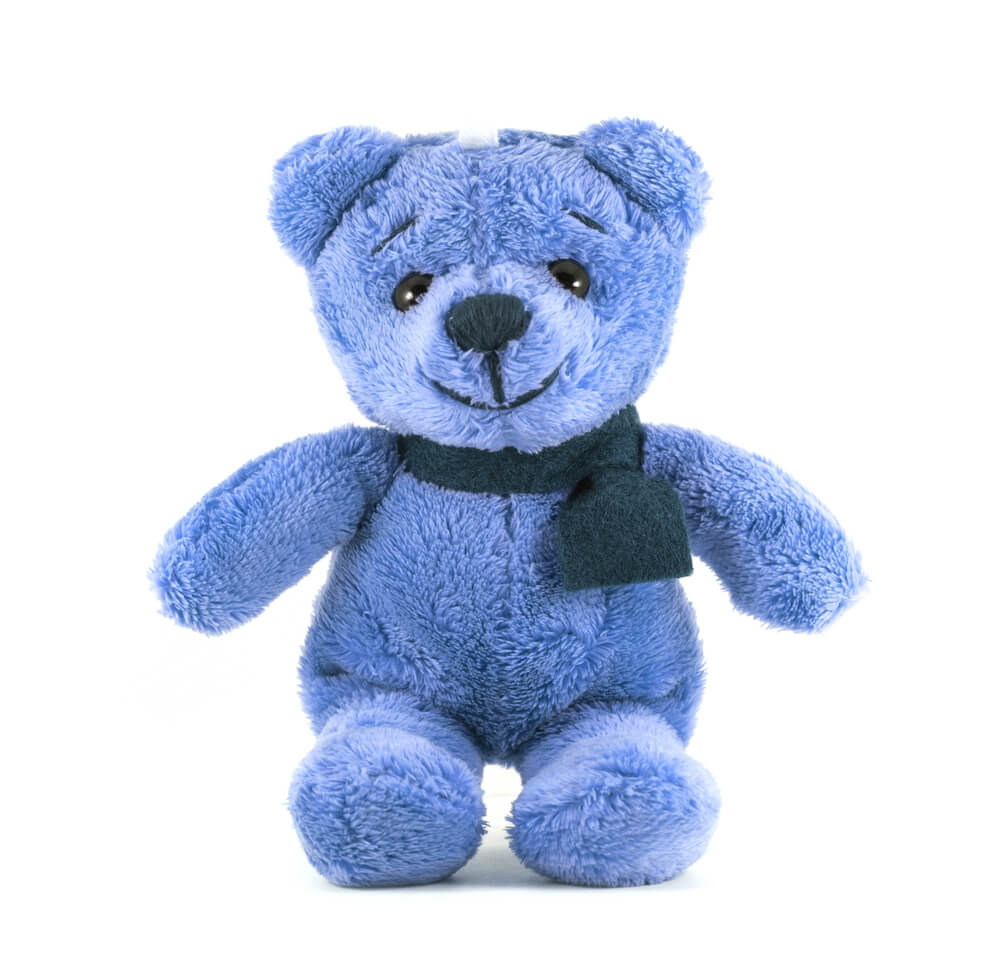
A blue Steiff teddy from 1908 sold in Britain for £49,500, proof that unusual mohair colors can outperform the standard golden brown. Blue was an unexpected shade for a toy bear, and few survived because dyed fabric faded with light and handling.
A bear that still shows its original tint, rather than a washed-out gray, is the version that collectors chase.
The Titanic Mourning Bear
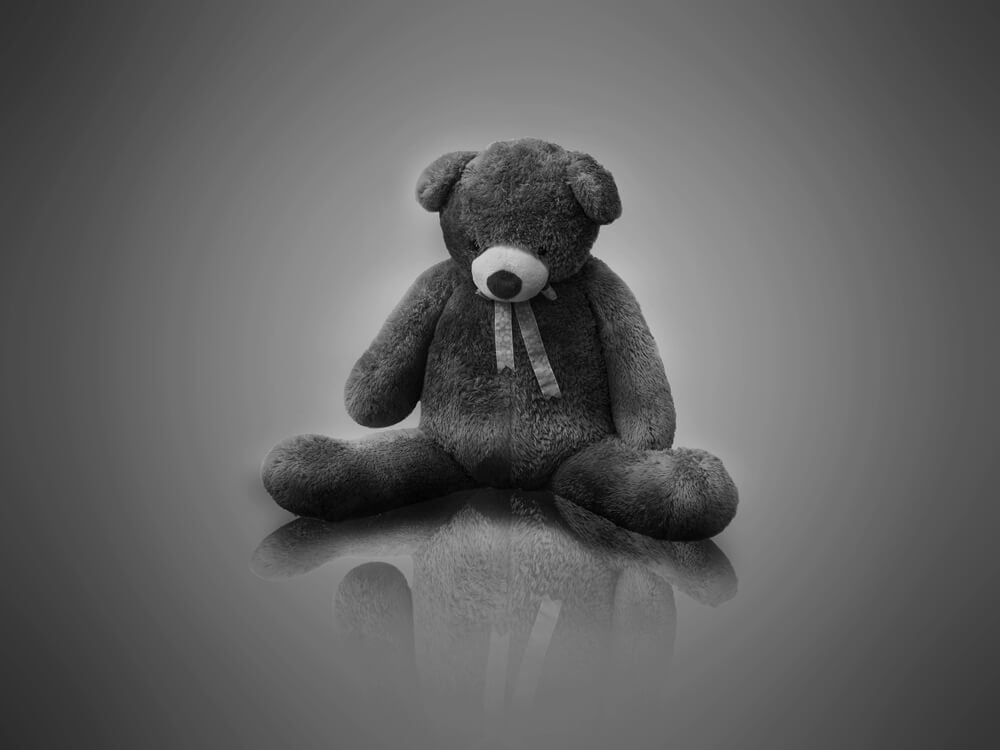
After the Titanic sank in 1912, Steiff produced black mohair bears to mark the mourning, and the type has since become one of the best-known stories in toy collecting. Special Steiff auctions have seen these bears sell well above their estimates, with the Titanic connection adding a layer of history beyond the stitching.
Authentic examples need the right button, period construction, and sound black mohair, while later reproductions sell for far less.
Petsy, the Baby-Faced Bear of 1928
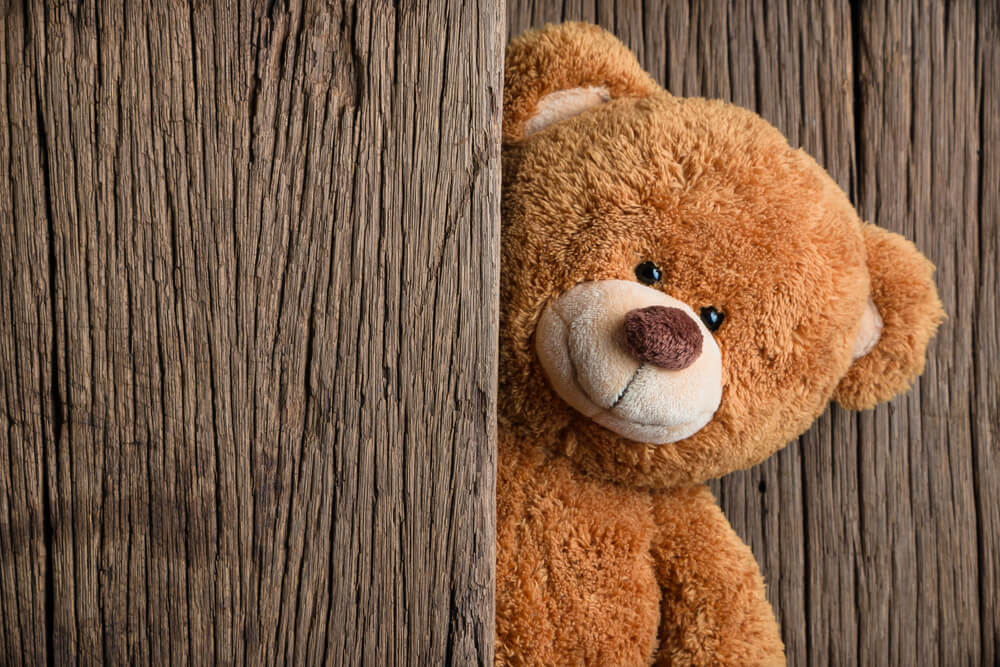
Petsy arrived in 1928 with a short muzzle and wide-set eyes that gave the bear a distinctly infant look, and Christie’s has offered original examples alongside the many later replicas. The name appears on modern limited editions, so collectors check whether a bear carries a period ear button or a modern reissue tag.
Worn paws, thinned mohair, and a missing growler lower the value of an original, while a bear in strong shape commands real money.
Zotty and Its Shaggy Tipped Fur
Zotty came out in 1951, and the name comes from the German word for shaggy, a nod to the long mohair with darker tips. The open mouth with a felt tongue was a departure from the closed muzzles of earlier Steiff bears and makes the model easy to spot.
Examples with full, uncrushed fur and an intact tag do best, since the long pile mats easily and tends to wear at the seams.
The Teddy-Clown of 1926
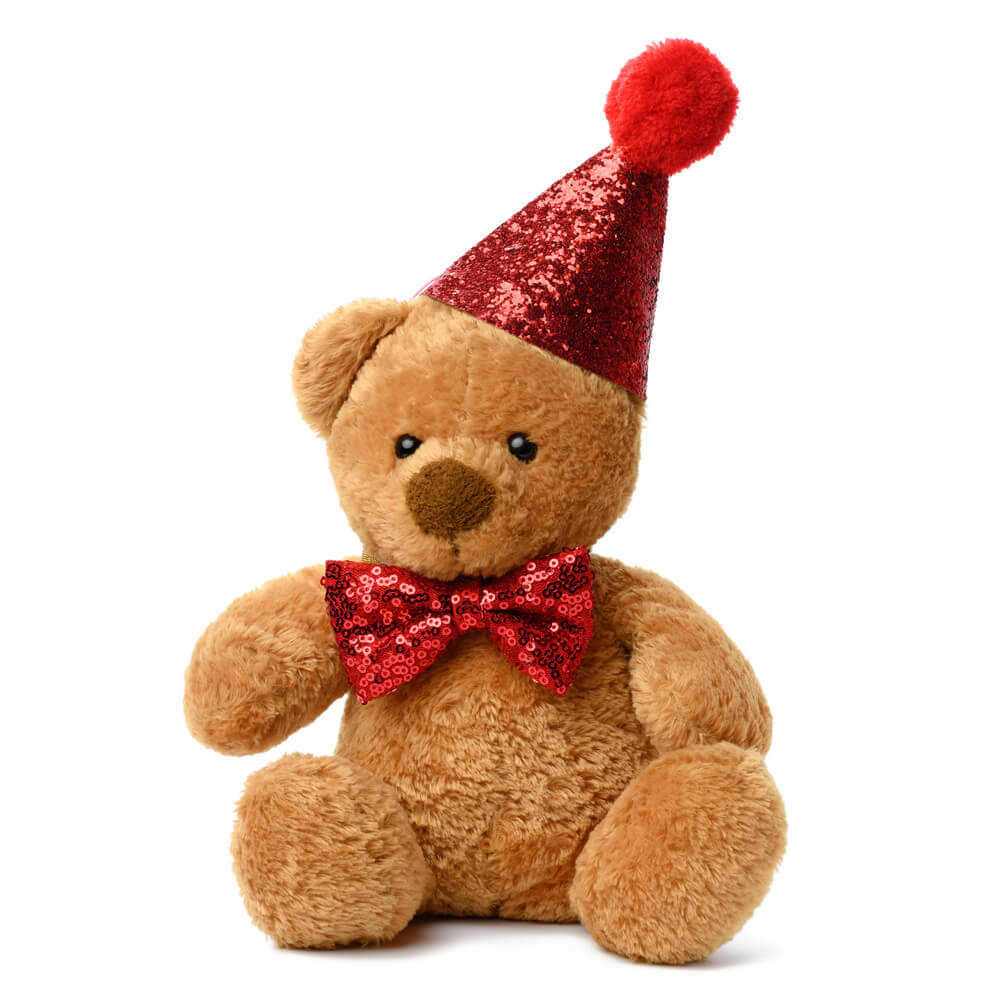
The Teddy-Clown paired two colors of plush on one jointed body and finished the look with a ruff and a pointed hat. Christie’s has sold original examples, and Steiff later reissued the design as a 1926 replica, so a period button and tag matter.
Missing hats and ruffs cost a Teddy-Clown dearly, since the costume is half the appeal.
The 1921 Black Bear
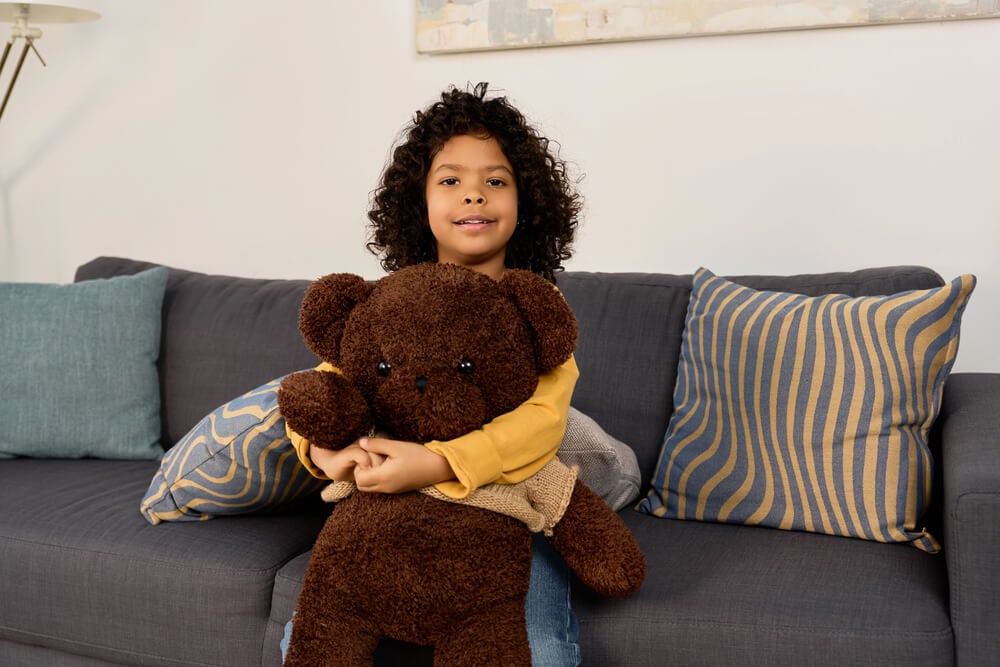
A 1921 Steiff black bear appeared on Antiques Roadshow, where it drew attention for the rarity of dark mohair in the early twenties. Black bears were far less common than golden ones, and the dye often left the fabric brittle, so surviving specimens with full pile are uncommon.
Condition is decisive here, because rubbed seams or cracked mohair take a large bite out of what would otherwise be a strong price.
The 1907 Bear That Beat Its Estimate
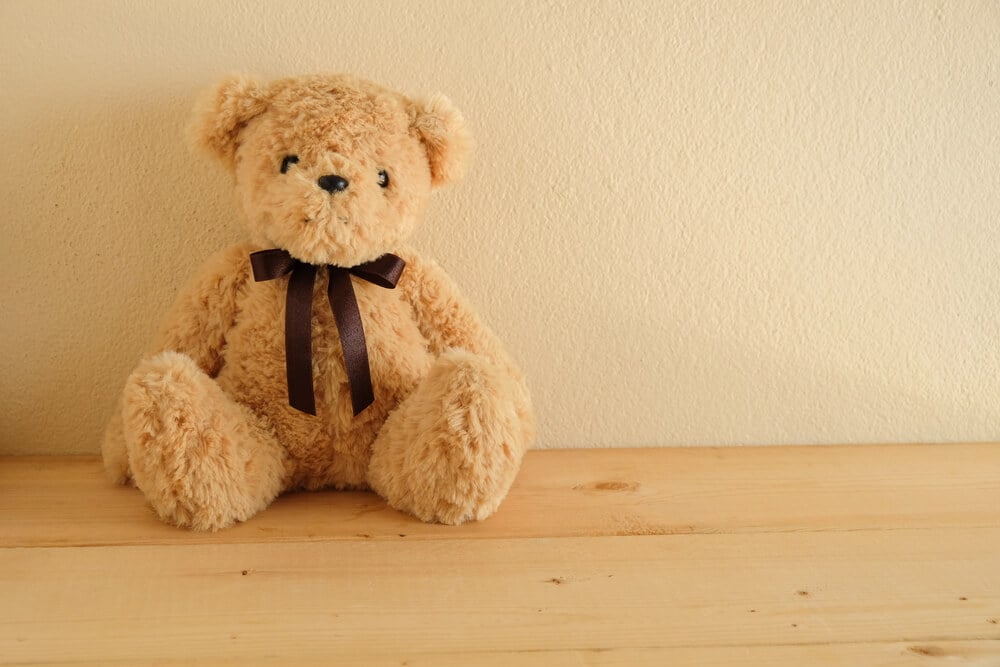
A 1907 Steiff teddy bear sold at auction roughly twenty percent above its estimate, a reminder that bears from the first years of production can still surprise sellers. Bears from this decade usually show the long arms, narrow feet, and excelsior stuffing that define the period.
Replaced pads, restuffed bodies, or a missing ear button can erase most of the premium that a clean original would earn.
Jocko the Chimpanzee
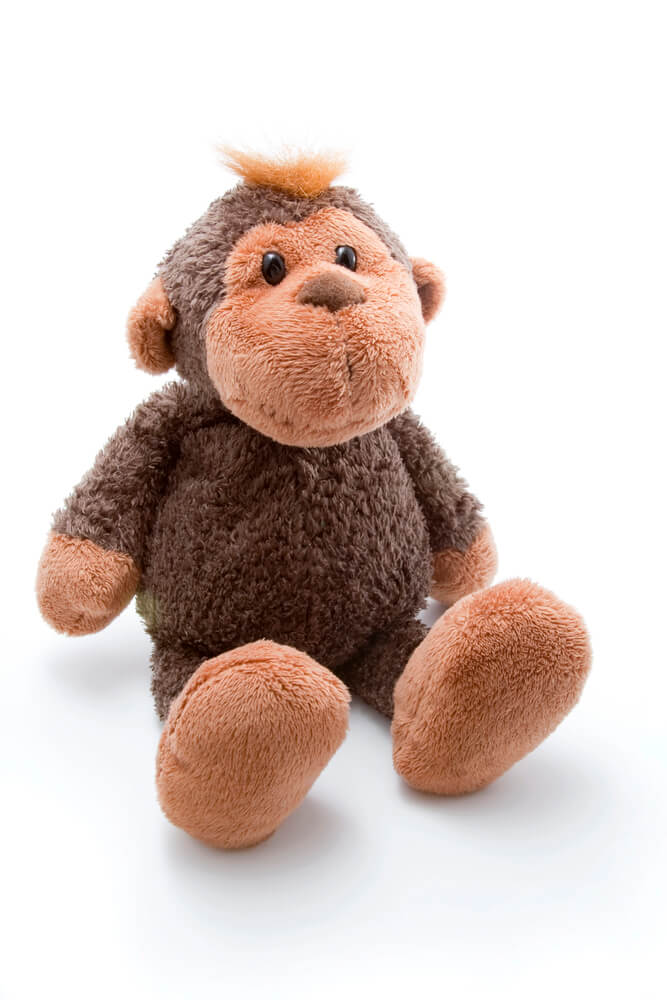
Jocko the mohair chimp was sold in sizes from small to nearly two feet tall, and the jointed body and posable limbs give it real shelf presence. Postwar examples often carry a chest tag, a squeaker, and a felt face, and a white Jocko variant exists that collectors treat as a separate hunt.
Worn hands and faces, along with missing tags, reduce value, while a working squeaker adds a bit of appeal.
Tessie the Schnauzer
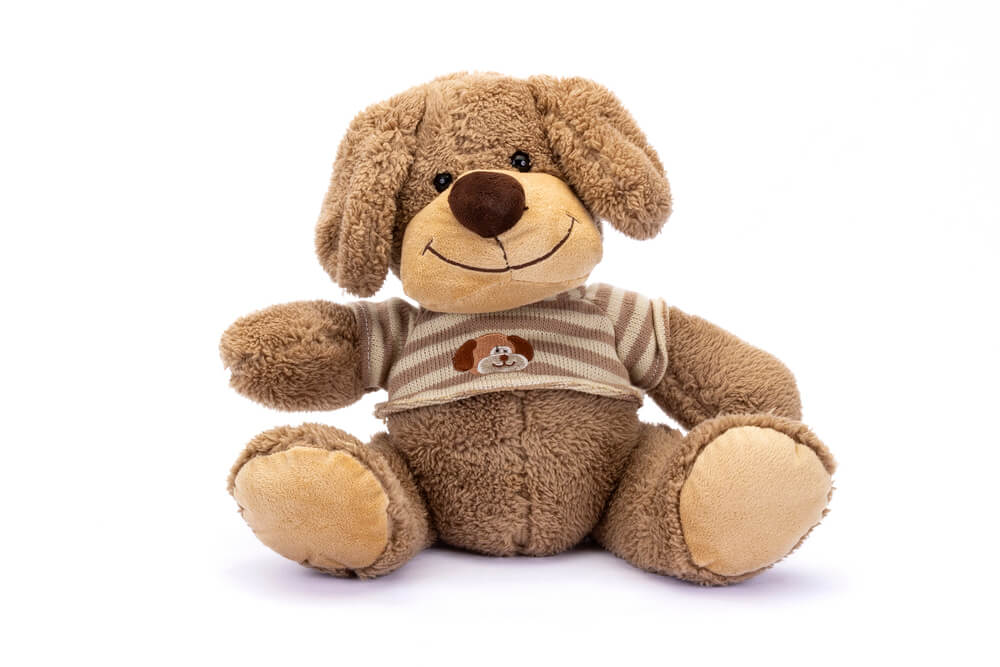
Tessie is a small mohair schnauzer of the 1950s and 1960s, often around 22 centimeters tall, with a bearded muzzle that sets it apart from the usual Steiff terrier. The model is easy to overlook next to the famous bears, which helps keep prices approachable for new collectors.
A surviving ear button and chest tag, plus a clean beard without matting, separate the better examples from the rest.
The 1930s Mickey Mouse
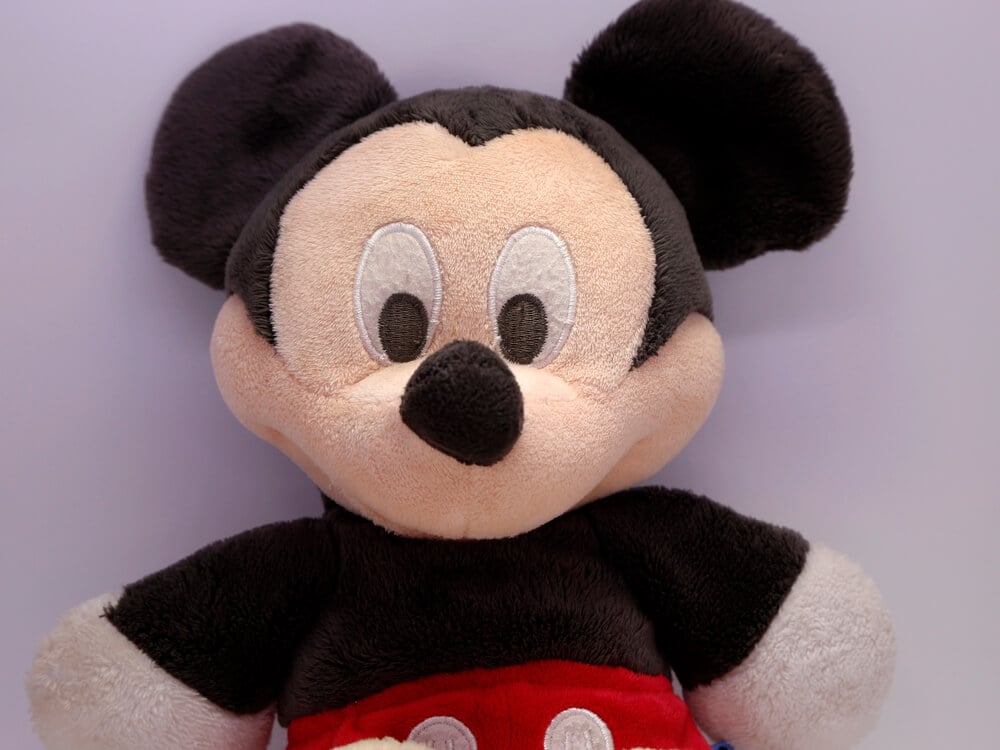
— Photo by cfg1978
Steiff made Mickey Mouse in the 1930s under Disney license, using velvet and felt in sizes that include a six and a half inch version. These early mice are more valuable than modern Steiff Disney editions, and Antiques Roadshow has appraised a Mickey and Minnie pair from around 1935.
Moth damage, faded velvet, and missing tags all matter, since Disney collectors and Steiff collectors both compete for the same pieces.
Elephant on Wheels
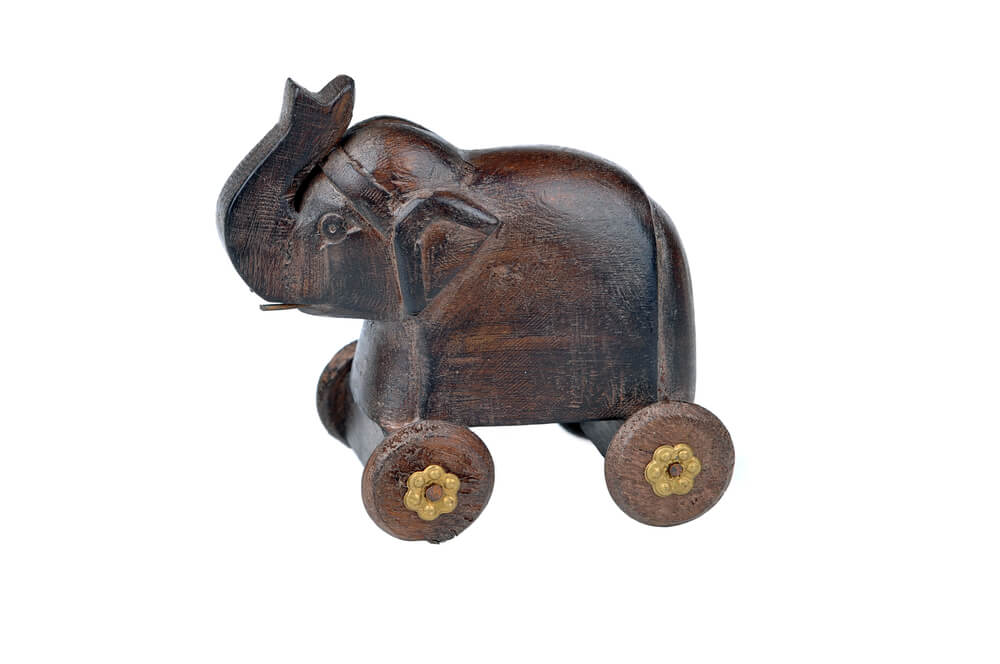
The mohair elephant on wheels is a classic Steiff pull toy, and examples from the 1940s and 1950s turn up regularly at antique dealers and auction houses. Larger versions were built sturdy enough for a child to sit on, with a metal frame hidden under the fabric. Faded fabric, scuffed wheels, and cracked mohair are common after decades of play.
The cleanest survivors carry a noticeable premium.
The Pedal-Operated Elephant
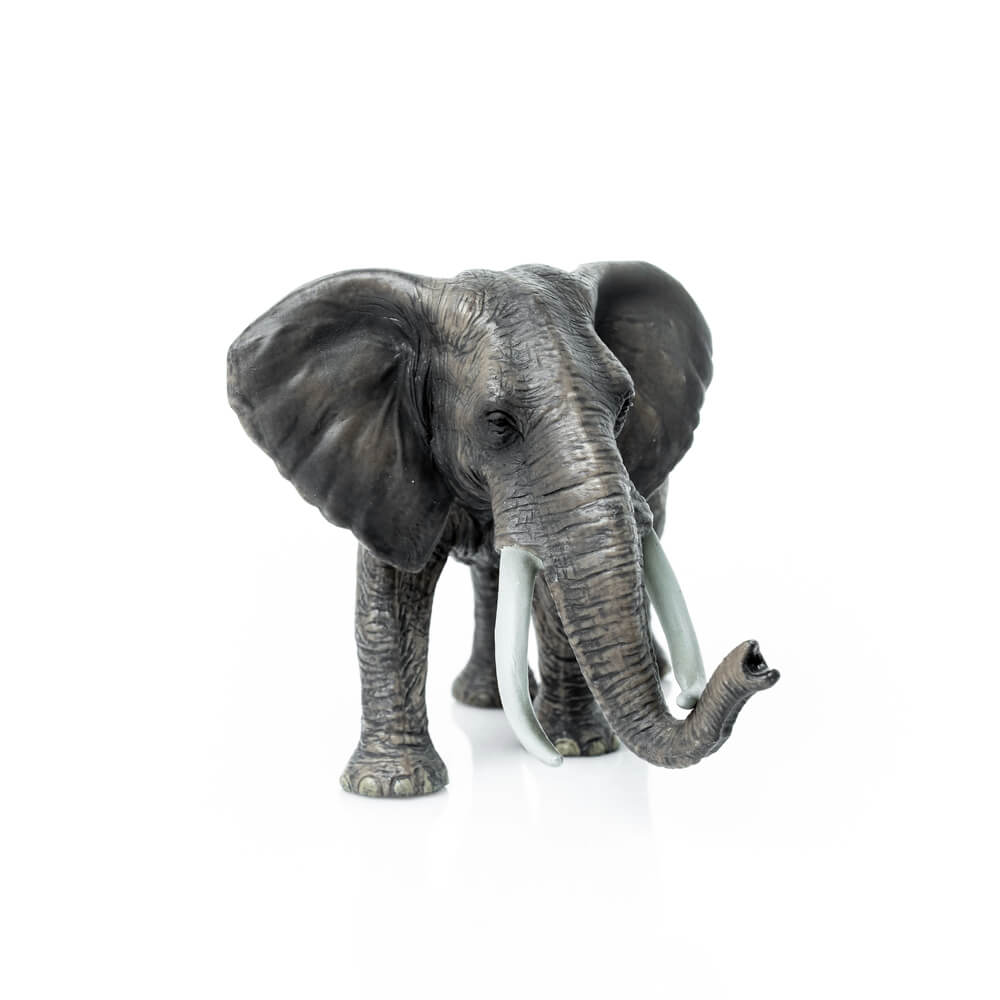
In the 1920s Steiff built an elephant that a child could pedal along the floor, putting a moving mechanism inside a plush animal. The rarity comes from the engineering, because the mechanism had to survive years of enthusiastic use.
An elephant with working pedals and unrepaired fabric is a far stronger piece than one with a seized drive or replaced covering.
The Fleecy Lamb on a Wheeled Base
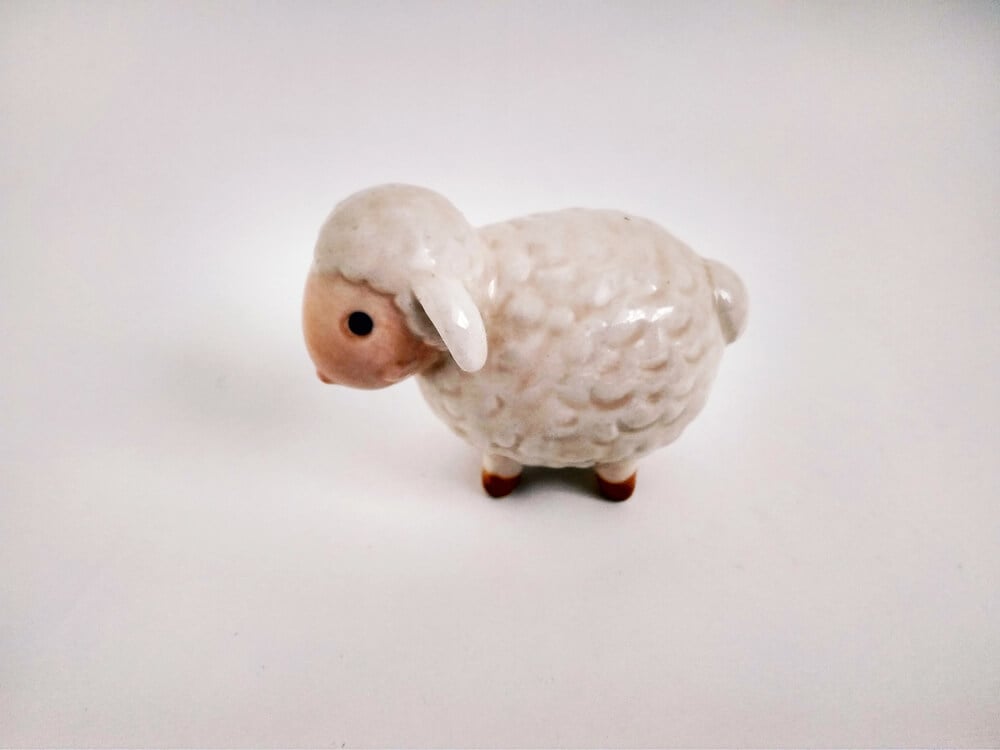
Steiff made lambs with a woolly fleece mounted on a wheeled base, and Theriault’s has offered a fleecy example at auction. The fleece is the weak point, because yellowing, matting, and moth damage affect it more than they affect mohair.
A white, fluffy coat and a working wheeled frame make the difference between a charming display piece and a tired one.
Lamby, the Pocket-Sized Lamb
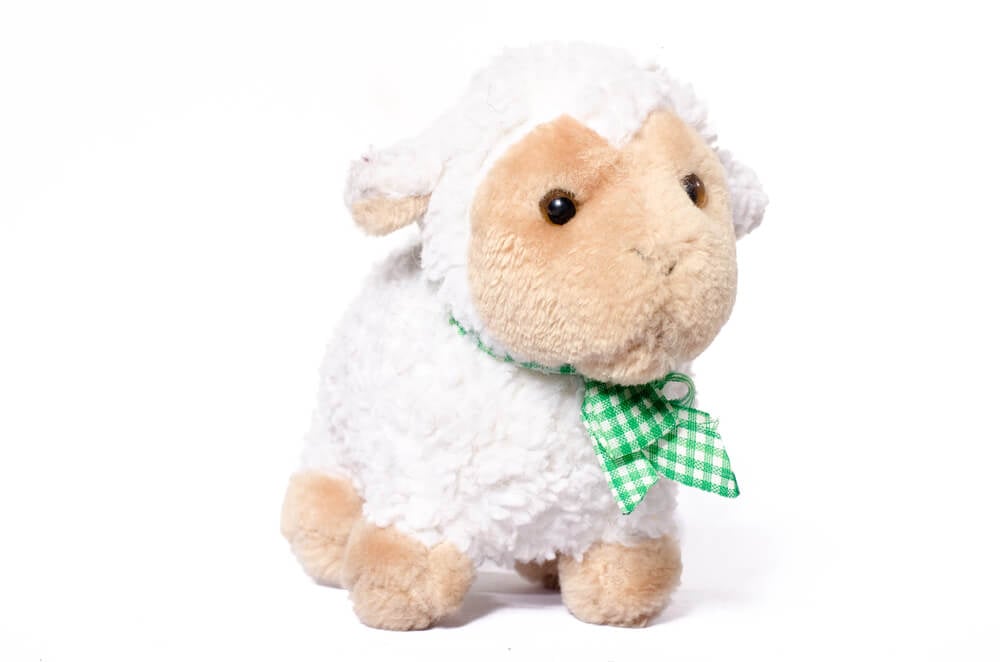
Lamby is a small wool and cotton lamb, often around four inches tall, with green glass eyes and a button in the ear. The tiny size means the animal is easy to display and cheap to ship, which keeps demand steady.
A bright fleece with the original button and paper tag still attached is worth noticeably more than an unmarked, grubby one.
The Donkey on Wheels
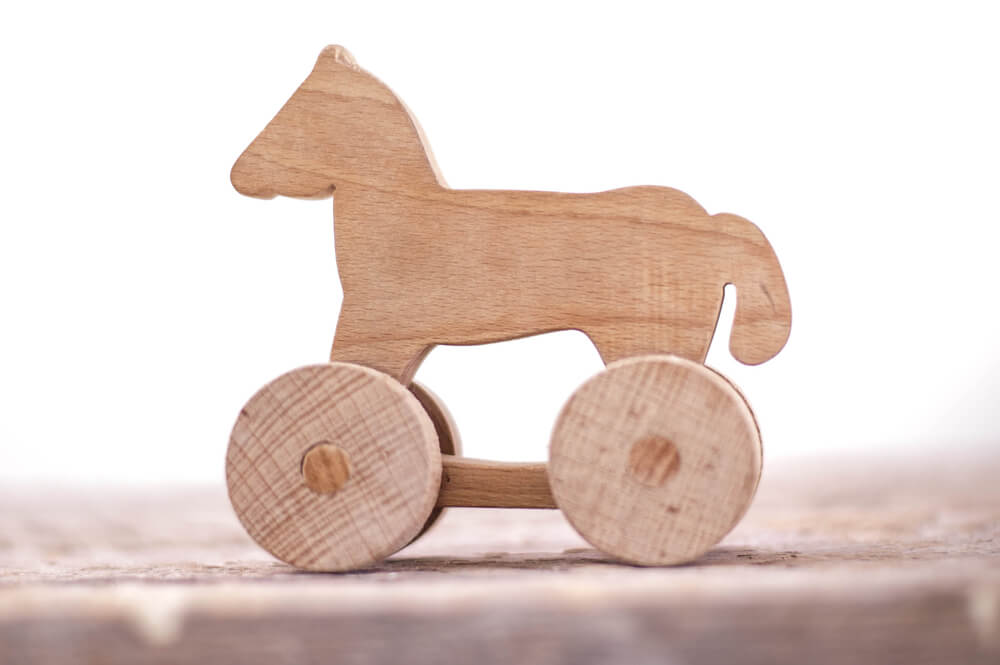
Steiff donkeys on wheels show up in auction records, and the wheeled animals are among the most recognizable pieces in the vintage Steiff line. The ears, which are often felt-lined, take wear first and are a good place to inspect for repairs.
A donkey with matching original wheels and clean fabric sells ahead of one with mismatched parts.
The Rabbit on Wheels
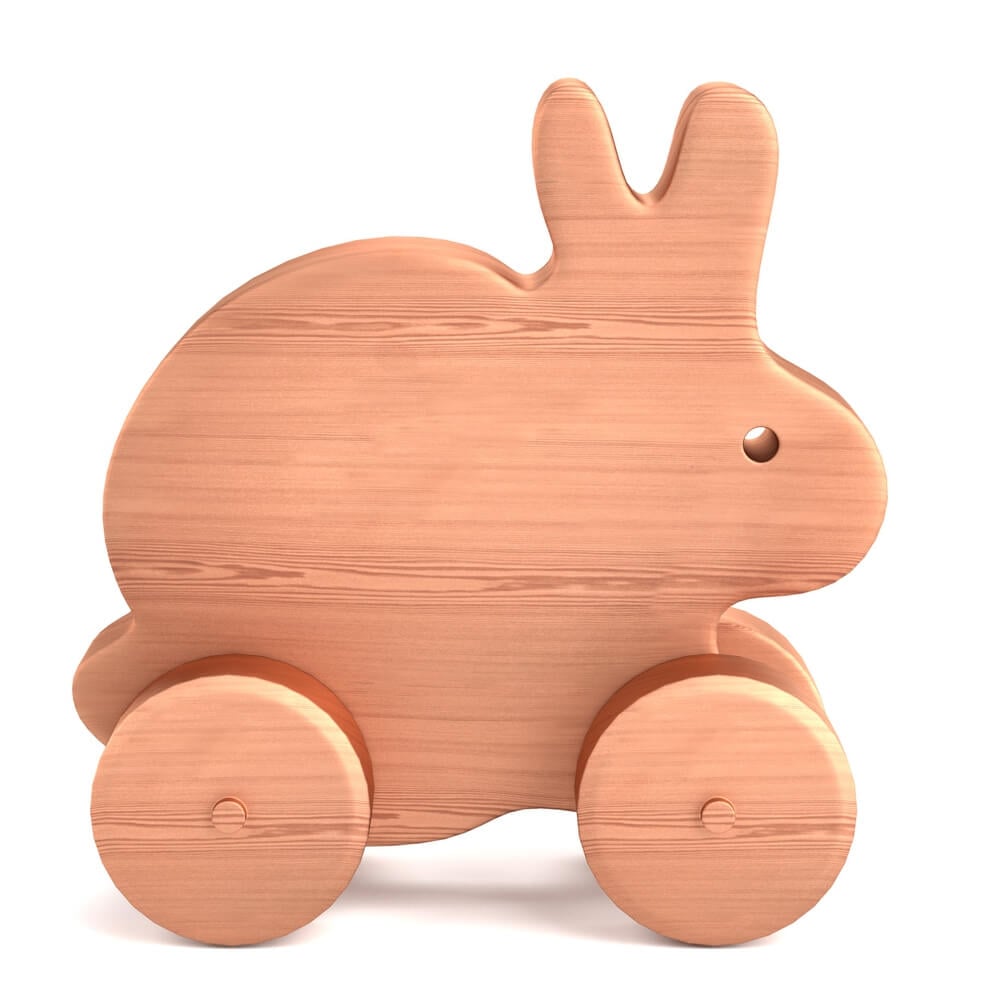
A rabbit on wheels carries the same mohair-over-frame construction as the other pull toys, and auction records show it appearing as its own category. Long ears make the animal appealing but also vulnerable, since they bend, fray, and sometimes tear away from the head.
A rabbit with straight ears, bright eyes, and sound wheels is the version that holds value.
The Vintage Tabby Cat
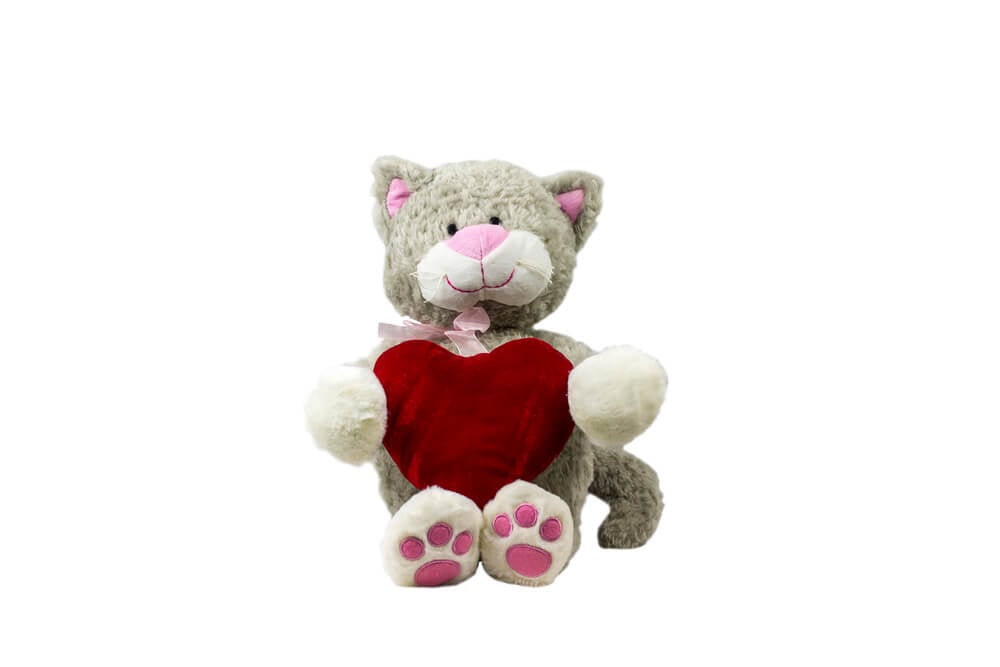
The Steiff tabby uses striped mohair and glass eyes to give the cat a lifelike pose, and midcentury examples regularly appear on auction sites. Stripes that remain crisp are a mark of good storage, since sun fades the pattern to a washed-out blur.
The ear button and chest tag add to the price, while missing whiskers and rubbed fur subtract from it.
The Prewar Tom Cat
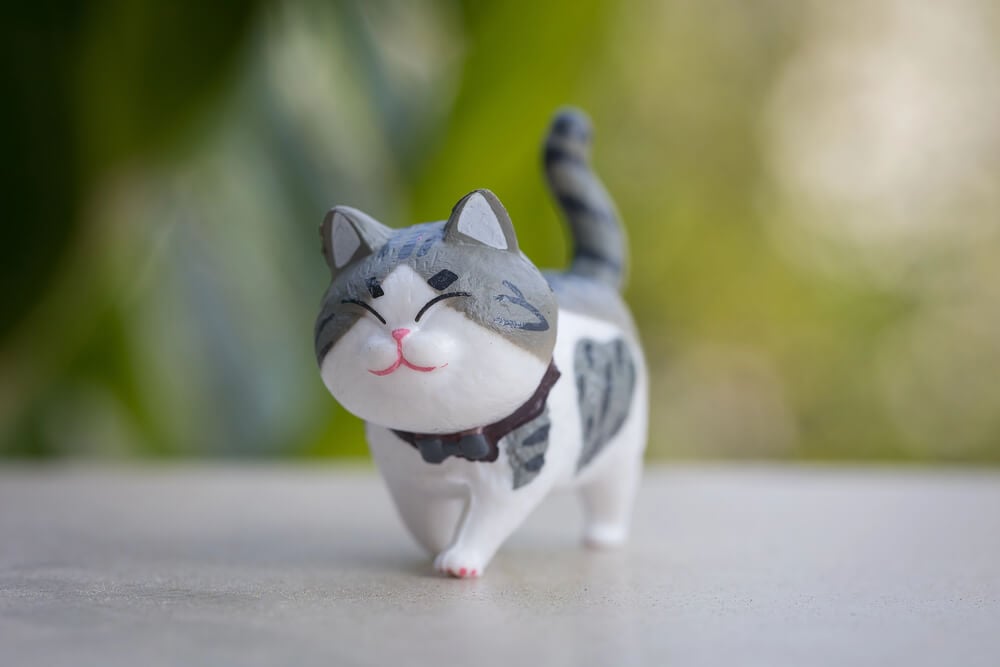
Steiff made a prewar Tom cat, a distinct design from the later tabby, and collectors who care about dating look for the earlier construction. Prewar toys carry a different feel than postwar ones, with different stuffing and more upright shapes.
A Tom cat with its button and without moth damage or restuffing is the type that commands interest.
Xorry the Fox
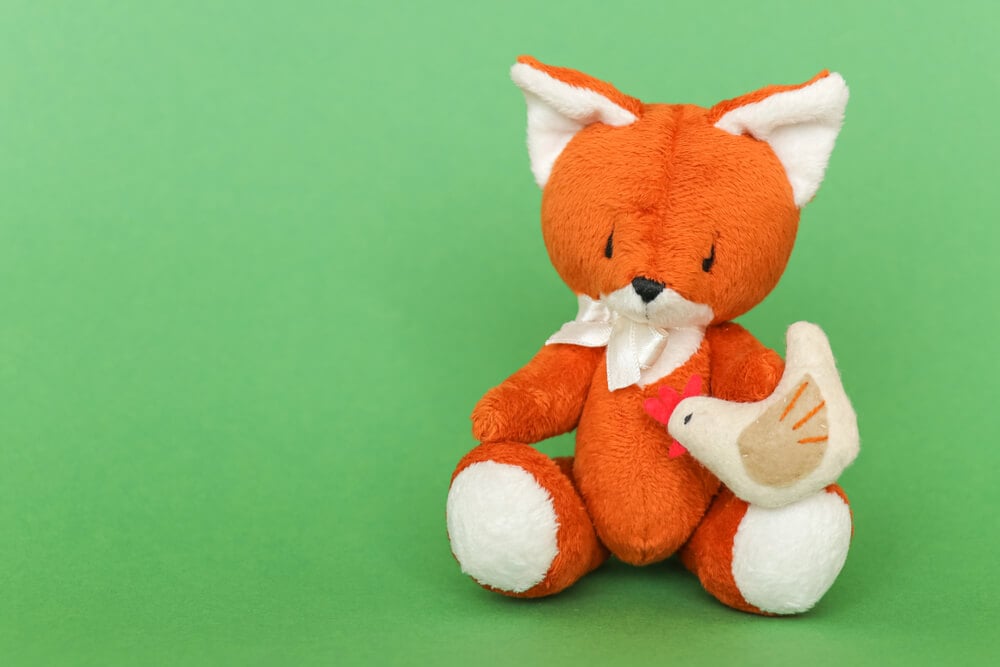
Xorry is a Steiff fox that Brighton Toy Museum lists in its index, and vintage examples carry the number 1318 in some listings. The long snout, bushy tail, and pointed ears make it one of the more sculptural animals of the postwar line.
A complete Xorry with its tag and unfaded russet mohair is worth more than one with a thinned tail or a repaired ear.
Waldi the Dachshund
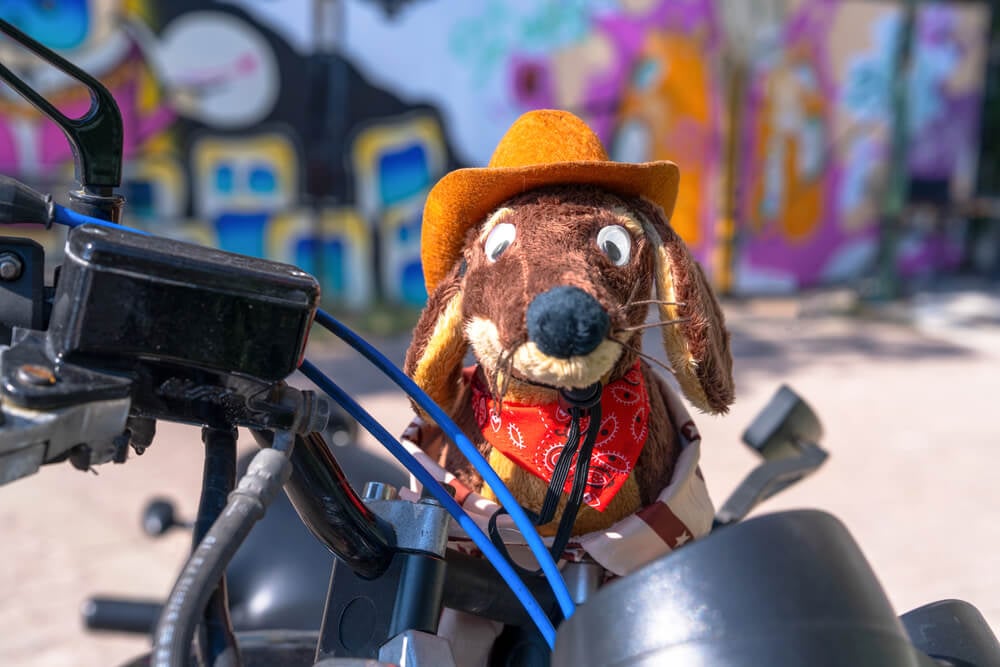
Waldi is a long, low mohair dachshund that Steiff has produced in various forms, and a vintage version appears in dealer listings with its original collar. The model gained collector interest for its long body, which tends to wear at the belly.
Matching collar, tag, and button, plus firm stuffing, make the difference between a good example and a floppy one.
Bully the Bulldog
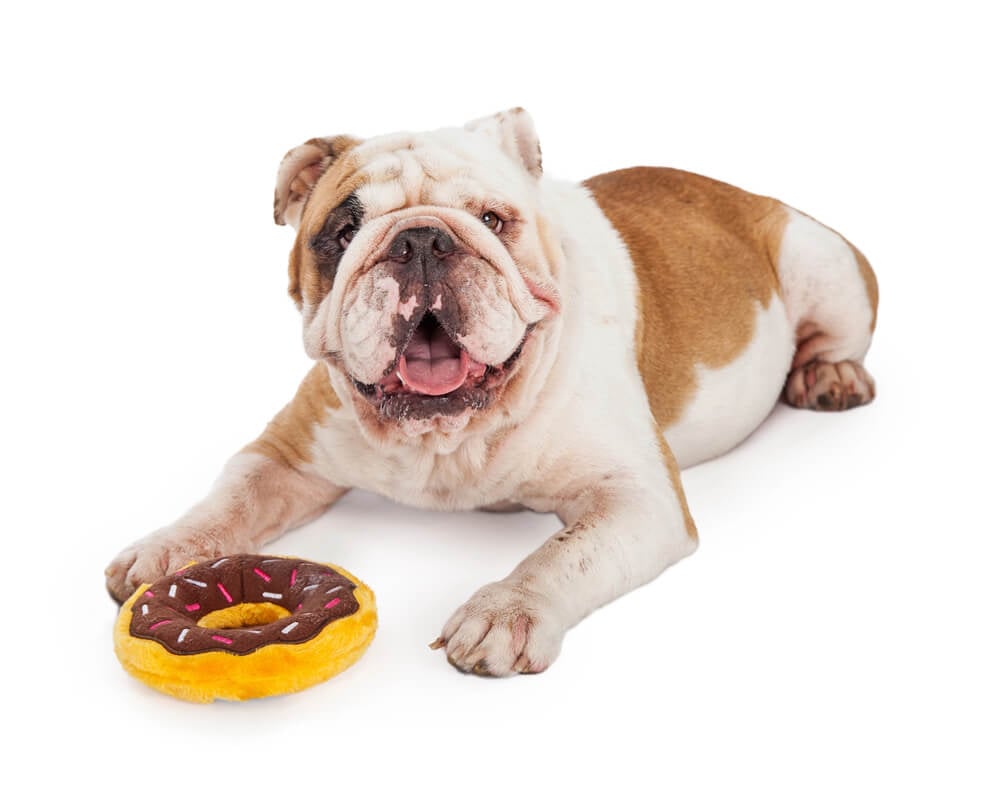
Bully is a bulldog that appears in a pair from the 1930s and in later 1950s and 1960s versions with red collars. The wrinkled face and short legs give the design a recognizable character.
Prewar examples typically sell above later ones, and a collar still in place and a face without matted fur improve the figure further.
Biggie Beagle
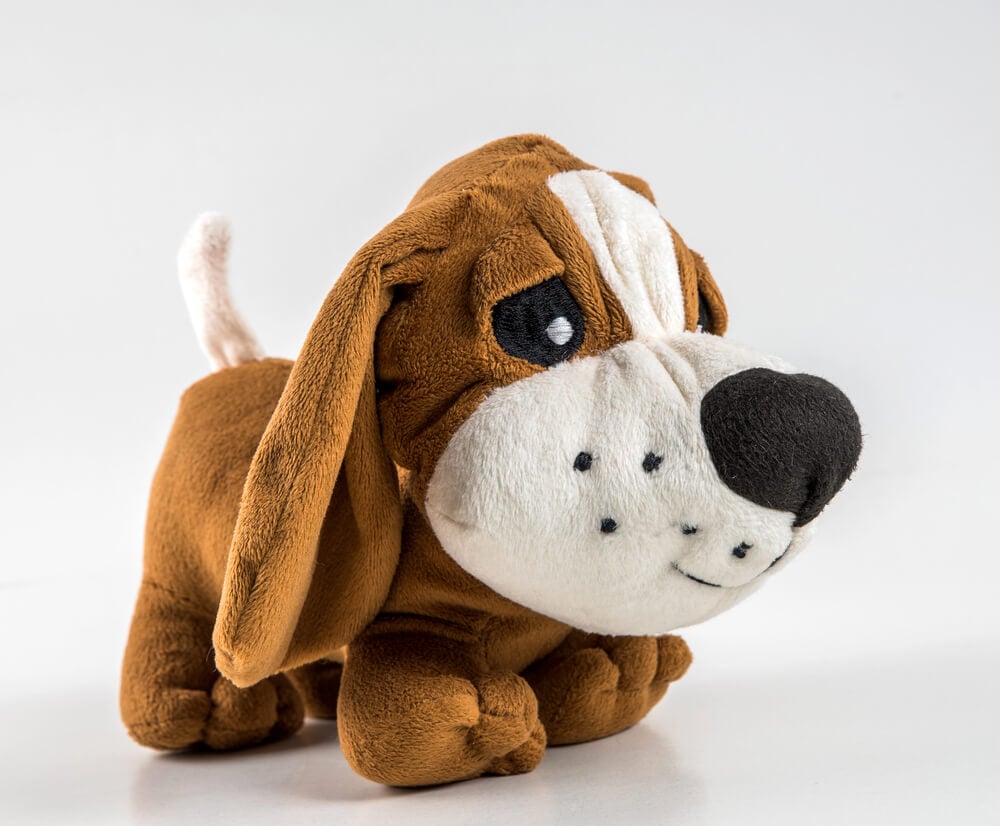
Biggie Beagle is a large Steiff beagle that collectors track because of its size, and price guides list it as a distinct model. The coloring, with tan, black, and white sections, has to remain clear for the toy to look right.
Faded patches, a missing tag, and loose seams at the neck lower the value of a big dog considerably.
The Foxy Fox Terrier
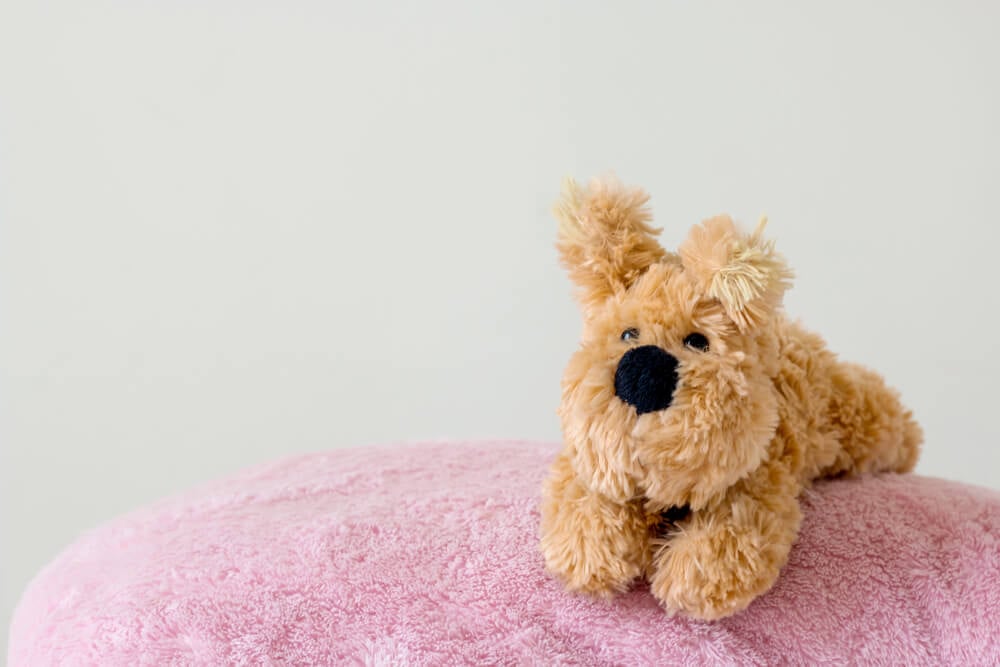
Foxy is a fox terrier of the 1950s, and dealers sell it as a distinct postwar Steiff model. The upright ears and alert stance give it personality, though the thin ear mohair often wears through.
A Foxy with original tags, good ears, and bright eyes is the one that tends to sell quickly.
What the Button Is Really Selling
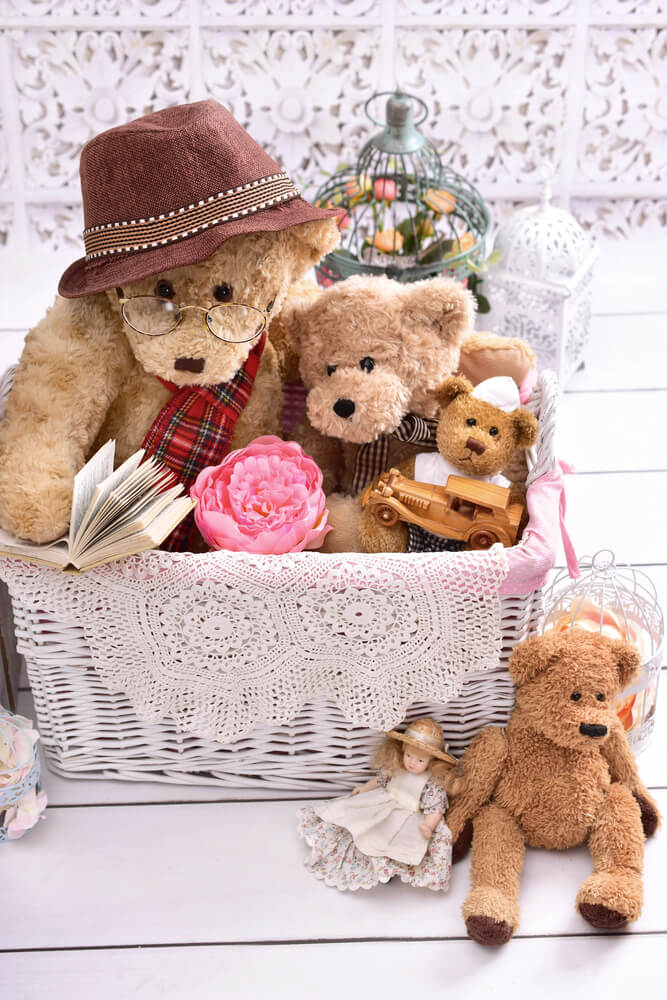
A Steiff button is a promise about origin, but it cannot vouch for what happened afterward. A bear with a perfect tag and a thinned, repaired body can sell for less than a plainer toy that has kept its pile, seams, and original parts. The cheapest mistake in this field is to pay for the name instead of the condition.
Reading a Steiff toy is a slow process: check the button, the tag, the mohair, the stuffing, and the joints, then ask whether the pieces belong together. The animals on this list reward that patience, because the details that look minor on a shelf are the ones that decide the price at auction.
More from Go2Tutors!

- 27 Silver Dollars and Half Dollars Worth Keeping
- 28 Restaurant Menu Items Nobody Orders Anymore
- 17 Places Built in Seemingly Impossible Spots
- 27 Vintage Rings Worth More Than They Look
- 25 Restricted Sites Tourists Can’t Enter
Like Go2Tutors’s content? Follow us on MSN.