25 Saturday Morning Routines Kids Today Would Never Understand
There was a time when Saturday morning wasn’t just a part of the weekend — it was the whole point of the week. Kids dragged themselves out of bed before their parents even stirred, not because they had to, but because missing it meant missing everything.
No streaming, no algorithms curating a personalized queue of content — just a narrow window of time that closed whether you were ready or not. If you grew up in the ’70s, ’80s, or ’90s, you already know exactly what that felt like.
If you didn’t, this might read like anthropology.
Racing to the TV Before Anyone Else Woke Up
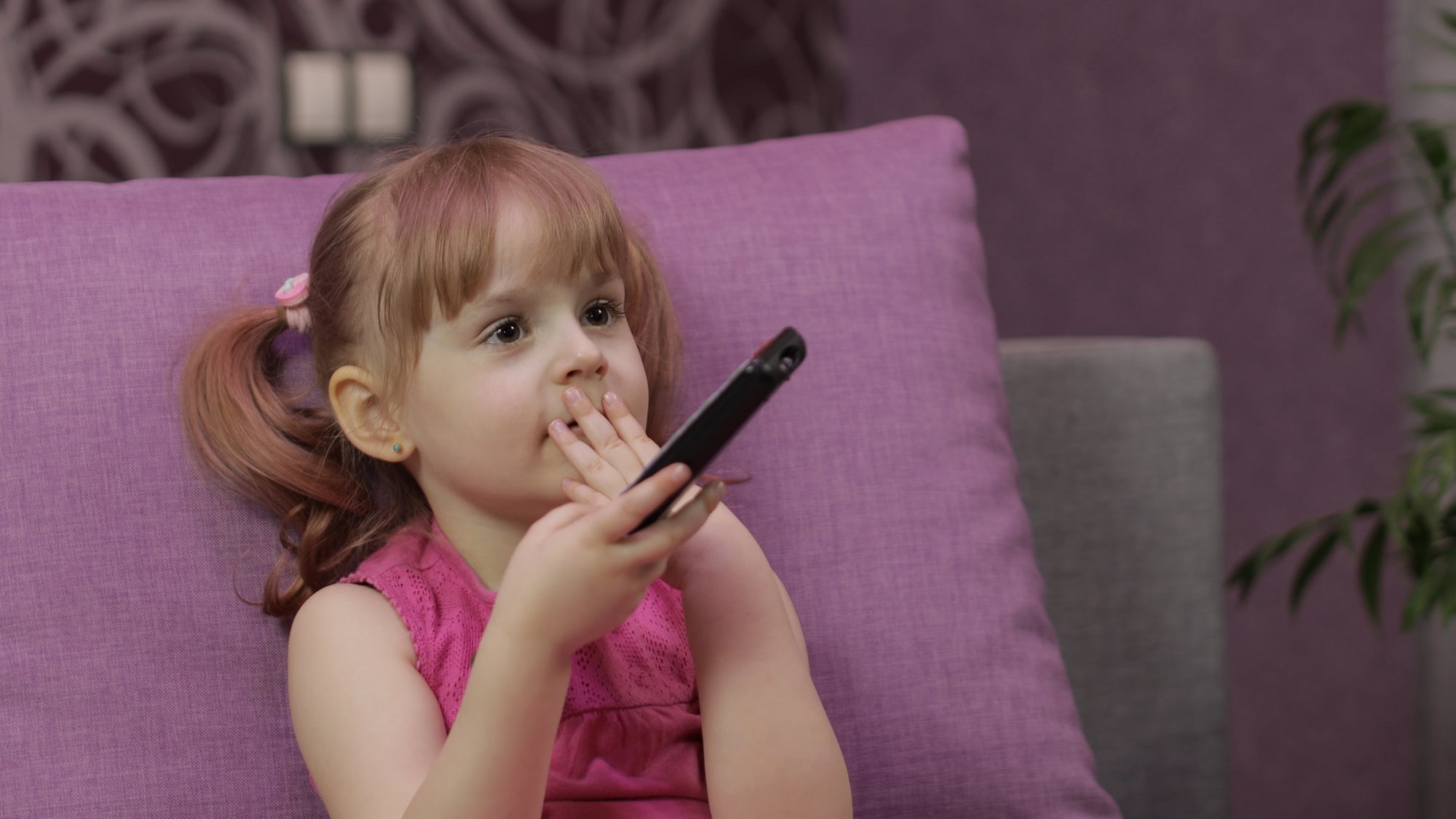
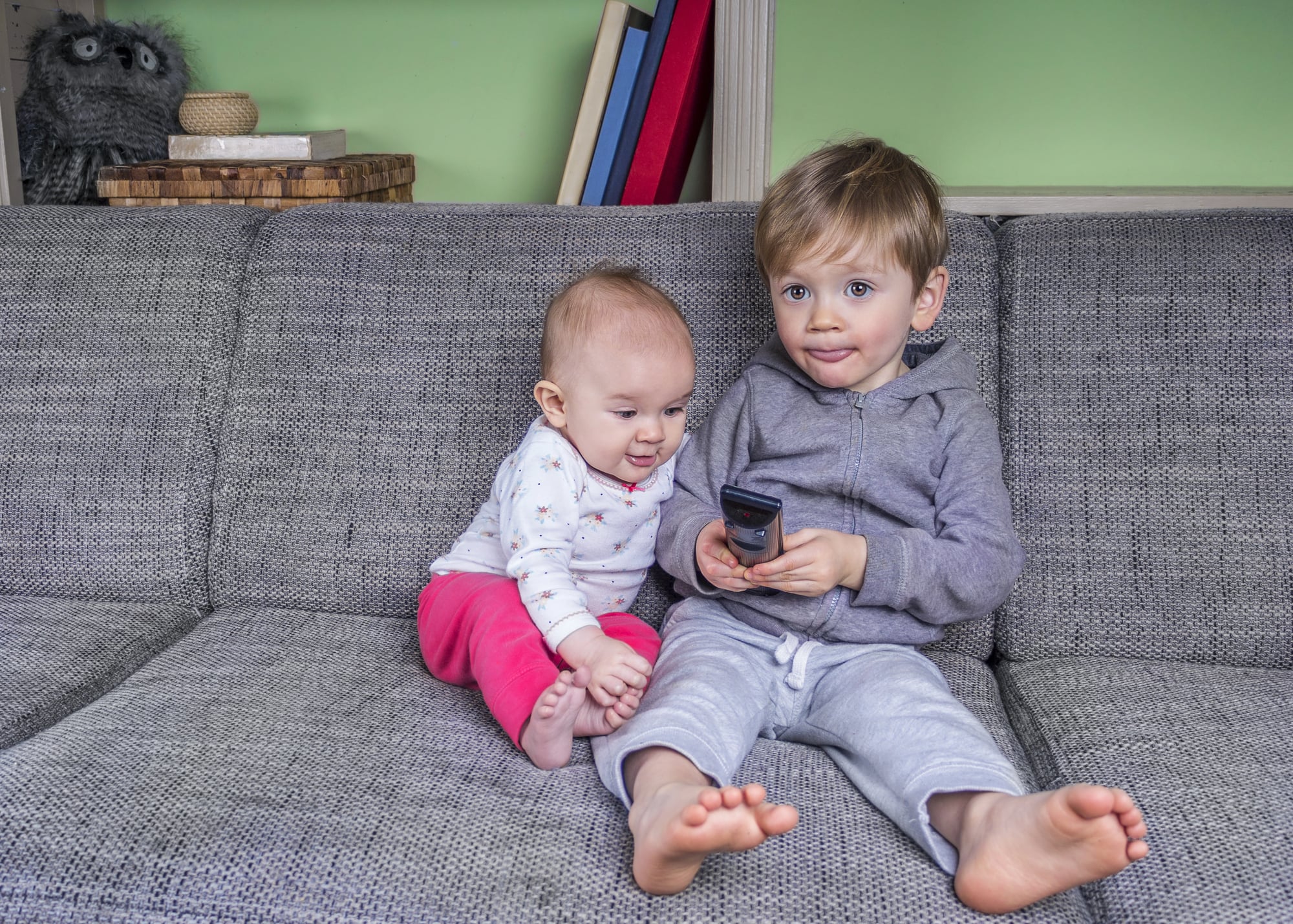
Speed mattered. The remote was whoever got there first, and siblings were competitors.
You didn’t oversleep on a Saturday — not voluntarily.
Adjusting the Antenna to Get a Clear Picture
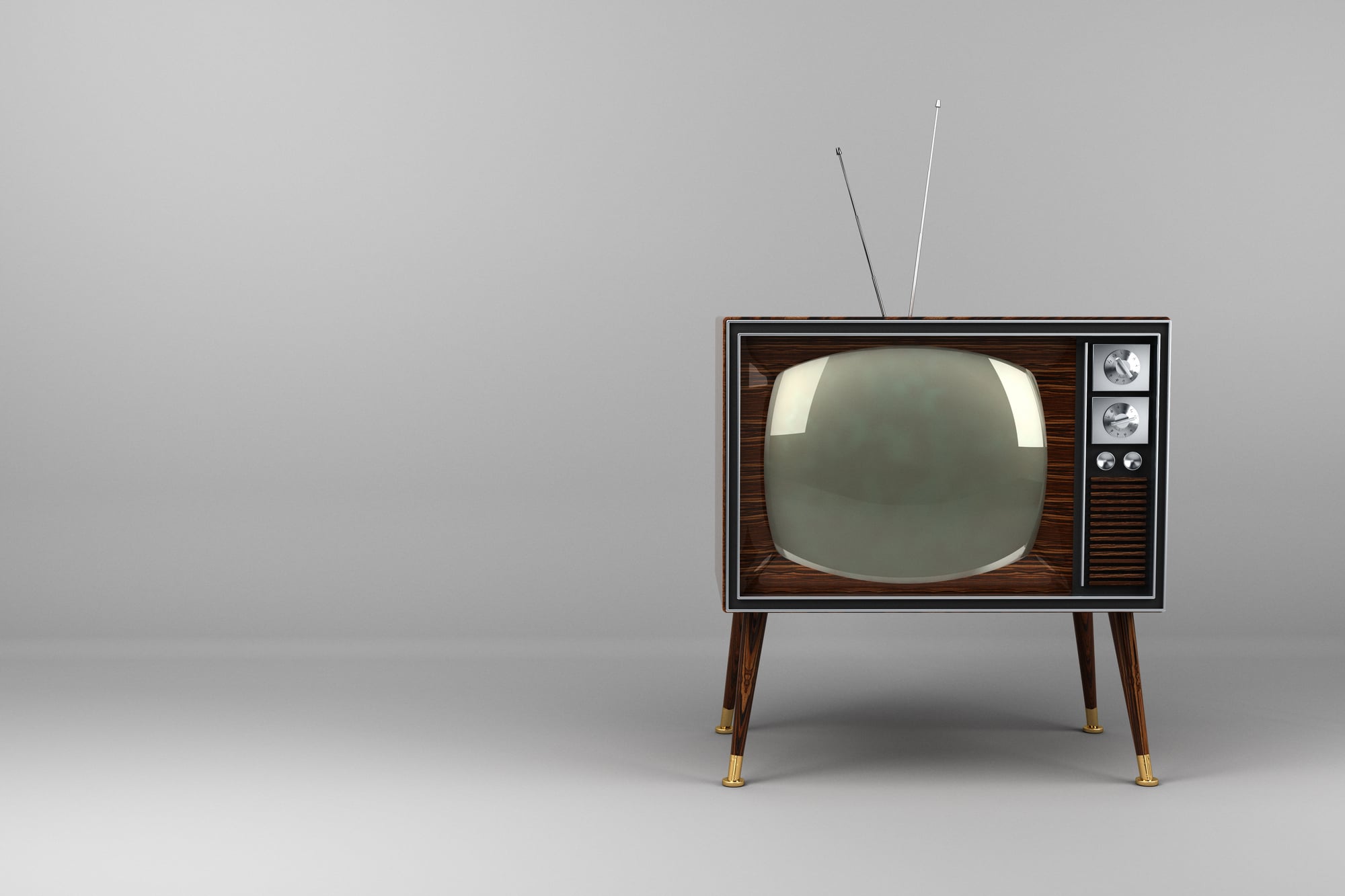
There was a particular kind of patience required to stand next to a television with one arm extended at an unnatural angle, holding the antenna in the exact position that made the picture stop looking like a blizzard — and then staying absolutely still, because the moment you moved, the static came back. The rabbit ears were not a technology so much as a negotiation, a daily argument between you and the atmosphere about what you were allowed to watch and when.
And the worst part — the truly maddening part — is that it usually worked, which meant you had to believe it would work every single time before you gave up and just squinted through the snow. So you stood there like a statue, watching cartoons with one arm in the air, and somehow that was normal.
Eating Cereal Straight from the Box During Commercials

Saturday morning cereal wasn’t a meal, it was a ritual. The box went on the floor next to you, open, and you reached in without looking.
Milk was sometimes involved and sometimes not — it depended entirely on how quickly the cartoon came back.
Reading the TV Guide to Plan Your Lineup

The TV Guide was the only map that mattered on a Friday night, and kids treated it the way generals study terrain — circling start times with a ballpoint pen, calculating whether there was enough time between two shows to pour more cereal without missing the opening credits. It was a small, cheap magazine with a stapled spine that somehow held the entire architecture of your weekend inside it, and losing it — or worse, having a sibling use it for something else — was the kind of minor domestic catastrophe that still registers somewhere in muscle memory.
There was no app, no grid on the screen, just ink and paper and your own handwriting in the margins. And you planned around it like it was scripture.
Watching the Same Three Channels and Being Fine With It
Three channels was enough. Not a compromise — genuinely enough.
The scarcity was invisible because there was nothing to compare it to, which turns out to be the cleanest form of satisfaction there is.
Sitting Cross-Legged Two Feet from the Screen
Every parent in America issued the same warning about this, and every kid ignored it completely. The carpet left red impressions on your ankles, and you didn’t notice until you stood up.
Proximity to the screen felt like proximity to the thing itself — like the cartoons were more real the closer you got.
Waiting a Full Week for the Next Episode
Patience wasn’t a virtue kids cultivated — it was just the only available option, and there’s a meaningful difference. The week between episodes wasn’t dead time so much as slow combustion: you turned the cliffhanger over in your mind on the bus, at lunch, during spelling tests, until Saturday came back around and the answer was finally handed to you.
Binge-watching as a concept would have read as pure science fiction to a kid sitting in front of a 19-inch screen on a Tuesday evening, knowing with absolute certainty that the next chapter was six days away and that nothing — not charm, not logic, not a letter to the network — would change that. The waiting was the price, and you paid it every single time without really thinking of it as a price at all.
Waking Up at 6 AM Without an Alarm

The internal clock was savage and specific. It ignored school days with indifference but snapped awake at dawn on Saturdays like it had somewhere to be.
No alarm, no parent, just the pull of something worth getting up for.
Watching Shows That Only Aired Once a Week

Saturday morning was not a content library — it was a single appointment, and missing it meant waiting seven days or hearing about it from someone else at school. There’s something almost elegant about that structure now, the way it made each episode feel like an event rather than an item in a queue.
A show you watched once a week held a different kind of weight than one you could pause, rewind, or abandon mid-season. You showed up because it showed up, and that mutual reliability was the whole deal.
Sitting Through Long Commercial Breaks Without Skipping

Commercials were not optional and skipping was not a concept — you sat through every toy ad, every cereal pitch, every PSA about the environment, and you did it without registering it as an imposition. The commercials were part of the rhythm, the gaps between good things that made the good things feel better by contrast.
Kids today would not survive this — not because they lack resilience, but because the option to skip exists now, and once an option exists, its absence feels like punishment.
Getting Up to Change the Channel Physically
The television did not respond to requests. It required a physical visit — a specific kind of commitment to changing the channel that made you think twice before switching, because switching meant standing up, crossing the room, and turning a dial that clicked into place with satisfying mechanical certainty.
Remote controls existed by the ’80s, but the walk-to-the-TV era left a particular imprint on everyone who lived through it: you watched things longer than you meant to simply because getting up felt like too much effort for a marginal improvement.
Watching Public Service Announcements as Actual Programming

“The More You Know” wasn’t cynical, and kids watched it straight. The PSAs were woven into Saturday morning without apology — little thirty-second moral arguments sandwiched between cartoons about robots and anthropomorphic animals.
Something about receiving civic instruction from a cartoon character on a Saturday morning while eating sugar cereal is deeply, specifically American, and it worked better than anyone probably planned.
Negotiating the TV With Siblings

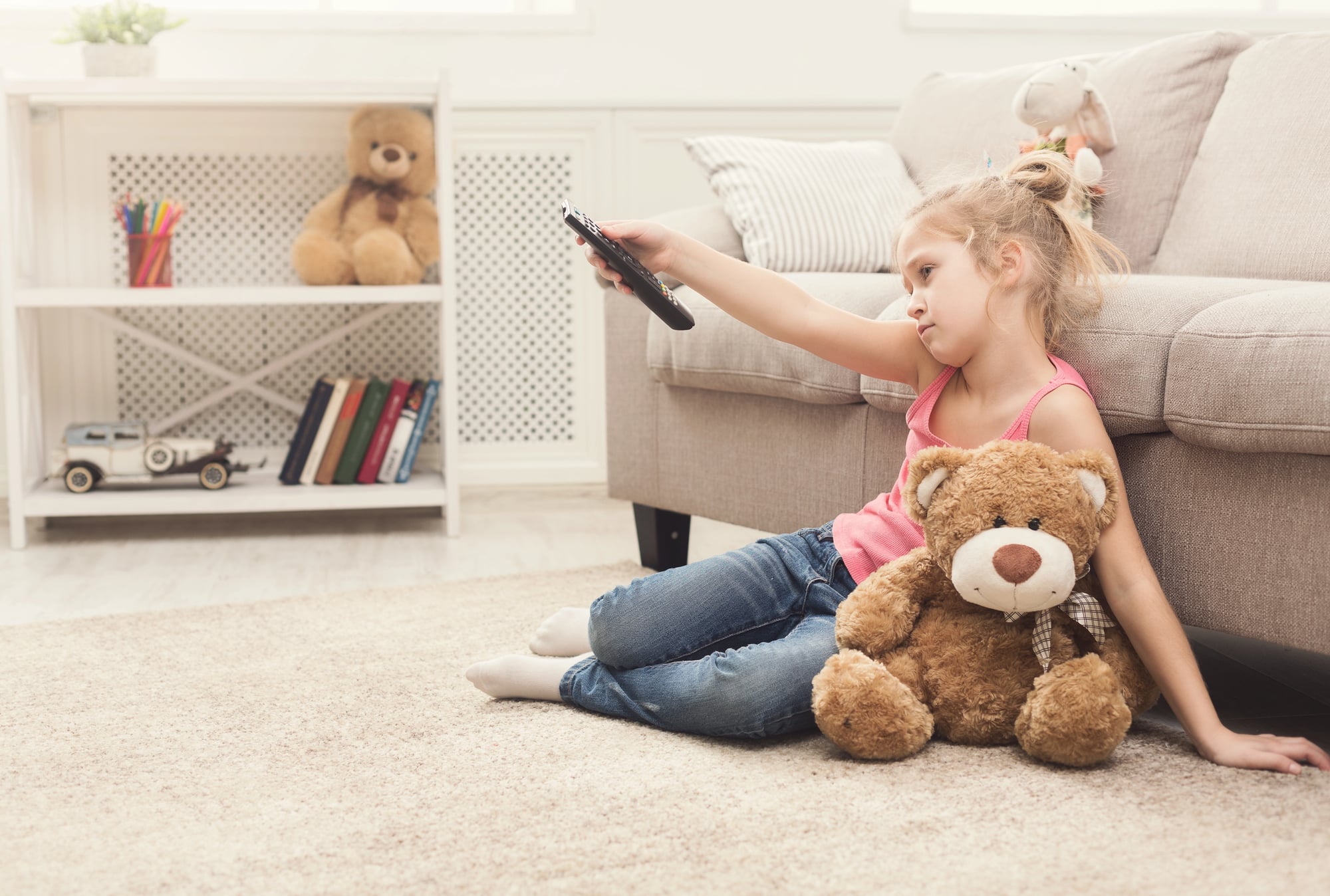
Democracy did not govern the television — raw negotiation did, and the terms shifted constantly based on who had leverage that particular morning, who had done whose chores the week before, and who was willing to hold a grudge long enough to make the standoff uncomfortable for everyone. The remote (if there was one) was less a device than a symbol of temporary power, and whoever held it understood that the hold was provisional at best.
Saturday mornings produced more genuine political maneuvering among children than most civics classrooms ever managed. To be fair, the stakes were real.
Watching Shows in Real Time With No Rewind

If you missed a line, it was gone. There was no going back — not five seconds, not ten — just the show continuing without you while you tried to reconstruct the missed moment from context clues and the expressions on animated faces.
It sharpened a kind of attention that streaming has quietly retired: the ability to watch something as if it mattered that you paid attention right now, because right now was the only time it was available. Kids who grew up with pause buttons missed something by not missing things.
Reading the Back of the Cereal Box When Nothing Good Was On
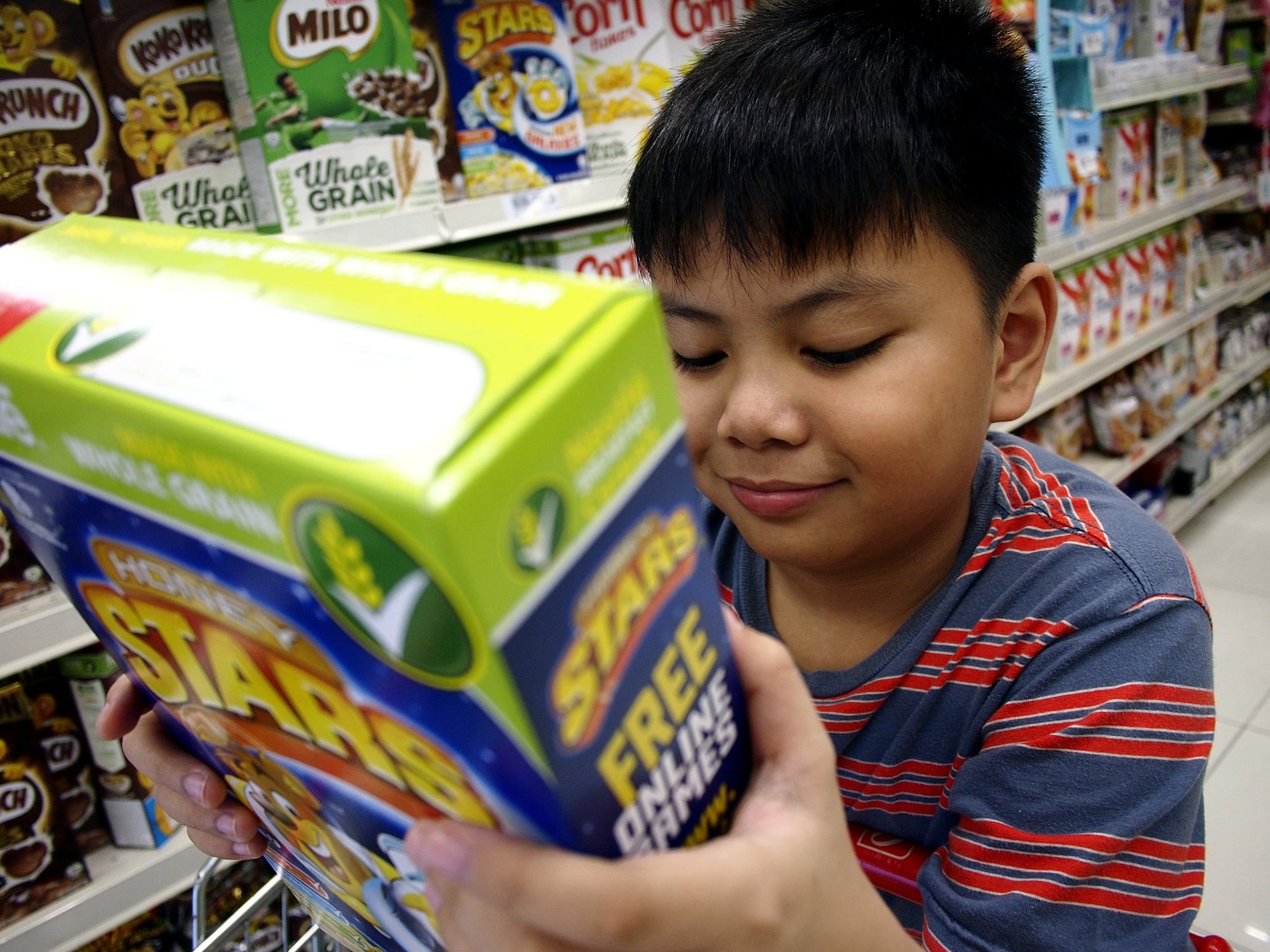
The cereal box was the original dead-screen entertainment — mazes, trivia questions, contest rules, ingredient lists that no child actually read but stared at anyway with the focused blankness of someone doing nothing at all. Some boxes had mail-in offers: send three proofs of purchase and six to eight weeks later, a cheap plastic prize would arrive in a padded envelope and feel like treasure.
The waiting was forgotten by then, which made the arrival feel like a gift from a past version of yourself. That’s a kind of delight that can’t be engineered on purpose.
Watching the Same Cartoons Every Kid in School Watched

There was a shared canon — a specific set of shows that every kid on Monday morning had seen, and the conversation on the playground assumed that knowledge without checking. It wasn’t curated or recommended or surfaced by an algorithm — it just existed as common ground, the same way knowing the words to a song that played on every radio station was just something you absorbed without deciding to.
That shared cultural floor has largely dissolved, replaced by a million parallel tracks that rarely intersect. Nothing has filled the gap, not really.
Cutting Out Box Tops for School Fundraisers
Box Tops for Education were printed on the corner of cereal boxes with surgical precision, as if someone knew exactly what Saturday morning looked like in American kitchens. The scissor cut had to be clean — too far outside the dotted line and the teacher might not count it, or at least that was the prevailing anxiety.
Each one was worth ten cents toward classroom supplies, which sounds modest until you remember that kids collected them with the seriousness of currency traders and kept them in Ziploc bags labeled with the teacher’s name.
Calling the House Phone to Tell a Friend What Was Happening on TV

The cordless phone was a leash with a thirty-foot radius, and calling a friend from the living room while a cartoon played required a precise kind of multitasking — watching with one eye, narrating with one breath, keeping the volume just loud enough that the friend on the other end could hear what was happening without your parent yelling from the kitchen about the phone bill. This was not convenient.
It was also, somehow, better than texting a reaction to someone watching the same thing three days later on a different platform entirely.
Watching Live-Action Segments Mixed Into Cartoon Blocks
The live-action segments that broke up cartoon blocks — the safety tips, the short educational skits, the earnest teens explaining something about science — landed differently than they would today, not because kids were more credulous, but because the context made everything feel like part of the same Saturday morning world. Schoolhouse Rock fits here: three-minute animated songs about grammar and American history that somehow taught a generation of kids how a bill becomes a law better than any textbook managed.
The information arrived sideways, tucked inside something enjoyable, and it stuck.
Waiting for Cartoons to Come Back After a Station Break

Station breaks were brief, corporate, and slightly disorienting — a sudden shift from animated chaos to a logo, a tone, a few seconds of dead air. They happened without warning and ended the same way, and the return of the cartoon always felt like something restored rather than simply resumed.
Anticipation was built into the structure of Saturday morning in ways that felt invisible at the time but look deliberate in retrospect. The interruptions weren’t bugs — they were, accidentally or not, exactly what made the content feel worth waiting for.
Setting Up a TV Tray and Eating Breakfast on the Floor

The kitchen table was for weekdays and family dinners and situations that required being presentable. Saturday morning had different terms — the TV tray, the floor, the bowl balanced on a knee — and the informality of it was part of what made it feel like time that belonged entirely to you.
Eating on the floor in front of cartoons while still in pajamas is the kind of low-level freedom that children take completely for granted and adults quietly mourn without knowing exactly what they’re missing.
Watching Reruns of Shows That Were Already Old

Saturday morning blocks were not always fresh content — plenty of what aired were reruns of reruns, shows that had already cycled through a first run and a second and come back around again, worn smooth like river stones. And yet kids watched them with full investment, not because they’d forgotten what happened — sometimes they hadn’t — but because the act of watching was the point, not the novelty of the material.
Familiarity wasn’t a flaw. It was comfort dressed up as a cartoon.
Rushing Through Chores Before Saturday Morning Ended
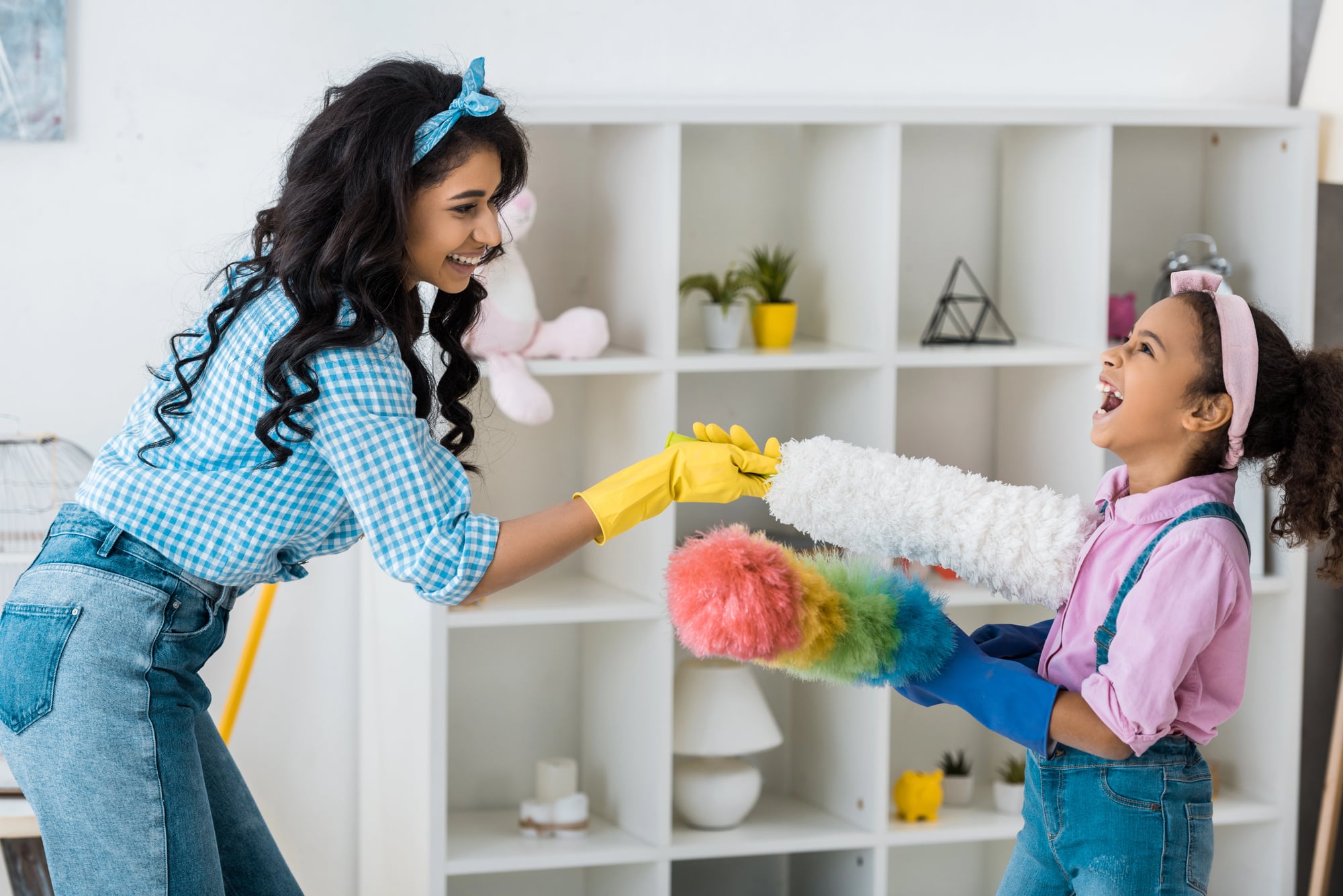
Some parents required chores before cartoons, which was a negotiating position so strategically brutal it deserves genuine respect. Others allowed the morning to unspool freely and then deployed chores as the cartoons wound down, which was arguably worse — you’d had three hours of complete freedom and now suddenly there was a list.
Either way, Saturday morning and household labor existed in close proximity, and the cartoons you actually got to watch felt earned in a way that passive consumption never quite replicates.
Watching the Lineup End and Feeling the Day Shift

Around noon, something changed — not abruptly, but undeniably. The cartoons gave way to sports coverage or news or programming that felt meant for someone older, and the particular spell of Saturday morning lifted all at once.
It was the first real experience most kids had of something good ending on a schedule it set for itself, indifferent to whether you were ready. The afternoon was still Saturday, still free, still good — but the morning was its own thing, and once it ended, it was just the regular day again.
Taping a Show on VHS When You Had to Leave the House
VHS recording was not simple, and programming the VCR wrong — setting it to the wrong channel, or forgetting to hit record, or having a tape that ran out with eleven minutes left — was a specific kind of loss that felt disproportionate and wasn’t. You’d set it up the night before with the careful attention of someone defusing something, double-checking the timer, labeling the tape, positioning it in the machine like a relay baton you’d be handing to your future self.
When it worked, you watched the tape that afternoon like it was still live. When it didn’t, you knew about it by the second sentence of every conversation on Monday morning.
The Morning That Doesn’t Come Back

Saturday morning as it existed for roughly three decades — that specific, unrepeatable window between 6 and noon when every kid in America was parked in front of a television, undisturbed and unhurried — ended gradually and then all at once, somewhere in the late ’90s when deregulation changed what networks were required to air, and the cartoon blocks quietly dissolved. Nobody announced it.
No final episode, no send-off. The routines described above didn’t vanish because anyone decided they should — they simply became unnecessary, then impossible, then historical.
What replaced them is more convenient, more responsive, and more abundant than anything a Saturday morning block could have offered. It is also, stubbornly, not the same thing.
Some mornings are worth remembering precisely because they were bounded — because they ended at noon, whether you wanted them to or not, and that limit was part of what made them matter.
More from Go2Tutors!

- The Romanov Crown Jewels and Their Tragic Fate
- 13 Historical Mysteries That Science Still Can’t Solve
- Famous Hoaxes That Fooled the World for Years
- 15 Child Stars with Tragic Adult Lives
- 16 Famous Jewelry Pieces in History
Like Go2Tutors’s content? Follow us on MSN.



