12 Street Art Movements That Sparked Social Change
Street art’s always been about more than just pretty pictures on brick walls. Since humans first started drawing on cave surfaces, artists have grabbed public spaces to shout their opinions, thumb their noses at authority, and push society toward something better. What began as simple tags and basic graffiti has morphed into this incredibly powerful medium that actually shifts how people think and gets entire generations fired up.
Different street art movements have popped up during messy social times throughout history. They’ve given voices to people nobody wanted to hear while creating visual stories that mainstream media pretended didn’t exist. Here is a list of 12 street art movements that didn’t just make urban landscapes look cooler—they actively got people talking and drove real social change.
Hip-Hop Graffiti Culture
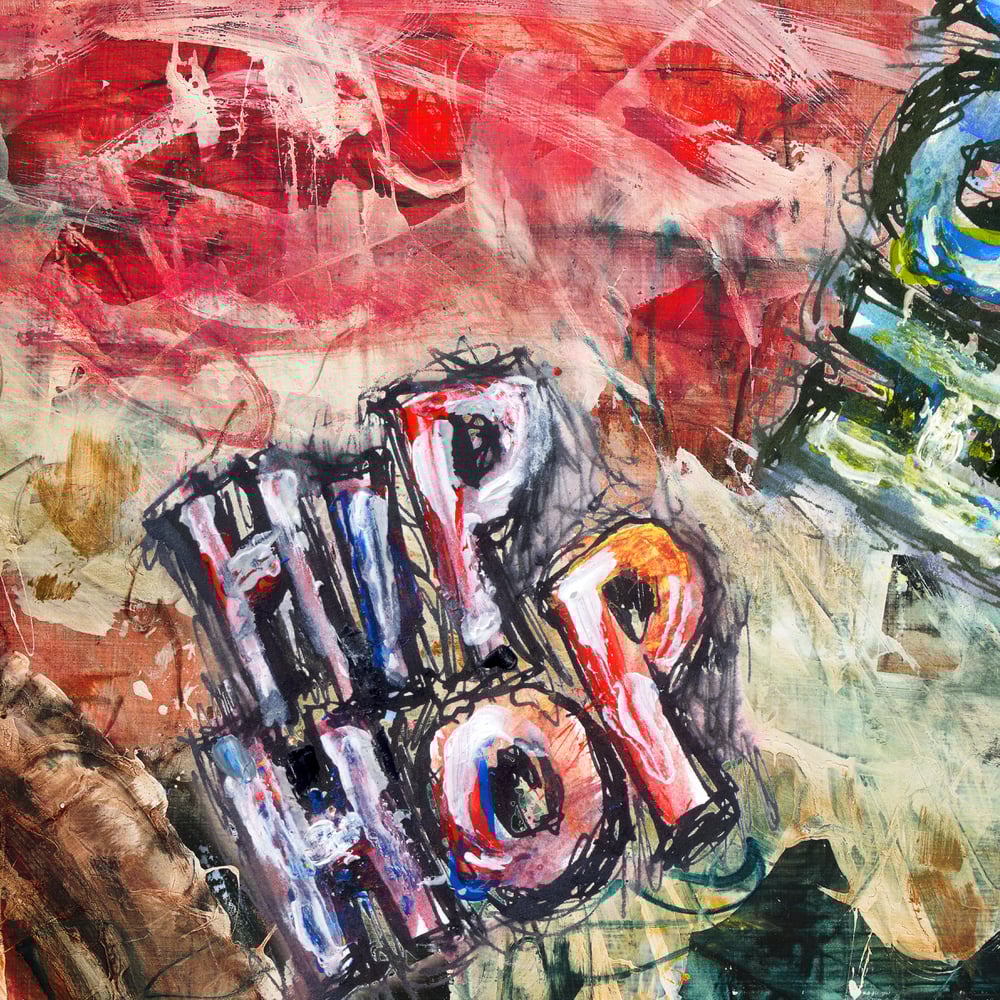
Hip-hop graffiti exploded in New York when young folks from forgotten neighborhoods decided to take back public space through art. Writers like Taki and Cornbread turned subway cars and building walls into moving galleries that mainstream society couldn’t possibly ignore.
This movement birthed a global culture celebrating creativity over destruction—transforming what many dismissed as vandalism into legitimate art that spoke directly to urban struggles and dreams.
Chicano Muralism
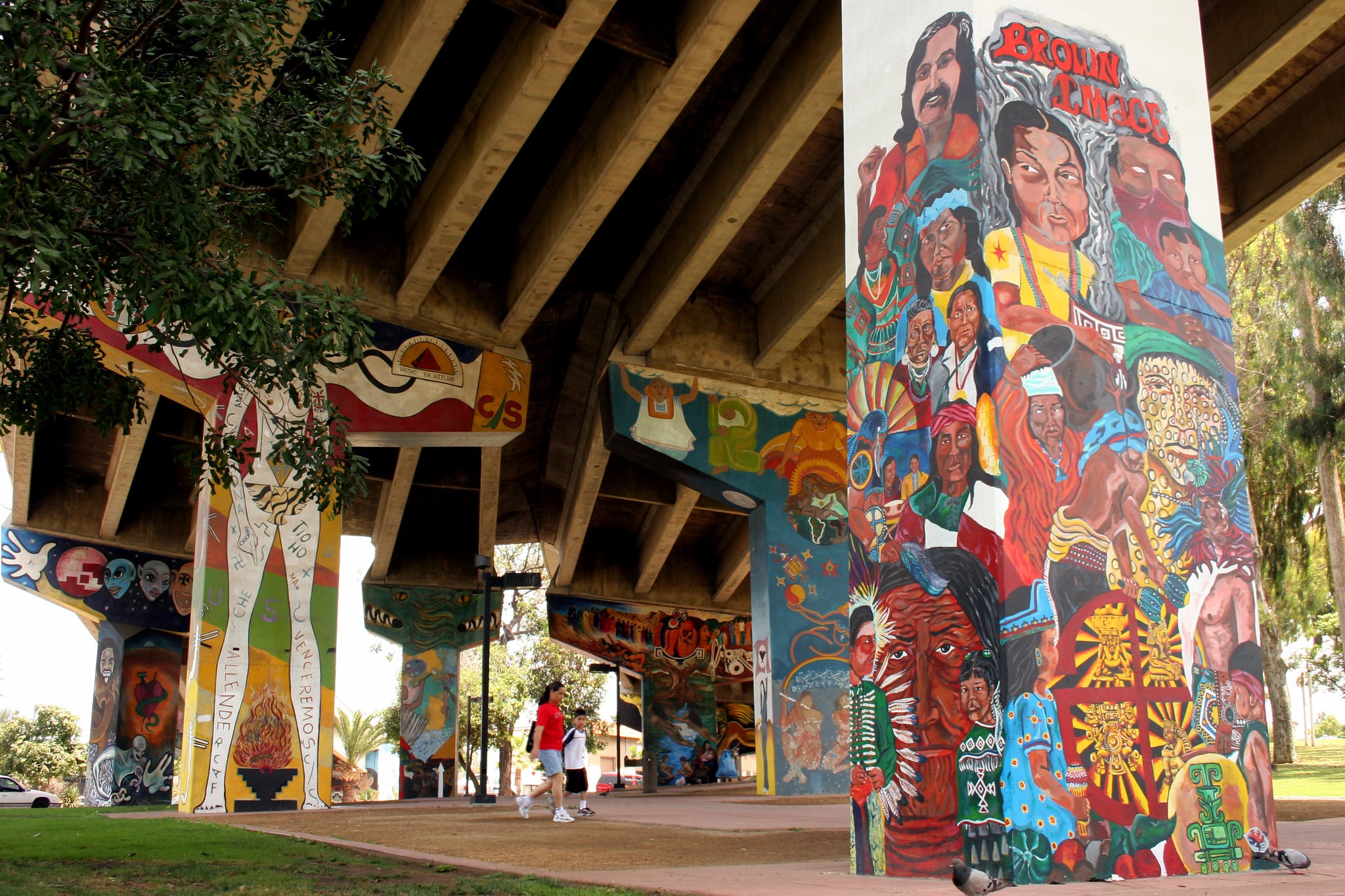
Chicano artists started painting massive murals throughout Mexican-American neighborhoods during the sixties, celebrating their heritage while fighting discrimination head-on. These vibrant works showed everything from ancient pre-Columbian history to modern civil rights battles, creating a visual language that made communities stronger.
The movement transformed neglected urban areas into outdoor museums—simultaneously challenging harmful stereotypes and demanding recognition for Latino contributions to American culture.
Berlin Wall Graffiti
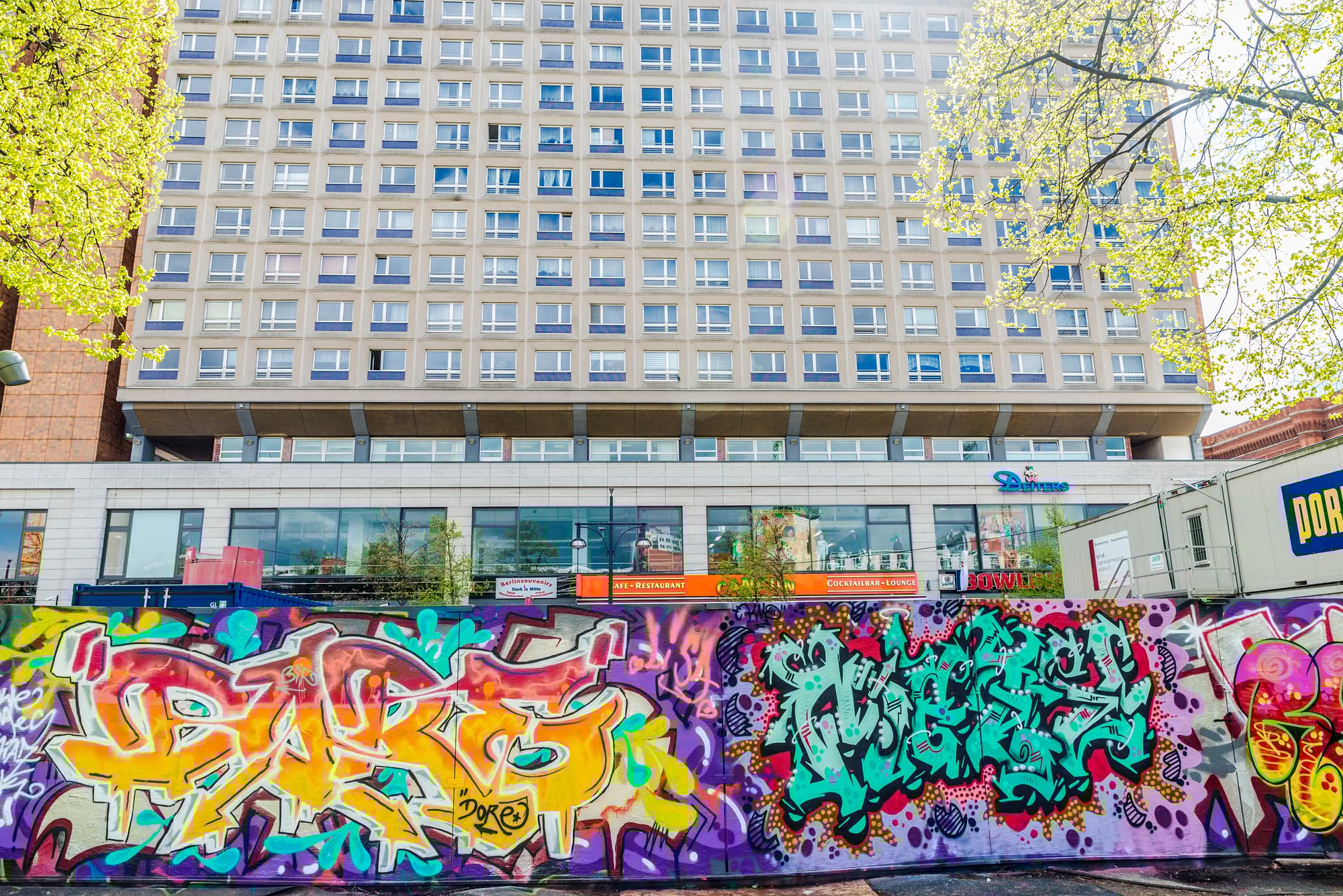
When the Berlin Wall split East and West Germany, the western side became this incredible canvas for political expression and hope. Artists from everywhere covered that concrete barrier with messages about freedom, unity, and resistance against oppression.
This spontaneous gallery turned into a symbol of human resilience—playing a real role in building international pressure that eventually helped bring down the wall.
Palestinian Solidarity Murals
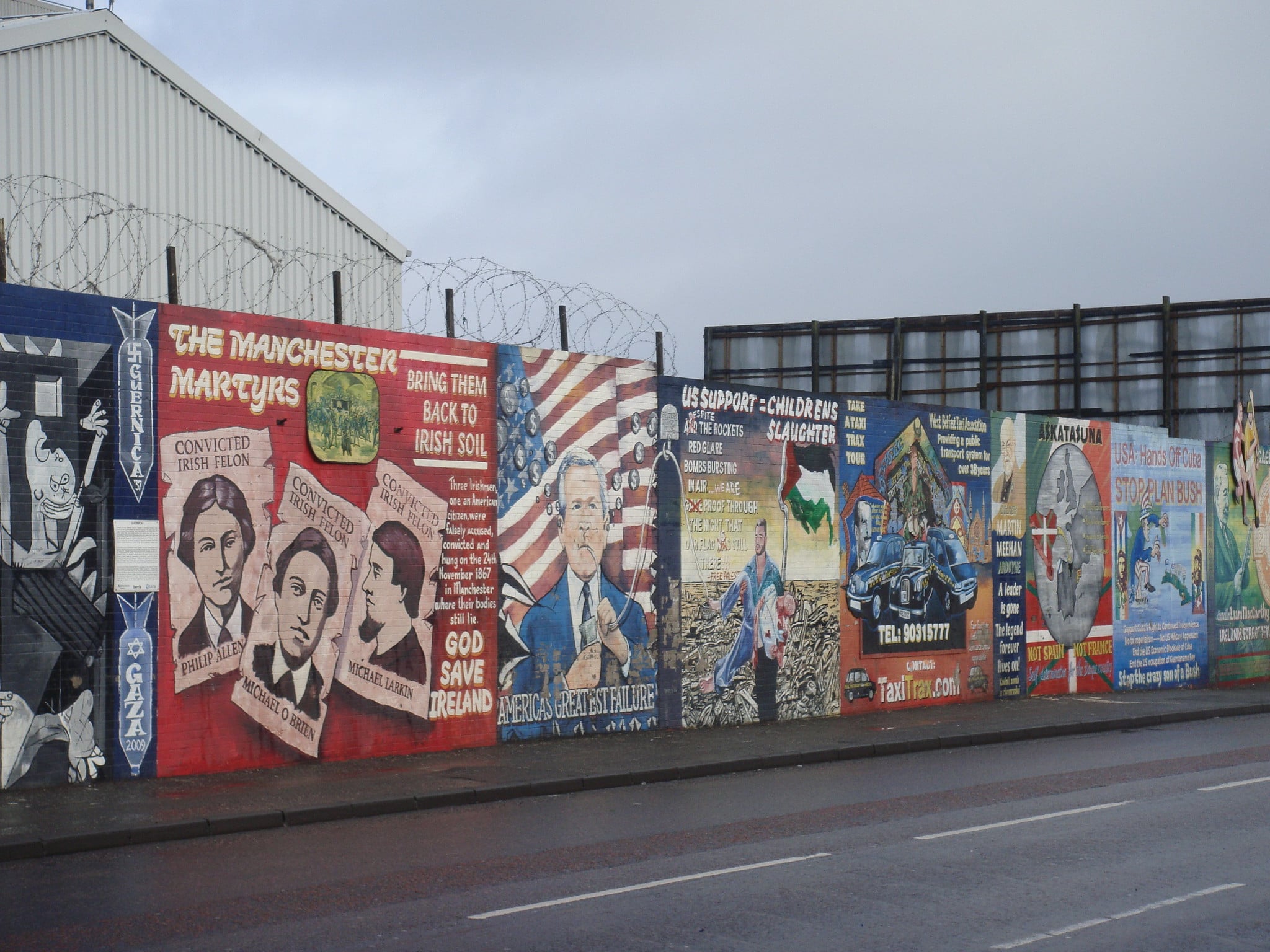
Palestinian street artists have transformed walls into powerful storytelling devices that maintain cultural identity. Artists like Banksy alongside local creators have turned concrete barriers into striking statements about freedom and human rights.
These works brought international attention to Palestinian experiences—sparking global conversations about justice and occupation that continue today.
Brazilian Pixação

This raw graffiti form emerged in São Paulo during the eighties as a direct response to social inequality and political oppression. Unlike traditional graffiti, pixação uses these cryptic lettering styles that create an exclusive visual language mainly understood by participants.
The movement gave Brazil’s urban poor a voice while challenging the country’s extreme class divisions—making their presence impossible to ignore in wealthy neighborhoods.
Feminist Street Art Movement

Female street artists have grabbed public walls to challenge gender stereotypes and highlight women’s issues that mainstream media often ignored. From guerrilla girls’ anonymous installations to individual artists addressing domestic violence and reproductive rights, this movement made women’s experiences visible in traditionally male-dominated spaces.
These works sparked crucial conversations about equality—inspiring actual policy changes in various communities.
Anti-War Protest Murals

Street artists created powerful anti-war imagery during conflicts like Vietnam and more recent military interventions, cutting through political rhetoric with visual truth. These murals often pop up in high-traffic areas where they can’t be easily ignored—forcing people to confront warfare’s human cost.
Street art’s immediate, gut-punch nature makes it particularly effective at conveying war’s emotional impact in ways that statistics and news reports simply cannot.
Environmental Justice Street Art

Climate activists have embraced street art as a method for making environmental issues absolutely impossible to ignore. Large-scale murals depicting rising sea levels alongside stencils highlighting pollution in low-income neighborhoods connect global environmental challenges to local community impacts.
Artists like Blu and various collectives have created installations demonstrating how environmental destruction hits marginalized communities the hardest.
Black Lives Matter Murals

The Black Lives Matter movement has produced some of modern history’s most impactful street art. Cities worldwide have witnessed massive murals commemorating victims of police violence while celebrating Black culture and resilience.
These works transformed public spaces into sites of mourning, celebration, and activism—creating lasting monuments that keep racial justice conversations going long after protests end.
LGBTQ+ Pride Murals

Street art has played a crucial role in LGBTQ+ visibility and acceptance, particularly in areas where the community faces discrimination. Rainbow crosswalks, pride murals, and installations celebrating queer culture have transformed public spaces into statements of inclusion and acceptance.
These works have helped normalize LGBTQ+ identities while creating safe spaces that signal community support and belonging.
Indigenous Rights Street Art

Native American and indigenous artists globally have used street art to reclaim their narratives and highlight ongoing struggles for land rights and cultural preservation. These works often blend traditional symbols with contemporary techniques, creating powerful visual statements about colonization’s lasting impacts.
The movement has helped bring indigenous issues into mainstream consciousness and challenged dominant historical narratives.
Anti-Gentrification Murals

As neighborhoods face displacement through rapid development, street artists have created works that document community history and resist gentrification. These murals often celebrate long-time residents and local culture while challenging newcomers to respect existing communities.
The movement has sparked important conversations about development, community ownership, and the right to remain in one’s neighborhood.
Tomorrow’s Walls Tell Today’s Stories

These movements prove that street art remains one of humanity’s most direct communication forms, bypassing traditional gatekeepers to speak straight to communities and conscience. From ancient cave paintings to today’s digitally enhanced murals, artists keep using public space to challenge injustice and imagine better futures.
Each movement has shown that when people have something important to say, they’ll find a wall to say it on—proving art and activism will always intersect and inspire change. Our cities’ concrete canvas keeps evolving, ensuring tomorrow’s social movements will have their own walls to transform and their own stories to tell the world.
More from Go2Tutors!

- The Romanov Crown Jewels and Their Tragic Fate
- 13 Historical Mysteries That Science Still Can’t Solve
- Famous Hoaxes That Fooled the World for Years
- 15 Child Stars with Tragic Adult Lives
- 16 Famous Jewelry Pieces in History
Like Go2Tutors’s content? Follow us on MSN.