Major Sporting Events Decided By Odd Rules
Sports are supposed to be about skill, strategy, and determination. Most of the time, the best team wins through goals, points, or sheer athletic prowess.
But every once in a while, the outcome gets decided by something completely bizarre—a coin flip, the number of yellow cards, or even alphabetical order. These moments remind us that rulebooks can get weird, and sometimes fate has a sense of humor.
When matches can’t be settled through normal play, sports organizations pull out their backup plans. Here is a list of major sporting events that were decided by the strangest tiebreakers imaginable.
Italy’s 1968 Euro Semifinal Coin Toss

Italy advanced to the 1968 European Championship final not through extra time or penalties, but through the flip of a coin. After their semifinal against the Soviet Union ended scoreless following 120 minutes of play, the rules called for a coin toss to determine the winner.
Italian captain Giacinto Facchetti called tails correctly, sending the hosts through to the final. The Soviets had eliminated Italy from both the 1966 World Cup and the 1964 Euros, making this coin flip particularly sweet revenge.
Italy went on to win the tournament, though it required a replay to beat Yugoslavia in the final.
Japan Over Senegal on Yellow Cards
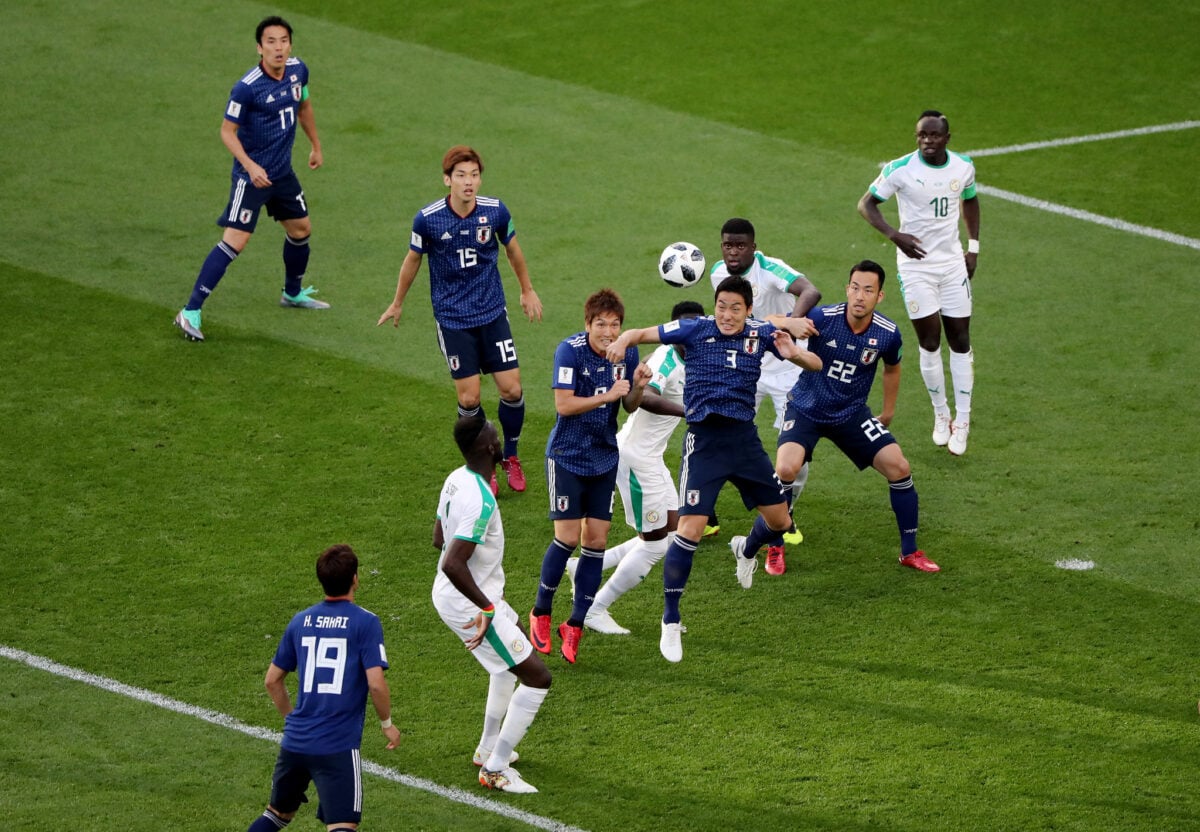
The 2018 World Cup marked the first time a team was eliminated from the tournament based on the fair play tiebreaker. Japan and Senegal finished Group H with identical records—same points, same goal difference, same goals scored, and a 2-2 draw when they faced each other.
FIFA turned to the fair play rule, which counted disciplinary points based on yellow and red cards. Japan had accumulated four yellow cards across three matches while Senegal picked up six.
Those two extra cautions sent Senegal home, making them the first African nation eliminated this way and leaving fans debating whether card counts should ever determine World Cup fates.
Germany’s 1996 Golden Goal Victory
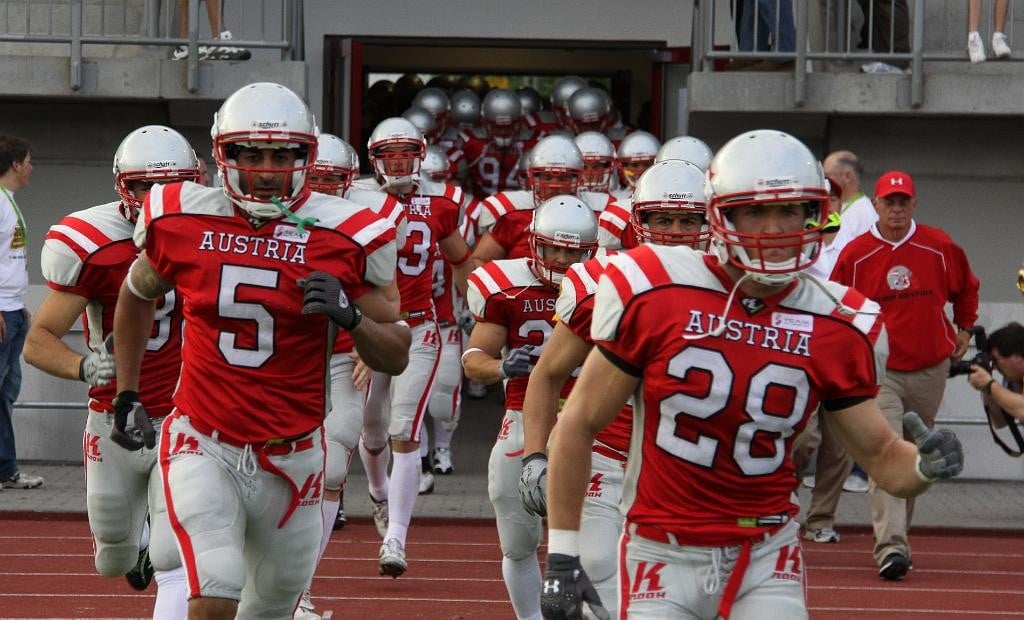
The 1996 European Championship final introduced the world to the golden goal in spectacular fashion. Germany trailed the Czech Republic 1-0 when substitute Oliver Bierhoff equalized with a header, sending the match to extra time.
Under the golden goal rule, the first team to score would immediately win. Just five minutes into extra time, Bierhoff turned and struck a shot that deflected off a defender and squirmed through goalkeeper Petr Kouba’s hands.
The referee’s whistle blew instantly. Germany had won their third European Championship through football’s first major international golden goal, a rule designed to encourage attacking play but eventually abandoned because teams became even more defensive.
Liverpool’s 1965 European Cup Coin Toss
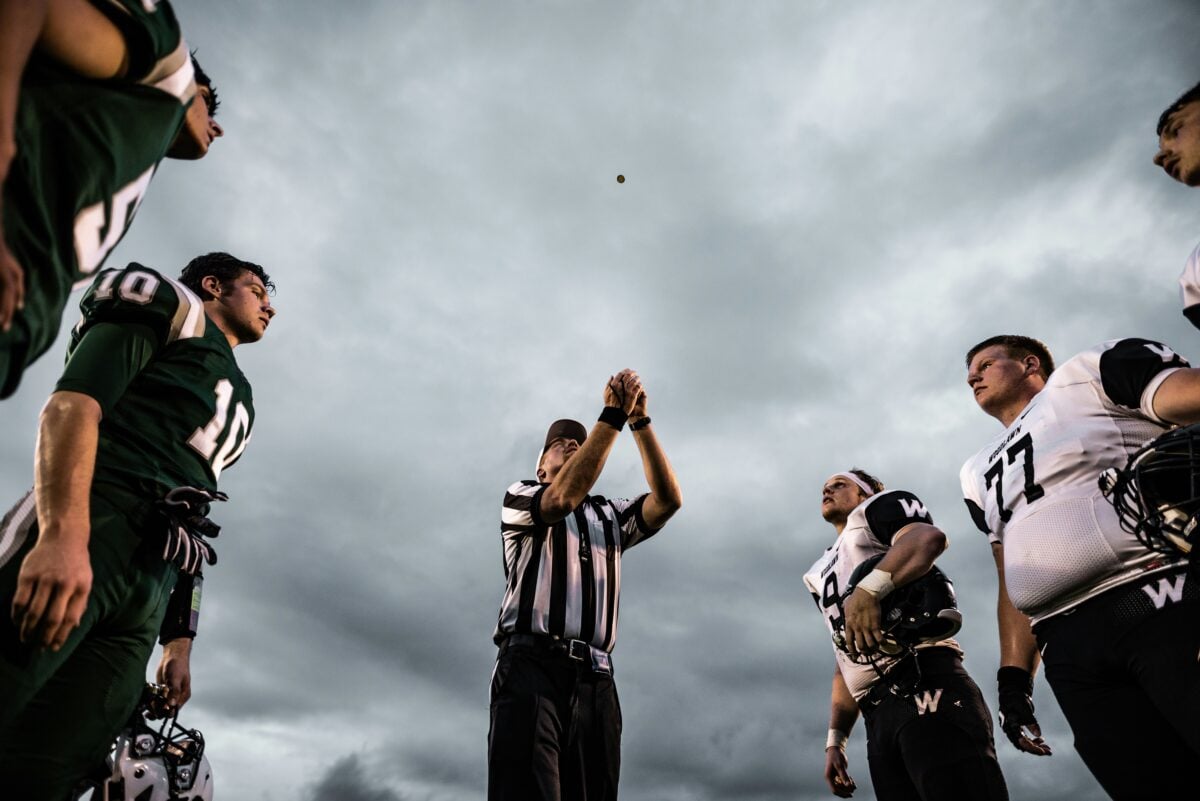
After three grueling matches against Cologne in the European Cup quarterfinals produced no winner, Liverpool captain Ron Yeats found himself standing on a pitch in Rotterdam calling a coin toss. The teams had drawn twice 0-0 before playing to a 2-2 tie in a neutral venue playoff.
The first coin flip actually stuck in a divot in the muddy pitch and had to be done again. Yeats called tails correctly on the second attempt, sending Liverpool through to face Inter Milan in the semifinals. This bizarre method of settling a major European tie happened before penalty shootouts became the standard.
NBA Draft Lottery Coin Flips

Between 1966 and 1984, the NBA used a coin flip between the worst teams in each conference to determine the first overall draft pick. This system produced some enormous consequences.
The flip decided whether Kareem Abdul-Jabbar would become a Milwaukee Buck, whether Terry Bradshaw would join the Chicago Bears instead of the Pittsburgh Steelers, and whether Magic Johnson would play for Chicago instead of the Los Angeles Lakers. The 1984 coin flip, won by the Houston Rockets over the Portland Trail Blazers, was the final straw.
Accusations of tanking led the NBA to introduce the lottery system we know today.
Senegal’s Double Blow from Stoppage Time Cards
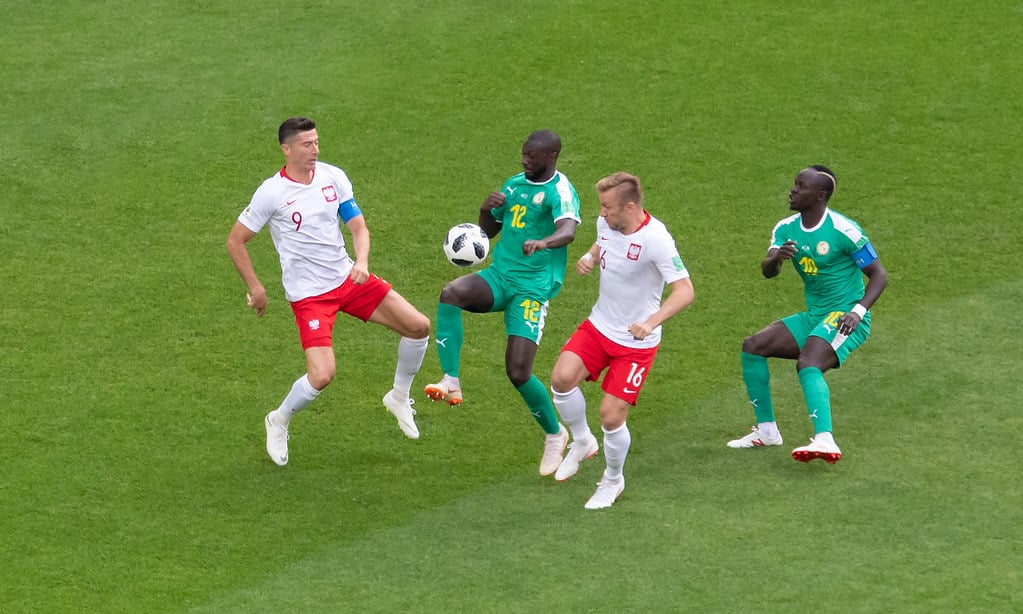
What made Senegal’s 2018 World Cup elimination even more painful was how they accumulated those decisive yellow cards. The two cards that ultimately cost them came in stoppage time of their group match against Japan, which ended 2-2. Those unnecessary cautions in the dying minutes of a draw would haunt them when Colombia defeated them 1-0 in their final group game.
With Japan also losing but having fewer cards, those stoppage time yellows became the difference between advancing to the knockout rounds and going home.
The 1990 World Cup Drawing of Lots

After one of the dullest group stages in World Cup history, Ireland and the Netherlands finished Group F with identical records. Both teams had three points, two goals scored, and two goals conceded.
Since they both advanced as second and third place finishers, it didn’t really matter who finished where—except for determining their next opponent. FIFA official Sepp Blatter conducted an elaborate ceremony in Rome with orange plastic containers in a goldfish container.
Ireland drew the favorable matchup and went on to defeat Romania on penalties, while the Netherlands had to face West Germany and lost.
Turkey’s 1954 World Cup Lot Drawing
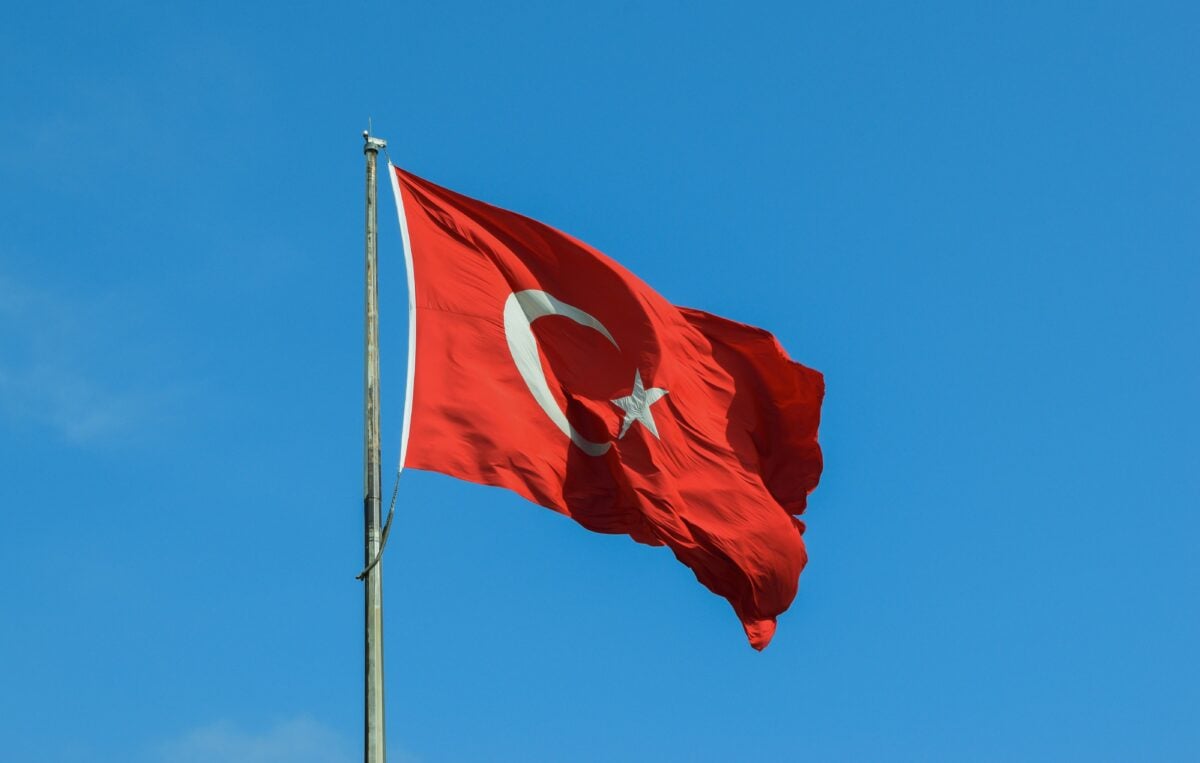
Spain and Turkey each won one leg of their 1954 World Cup qualifying playoff, with Spain winning 4-1 away and Turkey winning 1-0 at home. The third decisive match ended 2-2, leaving no clear winner.
With no aggregate rule in place and no one wanting another replay, FIFA turned to drawing lots. Turkey won the draw and advanced to the World Cup finals in Switzerland.
Spain, despite scoring more goals across the three matches, stayed home because of a random selection from a container.
Golf’s Alphabetical Tiebreaker

Professional golf maintains one of sports’ strangest backup tiebreakers. If players remain tied after all standard methods have been exhausted, tournaments can theoretically rank golfers by alphabetical order.
While this rule has never actually been used at a major tournament, it exists in the rulebook as the final failsafe. Imagine winning or losing a major championship because your last name starts with ‘A’ instead of ‘Z’.
The absurdity of this rule highlights just how desperate sports organizations can get when looking for ways to separate competitors.
France’s 2000 Golden Goal Glory
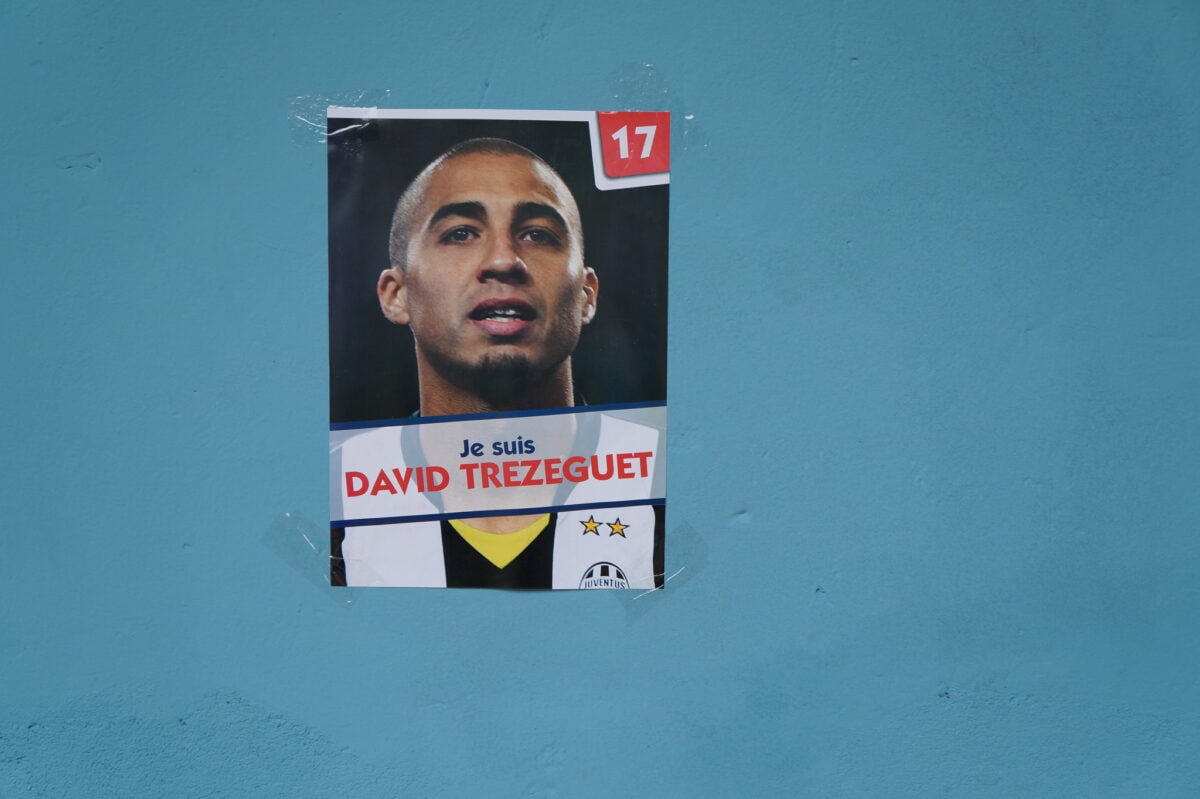
David Trezeguet scored the golden goal that gave France their second consecutive major tournament victory at Euro 2000. The final against Italy was tied 1-1 when Trezeguet struck in the 103rd minute, immediately ending the match.
This golden goal gave France the European Championship to add to their 1998 World Cup title. The rule created dramatic moments but also increased defensive tactics, as teams knew one mistake in extra time would instantly cost them the trophy.
UEFA eventually abandoned golden goals after the 2004 tournament.
Friday Night Lights Three-Way Coin Flip
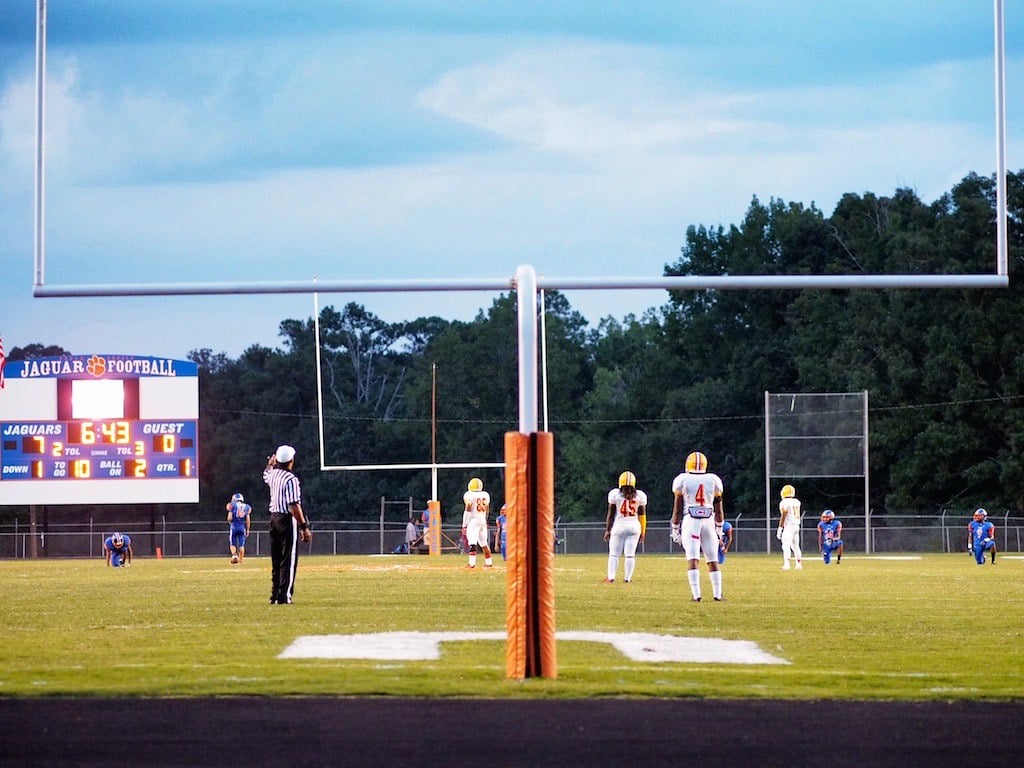
The 1988 Texas high school football season saw three teams—Permian, Midland Lee, and Midland—finish with identical district records. Rather than use point differential or head-to-head results, officials decided to hold a three-way coin flip at a truck stop to determine which two teams would advance to the playoffs.
The event was later immortalized in the book and film Friday Night Lights. The controversy surrounding this random method of eliminating a team led Texas to adopt point systems that would reduce the frequency of ties requiring coin flips.
Grenada’s Strategic Own Goal
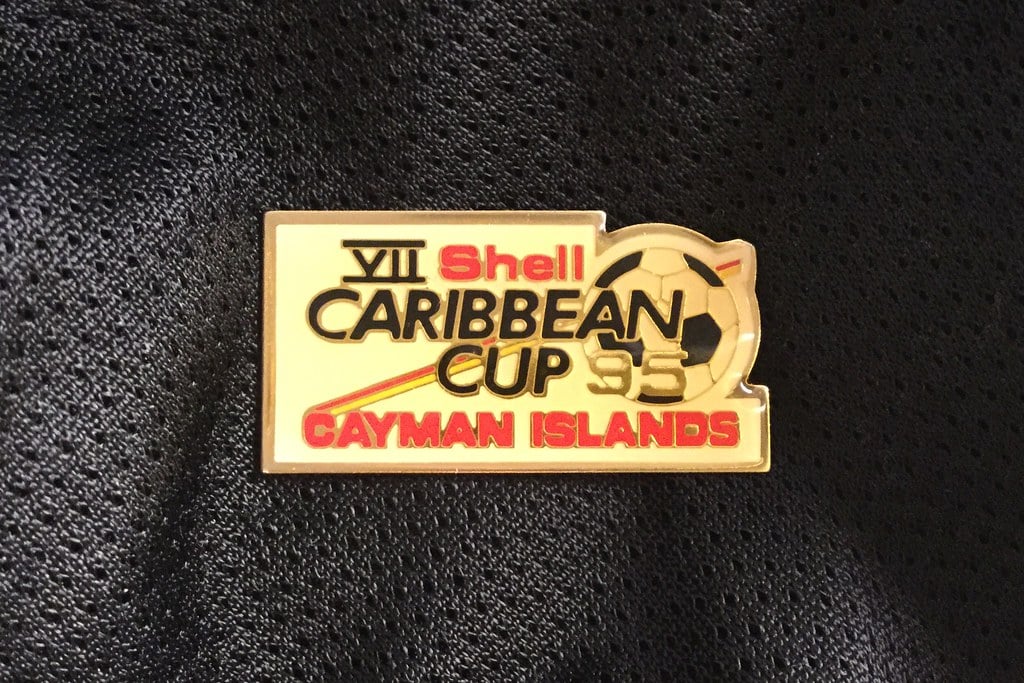
The 1994 Shell Caribbean Cup created one of the most absurd situations in football history. Barbados needed to beat Grenada by two goals to advance, but tournament organizers had ruled that golden goals in extra time would count as two goals.
Barbados was winning 2-1 late in the match when they realized they couldn’t score another goal in regulation. So they deliberately scored an own goal to force extra time, creating a 2-2 tie.
Grenada then tried to score in either goal—their own to lose by one, or Barbados’ to win by one—while Barbados defended both goals. Barbados eventually won in extra time.
Formula One’s Unused Tiebreaker Chain
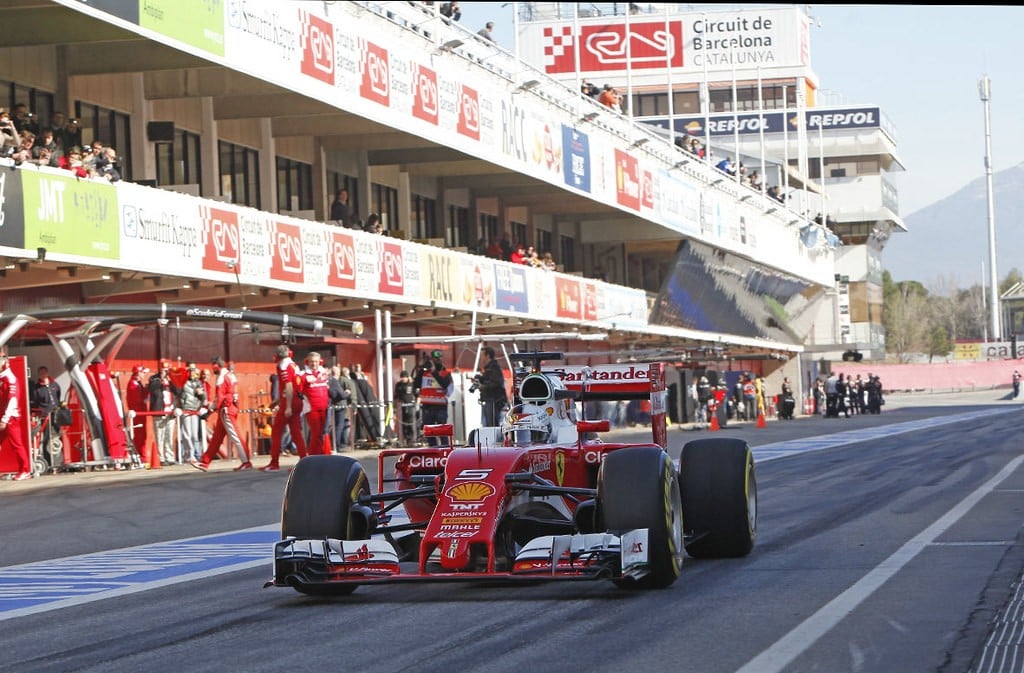
Formula One has an elaborate series of tiebreakers if drivers finish a season with identical points, though it’s never been needed. The system goes from race wins to second places to third places and continues down through qualifying positions.
The closest it came to use was 1984 when Niki Lauda beat Alain Prost by half a point, those fractions coming from a rain-shortened Monaco Grand Prix that only awarded half points. IndyCar uses a similar system but ends with a random drawing if all else fails.
The 2008 Olympics Baseball Tiebreaker
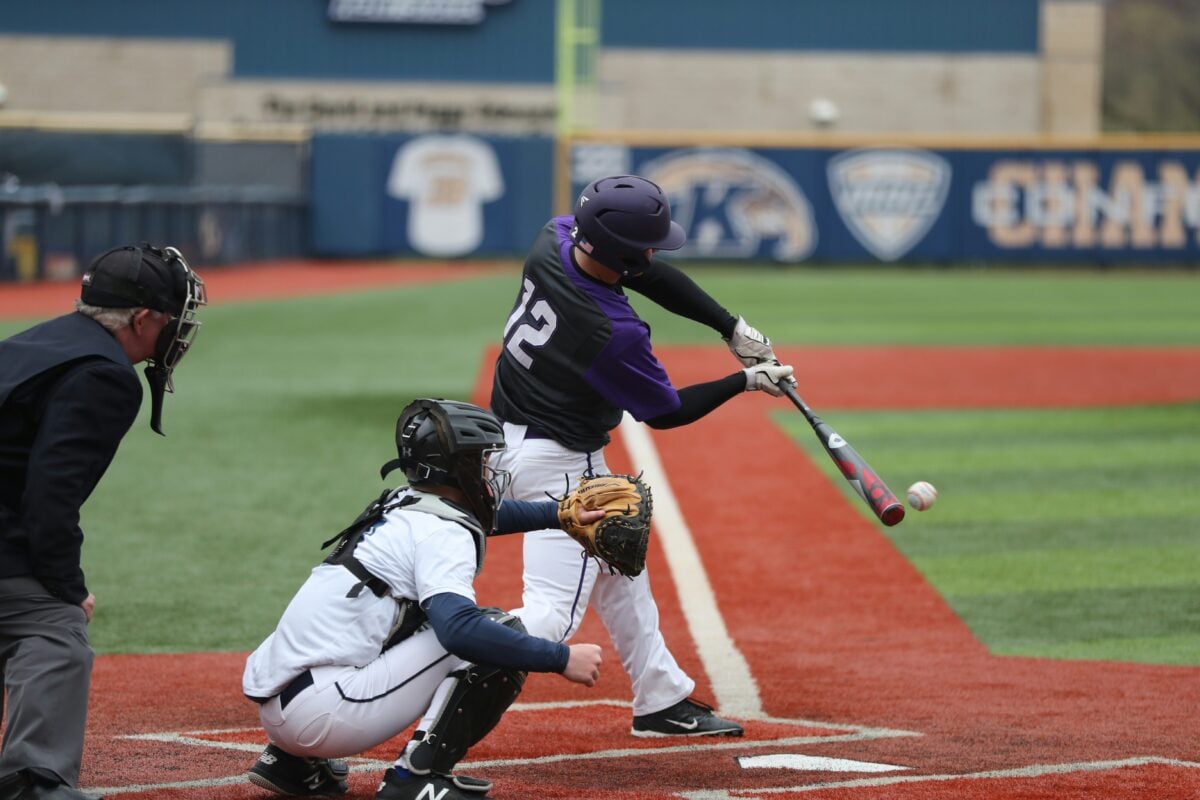
The 2008 Summer Olympics featured an unusual baseball tiebreaker rule. If teams were tied after 10 innings, each subsequent half inning would start with a runner on second base.
This runner advancement system was designed to speed up games and ensure a result without going through endless innings. The rule created strange strategic situations where teams had to decide whether to bunt, attempt to score immediately, or play for a bigger inning while knowing the other team would get the same opportunity.
College Football’s Athletic Director Votes

The 1973 matchup between Ohio State and Michigan ended in a 10-10 tie, leaving both teams undefeated and eligible for the Rose Bowl. The Big Ten had only one bowl spot available and had recently ended their ‘no repeat’ rule that would have automatically sent Michigan.
Instead, the conference’s athletic directors voted on which team should go. They chose Ohio State, who went on to demolish USC 42-21.
The controversy prompted the Big Ten to soon allow multiple teams to play in bowl games, eliminating the need for such votes.
Tennis Sudden Death Tiebreakers

The original tennis tiebreak introduced at the 1970 US Open was a nine-point sudden death format. Players would play to five points, and if tied 4-4, one sudden death point would decide the set.
This created enormous pressure on single points and was widely criticized by players. The system evolved into the current format where players must win by two points, though Wimbledon famously resisted tiebreaks in the final set for decades.
The tennis scoring revolution came about because broadcasters wanted predictable match lengths for television scheduling.
The 2020 MLB Runner on Second Rule
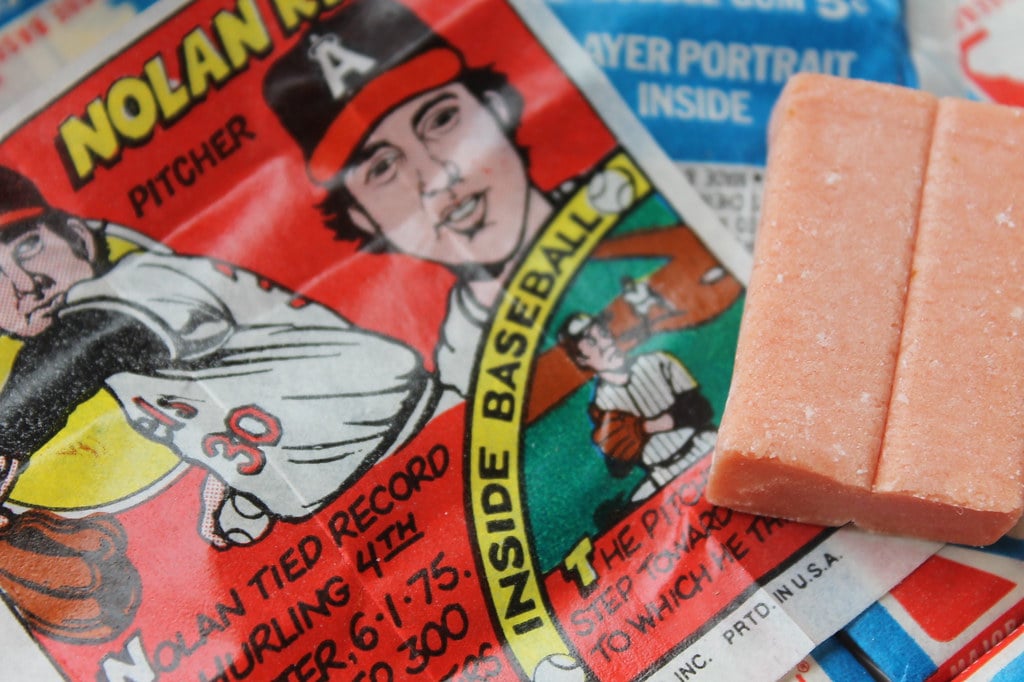
Major League Baseball introduced a controversial rule in 2020 that placed a runner on second base to start each half inning beginning in the 10th inning. The rule was initially intended as a temporary pandemic measure to shorten doubleheaders but was extended through subsequent seasons.
It created situations where teams could win games without recording a hit in extra innings or where pitchers were charged with earned runs they never actually allowed. The Frontier League took it even further in 2022, letting teams choose to defend or attack in a sudden death half inning.
When Random Became Unacceptable
The evolution of tiebreakers tells a story about how sports have changed. Coin flips and drawings of lots were once acceptable ways to settle matches because they were simple and quick.
As television money increased and stakes grew higher, random chance became intolerable. Penalty shootouts, while imperfect, at least involve player skill. Fair play rules reward disciplined teams.
Even the strangest modern tiebreakers try to measure something related to actual performance. Yet sometimes the backup plans are so convoluted that we almost long for the simplicity of just flipping a coin and getting it over with.
More from Go2Tutors!

- The Romanov Crown Jewels and Their Tragic Fate
- 13 Historical Mysteries That Science Still Can’t Solve
- Famous Hoaxes That Fooled the World for Years
- 15 Child Stars with Tragic Adult Lives
- 16 Famous Jewelry Pieces in History
Like Go2Tutors’s content? Follow us on MSN.