25 Vintage Teddy Ruxpin and Talking Toys Worth Money
A talking toy is a tiny machine with a very short shelf life. Gears wear out, pull strings snap, batteries leak, and the voice that thrilled a child in the 1980s often fades into a slow groan by the time it reaches an attic.
That fragility is exactly why survivors earn attention from collectors. A bear that still blinks, a doll that still answers, or a handheld that still pronounces words in its robotic voice can be worth far more than a silent twin.
These are the talking toys to look for.
Teddy Ruxpin, the Original Worlds of Wonder Bear
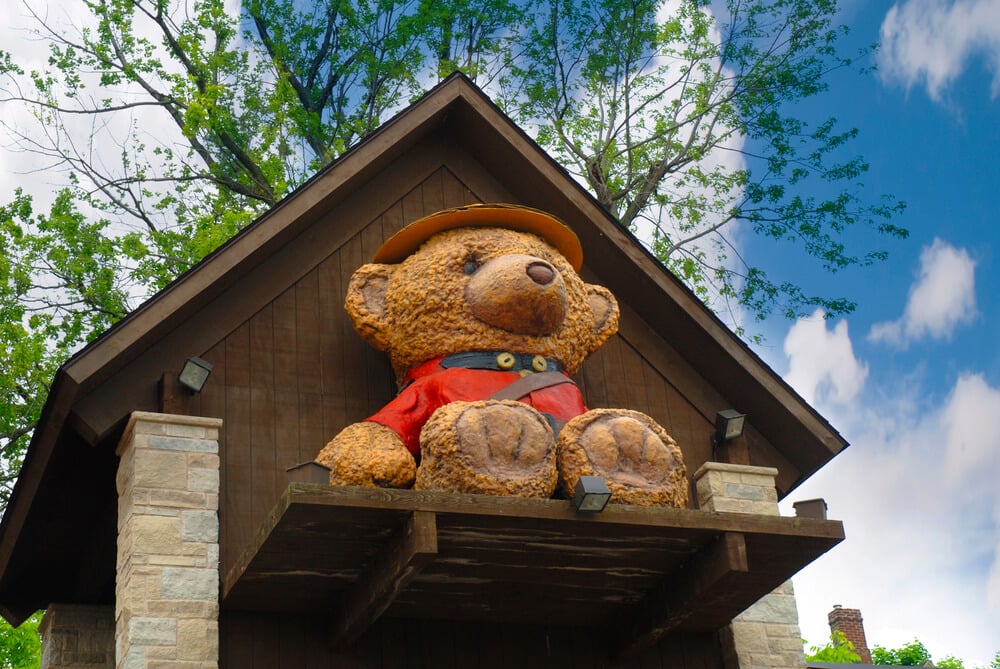
Worlds of Wonder released Teddy Ruxpin in 1985, and the bear told stories by moving its eyes and mouth in step with a cassette tape. The audio sits on one track of the tape while the movement signals ride on the other, which means a worn tape can leave the bear frozen mid-sentence.
Value depends heavily on condition: a working mechanism, intact fur and clothing, the original box and the story tapes all push a bear toward the top of the market. Untested bears with missing tapes sell for much less.
Grubby, Teddy Ruxpin’s Fuzzy Pal
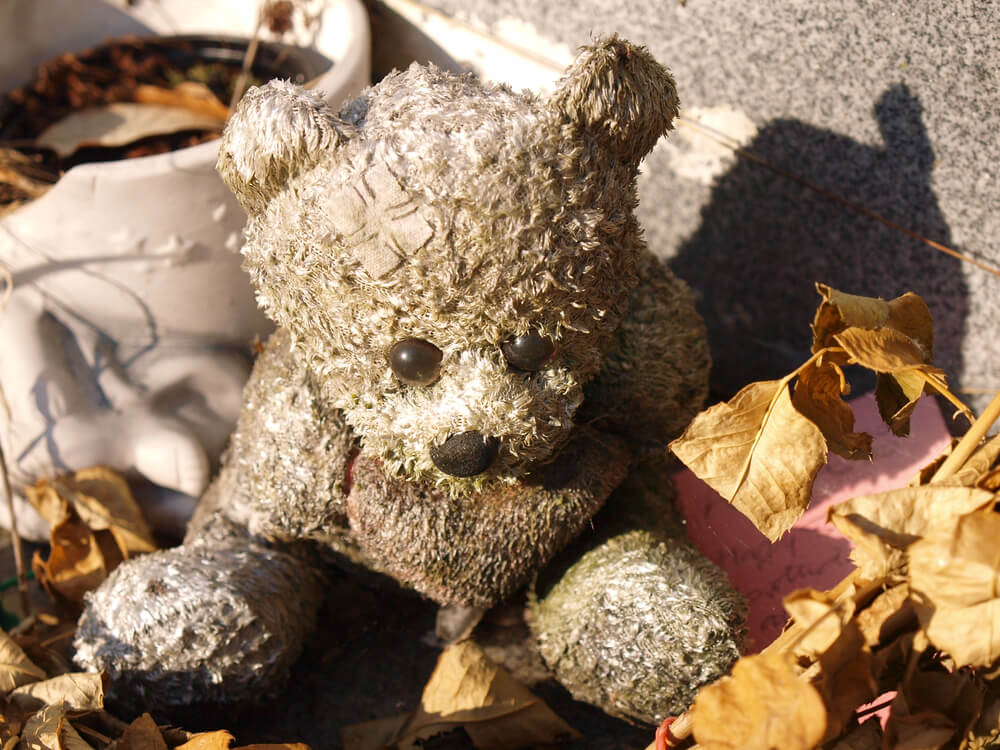
Grubby was the sidekick from the Teddy Ruxpin story world, and 1985 listings show him as a flocked, poseable figure. The flocked coating is the weak point, since it rubs off with handling and leaves bare patches that collectors notice instantly.
A Grubby with an even fuzzy finish, a matching box and any included story material is the version buyers chase. Because he is rarer than the bear that made him famous, condition decides whether he is a sweet extra or a prize.
Julie, the World’s Most Intelligent Talking Doll
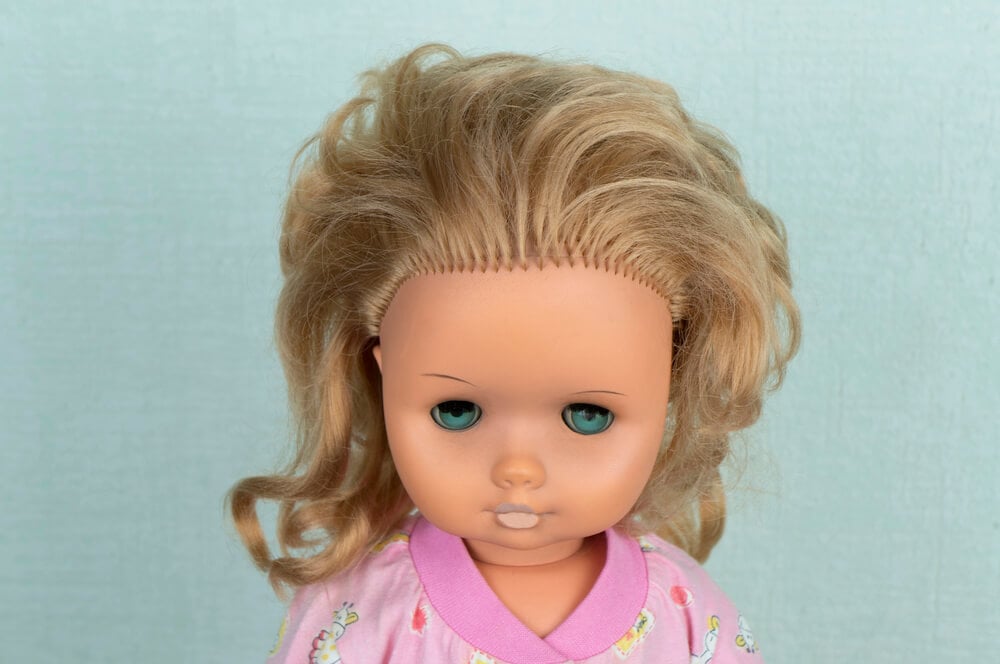
Worlds of Wonder sold Julie in 1987 with the bold tagline “World’s Most Intelligent Talking Doll,” and surviving examples are often listed with their box and papers. She belongs to the same family of interactive dolls as the company’s tape-driven bear, so her electronics are the main event.
A Julie that powers up, speaks clearly and keeps her original clothing, box and paperwork sits in a different league from a loose doll with a dead circuit board.
Cricket, the Cassette-Playing Doll
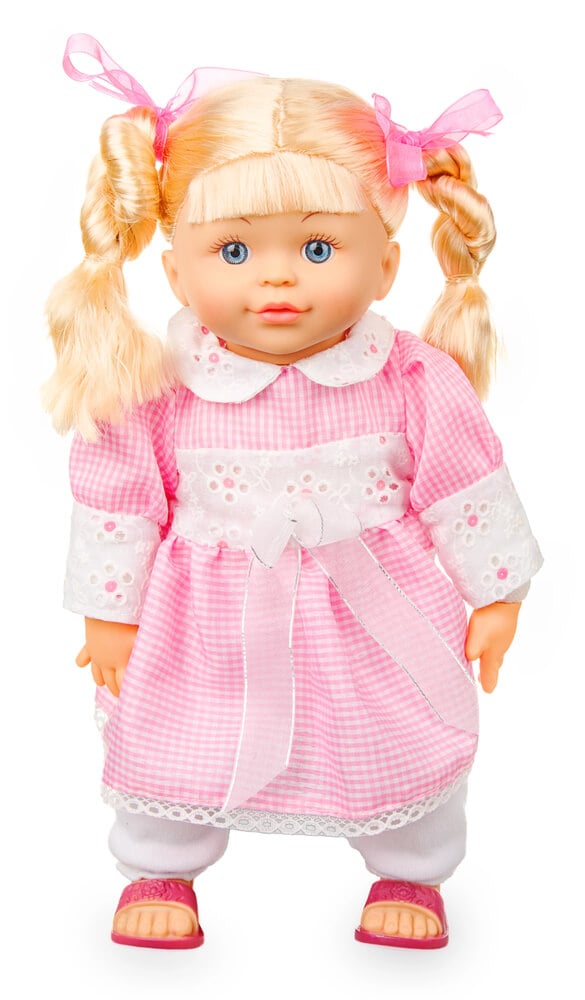
Cricket arrived from the Worlds of Wonder era as a doll built around the same cassette idea that made Teddy Ruxpin a hit. Instead of a bear telling bedtime tales, she was a child-sized companion that played recorded tapes.
The value of a Cricket depends on condition: her playback mechanism has to work, her outfit should be intact, and her original tapes and packaging add real weight. A doll missing her cassettes is only half of the original product.
Texas Instruments Speak & Spell
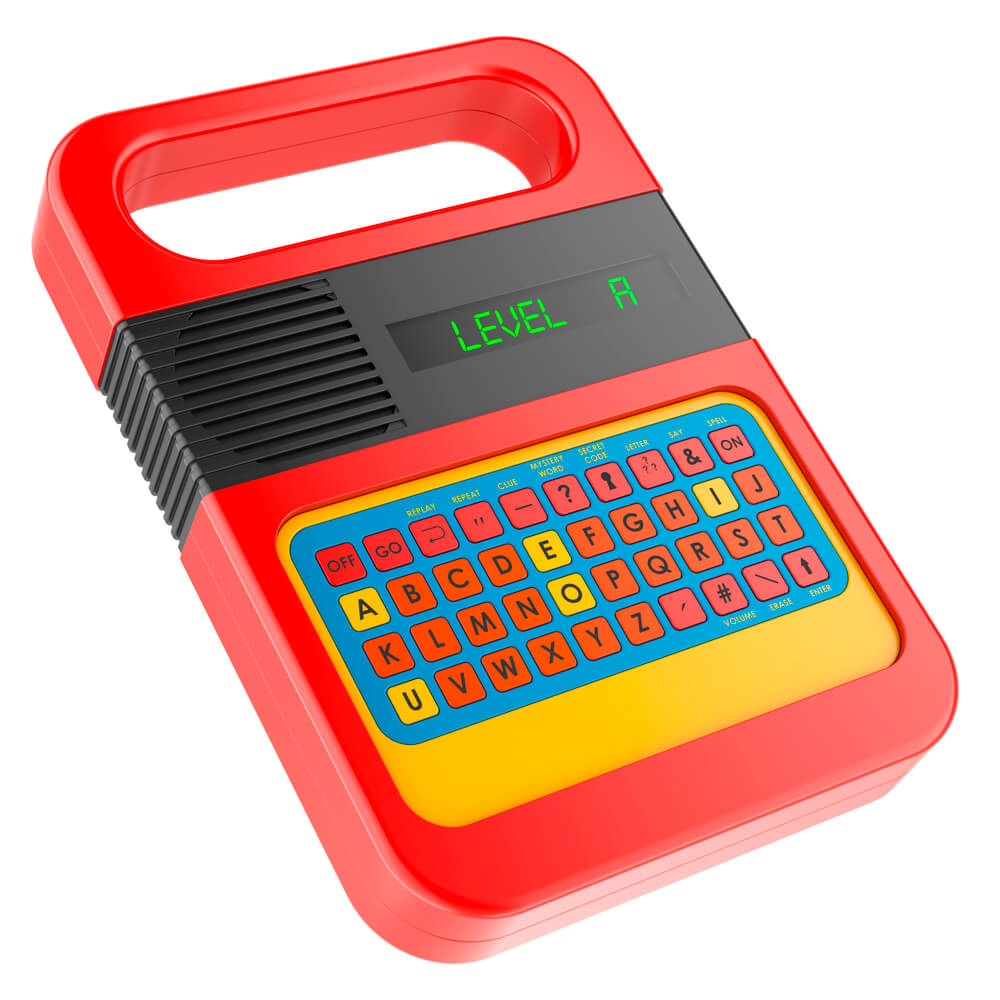
Texas Instruments introduced the Speak & Spell in 1978, and a synthetic voice asking children to spell words became the sound of a generation. The toy also made a famous cameo in the film E.T., where it helped the alien build a device to phone home.
Collectors pay more for units that still talk, with a clean case, a bright display and the original box. Battery corrosion is the most common killer, so a unit with a clean battery compartment is worth hunting.
Texas Instruments Speak & Math
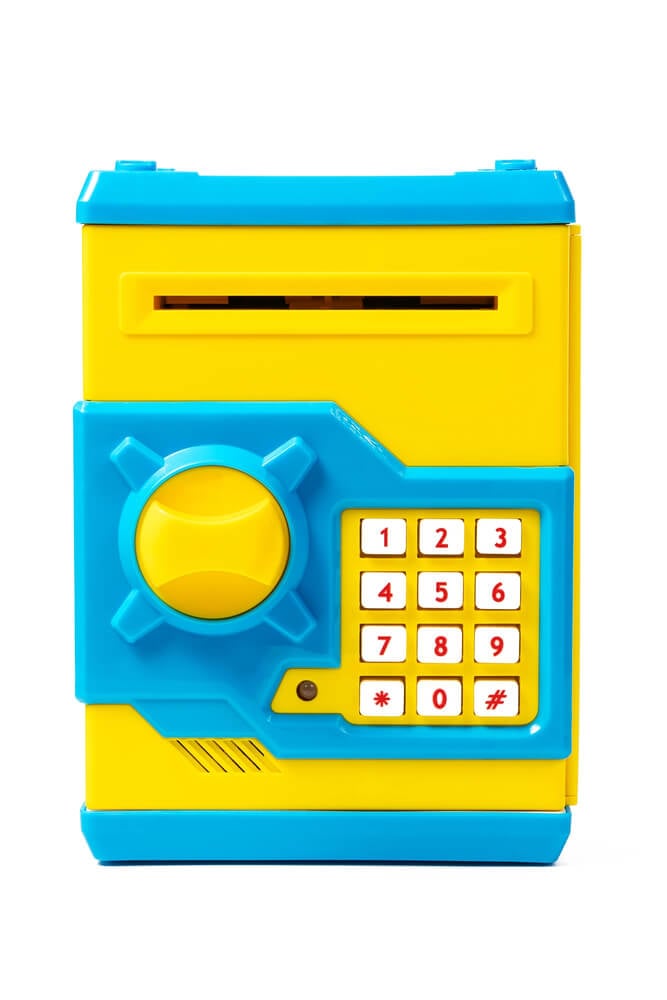
Speak & Math followed the Speak & Spell formula with a spoken arithmetic quiz in place of a spelling test. It uses the same approach of a synthesized voice reading prompts aloud, which gives it the same charm and the same weak points.
A unit that still speaks, shows clear digits and carries its original box and manual is the one that commands attention. Dead speech chips and corroded battery contacts turn many surviving units into display pieces.
Texas Instruments Speak & Read
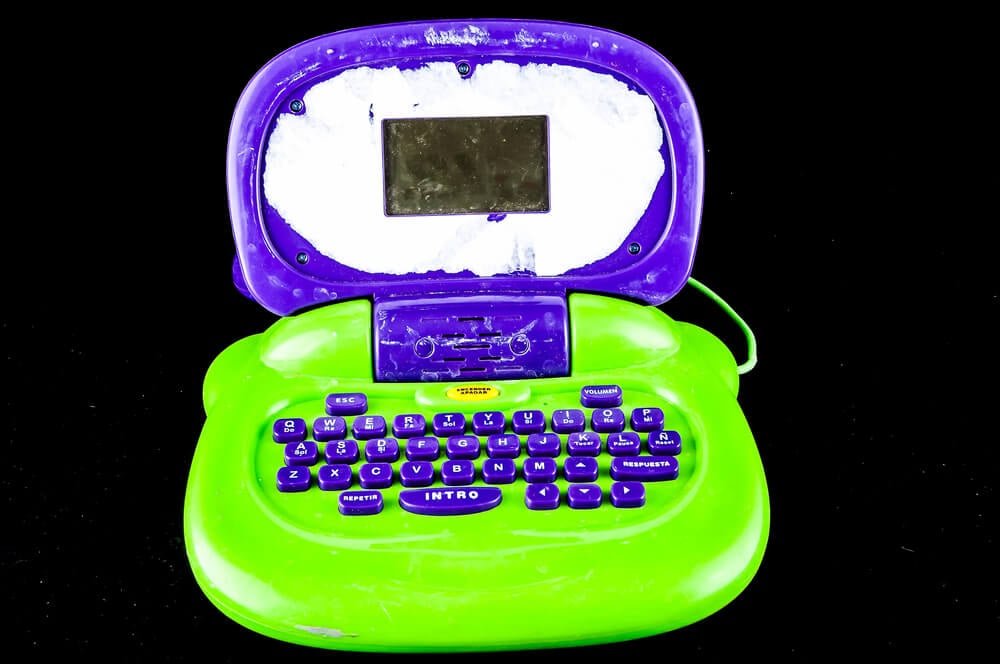
Speak & Read paired the speaking handheld with a series of books, including a title called You Can Read that is preserved in a museum collection. The idea was that a child could point the device at a page and hear it read, so the books matter almost as much as the electronics.
A set that includes the working unit, the matching books and the original packaging is far more desirable than a loose handheld. Missing books or a dead voice can sharply limit the value.
Mattel Chatty Cathy
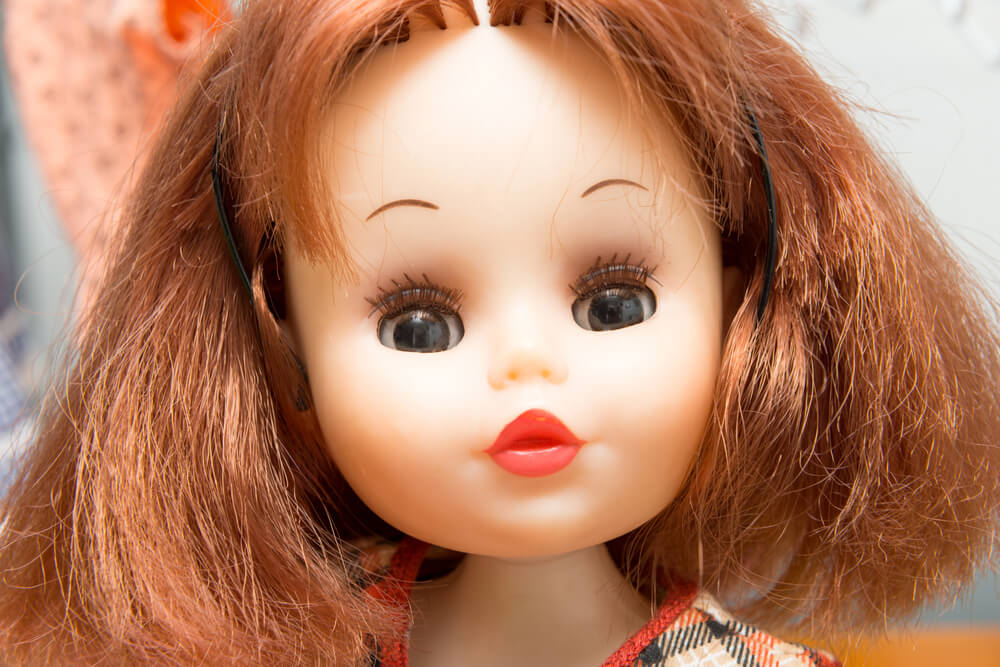
Mattel launched Chatty Cathy in 1960, and a pull string in her body triggered a small voice mechanism that said a handful of phrases. The Henry Ford museum holds a circa 1963 example in its collection, a sign of how seriously the doll is treated as an artifact of American life.
For collectors, value depends on whether the voice still works, whether the vinyl and hair are intact, and whether the original dress, shoes and box survive. A silent Cathy in faded clothing is a different object from a talking one in mint condition.
Mattel Charmin’ Chatty
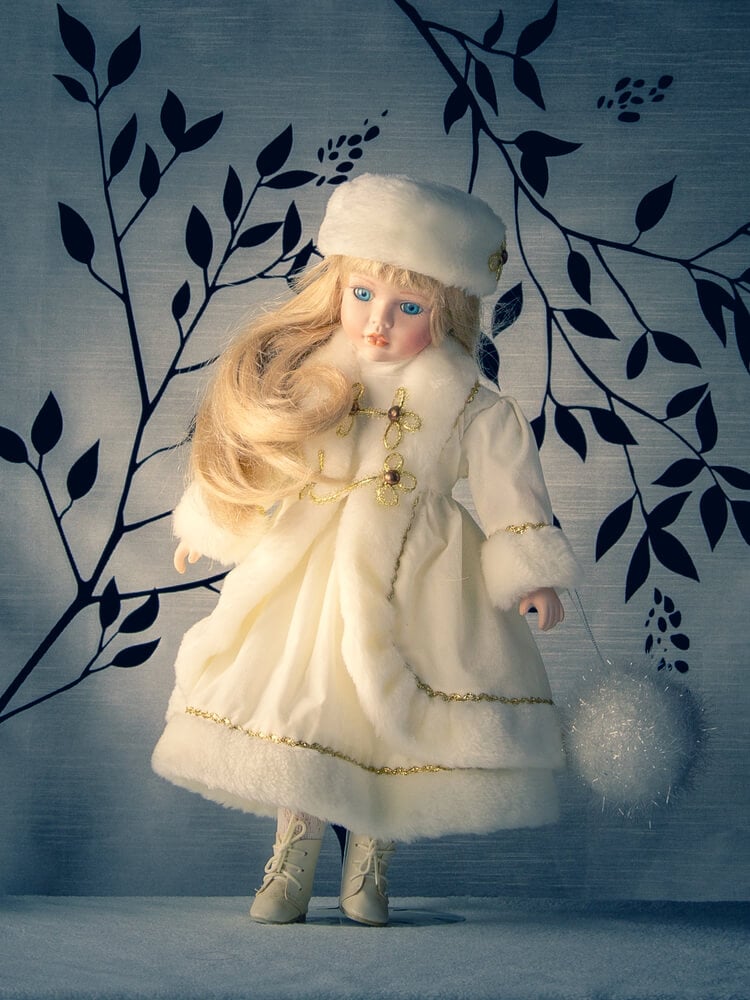
Charmin’ Chatty was Mattel’s follow-up in the talking doll line, built to do more than repeat a few pull-string phrases. She came with extra records that changed what she said, so the accessory set is part of the toy.
Value depends on condition: a working voice mechanism, the original records and outfit, and the box all count. Many dolls lost their records over the decades, which makes a complete set the version to watch for.
Mattel Drowsy

Drowsy was one of Mattel’s pull-string talking dolls, part of a line that ran from 1960 into the mid-1970s. Collectors of vintage dolls track her alongside Chatty Cathy and Charmin’ Chatty, and she also appears in collections focused on Black dolls.
As with every pull-string voice, value depends on a working mechanism, intact vinyl, original clothing and the box. A voice box that has gone slow or silent can sharply lower the value.
Mrs. Beasley, the Family Affair Doll
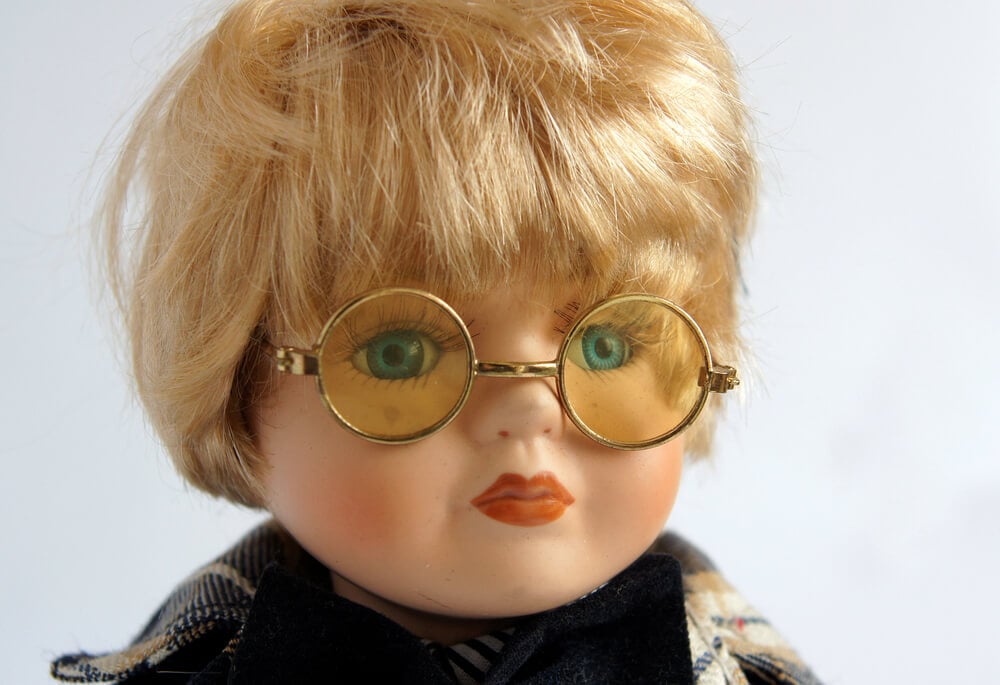
Mattel made the talking Mrs. Beasley doll in 1967, tied to the television series Family Affair, where she was the beloved companion of the character Buffy. The classic version is a pull-string doll about 20 inches tall, and its talk box is the part most likely to fail; listings for broken examples are common.
A doll that still speaks, with her original glasses, dress and box, is the version collectors prefer. A silent Mrs. Beasley is a nostalgic display piece, but a talking one is the prize.
Mattel Talking Barbie

Mattel’s talking Barbie dolls of the late 1960s were a high point of the vintage fashion doll market. One auction house has sold a rare example with an original Francie head and a red swimsuit variation, mint in its original box.
The detail shows how small variations matter, since head type, swimsuit and packaging all affect appeal. Condition rules: a working voice, clean vinyl, original hair and the box are the factors that separate a common doll from a rare one.
Mattel See ‘n Say The Farmer Says

Mattel produced The Farmer Says in 1965, a toy that taught children animal sounds with a pointer and a pull cord. The line later became a Fisher-Price classic, and a modern reissue exists, so collectors have to look at markings to tell the original from the new one.
Value depends on condition: a clear voice, a pointer that moves smoothly, a clean face and the original box. Cracked housings and fading pictures drag down otherwise charming examples.
Original 1998 Furby
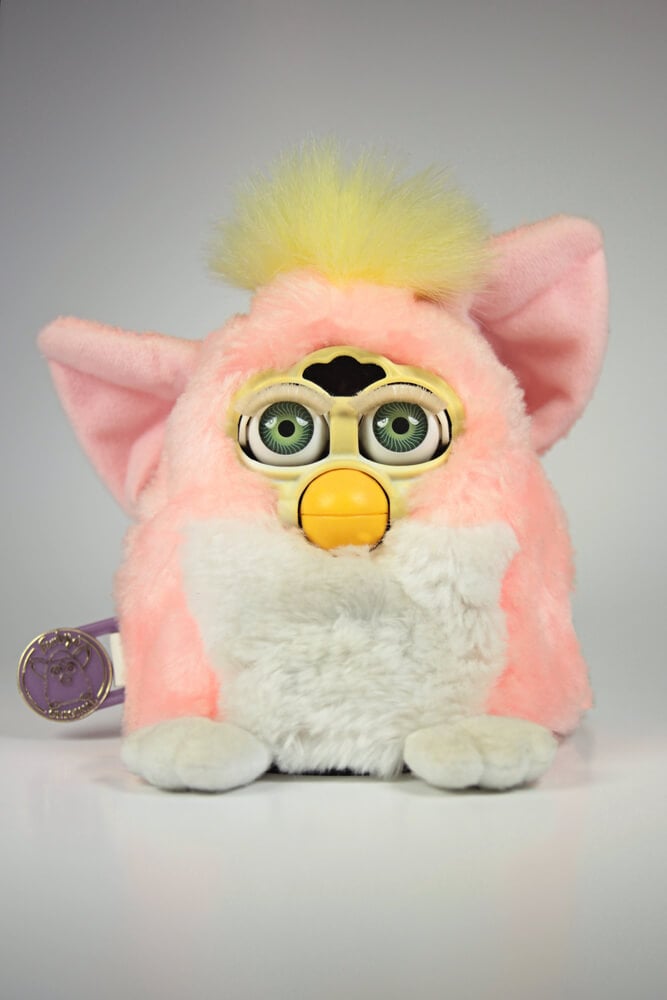
Tiger Electronics released the Furby in 1998, with Hasbro later appearing on the toy, and the fuzzy creature spoke its own made-up language called Furbish. Museum collections hold examples, a sign that the toy has left the novelty bin and entered the history books.
Collectors pay more for working units with clean fur, bright eyes and the original box, while limited editions and unusual colors draw extra interest. A Furby with a stuck motor or worn fur is much cheaper.
Furby Buddies
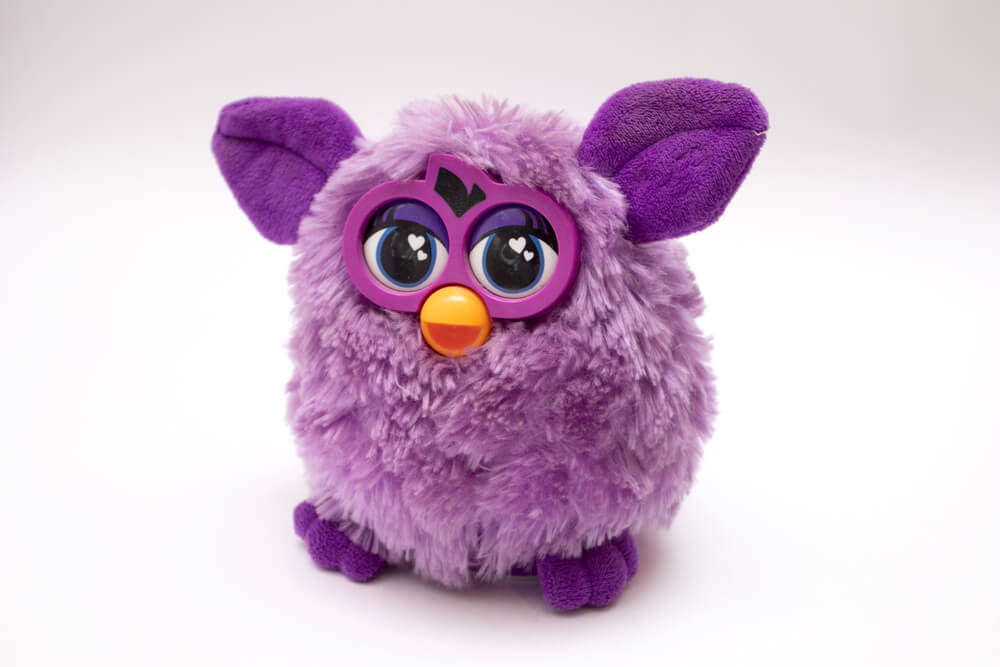
Furby Buddies came from Tiger Electronics and Hasbro in 1999, and boxed examples in blue are listed under item number 70-753. The smaller companion line talked like the original but offered a different look and feel from the first Furby.
Condition decides value: a sealed or boxed unit with working electronics is the goal, while worn fur or a dead voice limits interest. Because the Buddies came after the original frenzy, clean boxed examples are easier to appreciate than to find.
Tyco Magic Talking Kermit the Frog
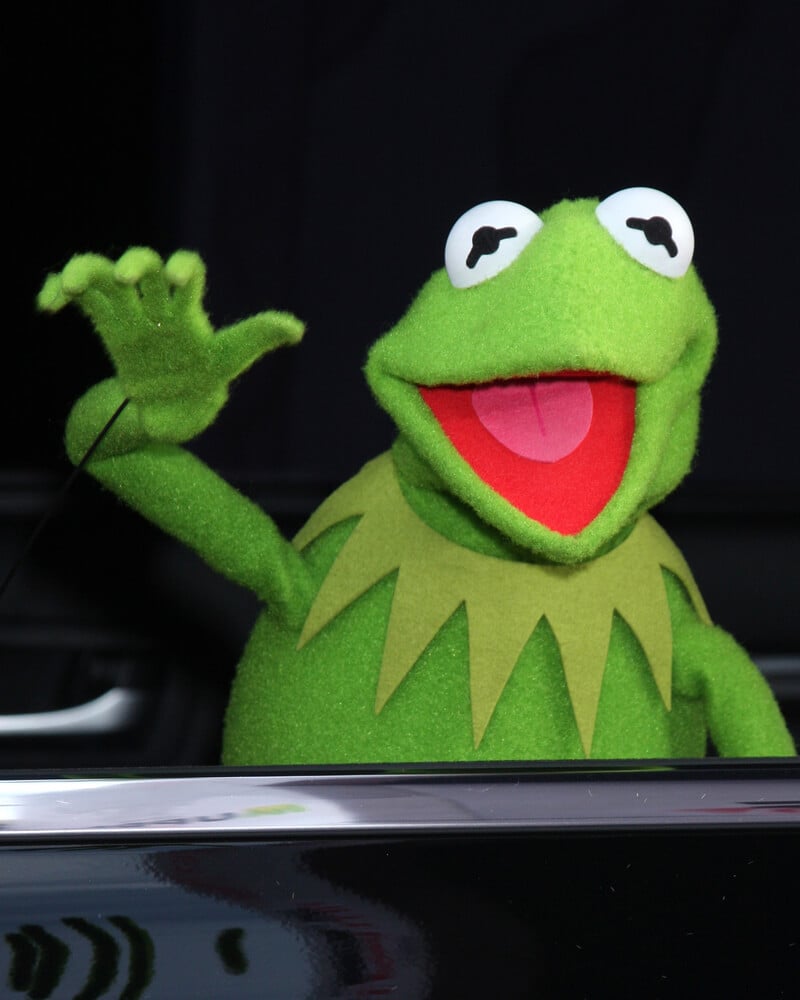
Tyco released a Magic Talking Kermit the Frog as part of Sesame Street’s 30th anniversary in 1999, and the toy has its own listings and photographs in Muppet reference collections. The anniversary tie-in gives the figure a date that collectors can recognize quickly.
Its worth depends on condition: working speech, intact felt and fabric, and the original box. A Kermit missing his box or his voice is a modest find, while a complete boxed example attracts Muppet fans.
Tyco Talking Big Bird
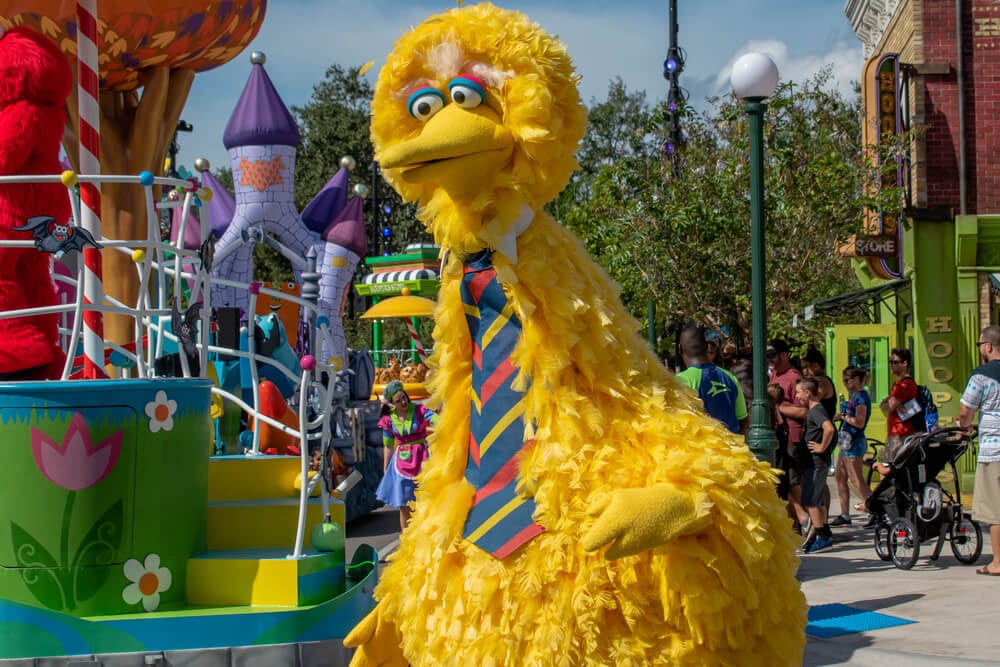
A 1990 Tyco Talking Big Bird with books and tapes, animated eyes and a moving beak, takes the tape-driven animation idea made famous by Teddy Ruxpin and applies it to Sesame Street. Complete boxed sets are the version collectors prefer because the books and tapes are what let the character perform.
Value depends on condition: a working mechanism, clean feathers, the original tapes and the box. Without the tapes, Big Bird is a very large silent plush.
Tyco Talking Cookie Monster
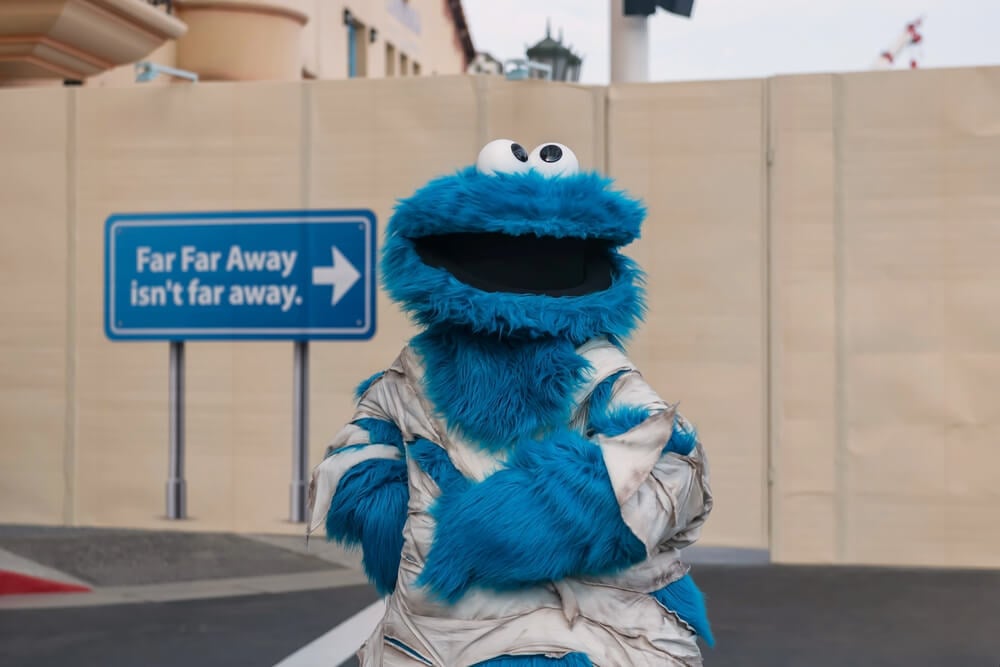
Cookie Monster appears in 1996 Tyco listings as a talking plush, often grouped with other Sesame Street toys from the same period. The character’s gravelly voice made him a natural fit for a speaking toy.
Value depends on condition: a voice that still works, fur that is not matted and a surviving tag or box. Because plush toys are easy to damage, a clean example with its packaging is more notable than the stand-alone dolls that fill many attics.
Mego 2-XL Talking Robot
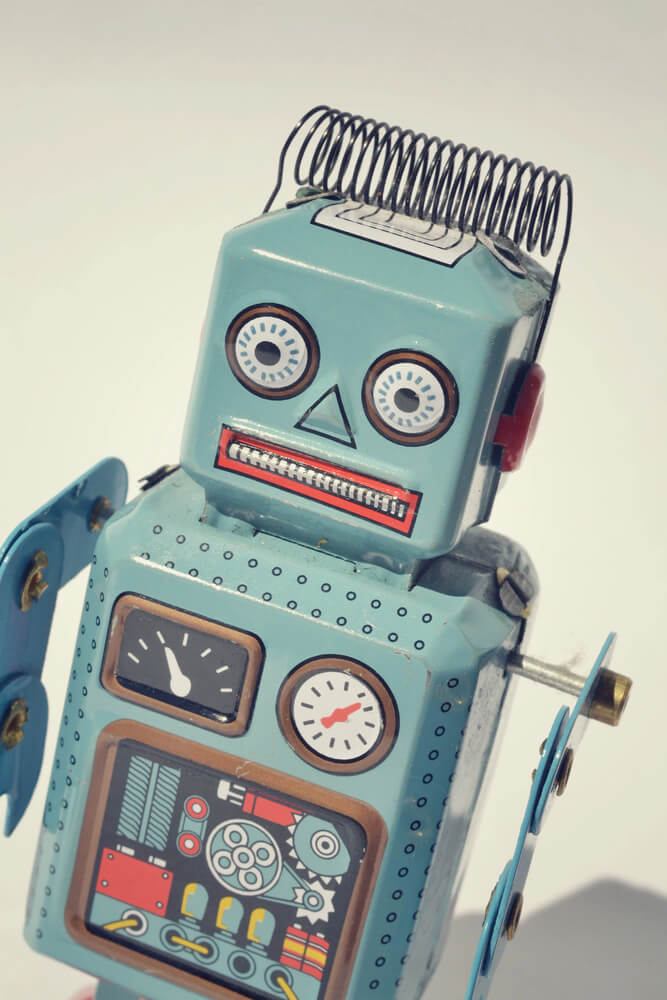
Mego introduced the 2-XL robot in 1978, and it played 8-track tape cartridges that asked questions and gave feedback, an unusual mix of toy and teaching machine. The robot is documented in toy history references as a distinct line of its own.
Value depends on condition: working playback, an intact case, the original cartridges and the box. Because the cartridges were part of the play experience, a robot with a full set is far better than one without a single tape.
Tomy Omnibot 2000

Tomy released the Omnibot 2000 in 1984, and the robot appears in the collection of the Computer History Museum. It was a remote-controlled household robot that could carry items and play recorded messages, which made it a popular toy and a strange glimpse of home robotics.
Value depends on condition: working drive and arm mechanisms, the remote, the tray and the original box. A complete Omnibot is far scarcer than a loose one.
Coleco Cabbage Patch Kids Talking Kids
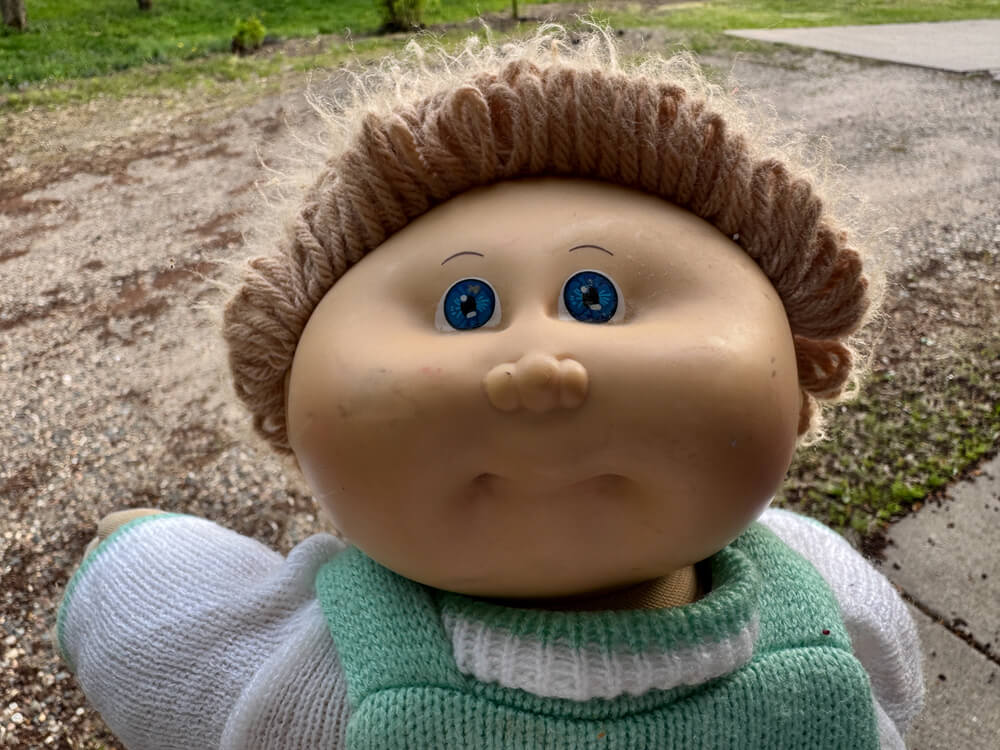
Coleco produced talking Cabbage Patch Kids dolls in 1987, and boxed examples appear under model number 3590 with brown hair and eyes. The doll joined the craze for adoptable plush-and-vinyl children, adding a voice to what had already been a massive hit.
Value depends on condition: a working voice, a clean face and body, the original outfit and the box. A boxed doll with its adoption paperwork is far more desirable than a loose, silent one.
Tyco Tickle Me Elmo
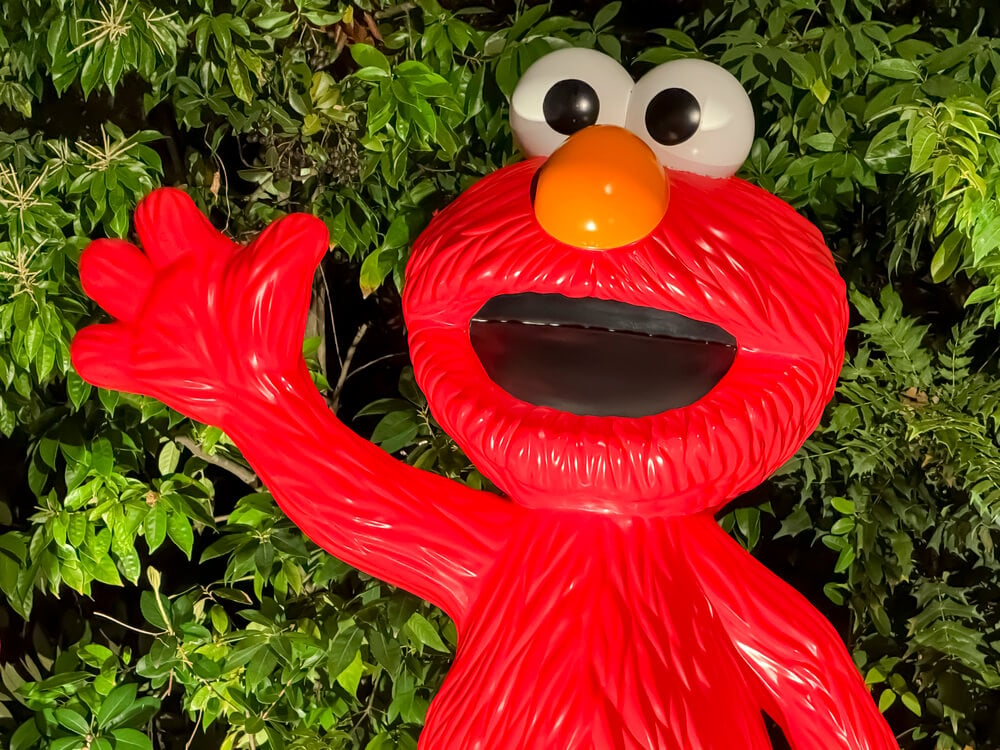
Tyco released Tickle Me Elmo in 1996, and the plush laughed and shook when squeezed, triggering a holiday shopping frenzy. Boxed examples from that year are still listed in sealed packaging.
Value depends on condition: a working motor and voice, bright red fur and a box that is not crushed. A loose Elmo with a dead voice has little appeal beyond nostalgia, but a mint-in-box original is a milestone of 1990s toy history.
Matchbox Talking Pee-wee Herman Doll

Matchbox released a talking Pee-wee Herman doll in 1987, and examples appear both as a large 17-inch version and a smaller figure with a chair. The voice is famously distorted on some surviving units, a quirk that collectors notice.
A museum collection also holds one, which shows how the toy has been treated as pop culture history. Value depends on condition: a working voice, clean clothing, the original playhouse or accessories and the box.
Playskool Talking Barney
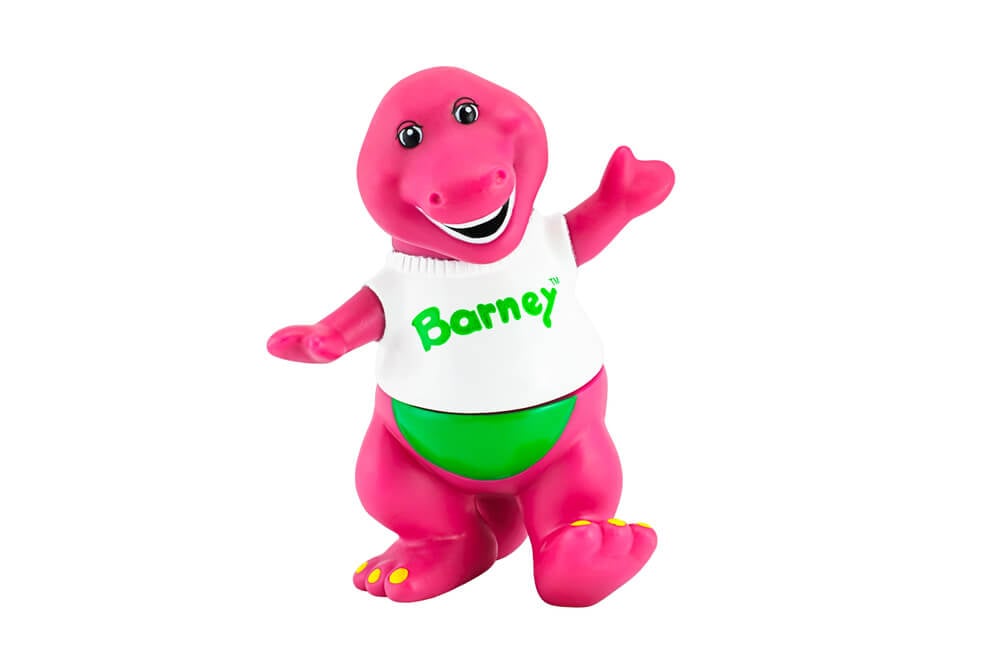
Playskool released a talking Barney plush in 1992 under license from The Lyons Group, and the 16-inch version is the one most often listed. The purple dinosaur was a children’s television phenomenon, and the plush captured that moment.
Value depends on condition: a working voice, clean fabric, an intact tag and the original box. A tested, working example in good shape is easy to appreciate, while a muffled or silent Barney is mostly a keepsake.
Playskool Disney Talking Mickey Mouse
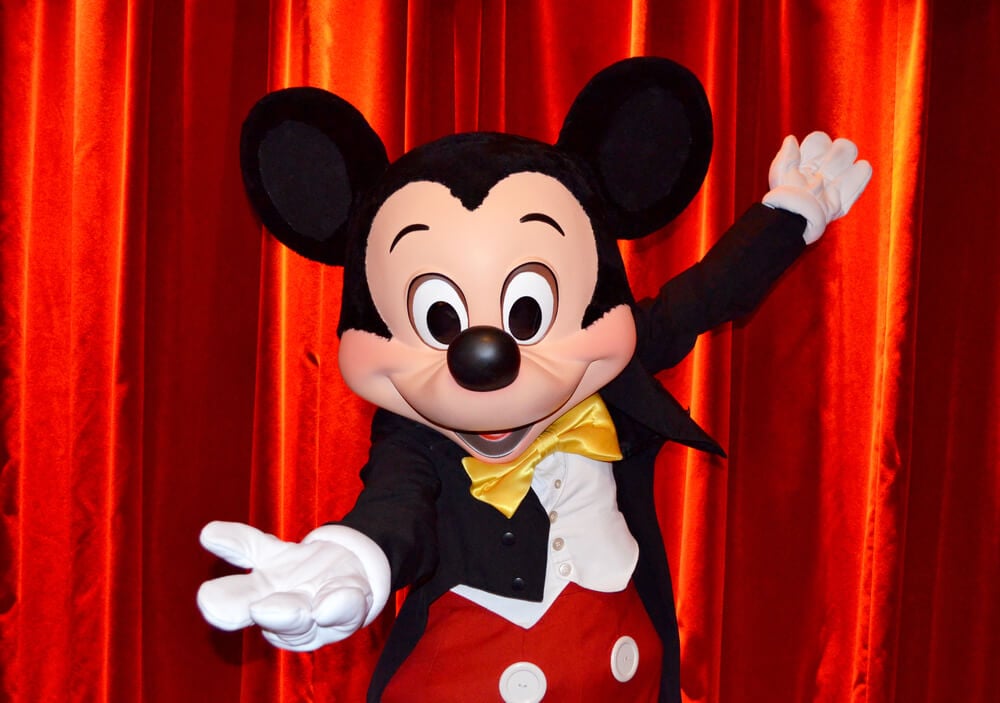
Playskool released a Disney Talking Mickey Mouse in 1988, a pull-string plush about 22 inches tall. It sits among the larger vintage talking plush toys, and listings frequently describe whether the voice still works.
Value depends on condition: a working pull-string voice, clean fabric, intact ears and gloves, and the original tags and box. A Mickey that talks clearly is the prize, and a silent one is mostly shelf decoration.
Why a Working Voice Is the Real Prize
Across all these toys, the same pattern appears: the object is only half of the value, and the voice is the other half. A bear that moves, a doll that answers or a handheld that speaks demonstrates the original engineering, and that is why collectors pay more for working units.
Original boxes, tapes, cartridges, books and clothing add to the story by proving the toy has stayed complete in spirit as well as in body.
The market also rewards patience and careful checking. Reissues, replacement parts and similar models can all mislead a buyer, so markings and condition details matter more than a familiar face.
A talking toy that survived with its voice, packaging and accessories is not only a collectible but a small working piece of the era that made it.
More from Go2Tutors!

- 27 Silver Dollars and Half Dollars Worth Keeping
- 28 Restaurant Menu Items Nobody Orders Anymore
- 17 Places Built in Seemingly Impossible Spots
- 27 Vintage Rings Worth More Than They Look
- 25 Restricted Sites Tourists Can’t Enter
Like Go2Tutors’s content? Follow us on MSN.