25 Ways Teddy Roosevelt Transformed American Conservation
Theodore Roosevelt came to power in 1901 as a young, energetic reformer with a passion for the American wilderness. By the time he left office in 1909, he had fundamentally restructured how America viewed, protected, and managed its natural resources.
His 25 major conservation achievements created the infrastructure for modern environmental protection and established the principle that government has a responsibility to preserve nature for future generations.
He Established 51 Federal Bird Sanctuaries

Roosevelt created the first federal bird sanctuary at Pelican Island, Florida, in 1903 almost on impulse. This single act spawned a national movement, and by the end of his presidency, he had established 51 sanctuaries across the country, directly saving numerous bird species from extinction.
He Protected 230 Million Acres of Public Land

Through executive action and congressional cooperation, Roosevelt protected more land than all his predecessors combined. This staggering total included national forests, national monuments, and wildlife reserves that remain protected to this day.
He Established the U.S. Forest Service as We Know It
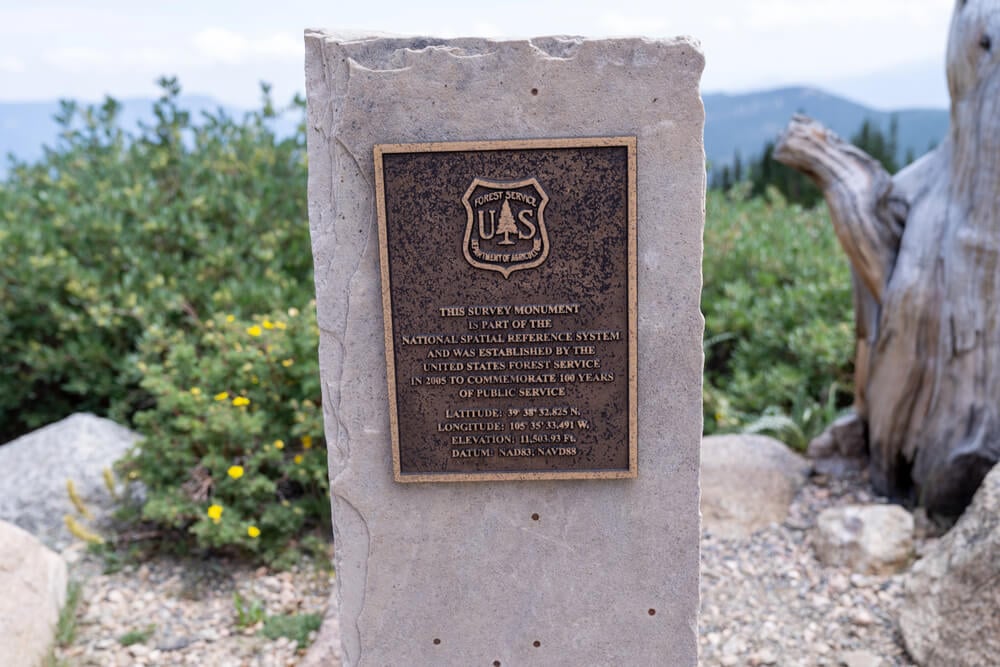
Roosevelt took the Forest Service from a struggling agency with unclear authority and transformed it into a powerful conservation force. He appointed Gifford Pinchot as chief, and together they implemented “conservation” as a scientific, managed approach to forest preservation.
He Created 5 National Parks
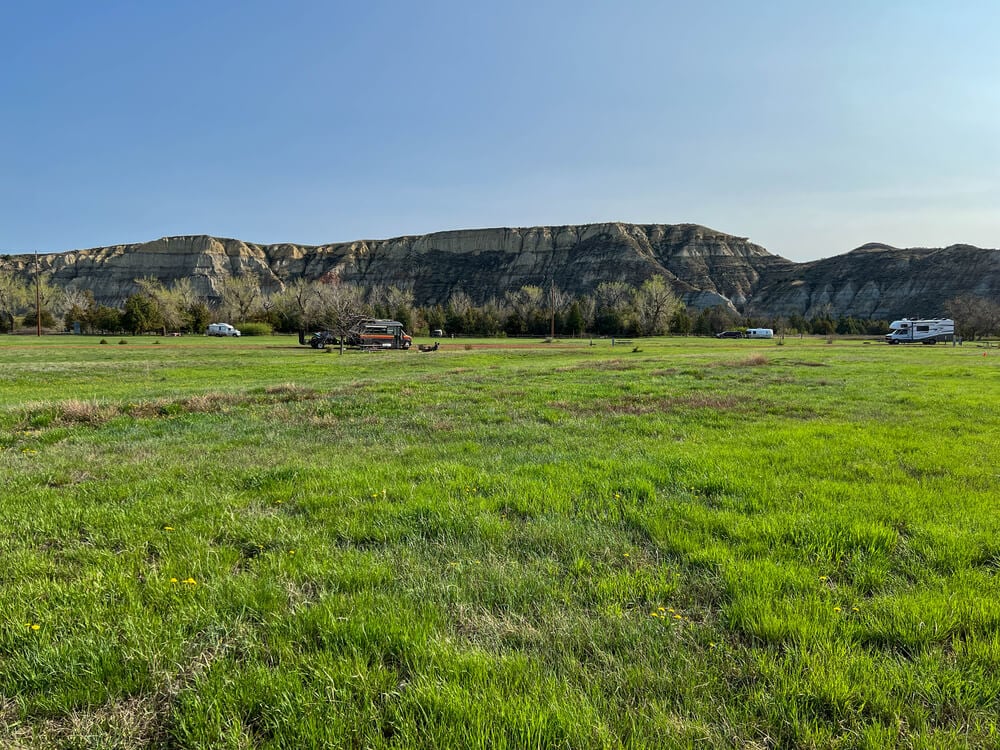
Roosevelt established five national parks during his presidency: Crater Lake (1902), Wind Cave (1903), Sully’s Hill (1904), Mesa Verde (1906), and Platt National Park in Oklahoma (1906, now part of Chickasaw National Recreation Area). These parks set the standard for preservation that other nations would later adopt.
He Established 18 National Monuments
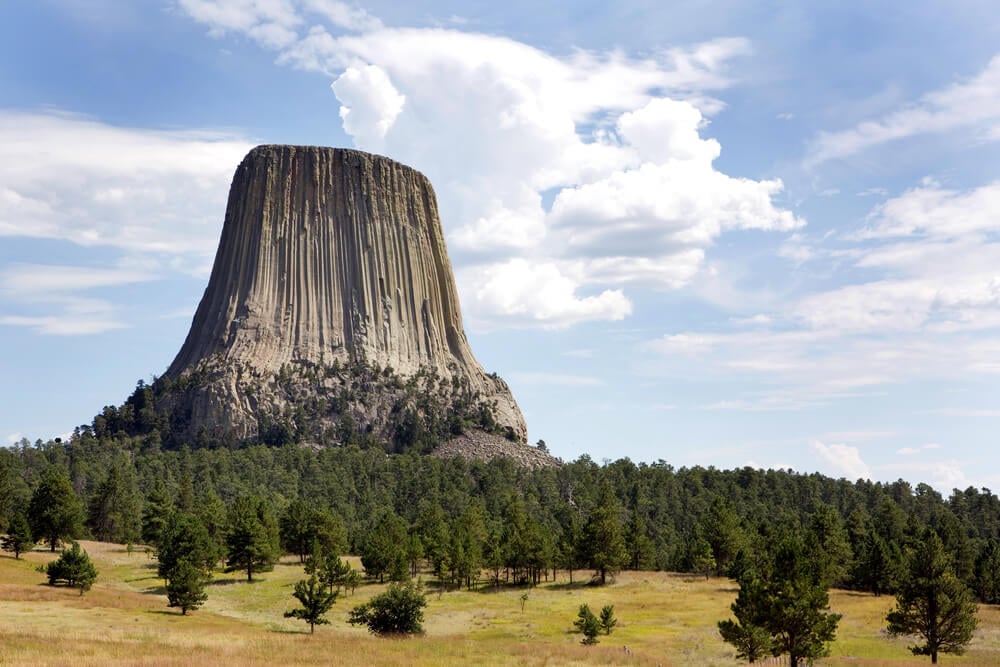
Using the Antiquities Act of 1906, Roosevelt designated 18 national monuments without waiting for Congress. Grand Canyon, Petrified Forest, Devils Tower, and Natural Bridges were among them, protecting geological and archaeological wonders for eternity.
He Appointed Gifford Pinchot as Forest Service Chief
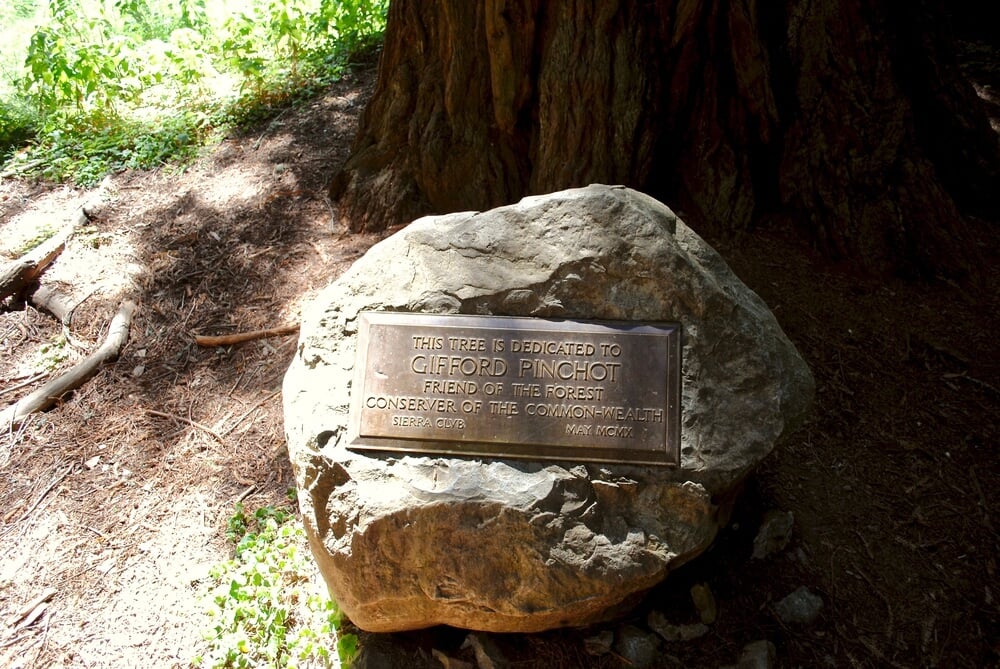
Pinchot was a visionary who understood forest management scientifically and advocated for “sustained yield” harvesting. His partnership with Roosevelt transformed American forestry from clear-cutting and abandonment to planned, renewable resource management.
He Established the Conservation Conference of 1908

Recognizing that resource management required interstate cooperation, Roosevelt convened the first-ever conference on conservation. This gathering of governors and scientists became a model for interstate resource management and collaboration.
He Created the U.S. Conservation Commission
This commission investigated and reported on the status of America’s natural resources in the first comprehensive national inventory. Its findings shocked the public and generated support for conservation legislation.
He Fought for the Panama Canal While Considering Environmental Impact

Though the Panama Canal was built, Roosevelt prioritized disease prevention and worker health by establishing sanitation measures and hospitals. His focus was on labor conditions and tropical disease management rather than environmental protection; environmental concerns about the canal’s ecological effects were documented later by Smithsonian naturalists conducting surveys after his presidency ended.
He Protected the Grand Canyon from Dam Projects
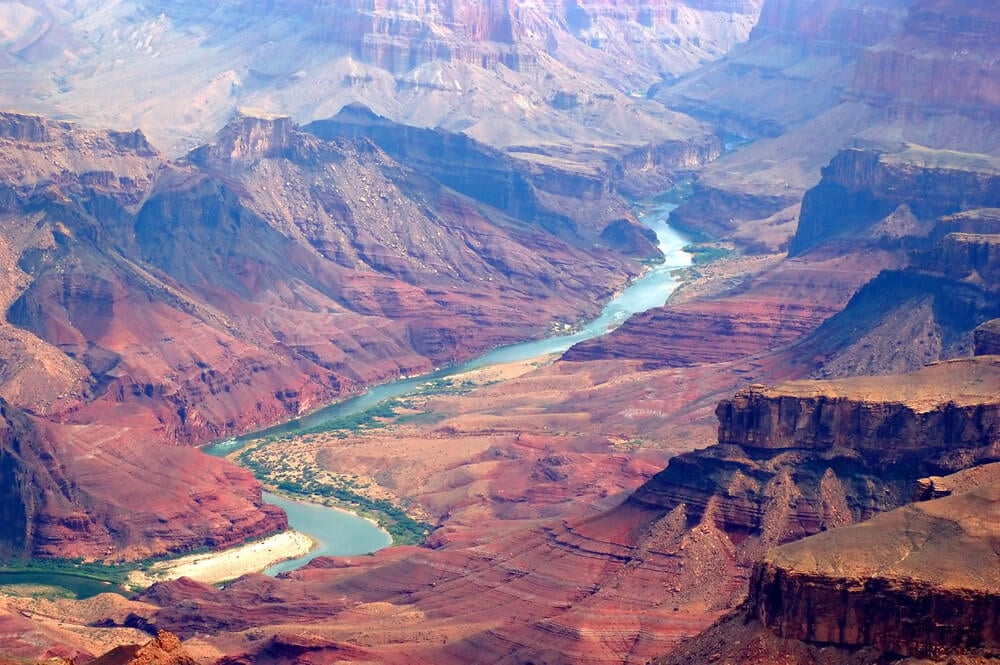
Roosevelt visited the Grand Canyon in 1903 and was deeply moved by its beauty. In 1908, he designated it a national monument using the Antiquities Act to protect it from mining operations and commercial exploitation.
This action preserved the canyon for public benefit, though major dam proposals threatening the Grand Canyon did not emerge until decades later.
He Partnered with John Muir to Champion Wilderness Preservation
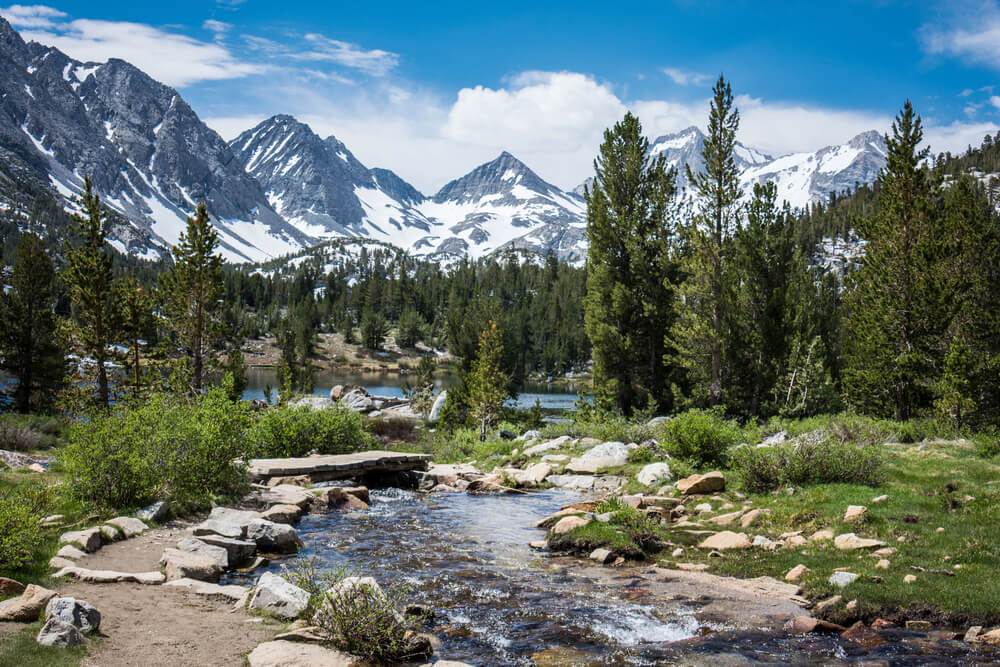
Roosevelt’s 1903 camping trip with John Muir at Yosemite strengthened his commitment to preserving wild places. Muir’s influence on Roosevelt was profound and helped shift his approach from utilitarian conservation to preservation.
He Established the Reclamation Service

The Reclamation Service (now the Bureau of Reclamation) was created to develop water resources in the arid West. While later criticized for dam projects, it was initially conceived as a scientific approach to resource management in an undeveloped region.
He Required Scientific Basis for Conservation Decisions

Roosevelt insisted that conservation decisions be based on scientific evidence and expert analysis. He elevated scientists’ voices in government, establishing a tradition of evidence-based policy.
He Protected the Petrified Forest
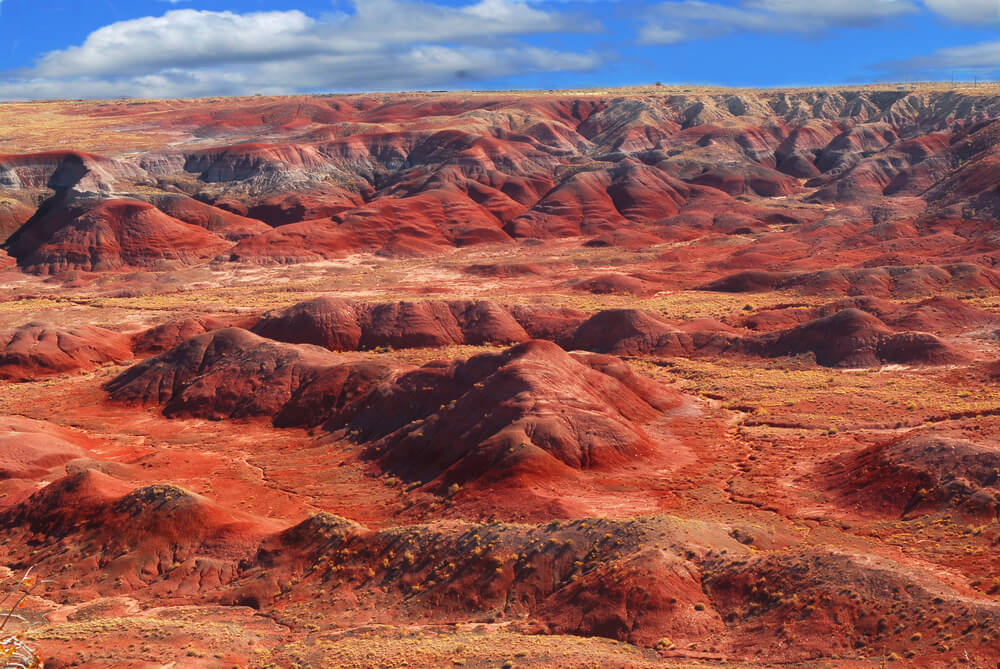
Roosevelt designated the Petrified Forest as a monument, protecting one of the world’s most spectacular geological formations from commercial exploitation. The area is now a national park visited by millions.
He Saved the Bison from Complete Extinction
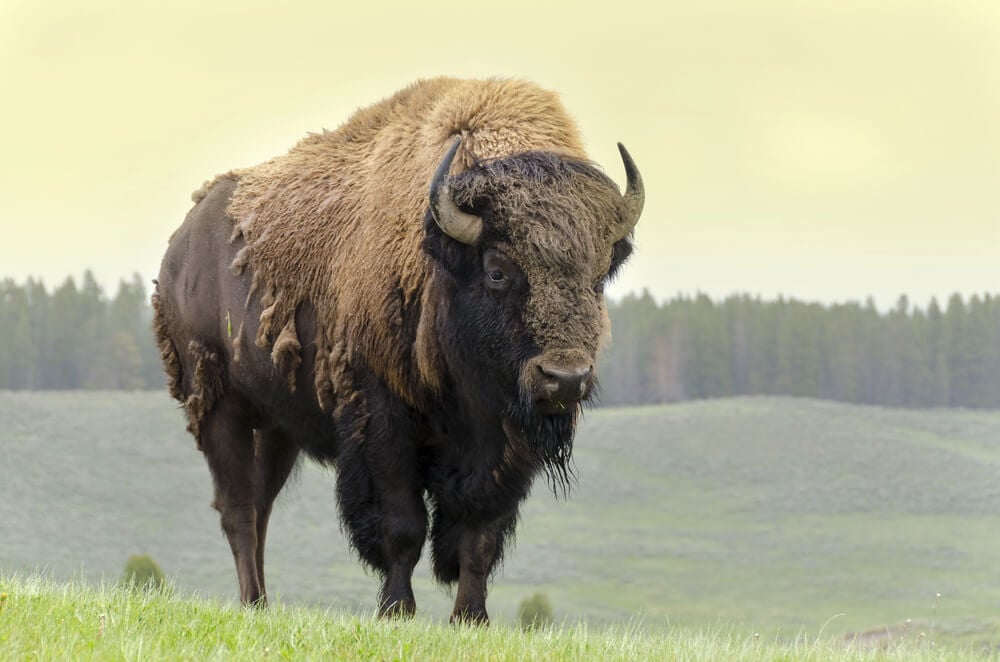
Though the near-extinction of the bison preceded Roosevelt, he championed efforts to rebuild populations through captive breeding and reintroduction. He established bison reserves, including the Wichita Mountains Wildlife Refuge.
He Established Wildlife Refuges Across Multiple Ecosystems
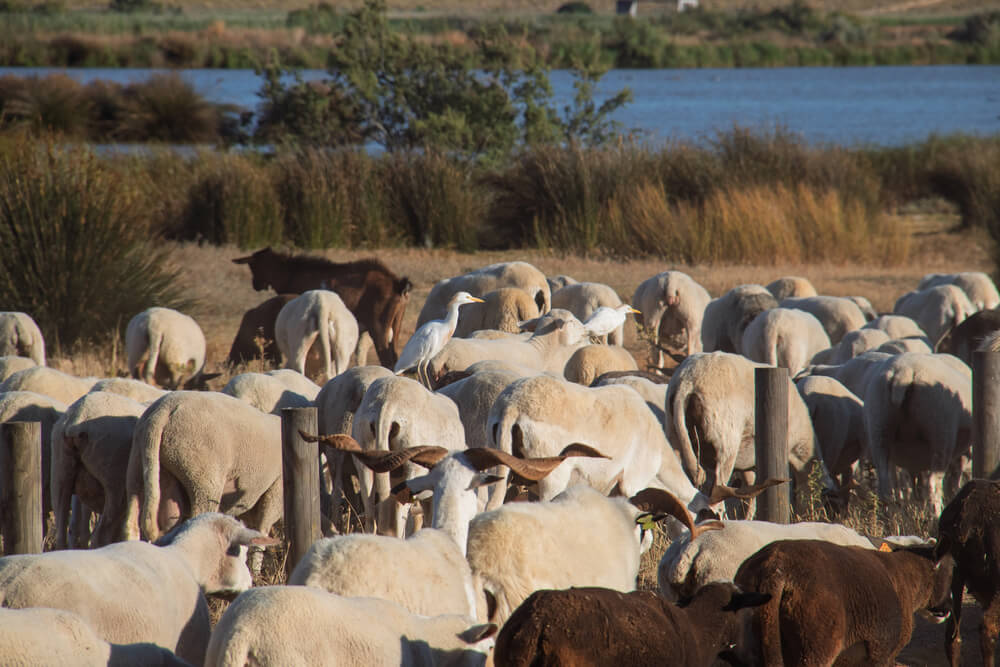
Roosevelt didn’t just protect one type of landscape—he established sanctuaries for birds, alligators, seals, and diverse ecosystems. This multi-ecosystem approach became the model for comprehensive wildlife protection.
He Fought Corporate Interests to Protect Public Lands

Roosevelt used presidential power to resist mining, logging, and development interests on public lands. His willingness to use executive authority against powerful corporations set a precedent for environmental protection over profit.
He Established the National Park Service Model
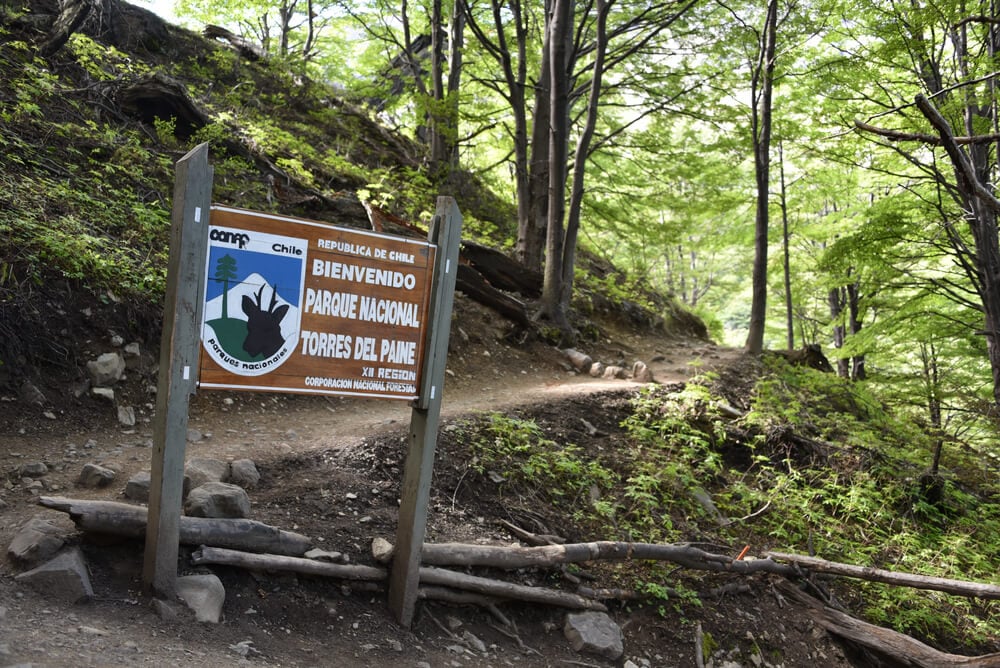
Though the actual National Park Service wasn’t established until 1916 (after his presidency), Roosevelt’s conservation philosophy directly inspired its creation. His vision for parks as protected spaces for public benefit shaped the agency’s mission.
He Protected Ancient Pueblo Sites
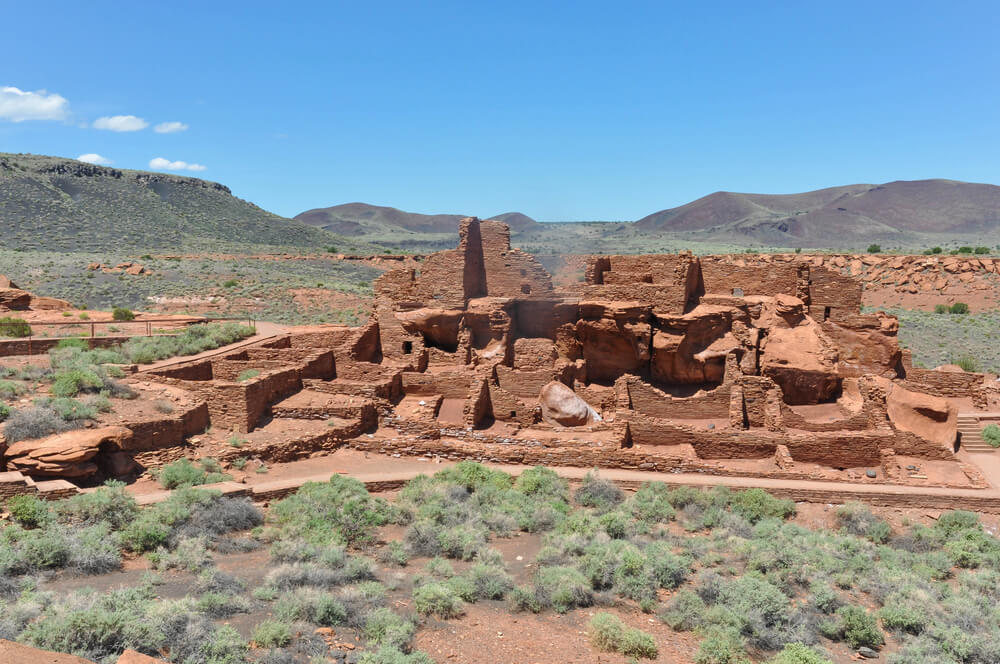
Roosevelt designated dozens of archaeological sites, including cliff dwellings and pueblos, as monuments. His actions preserved Native American heritage from looting and destruction.
He Created a Cabinet-Level Conservation Agenda

Roosevelt made conservation a central issue for his administration, elevating its importance in federal policy. This established conservation as a core government responsibility rather than a fringe concern.
He Championed Sustainable Forestry Over Exploitation

Roosevelt’s partnership with Gifford Pinchot promoted sustainable harvesting practices. While controversial to some purists, this approach preserved forests that might otherwise have been clear-cut completely.
He Inspired a Global Conservation Movement

Roosevelt’s example influenced conservation efforts worldwide. Nations from South Africa to Australia adopted similar approaches to preserving wilderness and wildlife.
He Wrote Extensively About Conservation to Shape Public Opinion

Roosevelt’s writings, including The Winning of the West and numerous articles, promoted conservation ideals to millions of readers. His voice as a public intellectual amplified the conservation message far beyond government policy.
He Visited Natural Wonders Publicly to Demonstrate Their Value

Roosevelt’s well-publicized camping trips and nature visits demonstrated that natural places had intrinsic value beyond economic exploitation. His enthusiasm for wilderness inspired Americans to value and protect nature.
He Left Office with Conservation as an Unfinished Legacy
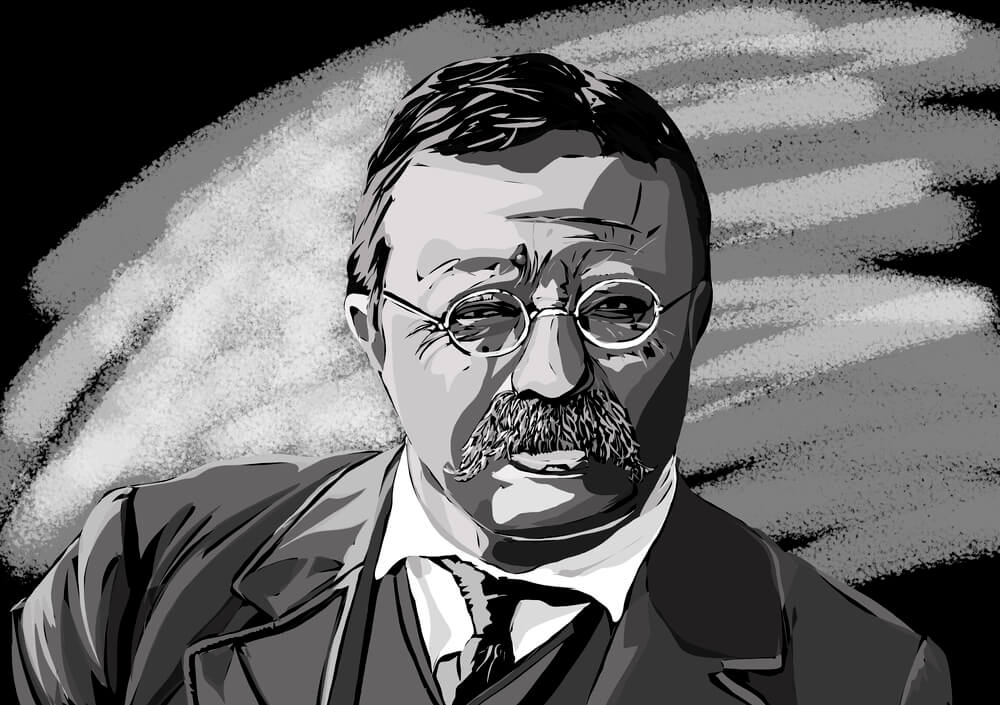
Roosevelt’s conservation work created the foundation and machinery for continued protection. His successor William Howard Taft and subsequent administrations expanded many of Roosevelt’s initiatives, proving that conservation could endure beyond a single presidency.
From Conquest to Stewardship

Roosevelt’s conservation legacy marks a pivotal shift in American thought—from viewing the wilderness as an endless frontier to conquer and exploit, to recognizing it as something worth preserving for its own sake and for future generations. His 25 major achievements created the philosophical and institutional foundation for modern environmentalism.
He transformed conservation from a hobby of eccentric naturalists into a central government function. By the time Roosevelt left office, preserving nature was no longer controversial—it was American policy.
More from Go2Tutors!

- The Romanov Crown Jewels and Their Tragic Fate
- 13 Historical Mysteries That Science Still Can’t Solve
- Famous Hoaxes That Fooled the World for Years
- 15 Child Stars with Tragic Adult Lives
- 16 Famous Jewelry Pieces in History
Like Go2Tutors’s content? Follow us on MSN.



