26 Battles Decided by Weather
Generals Plan for Enemy Strength, Terrain, and Supply Lines Generals plan for enemy strength, terrain, and supply lines, but weather has repeatedly ignored every strategy drawn up in advance. Across centuries of warfare, storms, fog, mud, and sudden temperature shifts have shaped outcomes that no amount of tactical brilliance could have overridden.
The Spanish Armada Was Broken by Atlantic Storms
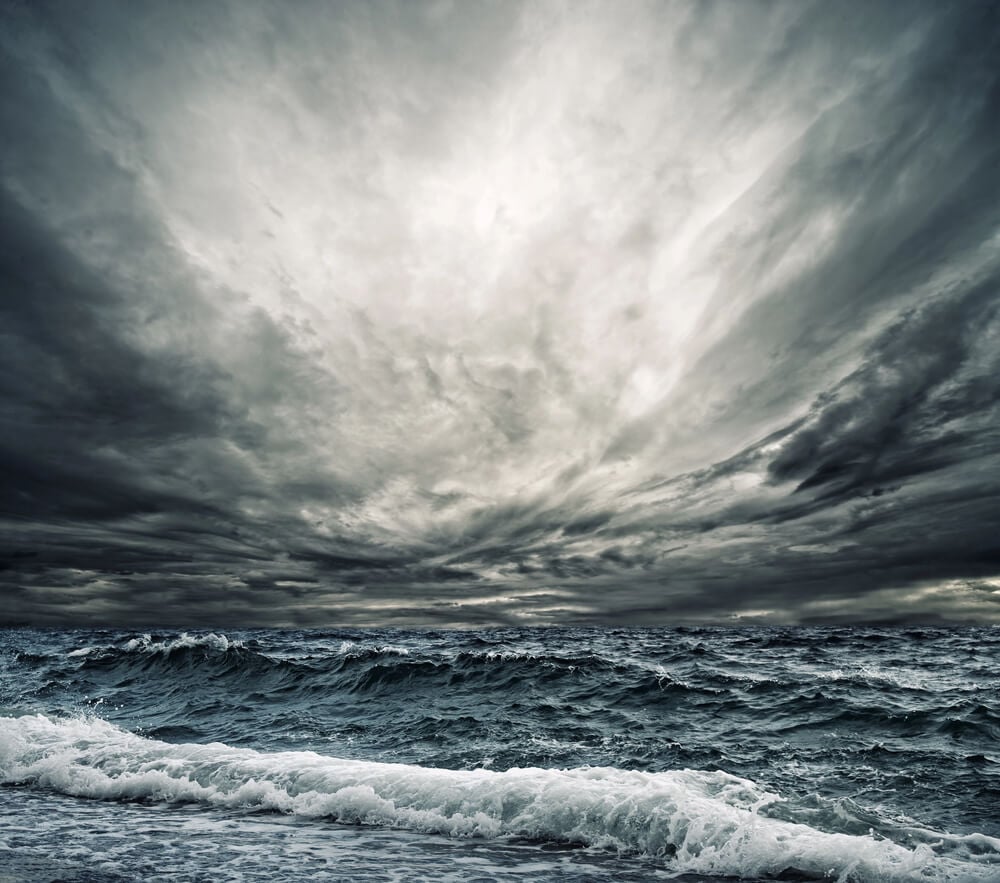
England’s navy damaged the Spanish Armada in 1588, but it was a series of violent Atlantic storms during the fleet’s retreat around Scotland and Ireland that destroyed a significant portion of the remaining ships. Contemporary accounts describe the storms as unusually severe even by North Atlantic standards for the season.
Spain lost roughly a third of the Armada’s ships to weather rather than direct combat.
Napoleon’s Russian Invasion Collapsed Under Early Winter Cold
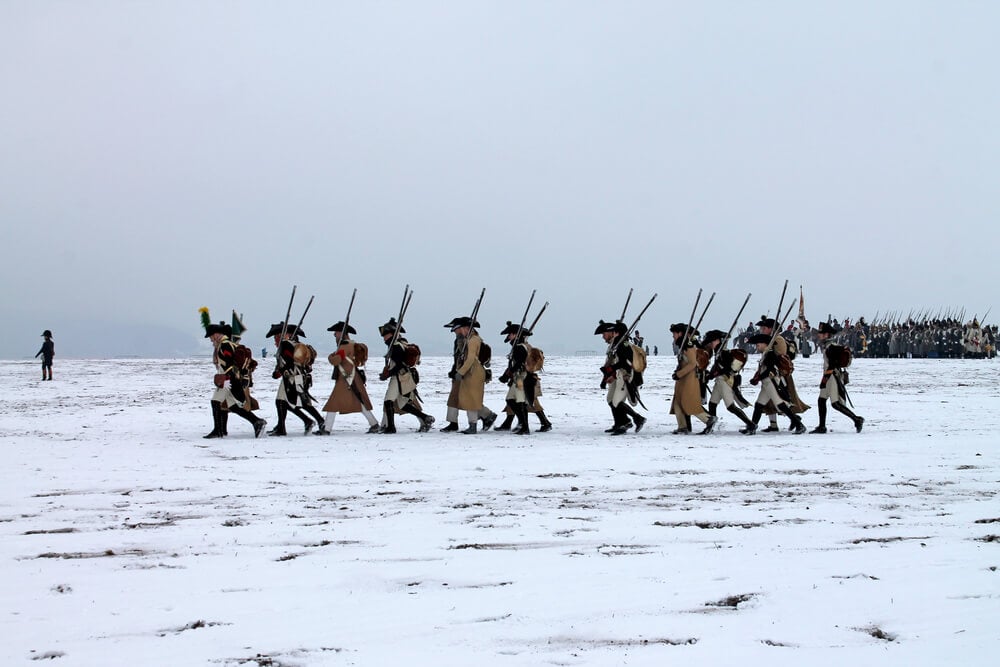
Napoleon’s 1812 invasion of Russia disintegrated during the retreat from Moscow, as an early and unusually brutal winter combined with inadequate supply lines to kill tens of thousands of French troops through exposure and starvation. Temperatures dropped low enough to freeze soldiers where they stood in the ranks during nighttime marches.
Of the roughly 600,000 troops who entered Russia, only a fraction survived the retreat.
The D-Day Invasion Was Delayed by a Narrow Weather Window
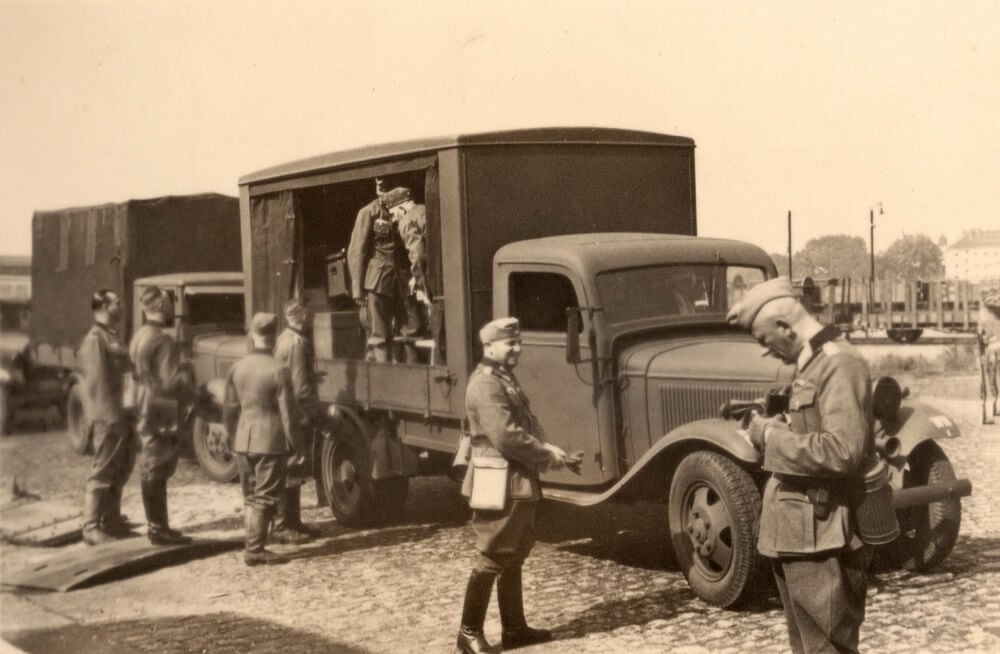
Allied commanders postponed the original June 5, 1944 invasion date after forecasts predicted rough seas and low cloud cover unsuitable for both amphibious landings and air support. Meteorologist Group Captain James Stagg identified a narrow window of improved conditions on June 6, prompting General Eisenhower’s final go decision.
German commanders, expecting continued poor weather, were caught partially off guard by the timing of the actual landing.
The Mongol Invasions of Japan Were Repelled by Typhoons
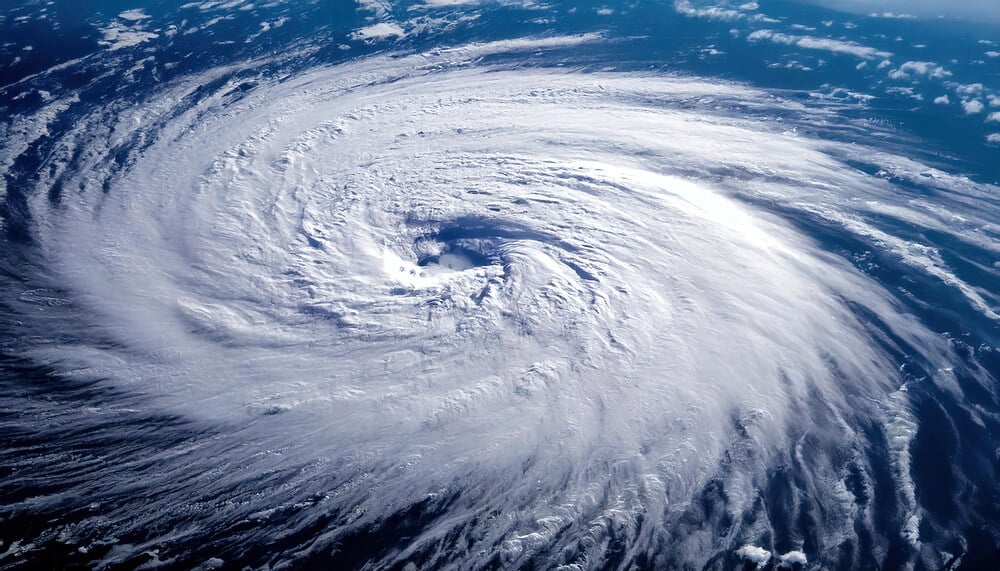
Mongol invasion fleets attempting to conquer Japan in 1274 and again in 1281 were both devastated by major typhoons that struck at critical moments, destroying large portions of the invading ships before troops could establish a lasting foothold. Japanese accounts credited the storms as divine intervention, coining the term kamikaze, meaning divine wind, to describe them.
The scale of ship losses across both invasions numbered in the thousands.
The Battle of Agincourt Turned on Mud From Recent Rainfall

Heavy rain in the days before the 1415 Battle of Agincourt turned the recently plowed battlefield into deep, clinging mud that severely hampered the heavily armored French cavalry and infantry advancing across it. English longbowmen, positioned on firmer ground, exploited the bogged-down French formation to devastating effect.
Exhausted French soldiers reportedly struggled simply to stand back up after falling in the thick mud.
The Battle of Stalingrad’s Winter Sealed the German Sixth Army’s Fate
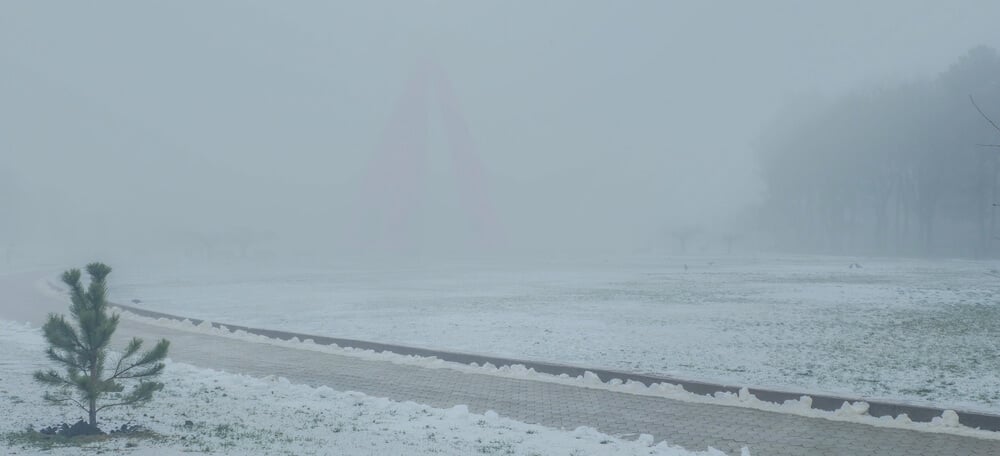
The German Sixth Army’s encirclement at Stalingrad during the winter of 1942 and 1943 was worsened dramatically by extreme cold that froze equipment, grounded aerial resupply efforts, and caused massive additional casualties from frostbite and exposure among already starving troops. Temperatures reportedly dropped below negative twenty degrees Fahrenheit during the siege’s harshest stretches.
The combined effect of cold and starvation contributed heavily to the eventual German surrender.
The Battle of Trafalgar Featured Winds That Shaped Nelson’s Tactics
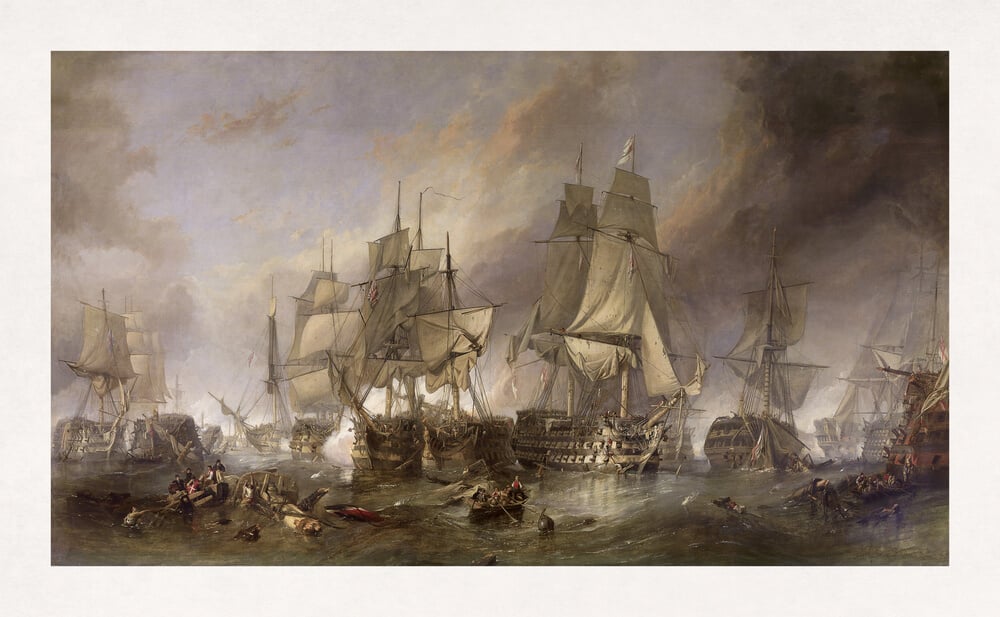
At Trafalgar in 1805, unusually light and unpredictable winds shaped the slow, close engagement that allowed Admiral Nelson’s unconventional attacking formation to break through the combined French and Spanish battle line rather than fighting a traditional parallel exchange. The light air also meant ships maneuvered at a crawl, extending the exposure of leading vessels to concentrated enemy fire.
Nelson was fatally wounded during the extended, wind-limited engagement.
The Battle of the Bulge Relied on Fog That Grounded Allied Air Power
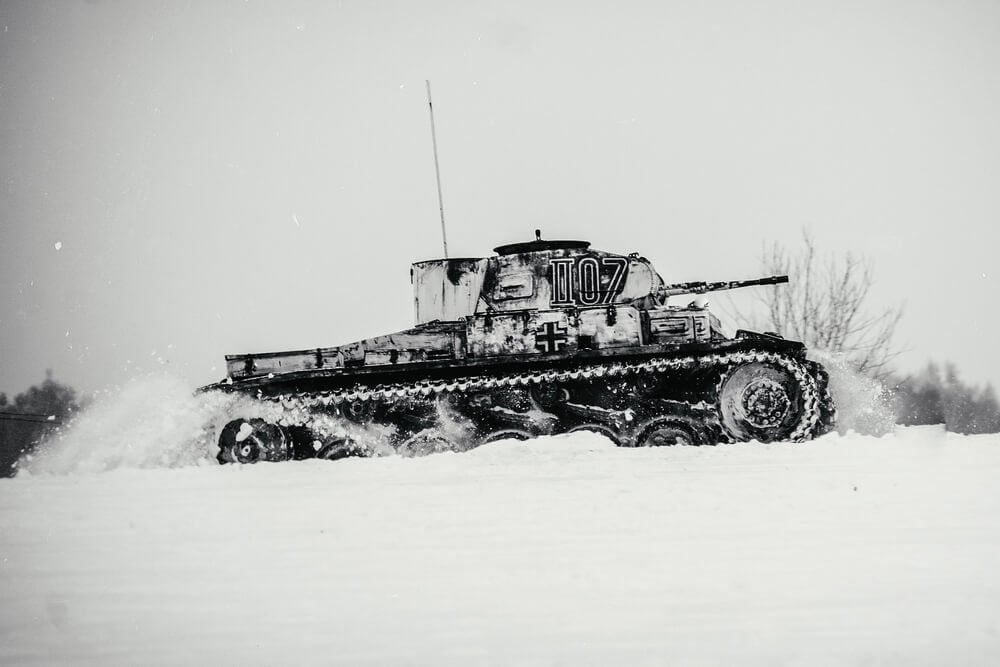
German commanders specifically timed their December 1944 Ardennes offensive to exploit a forecasted period of dense fog and low cloud cover that would ground Allied air superiority, which had otherwise dominated the skies over Western Europe. The tactic worked for roughly a week before clearing skies allowed Allied aircraft to resume attacks on German supply lines and armor.
The eventual weather clearance is widely credited as a turning point in halting the German advance.
The Battle of Midway’s Weather Aided American Reconnaissance
Clear skies over Midway on June 4, 1942, allowed American scout planes to locate the Japanese carrier fleet, while cloud cover elsewhere in the search area had initially hidden the Japanese ships from earlier patrols. The timing of visibility shifts throughout the search directly shaped when American forces gained the positional knowledge needed to launch their decisive strike.
Japan’s own scouting efforts were hampered by patchier conditions in their assigned search sectors.
The Battle of Long Island Saw Fog Cover Washington’s Retreat

After a costly defeat on Long Island in 1776, General George Washington’s Continental Army escaped a potentially catastrophic encirclement under cover of a thick overnight fog that concealed the boats ferrying troops across the East River to Manhattan. British forces reportedly remained unaware of the full-scale withdrawal until after it was substantially complete.
The escape preserved the bulk of Washington’s army to continue fighting.
The Battle of Waterloo Was Delayed by Overnight Rain
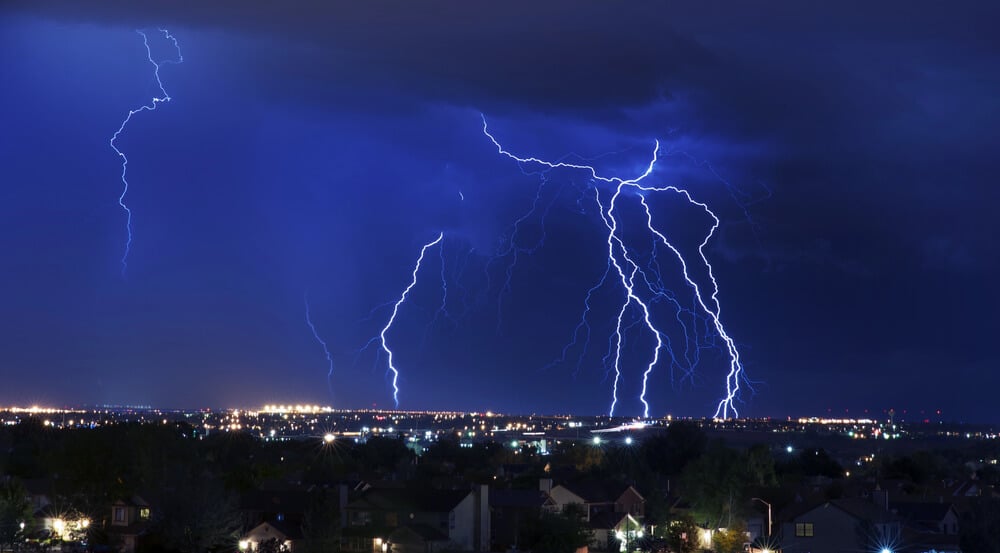
Heavy rain the night before the June 1815 Battle of Waterloo left the ground too waterlogged for Napoleon to deploy his artillery effectively in the early morning, prompting him to delay his attack until the ground firmed up later in the day. Historians have long debated whether that delay cost Napoleon the extra hours he needed before Prussian reinforcements arrived to support Wellington.
The muddy ground also reportedly slowed French cavalry charges throughout the battle.
The Battle of Lützen Was Fought and Decided in Dense Morning Fog

At the 1632 Battle of Lützen during the Thirty Years’ War, a thick morning fog delayed the start of fighting for hours and later caused significant confusion among both Swedish and Imperial troops once the engagement began in earnest. Swedish King Gustavus Adolphus became separated from his own men in the fog and was killed during the fighting, a loss that shaped the war’s political trajectory despite the battle technically ending as a Swedish tactical victory.
Contemporary accounts specifically blamed the fog for the disorganized, close-range nature of much of the day’s fighting.
The Battle of Lake Trasimene Used Morning Fog as a Deliberate Ambush Tool
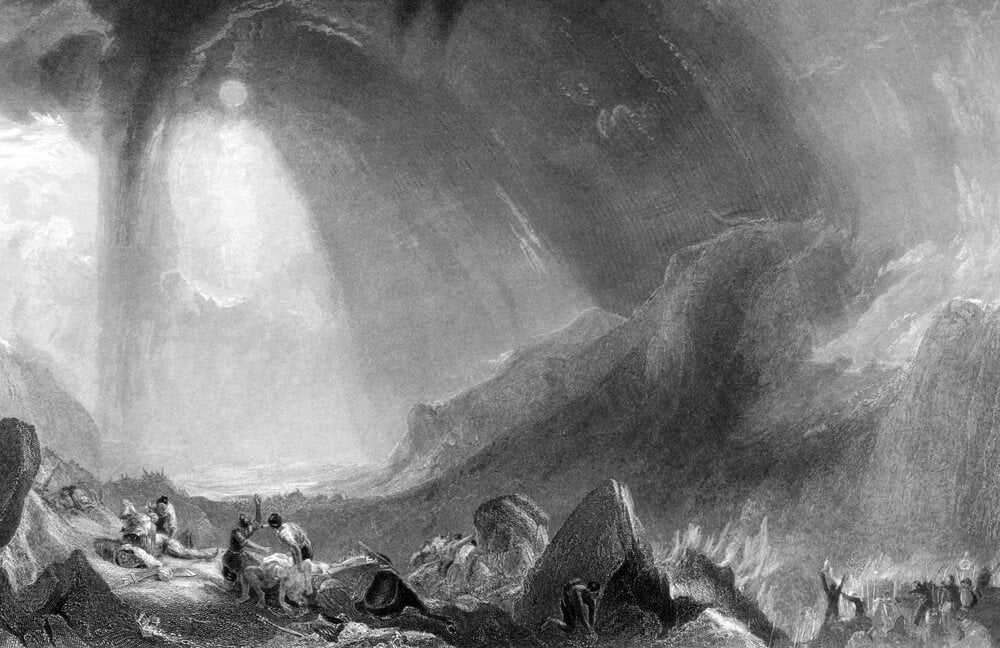
Carthaginian general Hannibal positioned his forces along the shores of Lake Trasimene in 217 BCE, using a dense morning fog to conceal his troops until the unsuspecting Roman army had marched directly into the trap. The fog prevented Roman scouts from detecting the ambush until it was too late to reorganize.
The resulting battle became one of the largest ambush-based defeats in Roman military history.
The German U-Boat Campaign Was Hampered by Atlantic Storm Seasons
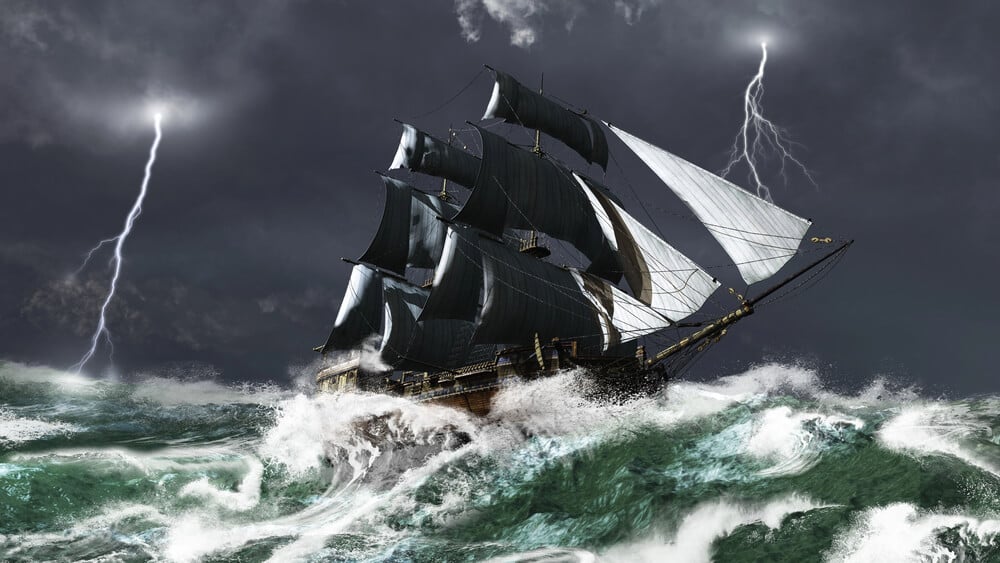
German submarine operations in the Battle of the Atlantic during World War II faced significant operational limitations during severe seasonal North Atlantic storms, which reduced both submarine effectiveness and convoy vulnerability during the roughest weather windows. Extreme weather periods sometimes provided temporary cover for Allied convoys attempting to slip past patrol areas.
Both sides had to factor seasonal storm patterns directly into their operational planning.
The Battle of Kursk Faced Muddy Conditions That Slowed Initial Movements
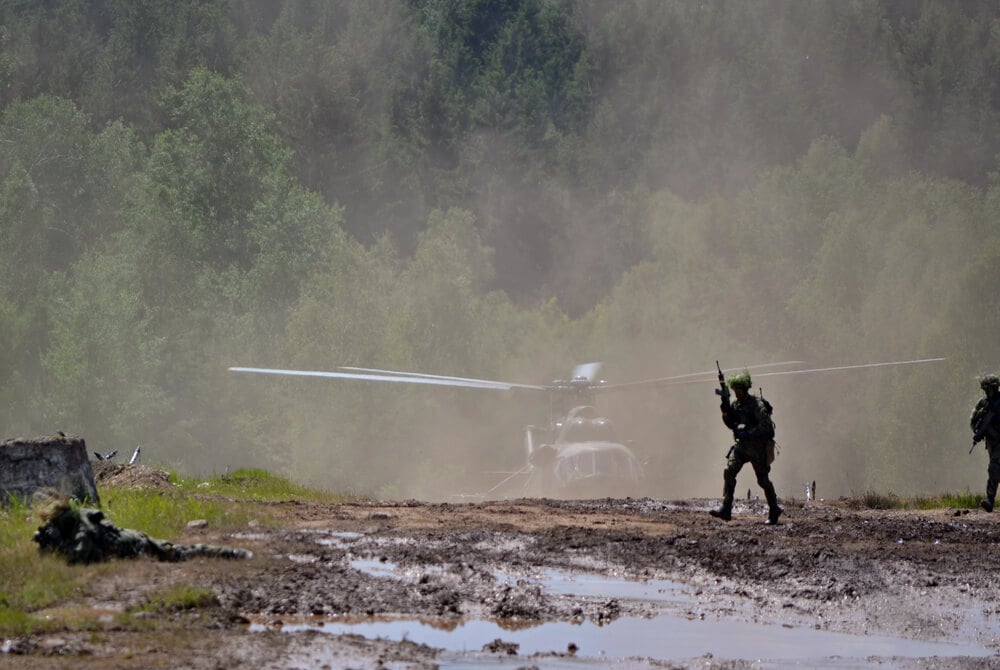
Rain before the July 1943 Battle of Kursk left roads and fields soft enough to slow the movement of German armored units during the opening phase of what became the largest tank battle in history. The delay gave Soviet forces additional time to reinforce prepared defensive positions along the expected German advance routes.
The eventual battle became a decisive Soviet defensive victory partly shaped by that early tactical delay.
The Battle of Britain’s Cloud Cover Shaped Daily Combat Decisions
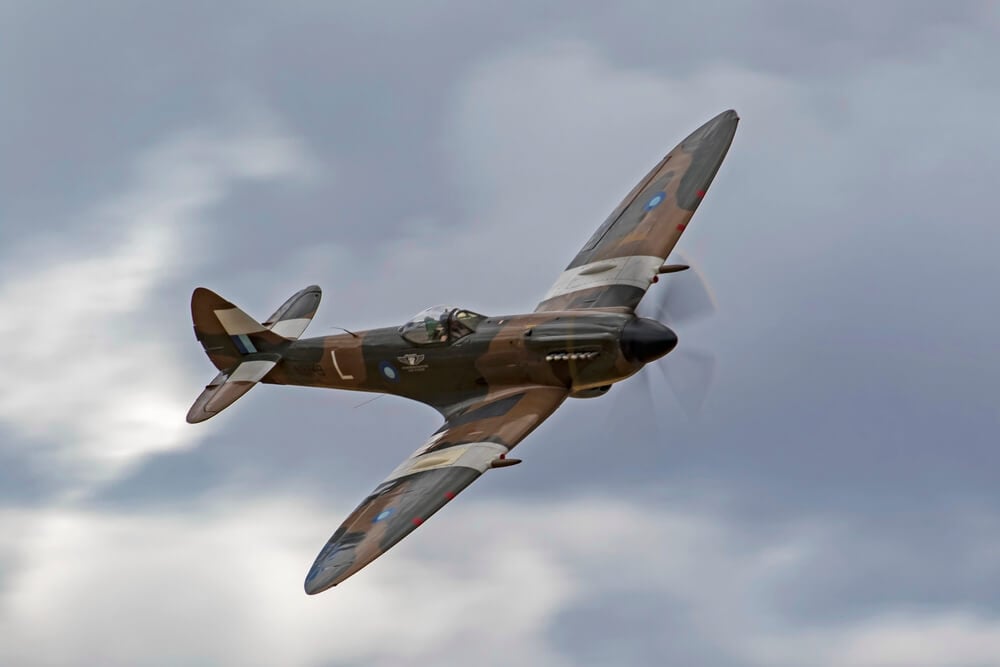
Throughout the 1940 Battle of Britain, daily cloud cover and visibility conditions directly determined whether German bombing raids could proceed and how effectively British radar-guided fighter interceptions could be coordinated. Poor visibility days sometimes grounded major operations on both sides entirely.
Weather forecasting became a genuinely strategic asset for Royal Air Force commanders planning daily fighter deployments.
The Continental Army’s Crossing of the Delaware Used a Winter Storm as Cover
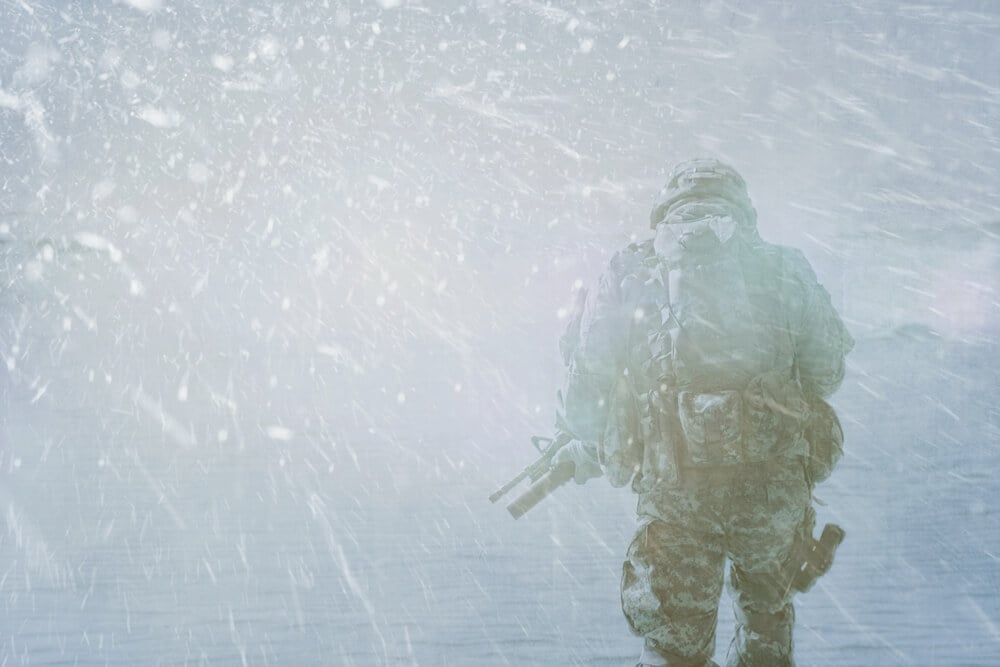
George Washington’s famous Christmas night crossing of the Delaware River in 1776 took place during a severe winter storm featuring sleet and snow, conditions that were miserable for his troops but also helped conceal the surprise attack on Hessian forces at Trenton from detection. Several planned crossing points elsewhere along the river had to be abandoned due to the same storm’s ice conditions.
The successful Trenton attack that followed significantly boosted flagging American morale.
The Battle of Adwa Saw Ethiopian Forces Exploit Difficult Terrain and Fog

At the 1896 Battle of Adwa, Ethiopian forces used the region’s mountainous terrain and morning fog to mask troop movements against the invading Italian army, contributing to a decisive Ethiopian victory that preserved the nation’s independence during the broader European colonial period. Italian commanders reportedly struggled with inaccurate maps compounded by limited visibility during the engagement.
The battle remains one of the few decisive African military victories against a European colonial invasion force during that era.
The Battle of Chosin Reservoir Was Fought in Extreme Sub-Zero Cold
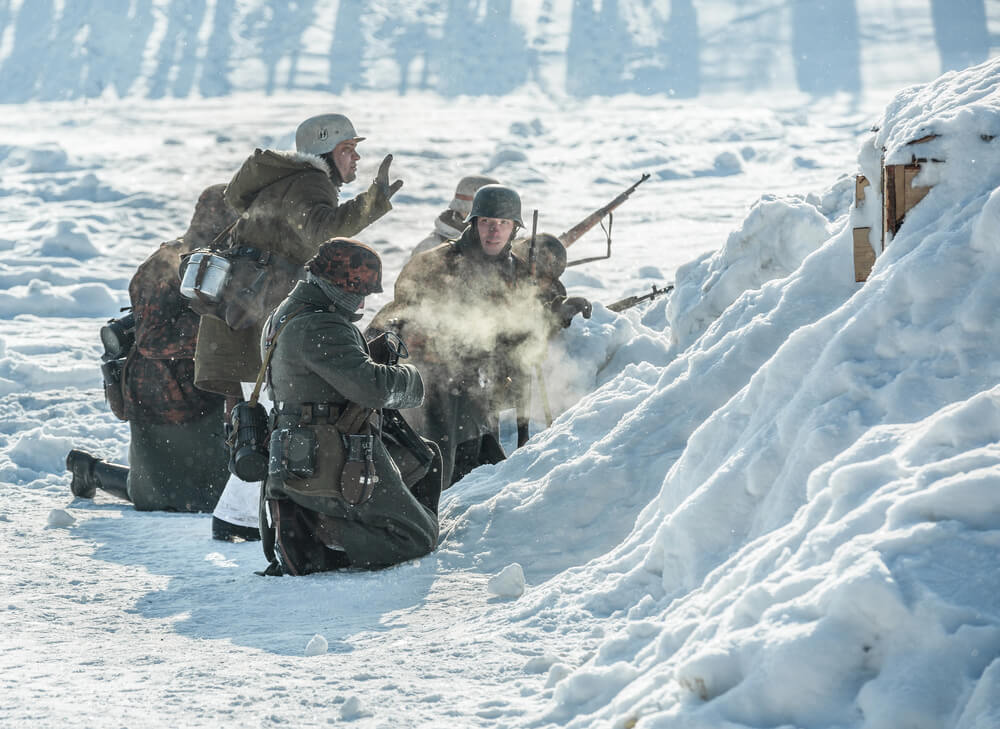
American and United Nations forces fighting Chinese troops at the Chosin Reservoir during the Korean War in late 1950 battled temperatures that reportedly dropped to negative thirty-five degrees Fahrenheit, freezing weapons, vehicles, and medical supplies in addition to inflicting severe frostbite casualties on both sides. Equipment failures caused by the extreme cold significantly complicated an already difficult fighting withdrawal.
The engagement remains one of the most physically brutal cold-weather battles in modern military history.
The Battle of Isandlwana Faced a Solar Eclipse Amid Combat
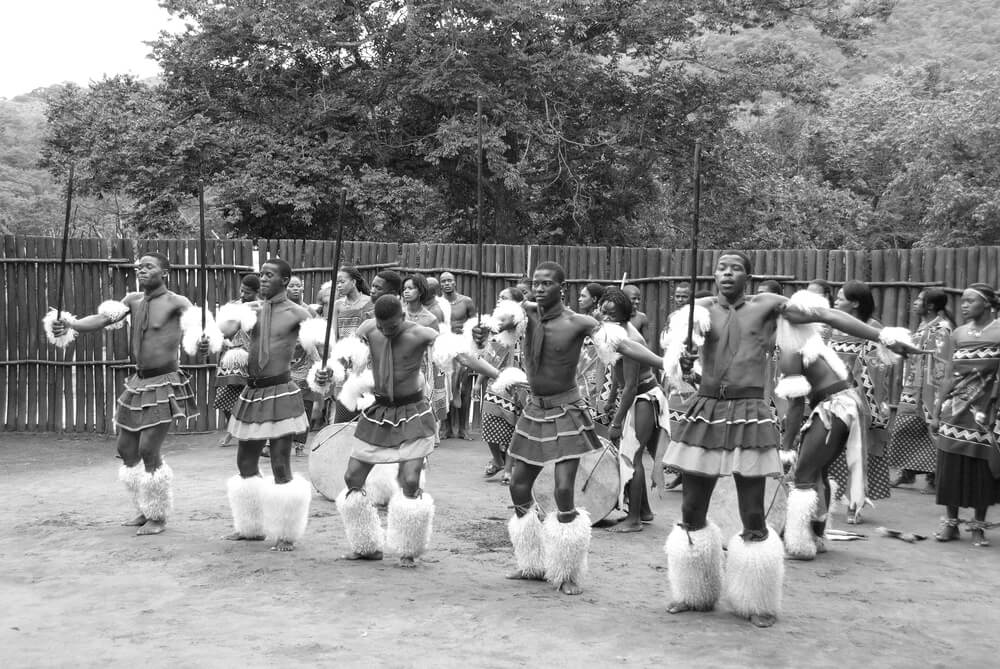
British forces fighting Zulu troops at Isandlwana in January 1879 experienced a partial solar eclipse during the height of the battle, an eerie coincidence that some accounts describe as adding to the chaos and disorientation of British troops already facing a larger Zulu force. The battle ended in a significant defeat for British colonial forces.
Contemporary letters from surviving soldiers specifically remarked on the unsettling darkness during the fighting.
Operation Barbarossa Was Delayed by an Unusually Wet Spring
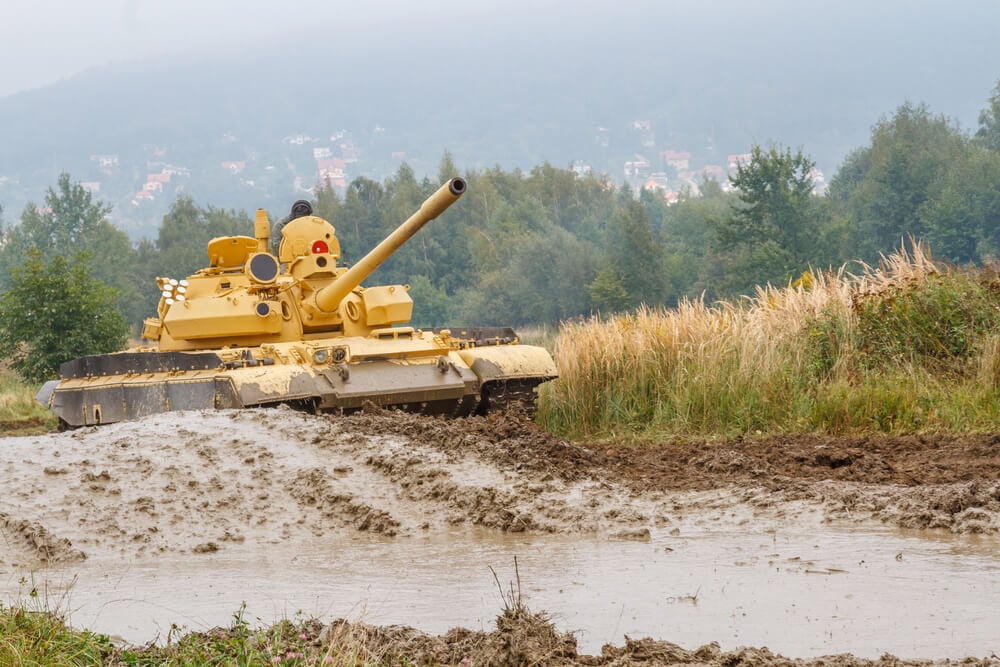
Germany’s June 1941 invasion of the Soviet Union was pushed back from its originally planned May start date partly due to an unusually wet spring that left roads in the invasion path too muddy for the planned rapid armored advance. Historians continue to debate how significantly this delay affected the invasion’s later failure to capture Moscow before winter set in.
The lost weeks are frequently cited alongside other factors in assessments of the campaign’s ultimate failure.
The Battle of Cape Matapan Used Radar to Overcome Nighttime Darkness and Weather
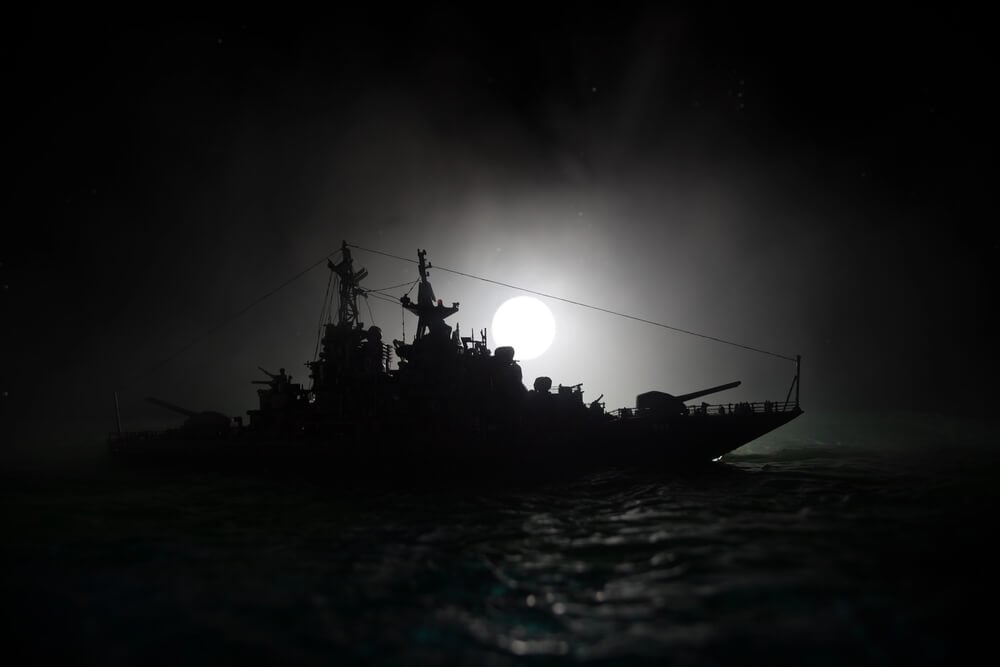
British naval forces at the 1941 Battle of Cape Matapan used early radar technology to locate and engage Italian ships during nighttime conditions that would have otherwise made effective targeting nearly impossible. The technological advantage over unassisted visual detection proved decisive in the battle’s one-sided outcome.
Weather and darkness that would have neutralized a purely visual fleet instead became a tactical opportunity for the radar-equipped side.
The Continental Army’s Valley Forge Winter Tested Survival More Than Combat
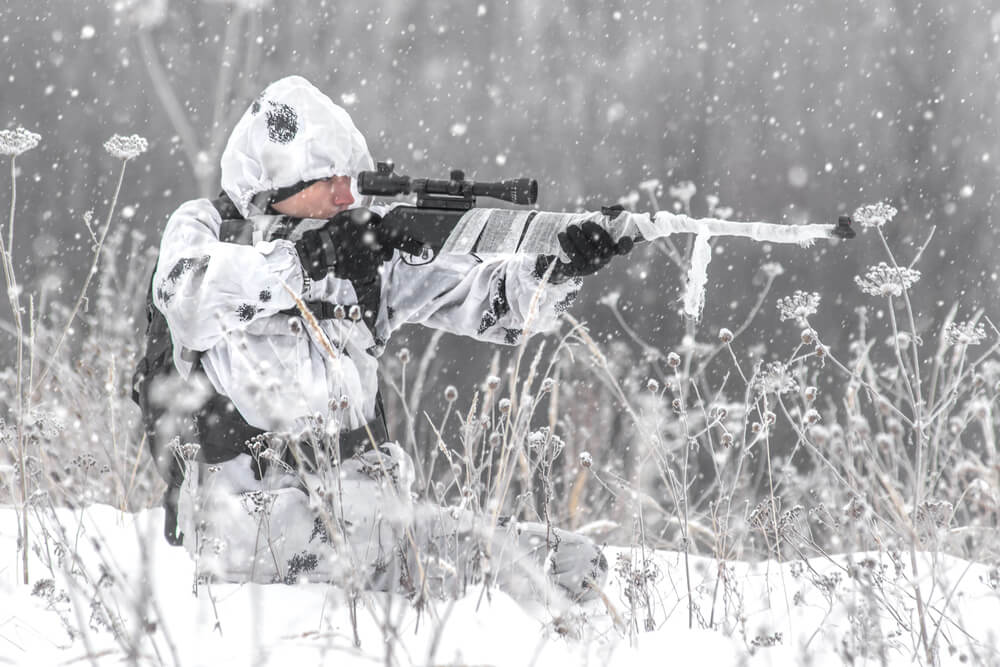
While not a battle in the traditional sense, the Continental Army’s brutal winter encampment at Valley Forge during 1777 and 1778 killed roughly two thousand soldiers through cold, disease, and malnutrition, a toll that shaped the army’s fighting capacity for the following campaign season more than any single engagement that winter. The survival and retraining that occurred during the encampment fundamentally reshaped the army that emerged in the spring.
Weather itself functioned as the primary adversary throughout the encampment period.
The Battle of Cannae’s Dust Clouds Compounded Roman Confusion
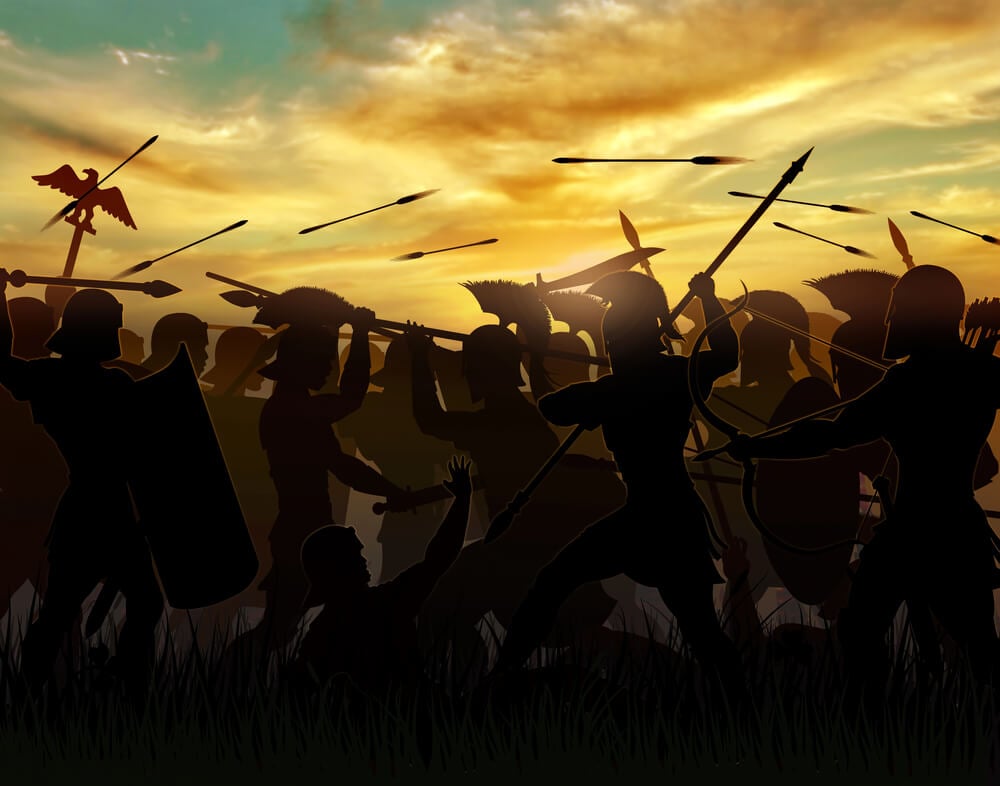
At the 216 BCE Battle of Cannae, a strong wind reportedly blew dust directly into the faces of advancing Roman soldiers, an environmental factor some historical accounts credit alongside Hannibal’s tactical envelopment for compounding the Roman army’s disorientation during its catastrophic defeat. The combination of wind-driven dust and encirclement contributed to one of the deadliest single-day defeats in Roman military history.
Ancient historians specifically noted the wind direction as a factor favoring Hannibal’s positioning.
The Battle of the Coral Sea Saw Weather Fronts Used for Tactical Concealment
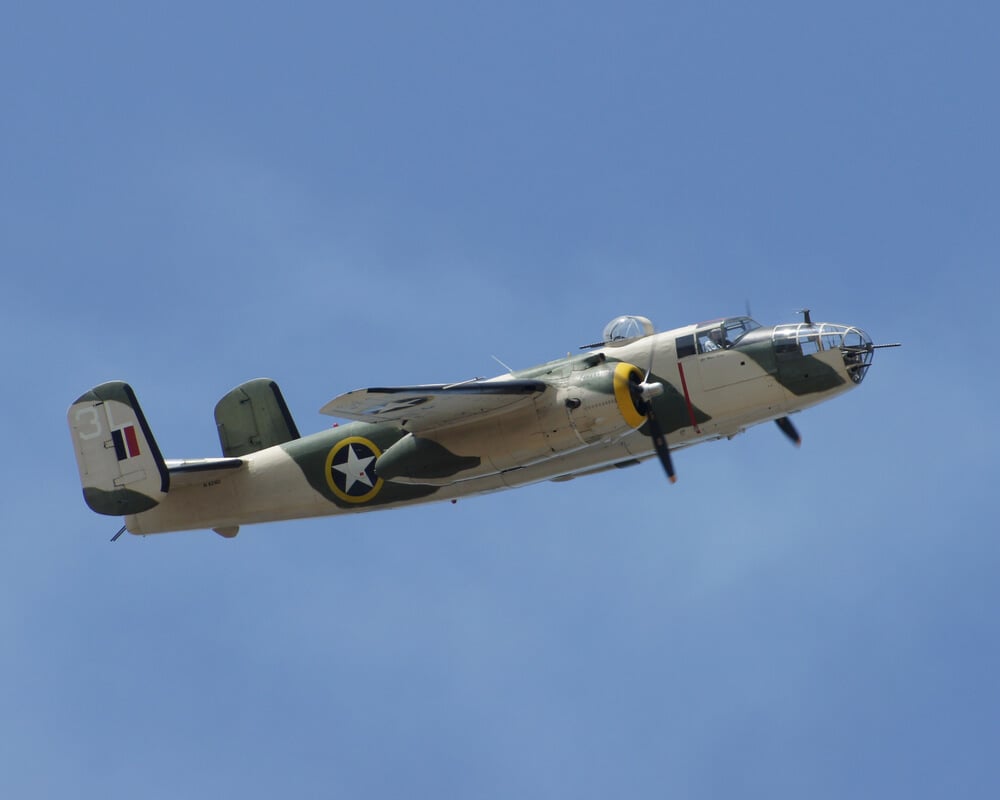
During the 1942 Battle of the Coral Sea, both American and Japanese carrier forces used passing weather fronts and cloud cover to conceal their ships from enemy reconnaissance aircraft at various points throughout the multi-day engagement. Commanders on both sides specifically factored known weather patterns into their maneuvering decisions between strikes.
The battle became the first naval engagement in history fought entirely by carrier-based aircraft without opposing ships ever sighting each other directly.
The Winter War Saw Finnish Forces Use Extreme Cold as a Tactical Advantage
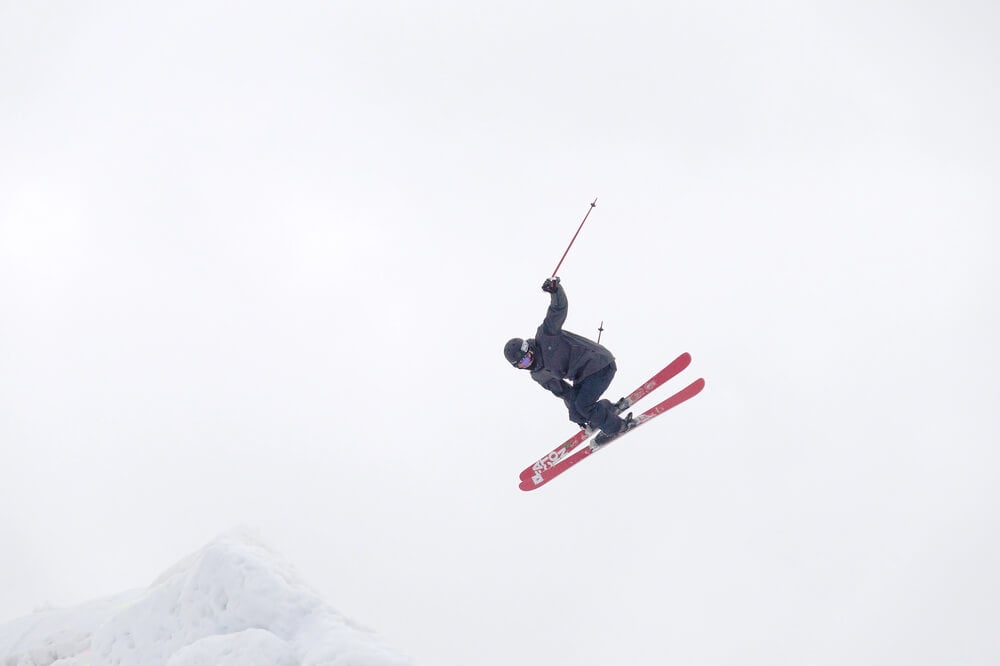
During the 1939 to 1940 Winter War, Finnish troops, better equipped and trained for extreme cold than the invading Soviet forces, used sub-zero temperatures to their tactical advantage, exploiting frozen lakes for mobility while Soviet columns suffered severe frostbite casualties and equipment failures in the same conditions. Finnish ski troops moved with a mobility advantage the larger Soviet force could not match in the terrain and weather.
The disparity in cold-weather readiness contributed significantly to Finland’s unexpectedly effective early resistance.
When the Sky Outranked the General
Every commander on this list arrived with a plan, and weather rewrote a significant number of those plans regardless of rank or reputation. Storms sank fleets that cannons could not, fog hid armies that scouts could not find, and cold killed soldiers that no enemy soldier ever touched.
Military history tends to credit generals for outcomes that often had as much to do with a shifting wind or an early frost as any tactical decision made on the ground. The weather never took sides, but it decided outcomes anyway, and it never once apologized for doing so
More from Go2Tutors!

- The Romanov Crown Jewels and Their Tragic Fate
- 13 Historical Mysteries That Science Still Can’t Solve
- Famous Hoaxes That Fooled the World for Years
- 15 Child Stars with Tragic Adult Lives
- 16 Famous Jewelry Pieces in History
Like Go2Tutors’s content? Follow us on MSN.



