26 Car Features That Vanished From Dashboards
A dashboard once held a mechanical record of how people used their cars. Knobs, levers and gauges handled jobs that now disappear behind screens and software, and some features were so odd that younger drivers might doubt they existed. This list collects 26 of them, from pull-out chokes to record players built into the dash.
Manual Choke Knobs Disappear
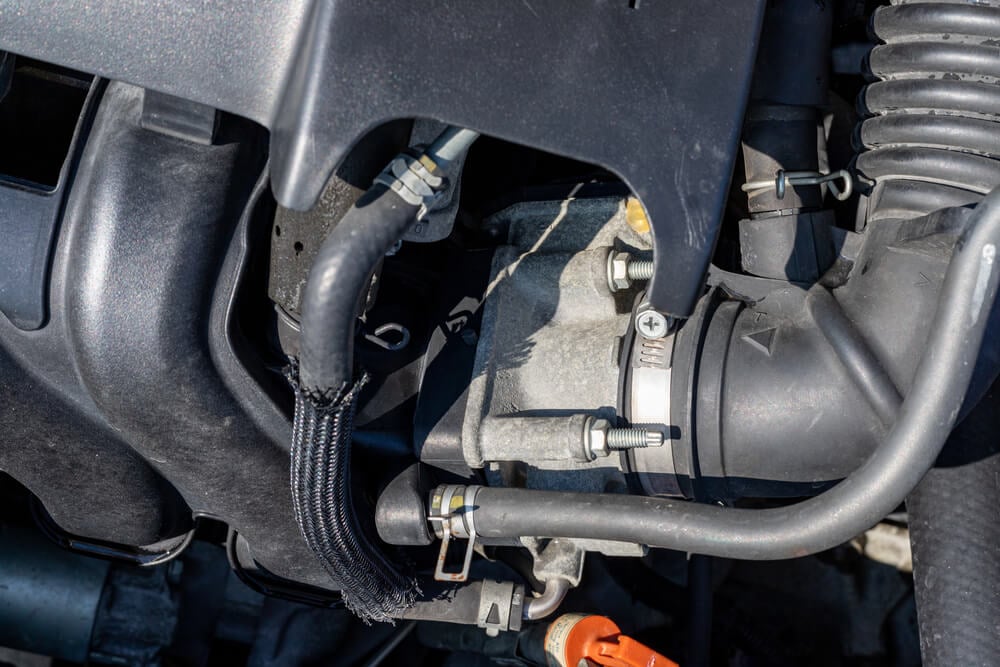
Cars with carburetors needed a richer fuel mixture to run on cold mornings, and the driver controlled it with a choke knob pulled out from the dashboard. Pushing the knob back in as the engine warmed up was part of the daily routine, and forgetting to do it meant rough running and wasted gasoline.
Automatic chokes took over during the middle of the twentieth century, and fuel injection removed the need for the device entirely. Old photographs of dashboards show a row of small knobs, with the choke often labeled in tiny white letters beside it.
Vacuum Wipers Slow Down When Passing
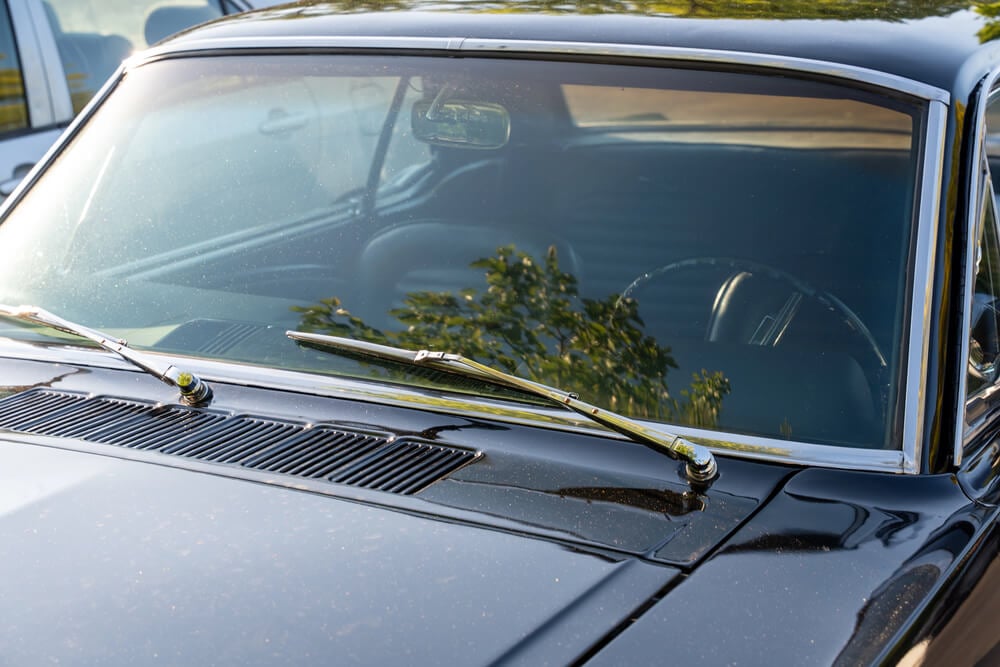
Windshield wipers on many older cars ran on engine vacuum instead of an electric motor, a simple system that cost little to build. The catch was that vacuum dropped when the driver pressed the accelerator, so the wipers slowed or nearly stopped just when a driver needed to pass a truck in the rain.
Electric motors replaced vacuum systems gradually during the 1950s and 1960s. The old arrangement left a piece of folk wisdom behind, which was to ease off the gas if the wipers began to crawl.
Push-Button Shifters Fill a Dash Panel
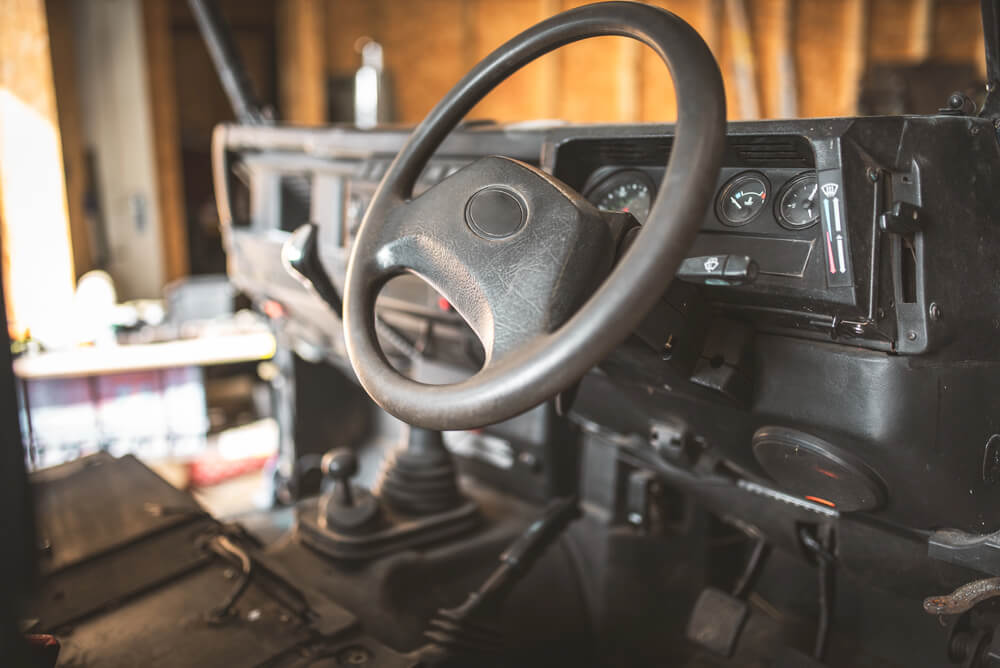
In 1956, Chrysler introduced a push-button control for its automatic transmission, placing a row of buttons in a pod on the left side of the dash. Drivers pressed labeled buttons for reverse, neutral and drive instead of moving a lever.
The design was marketed as futuristic and tidy, but it asked drivers to relearn a basic habit, and it disappeared from Chrysler products after the 1964 model year. Edsel tried a similar idea in 1958 by putting buttons in the center of the steering wheel, and that system also faded after a short run.
Highway Hi-Fi Plays Records on the Road
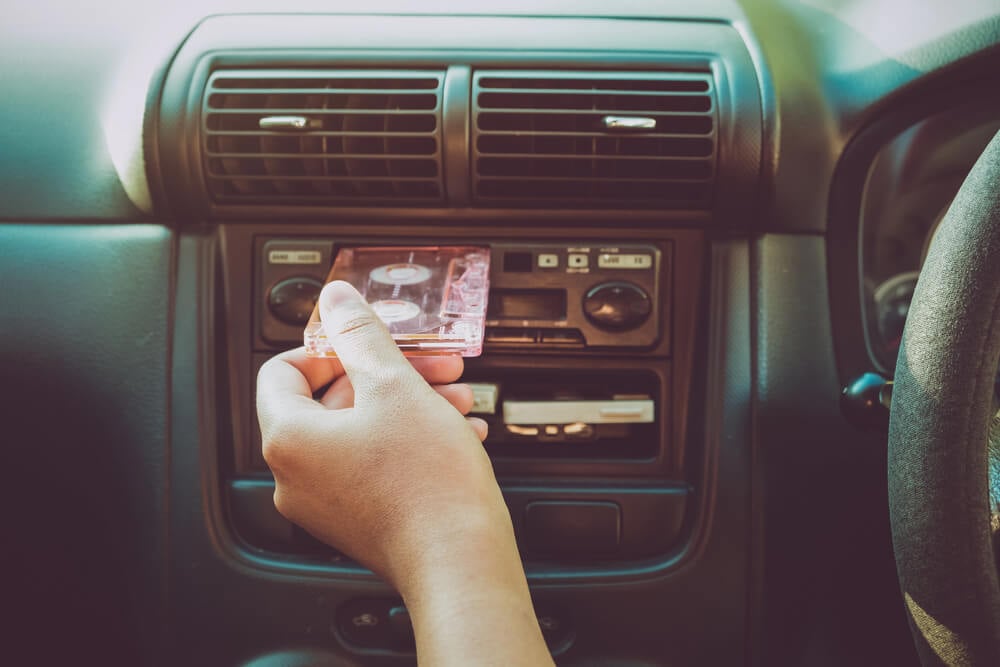
Chrysler offered an in-dash record player called Highway Hi-Fi on its 1956 models, built under the dash and playing specially made records at a very slow 16 and two-thirds revolutions per minute. A tone arm designed to resist bumps pressed the needle into the grooves, and the discs were stored in a compartment nearby.
Even so, records skipped on rough roads, and the option vanished within a few years. It survives as an oddity at car shows, where collectors sometimes display the records that came with it.
Autronic Eye Dims the Headlights
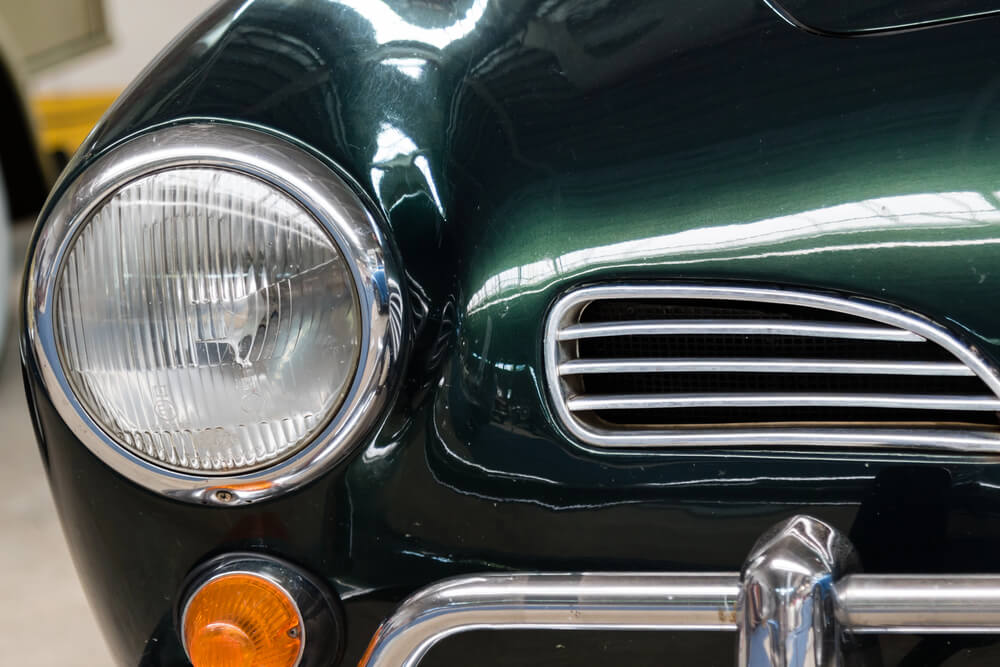
General Motors brought out the Autronic Eye in 1952 on Cadillac and Oldsmobile models, mounting a photocell housing on top of the dashboard that dimmed the high beams when it sensed oncoming headlights. A control knob let the driver adjust how sensitive the eye was.
The idea worked well enough to inspire later systems, but early units sometimes dimmed at odd moments or reacted to streetlights. Decades later, automatic high-beam systems built around cameras revived the idea, which is why modern cars now do quietly what a bulky gadget once tried.
Wonder Bar Radios Hunt for Stations
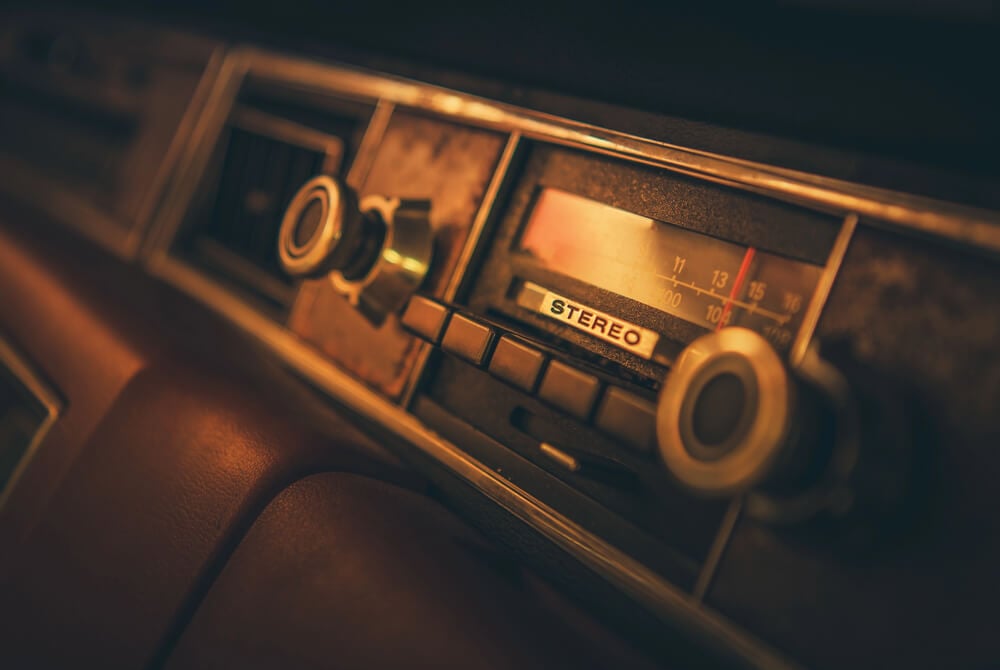
General Motors cars of the 1950s often carried Delco radios with a feature called the Wonder Bar, a bar beneath the dial that moved the tuner to the next strong station when pressed. The system saved drivers from fiddling with the dial while watching the road
. It also gave the dashboard a distinct look, with a prominent bar sitting below the glowing numbers. Push-button presets and later electronic tuning replaced it, and the bar became a memory for people who recall car radios with a sweeping needle.
Ammeters Give Way to a Warning Light
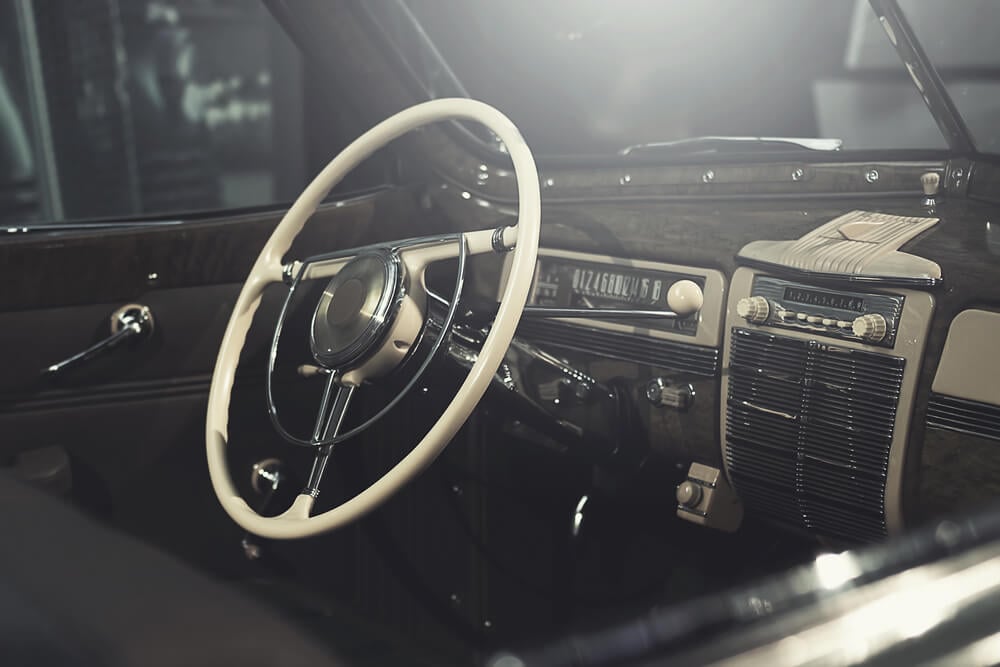
Many older cars carried an ammeter on the dash, a gauge whose needle swung toward charge or discharge to show how the battery and generator were doing. A healthy car usually kept the needle near the center, and a needle pointing to discharge warned of a failing charging system.
Automakers gradually replaced ammeters with simple warning lights and later voltmeters, which were cheaper and easier to read. The old gauges often needed heavy wiring routed behind the dash, which made lights a simpler solution for assembly lines.
Idiot Lights Replace Gauges
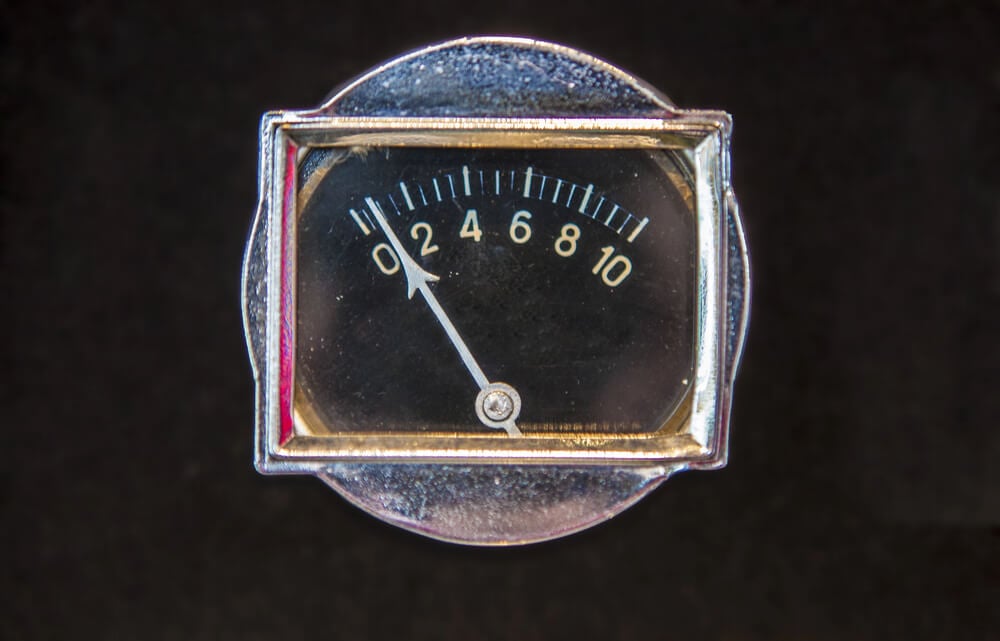
By the 1960s, many manufacturers had replaced oil pressure and temperature gauges with warning lights that came on only when something was already wrong. Critics nicknamed them idiot lights, arguing that a gauge gave early warning while a lamp offered only bad news.
Automakers liked them because they cost less and avoided questions about what a normal reading looked like. Enthusiasts kept demanding gauges, and performance models brought them back, but ordinary dashboards still rely mostly on lamps and screens. The debate over which approach serves drivers better has never fully ended.
Pull-Handle Parking Brakes Hide Beneath the Dash
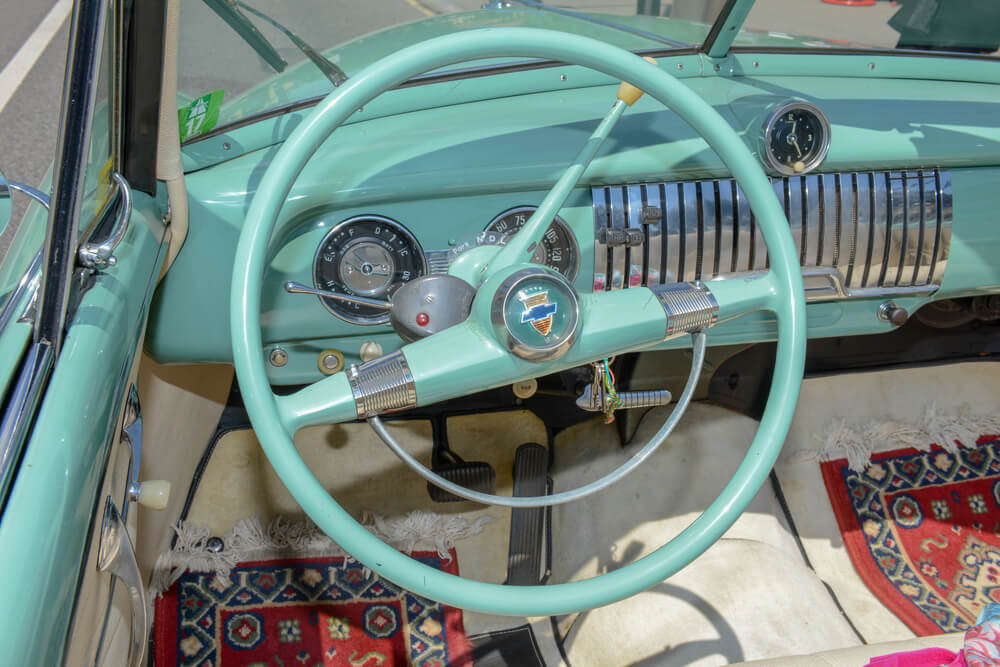
Many mid-century cars had a parking brake handle mounted under the dash, usually to the left of the steering column, which the driver pulled toward the body with a ratcheting click. A small knob released it with a twist.
The setup was inexpensive and kept the center floor free for passengers, but it could be awkward to reach. Foot pedals and floor levers eventually replaced it on many cars, and now electronic switches have taken over, so the old pull handle appears mostly in classic cars and photographs
Slide-Lever Heater Controls Vanish
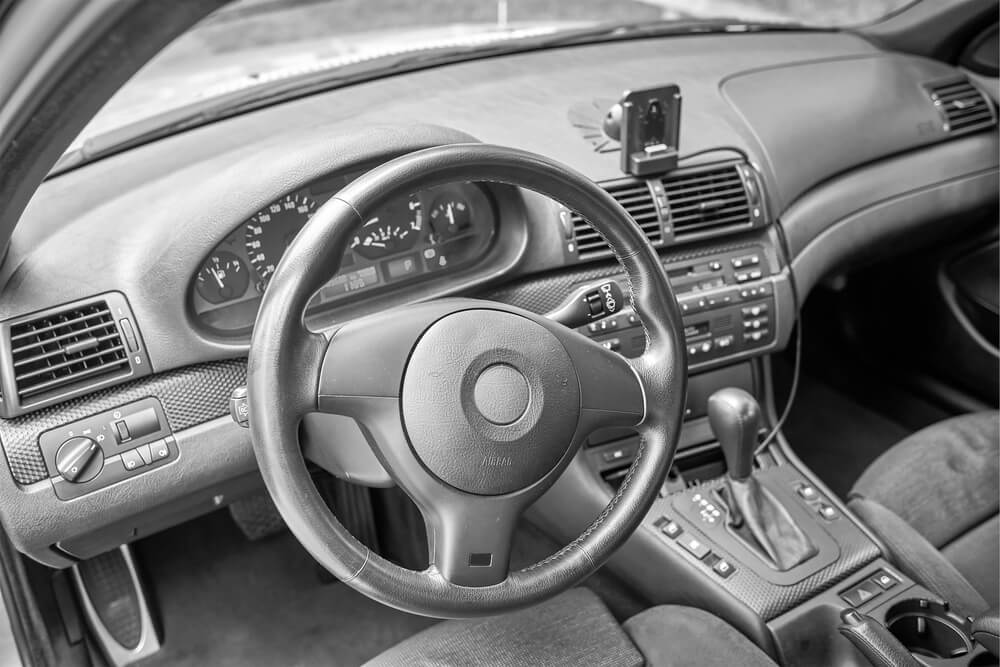
For decades, climate controls consisted of sliding levers or knobs on the dash connected to flaps by cables. One lever set temperature, another picked defrost or floor vents, and a third controlled fan speed.
The system was simple and easy to repair, though cables stretched or stuck and the temperature rarely matched the label. Automatic climate control with digital readouts replaced the levers in many models, and touchscreens are now absorbing even those. Photos of 1960s and 1970s interiors show the sliders in a tidy horizontal row.
Seat Belt Interlocks Make Engines Refuse to Turn Over
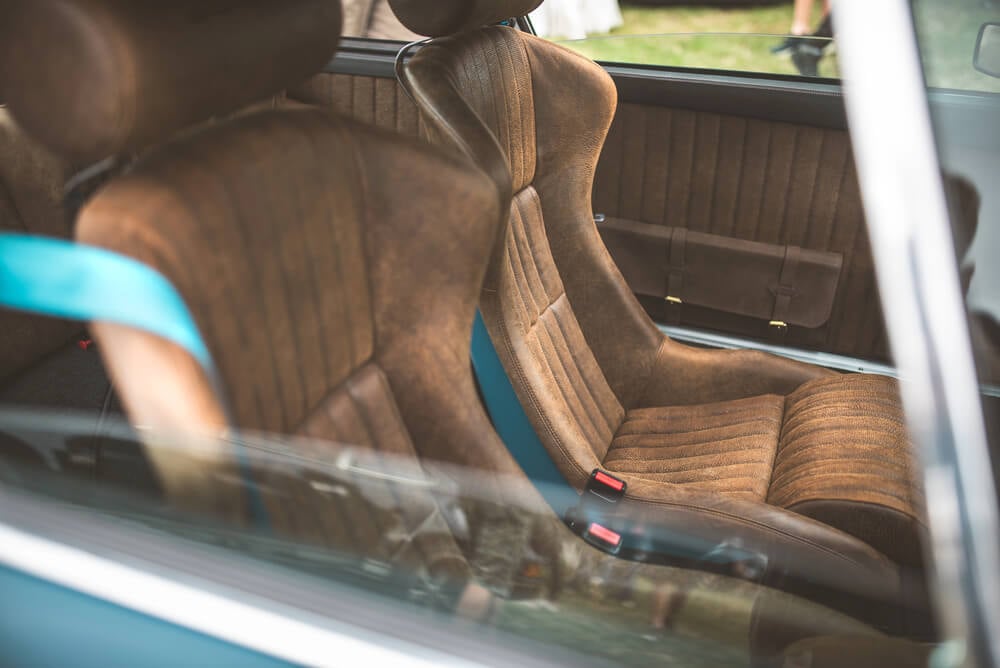
For the 1974 model year, federal rules required cars to carry an ignition interlock that kept the engine from running unless the front seat belts were buckled. Drivers disliked the system, and some figured out ways to fasten the belts behind them to defeat it.
Congress responded to the backlash in October 1974 by banning interlock requirements, and manufacturers removed the equipment from later cars. The episode remains an example of a safety rule that outran public acceptance, and warning lights and chimes took over the job afterward.
Eight-Track Players Click Between Songs
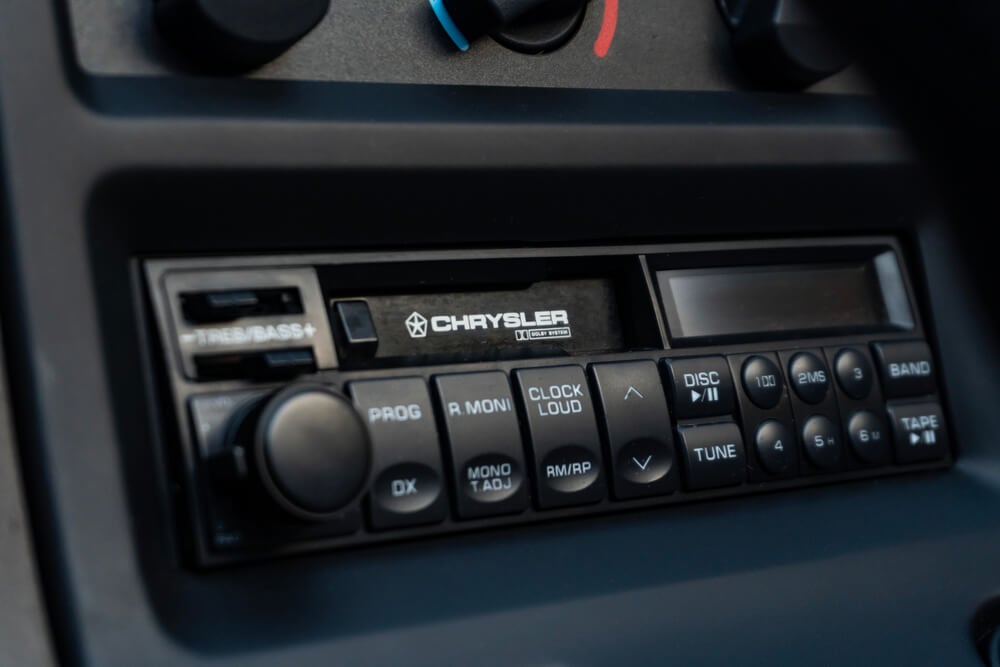
— Photo by p1prod
Ford offered factory eight-track players in 1965, and the format soon spread across the American auto industry. The cartridge held four stereo programs on a continuous loop, and the player moved between them with an audible click that sometimes interrupted a song midway.
Tapes were easy to insert with one hand, which suited drivers, but they were bulky and wore out quickly. Cassettes pushed the format aside by the early 1980s, leaving a dashboard slot that is now a collector’s curiosity, often seen in photos of 1970s muscle cars.
Cassette Decks Eat the Mixtape
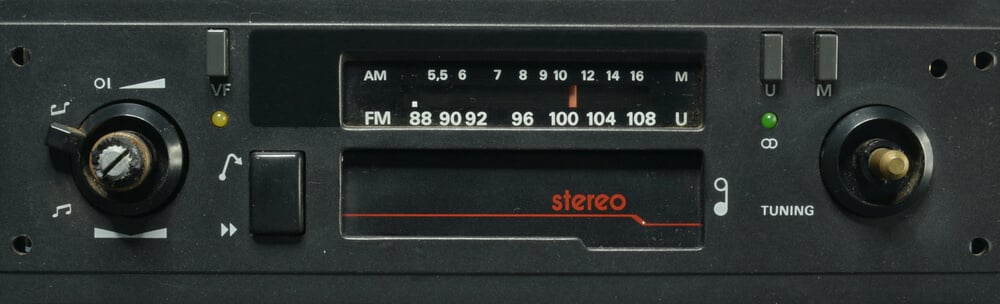
Cassette players spread through American dashboards in the 1970s and dominated the 1980s, with features such as auto-reverse and Dolby noise reduction. Drivers made mixtapes for road trips, and a tape that jammed in the deck, spilling brown ribbon into the slot, became a familiar frustration.
CD players pushed cassettes aside in the 1990s. The Lexus SC 430 convertible is often cited as the last new car sold with a factory cassette deck, a milestone reached around 2010. Plenty of drivers still keep a shoebox of old tapes in the closet.
Removable Stereo Faceplates Ride in the Pocket
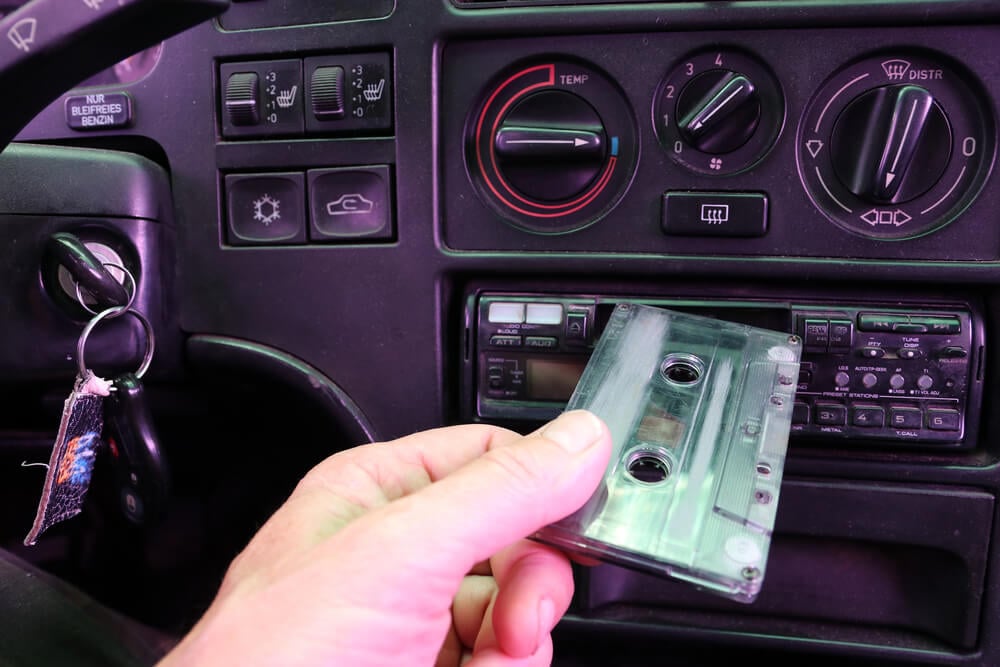
In the 1990s, many aftermarket car stereos came with a detachable faceplate that the driver slid off and carried away to discourage thieves. A stereo without its face was useless, so thieves often passed it by.
Drivers kept the faceplates in small cases or jacket pockets, and a forgotten plate could mean a long walk back to the car. Factory infotainment systems, built into the dash and dependent on vehicle software, ended the need for the trick, though the idea lingers as a reminder of how worried drivers once were about break-ins.
CB Radios Fill the Dashboard With Chatter
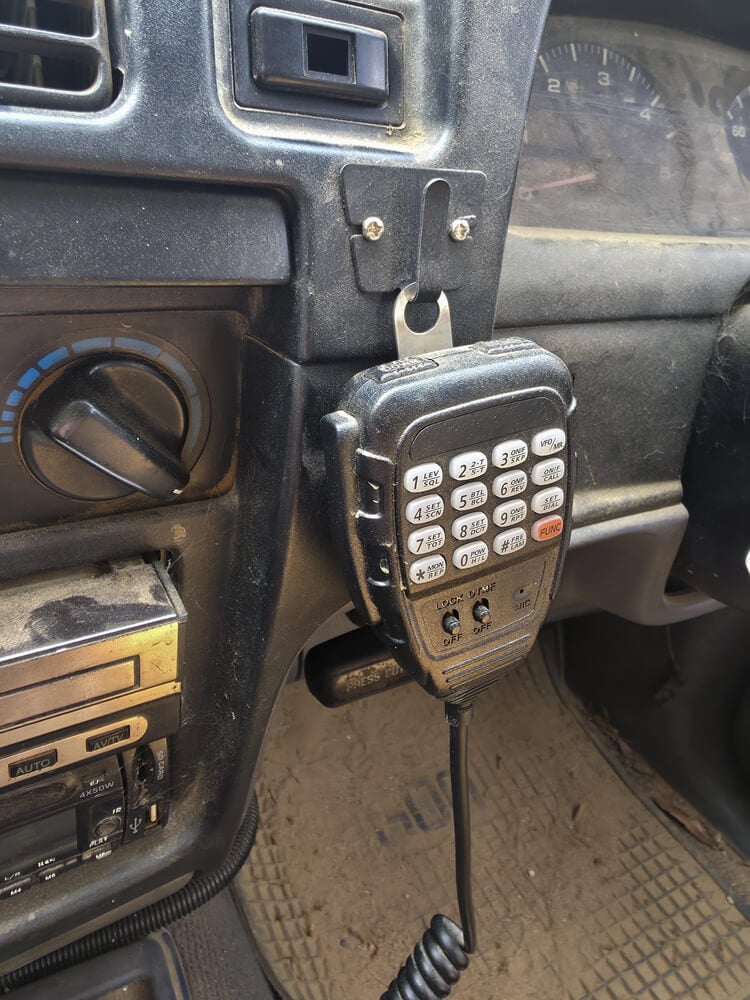
Citizens band radios exploded in popularity in the mid-1970s, helped by truckers who used them to warn each other about speed traps during the era of the national 55 mile-per-hour limit. Drivers mounted sets under the dash and hung microphones from hooks, adopting handles and slang.
The 1977 film Smokey and the Bandit pushed the craze further. By the 1980s, cheaper options such as radar detectors and eventually cell phones took over, and the sets and their coiled cables vanished from most dashboards, taking the slang along with them.
Digital Dashes Replace the Needle
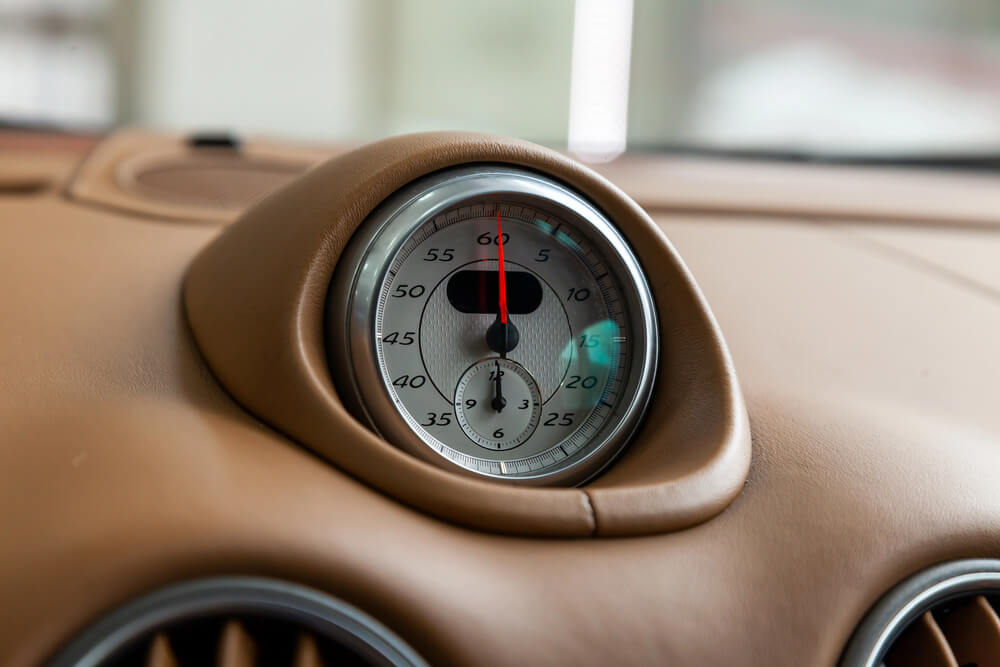
The 1984 Chevrolet Corvette introduced a digital instrument cluster with a liquid crystal display showing speed as a glowing number and engine data as bar graphs. Other models of the 1980s, including some Chrysler and Japanese cars, offered similar displays with a futuristic look.
Drivers found the numbers harder to read at a glance than a moving needle, and the displays faded from most lineups by the early 1990s. Modern cars have brought digital displays back, but they now simulate needles on a screen, a design choice that suggests drivers never stopped trusting the old dial.
Talking Dashboards Announce Open Doors
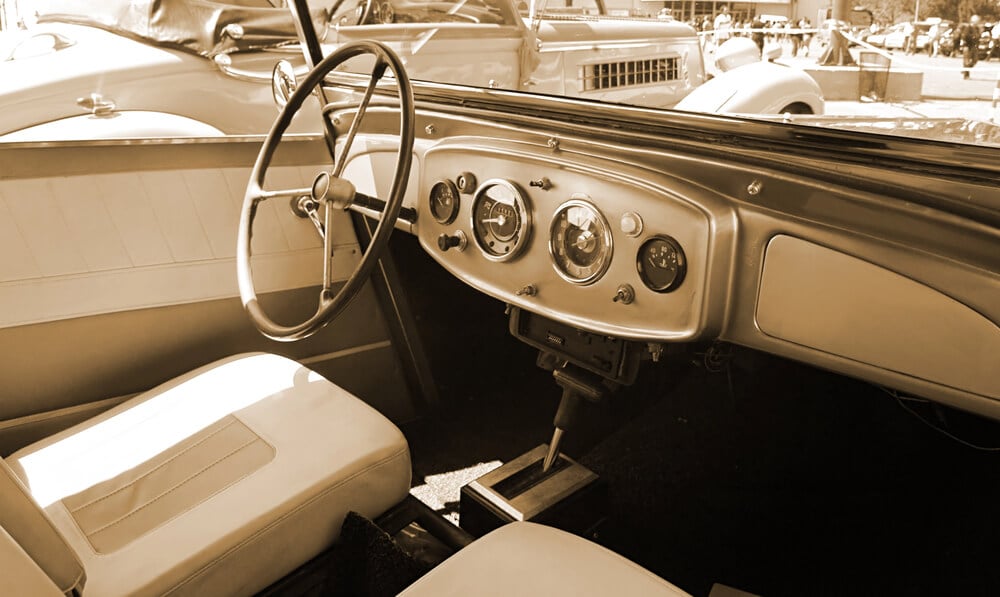
Several automakers introduced electronic voice alerts in the early 1980s that spoke to drivers when a door was open or fuel ran low. Chrysler’s system, used on cars such as the 1983 Dodge 600, relied on a synthesized voice that annoyed some owners enough to prompt requests to disable it. Magazine ads of the era promoted the talking car as a sign that the future had arrived. The novelty wore off quickly, and simple chimes and display messages replaced the voices, which now seem like a charming relic of early computer speech.
Trip Odometer Knobs Reset the Miles
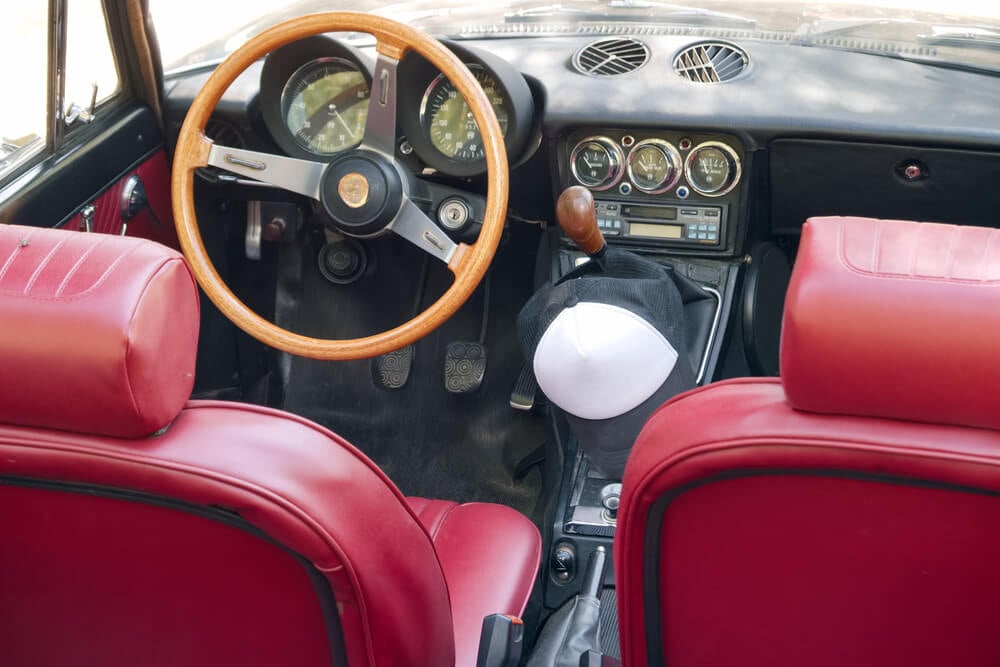
Beneath the speedometer of many cars sat a tiny knob or stem that the driver twisted or pushed to reset the trip odometer. The mechanical trip meter tracked distance since the last fill-up or the last family vacation, and a driver who forgot to reset it could lose track of fuel economy.
Digital clusters replaced the stem with buttons and menus, and most modern drivers rely on screens that calculate range for them. The small knob is a good example of a feature that disappeared without anyone noticing.
Analog Dash Clocks Lose Minutes
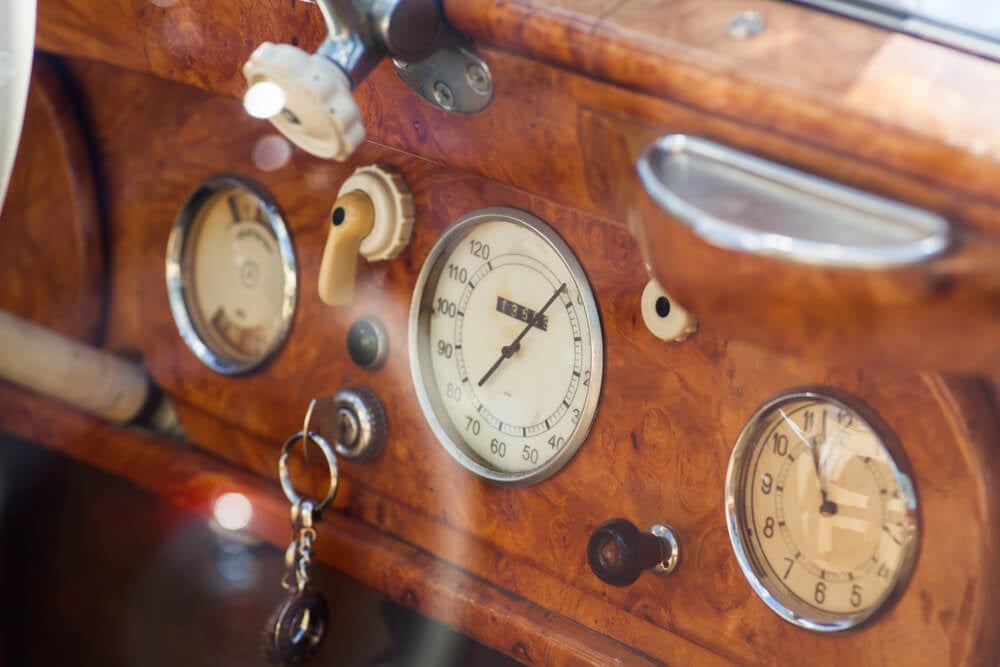
Older dashboards often featured an analog clock with a tiny knob for setting the time, sometimes in the middle of the radio panel. The clocks were hand-wound or electric, and neither kept time as well as a wristwatch, so drivers often corrected them at daylight saving time and grumbled the rest of the year.
Digital radio displays and later phone-synced screens replaced the clock, which now updates itself automatically. Their small round faces still give classic interiors a pleasant formal look, and restorers often hunt for working originals.
Faux Wood Grain Covers the Dash
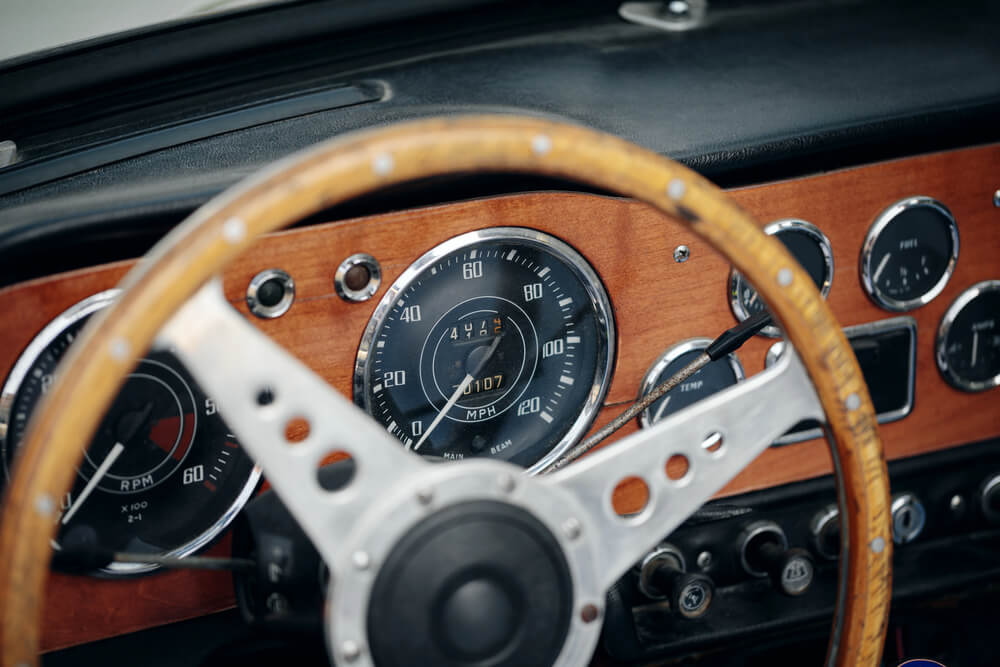
During the 1960s and 1970s, vinyl and plastic woodgrain panels covered dashboards, door trims and the sides of station wagons, giving mass-market cars a touch of luxury at low cost. Printed patterns imitated walnut or mahogany, and some luxury models used real wood.
The style fell out of fashion in the 1980s, replaced by black plastic and brushed metal, and today it appears mostly in nostalgic restorations. The pattern remains a visual shorthand for the era of long American cruisers, and it shows up often in vintage advertisements.
Toll Coin Holders Hold Quarters
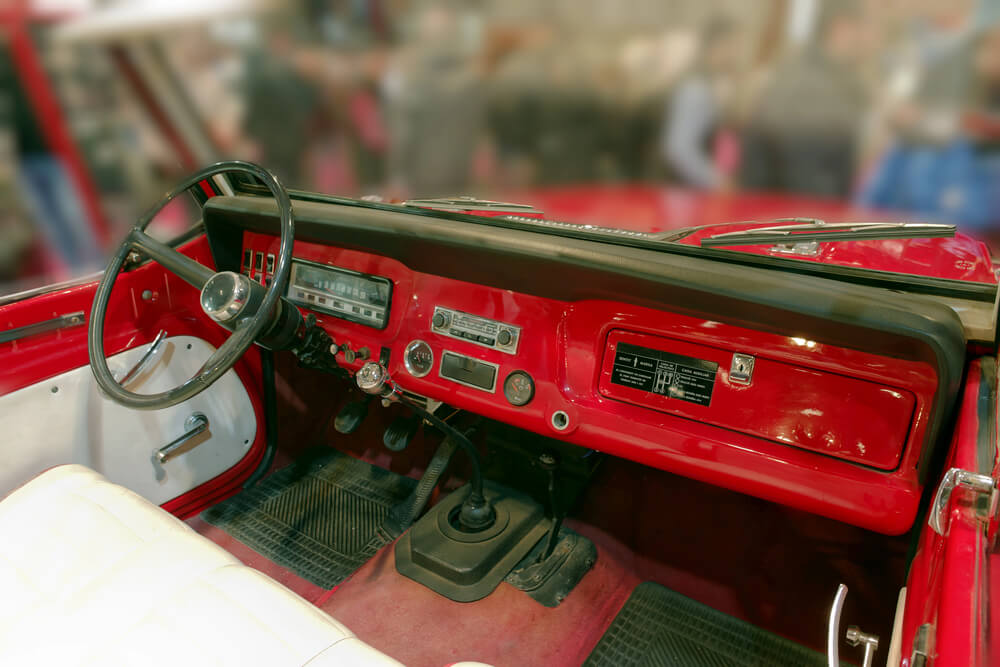
Many cars of the 1970s and 1980s included small trays or cup-like recesses near the steering wheel meant for coins used at toll booths. Drivers kept quarters and dimes ready, tossing them into baskets without stopping fully. Electronic toll transponders arrived in the 1990s and 2000s and gradually made the coin tray unnecessary.
Today the trays have been replaced by cup holders and phone slots, and the sound of a coin hitting a metal basket has disappeared from many highways, along with the small arguments over who had change.
In-Dash CD Players Lose Their Slot
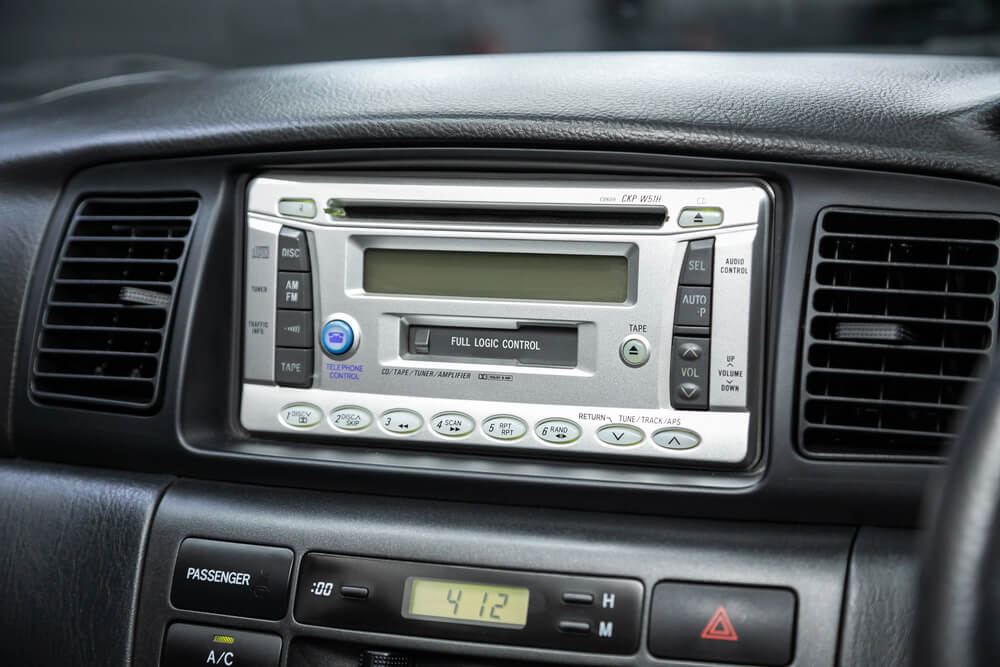
Factory CD players became common in the late 1980s and 1990s, and by the 2000s many dashboards had a slot for a single disc or a magazine of several discs in the trunk. Drivers carried binders of discs in the visor, and a scratch could skip a song. As phones and streaming took over, many new models in the 2010s dropped the slot entirely.
The CD player remains in a few vehicles, but the habit of buying albums to play on the road has mostly faded.
CD-ROM Navigation Discs Guide the Way
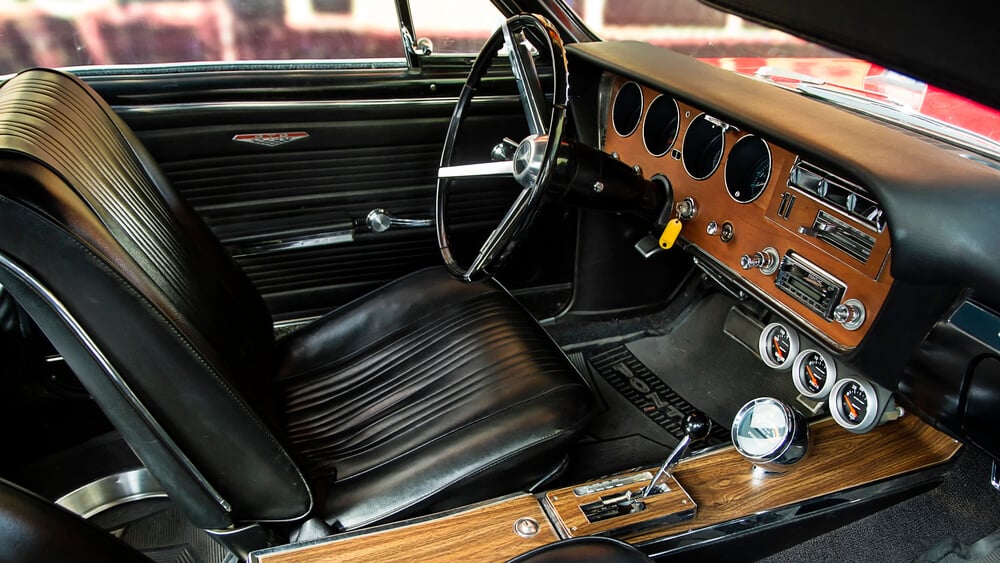
In 1995, Oldsmobile offered the GuideStar system on some models, which is generally cited as the first factory navigation system in an American production car. Maps arrived on discs loaded into the system, and updates meant buying a new set.
The price put the technology out of reach for most buyers, and the screens were small. Smartphone navigation, with live traffic and free updates, eventually made disc-based systems obsolete, and the discs became collectibles that turn up at swap meets and in online listings, still sealed in their cases.
Economy Gauges Coach Drivers
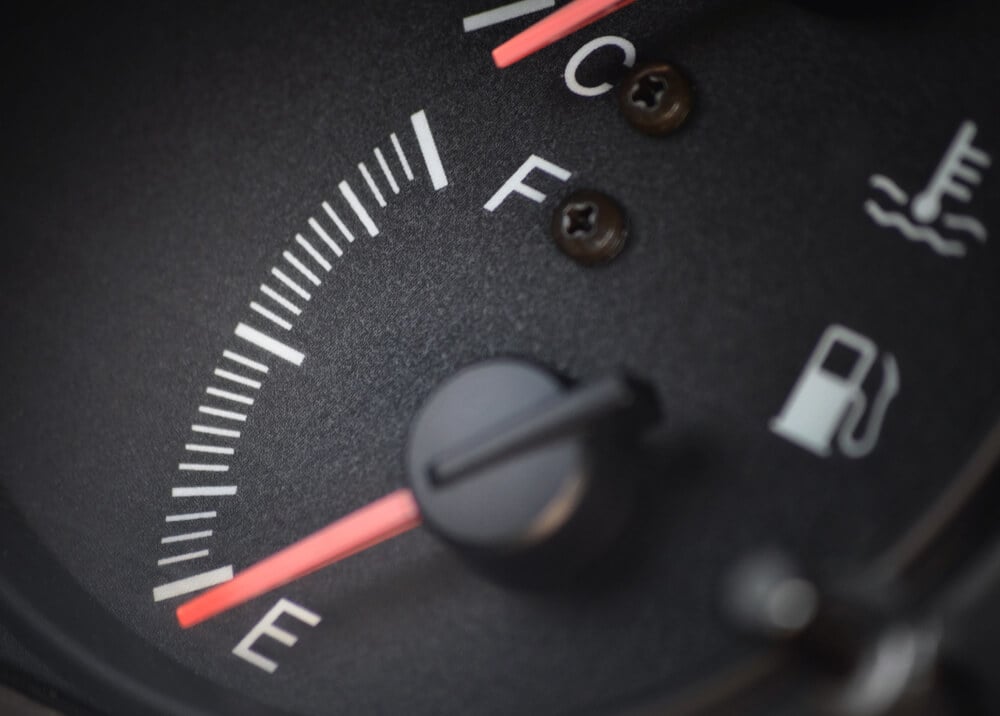
After the 1973 oil embargo, several automakers added dashboard gauges that showed engine vacuum or mileage economy zones, coaching drivers to ease off the accelerator. A needle that sat in a green zone told the driver the engine was sipping gas, while a red zone signaled heavy fuel use.
The gauges brought attention to fuel economy during an era of long lines at the pump. They largely disappeared as engines became more efficient and as digital trip computers offered real-time miles per gallon, which gave drivers a number instead of a hint.
Ignition Key Slots Give Way to Buttons
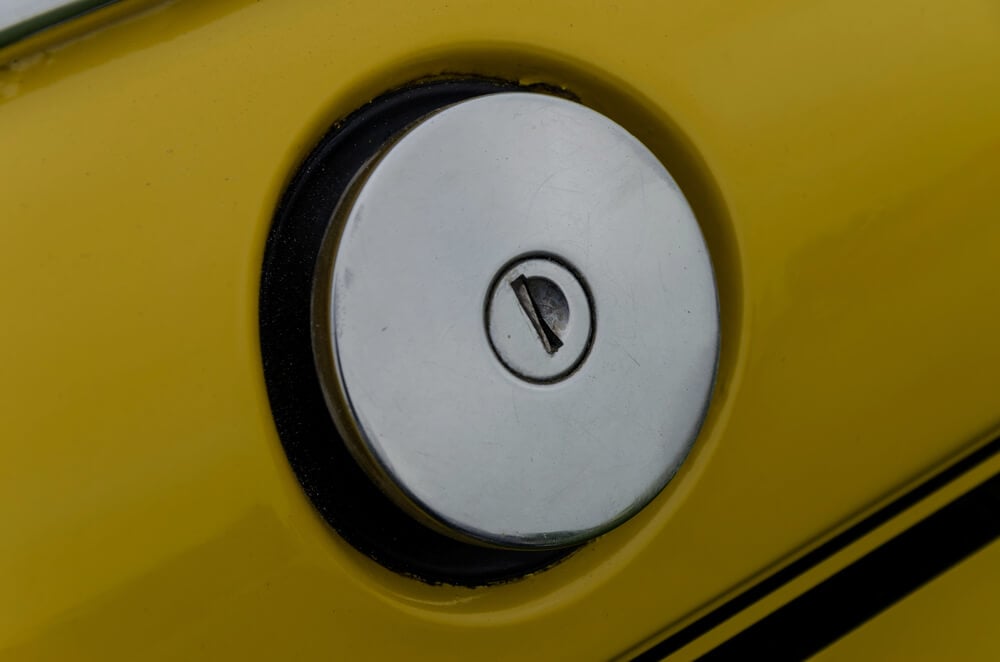
For most of the automobile era, the ignition switch was a keyed slot, either on the dash or on the steering column, that the driver turned to bring the engine to life. Keyless entry and proximity fobs, introduced on luxury cars in the late 1990s and widespread in the 2000s, let the car recognize the owner and fire up at the push of a button.
The change reduced wear on keys and pockets but created new problems, such as drivers walking away with the engine still running. Photos of older dashboards show a lonely key slot at the center.
Auxiliary Jacks Disappear
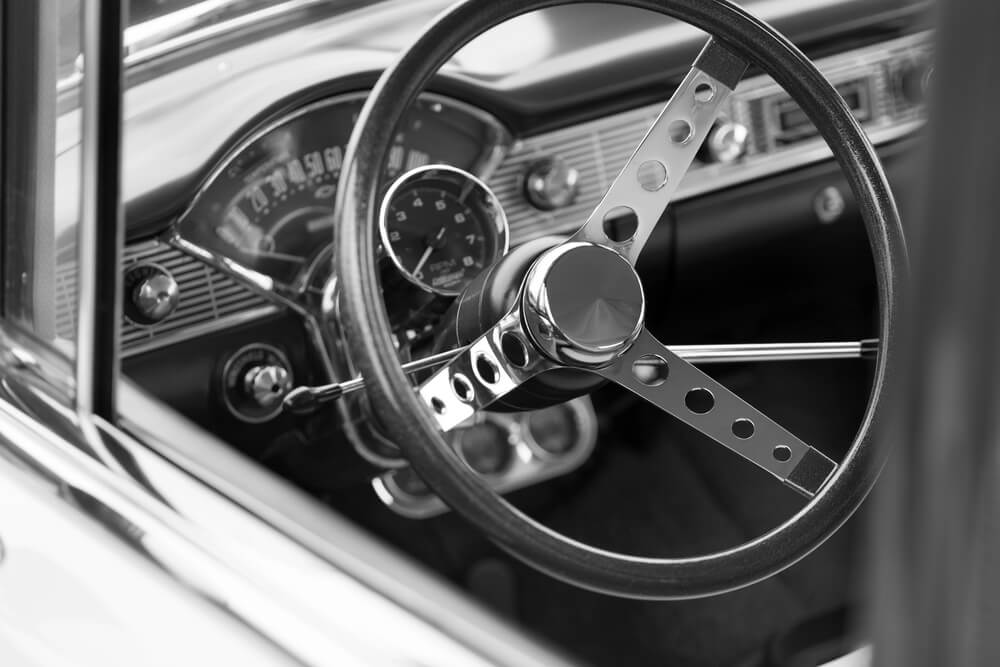
During the 2000s, an auxiliary input jack became a common dashboard feature, letting drivers connect an MP3 player with a short cable. The jack was cheap to include and worked with almost any device, which made it one of the most appreciated upgrades of the decade.
Bluetooth and USB connections replaced it, and many new models in the late 2010s omitted the jack as phones themselves dropped their headphone ports. A drawer full of tangled cables is all that remains of the era, along with a few cars that still have the little round port.
Knobs, Needles and the Cost of Convenience
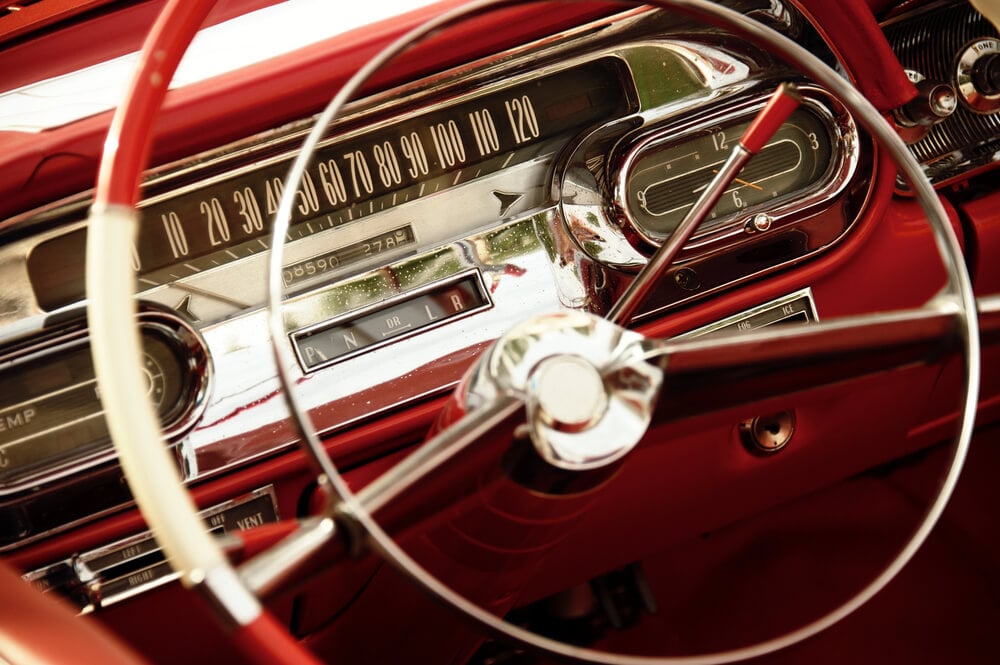
Looking at the dashboards of earlier decades, the gradual shift from mechanical to electronic controls is easy to trace. Each feature that disappeared solved a problem, either by adding safety, saving money or improving comfort. Yet each also took away a small ritual, from pulling a choke to pressing a station-seeking bar.
Technology now concentrates most of those functions on a single screen, and drivers rarely notice the missing knobs. The old dashboards offer a different lesson, which is that every convenience carries an assumption about how drivers want to behave. The features that vanished mark moments when those assumptions changed.
More from Go2Tutors!

- The Romanov Crown Jewels and Their Tragic Fate
- 13 Historical Mysteries That Science Still Can’t Solve
- Famous Hoaxes That Fooled the World for Years
- 15 Child Stars with Tragic Adult Lives
- 16 Famous Jewelry Pieces in History
Like Go2Tutors’s content? Follow us on MSN.