Vintage Autograph Books from the ’50s Worth More Signed Than Blank
Most people assume empty vintage items are more valuable than used ones. Clean pages, unmarked covers, pristine condition — that’s what collectors want, right?
When it comes to 1950s autograph books, that assumption crumbles completely. These small, leather-bound keepsakes tell a different story about value, one written in faded ink and careful cursive across decades-old pages.
School Yearbook Autograph Books
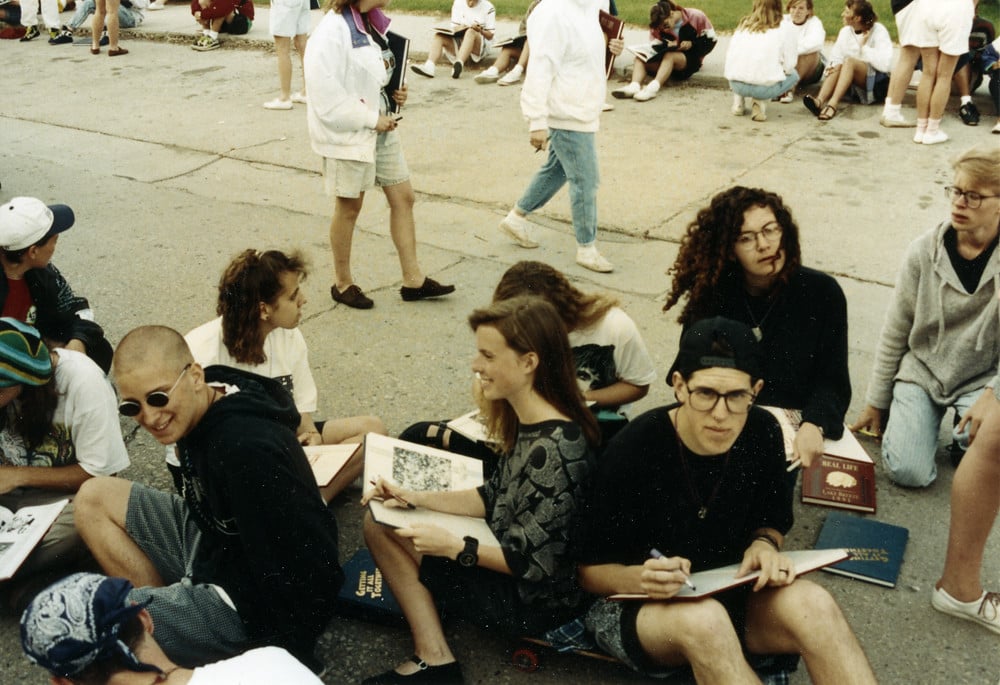
High school yearbooks from the 1950s with authentic signatures command serious prices. The trick is authentication — real period ink ages differently than modern reproductions.
Collectors pay premium prices for books signed by entire graduating classes, especially from notable schools or small towns where the social dynamics created particularly intimate inscriptions.
Hollywood Studio Tour Autograph Books
The golden age of Hollywood made these books goldmines, quite literally (and the studio system meant stars were more accessible than today’s heavily guarded celebrities). Tours through MGM, Paramount, and Warner Brothers offered regular opportunities to collect signatures from major stars — something that seems almost quaint now.
So many of these books contain signatures from actors who became legends, making blank versions feel like missed opportunities rather than pristine collectibles.
Celebrity Restaurant Autograph Books
Brown Derby, Ciro’s, and Mocambo weren’t just restaurants — they were stages where fame performed its daily rituals. The autograph books that circulated through these establishments carry signatures from an era when celebrity felt both more glamorous and more approachable.
These books function like archaeological layers: each page represents a different evening, a different crowd, a different moment when someone famous paused between bites to sign their name.
Military Base Autograph Books

Service members stationed overseas during the Korean War kept autograph books as lifelines to camaraderie. Books signed by entire units, especially those who served in combat zones, represent brotherhood forged under pressure.
The inscriptions reveal more personality than typical “best wishes” — inside jokes, nicknames, references to shared hardships that only made sense to the people who lived through them together.
Summer Camp Autograph Books

Camp friendships burned bright and brief, making these signatures feel urgent in a way that’s almost desperate. Kids knew they might never see each other again after August, so the inscriptions carry weight beyond their years.
Books from prestigious camps or those with later-famous attendees obviously command higher prices, but even ordinary camp books possess something valuable: the unfiltered voice of childhood preserved in permanent ink.
College Sorority and Fraternity Books
Greek life in the 1950s operated with ritualistic precision that extended to autograph books — these weren’t casual keepsakes but formal records of belonging (and the social hierarchies were both more rigid and more openly acknowledged than today’s versions). The books contain signatures from pledge classes, formal events, and graduation ceremonies, creating a complete social map of mid-century college culture.
And yet the most valuable entries often come from the margins: the spontaneous signatures added during late-night conversations or weekend parties.
Hospital and Sanitarium Books

Patients recovering from tuberculosis, polio, or extended illnesses filled autograph books with signatures from fellow patients, doctors, and visitors. These books document resilience in ways that feel both heartbreaking and inspiring.
The handwriting sometimes shakes, the messages sometimes wander, but the human connection remains steady. Collectors value these not for celebrity content but for their raw documentation of hope sustained through hardship.
Church and Religious Retreat Books

Youth groups, confirmation classes, and religious retreats produced autograph books filled with Bible verses, inspirational messages, and signatures from ministers and fellow congregants. The language tends toward the formal and uplifting, creating a snapshot of mid-century faith culture that feels distinctly different from contemporary religious expression.
Books from notable churches or those containing signatures from later-prominent religious figures command premium prices.
County Fair and Festival Books

Small-town America celebrated itself at county fairs, harvest festivals, and community gatherings where autograph books circulated freely. These contain signatures from local celebrities — the mayor, the high school principal, the winning pie baker — creating a social directory of places and times that no longer exist.
Fair queen signatures, 4-H club members, and carnival workers all contributed to books that now serve as anthropological records of American community life.
Dance Hall and Ballroom Books

The big band era made dancing a serious social activity, and autograph books captured the romance and formality of ballroom culture. Partners signed each other’s books after particularly memorable evenings, band members added their names between sets, and dance instructors left encouraging messages for their students.
These books smell like old perfume and talcum powder, carrying sensory memories along with the signatures.
Hotel and Resort Guest Books

Vacation destinations in the Catskills, Atlantic City, and other resort areas maintained guest books that functioned as communal autograph collections. Families returning year after year would seek out signatures from previous visits, creating ongoing social records of American leisure culture.
Resort staff members, entertainers, and fellow guests all contributed to books that now document a more formal, dress-up approach to vacation time.
Radio Station Fan Books

Local radio personalities commanded genuine celebrity status in their markets, and fans collected their signatures with the same enthusiasm later reserved for rock stars. Station events, remote broadcasts, and personal appearances generated opportunities for autograph collection that created intimate connections between performers and audiences.
These books document the last era when radio personalities were truly local celebrities rather than syndicated voices.
Political Campaign and Rally Books

The 1950s political landscape produced autograph books filled with signatures from candidates, campaign volunteers, and fellow supporters at rallies and town halls. Books containing signatures from later-prominent politicians obviously command higher prices, but even local political figures can add value depending on historical significance.
The campaign slogans and political messages preserved in these books provide insight into mid-century American political culture.
Theater and Performance Venue Books

Community theaters, dinner theaters, and touring show venues generated autograph books filled with signatures from performers, directors, and fellow audience members. The theatrical world of the 1950s operated with less separation between performers and audiences, creating opportunities for autograph collection that feel more intimate than contemporary celebrity encounters.
Stock company actors, traveling musicians, and local theater personalities all contributed to collections that document American entertainment culture beyond Hollywood’s reach.
Factory and Workplace Books

Retirement parties, company picnics, and workplace celebrations generated autograph books that captured the social dynamics of mid-century American labor. Supervisors, coworkers, and union representatives all signed books that now serve as records of workplace relationships that were more personal and long-term than today’s employment patterns.
Factory workers who stayed with companies for entire careers created autograph books that document decades of industrial American social life.
The Stories Behind the Ink

These books work like time machines, but only when the signatures come with stories. A blank autograph book from 1953 might be pristine, but it’s also silent — just empty pages waiting for something that never happened.
The real value lives in the connections: who signed what, when, and why. The authentication matters, the condition matters, but the human stories matter most. That’s what collectors pay for — not just signatures, but evidence that people cared enough to write their names for someone else to keep forever.
More from Go2Tutors!

- The Romanov Crown Jewels and Their Tragic Fate
- 13 Historical Mysteries That Science Still Can’t Solve
- Famous Hoaxes That Fooled the World for Years
- 15 Child Stars with Tragic Adult Lives
- 16 Famous Jewelry Pieces in History
Like Go2Tutors’s content? Follow us on MSN.