17 Ancient Festivals That Were So Wild They Were Eventually Banned
People throughout history have let loose with incredible creativity – and sometimes shocking abandon. Ancient festivals gave communities a chance to break free from everyday constraints through both religious ceremonies and seasonal celebrations. Many traditional festivities eventually evolved into tamer modern versions we’d recognize today. Others, however, proved so chaotic, dangerous, or morally questionable that authorities had no choice but to shut them down completely.
Here is a list of 17 ancient festivals that crossed the line from celebration to chaos, eventually prompting official bans.
Bacchanalia
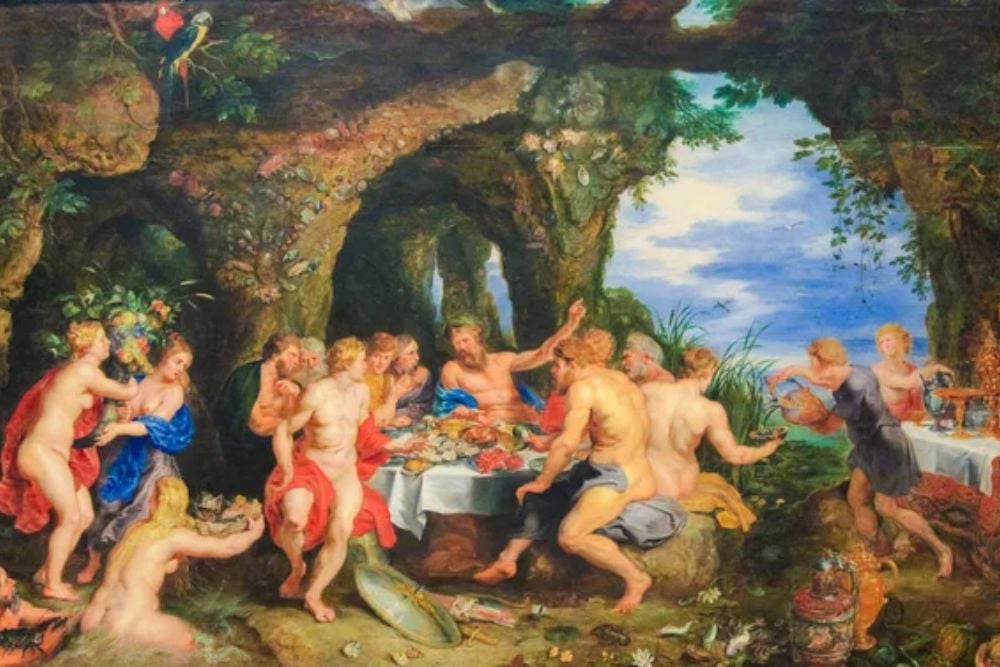
The Roman festivities honoring Bacchus, god of wine, started innocently enough as simple harvest celebrations. They soon spiraled into notoriously wild affairs, though.
These secretive gatherings – characterized by excessive drinking, ecstatic dancing, and behavior that utterly shocked Roman authorities – couldn’t last forever. In 186 BCE, the Roman Senate finally cracked down, issuing a decree against the Bacchanalia and claiming these rituals not only threatened public morality but possibly harbored dangerous political conspiracies.
Saturnalia
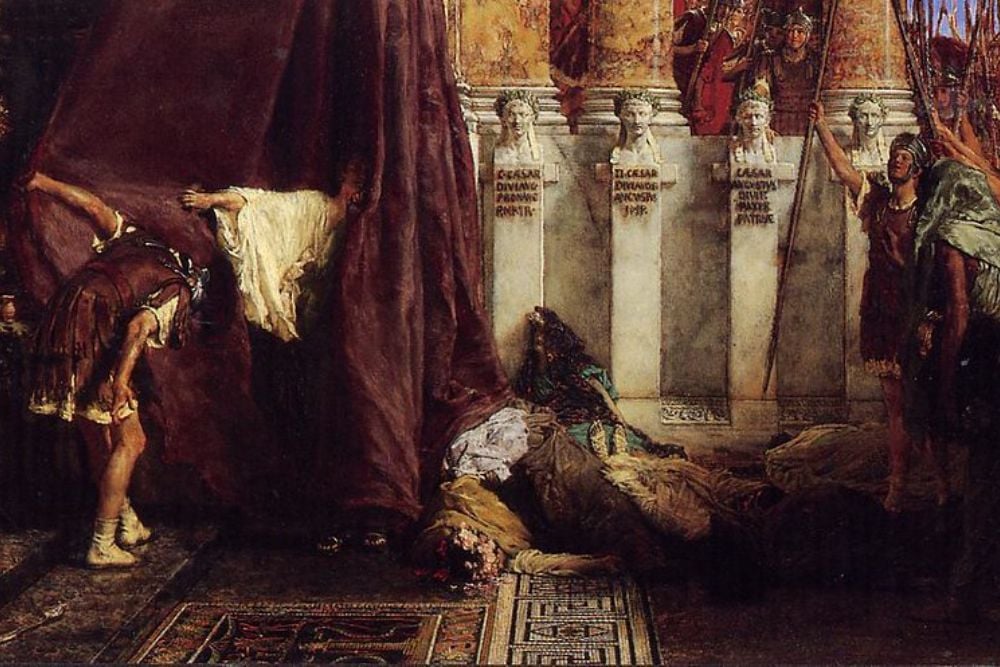
This ancient Roman festival honored Saturn with a bizarre period where social norms got temporarily flipped upside down. Slaves actually dined while their masters served them, gambling wasn’t just permitted but encouraged, and a designated ‘Lord of Misrule’ presided over increasingly chaotic festivities.
Early Christian authorities couldn’t tolerate such reversal of proper order – they gradually suppressed Saturnalia’s more extreme elements, finding its hedonistic celebrations completely incompatible with their religious values.
Lupercalia
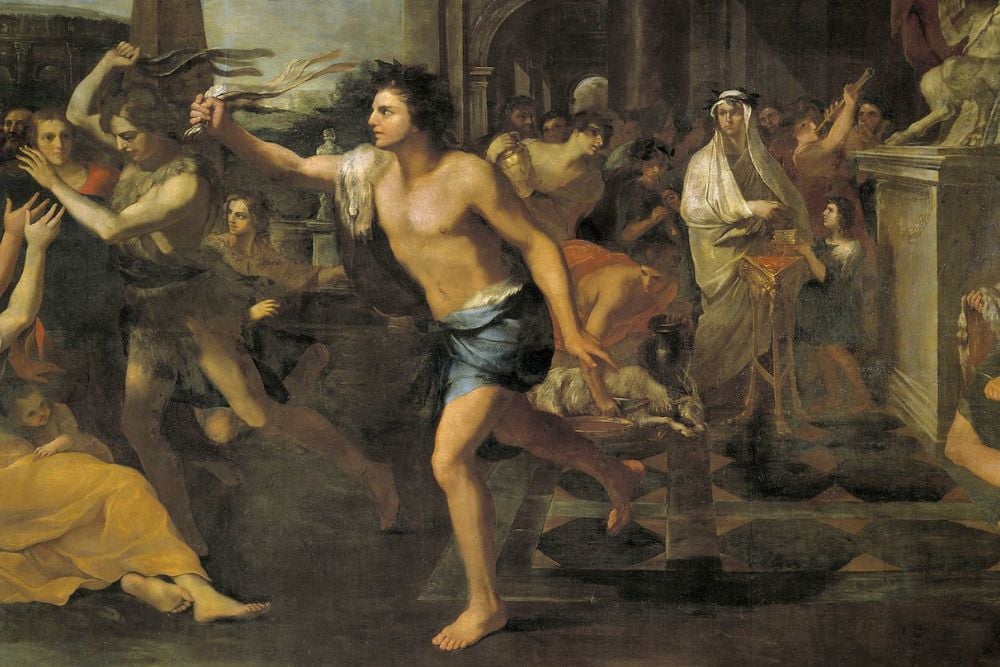
In this decidedly odd Roman purification ritual, young men would run through streets wearing nothing but goatskin loincloths while striking women with strips of hide – supposedly to ensure fertility. The festival combined animal sacrifice, partial nudity, and physical contact in ways that increasingly troubled Christian authorities as Rome’s religious landscape shifted.
Pope Gelasius I eventually had enough and abolished the celebration in the late 5th century, replacing it with the considerably more modest Feast of the Purification.
Feast of Fools
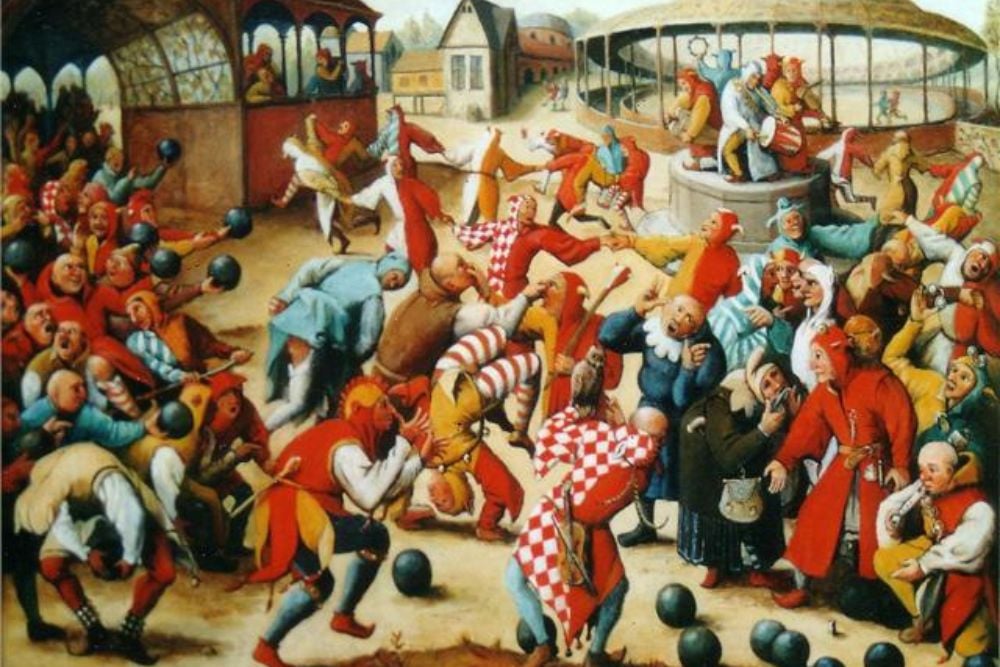
Medieval Europe’s Feast of Fools turned traditional church hierarchy on its head – lower clergy would suddenly assume the roles of bishops and cardinals in mock ceremonies that grew increasingly outrageous. These celebrations featured surprisingly crude songs, elaborate masks, eating sausages directly at the altar, and numerous other irreverent behaviors performed in what should’ve been sacred spaces.
Church authorities tried repeatedly to suppress the festival before finally succeeding – yet not until the 16th century.
Kronia

This ancient Greek festival honoring Kronos temporarily dissolved strict social hierarchies – allowing slaves to actually dine alongside their masters during rare moments of equality. Starting as a simple harvest celebration, the festival’s relaxed social boundaries – coupled with typically excessive drinking – often led to complete chaos.
As Greek city-states developed more structured governance systems, authorities gradually restricted Kronia celebrations, increasingly worried about their potential for disrupting the carefully maintained social order.
Anthesteria
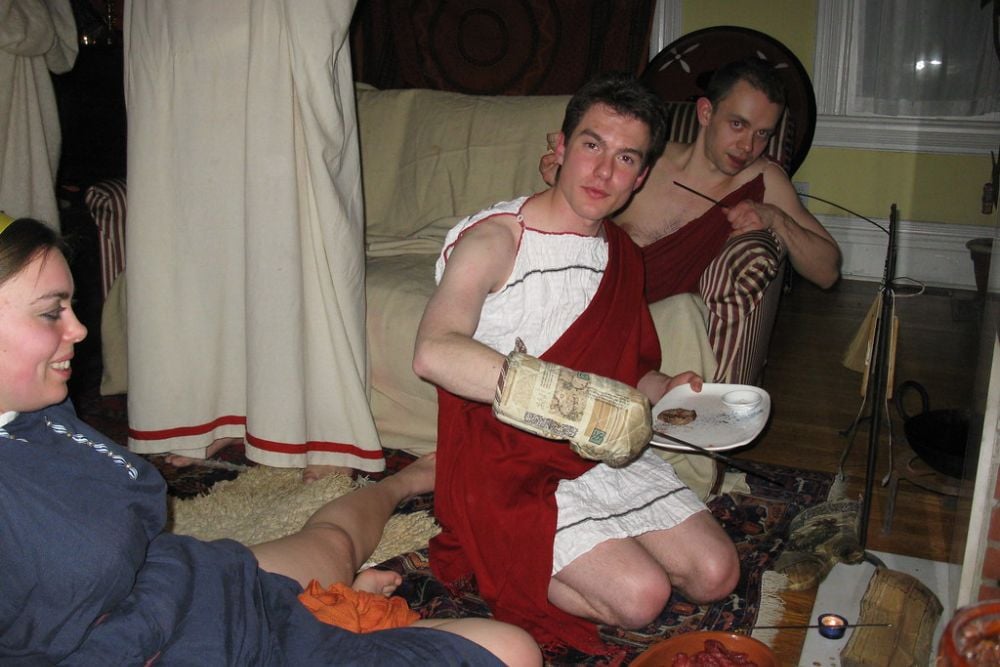
Athens’ three-day spring festival didn’t just honor Dionysus with wine-drinking competitions – it also featured genuinely unusual rituals tied to the afterlife. The final day supposedly allowed spirits of the dead to walk among the living, requiring protective measures like chewing hawthorn leaves and smearing doors with pitch to ward off unwelcome visitors.
The festival’s uncomfortable connections to the underworld – not to mention its excessive drinking – led to its eventual suppression under Christian Byzantine rule.
Hilaria
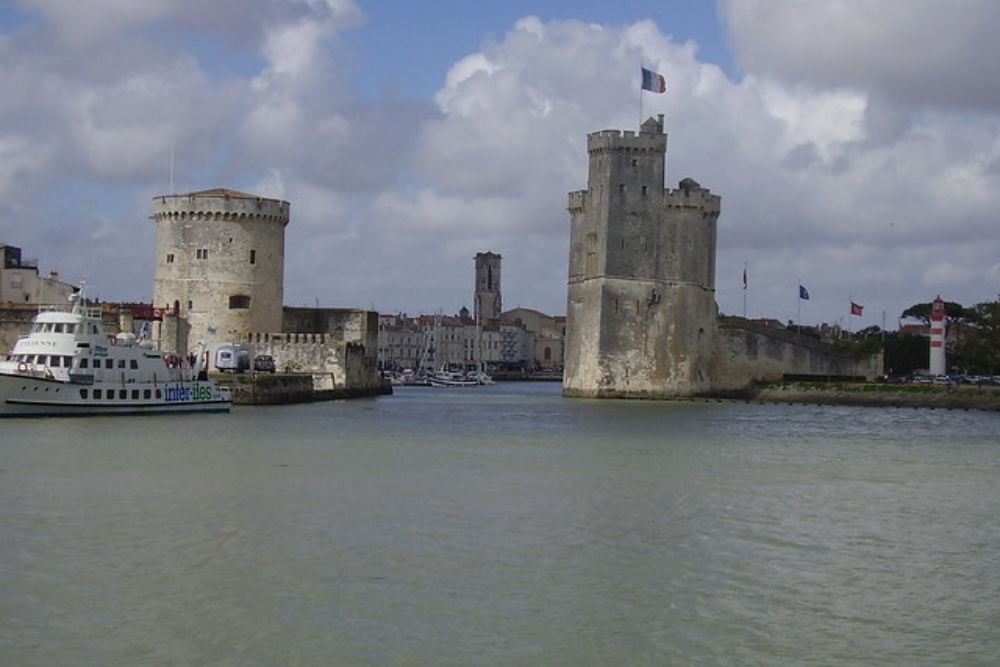
This peculiar Roman celebration of the goddess Cybele included cross-dressing, elaborate masked performances, and the complete suspension of all public business for its duration. Participants could impersonate anyone they wanted – even magistrates and other officials – during a day when normal restrictions simply didn’t apply.
Imperial authorities eventually grew tired of the chaos and restricted Hilaria’s more subversive elements, particularly concerned about the mockery of public officials and the potential for genuine civil disorder.
Thargelia
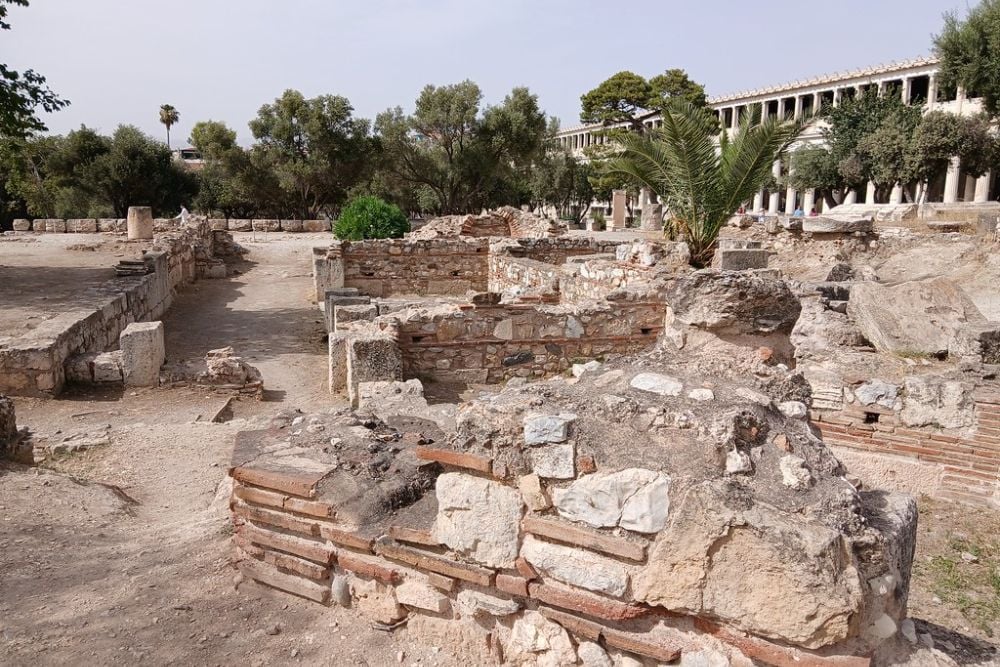
This Athenian purification ritual involved selecting two pharmakoi (human scapegoats) who were first treated quite well – fed special foods and dressed in sacred garb – before being beaten and exiled or, in earliest times, possibly executed. The festival’s scapegoat tradition and potential human sacrifice elements eventually proved incompatible with evolving Greek ethical standards.
Later authorities modified these troubling aspects before eventually abandoning them altogether.
Thesmophoria

This women-only Greek festival excluded men entirely – with remarkably severe punishments promised for any male who dared attempt to observe its secret rites. Women lived in temporary shelters, abstained completely from relations with men, and performed mysterious rituals involving buried piglets and fertility symbols.
The exclusive nature and secretive practices made authorities increasingly suspicious, leading to its eventual suppression under Christian rule.
Dionysia
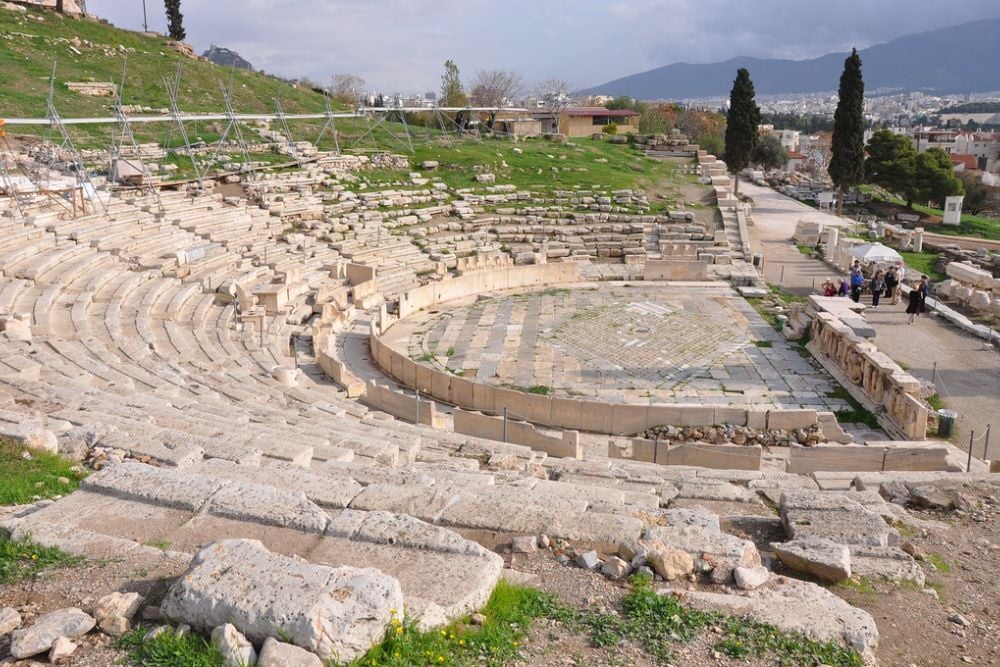
The rural Dionysia centered around phallus-bearing processions and performances that grew increasingly bawdy with each passing year. These dramatic festivals involved elaborate theatrical competitions but also featured explicit sexuality and mockery of authority figures.
Roman authorities and later Christian leaders restricted then eventually banned the more provocative elements of these celebrations.
Compitalia
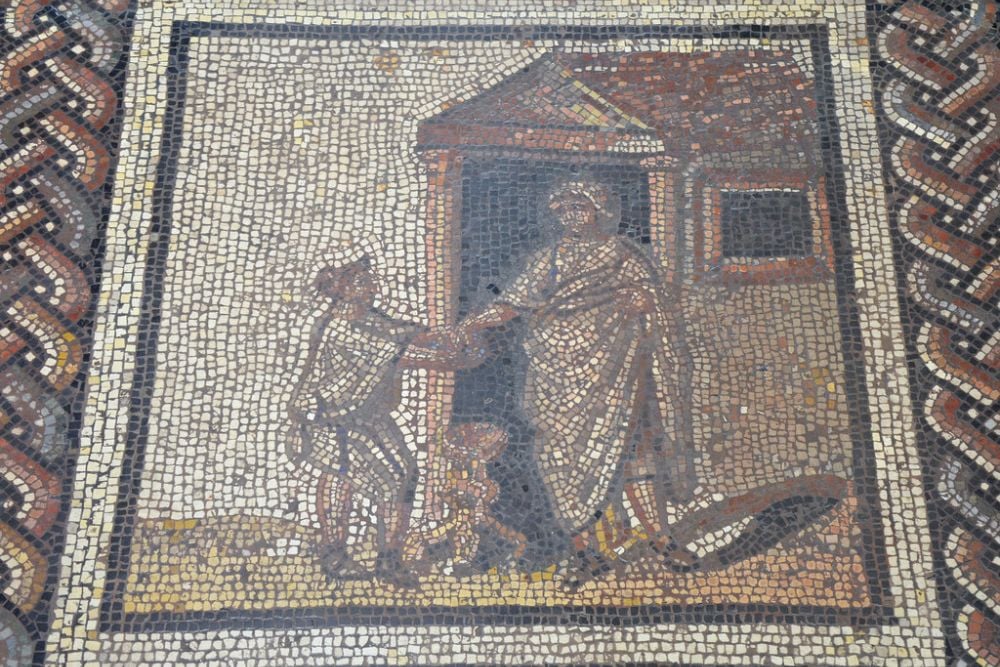
This Roman festival honoring household spirits featured the hanging of woolen effigies at crossroads – originally possibly substitutes for human sacrifice in Rome’s earliest days. Slaves played prominent roles in these celebrations, which concerned authorities because they potentially undermined the social hierarchy.
Augustus Caesar ultimately reformed the festival, transforming it into more controlled worship of the imperial household gods.
Lemuria
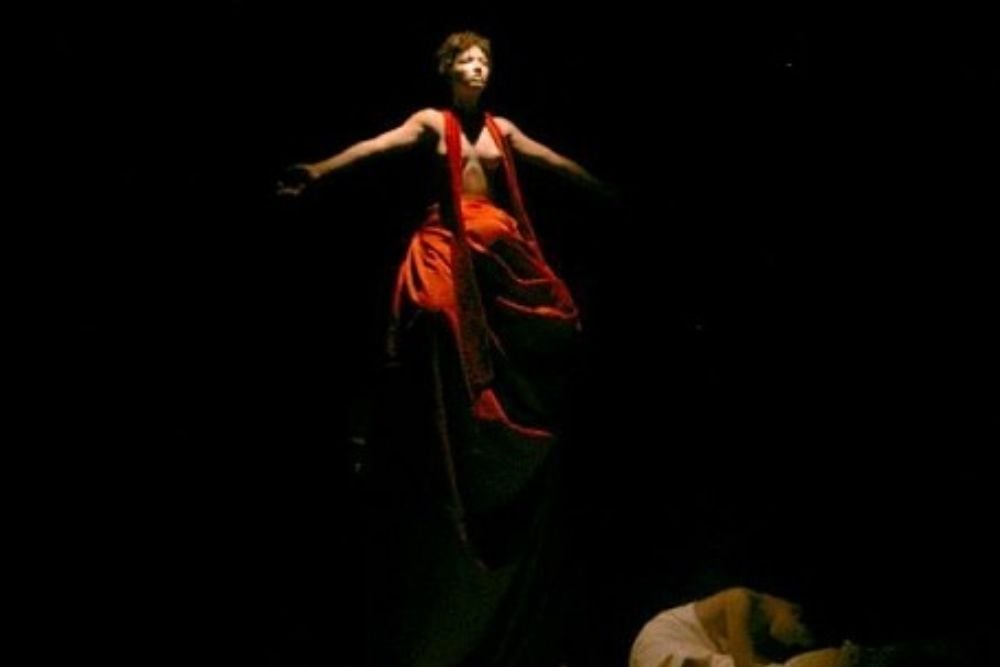
This Roman festival attempted to exorcise malevolent spirits of the unburied dead through some truly bizarre midnight rituals. Participants would walk barefoot at midnight, spitting black beans behind them while reciting specific incantations, carefully avoiding looking back as ancestral ghosts supposedly consumed the offerings.
Christian authorities eventually suppressed Lemuria, considering its ghost-appeasing elements fundamentally incompatible with their doctrines about the afterlife.
Mamuralia
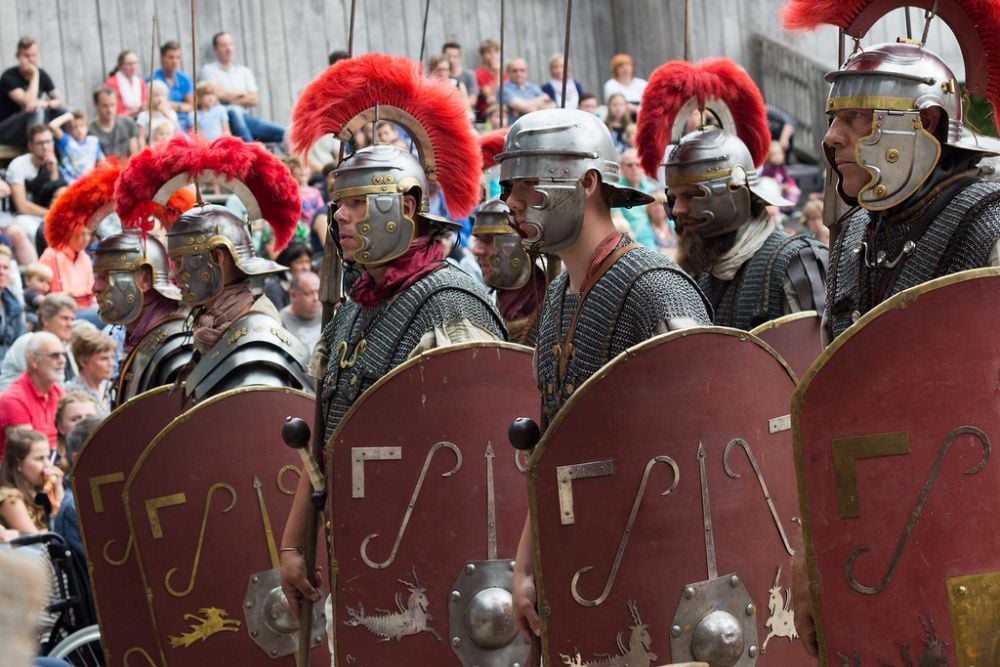
During this unusual Roman festival, an old man dressed in animal skins (representing the old year) was beaten with sticks and driven from the city in a ritualized scapegoating ceremony. The violence and scapegoating elements increasingly troubled authorities as Roman society evolved toward more sophisticated religious expressions.
The festival was eventually incorporated into more acceptable ceremonies before being abandoned entirely.
Brumalia
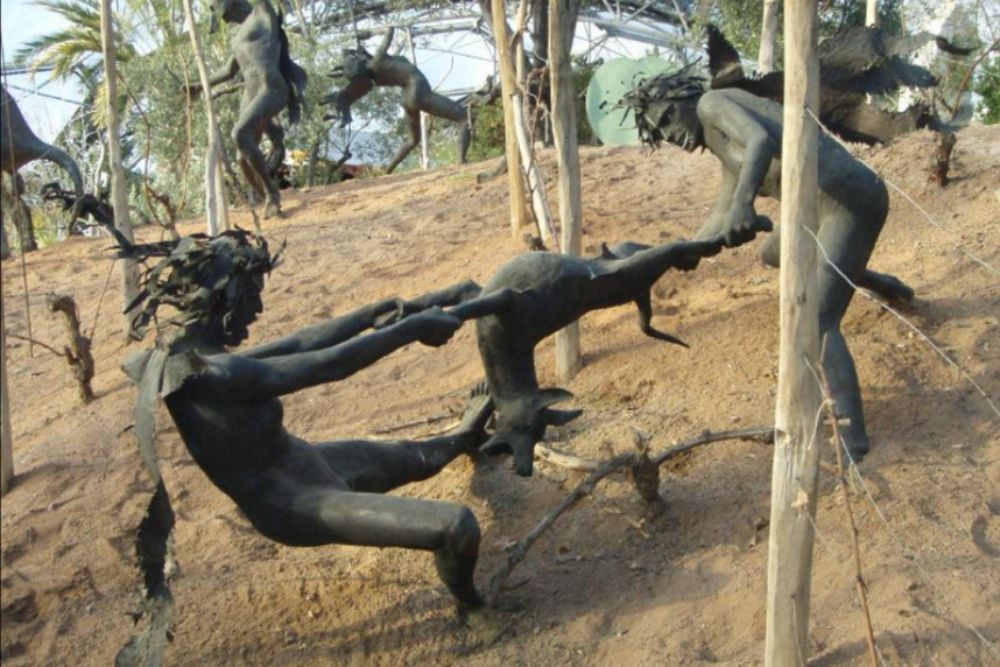
This winter solstice festival inherited elements from earlier Dionysian rites and featured nighttime revelry, fortune-telling activities, and lavish feasting that sometimes lasted for days. The 24-day celebration assigned each day a letter of the alphabet, with participants giving gifts beginning with that letter.
Emperor Justinian explicitly banned Brumalia in the 6th century as part of his broader efforts to eliminate remaining pagan influences throughout the Byzantine Empire.
Floralia

Rome’s celebration of Flora, goddess of flowers and spring, included theatrical performances by courtesans who would remove their clothing at the audience’s request – scandalizing later authorities. The six-day festival featured hare and goat releases (symbols of fertility) alongside ceremonial scattering of beans and lupines.
Authorities gradually restricted the festival’s more explicit sexual elements as Roman society shifted toward increasingly conservative Christian values.
Consualia
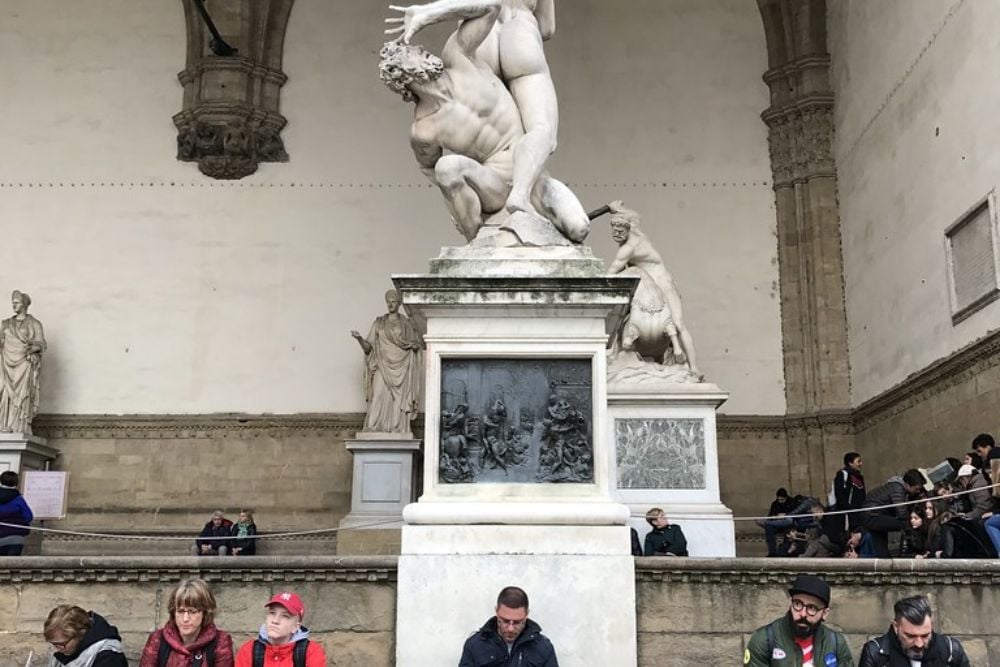
This Roman harvest festival honored Consus, the god of stored grains, with underground altar ceremonies and races using horses and mules adorned with elaborate flower garlands. According to legend, the first Consualia provided cover for the infamous ‘rape of the Sabine women’ when Romans abducted women from neighboring tribes.
The festival’s associations with this troubling origin story contributed significantly to its eventual abandonment.
Liberalia
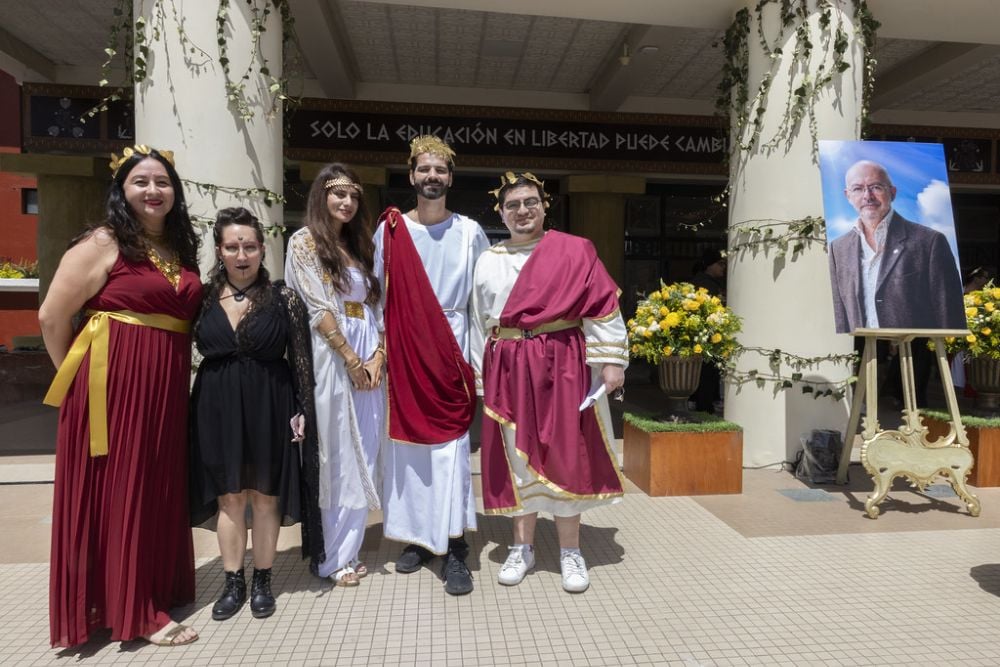
This Roman coming-of-age festival marked boys’ transition to manhood with ceremonial removal of childhood amulets and adoption of adult togas. The celebration of Liber and Libera featured processions carrying enormous phallus symbols through towns, supposedly to ensure fertility for the coming year.
Christian authorities specifically targeted Liberalia for suppression, objecting to its explicit sexual symbolism and connections to fertility deities they considered false and dangerous.
Legacy of Ancient Revelry
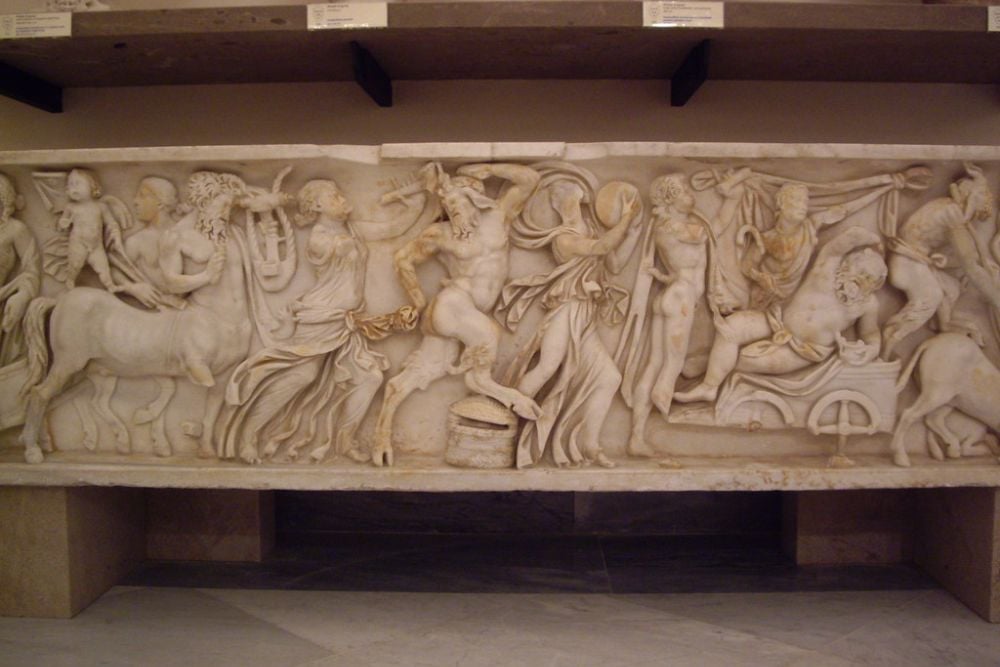
The banning of these ancient festivals reflects how moral standards, religious beliefs, and power structures have evolved throughout history. While modern celebrations like Mardi Gras and Carnival preserve elements of their wild ancestors, today’s versions operate within more defined boundaries that society finds acceptable.
These ancient festivals provide fascinating windows into humanity’s constant struggle to balance our need for periodic release against concerns for public order and changing moral frameworks – a balancing act that continues in our celebrations today.
More from Go2Tutors!

- The Romanov Crown Jewels and Their Tragic Fate
- 13 Historical Mysteries That Science Still Can’t Solve
- Famous Hoaxes That Fooled the World for Years
- 15 Child Stars with Tragic Adult Lives
- 16 Famous Jewelry Pieces in History
Like Go2Tutors’s content? Follow us on MSN.