26 Customs and Traditions That Were Suppressed or Banned Under Colonial and State Power
The erasure of culture isn’t a quiet death. It doesn’t fade away naturally like languages that simply fall out of use or traditions that evolve with changing times.
When colonial powers and assimilationist states set out to dismantle indigenous customs, they used policy, schooling, and force to cut the threads that held communities together. These weren’t quaint folkways—they were foundational practices that shaped how people understood themselves, their place in the world, and their connection to something larger than themselves.
The scope of this suppression spans continents and centuries, touching nearly every corner of the globe where one power claimed dominion over another. What follows isn’t only a catalog of loss but a recognition of how deliberate much of it was—and of the resilience of communities that have fought, often successfully, to reclaim what was taken.
Aboriginal Dreaming Ceremonies
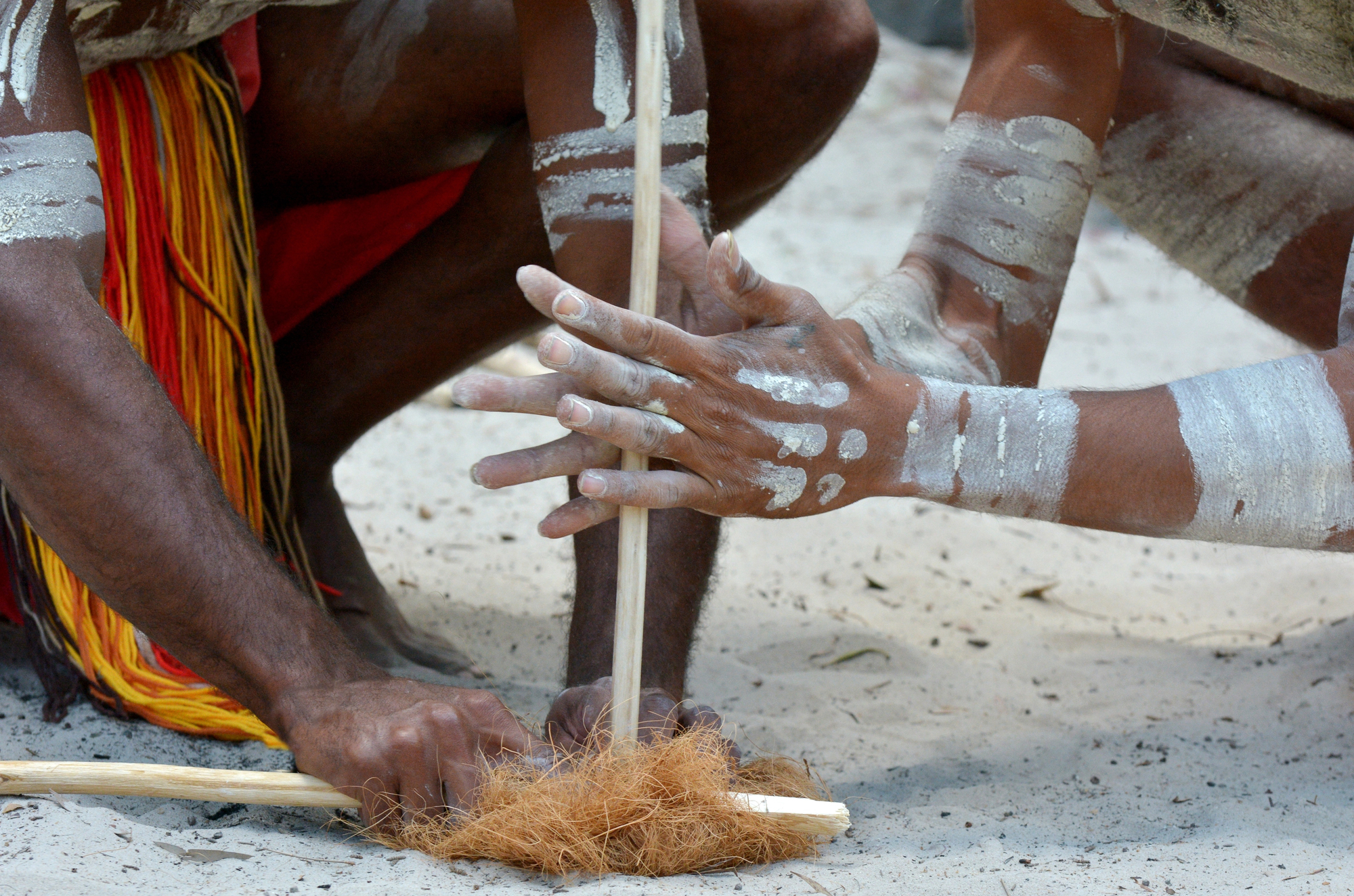
British colonization of Australia didn’t just discourage Aboriginal spiritual life; over time, a web of “protection” laws across the colonies and states gave officials sweeping control over where Aboriginal people could live, whom they could marry, and whether they could practice ceremony or speak their languages at all. Children were removed from families, and gatherings were restricted or forbidden.
The Dreaming (often called the Dreamtime) wasn’t a set of casual rituals—it was the foundation of Aboriginal cosmology, law, and social structure, connecting people to country, ancestors, and the creation stories that explained the world. Suppressing ceremony wasn’t merely a restriction on worship; it severed people from the framework through which they understood existence itself.
Much survived in secret, and revitalization continues today.
Hawaiian Hula and Spiritual Practices

American Protestant missionaries arrived in Hawaii in 1820 and openly condemned hula as licentious and idle—though, lacking legal authority, they couldn’t ban it themselves. Instead, their influence over the newly Christianized chiefs produced the actual prohibition: in 1830, Queen Kaʻahumanu, a Christian convert, issued an edict forbidding public hula performances.
The ban was widely ignored after Kaʻahumanu’s death in 1832, but the disapproval lingered for decades, pushing the dance and its chants into private practice. Hula carried creation stories, genealogy, history, and religious knowledge in a society with no written language, so suppressing it threatened an entire system of memory.
It was King David Kalākaua—the “Merrie Monarch”—who deliberately revived public hula in the 1880s, and the tradition has flourished again since.
Native American Sun Dance

Think of the Sun Dance as a library, a hospital, and a university rolled into one sacred ceremony—because that’s essentially what it was for Plains nations like the Lakota, Cheyenne, and Arapaho. The multi-day ritual involved dancing, fasting, and sometimes voluntary piercing as participants sought visions, healed community members, and renewed their connection to the sacred.
The U.S. government effectively banned the Sun Dance and other ceremonies beginning in 1883 through the Code of Indian Offenses, enforced by the Courts of Indian Offenses. Agents and missionaries branded these ceremonies “heathenish,” ignoring the crucial social, spiritual, and psychological roles they played in holding communities together through a period of devastating upheaval.
The ban persisted for decades; broad religious freedom for Native ceremonies wasn’t restored until the American Indian Religious Freedom Act of 1978.
Aztec Ritual Calendar and Festivals
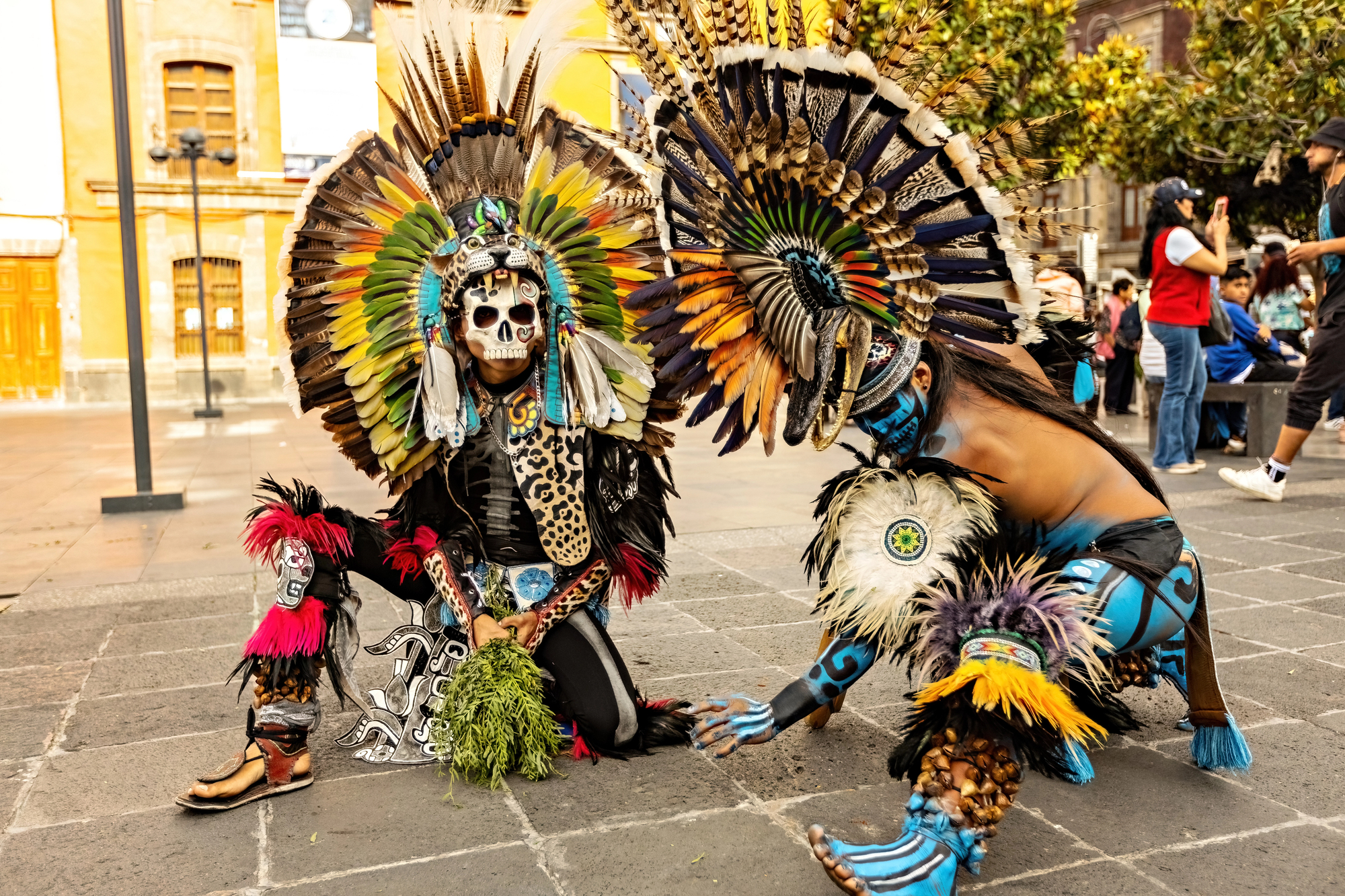
When Spanish conquistadors reached Mesoamerica, they encountered the Mexica (Aztec) calendar system—an intricate framework that governed timekeeping, agriculture, ceremony, and spiritual life. The tonalpohualli (the 260-day sacred count) and xiuhpohualli (the 365-day solar count) worked together to determine when to plant, when to hold ceremonies, and how to interpret a person’s fate.
It wasn’t mere scheduling; it was a comprehensive vision of time as sacred and cyclical. Spanish colonizers and Catholic missionaries set out to destroy these practices, burning codices and forbidding traditional festivals, often deliberately overlaying Christian feast days onto indigenous celebrations.
The destruction swept away astronomical, mathematical, and agricultural knowledge developed over generations—though enough survived in surviving codices and oral tradition that scholars have reconstructed a great deal of it.
Andean Ayni Reciprocity System
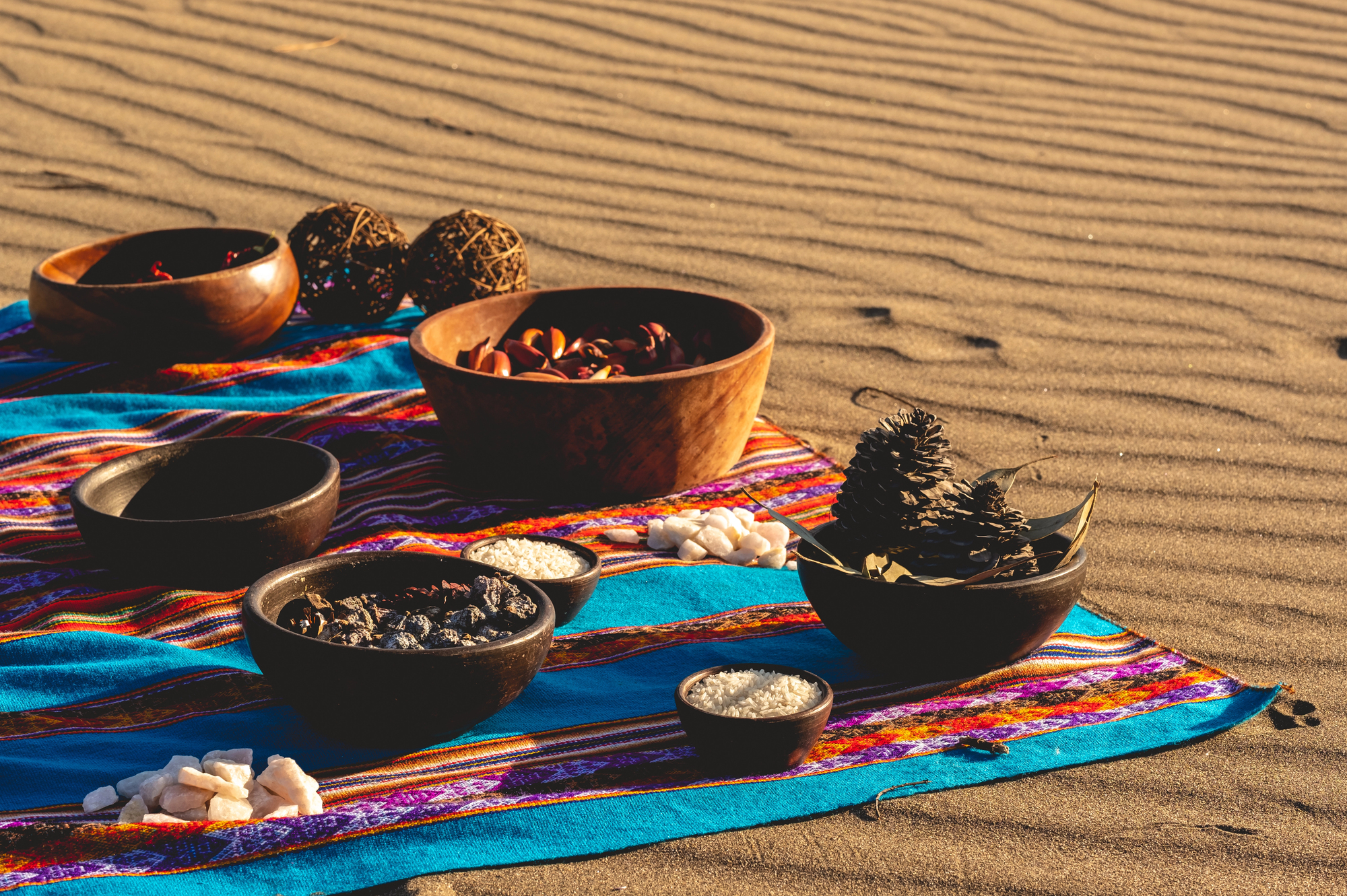
Picture a society where mutual aid isn’t charity but obligation—where helping your neighbor isn’t kindness but the organizing principle of life itself. That was ayni among Andean peoples such as the Quechua and Aymara: a system of reciprocity governing agricultural labor, communal projects, and ceremony.
If someone helped you harvest, you owed equivalent work in return. No money changed hands, because money wasn’t the point.
Spanish colonial administrators, unable to fit such systems into their own economic logic, undermined them through forced-labor regimes like the encomienda and a colonial reworking of the older mita. This wasn’t merely a change in how people worked; it strained a social contract that had sustained Andean communities for centuries.
Remarkably, ayni endures in many highland communities to this day, one of the more resilient traditions on this list.
Celtic Druidic Practices
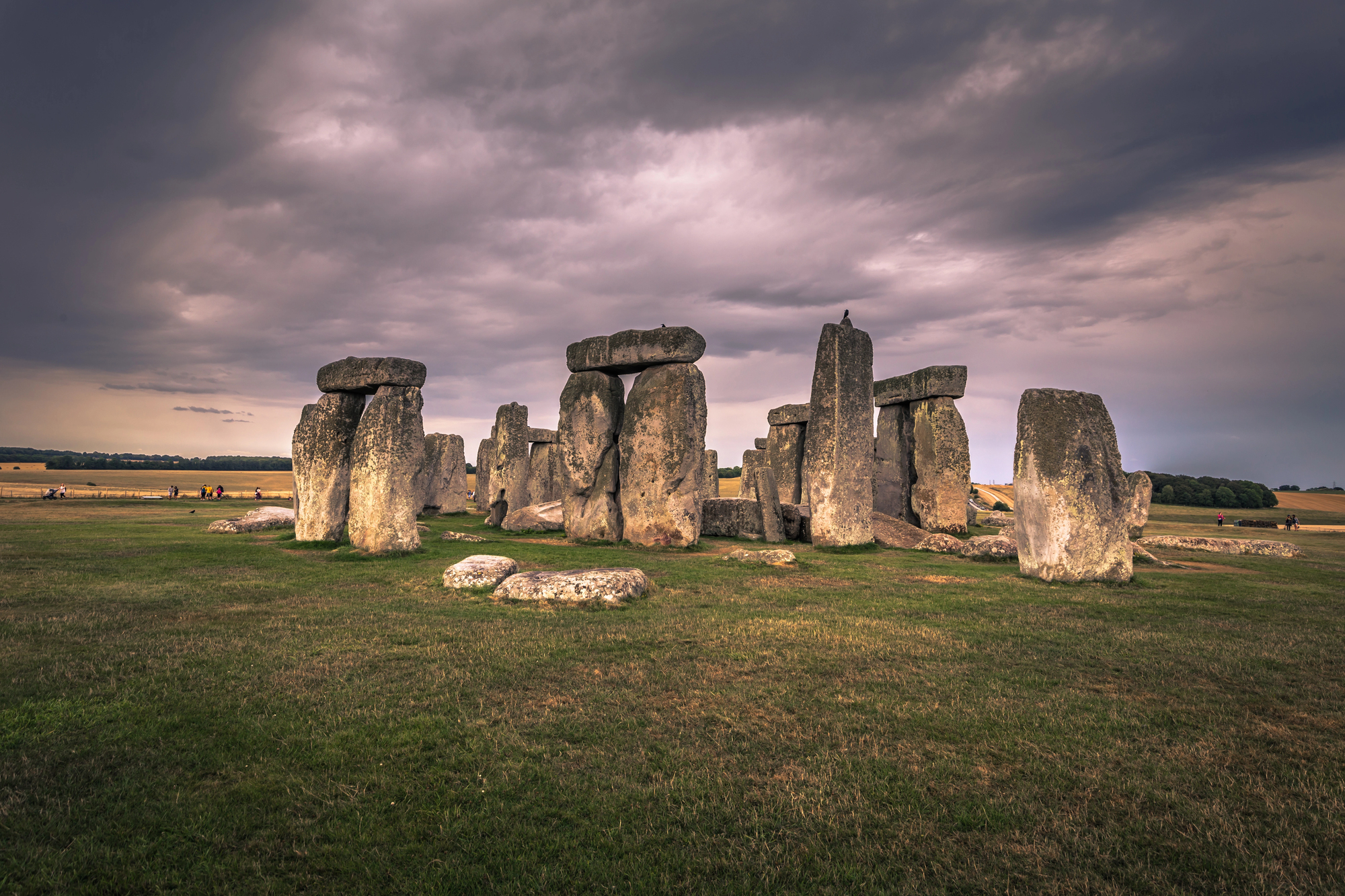
Roman conquest of Celtic lands targeted the Druids—the priestly class who served as judges, teachers, healers, and keepers of oral tradition. These were the living libraries of Celtic society, memorizing law, genealogy, and sacred knowledge that took many years to master.
Roman authorities moved against the Druids, and according to the Roman historian Tacitus, the conquest culminated in an assault on the Druid stronghold on the island of Anglesey (Mona) and the destruction of its sacred groves. Rome understood that eliminating the knowledge-keepers would cripple Celtic cohesion more effectively than battle alone.
Later, Christianization completed the transformation, absorbing or erasing the remnants of Druidic spiritual and legal tradition—though much of what we “know” about Druids comes filtered through hostile Roman sources.
The Mesoamerican Ballgame
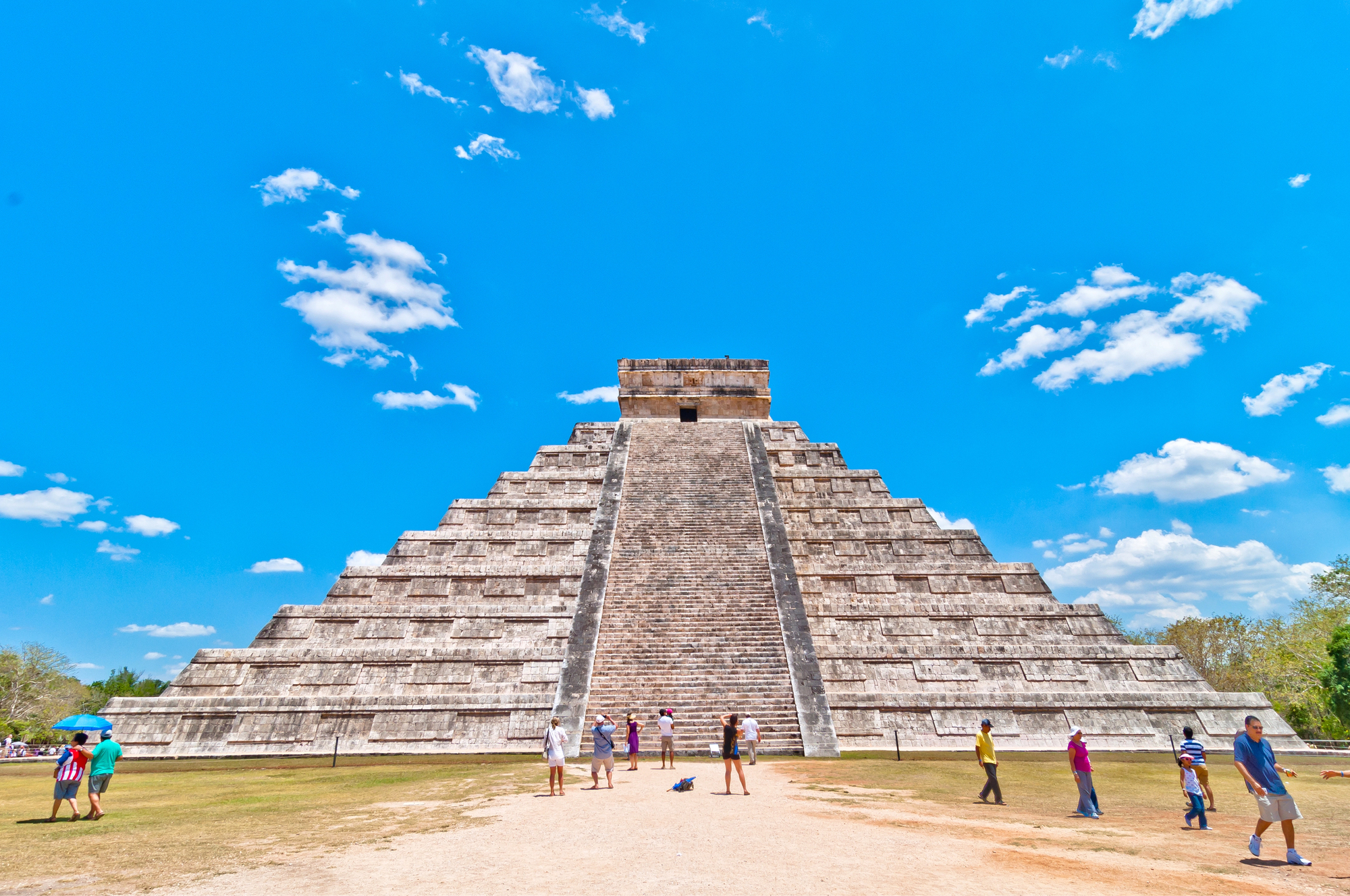
The ancient ballgame (known in Nahuatl as ōllamaliztli and in Maya as pitz) wasn’t mere recreation—it was cosmology in motion. Players used their hips to drive a heavy rubber ball through stone courts, in a game woven through with myth, including the Maya story of the Hero Twins’ journey through the underworld.
It functioned as ritual, political theater, and contest all at once, across Mesoamerica for many centuries. Spanish colonizers discouraged and suppressed the game as a pagan practice, and as courts fell into disuse the ritual form faded.
A version of the game survives in parts of Mexico, where communities have worked to revive ulama, but the elaborate ceremonial game of the great cities was lost. Its disappearance erased one of humanity’s oldest ways of binding ritual, myth, and play together.
Indian Sati and Indigenous Medicine Systems
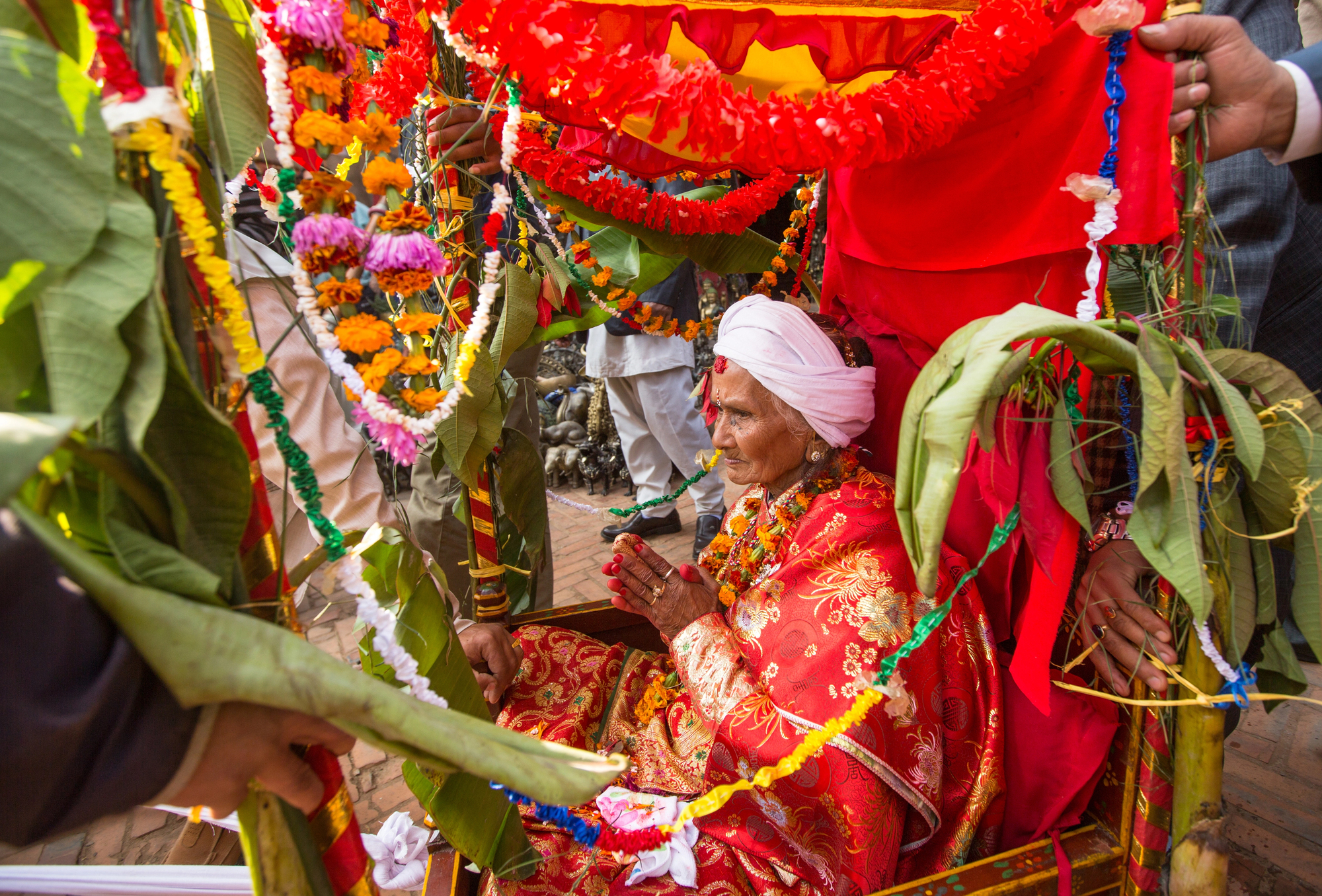
British colonial authorities in India confronted a genuinely complex situation with practices ranging from sati (the immolation of widows) to long-established medical traditions like Ayurveda and Unani. Sati was genuinely lethal and its prohibition in 1829, championed by Indian reformers like Ram Mohan Roy as much as by the British, is hard to lament.
But colonial policy didn’t stop at genuine harms. Over time it also marginalized indigenous medical systems—sophisticated bodies of knowledge about pharmacology, surgery, and treatment built over millennia—by privileging Western medicine and withdrawing support and legitimacy from the alternatives.
This blurred a real moral distinction: the suppression of a deadly practice was used to help justify the broader displacement of knowledge systems that had nothing to do with it. Both Ayurveda and Unani survived and are widely practiced today.
Aboriginal Corroboree Gatherings
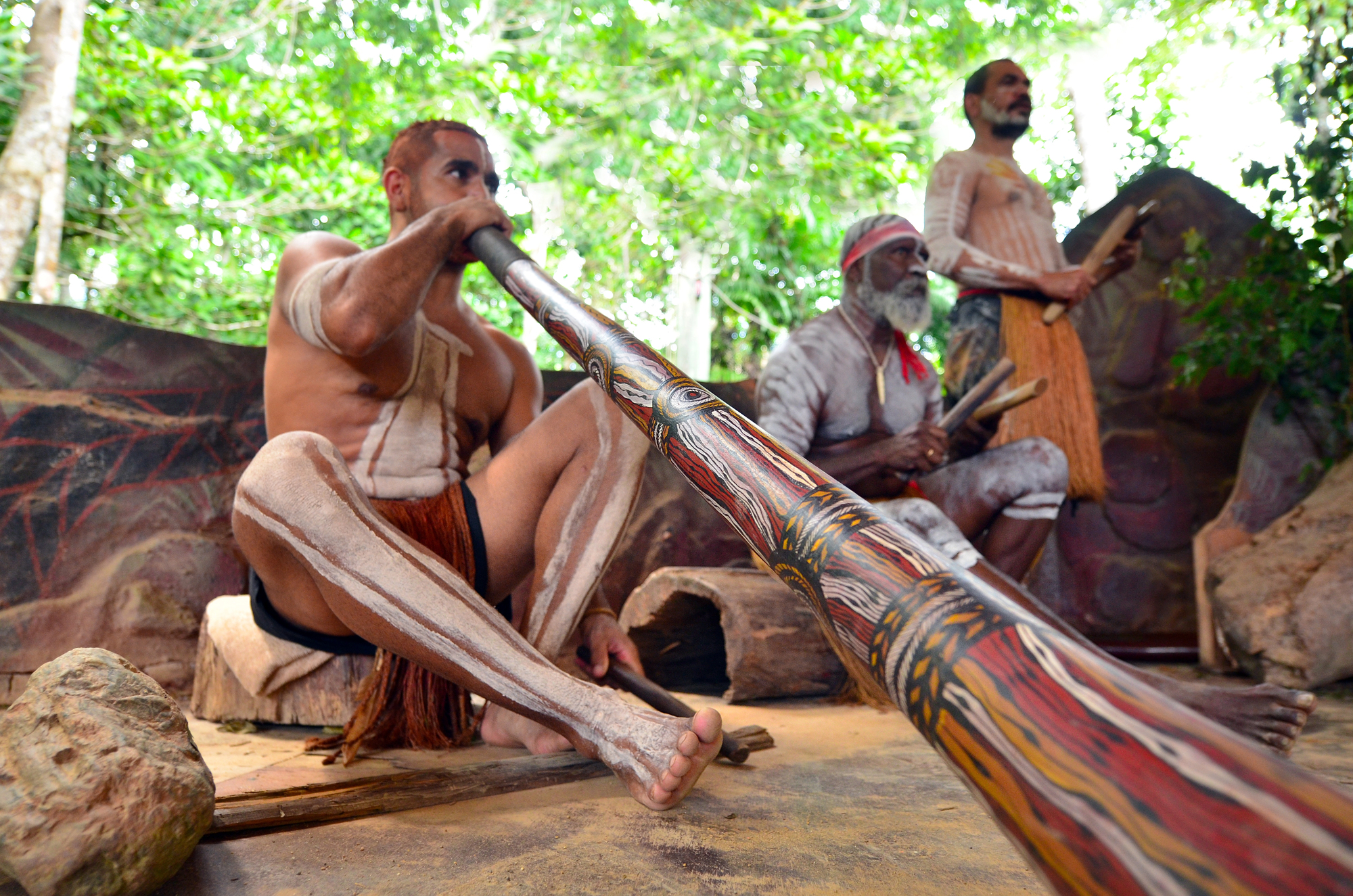
Corroborees were, in a sense, the connective tissue of Aboriginal Australia—gatherings where law was taught, news shared, marriages arranged, creation stories passed down, and relationships maintained across vast distances through dance, song, and story. Sacred and secular corroborees served different purposes, but all helped keep Aboriginal society connected and informed.
Colonial authorities restricted these gatherings as part of the broader apparatus of control over Aboriginal life, recognizing that assembly itself was powerful. When people can’t come together to share knowledge or coordinate, they’re easier to manage and assimilate.
The suppression was less about stopping a performance than about isolating communities from one another and interrupting the transmission of culture—an interruption that revitalization movements work to repair today.
Polynesian Navigation Traditions
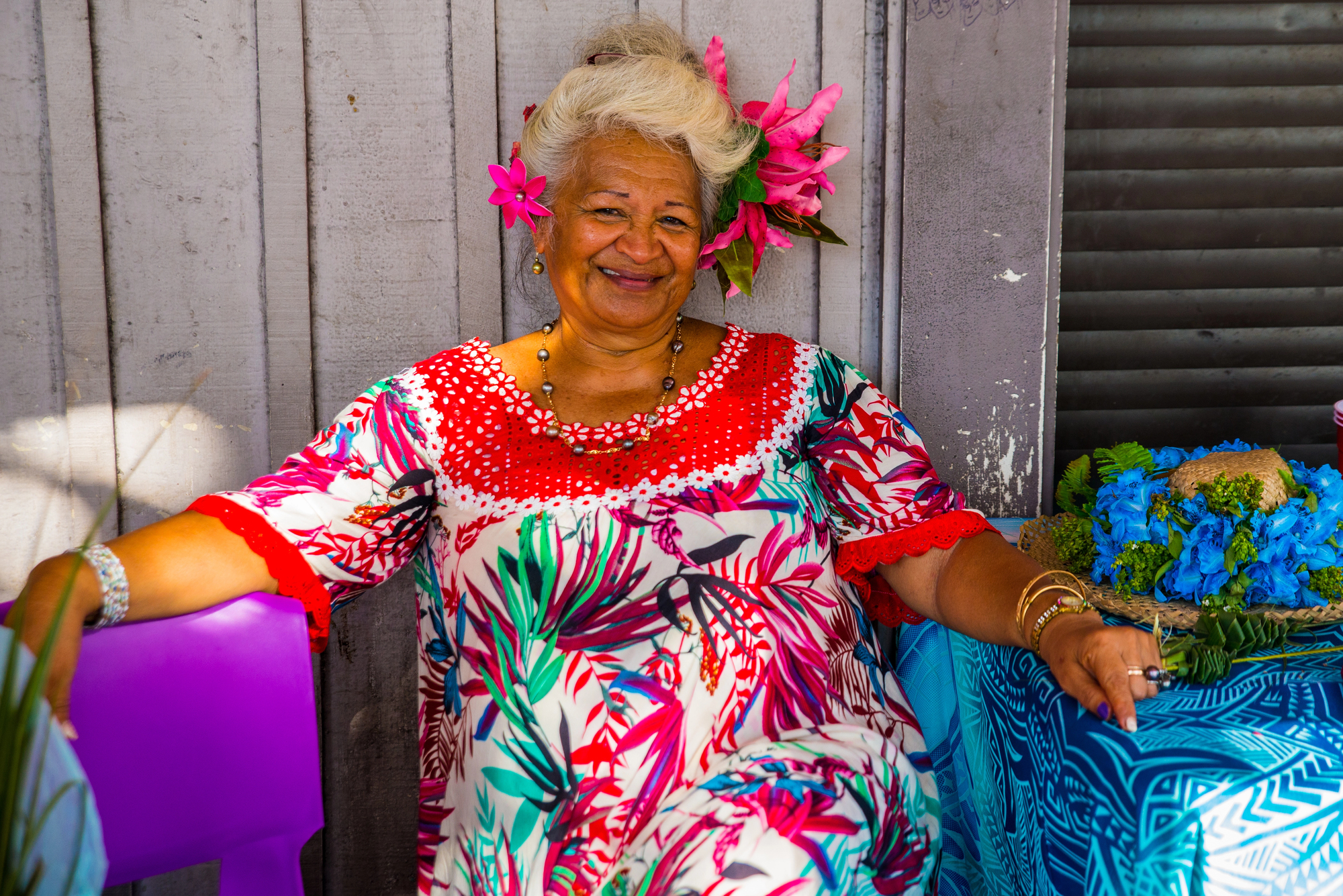
Polynesian wayfinding is one of humanity’s greatest navigational achievements—navigators crossing thousands of miles of open ocean guided by stars, swells, currents, cloud formations, and the behavior of birds and sea life. This was no lucky guesswork but a rigorous knowledge system that allowed people to settle islands across the world’s largest ocean with extraordinary precision.
Colonial administration and missionary influence dismissed traditional navigation as backward and unnecessary, promoting European instruments and letting the chains of teaching wither. By the mid-20th century, traditional wayfinding had nearly vanished, surviving most famously with master navigator Mau Piailug of Micronesia.
His teaching of Hawaiian navigators—and the famous 1976 voyage of the canoe Hōkūleʻa—sparked a Pacific-wide revival that continues today.
Maasai Age-Set Ceremonies
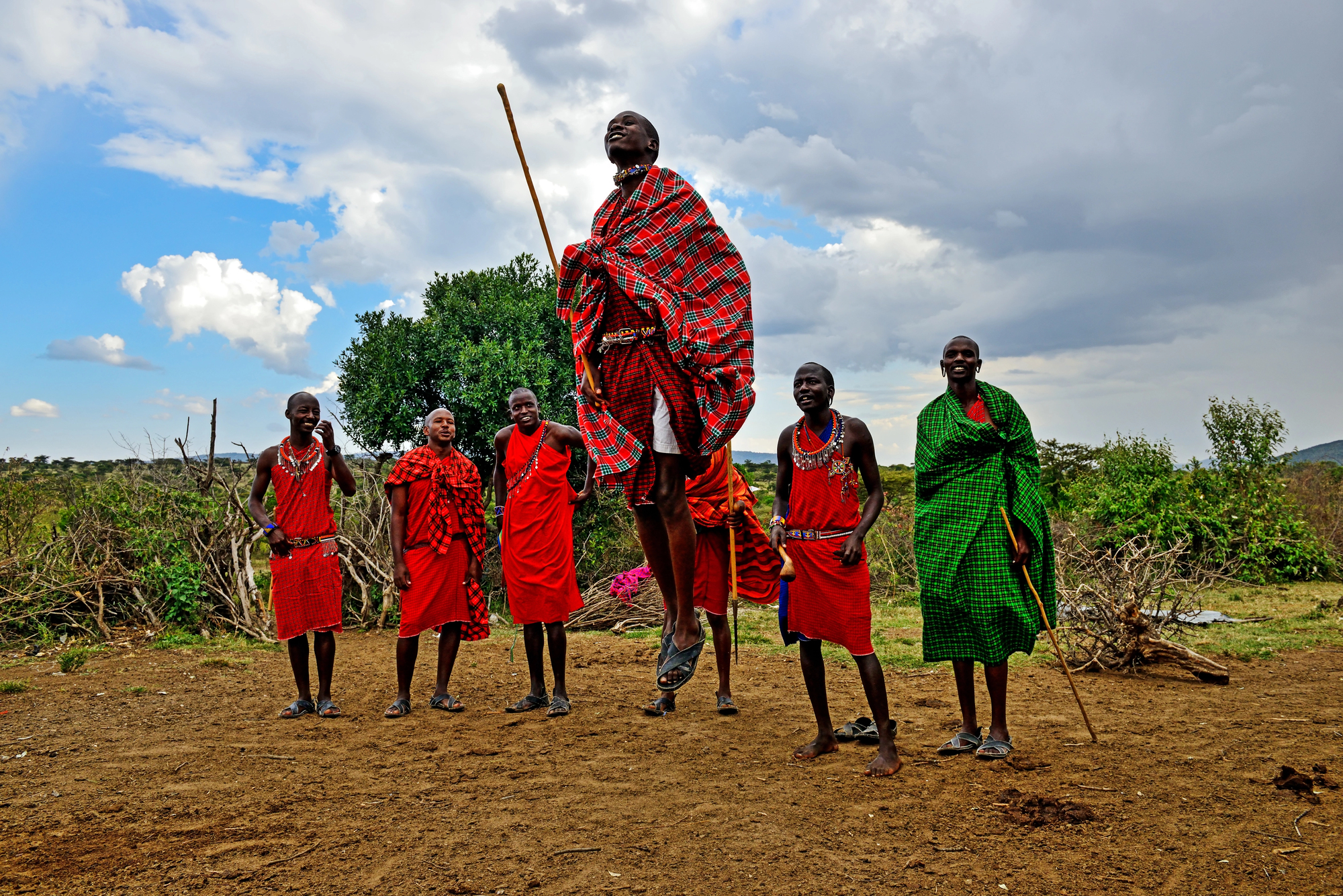
The Maasai age-set system organizes society around generational cohorts who move through life’s stages together—from childhood through the warrior (moran) years to elderhood. Each transition is marked by ceremonies that reinforce social bonds, transmit values, and maintain the intricate relationships between age groups.
British colonial administrators and missionaries viewed the warrior traditions in particular as disruptive and difficult to control, and colonial schooling pulled young people away from age-set life while promoting individual advancement over communal identity. This weakened structures that had long handled conflict resolution, resource management, and cultural transmission—though the age-set system remains central to Maasai identity in Kenya and Tanzania today, adapting rather than disappearing.
Incan Quipu Record-Keeping
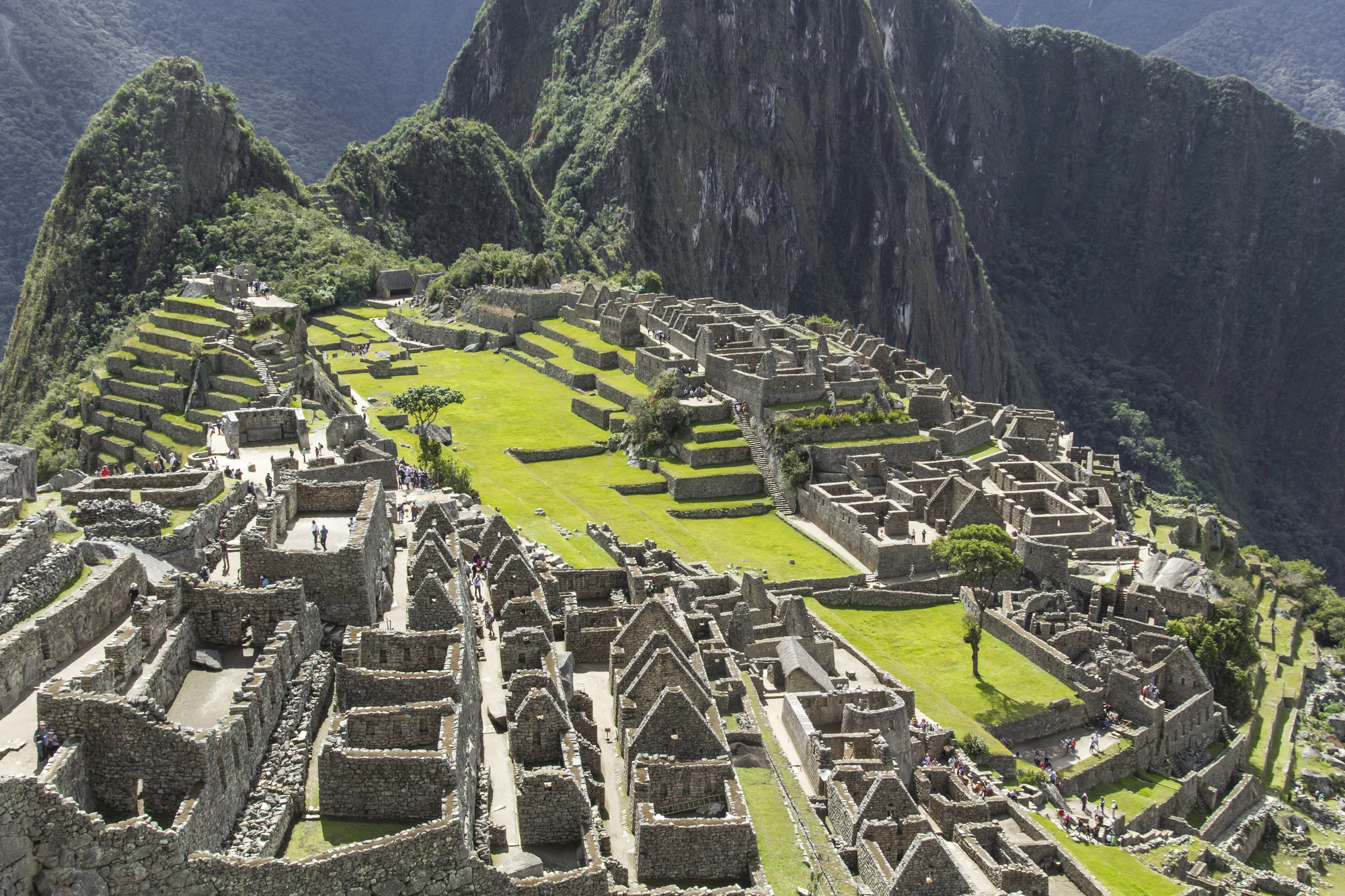
Imagine a record system made of knotted, colored cords that could store everything from census and tax data to calendars and possibly narrative. That was the quipu—the Inca state’s information technology, read and maintained by trained specialists called quipucamayocs.
Spanish colonizers recognized quipus as instruments of indigenous administration and memory, and church authorities, associating them with idolatry, ordered many destroyed. An immense amount of Andean accounting and historical record was lost.
Scholars today can read the numerical quipus reasonably well but have not fully deciphered whether and how they encoded language—meaning some of what was burned may be permanently unrecoverable.
African Ancestral Veneration Rituals
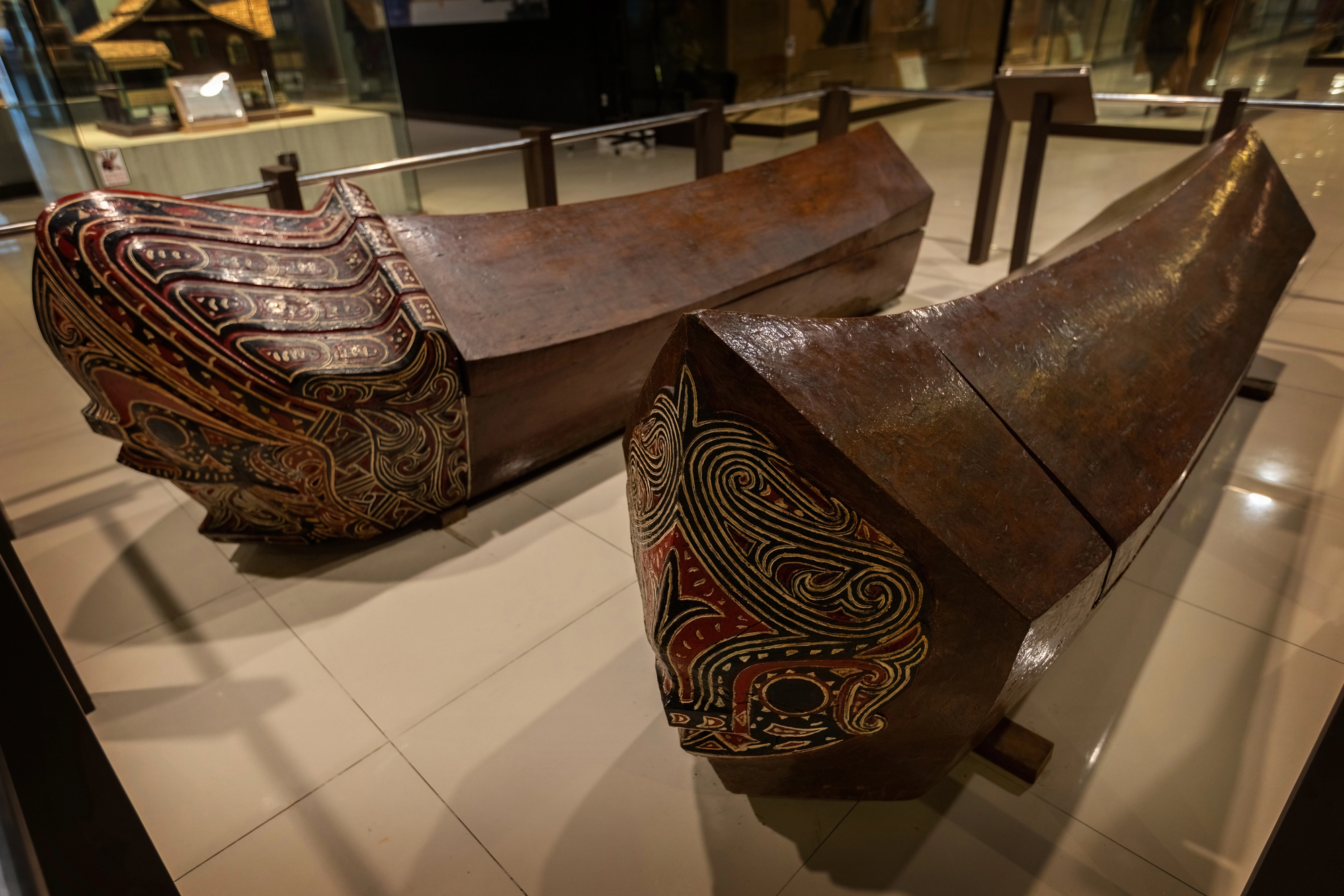
Across many traditional African societies, honoring ancestors wasn’t a marginal religious practice but a foundation of law, social organization, and decision-making. Ancestors were understood as active presences, consulted on disputes, marriages, and farming, their accumulated wisdom kept alive through ritual that linked the living and the dead.
European colonizers and Christian missionaries attacked these practices as “ancestor worship” and paganism, often failing to grasp that ancestral veneration functioned as a system for preserving knowledge and legitimizing authority. Suppressing it fragmented traditional structures of governance and memory.
Yet these practices proved deeply durable, persisting alongside and often blending with Christianity and Islam across the continent.
Japanese Shinto Folk Practices
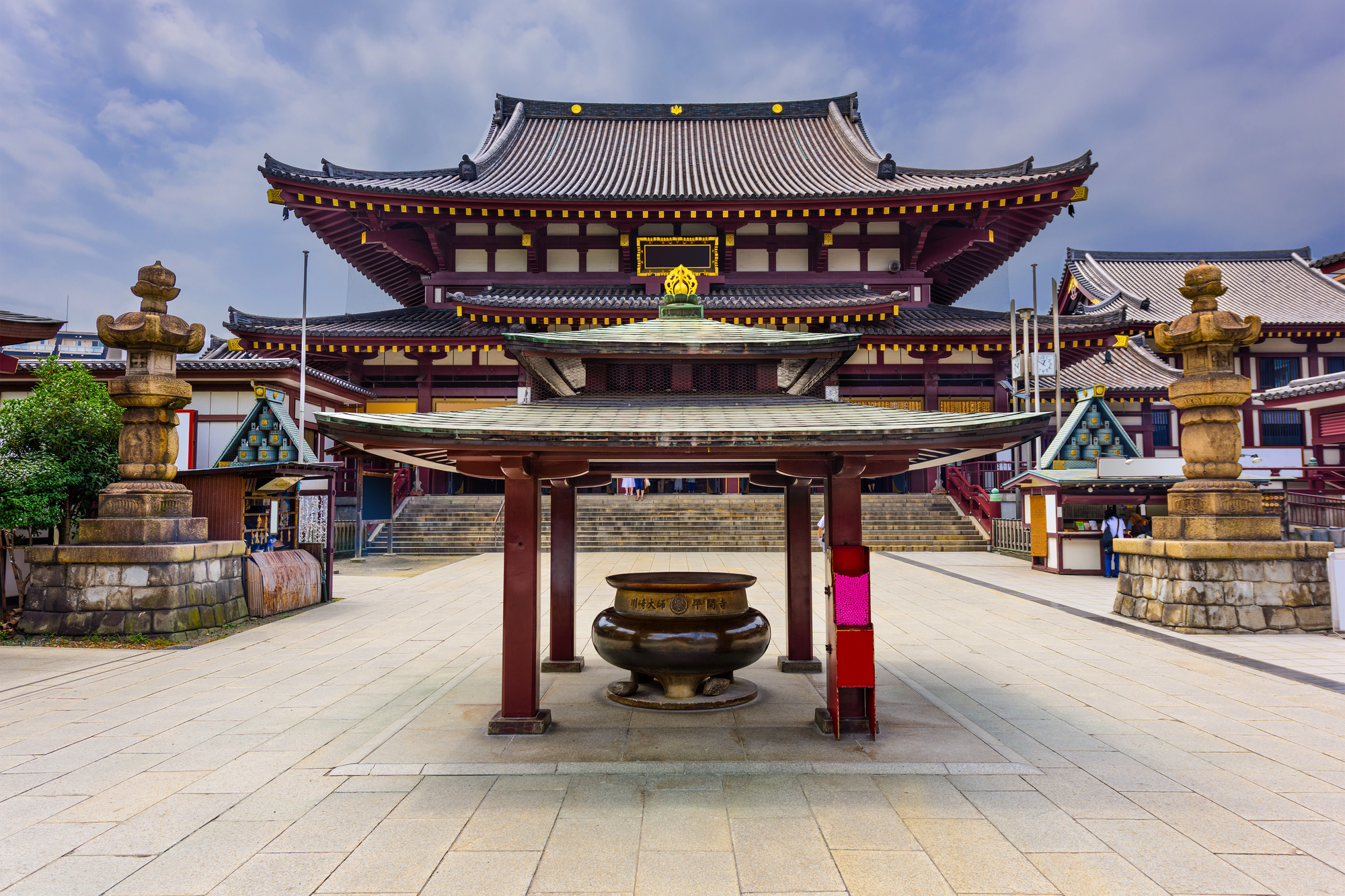
This entry is a reminder that cultural suppression isn’t only a colonial story—states do it to their own people too. Before and during the Meiji era that began in 1868, Shinto was woven through daily life as a diffuse set of local and folk practices, including purification rituals like misogi, tied to particular shrines, places, and communities.
The Meiji government, building a centralized modern nation, promoted a standardized State Shinto fused with emperor-worship while consolidating or eliminating thousands of small local shrines through a shrine-merger policy in the early 1900s. Diverse regional traditions were flattened into state-approved forms.
It wasn’t Western colonization, but it followed the same logic: central authority replacing local practice with uniform, controllable alternatives.
Cherokee Clan System and Green Corn Ceremony

Cherokee society was organized around seven clans, each with defined roles and relationships, governing marriage, law, and social obligation—not merely kinship but the whole framework of Cherokee order. The annual Green Corn Ceremony renewed these relationships, settled grievances, and began the year anew.
U.S. assimilation policy worked steadily against this system: missionary schooling, the imposition of Anglo-American legal and property norms, and later the Dawes Act’s push for individual land allotment over communal holding all undercut clan authority and traditional governance. The pressures weakened Cherokee mechanisms for harmony and conflict resolution—yet the clans and the Green Corn Ceremony endure among Cherokee communities today, sustained through deliberate revitalization.
Tibetan Sky Burial Traditions
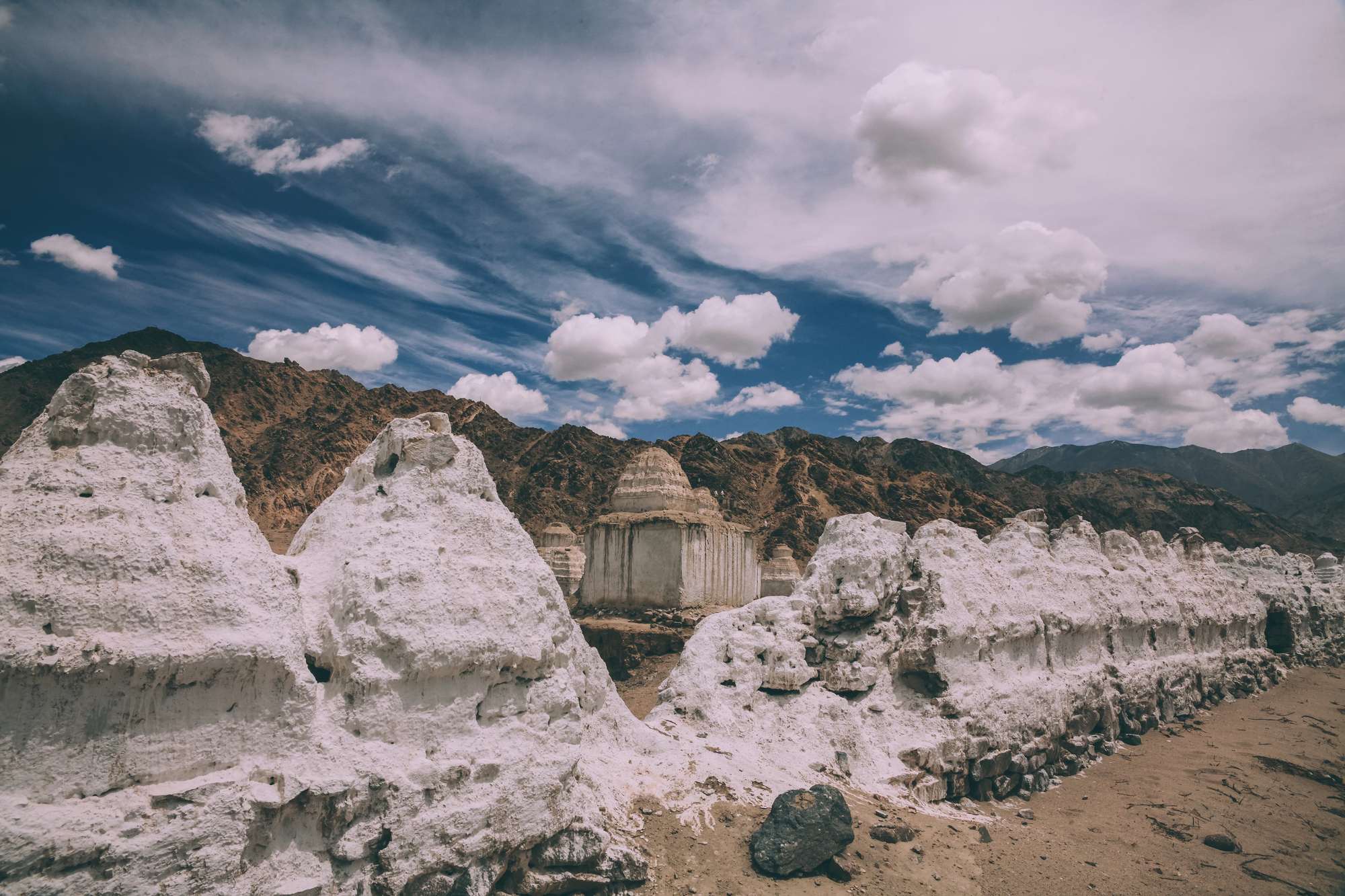
Sky burial—leaving the body on a mountainside for vultures—can strike outsiders as macabre, but within Tibetan Buddhist understanding it is an act of generosity and non-attachment: the body feeds other beings, completing a cycle. It is also practical where the ground is frozen and fuel for cremation is scarce.
Chinese authorities banned sky burial for a period after taking control of Tibet, before later permitting and even regulating it. The practice continues, though under restrictions, and tensions persist around outside intrusion (such as tourists photographing ceremonies).
The broader point holds: controlling how a people treat their dead reaches into how they understand life, death, and rebirth themselves.
Andean Wiphala Flag and Symbols
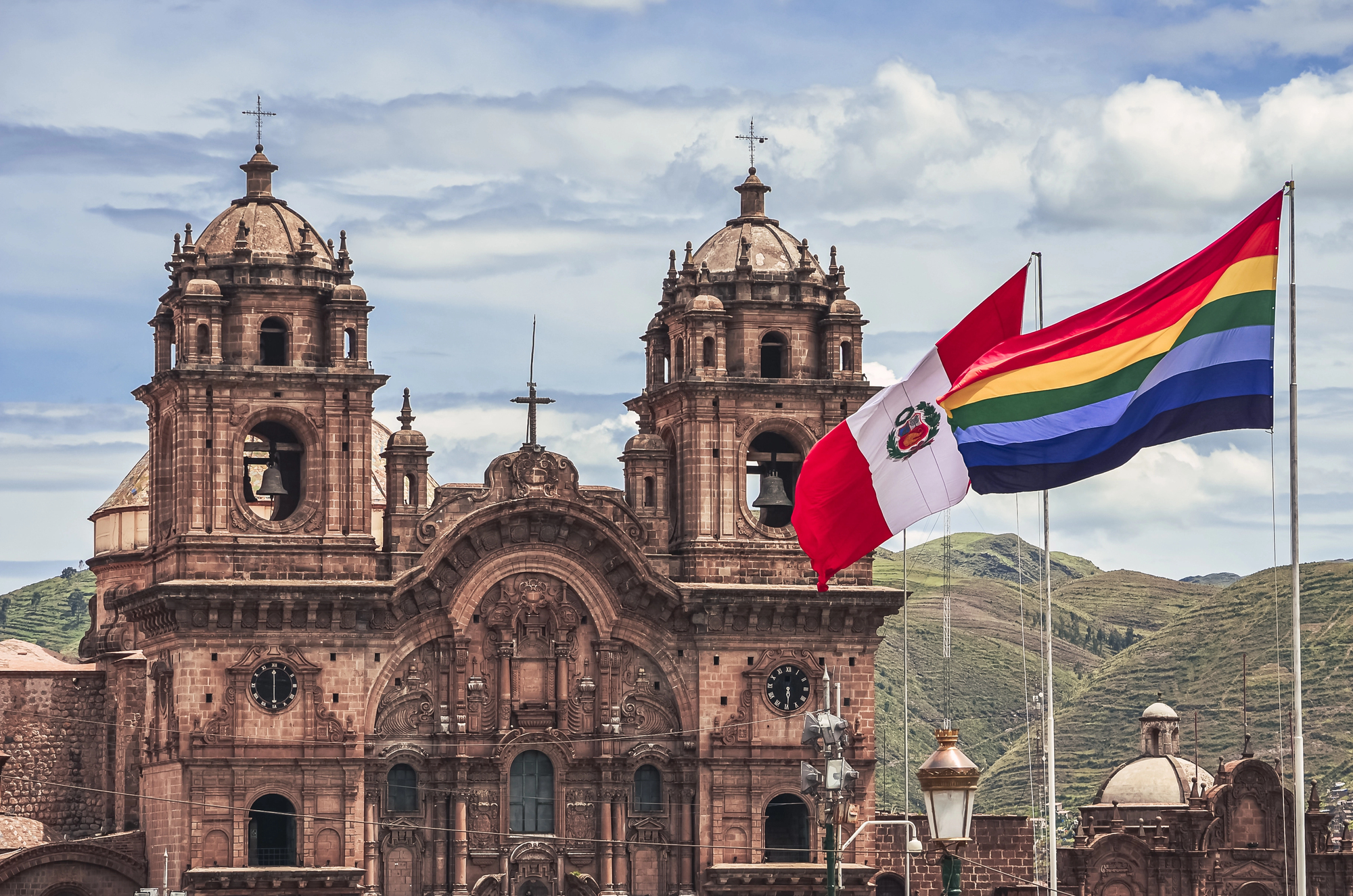
The wiphala—the square, rainbow-checkered emblem of many Andean indigenous peoples—is far more than decoration. Its colors and arrangement express elements of Andean cosmology: the relationship between earth and sky, the balance of complementary forces, the bond between individual and community.
To fly it has long been to assert indigenous identity and continuity with pre-Columbian knowledge. Colonial and later national authorities in the Andes have at various times suppressed indigenous symbols as threats to assimilation and national unity, and displaying the wiphala could mark a person as resistant.
Its status remains charged: in Bolivia it is now recognized as a national symbol alongside the conventional flag, yet it still ignites political conflict, a sign of how potent such emblems remain.
Balinese Nyepi Silent Day
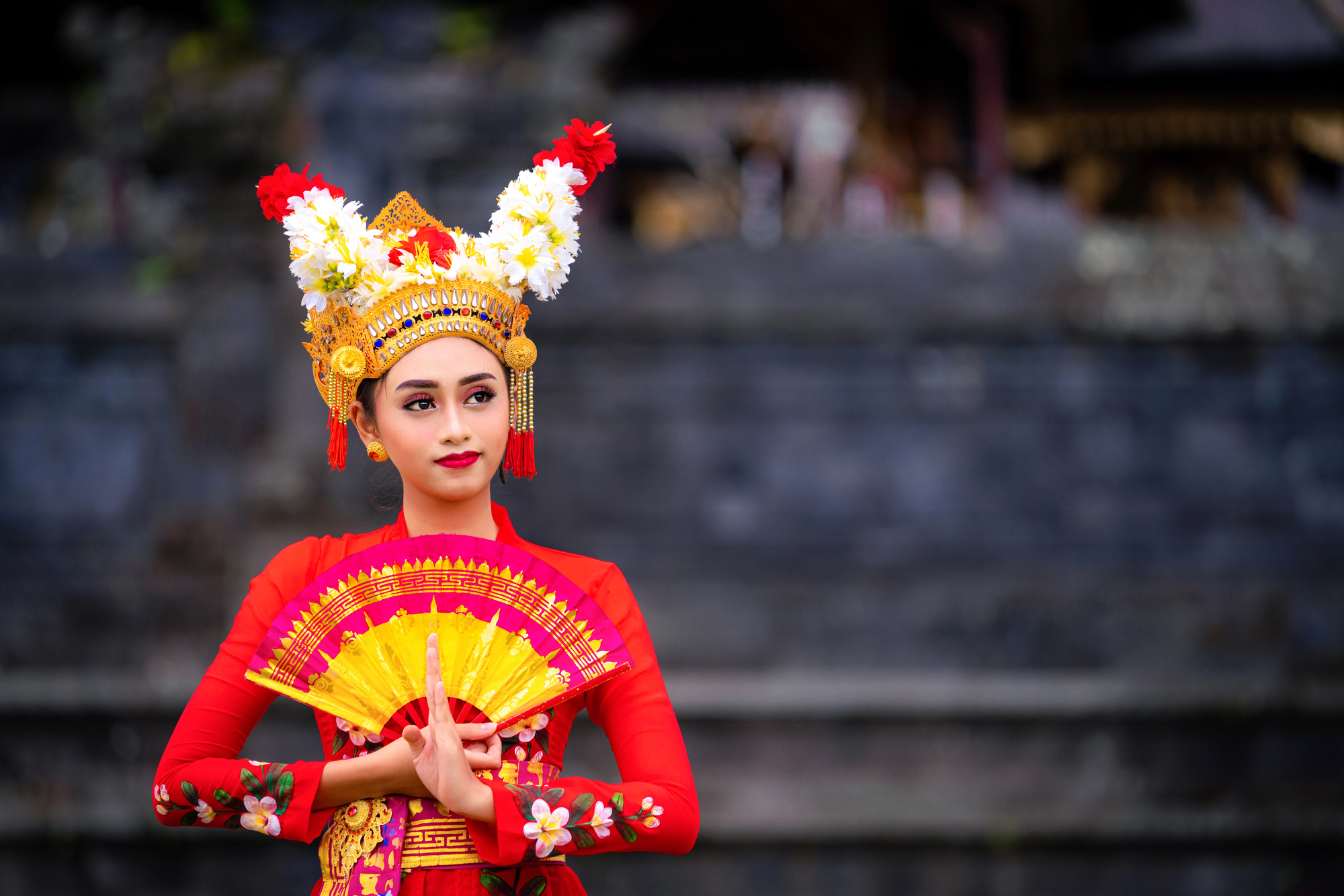
On Nyepi, the Balinese “Day of Silence” marking the Saka new year, the entire island essentially shuts down for 24 hours—no lights, no travel, no work, no entertainment—for meditation, fasting, and reflection as the community collectively resets.
Unlike many entries here, Nyepi survived the Dutch colonial period and remains a vibrant official holiday in modern Bali, observed so completely that even the airport closes. It’s included as a counter-example as much as a cautionary one: colonial economic and religious pressure reshaped a great deal of Balinese life, but this particular practice endured, and today it is one of the most striking communal observances anywhere in the world.
Native American Potlatch Ceremonies
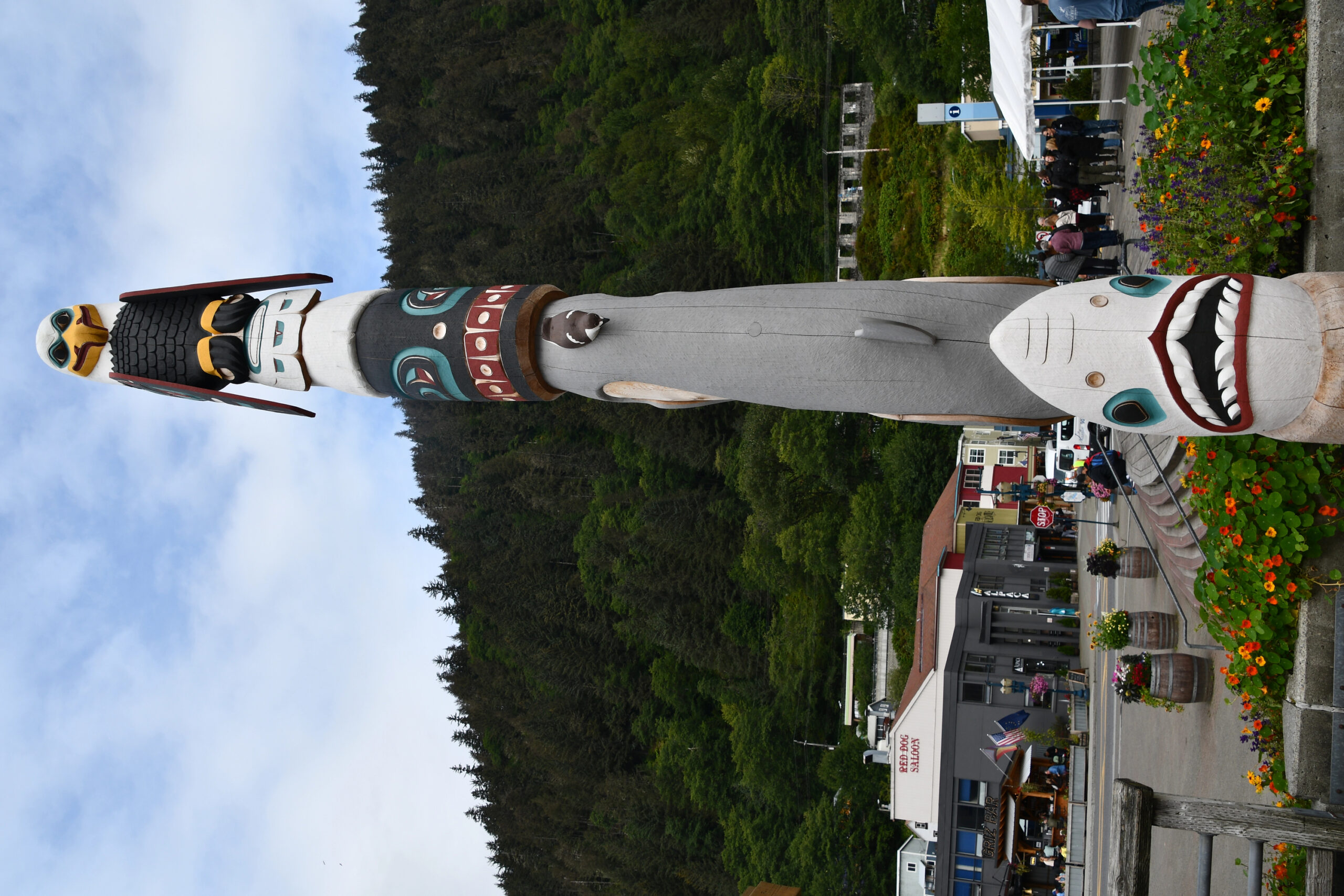
Pacific Northwest nations like the Tlingit, Haida, and Kwakwaka’wakw practiced the potlatch—ceremonies in which hosts gave away or distributed enormous quantities of goods to mark important events, affirm status, and cement social and political relationships. Far from mere feasts, potlatches were an engine of the regional economy and social order, redistributing wealth and recording history through witnessed ceremony.
The Canadian government banned the potlatch in 1884 (with the United States discouraging it as well), viewing it as an obstacle to assimilation and unable to comprehend an economy built on giving rather than hoarding. Participants were arrested and ceremonial regalia confiscated.
The ban remained until 1951—nearly 70 years—and many seized objects have only slowly been repatriated. The potlatch has since been powerfully revived.
Māori Hangi and Communal Practices
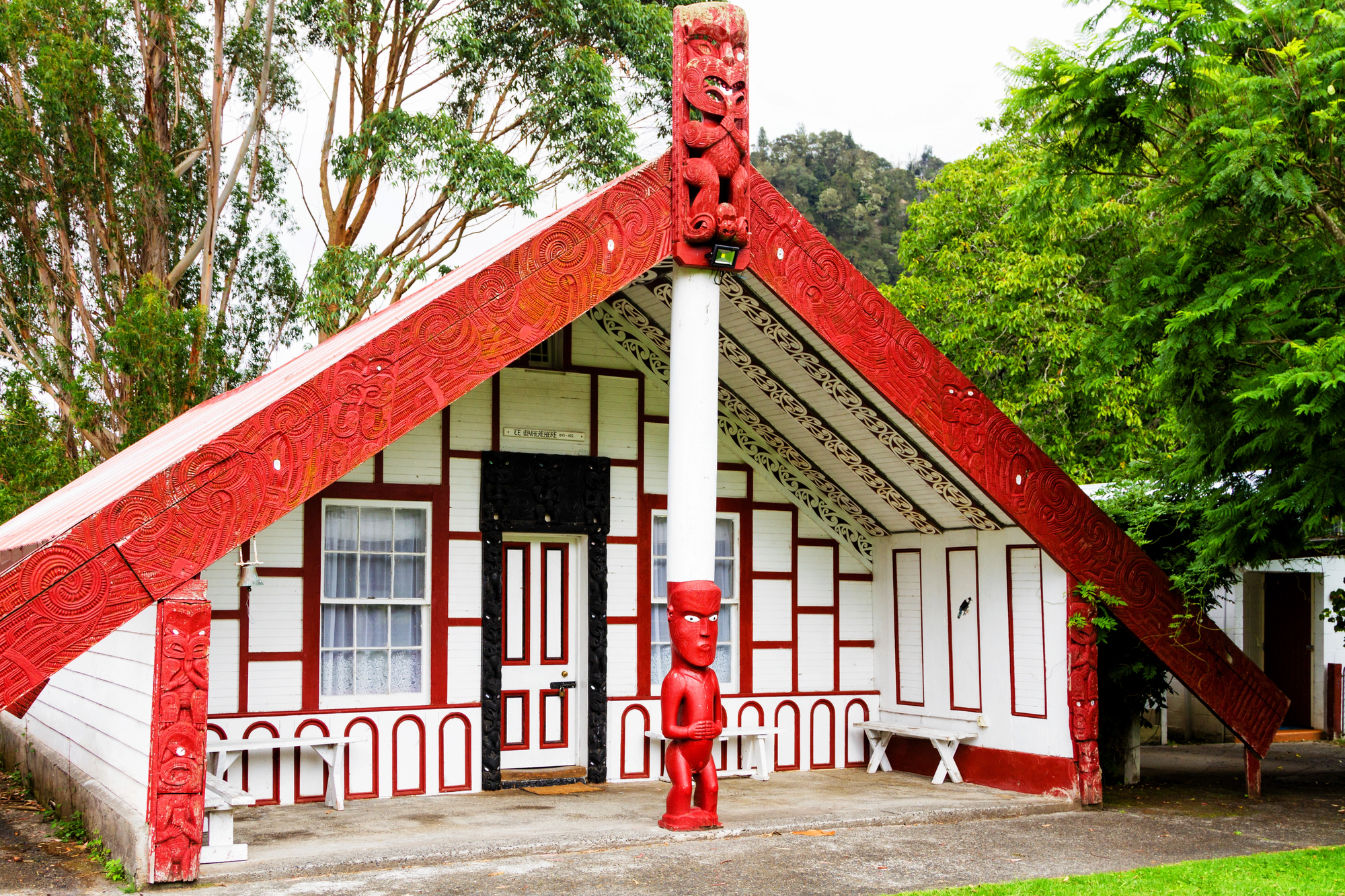
Hangi—the Māori method of cooking food in an earth oven with heated stones—was never just a cooking technique but a cornerstone of community life. Preparing a hangi required cooperation and shared labor over many hours, creating time for storytelling, relationship-building, and the passing on of knowledge.
British colonial authorities and missionaries promoted European domestic practices and individual household meals as more “civilized,” and mission and government schooling steered Māori children away from communal traditions—part of a wider assimilation drive that included the suppression of the Māori language. Hangi itself proved resilient and remains widely practiced, but it stands here for the broader pattern: discourage the practices that gather people together, and you weaken the channels through which culture passes.
Sami Reindeer Herding and Spiritual Practices
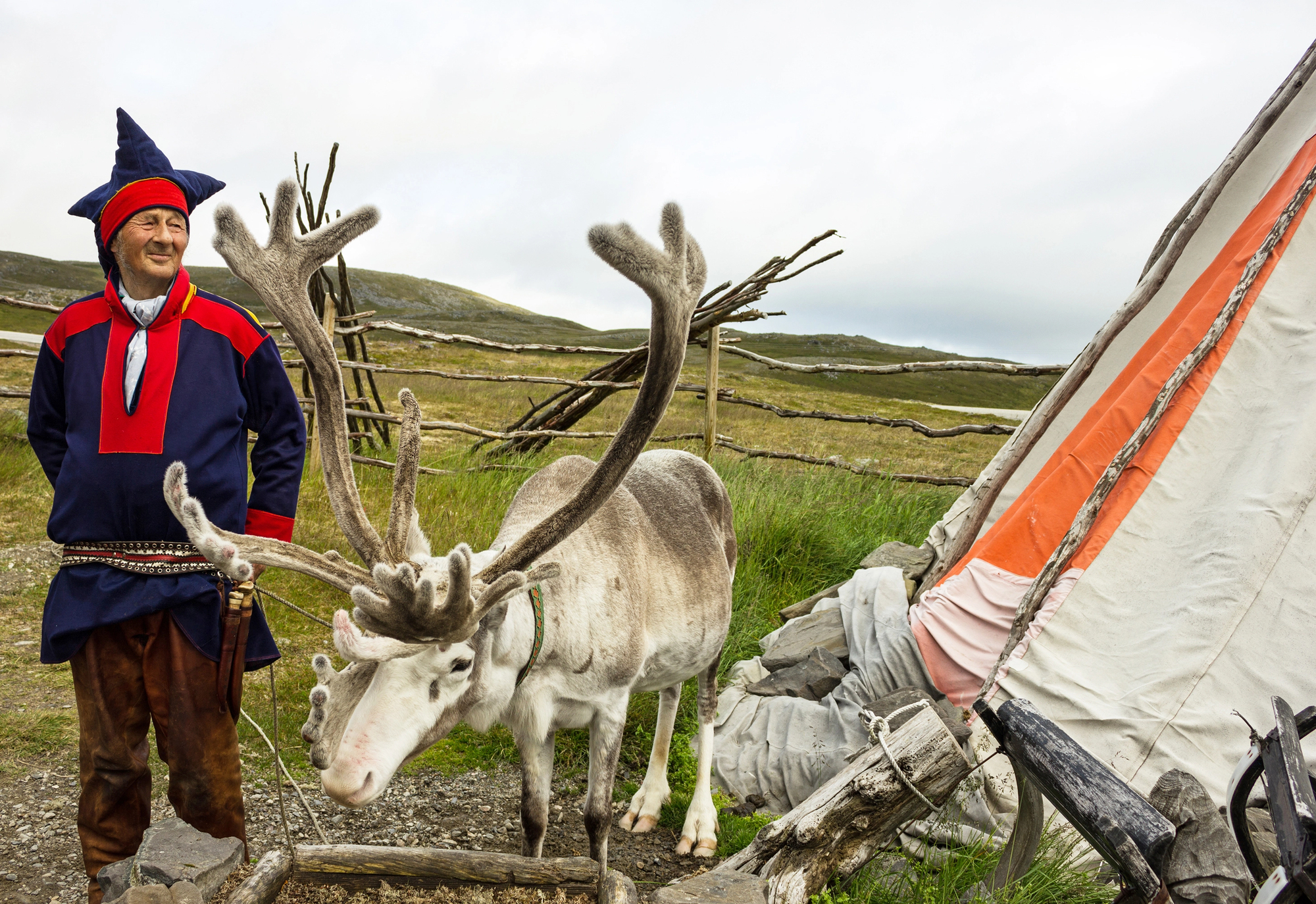
Sami reindeer herding across northern Scandinavia and the Kola Peninsula was never just animal husbandry—it was an integrated spiritual and ecological way of life that understood herders, reindeer, and land as bound together, structured by seasonal migration and deep traditional knowledge. Christian missionaries and Nordic states suppressed Sami spirituality intensely, condemning the noaidi (shamans) and burning the sacred drums central to their practice, while boarding schools forbade Sami children from speaking their languages and pursued forced assimilation.
Herding itself was constrained by borders and state regulation. Yet Sami culture has seen a strong revival in recent decades, with growing political recognition, restored language education, and the return of long-suppressed traditions.
The Hawaiian Language

When American business interests and the U.S. backed the overthrow of the Hawaiian Kingdom in 1893, the suppression of Hawaiian culture extended to its language. In 1896, a few years after the overthrow, a law made English the medium of instruction in schools, effectively pushing ʻŌlelo Hawaiʻi out of education.
For generations, children were punished for speaking Hawaiian in school, and the number of native speakers collapsed toward the edge of extinction by the late 20th century. The loss was profound, since Hawaiian carried the very chant, genealogy, and knowledge that hula and oral tradition depended on.
The language’s revival—through immersion schools (Pūnana Leo) beginning in the 1980s—is now one of the most celebrated indigenous-language comebacks in the world.
Irish Language and Gaelic Customs

Centuries of English and British rule in Ireland steadily eroded the Irish language and the Gaelic social order. The old Brehon legal system was dismantled, the bardic class that preserved poetry and genealogy lost its patronage, and a series of policies and pressures—through plantation, penal laws, and later an English-only national school system in the 19th century—pushed Irish toward the margins.
The Great Famine, which devastated the Irish-speaking poor most severely, accelerated the collapse, and by the late 1800s Irish had retreated to scattered rural districts. The cultural revival from the late 19th century onward, and language policy after independence, pulled Irish back from the brink, though it remains a minority tongue sustained by deliberate effort—a reminder that suppression need not be exotic or distant to be devastating.
Ainu Culture in Japan
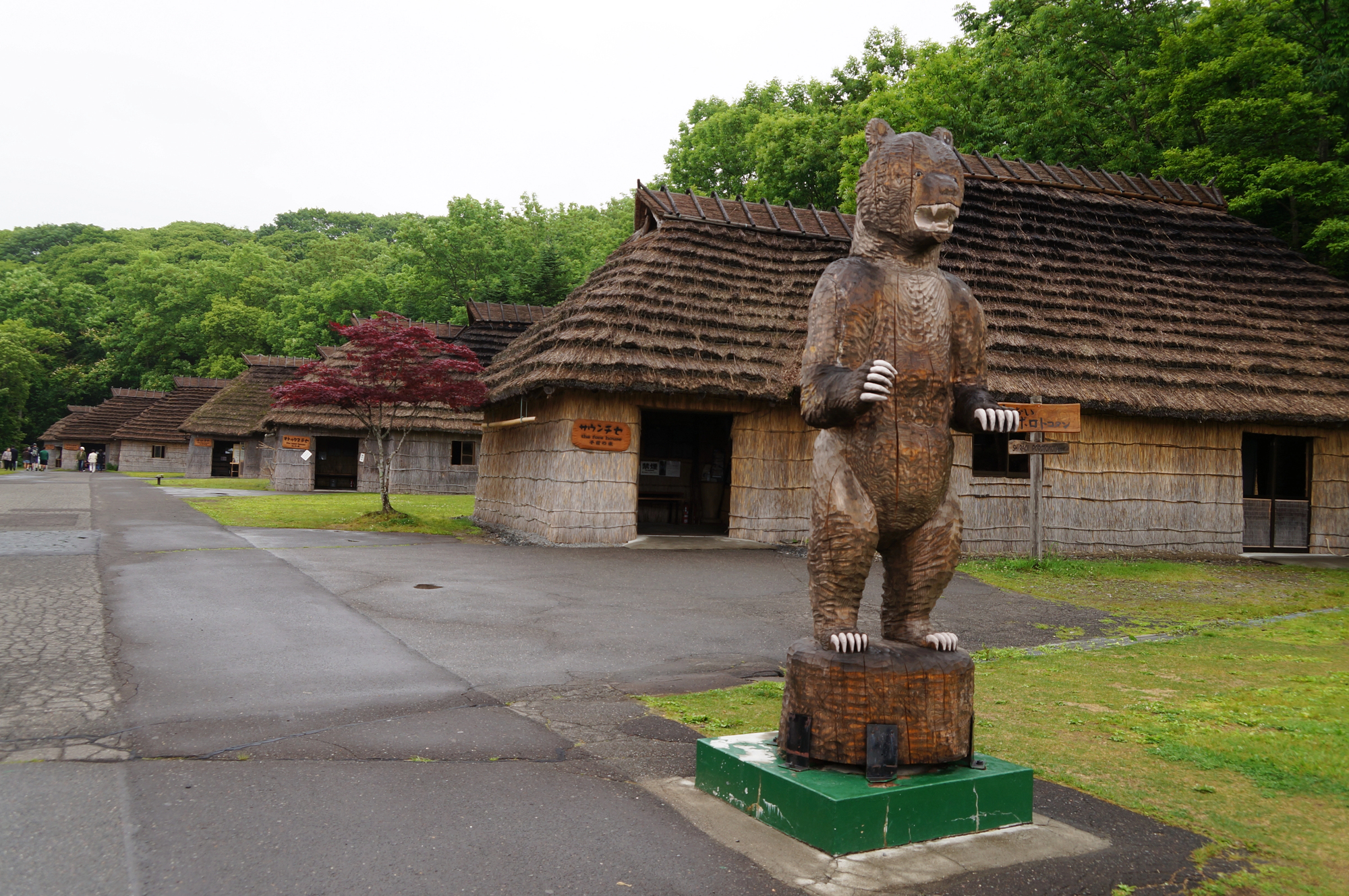
The Ainu, the indigenous people of Hokkaido and surrounding regions, faced intense assimilation pressure as the modern Japanese state expanded northward in the 19th century. The 1899 “Former Aborigines Protection Act” pushed the Ainu toward Japanese-style farming and the Japanese language, while traditional practices were discouraged or banned outright.
Among the suppressed customs were core elements of Ainu identity: traditional tattooing of women, distinctive ceremonies including the iyomante bear ritual, and the Ainu language itself, which fell to a tiny number of speakers. For over a century the Ainu were pressured to hide their heritage.
Only recently has Japan formally recognized the Ainu as an indigenous people (in 2008, and more fully in 2019), opening the way for a cultural and linguistic revival that is still fragile but real.
When a Culture Refuses to Disappear
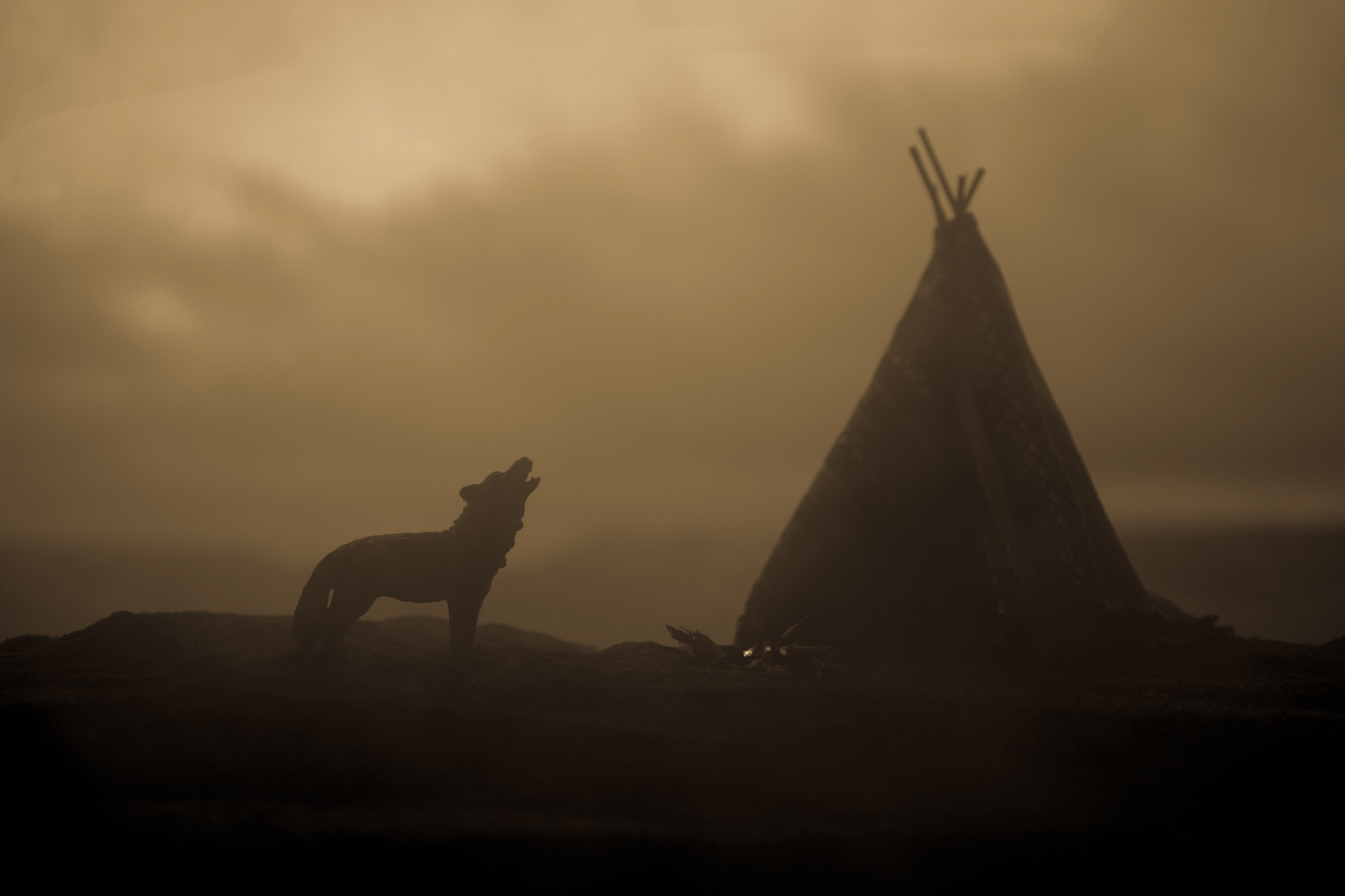
Read these stories together and two truths sit side by side. The first is how deliberate the destruction was: the targets weren’t random but the ceremonies, record-keepers, languages, and gatherings through which a people governed themselves and taught the next generation who they were.
Break those, and you break a society’s ability to maintain itself—something colonizers often understood perfectly well. The second truth is more hopeful, and it runs through nearly every entry: most of these traditions didn’t actually die.
The potlatch returned after a 67-year ban, wayfinding sailed again on the Hōkūleʻa, and Hawaiian, Irish, and Ainu are being spoken by new generations. Some of what was lost—burned codices, untranslatable quipus, silenced last speakers—is gone for good.
But culture turns out to be far harder to kill than its enemies imagined, because it lives in memory and family and the quiet refusal to forget. The damage was real and lasting.
The story is still not only one of erasure, but of return.
More from Go2Tutors!

- The Romanov Crown Jewels and Their Tragic Fate
- 13 Historical Mysteries That Science Still Can’t Solve
- Famous Hoaxes That Fooled the World for Years
- 15 Child Stars with Tragic Adult Lives
- 16 Famous Jewelry Pieces in History
Like Go2Tutors’s content? Follow us on MSN.