Transparent Animals Found in Nature
Walking through a rainforest or staring into the ocean, you expect to see colors. Greens, blues, vibrant reds and yellows.
But some animals decided to skip pigmentation entirely. They evolved bodies you can see right through.
These transparent creatures live all around the world, hiding in plain sight by becoming windows to their own insides.
Moon Jellies Drift Like Living Water
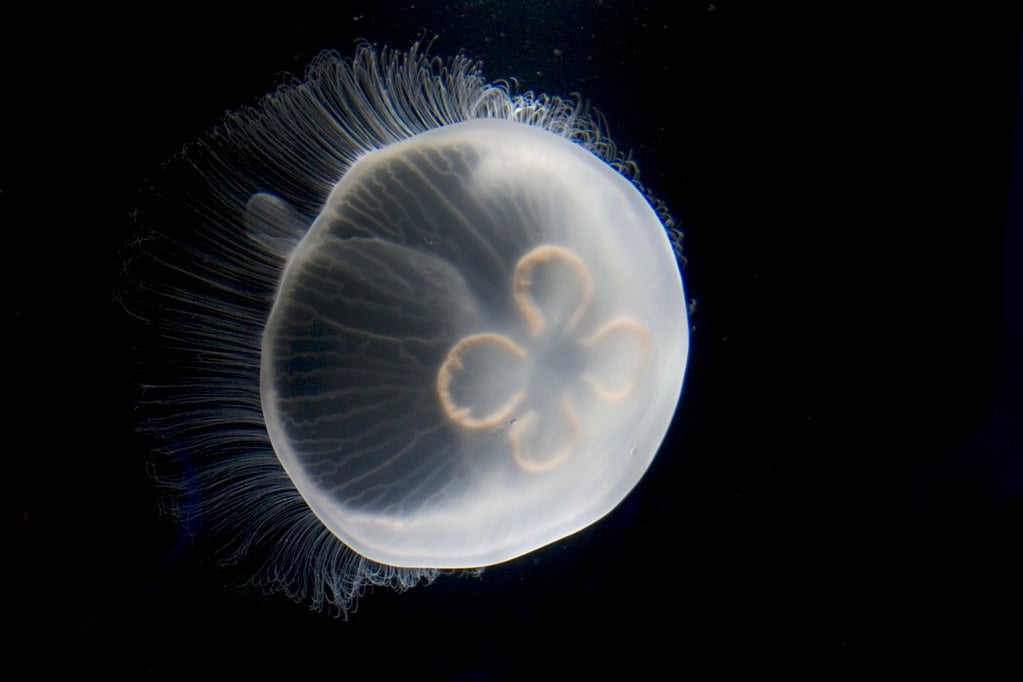
Moon jellies pulse through coastal waters with bodies so clear you can see straight through them. Four horseshoe-shaped gonads show up as the only colored parts, usually white or pale pink. The rest is just structured water held together by thin tissue.
These jellies eat by drifting with currents and capturing small plankton with their tentacles. The tentacles are so fine they’re almost invisible in water.
Moon jellies have survived for millions of years with this simple body plan. They show up in harbors, bays, and open ocean, sometimes in huge blooms that look like underwater snow.
Crystal Jellies Glow in the Dark

Crystal jellies take transparency one step further. Not only can you see through them, but they also produce their own light.
These jellies discovered by scientists contain a protein called green fluorescent protein, or GFP. That protein changed medical research forever because scientists now use it to track cells and proteins in living organisms.
The jellies themselves live along the west coast of North America. They have a transparent umbrella-shaped bell with a slight green edge.
When threatened, they flash bioluminescent light. The combination of transparency and controlled light makes them hard for predators to track.
Glass Octopuses Hunt in Twilight Zones

Glass octopuses live in the deep ocean where strangeness becomes normal. Their bodies are almost completely transparent except for the optic nerves, eyes, and digestive tract, which show up as dark shapes suspended in clear tissue.
You can watch their food move through their body in real time. These octopuses can grow to about 18 inches long.
They hunt at depths between 1,000 and 3,000 feet where sunlight fades to darkness. The transparency helps them avoid the bigger predators that patrol these waters.
Unlike their bottom-dwelling relatives, glass octopuses spend most of their time swimming rather than crawling.
Transparent Sea Cucumbers Filter the Ocean Floor

Some sea cucumber species took the clear route rather than the colorful one. These animals look like elongated sacks of jelly lying on the seafloor.
Through their transparent skin, you can see the digestive system processing sediment. Sea cucumbers clean the ocean by eating dead organic matter mixed into sand and mud.
The transparent ones live at various depths, some in shallow tropical waters and others in the deep sea. They move slowly, leaving trails in the sediment as they feed.
When threatened, some species expel their internal organs as a defense mechanism and then regenerate them over time.
Phantom Midges Stay Clear Their Whole Lives

Phantom midge larvae live in freshwater lakes and ponds, and they’re so transparent they look like animated glass. Two air sacs inside their bodies show up as silvery spots.
Everything else disappears against any background. These larvae are actually fierce predators for their size.
They catch smaller animals with modified legs near their heads. The transparency lets them ambush prey without being seen.
Adult phantom midges also have transparent wings, though their bodies become slightly more visible. They don’t bite people, unlike their mosquito relatives.
Crocodile Icefish Survive Without Red Blood Cells
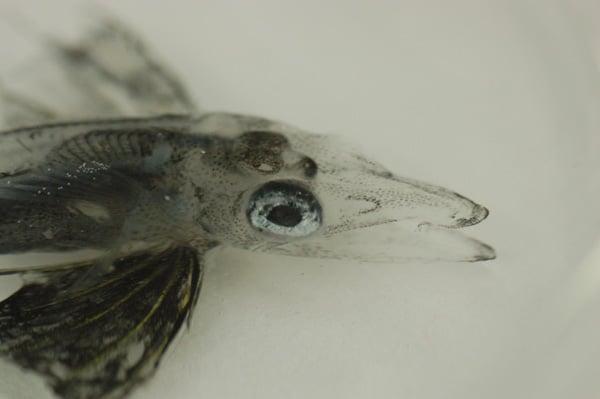
Crocodile icefish patrol Antarctic waters with blood as clear as water. They’re the only vertebrates that lack hemoglobin completely.
Their blood carries oxygen dissolved directly in the plasma, which works because cold water holds more oxygen than warm water. These fish look ghostly pale, almost translucent in places.
Their hearts are three times larger than similar-sized fish because they need to pump more blood to deliver enough oxygen. They can survive in water temperatures that would kill most other fish.
The lack of red blood cells and their large hearts make parts of their bodies semi-transparent.
Glass Shrimp Clean Reef Fish
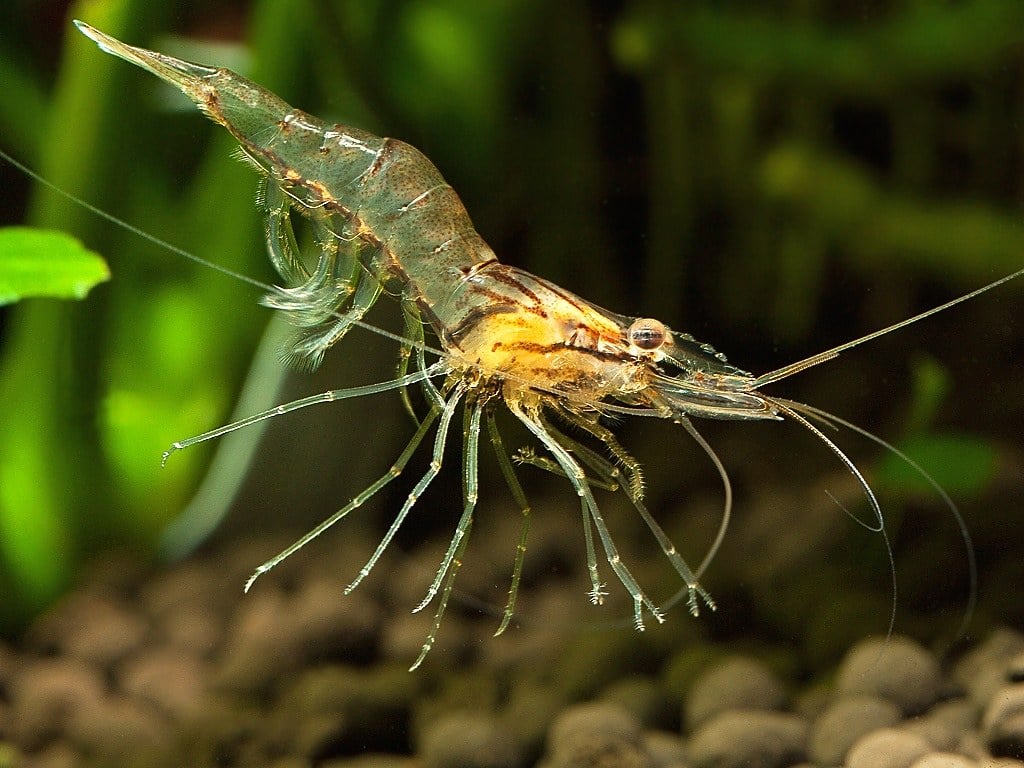
Glass shrimp set up cleaning stations on coral reefs where fish come to have parasites removed. These tiny transparent crustaceans wave their antennae to attract customers.
Fish line up and hold still while the shrimp crawl over them, picking off dead skin and parasites. You can see the shrimp’s internal organs and even watch food move through their digestive tract.
The transparency helps them stay safe on exposed reef surfaces. Some species have faint colored stripes, but most are so clear they blend into any background.
They’re popular in aquariums because they’re interesting to watch and help keep tanks clean.
Sea Angels Fly Through Arctic Waters
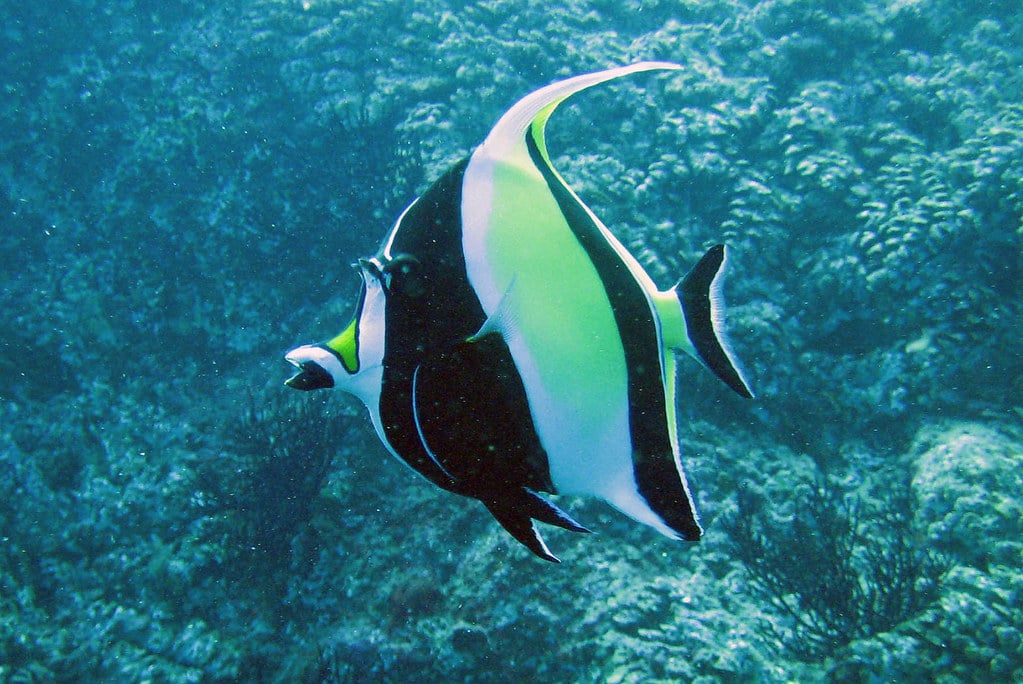
Sea angels are transparent sea slugs that swim through cold ocean waters using wing-like appendages. They look like tiny angels or butterflies floating in slow motion.
Their bodies are completely clear except for their internal organs, which appear as orange or red masses. These animals eat sea butterflies, which are their relatives.
Sea angels have specialized tentacles they use to pull their prey out of its protective shell. They live in polar and cold-temperate waters, sometimes gathering in large numbers.
Climate change affects their habitat, as they need cold water to survive. Scientists study sea angels to understand how animals adapt to extreme cold.
The transparency makes it easier to observe their internal processes without dissection.
Transparent Catfish School in Amazon Waters
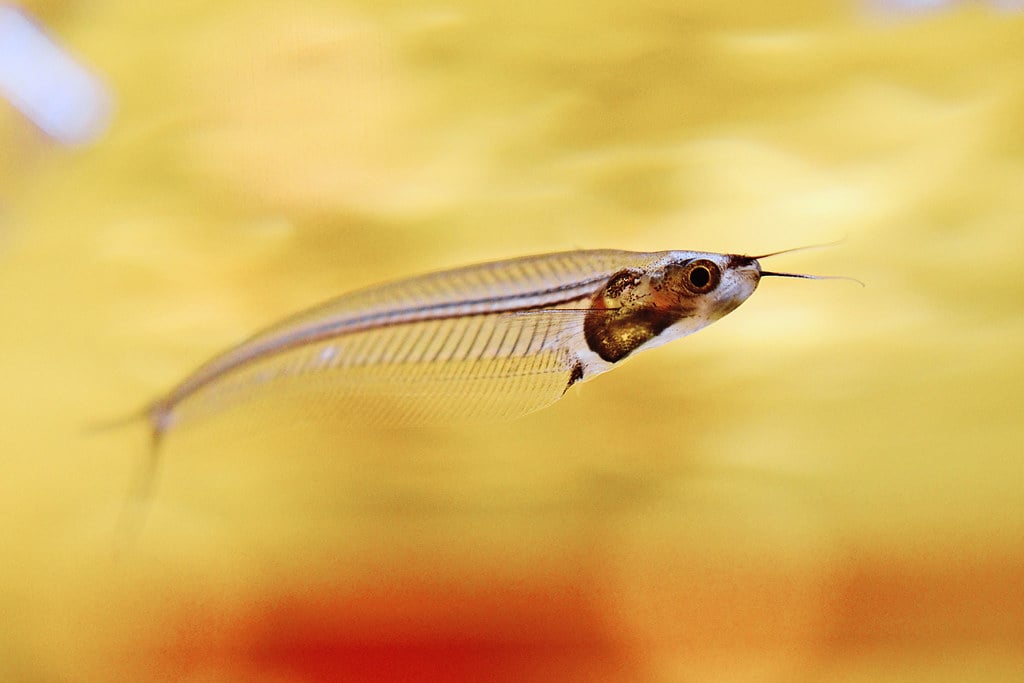
Several catfish species in South American rivers developed transparent bodies. These small fish swim in schools, their clear bodies making the group look like a shimmering cloud rather than individual fish.
You can see their backbones and skull bones as white lines and shapes. The fish orient themselves at angles that maximize their invisibility.
They feed on small insects and zooplankton. In home aquariums, they need similar conditions to their wild habitat: warm water, good filtration, and company.
Keeping just one leads to stress and health problems. Their transparency helps in the murky river waters where visibility is already limited.
Predators have trouble spotting them until they’re very close.
Glass Winged Bugs in Tropical Gardens
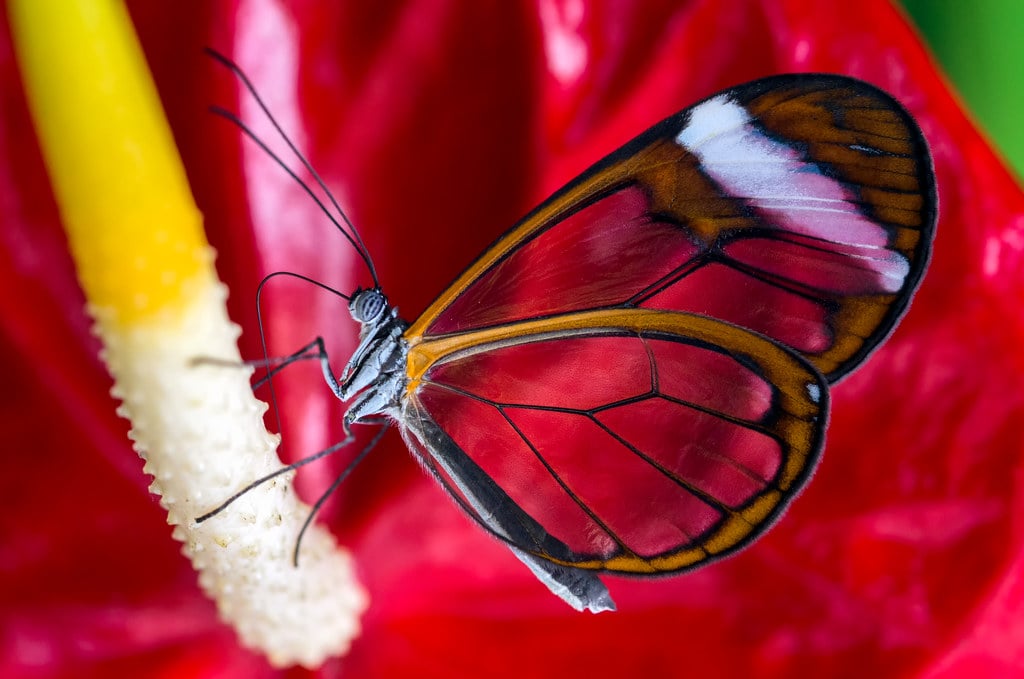
Several insect groups evolved transparent wings, but glass winged bugs combine clear wings with nearly transparent bodies. Some species look like flying water droplets.
The wings have minimal scales or none at all, and specialized structures prevent light from reflecting off the surface. These insects live in tropical regions, usually in forests with high humidity.
They feed on plant sap or nectar depending on the species. The transparency serves them well because many predators hunt by sight.
Birds and other insect-eaters have trouble tracking something that barely reflects light.
Salp Chains Create Ocean Highways
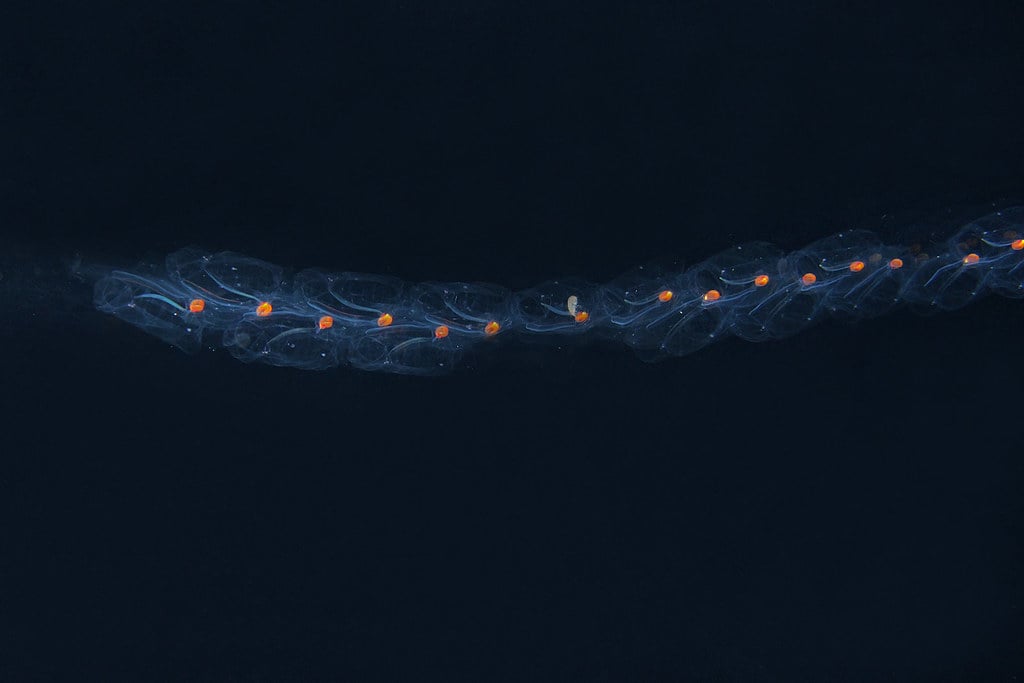
Salps form some of the strangest structures in the ocean. These transparent barrel-shaped animals clone themselves into long chains that can stretch for several yards.
Each individual in the chain is identical to the others, and they coordinate their movements to swim together. Water flows through their clear bodies as they filter out microscopic food.
They reproduce fast when conditions are right, sometimes creating massive blooms. These blooms affect ocean chemistry because salps produce dense waste pellets that sink rapidly, carrying carbon to the deep ocean.
The chains eventually break apart, and individuals reproduce through a different method that involves both male and female stages. Salps are ancient animals that have been doing this for millions of years.
Cusk Eels Hide in Sandy Bottoms
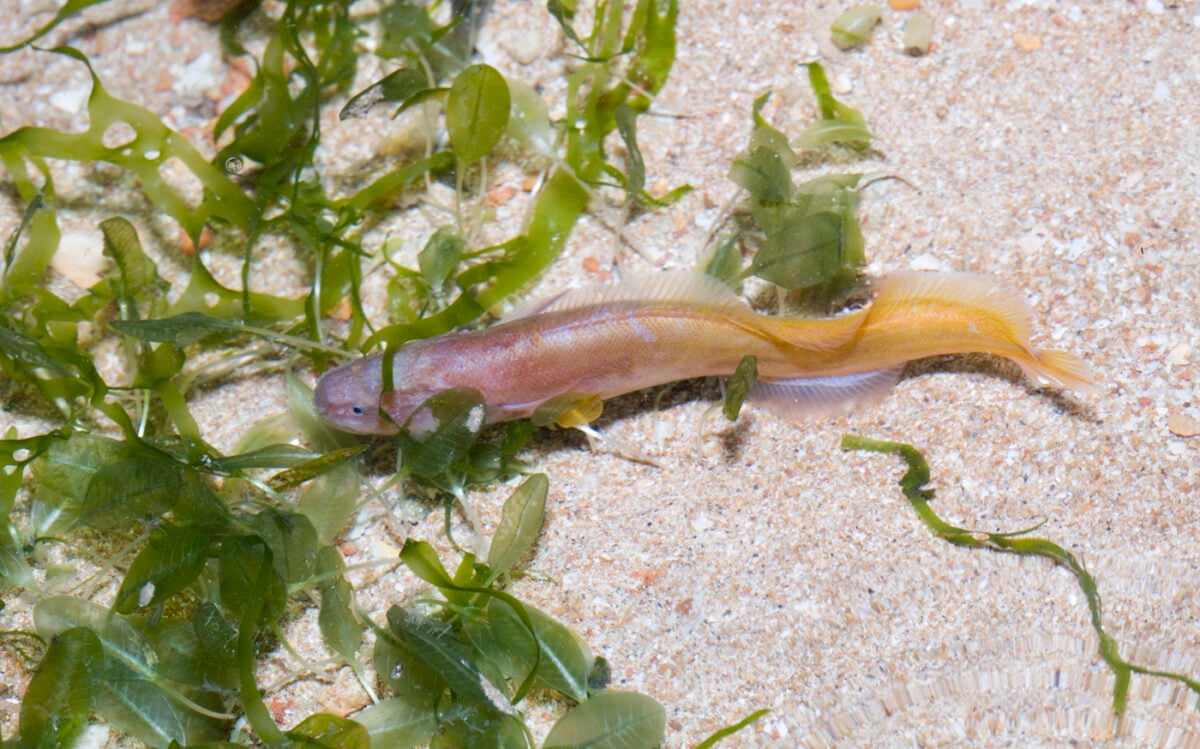
Some cusk eel species have transparent or semi-transparent bodies as juveniles. These long, slender fish bury themselves in sand with just their heads sticking out.
The transparency makes them nearly invisible to passing predators and prey. As they mature, many species become more opaque, but some retain transparency in parts of their fins and tail.
They’re not true eels despite the name. Cusk eels live at various depths, from shallow waters to the deep sea.
They’re mostly nocturnal, hiding during the day and hunting at night. The transparent juveniles drift with currents before settling on the bottom.
During this stage, they’re completely at the mercy of ocean currents, traveling sometimes hundreds of miles from where they hatched.
Transparent Beetles Walk Through Leaf Litter
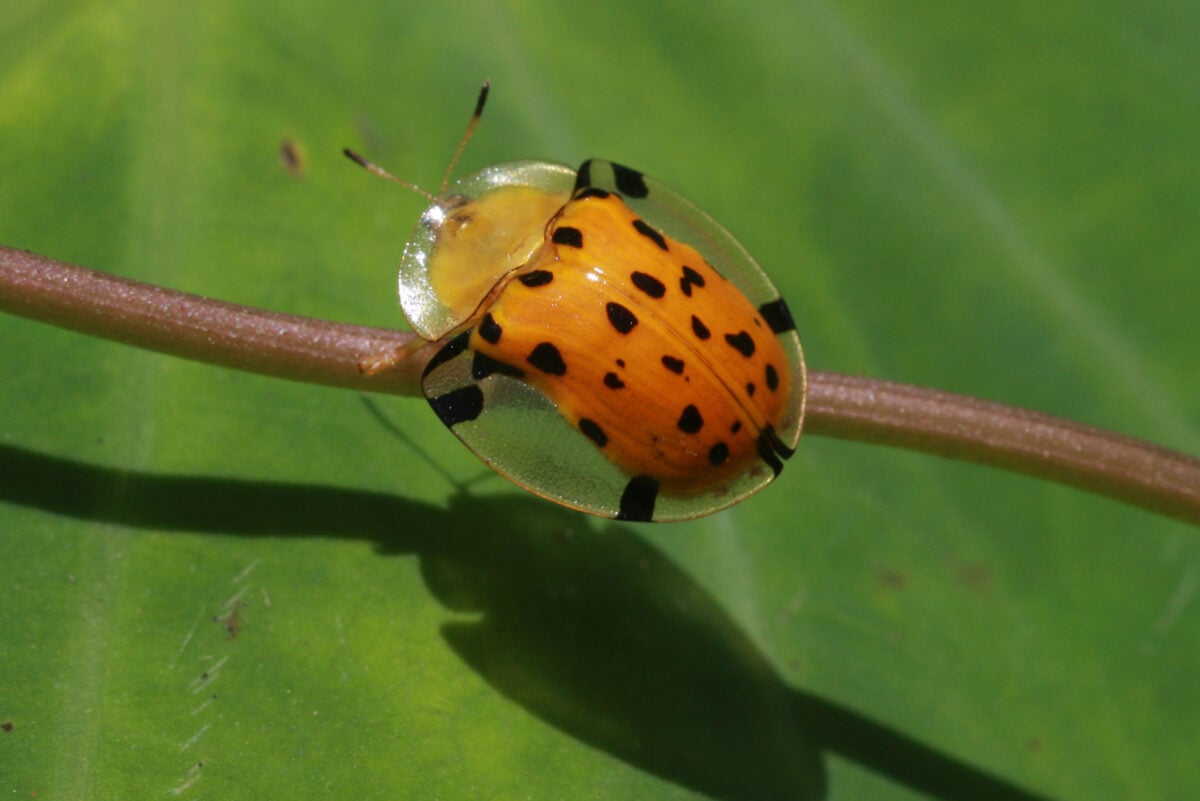
A few beetle species have transparent or semi-transparent wing covers. These beetles live in forest leaf litter and rotting wood.
The transparency might help with temperature regulation or provide camouflage among wet leaves. One species lives in Central America and looks like a tiny piece of amber crawling around.
Scientists still study why these beetles evolved transparency when most beetles have hard, pigmented shells. The transparency doesn’t make them completely invisible, but it does make them harder to spot among decomposing plant matter.
Living Through Light
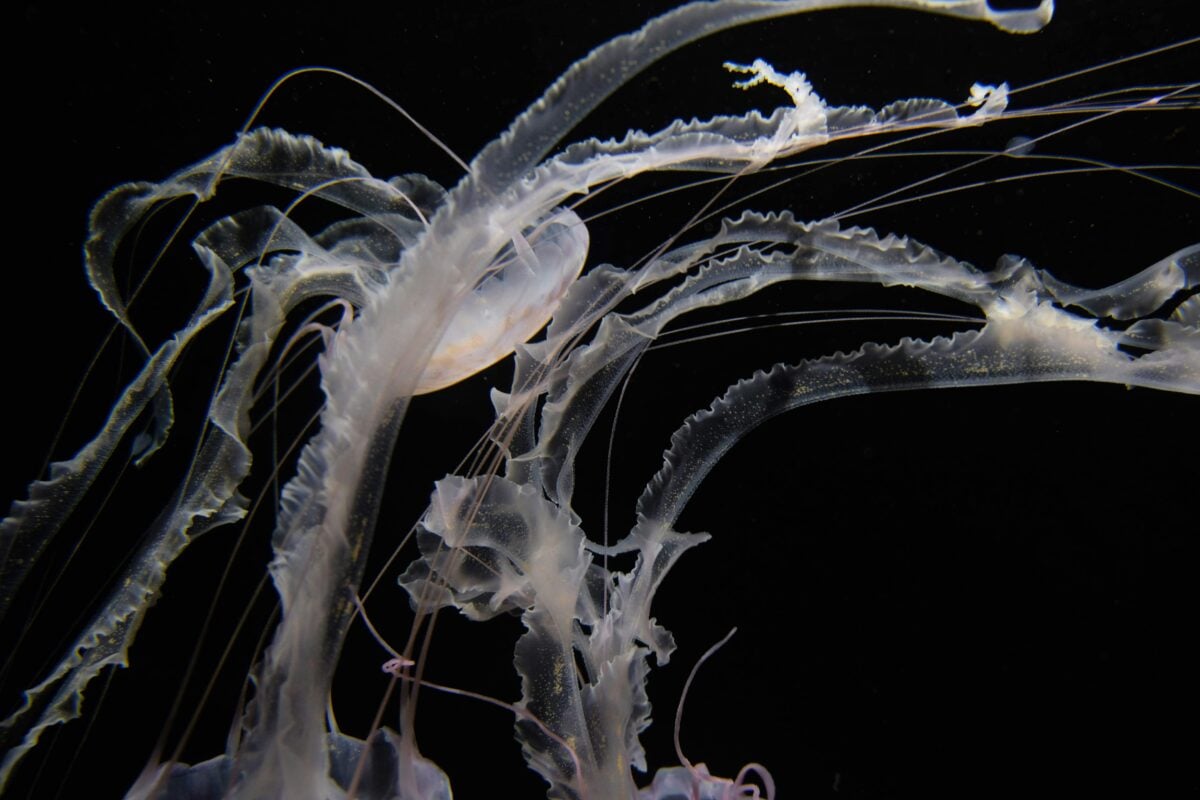
Some creatures stay unseen by becoming see-through. Rather than blending through shades or markings, they vanish right before your eyes – limited only by what their bodies can do.
In places ranging from sunlit rivers to crushing deep-sea darkness, vanishing helps them last longer. One kind might leave just a few body parts showing, hiding the rest completely.
Another type almost vanishes – only its eyes remain clear. How each creature handles invisibility differs wildly.
Evolution tries endless versions, holds onto what sticks. Being see-through rarely happens out in the wild.
Yet when it does show up, it clearly helps creatures survive long enough to have young and spread the feature on.
More from Go2Tutors!

- The Romanov Crown Jewels and Their Tragic Fate
- 13 Historical Mysteries That Science Still Can’t Solve
- Famous Hoaxes That Fooled the World for Years
- 15 Child Stars with Tragic Adult Lives
- 16 Famous Jewelry Pieces in History
Like Go2Tutors’s content? Follow us on MSN.