26 Dusty Toolboxes in Sheds Hiding Hand Tools That Craftsmen Gladly Pay For
Most people who inherit a grandfather’s workbench give it a cursory look, decide the rusted pile of metal and wood is not worth much, and either leave it where it is or move it to the next estate sale for a few dollars. A smaller group of people — woodworkers, restorers, and collectors with a specific kind of patience — have learned to look differently.
The old planes, saws, drawknives, and braces sitting in sheds across the country were made in an era when the economics of tool manufacturing demanded better steel, tighter tolerances, and heavier construction than anything produced cheaply today. The rust on the surface is superficial.
What’s underneath is often worth considerably more than what the seller knows to ask.
The Stanley No. 1 Bench Plane — Almost Useless, Extremely Valuable
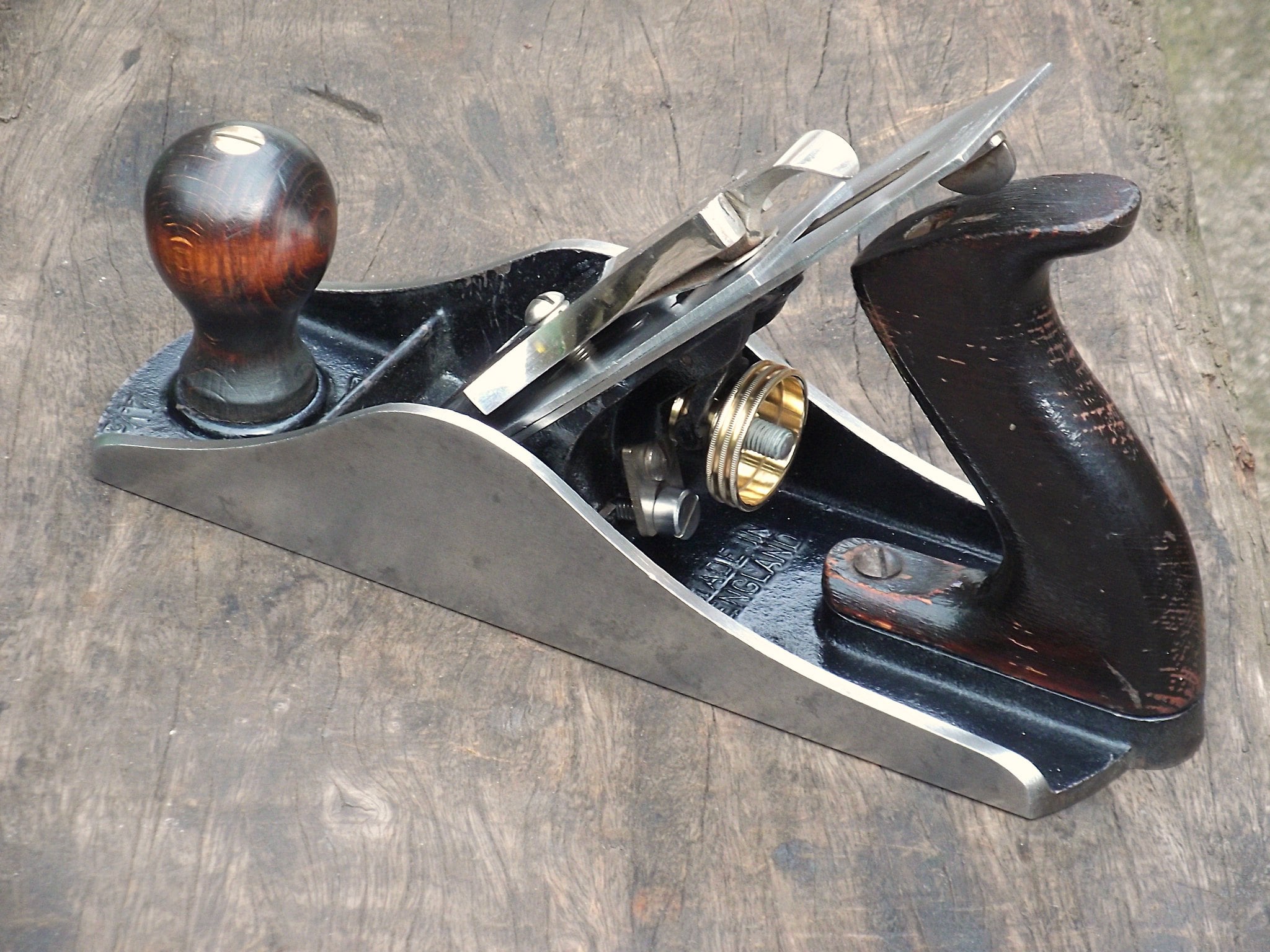
The Stanley No. 1 smooth plane measures just 5½ inches long — the smallest bench plane in the entire Bailey line — and is effectively impractical for woodworking. It is too small to flatten a board, too light to take a meaningful shaving, and too fiddly to use efficiently on most joinery tasks.
This has not prevented collectors from paying $2,500 to $4,000 or more for an example in excellent original condition, because serious Stanley collectors want the complete set and production numbers for the No. 1 were always low. Even worn examples in fair condition sell for $400 to $700.
Finding one in a shed under a pile of old paint cans is the kind of discovery that makes the toolbox circuit worth running.
The Stanley No. 55 Combination Plane — The Complete Set in Its Box
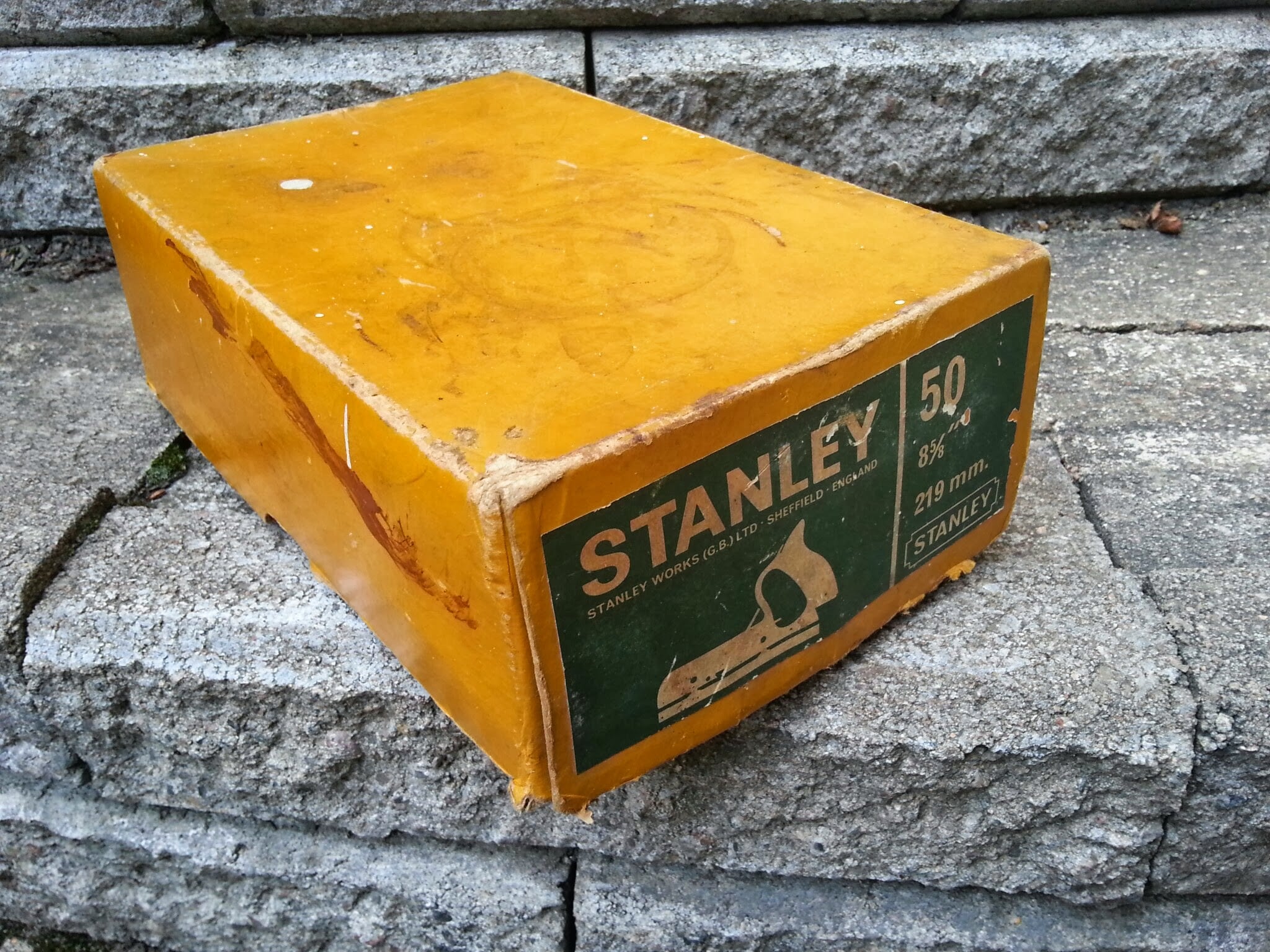
The Stanley No. 55, marketed as the “universal combination plane” and capable of cutting dozens of different profiles with interchangeable cutters, was one of the most complex hand tools ever mass-produced. A complete No. 55 with its full set of cutters, all original fences and depth stops, and its original wooden box sells in the $600 to $1,500 range, with exceptional examples higher.
The challenge for estate sale buyers is that No. 55s are almost never complete: individual cutters get separated, fences get lost, and screws disappear. A complete set in its box is genuinely rare and genuinely valuable.
Partial sets are still interesting to working woodworkers who need only a subset of the profiles.
Pre-1900 Disston Hand Saws — The Etch Is Everything
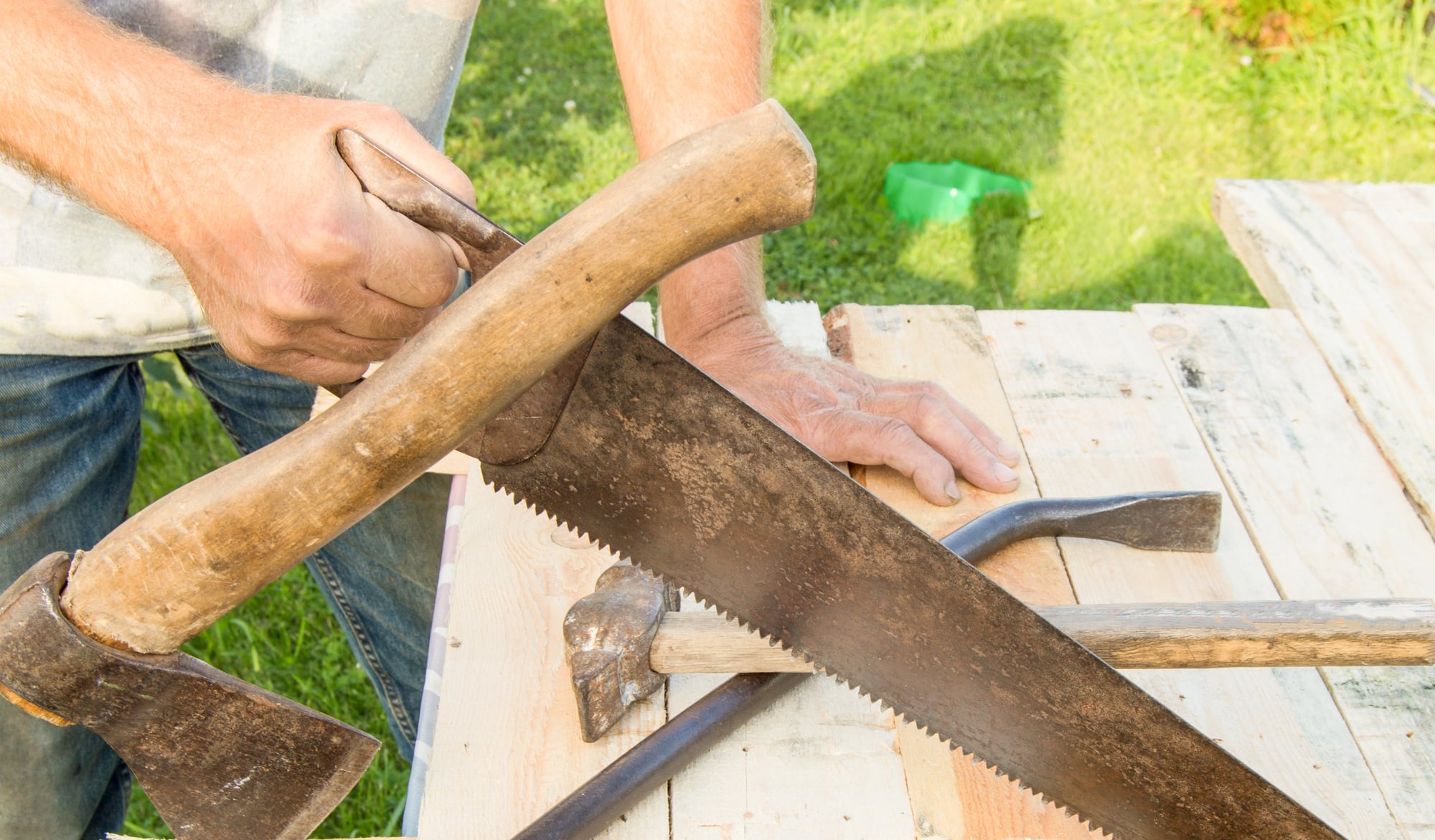
Disston & Sons of Philadelphia was the dominant American hand saw manufacturer from the mid-19th century through most of the 20th, and a pre-1900 Disston with its original blade etch intact and an uncracked rosewood or applewood handle is worth $80 to $200 depending on condition. The etches on pre-1900 Disstons were elaborate, often featuring decorative borders, medallion-like imagery, and the full company name — and they wear off with use, making intact examples increasingly scarce.
The medallion at the base of the handle is another dating indicator: the specific design of the medallion changed over time, and the earliest examples (pre-1875) command premiums above the already-elevated prices for their era.
The Stanley No. 45 Combination Plane — The “Liberty Bell” Version
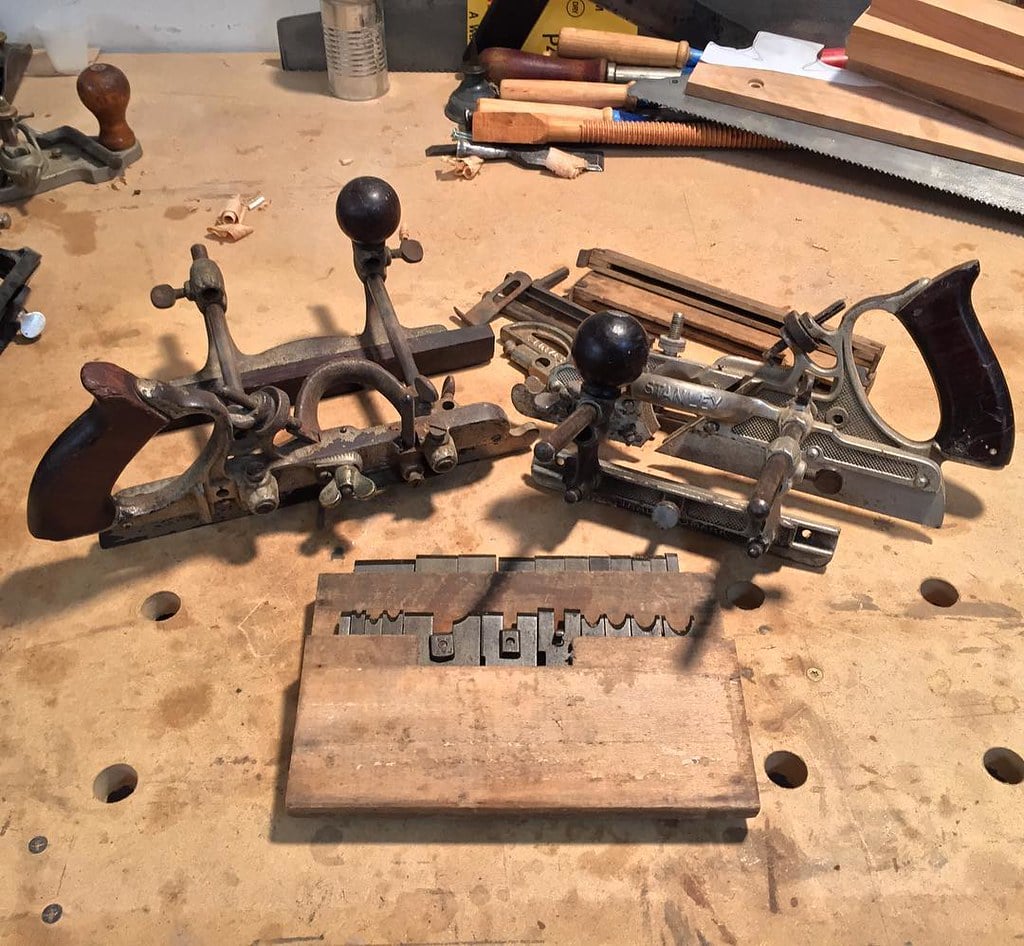
The Stanley No. 45, a less complex combination plane than the No. 55, was produced in numerous variations over its production run. The early “Liberty Bell” version, named for the decorative medallion cast into the top, is the most prized among collectors.
A Liberty Bell No. 45 in its original box with the full set of cutters commands $500 to $900, occasionally more. Standard No. 45s without the Liberty Bell feature and without the original box typically bring $150 to $300, which still represents meaningful money for an object that might turn up in a shed under a canvas drop cloth.
The condition of the fence and depth stop mechanisms is critical to value.
Wooden Molding Planes — A Complete Set Is Increasingly Rare
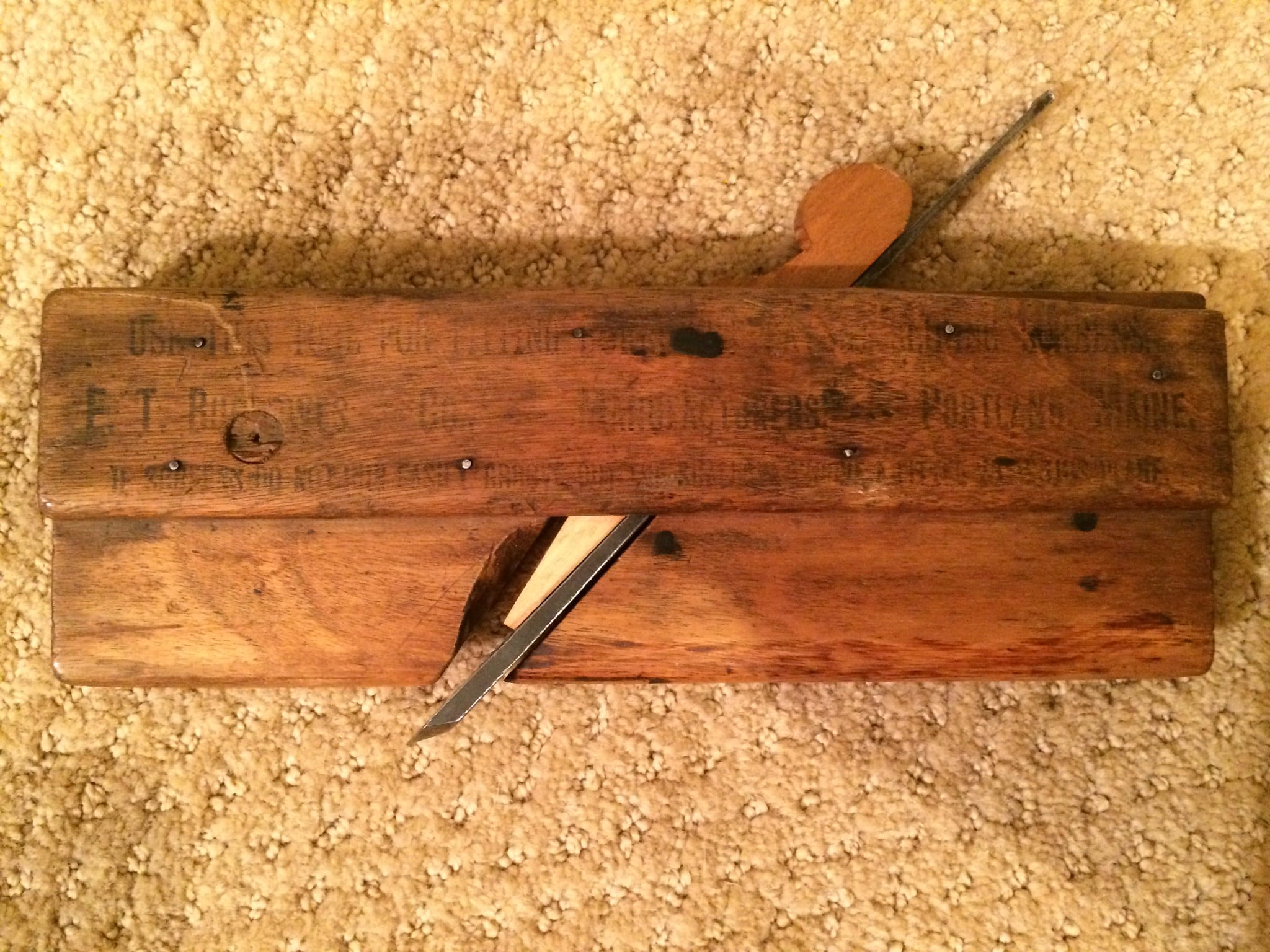
Before the combination plane existed, carpenters produced every decorative profile — the beads, coves, ogees, and complex compound shapes on furniture and architectural woodwork — with a separate wooden molding plane for each profile. These planes were made by dozens of regional makers and sold in matched sets; a working cabinetmaker might own 40 or 50 planes tuned to different profiles.
Finding a matched set from a single maker in good condition is increasingly difficult, because the sets were dismantled or partially lost over generations. A single complex molding plane in good working order can sell for $50 to $400 depending on profile complexity and maker; a matched set in an original case is a substantially more significant find, valued in the thousands.
Gerstner and Kennedy Machinist Chests — The Toolbox as Collectible
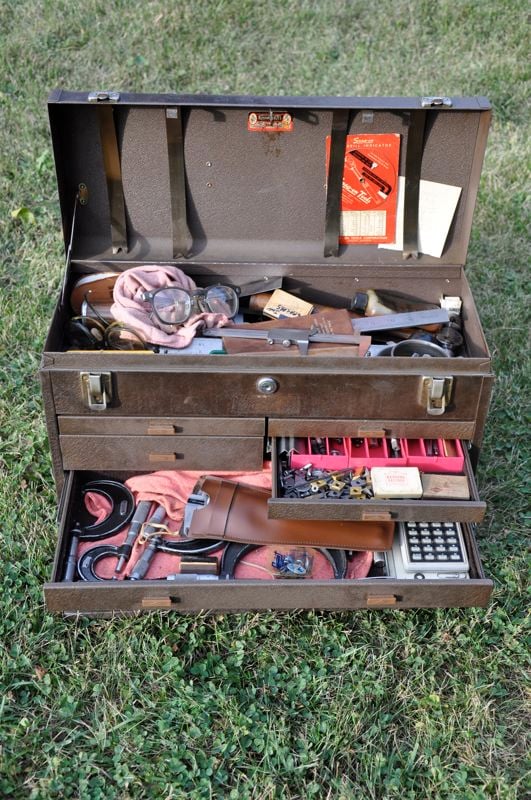
The oak and cherry Gerstner machinist’s chests — the classic multi-drawer wooden tool boxes with their distinctive dovetailed corners, brass hardware, and velvet-lined drawers — have become collectibles in their own right, often selling for more than the tools they contain. Well-preserved Gerstner chests in original hardwood with functioning brass drawer pulls and original finish routinely sell for $500 to $2,000.
The company has been making them since 1906, and the earlier examples are more valuable than later ones. Empty Gerstner chests are themselves sought by craftspeople who want the storage solution without inheriting someone else’s tool selection.
Pre-WWII Stanley Bailey Bench Planes — Type Dating Drives Value
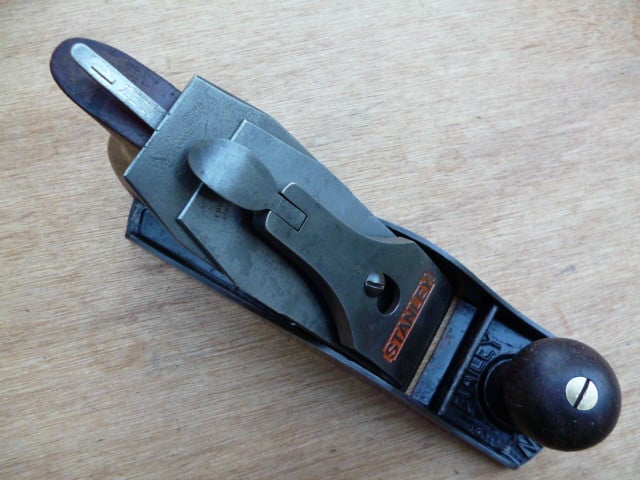
Stanley made 20 distinct variations (called “types”) of its standard bench planes between 1867 and 1984, and collectors have developed a detailed typing system that identifies each variation by specific features: the shape of the frog, the style of the lateral adjustment lever, the type of cap iron screw, and dozens of other details. A Type 1 plane from the 1860s in reasonable condition can bring over $3,000.
More accessible pre-WWII examples in the Type 11 to Type 15 range (roughly 1910-1947) sell for $200 to $800 depending on condition and specific model. The critical factors are that all original parts are present, the blade iron is not cracked or broken, and the tote and knob (the wooden handles) are uncracked and original.
Drawknives — Simple, Old, and Surprisingly Active in the Market
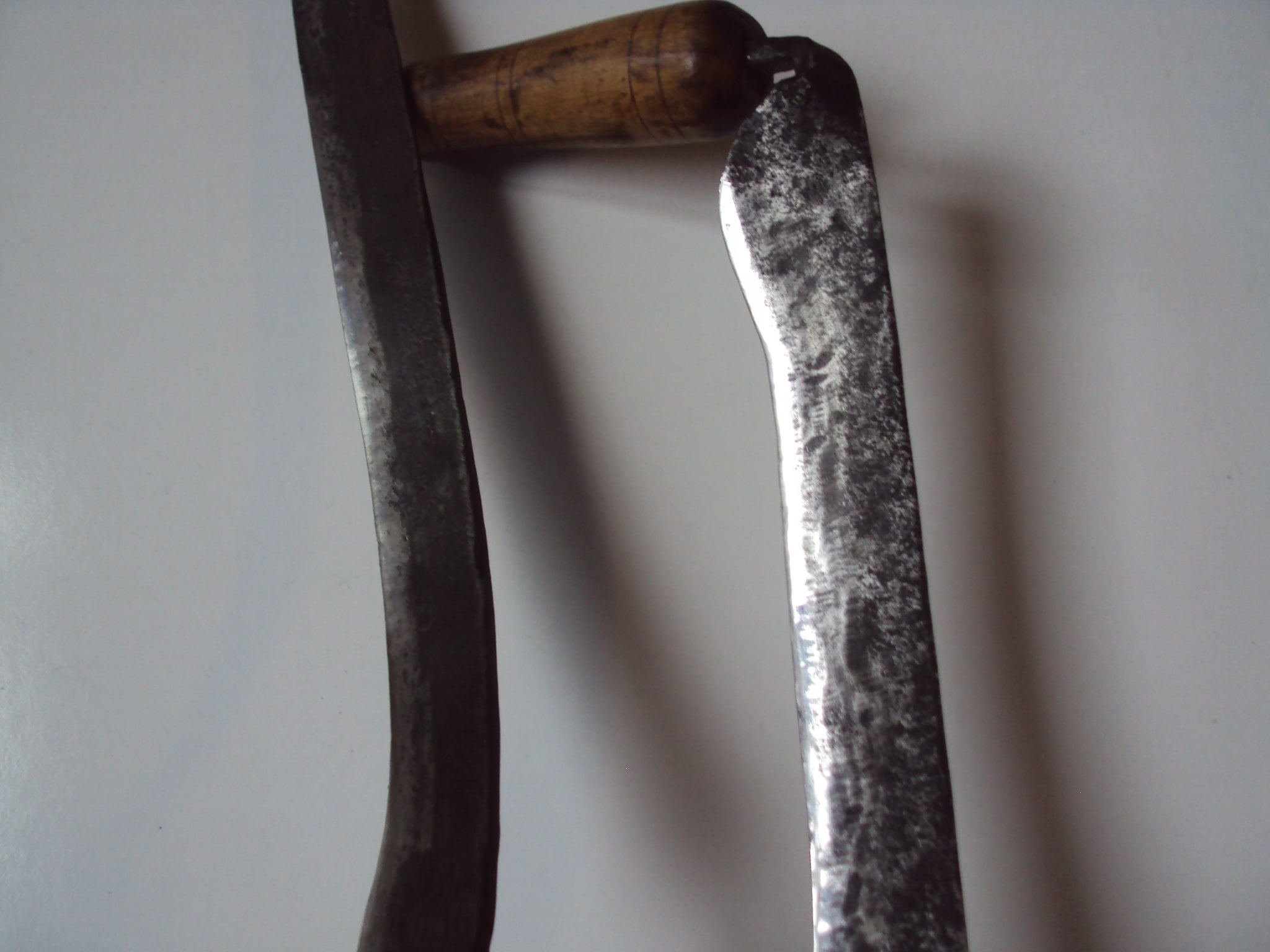
A drawknife is one of the most basic woodworking tools: a long blade with handles at both ends, pulled toward the user to shave wood. They were used by chair makers, coopers, timber framers, and almost every other pre-industrial woodworker.
Good pre-war drawknives with intact handles and sharp blades sell for $30 to $100 in the general market, with premium examples from respected makers or in exceptional condition going higher. What makes drawknives interesting as a shed find is that they are almost always overlooked: they look simple, they often have surface rust, and they don’t carry the brand recognition that drives immediate attention to Stanley planes or Disston saws.
Working woodworkers who know their steel quality buy them whenever they find them.
Wooden Braces and Bit Sets — Complete Beats Individual
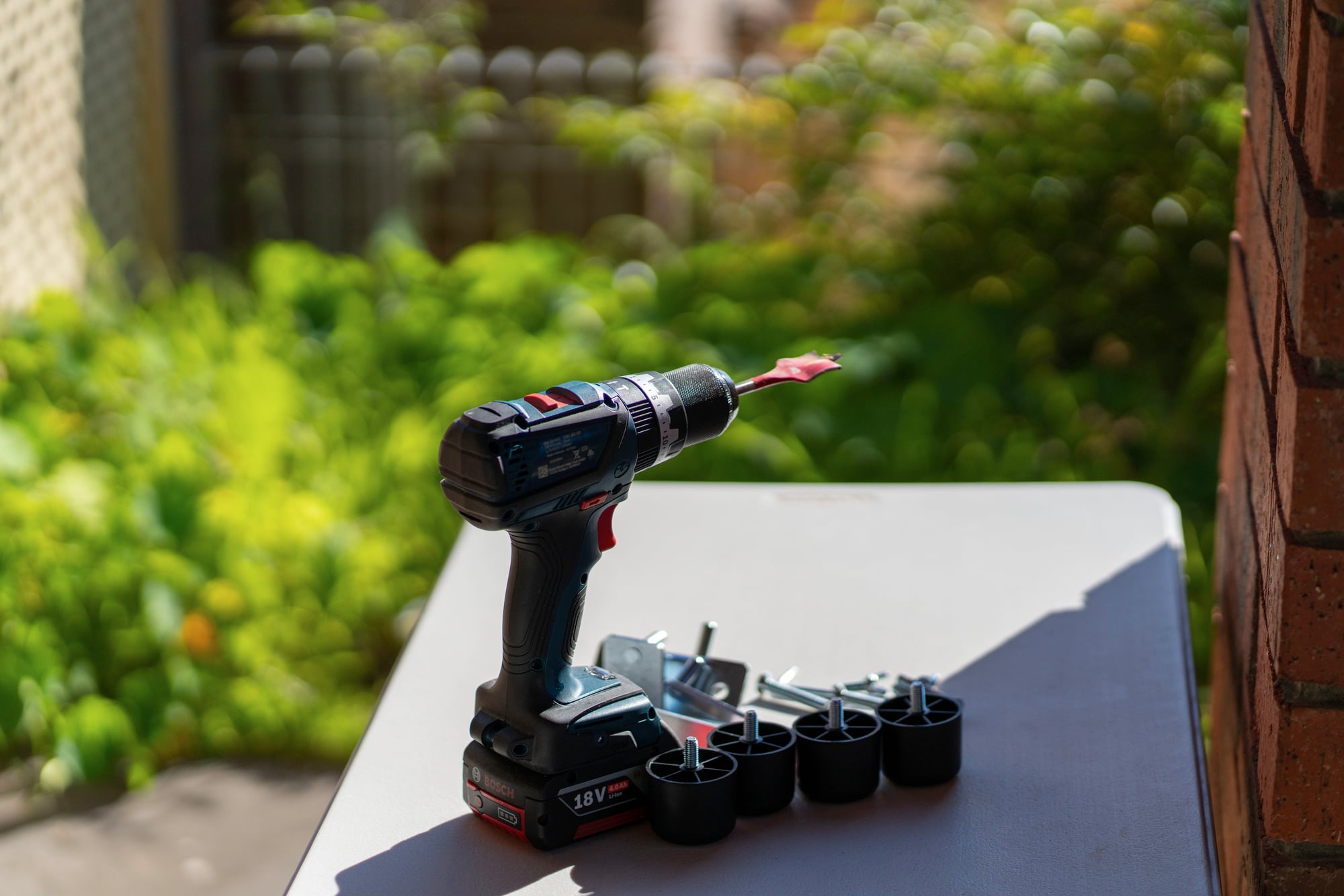
A brace is the sweep-arm hand drilling tool that preceded the power drill; it uses a crank motion to drive a bit into wood. Pre-WWII American braces from Millers Falls, North Brothers (Yankee), and Irwin are consistently sought by working craftspeople for their superior ratchet mechanisms and the quality of their steel bits.
A brace alone in good condition sells for $20 to $60 typically. What substantially increases the value is a complete set of matching bits — a matched set in the original metal or leather roll can double or triple the selling price, and a complete set in an original wooden box with all original bits is the best possible find.
The sweep (the arc diameter of the handle) determines the torque the brace can apply, and larger sweeps for heavy work are less common than standard sizes.
Norris Infill Planes — The British High End
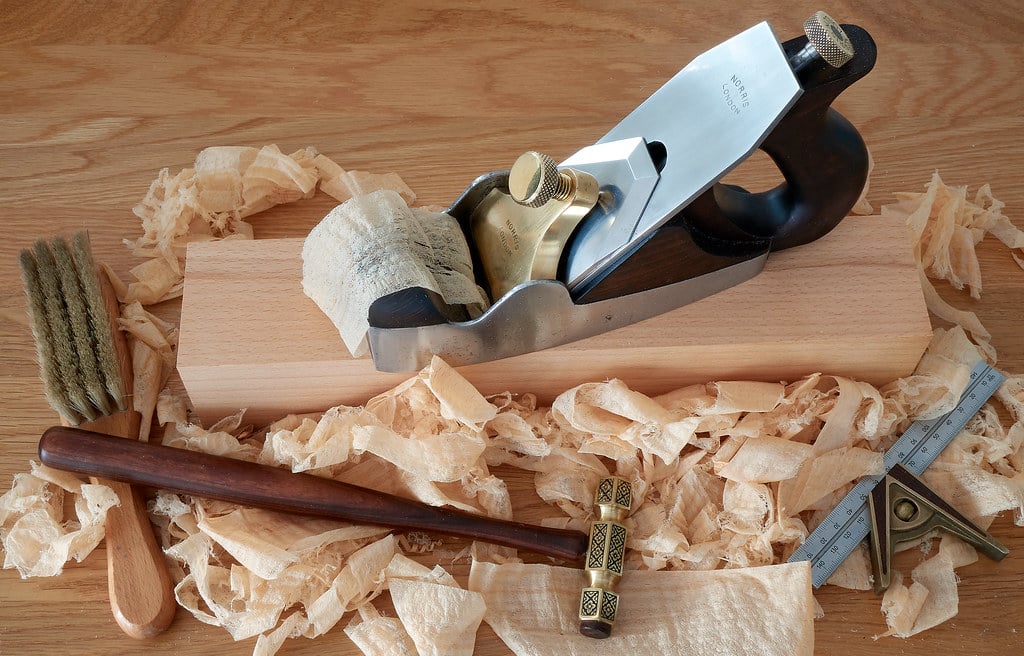
Norris of London produced what many craftspeople consider the finest smoothing and panel planes ever made, from the late 19th century through the 1940s. Norris infill planes — named for the dense hardwood (typically rosewood or mahogany) packed into the cast steel body — are prized both for their functional superiority and their rarity.
An antique Norris 13.5-inch rosewood infill plane sold for over $800 at one recent British auction; larger or more pristine examples reach well above that. These are unlikely to turn up in a North American shed, but they appear regularly in British estate sales where families had connections to the building trades in the first half of the 20th century.
Spokeshaves — Functional, Undervalued, and Worth Having
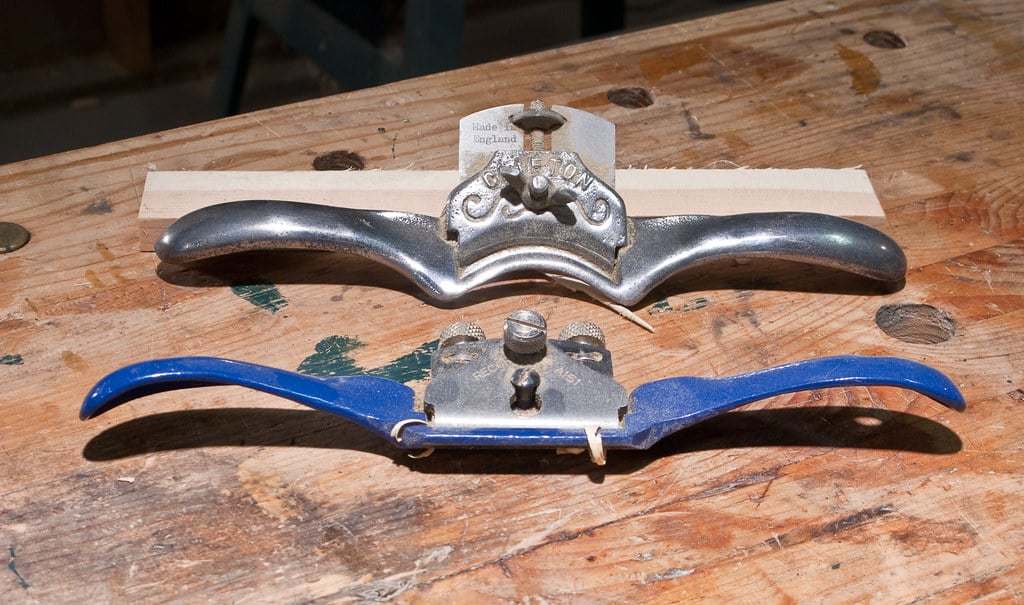
Photo by tomhannahs, via Flickr, licensed CC BY 2.0
A spokeshave, the tool used to shape curved surfaces and round over edges, was a staple of carriage-making, chair-making, and general woodworking for centuries. Pre-war metal spokeshaves from Stanley and other American makers are functional tools that sell for $15 to $50 in the general market — modest prices compared to planes and saws, but still worth picking up in quantity from a shed where they appear.
The exception is the adjustable-throat spokeshave, which commands more than the fixed version. Cast iron spokeshaves from the 19th century are occasionally encountered in excellent condition and sell at the upper end of the range; wooden spokeshaves are less sought by users but have collector interest among those who specialize in wooden tools.
Antique Folding Rules — The Pre-Tape Measure Era
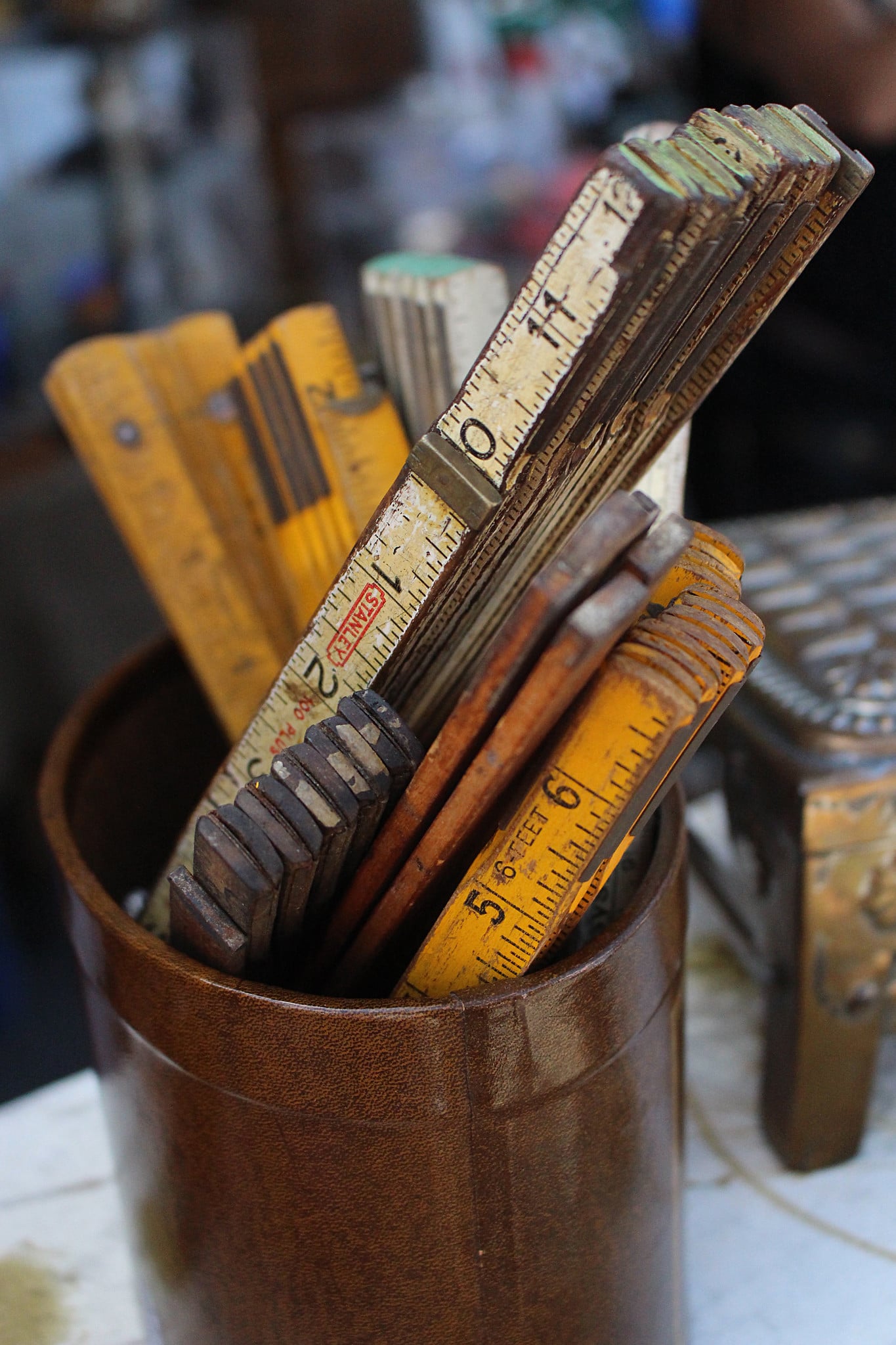
Before flexible tape measures became standard, carpenters used folding wooden rules — typically four-fold rules opening to 24 inches or six-fold rules extending to 36 inches. Pre-war folding rules in boxwood, ivory, and brass from makers including Stanley, Rabone, and Chesterman are collectible both as tools and as decorative objects.
A good boxwood and brass four-fold rule in working condition sells for $20 to $80. Ivory examples, now subject to import restrictions under international trade law, should be verified against local regulations before resale; antique ivory rules are legal in most contexts under pre-convention exemptions but require documentation for commercial sale in some jurisdictions.
Antique Spoke Pointers and Tenon Tools — Specialized and Overlooked
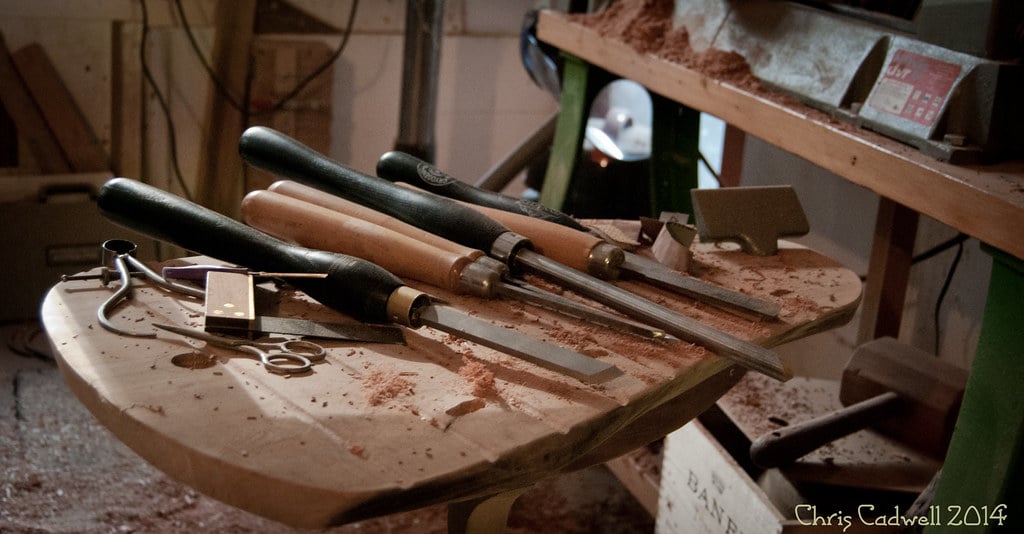
Spoke pointers — tools for tapering the round tenons of chair rungs to fit chair legs — and tenon cutters are specialized woodworking tools that appear in estate sales without being recognized. They look like oversized pencil sharpeners in many cases.
Good examples from makers including G.N. Stearns, Ohio Tool, and various regional manufacturers sell for $30 to $80. Chair-making tools as a category are less widely collected than bench plane tools, which means prices tend to be more moderate — but the craftspeople who need them for traditional Windsor chair work pay promptly.
Yankee Ratchet Screwdrivers — The North Brothers System
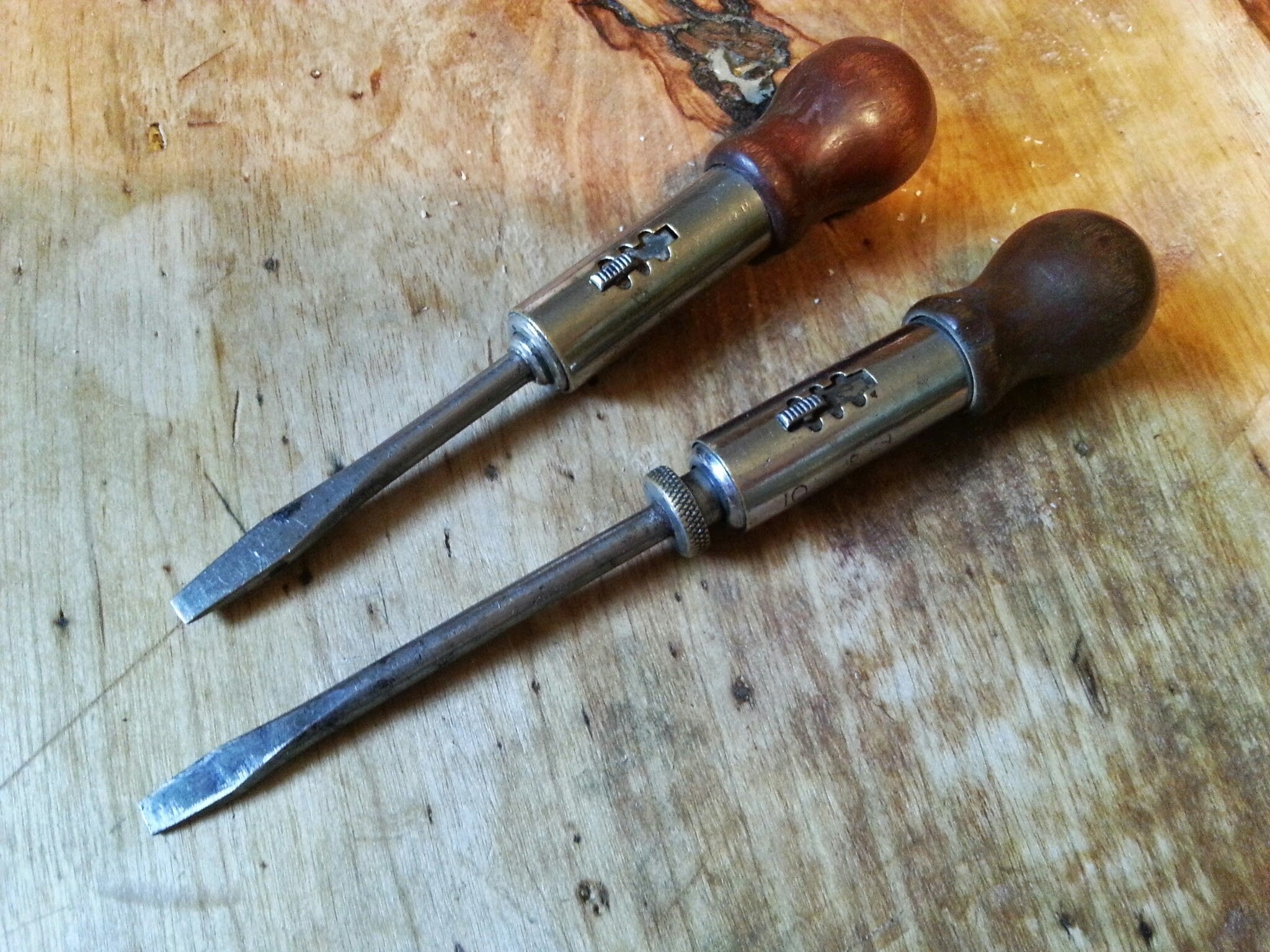
The Yankee screwdrivers made by North Brothers of Philadelphia (later absorbed into Stanley) use a spiral ratchet mechanism that converts pushing pressure into rotational force, driving screws more quickly than a standard screwdriver. The Yankee No. 30 and No. 31 models, which can be configured to drive in both directions or to ratchet, are consistently sought by working craftspeople who prefer them for driving large quantities of screws.
Good pre-war Yankee screwdrivers in working condition sell for $25 to $80. Complete sets with the original bit roll and multiple interchangeable bits sell for more. They were made in significant quantities, so they turn up regularly — but they are also used until worn, so finding one with its original bit set intact is less common than it might seem.
Antique Adzes — The Timber Framing Tool
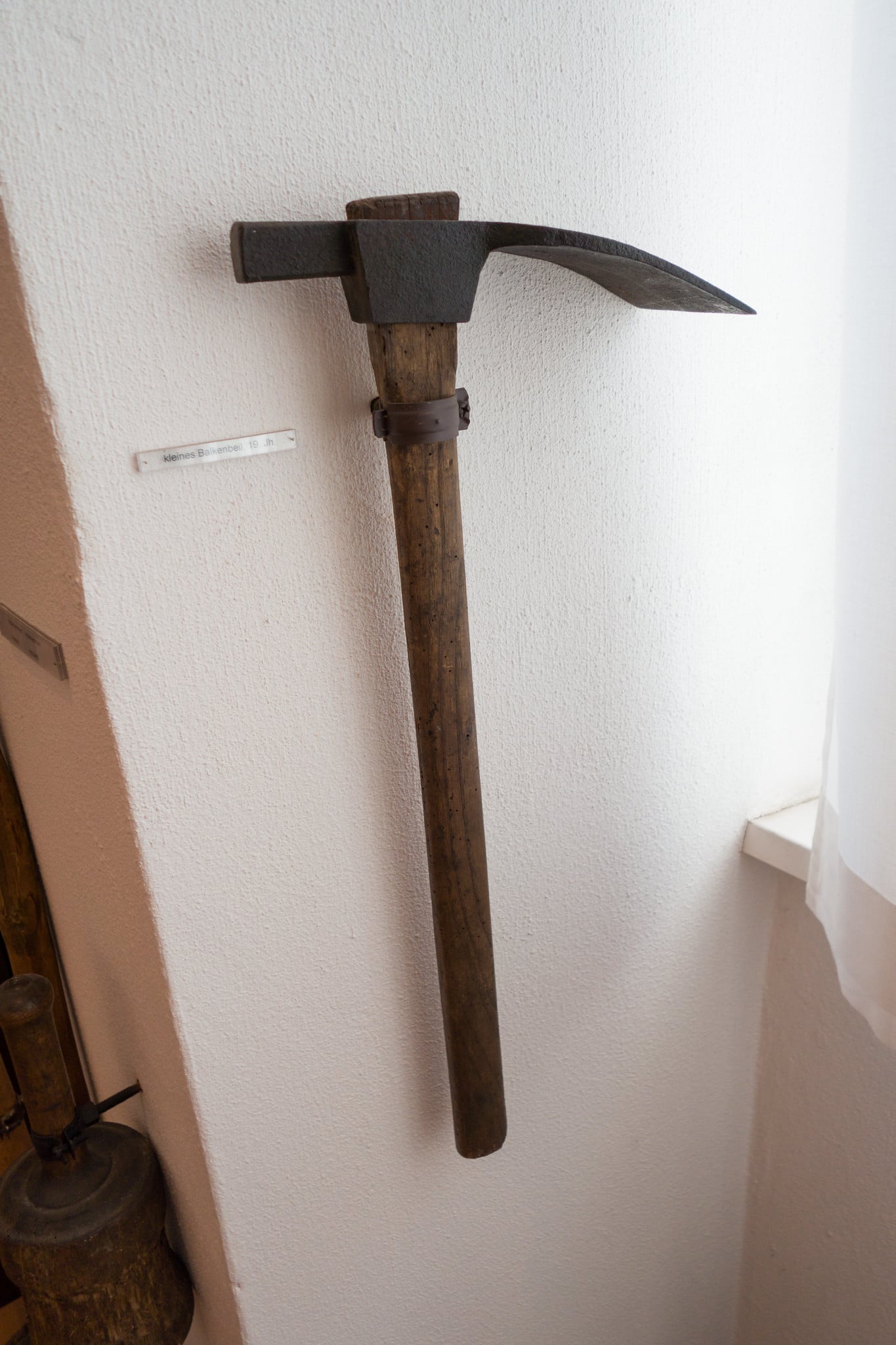
An adze is the curved-blade tool used for rough shaping of timber, particularly in log building and timber framing. Pre-war adzes in good steel with intact handles sell for $40 to $120.
They are not widely collected as a primary category but appear in the tool chests of woodworkers who do heavy timber work, and their edge-holding properties in good pre-war steel are noticeably superior to modern reproductions. Shipbuilder’s adzes — which have a longer, more curved blade than carpenter’s adzes — are rarer and command higher prices in the collector market.
The Condition Reality — Rust Is Surface, Damage Is Not
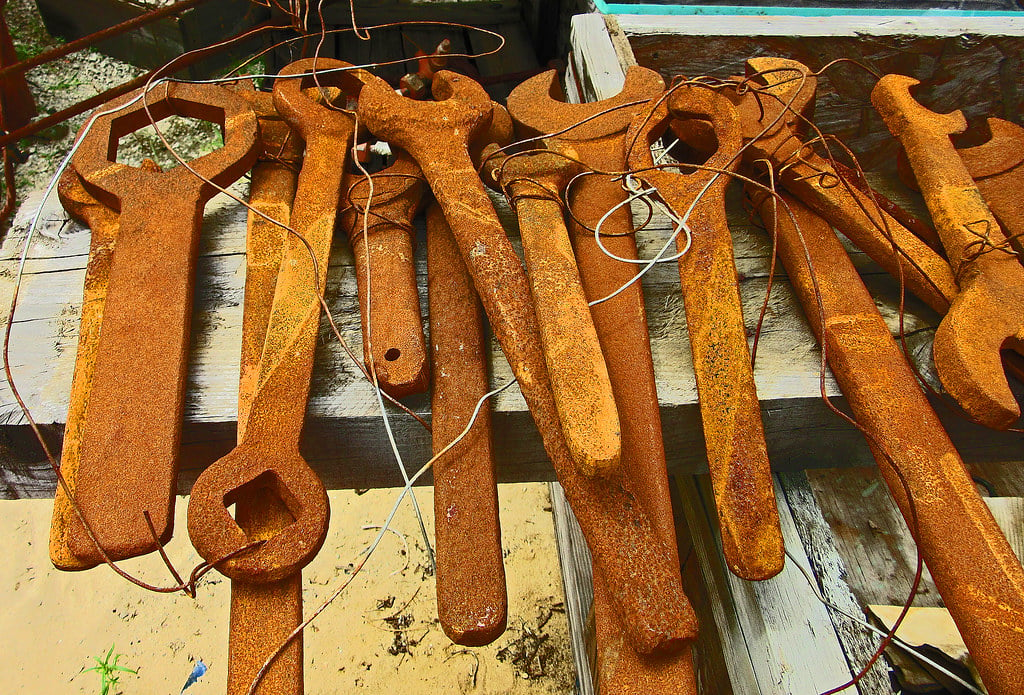
The most common reason people undervalue old tools is the surface rust that develops on bare steel over decades in an unheated shed. Surface rust — the red-orange patina that appears on flat surfaces — is removable with electrolytic rust removal, Japanese rust erasers, or simple mechanical cleaning, and does not affect the underlying steel quality or the tool’s working capability.
What cannot be repaired is structural damage: a cracked wooden tote or knob on a plane, a kinked or badly pitted saw blade, a broken or missing casting on a combination plane, a worm-bored wooden stock on a molding plane. Estate sale buyers who have learned to look past the rust and focus on structural integrity consistently find tools that sell for many times what they paid.
The Market That Never Stopped Growing
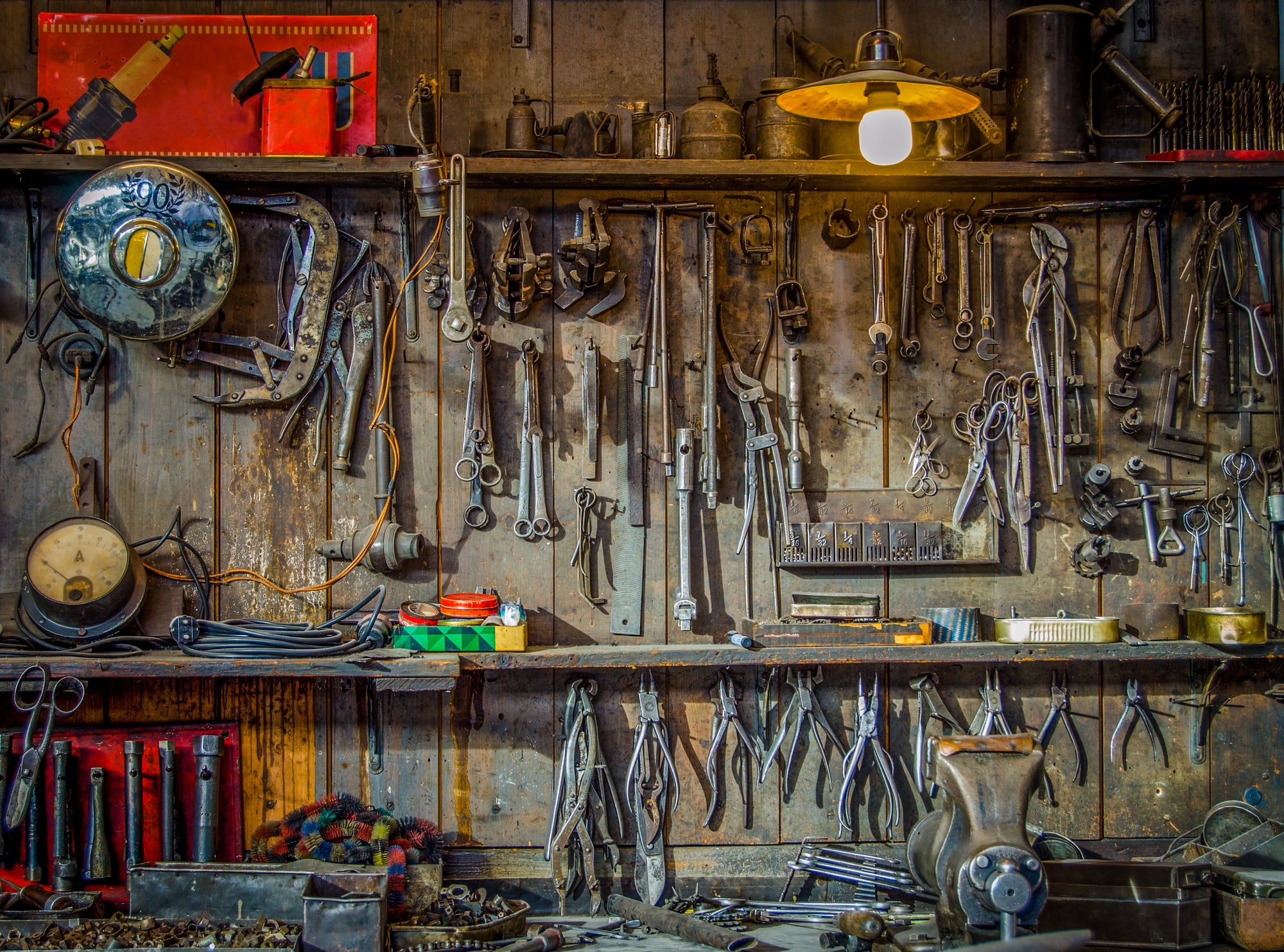
The antique hand tool collecting hobby has expanded continuously since the 1970s, when a group of American craftspeople and collectors founded organizations specifically dedicated to understanding and preserving these tools. The Mid-West Tool Collectors Association and the Early American Industries Association hold regular meets where tools change hands for serious money among people who have spent years developing the knowledge to distinguish a valuable Type 1 Stanley from a common Type 11.
The growth of this community over 50 years has steadily increased the baseline value of collectible tools across all categories, and the parallel growth of the hand tool woodworking revival has added a second buyer category — craftspeople who use the tools daily and understand from experience why the pre-war steel is better. What Sits in the Dusty Toolboxes of a Hundred Thousand Sheds Is a Distributed Archive of American and British Manufacturing Quality From an Era That Is Definitively Over
The factories that made these tools have closed, been converted, or shifted to machinery that produces to a different standard. The steel formulations are not commercially available.
The craftspeople who used and maintained the tools are gone. What remains are the tools themselves — rusted, oil-stained, misidentified, and consistently underpriced — waiting for someone who knows how to look past the surface to what the object actually is.
More from Go2Tutors!

- The Romanov Crown Jewels and Their Tragic Fate
- 13 Historical Mysteries That Science Still Can’t Solve
- Famous Hoaxes That Fooled the World for Years
- 15 Child Stars with Tragic Adult Lives
- 16 Famous Jewelry Pieces in History
Like Go2Tutors’s content? Follow us on MSN.



