Misnamed Mountains, Rivers and Lakes
Maps look authoritative. The names printed across them feel permanent, as if they’ve always been there and always will be.
But a surprising number of the world’s most famous geographical features are named wrong — sometimes because of honest mistakes, sometimes because of colonial arrogance, and occasionally because someone was just having a bit of fun at history’s expense. Here are some of the most notable offenders.
The Caspian Sea Isn’t a Sea
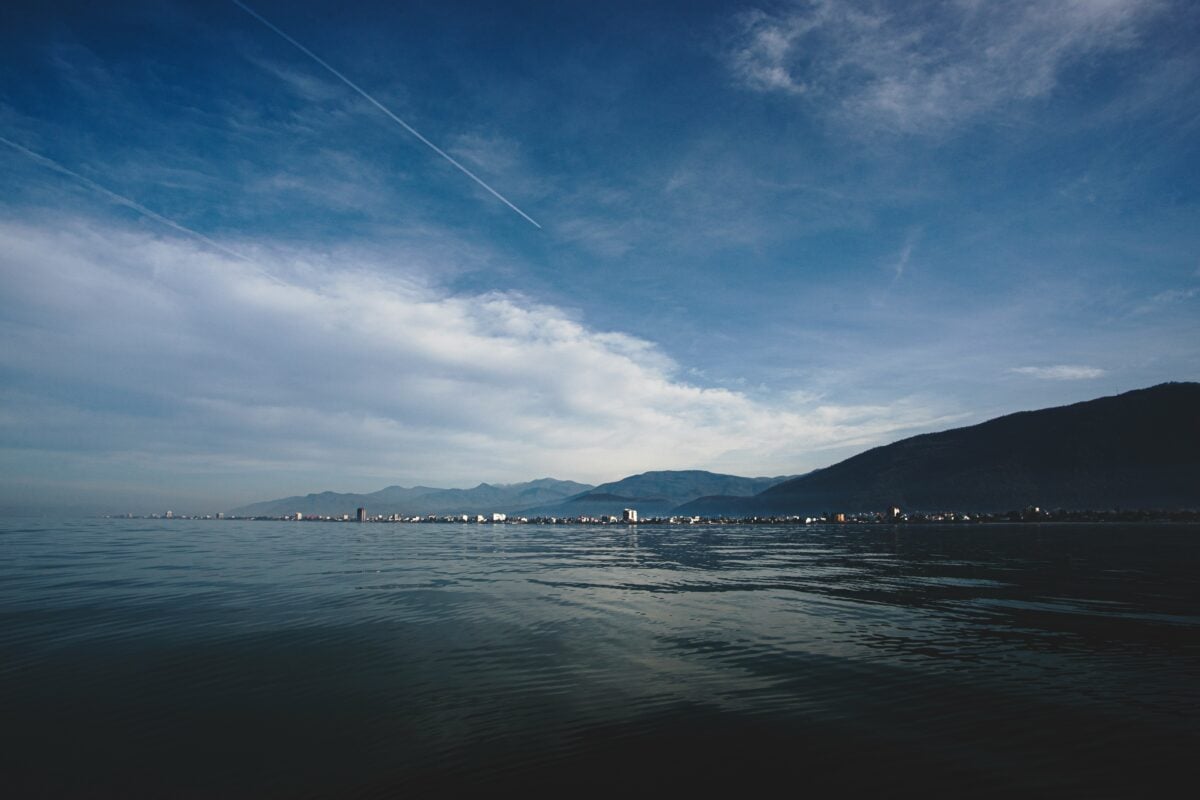
The Caspian Sea is the largest body of enclosed water on Earth. It’s also not a sea.
It has no connection to any ocean, sits in a closed basin, and by every scientific definition qualifies as a lake — the world’s largest one, by a wide margin. The confusion goes back to ancient Greek and Roman traders who sailed its waters and assumed, reasonably enough, that anything that big and salty had to be a sea.
The name stuck. Today it creates genuine legal headaches: countries bordering the Caspian have argued for decades over whether it should be governed under sea law (which divides resources differently) or lake law.
The name has real political consequences.
The Dead Sea Is Also a Lake
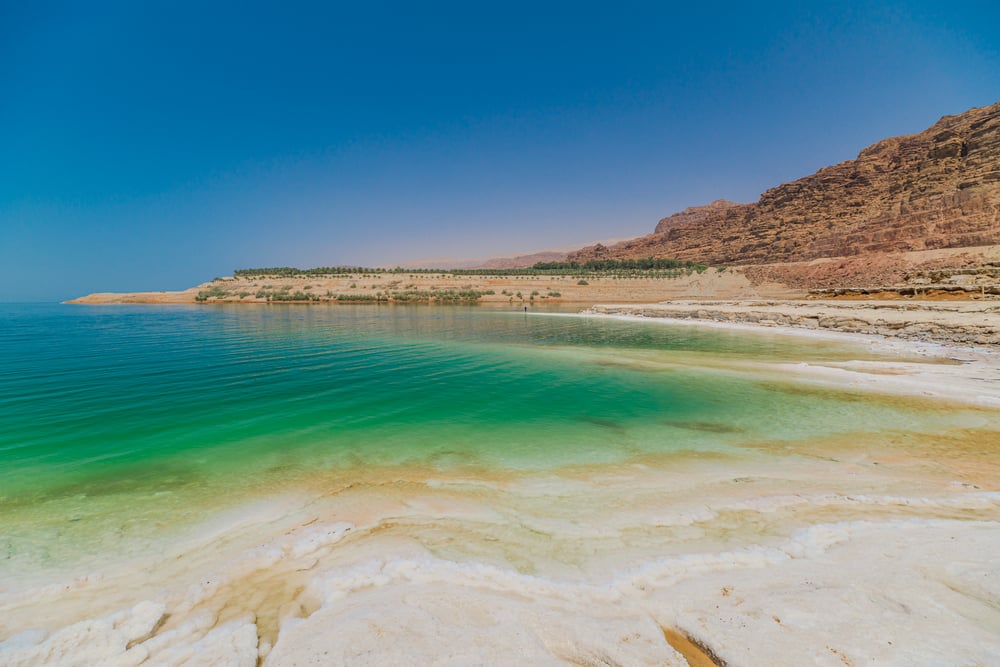
Same story, different body of water. The Dead Sea borders Israel, Jordan, and the Palestinian territories, and it’s landlocked.
No outlets, no connection to any ocean. It’s a hypersaline lake, nothing more.
The “dead” part isn’t entirely wrong — the water is so salty that almost nothing survives in it. But calling it a sea is geography shaped by ancient perception rather than fact.
People saw something large and unfamiliar and reached for the biggest word they knew.
Mount Everest Was Named Against Its Namesake’s Wishes

George Everest was a British surveyor who spent years mapping the Indian subcontinent in the mid-1800s. When his successor, Andrew Waugh, wanted to name the world’s highest peak after him, Everest actively objected.
He pointed out that his name couldn’t be written or pronounced in Hindi or Urdu, and that local names for the mountain already existed — names like Chomolungma in Tibetan and Sagarmatha in Nepali, both of which predated British mapping by centuries. Waugh named it after him anyway.
Everest died in 1876, and the Western world has been calling it by his name ever since, despite the fact that Chomolungma and Sagarmatha remain widely used by the communities that have lived near it longest.
Greenland Is Mostly Ice
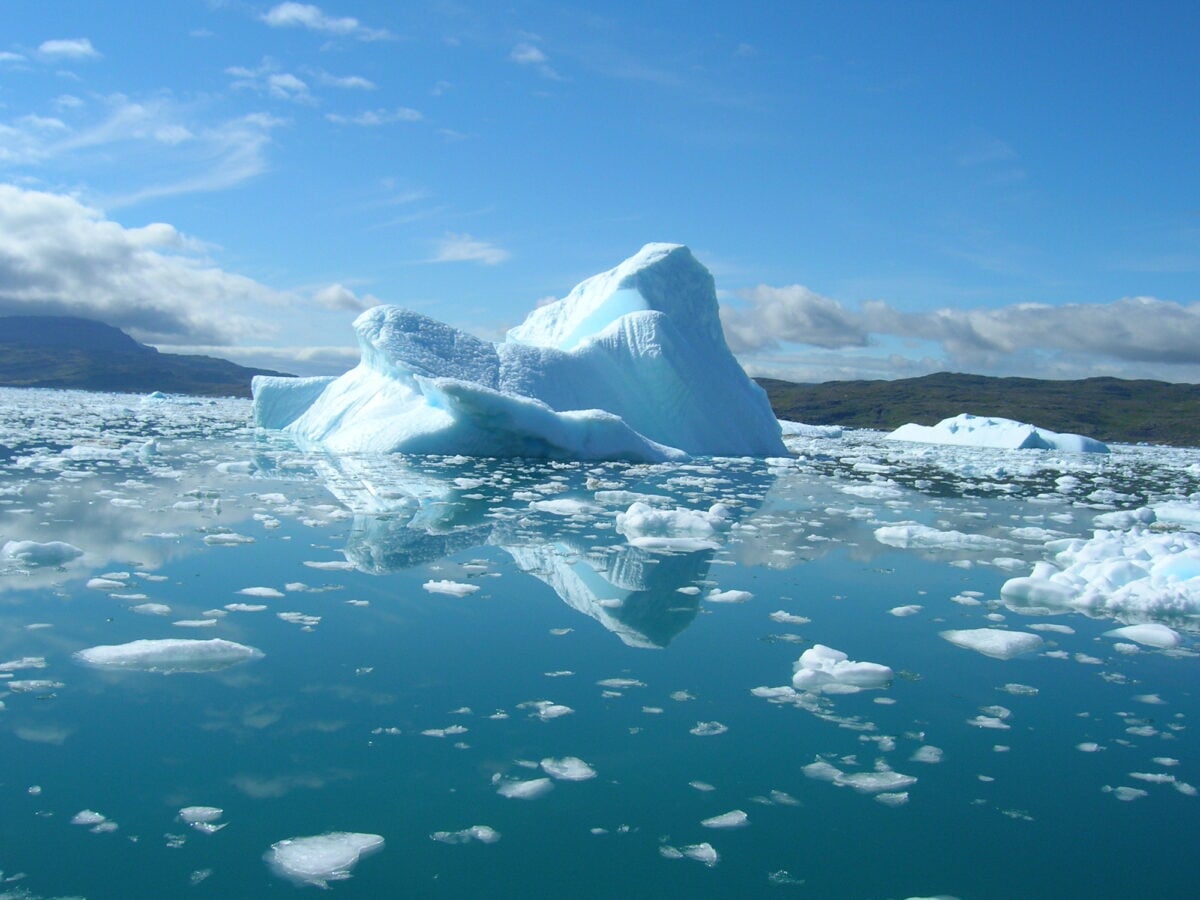
The island of Greenland is about 80 percent covered by a permanent ice sheet. It is, by most measures, one of the least green places on Earth.
The name came from Erik the Red, a Norse explorer who was exiled from Iceland around 985 AD and needed settlers for his new discovery. He reportedly called it Greenland to make it sound appealing.
Whether this was deliberate spin or genuine optimism about the coastal strips that do turn green in summer is debated. Either way, it worked.
Settlers came. And a name born from ancient real estate marketing has outlasted the settlements themselves by about a thousand years.
Iceland Is Surprisingly Green
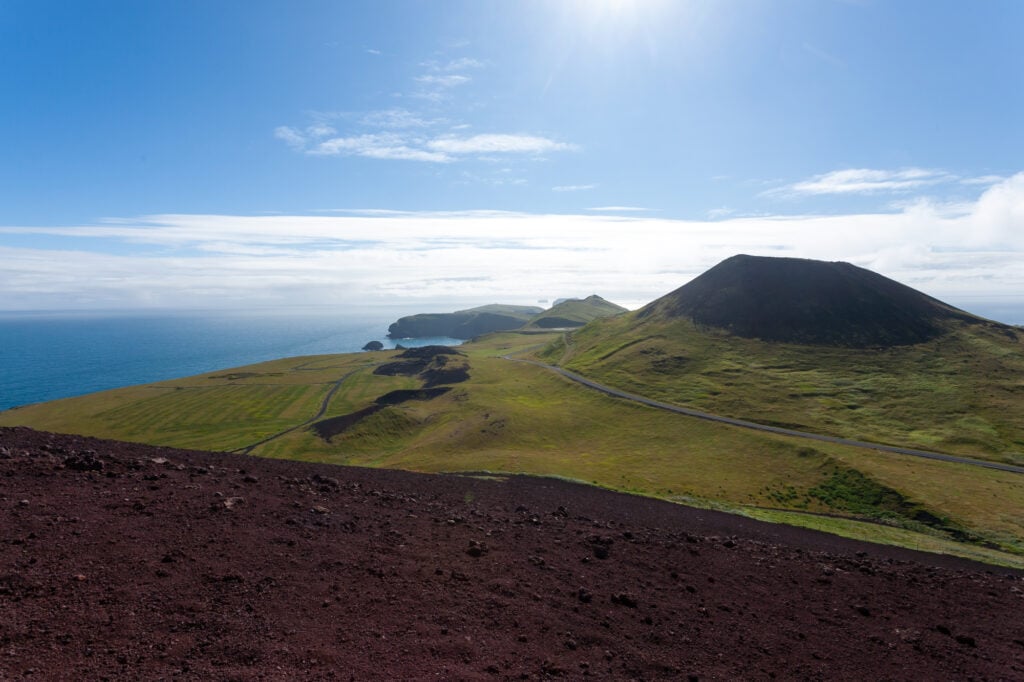
The flip side of the Greenland confusion is Iceland. The country sits just south of the Arctic Circle and, while it does have glaciers, roughly two-thirds of it is ice-free.
The coastal lowlands are green and relatively mild by North Atlantic standards. Reykjavik regularly sees summer temperatures that would embarrass Alaska. The story goes that early Norse settlers named it Iceland to discourage outsiders from following them there.
Whether true or not, Iceland and Greenland have been confusing people ever since — two islands with names that seem to belong to each other.
The Rio Grande Is Often Neither Big Nor Grand
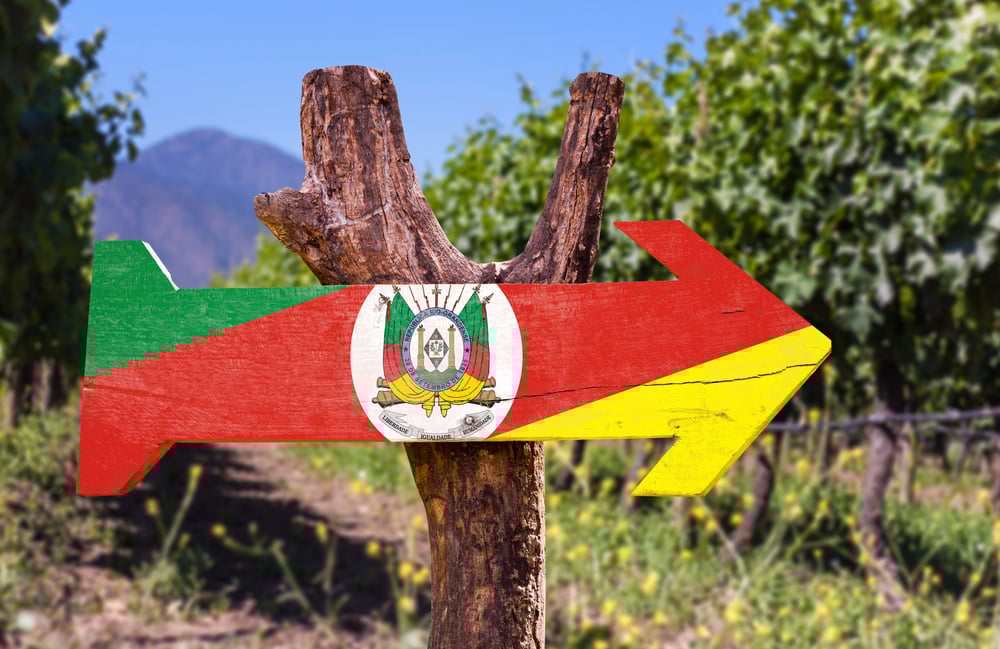
Rio Grande means “big river” in Spanish. For much of its 3,000-kilometer length, the river earns that name. But by the time it reaches the US-Mexico border near El Paso, it has often shrunk to something you could wade across without getting your knees wet.
In drought years, parts of it disappear entirely. The river’s reputation suffers from the gap between what it’s called and what it sometimes is.
It was named at points where it actually runs wide and deep, but the name travels with it to places where it doesn’t apply at all.
K2 Has No Real Name
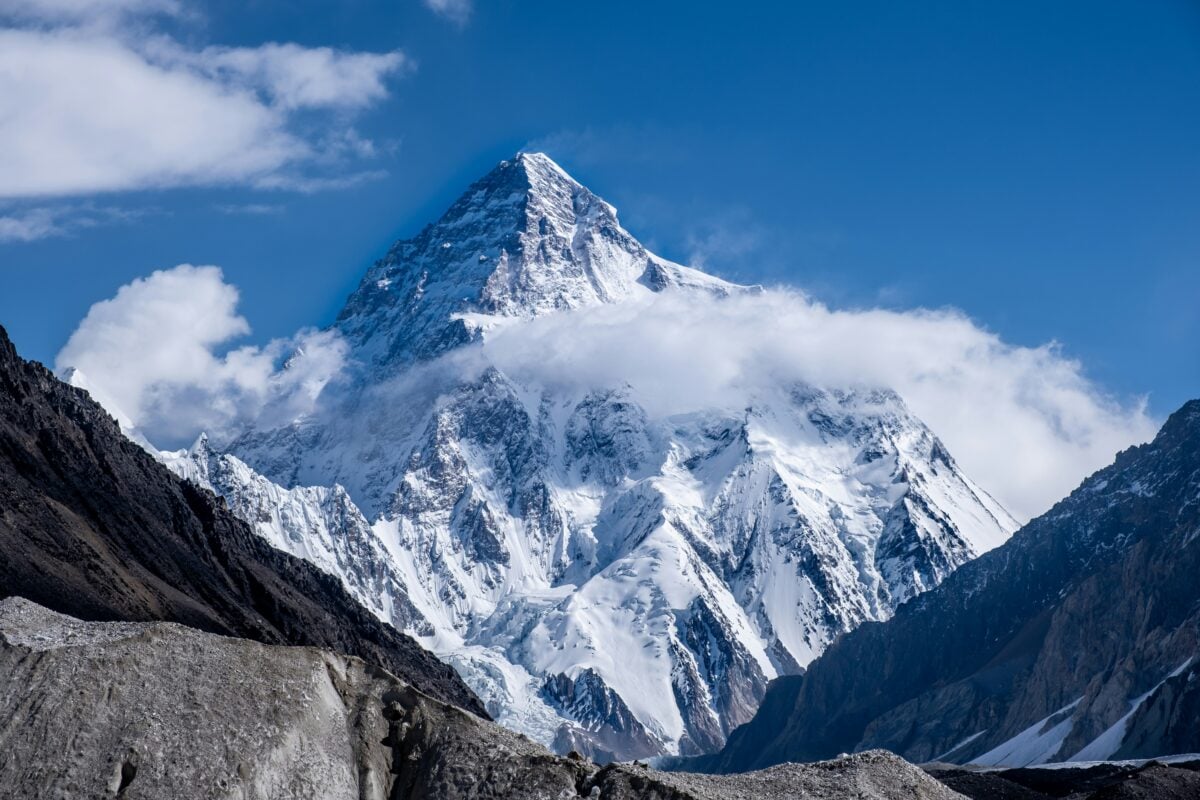
Most major mountains have names that come from the people who’ve lived near them for generations. K2 has a surveyor’s notation. In the 1850s, a British team catalogued peaks in the Karakoram range, marking them K1, K2, K3, and so on.
Other peaks in the survey were eventually given proper local names. K2 was so remote that the surveyors couldn’t find a commonly used local name, so the notation stayed. Attempts have been made to rename it — Chogori (from Balti, meaning “great mountain”) has been proposed — but K2 has proven too entrenched.
The world’s second-highest mountain is identified by a clerical abbreviation from a survey that’s now over 170 years old.
The Amazon Was Named After a Fight That May Not Have Happened
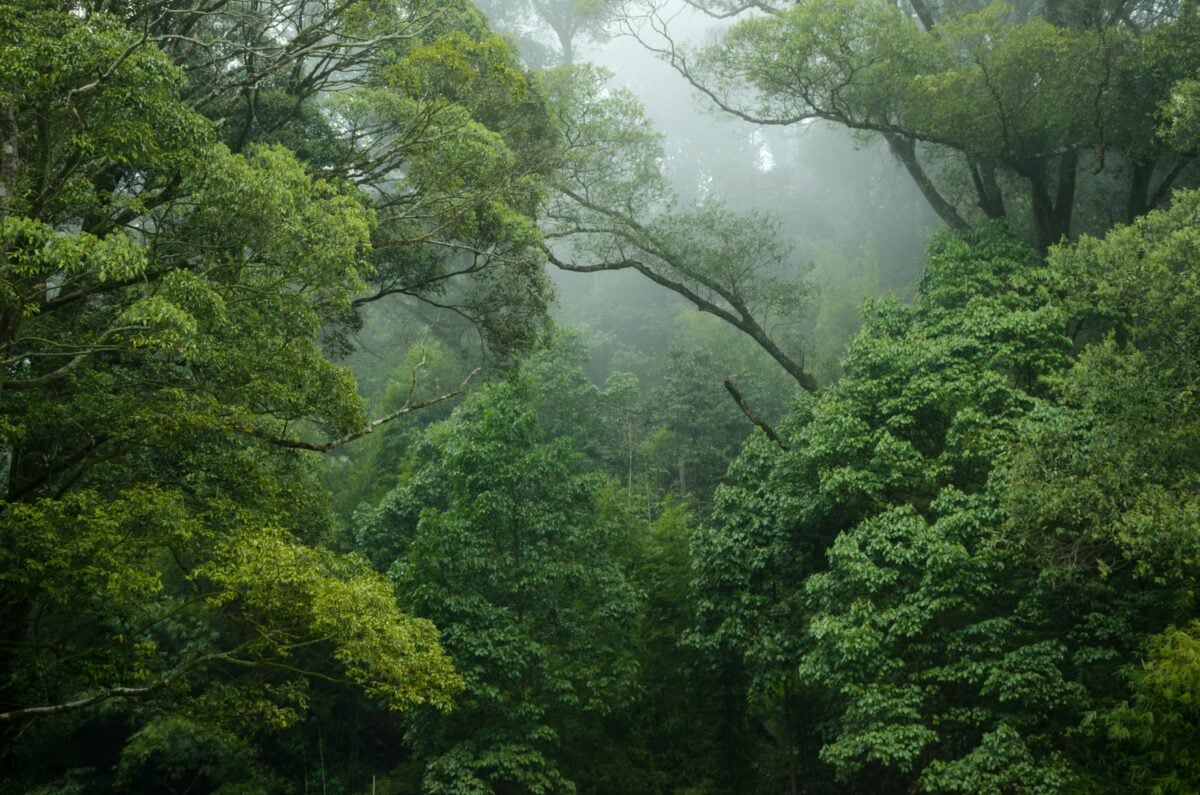
In 1541, Spanish explorer Francisco de Orellana led the first known European expedition down the river now called the Amazon. Along the way, his group reportedly came under attack from female warriors — or so the story goes.
Orellana named the river after the Amazons of Greek mythology. Most historians are skeptical.
The “female warriors” were likely men with long hair or ceremonial dress. But the name held, and one of the most important river systems on the planet carries the legacy of a battle that probably didn’t happen the way it was described, or possibly didn’t happen at all.
The Black Sea Isn’t Black
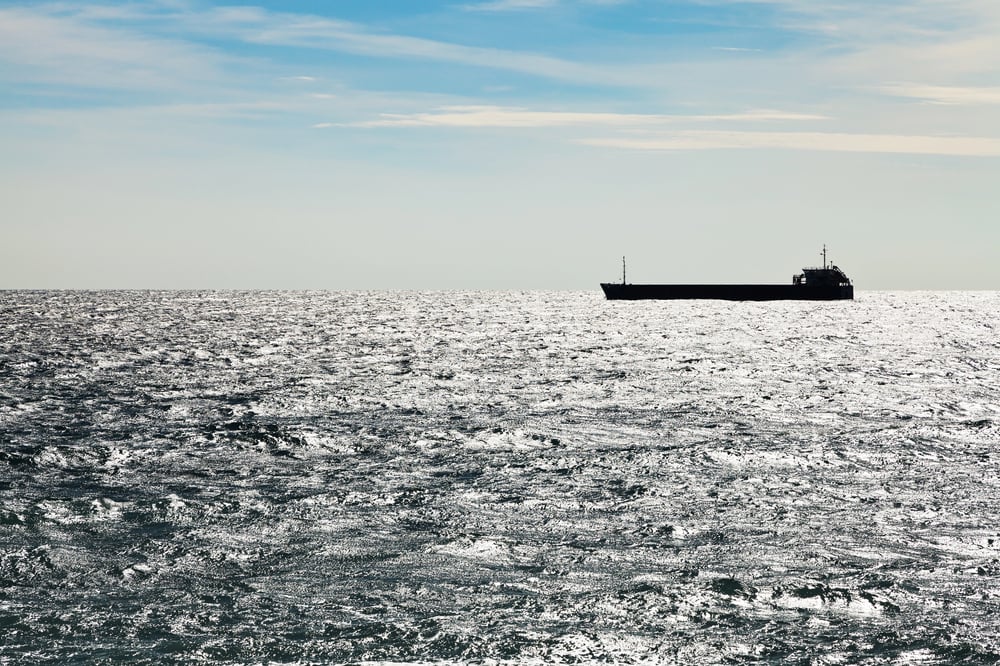
The Black Sea, bordered by Turkey, Ukraine, Russia, Romania, Bulgaria, and Georgia, is not especially black. The water ranges from greenish-blue in summer to a deep blue-grey in winter.
One theory traces the name to an old Turkish color-direction system where black meant “north” — the sea was simply the northern sea. Another theory points to the dark, sulfurous sediments at depth that darken the water in certain conditions.
Either way, the color you see from a Black Sea beach looks nothing like its name suggests.
The Red Sea Isn’t Red Either
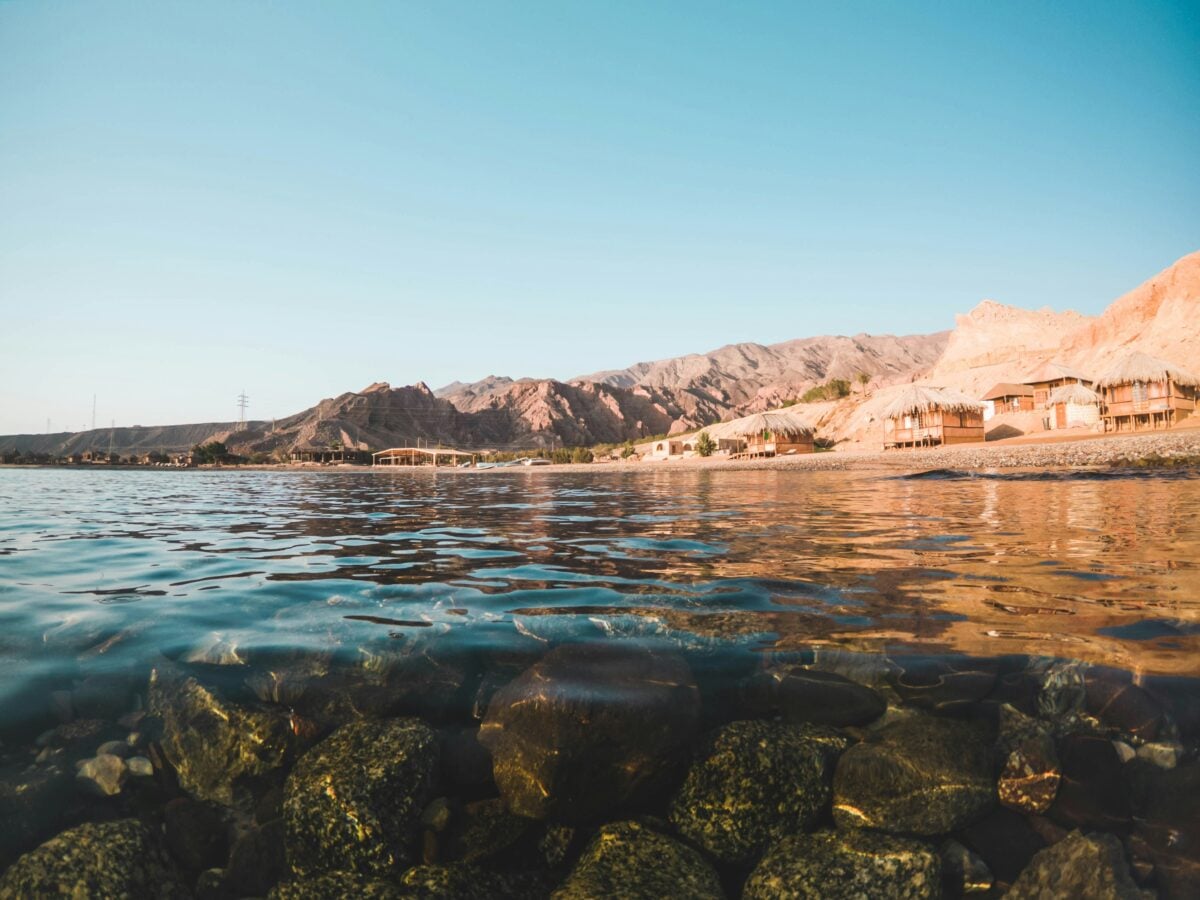
The Red Sea, wedged between the Arabian Peninsula and northeastern Africa, presents a similar puzzle. The water is clear blue, like most tropical seas.
One explanation: seasonal blooms of a reddish-brown algae called Trichodesmium erythraeum can turn patches of the surface a rusty orange color. Another theory involves the same directional naming convention — “red” meaning south in some ancient systems.
Neither explanation is entirely convincing. The Red Sea was probably more notable for what it connected than for what color it was.
Mount McKinley and the Long Road to Denali
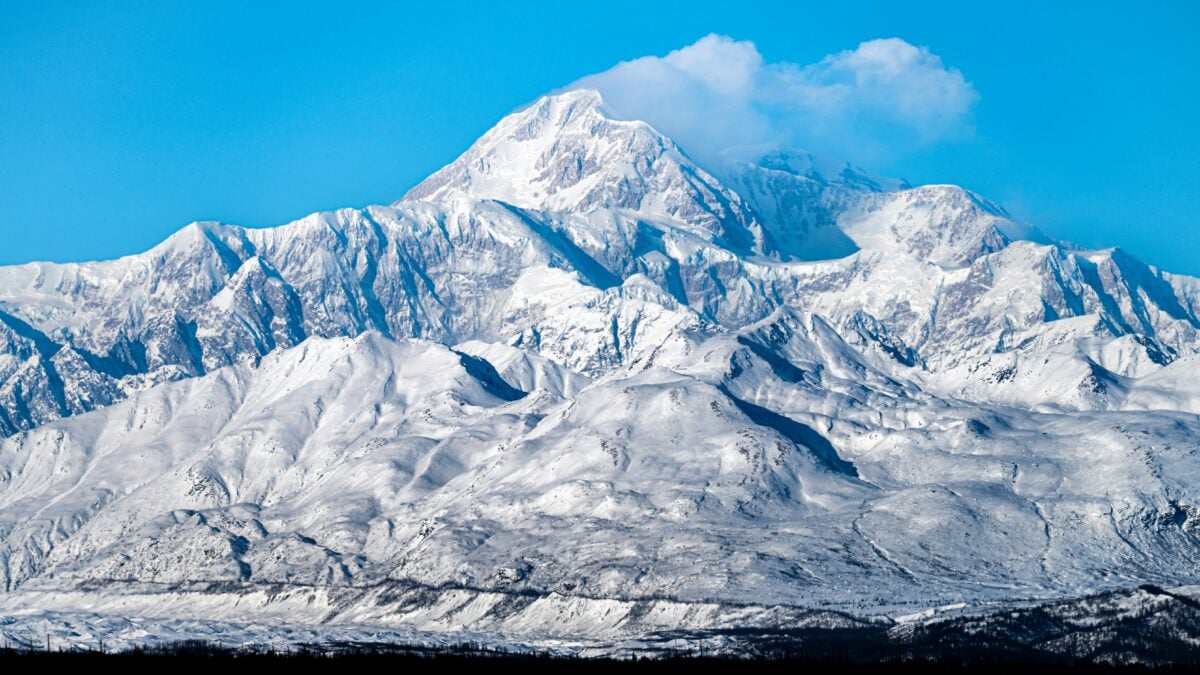
For most of the 20th century, North America’s highest peak was officially called Mount McKinley, named after President William McKinley in 1917. McKinley had no connection to Alaska.
He never visited it. He was an Ohio politician whose main claim to the mountain was being president when someone decided to name it after him.
The indigenous Athabascan people had called it Denali — meaning “the high one” or “the great one” — for centuries. Alaska officially renamed it Denali in 1975.
The federal government resisted for another four decades, finally changing the official name in 2015. The mountain had the right name waiting for it the whole time.
The Mississippi Means Something It Might Not Live Up To

The name Mississippi comes from an Ojibwe phrase that translates roughly as “great river” or “gathering of waters.” That’s fairly accurate — by volume and cultural significance, the Mississippi qualifies.
But the name has an interesting self-fulfilling quality: rivers called “great river” in indigenous languages are scattered across North America, often given by people who named things for what they were to local life rather than global geography. Mississippi earned its name honestly.
But it’s worth noting that every culture tends to name its nearest significant river “the big one” or “the great water.” When you only know one river, that river is always the greatest.
The Persian Gulf and the Arabian Gulf Are the Same Water
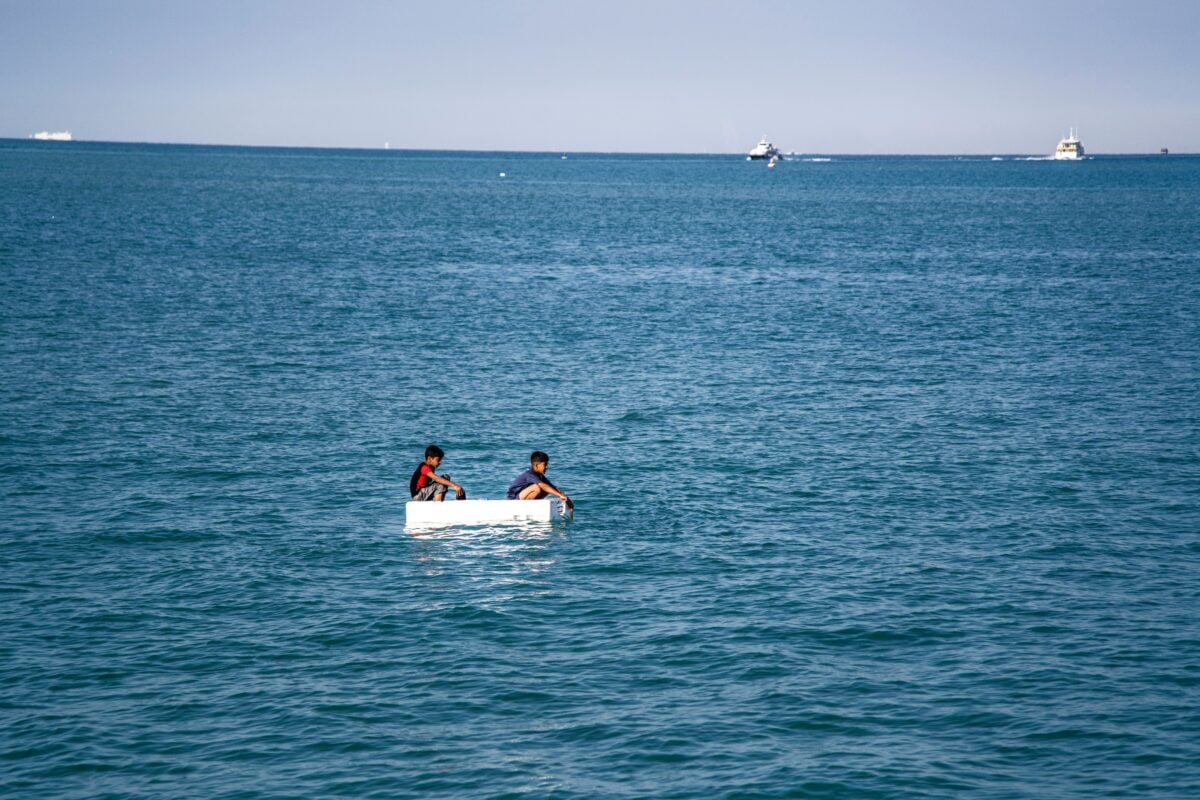
Depending on where you are, the body of water between Iran and the Arabian Peninsula is called either the Persian Gulf or the Arabian Gulf. Iran uses the first. Arab nations generally use the second.
The United Nations and most Western countries default to the Persian Gulf, which has the longest documented history. The water itself doesn’t care.
It sits there regardless, connecting the same ports it always has, while the name attached to it shifts depending on which map you pick up. Few geographical disputes are more purely political than this one — the geography is identical, and the argument is entirely about whose history gets to name it.
The Names That Outlast the Reasons for Them

What makes misnamed geography interesting isn’t the mistakes themselves — it’s how permanent they turn out to be. A Viking exile’s marketing pitch.
A surveyor’s shorthand. A sailor’s misidentification of a lake.
A conqueror’s attempt to overwrite a name that already existed. These small decisions, made quickly and often carelessly, end up printed on every map for centuries. The mountains and rivers don’t change.
The names people gave them reveal something about who was doing the naming and why — what they knew, what they assumed, what they wanted, and sometimes what they were trying to hide. Reading a map carefully is a bit like reading the history of whoever made it.
More from Go2Tutors!

- The Romanov Crown Jewels and Their Tragic Fate
- 13 Historical Mysteries That Science Still Can’t Solve
- Famous Hoaxes That Fooled the World for Years
- 15 Child Stars with Tragic Adult Lives
- 16 Famous Jewelry Pieces in History
Like Go2Tutors’s content? Follow us on MSN.