26 Historic Buildings Demolished Before Anyone Objected
Preservation laws exist largely because of buildings that came down before anyone thought to write them. Wrecking crews moved fast, city councils moved faster, and by the time public outcry caught up, the rubble was already being hauled away. These 26 losses, several of which directly inspired the landmark laws that followed, show how quickly a landmark can disappear.
Pennsylvania Station, New York City
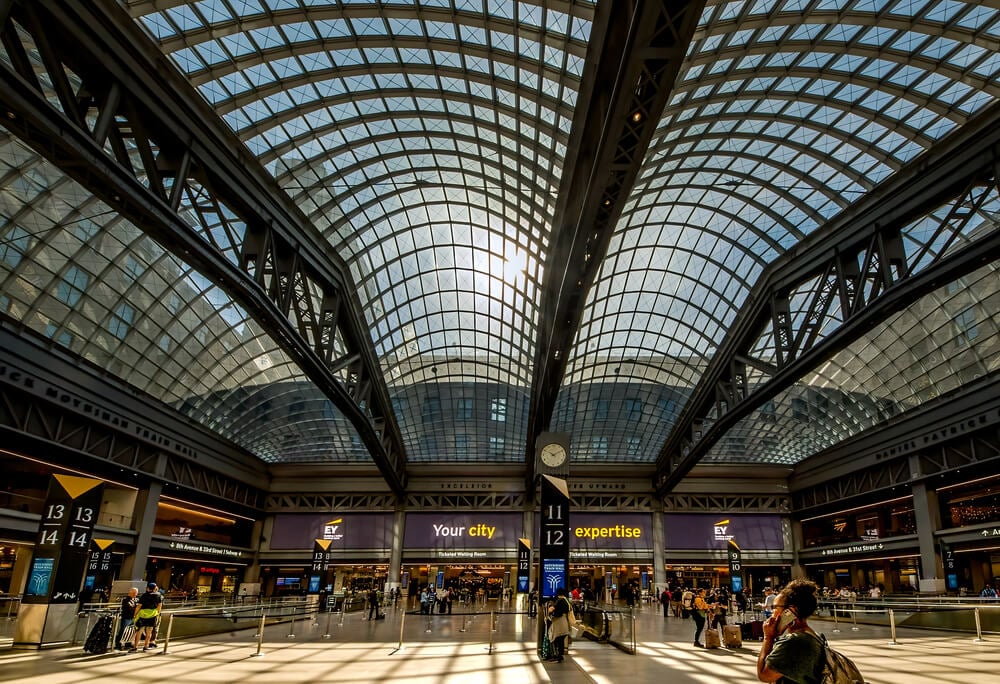
The original Pennsylvania Station, a soaring Beaux-Arts hall modeled on Roman bathhouses and completed in 1910, was torn down between 1963 and 1965 to make room for Madison Square Garden and an office tower, despite its pink granite columns and vaulted glass ceiling. The demolition happened with so little formal resistance that critic Ada Louise Huxtable and a handful of architects picketed almost alone outside, and the public backlash that followed became the direct catalyst for New York City’s 1965 Landmarks Preservation Law.
The Euston Arch, London
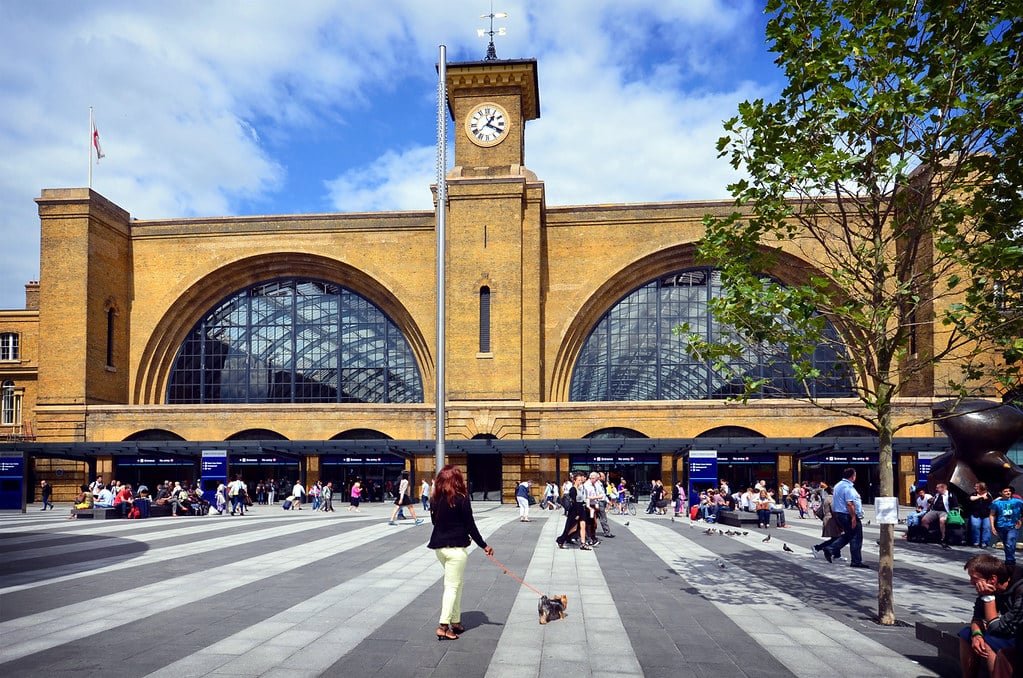
The Doric propylaeum known as the Euston Arch, a 70-foot stone gateway built in 1837 at the entrance to Euston railway station, was demolished in 1961 to make way for a modernized station despite a public campaign that included the poet John Betjeman. British Rail moved ahead regardless, and stones from the arch were later found dumped in the River Lea, where some have since been recovered for a planned partial reconstruction.
Singer Building, New York City
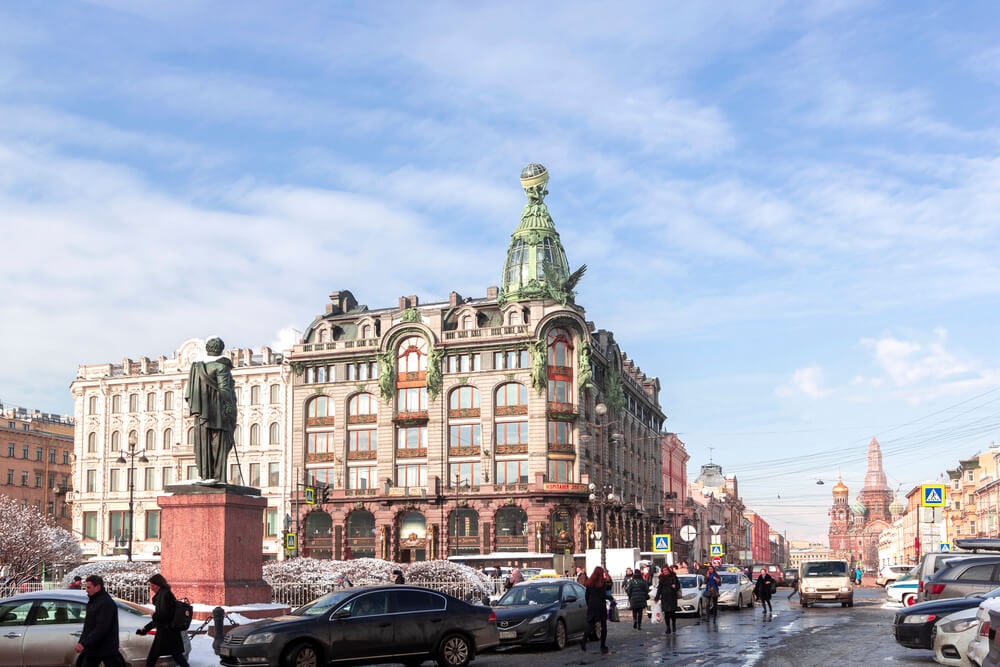
Completed in 1908 and briefly the tallest building in the world, the Singer Building’s ornate Beaux-Arts tower came down in 1968 to make way for One Liberty Plaza, making it the tallest structure ever peacefully demolished at the time. Its owners judged the aging skyscraper too costly to renovate for modern tenants, and no landmark protection existed yet to stop them.
Larkin Administration Building, Buffalo
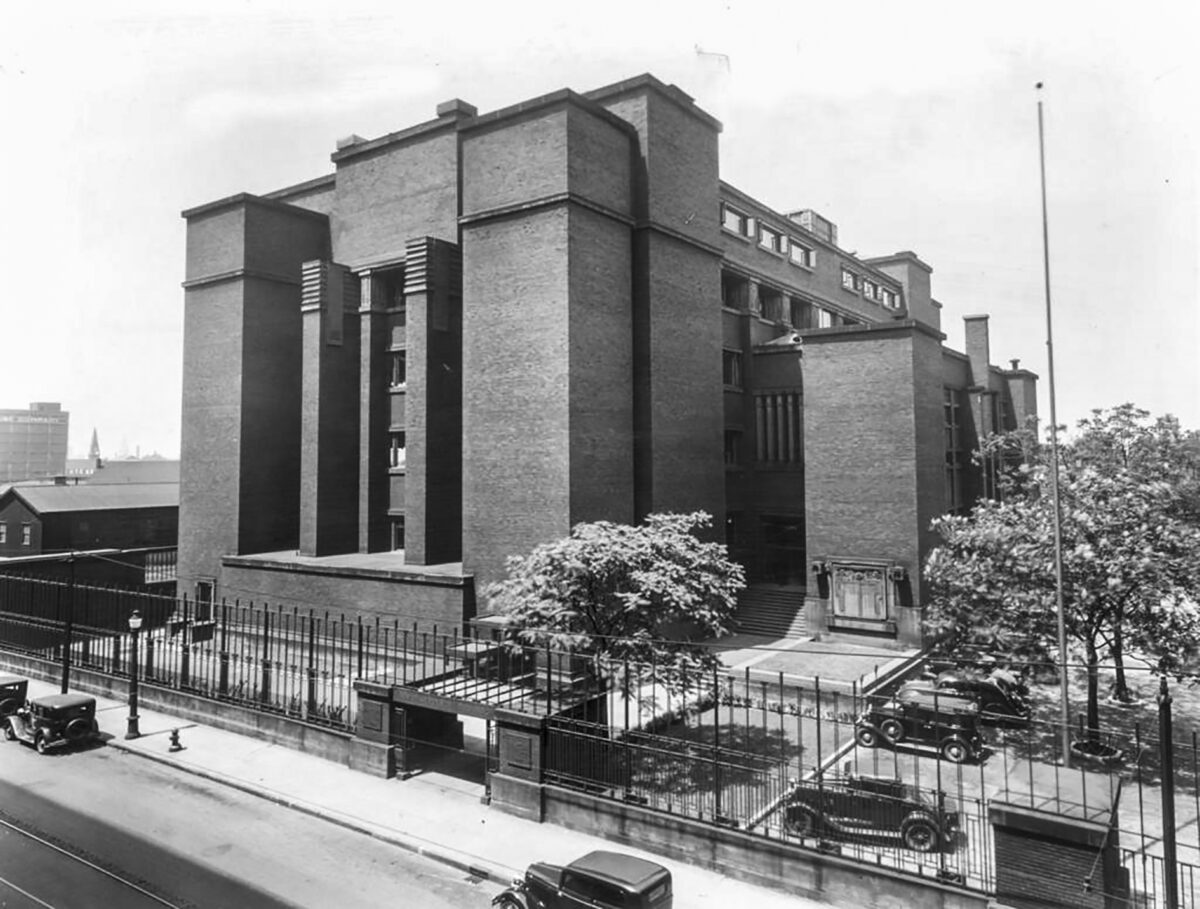
Frank Lloyd Wright’s Larkin Administration Building, a pioneering 1906 office structure with some of the first known built-in air conditioning and metal furniture, was demolished in 1950 after the Larkin Company that built it went out of business. The site sat as a truck depot for years afterward, and its loss is still cited by architectural historians as one of the costliest of Wright’s career.
Garrick Theater Building, Chicago
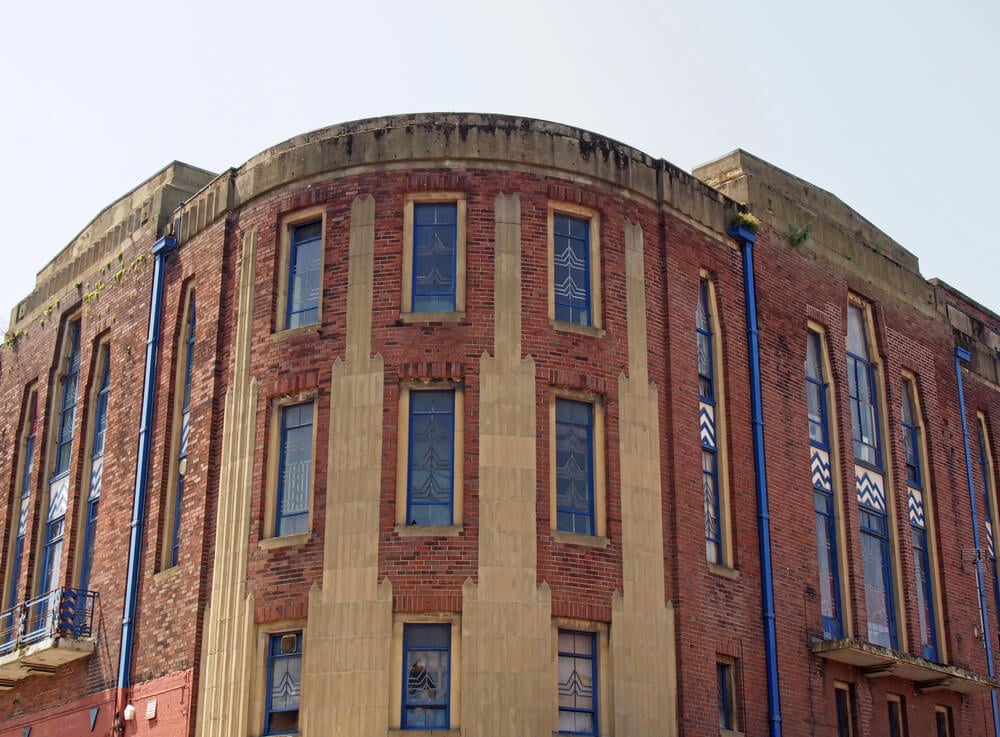
Adler and Sullivan’s Garrick Theater Building, an 1892 office and theater tower with elaborate terra cotta ornament, was demolished in 1961 to build a parking garage despite a preservation campaign led by photographer Richard Nickel, who documented the wrecking crews at work. Nickel would later die in 1972 while salvaging ornament from another Adler and Sullivan building being demolished.
Chicago Stock Exchange Building
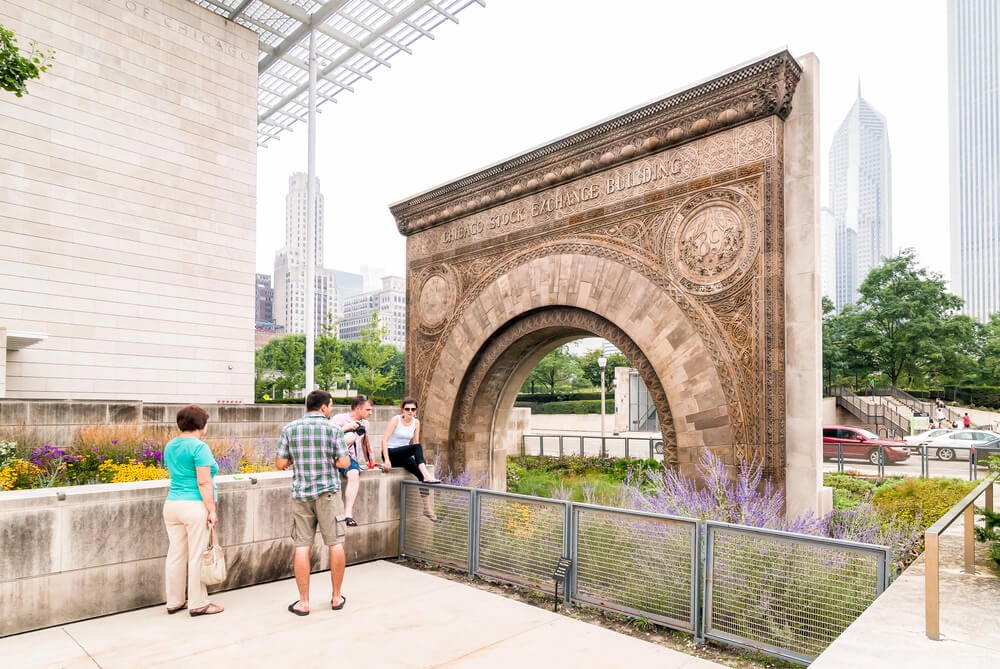
The Chicago Stock Exchange Building, another Adler and Sullivan design completed in 1894, was torn down in 1972 after a lengthy but unsuccessful preservation effort, and its ornate trading room was later reassembled inside the Art Institute of Chicago. The building’s elaborate cast-iron entrance arch was salvaged and now stands as a freestanding monument near its original site.
Traymore Hotel, Atlantic City

The Traymore Hotel, an enormous Art Deco beachfront resort completed in 1915 with a distinctive terra cotta facade, was imploded in 1972 to make room for a casino parking lot during Atlantic City’s push toward legalized gambling. Its demolition, captured on film, is still used in architecture courses as an example of a boom-era landmark erased for short-term development.
Original Waldorf-Astoria Hotel, New York City
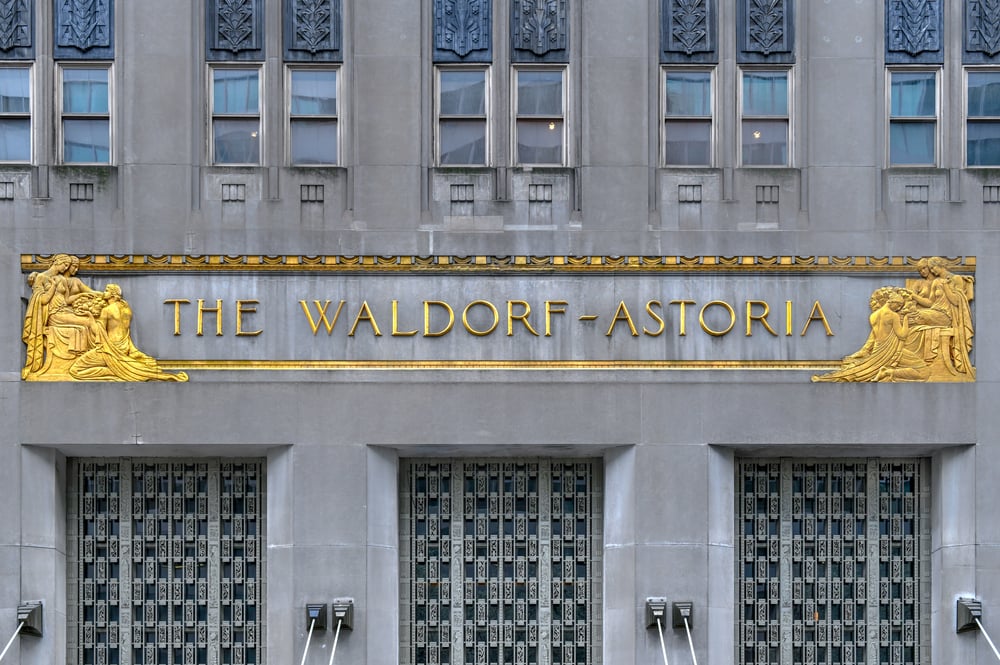
The first Waldorf-Astoria, a lavish hotel complex built in stages beginning in 1893, was demolished in 1929 to clear the site for the Empire State Building, ending its run after roughly three decades. Its replacement opened on Park Avenue in 1931, but the original building’s elaborate interiors were lost entirely.
Old Metropolitan Opera House, New York City

The Metropolitan Opera’s original 1883 building on Broadway was demolished in 1967, two years after the company moved to its new home at Lincoln Center, despite efforts by opera patrons to find the old house a second life. Developers cited the cost of retrofitting the aging auditorium, and an office tower rose on the site soon after.
Coal Exchange, Cardiff
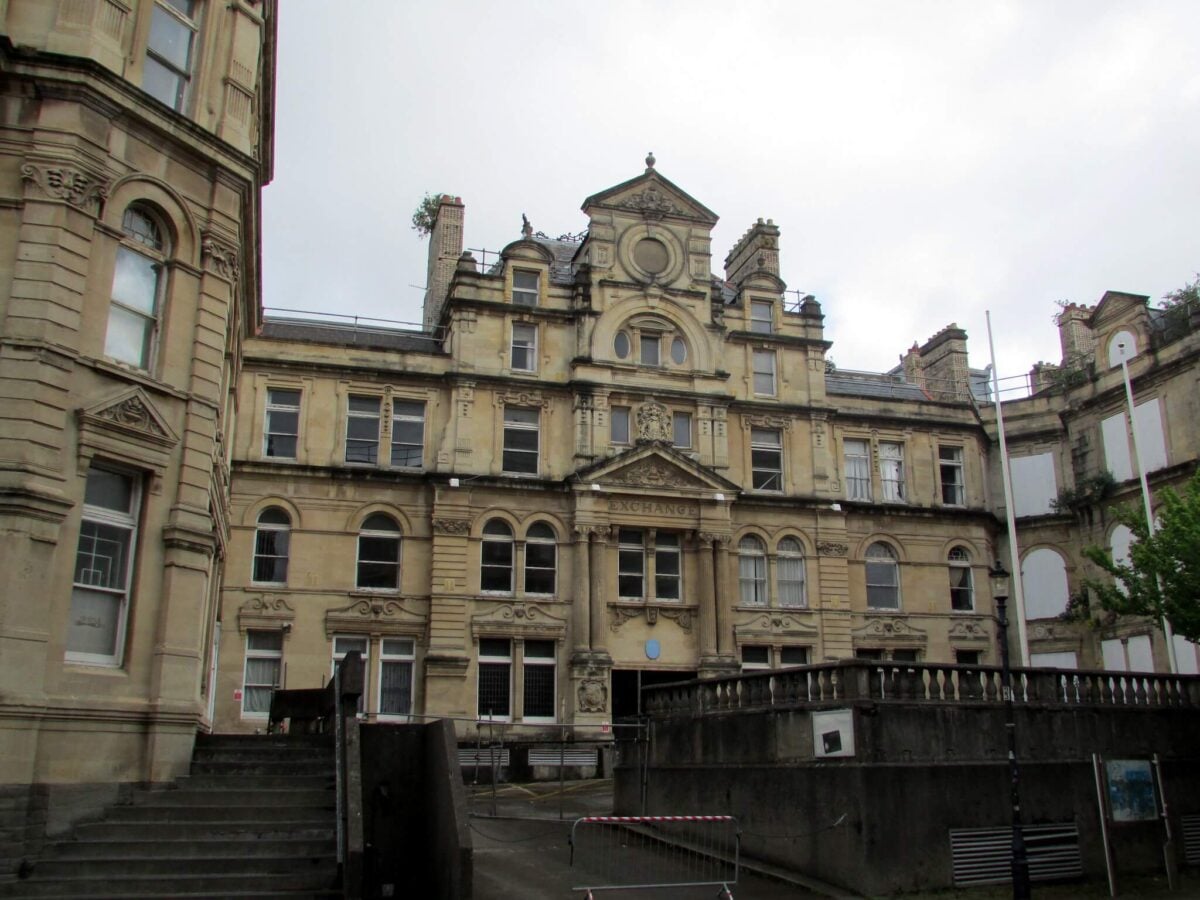
Cardiff’s Coal Exchange, where the world’s first recorded million-pound business deal was struck in 1907, fell into disrepair after the local coal trade collapsed and much of it was demolished in stages, with major sections lost by 1962 despite its status as one of the city’s most significant commercial buildings. Portions were eventually restored decades later as a hotel, but much of the original fabric was already gone.
Adelphi Terrace, London
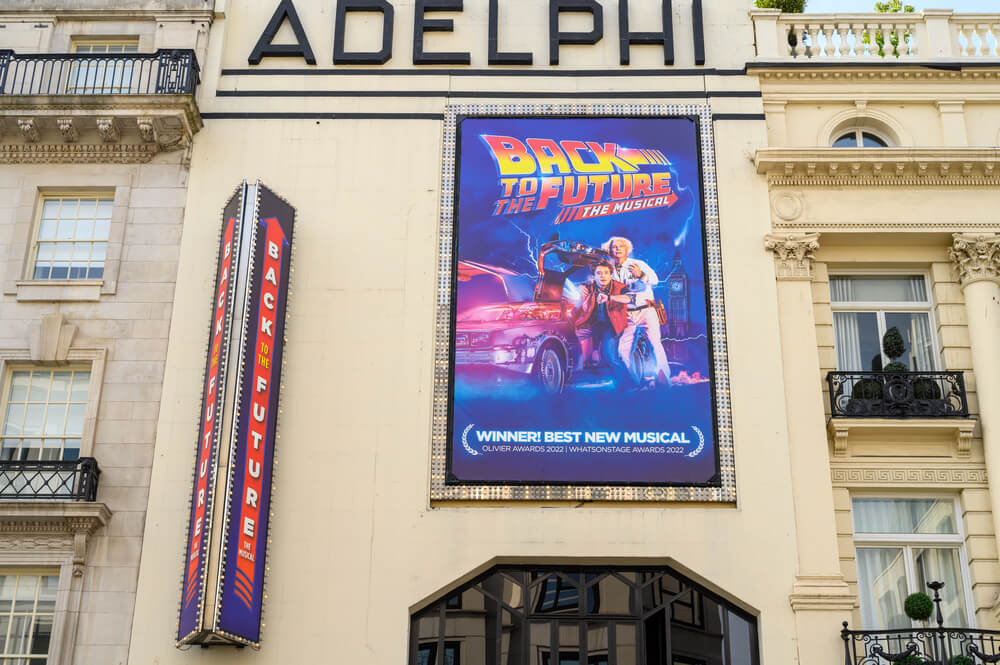
Robert Adam’s Adelphi Terrace, a grand riverside residential row completed in 1772 and considered one of the finest examples of Georgian design in London, was demolished in 1936 despite a public appeal to save it, replaced by an Art Deco office block. The loss is frequently cited in British planning histories as one of the events that hardened public support for later conservation laws.
Astor Hotel, New York City
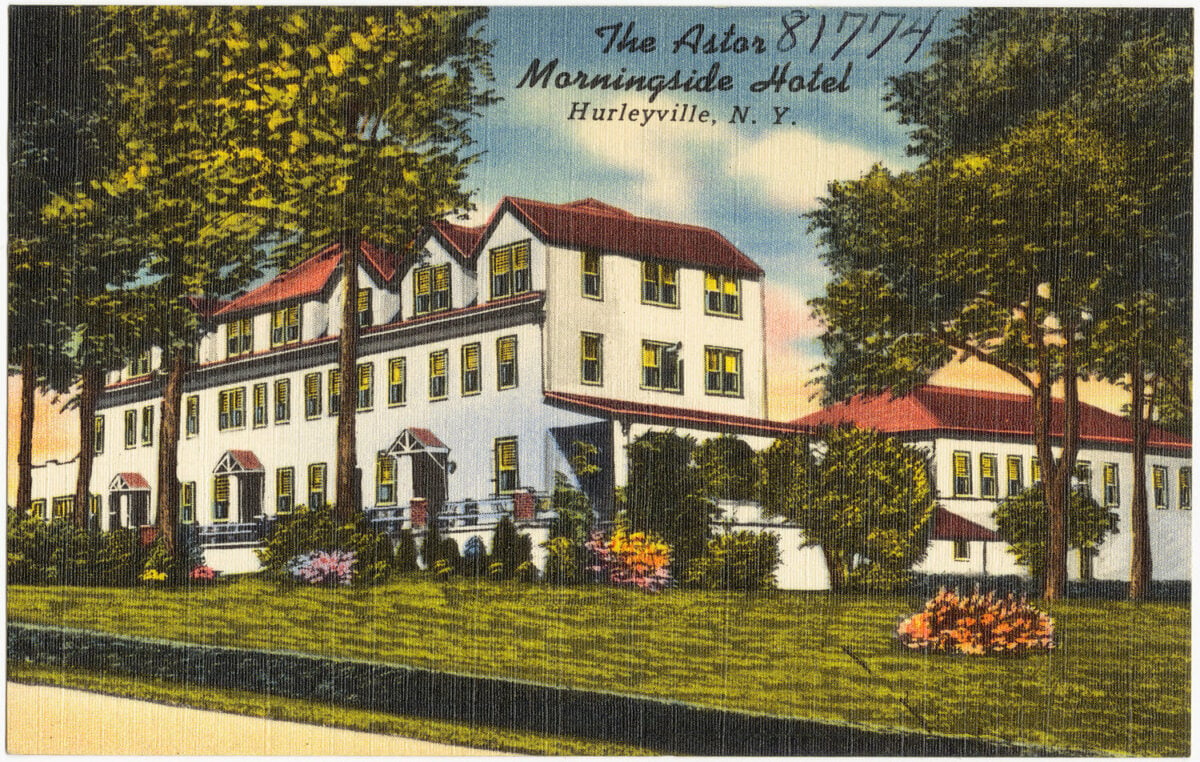
The Astor Hotel, a Times Square landmark that opened in 1904 and became a favored gathering spot for soldiers during both world wars, was demolished in 1967 after new zoning made the site more valuable as an office tower than as a hotel. Its rooftop garden and themed banquet rooms, once among the most photographed interiors in the city, vanished with it.
Chicago Federal Building
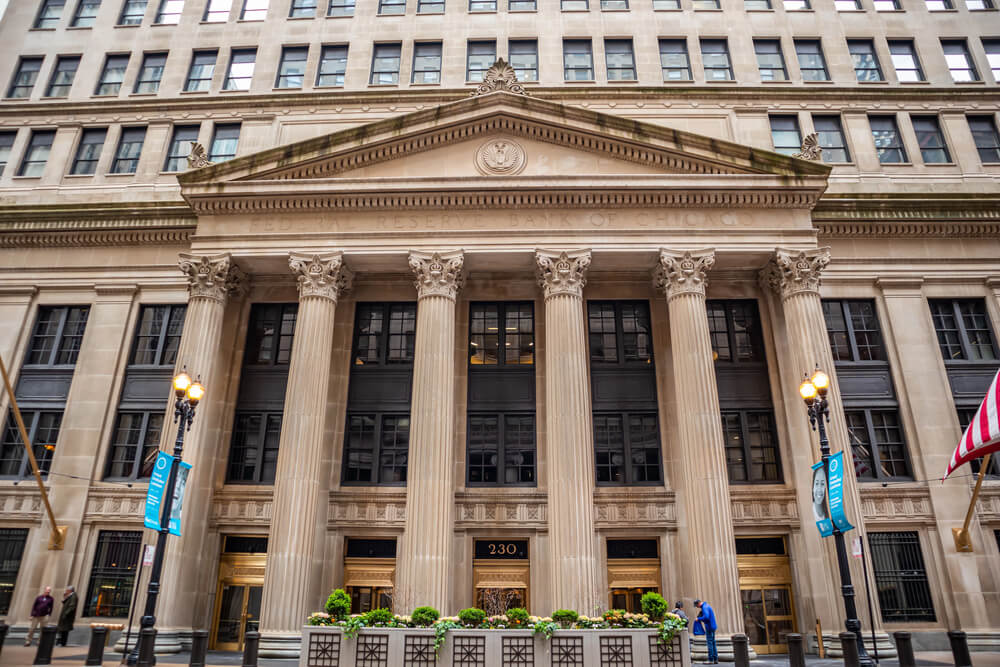
Chicago’s original Federal Building, a domed 1905 structure that briefly held the tallest dome in the country, was demolished in 1965 to make way for the Kluczynski Federal Building designed by Ludwig Mies van der Rohe. Preservationists had almost no organized voice at the time, and the exchange of a Beaux-Arts dome for a glass-and-steel modernist tower drew little formal protest until after the fact.
Prentice Women’s Hospital, Chicago

Bertrand Goldberg’s Prentice Women’s Hospital, a distinctive cloverleaf-shaped concrete tower completed in 1975, was demolished in 2014 by Northwestern University despite a campaign by architects and preservation groups that included a formal city landmark nomination. The nomination stalled in committee long enough for the university to proceed, making it one of the more recent examples on this list.
Berlin City Palace
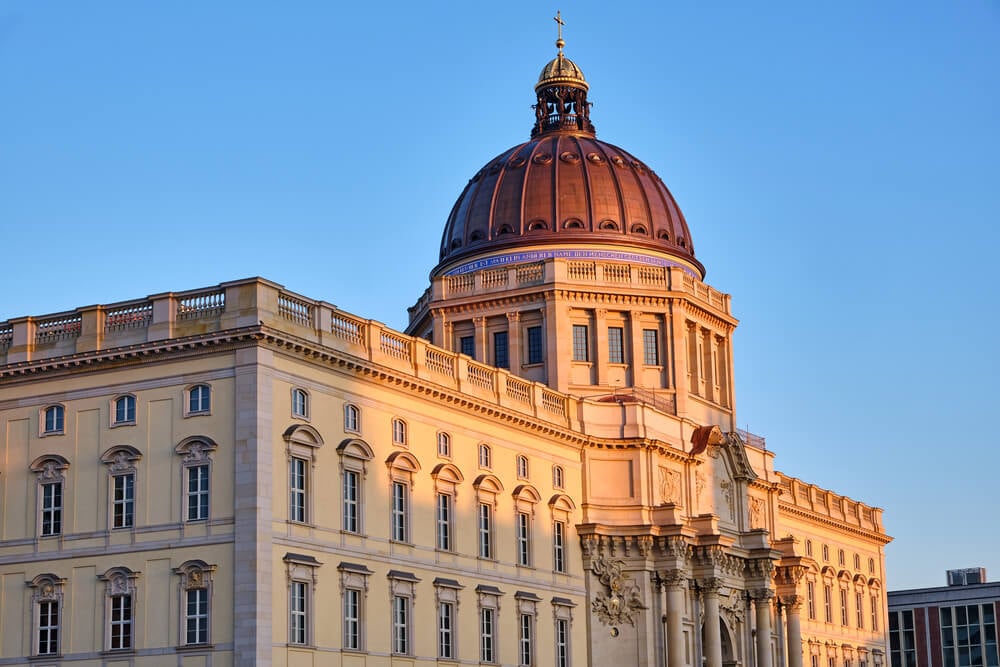
East Germany’s government demolished the war-damaged Berlin City Palace, the former residence of Prussian kings and German emperors, in 1950 on the orders of Walter Ulbricht, even though structural surveys suggested the building could have been repaired. The move was widely read as an ideological rejection of the monarchist past, and a reconstruction of the palace’s facade, the Humboldt Forum, only opened on the site decades later.
Ruins of the Tuileries Palace, Paris
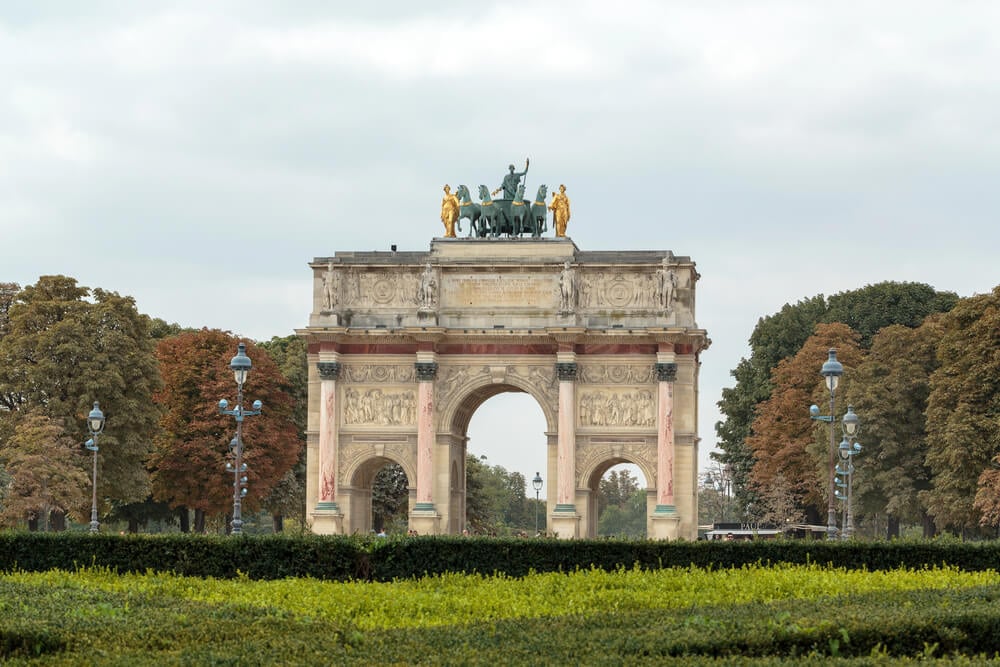
The Tuileries Palace, badly burned during the Paris Commune uprising of 1871, stood as a gutted shell for over a decade before the French government demolished the remaining walls in 1883 rather than rebuild them. Some architects and politicians had argued for restoration, but the ruins were seen as too politically charged to preserve, and the site became part of the Tuileries Garden instead.
Rennie’s Waterloo Bridge, London
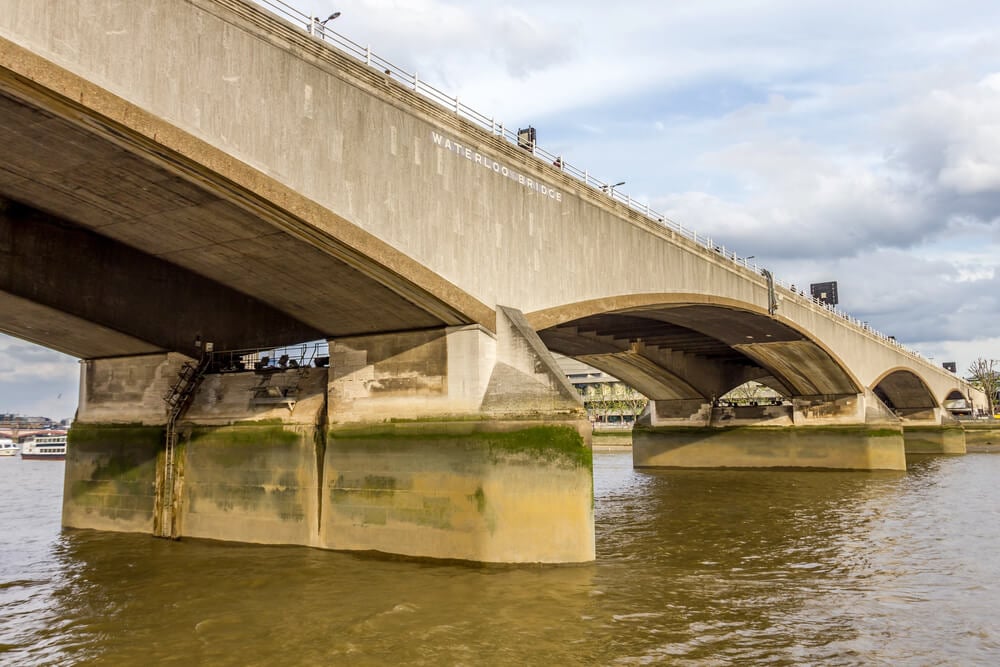
John Rennie’s Waterloo Bridge, completed in 1817 and once called the finest bridge in Europe by engineers of its day, was demolished in the 1930s after surveys found it was subsiding, despite a vocal campaign, including objections from Winston Churchill, to repair rather than replace it. A new bridge, completed after wartime delays in 1945, still carries the same name on the same site.
Scollay Square Subway Headhouse, Boston

The ornate cast-iron subway headhouse at Scollay Square, an 1898 structure marking one of the entrances to America’s first subway system, was demolished in 1963 as part of Boston’s sweeping Government Center urban renewal project. The entire surrounding neighborhood of theaters and shops was cleared with it, leaving almost no trace of the square that had stood there for more than half a century.
Home Insurance Building, Chicago
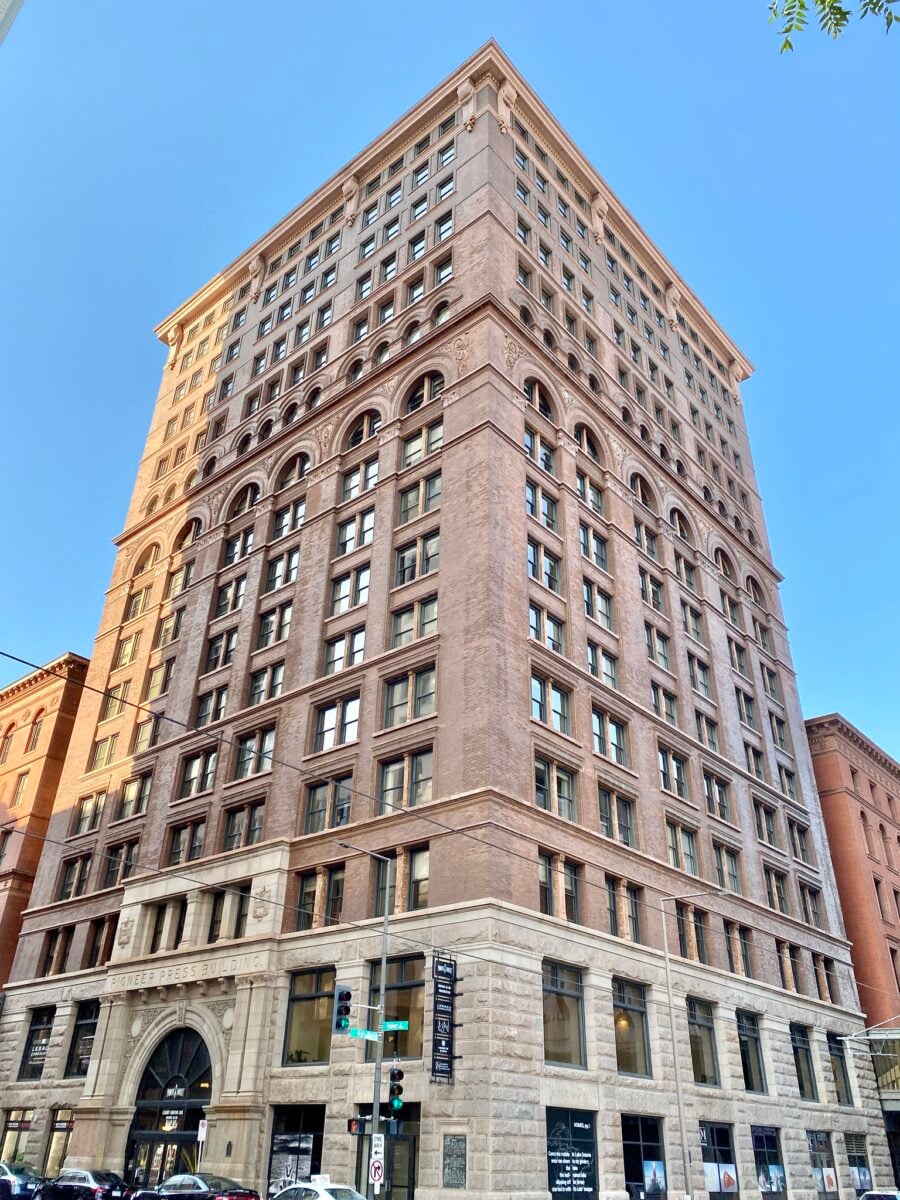
The Home Insurance Building, completed in 1885 and widely credited as the first true skyscraper for its use of a load-bearing steel frame, was demolished in 1931 to make way for the Field Building despite its historical significance being well understood even at the time. No landmark law existed in Chicago to intervene, and the building came down within months of the decision to replace it.
Grand Central Depot, New York City
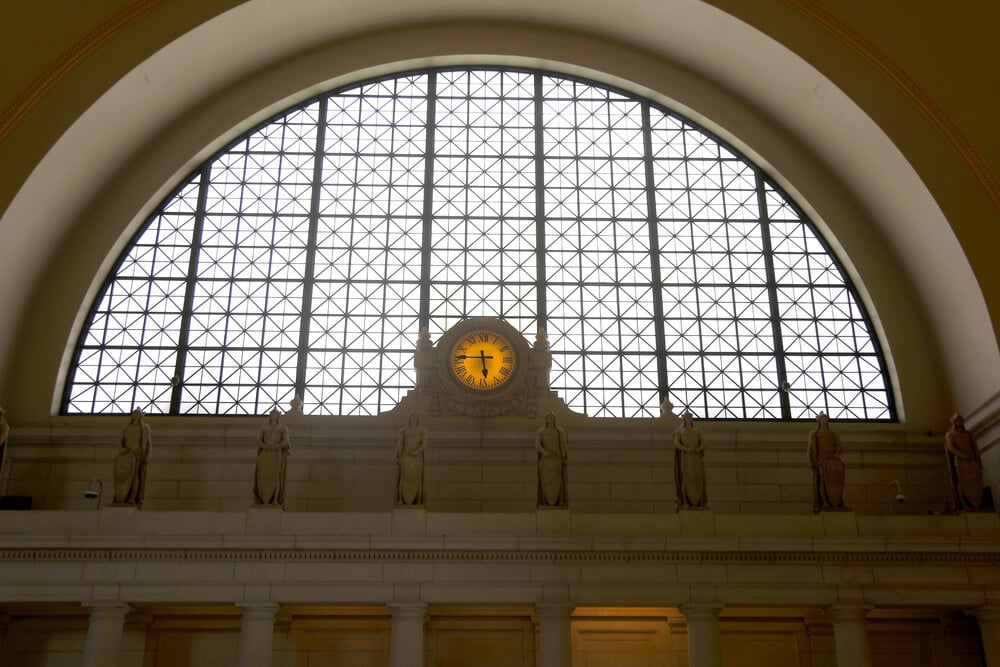
The original Grand Central Depot, an 1871 train shed with a distinctive glass-roofed concourse, was demolished in stages beginning in 1903 to make room for the current Beaux-Arts Grand Central Terminal, which opened a decade later. The rebuilding was driven by the need to electrify the rail approach after a deadly 1902 tunnel collision, leaving little time for sentiment about the original structure.
Madison Square Garden II, New York City
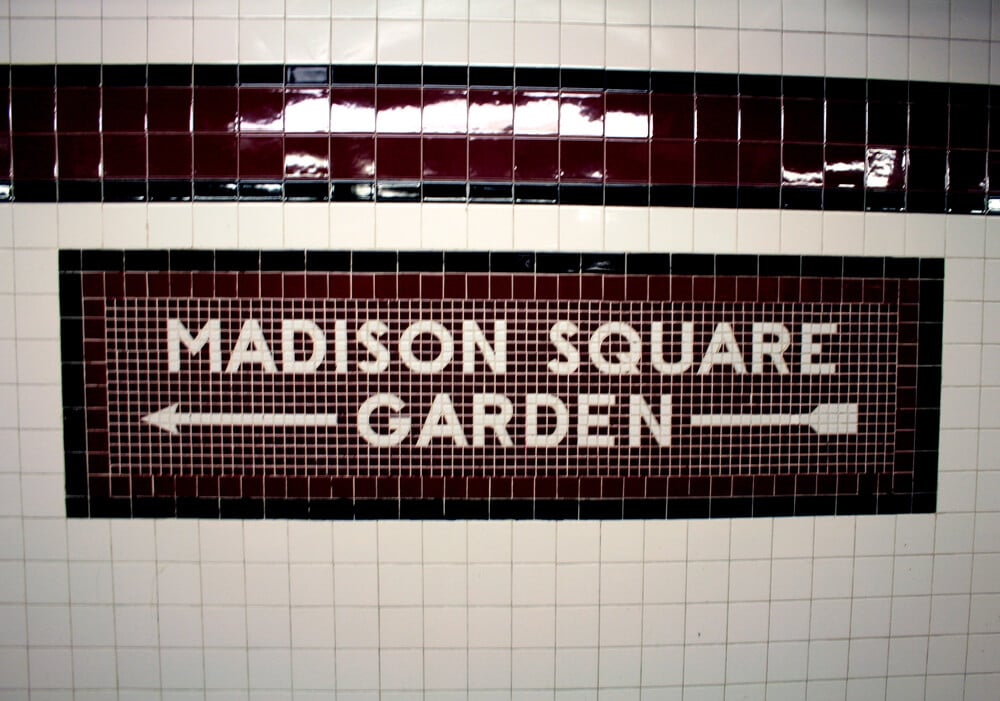
The second Madison Square Garden, designed by Stanford White and completed in 1890 with a rooftop garden and a tower modeled on Seville’s Giralda, was demolished in 1925 after its owners sold the site to a insurance company for redevelopment. White himself had been murdered on the building’s own rooftop theater in 1906, adding a grim footnote to a structure that stood for only 35 years.
Richfield Tower, Los Angeles
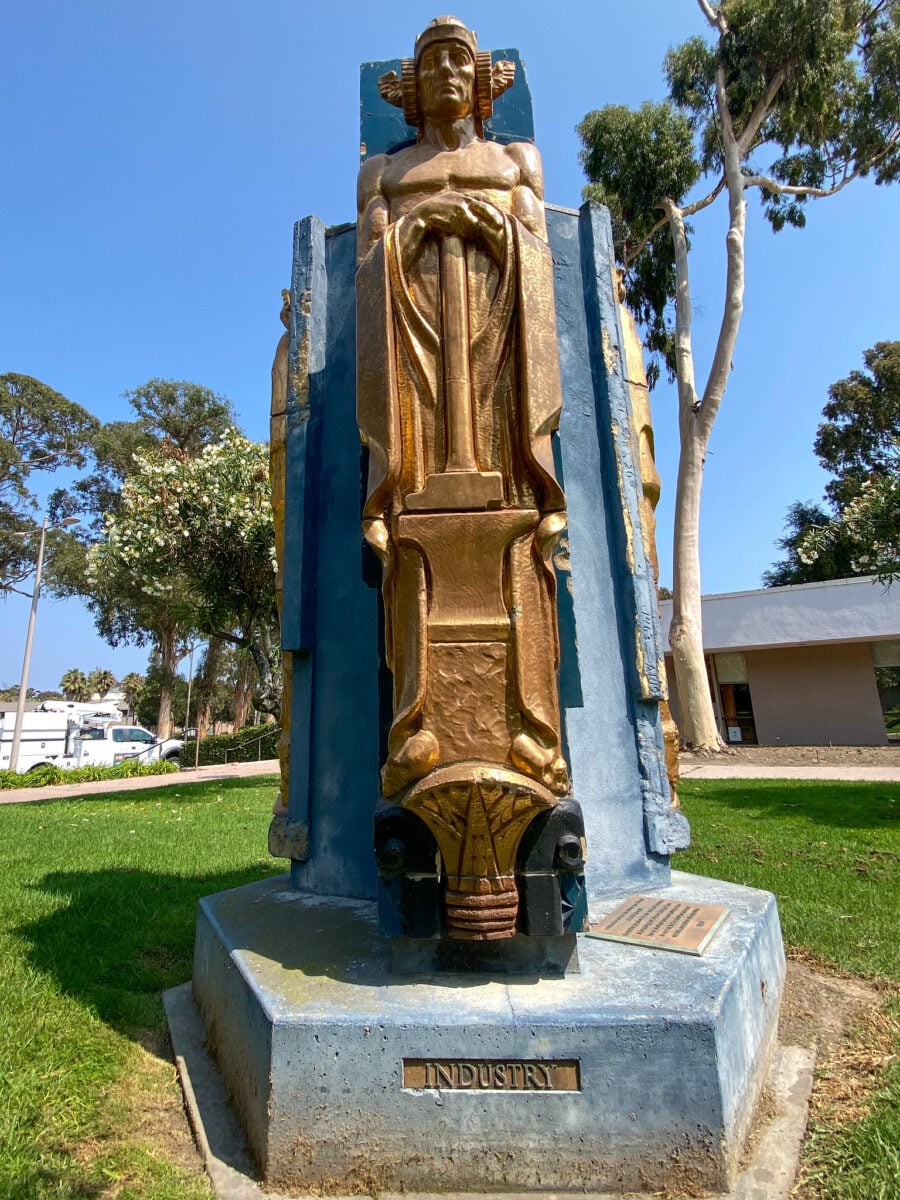
The Richfield Tower, a striking black-and-gold Art Deco skyscraper completed in 1929 for the Richfield Oil Company, was demolished in 1969 to build the twin towers of Arco Plaza. Its distinctive terra cotta facade, lit at night with neon striping, was considered one of the city’s most photographed buildings, and its loss is still mourned in histories of Los Angeles architecture.
Fox Theatre, San Francisco
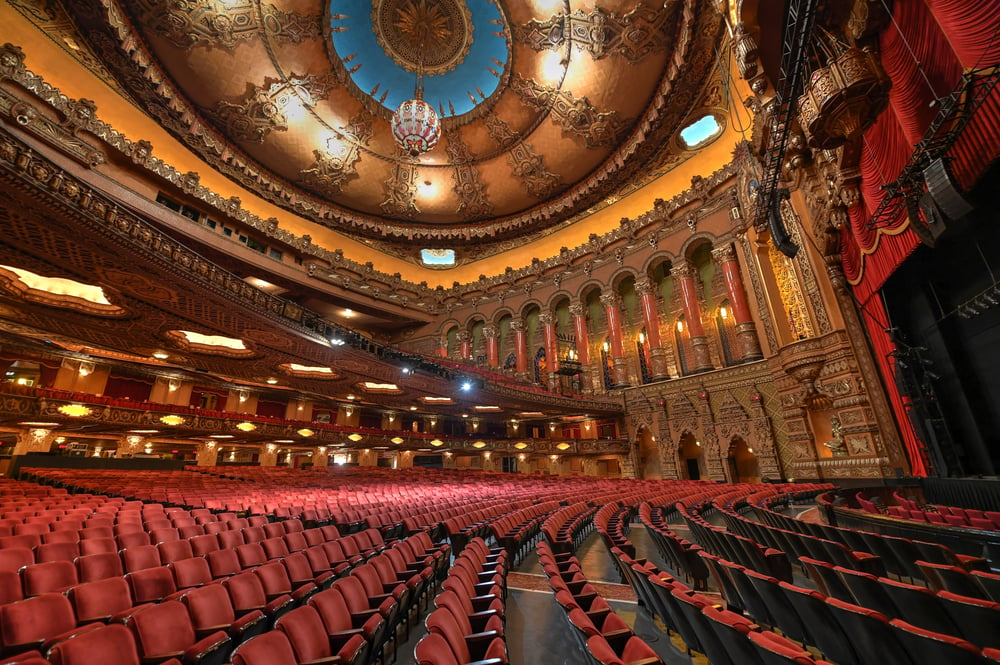
The Fox Theatre, a 4,600-seat movie palace that opened in 1929 with a lobby modeled loosely on the Paris Opera, was demolished in 1963 after its owners determined a single-screen theater of that size could no longer turn a profit. Preservationists organized too late to change the outcome, and the loss is often cited as a turning point that spurred later movie-palace preservation efforts elsewhere in the country.
Morosco and Helen Hayes Theatres, New York City
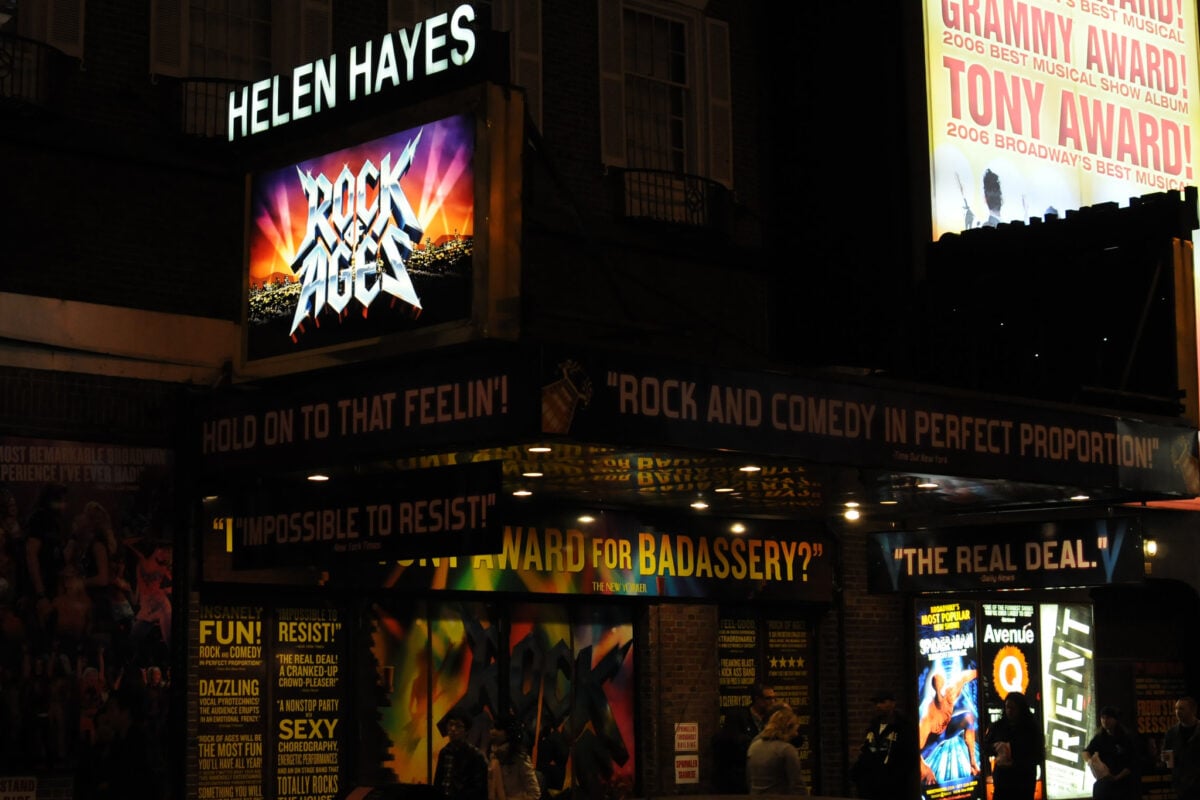
The Morosco and the original Helen Hayes Theatres, two working Broadway houses dating to the 1910s and 1920s, were demolished in 1982 to build the Marriott Marquis hotel despite a court fight and a sit-in by actors including Jason Robards. The loss galvanized New York’s theater preservation movement and led directly to landmark protections for the remaining Broadway houses.
Birmingham Central Library, England

John Madin’s Brutalist Birmingham Central Library, completed in 1974 with its distinctive inverted-ziggurat form, was demolished in 2016 despite an international campaign, including support from architect Richard Rogers, to have it listed and reused. City officials argued the building was too costly to retrofit, and a new library had already opened nearby in 2013.
Ziegfeld Theatre, New York City
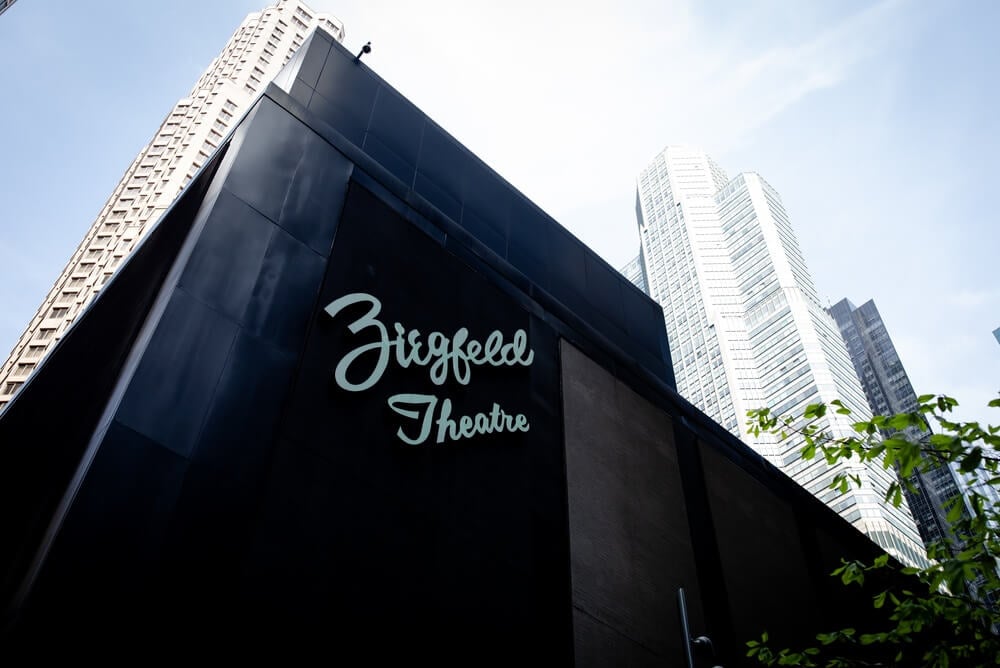
The original Ziegfeld Theatre, a lavish 1927 Art Deco house built by Florenz Ziegfeld for his famous stage revues, was demolished in 1966 after its owners found it more profitable to replace it with an office tower. A later cinema on West 54th Street borrowed the Ziegfeld name, but the original building’s murals and gilded interior were gone within months of the wrecking order.
What Gets Left Standing
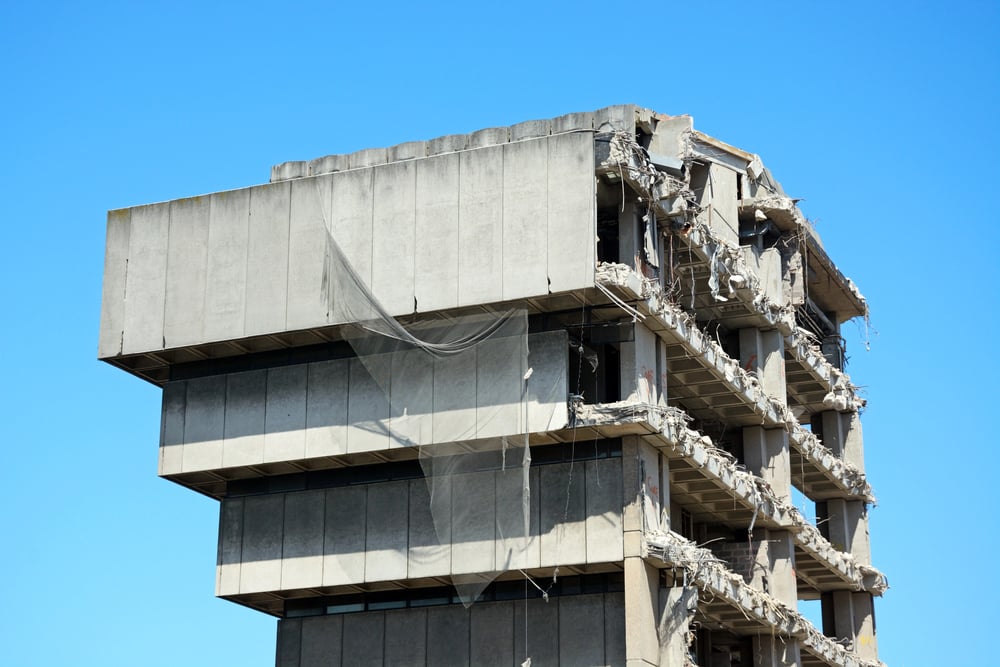
None of these buildings fell for lack of admirers. Architects photographed them, critics wrote about them, and in several cases entire preservation campaigns formed around saving them, yet the demolition crews still won because the laws that could have stopped them either did not exist yet or arrived a few years too late. Almost every major landmark statute now on the books, in New York, in Chicago, in London, traces its language back to one of these specific losses.
That timing is the real lesson buried in this list: preservation law has almost always been written in reaction, not anticipation, a promise made to the next building only after the last one was already gone. The buildings that survive today do so partly because enough of these earlier ones did not.
More from Go2Tutors!

- The Romanov Crown Jewels and Their Tragic Fate
- 13 Historical Mysteries That Science Still Can’t Solve
- Famous Hoaxes That Fooled the World for Years
- 15 Child Stars with Tragic Adult Lives
- 16 Famous Jewelry Pieces in History
Like Go2Tutors’s content? Follow us on MSN.