Photos From The ’40s That Show How Different Things Were
Looking at photographs from the 1940s feels like peering through a window into another world entirely. The clothes, the cars, the way people held themselves for the camera — everything carries the weight of a different era.
These weren’t just different times; they were times when the very fabric of daily life was woven from threads we’d barely recognize today. Every snapshot tells a story not just of what people did, but of how fundamentally different their assumptions about the world really were.
Family Portraits in Living Rooms
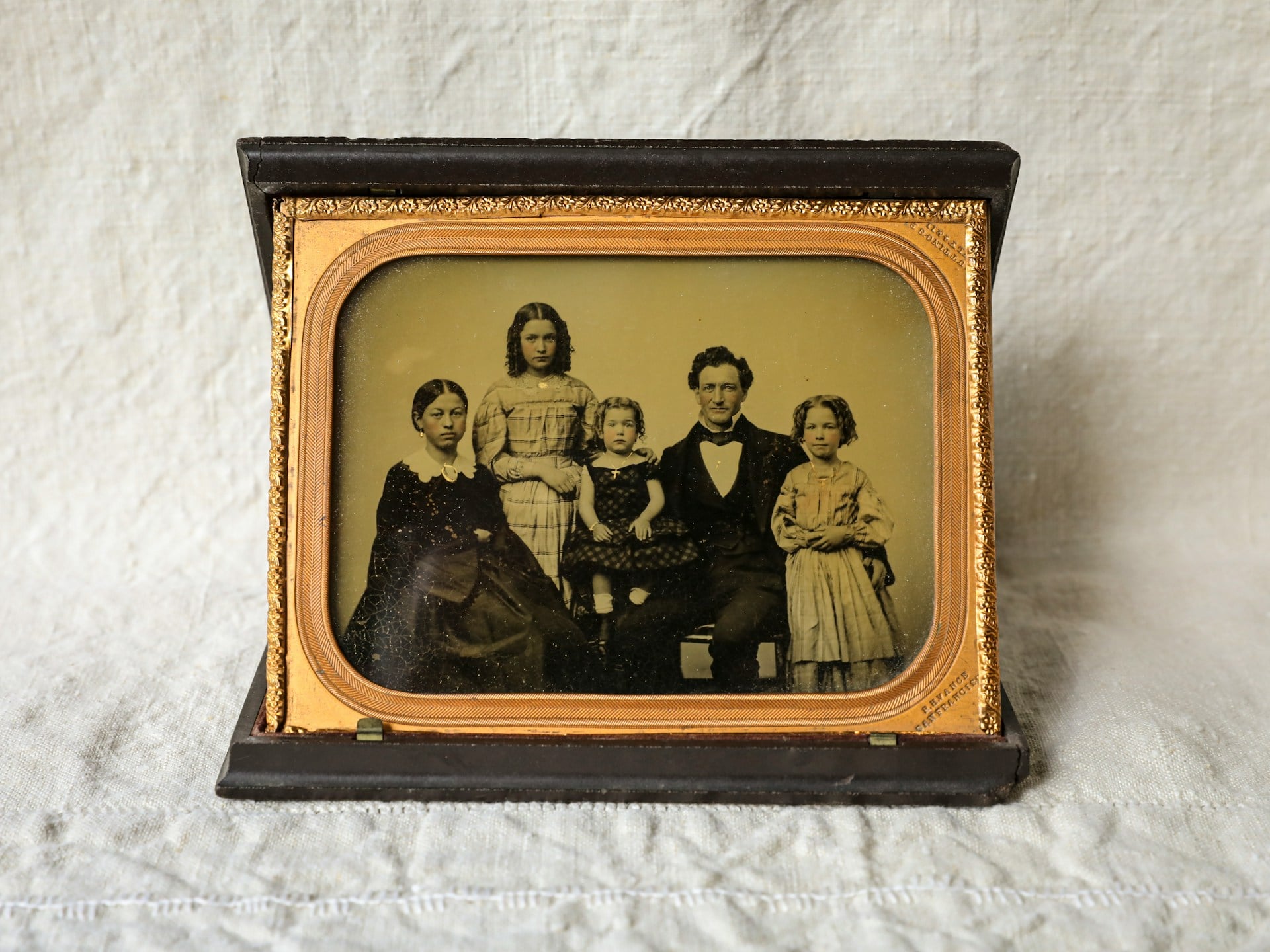
Studio portraits were expensive. Family photos happened at home, usually in the living room with everyone arranged just so around the radio console.
The father stood behind the couch. Mother sat with the youngest on her lap.
Everyone wore their Sunday clothes even though it was Tuesday afternoon.
Women’s Work Uniforms
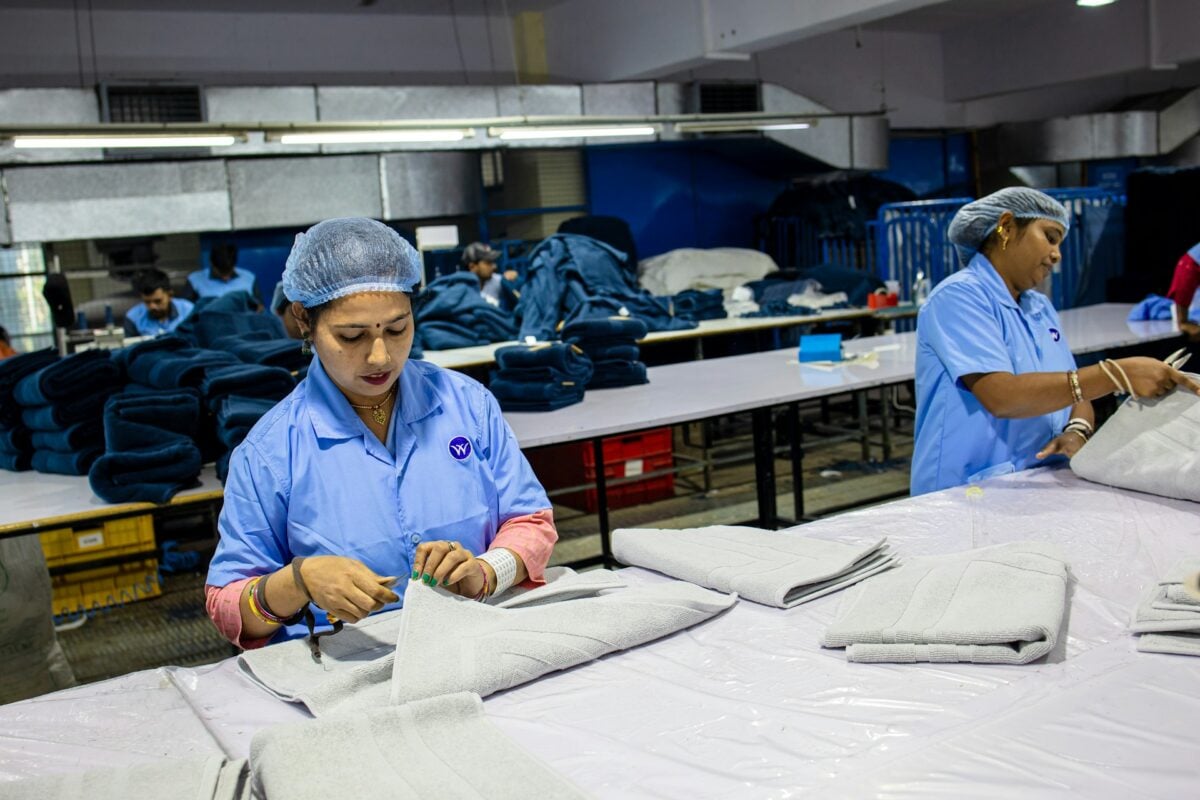
Factory floors in the ’40s were filled with women wearing practical jumpsuits and hair scarves — not because it was a fashion statement, but because millions of men were overseas and someone had to build the planes. These weren’t photo opportunities or empowerment campaigns (though they’d later be remembered that way, which is its own interesting twist on history).
They were just women showing up to work, sleeves rolled up, hair tied back, getting the job done because that’s what the moment required. And the photos show it plainly: serious faces, capable hands, no fanfare — just people doing what needed doing when everything familiar had been turned upside down.
The images capture something that wasn’t trying to be captured: the quiet competence of people adapting to circumstances they never expected to face. So much of what we think we know about that era comes from these unguarded moments when the camera caught someone just being themselves in the middle of history.
Neighborhood Corner Stores
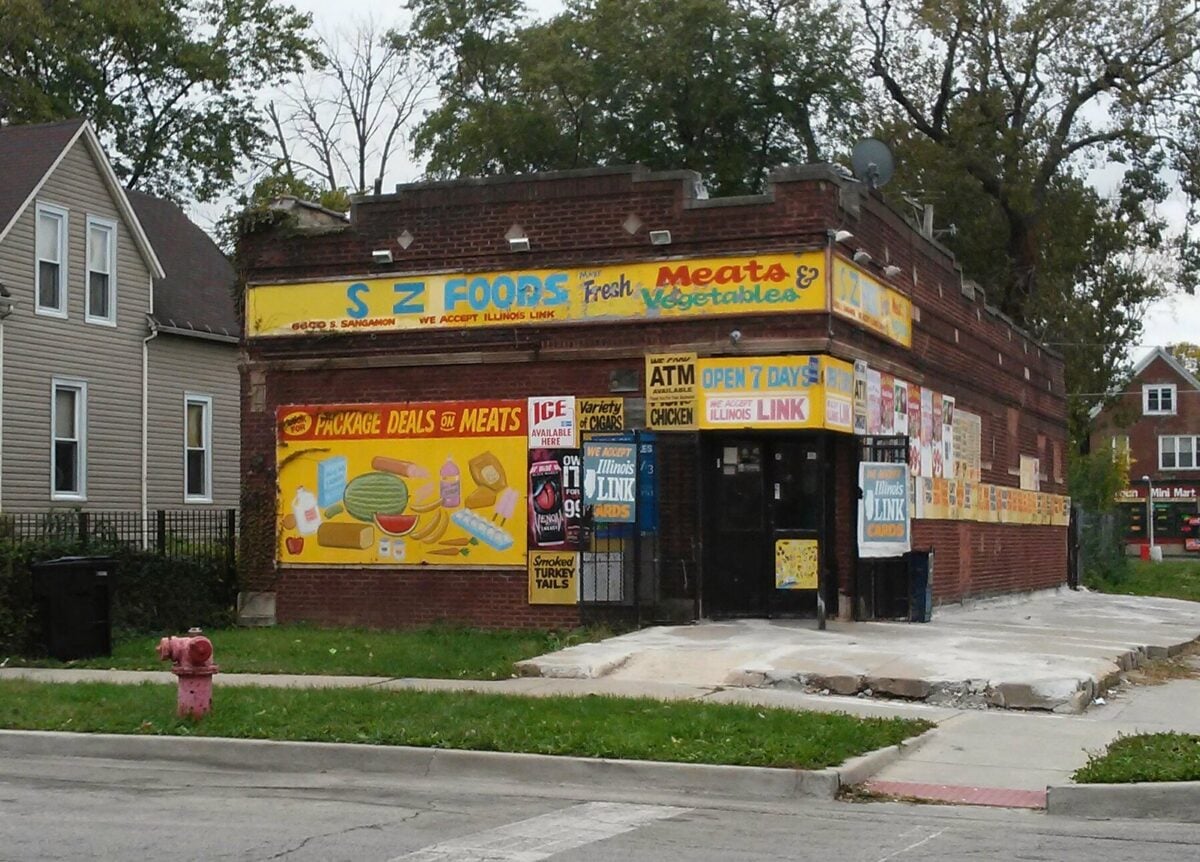
Corner stores were ecosystems unto themselves — places where you knew the owner’s name and he knew exactly what brand of cig your father preferred. The photographs reveal something that feels almost fictional now: commerce as conversation, transactions as small daily rituals that connected you to your immediate world rather than some distant corporate entity.
Behind every counter stood someone who’d been there for decades, who extended credit when times were tight and who somehow kept track of everyone’s running tabs in a composition notebook. These weren’t quaint throwbacks even then — they were just how things worked.
Children Playing in Streets
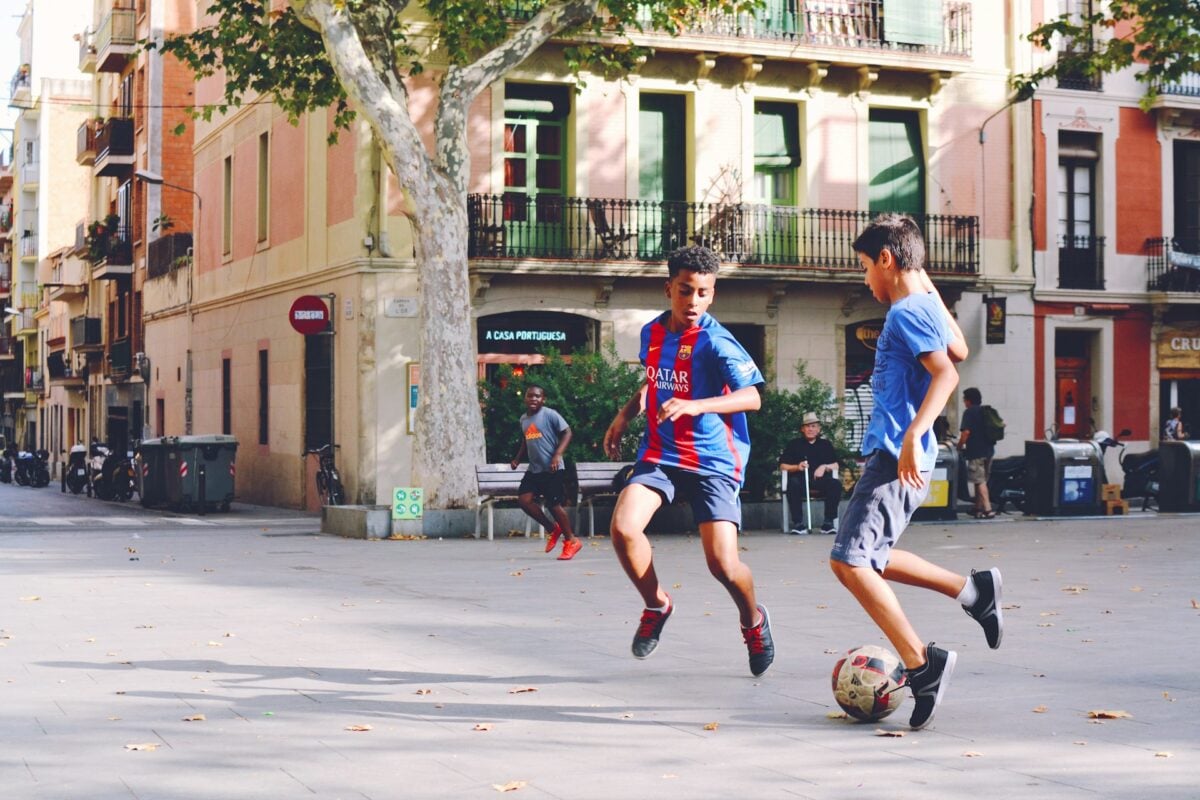
Kids played in the streets because that’s where the space was. No helicopter parents, no scheduled activities, no safety equipment.
You left after breakfast and came home when the streetlights came on. The photos capture this perfectly — children absorbed in games that required nothing but imagination and whatever they could find lying around.
Public Transportation Fashion
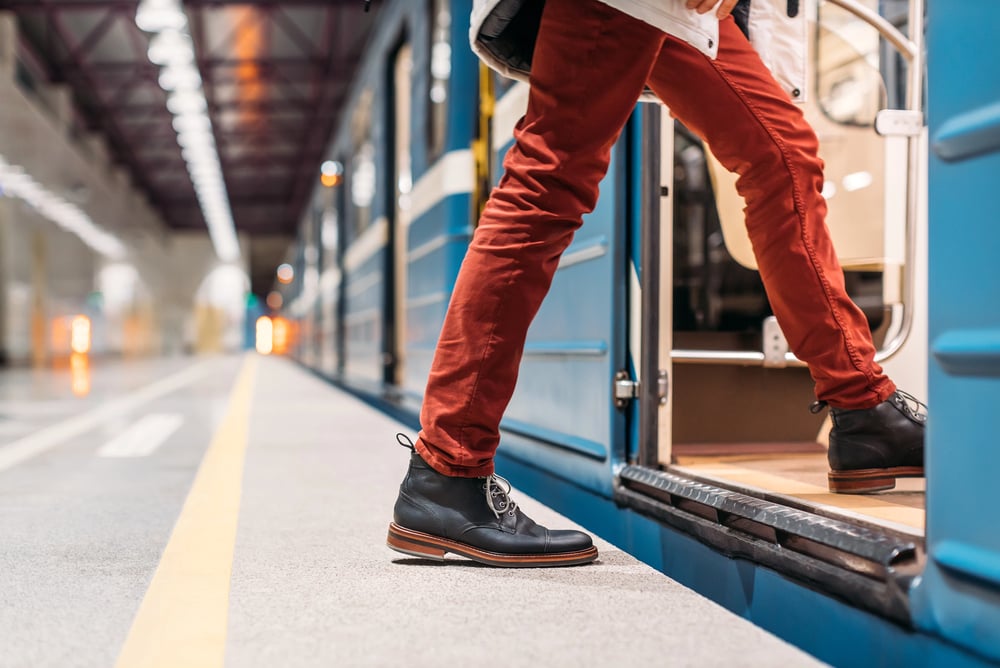
Riding the trolley or the bus meant dressing appropriately, which is to say: putting on real clothes, not pajamas disguised as athleisure (a concept that wouldn’t exist for another six decades anyway, so the point stands regardless). The photos from public transportation in the ’40s show something that’s genuinely startling now — everyone looks like they’re heading somewhere that matters, even if they’re just going to the grocery store.
Hats, pressed shirts, shoes that were meant to be seen in public. And it wasn’t performative; it was simply what adults did when they left the house: they got dressed, properly, because appearing in public in your house clothes would have been roughly equivalent to showing up to work in your underwear.
But there’s something else in these transit photos that goes deeper than clothing choices: a certain quality of attention, of presence. People are reading newspapers, talking to each other, looking out windows.
Not staring at screens, because screens didn’t exist, but genuinely occupying the moment they were in rather than fleeing from it.
Dance Halls and Social Clubs
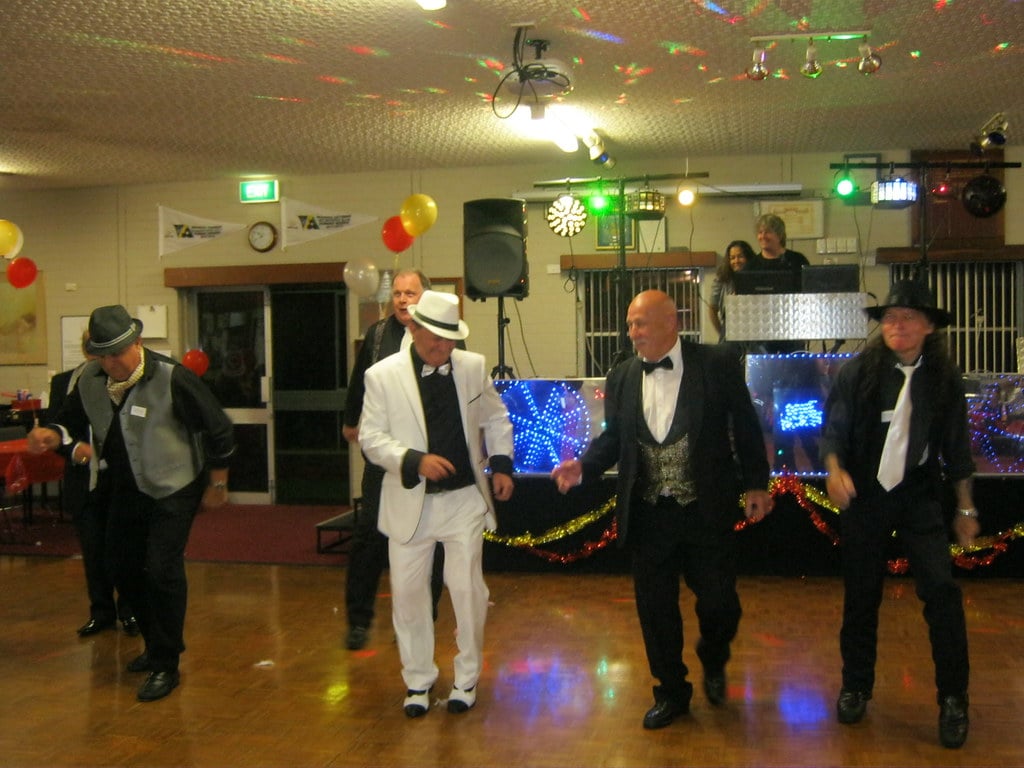
Dance halls were where young people learned to be around each other under the watchful eyes of the entire community. The photos show elaborate social machinery at work — formal dances, proper introductions, chaperones who actually chaperoned.
Meeting someone meant navigating layers of social protocol that would seem impossibly cumbersome today. Yet somehow romance managed to flourish within those constraints, which suggests that maybe the constraints weren’t obstacles so much as they were structure that made connection possible in the first place.
Home Cooking and Kitchens
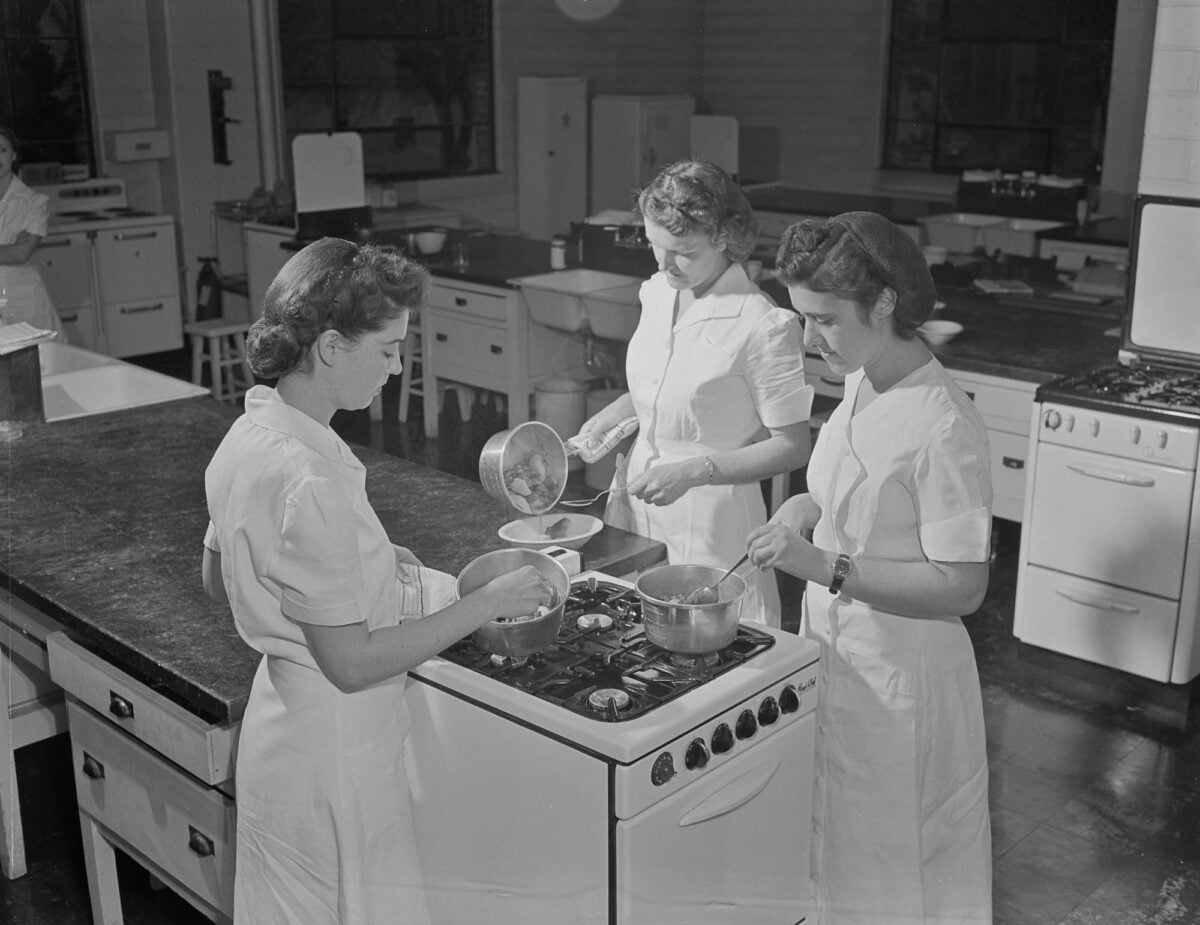
Every meal started with raw ingredients and ended with dishes that someone had to wash by hand. No microwave, no dishwasher, no takeout apps — just the daily reality of spending actual time preparing food that would sustain the people you lived with.
The kitchen photos from this era show a different relationship with time itself. Meals weren’t something you grabbed between other activities; they were the activity around which other things were organized.
Main Street Shopping Districts
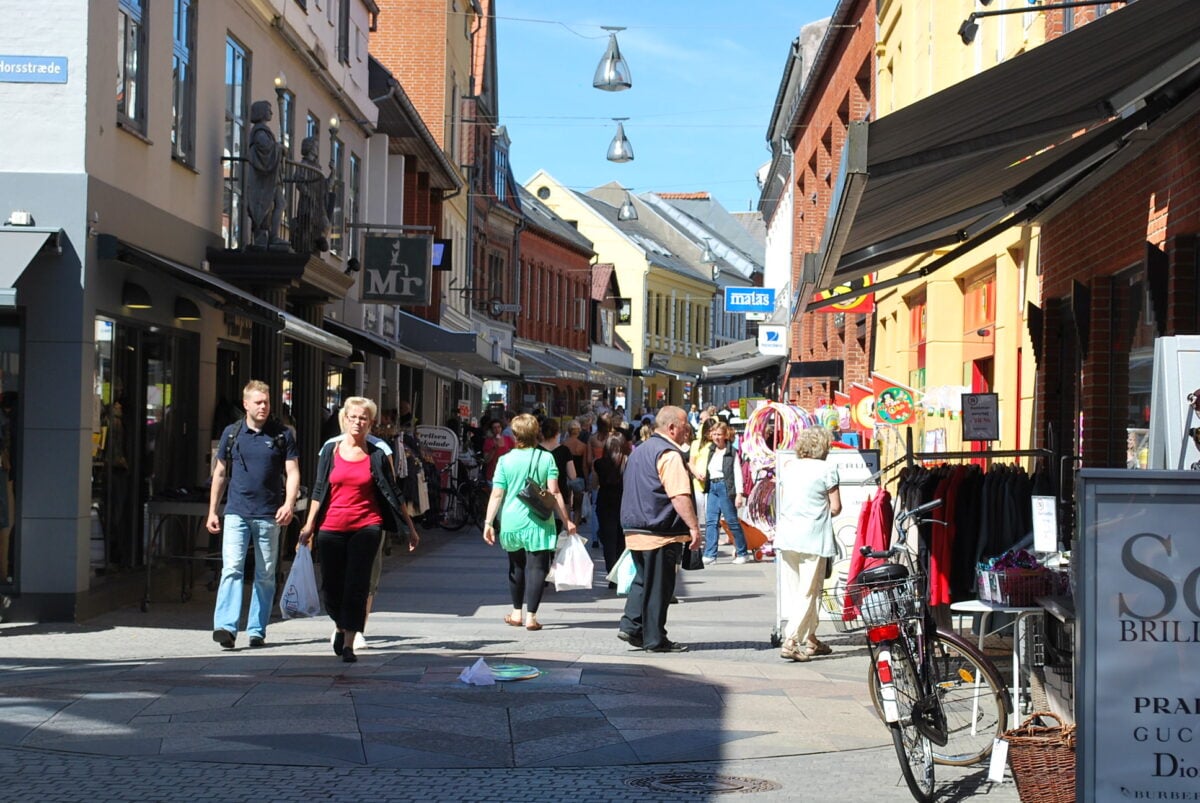
Shopping meant walking down Main Street and visiting actual human beings who sold specific things in specific places. The hardware store sold hardware. The butcher sold meat.
The baker sold bread. This wasn’t nostalgia — it was simply how commerce was organized before someone figured out how to put everything under one enormous roof and call it convenience.
The photos capture something unintended: a pace of life that allowed for the small interactions that accumulated into community. You didn’t just buy things; you encountered people, heard news, participated in the daily life of your town whether you meant to or not.
Church and Community Gatherings
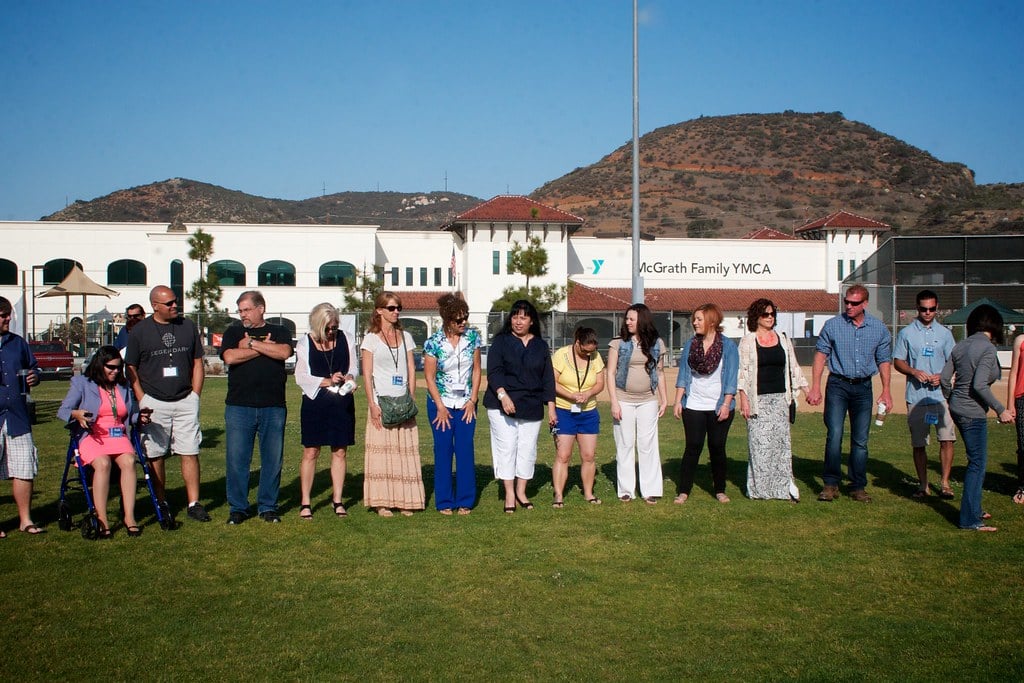
Churches weren’t just religious institutions — they were community centers, social hubs, and informal networks all rolled into one. The photos show entire families dressed in their absolute best, children squirming in starched collars, adults who took the weekly ritual seriously.
But look closer and there’s something else: these gatherings were one of the few times when entire communities came together across economic lines, when the banker’s family sat near the factory worker’s family, when social differences were temporarily set aside in favor of shared purpose.
Cars as Luxury Items

Cars weren’t assumed to be permanent fixtures in every driveway. Families had one car, if they were lucky, and it was treated accordingly — washed regularly, maintained carefully, parked with respect.
The photos show people posing with their automobiles the way we might pose with a significant purchase today. This wasn’t ordinary; this was achievement made visible.
Men’s Grooming and Barbershops
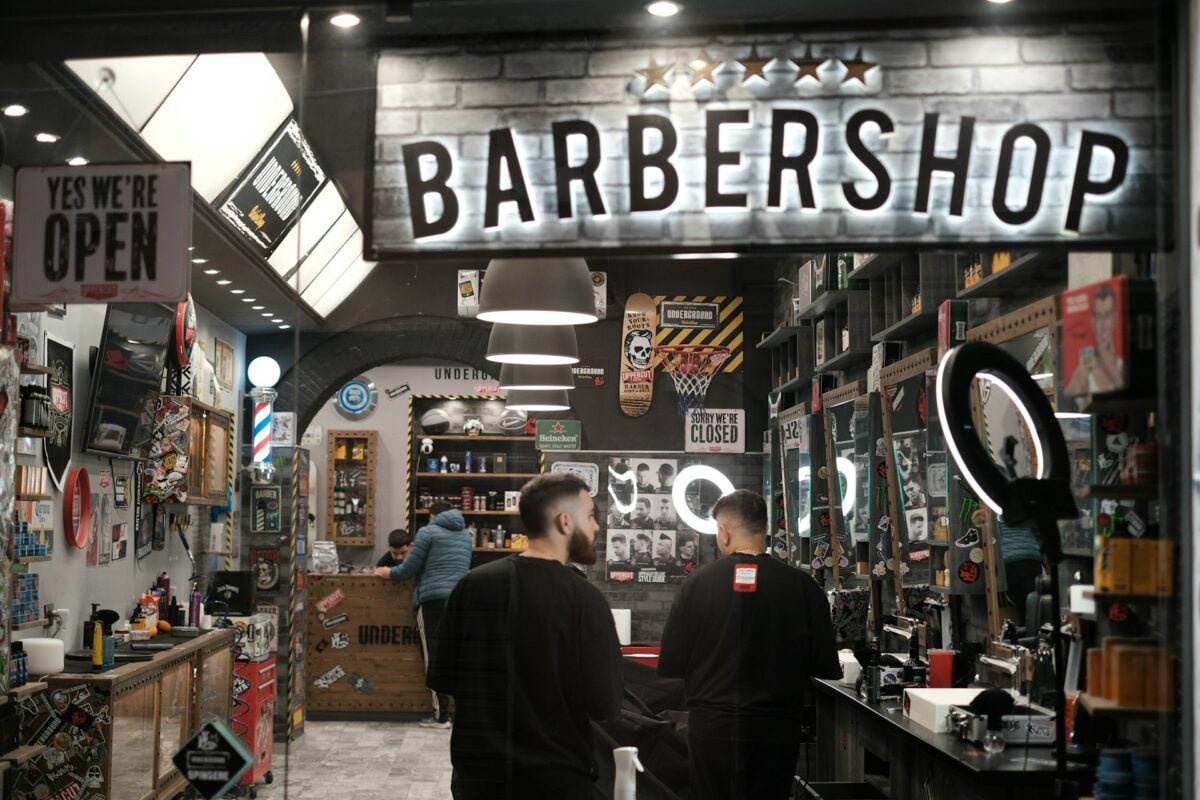
Barbershops were social institutions where men gathered to discuss everything from politics to local gossip while getting properly groomed by someone who knew their trade. The photos reveal a level of attention to personal appearance that wasn’t vanity — it was simply expectation.
Every man knew how to tie a proper tie, keep his shoes polished, and maintain a decent haircut. These weren’t special occasion standards; they were everyday minimums for appearing in public.
Teenage Social Life

Teenagers in the ’40s occupied a strange middle ground — more adult responsibility than today’s teenagers, but less independence. The photos show young people who look simultaneously older and more innocent than their modern counterparts.
Dating involved formal asking, parental approval, and public activities where you were seen by people who knew your family. Privacy was earned gradually, not assumed as a right.
Small Town Celebrations
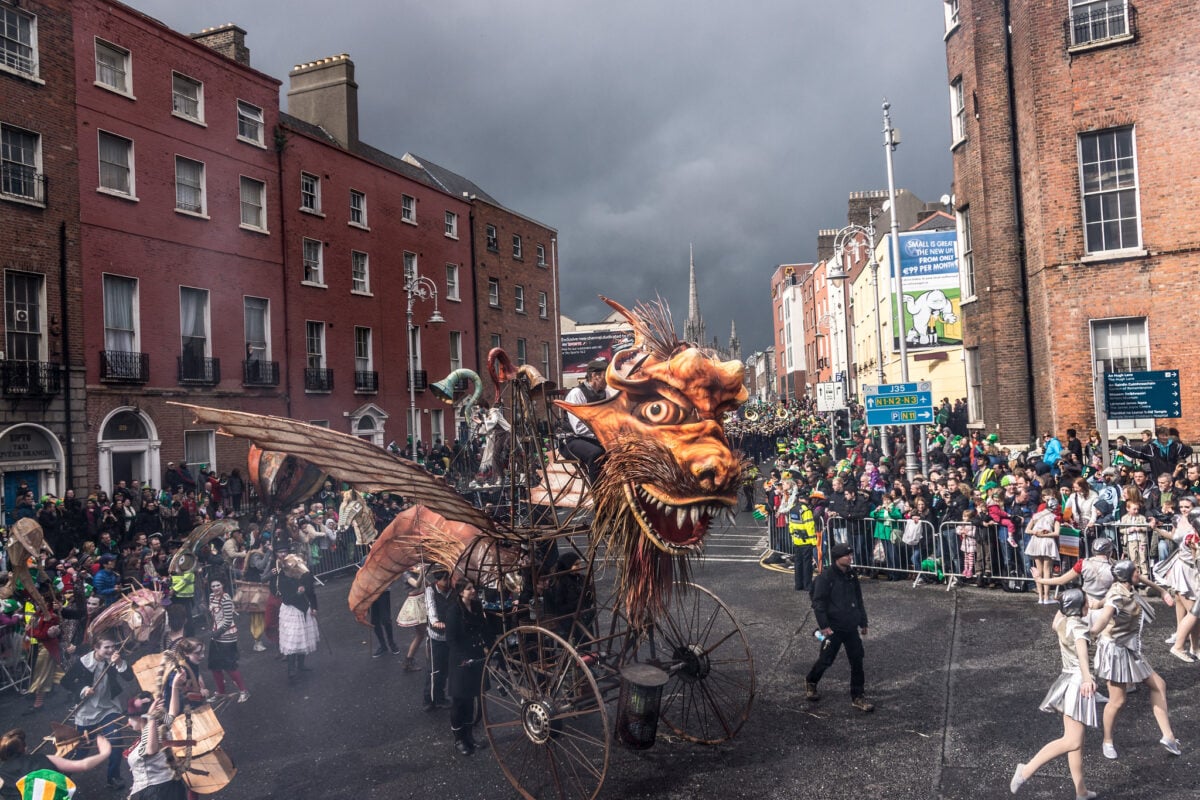
Every town had its annual festival, parade, or celebration that brought out everyone within a fifty-mile radius. The photos capture something that’s hard to manufacture: genuine community joy, the kind that emerges when people who actually know each other gather to mark something they all consider worth celebrating.
These weren’t events organized by professional planners or marketed to tourists. They were organic expressions of local pride and shared identity, documented in photographs that never intended to become historical artifacts but somehow captured the essence of what community actually felt like when it was real.
When Time Moved at Human Speed

The 1940s photographs don’t just show us different clothes or older cars — they reveal an entirely different relationship with time itself. Life moved at the speed of face-to-face conversation, handwritten letters, and meals that required actual preparation.
There’s something in these images that can’t be replicated: the unhurried presence of people who had no choice but to exist fully in whatever moment they occupied, simply because there was nowhere else to go.
More from Go2Tutors!

- The Romanov Crown Jewels and Their Tragic Fate
- 13 Historical Mysteries That Science Still Can’t Solve
- Famous Hoaxes That Fooled the World for Years
- 15 Child Stars with Tragic Adult Lives
- 16 Famous Jewelry Pieces in History
Like Go2Tutors’s content? Follow us on MSN.



