26 Jobs Kids Held in the Early 1900s
At the turn of the twentieth century, well over a million American children between ten and fifteen were counted as gainfully employed, and the real figure was higher because census takers rarely asked about younger ones. Many worked twelve-hour days in places that would alarm a modern safety inspector within minutes.
The photographer Lewis Hine spent a decade documenting these children for the National Child Labor Committee, often lying about his purpose to get past factory gates. His pictures, and the records that went with them, are the reason most of these jobs can be described in detail today.
Breaker Boys in the Anthracite Mines
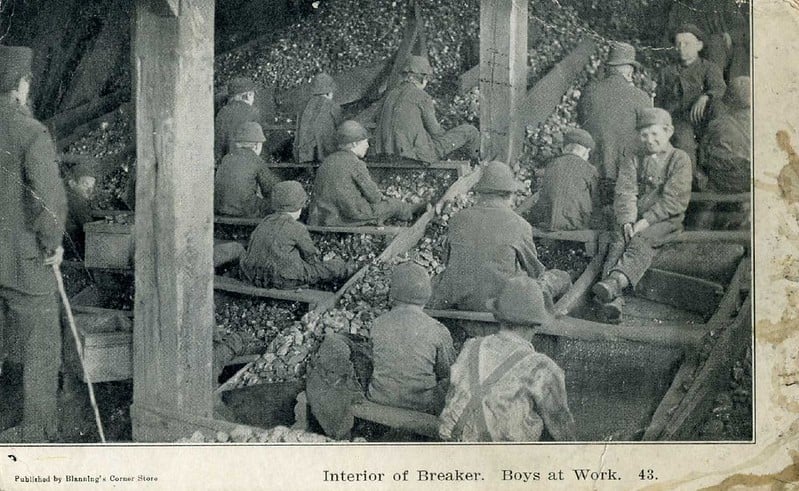
In the coal regions of Pennsylvania, boys as young as eight sat hunched over chutes in the breaker buildings, picking slate and rock out of the coal that rushed past their feet. The dust was so thick that lamps were sometimes needed at midday, and the work left fingers raw and bent.
Hine photographed rows of them in 1911, faces blackened, and the images helped turn public opinion against the practice.
Trapper Boys Underground
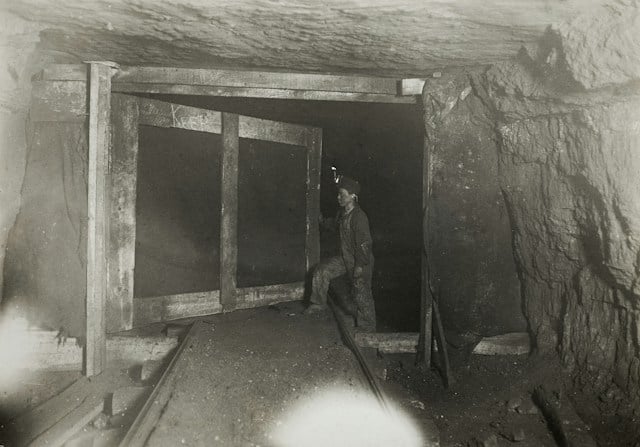
Before the breaker came the trapper boy, who sat alone in the dark beside a ventilation door and opened it whenever a coal car approached. The job required no skill beyond staying awake, which was exactly the problem for a ten-year-old working a ten-hour shift.
Some kept a candle stub for company, and many described the loneliness as worse than the danger.
Mule Drivers in the Tunnels
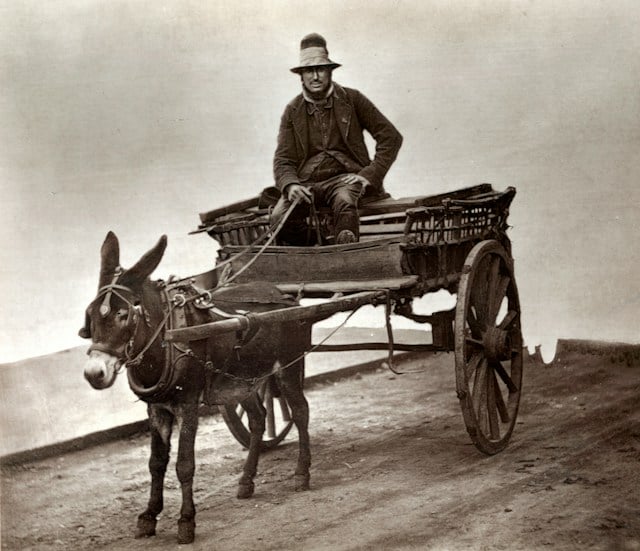
Older boys graduated to driving the mules that hauled coal cars through the low tunnels. The animals were valuable and the boys were not, so a driver who let a mule get hurt could expect to lose his job on the spot.
Several accounts from the period note that the mules were stabled underground and sometimes went years without seeing daylight, much like the boys who drove them.
Bobbin Doffers in the Cotton Mills
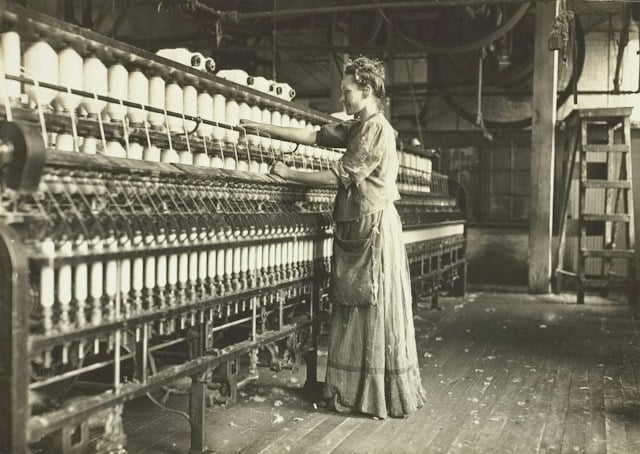
In the textile towns of the Carolinas and Georgia, small children known as doffers raced along the spinning frames pulling full bobbins and replacing them with empty ones. The job suited them because they were short enough to reach under the machinery and quick enough to keep up with it.
Doffers worked in bursts and spent the gaps between them dodging foremen, which is why so many of Hine’s mill photographs show children idling near the windows.
Spinners at the Frames
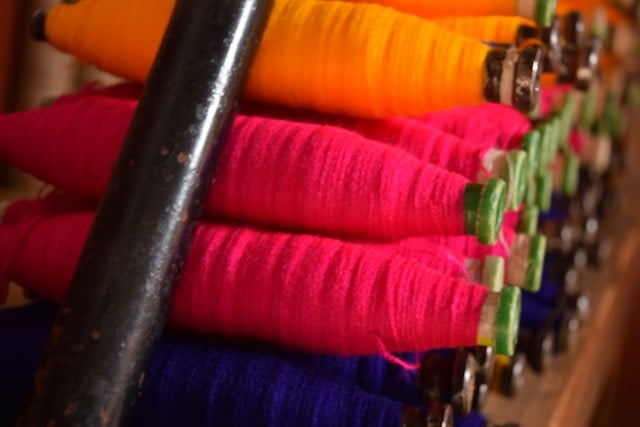
The spinners, usually girls, walked the length of the frames watching for broken threads and tying them back together with wet fingers. The air in the spinning rooms was kept humid so the cotton would not snap, and the lint settled in lungs over years.
Girls of eleven and twelve routinely worked sixty-hour weeks, and a 1909 federal study found that mill children were measurably shorter than children who did not work.
Glasshouse Boys on the Night Shift

Glass factories in West Virginia, Indiana, and New Jersey employed boys to carry molten glass on long rods, open and close molds, and run finished bottles to the annealing ovens. The work ran through the night in temperatures that regularly passed a hundred degrees.
Burns were so routine that factory managers rarely bothered to record them.
Oyster Shuckers on the Gulf Coast

Canneries along the Mississippi and Louisiana coasts brought in entire families from Baltimore each winter, and children as young as four shucked oysters alongside their mothers. The pay was by the pot, so a child who could open oysters quickly added to the family’s take.
Hine photographed shuckers in Biloxi standing on boxes to reach the tables.
Shrimp Pickers With Swollen Hands

The same canneries switched to shrimp in season, and children peeled them by hand for hours. A substance in the shrimp heads ate at the skin, so pickers wrapped their fingers in rags and still finished the day with hands that cracked and swelled.
One cannery boss told Hine the shrimp acid even ate through the workers’ shoes.
Sardine Cutters in Maine

In the packing towns around Eastport, Maine, children sliced the heads off sardines with knives nearly as long as their forearms. When a boat came in, the cannery whistle blew and the children left school mid-lesson to report for work.
Cuts were common enough that boys showed them off to the photographer as a point of pride.
Cranberry Bog Pickers

Each fall, the bogs of New Jersey and Massachusetts filled with families, many of them recent immigrants from Philadelphia, who picked cranberries by hand or with wooden scoops. Children crawled along the vines for most of the daylight hours, and the season overlapped with the first weeks of school.
Growers argued that the work was healthy outdoor exercise, a claim Hine’s photographs of exhausted six-year-olds did little to support.
Beet Field Hands in the West

Sugar beet growers in Colorado, Michigan, and Nebraska relied on families, often German-Russian immigrants, to thin and top beets by hand. Children used short-handled hoes that forced them to work bent double, and the topping knives had hooks that caught the beet and a blade that frequently caught a finger instead.
The beet season stretched from spring through late fall, which is why rural school attendance in those counties dropped sharply in those months.
Cotton Pickers in the South

Picking cotton was the single most common job for Black and white children across the rural South, and most began before they were old enough to read. A child dragged a long sack down the rows and was paid by weight, which rewarded speed over anything else.
Many sharecropping families could not make rent without every child in the field.
Berry Pickers on the Eastern Shore

Strawberry and blackberry farms in Maryland and Delaware hired migrant families from Baltimore by the trainload each June. Children picked from dawn and were paid a few cents per quart, with the money handed to the parents.
The farms provided shacks and little else, and the season ended just in time for the same families to move on to the canneries.
Telegraph Messenger Boys

Western Union and its rivals hired boys to deliver telegrams on foot and by bicycle, and the night shifts took them into neighborhoods their parents would have forbidden. Reformers were particularly alarmed that the boys carried messages into saloons and gambling rooms at all hours.
The job paid better than most, which is why boys competed for it despite the hours.
Newsboys on Every Corner

The newsboy was the most visible child worker in any American city, buying papers in bulk and keeping the difference on whatever he sold. Unsold copies could not be returned, so a slow news day came out of his own pocket.
In 1899, New York newsboys went on strike against the papers of Joseph Pulitzer and William Randolph Hearst and forced them to buy back unsold copies, a rare victory for anyone that young.
Bootblacks With Portable Stands
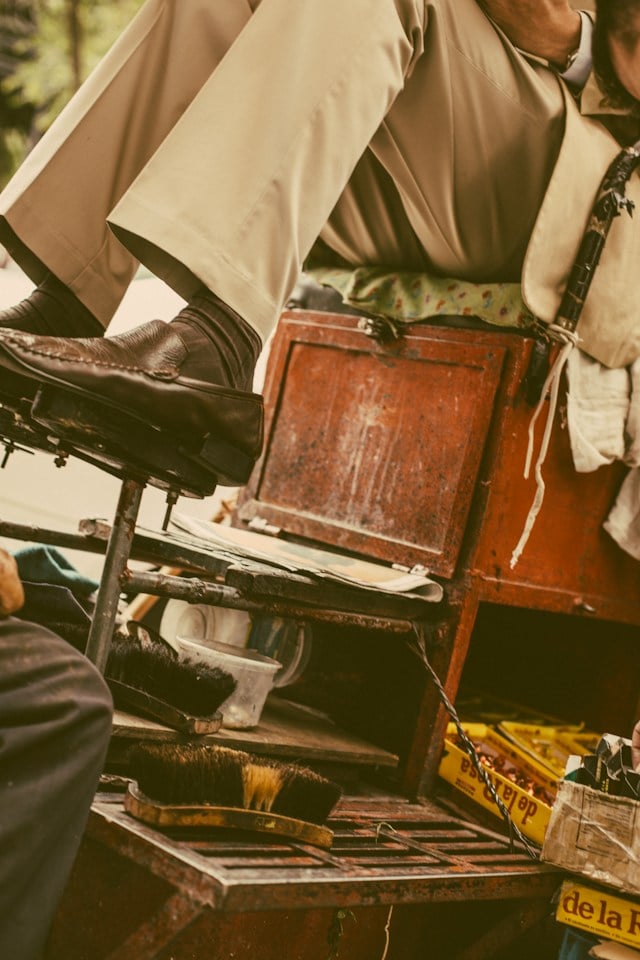
Boys shined shoes on street corners for a nickel, carrying their brushes and polish in a wooden box that doubled as a footrest for the customer. Good corners were fought over, and a boy who set up on someone else’s territory could expect to be run off.
Italian immigrant boys dominated the trade in several cities, often working for a padrone who took most of their earnings.
Cash Girls in the Department Stores

Before pneumatic tubes and cash registers connected every counter, department stores hired children to run money and receipts between the sales floor and the cashier’s cage. The job required standing all day and sprinting on command, and the pay was a couple of dollars a week.
Stores liked the arrangement because a child cost far less than a clerk.
Pin Setters in the Bowling Alleys

Bowling alleys paid boys a few cents a game to crouch at the end of the lane, reset the pins by hand, and jump out of the way between frames. The work ran late into the night, and a boy who was slow or distracted risked a broken ankle.
Automatic pinsetters did not become common until the 1950s, so the job survived longer than most on this list.
Artificial Flower Makers in the Tenements

In New York’s crowded apartments, entire families assembled artificial flowers for hat makers, with children as young as three separating petals and dipping stems in glue. The work was paid by the gross, which meant a family might earn less than a dollar for a day’s effort.
Because it happened at home, it was nearly invisible to inspectors.
Garment Finishers Sewing by Lamplight
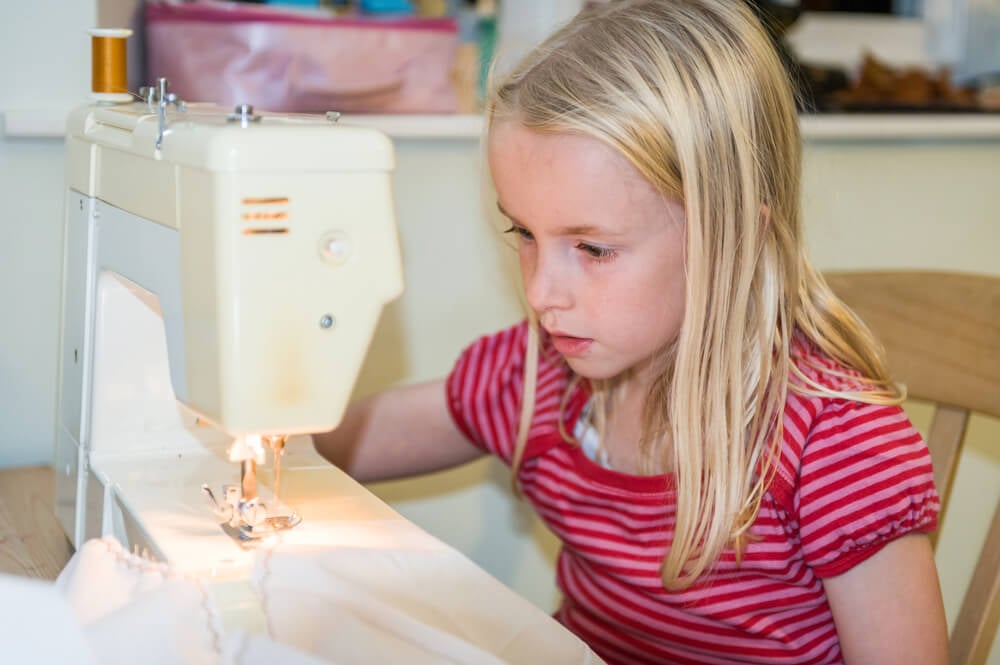
Contractors in the clothing trade sent bundles of trousers and coats to tenement families, who sewed on buttons, felled seams, and pulled basting threads at the kitchen table. Children learned to sew before they learned to write, and the family’s rent depended on finishing the bundle before it was collected.
Hine photographed several of these kitchens, with schoolbooks pushed aside to make room for the work.
Nut Shellers Working Past Midnight

Shelling nuts was another tenement trade, with families paid a few cents a pound for cracking walnuts and pecans and picking out the meat. Children cracked shells with hammers and sorted pieces late into the night, and inspectors noted that the nuts went straight into candy and bakery products with no washing in between.
It was one of the lowest-paying jobs in the city.
Street Vendors Hawking Pretzels and Gum

Children sold pretzels, chewing gum, matches, and shoelaces from trays and baskets, often as a cover for begging. A vendor’s license was not required for a child, which made the trade a convenient one for families that needed every penny.
Reformers worried less about the work than about where it took the children at night.
Rag Pickers and Scavengers

The dumps and alleys of big cities supported an economy of children who collected rags, bottles, bones, and scrap metal to sell to junk dealers. The best pickings were at the docks and railyards, which were also the most dangerous places for a child to be.
Several accounts describe children who knew the collection routes of entire neighborhoods better than the sanitation department did.
Child Performers on the Vaudeville Circuit

Children sang, danced, and did acrobatics on vaudeville stages, and a successful act could earn more than a father in a factory. New York’s Society for the Prevention of Cruelty to Children fought a long campaign to keep them off the stage, and performers learned to dodge its agents the way mill children dodged inspectors.
Milton Berle and Buster Keaton both began this way before they were ten.
Golf Caddies Carrying Clubs All Day

As golf spread among the wealthy, clubs hired local boys to carry bags for a few cents a round and whatever tips the player cared to give. Caddies waited for hours in the caddie shack hoping to be picked, and a boy who lost a player’s shot in the rough was unlikely to be hired again.
The job had the rare advantage of fresh air, which reformers of the period grudgingly admitted.
Office Boys Running the Errands

Businesses hired boys to sweep, fill inkwells, run messages, and fetch lunch, and the position was often the first rung on a ladder that could lead somewhere. Office boys were expected to be at their desks before the clerks arrived and to stay until the last letter went out.
The job was one of the few on this list that parents actively sought for their sons.
The Long Road to the Factory Gate

The federal Keating-Owen Act of 1916 tried to keep goods made by children out of interstate commerce, and the Supreme Court struck it down two years later. It took until the Fair Labor Standards Act of 1938 for national limits on child labor to survive a court challenge, by which time many of the jobs here had already faded because machines did them cheaper.
What remains is the record: Hine’s photographs, the inspection reports, and the census tables that counted children by the hundred thousand. They describe a country that depended on the labor of its children and preferred not to look at it too closely, which is why one photographer had to lie his way through so many doors.
More from Go2Tutors!

- The Romanov Crown Jewels and Their Tragic Fate
- 13 Historical Mysteries That Science Still Can’t Solve
- Famous Hoaxes That Fooled the World for Years
- 15 Child Stars with Tragic Adult Lives
- 16 Famous Jewelry Pieces in History
Like Go2Tutors’s content? Follow us on MSN.