26 Secret Rooms and Hidden Passages Discovered Inside Famous Buildings Around the World
Famous buildings are photographed so often that it feels as if nothing about them could still be unknown. Yet behind paneled walls, under floors and above ceilings, some of the world’s best-known landmarks kept rooms that even their caretakers had forgotten.
A few were built as escape routes or hiding places. Others were simply sealed up and lost, waiting for a renovation crew or a curious historian to knock on the right wall.
Lincoln Memorial’s Hidden Undercroft
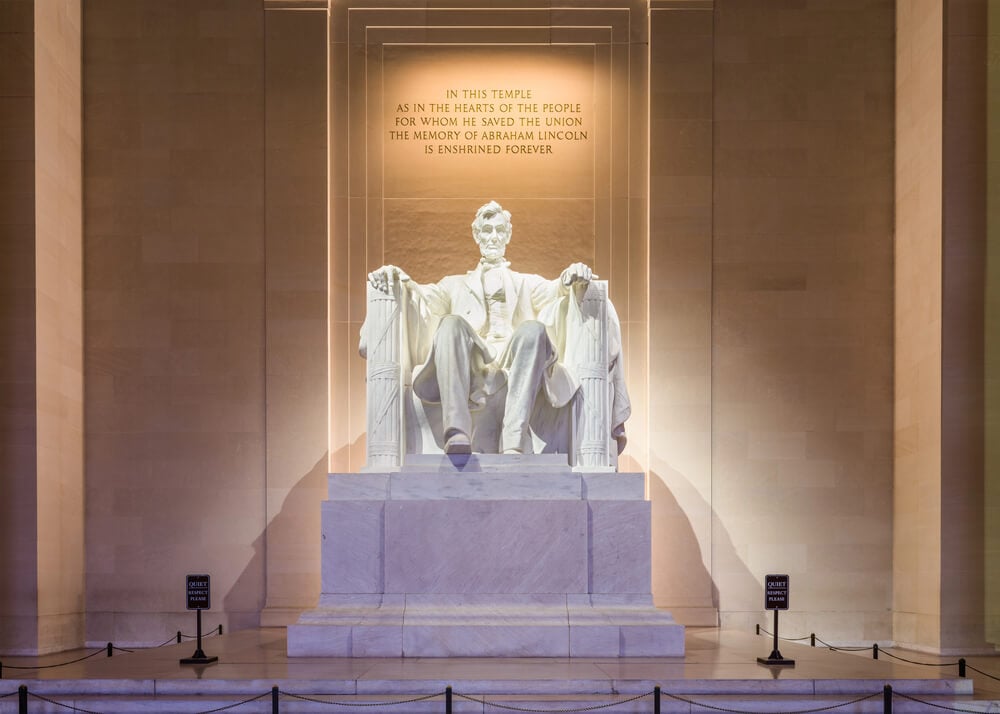
Beneath the marble floor of the Lincoln Memorial in Washington lies a cavernous undercroft that most visitors never imagine. The space holds the concrete pillars supporting the monument, and over decades water seeping through the structure formed stalactites hanging from the ceiling.
Construction workers left graffiti on the walls in the 1910s, including caricatures and notes. The undercroft was largely forgotten until the 1970s, and the National Park Service has occasionally offered rare tours as part of plans to open it more widely.
Track 61 Under the Waldorf Astoria
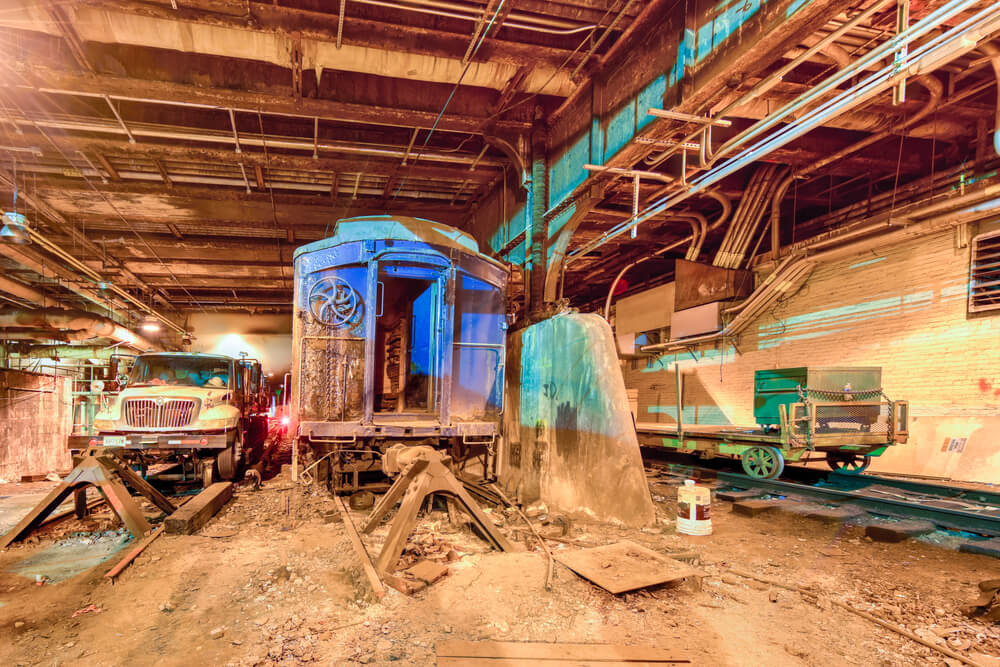
Beneath the Waldorf Astoria hotel in Manhattan runs a little-known railway siding connected to Grand Central Terminal, often called Track 61. It was never an official passenger platform, but it has become famous through the story that President Franklin D. Roosevelt used it to enter the hotel discreetly, hiding his paralysis from the public.
A railcar that some believe carried him still sits nearby. In 1965, Andy Warhol even threw an underground party on the tracks, a fitting use for a space built for secrecy.
Gustave Eiffel’s Apartment Atop the Tower
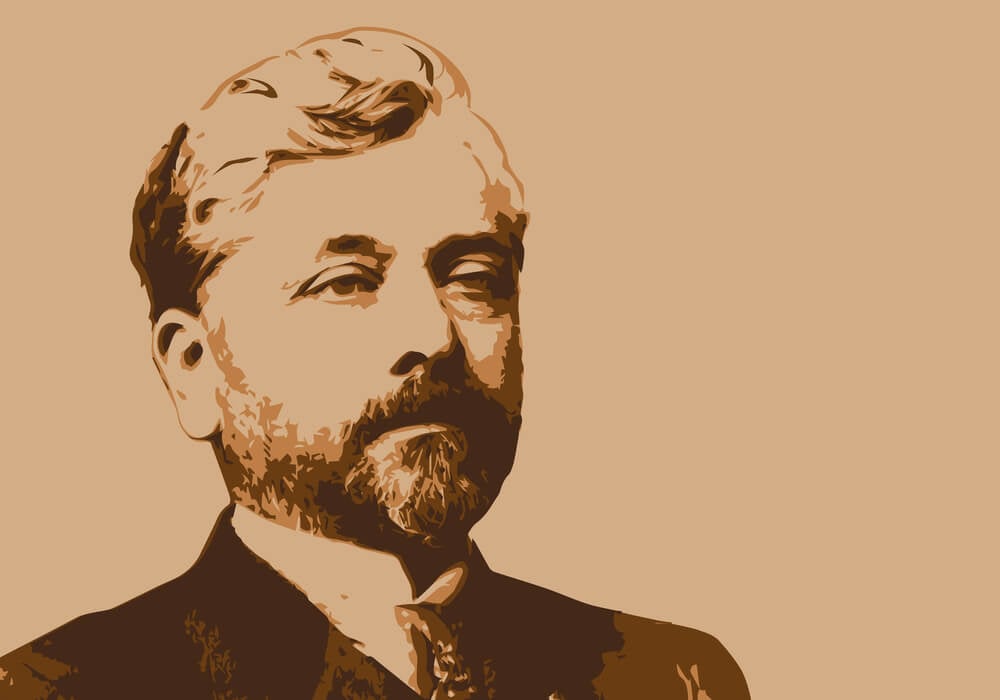
Near the top of the Eiffel Tower, Gustave Eiffel built himself a small private apartment, furnished with patterned wallpaper, wooden cabinets and a piano. It was a retreat where he could entertain distinguished guests far above Paris.
In 1889, he hosted Thomas Edison there, and the two reportedly discussed science over brandy while Edison presented a phonograph as a gift. The apartment now features wax figures of the two men, and visitors can peer in through the windows but cannot step inside.
The Mirror Door in Buckingham Palace
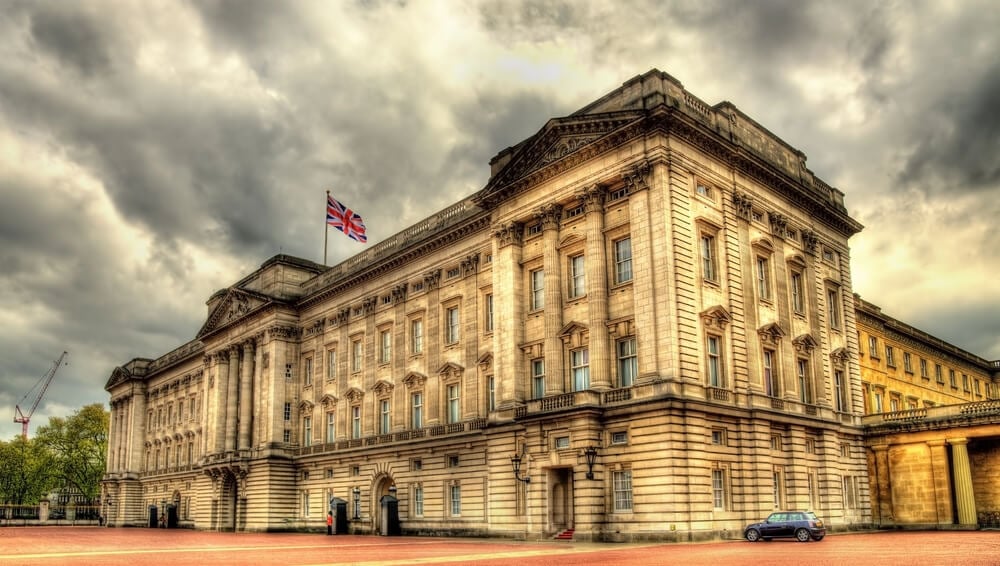
The White Drawing Room at Buckingham Palace contains one of the most elegant secret doors in Britain. A large mirror and a gilded cabinet swing open as a single panel, allowing members of the royal family to enter the grand reception room directly from their private apartments.
Guests waiting on the other side see only a mirror and a piece of furniture until the monarch appears. The door has been used for official receptions for generations, and palace tours sometimes point it out to amazed visitors.
Passetto di Borgo, the Pope’s Escape Route
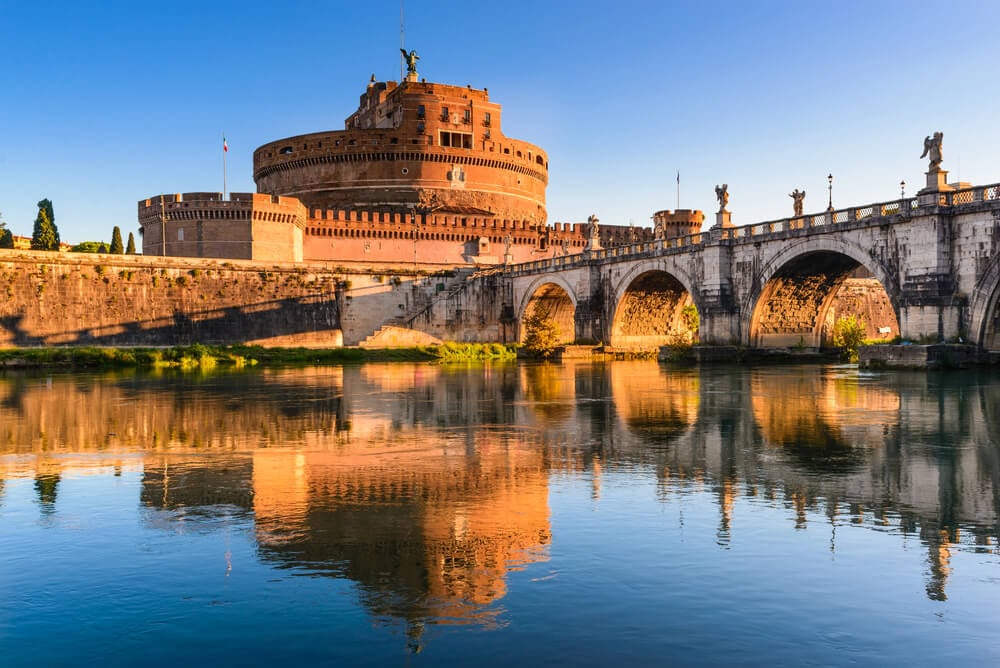
Running roughly 800 meters along an old defensive wall, the Passetto di Borgo is a raised passage linking Vatican City to the fortress of Castel Sant’Angelo. It was completed in 1277 under Pope Nicholas III.
Its most famous use came in 1527, when Pope Clement VII fled along it to safety as troops of Emperor Charles V sacked Rome and the Swiss Guard fought to protect his retreat. The passage is closed most of the year, but it opens occasionally for special tours.
Vasari Corridor Above the Ponte Vecchio
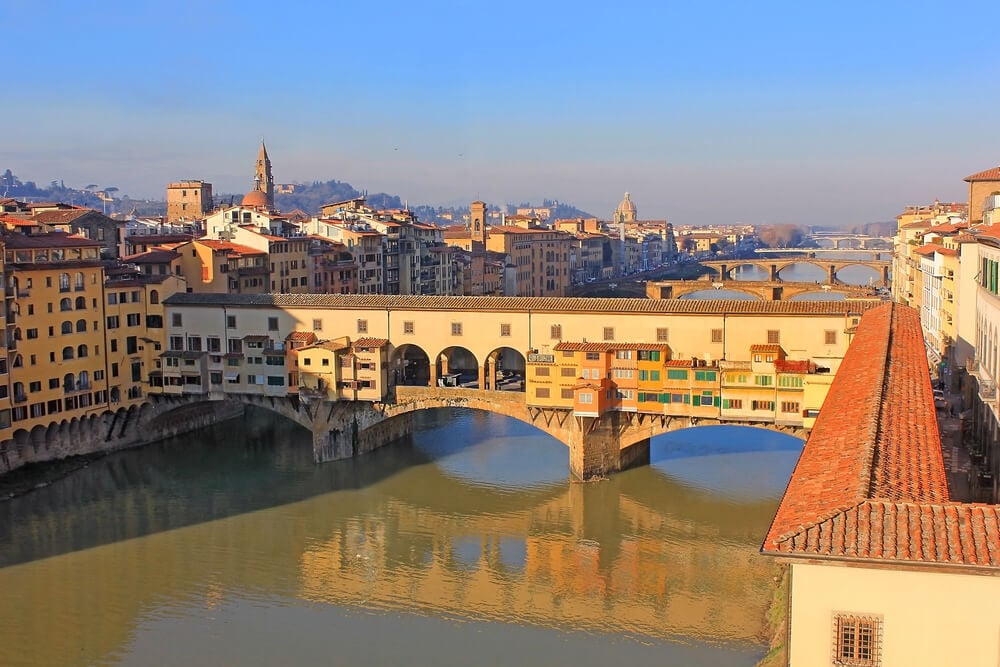
Duke Cosimo de’ Medici commissioned architect Giorgio Vasari in 1565 to build a private raised walkway linking the government offices of Florence to the Pitti Palace across the river. The corridor, roughly a kilometer long, runs above shops, through a church and over the Ponte Vecchio so the duke could travel without mixing with the public.
Butchers on the bridge were reportedly replaced by goldsmiths to spare him the smell. After years of restoration, the corridor reopened to visitors in late 2024.
Palazzo Vecchio’s Concealed Doors
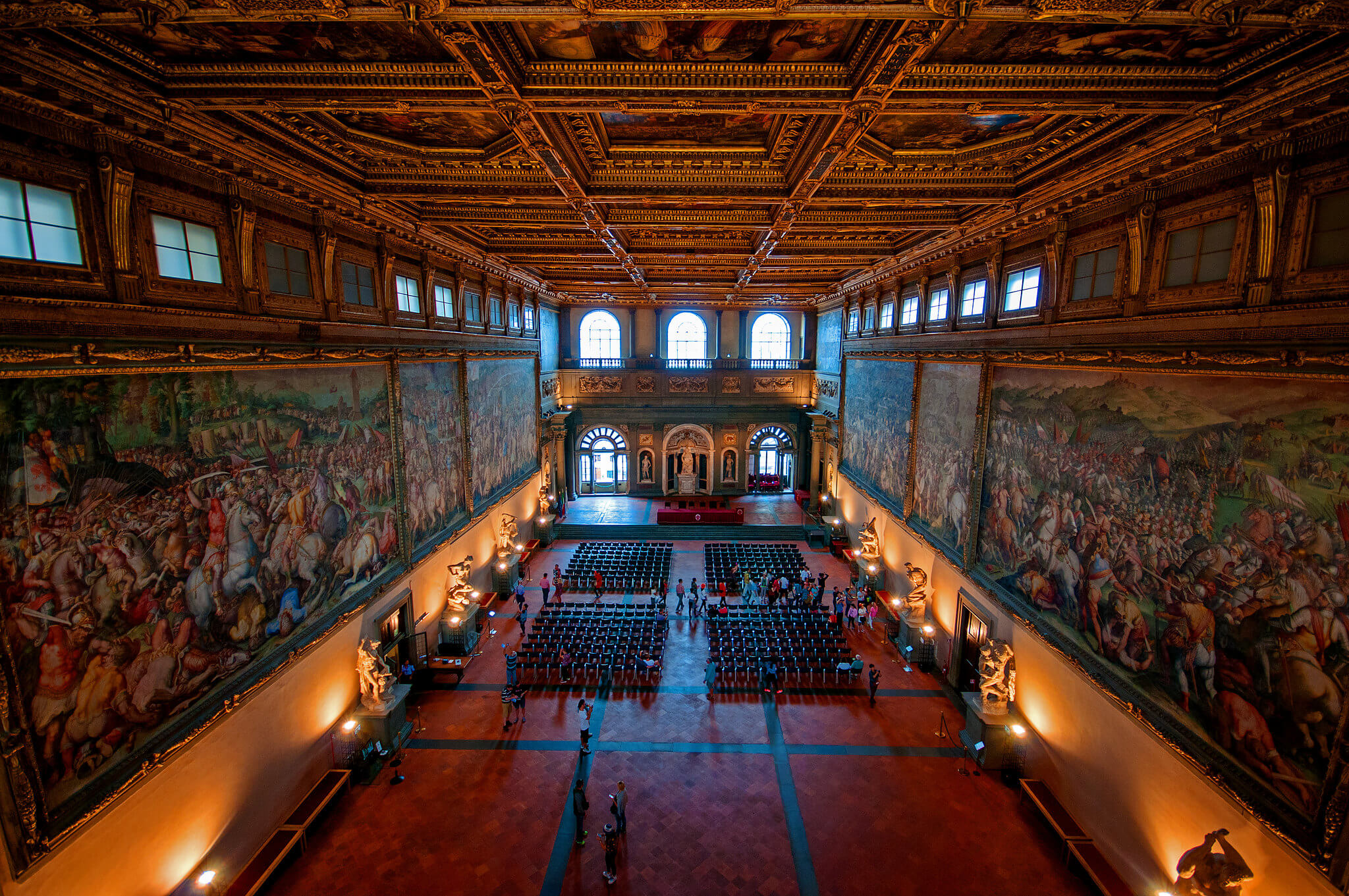
Florence’s town hall for centuries, the Palazzo Vecchio is riddled with concealed passages and hidden staircases built for the rulers who lived there. A narrow staircase in the walls dates to the fourteenth century, and the small painted study of Francesco de’ Medici hides doors behind its panels that lead to secret rooms where he kept his treasures and conducted experiments.
The palace now runs guided tours through several of these spaces, giving visitors a sense of how political intrigue shaped the building’s design.
Michelangelo’s Hideaway Under the Medici Chapel
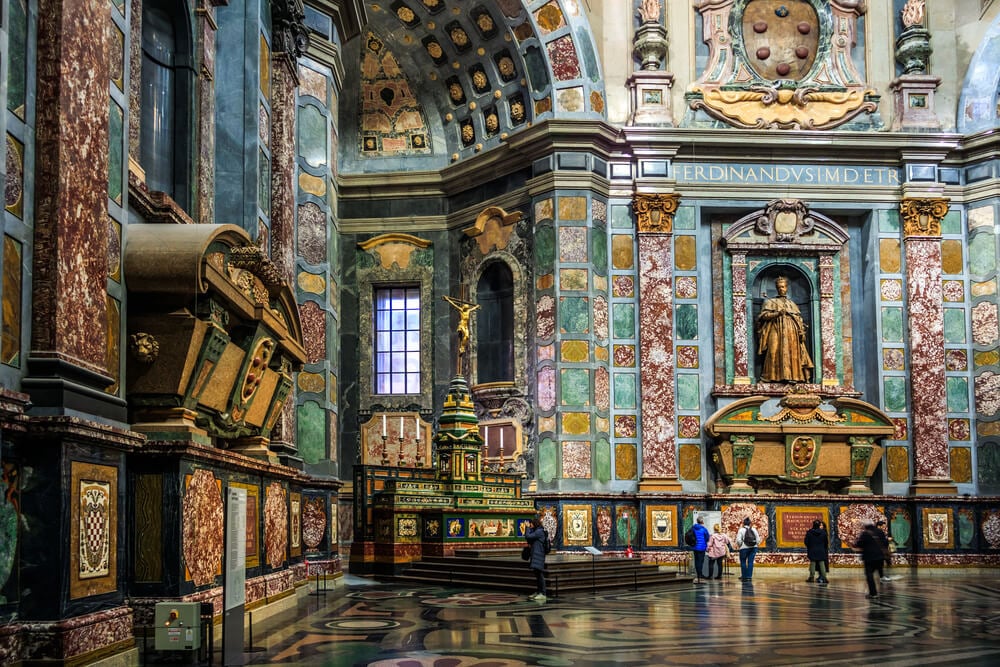
Staff at the Medici Chapels in Florence were looking for a new exit route in 1975 when they uncovered a small chamber beneath the New Sacristy. On its walls were charcoal sketches that many experts attribute to Michelangelo.
According to the leading theory, he hid in the room for weeks in 1530 after falling out of favor with the Medici, drawing on the walls to pass the time. The fragile space was opened to limited numbers of visitors for the first time in 2023.
Club 33 in Disneyland’s New Orleans Square

Tucked behind an unmarked door in Disneyland’s New Orleans Square, next to a small plaque with the number 33, is a private dining club that most park visitors walk past without noticing. Walt Disney planned it as a place to entertain guests and business partners, but it opened in 1967, a few months after his death.
Membership has long been famously exclusive, with waiting lists stretching for years. Inside, members find a quiet lounge and restaurant, a world away from the crowds outside.
An Attic Room Found in the Winchester Mystery House
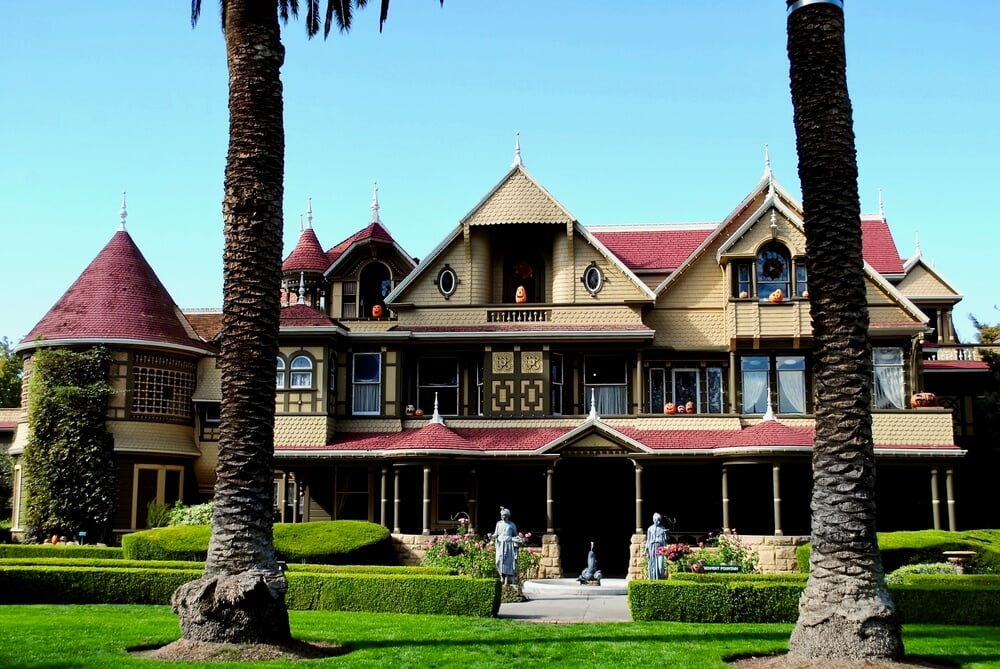
Sarah Winchester’s sprawling mansion in San Jose, California, is famous for its doors that open onto walls and staircases that lead nowhere, built during decades of nonstop construction she ordered. In 2016, workers discovered a sealed attic room that no one had entered in about a century.
Inside were a Victorian couch, a pump organ, a sewing machine and a pair of paintings. Historians believe the room was boarded up after damage from the 1906 earthquake and then forgotten.
Prison Room Inside Elizabeth Tower
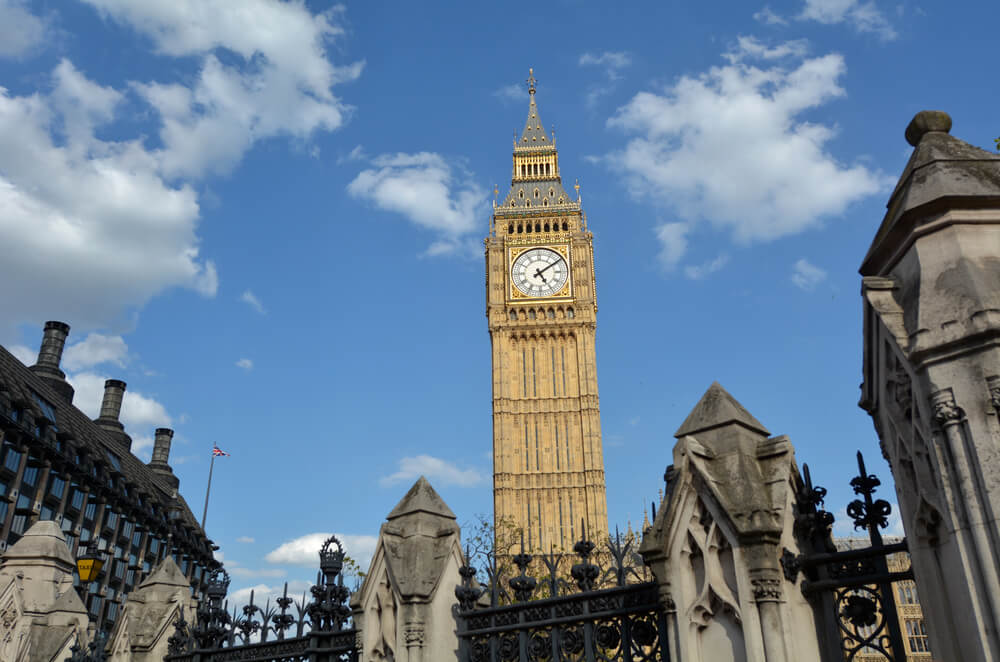
Elizabeth Tower, which houses Big Ben at the Palace of Westminster, contains a small room once used as a prison for members of Parliament. Lawmakers who breached the rules of the House could be confined there by order of the Speaker.
The last person held there was Charles Bradlaugh, an outspoken atheist who in 1880 was detained after a dispute over his refusal to take the religious oath of office. The room remains part of the tower, although it has not been used as a cell since.
A Coronation Doorway Sealed in Westminster Hall
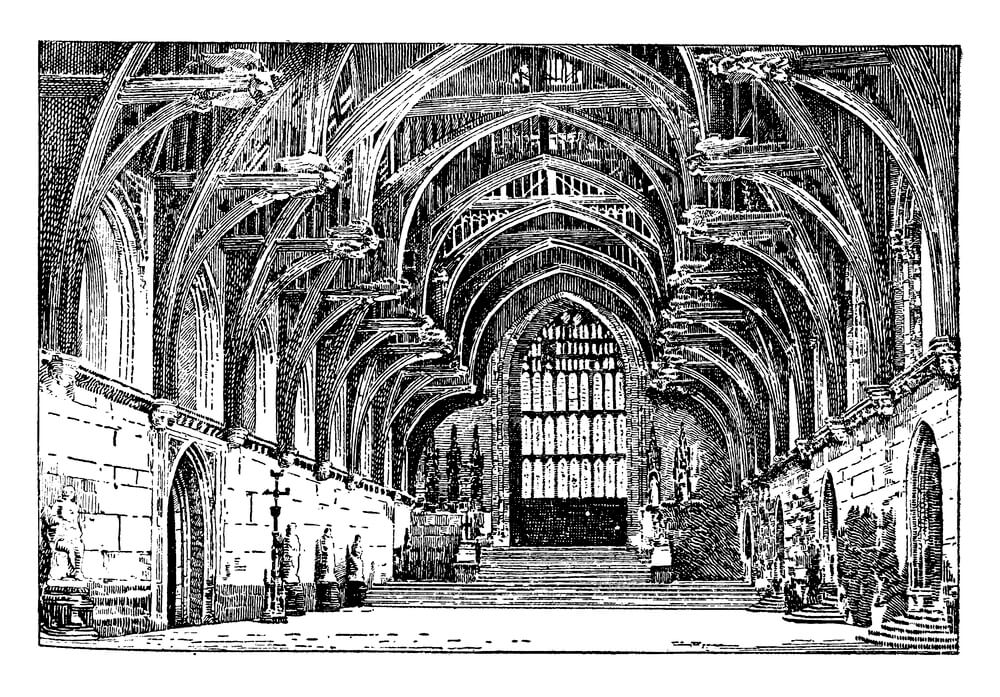
Researchers at the Houses of Parliament in 2016 traced old records to a hidden doorway inside Westminster Hall, the oldest part of the complex. The passage had been built for the coronation banquet of King Charles the Second in 1661, allowing guests to move between buildings.
Behind a hinged panel they found a small space bearing graffiti left by bricklayers who sealed it in 1851. Some of the workers wrote that they were drunk and proud of their politics, leaving a lively message for whoever found it.
Mussolini’s Bunkers Under Palazzo Venezia
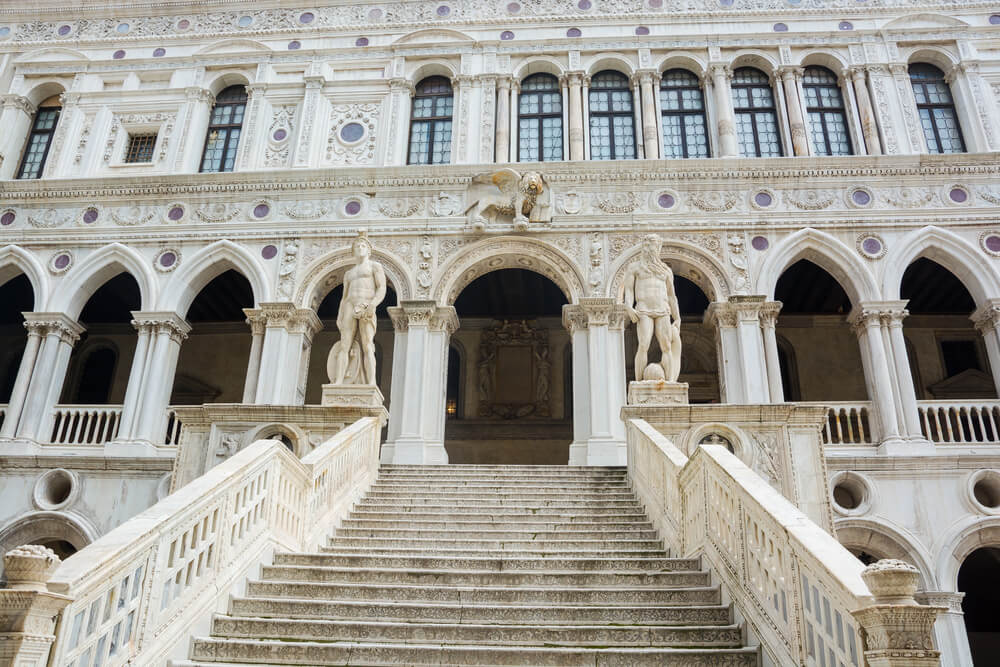
Palazzo Venezia in Rome served as Benito Mussolini’s headquarters, and he gave speeches from its famous balcony to crowds below. During restoration work, investigators uncovered underground air raid shelters beneath the building, including one discovered in 2011 that had apparently been built for the dictator and his inner circle.
The shelters reveal how nervous the regime became as Allied bombing raids reached Italy. Parts of the underground network were later opened to visitors on special occasions.
Marie Antoinette’s Escape Door at Versailles
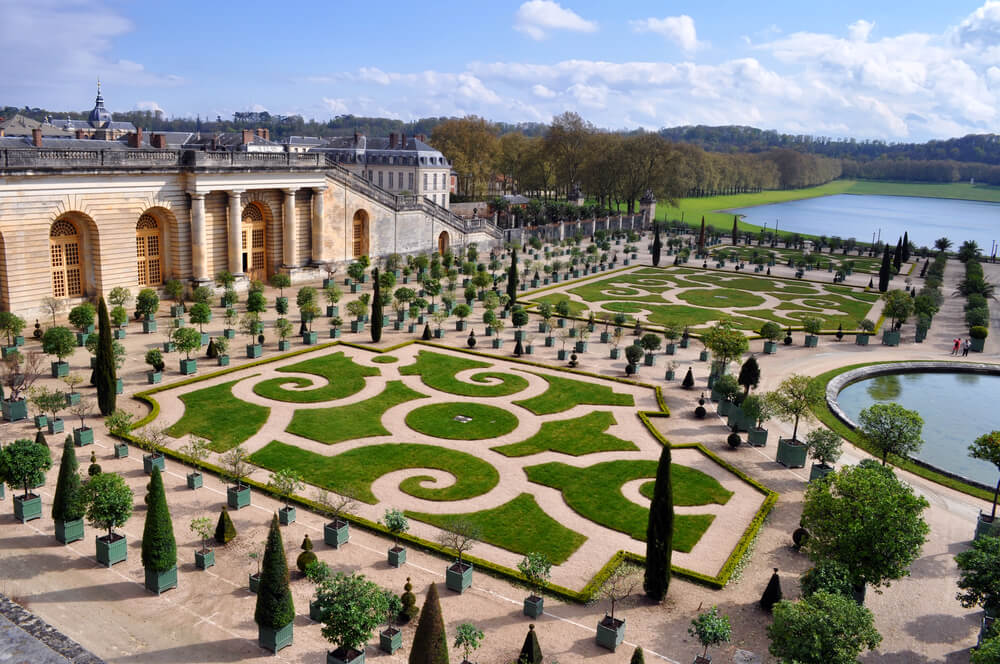
The Queen’s Bedchamber at the Palace of Versailles contains a door hidden in the wall covering beside the bed. It led through a series of small private rooms to the king’s apartments.
On October 6, 1789, as an angry crowd from Paris stormed into the palace, Marie Antoinette fled through that door to reach Louis XVI and safety. The door is still visible to sharp-eyed visitors, although it looks like nothing more than a panel of fabric-covered wall.
A Newly Found Corridor in the Great Pyramid
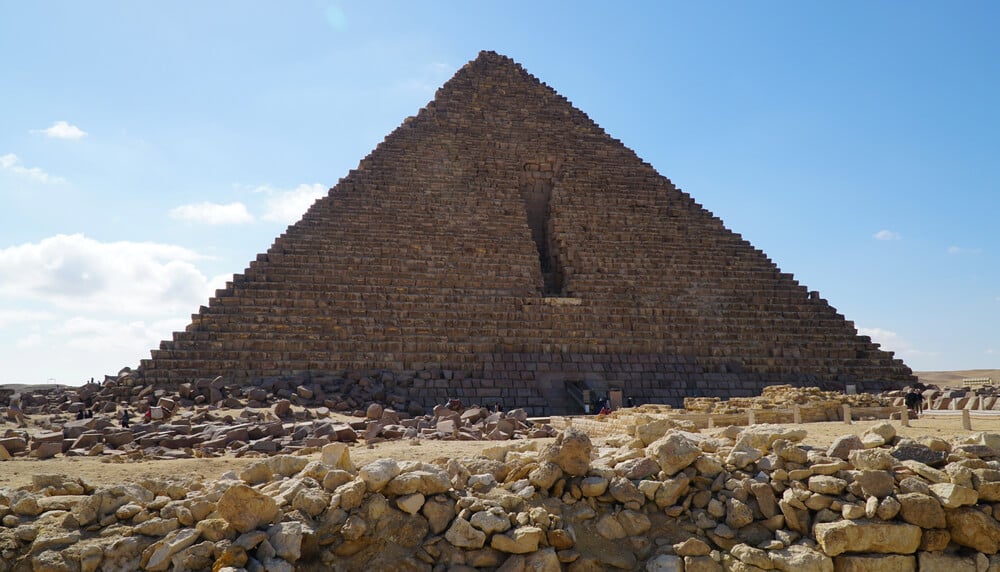
Scientists from the ScanPyramids project used cosmic particles called muons to peer through the stone of the Great Pyramid of Giza. In 2017 they announced a large void above the Grand Gallery, the first major internal structure found in the pyramid since the nineteenth century.
In 2023, they confirmed a separate corridor about nine meters long above the main entrance and captured images of it using an endoscope threaded through a gap in the stones. Its purpose is still unknown.
An Underground Lake Below the Paris Opera
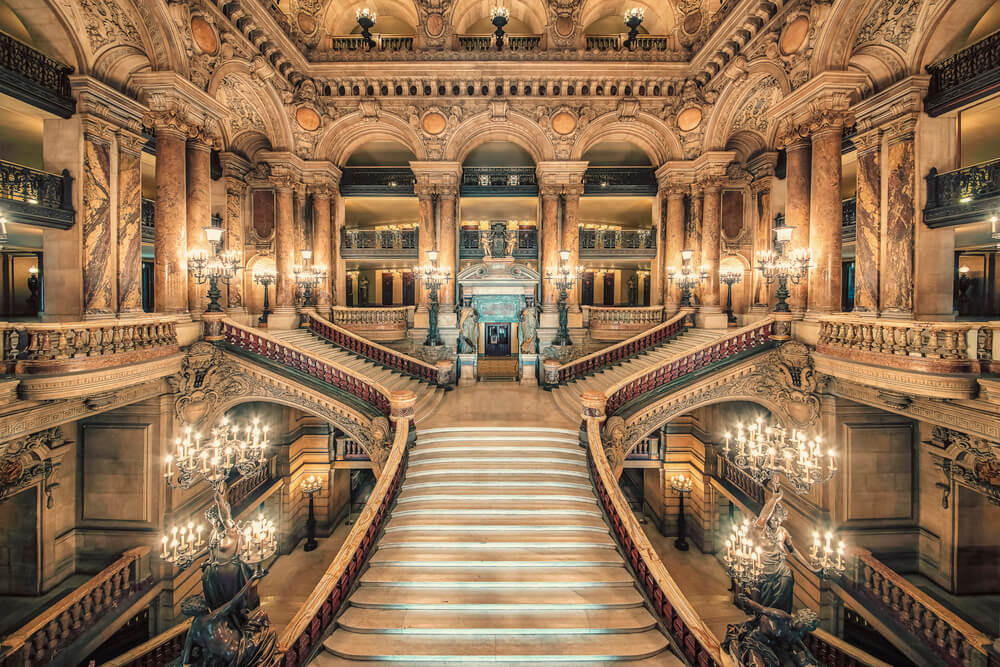
Construction of the Palais Garnier, Paris’s grand opera house, began in the 1860s on waterlogged ground. The architect Charles Garnier solved the problem by building a massive water tank beneath the building to stabilize the foundations.
The underground reservoir inspired the lake in Gaston Leroux’s novel The Phantom of the Opera. Firefighters have used it for training, and staff have been rumored to feed fish living in the dark water.
The public is not allowed down, adding to its mystique.
Nicholas Owen’s Priest Hides at Harvington Hall
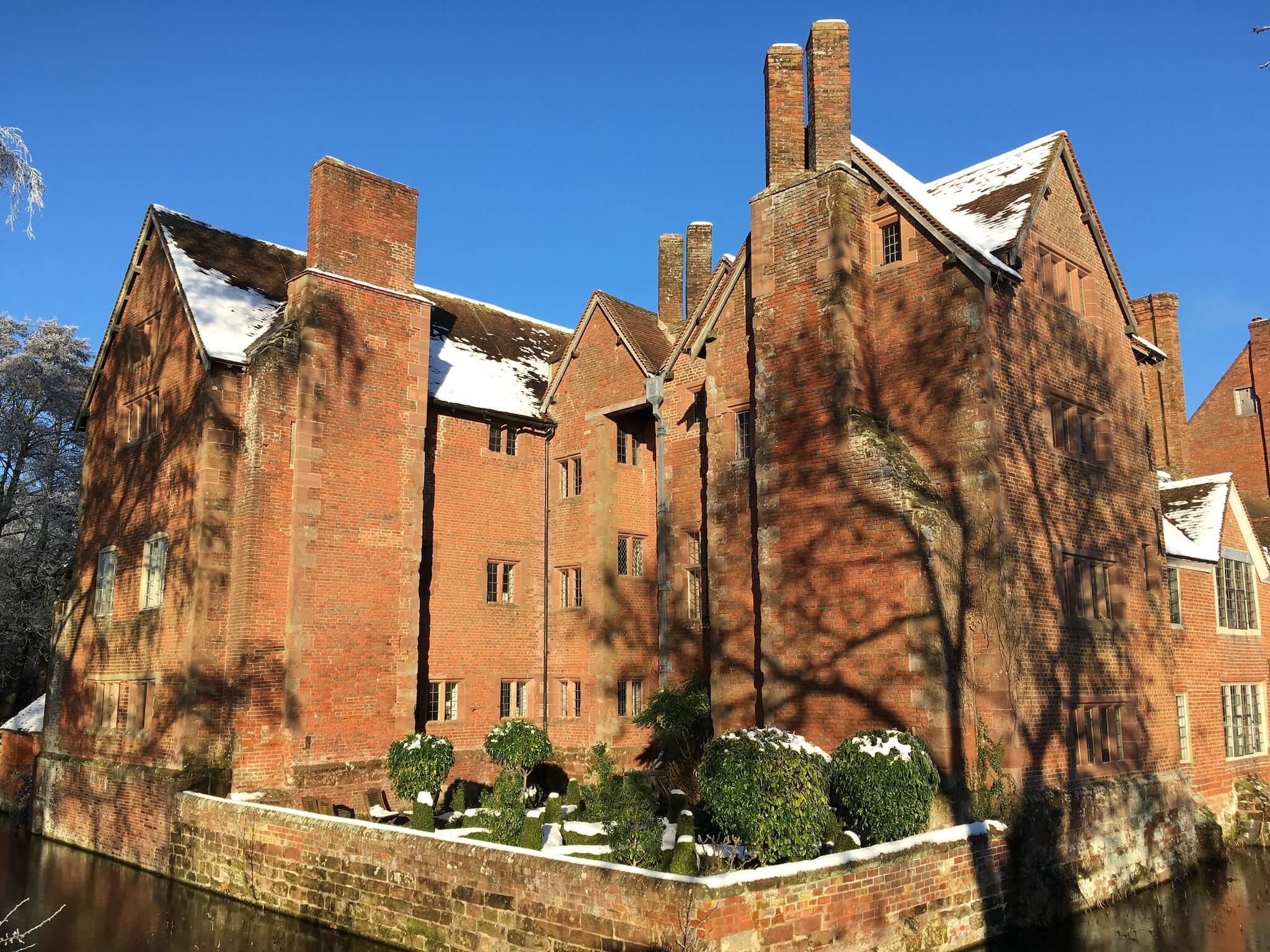
During the Elizabethan period, Catholic priests in England faced imprisonment or execution, so Catholic families built secret hiding places in their homes. Harvington Hall in Worcestershire contains one of the finest surviving collections, many attributed to Nicholas Owen, a Jesuit lay brother and carpenter.
His hides included spaces beneath staircases and behind false walls, cleverly designed to fool searchers. Owen was eventually captured and died under torture in the Tower of London in 1606.
He was later declared a saint.
Anne Frank’s Secret Annex Behind a Bookcase
At 263 Prinsengracht in Amsterdam, a movable bookcase concealed the entrance to the rooms where Anne Frank, her family and four others hid from the Nazis. They lived there from July 1942 until August 4, 1944, when they were discovered and arrested.
The bookcase was built by the father of Bep Voskuijl, one of the office workers who helped them. Today the Anne Frank House preserves the annex, and visitors pass through the same doorway that hid the families for more than two years.
Nero’s Sphinx Room in the Domus Aurea
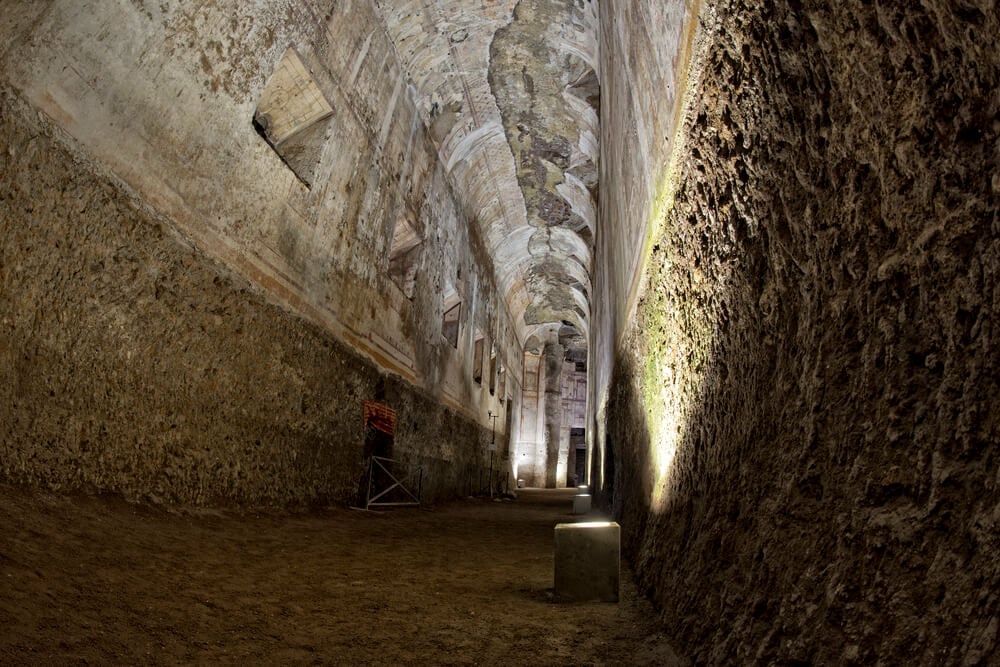
Emperor Nero’s vast Golden House in Rome, the Domus Aurea, was buried soon after his death and rediscovered in the fifteenth century, when Renaissance artists lowered themselves in to study its paintings. Excavation continues.
In 2019, archaeologists announced the discovery of a previously unknown room decorated with images of a sphinx, a centaur and other figures. The room had been filled with soil for nearly two thousand years, preserving its colors remarkably well.
The Hidden Wine Cellar of New York’s 21 Club
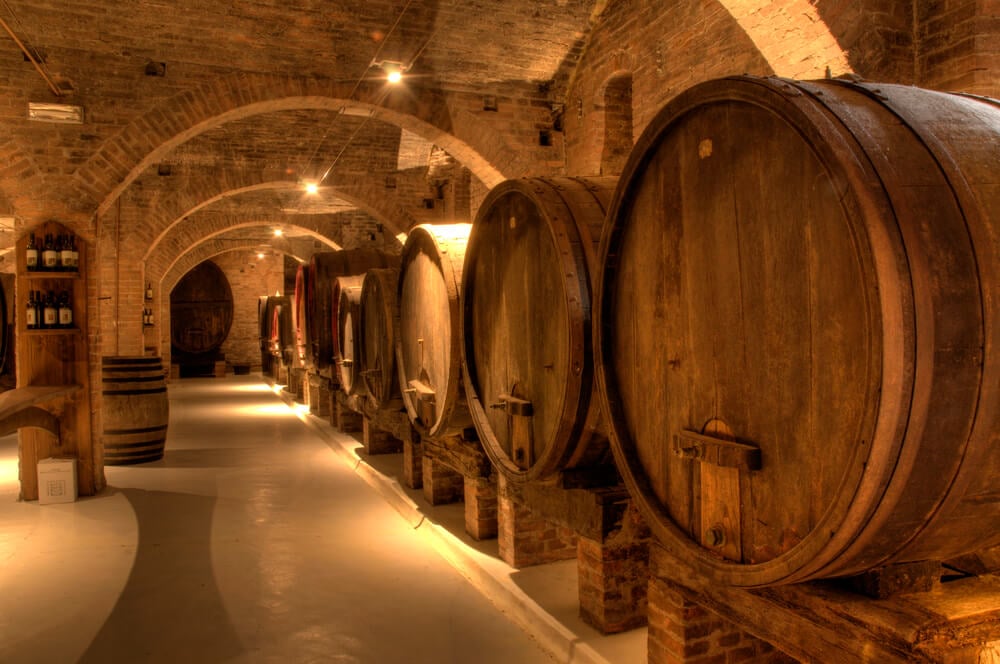
The 21 Club in Manhattan began as a speakeasy during Prohibition, and its owners took secrecy seriously. They built a hidden wine cellar behind a heavy brick door weighing about two tons, located in the basement of the building next door.
The door could be opened only by inserting a long metal skewer into a precise crack in the wall. Police raids never found the stash.
The cellar later stored private wine collections for famous customers, including politicians and movie stars.
The Crypt Beneath the Capitol Rotunda
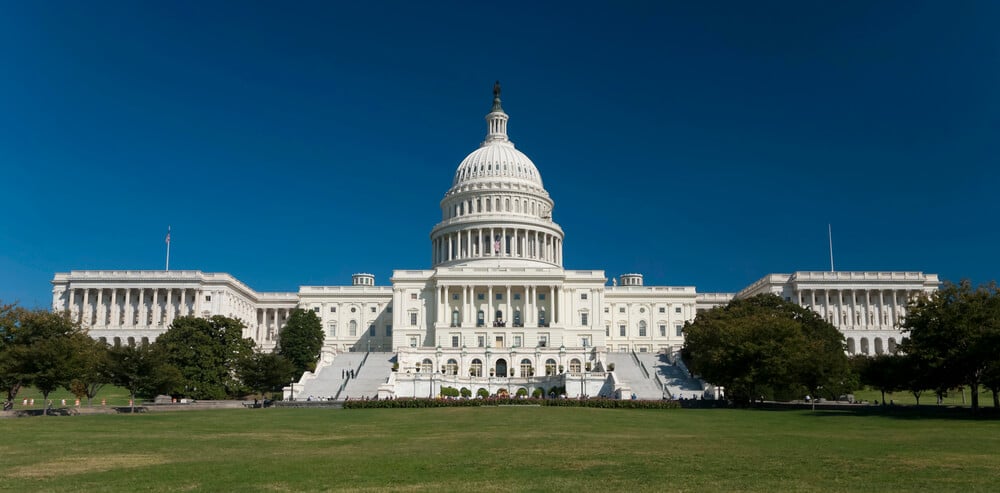
Beneath the Rotunda of the United States Capitol lies a crypt ringed by 40 sandstone columns that support the floor above. It was designed with a chamber below intended as the burial place of George Washington.
Congress wanted his remains moved there, but his family refused, and Washington stayed at Mount Vernon. A star in the floor marks the point from which the streets of Washington are laid out, and the crypt now holds exhibits about the building’s history.
Sir Henry Pellatt’s Tunnel at Casa Loma
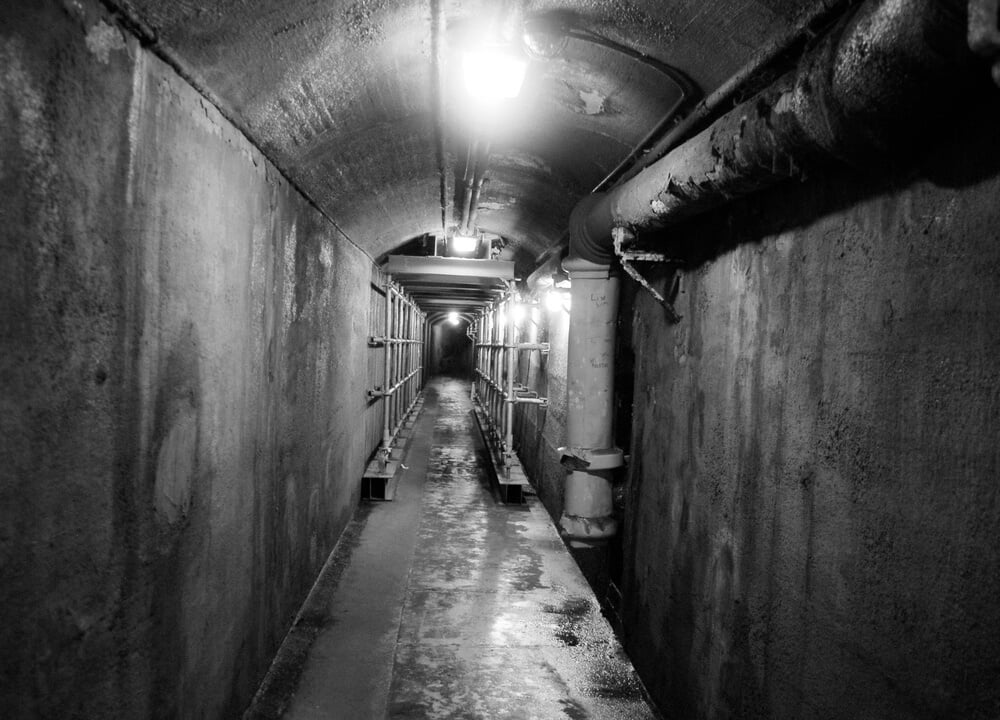
Casa Loma, the castle-style mansion completed in Toronto in 1914 for financier Sir Henry Pellatt, includes a hidden network of passages. A secret staircase leads from Pellatt’s study, and an underground tunnel roughly 800 feet long connects the house to the stables and carriage house.
Pellatt lost the mansion after financial troubles in the 1920s. Today the castle is a museum and film location, and visitors can walk the tunnel that once let staff move unseen between buildings.
Sally Hemings’s Room at Monticello
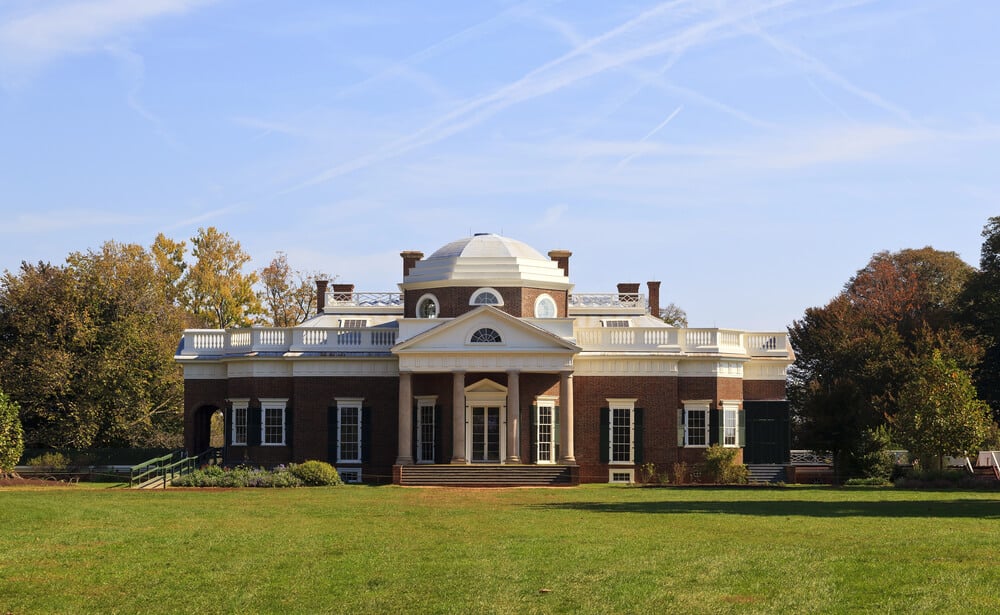
For decades, a small space next to Thomas Jefferson’s bedroom at Monticello was used as a restroom for visitors. In 2017, archaeologists at the Virginia estate identified it as the likely living quarters of Sally Hemings, an enslaved woman who bore several of Jefferson’s children.
They found the original brick floor and features of the room underneath later alterations. The discovery allowed Monticello to present her story in the building itself rather than only in exhibits elsewhere.
Mary King’s Close Beneath Edinburgh’s City Chambers
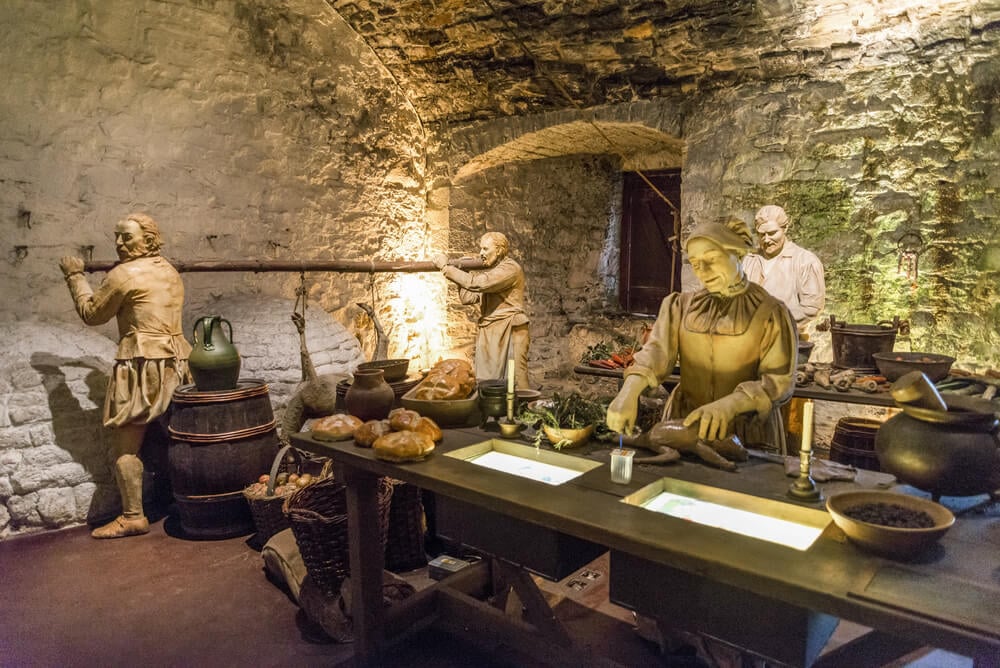
In the eighteenth century, parts of several narrow Edinburgh streets called closes were built over and sealed beneath the Royal Exchange, now the City Chambers. The best known of these buried streets is Mary King’s Close, where traces of homes and shops survive underground.
Legends of plague victims and ghosts grew around it for centuries. The close opened as a visitor attraction in 2003, offering tours through rooms that had been hidden from daylight for more than 200 years.
Excavations Beneath St. Peter’s Basilica
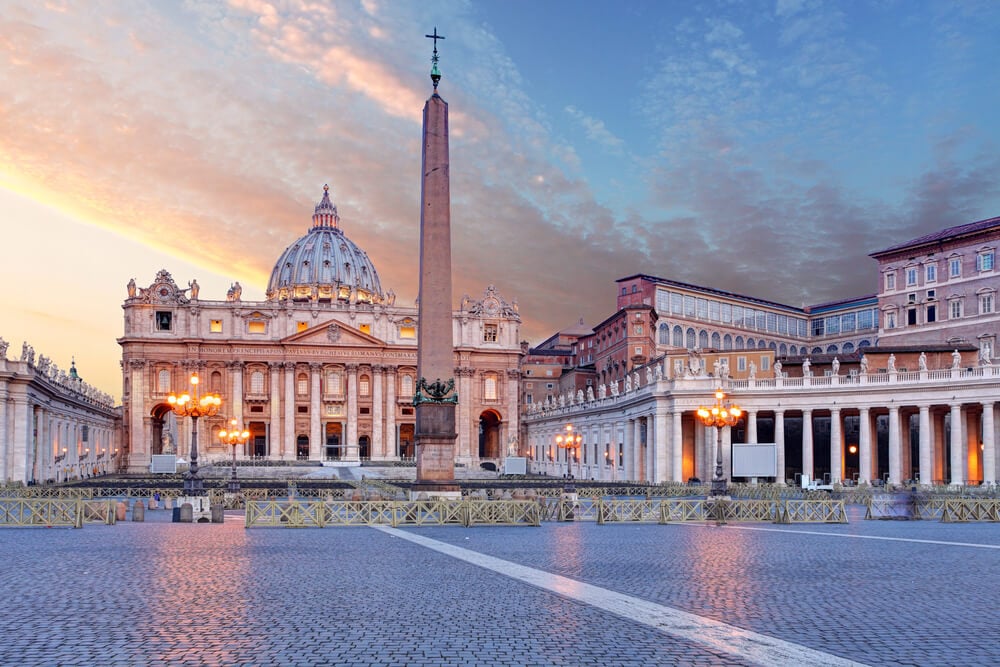
In 1939, workers preparing a burial place for Pope Pius XI beneath St. Peter’s Basilica broke into an ancient Roman necropolis. Pope Pius XII ordered secret excavations that continued through the 1940s, uncovering streets of tombs and a shrine traditionally associated with the burial place of Saint Peter.
In 1950, the pope announced that the apostle’s tomb had been found. Today small groups can visit the excavations with advance booking, walking through a city of the dead beneath the world’s most famous church.
A Book Tunnel Under Oxford’s Radcliffe Square
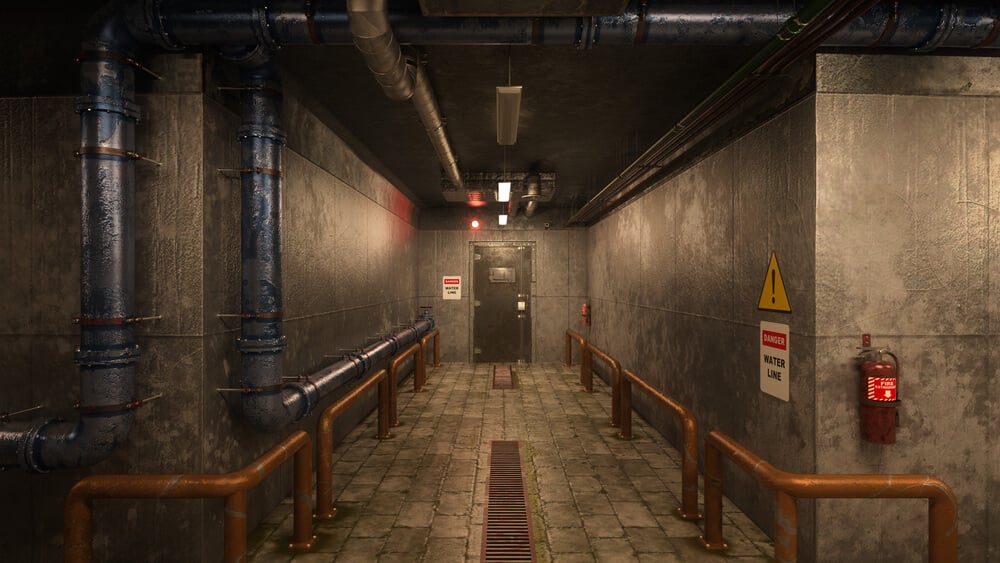
Oxford’s Radcliffe Camera and Old Bodleian Library are connected by an underground passage completed in 1912 to move books between the buildings without carrying them across the square. For years a conveyor system ran through it.
After a major renovation, the tunnel reopened in 2011 as the Gladstone Link, a reading room and study space tucked beneath the cobblestones. Many tourists photographing the famous domed building above have no idea there is a library running underneath their feet.
Walls Have Memories

Hidden rooms reveal what buildings were really for. A palace passage exposes a ruler’s fear, a priest’s hide exposes persecution and an attic room shows how quickly people forget what they sealed away.
The architecture of secrecy is always a response to something outside the walls. That is why each rediscovery feels personal.
Graffiti from bricklayers, sketches on a cellar wall and a bookcase that saved lives for two years connect visitors to people who once stood in the same spot. Grand facades tell the official story, but the rooms behind them tend to tell the true one.
More from Go2Tutors!

- The Romanov Crown Jewels and Their Tragic Fate
- 13 Historical Mysteries That Science Still Can’t Solve
- Famous Hoaxes That Fooled the World for Years
- 15 Child Stars with Tragic Adult Lives
- 16 Famous Jewelry Pieces in History
Like Go2Tutors’s content? Follow us on MSN.