26 Medieval Inventions Still Shaping Life Today
The thousand years between the fall of Rome and the voyages of Columbus are still called the Dark Ages by people who have not looked closely. The period produced the clock, the university, the printed book, eyeglasses, and the accounting system that runs every company on earth.
Many of these were quiet, practical improvements rather than dramatic discoveries, which is exactly why they lasted.
Some of the items below arrived in Europe from China or the Islamic world and were transformed there; others were European from the start. All of them are still in use, often in forms a medieval craftsman would recognize.
Eyeglasses
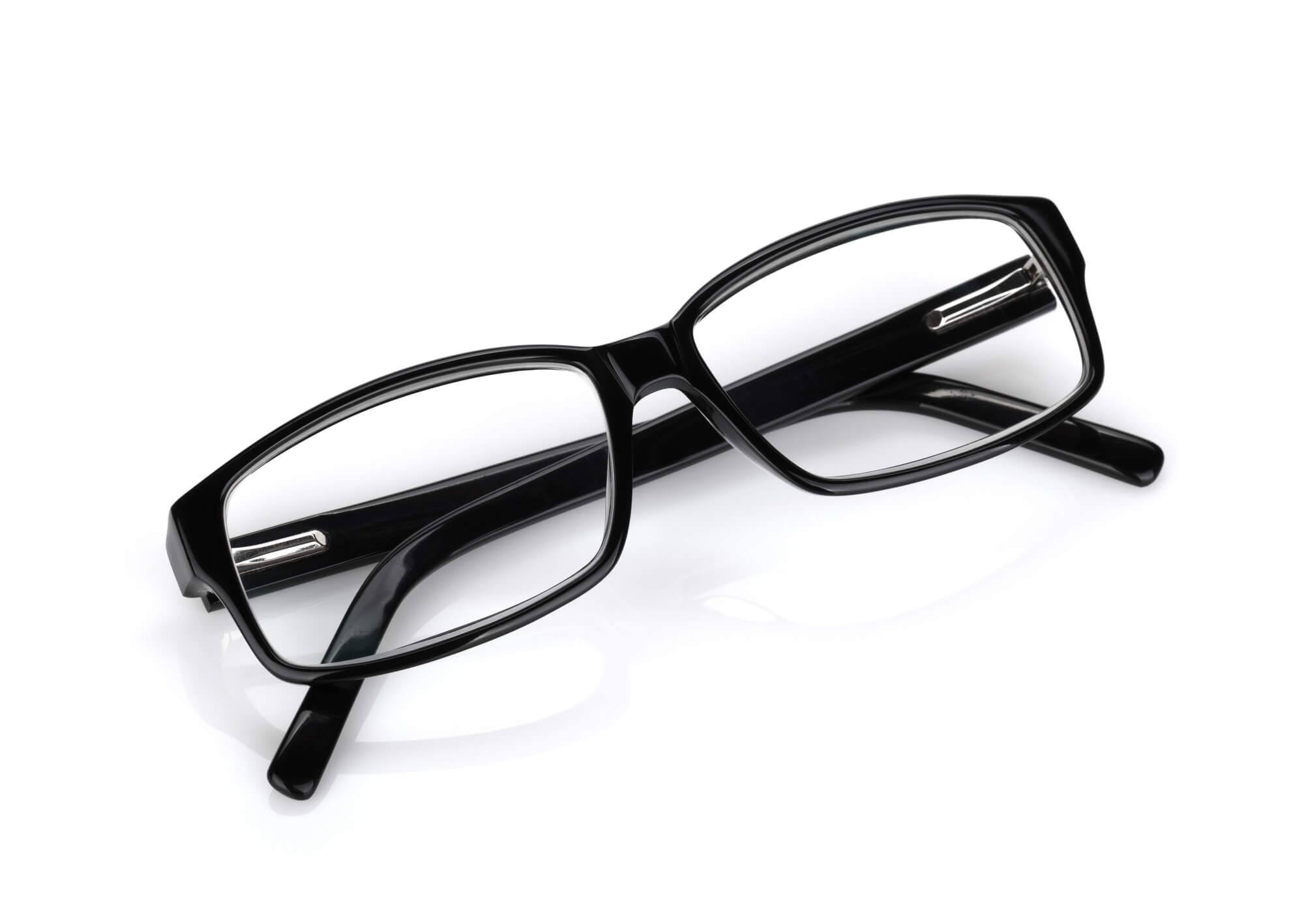
Convex lenses for reading appeared in northern Italy around 1286, and a Pisan friar named Giordano da Rivalto mentioned them in a 1306 sermon as a recent invention. Glasses extended the working lives of scribes, scholars, and craftsmen by decades, which quietly changed the economics of skilled labor.
Nearly two-thirds of adults today wear some form of corrective lens.
The Mechanical Clock
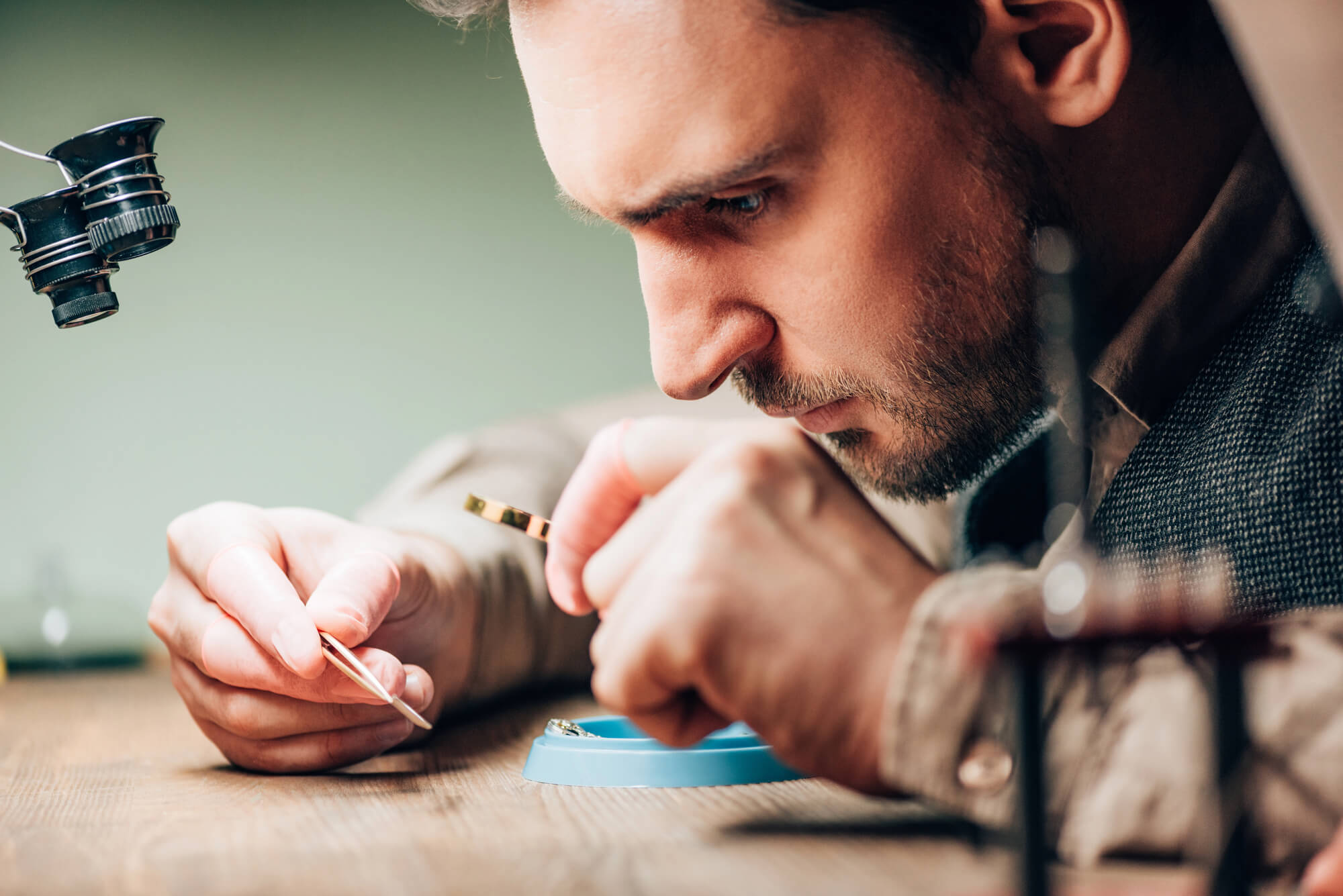
Weight-driven clocks with a verge escapement appeared in European monasteries and towns in the late thirteenth century, and the Salisbury Cathedral clock of 1386 is among the oldest surviving. The clock divided the day into equal hours regardless of season, replacing sundials and water clocks.
Every schedule, shift, and timetable since descends from that decision.
The Printing Press
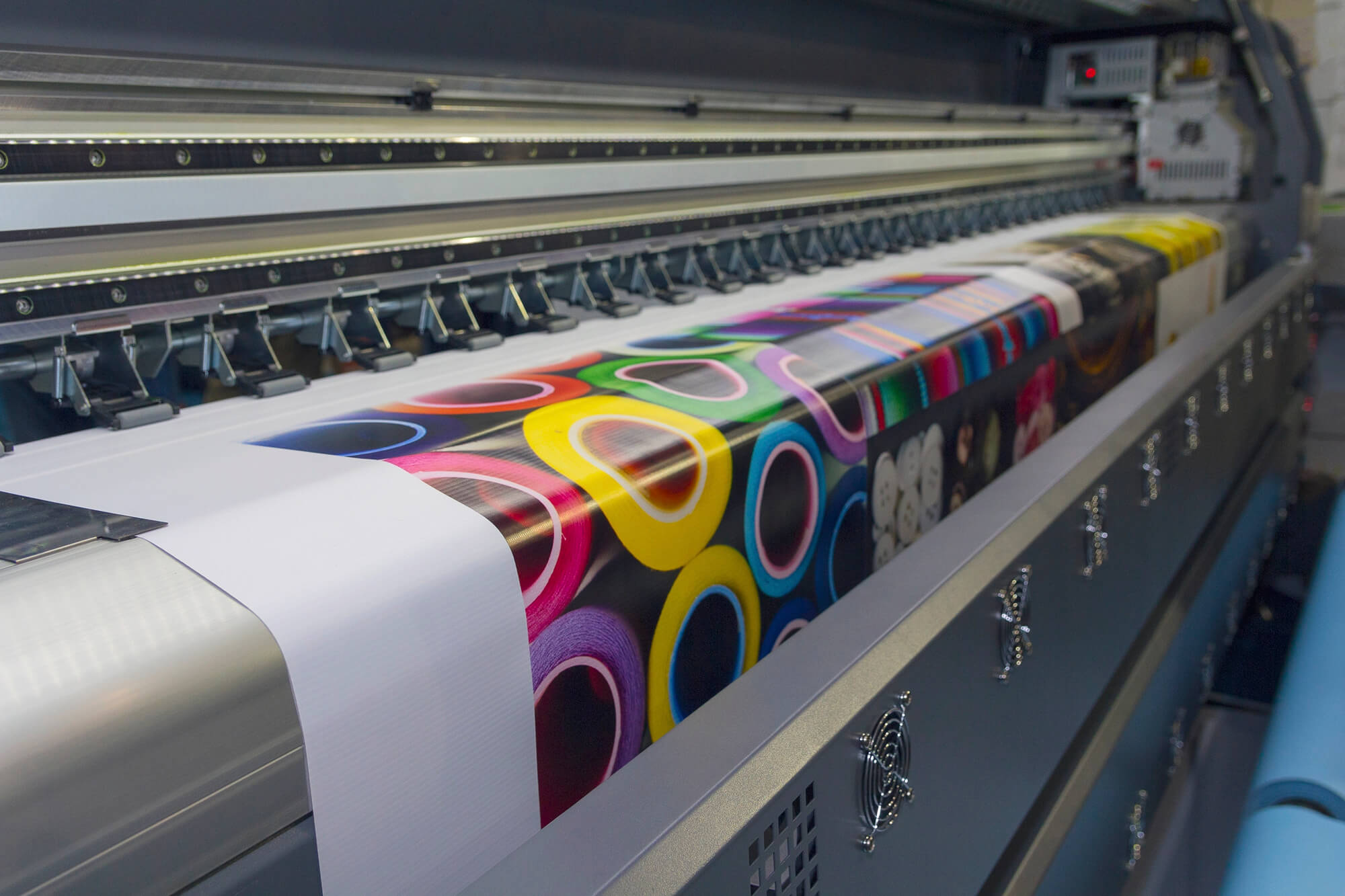
Johannes Gutenberg combined movable metal type, oil-based ink, and a modified screw press in Mainz around 1440 and printed his famous Bible by 1455. Within fifty years presses operated in more than 250 European cities and had produced millions of books.
The press made literacy, the Reformation, and modern science possible, and the basic idea of reproducible type survives in every printer.
The Heavy Plow
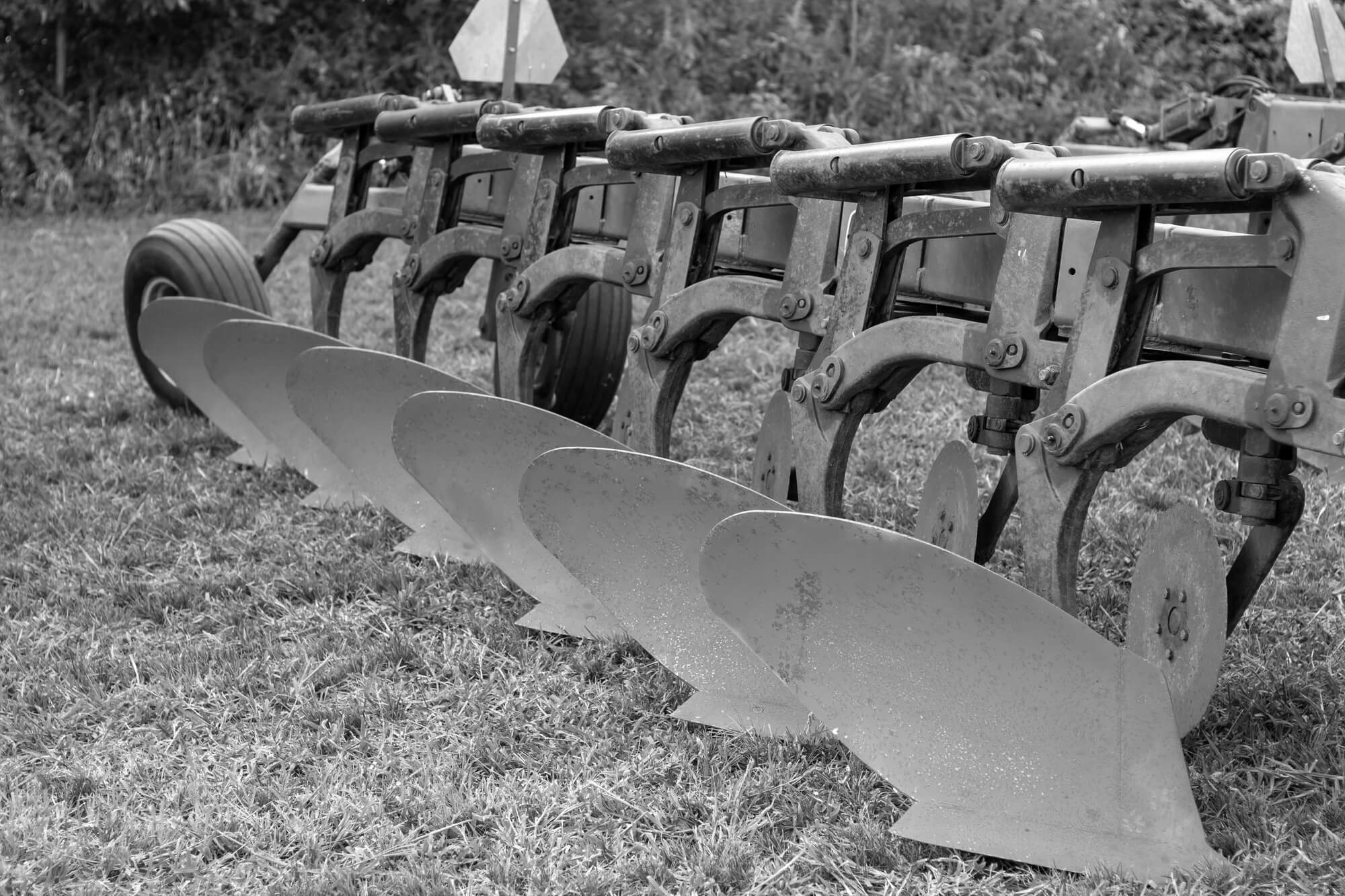
The heavy wheeled plow with an iron share, a coulter to cut the soil, and a moldboard to turn it spread across northern Europe in the early Middle Ages. It could work the heavy clay soils of the north that the Roman scratch plow could not, opening vast new farmland.
Modern plows are tractor-drawn descendants of the same three-part design.
The Horse Collar
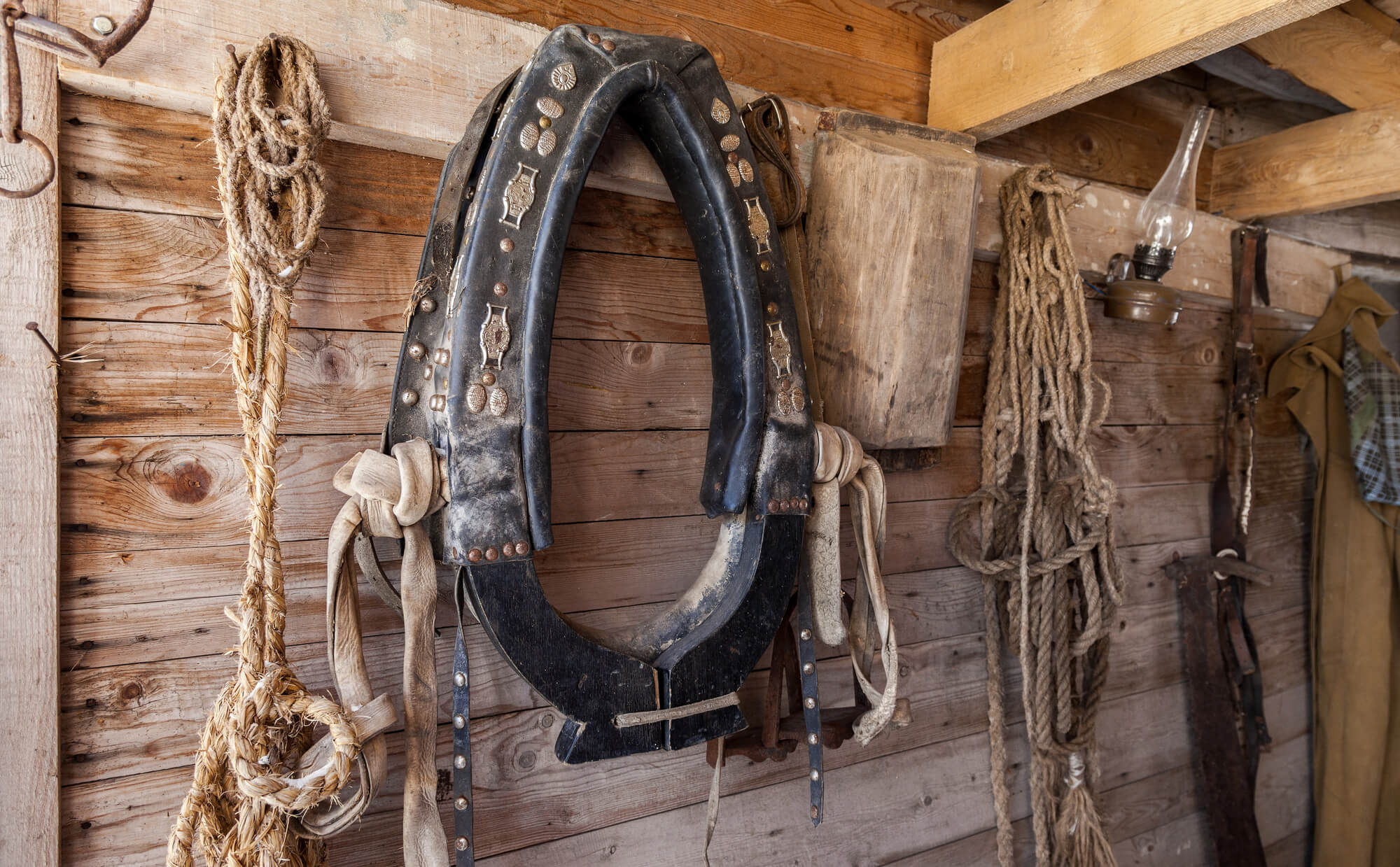
The padded horse collar, which rests on the animal’s shoulders rather than its throat, reached Europe from Asia by around the tenth century. It allowed horses to pull heavy loads without choking, and a horse could then do the work of an ox at nearly twice the speed.
Every harness in use today follows the principle.
Three-Field Crop Rotation
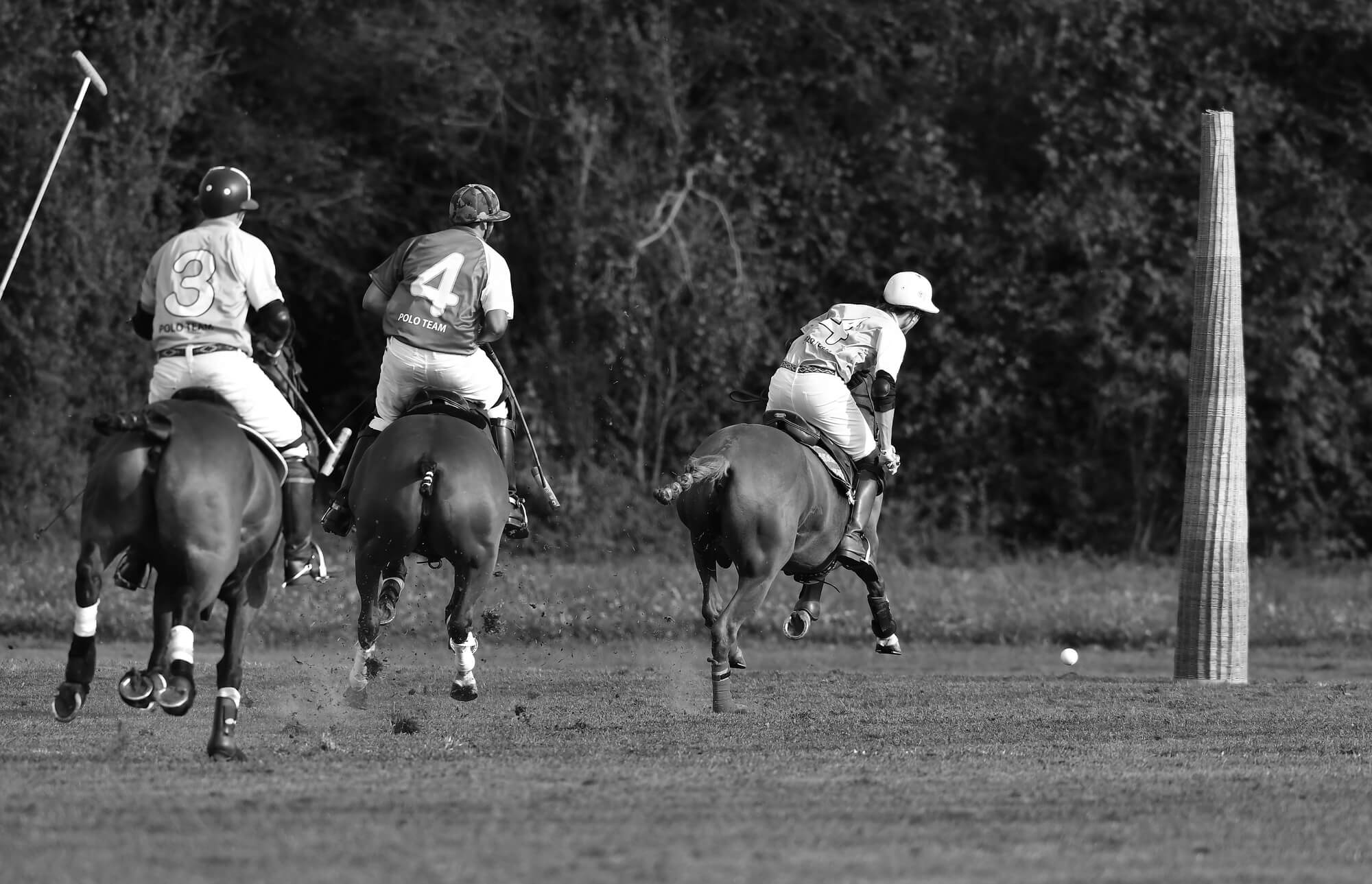
Medieval farmers in northern Europe shifted from a two-field system to a three-field rotation by the ninth century, planting winter grain, spring grain, and leaving one field fallow in turn. The change raised output by a third and introduced legumes that restored soil nitrogen.
Crop rotation remains the foundation of sustainable farming.
The Windmill

The European post mill, with a body that turned to face the wind, appeared in England and northern France in the late twelfth century. Windmills ground grain, drained wetlands, and powered industry wherever water power was unavailable.
The wind turbines on modern ridgelines are their direct descendants.
Water-Powered Industry
Romans used water mills for grain, but medieval Europeans applied water power to fulling cloth, sawing timber, crushing ore, and forging iron. The Domesday Book of 1086 recorded more than 5,600 mills in England alone.
This was the first large-scale substitution of machine power for human muscle, and the industrial revolution was its extension.
The Spinning Wheel
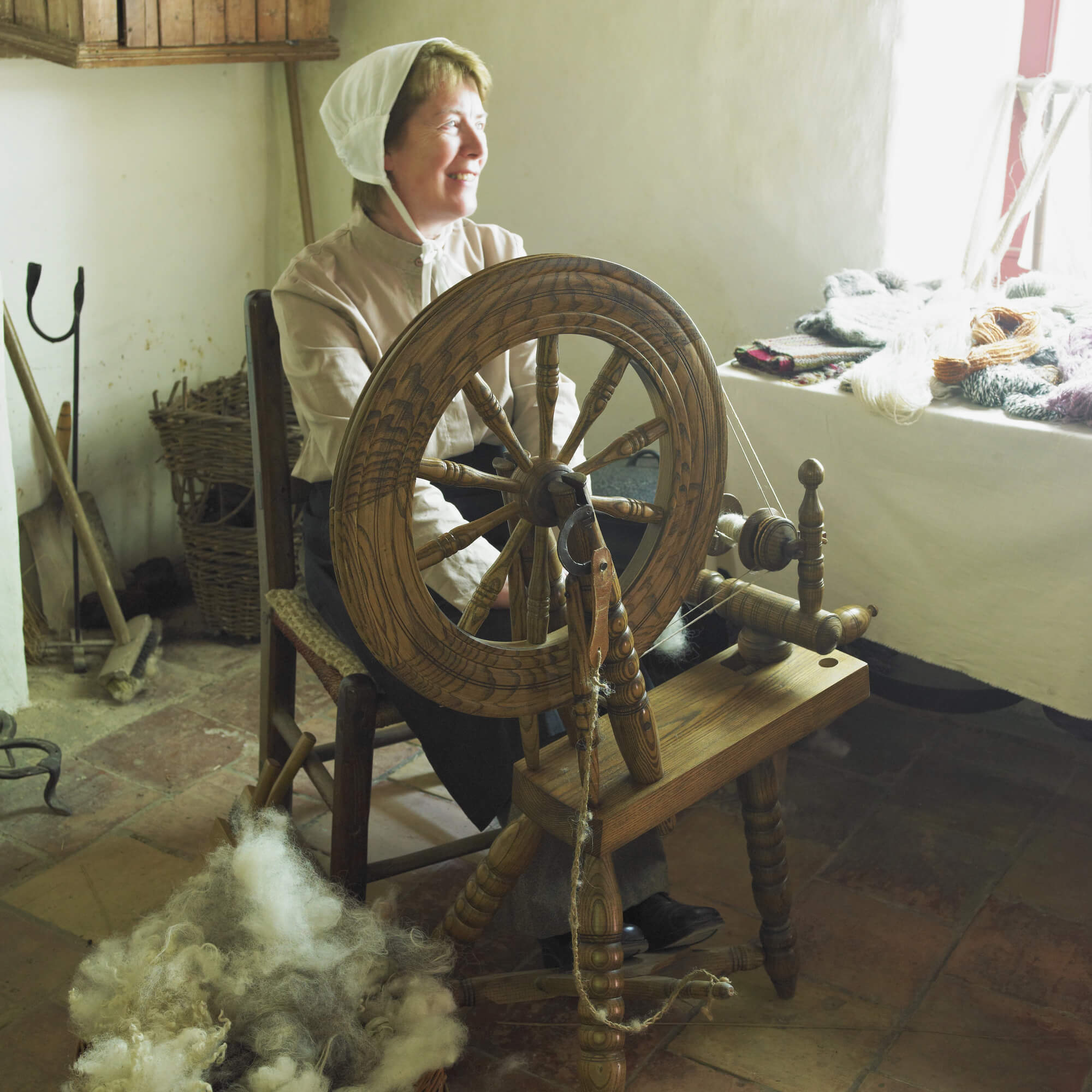
The spinning wheel reached Europe from Asia by the thirteenth century and replaced the hand spindle, making thread several times faster. Cheaper thread meant cheaper cloth, which changed clothing, trade, and household work.
The spinning frames of the eighteenth century were mechanized versions of the same idea.
The University

The University of Bologna was operating by 1088, followed by Paris and Oxford within a century, as corporations of scholars that granted degrees recognized across Europe. The structure of faculties, examinations, and degrees was a medieval creation.
Every modern university still follows the pattern, down to the gowns worn at graduation.
Quarantine

The Republic of Ragusa, now Dubrovnik, passed a law in 1377 requiring ships from plague-affected areas to wait thirty days before landing. Venice later extended the period to forty days, giving the practice its name from the Italian for forty.
Quarantine remains the first line of defense against infectious disease.
The Blast Furnace
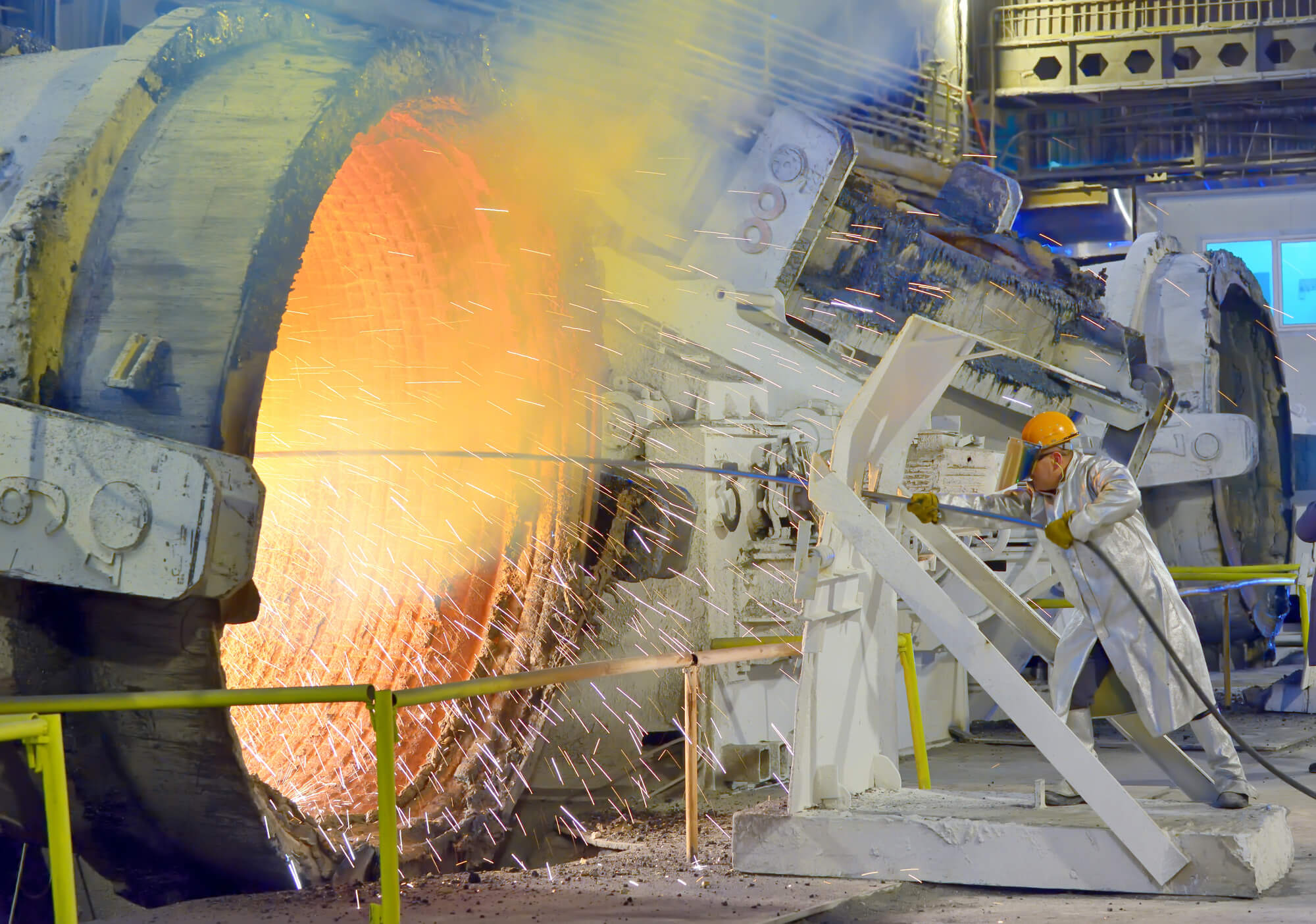
Blast furnaces capable of producing liquid cast iron appeared in Europe by the late twelfth or thirteenth century, with early examples in Sweden and the Rhineland. Cast iron allowed the production of cannon, pots, and later machine parts in quantity.
Modern steelmaking begins with a blast furnace that a medieval ironmaster would recognize in principle.
The Stirrup
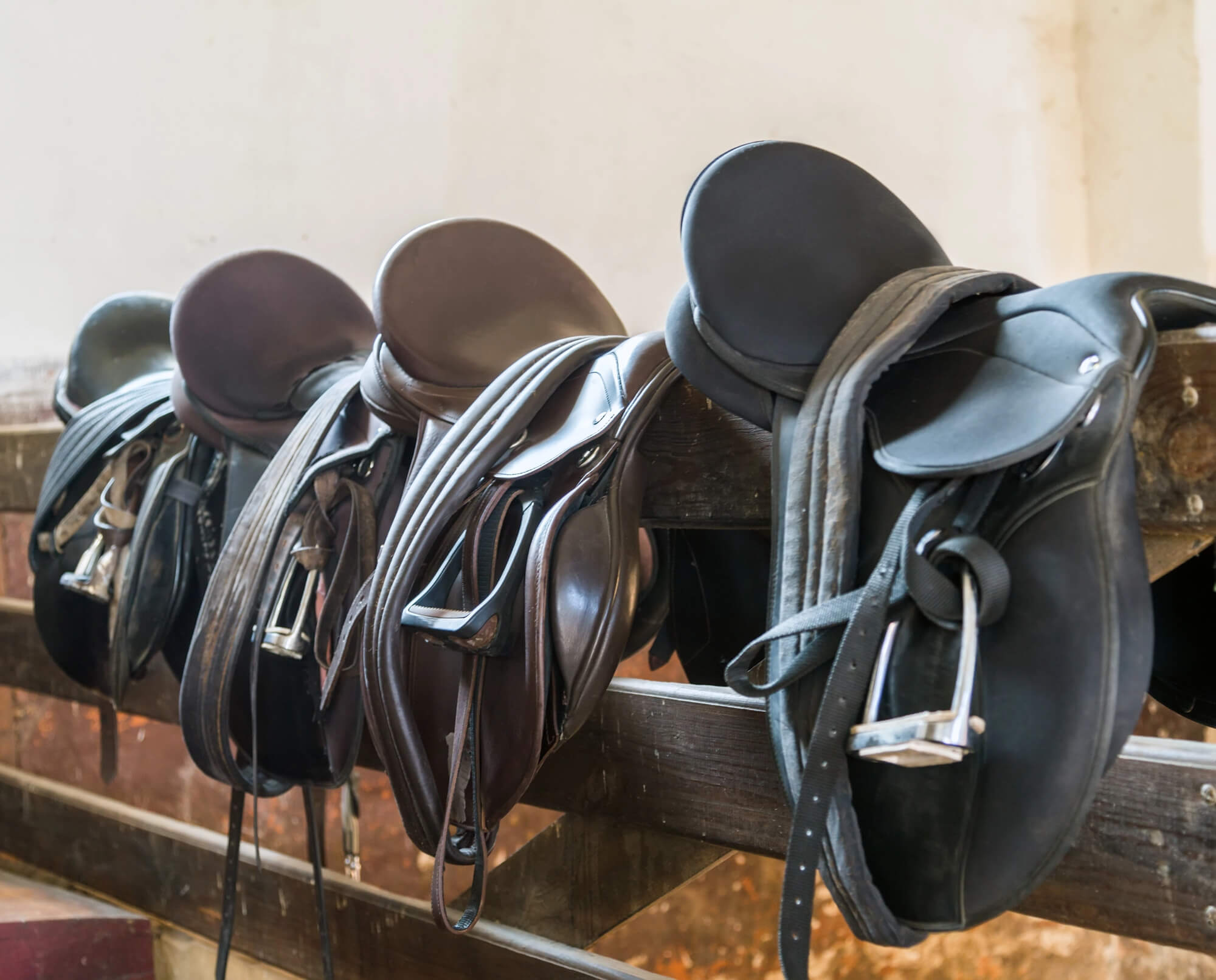
The stirrup, developed in Asia, spread through Europe in the early Middle Ages and gave riders a stable platform for fighting from horseback. Historians have argued about how much it shaped feudal society, but there is no argument about its persistence.
Every saddle made today has stirrups.
The Magnetic Compass in Europe
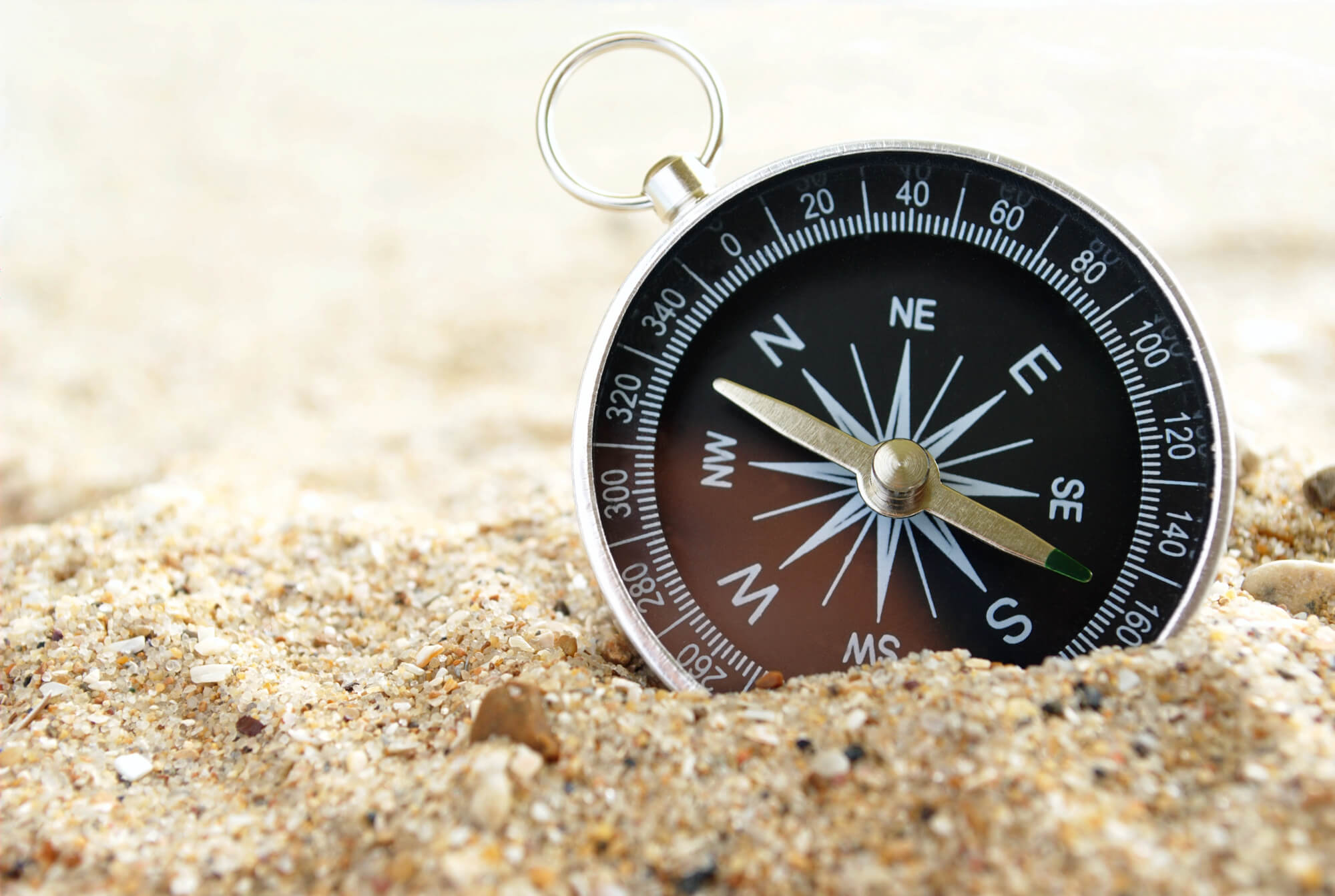
Chinese navigators used magnetized needles first, but European sailors adopted the compass by the late twelfth century and mounted the needle on a pivot in a box with a marked card. The dry compass made it practical to sail out of sight of land in overcast weather.
Modern navigation still orients itself by the same magnetic north.
The Stern Rudder

The rudder mounted on the sternpost, controlled by a tiller, replaced the steering oar in northern European ships during the twelfth century. It allowed larger ships to be steered with less effort and made the ocean voyages of later centuries possible.
Every ship and boat with a rudder on the centerline follows the medieval arrangement.
Gunpowder Weapons
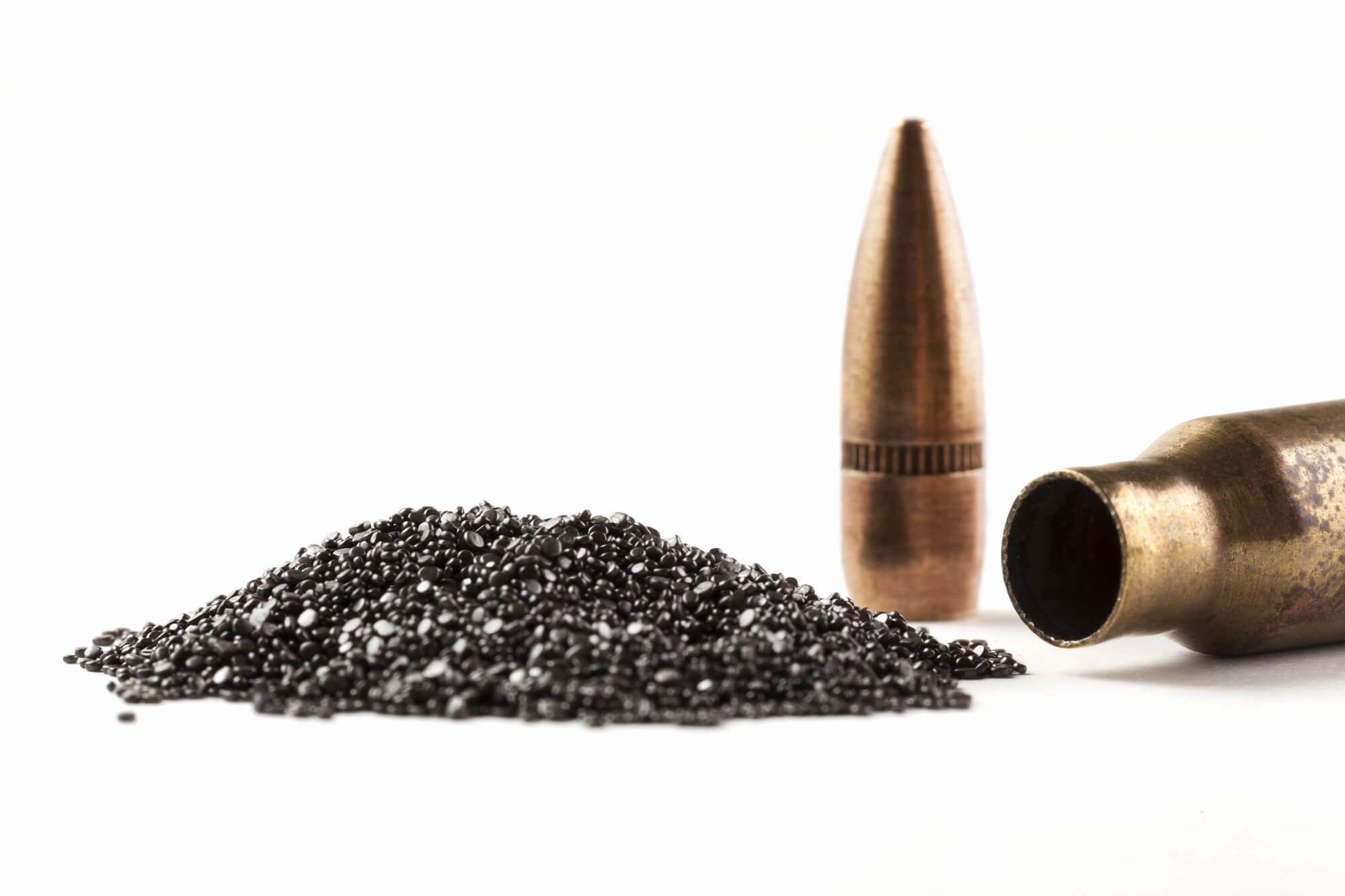
Gunpowder came from China, but European smiths produced the first cannon by the 1320s, and an illustration from 1326 shows a vase-shaped gun firing an arrow. Firearms ended the dominance of castles and armored knights within two centuries.
The chemistry and the basic mechanism of a gun have changed less than most people assume.
Paper Mills
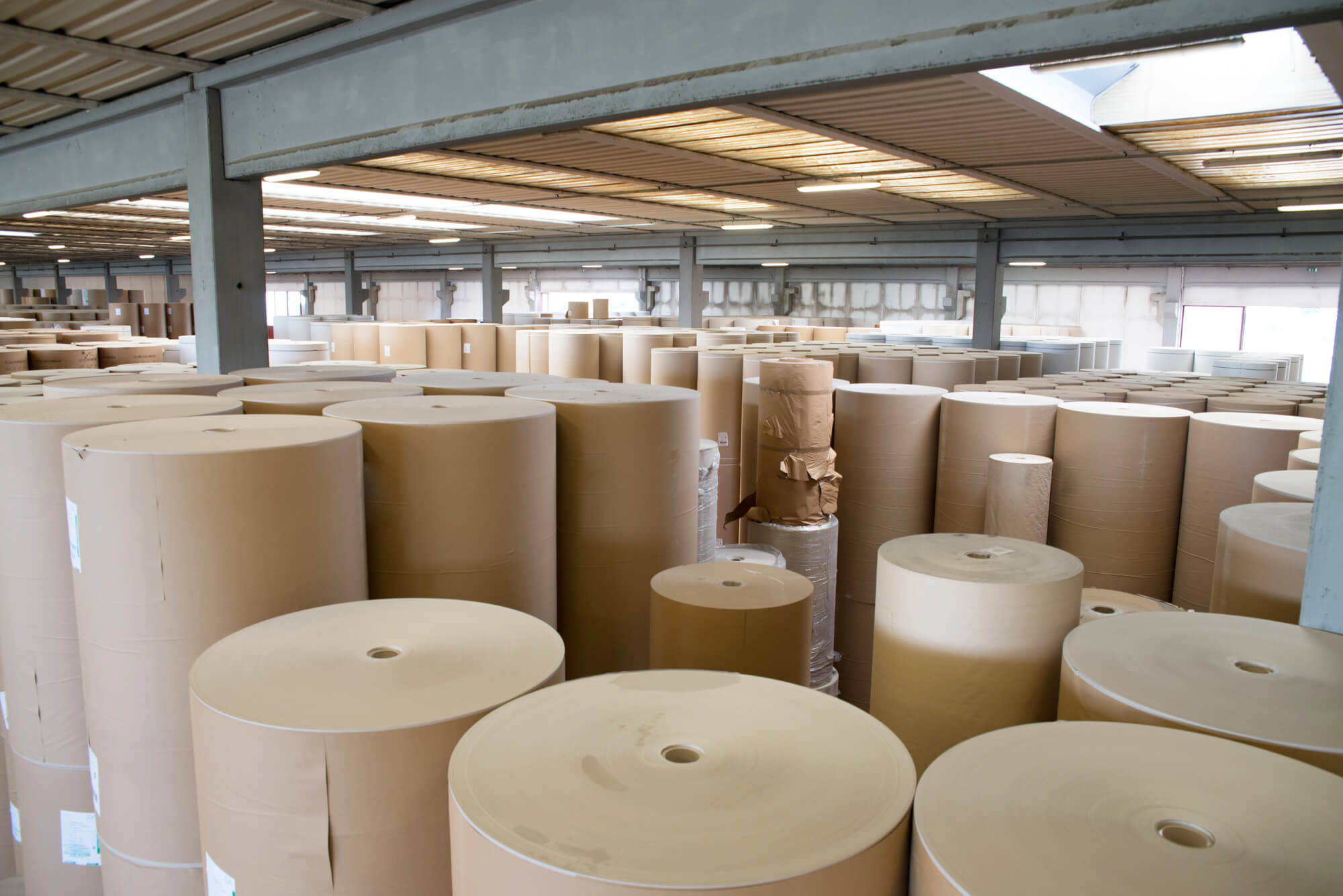
Paper was a Chinese invention that reached Europe through the Islamic world, but European mills at Fabriano in Italy mechanized production in the late thirteenth century with water-powered stamping hammers and introduced watermarks. Cheap paper made the printing press worth building.
Paper remains the medium for most of the world’s records, even in a digital age.
Arabic Numerals
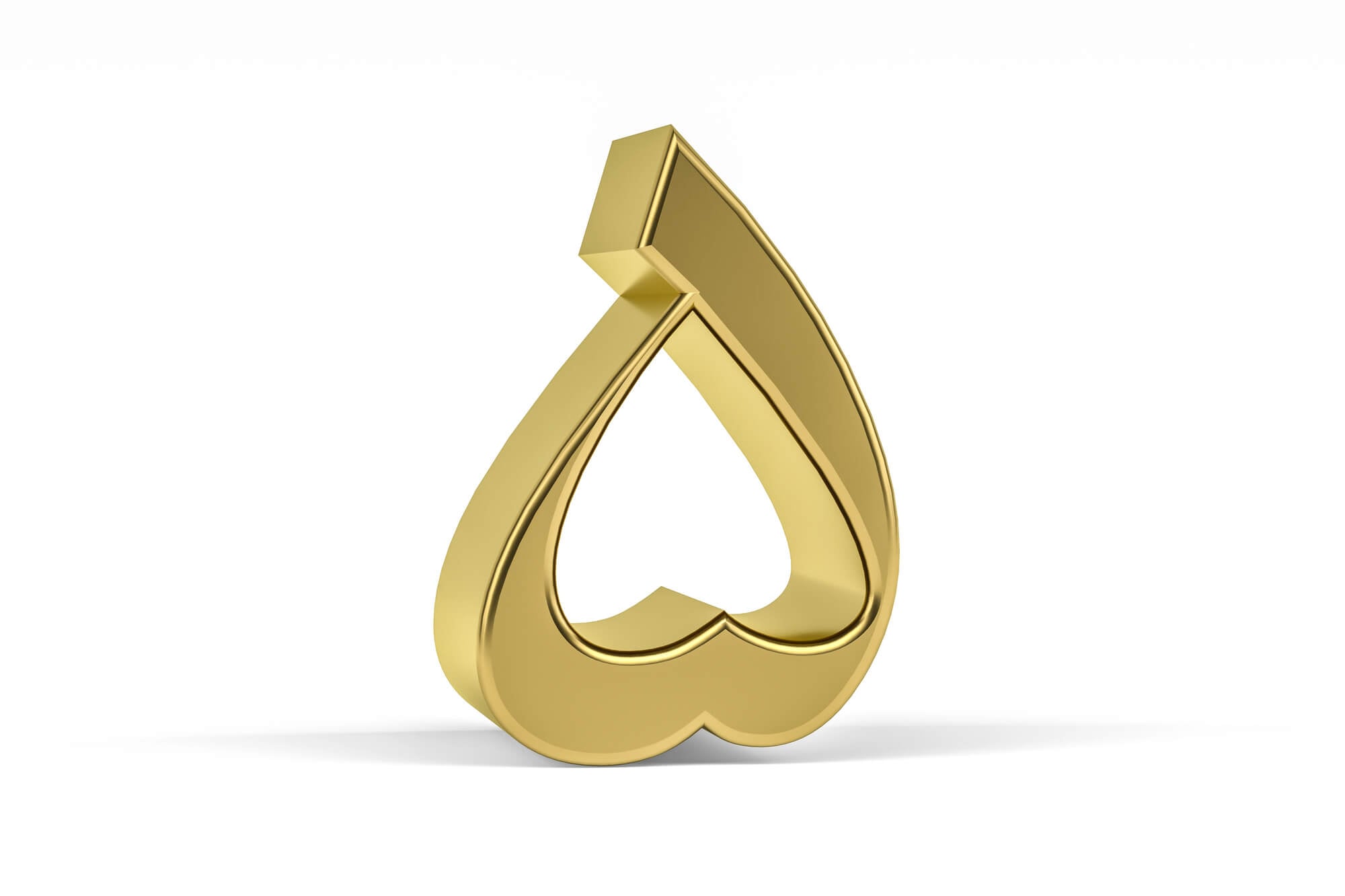
Leonardo of Pisa, called Fibonacci, published Liber Abaci in 1202 and introduced the Hindu-Arabic numeral system, including zero, to European merchants. The numerals replaced Roman ones over the following centuries because arithmetic became dramatically easier.
Every number on every screen today uses the system he promoted.
Double-Entry Bookkeeping

Italian merchants in Genoa, Florence, and Venice developed double-entry bookkeeping in the fourteenth century, recording every transaction as both a debit and a credit. Luca Pacioli described the system in print in 1494, and it spread across Europe.
Every corporate balance sheet in the world is built on it.
Bills of Exchange and Banking

Medieval Italian bankers, including the Medici, developed the bill of exchange, a document that allowed a merchant to deposit money in one city and withdraw it in another without carrying coin. The practice created international banking and the first large financial houses.
Modern wire transfers and letters of credit are its descendants.
The Chimney
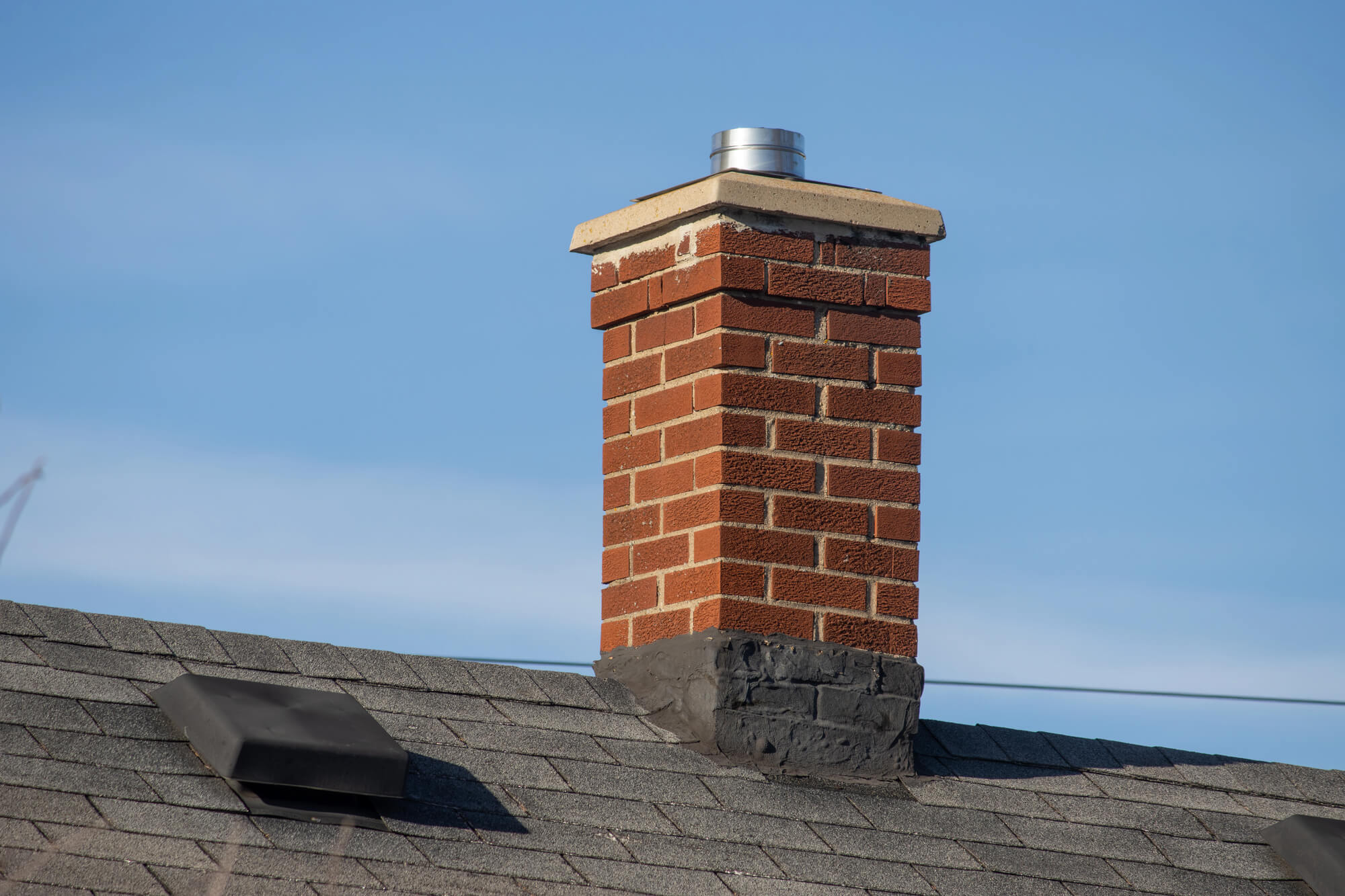
Fireplaces with chimneys that drew smoke up and out of the room appeared in northern Europe by the twelfth century, replacing the central hearth with a smoke vent in the roof. The chimney allowed multi-story buildings with heated rooms on each floor and private rooms rather than one common hall.
Domestic architecture has never gone back.
The Wheelbarrow in Europe
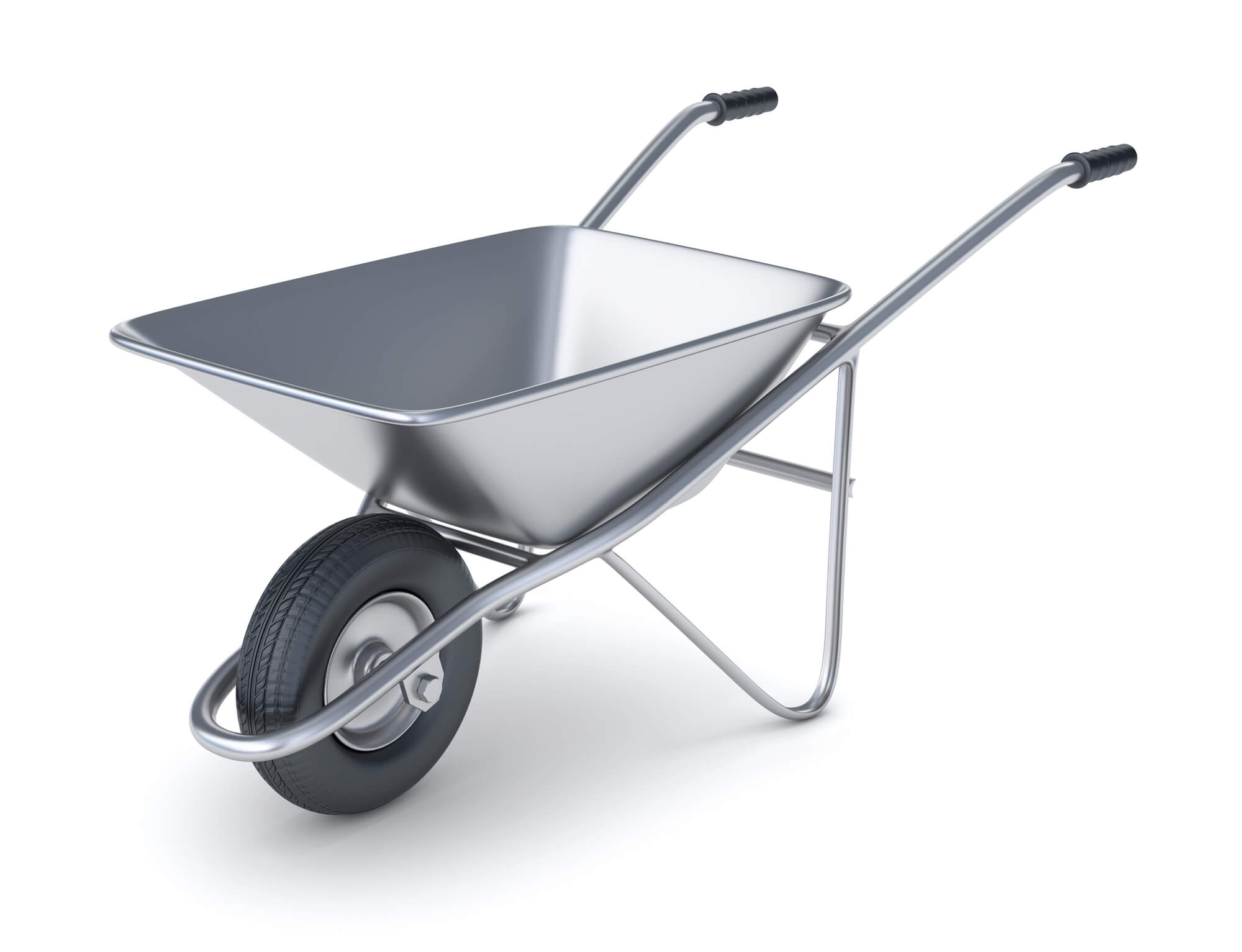
The wheelbarrow appeared in European records in the late twelfth or early thirteenth century, with the wheel at the front and the load behind, unlike the Chinese design with a central wheel. It let one worker move what previously took two, and it became standard on building sites and farms.
The design on sale at any hardware store is unchanged.
Distilled Spirits

Scholars at the medical school of Salerno in the twelfth century distilled wine to produce concentrated alcohol, which they called aqua vitae, the water of life. The technique spread from medicine to drink, producing brandy, whisky, and every other spirit.
The pot still of a modern distillery works on the same principle.
The Hourglass
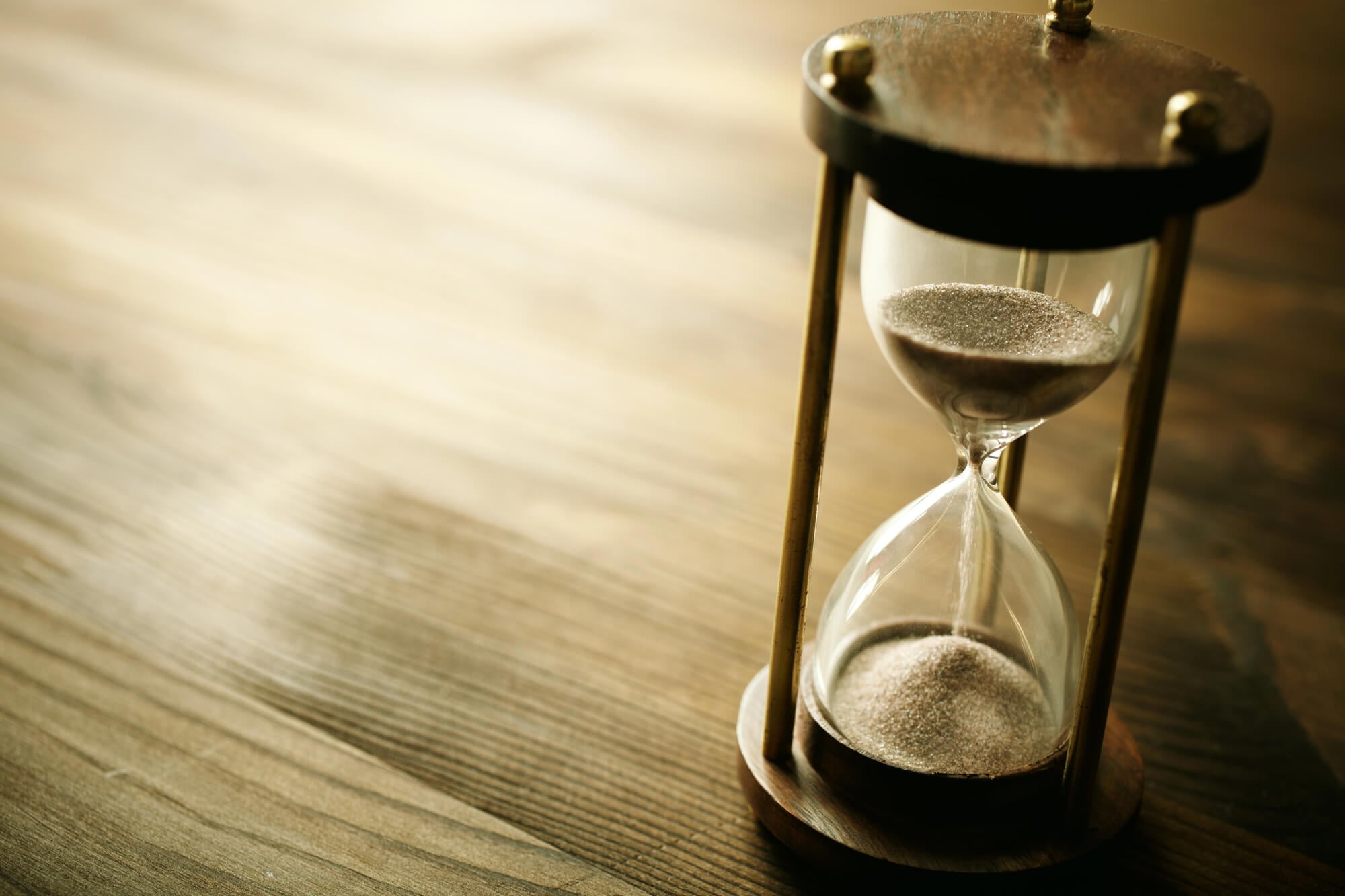
The hourglass appears in European records by the fourteenth century, and an Italian fresco from 1338 shows one clearly. It was the reliable timekeeper at sea, where mechanical clocks failed, and it measured the watches on every ship for centuries.
The hourglass icon is still the symbol of waiting on screens worldwide.
Musical Notation
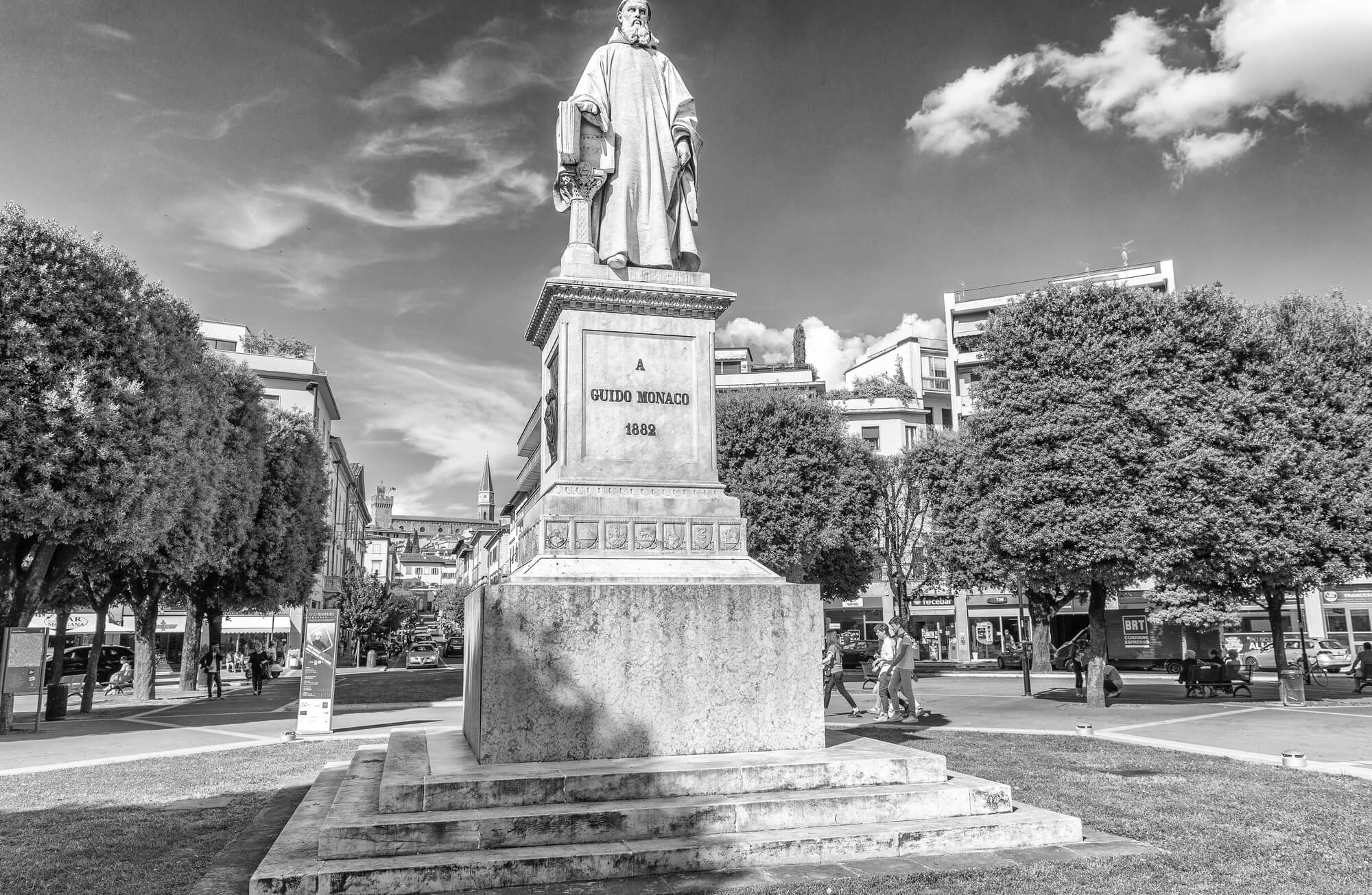
Guido of Arezzo, an Italian monk, developed the four-line staff and the solfège syllables in the early eleventh century, allowing singers to learn music they had never heard. His system reduced the time to train a choir from years to months.
The five-line staff used today is a direct extension of his work.
The Flying Buttress
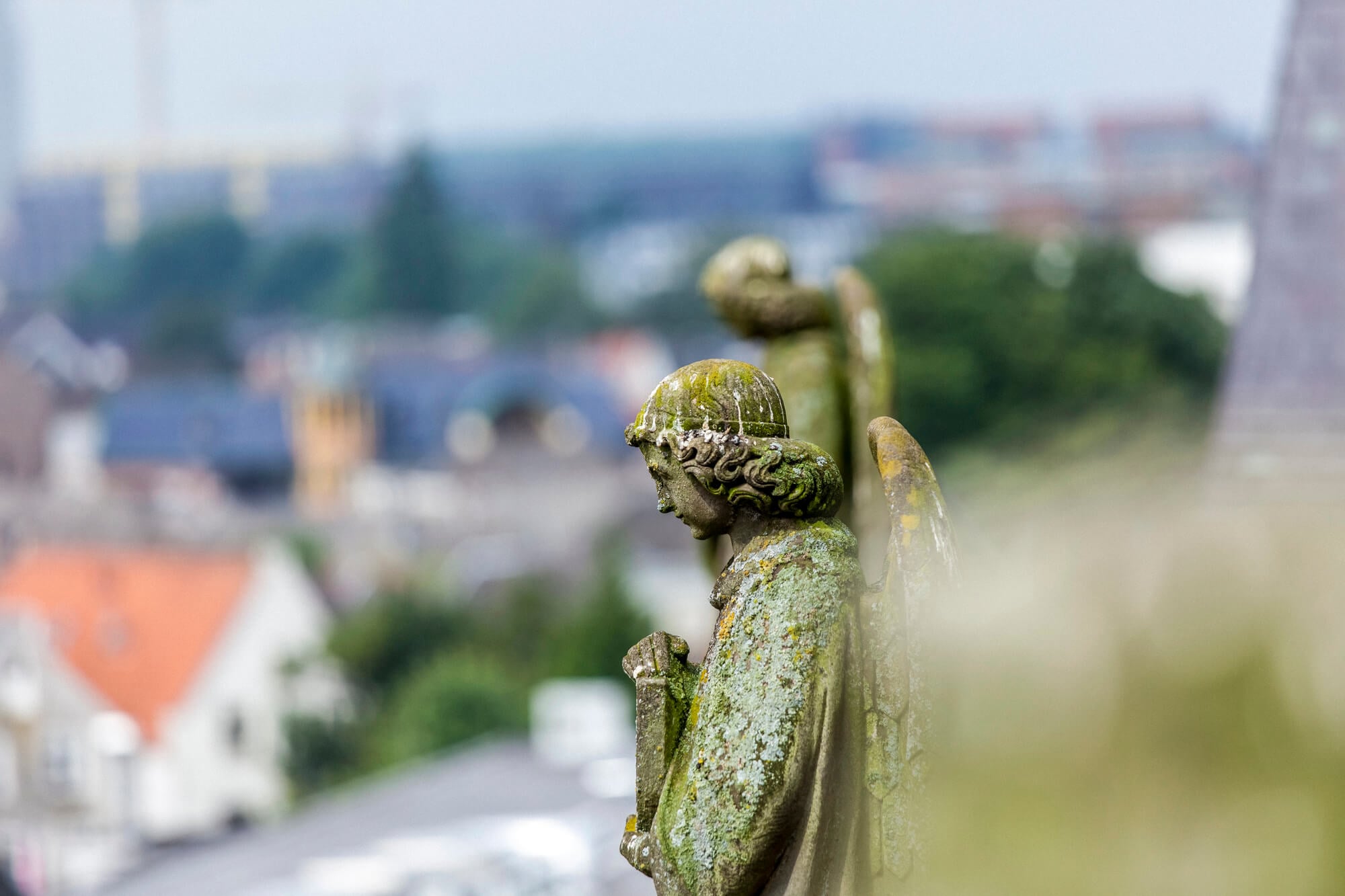
Gothic builders in the twelfth century, beginning with the cathedrals of northern France, moved the supports for a vaulted ceiling outside the wall as external arches. The flying buttress allowed walls to be thin and pierced with enormous windows.
Modern structural engineering, with its separation of load-bearing frames from curtain walls, follows the same logic.
The Long Afternoon of the Middle Ages

The inventions here share a quality: they were improvements to ordinary work, made by people who mostly left no names. A plowman wanted a plow that could cut clay, a monk wanted a clock that would wake him for prayer, a merchant wanted to know whether he was making money.
None of them was trying to change the world.
That is the quiet argument against the phrase Dark Ages. The centuries it describes gave later ones the tools to measure time, read at night, count in zeros, and balance a ledger.
The modern world did not replace the medieval one so much as keep its equipment.
More from Go2Tutors!

- The Romanov Crown Jewels and Their Tragic Fate
- 13 Historical Mysteries That Science Still Can’t Solve
- Famous Hoaxes That Fooled the World for Years
- 15 Child Stars with Tragic Adult Lives
- 16 Famous Jewelry Pieces in History
Like Go2Tutors’s content? Follow us on MSN.