26 National Flags Retired When Countries Changed
A flag usually outlives its generation of leaders, but not always. When a state dissolves, merges, gains independence or changes government, its flag can disappear almost overnight.
Some of the designs below flew for decades, others for only a few years.
Each one marks a border, a federation or a political experiment that no longer exists in that form. Together they work as a quick tour of the 20th century’s redrawn map.
Soviet Union
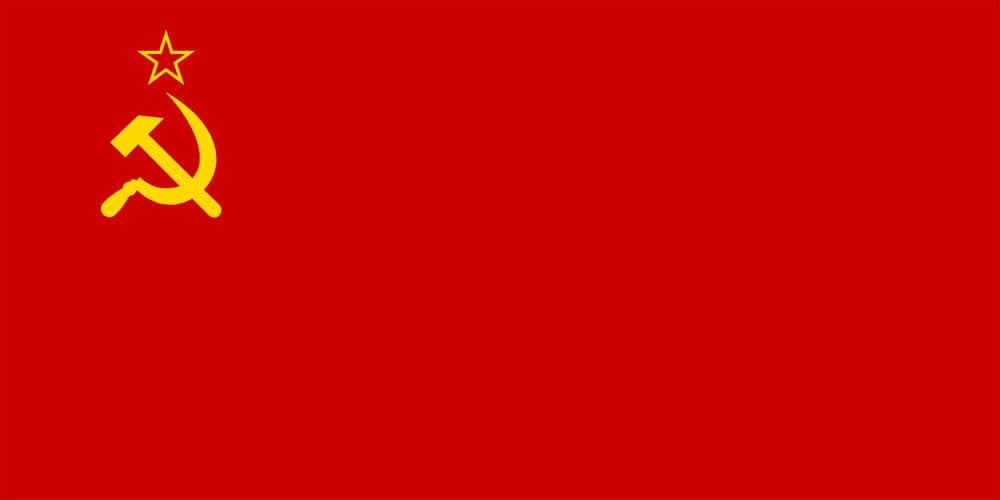
The Soviet flag, a red field with a hammer, sickle and star, was adopted in 1923. The state dissolved on December 26, 1991. The flag came down over the Kremlin that same month.
Czechoslovakia
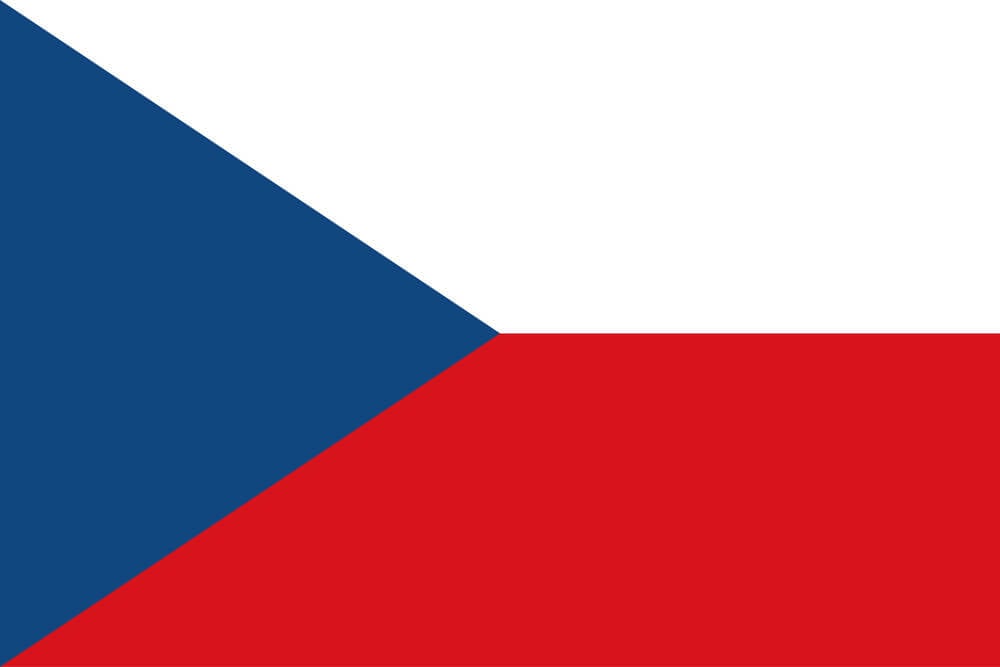
The Czechoslovak flag was adopted on March 30, 1920. It went out of use from 1939 to 1948 and was used again until the country dissolved in 1993.
Its blue triangle on a white and red field remains familiar from older maps.
East Germany
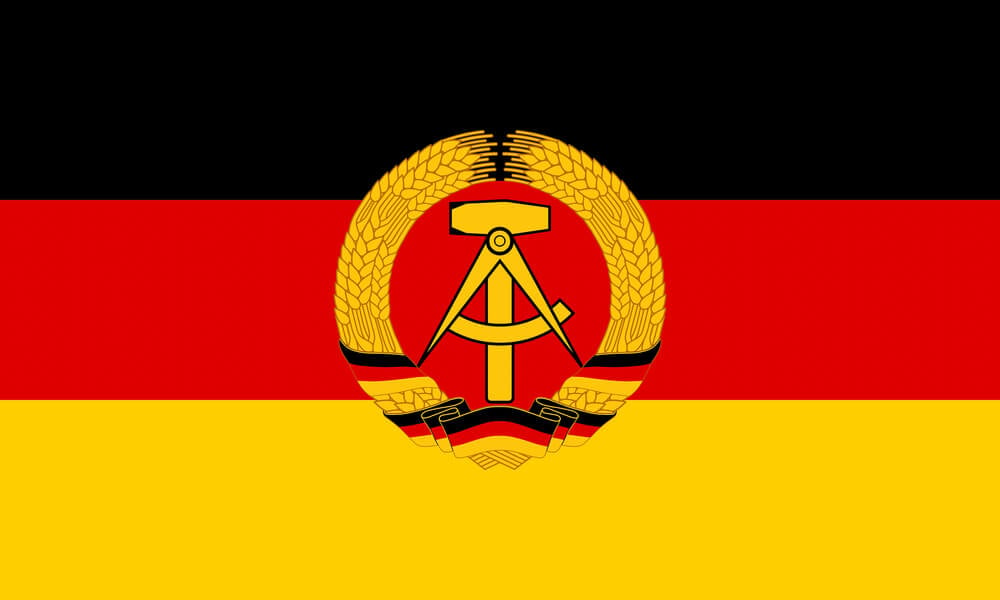
East Germany added its emblem to the flag on October 1, 1959. The emblem showed a hammer, a compass and a wreath of wheat. The state relinquished it on October 3, 1990, when Germany reunified.
Zaire
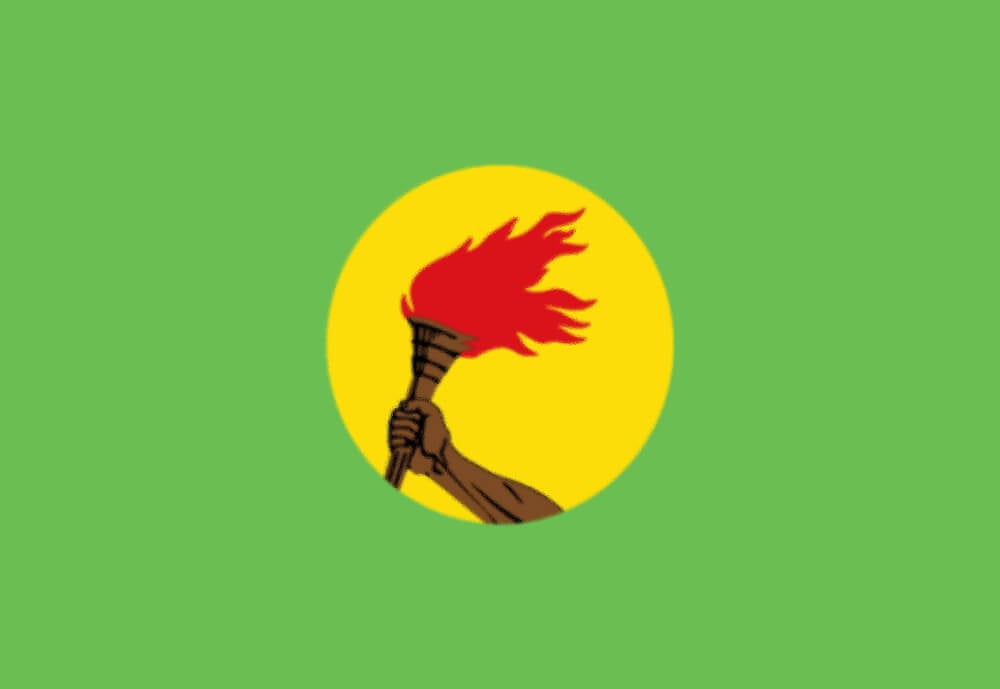
Zaire’s green flag, with a hand holding a torch, was adopted on November 19, 1971. It flew until 1997, when the country was renamed. The torch design belonged to a particular political era.
South Yemen

South Yemen’s flag was adopted on November 30, 1967. It has been out of use since the merger of the two Yemens on May 22, 1990. The merger folded the country into a single state.
Yugoslavia
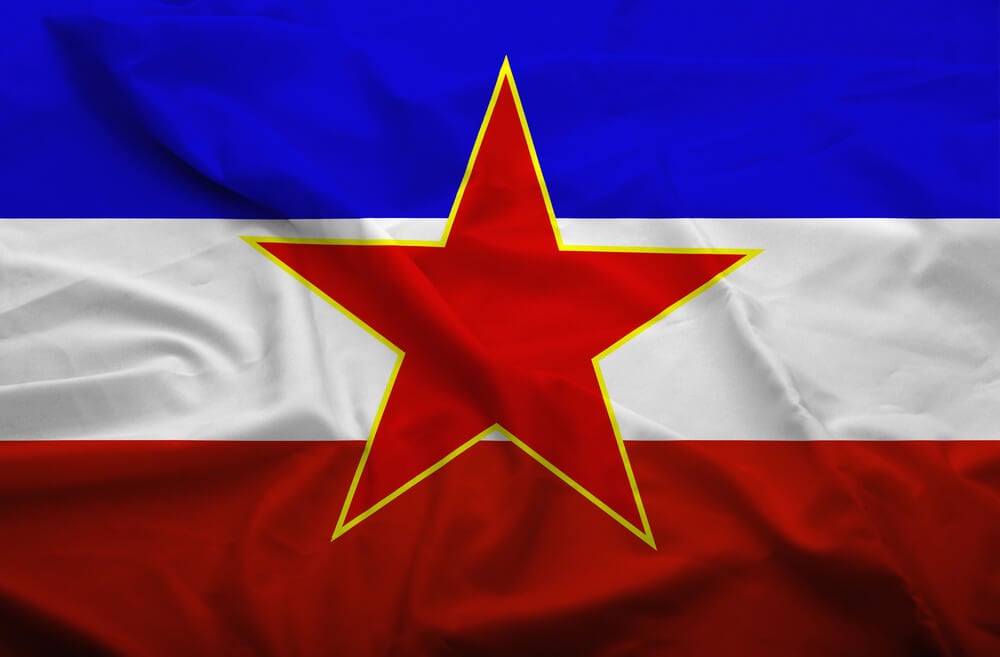
The federal flag of Yugoslavia carried a red star. A new flag for Serbia and Montenegro, then known as Yugoslavia, was adopted on April 27, 1992. The change reflected a country that had already begun to split apart.
Trust Territory of the Pacific Islands
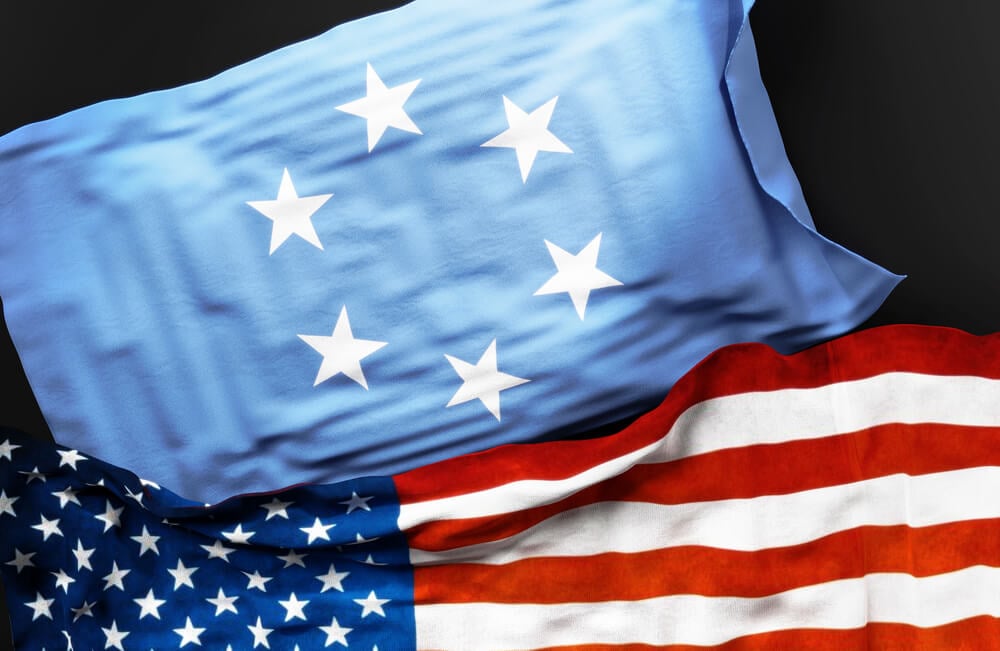
The Congress of Micronesia adopted this flag in July 1965, and it became official on August 19, 1965. It has been out of use since the territory dissolved in 1994.
The territory covered scattered island groups in the Pacific.
Rhodesia
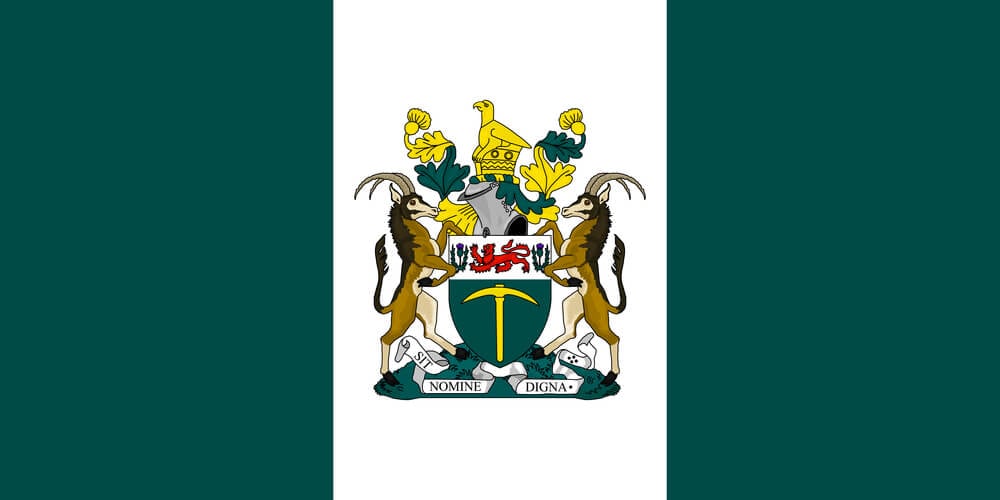
Rhodesia flew two successive flags, one from 1965 to 1968 and another from 1968 to 1979. The second marked a change in the country’s constitutional claims. Both were retired when the state ended.
Federation of Rhodesia and Nyasaland
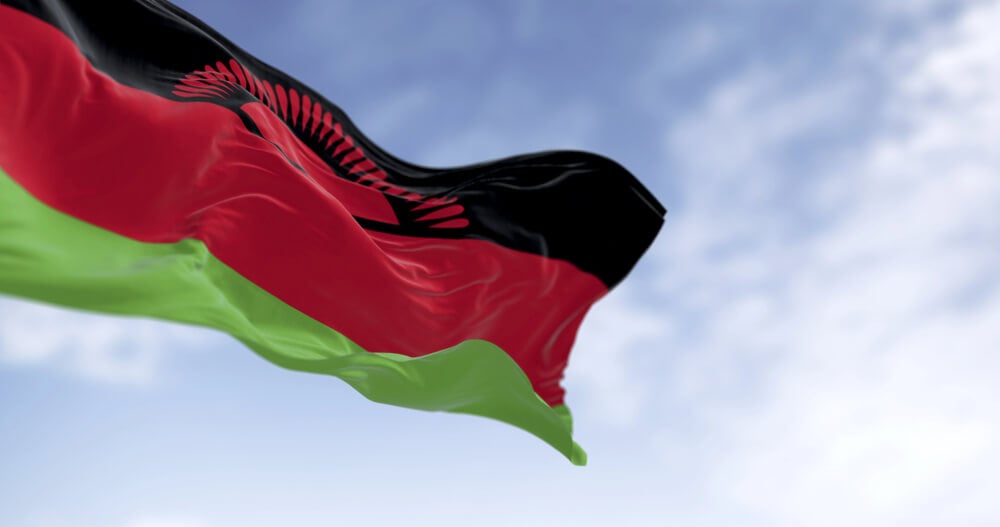
The federation used its own flag from 1953 to 1963. It combined three territories under a single government. The union lasted only a decade.
Union of South Africa

The Union of South Africa existed from 1910 to 1961, and its flag was used from 1928 to 1961. The flag was replaced when the country became a republic. It marked more than three decades of a particular constitutional status.
Orange Free State

The Orange Free State flag dates from 1854 to 1902. It belonged to a Boer republic that ceased to exist in 1902. The flag represents nearly half a century of independence.
South African Republic
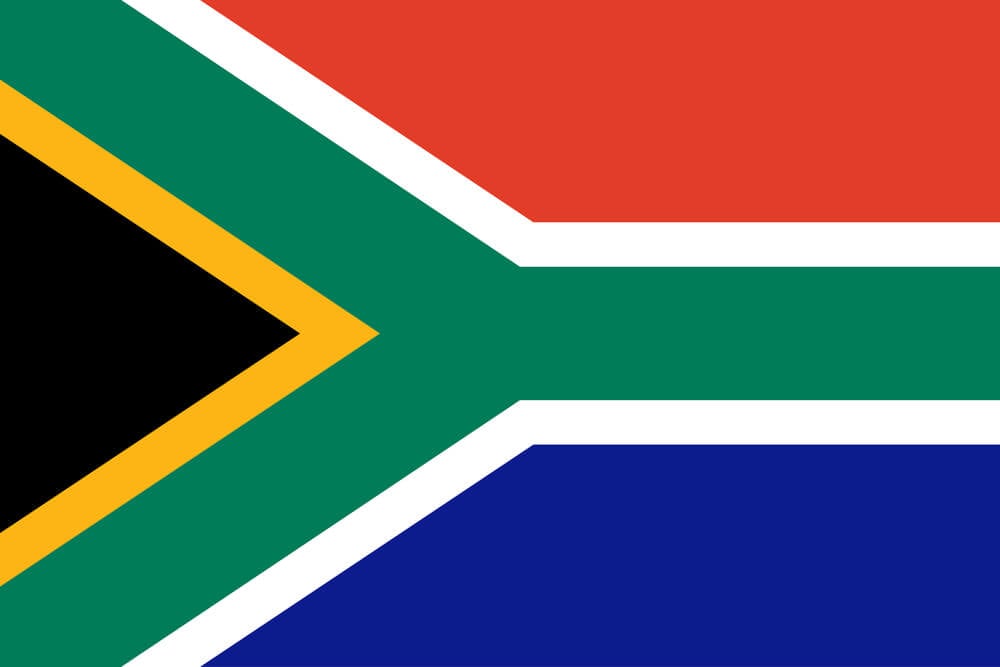
The South African Republic flew its flag from 1856 to 1877 and again from 1881 to 1902. The gap reflects a period of foreign annexation. The flag came down for good in 1902.
Republic of the Rif
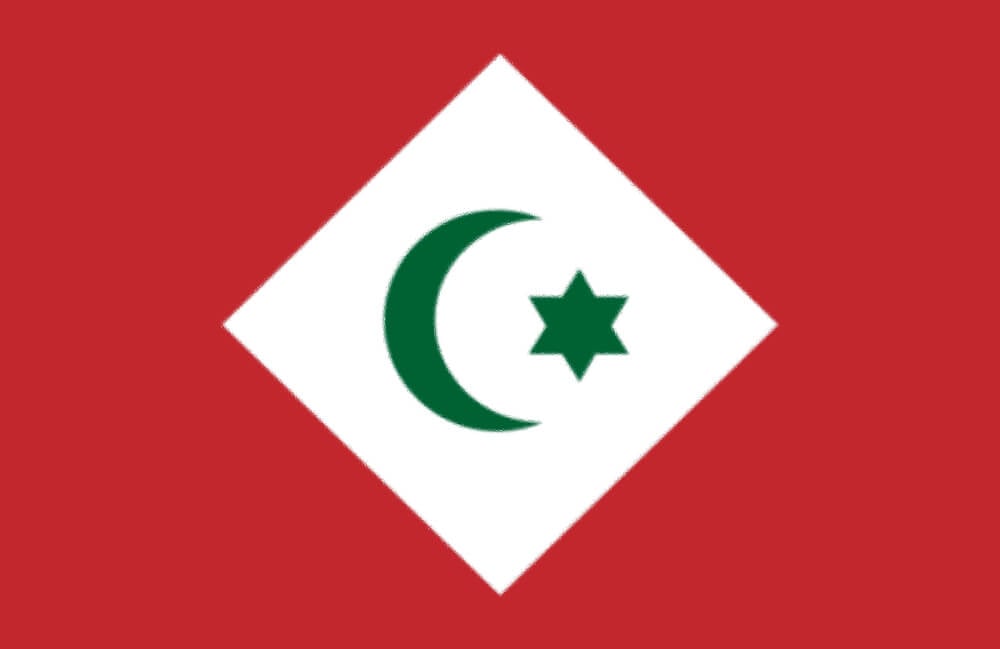
The Republic of the Rif existed from 1921 to 1926. Its flag flew over a short-lived state in northern Morocco. The republic fell after only five years.
Cabinda
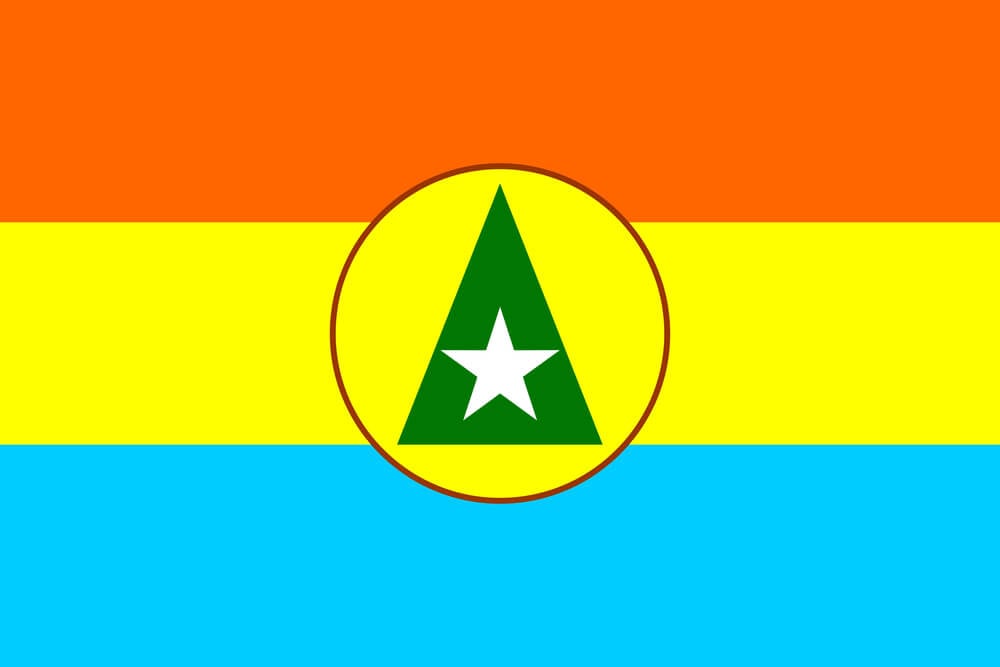
Cabinda was de facto independent from 1975 to 1976, and its flag marks that brief interval. The territory is an exclave of Angola. It was absorbed after about a year.
Tanganyika
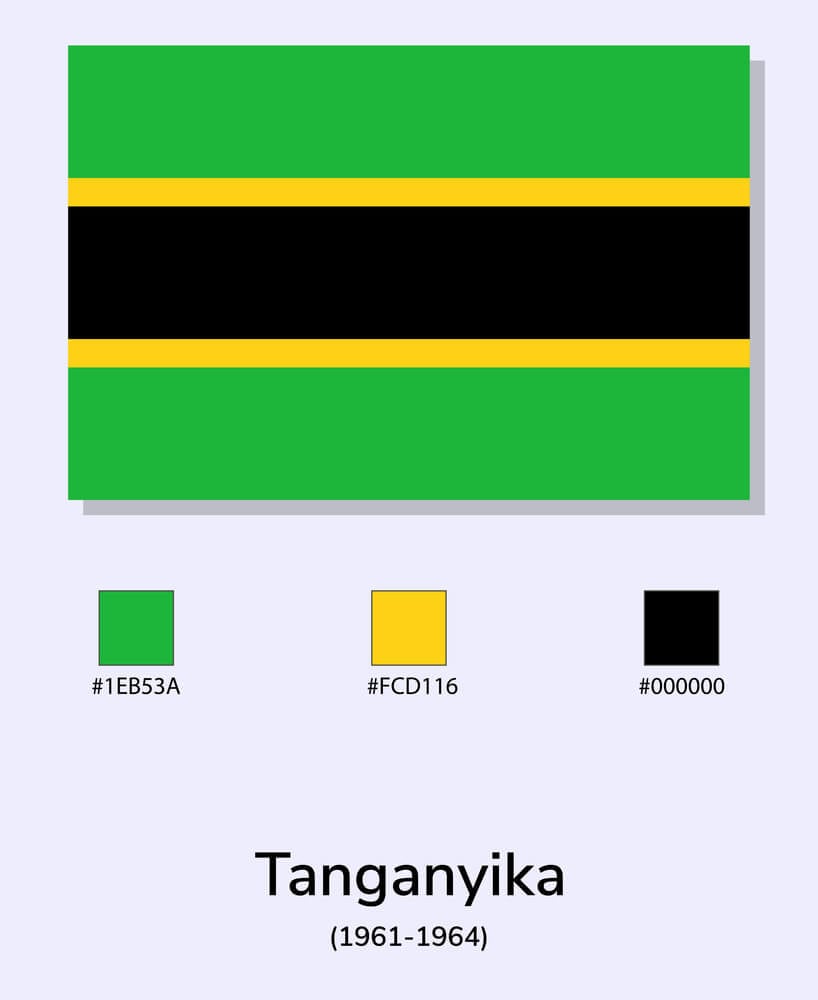
Tanganyika’s flag was used from 1961 to 1964. It was retired when the country united with Zanzibar. The union formed a new state.
Zanzibar
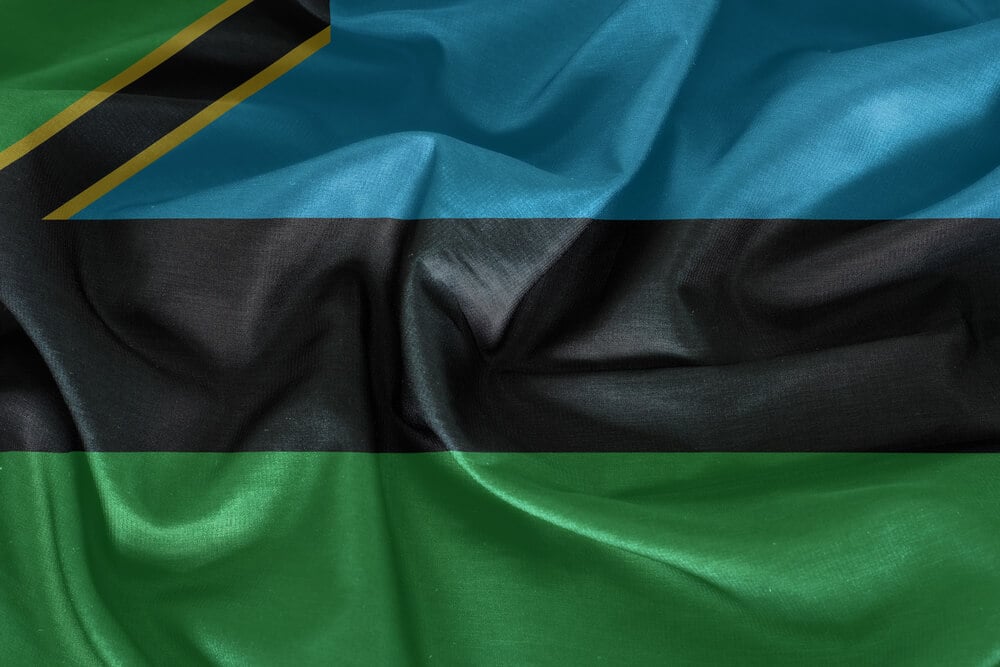
The Sultanate of Zanzibar flew a flag from 1963 to 1964, followed by the flag of the People’s Republic of Zanzibar in 1964. Both were replaced after the union with Tanganyika. A new flag for Tanzania was adopted in 1964.
United Arab Republic
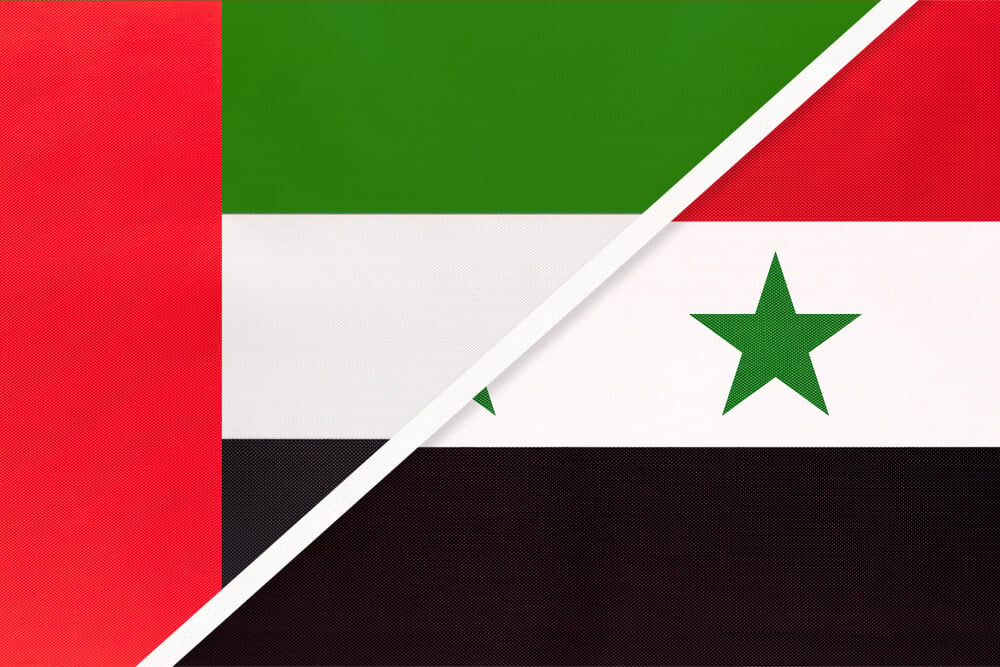
The United Arab Republic’s flag was adopted on February 22, 1958. Syria abandoned it on September 28, 1961. Egypt used it until 1972, and Syria readopted it in 1980.
South Vietnam
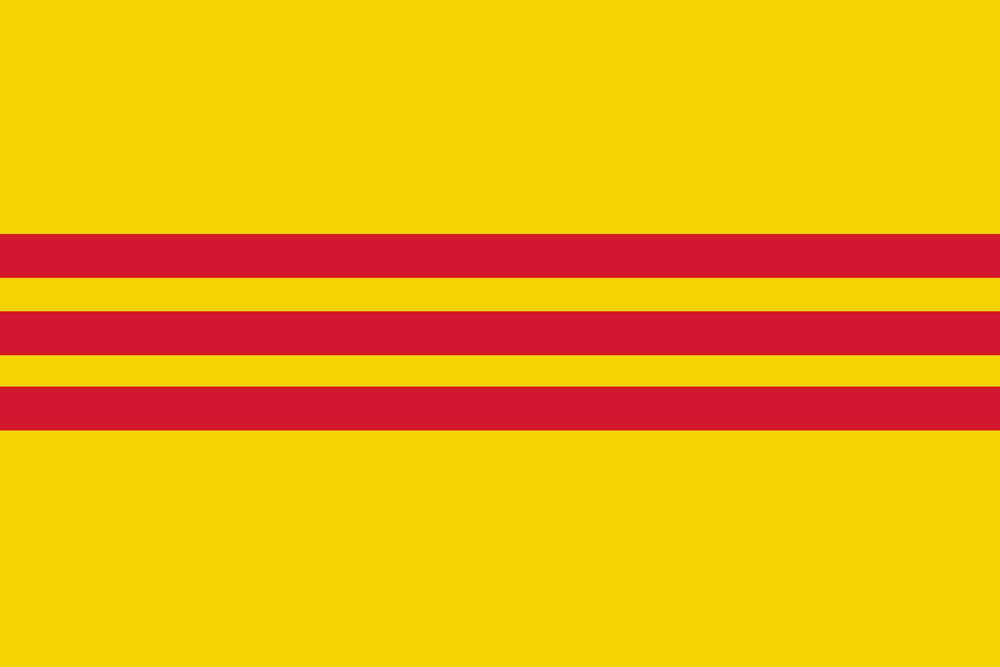
South Vietnam’s flag was yellow with three red stripes. The state fell on April 30, 1975. The flag is still flown by many overseas Vietnamese communities.
Venda
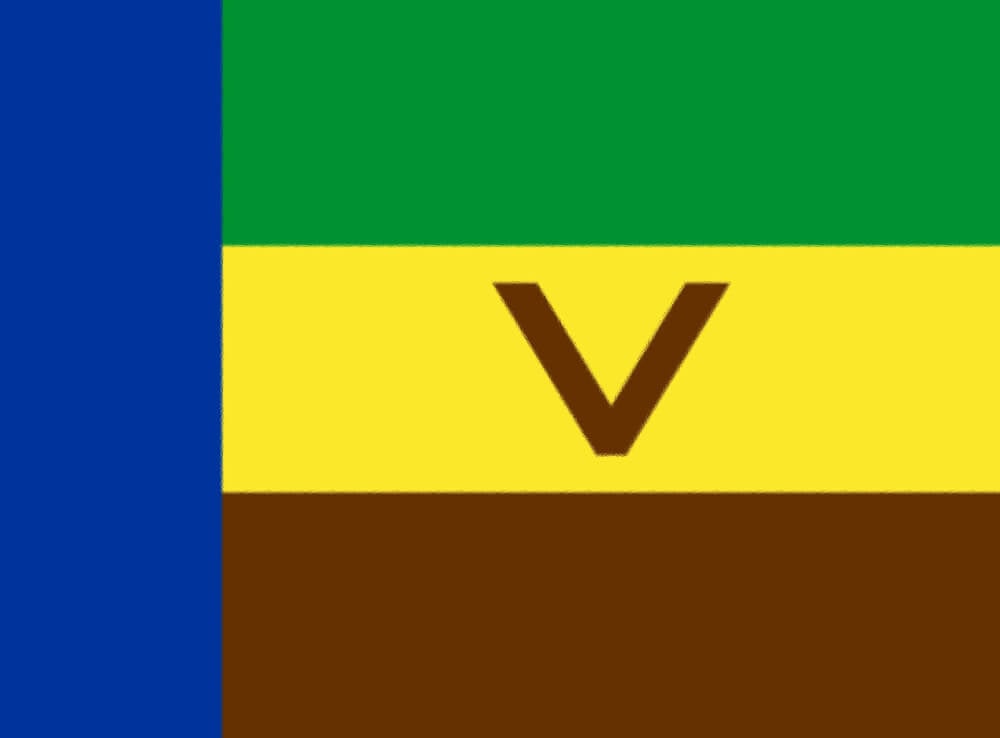
Venda’s flag was used from 1979 to 1994. It belonged to one of South Africa’s nominally independent homelands. The homelands were reintegrated in 1994.
Transkei
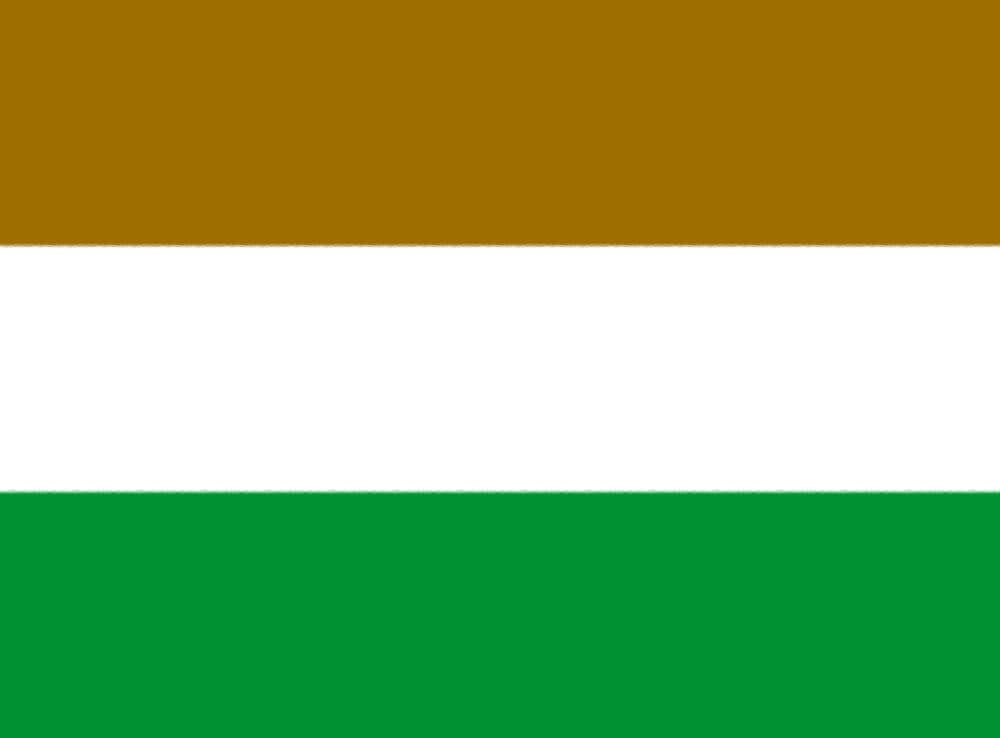
Transkei’s flag was used from 1976 to 1994. It was another of the homeland flags retired when South Africa reintegrated them. Its use was bound up with the apartheid system.
South Kasai
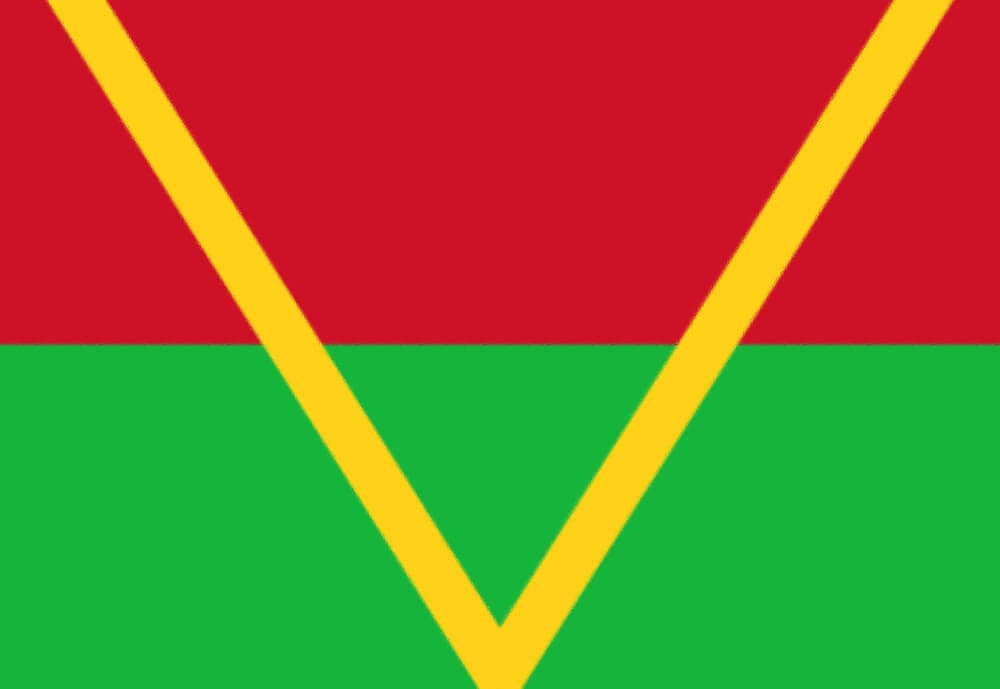
South Kasai was a breakaway state from 1960 to 1962. Its flag flew during the turmoil that followed Congolese independence. The state was short-lived.
Dominion of Newfoundland
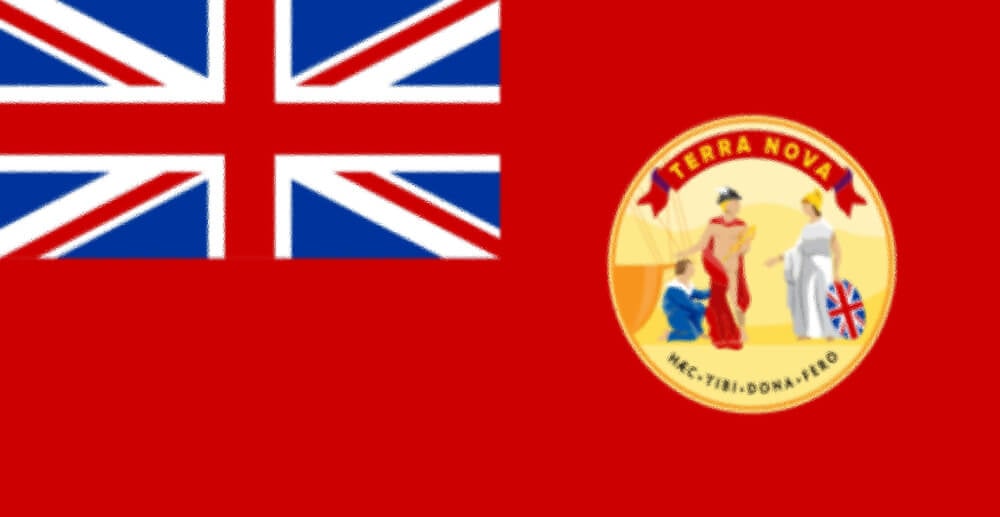
Newfoundland was a self-governing dominion from 1907 to 1934. Its flag recalls a time when it was a country in its own right. It later became a province of Canada.
Natalia Republic
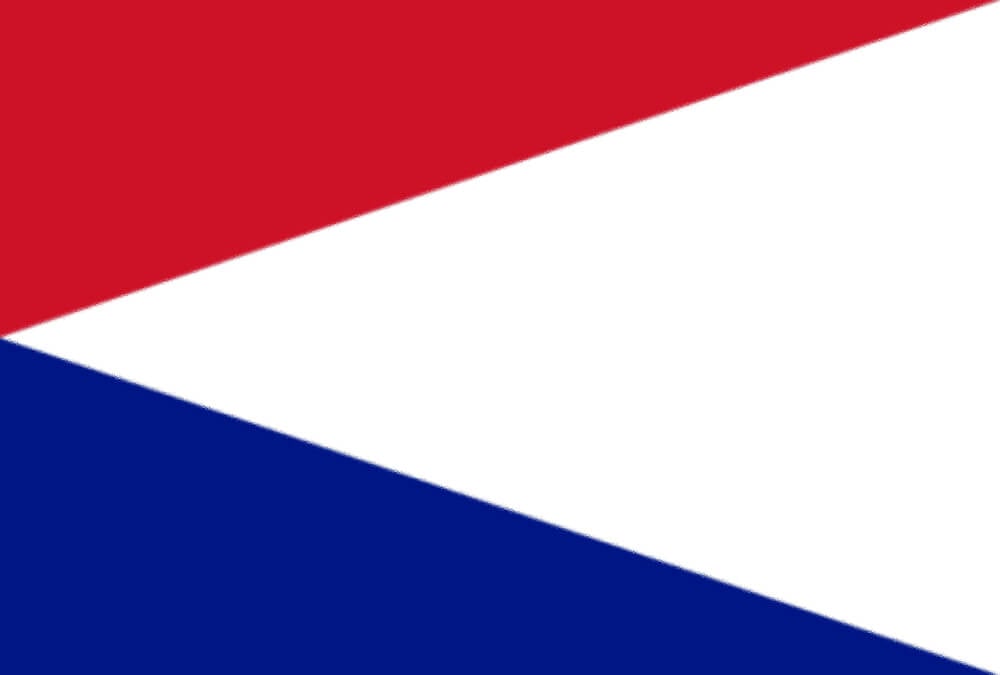
The Natalia Republic existed from 1839 to 1843. Its flag was flown by Boer settlers before British annexation. The republic lasted about four years.
Republic of Texas

The Republic of Texas used its first national flag from 1836 to 1839, built around a single star. A different design replaced it in 1839. The Republic itself later joined the United States.
Kingdom of Hawaii
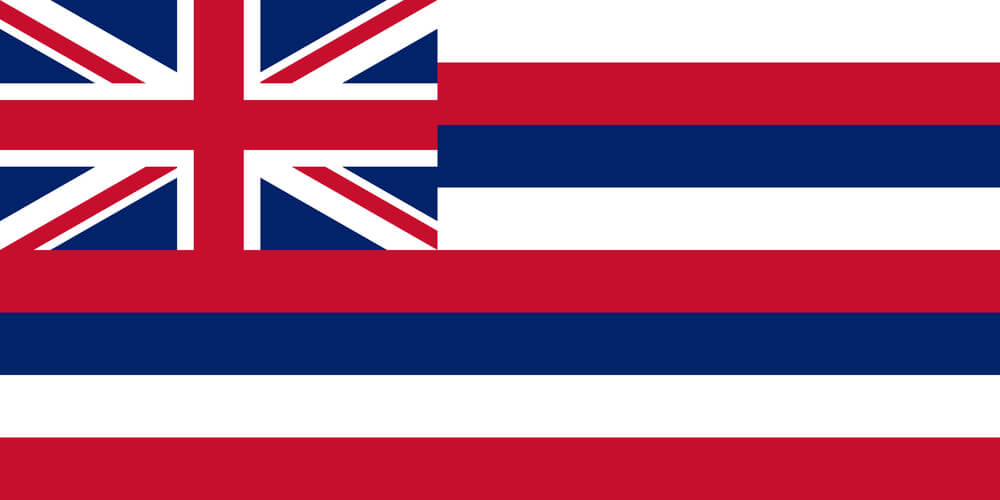
The Kingdom of Hawaii flew a flag that combined stripes with a Union Jack canton. The kingdom was overthrown in 1893. The design survives in the state flag.
West Indies Federation
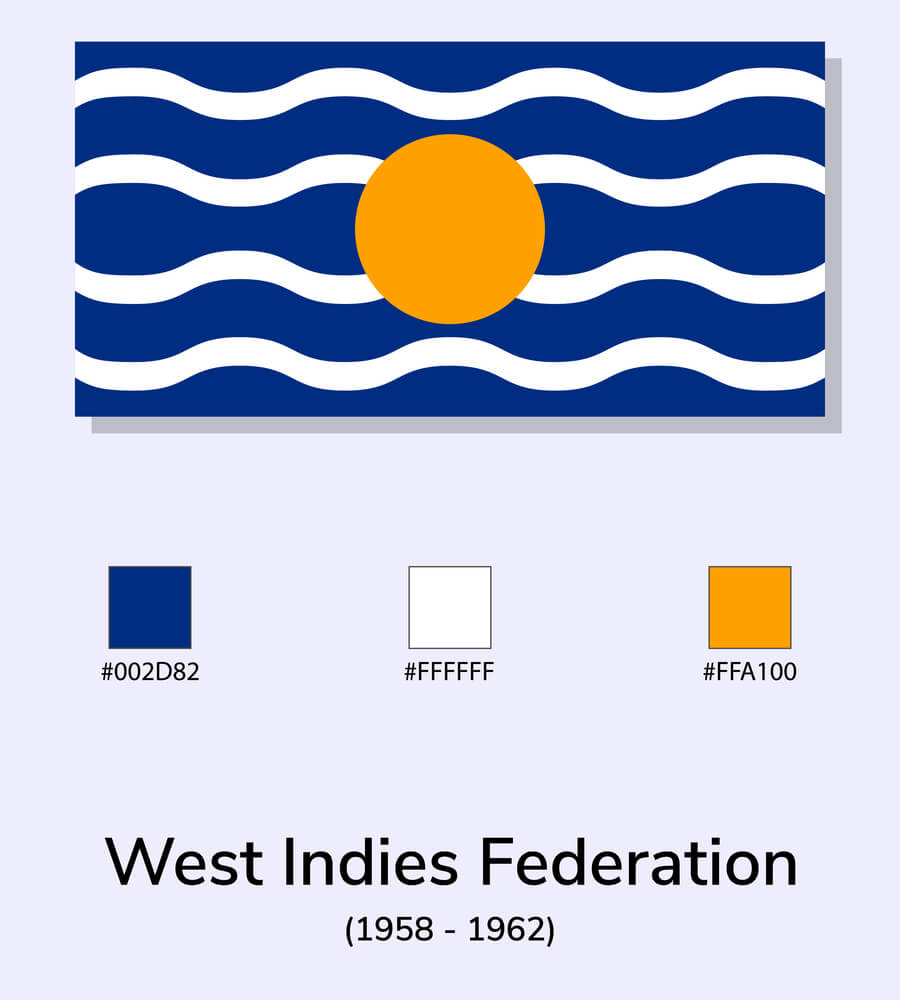
The West Indies Federation existed from 1958 to 1962, and its flag marks that span. It joined a group of Caribbean colonies under one political umbrella. The federation collapsed after four years.
Cloth That Outlasted Its Country

A retired flag has no state to fly it, yet it keeps appearing at rallies, in museums and on souvenirs. The cloth often matters most after the country is gone. Its colors become shorthand for memory.
The list also shows how often borders have moved. Most of these states lasted decades, some only a few years. The flags keep their short histories legible long after the governments are gone.
More from Go2Tutors!

- 27 Silver Dollars and Half Dollars Worth Keeping
- 28 Restaurant Menu Items Nobody Orders Anymore
- 17 Places Built in Seemingly Impossible Spots
- 27 Vintage Rings Worth More Than They Look
- 25 Restricted Sites Tourists Can’t Enter
Like Go2Tutors’s content? Follow us on MSN.