31 Whale and Dolphin Facts That Challenge What Most People Assume
Most people know whales are large and dolphins are clever. That’s roughly where the popular understanding stops — and where things start becoming genuinely interesting.
The cetacean family, which includes every whale, dolphin, and porpoise on the planet, contains some of the most complex, surprising, and poorly understood creatures in the animal kingdom.
Some of what scientists have discovered in recent decades actively contradicts what seemed like settled knowledge. These aren’t edge cases or disputed findings — they’re peer-reviewed observations that have forced researchers to rethink their assumptions about intelligence, communication, social structure, and what it means to be a mammal living in the sea.
Killer Whales Are Not Whales
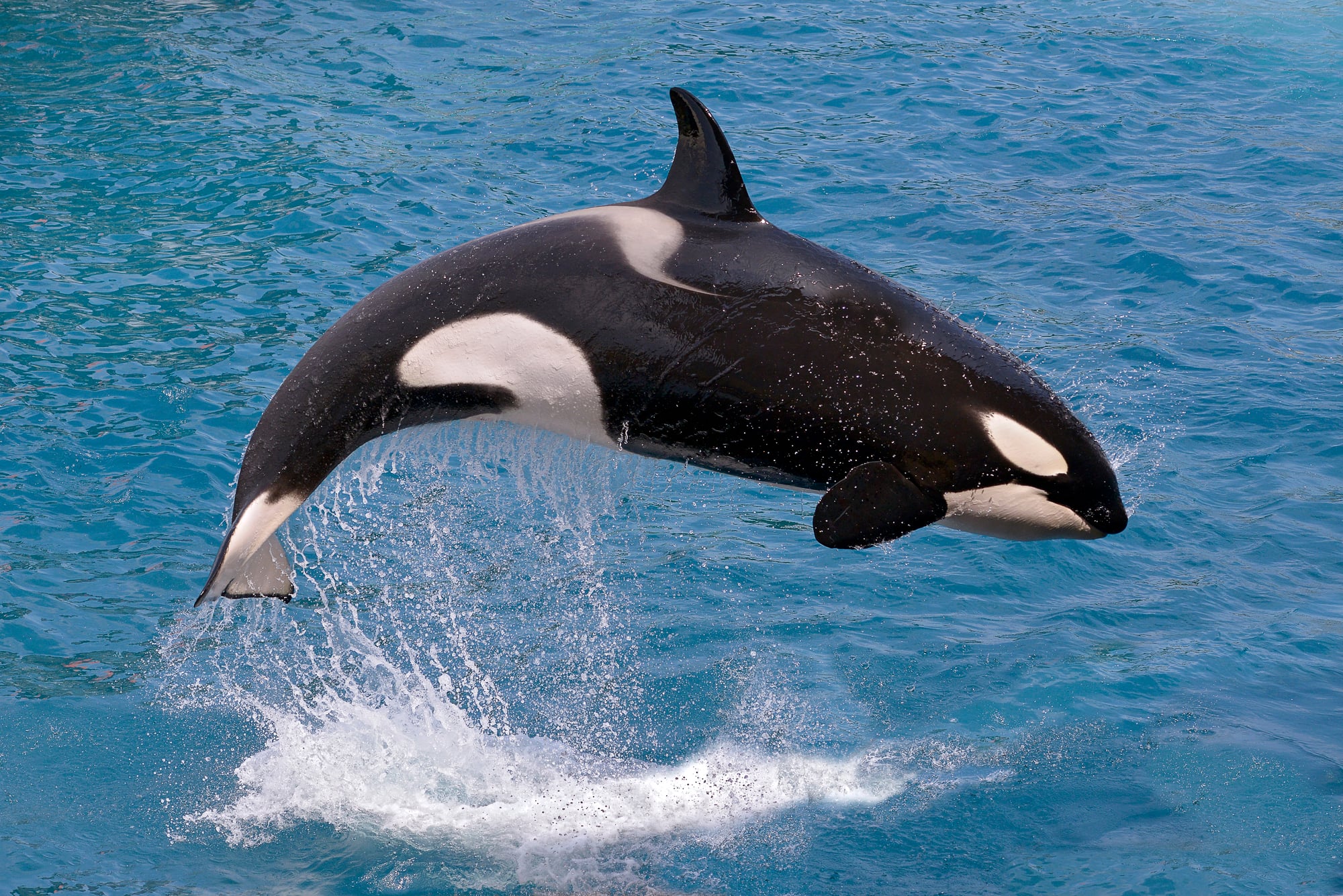
Despite the name, orcas are the largest members of the dolphin family, Delphinidae. The “killer whale” label came from eighteenth-century sailors who watched them hunt large whales and called them “whale killers” — a name that eventually got reversed.
Orcas are genetically, anatomically, and behaviourally far more dolphin than whale, which makes their size and apex predator status even more striking.
Bowhead Whales Can Live Over 200 Years
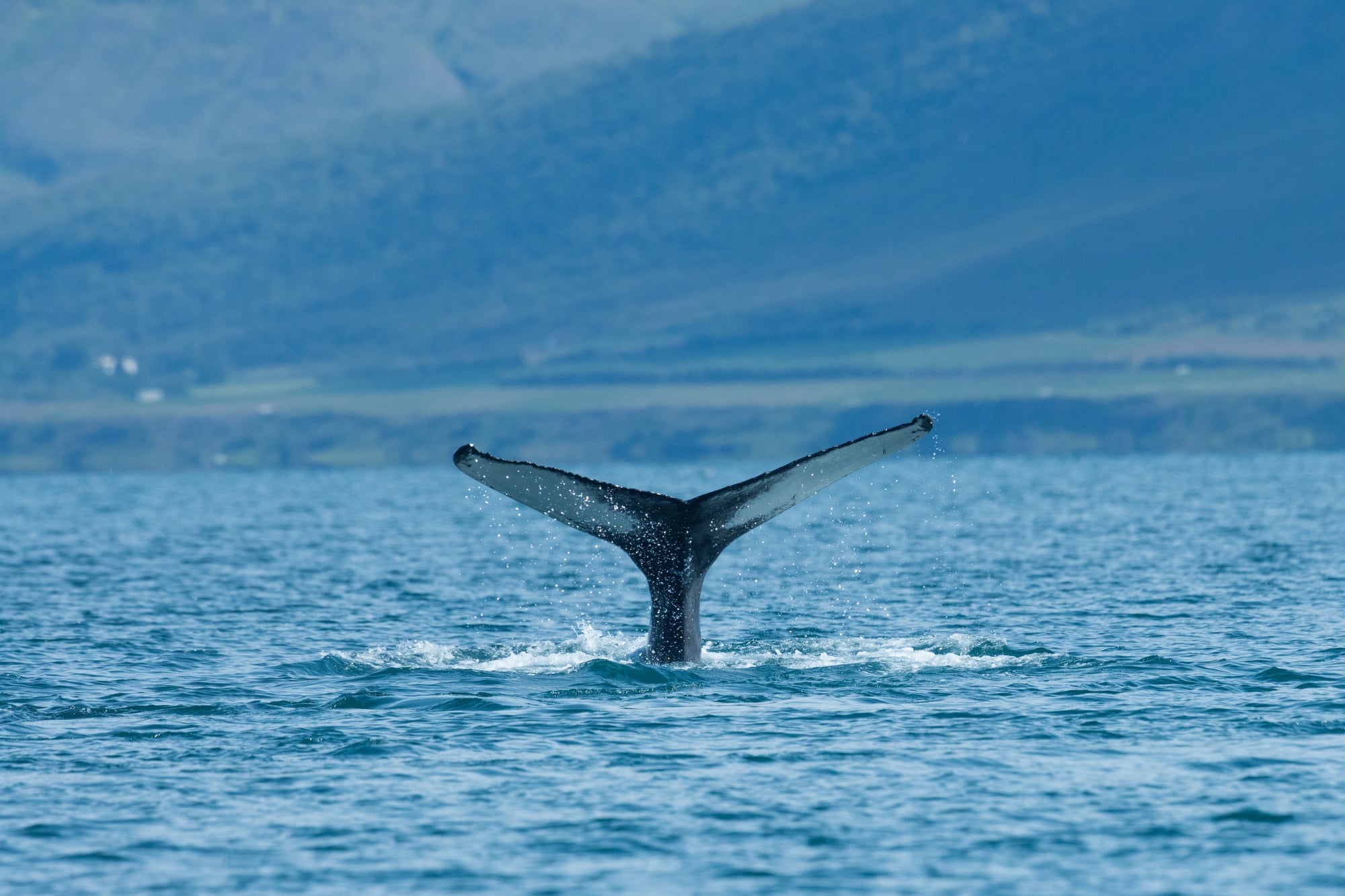
Bowhead whales are the longest-lived mammals on record. Age estimates derived from chemical analysis of their eye tissue have placed some individuals well past 200 years old.
When a bowhead killed by indigenous Alaskan hunters in 2007 was examined, it still had a stone harpoon point embedded in its flesh — a weapon that had not been manufactured since the 1880s, meaning the animal had survived an earlier attack and lived on for more than a century afterward.
Dolphins Give Each Other Names
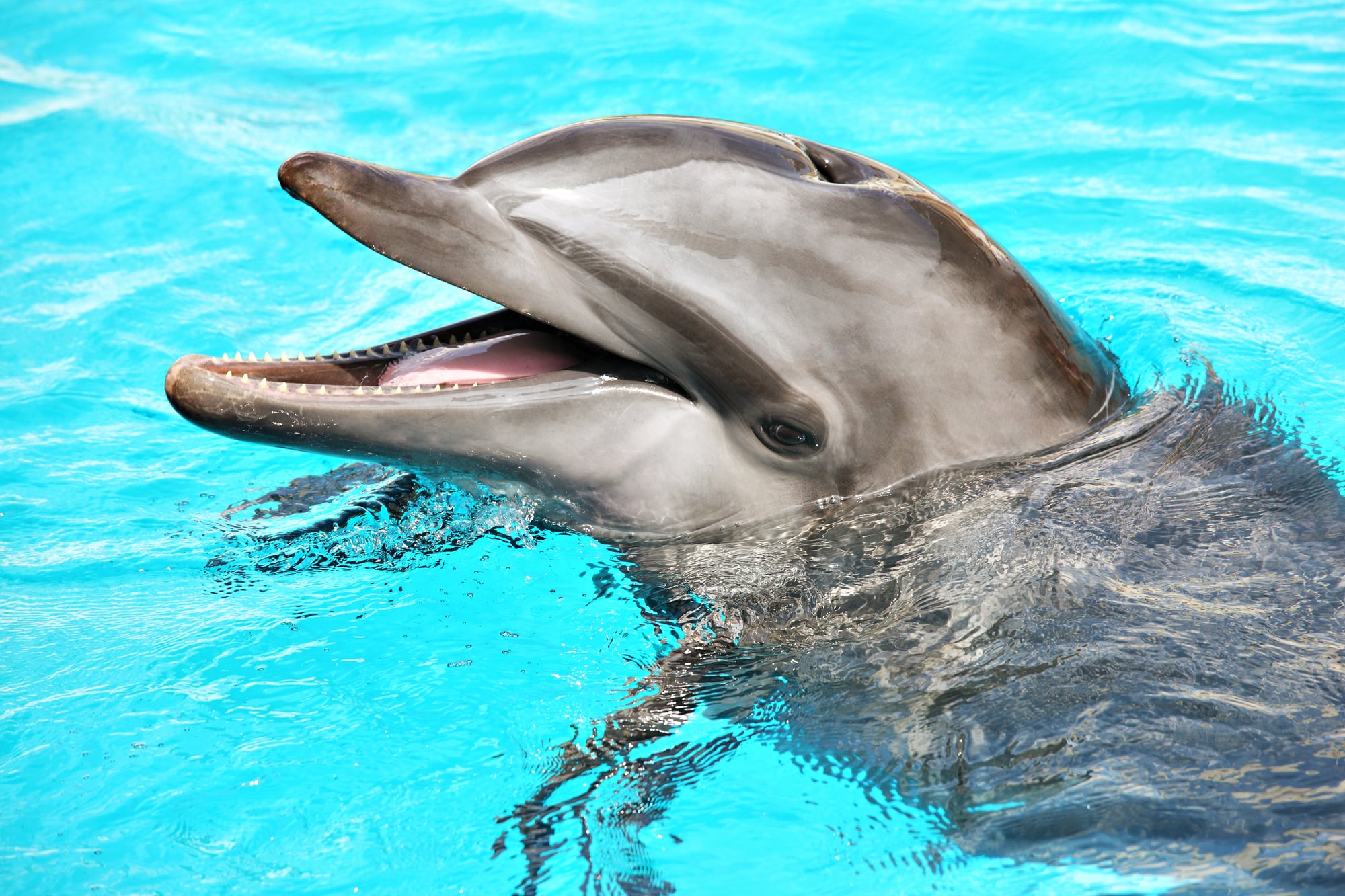
Bottlenose dolphins develop unique signature whistles during the first year of life — individualised sounds that function as personal identifiers. Other dolphins learn these whistles and use them to address specific individuals, effectively calling each other by name.
Crucially, this isn’t just a voice cue based on body size or tone: the identity information is encoded in the frequency pattern itself, and remains stable for at least twelve years.
Only a Handful of Mammals Go Through Menopause — And Most Are Whales
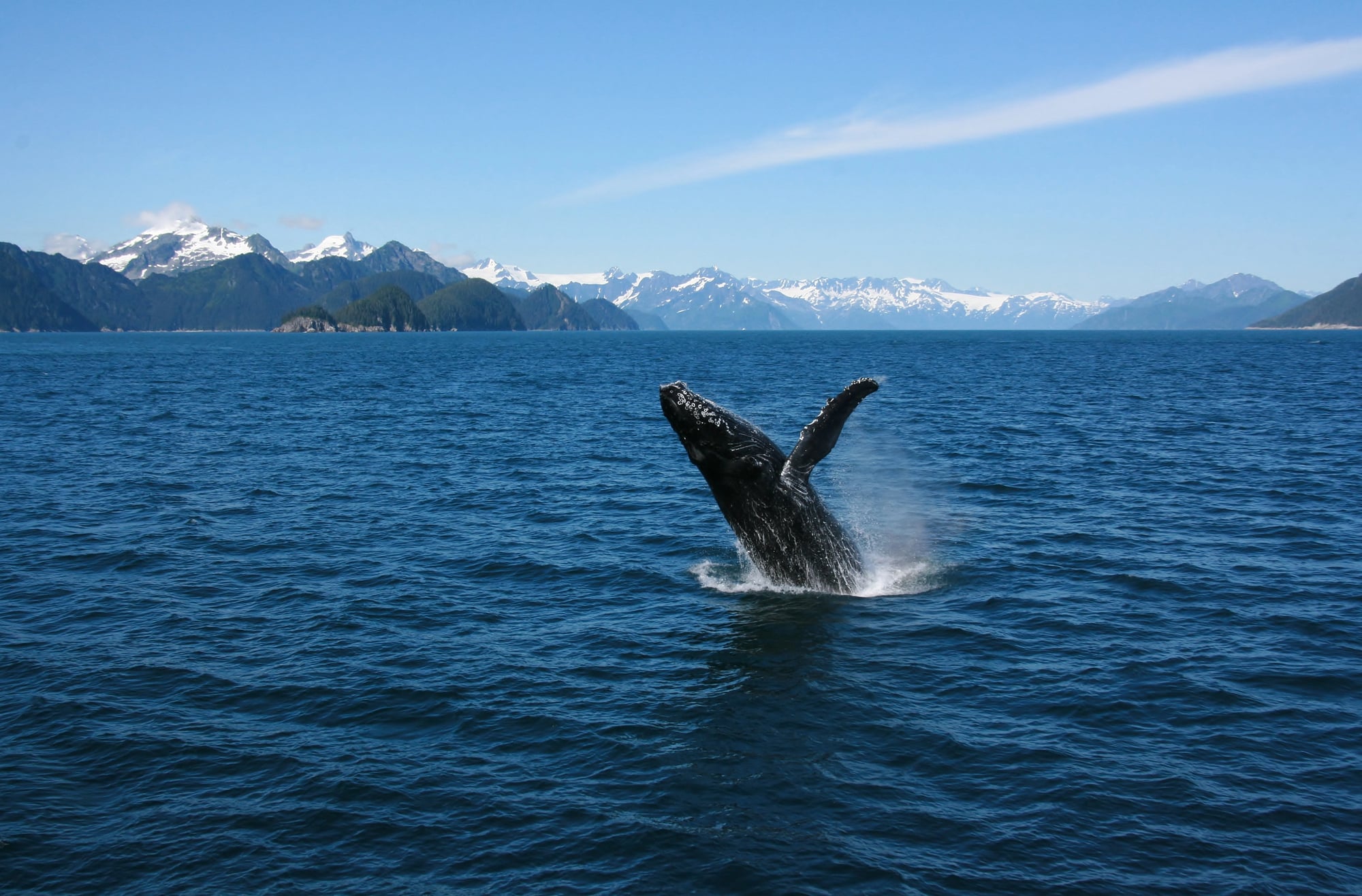
Menopause — a prolonged post-reproductive lifespan — has evolved independently at least four times among toothed whales. Orcas, belugas, narwhals, short-finned pilot whales, and false killer whales all share this trait with humans.
The leading explanation is the grandmother hypothesis: elder females stop competing with their own daughters for reproductive resources and instead invest in the survival of grandoffspring.
Research on Pacific Northwest orca populations showed that young orcas with living grandmothers had measurably higher survival rates, and a calf’s risk of death rose dramatically in the two years following its grandmother’s death.
A Blue Whale’s Heart Weighs Over 180 Kilograms
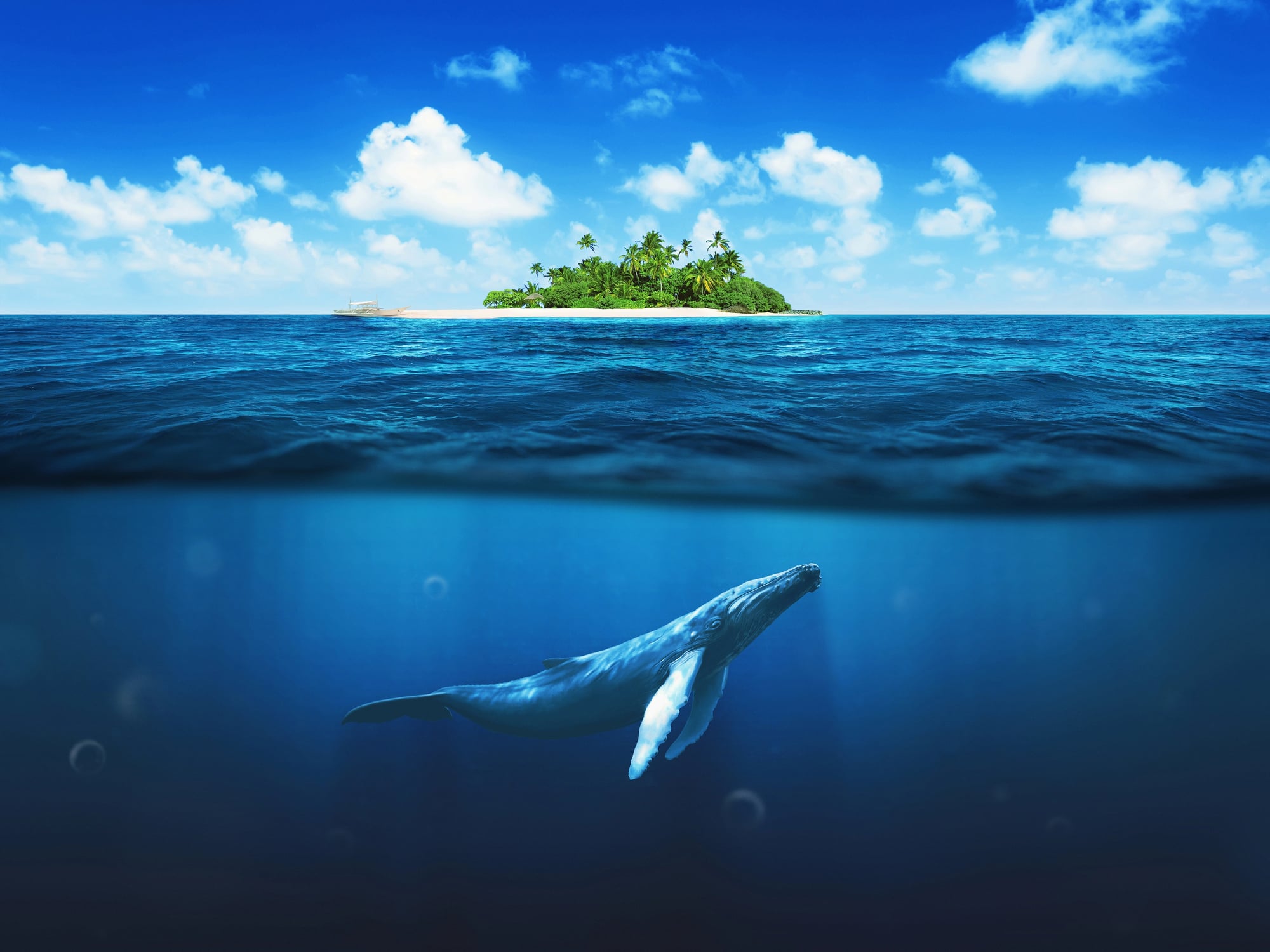
The blue whale’s heart is the largest of any known animal, weighing approximately 180 kg — roughly the weight of a dairy cow. It beats as few as two times per minute when the whale dives deeply, and the aorta is wide enough for a human child to crawl through.
Despite all this cardiovascular machinery, the blue whale’s preferred food is krill: tiny shrimp-like crustaceans measuring just a few centimetres each.
Sperm Whales Sleep Vertically
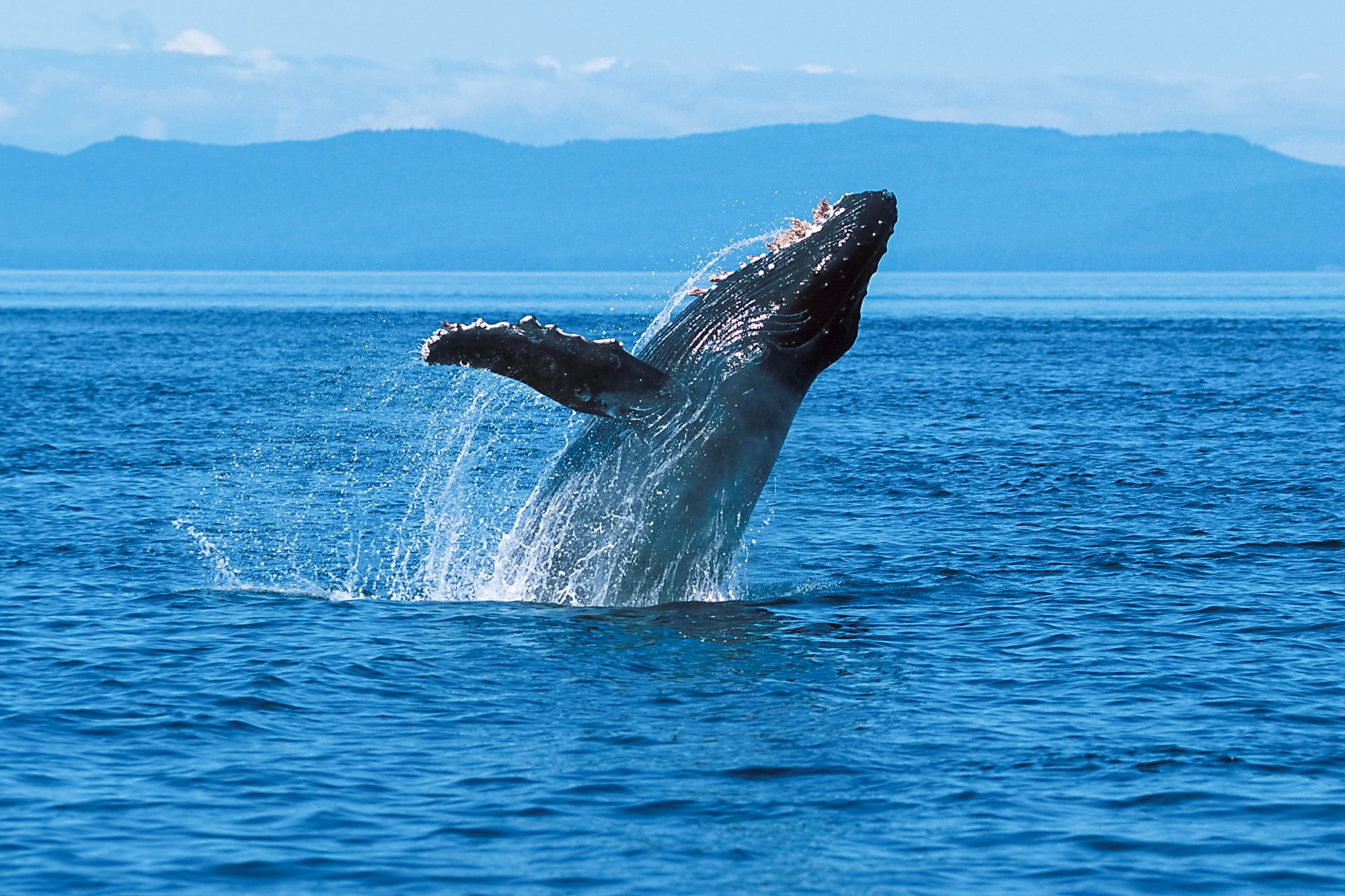
Sperm whales have been observed floating motionless at the surface in tightly clustered groups, oriented head-up and tail-down in what researchers confirmed was sleep. This behaviour was first documented in detail in 2008 off the coast of Chile.
The whales appear to drift in this position for around 10 to 15 minutes at a time before surfacing to breathe, spending only a small fraction of their day in this semi-conscious state.
The Sperm Whale Has the Largest Brain Ever Evolved
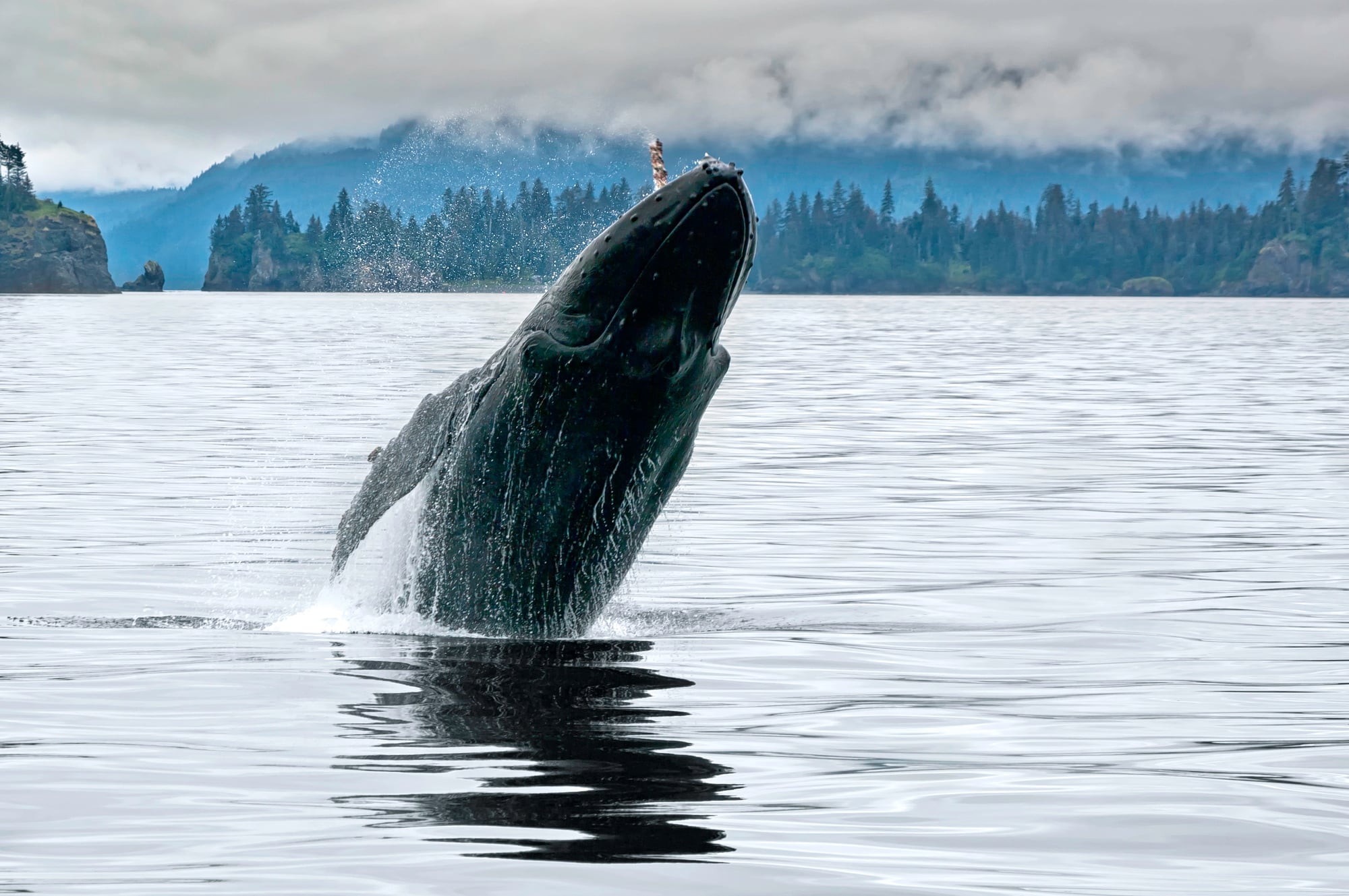
The adult sperm whale brain weighs up to 9 kg — more than five times the volume of a human brain and the largest brain of any animal in Earth’s history. Most of the enormous sperm whale head, however, is not brain but a large cavity filled with a waxy substance called spermaceti, which functions as a lens for their powerful echolocation clicks.
The brain itself has remained largely the same size for around 55 million years.
Whale Songs Change and Spread Like Cultural Trends
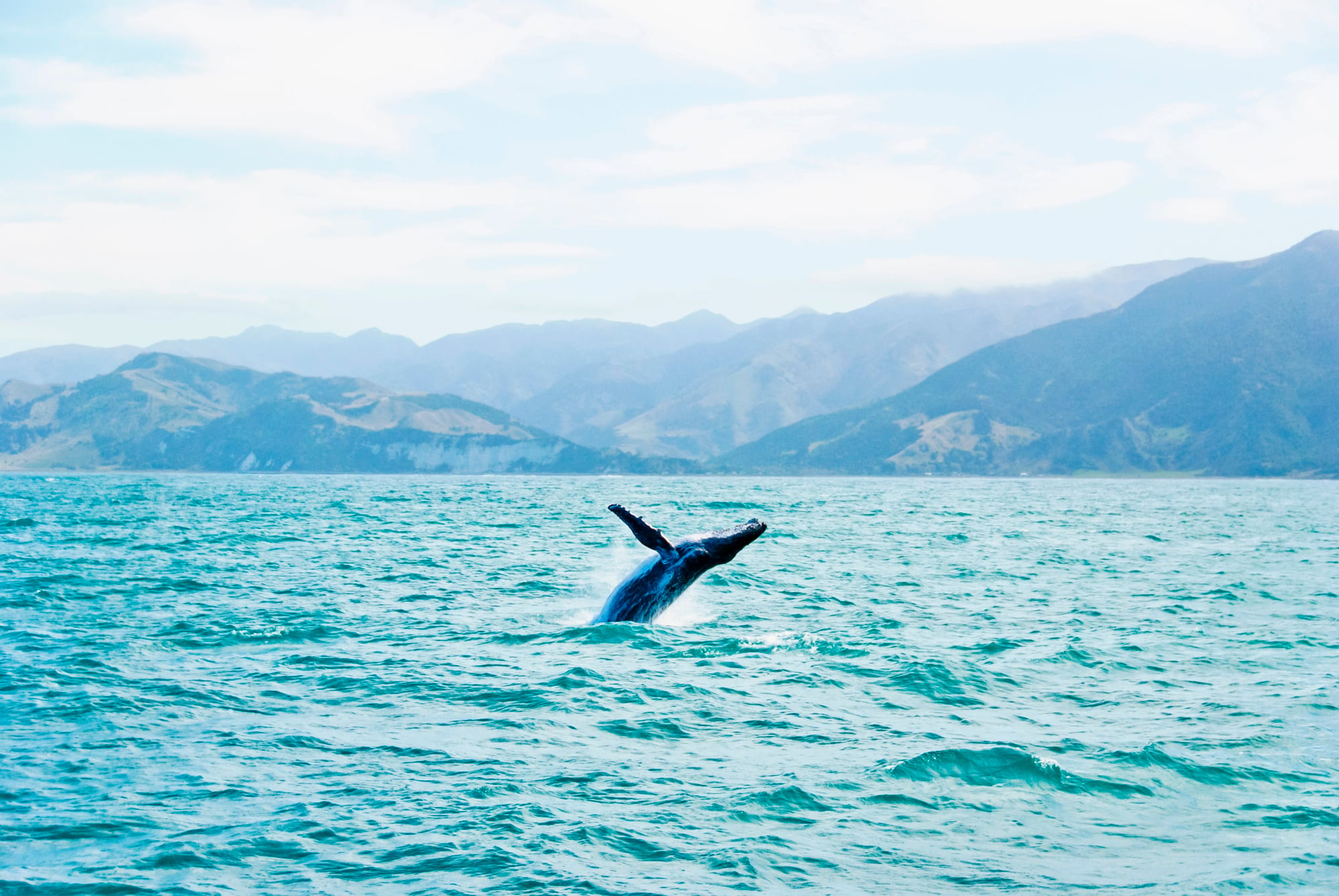
Humpback whale songs are not fixed. Within populations, a new song variation can spread across individuals until it becomes the dominant song of the group — a pattern that closely mirrors how music or fashion trends move through human populations.
Researchers tracking populations across the South Pacific documented entire song repertoires jumping from one population to another, spreading from west to east over multiple years, apparently transmitted through social contact.
Dolphins Can Do Basic Arithmetic
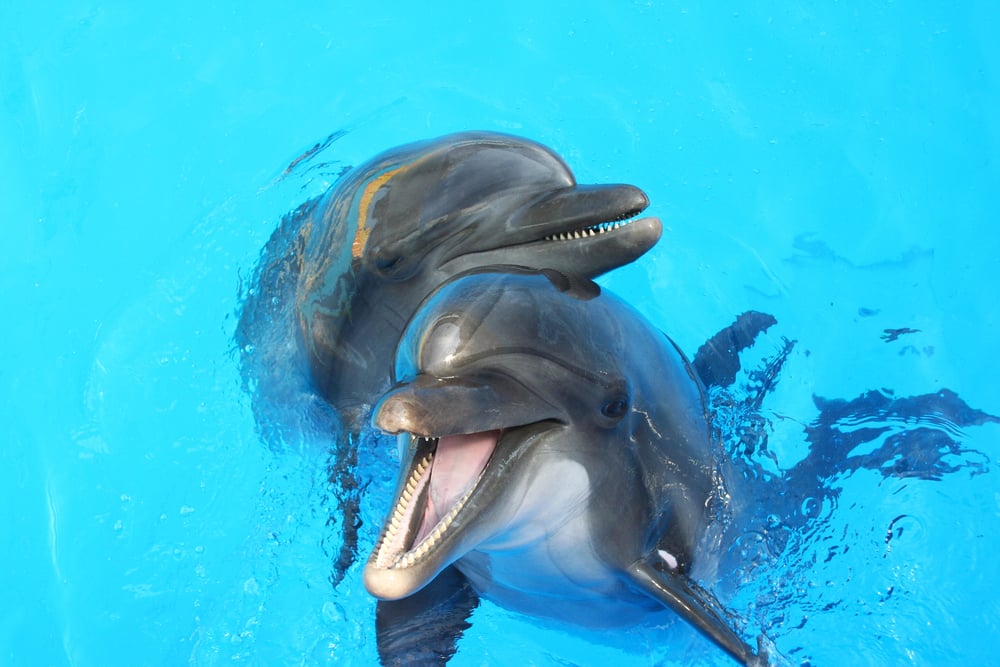
Studies have shown that dolphins can identify which group of objects contains more items and can track simple addition and subtraction performed behind a screen. What surprised researchers was that this behaviour extended to spontaneous forward planning.
Dolphins in some studies were observed secretly caching food when trainers were absent, anticipating future situations — a cognitive skill previously believed to require human-level foresight.
The Narwhal’s Tusk Is a Sensory Organ, Not a Weapon
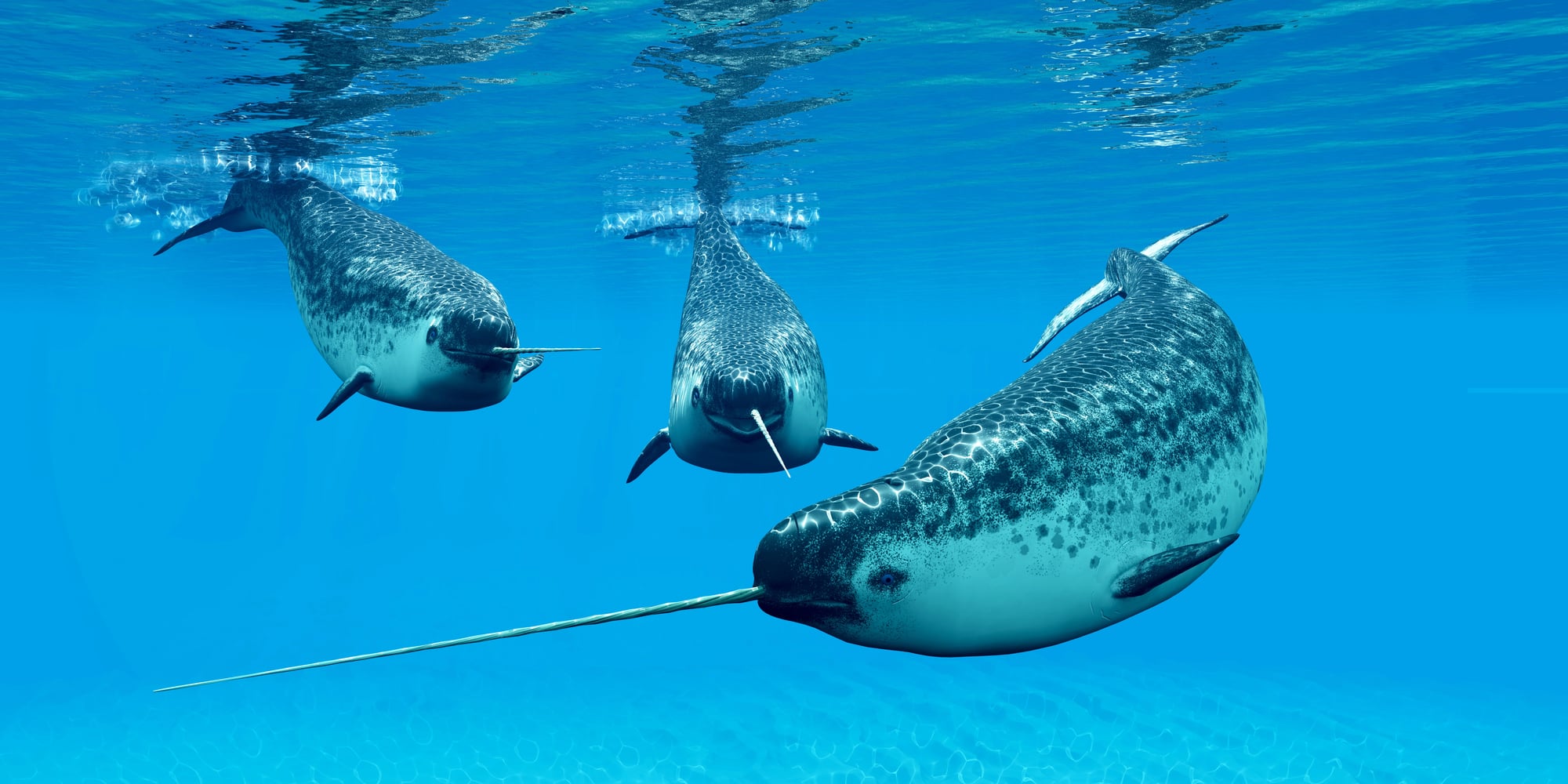
For a long time, the narwhal’s distinctive spiral tusk — actually an elongated upper-left canine tooth that can grow nearly three metres long — was assumed to be used for fighting. Research has since established that it is densely packed with sensory nerve endings.
This allows narwhals to detect changes in water temperature, salinity, and pressure with considerable precision.
It is not used for combat but for environmental sensing, subtle communication, and possibly play.
Whales Are Descended From Land Mammals That Looked Like Dogs
Cetaceans evolved from terrestrial mammals approximately 50 million years ago, with the ancestral lineage closely related to even-toed ungulates like hippos. The transitional fossils show a progression from land-adapted four-limbed creatures — the earliest known, Pakicetus, looked vaguely like a long-nosed dog — to fully aquatic forms over roughly 15 million years.
The hind limbs shrank and vanished, the nostrils migrated to the top of the skull, and the tail flattened. Modern whales still carry vestigial hip bones with no structural purpose.
Dolphins Sleep With Half Their Brain at a Time
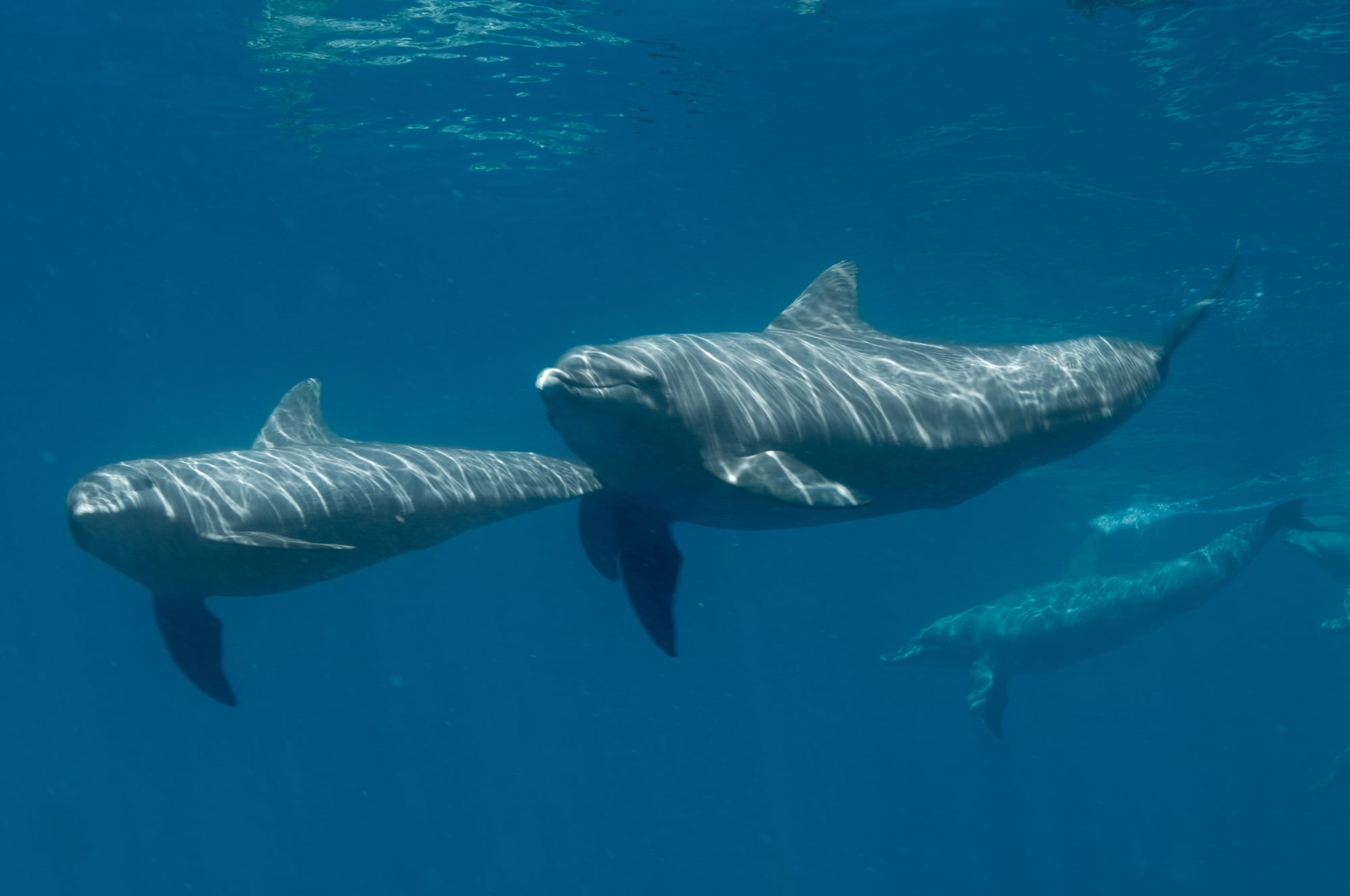
Because cetaceans breathe consciously rather than automatically, they cannot afford to lose full consciousness the way humans do during sleep. Dolphins and most whales solve this with unihemispheric sleep.
One brain hemisphere rests while the other stays active enough to manage breathing and basic awareness.
During this state, one eye remains open. The dolphin continues to swim, slowly, with half its brain effectively offline.
Orca Pods Have Distinct Cultural Dialects
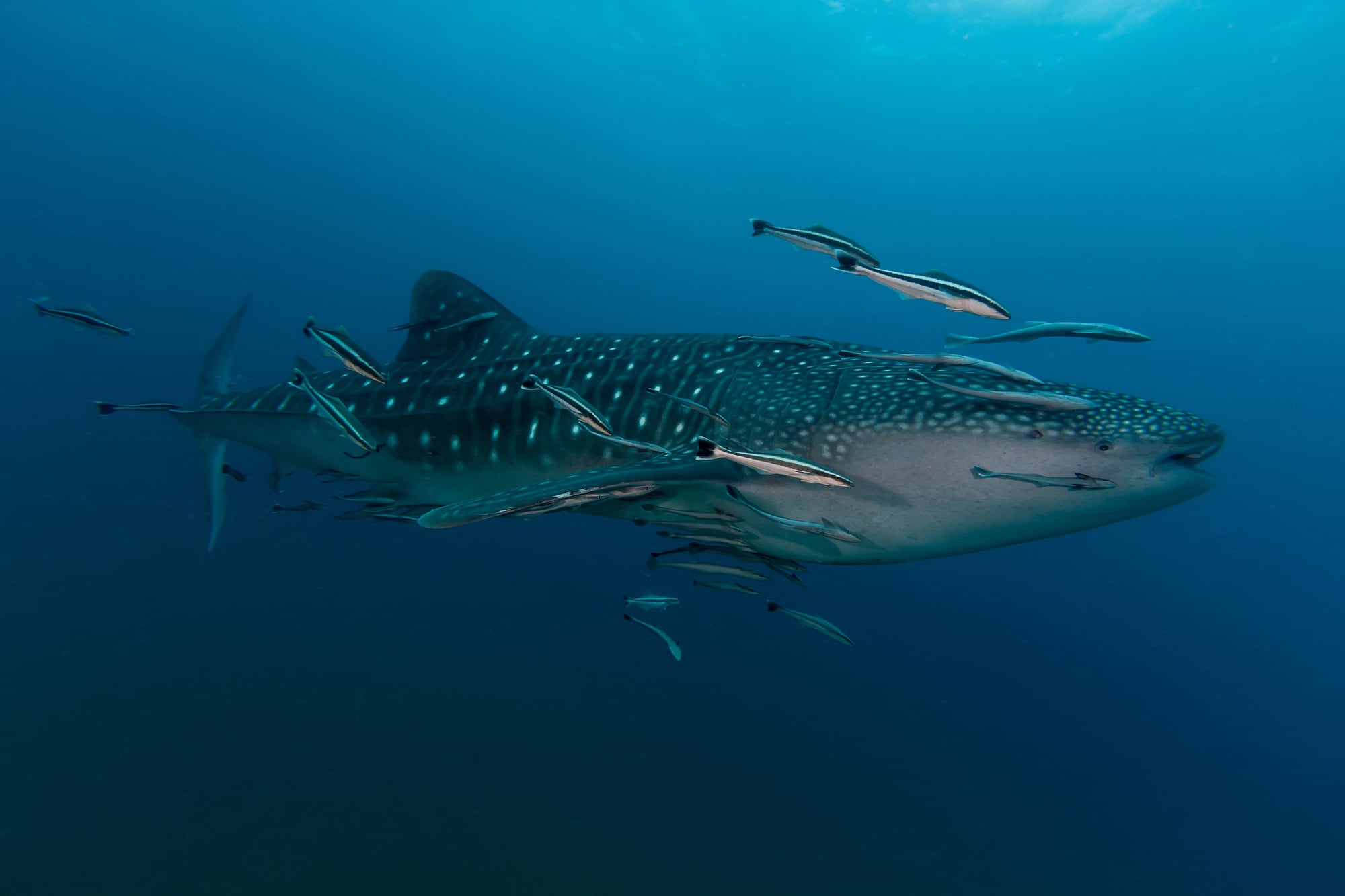
Separate orca populations not only use different calls to communicate — they have entirely different hunting techniques, food preferences, and social norms that are passed down culturally rather than genetically.
Resident orca populations off the Pacific Northwest primarily eat fish and avoid eating marine mammals. Transient orca populations in the same ocean hunt marine mammals almost exclusively.
The two groups rarely interact and do not interbreed, even though they are genetically the same species. These are, by any reasonable definition, distinct cultures.
Humpback Whales Conduct Coordinated Hunts Using Bubbles
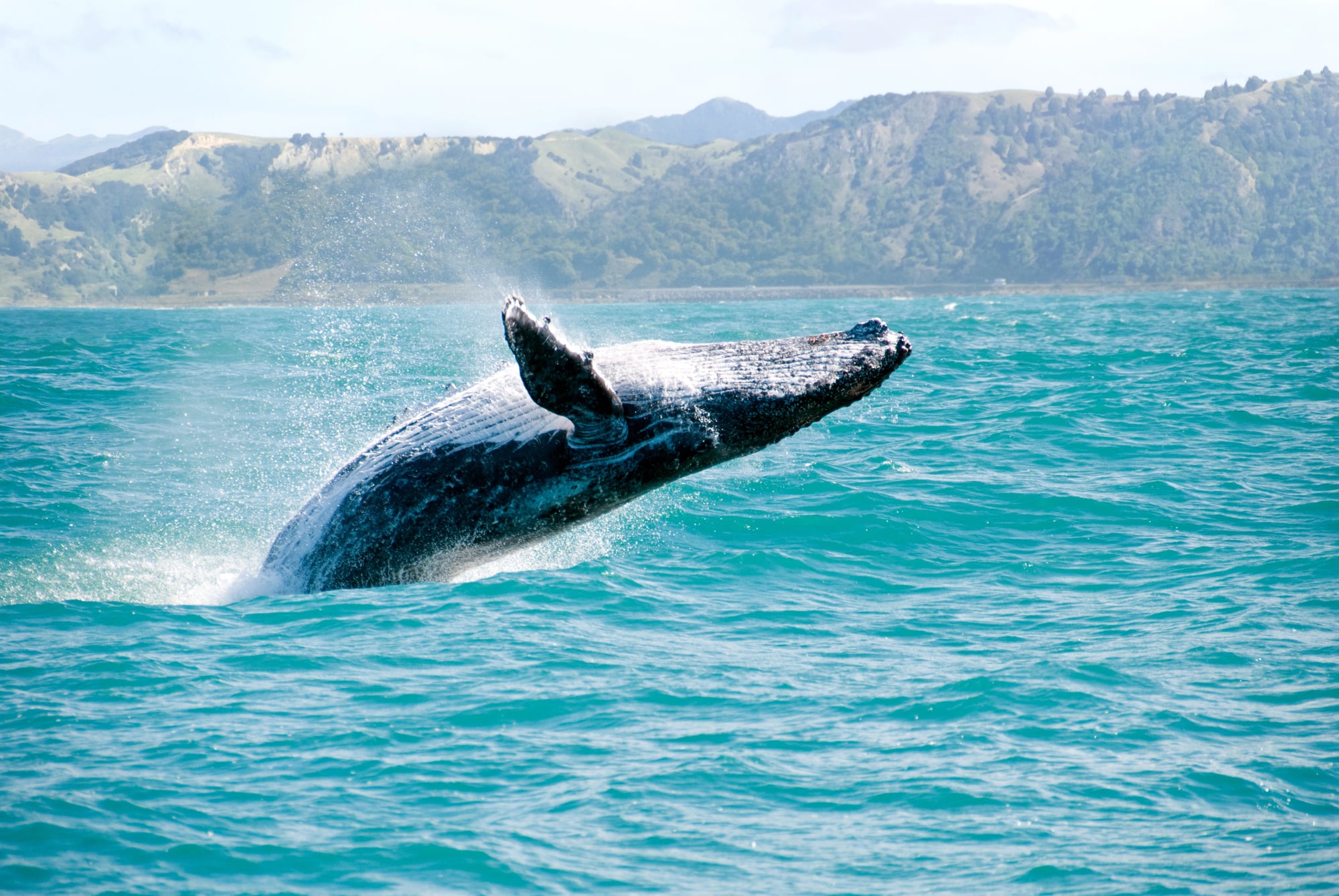
Humpback whales work together in groups to drive schools of fish toward the surface using a technique called bubble netting. One or more whales swim in tight spirals below the fish while releasing air, creating a rising cylinder of bubbles that acts as a physical barrier.
The fish compress into a dense mass at the surface, and the whales lunge upward through the middle. The coordination required — different individuals taking different roles simultaneously — suggests a level of cooperative planning that researchers are still working to fully understand.
Blue Whales Are Louder Than Jet Engines
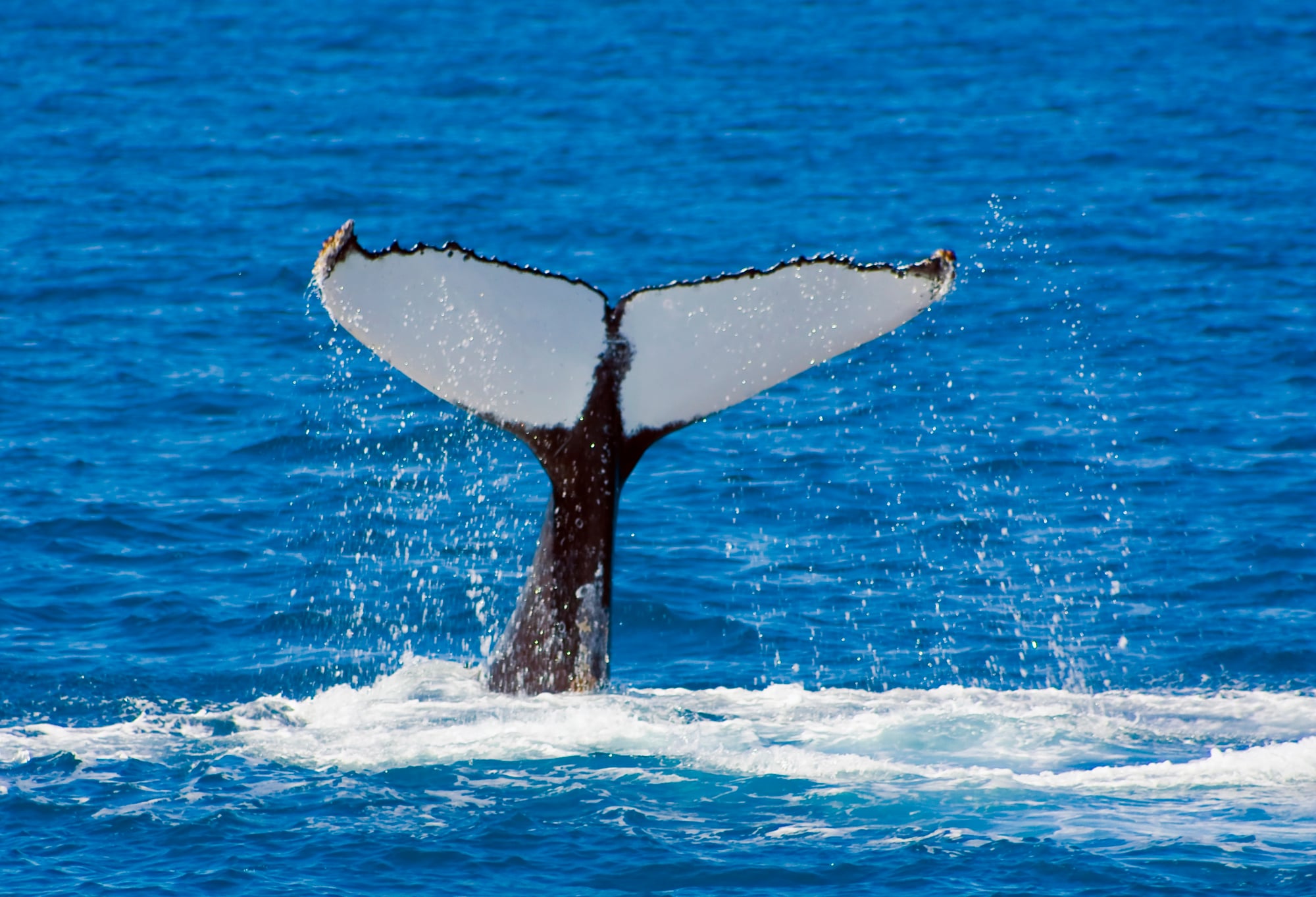
Blue whale vocalisations can reach up to 188 decibels, making them among the loudest sounds produced by any animal. These low-frequency calls travel thousands of kilometres through the ocean, allowing blue whales to potentially communicate with each other across entire ocean basins.
The calls are too low-pitched for humans to hear without special equipment, which contributed to early assumptions that blue whales were largely silent.
Dolphins Grieve Their Dead
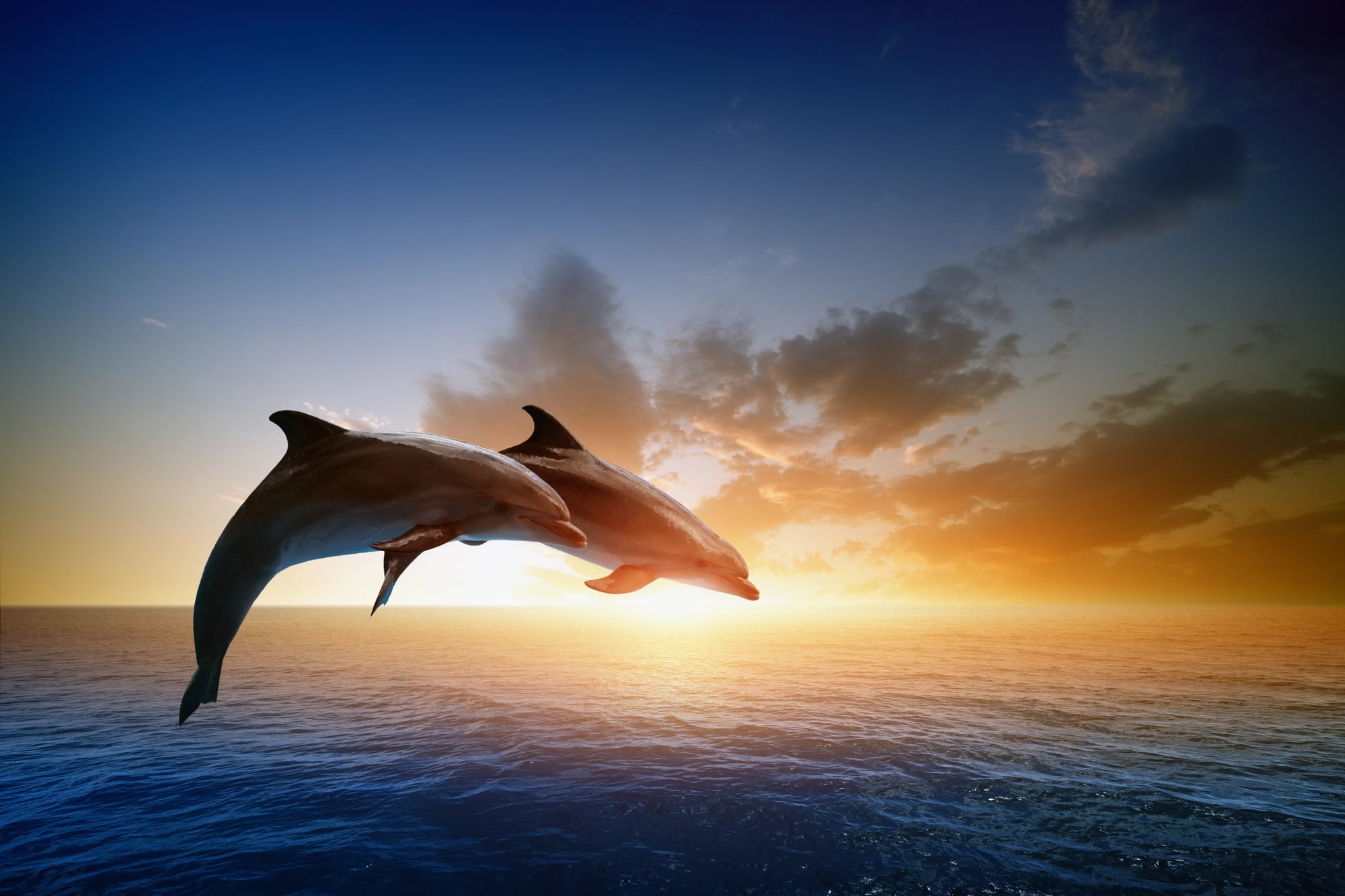
Multiple species of cetaceans have been documented carrying or attending to dead calves and companions for extended periods — sometimes days. This behaviour, observed in orcas, dolphins, and pilot whales, is widely interpreted by researchers as a form of grief response, though the internal experience cannot be directly assessed.
What is established is that the behaviour is costly in terms of energy and time, and that it appears across many different species and populations, suggesting it reflects something more than simple confusion.
A Dolphin’s Brain-to-Body Ratio Rivals the Great Apes
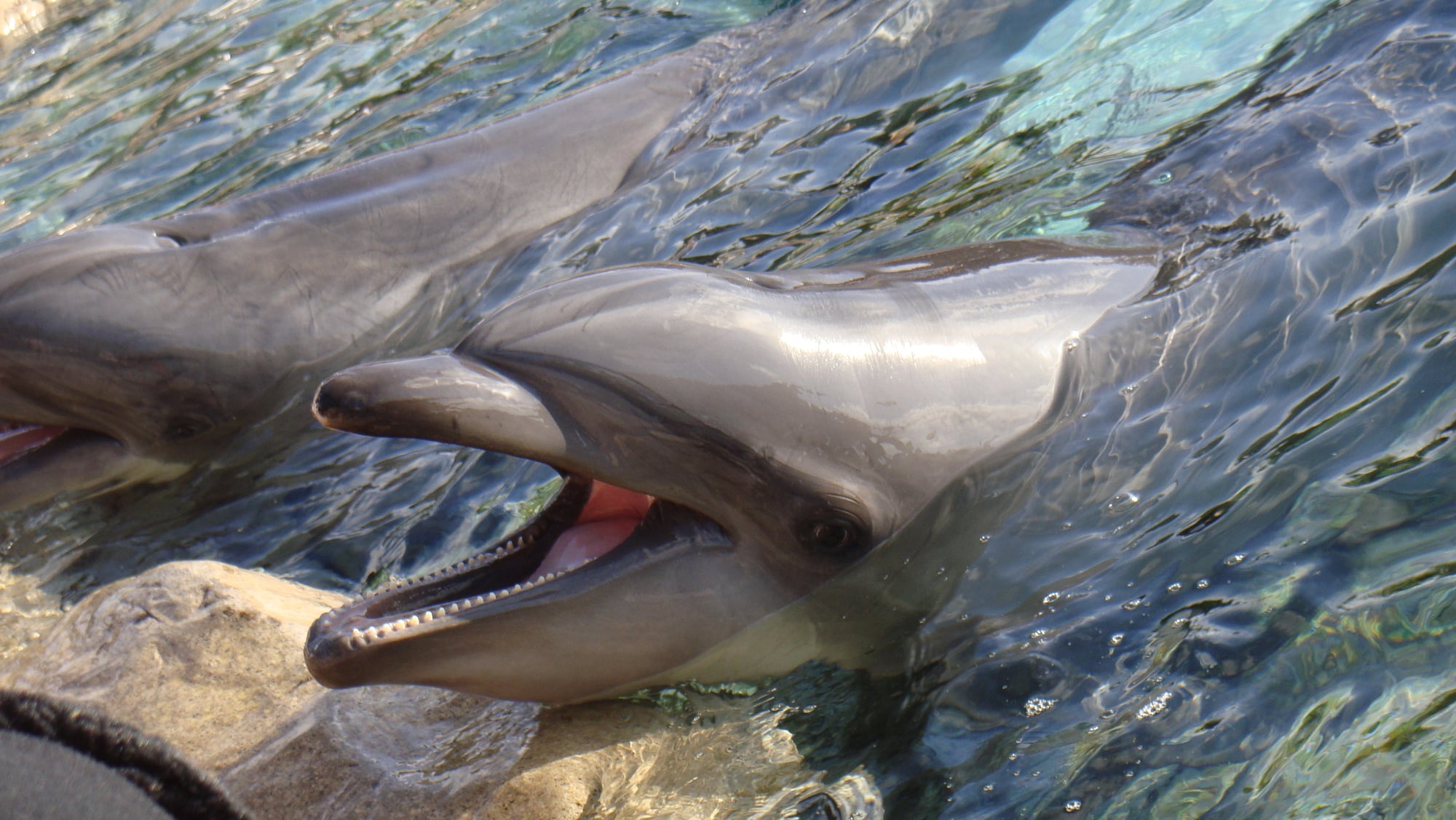
Bottlenose dolphins have one of the highest encephalisation quotients — the ratio of actual brain mass to expected brain mass for an animal of a given size — of any animal on Earth. Their ratio exceeds that of chimpanzees and sits close to the human range.
The dolphin’s cerebral cortex also features the same complex folding pattern associated with higher cognitive function in human brains.
Orca Grandmothers Are Crucial to Pod Survival
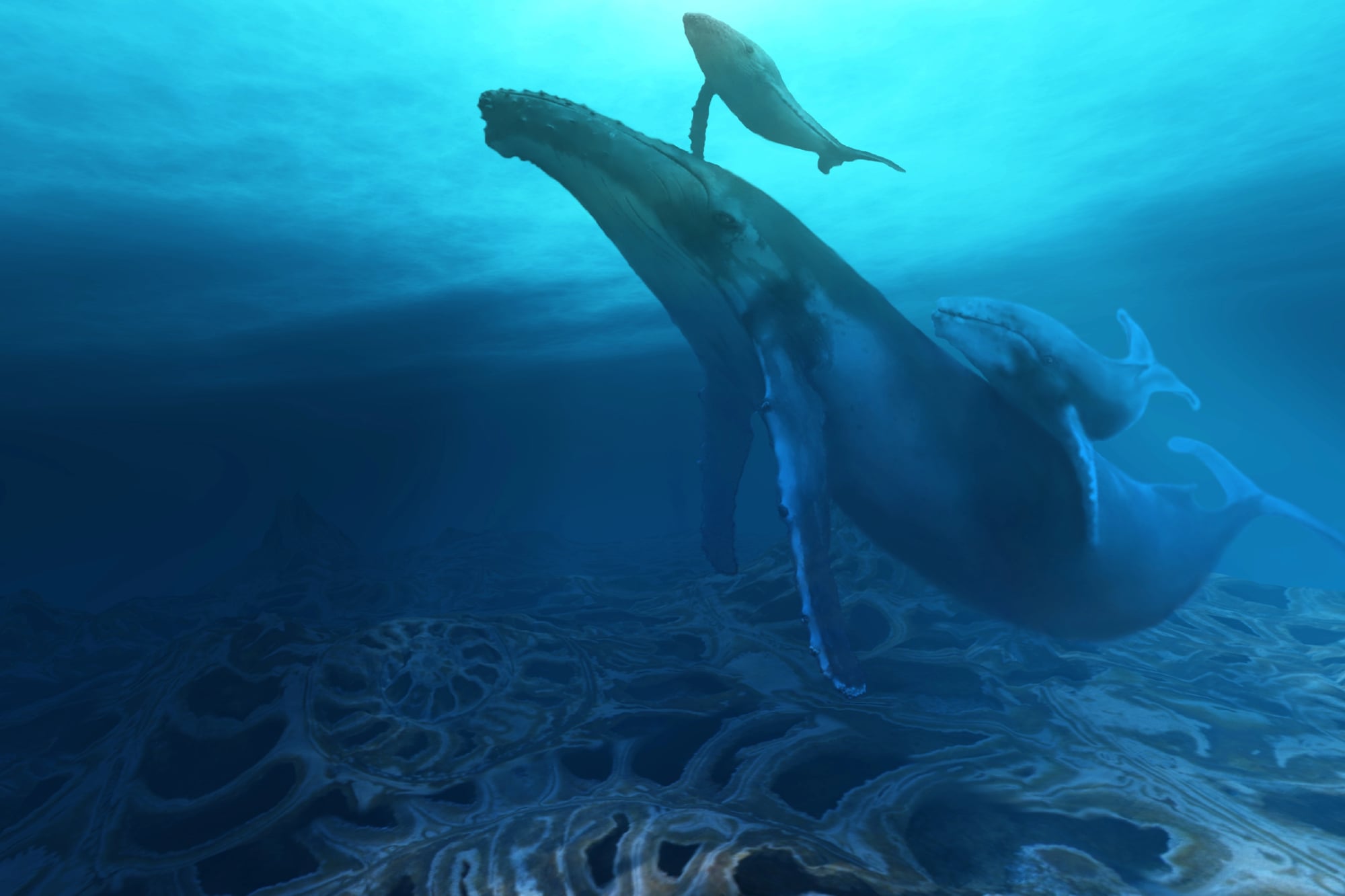
Post-reproductive female orcas don’t retire. Research shows that older orca females who have stopped breeding lead pod movements, particularly when food is scarce.
They appear to carry decades of accumulated knowledge about where to find salmon during lean years, and pods with older females consistently locate food more successfully than those without.
Male orcas whose mothers are still alive have been found to have significantly fewer injury marks from conflicts with other orcas — suggesting the mother’s social influence actively protects adult sons.
Whales Were Once Hunted to Near-Extinction for Lamp Fuel
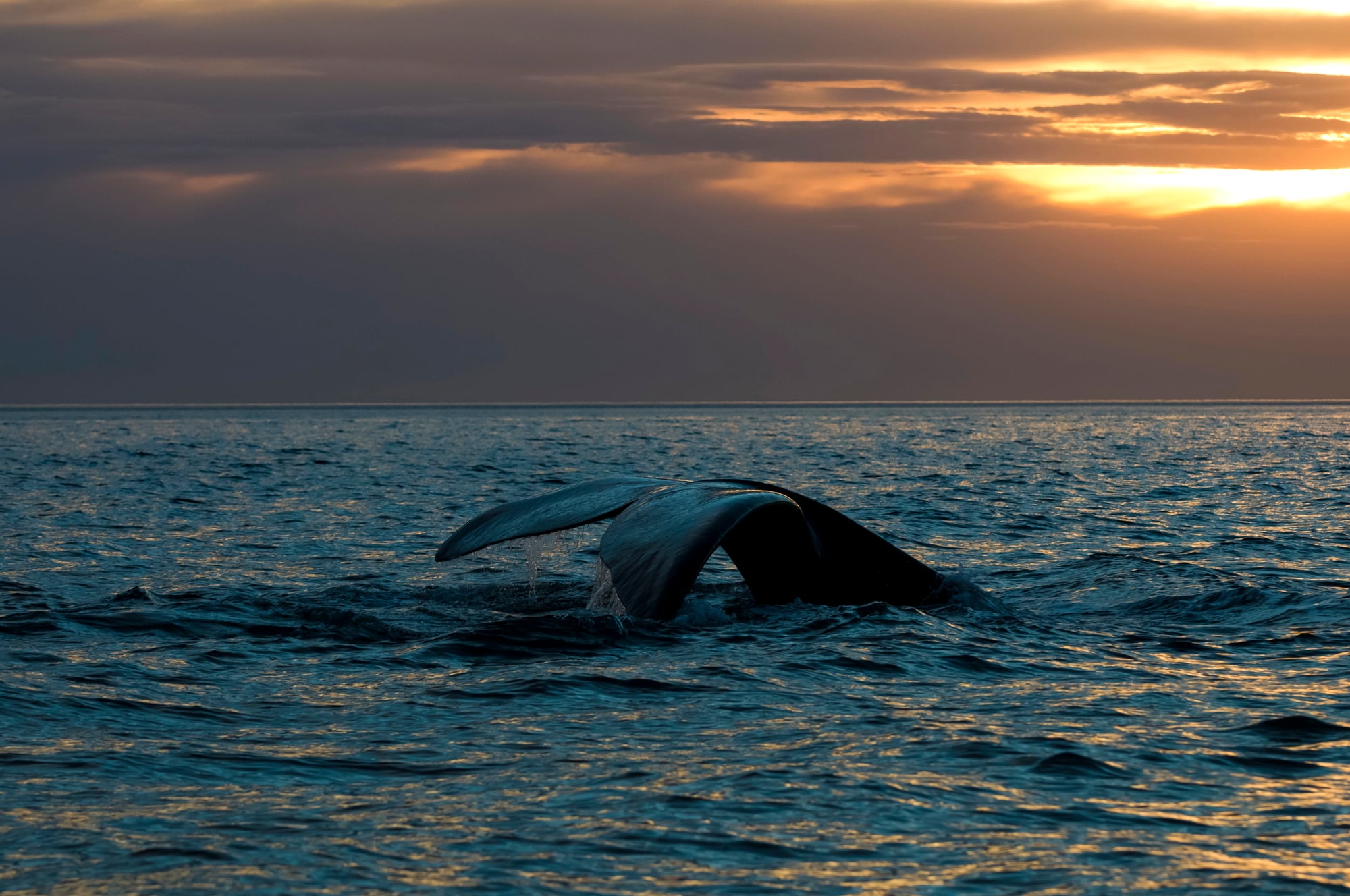
The spermaceti oil extracted from sperm whale heads was among the finest lamp oils available in the eighteenth and nineteenth centuries — clean-burning, odourless, and ideal for lighthouses. This single commercial application drove the global sperm whale population to the edge of collapse.
The whaling industry was only significantly disrupted when petroleum kerosene became widely available in the 1850s and 1860s. An animal was almost wiped off the planet to light human houses.
Dolphins Use Sponges as Tools
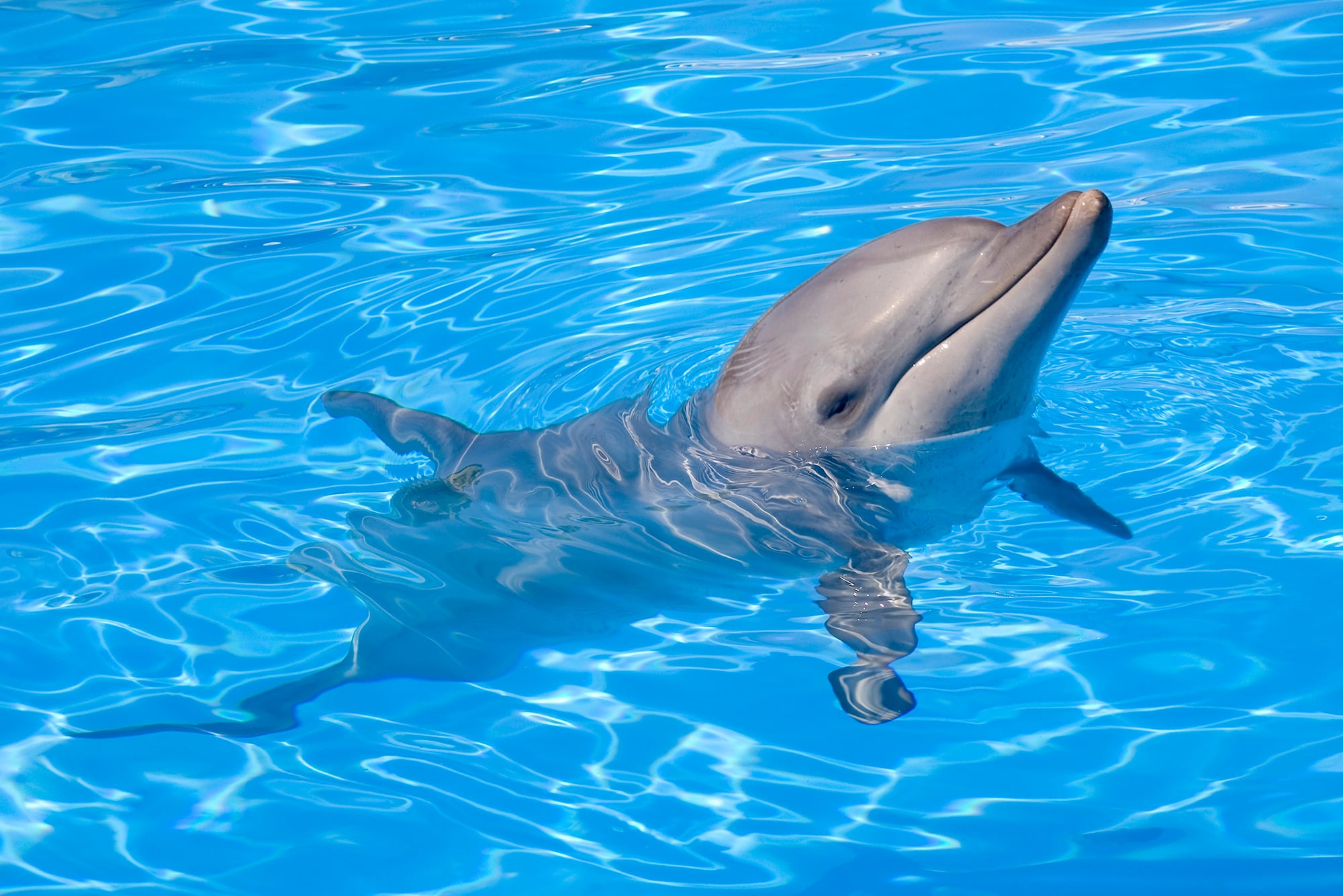
A population of bottlenose dolphins in Shark Bay, Western Australia, has developed a distinct tool-use tradition: individuals break off conical sea sponges and wear them over their beaks while foraging on the sandy seafloor.
This behaviour is taught by mothers to their daughters — one of the clearest examples of cultural transmission of tool use in any non-human animal.
Baleen Whales Don’t Have Teeth — They Have Keratin Curtains
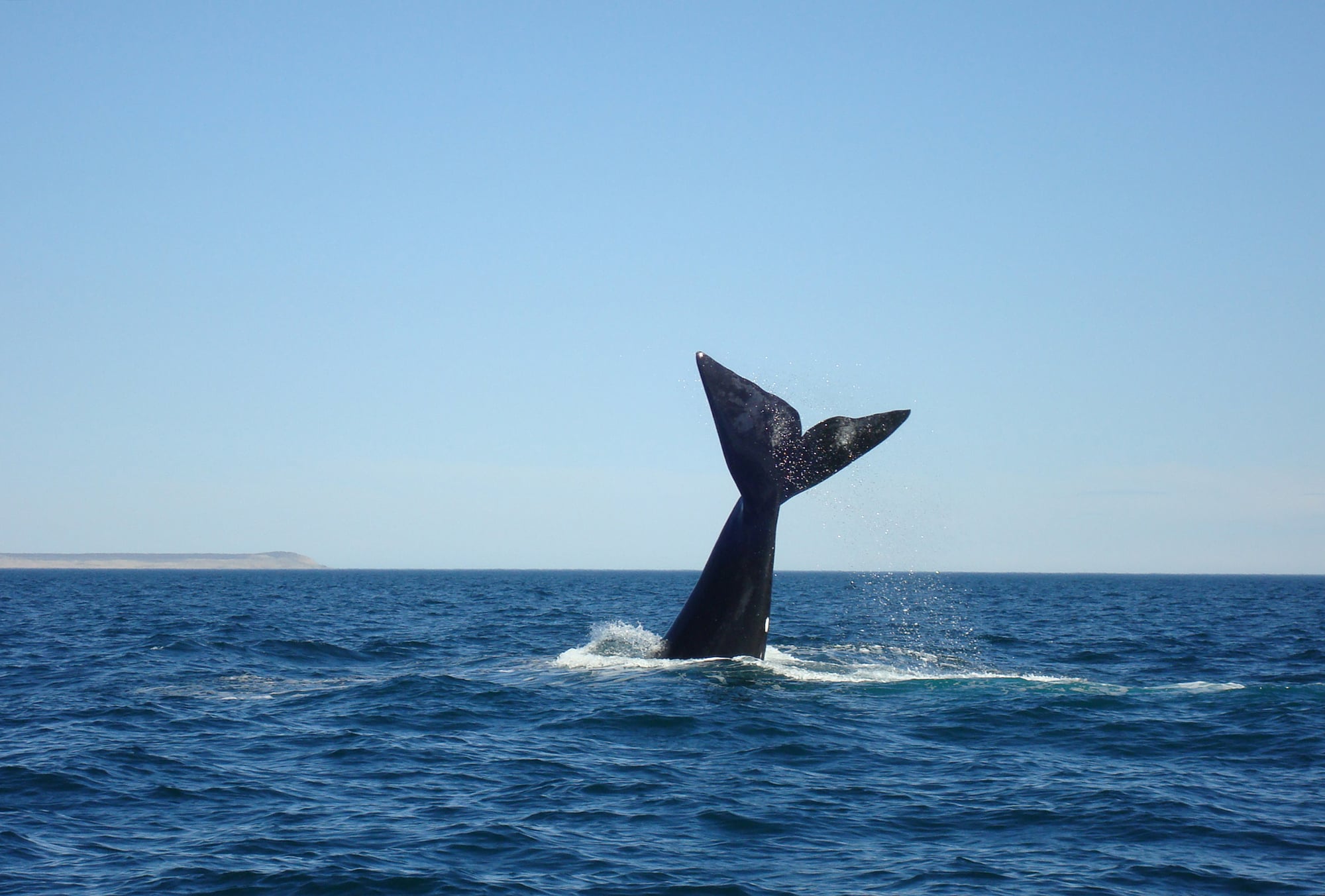
The baleen plates that filter feeders like blue whales and humpbacks use to sieve krill from seawater are made of keratin — the same protein in human fingernails and hair. Hundreds of overlapping plates hang from the roof of the mouth like layered curtains.
Each species has a different number, colour, and size of plates, and the pattern is unique enough to help scientists identify individual whales. Baleen whales are also born without these plates — calves develop them in their first year.
Gray Whales Make One of the Longest Animal Migrations on Earth
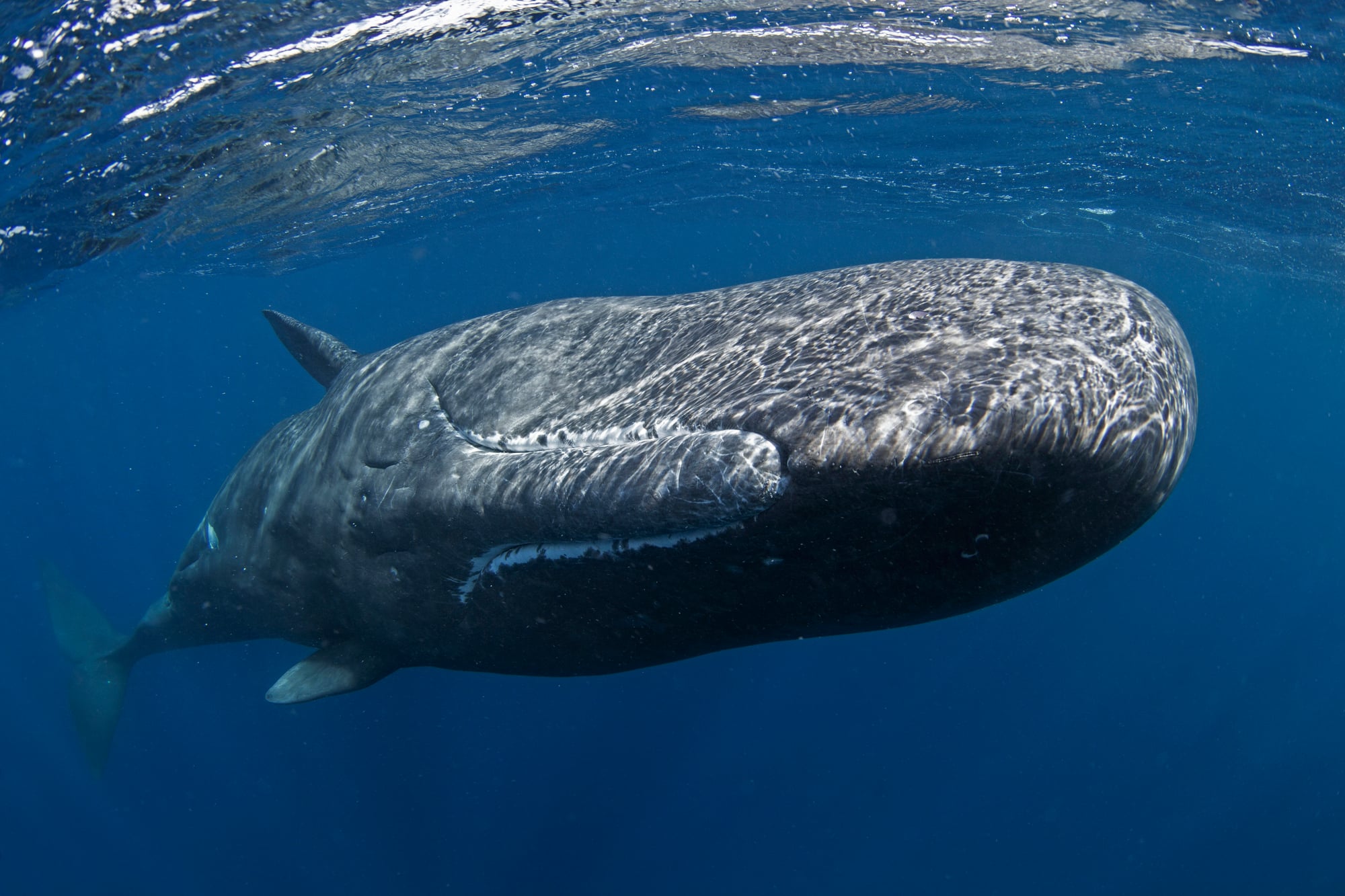
Gray whales travel approximately 20,000 kilometres annually between their Arctic feeding grounds and their breeding lagoons in Baja California, Mexico — one of the longest known migrations of any mammal. They navigate this route largely without eating, surviving on fat reserves built up during Arctic summers.
The entire reproductive cycle, from conception to nursing, takes place in warm, shallow Mexican lagoons before the return journey north.
Sperm Whale Clicks Are Among the Loudest Sounds Ever Measured in Nature
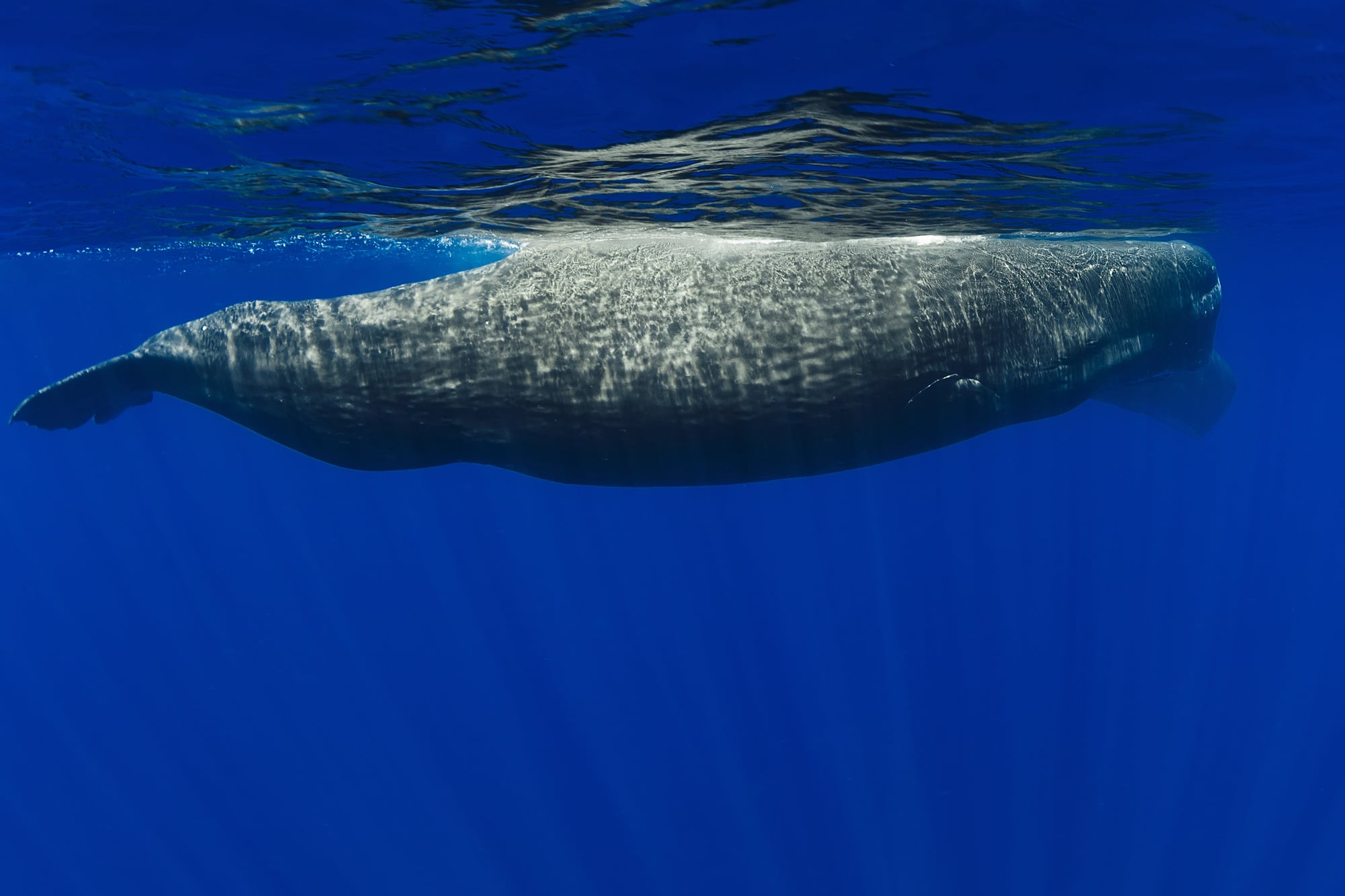
Sperm whale echolocation clicks have been measured at up to 236 decibels at source — sufficient in theory to stun or disorient prey at close range. The exact mechanism is produced by forcing air through a specialised organ in the enormous head called the phonic lips, bouncing the sound off the spermaceti organ, and projecting it forward.
Each sperm whale’s click pattern carries slight individual variations, and pod members recognise each other partly through the unique qualities of their clicks.
Beluga Whales Adopted a Lost Narwhal
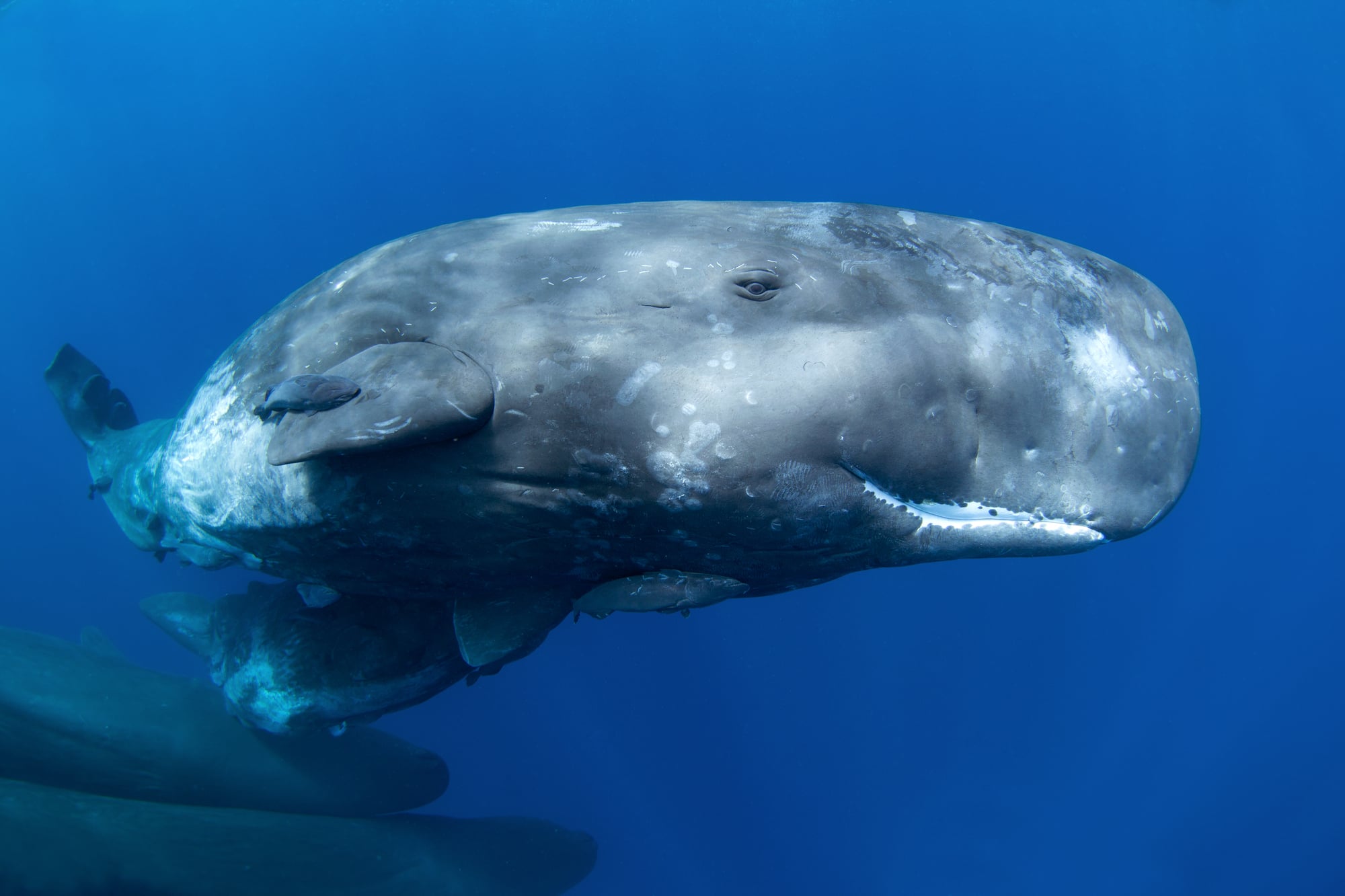
Researchers observing a group of beluga whales in the St. Lawrence River documented an unexpected addition to the pod: a juvenile narwhal, likely far from its Arctic range. The narwhal integrated fully into the beluga social group, mimicking their behaviours and travelling with them for years.
The case became one of the most discussed examples of cross-species social bonding in cetacean research, and the narwhal was still with the belugas several years after first being spotted.
Dolphins Have Passed the Mirror Self-Recognition Test
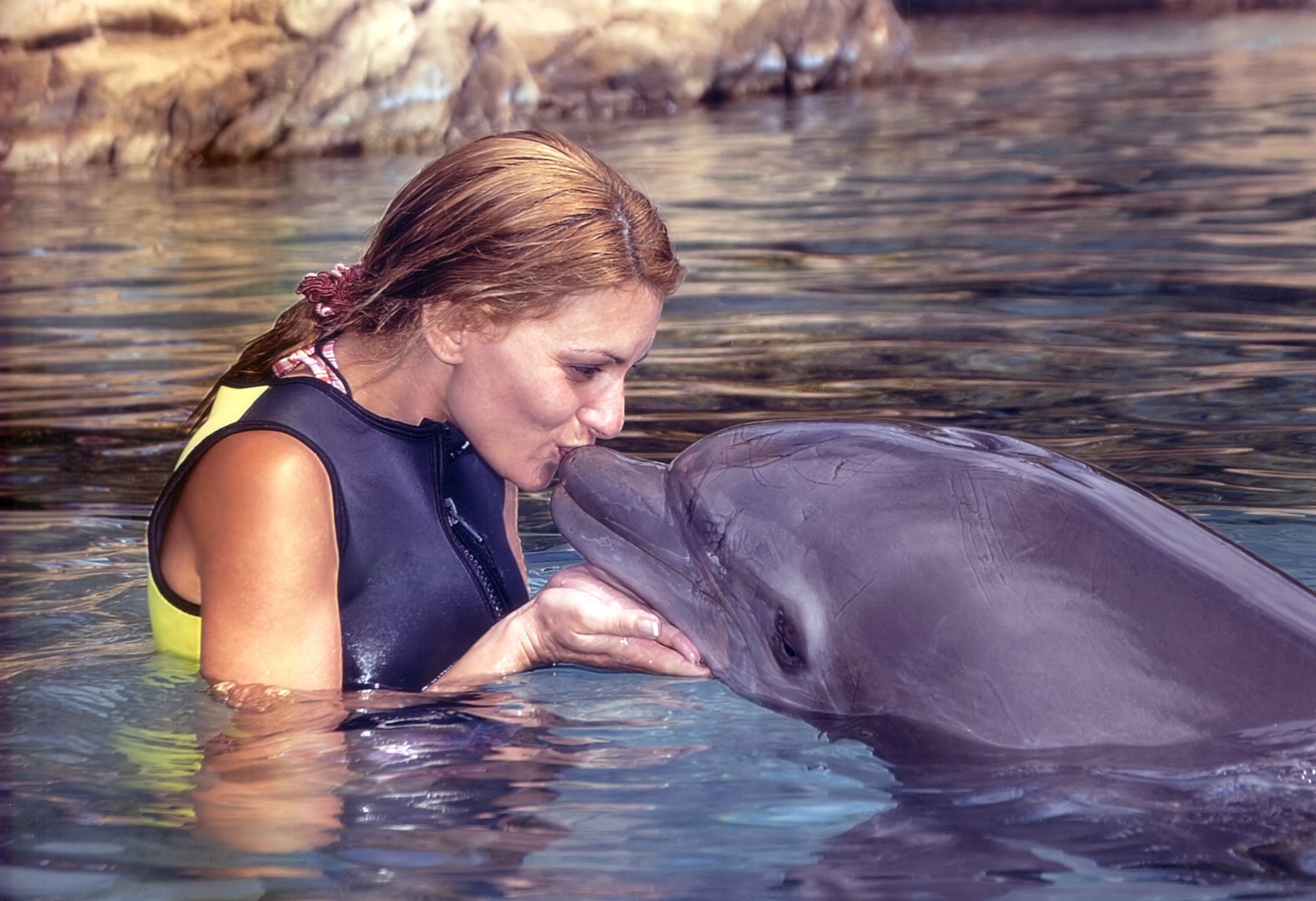
Mirror self-recognition — the ability to recognise oneself in a mirror rather than treating the reflection as another animal — is considered a marker of self-awareness. Bottlenose dolphins pass this test consistently, using mirrors to inspect parts of their own bodies they cannot otherwise see.
Only a small number of species have demonstrated this ability, including great apes, elephants, and some corvid birds.
The “Whale Fall” Creates an Entire Temporary Ecosystem
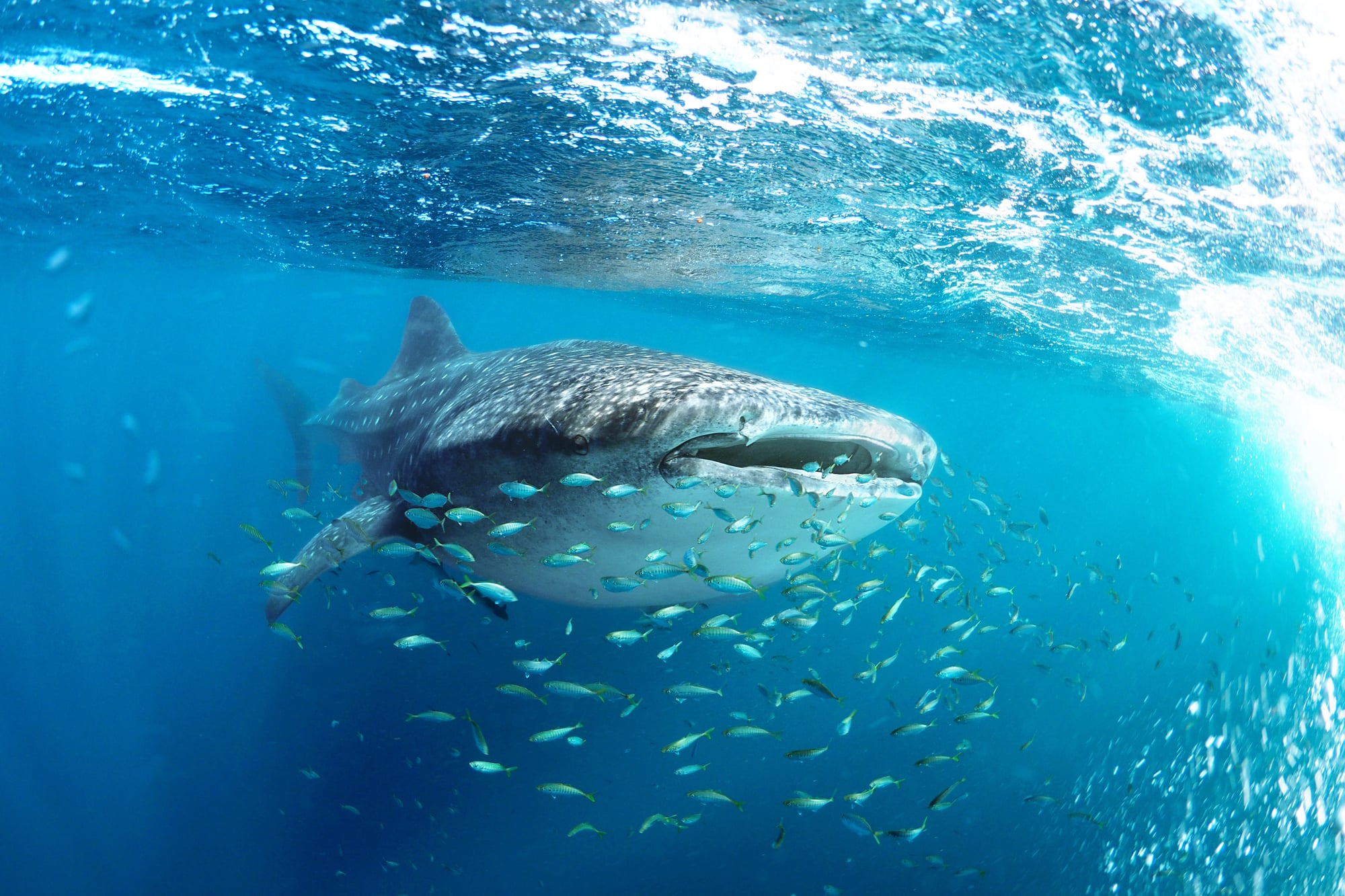
When a whale dies and sinks to the ocean floor, its carcass — called a whale fall — becomes one of the most biologically productive habitats in the deep sea. The decomposition process sustains multiple distinct stages of ecological succession, with different communities of organisms colonising it over periods of decades.
Some species found only at whale falls are not known to exist anywhere else in the ocean, making large cetaceans not just participants in ocean ecosystems but creators of entire temporary ones.
Humpback Whales Have Been Seen Blowing Bubble Rings Near Humans
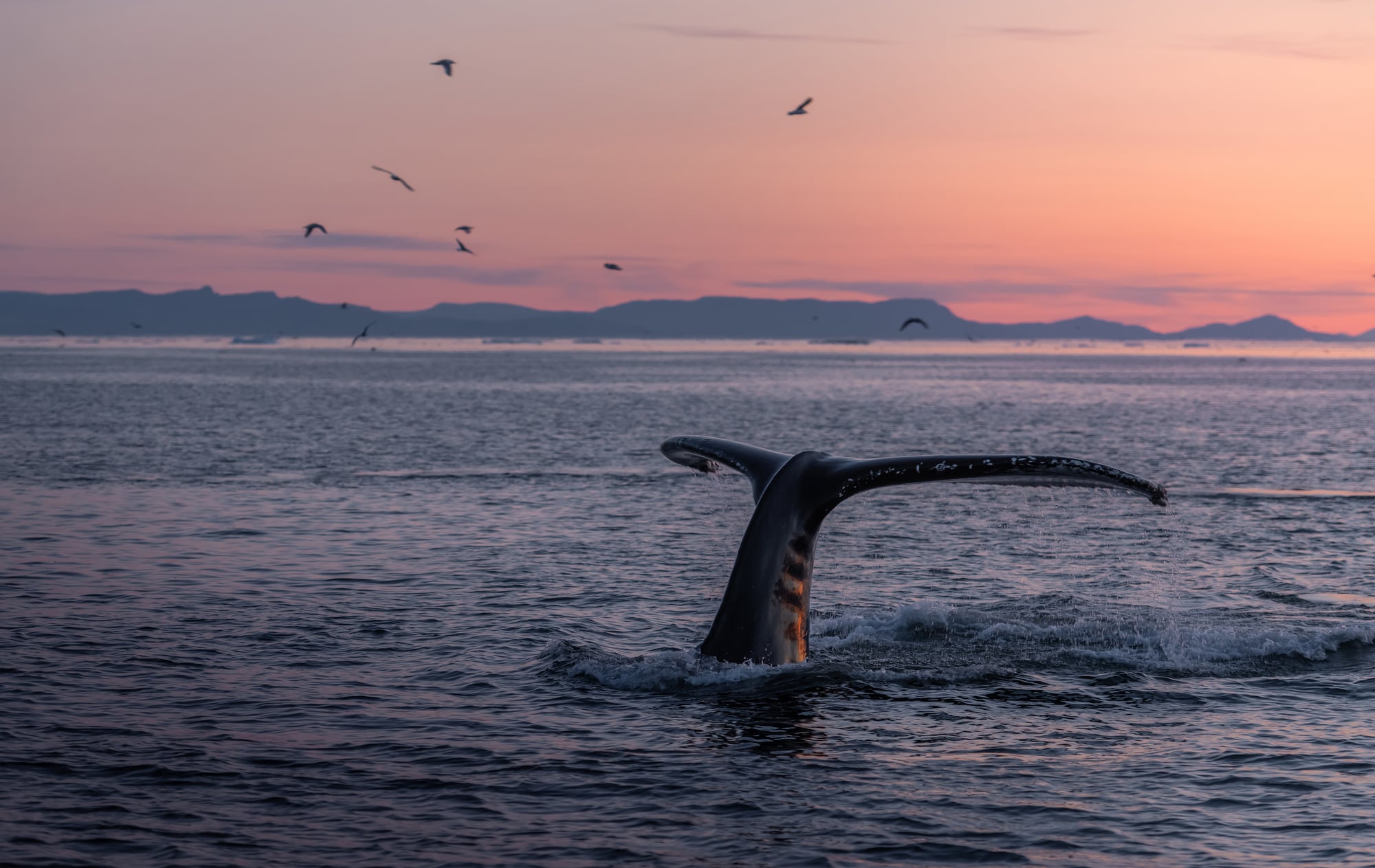
In a behaviour documented in detail as recently as 2025, humpback whales have been observed blowing perfectly formed bubble rings during friendly interactions with humans in the water — a display never previously recorded in scientific literature.
Researchers note the behaviour appeared in calm, non-threatening encounters and may represent a form of communication or play directed specifically at a different species.
Dolphins Can Recognise Each Other’s Signature Whistles After Decades Apart
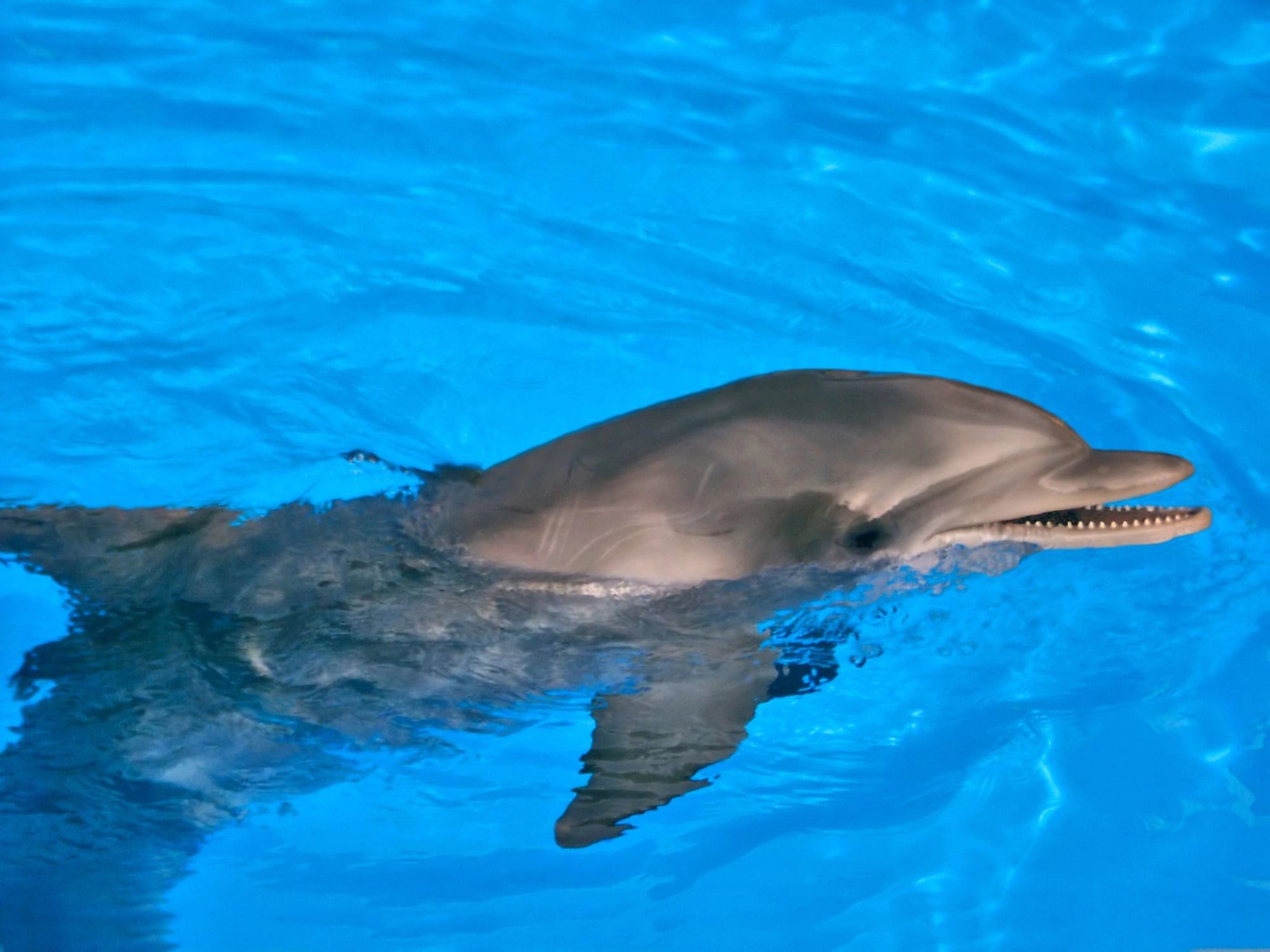
Research on the Sarasota Bay bottlenose dolphin community — one of the longest-running cetacean studies in the world, tracking individuals across up to six generations — demonstrated that dolphins responded selectively to playback of signature whistles from former associates even after years of separation.
They showed notably stronger reactions to whistles from known individuals than to whistles from strangers, suggesting a long-term social memory comparable in some respects to that of humans.
The Orca Family Bond Is Lifelong — Including for Sons
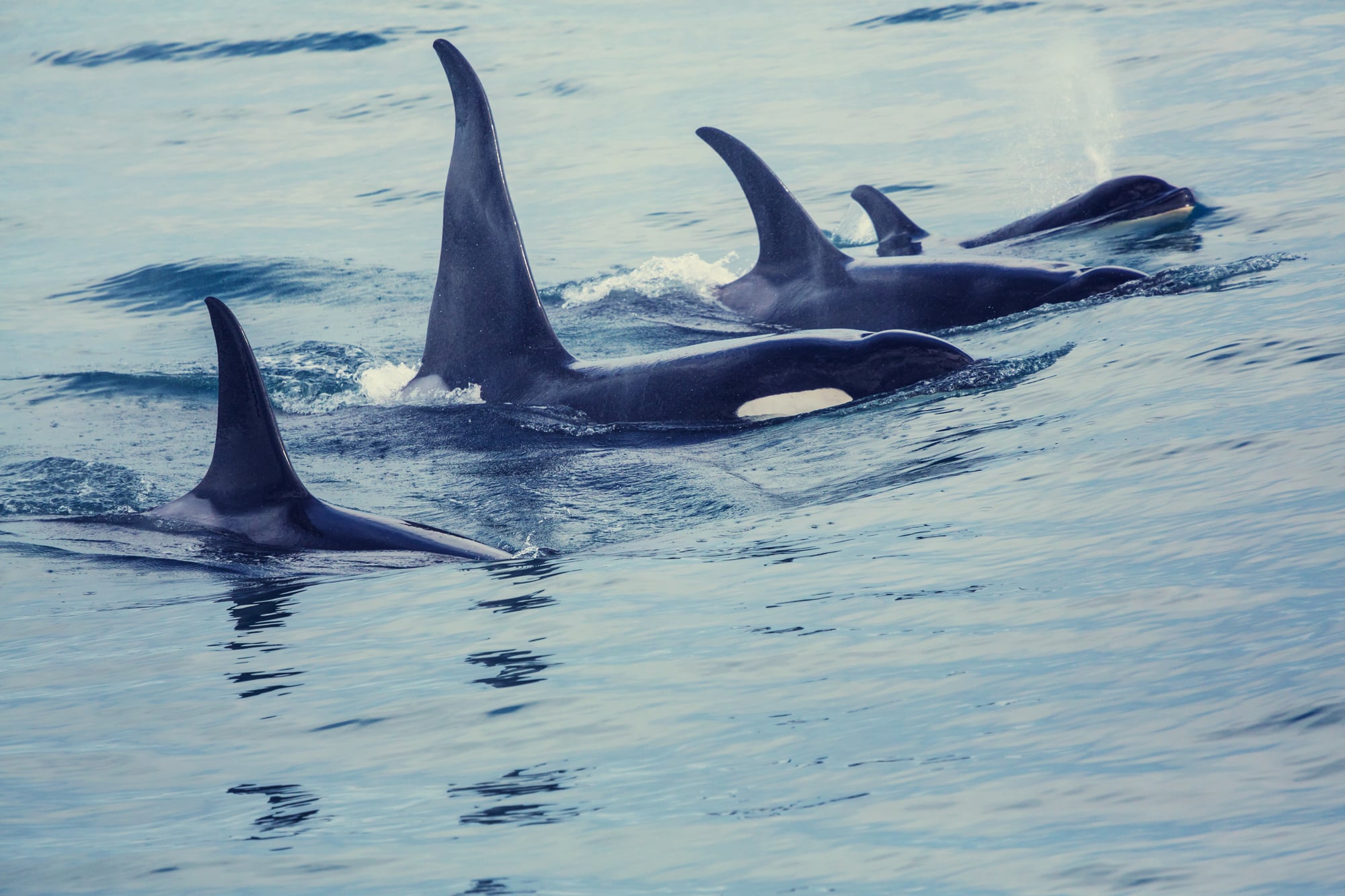
In most animal species, male offspring eventually leave their birth group. Male orcas do not.
Both sons and daughters remain with their mothers for life, and a male orca without a living mother has measurably higher mortality rates.
This means a single female orca may lead a family that includes her adult children, grandchildren, and great-grandchildren — spanning five decades or more of continuous matrilineal social structure.
River Dolphins Evolved Independently From Ocean Dolphins
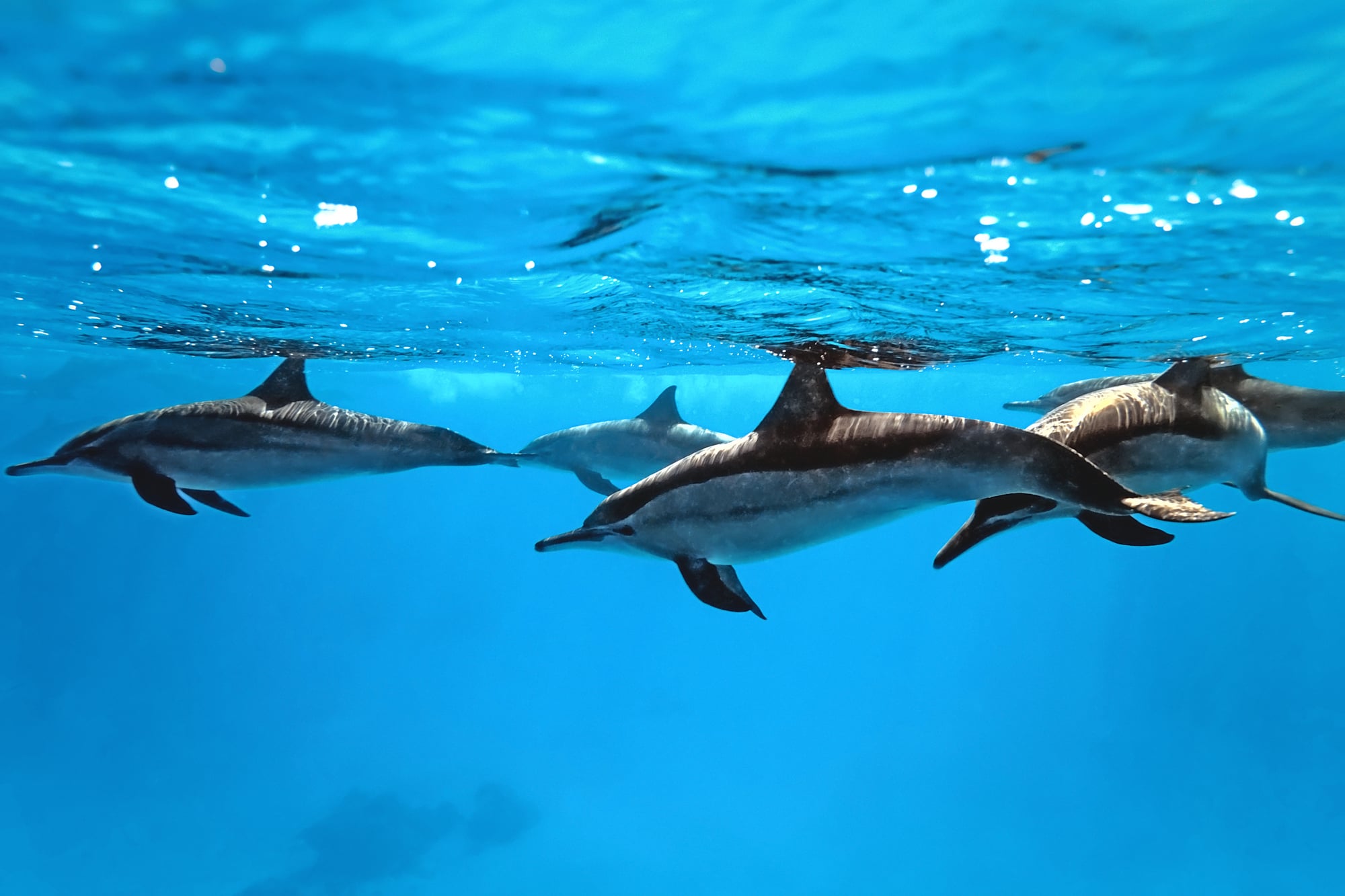
The Amazon river dolphin, the Ganges river dolphin, and the Yangtze finless porpoise did not descend from a single ancestor that moved from sea to river. Different lineages of ancient dolphins entered river systems independently at different points in evolutionary history.
The Amazon river dolphin, also known as the boto, is so distinct from ocean dolphins that it belongs to its own taxonomic family. Some river dolphin species are critically endangered due to pollution, dam construction, and accidental capture in fishing nets.
Cetacean Brains Have a Structure Found Nowhere Else
The cetacean brain contains a unique anatomical region called the paralimbic lobe — a structure with no direct equivalent in any other mammal’s brain. Researchers believe it may be involved in processing complex social and emotional information.
The cerebral cortex of dolphins, while structured differently from human cortices, shows a level of convoluted complexity consistent with highly sophisticated cognitive processing.
Whether this translates to subjective experience in any way comparable to human consciousness remains a genuinely open scientific question.
The Common Assumption Doesn’t Hold
People tend to think of cetaceans as smart in a charming, vague way — good at tricks, social, impressive jumpers. What the actual research shows is something more unsettling and more interesting: animals with distinct cultures, individual names, grandmother wisdom, long grief, and brain structures evolved completely independently from our own that nonetheless produce recognisably similar cognitive outcomes.
The assumption that intelligence is a human thing, with animals arranged at various distances below it, fits cetaceans poorly. A better frame might be that intelligence is something the ocean came up with on its own, starting about 55 million years ago, and has been quietly refining ever since.
More from Go2Tutors!

- The Romanov Crown Jewels and Their Tragic Fate
- 13 Historical Mysteries That Science Still Can’t Solve
- Famous Hoaxes That Fooled the World for Years
- 15 Child Stars with Tragic Adult Lives
- 16 Famous Jewelry Pieces in History
Like Go2Tutors’s content? Follow us on MSN.