26 Thanksgiving Dishes That Fell Out of Fashion
Somewhere in a faded family cookbook is a Thanksgiving menu that would baffle a modern guest. The turkey and pumpkin pie are still there, but the supporting cast has been quietly rewritten over the decades.
These dishes once sat on American holiday tables without anyone raising an eyebrow. Some were practical, some were fancy, and a few were simply a product of what the grocery store was pushing that year.
Watergate Salad and Its Murky Name
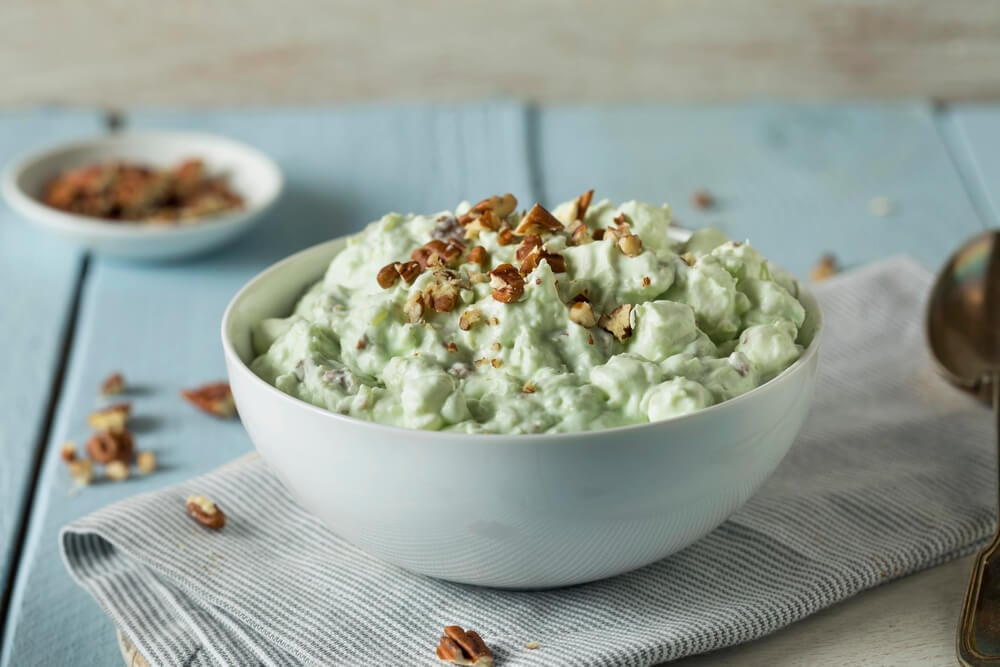
Watergate salad is a pale green mixture of pistachio pudding mix, canned pineapple, marshmallows, and whipped topping. It rose to popularity in the 1970s, and the name is tied to the political scandal of that era, though the exact link has never been settled.
Several competing origin stories exist, and none has been accepted as the final word. The dish remains one of the few recipes whose name outlived the memory of why it was chosen.
Oyster Stuffing for the Turkey
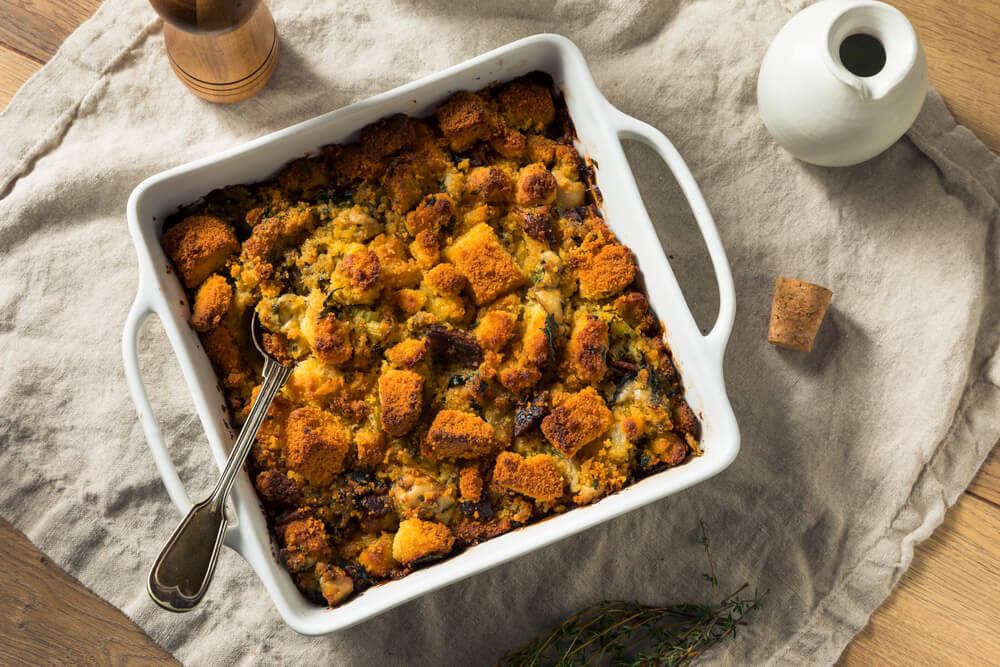
Oysters were once cheap and plentiful on the American coast, and New York Harbor was said to hold roughly half the world’s oysters. That abundance made them a natural filling for the Thanksgiving bird, mixed into bread dressing for a briny, savory note.
As oyster beds were overharvested and prices climbed, the stuffing shifted from everyday economy to occasional nostalgia. Today it survives mostly in coastal families that refuse to let it go.
Creamed Onions in White Sauce
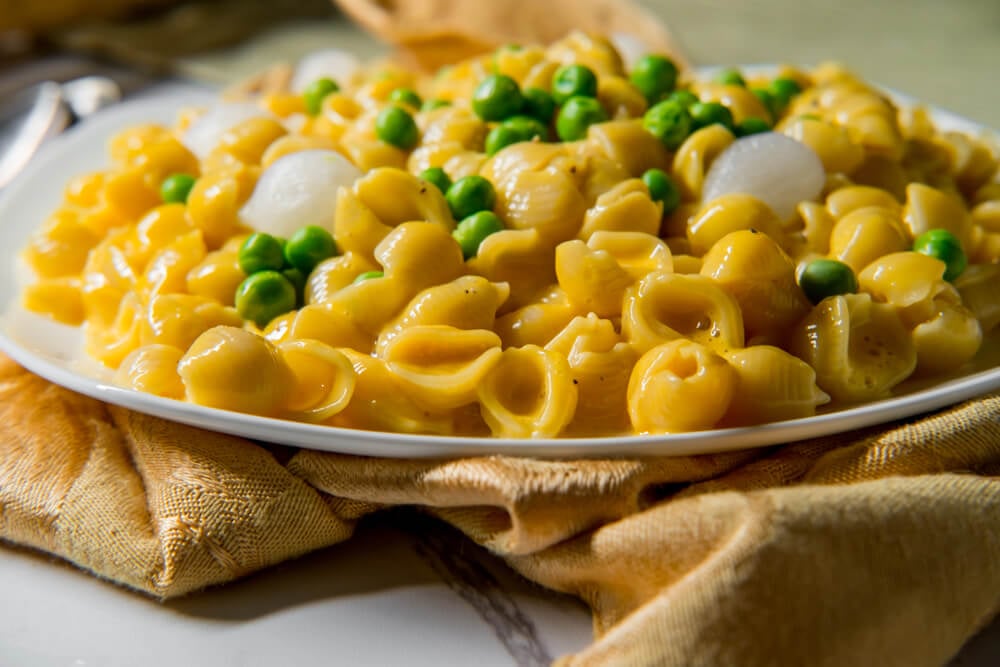
Small pearl onions simmered in a butter-and-flour cream sauce, often with a dusting of nutmeg, were a standard holiday side for generations. Peeling dozens of tiny onions was the chore that made cooks think twice, and a quick blanch to loosen the skins was the usual workaround.
The dish is pale, soft, and rich, which fits poorly with a modern taste for roasted and crisp vegetables. It lingers mainly as a dish older relatives ask about and younger ones decline.
Ambrosia With Coconut and Oranges
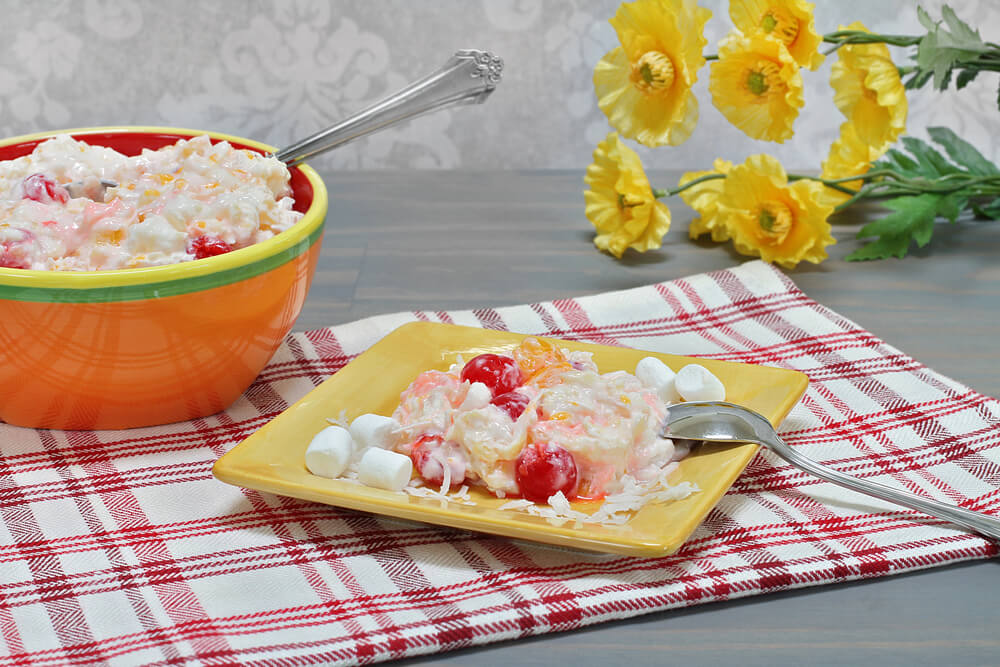
The name comes from the mythical food of the Greek gods, and the earliest versions were nothing more than sliced oranges layered with grated coconut in a glass dish. Later versions added canned pineapple, maraschino cherries, and marshmallows, turning it into something closer to dessert.
It was especially at home on Southern holiday tables. The dish still appears at some gatherings, but it has lost its place as an expected course.
Mincemeat Pie With Actual Meat
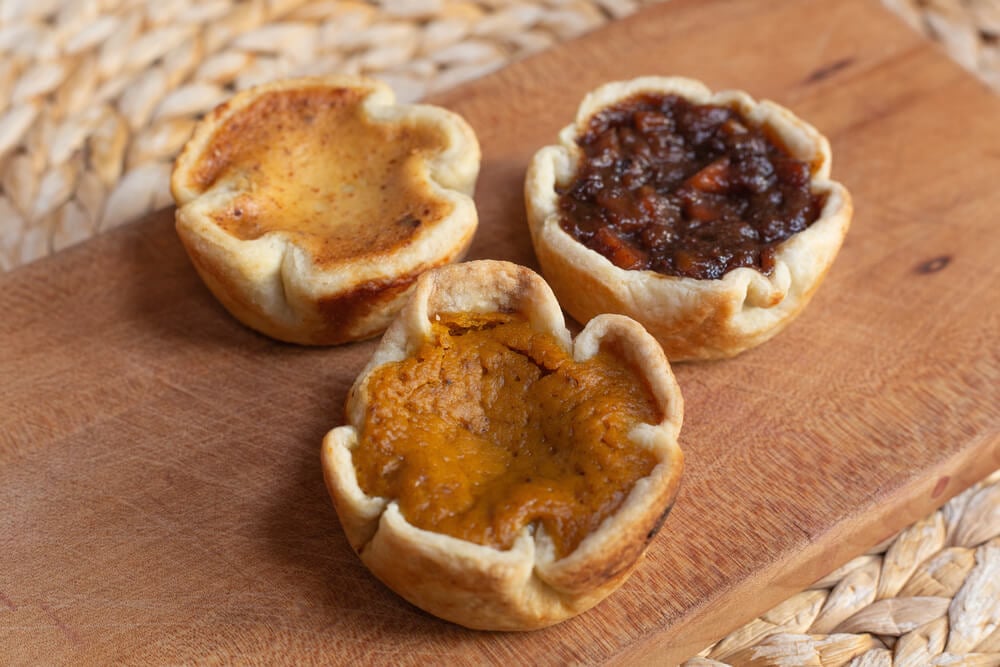
Mincemeat has medieval roots in Europe, and early versions combined minced meat, suet, dried fruit, and spices. Colonial American cooks carried the tradition across the Atlantic, and one version featured beef tongue as a luxury ingredient.
Over time the meat faded from most recipes while the fruit and spice remained, and the pie lost much of its appeal along the way. Many modern diners are surprised to learn that the name was meant literally.
The Relish Tray
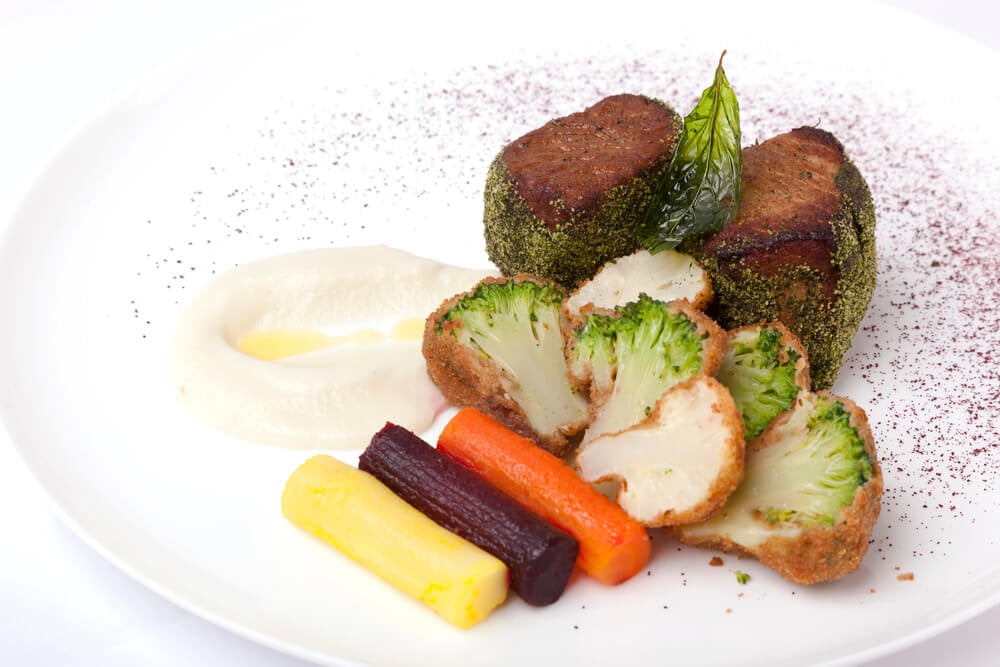
Before the main event, many mid-century hosts set out a tray of celery sticks, olives, pickles, radishes, and carrot curls. The relish tray was especially associated with the Midwest, where it served as a formal gesture at family gatherings and supper clubs.
It gave guests something to nibble while the turkey rested and the kitchen reached peak chaos. Cheese boards and charcuterie platters have since taken over the role, leaving the humble pickle dish behind.
Waldorf Salad as Originally Built
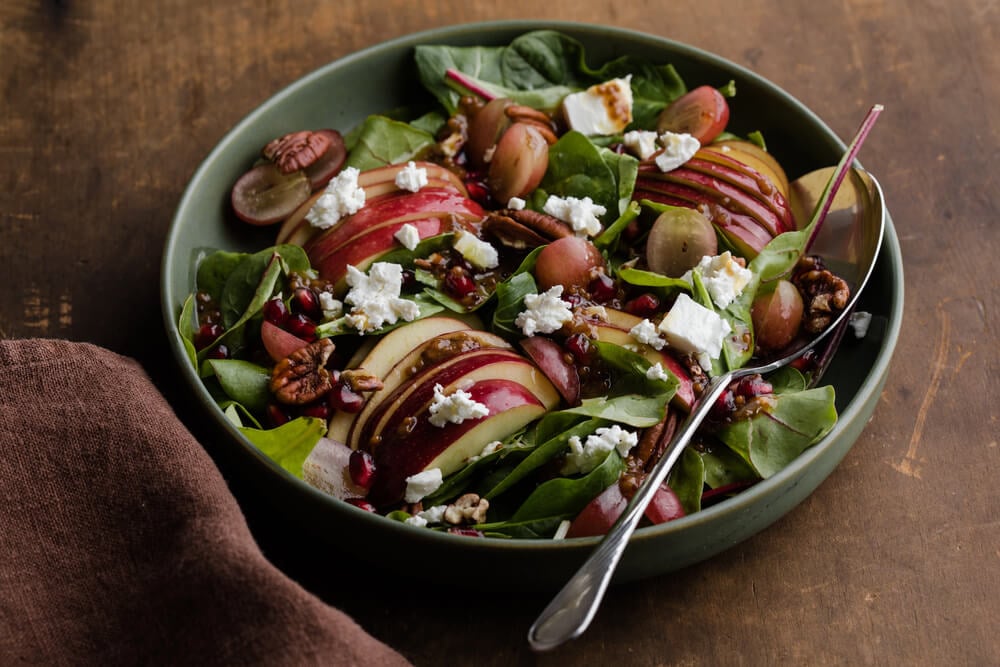
The Waldorf salad was created in the 1890s at the Waldorf Hotel in New York by maître d’hôtel Oscar Tschirky, who was not a chef. His original version contained only apples, celery, and mayonnaise, with walnuts added by later cooks.
It spread across the country as a symbol of elegant dining and landed on many holiday menus. The dish has since slipped into the category of old-fashioned hotel food, rarely seen outside retro menus.
Candied Yams Under a Marshmallow Blanket
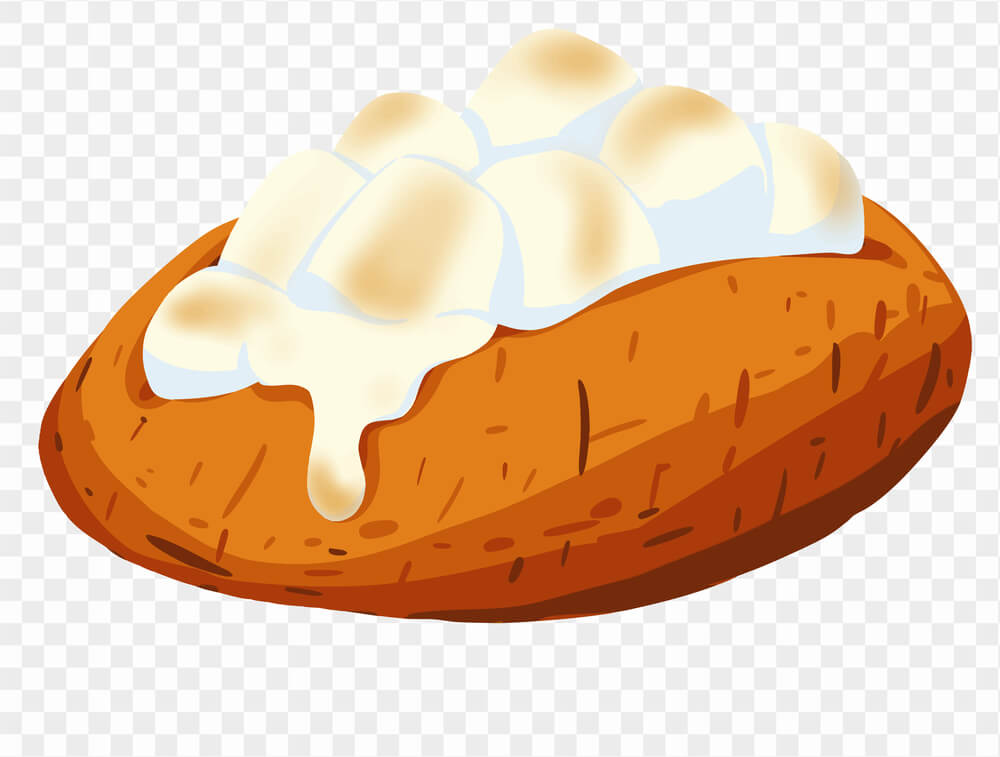
The pairing of sweet potatoes and marshmallows is often traced to a marshmallow maker’s recipe booklet from around 1917, which promoted the combination as a household novelty. Many of the orange tubers sold as yams in American stores are actually sweet potatoes, a labeling quirk that has persisted for decades.
The dish turned into a holiday staple for much of the twentieth century. Contemporary cooks increasingly favor savory roasted versions, leaving the toasted marshmallow topping as a nostalgic holdout.
Congealed Gelatin Salads
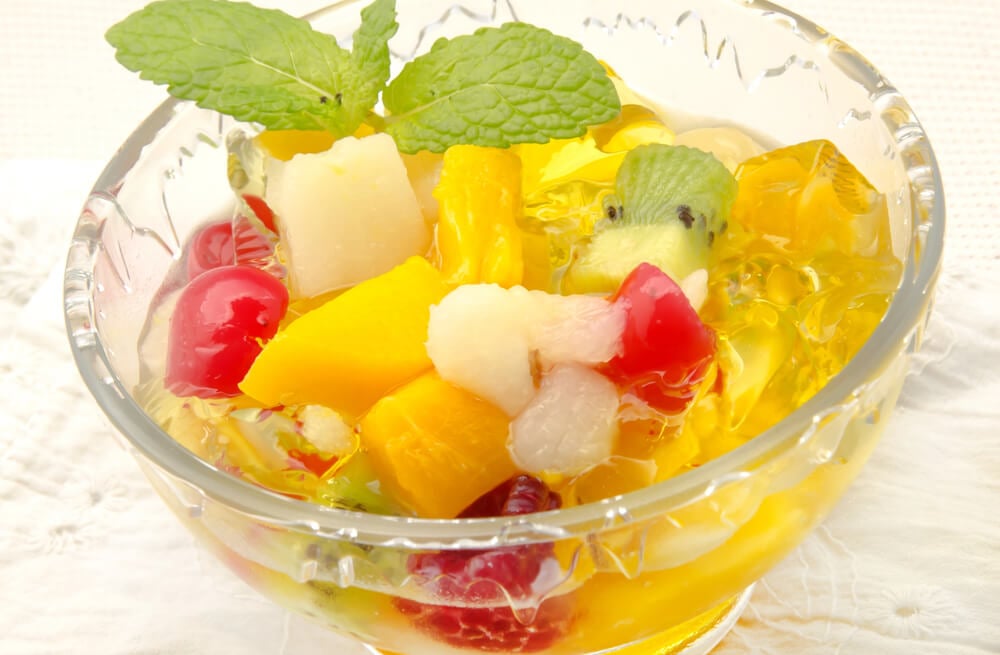
Jell-O was introduced in 1897 in Le Roy, New York, and Orator Woodward’s company bought the rights in 1899 for a modest sum. By the mid-twentieth century, gelatin salads suspended carrots, cabbage, cottage cheese, and canned fruit in shimmering molds.
These dishes were considered modern, convenient, and a mark of a skilled hostess. They have since drifted from the holiday table, remembered more as a curiosity than as a centerpiece.
Molded Cranberry Ring
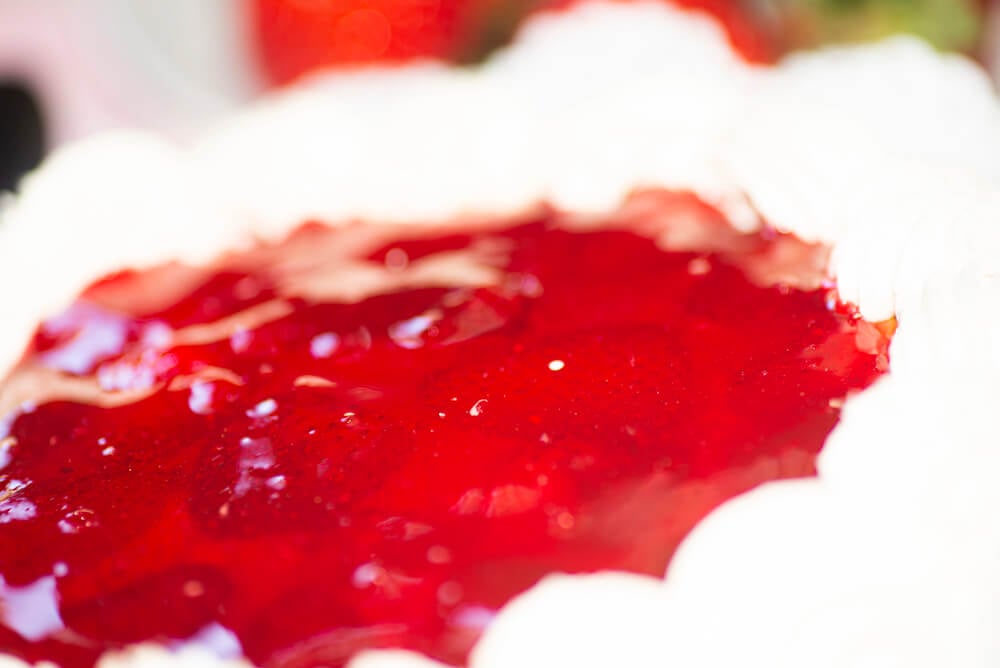
Cranberries are naturally high in pectin, which is why cranberry sauce sets up so easily. Mid-century cooks took advantage of that quality, and with some added gelatin, built shimmering rings and molds studded with celery, nuts, and orange.
The result was served unmolded onto a lettuce leaf, an arrangement that signaled effort. Most households now settle for a simple bowl of sauce, and the sculpted version has largely vanished.
Tomato Aspic
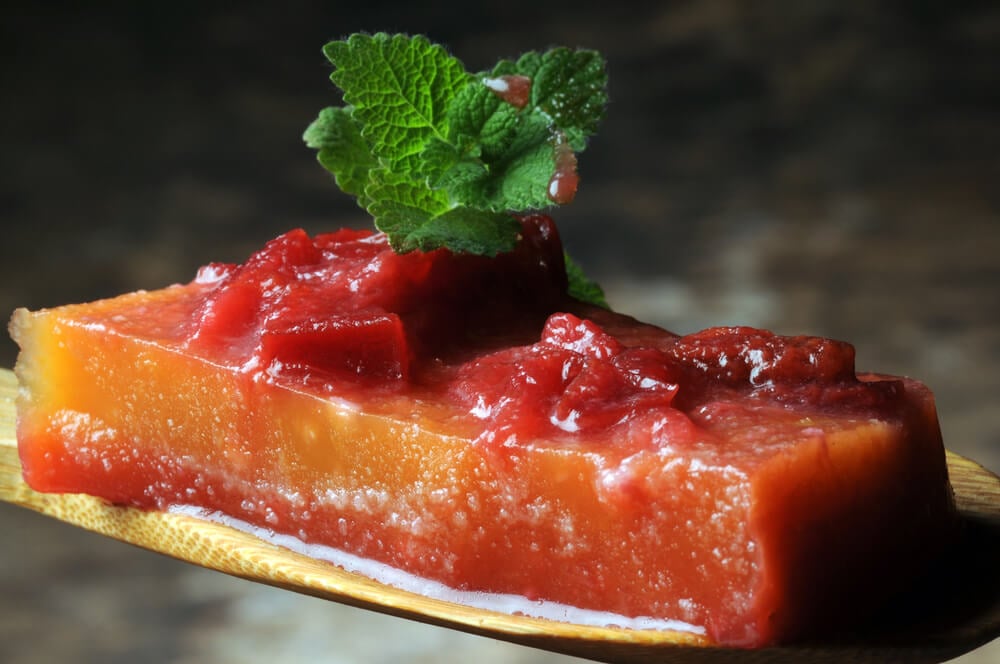
Tomato aspic is a savory gelatin made from seasoned tomato juice, often set in a ring mold and filled with mayonnaise or seafood salad. It was a fixture of Southern luncheons and holiday meals, and cooks often served it chilled on a bed of lettuce.
The dish made sense in an era that prized make-ahead food and elegant presentation. Modern palates tend to find the wobbling tomato jelly more puzzling than appealing.
Chestnut Stuffing From a Lost Tree
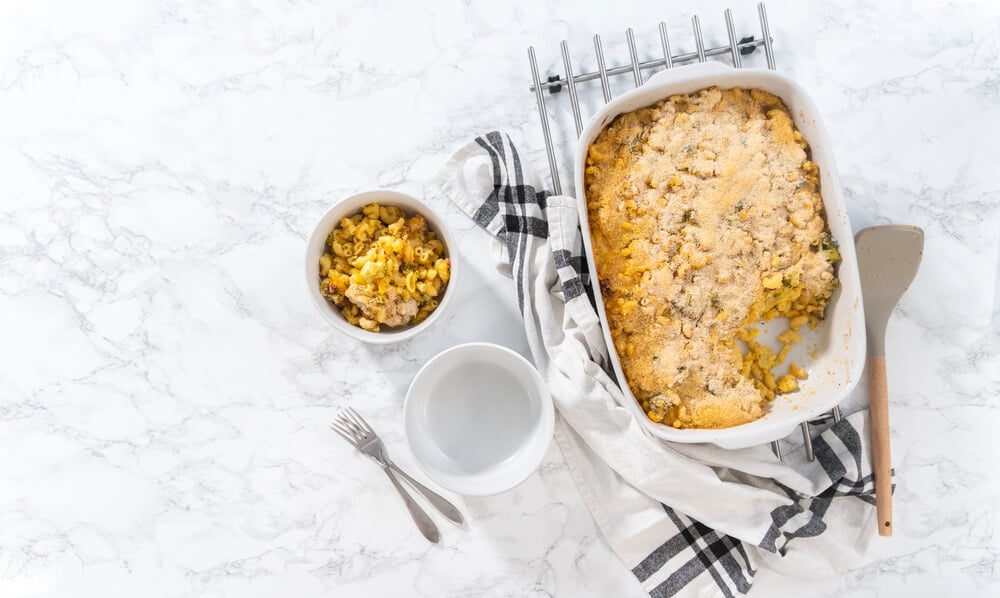
American chestnut trees once dominated eastern forests, and roasted chestnuts were a common ingredient in holiday dressing. A fungal blight, first identified in 1904 at the New York Zoological Park in the Bronx, went on to kill an estimated three to four billion trees.
Native chestnuts became so scarce that cooks turned to imported nuts, and the tradition gradually thinned. The stuffing is a reminder that some dishes disappear because the ingredient did.
Scalloped Oysters
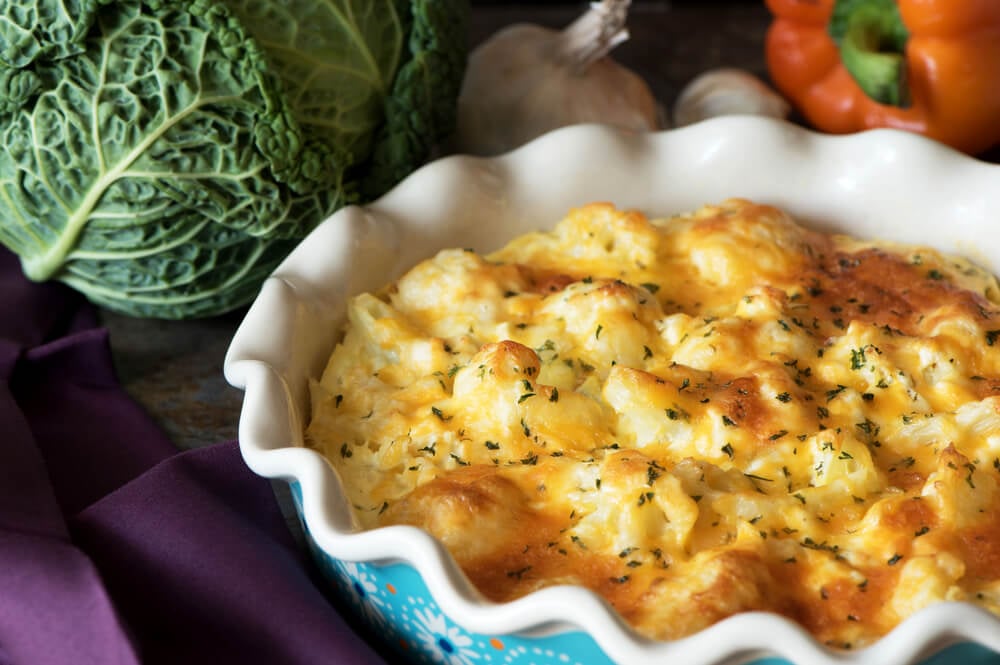
Scalloped oysters layer oysters with cracker crumbs and butter, then bake the casserole until the top browns. Many families, particularly along the Atlantic coast and the Chesapeake region, treated it as a required Thanksgiving dish.
The recipe leaned on a seafood supply that was once abundant and affordable. As oysters became a luxury, the casserole faded to a single-family tradition for those who still hold the recipe.
Turtle Soup
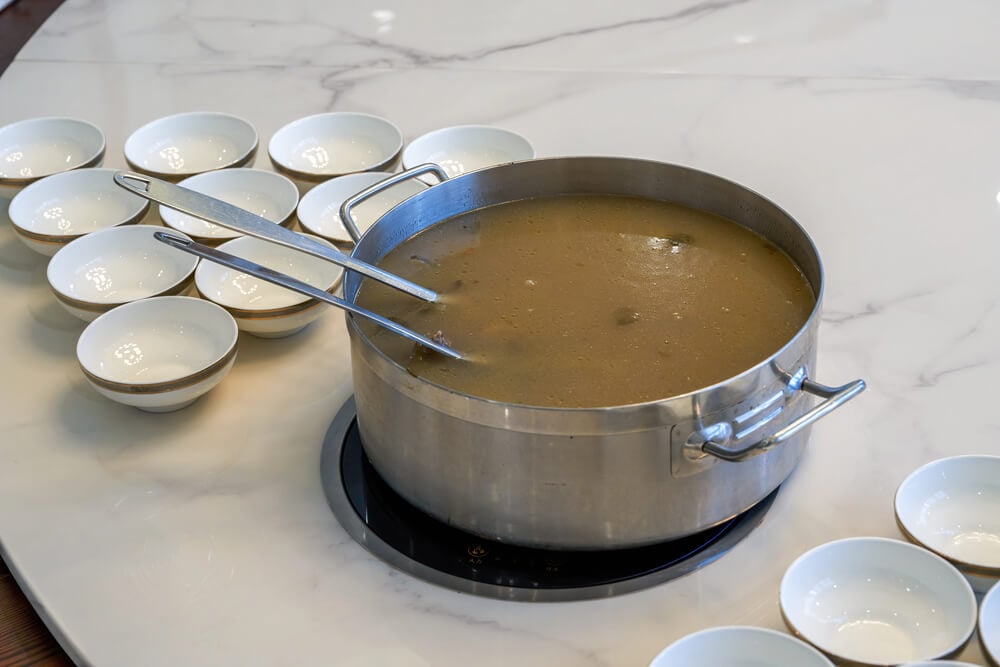
Turtle soup was a formal opening course on elegant American menus of the nineteenth century, including some holiday feasts. Because genuine turtle was expensive, cooks developed mock turtle soup using calf’s head as a substitute.
Overharvesting of terrapins and changing tastes ended the soup’s reign. It now survives mostly in a few old restaurants and in the history books.
Succotash
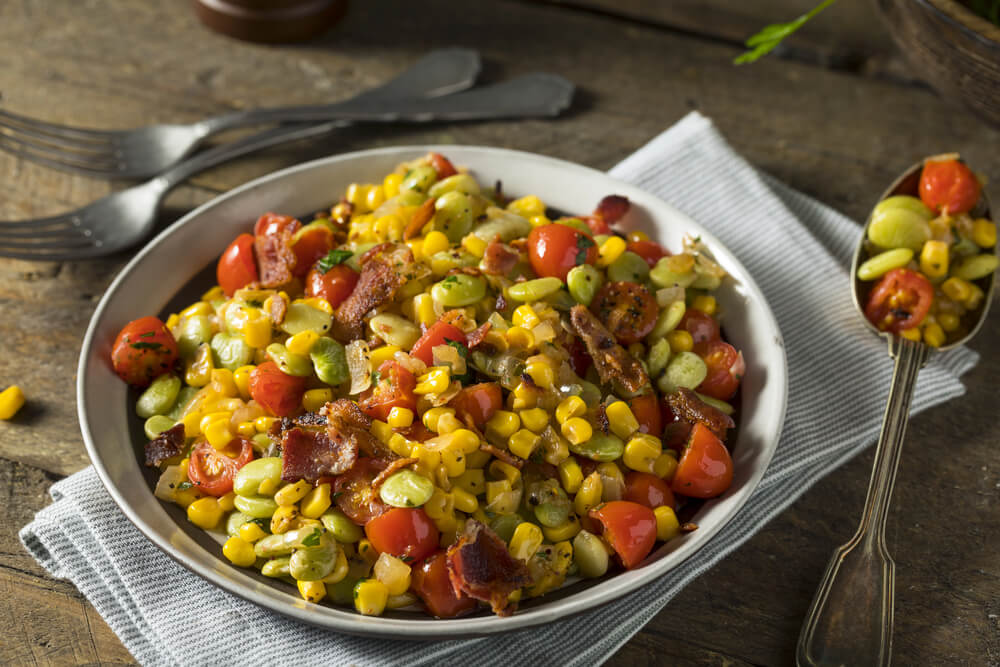
Succotash, a stew of corn and lima beans, traces its name to a Narragansett word often rendered as msickquatash. Colonial settlers adopted it, and it became a familiar part of New England meals, including holiday dinners.
The dish was cheap, hearty, and easy to prepare from pantry staples. Its reputation later slid toward cafeteria food, and it has mostly dropped off the festive menu.
Indian Pudding
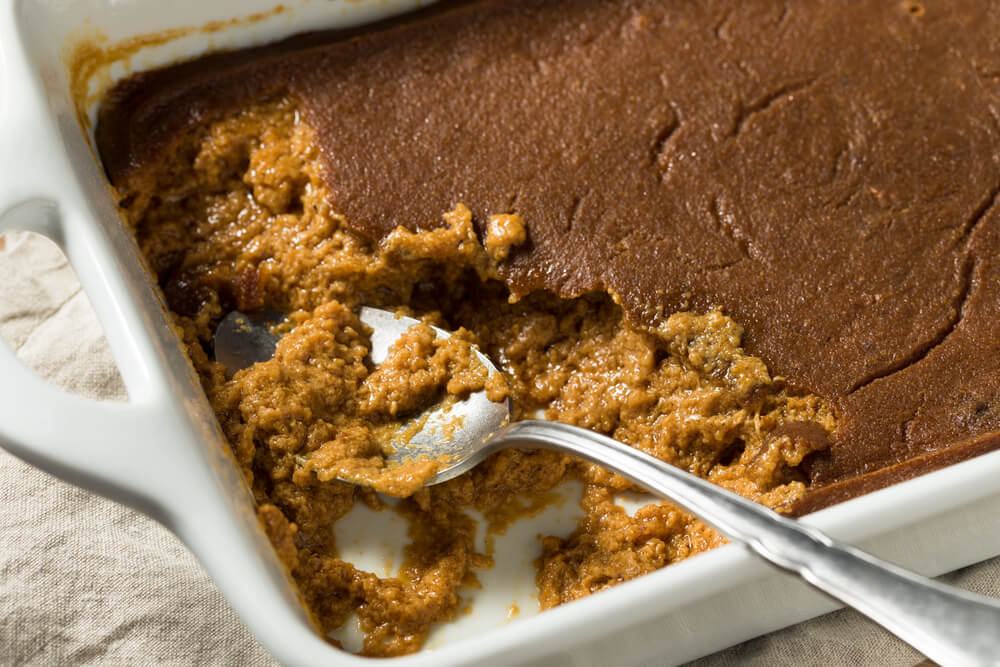
Indian pudding is a baked custard of cornmeal, milk, and molasses, cooked slowly until dark and creamy. The Boston restaurant Durgin-Park served it for generations before the restaurant closed in 2019.
The name refers to cornmeal, which early colonists called Indian meal. Pumpkin and pecan pies have crowded it out of most dessert tables.
Parker House Rolls
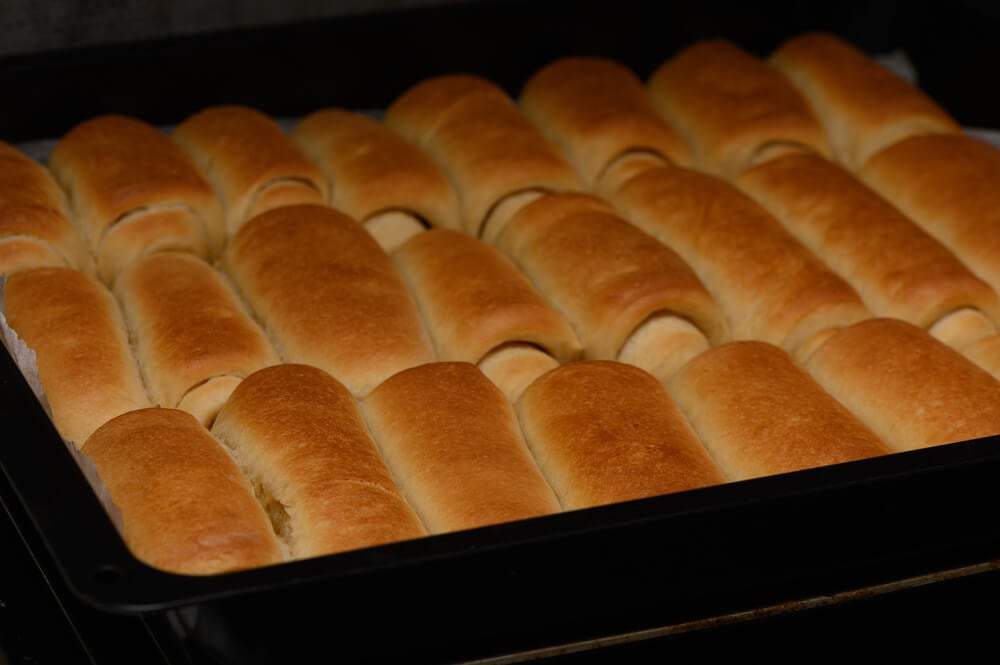
Parker House rolls are soft, buttery rolls folded over before baking, and they are tied to the Parker House hotel in Boston. They became a standard bread basket item at holiday meals through the early and mid-twentieth century.
The folded shape gives them a pocket of butter inside. Store-bought crescent dough and dinner rolls have mostly replaced the hand-folded original.
Pumpkin Chiffon Pie
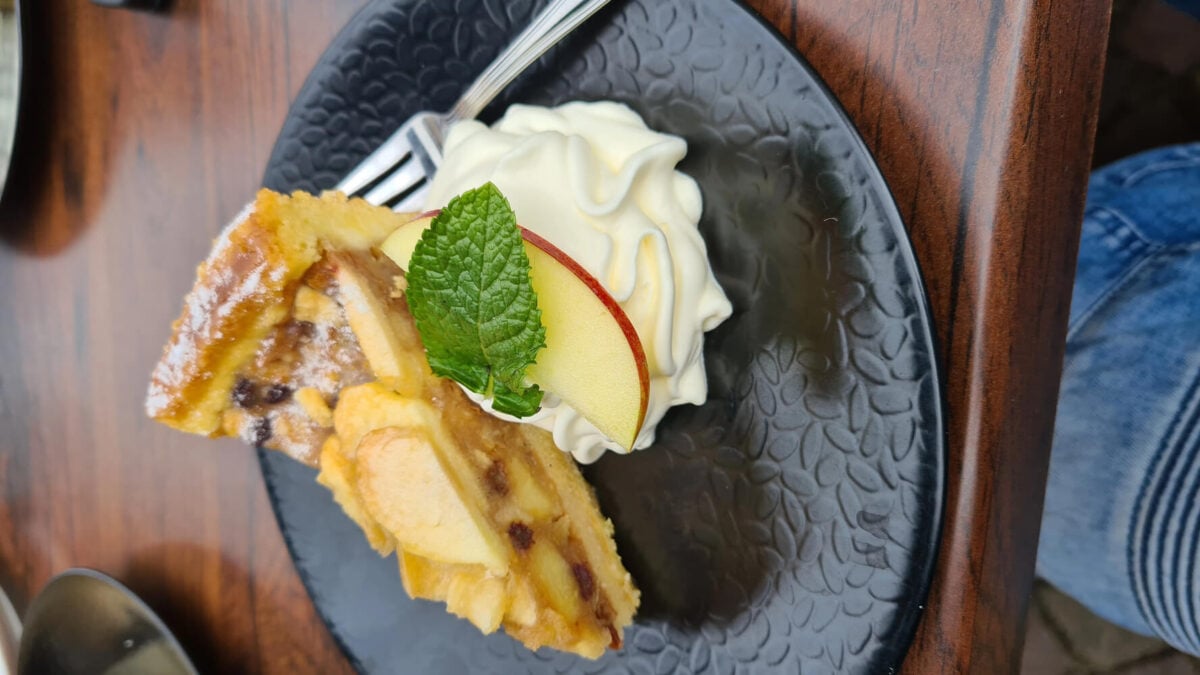
Pumpkin chiffon pie lightens the usual dense filling with gelatin and whipped egg whites, producing a fluffy, mousse-like texture. It was a popular alternative to the traditional baked custard pie in the middle of the twentieth century.
The chilled filling made it a convenient make-ahead dessert. Today the dense, spiced classic holds firm, and the airy version rarely appears.
Syllabub
DepositPhotos
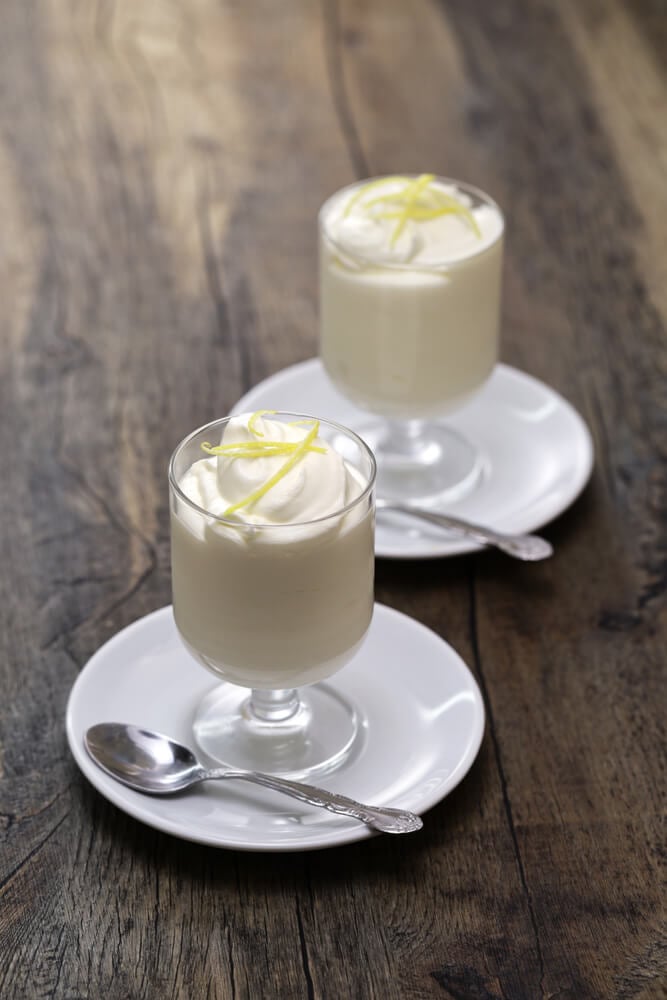
Syllabub is an old English drink and dessert made from cream whipped with wine or cider and sweetened. In its oldest form, milk was drawn straight from the cow into the spirited liquid, creating a frothy head.
It crossed into colonial American cooking and showed up at festive gatherings. The dish eventually dropped away, replaced by ice cream and other chilled sweets.
Persimmon Pudding
DepositPhotos
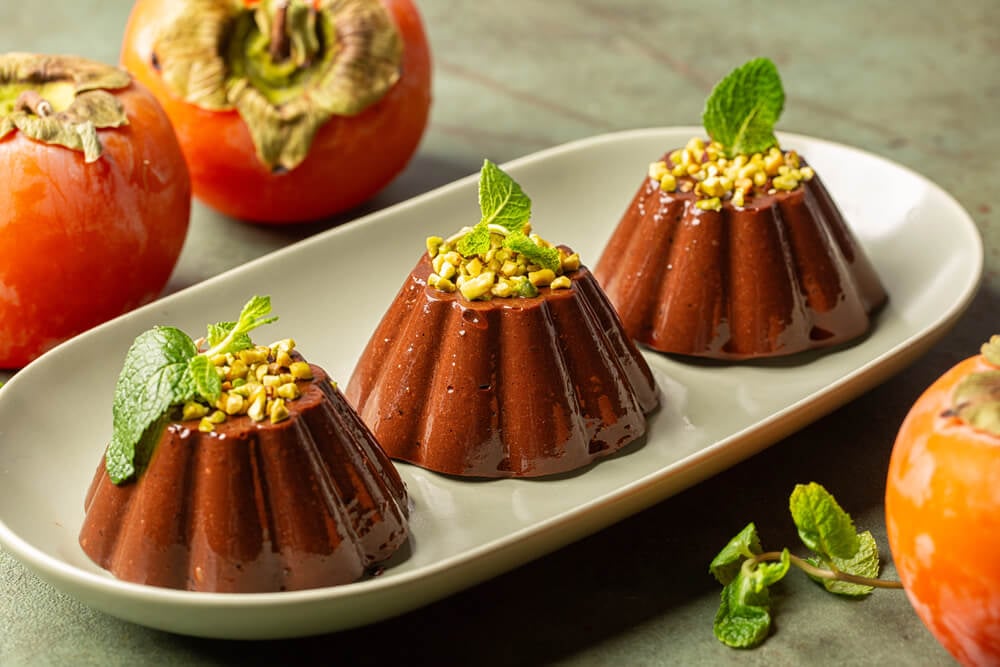
Persimmon pudding is a dense, dark, spiced dessert made from native American persimmon pulp. It remains a regional favorite in Indiana, where the town of Mitchell hosts a persimmon festival each September.
Because the fruit is only edible when fully ripe, the pudding depends on foraging and patience. Outside of its home territory, the dessert has become a rare find.
Giblet Gravy
DepositPhotos
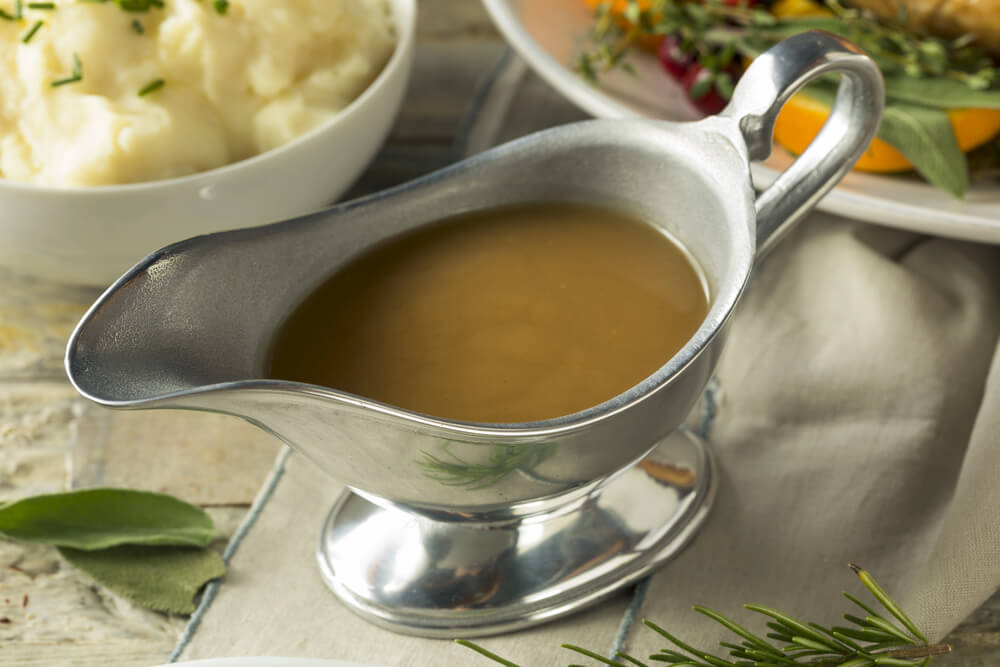
Giblet gravy is made with the heart, gizzard, liver, and neck of the turkey, simmered into a stock and chopped into the sauce. For much of the twentieth century it was the default gravy for the holiday bird.
The texture, with bits of organ meat suspended in the sauce, divides diners. Smooth gravies and prepared mixes have largely taken over.
Pickled Watermelon Rind
DepositPhotos
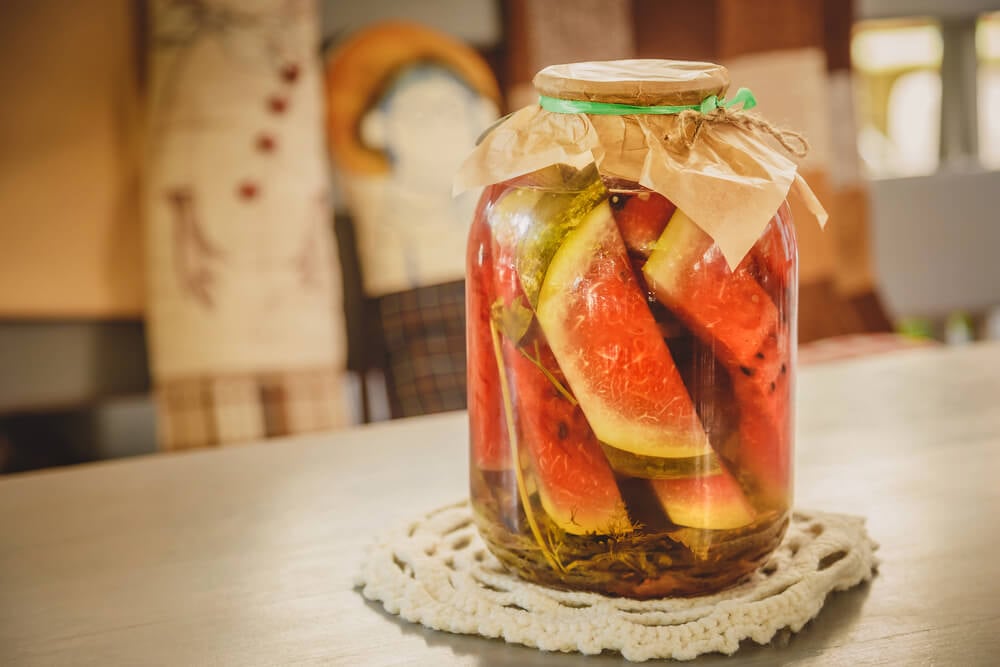
Pickled watermelon rind turns the part of the fruit that usually gets thrown away into a sweet-and-sour relish. It is closely associated with Southern kitchens, where thrift and preserving were everyday habits.
The pieces are spiced and glazed, with a firm, translucent texture. Home canning has declined, and the jarred rind has slipped away from the holiday relish dish.
Mashed Rutabaga
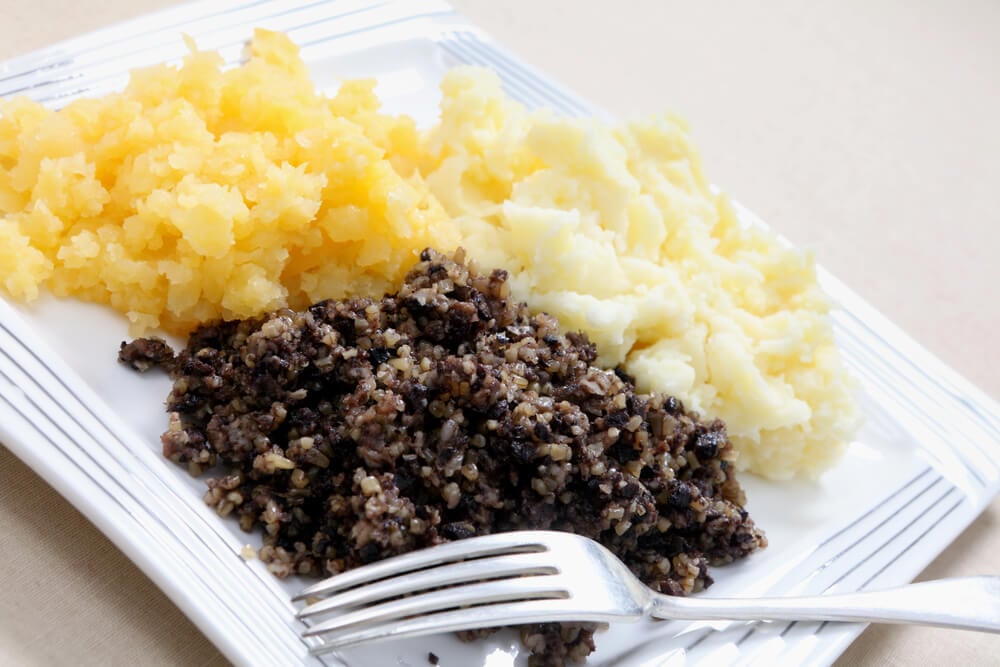
Rutabaga, sometimes called a yellow turnip, was boiled and mashed with butter as a hearty winter side for holiday dinners. It is a cross between cabbage and turnip, and it stores well through cold months.
Its slightly bitter, earthy flavor never won a broad following among younger eaters. Mashed potatoes and roasted squash have pushed it off most tables.
Marlborough Pie
DepositPhotos
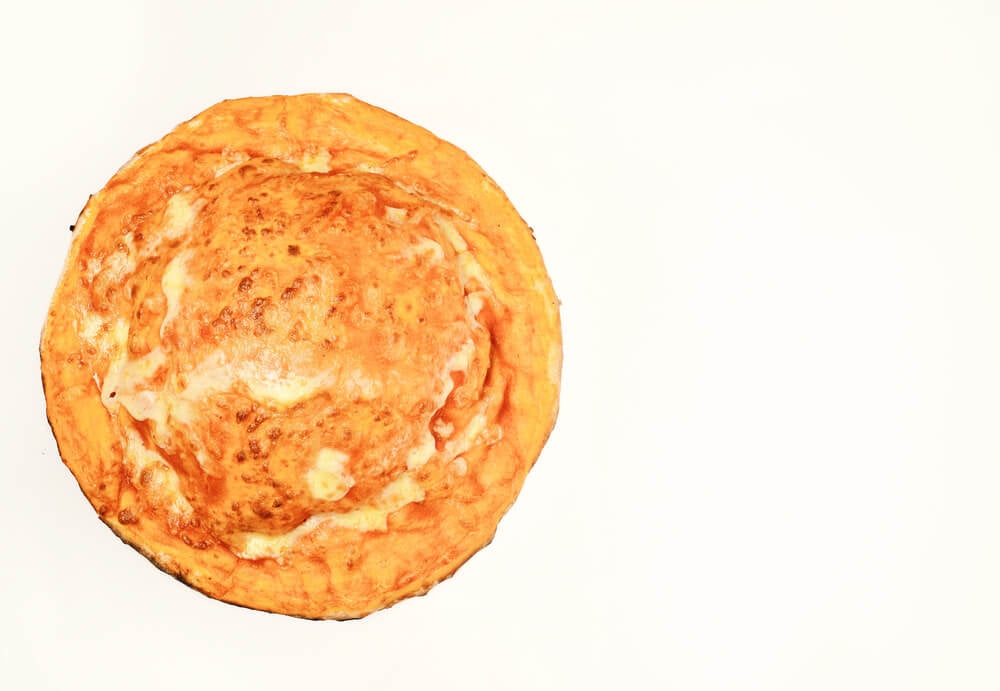
Marlborough pie is a New England dessert that blends apple and custard flavors, often with a splash of sherry or wine. It was a popular holiday option in the region long before pumpkin pie became the clear favorite.
The combination of fruit and custard made it a rich cousin of ordinary apple pie. Today it survives mostly as a regional curiosity in old cookbooks.
Boston Brown Bread
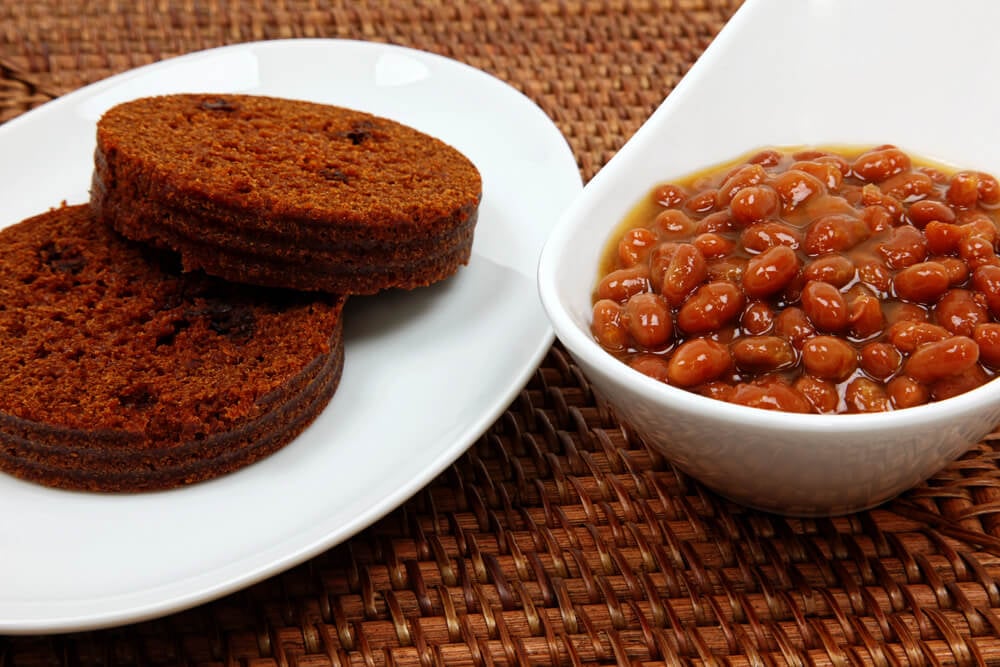
Boston brown bread is a dark, moist loaf of cornmeal, rye, and molasses, traditionally steamed in a can or mold rather than baked. It was a common companion to baked beans and holiday meals across New England.
The brand B&M still sells it in cans, and the steamed round keeps its ridges from the can. Few holiday tables now include it, though it is easy to find in grocery aisles.
Corn Pudding
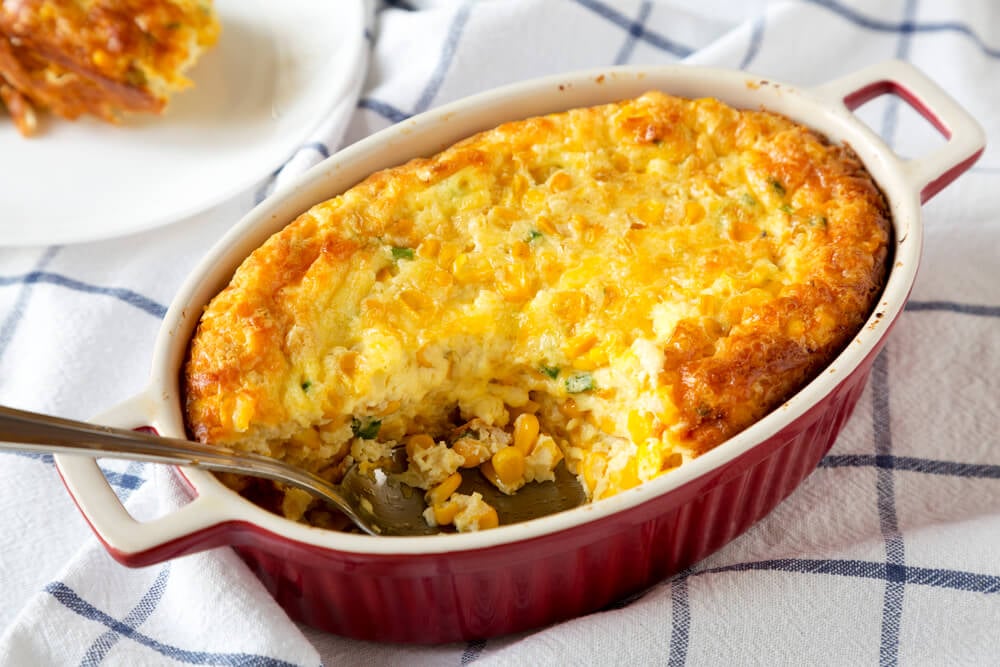
Corn pudding is a custardy side dish of corn kernels, eggs, milk, and butter, baked until just set. It was a staple of Southern and Midwestern holiday tables, valued as a way to use summer corn preserved for winter.
Its texture sits somewhere between a casserole and a dessert. Lately it has been crowded out by macaroni and cheese and other richer sides.
The Menu as a Time Capsule
Every dish on this list once felt permanent, a requirement as fixed as the turkey. Some were casualties of supply, like chestnuts and oysters, while others fell to changing ideas about what counts as fresh or elegant. Convenience foods and gelatin once symbolized progress, and then they were quietly retired.
A holiday table is a record of what a country could afford, what it admired, and what it was willing to spend an afternoon peeling. The dishes that disappear tell as much as the ones that remain. Somewhere a cook is still stirring cream into pearl onions, keeping a small piece of the past in circulation.
More from Go2Tutors!

- 27 Silver Dollars and Half Dollars Worth Keeping
- 28 Restaurant Menu Items Nobody Orders Anymore
- 17 Places Built in Seemingly Impossible Spots
- 27 Vintage Rings Worth More Than They Look
- 25 Restricted Sites Tourists Can’t Enter
Like Go2Tutors’s content? Follow us on MSN.