13 Famous Paintings Hiding Secret Images
Art has always been about more than what meets the eye. Throughout history, painters have embedded hidden messages, secret symbols, and concealed images within their masterpieces, creating layers of meaning that weren’t meant for everyone to discover. Some artists did this to avoid persecution, others to add personal touches, and many simply enjoyed the challenge of hiding something in plain sight.
From Renaissance masters to modern painters, these hidden elements have captivated art historians and casual observers alike for centuries. Here is a list of 13 famous paintings that contain remarkable secret images waiting to be uncovered.
The Arnolfini Portrait
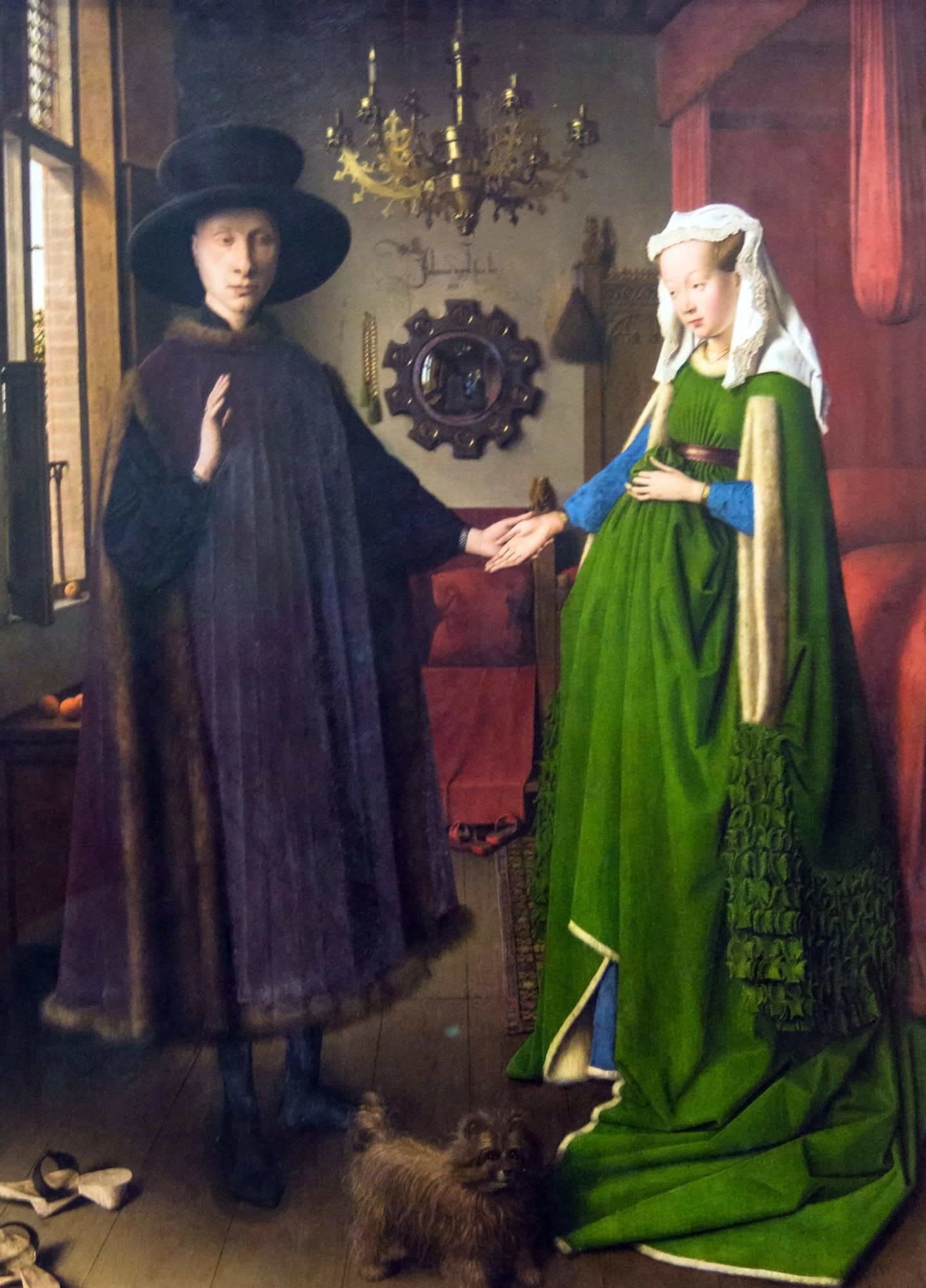
Jan van Eyck’s 1434 masterpiece contains one of art history’s most famous hidden details. Look closely at the convex mirror in the background, and you’ll spot two figures entering the room—one believed to be van Eyck himself.
The mirror reflects the entire scene from behind, essentially giving us a 360-degree view of the room. Above the mirror, van Eyck even wrote ‘Jan van Eyck was here 1434’ in elegant script, making this one of the earliest artistic signatures hidden in plain sight.
Girl with a Pearl Earring

Vermeer’s mysterious portrait from around 1665 hides its secrets in what’s not there rather than what is. X-ray analysis revealed that the girl originally wore a different style of earring, and the famous pearl was painted over another design.
The dark background also conceals subtle details that only become visible under special lighting, suggesting Vermeer experimented with different compositional elements before settling on the haunting simplicity we see today.
Like Go2Tutors’s content? Follow us on MSN.
American Gothic
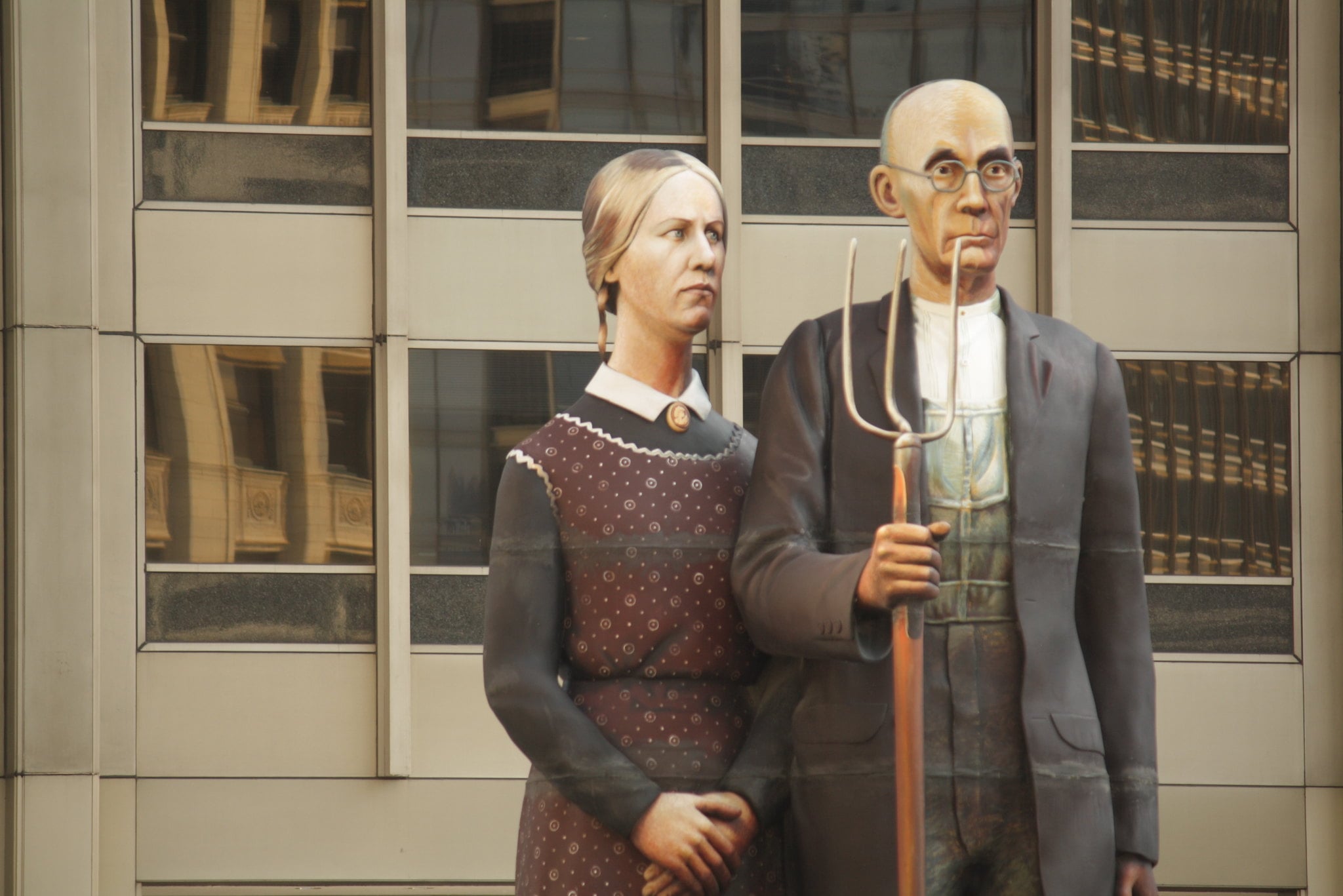
Grant Wood’s iconic 1930 painting features his sister and dentist as models, but the real secret lies in the house itself. The Gothic Revival window that gives the painting its name was inspired by a real house in Iowa, but Wood added architectural details that weren’t actually there.
He also painted his sister to look older and more severe than she actually was, creating a fictional character rather than a true portrait.
The Ambassadors
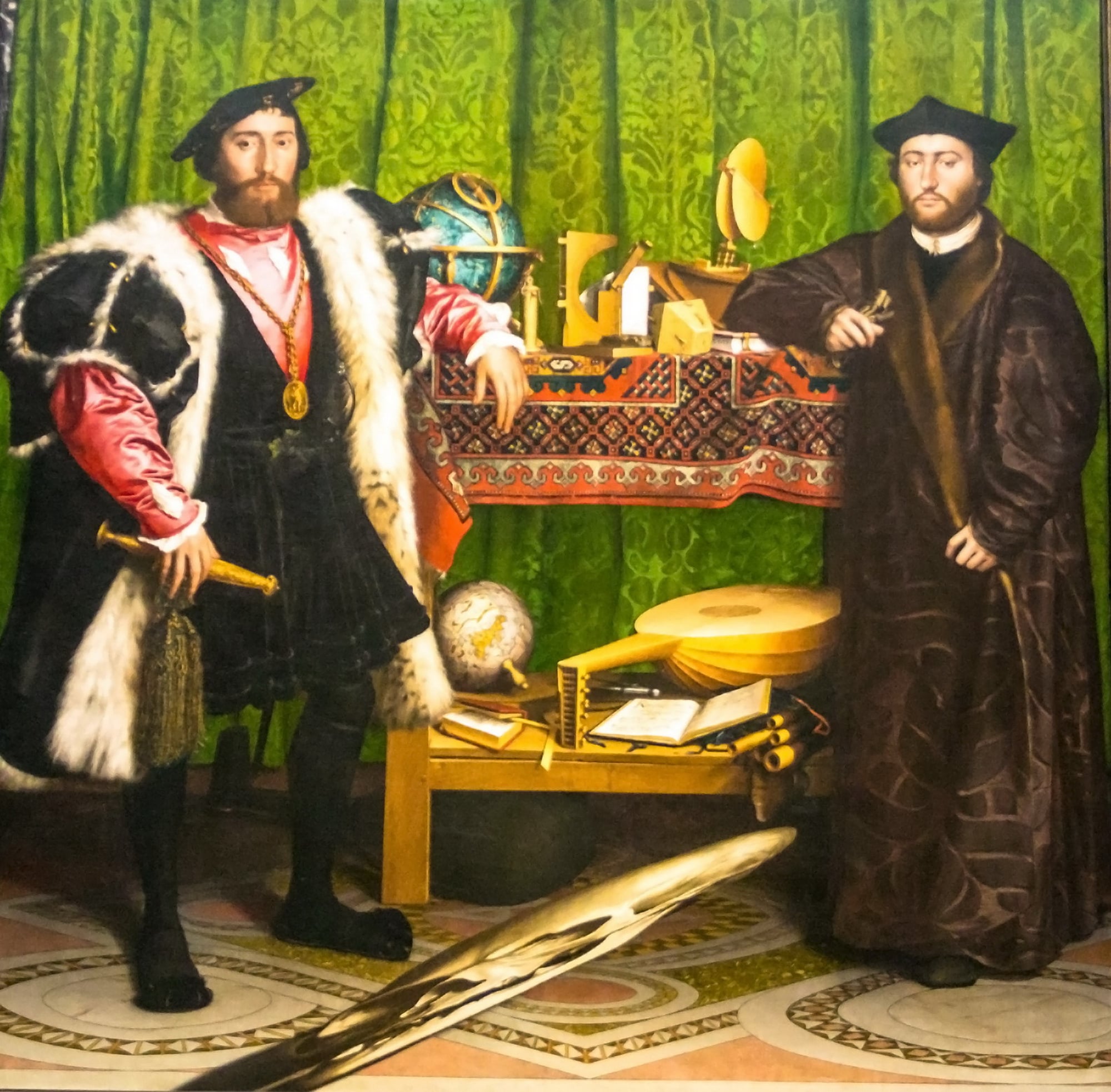
Hans Holbein’s 1533 double portrait contains one of art’s most famous optical illusions. At the bottom of the painting, what appears to be a strange, elongated blob is actually a skull painted in anamorphic perspective.
When viewed from the correct angle—far to the right and slightly below—the distorted shape snaps into perfect focus as a human skull, reminding viewers of mortality even amid displays of worldly success.
Las Meninas
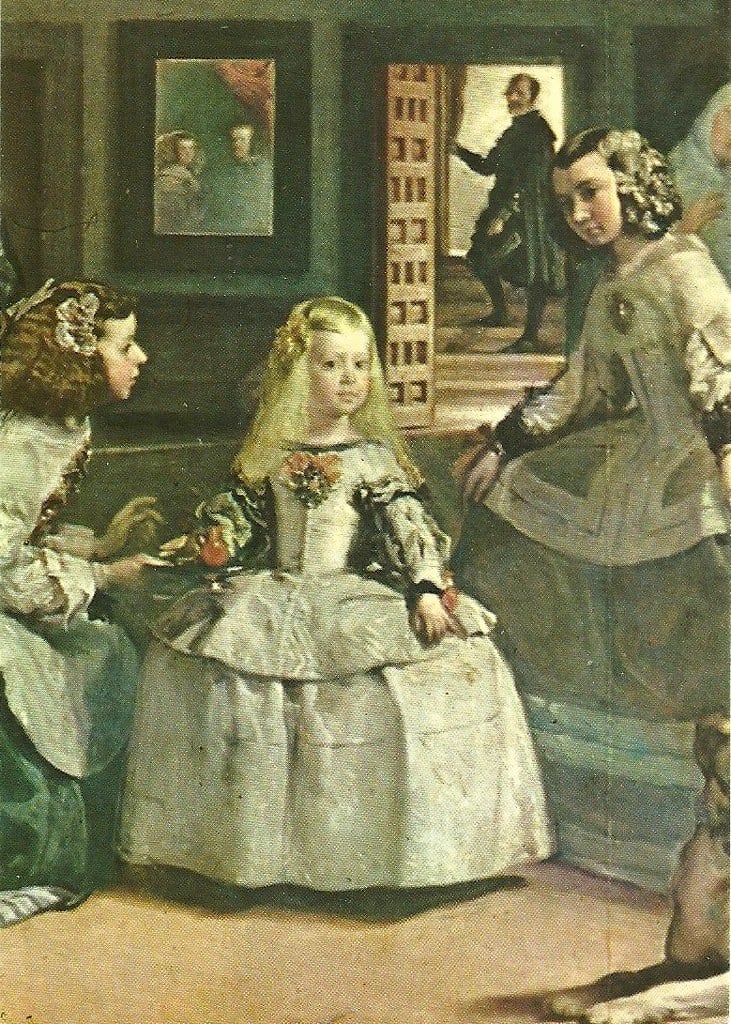
Velázquez’s complex 1656 composition is essentially a painting within a painting within a painting. The artist included himself in the scene, working on a canvas we can’t see, while painting the very picture we’re looking at.
In the background mirror, you can glimpse the reflection of King Philip IV and Queen Mariana, suggesting they’re standing where we, the viewers, are positioned. It’s a mind-bending exercise in perspective and reality.
Like Go2Tutors’s content? Follow us on MSN.
Bacchus
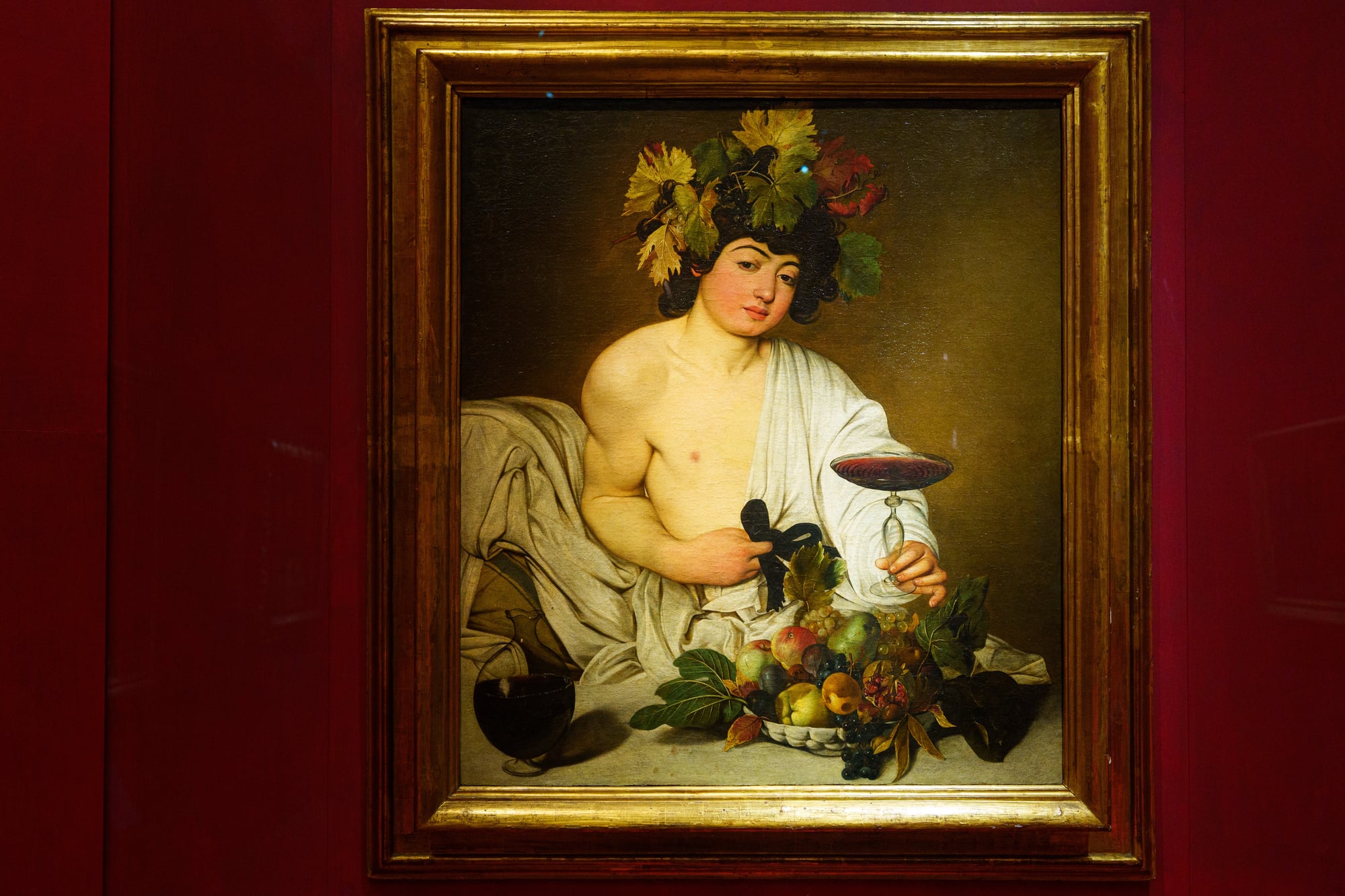
Caravaggio’s 1596 painting of the Roman god of wine contains a tiny hidden self-portrait that wasn’t discovered until the 20th century. In the carafe of wine on the table, Caravaggio painted his own reflection in miniature detail.
The image is so small and subtle that it requires magnification to see clearly, showing the artist’s incredible technical skill and perhaps his desire to literally insert himself into mythological scenes.
The Garden of Earthly Delights

Hieronymus Bosch’s triptych from around 1500 is packed with bizarre creatures and hidden meanings, but one of the strangest secrets is musical. On the bottom panel depicting hell, musical notation is literally written across a figure’s posterior.
When musicologists transcribed and played these notes, they created what some call ‘the song from hell’—a haunting melody that emerged from one of art’s most surreal nightmares.
Liberty Leading the People
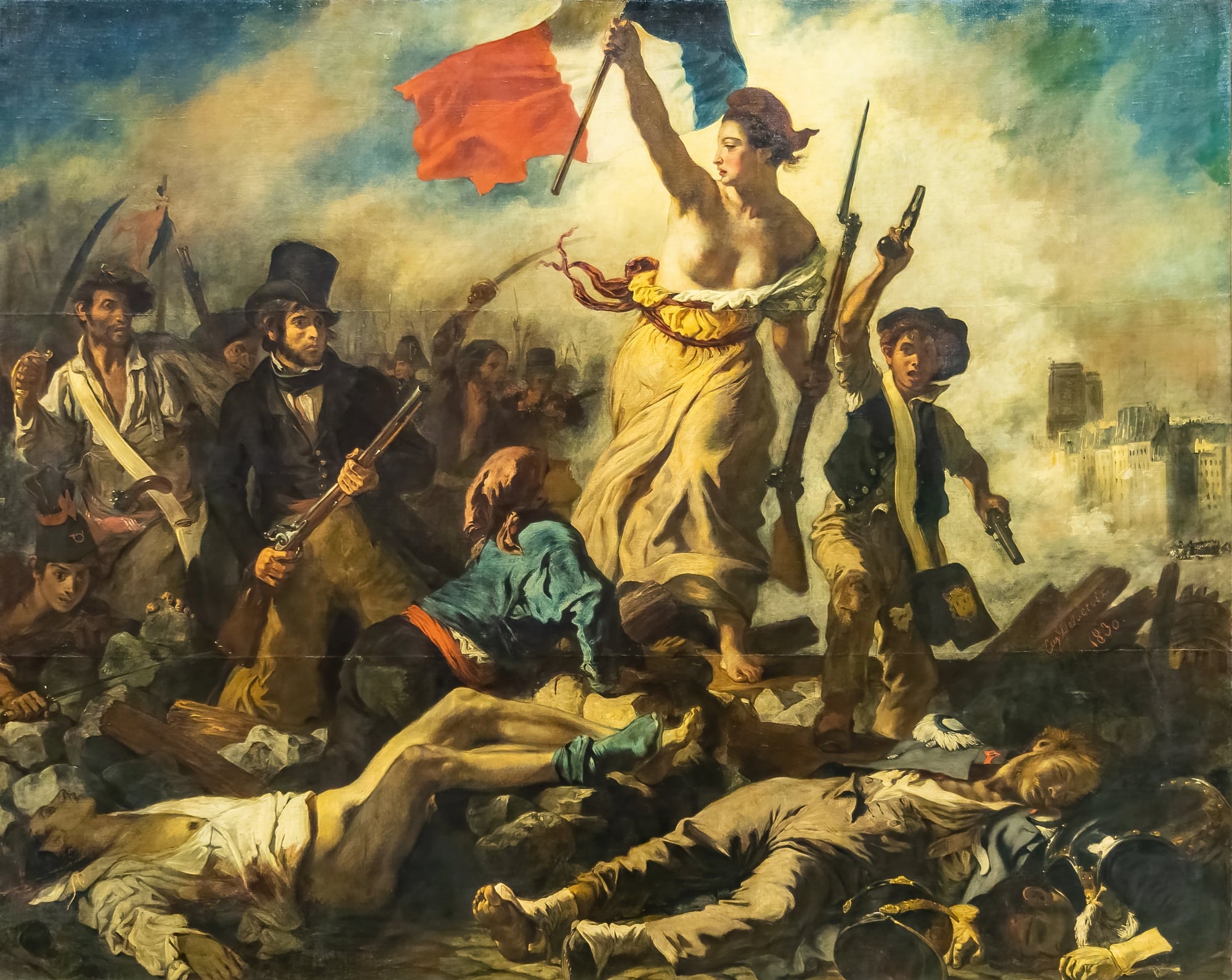
Delacroix’s 1830 revolutionary masterpiece hides political messages in its symbolism. The woman representing Liberty wasn’t meant to be a goddess but a common Parisian woman, deliberately painted with dirty feet and armpit hair to show she was of the people.
The French tricolor flag she carries contains subtle variations in color that reference specific political factions of the time, making the painting a complex political statement disguised as patriotic art.
Like Go2Tutors’s content? Follow us on MSN.
The Night Watch
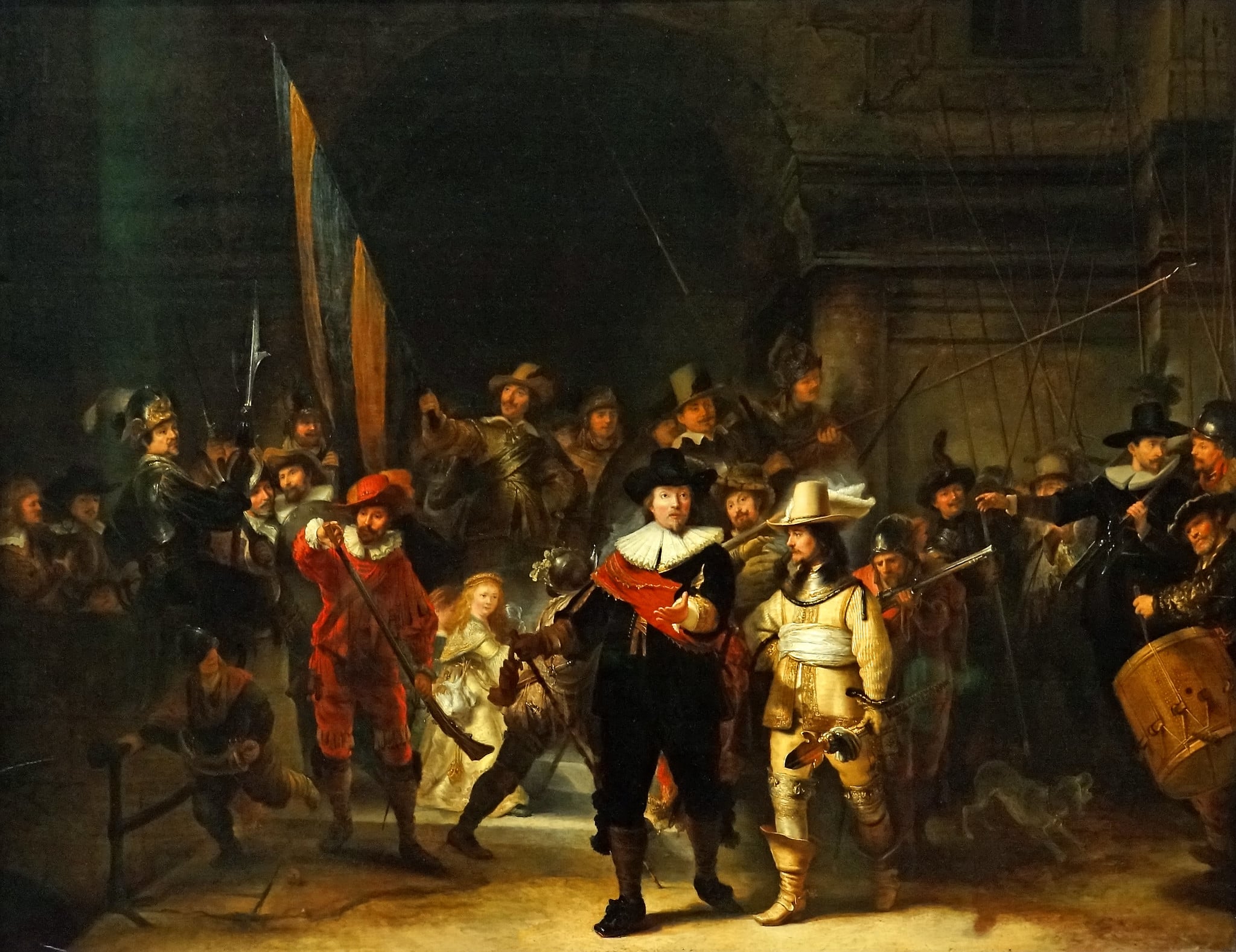
Rembrandt’s 1642 group portrait contains a hidden light source that creates the dramatic illumination. The mysterious glow doesn’t come from any visible source in the painting, leading scholars to believe Rembrandt invented an imaginary light to create the theatrical effect.
Additionally, the composition includes 34 figures when only 18 militiamen commissioned the work, meaning Rembrandt added extra people to create visual balance, essentially painting fictional characters into a real group portrait.
Guernica

Picasso’s 1937 anti-war masterpiece contains hidden symbols throughout its fragmented composition. A bull’s head appears in multiple locations when you connect certain lines and shapes, and a skull emerges from the horse’s body when viewed from specific angles.
Most remarkably, some art historians claim to see a hidden image of Picasso himself formed by the negative spaces between figures, though this remains debated among scholars.
The Scream
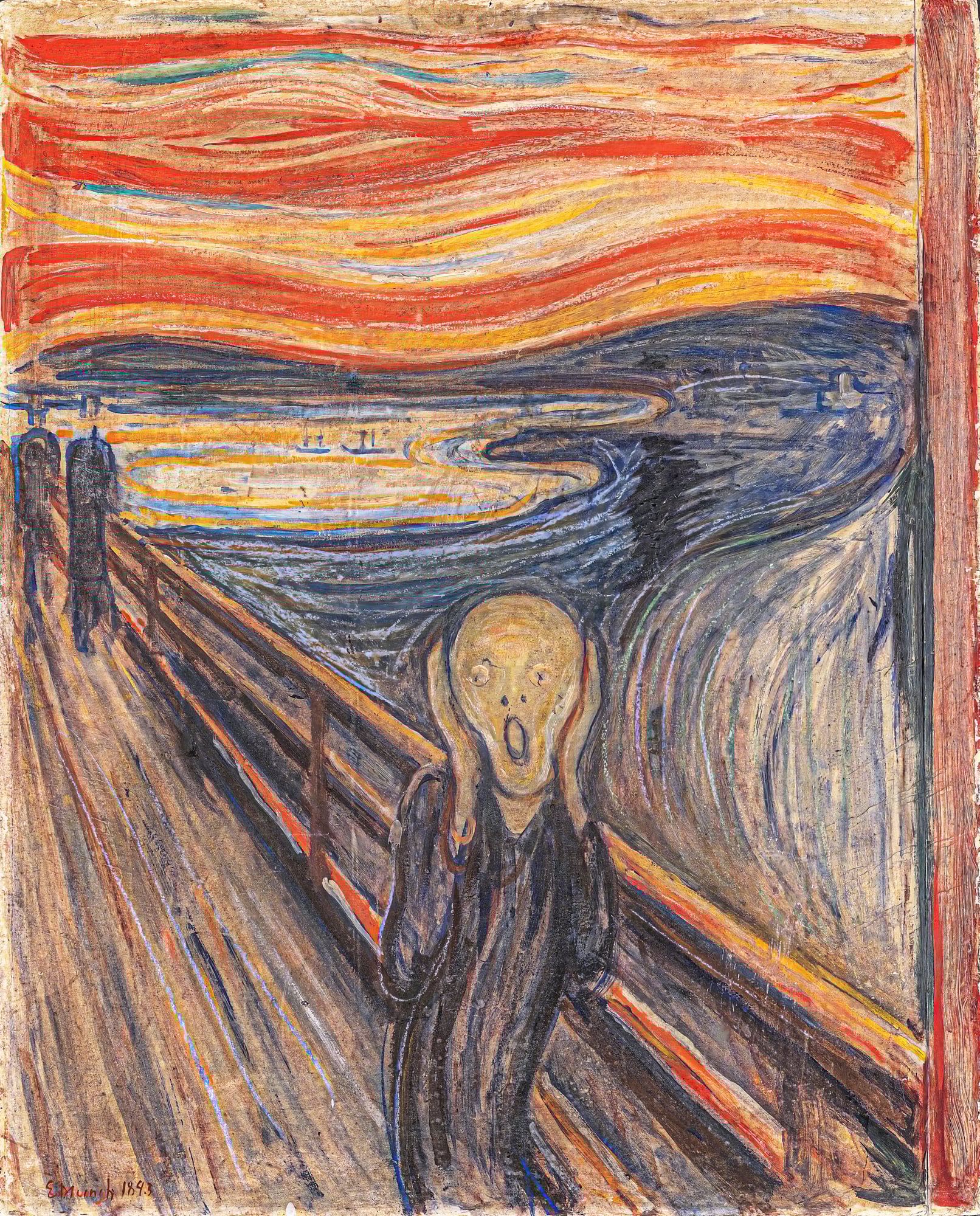
Munch’s 1893 expressionist icon contains barely visible text written in pencil on the painting itself. The words ‘kan kun være malet af en gal mand’ (can only have been painted by a madman) appear in the upper left corner.
For decades, scholars debated whether this was vandalism or Munch’s own addition, but recent analysis confirmed the handwriting matches Munch’s, suggesting he added this self-deprecating comment to his own masterpiece.
Like Go2Tutors’s content? Follow us on MSN.
A Sunday Afternoon on the Island of La Grande Jatte

Seurat’s pointillist masterpiece from 1886 contains hidden social commentary in its seemingly peaceful scene. The artist deliberately positioned figures to suggest class divisions and social tensions of the time.
Most cleverly, he included a monkey on a leash in the lower right corner—a subtle commentary on how civilized society still contains primitive impulses. The monkey’s placement mirrors the positioning of human figures, creating a visual parallel between animal and human behavior.
Water Lilies
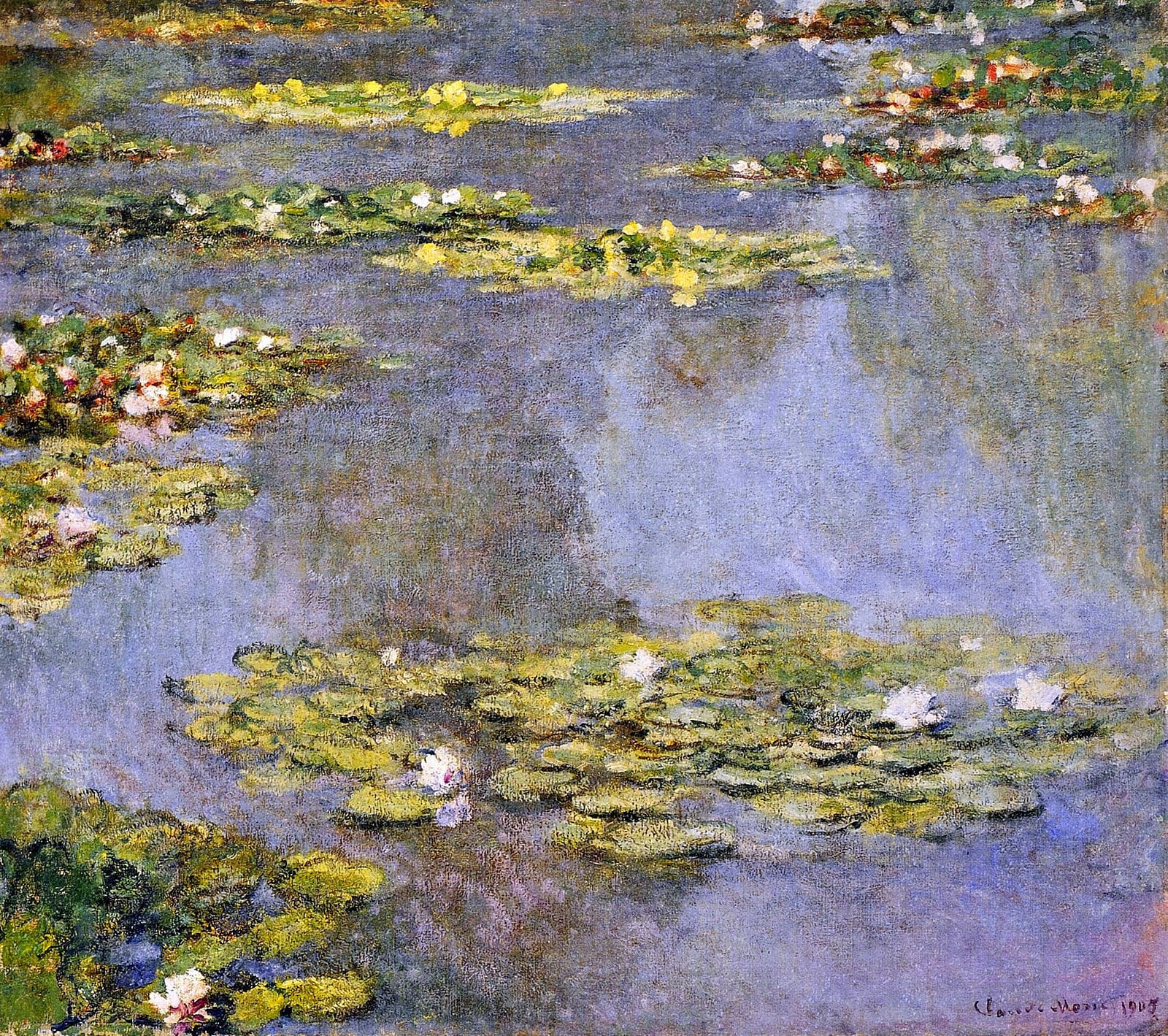
Monet’s famous series contains hidden depths that only become apparent when viewed in person. The artist layered paint so thickly in certain areas that the canvas creates actual texture, making parts of the water appear to ripple in three dimensions.
Under specific lighting conditions, different colors emerge from what appears to be a single hue, revealing Monet’s understanding of how light changes throughout the day and seasons.
Art’s Eternal Game of Hide and Seek
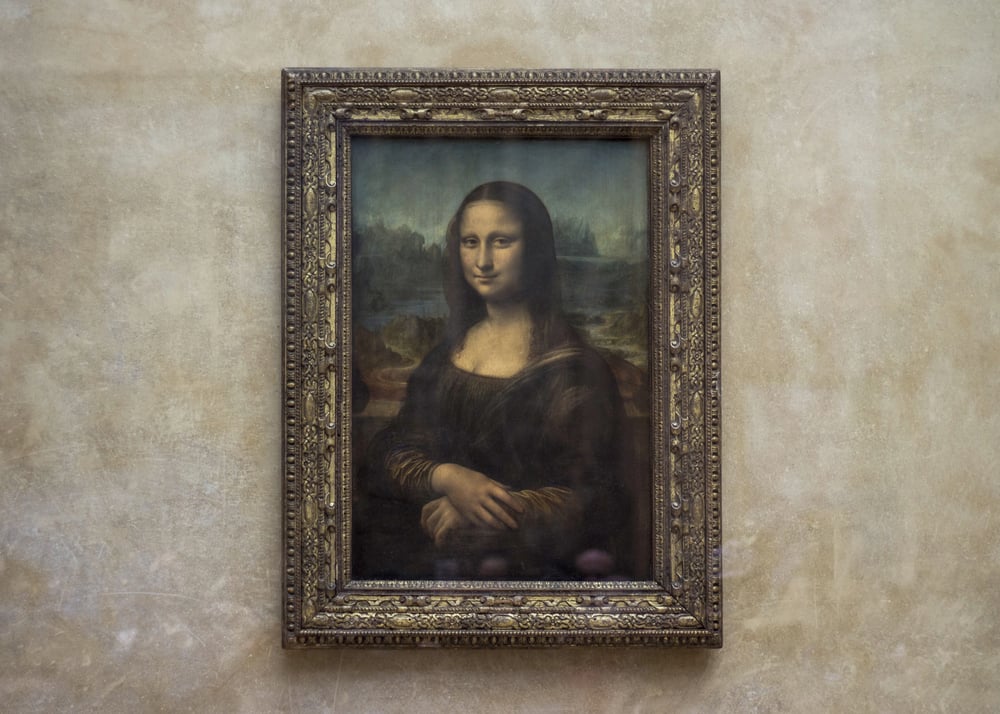
These hidden images remind us that great art often works on multiple levels, rewarding careful observation with secret discoveries. Whether concealing political messages, personal signatures, or optical illusions, artists have always found ways to embed deeper meanings into their work.
Today’s technology continues to reveal new secrets in old masters, proving that even the most studied paintings can still surprise us. The next time you visit a museum, remember that you might be looking at more than meets the eye—there could be entire worlds hiding just beneath the surface.
Like Go2Tutors’s content? Follow us on MSN.
More from Go2Tutors!

- 16 Historical Figures Who Were Nothing Like You Think
- 12 Things Sold in the 80s That Are Now Illegal
- 15 VHS Tapes That Could Be Worth Thousands
- 17 Historical “What Ifs” That Would Have Changed Everything
- 18 TV Shows That Vanished Without a Finale
Like Go2Tutors’s content? Follow us on MSN.