27 Albums That Defined a Decade and Still Hold Up Song by Song
There are albums that were enormous when they came out and have since become museum pieces — records you admire rather than play. And then there are the ones that still land.
You put them on expecting nostalgia and get something closer to shock: the thing is actually good. The production hasn’t dated into camp, the performances are still present, and the songs work on you the same way they did the first time, or differently, which is its own kind of achievement.
The albums here defined their decade in the way that phrase is usually applied — critical mass, cultural saturation, genuinely influential — and then did the harder thing. They kept holding up.
Revolver — The Beatles (1966)
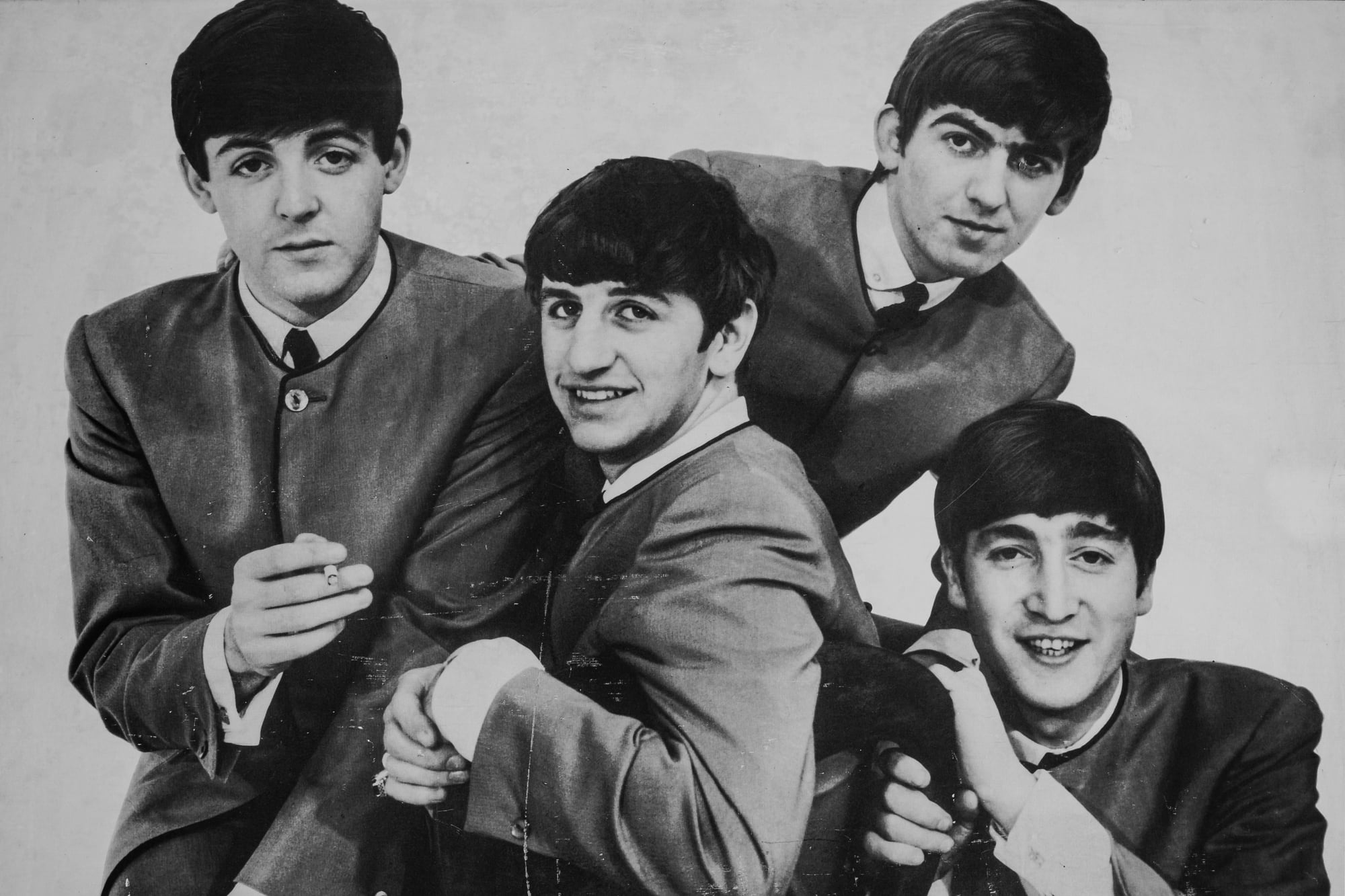
The Beatles made a better-known album in Sgt. Pepper’s, and a more technically ambitious one. But Revolver is the record that still sounds like the future.
Released in August 1966, it opened with “Taxman,” moved through “Eleanor Rigby” with a string octet and no guitars, and ended with “Tomorrow Never Knows,” a track built on tape loops that sounded like nothing else released in 1966. Every song on it does something different, and none of them feel like experiments — they feel finished, deliberate, and fully inhabited.
Fifty years of subsequent rock music has not made this record sound dated.
What’s Going On — Marvin Gaye (1971)
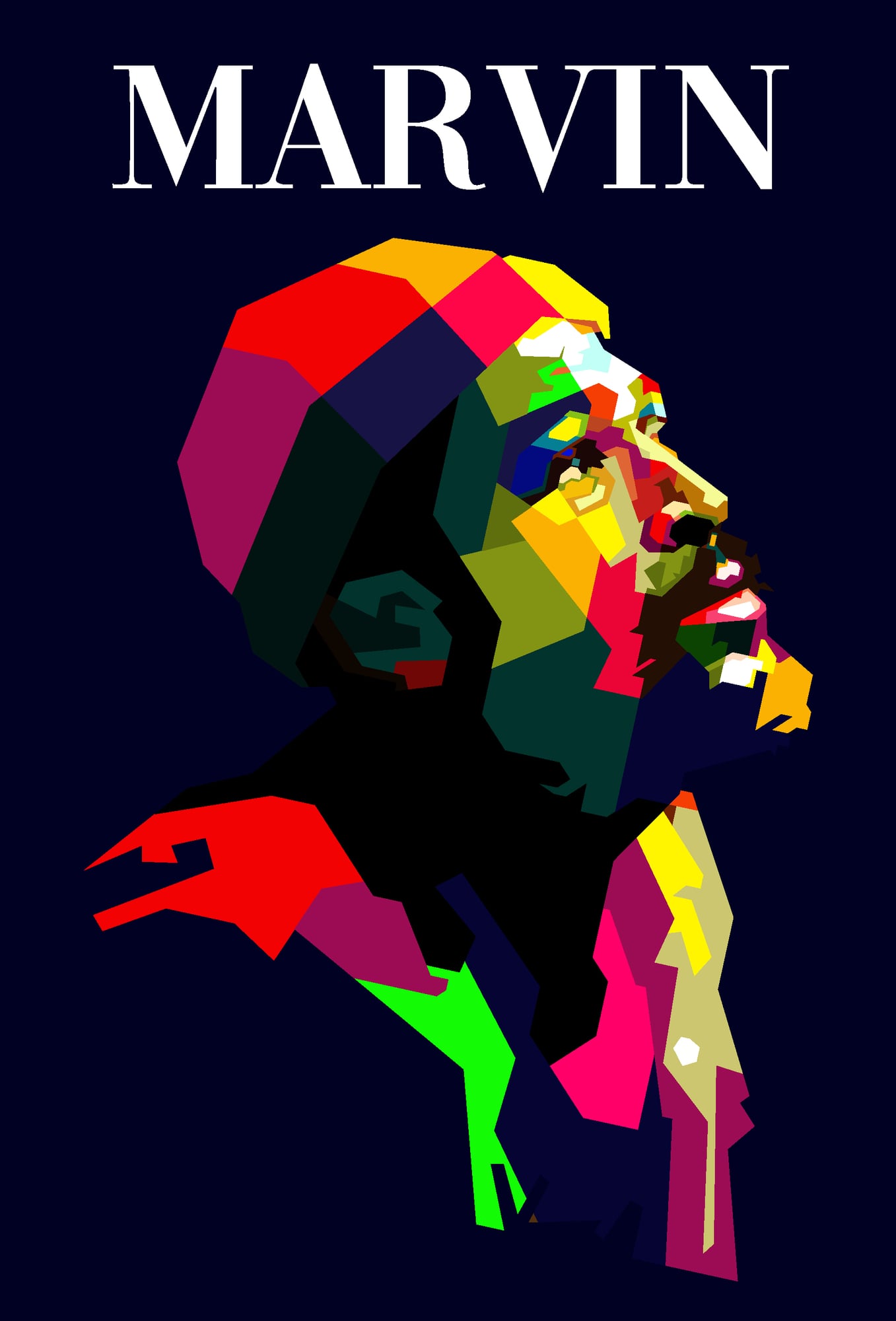
Motown founder Berry Gordy initially refused to release What’s Going On, calling it uncommercial. Gaye released all four sides of the album at once, making it the best-selling Motown record to that point.
The concept — a Vietnam veteran returning home to find his country in crisis — was something the soul label had never attempted, and the orchestration, with jazz musicians playing alongside the usual session players, created a sound that was warm and grief-stricken at the same time. “Inner City Blues,” “Mercy Mercy Me,” and the title track are three of the most emotionally coherent songs in popular music.
The album is still being assigned in music programs because there is no better way to explain what an album can do.
Dark Side of the Moon — Pink Floyd (1973)
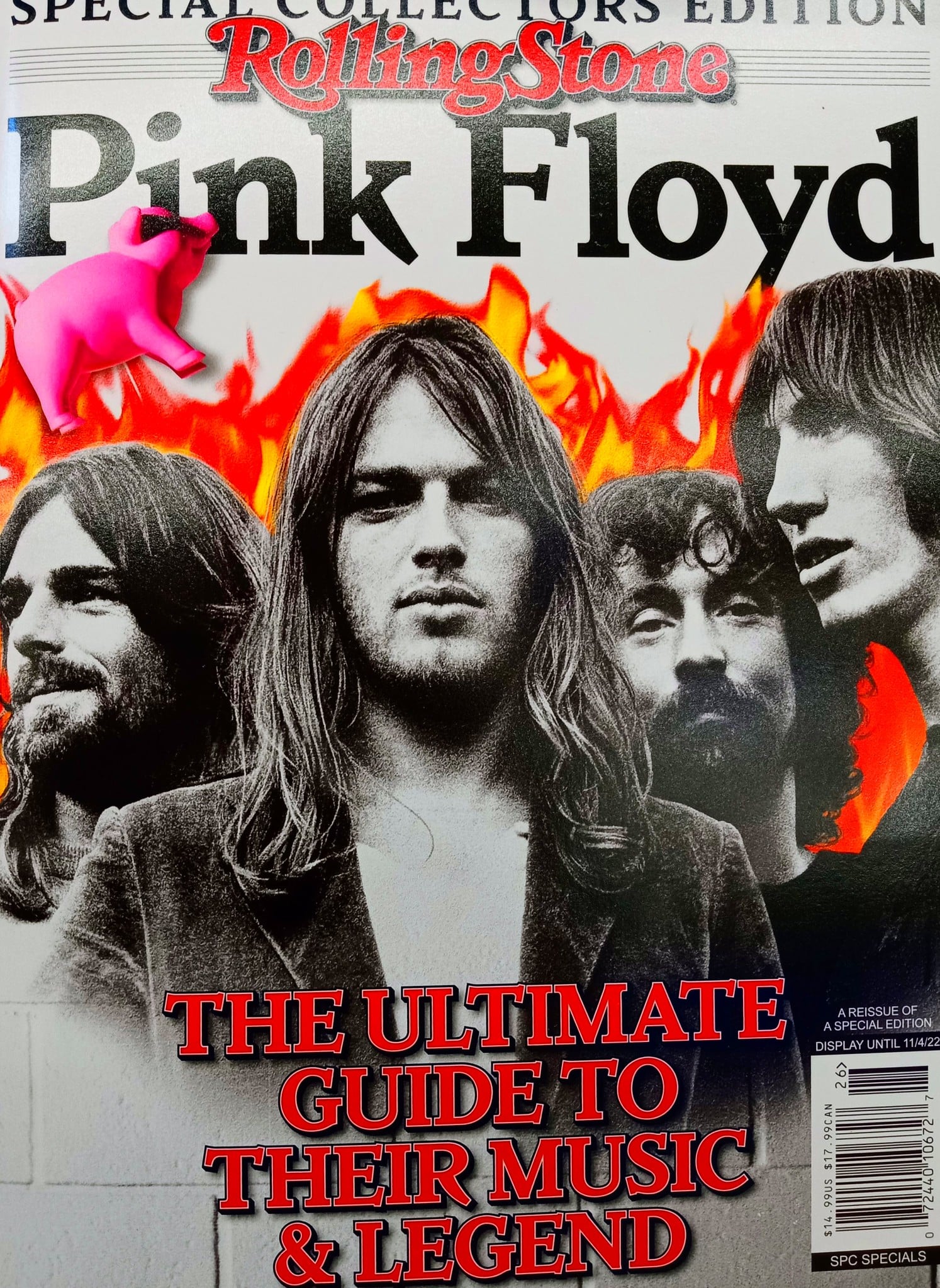
The album spent 900 consecutive weeks on the Billboard charts, a figure so implausible it has been challenged and verified more than once. Dark Side of the Moon was released in March 1973 and the production — engineer Alan Parsons working with the band at Abbey Road — captured a sonic clarity that stereo systems of the era were barely capable of reproducing.
The themes of time, madness, money, and mortality that run through it have aged into relevance rather than out of it. The heartbeat that opens and closes the record was taken from a literal heartbeat, which is a detail that continues to reward knowing.
Rumours — Fleetwood Mac (1977)
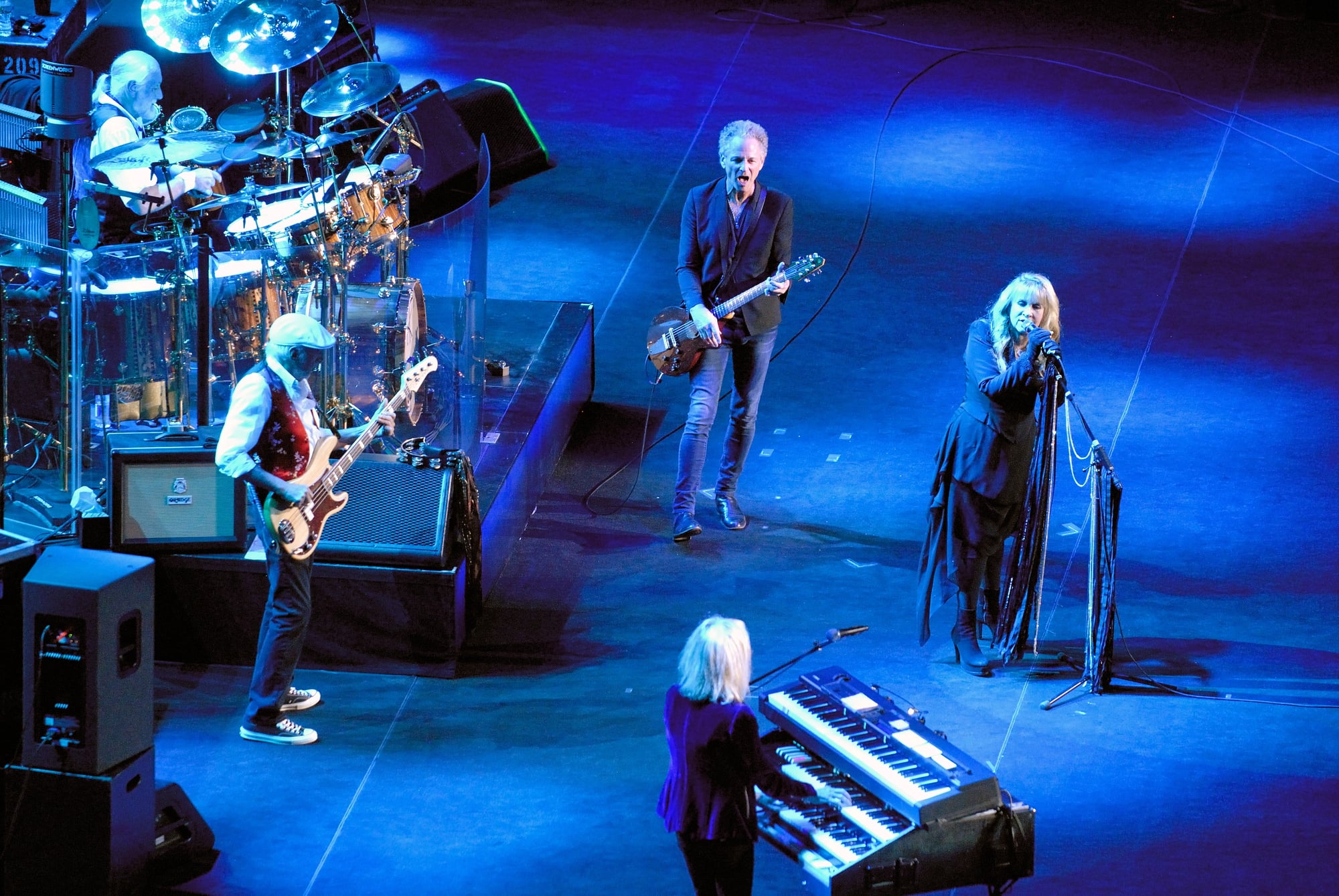
The five members of Fleetwood Mac recorded Rumours while two couples in the band were publicly dissolving, which gives the album’s songs about betrayal, longing, and failed love a documentary quality that no amount of craft could have manufactured. Released in February 1977, it became one of the best-selling albums ever made, and unlike many best-sellers, it earned it.
There is no filler. Every track works as a standalone song and as part of a larger emotional argument.
Stevie Nicks’ “Gold Dust Woman” and Lindsey Buckingham’s “The Chain” — the only track credited to all five members — are the ones that take the longest to fully understand.
The Clash — The Clash (1977)

The self-titled debut came out in April 1977 and captured the original British punk explosion before the genre had time to calcify into formula. The production is raw in the way that sounds intentional in retrospect and probably was — Terry Chimes’ drums recorded in a stairwell, guitars that cut rather than fill.
What separates The Clash from their punk contemporaries is that the songs had political content that was specific rather than gestural: “Career Opportunities,” “London’s Burning,” “White Riot” named things rather than just expressing fury about them. The album was not released in the United States until 1979, which gave an enormous number of American teenagers the experience of discovering it years after the British version had already become a landmark.
London Calling — The Clash (1979)
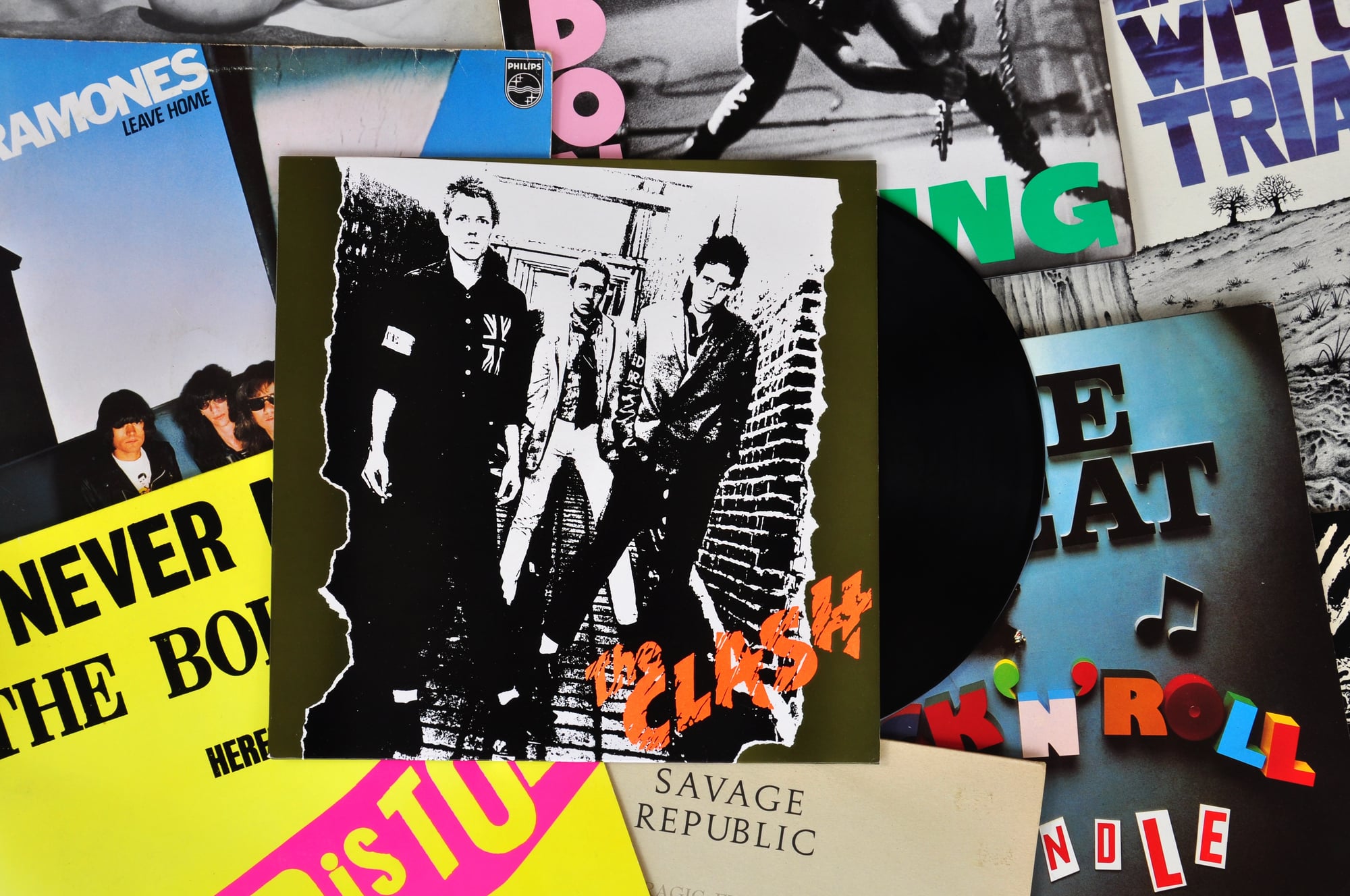
Two years after their debut, The Clash had expanded into something that can’t be contained by any genre label the 1970s had available. London Calling covered punk, reggae, rockabilly, jazz, and rhythm and blues without sounding eclectic — it sounded like a band that had listened to all of it and had decided to use whatever was necessary.
The title track remains one of the great opening statements in rock history. The double album cost more than the band had to spend, and producer Guy Stevens reportedly threw furniture during recording sessions to generate the right energy.
It remains, across all forty tracks, one of the few albums with no obligatory skip.
Thriller — Michael Jackson (1982)
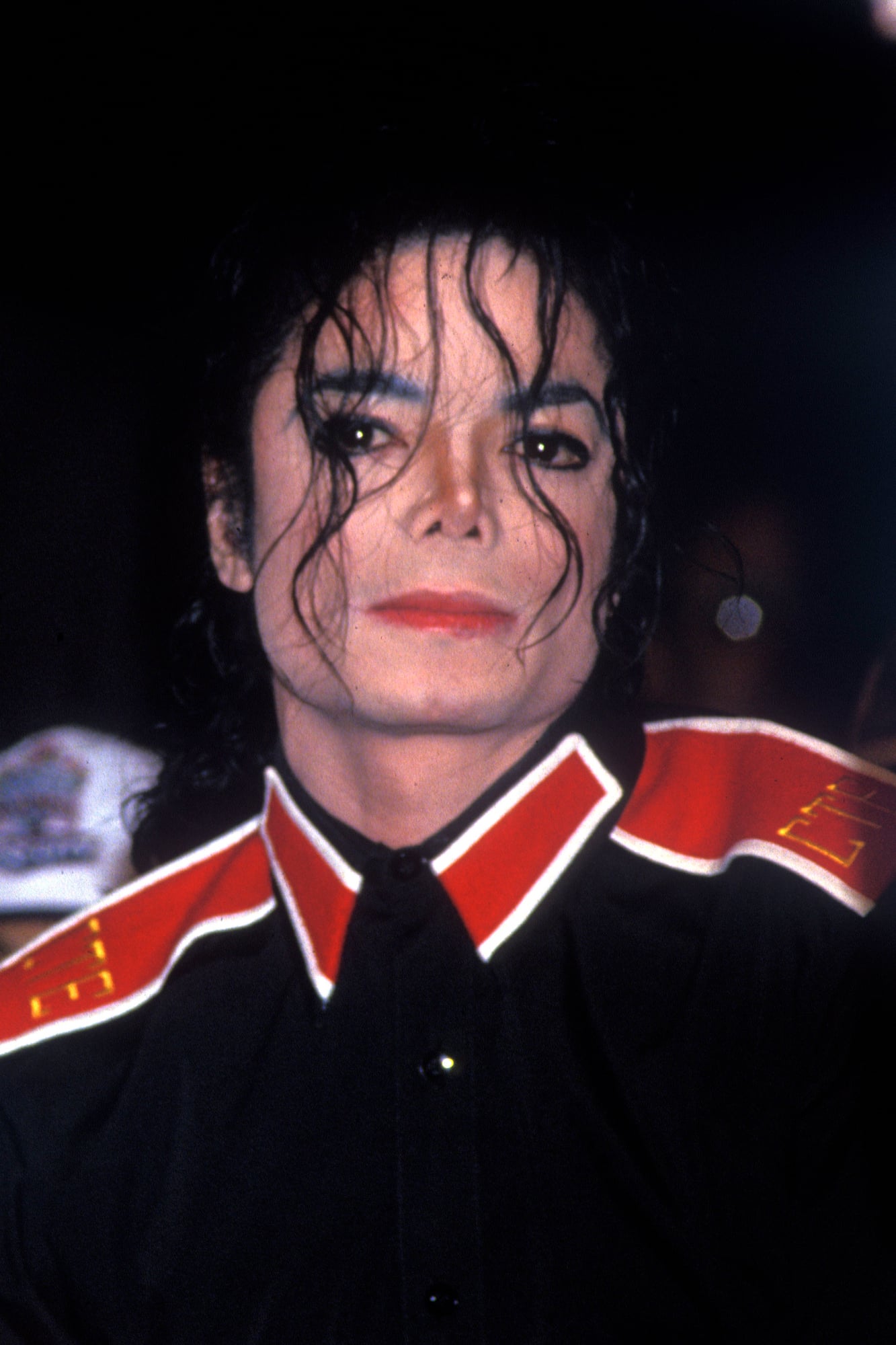
By any commercial measure, Thriller is the best-selling album in history, with certified sales approaching 70 million copies worldwide. By any musical measure, it is the album that dismantled the boundary between Black and white radio in the United States — MTV had been reluctant to play videos by Black artists before Jackson’s label threatened to pull all its content from the channel.
The seven singles released from the album included “Billie Jean,” “Beat It,” and the title track, any one of which would have defined a lesser career. That all three came from the same record, in the same year, is still unusual enough to require explanation.
Purple Rain — Prince (1984)
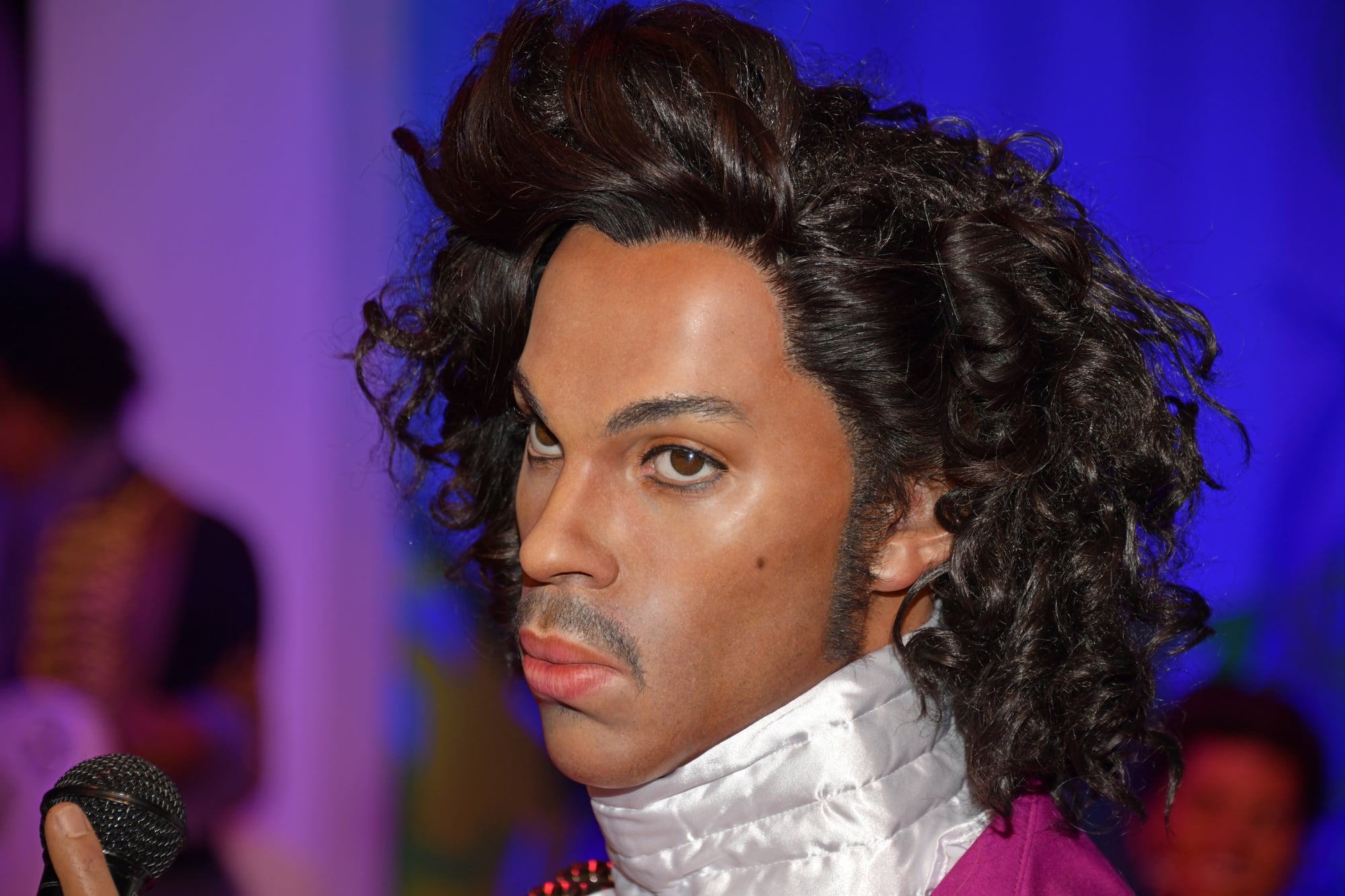
The album, the film, and the concert footage from 1984 are all part of the same artistic statement, which makes Purple Rain harder to separate from its context than most records. What remains when you strip the context: “When Doves Cry,” which Prince recorded without any bass, a choice his label thought was a mistake and that turned out to be exactly right.
The guitar solo on “Let’s Go Crazy.” The title track, which is seven minutes long and holds attention for every one of them.
Prince was twenty-six years old when this came out, which at this point is the most alarming fact about it.
Whitney Houston — Whitney Houston (1985)
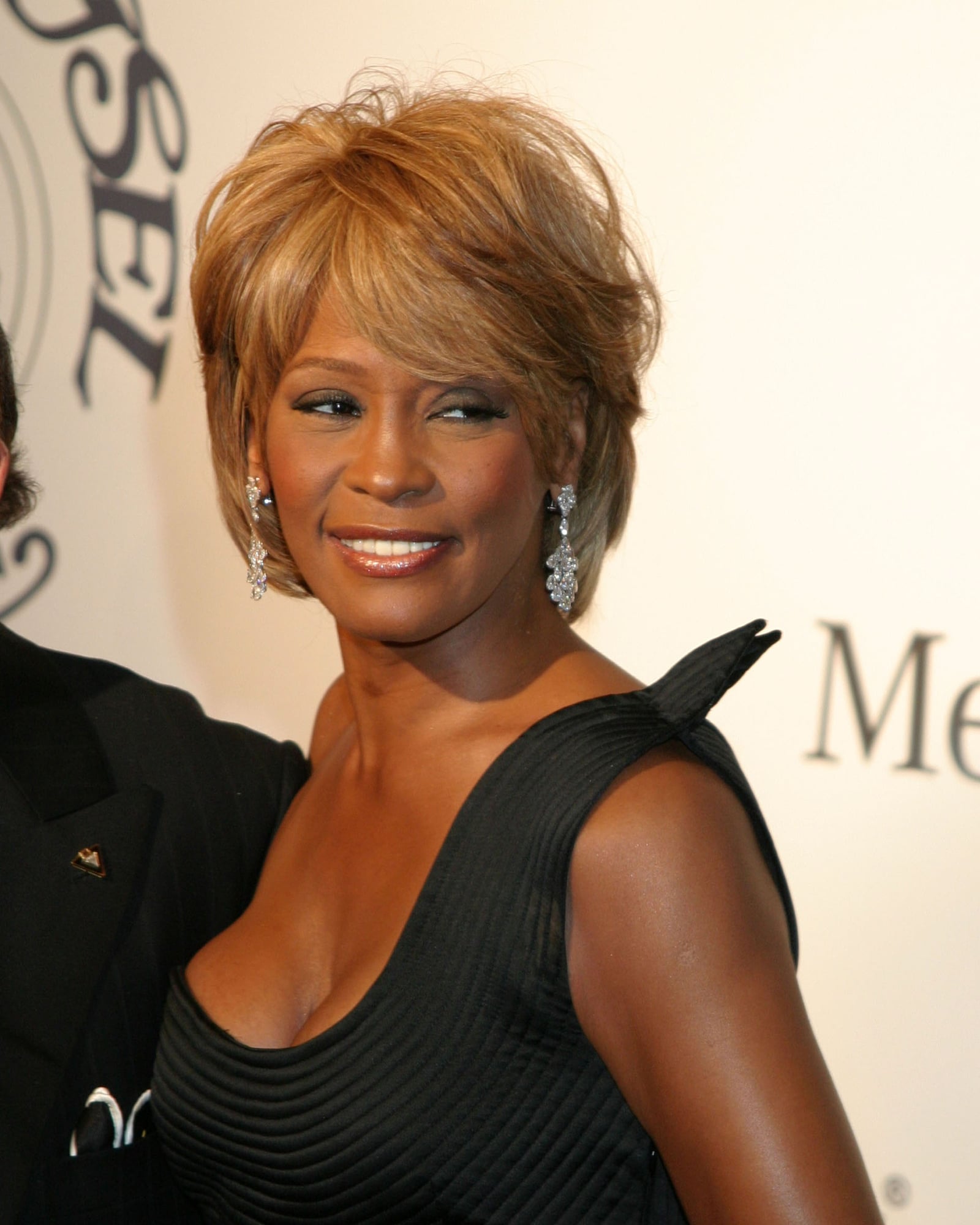
Houston’s debut album produced three major singles — “Saving All My Love for You” and “How Will I Know,” which both reached number one, and “Greatest Love of All,” which peaked at number four on the Billboard Hot 100. The production by Jermaine Jackson and others was glossy in the way that mid-1980s pop was expected to be, but it served the voice, which is the only thing in the record that actually matters.
The voice on this album is one of the most technically precise instruments ever recorded. Returning to it after knowing how the story ended gives the album a quality that is difficult to name and uncomfortable to experience.
Paul’s Boutique — Beastie Boys (1989)
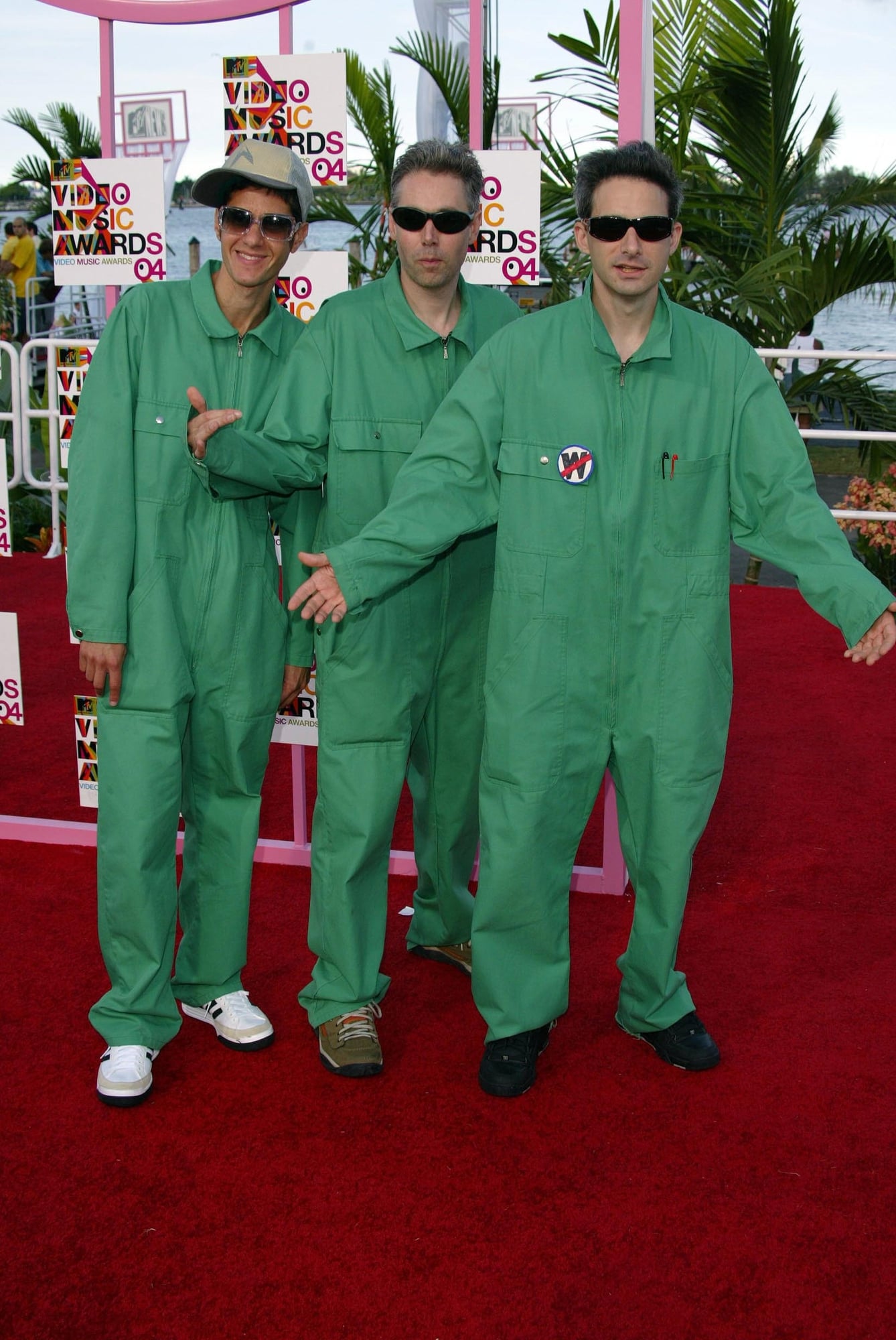
The Beastie Boys’ second album was a commercial disappointment when it was released in July 1989 and has since become one of the most studied records in hip-hop history. Producers the Dust Brothers constructed the tracks from hundreds of sampled sources — James Brown, the Beatles, Bob Dylan, Curtis Mayfield, and dozens more — layered with a complexity that no software existed to execute at the time.
The album came out just before a series of copyright rulings changed the economics of sampling permanently, which makes it a document of a specific moment that cannot be recreated. Music historians routinely describe it as the last sample-based record that could have been made legally.
Nevermind — Nirvana (1991)
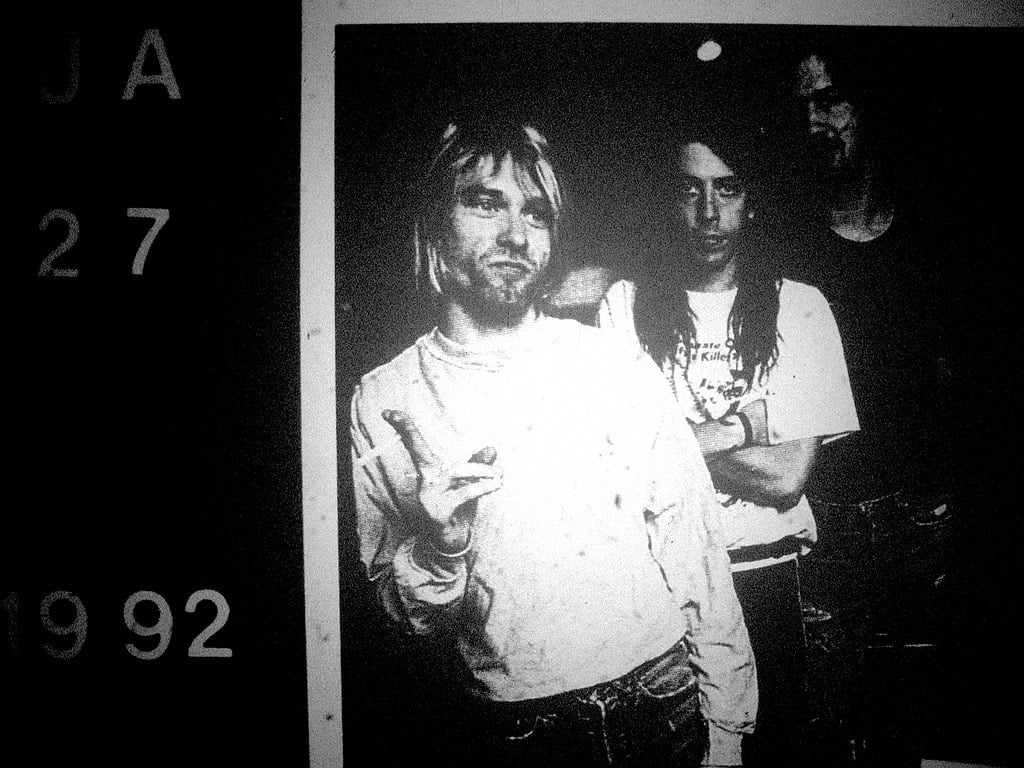
Nirvana’s second album was released in September 1991 and shipped with an initial order of 50,000 copies. By January 1992 it had replaced Michael Jackson’s Dangerous at number one on the Billboard charts.
The album’s commercial success was not its achievement — the achievement was that “Smells Like Teen Spirit” was both the song that described the arrival of alternative rock on the mainstream and the song that immediately became the thing alternative rock was reacting against. Kurt Cobain spent the years after Nevermind trying to escape what it had made him.
The album itself shows no sign of wanting to be anything other than what it is.
Achtung Baby — U2 (1991)
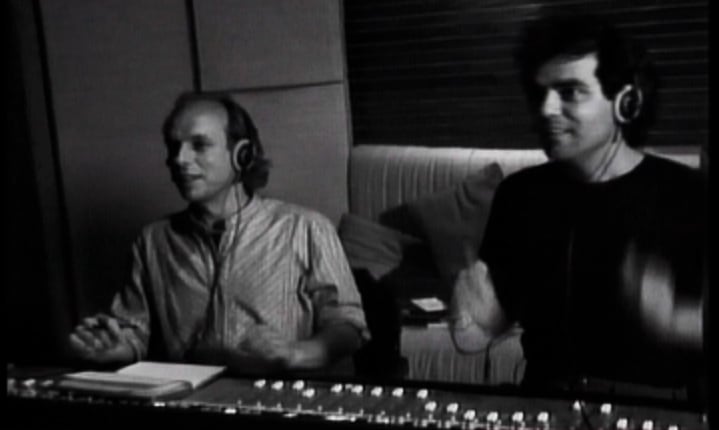
After the earnest stadium rock of The Joshua Tree, Achtung Baby was a deliberate dismantling of the U2 brand, recorded in Berlin with producer Brian Eno and influenced heavily by the city’s reunification and the industrial music coming out of the same era. “One” became one of the best-known songs of the decade.
“The Fly,” the first single, debuted with an alter ego for Bono that was sufficiently confusing to some of the band’s audience to constitute a genuine artistic risk. The production sounds more of its moment than some of the others on this list, but the songs survive it.
The Chronic — Dr. Dre (1992)
The Chronic defined the sound of West Coast gangsta rap and introduced Snoop Dogg to a national audience, but what makes it hold up is not the cultural history — it is the production. Dr. Dre’s approach to layering synthesizers over deep funk samples created a sonic template that influenced not just hip-hop but pop and R&B production for the following two decades.
The album was recorded on an SP-1200 drum machine and mixed with an attention to low-end frequency that most studio engineers of the period hadn’t considered necessary. Put it through any modern speaker system and it still sounds enormous.
Debut — Björk (1993)
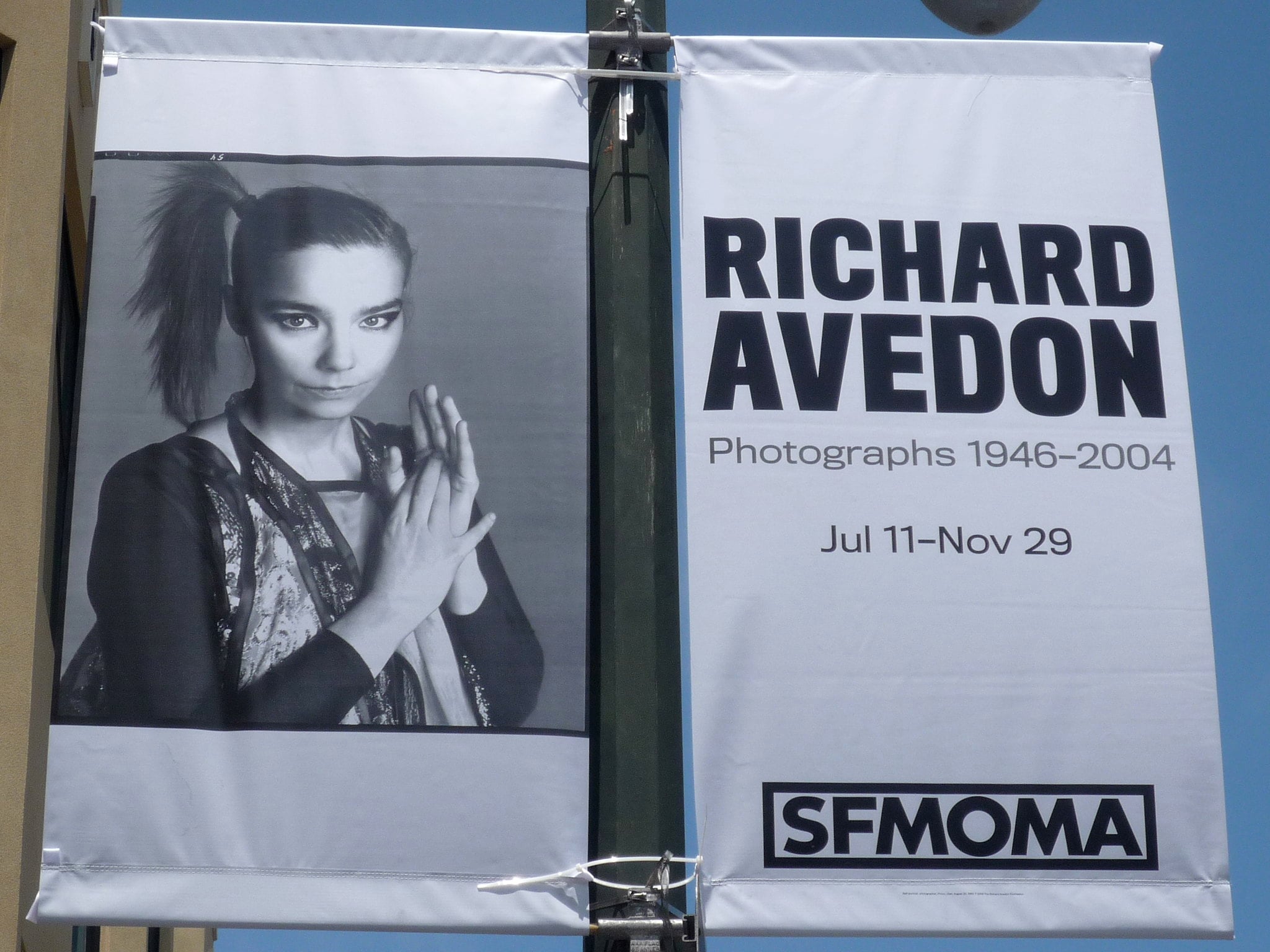
Björk’s first solo album was released in July 1993 and spent several years being classified as ambient electronic pop before people accepted that it was simply its own thing. The production by Nellee Hooper used jazz, techno, and orchestral elements in arrangements that felt instinctive rather than studied.
Her voice, capable of sustaining notes and moving between registers in ways that formal training tends to discourage, is its own instrument and the most present element throughout. “Human Behaviour,” “Violently Happy,” and “Venus as a Boy” are each doing something different, and each sounds like the only way that particular song could be made.
OK Computer — Radiohead (1997)
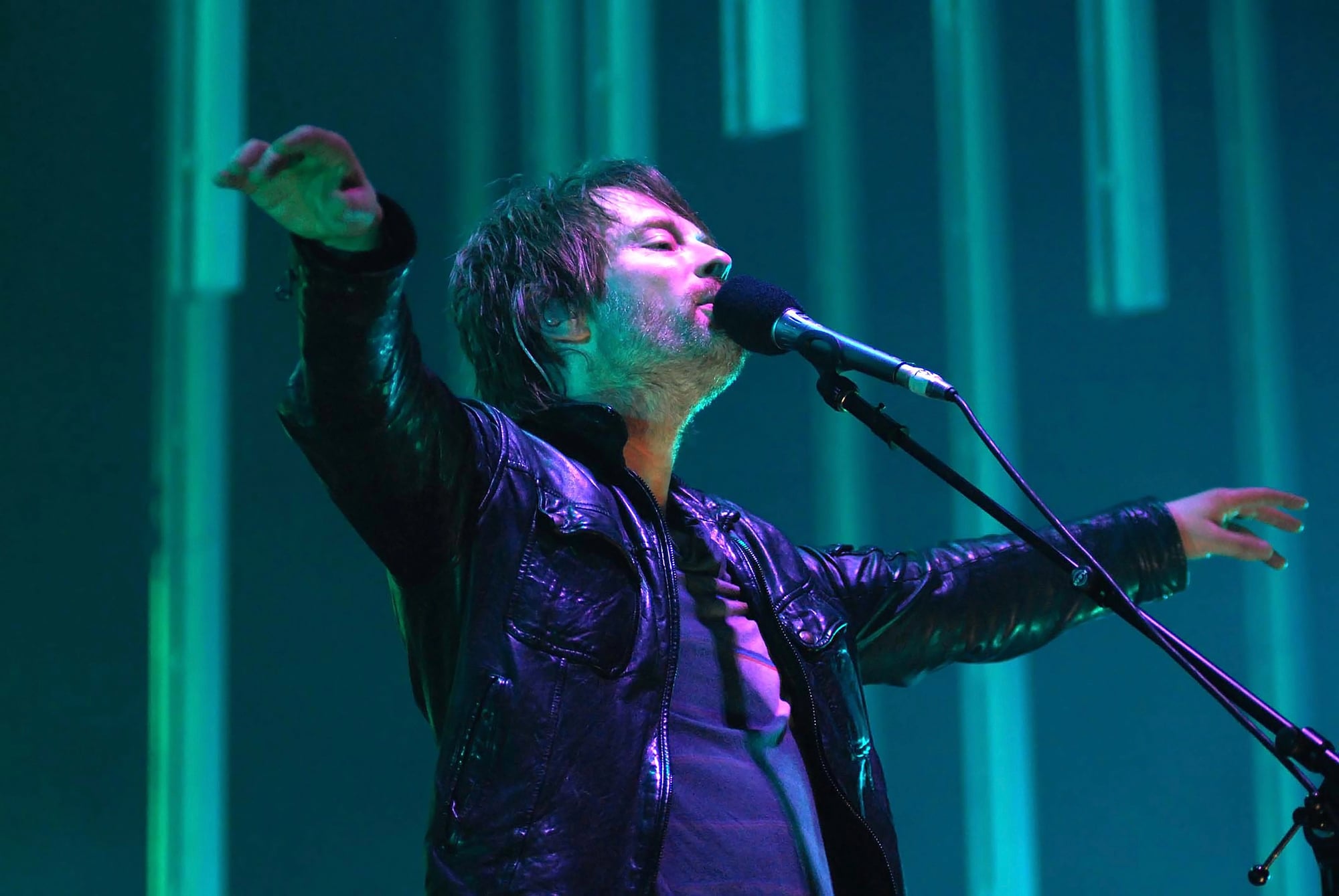
Recorded partly in a country house in Bath using equipment positioned throughout the rooms, OK Computer arrived in May 1997 at a moment when technology anxiety and corporate alienation were not yet the dominant cultural modes they would become. The album anticipated both: “Paranoid Android,” “Karma Police,” and “No Surprises” described the texture of life inside late capitalism with a precision that has only become more relevant since.
The string arrangement on “Exit Music (For a Film)” was recorded in a single take because the musicians were becoming visibly distressed. Thom Yorke has since described the album as a document of a nervous breakdown, which is a diagnosis that fits.
The Miseducation of Lauryn Hill — Lauryn Hill (1998)
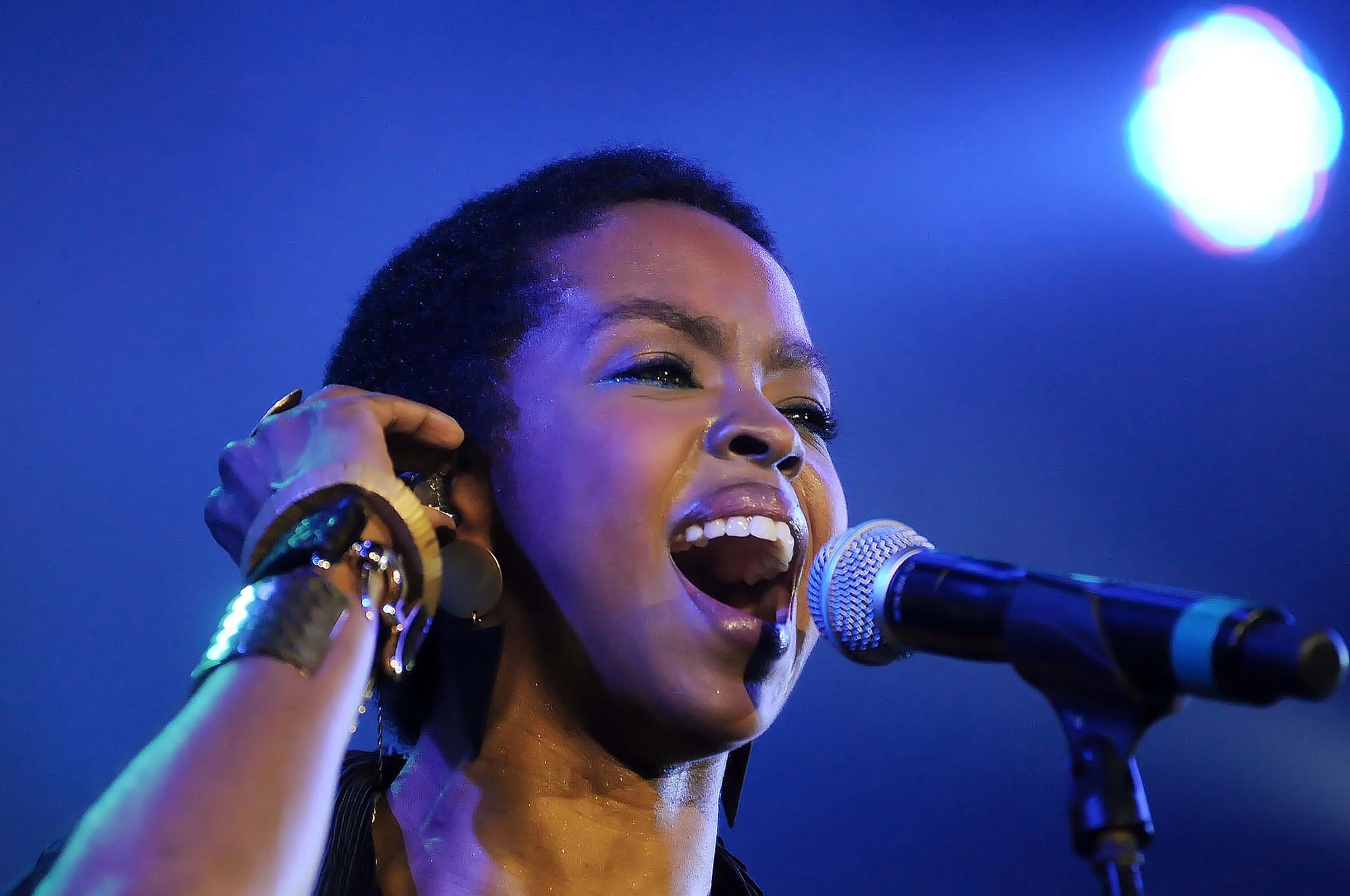
Hill’s debut solo album won five Grammy Awards in 1999, including Album of the Year — the first hip-hop album to win that award. The record moved between hip-hop and neo-soul without audible seams and addressed love, faith, motherhood, and race with a directness that the genre had rarely managed at that level of craft.
“Doo Wop (That Thing)” was the first number-one single by a female rap artist in five years. Hill has given very few interviews and has not released a proper follow-up album in the decades since.
The Miseducation remains, which is a particular kind of statement about what it chose to be.
Kid A — Radiohead (2000)
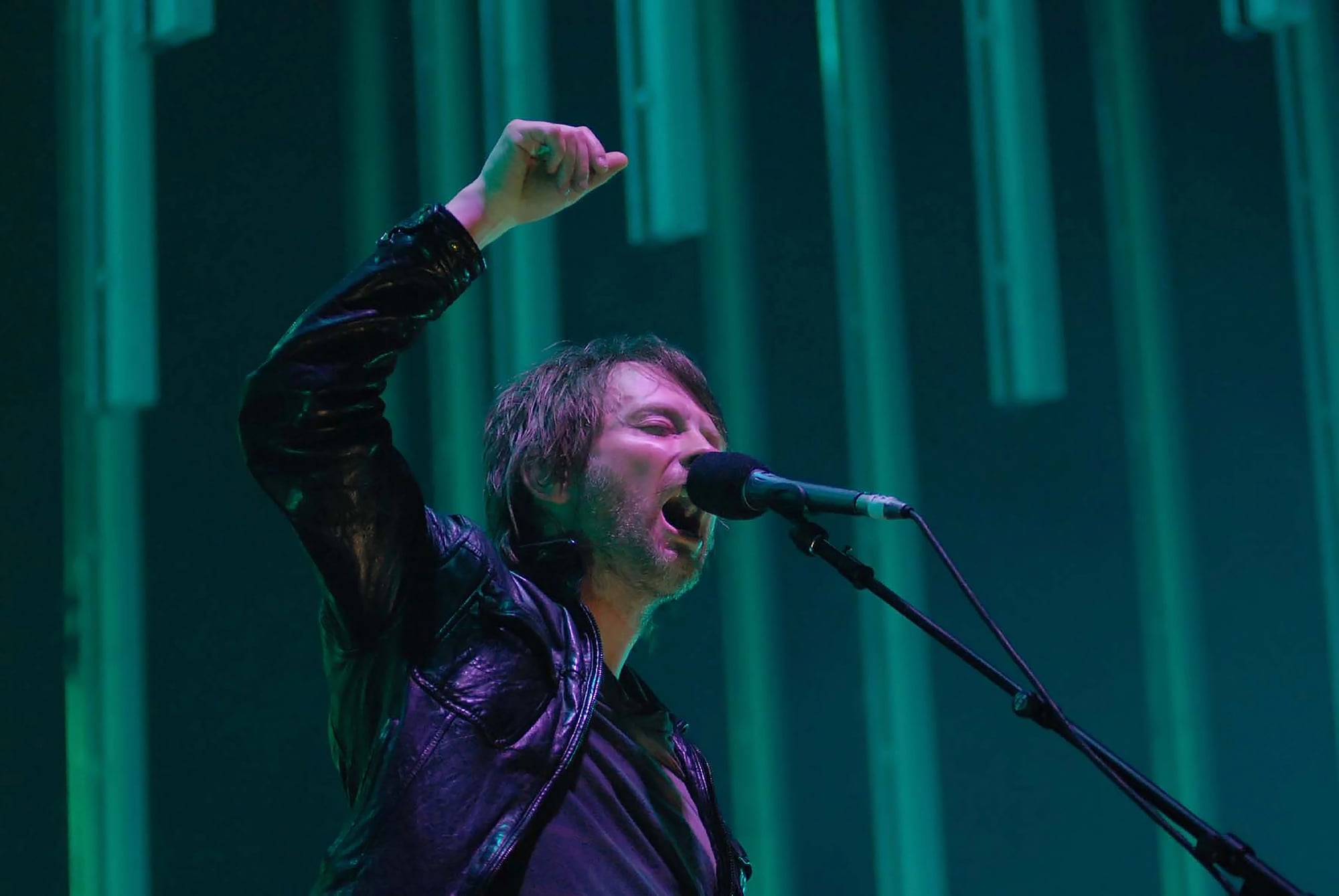
After the critical and commercial success of OK Computer, Kid A could have been a consolidation. Instead, Radiohead spent three years in the studio making a record that left most of their previous sound behind in favor of electronic textures, jazz-influenced rhythm sections, and Yorke’s voice processed beyond recognition.
It debuted at number one in both the United States and the UK without a single or any conventional promotion — the first album to do so. In a music landscape increasingly oriented toward singles, Kid A was an argument for the album as an experience rather than a delivery mechanism.
The argument has not lost.
The Blueprint — Jay-Z (2001)
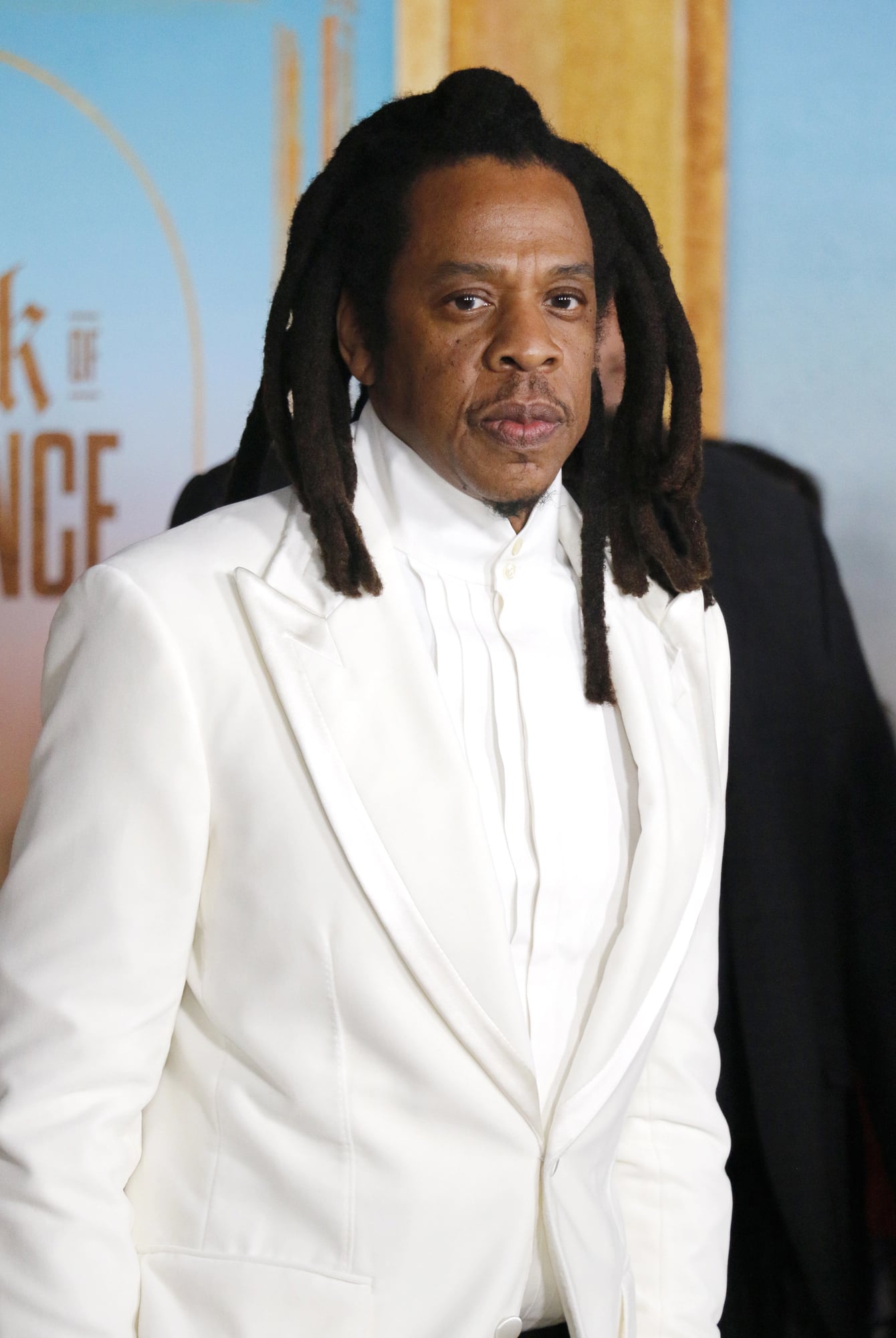
Released on September 11, 2001, The Blueprint is either the worst-timed or most impressively resilient debut in hip-hop history, depending on how you count sales figures. It debuted at number one the following week.
The production, primarily from Kanye West and Just Blaze, used soul samples in ways that had fallen out of fashion, while Jay-Z’s writing condensed a decade of commercial rap into something that felt both comprehensive and personal. “Izzo (H.O.V.A.)” and “Heart of the City” remain standard points of comparison in discussions of hip-hop production from any era.
Speakerboxxx/The Love Below — OutKast (2003)
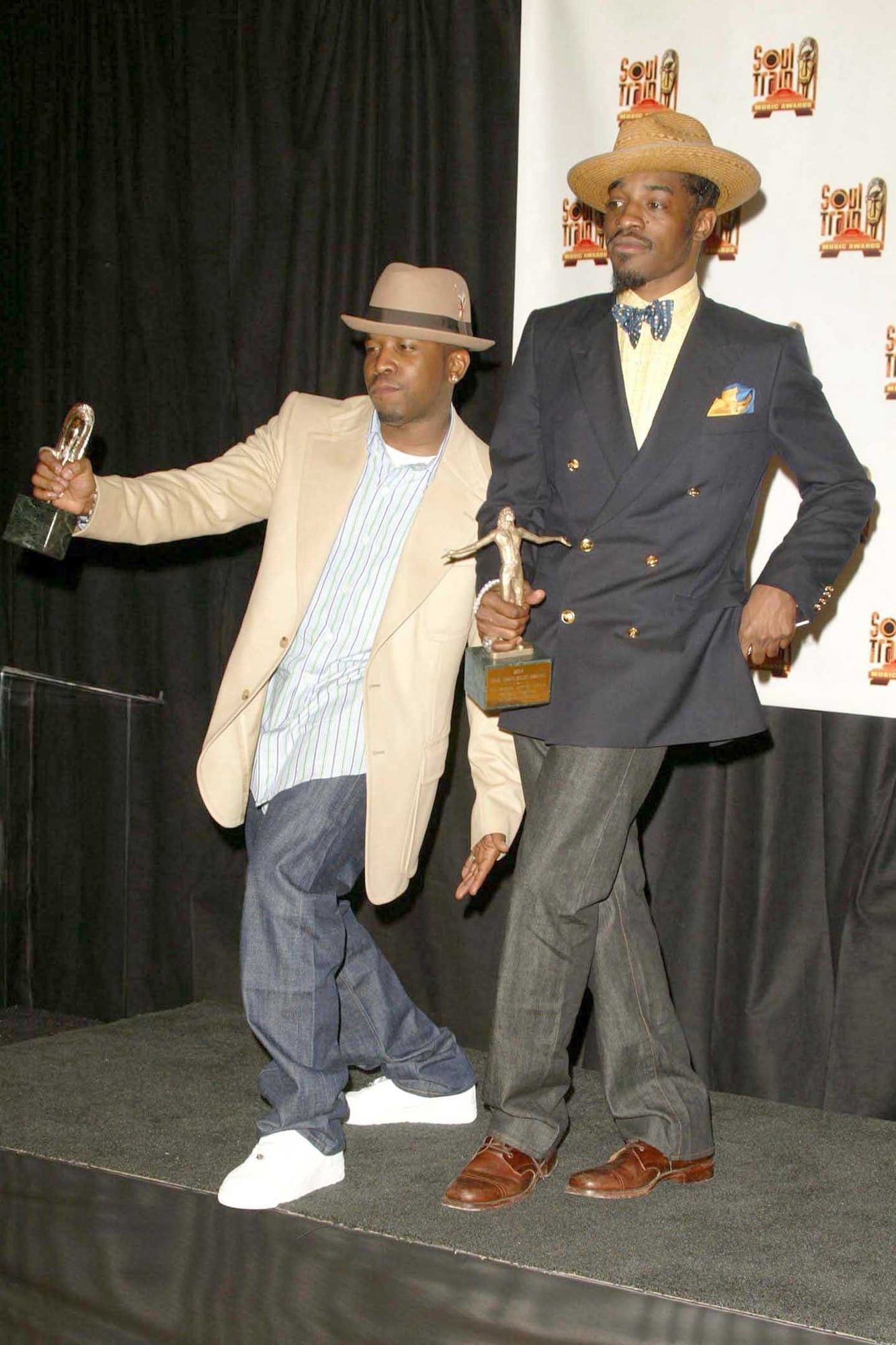
OutKast’s double album was technically two solo projects presented simultaneously — André 3000’s experimental pop and spoken-word record alongside Big Boi’s more conventional hip-hop album. Together they produced one of the best-selling hip-hop albums of the decade and won the Grammy for Album of the Year in 2004.
“Hey Ya!” from The Love Below was not supposed to be the single — Arista Records sent it to radio almost as a test. What happened next was the most played song in the United States for nine consecutive weeks.
It was a pop song built on a chord progression that André 3000 himself has described as structurally unusual in ways that should have made it harder to like.
Funeral — Arcade Fire (2004)
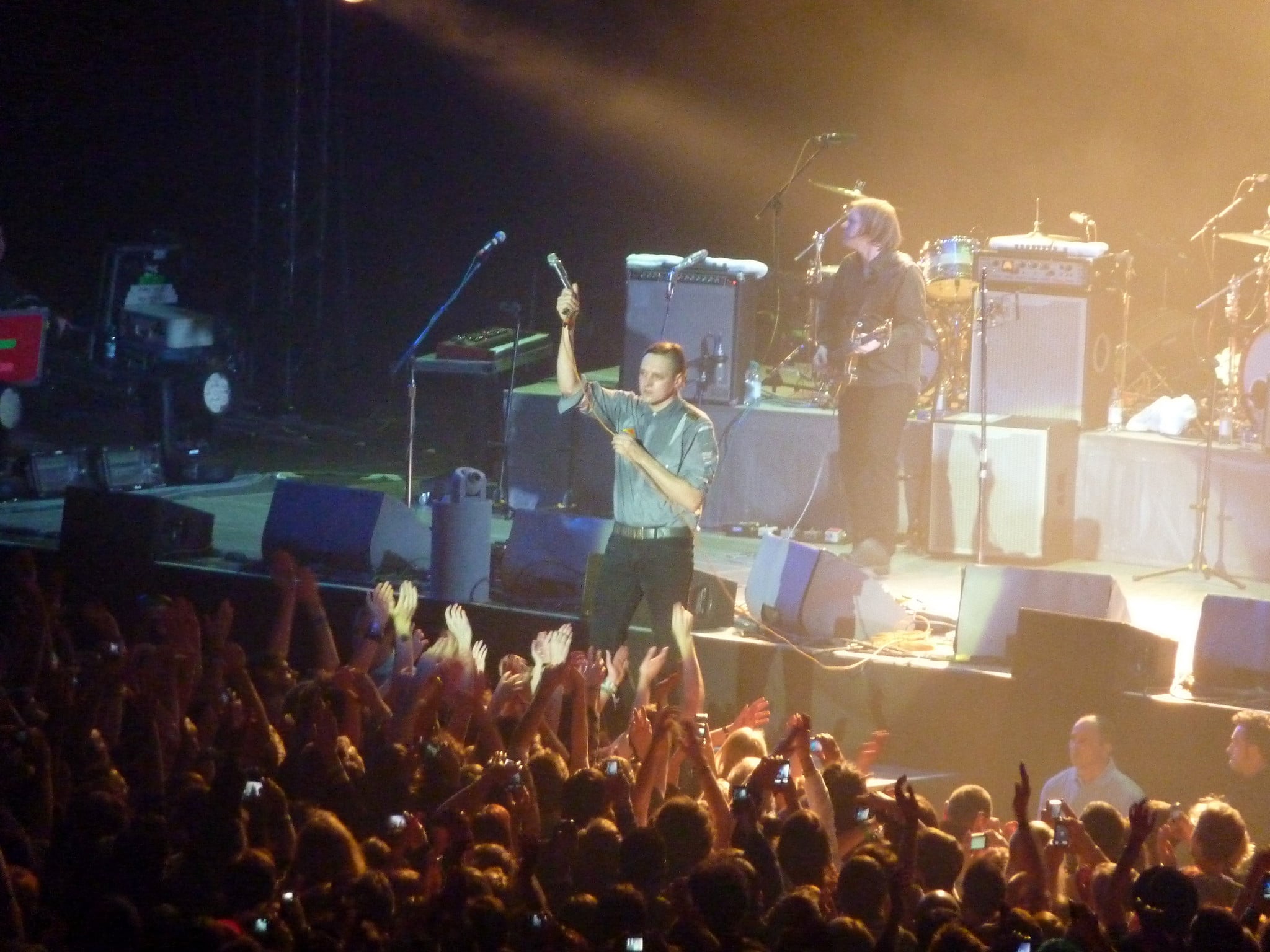
The debut album from a Montreal band that most people outside Canada had not heard of arrived in September 2004 and produced what Rolling Stone later described as the most important rock album of the decade. Funeral was recorded after four members of the band’s extended family died in a short period, and the album is explicitly about grief, childhood, and the end of the world understood from the perspective of youth.
The orchestral rock arrangements — multiple instruments, multiple vocalists, songs that build to climaxes rather than resolve — sounded like nothing that had been in indie rock at the time. It created a template that the rest of the decade’s indie music worked within.
Late Registration — Kanye West (2005)
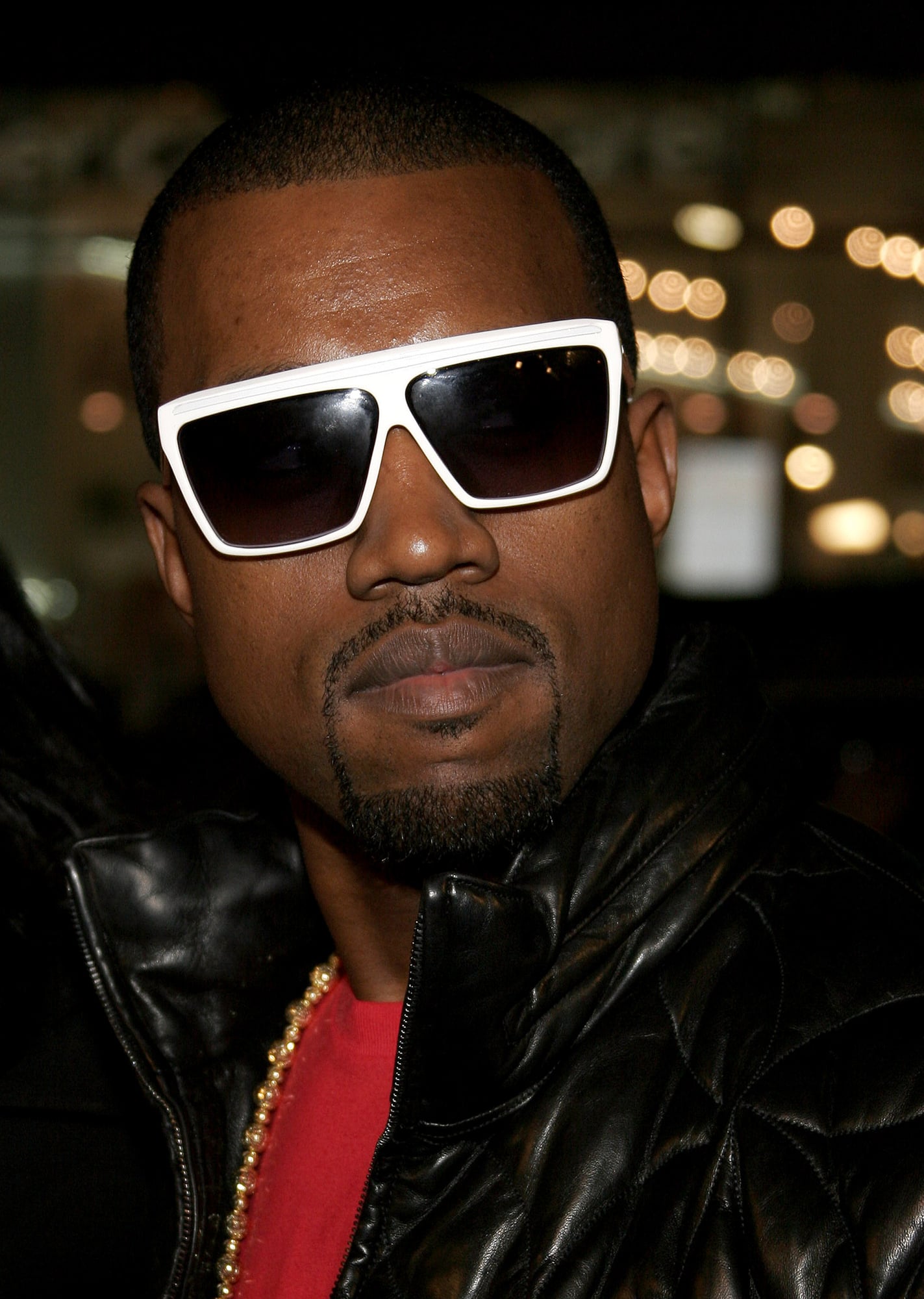
West’s second album benefited from a collaboration with film composer Jon Brion, whose influence shows in the orchestral sweeps and string arrangements that appear throughout. Late Registration addressed racism, consumer culture, and the healthcare system with a directness unusual in mainstream rap, while “Gold Digger” was simultaneously the least politically charged song on the record and one of the year’s biggest hits.
“Diamonds from Sierra Leone” was released in two versions — the original and a remix that addressed conflict diamonds specifically — which became a model for how rap artists could engage with political content without abandoning commercial reach.
Back to Black — Amy Winehouse (2006)
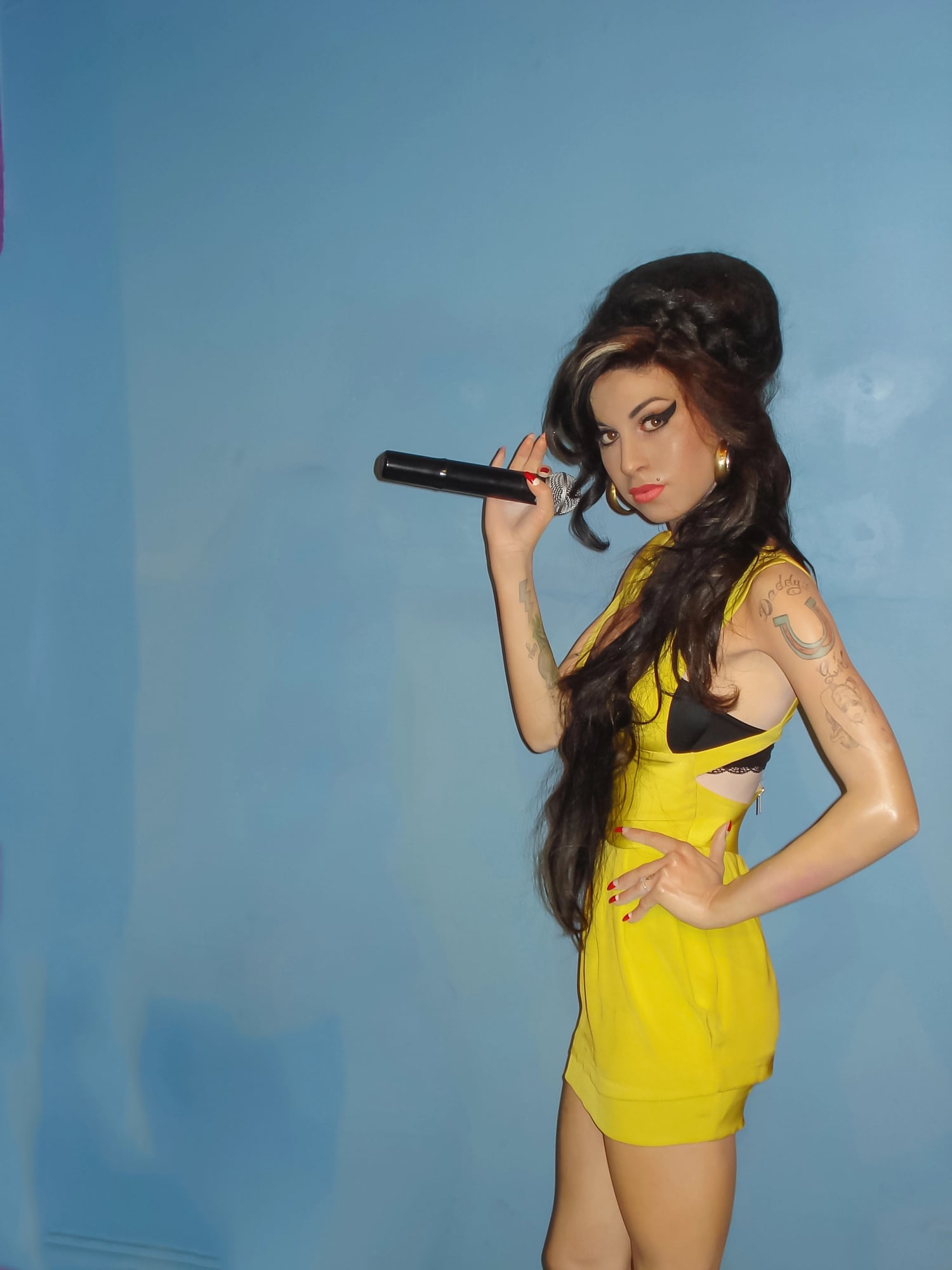
Winehouse’s second album was released in October 2006 and went on to become the best-selling album of the 2000s in the United Kingdom. The production by Mark Ronson and Salaam Remi used Motown-influenced instrumentation and Brill Building-era arrangements to frame songs that were distinctly contemporary in their subject matter and vocal delivery.
Winehouse had a voice that could do things technically while sounding completely unselfconscious about doing them. “Rehab,” the opening track, is three minutes long and contains more actual information about the artist’s situation than most confessional albums manage across an hour.
She died in 2011 at twenty-seven. The album has never left.
Random Access Memories — Daft Punk (2013)
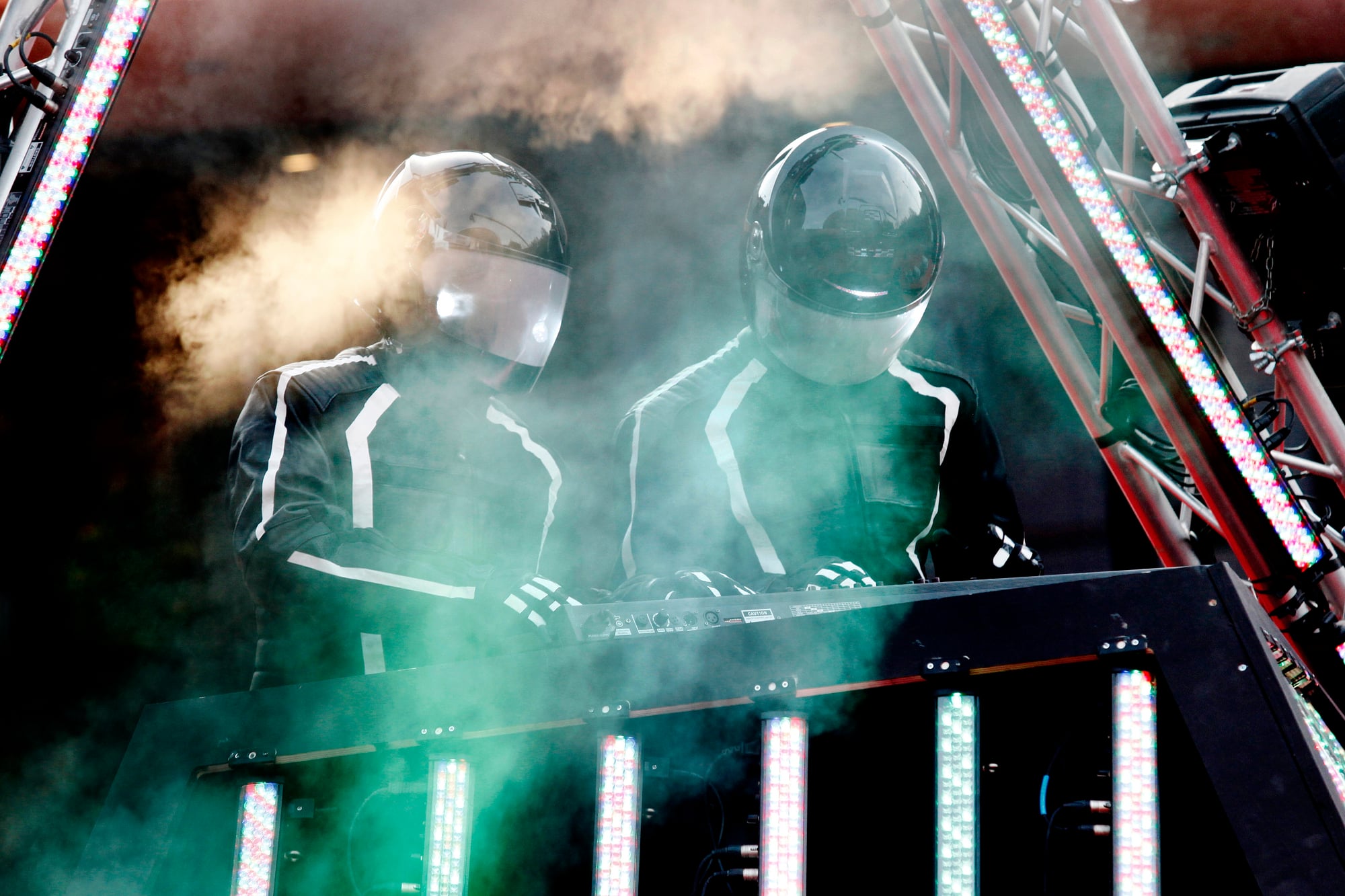
Daft Punk’s fourth album arrived in May 2013 after months of teaser advertising that consisted almost entirely of a single television spot. The album was recorded almost entirely with live musicians — a deliberate reaction against the software-based production the duo’s previous work had used — and included Nile Rodgers on guitar, Michael McDonald on backing vocals, and Pharrell Williams on two tracks, one of which became one of the most played songs of the year.
The concept, broadly understood as a tribute to the analog recording era, was transparent enough to be slightly ridiculous and executed well enough that nobody cared.
To Pimp a Butterfly — Kendrick Lamar (2015)
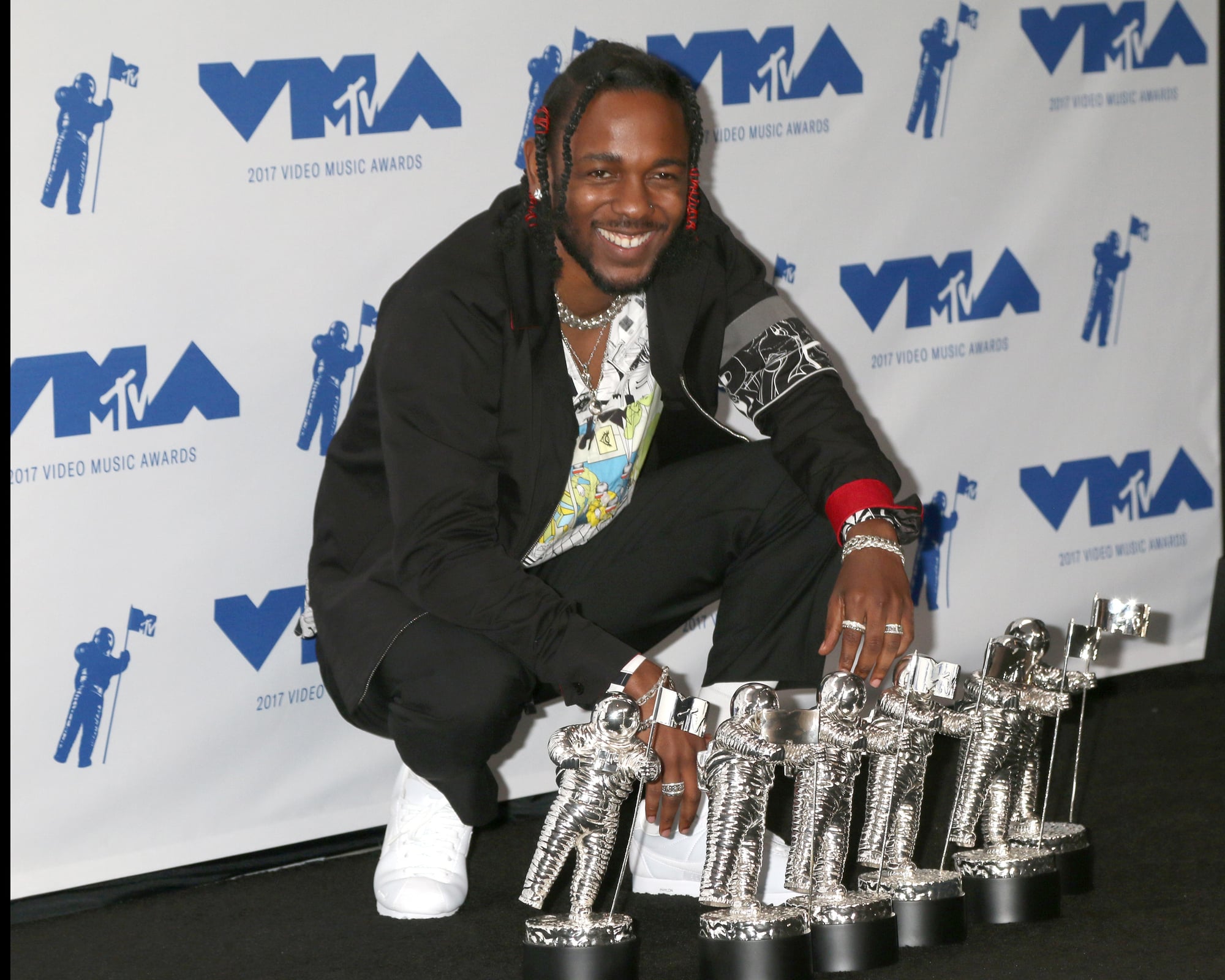
Lamar’s third album, released in March 2015, was built around live jazz and funk performances recorded at EastWest Studios in Los Angeles and addressed race, capitalism, and self-destruction through a structural complexity that critics spent months unpacking. The album contains a conversation with Tupac Shakur assembled from a 1994 interview recording — Lamar recorded his side of the conversation knowing where Shakur’s responses would land, a technical and conceptual feat that has no precedent in hip-hop.
Rolling Stone’s 2020 revision of its 500 Greatest Albums list ranked it at number one for the 1960s-to-present canon. That position is contested, but the argument for it is not easily dismissed.
Lemonade — Beyoncé (2016)
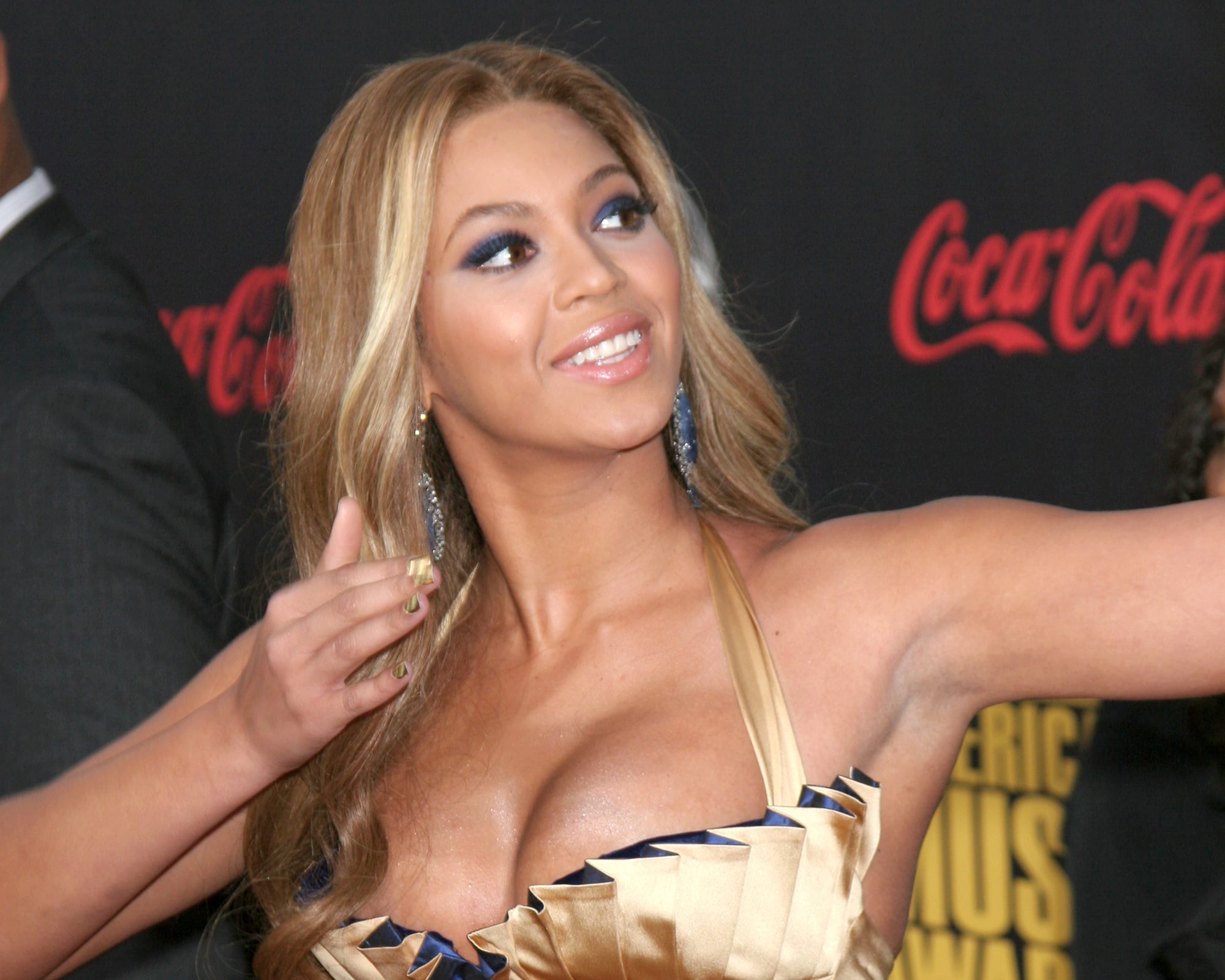
Released with a sixty-five-minute film on HBO simultaneously, Lemonade was built on a narrative arc — infidelity, rage, mourning, and reconciliation — told through twelve tracks spanning country, blues, trap, R&B, and experimental music without any single moment feeling like a deliberate genre exercise. The visual album format it established has since been imitated but not equaled.
Jack White, James Blake, Kendrick Lamar, and the Alabama Shakes all appeared on the record, and none of their contributions sounds like a feature — they sound like elements of a coherent whole. “Hold Up” and “Freedom” are the songs that most people cite first; “Sandcastles” is the one that does the most, quietly.
good kid, m.A.A.d city — Kendrick Lamar (2012)
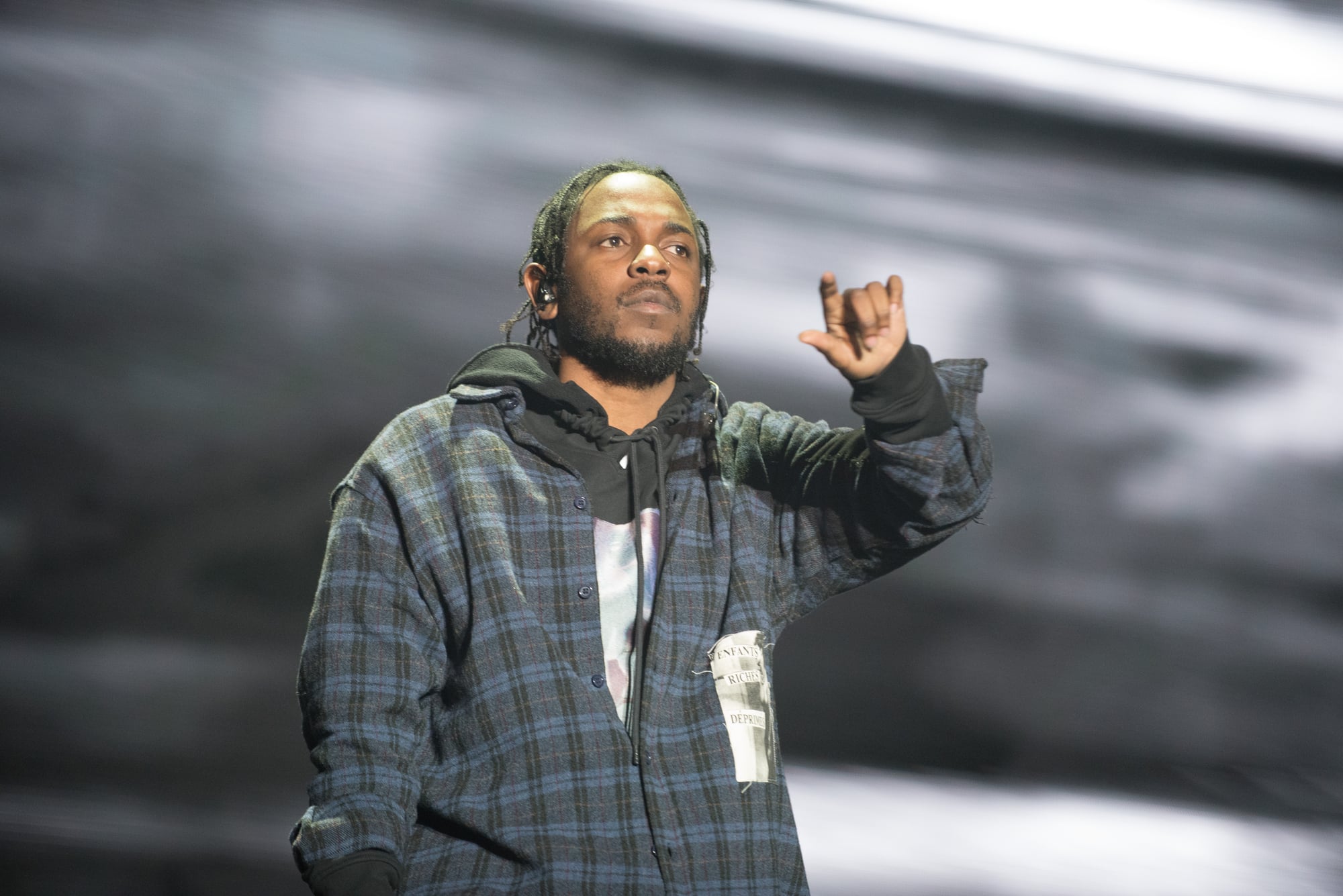
Lamar’s major-label debut was positioned as a concept album set in Compton, California, and it followed that concept with a discipline most concept albums abandon when the songs are not cooperating. The narrative — a teenager navigating gang pressure, parental expectation, and the casual violence of the streets — was specific enough to feel documentary and universal enough to sell millions of copies.
“Swimming Pools (Drank)” was released as the single, which confused radio programmers who had expected a straightforward club track and instead got an extended meditation on peer pressure and inherited alcoholism.
1989 — Taylor Swift (2014)
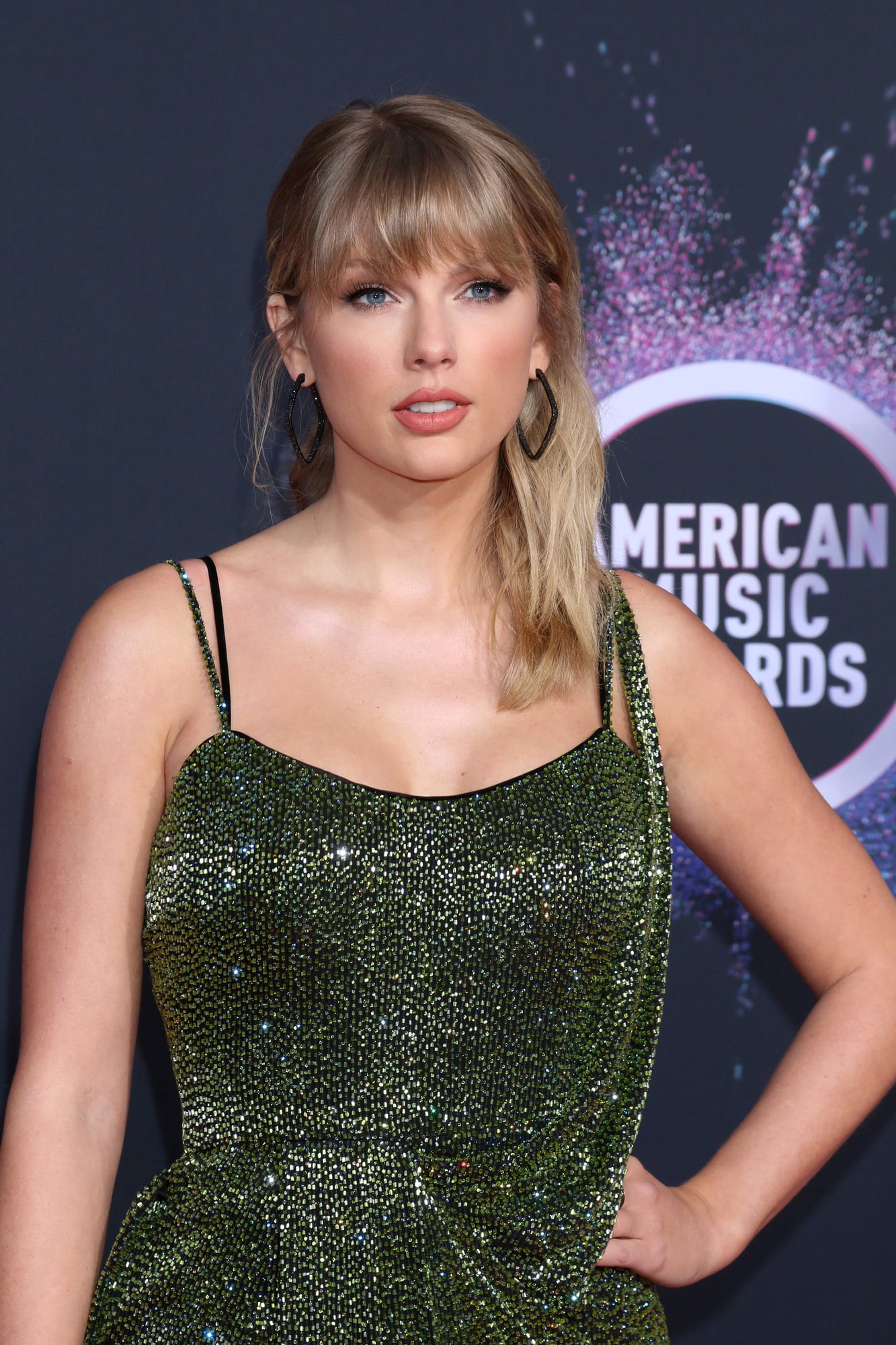
Swift’s transition from country to pop with her fifth album was handled with sufficient confidence that the album sold 3.66 million copies in the United States in 2014 alone, the most of any album in the country that year. The production, primarily from Max Martin and Shellback, used synth-pop textures deliberately evoking the 1980s while the songwriting was explicitly contemporary.
“Bad Blood,” “Shake It Off,” and “Style” became unavoidable; the deeper cuts like “Clean” and “Out of the Woods” are better arguments for why the album holds up beyond its singles as a complete piece of work.
When the Party’s Over and Nothing Else — The Albums That Do Both Things
The records that define a decade tend to arrive at a moment of cultural pressure — when a form is either consolidating or breaking apart, when something old is ending and something new is not yet named. What keeps them alive is not the historical significance, which is real but essentially invisible when you’re just listening, but the fact that the songs themselves continue to work.
The production may date, the fashion may go, the cultural context may require a Wikipedia paragraph to reconstruct. The song, if it is actually a good song, does not care.
It still finds you in a room at a specific time of day and does the thing it was made to do. That is the only test that matters.
More from Go2Tutors!

- The Romanov Crown Jewels and Their Tragic Fate
- 13 Historical Mysteries That Science Still Can’t Solve
- Famous Hoaxes That Fooled the World for Years
- 15 Child Stars with Tragic Adult Lives
- 16 Famous Jewelry Pieces in History
Like Go2Tutors’s content? Follow us on MSN.