14 Films Cut by Censors Before Audiences Ever Saw Them
Long before ratings systems standardized what audiences could see, censorship boards and studio executives quietly removed scenes, altered endings, and sometimes gutted entire films before release. Many of these versions were considered lost for decades, and some cut material has never been recovered.
Freaks
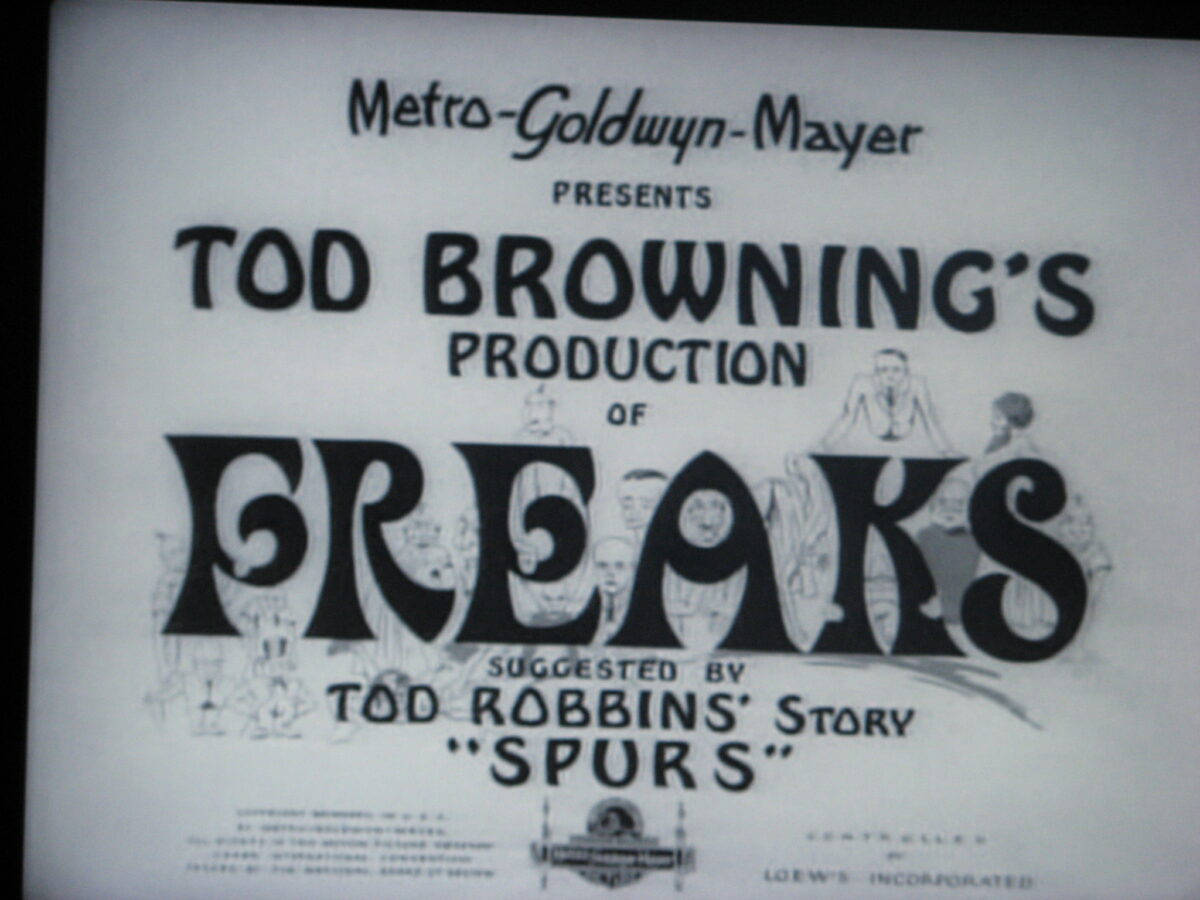
MGM’s 1932 horror film, directed by Tod Browning and featuring real sideshow performers, was cut from its original 90-minute runtime to around 64 minutes after test audiences reacted with horror, reportedly including one woman who claimed the film caused her to miscarry. Entire subplots and a more graphic revenge sequence were removed, and the excised footage has never been found.
Scarface
Howard Hughes’s 1932 gangster film faced such intense pressure from state censorship boards that distributors filmed an alternate ending showing the protagonist’s court trial and execution by hanging, absent from the original cut, to satisfy morality concerns. Several states still refused to screen it even with the altered ending.
King Kong
The 1933 original included several scenes of violence, including Kong biting and stepping on people, that were trimmed after the introduction of the Hays Code’s stricter enforcement in 1934 for theatrical re-releases. Some of this censored footage was considered lost for decades until fragments were rediscovered and restored in the 1960s and later.
The Wild Bunch
Sam Peckinpah’s 1969 Western was cut by studio Warner Bros. ahead of release, trimming some of its graphic violence, and later theatrical re-releases removed additional footage, including a flashback sequence. A fully restored version wasn’t widely available until a 1995 re-release decades after the original cuts.
A Clockwork Orange
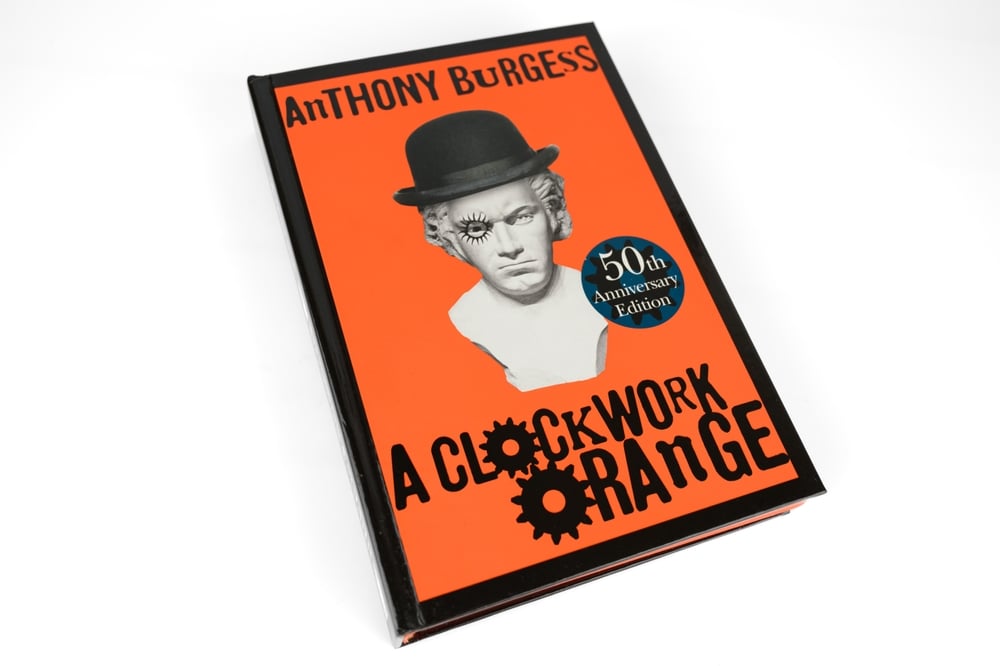
Stanley Kubrick himself withdrew the film from UK distribution in 1973 after receiving threats and blaming the film for copycat violence, effectively banning it in Britain until after his death in 1999, even though the American version played uncut. This made it one of the rare cases where the director imposed the restriction rather than an official censorship board.
Straw Dogs
Sam Peckinpah’s 1971 thriller faced repeated cuts from the British Board of Film Classification over a prolonged assault sequence, and it wasn’t approved for home video release in the UK in its original form until 2002, three decades after theaters first showed a trimmed version.
Battleship Potemkin
Sergei Eisenstein’s 1925 Soviet film was banned outright in several countries including France, Britain, and the United States for years after release, with censors citing its revolutionary political content. West Germany didn’t lift restrictions on public screenings until 1953, nearly three decades later.
M
Fritz Lang’s 1931 German thriller about a child murderer faced cuts from Nazi censors after 1933, who found its portrayal of mob justice and psychological complexity politically uncomfortable, and the film was eventually banned outright in Germany. A more complete version wasn’t restored and widely available again until decades after World War II.
Titicut Follies
Frederick Wiseman’s 1967 documentary about conditions inside a Massachusetts state hospital for the criminally insane was banned from public screening by a Massachusetts court almost immediately after release, citing inmate privacy. The ban wasn’t fully lifted until 1991, making it a rare American film restricted from exhibition on privacy grounds for so long.
The Battle of Algiers
Gillo Pontecorvo’s 1966 film about the Algerian War of Independence was banned in France for five years after its completion, with censors and the French government objecting to its sympathetic depiction of resistance fighters. It wasn’t screened publicly in France until 1971.
Natural Born Killers
Oliver Stone’s 1994 film required multiple rounds of cuts to satisfy the MPAA and avoid an NC-17 rating, ultimately trimming roughly three minutes of violent content before release. An unrated director’s cut restoring the removed footage wasn’t released until years later on home video.
Eyes Wide Shut
Warner Bros. digitally inserted robed figures to obscure an orgy sequence in the American theatrical release of Stanley Kubrick’s final 1999 film, in order to secure an R rating instead of NC-17. The unaltered version Kubrick had approved before his death was shown in Europe and only became available in the U.S. years later.
Cannibal Holocaust
Director Ruggero Deodato’s 1980 film was seized by Italian authorities within days of release and banned outright, with Deodato briefly facing charges related to the film’s realistic violence before he proved the effects were staged. The film remained banned or heavily cut in numerous countries for years afterward.
Nosferatu
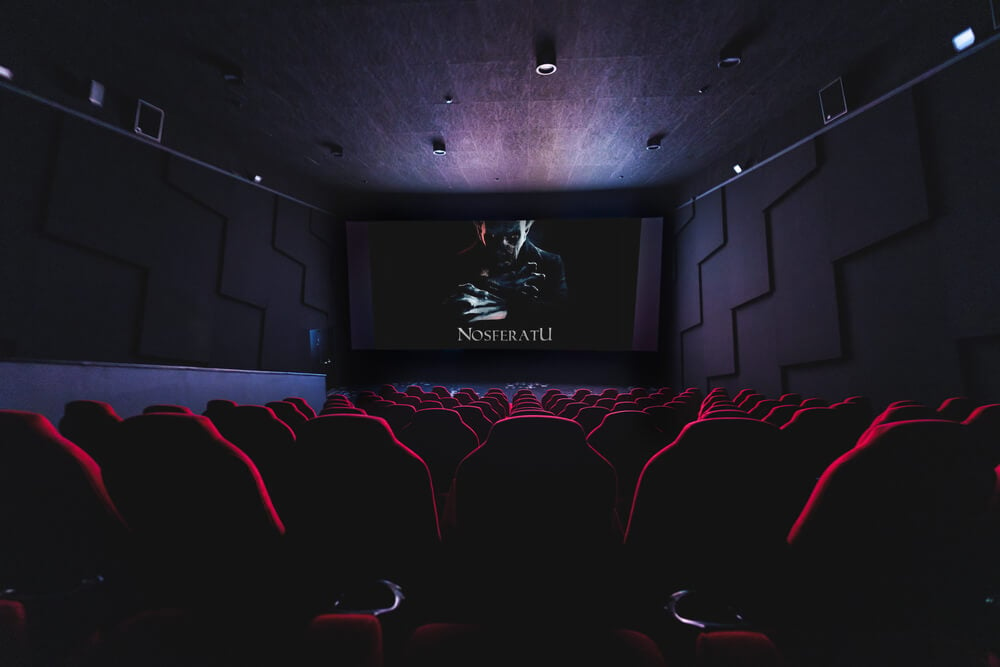
F.W. Murnau’s 1922 German silent film was an unauthorized adaptation of Bram Stoker’s Dracula, and a court ordered nearly all prints destroyed after Stoker’s estate sued for copyright infringement. Only a small number of prints survived the destruction order, allowing the film to exist today.
What the Cut Reveals
Censorship rarely erases a film outright; more often it leaves a visible seam where something used to be, whether that’s a missing reel, an altered ending, or a scene remembered only in stills. What audiences eventually saw was frequently a negotiated compromise rather than the filmmaker’s original intent.
Decades later, restoration became its own kind of historical archaeology, piecing back together not just footage but the context of why it was removed in the first place. The censored version often says as much about its era as the film itself does.
More from Go2Tutors!

- The Romanov Crown Jewels and Their Tragic Fate
- 13 Historical Mysteries That Science Still Can’t Solve
- Famous Hoaxes That Fooled the World for Years
- 15 Child Stars with Tragic Adult Lives
- 16 Famous Jewelry Pieces in History
Like Go2Tutors’s content? Follow us on MSN.