27 Animal Species Declared Extinct That Were Later Found Alive
There’s something quietly unsettling about a species being declared extinct. Scientists mark it down, conservation efforts shift elsewhere, and the world quietly absorbs one more absence.
Except sometimes — not often, but sometimes — nature refuses to cooperate with the paperwork. Animals written off as gone turn up very much alive, usually in some corner of the world that didn’t get the memo.
These rediscoveries don’t just make headlines. They complicate everything scientists thought they knew about extinction, about survival, and about how stubbornly life can persist when left alone long enough.
Here are 27 species that were declared extinct and then, against considerable odds, found again.
Coelacanth
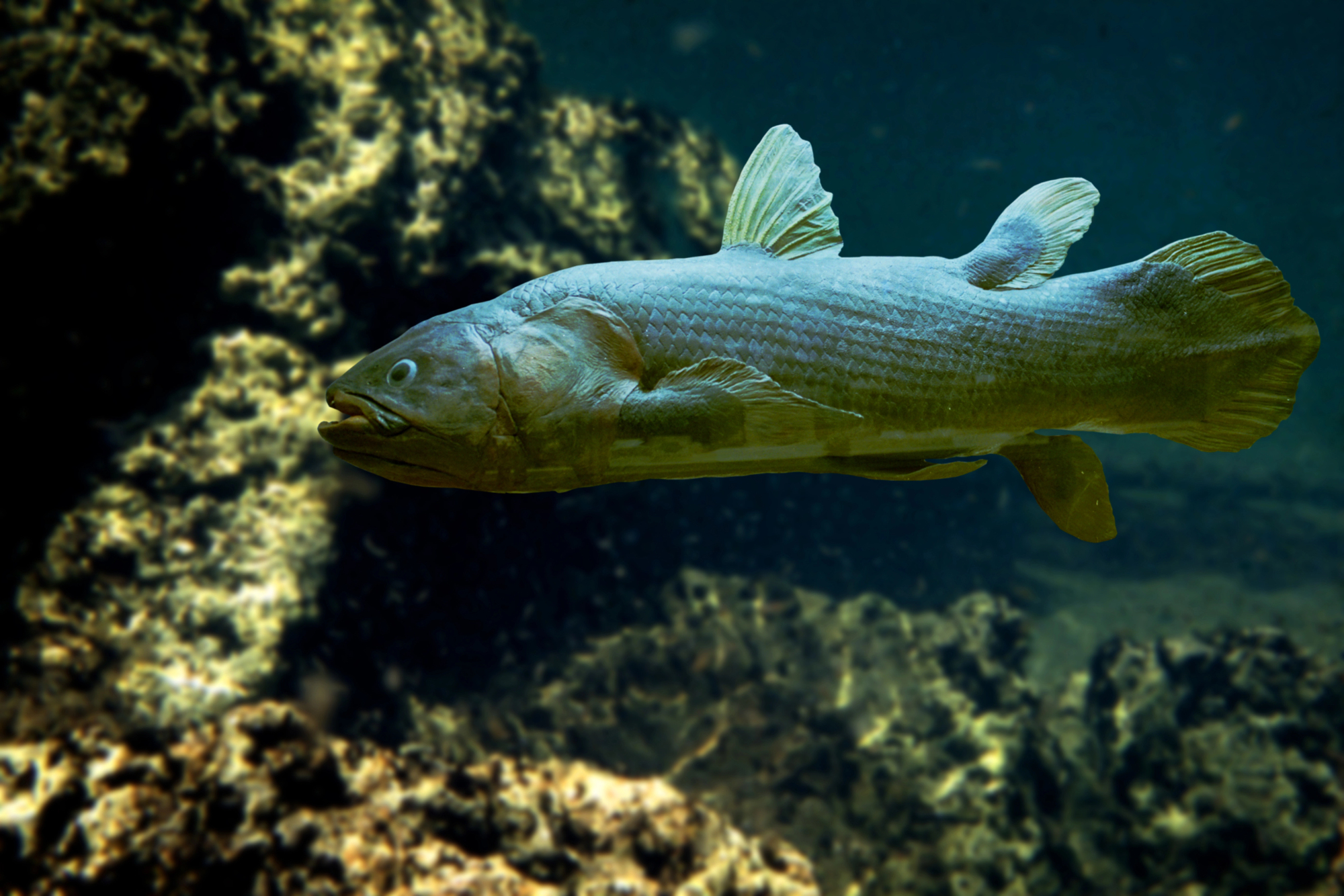
The coelacanth was thought to have vanished with the dinosaurs — gone for roughly 65 million years, known only from fossils. Then in 1938, a South African museum curator named Marjorie Courtenay-Latimer spotted one in a fisherman’s catch near East London, South Africa, and the scientific world had to completely rethink what “extinct” actually meant.
A second population was later discovered near the Comoros Islands, and eventually another off the coast of Indonesia. To be fair, 65 million years is a long time to misplace something.
Caspian Horse

The Caspian horse, one of the oldest horse breeds on record, was considered extinct for roughly a thousand years before a small herd was rediscovered in northern Iran in 1965. Louise Firouz, an American-born breeder living in Iran, found them pulling carts near the Caspian Sea — which is precisely where ancient Persian artifacts had depicted them for millennia.
The breed has since been carefully revived through dedicated breeding programs.
Laotian Rock Rat
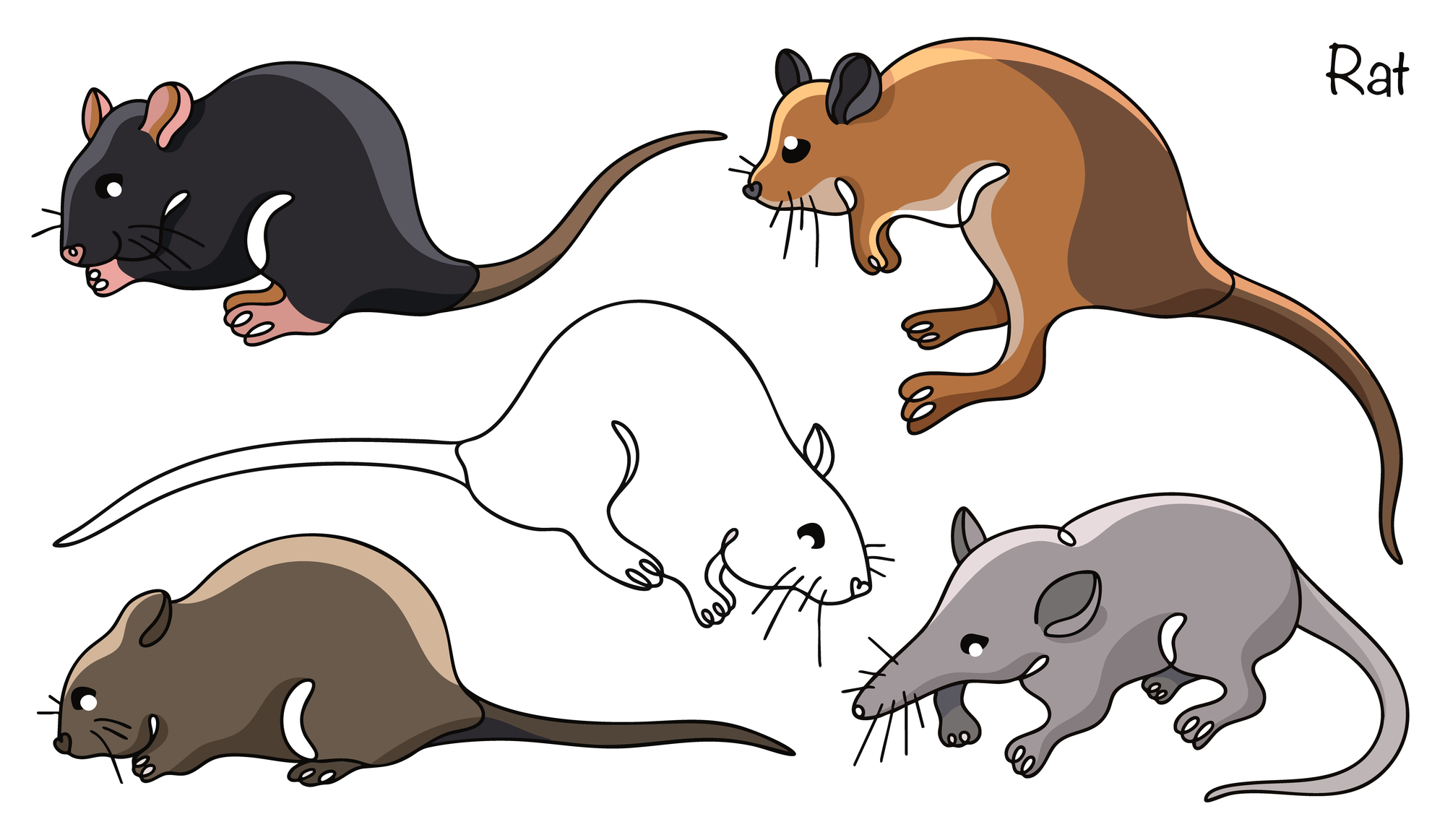
There’s something almost theatrical about a rodent that manages to disappear from scientific knowledge so completely that researchers mistake its photograph for a fossil species. The Laotian rock rat — known locally but entirely unknown to Western science — turned up in a Laos food market in 1996, prompting a paper that initially classified it as a newly discovered species.
It was only later determined that the creature was actually a living member of a family scientists believed had been extinct for 11 million years. Eleven million years.
Lord Howe Island Stick Insect
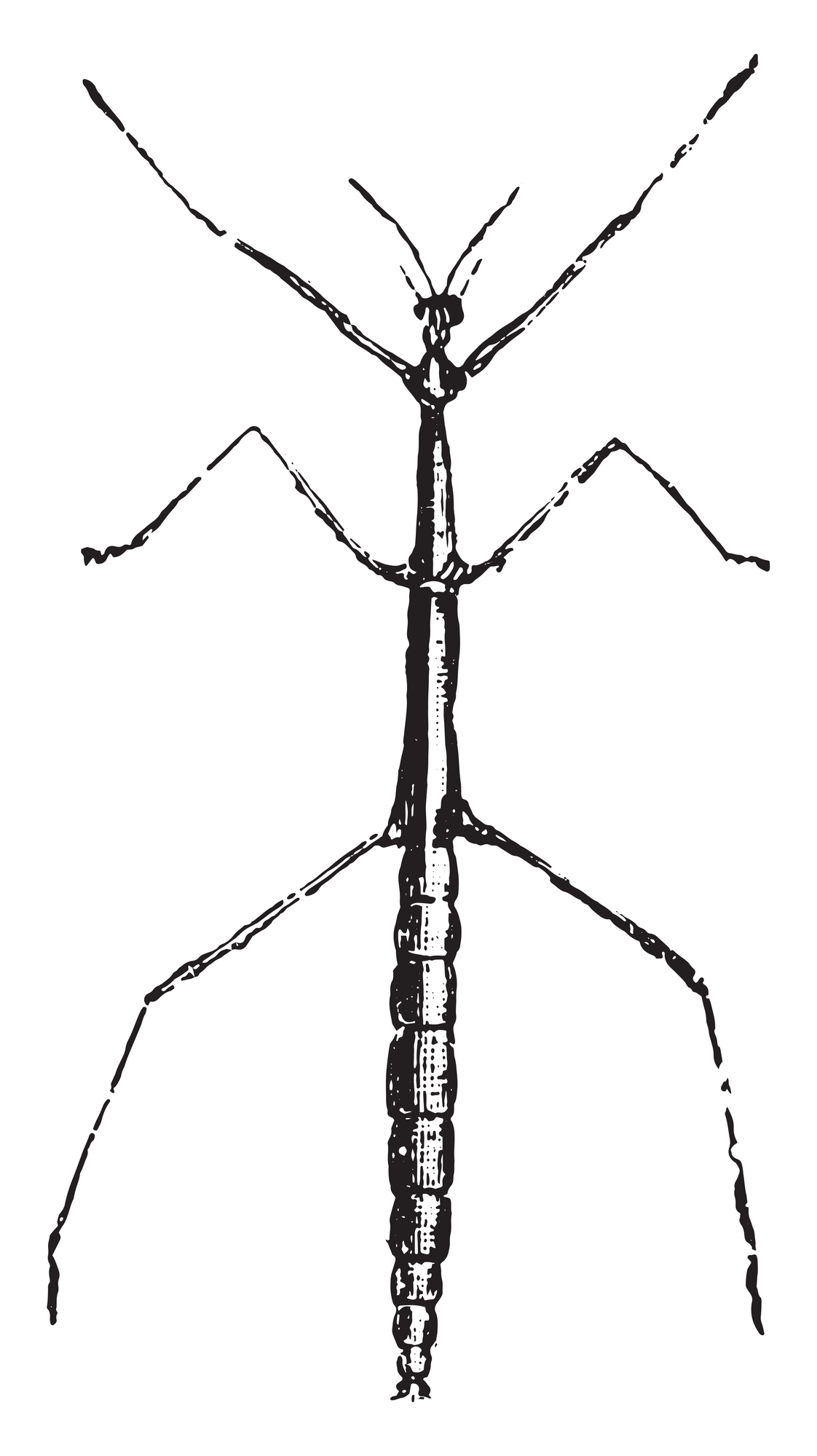
The Lord Howe Island stick insect — also called, with some affection, the “tree lobster” — was declared extinct in 1930 after invasive black rats arrived on the island and ate through the population with the kind of focus that only rats can sustain.
But in 2001, a tiny colony of fewer than 30 individuals was found clinging to a single bush on a volcanic sea stack, roughly 14 miles from Lord Howe Island. They were living on a near-vertical slab of rock with almost no vegetation and apparently no awareness of how unlikely their survival was.
Night Parrot
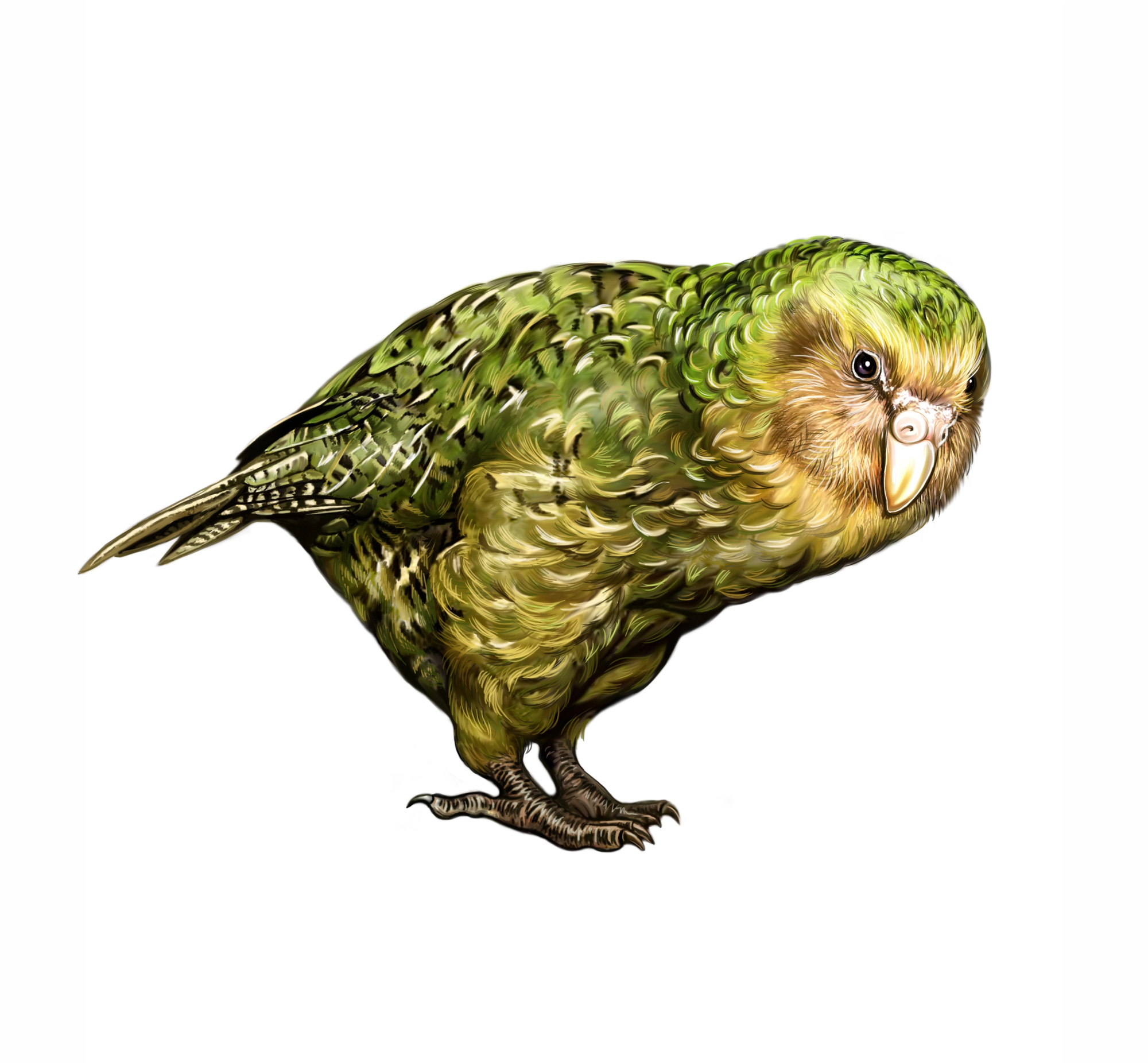
The night parrot of Australia occupies a strange space in ornithology — a bird so rarely seen that it became something close to mythology, with years passing between confirmed sightings and most experts quietly accepting it was gone.
It was formally believed extinct for over a century, then re-photographed alive in 2013 by naturalist John Young in outback Queensland, setting off something close to a scientific celebration in Australian conservation circles. A small population has since been confirmed and is now actively protected.
Bermuda Petrel

Declared extinct for 330 years — three centuries and change — the Bermuda petrel, or cahow, was rediscovered in 1951 by ornithologist David Wingate when 18 nesting pairs were found on rocky islets in Castle Harbour.
The bird had survived, unseen, through the very era in which humans were convincing themselves it no longer existed. Wingate spent the next several decades of his life dedicated to its recovery, which is the kind of commitment that makes the story feel less like science and more like a long apology.
Arakan Forest Turtle

The Arakan forest turtle of Myanmar appeared in scientific literature only twice before disappearing entirely — once in 1875 and once more from the fossil record.So when live specimens began appearing in Asian food markets in 1994, researchers were genuinely startled.
The species had been listed as extinct for over a hundred years. It remains critically endangered today, which makes its rediscovery more of a warning than a comfort.
Takahe
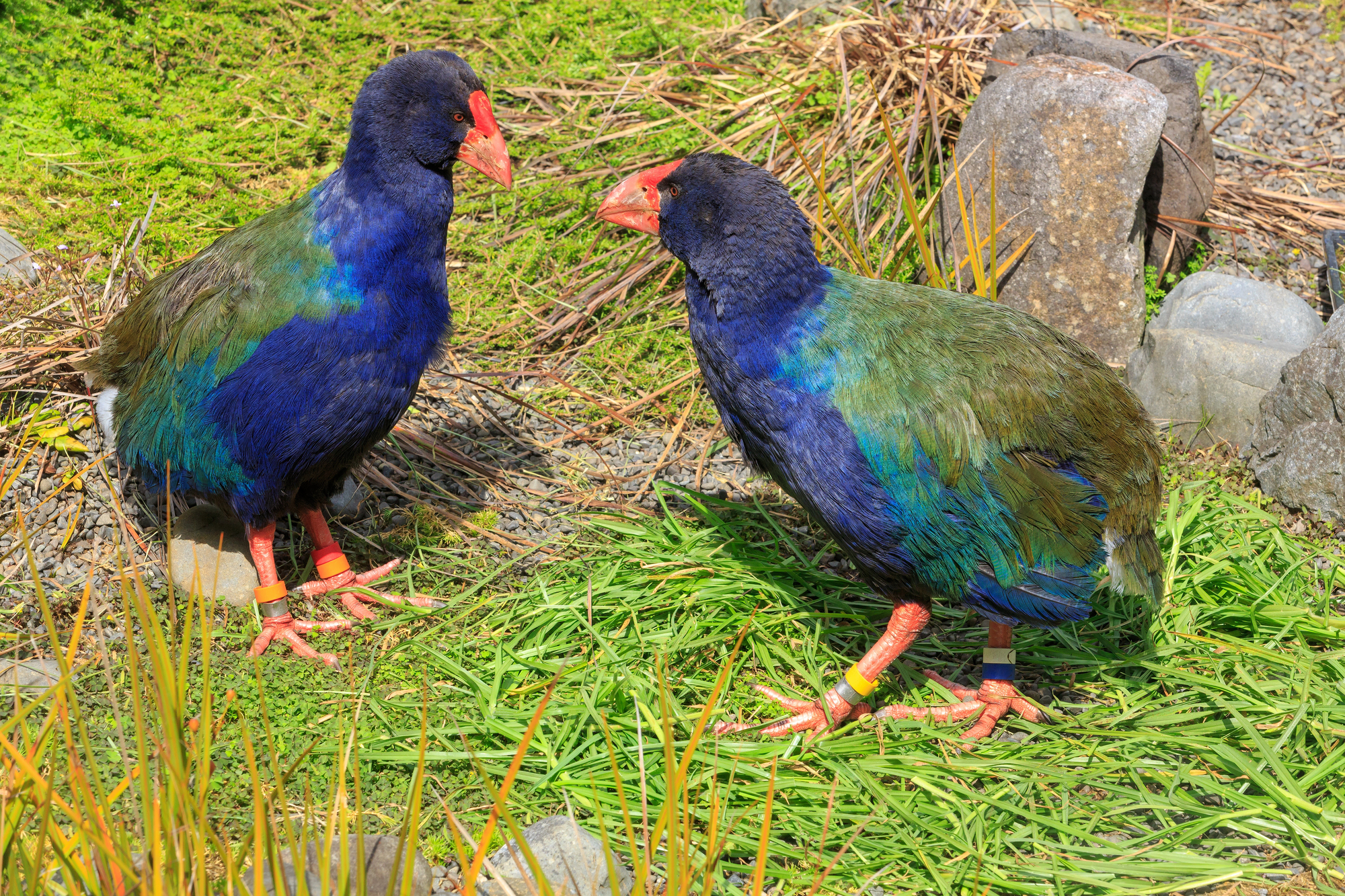
The takahe is a flightless bird from New Zealand that was declared extinct in 1898 after four specimens were collected and then nothing — no sightings, no evidence, nothing. Then in 1948, Geoffrey Orbell, a physician with an unusual amount of persistence, tracked down a living population in the remote Murchison Mountains on the South Island.
The takahe has since become one of New Zealand’s most celebrated conservation success stories, which is notable given how many contenders there are for that title in a country that has lost so much of its native fauna.
Woolly Flying Squirrel
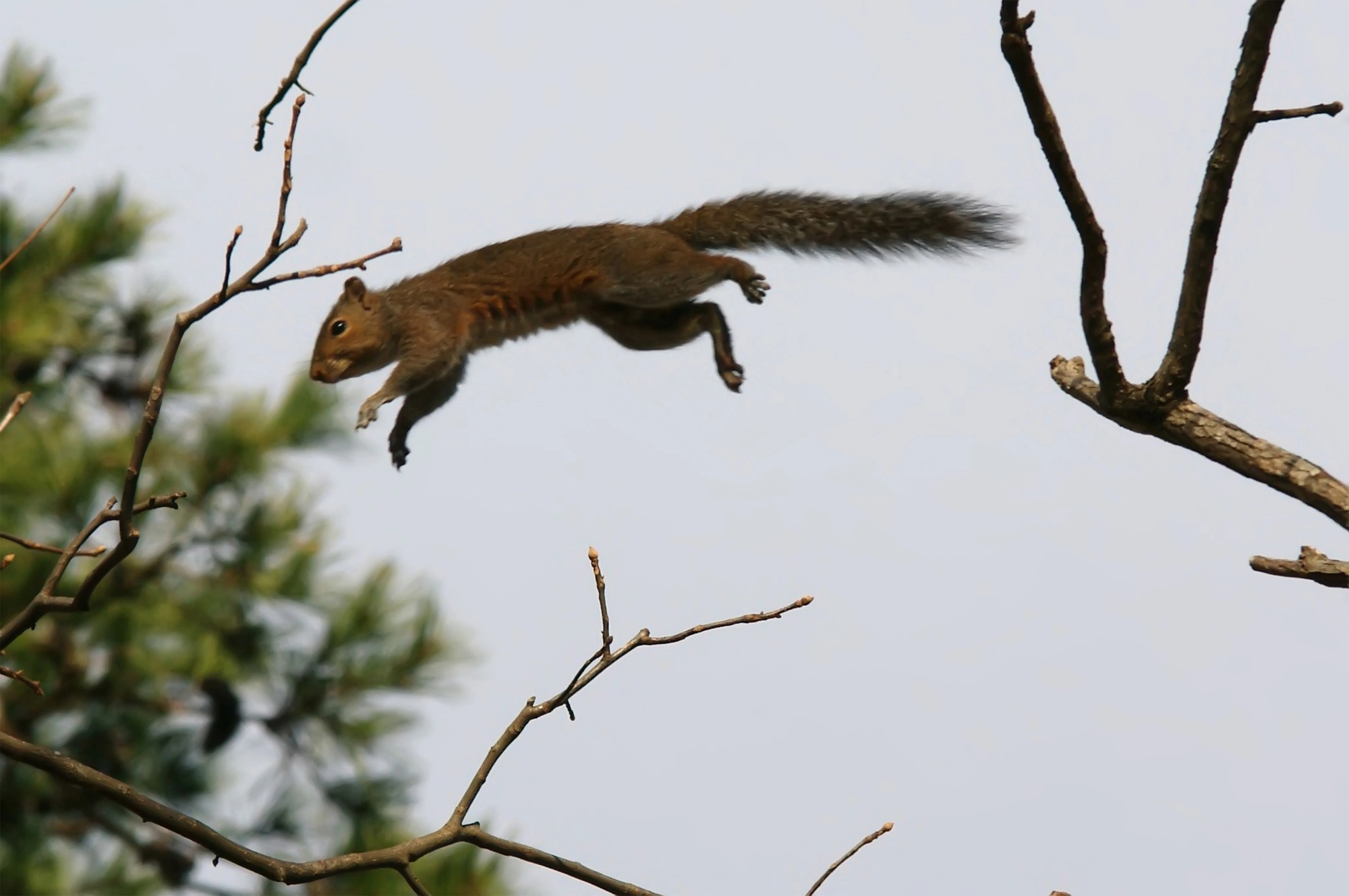
This species, the largest gliding squirrel in the world, was last collected by scientists in 1888 and then vanished from the record entirely.
Pakistan’s Gilgit-Baltistan region turned out to be where it had been quietly existing all along — a local collector presented a live specimen to researchers in 1994, which prompted the kind of scientific response that might be described as controlled disbelief.
The woolly flying squirrel is still considered extremely rare and remains poorly understood.
Black-Footed Ferret
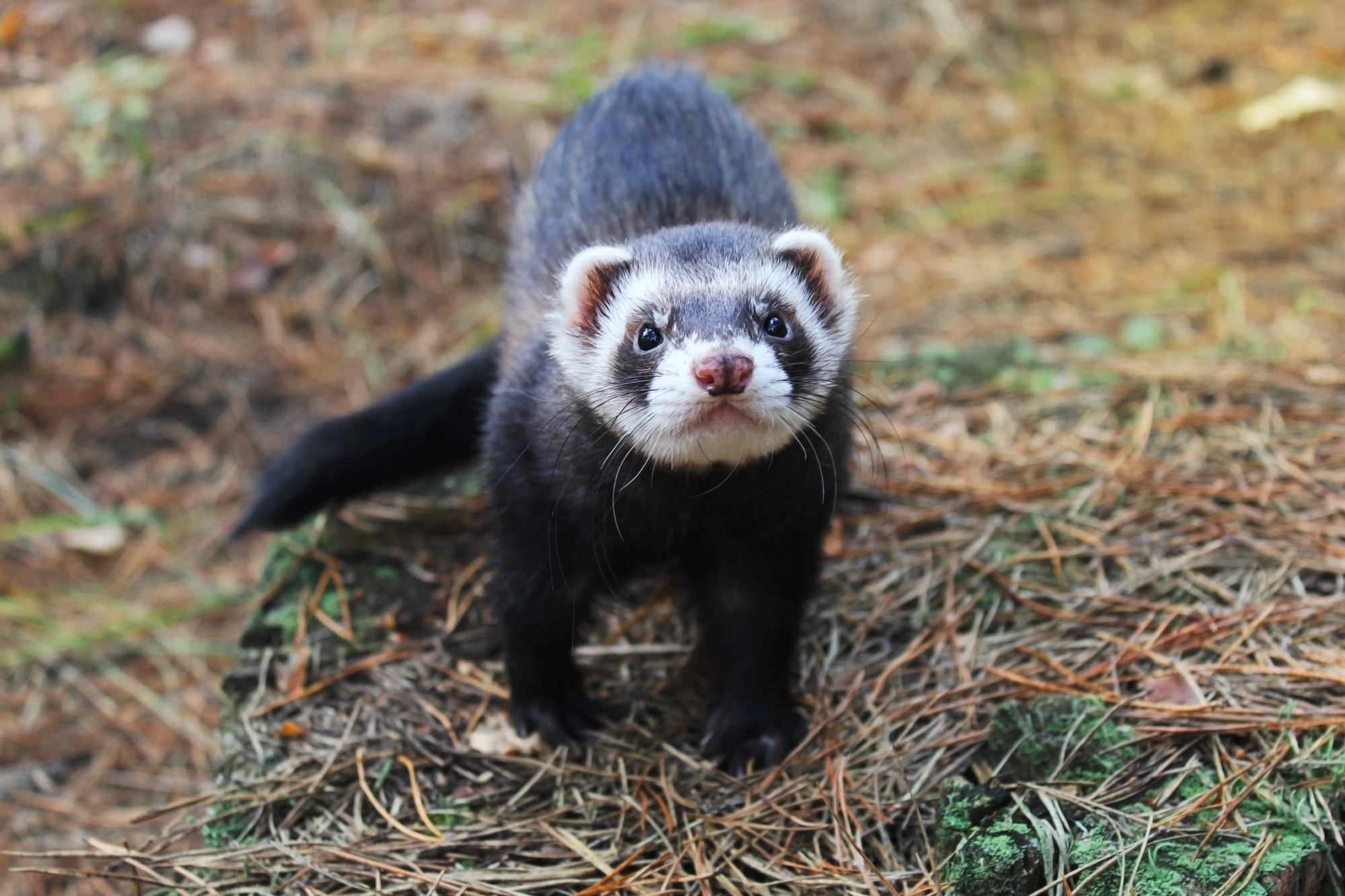
The black-footed ferret was declared extinct twice. The first declaration came in 1979.
Then a ranch dog in Wyoming brought a dead one home in 1981, which led to the discovery of the last known wild population — around 130 animals near Meeteetse, Wyoming — and an emergency captive breeding program that has since reintroduced thousands of ferrets across the American West.
Twice extinct. Once a ranch dog’s accidental contribution to conservation history.
Terror Skink
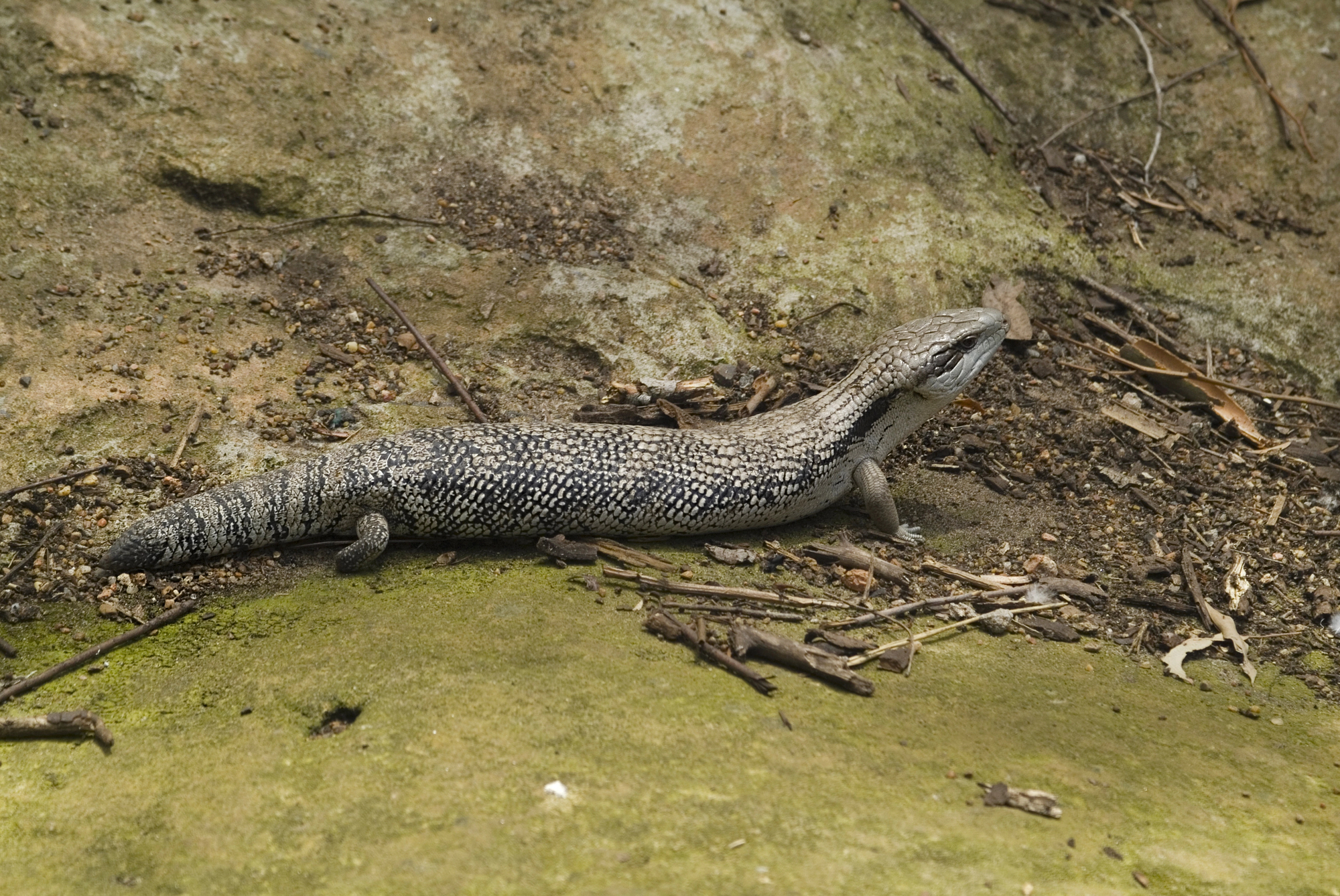
The terror skink — named, fairly, for its large curved teeth — was known only from a single specimen collected in New Caledonia in 1876 and was presumed gone.
Researchers rediscovered it in 2003 on the Île des Pins, a small island off New Caledonia’s southern tip, where a small population had apparently survived undetected for over a century. The name, it turns out, was earned — the teeth are exactly what you’d expect from something that chose to stay hidden for 127 years.
Monito Del Monte
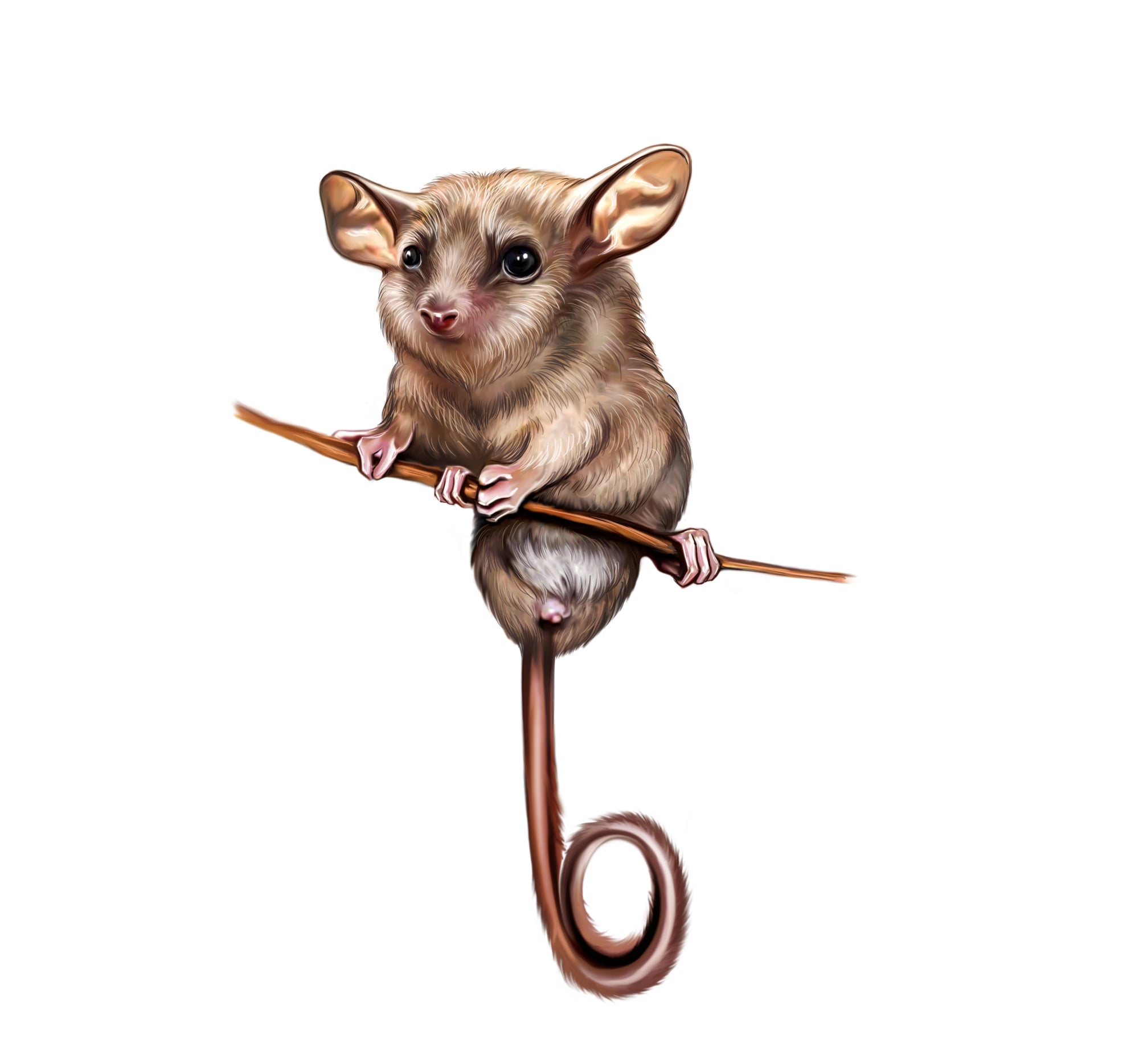
The monito del monte — a tiny marsupial from the temperate rainforests of Chile and Argentina — belongs to an ancient lineage that was thought to have gone extinct tens of millions of years ago, with its closest living relatives in Australia.
It wasn’t declared extinct in the usual modern sense, but it represents something stranger: a ghost lineage that persisted invisibly on a continent that had forgotten it. The creature still exists today in Andean forests, eating insects and fruit with the quiet stubbornness of something that never got around to disappearing.
Bavarian Pine Vole
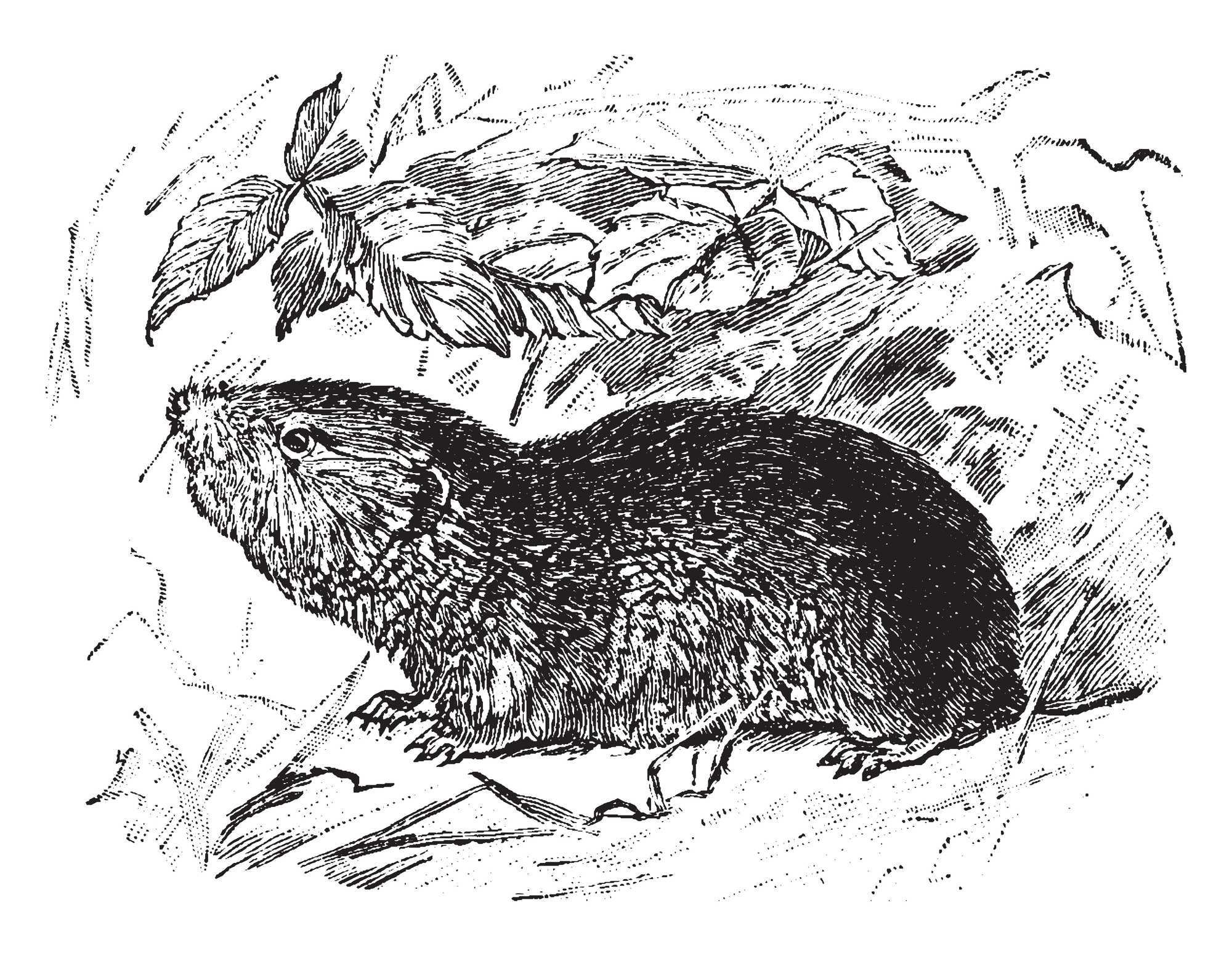
The Bavarian pine vole was declared extinct in 1962 — a small, unremarkable rodent that lived in a small, specific corner of Germany and seemed to have lost its habitat entirely.
It was rediscovered in Austria in 2000, which suggests the species had simply shifted range without filing the appropriate notice with the scientific community. Whether this counts as a triumphant comeback or a bureaucratic oversight depends on how generously you read the situation.
New Holland Mouse
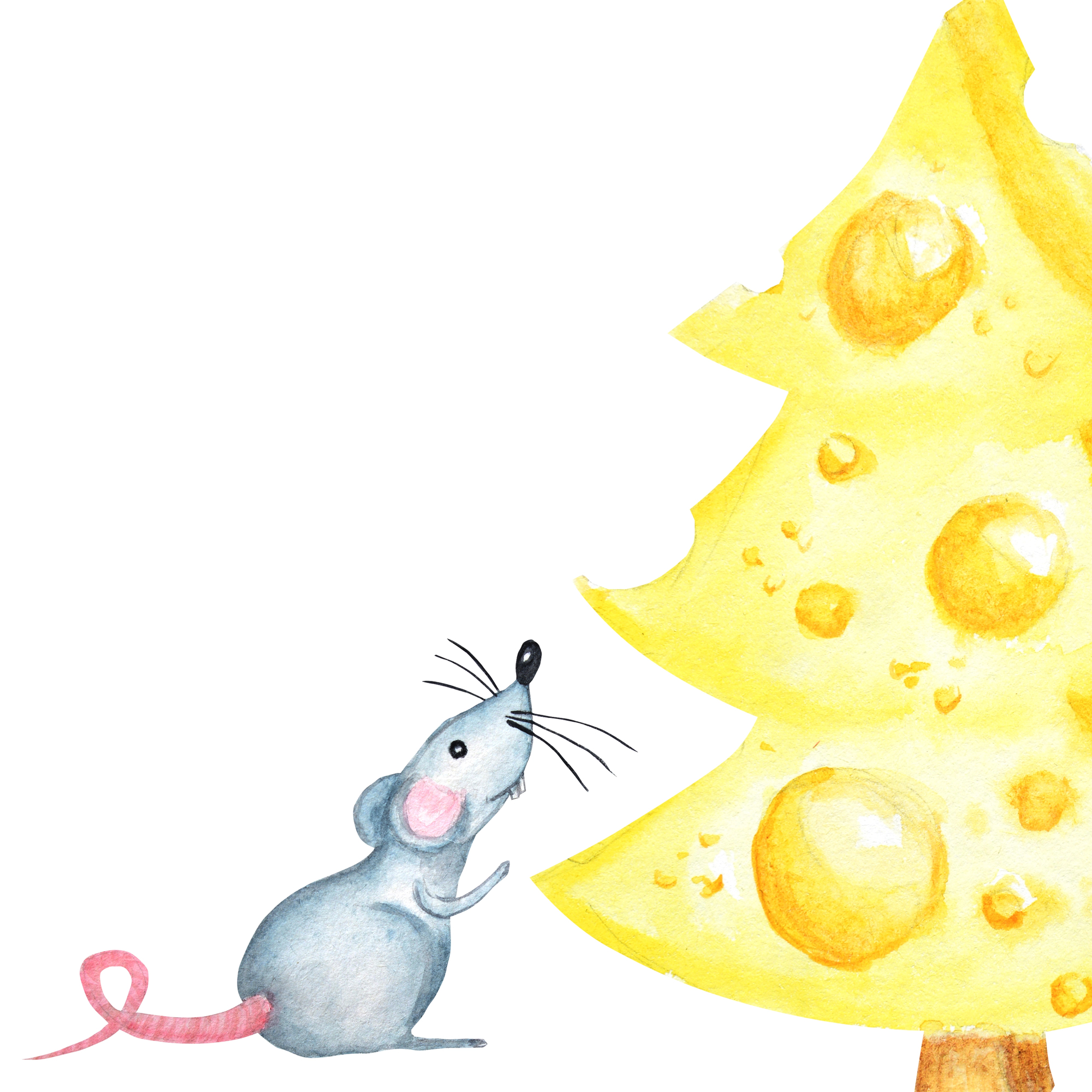
Australia’s New Holland mouse was first described in 1843, then considered extinct for over a century as habitat loss and introduced predators quietly did what habitat loss and introduced predators do.
It was rediscovered in 1967 near Sydney, producing the kind of surprise that Australian wildlife researchers seem to experience with unsettling regularity. The species is now listed as vulnerable, which is a precarious category — better than extinct, worse than stable.
Przewalski’s Horse
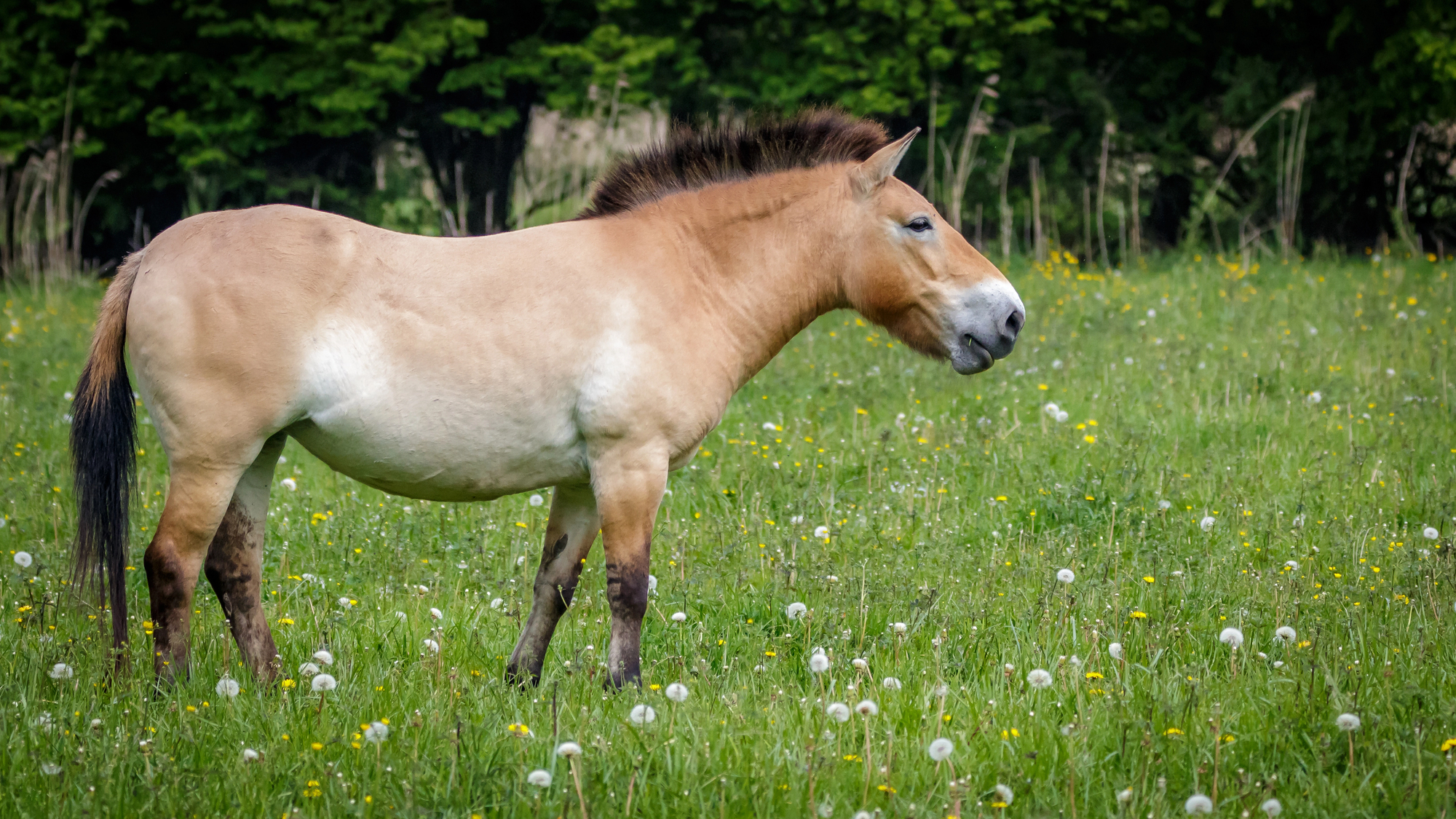
Przewalski’s horse — the last truly wild horse species — disappeared from the wild in the 1960s, surviving only in captivity, which is its own grim category of extinction.
Through decades of international breeding programs, it was reintroduced to Mongolia’s Hustai National Park in 1992, and wild populations now number in the hundreds across Central Asia. The horse essentially went extinct in the wild, was kept alive by zoos, and then walked back out into the steppe as if the whole detour had been planned.
Goblin Shark
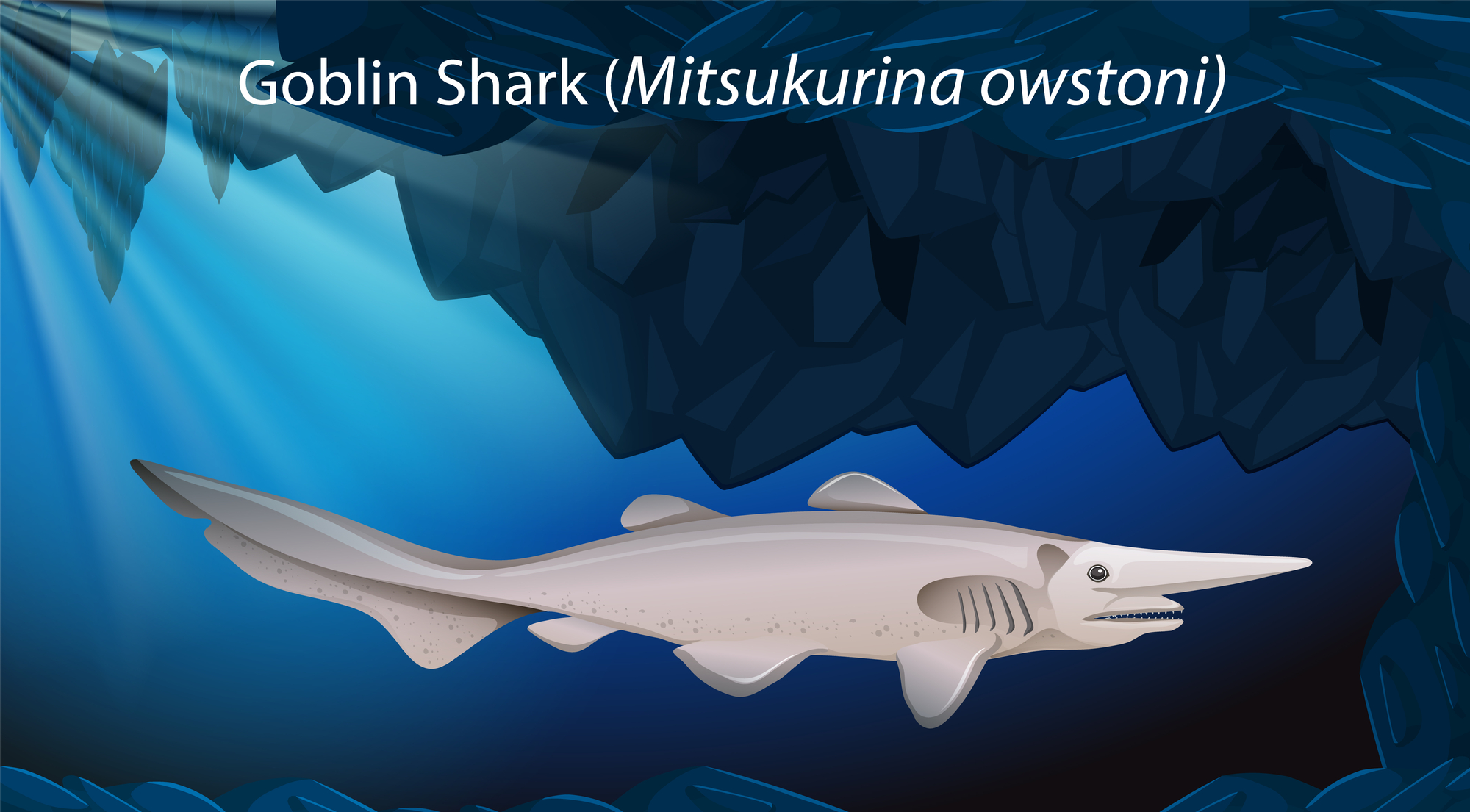
The goblin shark is a species of deep-sea nightmare that was known only from a fossilized jaw fragment before a live specimen was caught off Japan in 1898, roughly 125 million years after scientists thought its lineage had ended.
It is sometimes described as a “living fossil,” which is a term scientists use when they can’t quite reconcile what they’re looking at with what they believed. The shark still hunts the deep ocean today, indifferent to its own theoretical impossibility.
Tagua Beetle
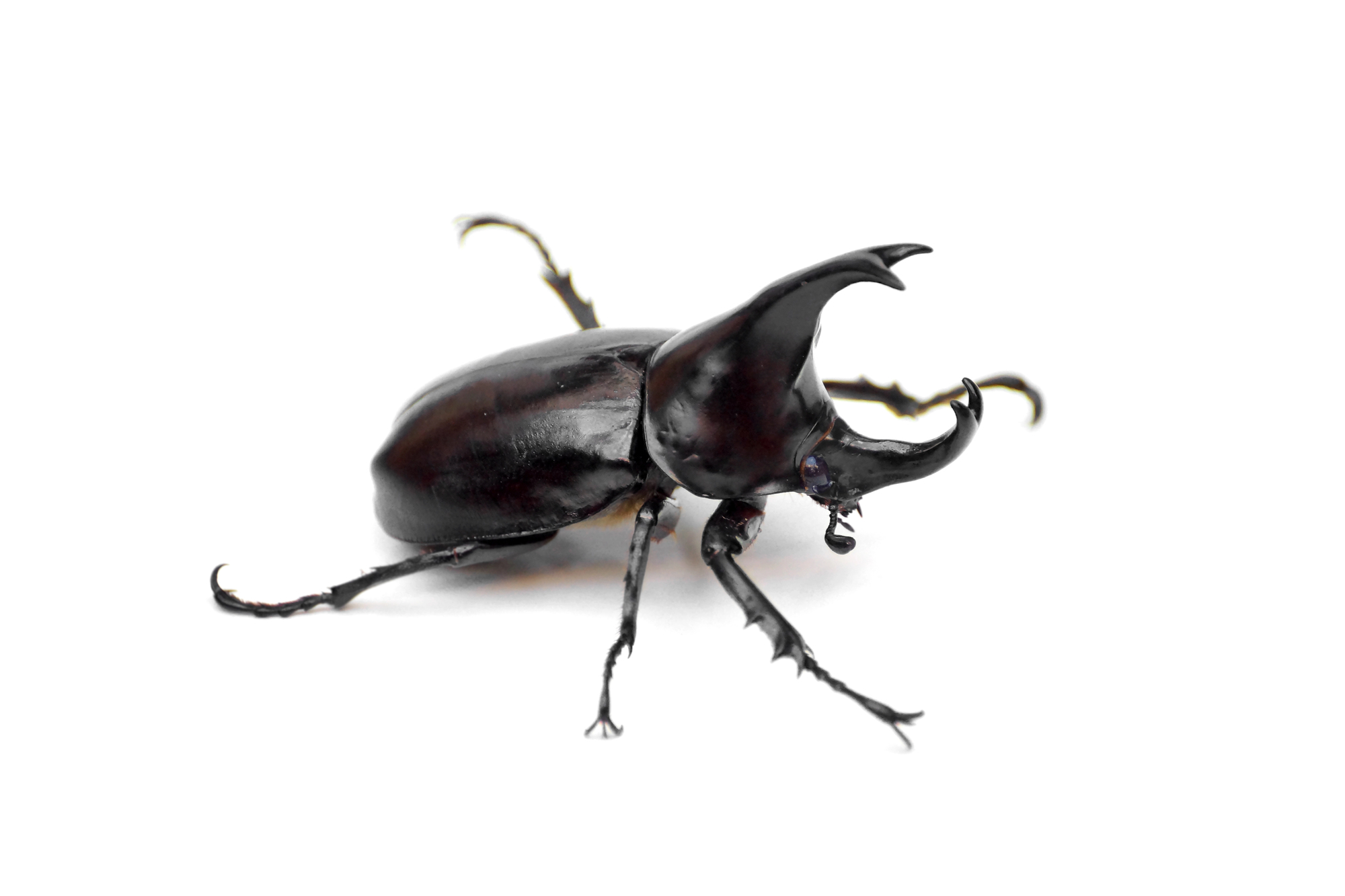
The tagua beetle of Colombia was believed extinct for nearly 150 years before being rediscovered in 2012.
What makes its return notable isn’t just the gap — it’s that researchers found it because they were specifically looking, conducting systematic surveys in a region that had seen enough deforestation to make expectations low. Finding it anyway carries a kind of stubborn optimism: sometimes the animal is still there, waiting for someone to actually look.
Sindh Ibex
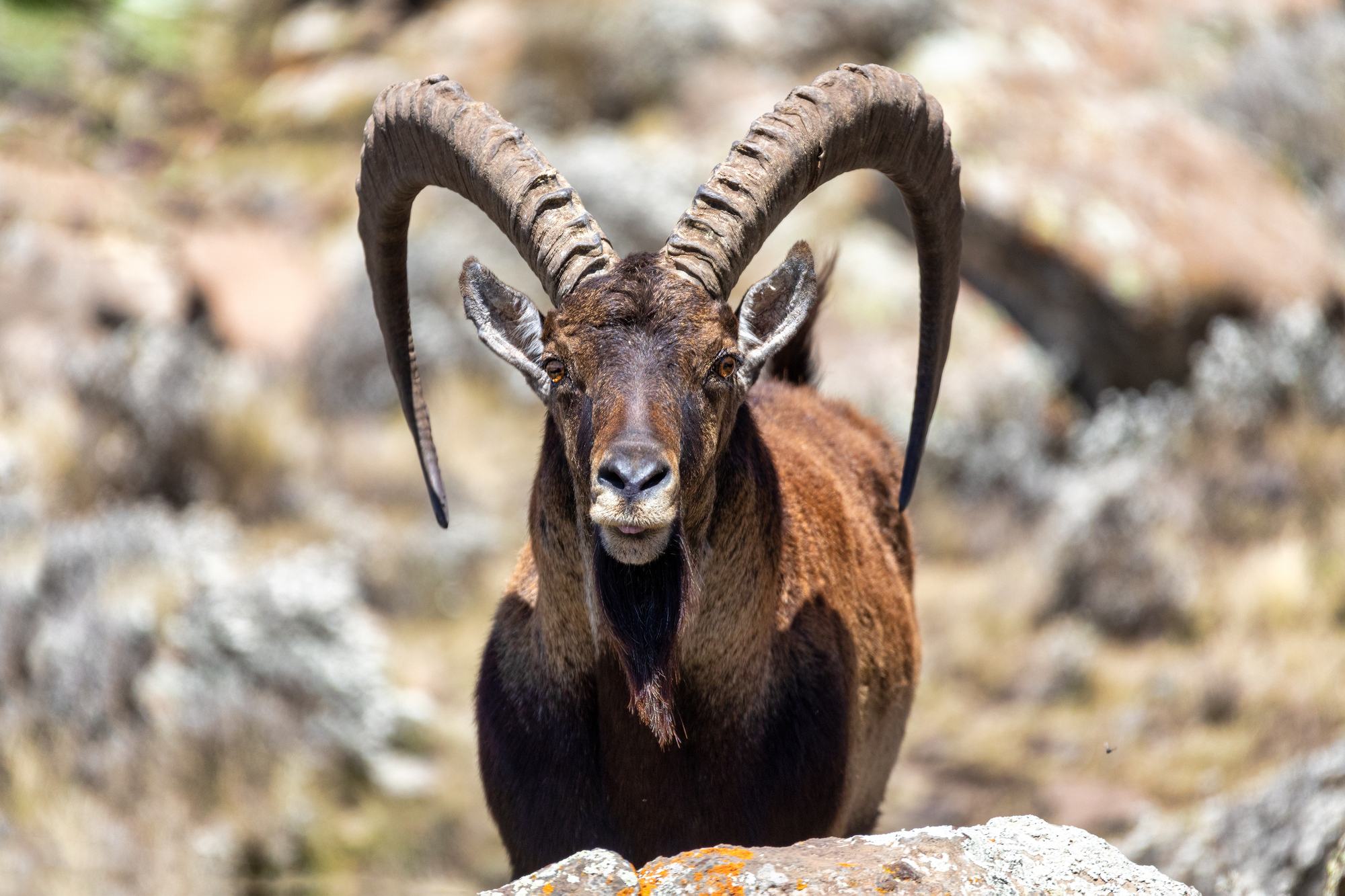
The Sindh ibex was listed as extinct in Pakistan by the end of the twentieth century, its population decimated by hunting pressure and habitat degradation in the Kirthar mountain range.
Conservation surveys conducted in the early 2000s found surviving populations — smaller than anyone had hoped, but present. The ibex had been quietly persisting in terrain that humans had largely stopped visiting, which perhaps explains why it took so long to notice.
Pinocchio Lizard
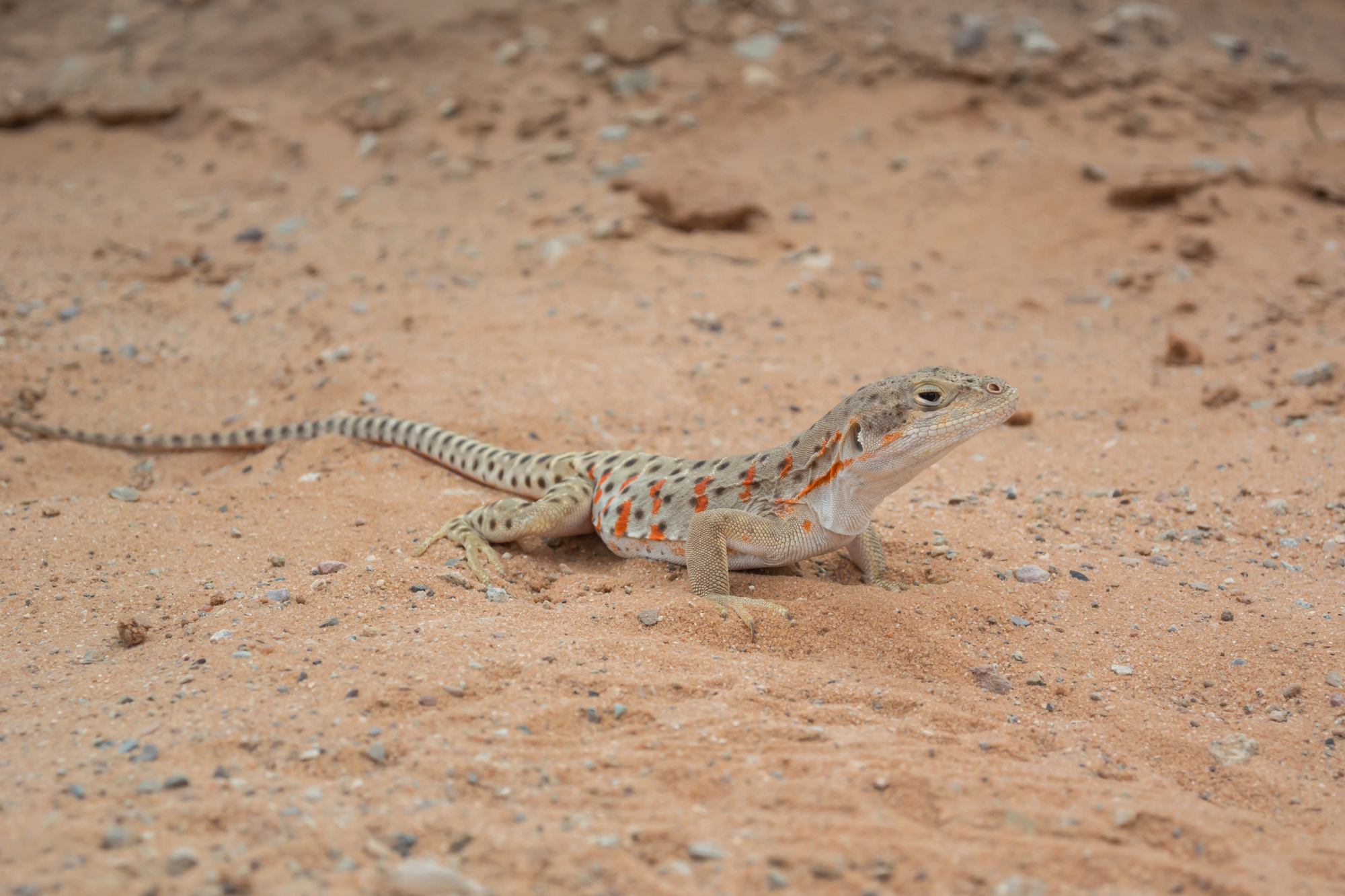
The Pinocchio lizard, named for the long, fleshy horn projecting from its snout, was collected just once in Ecuador in the 1950s and then not seen again for nearly six decades.
Birders — not herpetologists — accidentally rediscovered it in 2005 while searching for birds in the western Andes. It had been waiting on tree branches at night, horn and all, in a country with enough forest left to hide a lizard that nobody was specifically searching for.
Caquetá Titi Monkey
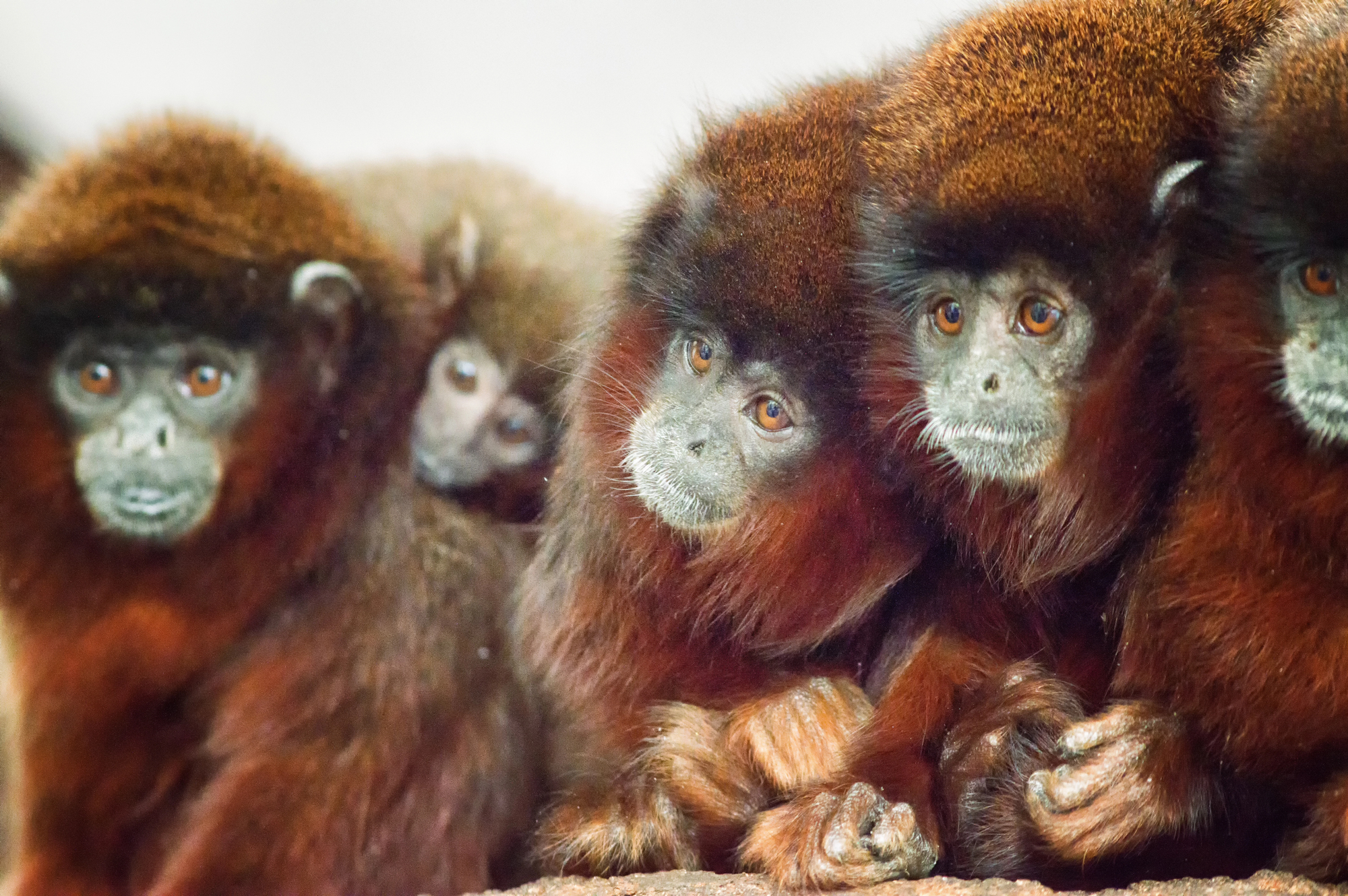
The Caquetá titi monkey of Colombia was first described in 1952 and promptly vanished from scientific records, with the region’s political instability making fieldwork nearly impossible for decades.
Researchers who finally reached the area in 2008 found a small but surviving population — purring quietly, which is how the species communicates, and which remains one of the more charming details in the literature on rediscovered primates. Critically endangered now, but alive.
Dwarf Cloud Rat
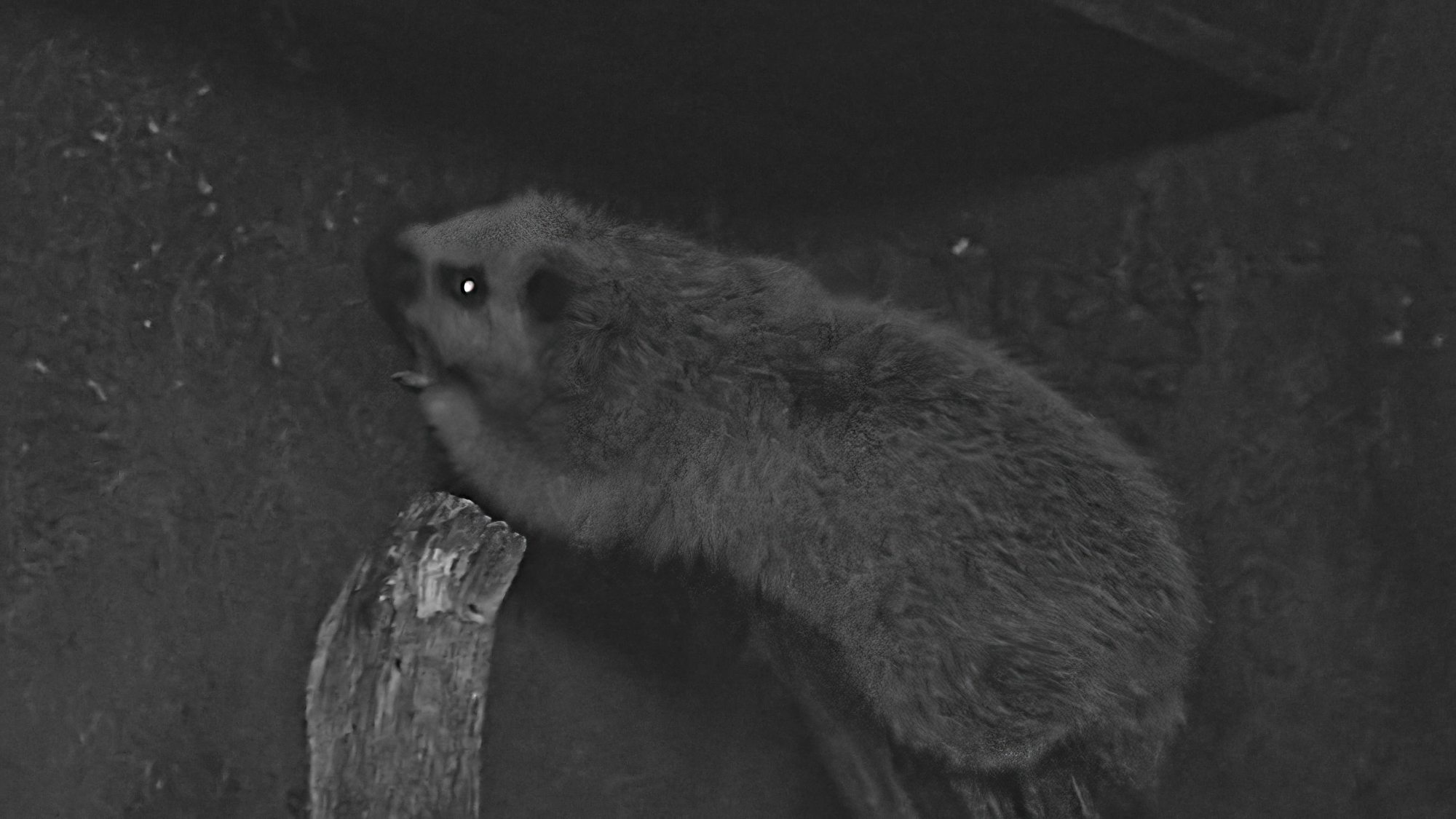
The Dinagat bushy-tailed cloud rat of the Philippines was declared extinct after the specimen collected in 1975 seemed to represent all that remained.
A second specimen was collected in 2012, confirming that at least some individuals had survived on Dinagat Island — an island so small and so heavily mined that finding anything alive there carries a slightly uncomfortable subtext. The rat’s continued existence is less a triumph and more an open question.
Castro’s Anole
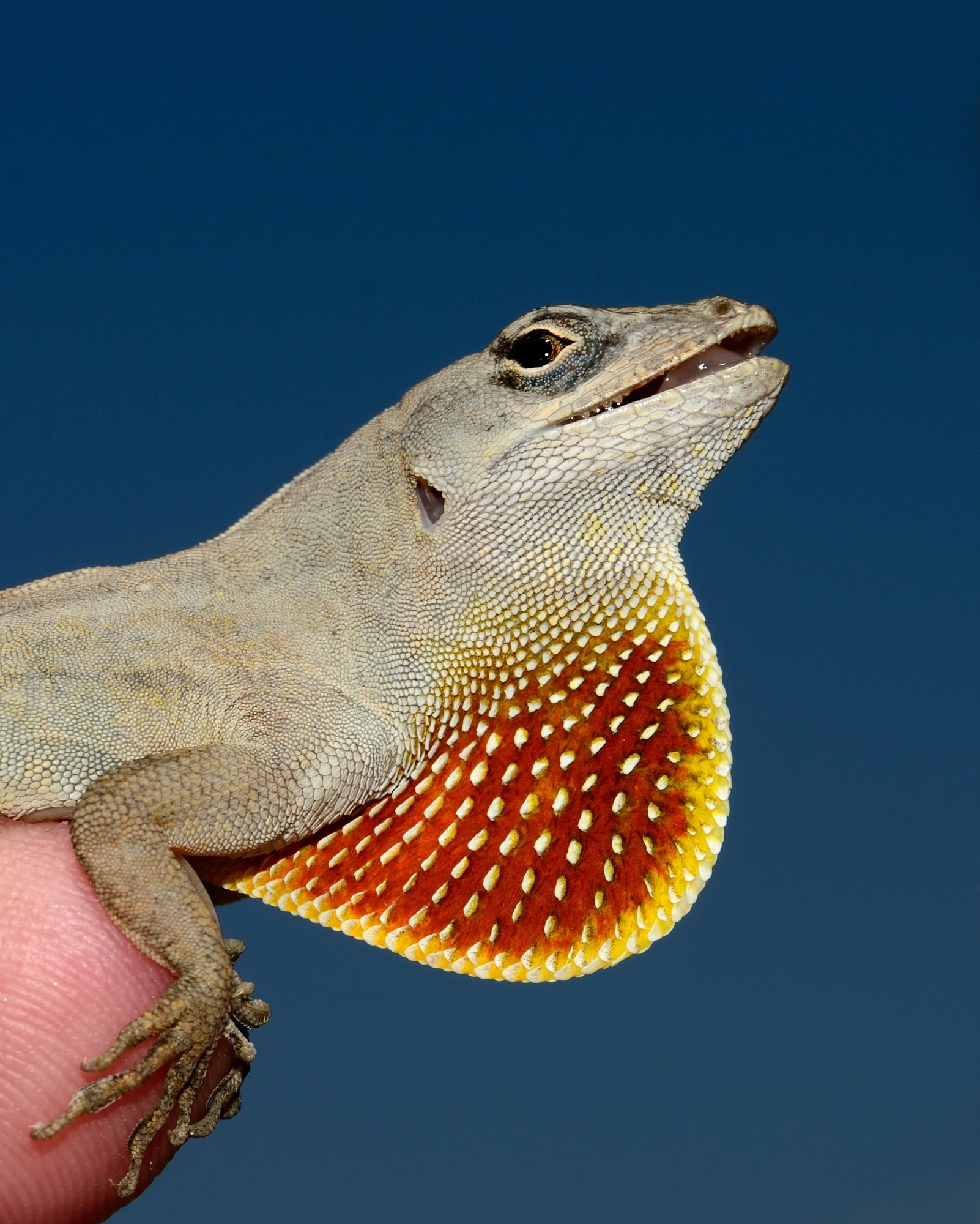
Castro’s anole, a small lizard endemic to Cuba, spent decades as a species known only from a single specimen and widely assumed gone.
It was rediscovered in the 1990s in remnant forest patches — found by researchers who refused to accept the original specimen as the whole story. The anole is small enough to hide inside a rolled leaf and has apparently been doing exactly that.
Fernandina Giant Tortoise
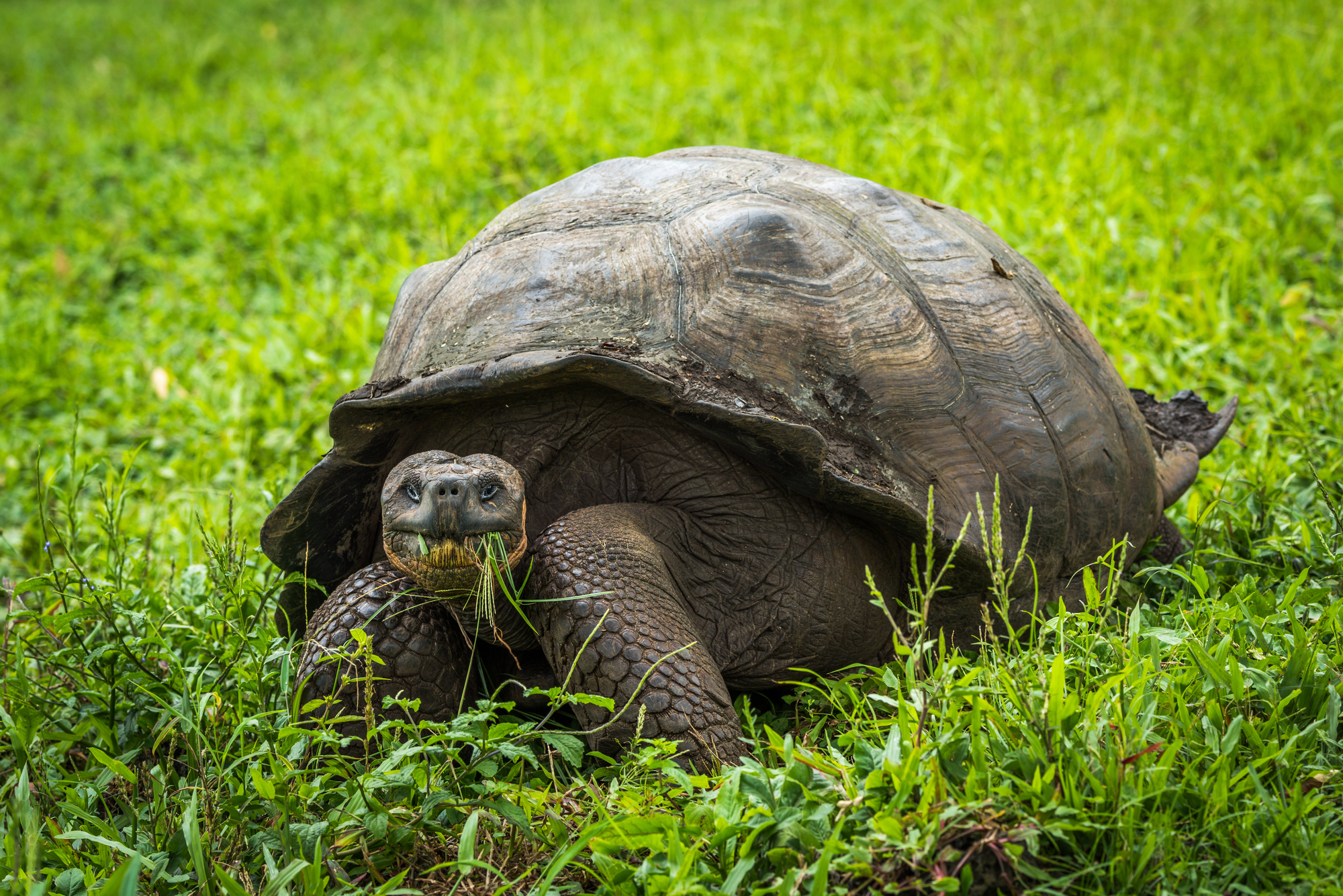
The Fernandina giant tortoise of the Galápagos Islands was believed extinct since the only known specimen was collected in 1906.
In 2019, a single female was discovered alive on Fernandina Island — one tortoise, more than a century after the species was thought gone. Subsequent surveys have found possible signs of at least a few others.
The island is one of the most volcanically active on Earth, which makes the tortoise’s persistence either miraculous or simply very determined.
Gilbert’s Potoroo
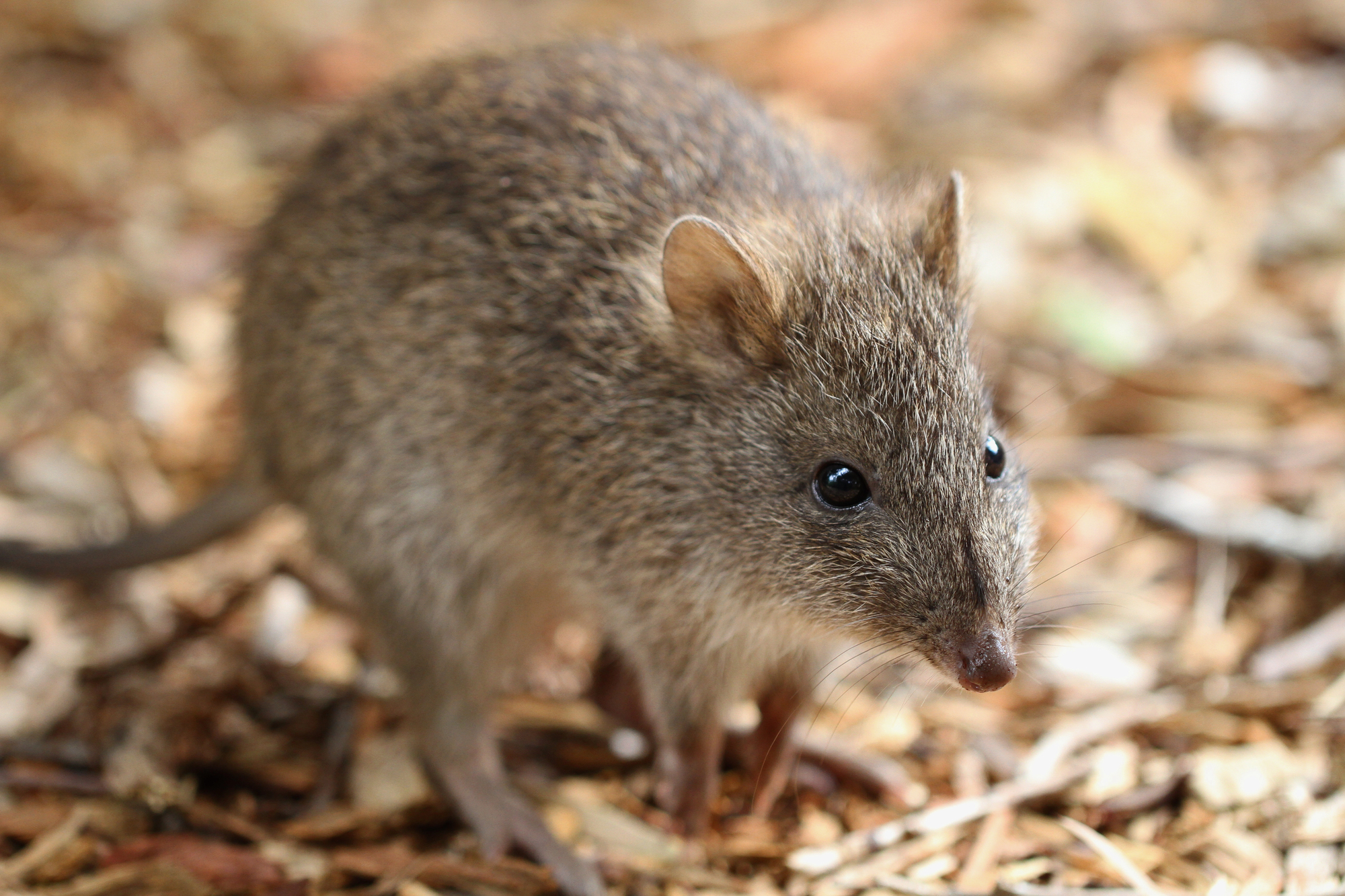
Gilbert’s potoroo — a tiny marsupial from southwestern Australia — was known from specimens collected in the 1800s and then presumed extinct for over a century.
It was rediscovered in 1994 at Two Peoples Bay Nature Reserve, hiding in dense heath beside a species that had itself only recently been rediscovered. The potoroo is still the most endangered marsupial in Australia, with a population hovering somewhere around 100 individuals, which is exactly enough to avoid extinction and not nearly enough to feel comfortable about.
Bavarian Crayfish

The white-clawed crayfish of the Bavarian Alpine foothills was written off from several specific river systems after surveys in the 1980s came back empty.
A population was found intact in an isolated spring system in the 1990s, apparently cut off enough from the rest of the watershed to have avoided the invasive species and disease that had decimated other populations. Isolation, in this case, was what saved it.
Chacoan Peccary
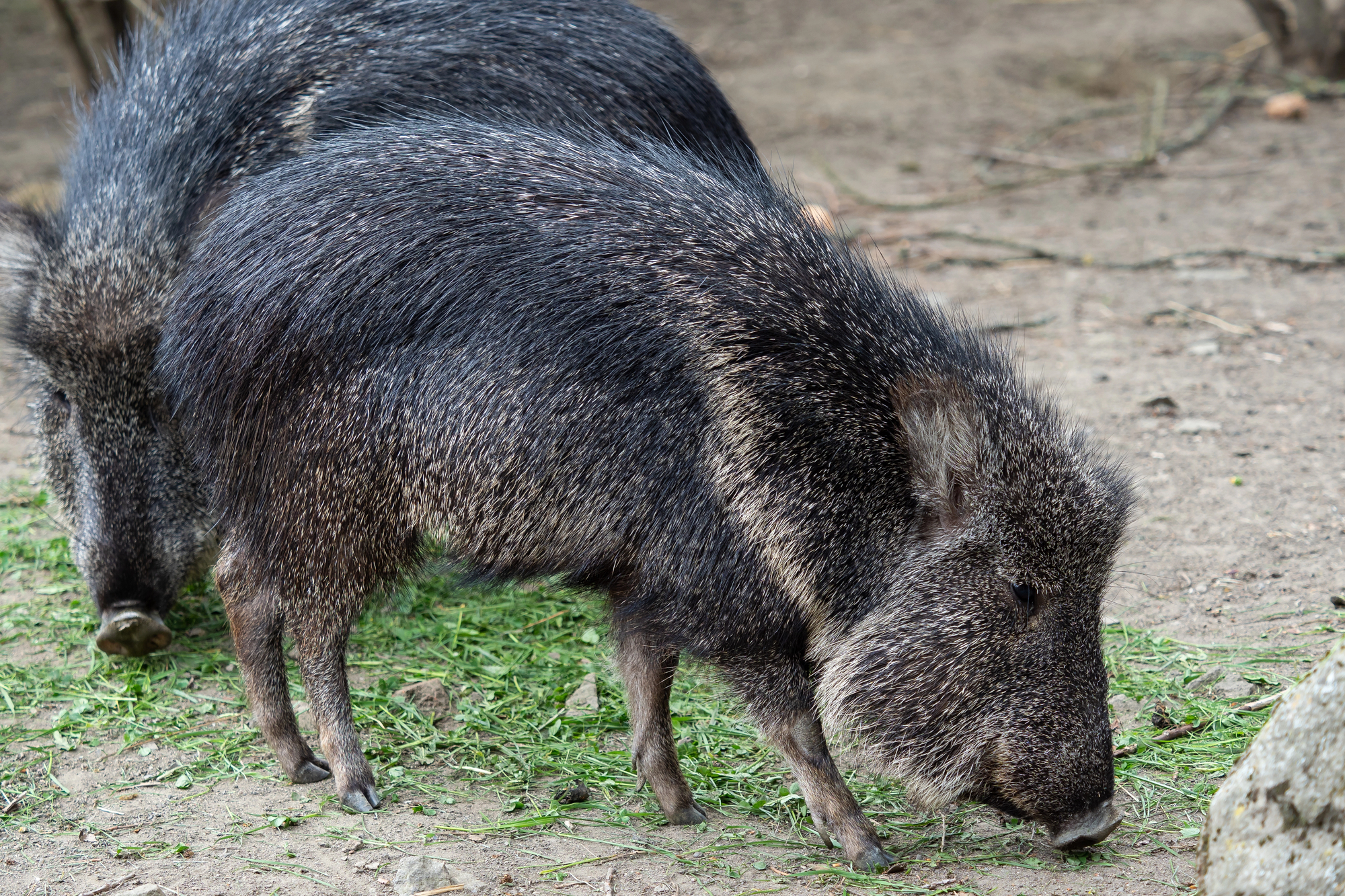
The Chacoan peccary was known entirely from fossil records and was believed to have gone extinct at the end of the Pleistocene — roughly 10,000 years ago — alongside most of the other megafauna of the Americas.
Then in 1975, a living population was found in the dry forests of the Gran Chaco region of Paraguay, an area so inhospitable that it had apparently managed to keep a prehistoric pig-like mammal alive and largely uncontacted by scientists for ten millennia. Local indigenous communities had known about it the whole time.
Coelacanth (West Indian Ocean Population)
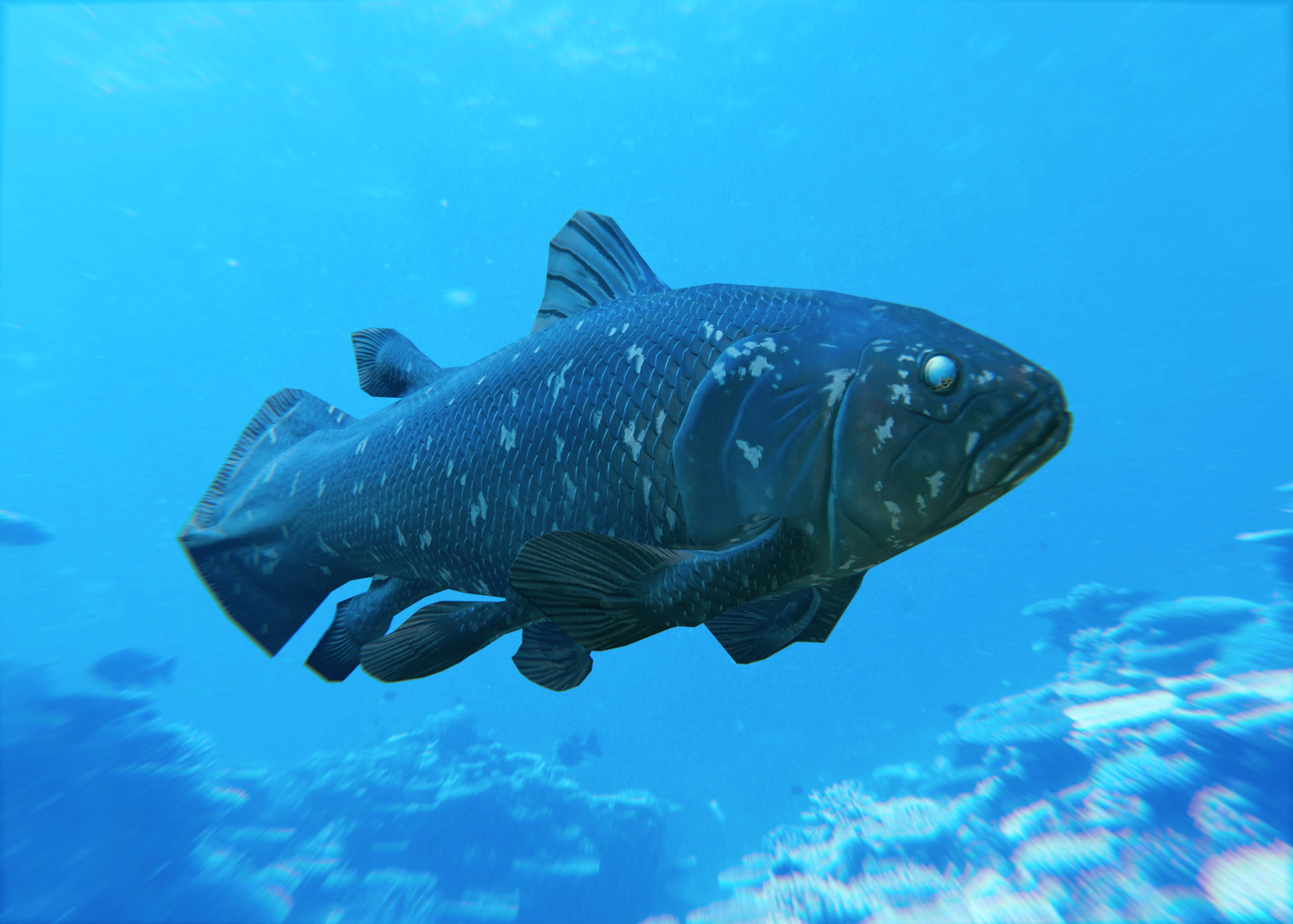
The original coelacanth discovery in 1938 was stunning enough, but the second population — found near Sulawesi, Indonesia, in 1997 — was an entirely separate revelation.
This population belonged to a genetically distinct species, Latimeria menadoensis, separated from its African cousins by thousands of miles of open ocean. Two populations, two species, one ancient lineage: nature had been running a longer experiment than anyone suspected, in water too deep for anyone to accidentally stumble across it.
What Extinction Actually Means

Extinction, it turns out, is sometimes a statement about the limits of human observation rather than the limits of an animal’s will to survive.
The honest reading of these 27 stories is not that nature is magical — it’s that the planet is large, that certain habitats remain genuinely unexplored, and that declaring something gone requires a degree of certainty that even the most thorough survey can’t always provide.
These animals weren’t waiting to be rediscovered. They were just living, the way they always had, in places where no one had thought to look recently enough.
What that asks of conservation is more humility and more patience than the field has always extended — and maybe a slightly longer pause before writing the final line on any species that hasn’t been seen in a while.
More from Go2Tutors!

- The Romanov Crown Jewels and Their Tragic Fate
- 13 Historical Mysteries That Science Still Can’t Solve
- Famous Hoaxes That Fooled the World for Years
- 15 Child Stars with Tragic Adult Lives
- 16 Famous Jewelry Pieces in History
Like Go2Tutors’s content? Follow us on MSN.



