Things You Didn’t Know Were Banned On Airplanes
What comes to mind for many fliers? Airport checks focus on clear threats.
Knives, big bottles, things resembling bombs – those usually top the list. But rules set by airlines and officials reach much further than expected.
Certain limits appear due to events long gone. A few stem from how air mixes at high altitudes, chemical reactions, physical laws – realities most people overlook mid-flight.
A peek into odd items you cannot bring aboard planes might feel random – yet every restriction has its own clear purpose. Each rule exists for a straightforward reason, even if it seems strange at first glance.
Hoverboards And Certain Lithium Battery Devices

Not long back, those self-balancing scooters popped up on every sidewalk. Suddenly, flights stopped letting them through.
Not because of how they rolled or their shape. Trouble came from within – the power packs tucked inside couldn’t be trusted.
Hot inside, lithium batteries sometimes catch fire – putting out those flames takes serious effort. Packed tight on a plane, either under seats or stuffed in cargo, the danger jumps sharply.
Nowadays, flight carriers often block gadgets powered by big lithium cells, particularly when sealed in place. Strange at first glance, the policy grows clear after past onboard fires come to mind.
Self-Heating Meals

Self-heating food packs, often used for camping or military-style rations, rely on chemical reactions to generate heat. Those reactions can produce flammable gases or sudden temperature spikes.
In a pressurized cabin, even a small chemical malfunction can create safety concerns. Airlines prohibit these items because the heating mechanism cannot be controlled once activated.
A simple meal becomes a risk if it carries its own built-in heat source.
Certain Types Of Sports Equipment
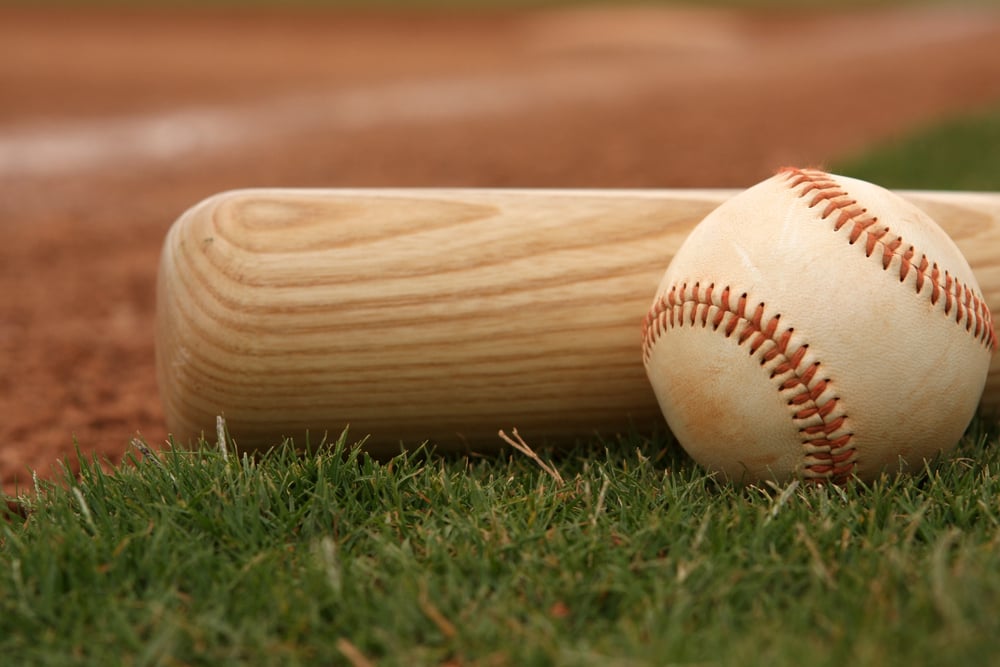
Many travelers know that baseball bats and golf clubs are not allowed in carry-on bags. What surprises people is how broadly the rule is applied.
Items such as ski poles, trekking poles, and even some fishing gear are restricted from the cabin.
The reasoning is not about sports. It is about leverage and impact.
In tight quarters, objects that can swing with force pose a threat. The restriction reflects how cabin safety rules prioritize minimizing potential harm from everyday objects.
Large Containers Of Powder

Since 2018, flights entering the United States have restricted passengers from carrying more than 12 ounces of powder-like substances in carry-on luggage. This includes protein powders, ground spices, and certain cosmetics.
The policy emerged from evolving security concerns about concealment methods. While powders themselves are not inherently dangerous, large quantities can obscure screening equipment.
Travelers are often surprised to learn that something as ordinary as baking mix can trigger additional inspection or removal.
Gel Shoe Inserts With Large Liquid Content

Gel-filled shoe inserts designed for comfort may be restricted in carry-on luggage if they exceed liquid limits. The material inside these inserts can fall under liquid or gel classifications.
Security rules focus less on the purpose of the item and more on its composition. Anything containing a significant volume of gel may be treated similarly to other restricted liquids.
Comfort sometimes takes a back seat to chemistry.
Fireworks And Party Poppers

It may sound obvious that fireworks are prohibited, yet many people forget that small novelty items fall under the same rule. Even party poppers contain small amounts of explosive compounds.
Aircraft cabins are pressurized and enclosed environments. Introducing ignition-based devices, even tiny ones, creates unnecessary risk.
Celebration can wait until landing.
Spare Lithium Batteries In Checked Bags
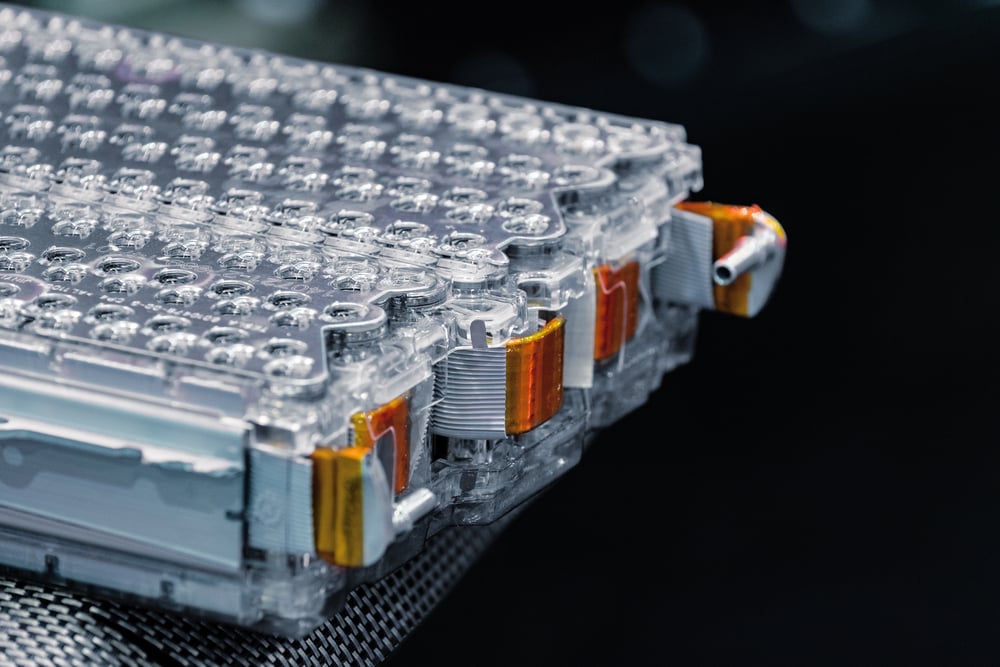
Passengers are often surprised to learn that spare lithium batteries are banned from checked luggage but allowed in carry-on bags. The reason is counterintuitive at first glance.
If a battery overheats in the cabin, crew members can respond quickly. In the cargo hold, detection and response are more complicated.
Keeping spare batteries in the cabin allows for faster intervention if something goes wrong.
Mercury Barometers And Thermometers
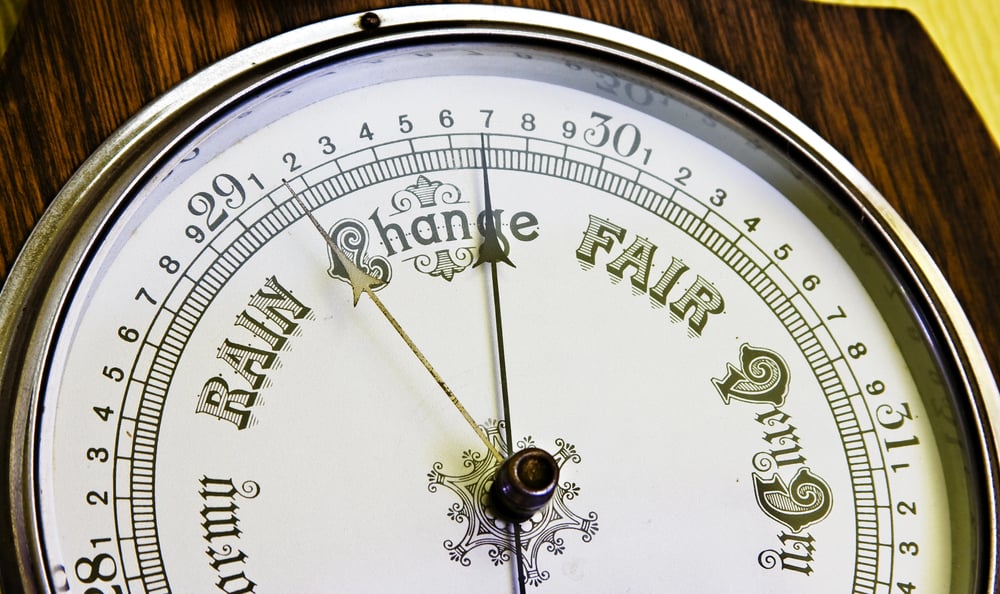
Older scientific instruments sometimes contain mercury. Mercury is hazardous if released, especially in an enclosed space.
While rare today, antique barometers and laboratory tools still appear in luggage occasionally. Their restriction stems from environmental and health concerns rather than security threats.
A broken device at cruising altitude would create a complicated situation.
Dry Ice Beyond Limited Quantities

Dry ice is often used to keep food or medical supplies cold during transport. Airlines allow small amounts under specific guidelines, but larger quantities are banned.
Dry ice releases carbon dioxide gas as it sublimates. In a sealed environment, that gas can accumulate and displace oxygen.
The limitation ensures that cabin air quality remains stable throughout the flight.
Smart Bags With Non-Removable Batteries

A few years ago, smart luggage with built-in charging systems surged in popularity. Many airlines later prohibited checked bags with non-removable lithium batteries.
The issue again centered on fire risk. If the battery cannot be detached, the entire bag may be refused.
Manufacturers have since redesigned many models to comply with aviation regulations.
Strong Magnets

Powerful magnets are restricted because they can interfere with aircraft navigation instruments. While small household magnets are typically allowed, industrial-strength magnets fall under hazardous material guidelines.
Navigation systems rely on precise readings. Introducing strong magnetic fields into cargo areas can create unwanted interference.
The restriction protects more than just the cabin.
Chemical Oxygen Generators

These devices, used in some industrial and emergency systems, generate oxygen through a chemical reaction. They have been linked to past cargo fires in aviation history.
Because the reaction produces intense heat, chemical oxygen generators are banned from passenger aircraft. Even if they are inactive, their potential to ignite under certain conditions makes them too risky for transport.
Flammable Paint And Solvents

While most people expect large fuel containers to be banned, smaller quantities of flammable paint or industrial solvents also fall under hazardous material regulations.
These substances can emit vapors that ignite easily. In a pressurized environment with limited ventilation, even minor leaks pose elevated danger.
Regulations err on the side of caution.
Pressurized Camping Fuel Canisters
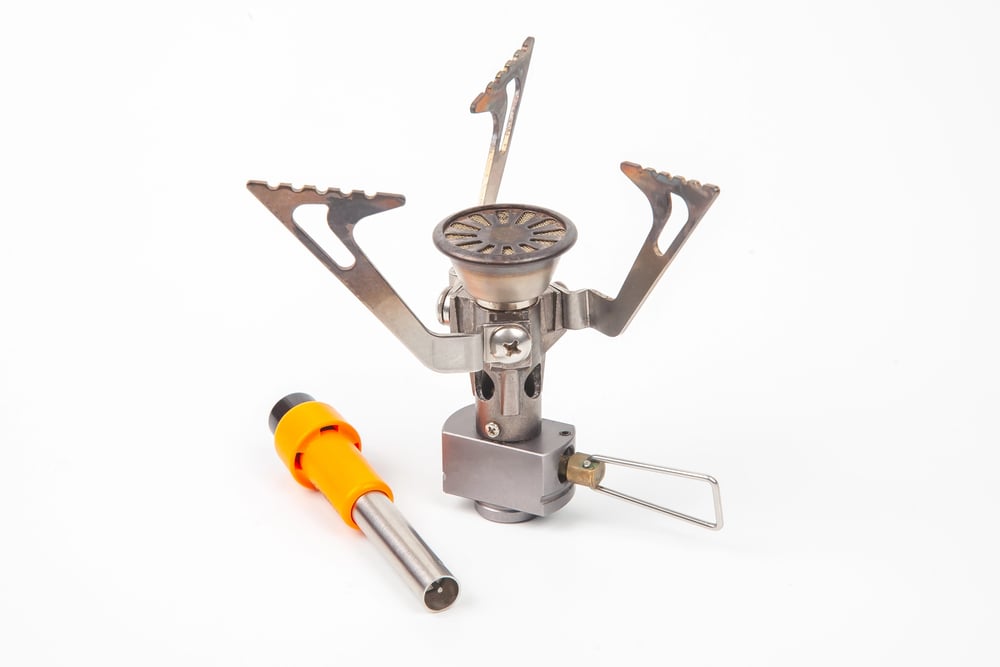
Outdoor enthusiasts sometimes attempt to pack camping fuel for use at their destination. These canisters are prohibited due to their pressurized contents and flammable gas.
Cabin pressure changes during flight can stress sealed containers. The combination of pressure and fuel creates unacceptable risk.
Purchasing fuel upon arrival is the safer alternative.
Certain Self-Defense Keychains
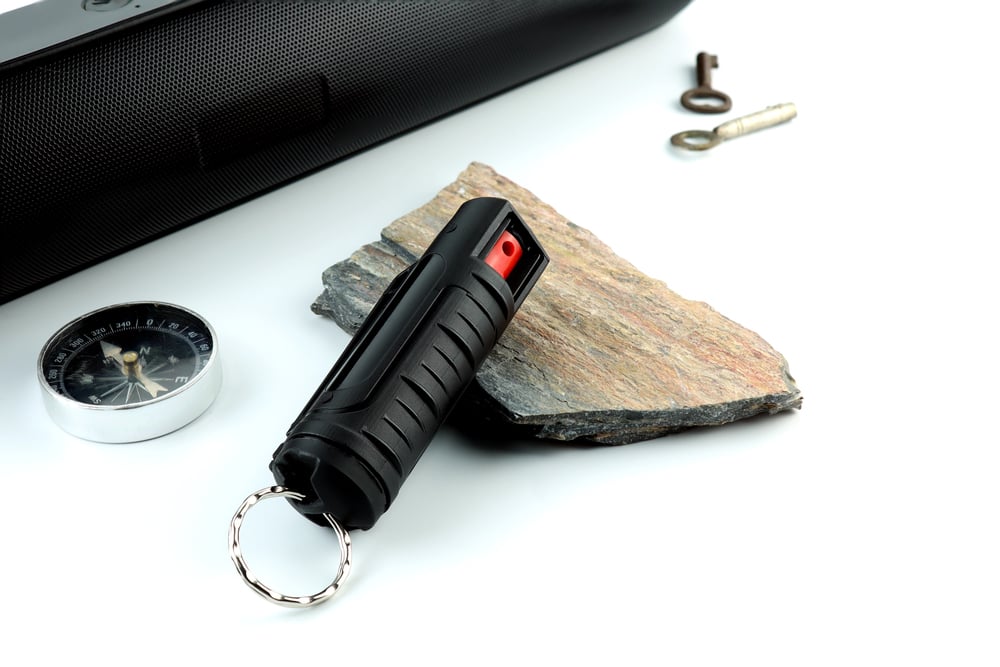
Some keychains marketed for personal protection resemble everyday items but are designed for impact. Depending on design, these may be prohibited in carry-on luggage.
Security personnel evaluate whether an object could function as a weapon. Even if it looks decorative, its intended use matters.
The line between accessory and hazard can be thinner than expected.
Large Snow Globes

Few travelers realize that large snow globes fall under liquid restrictions. The water inside them counts toward the allowed liquid limit.
Many have been confiscated at security checkpoints because their internal liquid volume exceeds permitted amounts. Sentimental souvenirs often meet regulatory reality at the scanner.
Aerosol Cooking Sprays

Aerosol containers containing flammable propellants are restricted in carry-on luggage and tightly limited in checked baggage. Cooking sprays, though harmless in a kitchen, become pressurized concerns in flight.
Cabin pressure and temperature fluctuations can affect aerosol containers. Regulations limit the quantity and type permitted to prevent accidental discharge or ignition.
E-Cigarettes In Checked Luggage
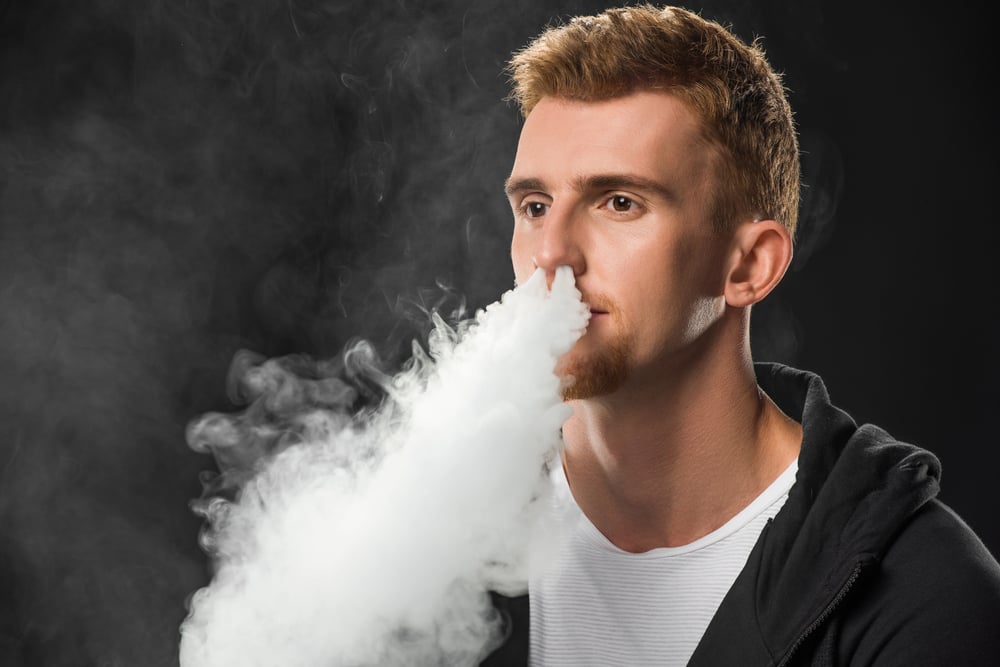
Electronic nicotine delivery devices must be carried in the cabin, not checked in baggage. The lithium batteries inside present the same fire risk concerns as other battery-powered devices.
Airlines require passengers to keep them in carry-on bags so crew can respond if overheating occurs. The rule focuses on battery safety rather than the device’s primary function.
Replica Weapons
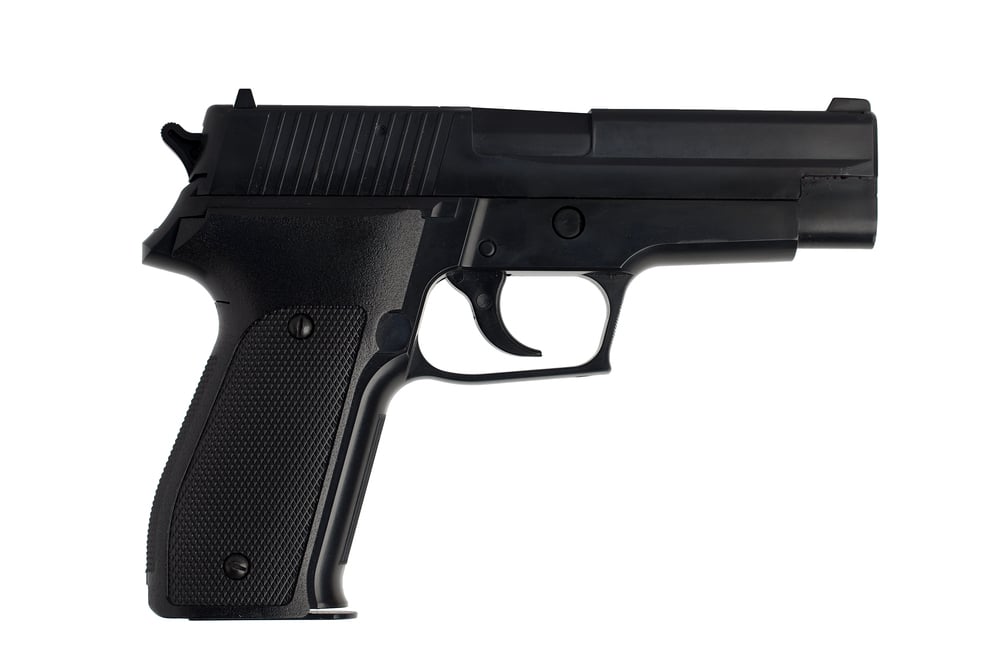
Souvenir items that resemble firearms or explosive devices are banned from carry-on luggage, even if they are clearly toys. Security personnel must treat realistic replicas as potential threats.
The policy prevents confusion and ensures swift response times remain uncompromised. Appearance alone can trigger alarms, regardless of functionality.
Gel Ice Packs Without Medical Need

Gel ice packs used to keep food cold are often restricted unless accompanying medically necessary items. Without a medical justification, they may be subject to liquid rules.
The composition of the pack determines its classification. Frozen solid packs may pass inspection, but partially thawed ones can be treated differently.
The distinction can surprise unprepared travelers.
Why These Rules Exist
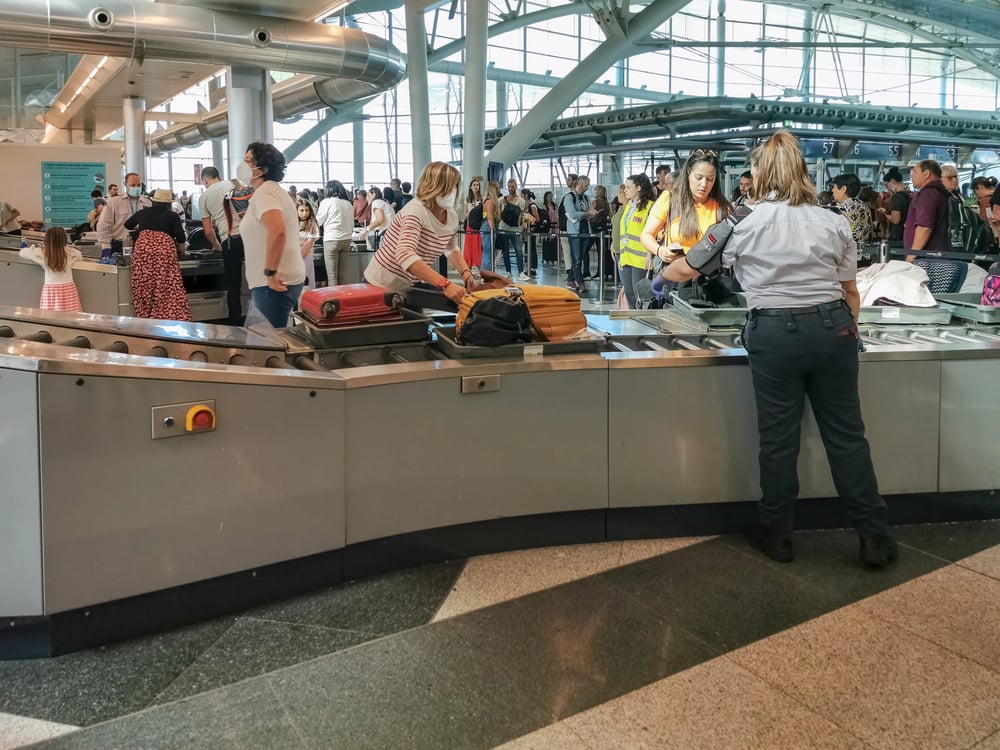
Floating high above the ground, a narrow tube of metal carries more than just people. When ordinary stuff gets packed tight, cooled fast, or held shut in that space, behavior shifts.
Not because problems happen often, but because one slip can spiral quickly. Safety steps grow from worst jumps, not usual hiccups.
Mid-air, what seemed strange starts fitting together. Because some boundaries aren’t about holding you back.
Pressure shapes choices – materials talk, people listen. Late realizations built these rules, even if they look harsh now.
Through a flyer’s view, limits stop feeling like walls.
More from Go2Tutors!

- The Romanov Crown Jewels and Their Tragic Fate
- 13 Historical Mysteries That Science Still Can’t Solve
- Famous Hoaxes That Fooled the World for Years
- 15 Child Stars with Tragic Adult Lives
- 16 Famous Jewelry Pieces in History
Like Go2Tutors’s content? Follow us on MSN.