27 Banned Books Now Considered Classics
A customs officer, a county supervisor, a police superintendent and a provincial governor have something in common. Each looked at a book that later landed on required reading lists and decided the public was better off without it.
The reasons ranged from politics to profanity to talking animals. The books are still in print. Most of the people who banned them are remembered for little else.
Ulysses Wins in a Federal Courtroom

James Joyce’s novel was effectively unpublishable in the United States for more than a decade. In 1921 a New York court convicted Margaret Anderson and Jane Heap, editors of The Little Review, of obscenity for printing one episode, and customs officers seized imported copies afterward. Random House forced the issue by arranging for a copy to be seized on arrival in 1932.
On December 6, 1933, Judge John M. Woolsey ruled in United States v. One Book Called Ulysses that the novel was a serious work and could be admitted. Random House had an American edition on sale within weeks, in early 1934.
Lady Chatterley’s Lover Goes on Trial at the Old Bailey
D.H. Lawrence had the novel privately printed in Florence in 1928, knowing no British publisher would touch the unexpurgated text. It stayed banned in Britain for three decades. In 1960 Penguin Books deliberately published the full version to test the new Obscene Publications Act of 1959, which allowed a defense of literary merit.
The six-day trial of Regina v. Penguin Books Ltd. brought a parade of writers and academics to the witness box, among them E.M. Forster. The jury acquitted on November 2, 1960, and Penguin’s edition sold in the millions. A similar American ban had fallen in federal court the year before.
The Grapes of Wrath Is Pulled From Kern County Shelves

Kern County, California, was where John Steinbeck’s Joad family ended up, and its leaders did not care for the portrait. In August 1939, four months after publication, the county Board of Supervisors voted to ban the novel from county libraries and schools.
County librarian Gretchen Knief wrote to the supervisors urging them to reverse the decision, arguing that banning one book invited banning others. The Associated Farmers, a growers’ group, backed the ban, and a copy was burned for photographers in Bakersfield.
The novel won the Pulitzer Prize in 1940, and Kern County lifted its ban in 1941.
To Kill a Mockingbird Meets the Hanover County School Board
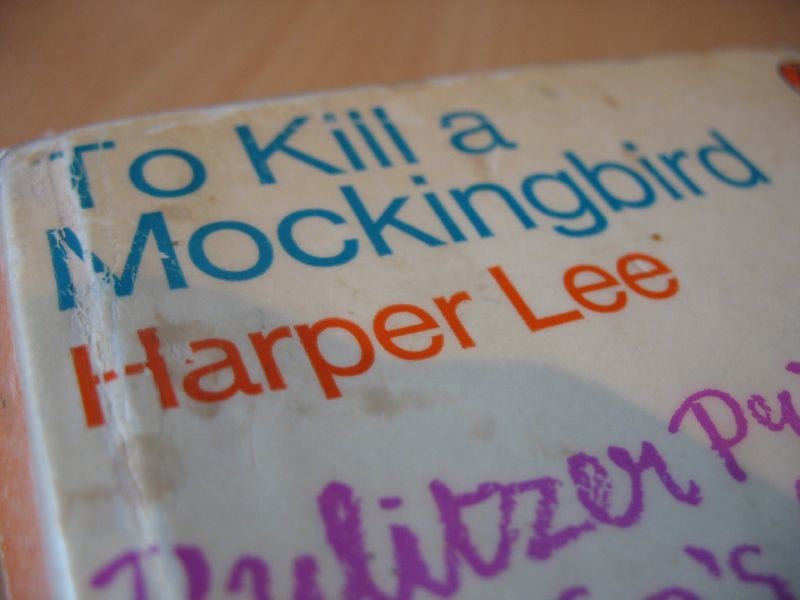
Harper Lee’s novel had won the Pulitzer Prize in 1961 and was already being taught across the country when the school board in Hanover County, Virginia, voted in 1966 to remove it from school libraries. The complaint behind the vote held that a novel dealing with a rape trial was immoral reading for students.
Lee answered in a letter to a Richmond newspaper, wondering aloud whether any of the board members could read, and enclosed a small donation toward putting them through first grade. Within weeks, after a flood of complaints, the board backed down.
Challenges have continued ever since, in recent decades more often over the book’s racial language.
The Catcher in the Rye Costs a Tulsa Teacher Her Job
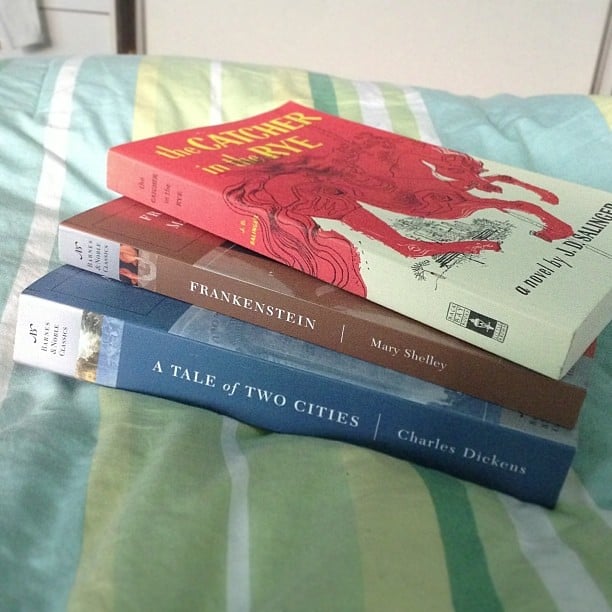
Few novels have been pulled from as many American classrooms as J.D. Salinger’s 1951 story of Holden Caulfield. In 1960 a teacher in Tulsa, Oklahoma, was fired for assigning it to an eleventh-grade English class. She won reinstatement on appeal, but the book stayed out of the school.
Objections usually centered on profanity, and some complaints tallied the swear words page by page. For roughly two decades after 1961 it was frequently described as the most censored book in American high schools and, at the same time, one of the most widely taught.
Nineteen Eighty-Four Offends Both Sides of the Cold War
George Orwell’s 1949 novel managed a rare double. Soviet authorities banned it for decades as anti-communist slander, and Russian readers passed around illegal typed copies until the novel was finally published there at the very end of the 1980s.
Meanwhile, in 1981, the same book was challenged in the schools of Jackson County, Florida, on the grounds that it was pro-communist. Orwell did not live to see either reaction, having died in January 1950, seven months after publication.
Words he coined for the novel, including Big Brother, doublethink and thoughtcrime, have since become the standard vocabulary for describing censorship itself.
Animal Farm and the Publishers Who Turned It Down
Before any government banned Orwell’s fable, British publishers did the job voluntarily. In 1944, with the Soviet Union a wartime ally, Victor Gollancz rejected the manuscript, and Jonathan Cape withdrew its interest after an official at the Ministry of Information advised against it.
T.S. Eliot, then a director at Faber and Faber, also said no. Secker and Warburg published the book in August 1945. Orwell wrote a preface about this quiet self-censorship that went unprinted until 1972.
The book itself was banned across the Soviet bloc, where the identity of the pigs was not considered much of a mystery.
Brave New World Is Refused Entry to Ireland and Australia

Aldous Huxley published his vision of a drugged, engineered future in 1932, and two governments moved against it almost at once. Ireland’s censorship board banned the novel that year, objecting to its treatment of family, religion and promiscuity.
Australia prohibited its import in 1932 as well, and the ban there lasted until 1937. The book has had a second career as a target in American school districts, where parents have objected to its drug use and casual relationships.
Huxley’s future society, as it happens, keeps its citizens docile partly by making old books unavailable to them.
Fahrenheit 451 Gets Quietly Censored by Its Own Publisher

Ray Bradbury’s 1953 novel about firemen who burn books suffered an indignity its author could hardly have scripted. Beginning in 1967, his paperback publisher issued a special edition for high schools with roughly 75 passages altered, trimming profanity and softening references to drinking and the human body.
For several years in the 1970s the cleaned-up text was the only paperback version on sale. Bradbury learned of it in 1979, reportedly through readers who noticed the differences, and demanded the original be restored.
He added an afterword to later editions with sharp words for anyone who edits a book to avoid giving offense.
Huckleberry Finn Is Thrown Out of the Concord Library
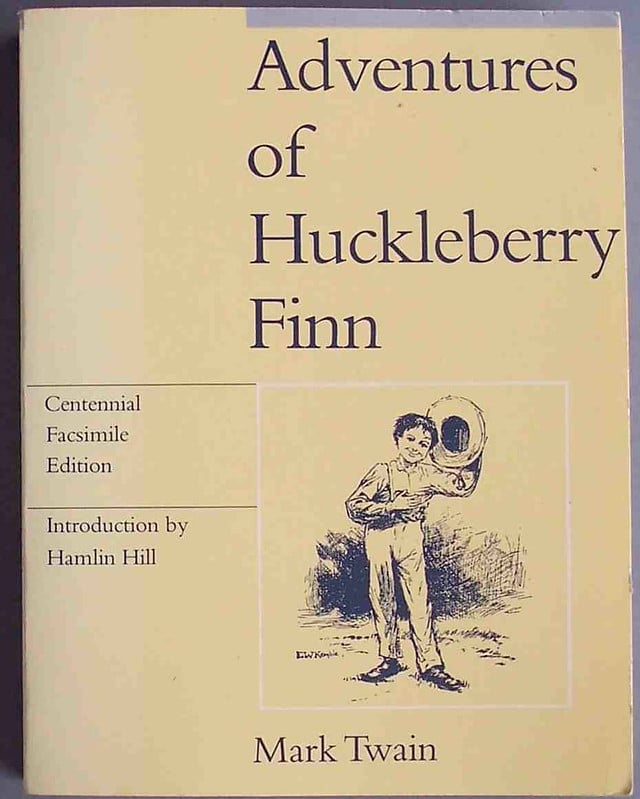
Mark Twain’s novel had bee on sale in the United States for about a month when the public library committee in Concord, Massachusetts, voted in March 1885 to exclude it. Committee members described the book in the press as coarse and better suited to the slums than to respectable readers.
Twain professed delight, telling his publisher the ban would sell thousands of extra copies. Twenty years later the Brooklyn Public Library removed it from the children’s room.
Modern objections run in a different direction, focusing on the racial slur that appears more than 200 times in the text.
Uncle Tom’s Cabin Becomes a Crime to Own
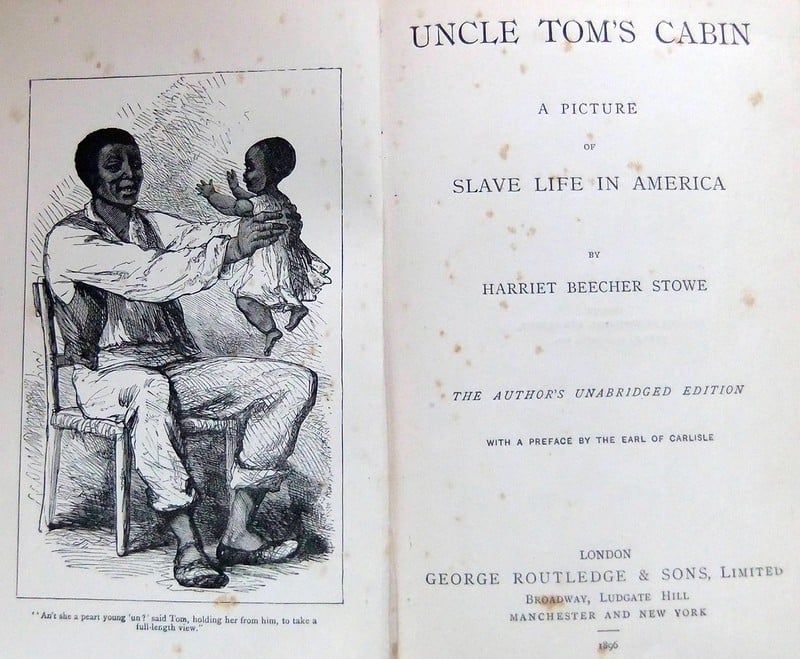
Harriet Beecher Stowe’s 1852 antislavery novel sold about 300,000 copies in the United States in its first year, almost none of them openly in the South. Booksellers there who stocked it risked being run out of town, and several slave states treated it as illegal abolitionist literature.
The clearest case is Samuel Green, a free Black minister in Dorchester County, Maryland, who was sentenced in 1857 to ten years in prison for possessing a copy. He was released in 1862.
The book was also reportedly barred in Russia under Czar Nicholas I, whose censors disliked its ideas about human equality.
All Quiet on the Western Front Burns in Berlin
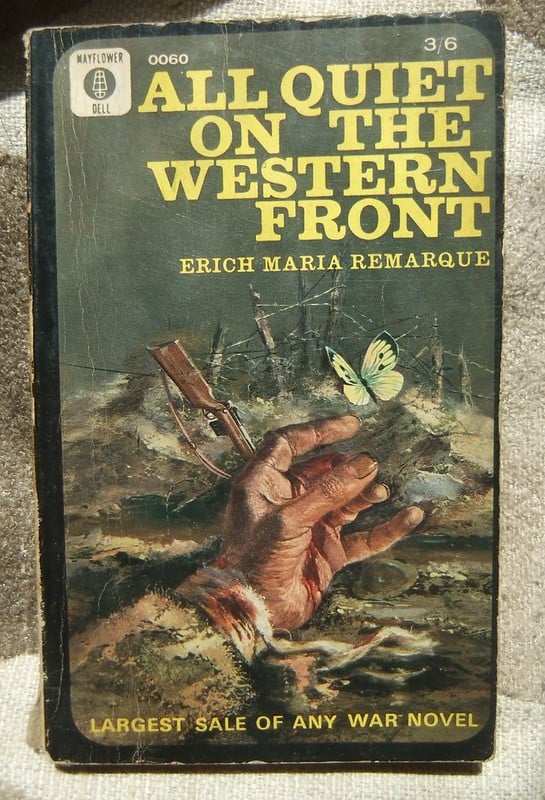
Erich Maria Remarque’s 1929 novel of trench warfare sold about a million copies in Germany within roughly a year, which is exactly why the Nazis hated it. When the American film version opened in Berlin in December 1930, Joseph Goebbels sent followers to disrupt screenings, and the film was soon banned.
On May 10, 1933, the novel went into the bonfire on Berlin’s Opernplatz along with thousands of other books. Remarque had already left for Switzerland.
Germany revoked his citizenship in 1938, and in 1943 his sister Elfriede Scholz was executed after a trial in which the judge reportedly invoked her absent brother.
Doctor Zhivago Travels Out as a Smuggled Manuscript

Soviet editors at the magazine Novy Mir rejected Boris Pasternak’s novel in 1956, telling him it slandered the revolution. He had already handed a manuscript to an agent of the Milan publisher Giangiacomo Feltrinelli, who brought out an Italian translation in November 1957 despite pressure from Moscow.
Pasternak was awarded the Nobel Prize in Literature in 1958 and, under threat of exile, declined it. Declassified records later confirmed that the CIA printed a Russian-language edition and had copies handed to Soviet visitors at the 1958 Brussels World’s Fair.
Soviet readers got a legal edition in 1988.
One Day in the Life of Ivan Denisovich Is Approved, Then Erased

Aleksandr Solzhenitsyn’s short novel about a single day in a labor camp appeared in Novy Mir in November 1962 only because Nikita Khrushchev personally approved it as part of his campaign against Stalin’s legacy. Editor Aleksandr Tvardovsky had lobbied for months.
The issue sold out, and for a brief period the author was celebrated. After Khrushchev fell in 1964 the mood reversed, Solzhenitsyn’s later work was refused publication, and when he was expelled from the Soviet Union in February 1974 his books were ordered removed from libraries.
The novel returned to print there only in the final years of the Soviet Union.
Madame Bovary Puts Flaubert in the Dock

Gustave Flaubert’s novel ran as a serial in the Revue de Paris in late 1856, with nervous editors already cutting passages. It was not enough.
In January 1857 Flaubert, the magazine’s editor and its printer were tried in Paris for offending public morals and religion. Prosecutor Ernest Pinard argued that the story of Emma Bovary made adultery attractive.
The court acquitted all three on February 7, 1857, and the book version that spring sold briskly on the publicity. Pinard had better luck later that year against Charles Baudelaire, whose poetry collection was fined and stripped of six poems.
Candide Is Condemned Within Weeks

Voltaire published his satire anonymously in early 1759 and denied writing it, a sensible precaution. Authorities in Geneva and Paris ordered copies seized within weeks, and the Catholic Church later placed it on the Index of Prohibited Books. None of this slowed sales, and the book went through many editions that first year.
The oddest episode came 170 years later. In 1929 United States customs officials in Boston seized a shipment of the novel on its way to a Harvard French class, judging it obscene, before relenting and allowing an edition through.
On the Origin of Species and the Law Against Teaching It

Charles Darwin’s 1859 book was never placed on the Vatican’s Index of Prohibited Books, a fact that surprises many people. The more famous restrictions came from governments.
In March 1925 Tennessee passed the Butler Act, which made it illegal for public school teachers to teach that humans descended from lower animals, and that July teacher John Scopes was convicted under it in Dayton and fined 100 dollars. The conviction was later overturned on a technicality, but the law stayed on the books until 1967.
Standard lists of banned books also record prohibitions in Yugoslavia in 1935 and in Greece in 1937.
Leaves of Grass Is Chased Out of Boston

Walt Whitman lost a government clerkship in 1865 when Interior Secretary James Harlan came across his poems and dismissed him. Worse came in 1882. Boston district attorney Oliver Stevens warned publisher James R. Osgood that the new edition violated obscenity statutes and demanded that certain poems be removed.
Whitman refused to cut them, Osgood dropped the book, and a Philadelphia firm took it over. The first Philadelphia printing sold out almost immediately, helped along by the phrase banned in Boston.
By that December the new publisher had paid Whitman about 1,000 dollars in royalties, ten times what Osgood gave him in settlement.
Tropic of Cancer Waits Twenty-Seven Years for an American Edition

Henry Miller’s first novel was published in Paris in 1934 by the Obelisk Press, and United States customs barred it from the country. For years it circulated in copies smuggled home by travelers and soldiers.
Grove Press issued an American edition in 1961, and the result was dozens of local obscenity prosecutions against booksellers across the country. Publisher Barney Rosset committed the firm to defending them.
The matter ended in June 1964, when the Supreme Court, in Grove Press v. Gerstein, reversed a Florida ruling that had found the book obscene.
Howl Lands a Bookseller in Court

Allen Ginsberg’s long poem was published by City Lights Books of San Francisco in 1956 in a small paperback printed in England. In March 1957 customs officers seized 520 copies of a later printing as they arrived.
Federal prosecutors declined to act, so local police stepped in, arresting bookstore clerk Shigeyoshi Murao for selling a copy and charging publisher Lawrence Ferlinghetti. Nine literary experts testified for the defense.
On October 3, 1957, Judge Clayton Horn ruled that the poem had redeeming social importance and was therefore protected. The trial made an obscure poet famous well beyond San Francisco.
Slaughterhouse-Five Is Fed to a School Furnace
Kurt Vonnegut’s 1969 novel about the firebombing of Dresden met actual fire in Drake, North Dakota. In November 1973 the local school board objected to a young English teacher assigning the book and ordered the school’s copies, about 32 of them, burned in the furnace.
Vonnegut wrote the board chairman a letter, later widely reprinted, defending the book and its readers. The novel was also among the titles removed from school libraries in Island Trees, New York, in 1976, a dispute that reached the Supreme Court.
In 1982 a divided Court sided with the students in Board of Education v. Pico.
Beloved Becomes a Campaign Issue in Virginia
Toni Morrison’s novel, which won the Pulitzer Prize for Fiction in 1988, draws on the case of Margaret Garner, an enslaved woman who fled Kentucky in 1856. Its violence has made it a regular target of school challenges.
In 2013 a parent in Fairfax County, Virginia, asked the school system to pull it from an advanced senior English course, and the effort led to a state bill on parental notification that the governor vetoed. The dispute resurfaced in the 2021 Virginia governor’s race, when a campaign advertisement featured that same parent. Morrison had received the Nobel Prize in Literature in 1993.
Catch-22 Divides Strongsville, Ohio
Joseph Heller’s 1961 war satire ran into trouble in a Cleveland suburb. In 1972 the school board in Strongsville, Ohio, refused to approve the novel for high school English classes, against the recommendation of its own teachers, and ordered copies removed from the school library along with Kurt Vonnegut’s Cat’s Cradle. Students and their families sued.
In 1976 a federal appeals court ruled in Minarcini v. Strongsville City School District that a board could not strip library shelves simply because members disliked a book’s content. The title, meanwhile, had long since entered the dictionary as a term for a no-win rule.
Invisible Man Is Removed for Nine Days

Ralph Ellison’s novel won the National Book Award in 1953 and has been a fixture of American literature courses ever since. In September 2013 the Board of Education in Randolph County, North Carolina, voted 5 to 2 to remove it from school libraries after a parent complained about its language and content.
One board member said he found no literary value in it. The decision drew national attention and plenty of ridicule, and free copies were given away to local students.
Nine days later the board held a special meeting and reversed itself by a vote of 6 to 1.
A Farewell to Arms Is Stopped by Boston Police

Ernest Hemingway’s novel first appeared as a serial in Scribner’s Magazine in 1929. That June, Boston police superintendent Michael Crowley barred the sale of issues carrying it, calling portions of the story salacious.
The magazine’s editors protested and kept running the serial. Italy went further. Benito Mussolini’s government banned the book because of its unflattering account of the Italian army’s retreat from Caporetto in 1917, and it stayed unavailable there until after the Second World War.
The Nazis added Hemingway’s work to their bonfires in 1933, giving the novel the distinction of offending three quite different sets of authorities.
Alice’s Adventures in Wonderland Is Banned in Hunan
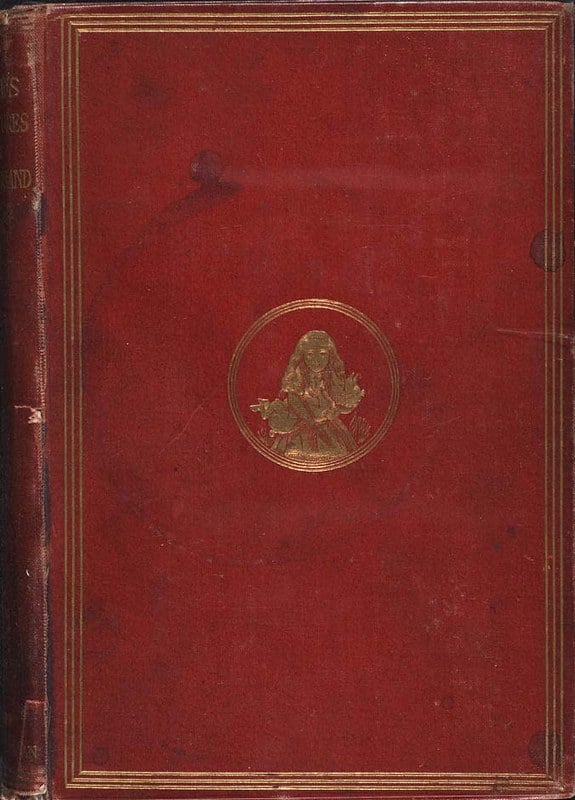
Lewis Carroll’s 1865 fantasy seems an unlikely threat to public order, but in 1931 the governor of China’s Hunan Province, General Ho Chien, prohibited it. His objection, as reported at the time, was that animals should not use human language and that putting animals and people on the same level was an insult to humans.
The ban covered schools in the province. The episode is one of the most often cited examples of censorship reaching for the harmless.
Carroll’s book has remained in print continuously since its first edition and has been translated into well over a hundred languages.
Anne Frank’s Diary Is Judged Too Depressing

The diary Anne Frank kept in hiding in Amsterdam from 1942 to 1944 was first published in Dutch in 1947 and has since sold tens of millions of copies. It has still been challenged in American schools.
In 1983 members of an Alabama textbook committee reportedly called for rejecting it on the grounds that it was a real downer. In 2010 schools in Culpeper County, Virginia, stopped assigning the fuller definitive edition after a parent objected to passages in which Anne writes frankly about her changing body.
After the decision drew national attention, officials said the diary itself would remain part of the curriculum.
Censors Rarely Pick the Forgettable Books
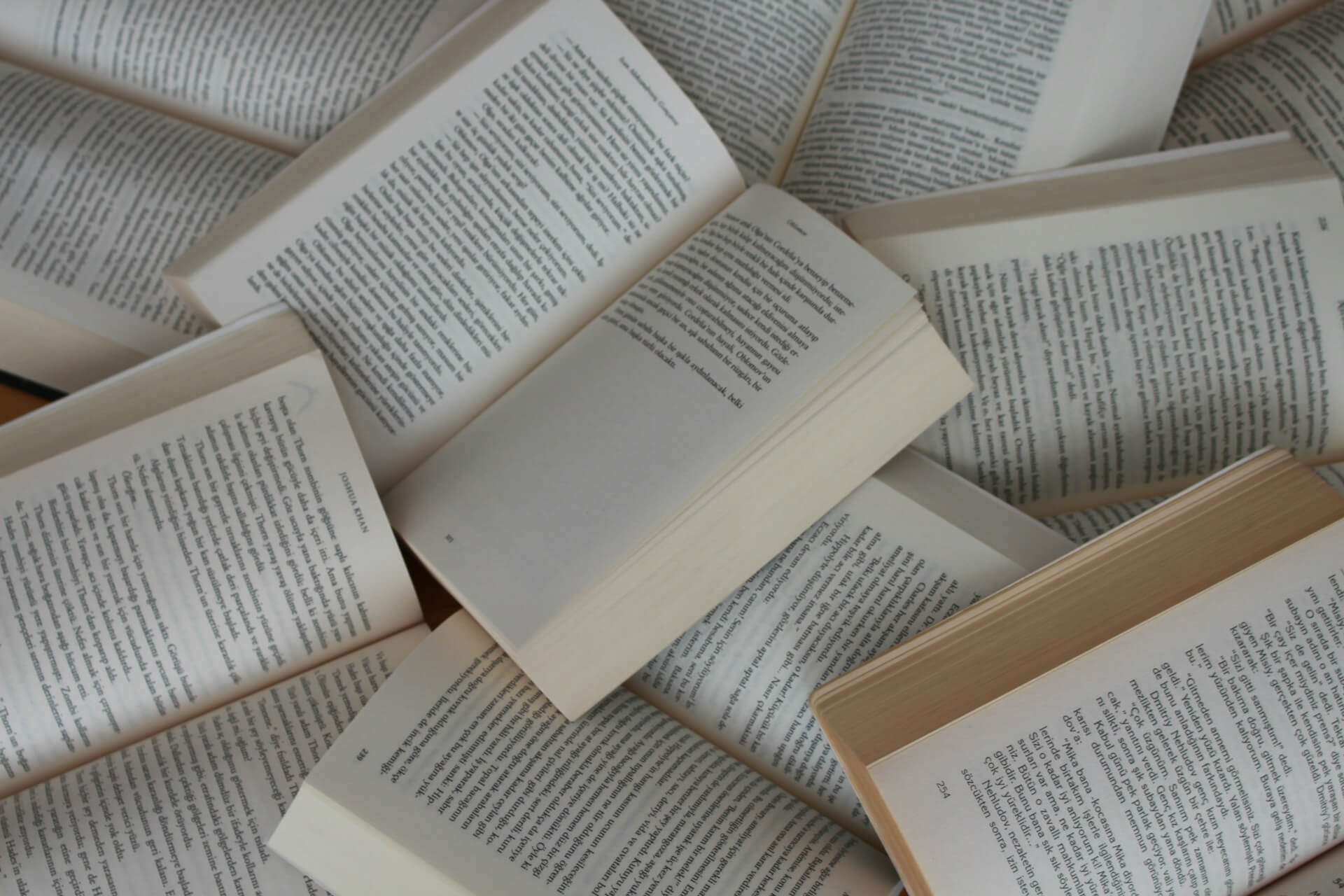
Nobody bans a book that no one is reading. Almost every title here was attacked at the moment it was finding a large audience, and the attack usually enlarged that audience further.
Twain understood this in 1885, and publishers have understood it ever since.
The objections also age badly in a way the books do not. Complaints about coarse language, political loyalty or talking animals say a great deal about the anxieties of a particular year and place.
The books moved on to classrooms and prize lists, carrying the record of who tried to stop them along as a footnote. That record is now part of why they are taught.
More from Go2Tutors!

- The Romanov Crown Jewels and Their Tragic Fate
- 13 Historical Mysteries That Science Still Can’t Solve
- Famous Hoaxes That Fooled the World for Years
- 15 Child Stars with Tragic Adult Lives
- 16 Famous Jewelry Pieces in History
Like Go2Tutors’s content? Follow us on MSN.