26 Toys That Came Free in Cereal Boxes and Actually Lasted
There’s a particular kind of magic in a cereal box that no streaming service or app store has ever quite replicated. You’d pour the bowl, shake the box a little, and somewhere between the first handful and the last, a small plastic something would tumble out — and for reasons that had nothing to do with quality or craftsmanship, that thing would become one of your most prized possessions.
Some of them broke before lunch. But some of them? Some of them survived moves, garage sales, and decades of questionable storage decisions. These are the ones worth remembering.
Decoder Rings
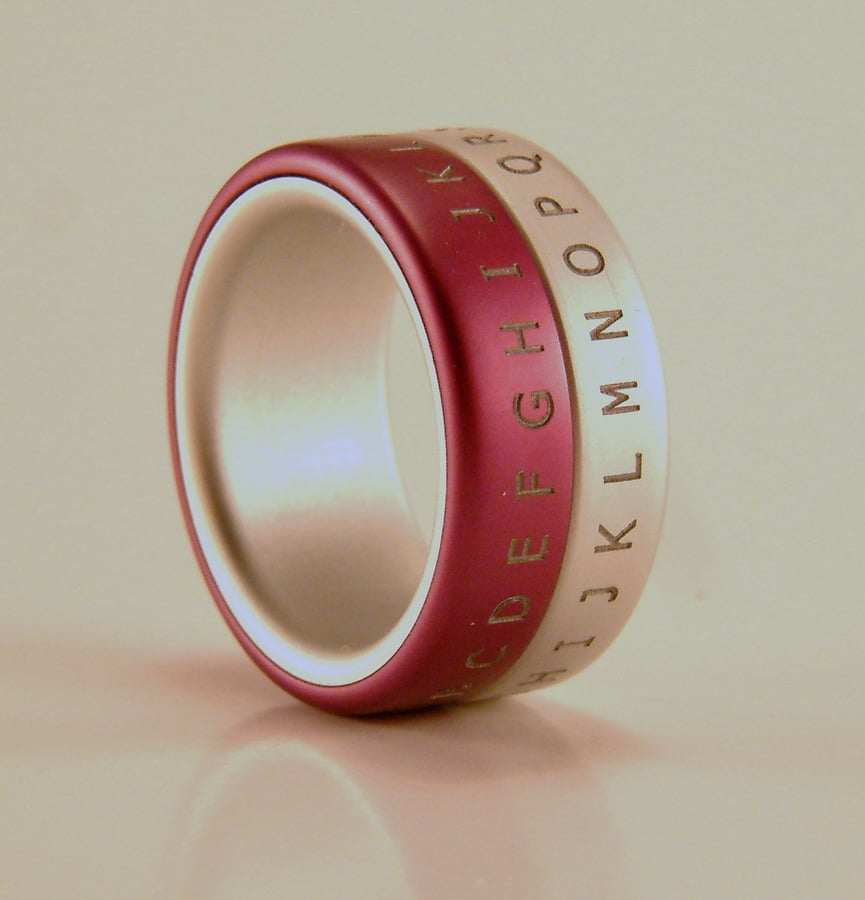
Decoder rings from cereal boxes were genuinely used. Kids carried them to school, passed “secret messages” written in substitution ciphers, and treated the whole operation with the seriousness of a Cold War intelligence briefing.
The rings were usually plastic and slightly too big, but that never stopped anyone.
Mini Figures From Monster Cereals
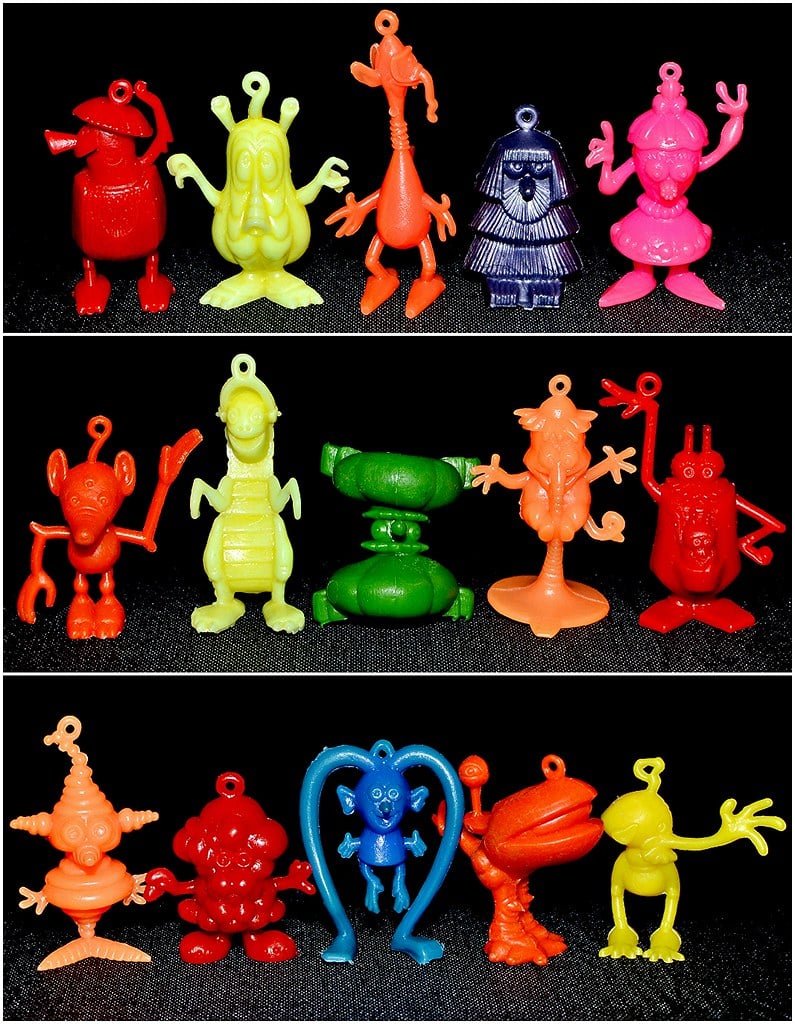
The miniature figures that came packed in Count Chocula and Franken Berry boxes had a stubborn little presence — small enough to lose between couch cushions, detailed enough that you’d actually feel bad when you did. They weren’t articulated, they didn’t do anything, and yet they lined windowsills across America for years.
Some of them are still showing up in estate sales, which is either charming or haunting depending on your mood.
Wax Packs Baseball Cards
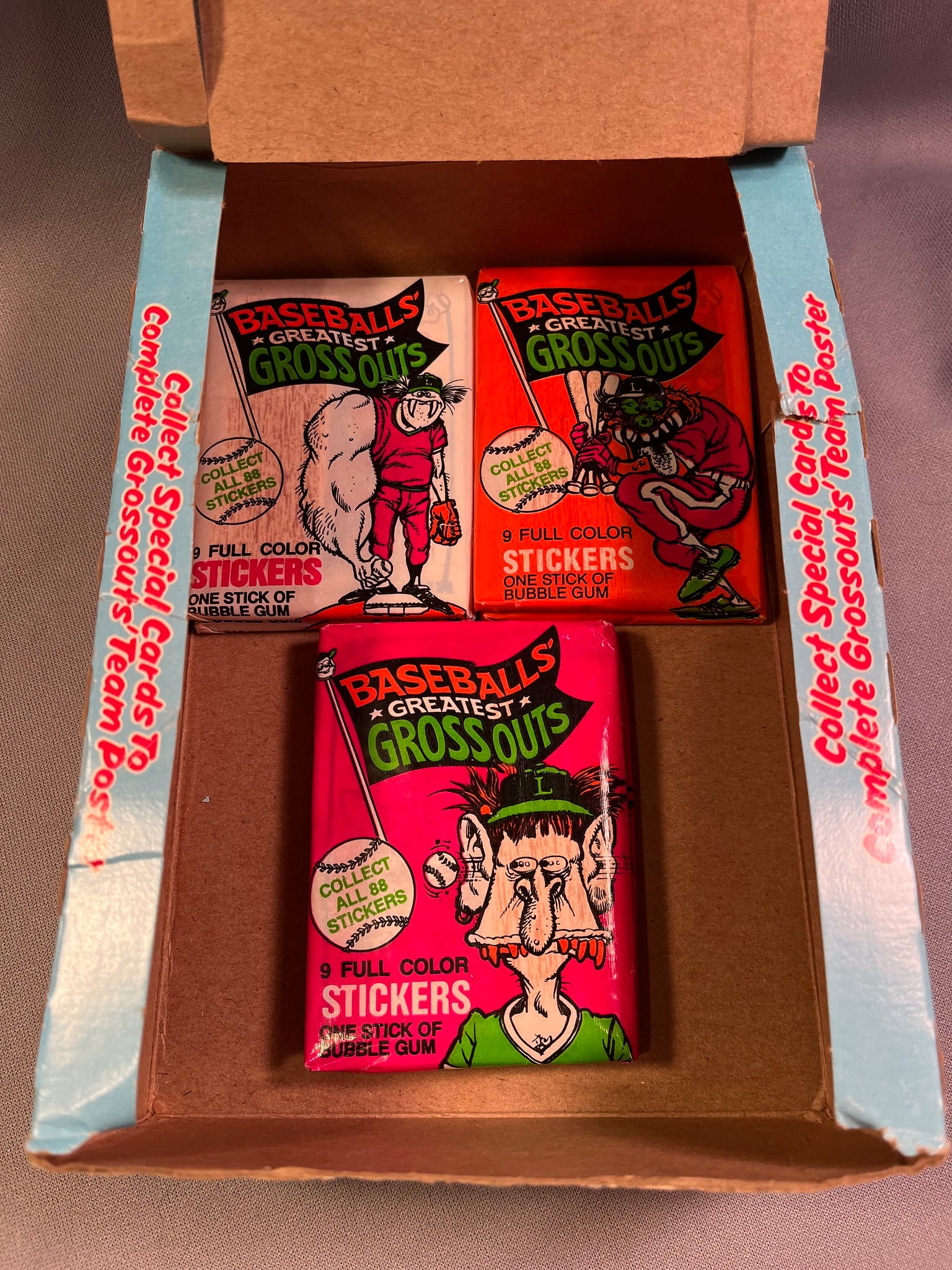
Baseball cards inserted into cereal boxes in the 1980s were not the same as packs from a hobby store, but that didn’t matter one bit. You got what you got — maybe a star, maybe a utility infielder from a team you’d never follow — and you kept it anyway, because it came free with your Wheaties and that gave it a different kind of value.
To be fair, a few of those cards turned out to be genuinely worth something.
Spoon Benders

The plastic “spoon bender” sets that appeared in cereal promotions during the 1970s and early 80s tapped into the Uri Geller craze without anyone having to explain who Uri Geller was. Kids just wanted to seem psychic at the breakfast table.
The little plastic tool that supposedly helped you bend a spoon through “focus” did nothing of the sort, but the performance around it lasted all week.
Glow-in-the-Dark Dinosaurs
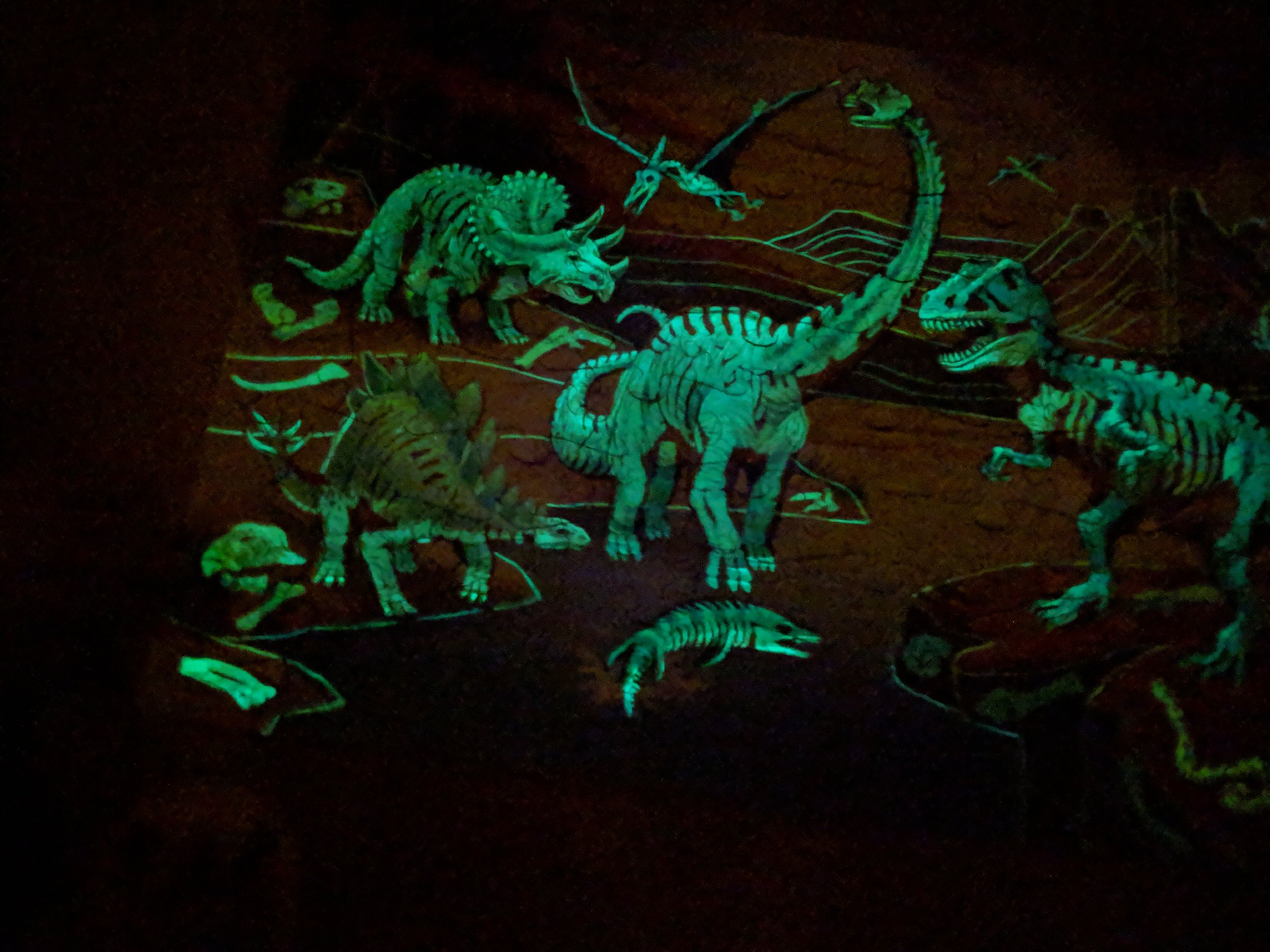
Glow-in-the-dark dinosaurs are the cockroaches of cereal box toys: they survive everything. The ones packed into various General Mills and Post cereals in the 1980s and 90s were small, slightly rubbery, and glowed a greenish-yellow that felt genuinely eerie in a dark bedroom.
Decades later, they still glow — faintly, stubbornly, like something that refuses to admit the era is over.
Secret Compartment Rings
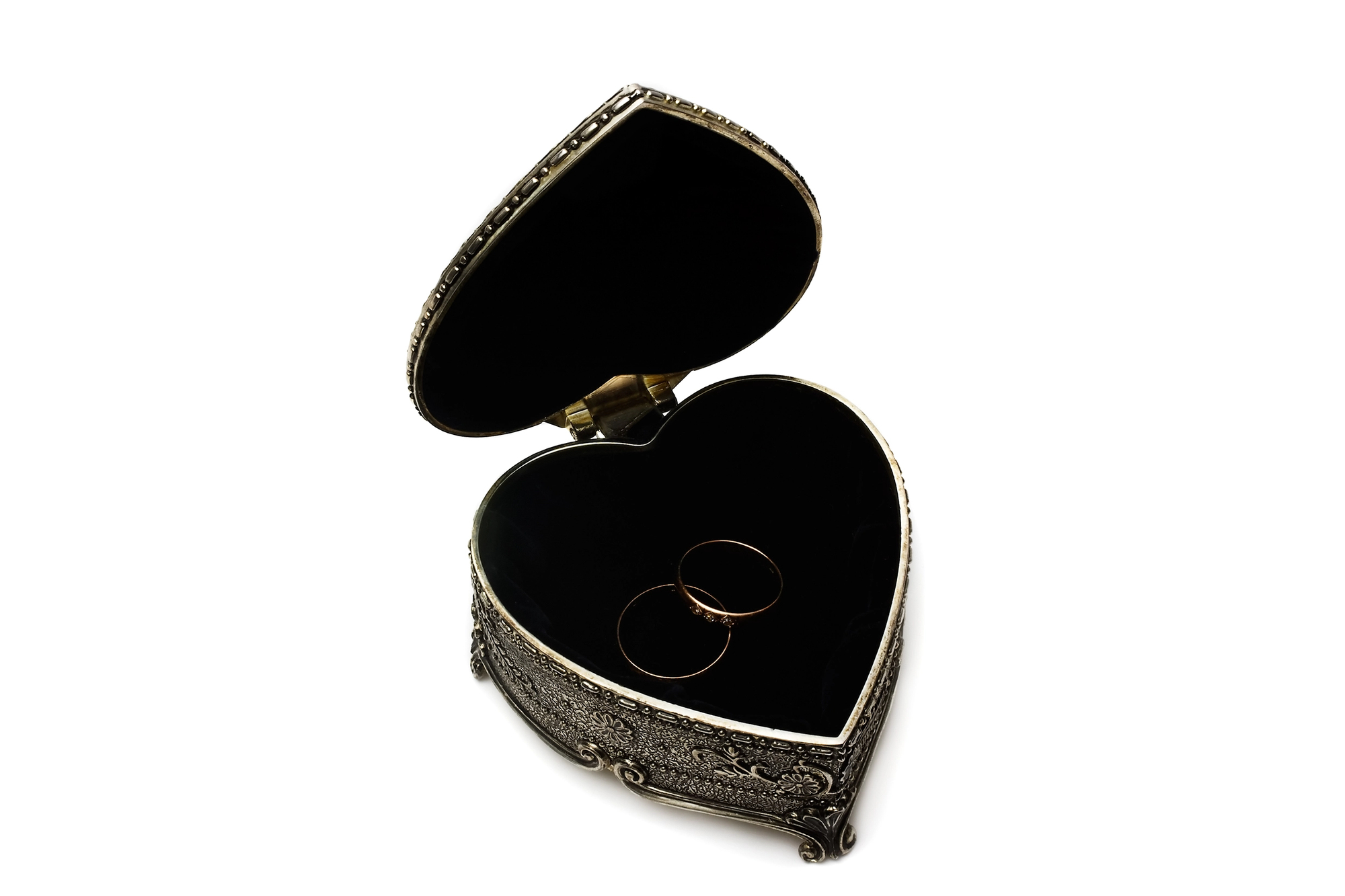
Secret compartment rings — the ones with a tiny hinged lid that opened to reveal a hollow space roughly the size of a small pea — were peak cereal box ambition. The compartment was too small to store anything useful, which somehow made them more appealing: the secrecy was the point, not the storage.
Kids filled them with folded paper, a single bead, a grain of sugar — whatever made the act of opening them feel like it meant something.
Iron-On Patches
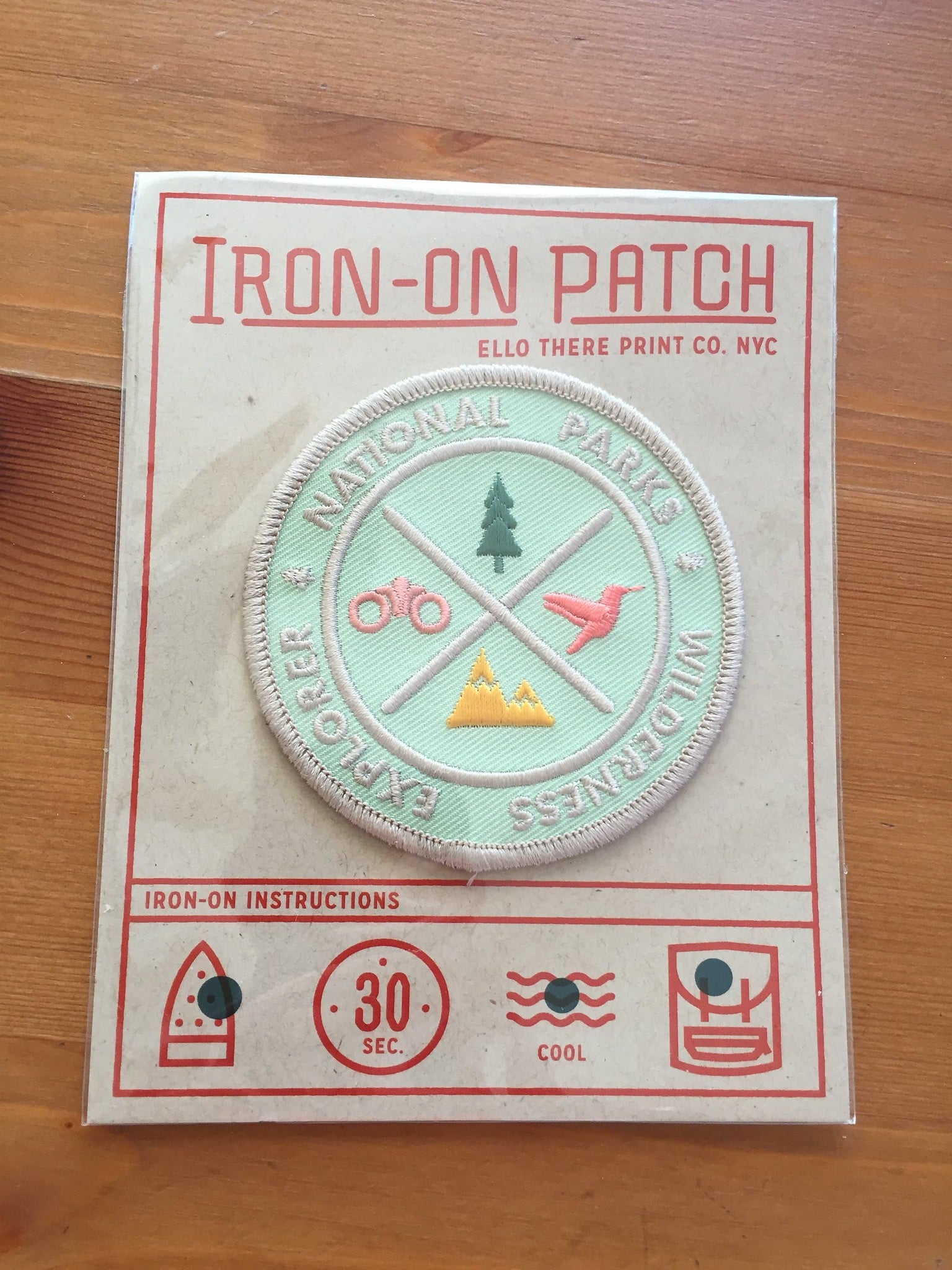
Iron-on patches tucked into cereal boxes during the 1970s were a genuinely functional prize, which set them apart from most of the plastic fare. You ironed them onto a backpack or a denim jacket, and they stayed there — sometimes for years longer than either the jacket or the friendship group that had influenced the choice.
The artwork tended toward cartoon mascots and sports logos, and most of them held color surprisingly well.
Mini Comic Books
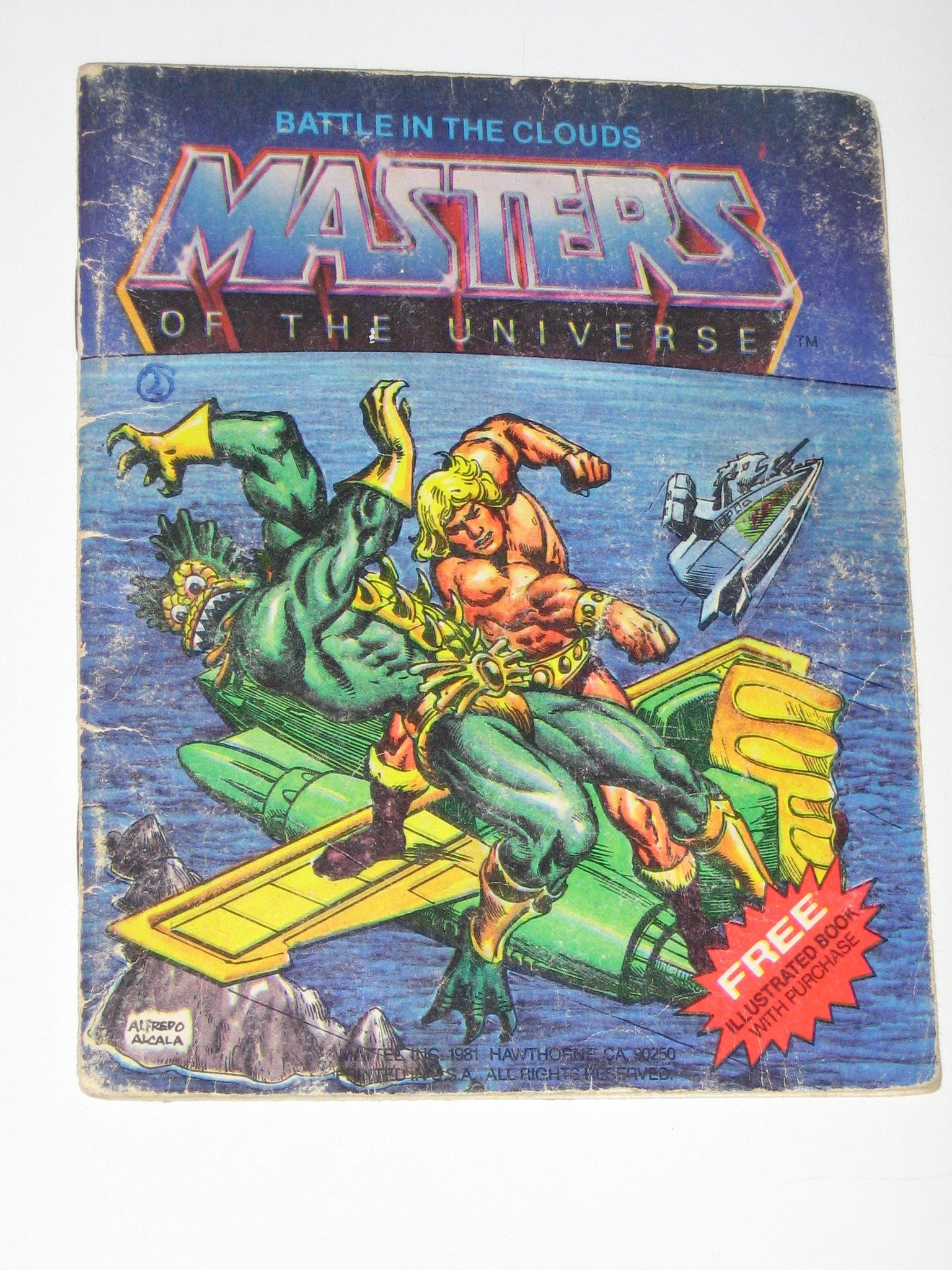
The miniature comic books that cereal brands distributed as in-box prizes — particularly the Kellogg’s and Post editions from the 1940s through the 1960s — were printed on paper thin enough to practically breathe through, and yet people kept them. They starred branded characters, sometimes real comic properties, sometimes invented ones, and they read like someone had been told to explain fun to an audience that was eating breakfast under time pressure.
Compact as they were, they outlasted the boxes by generations.
Magnifying Glasses

A plastic magnifying glass from a cereal box is not a precision optical instrument. What it is, though, is a portal — every kid who got one spent the next two afternoons burning leaves in the backyard sun, reading the fine print on cans, and examining their own fingerprints with an intensity they’d never brought to actual schoolwork.
The ones that came with a molded handle and a rim marked with fake millimeter gradations lasted longest, mostly because they were thick enough not to warp.
Periscopes

Cereal box periscopes were humble constructions — two small mirrors, a cardboard or plastic tube, and a design concept borrowed from World War I submarines — but they worked. You could actually see over a fence or around a corner, which at age eight felt like a superpower that required no explanation.
Kellogg’s distributed them more than once across different decades, banking correctly on the fact that the concept never gets old.
Compass Rings

Compass rings were the cereal prize that made kids feel genuinely prepared for something. The needle wobbled, the housing was barely wider than a thumbnail, and the accuracy was approximate at best — but it pointed north, more or less, and that felt like survival equipment to a generation raised on wilderness adventure serials.
Some of them showed up in junk drawers well into the 1990s, still pointing north, still wobbling.
Mini Paddle
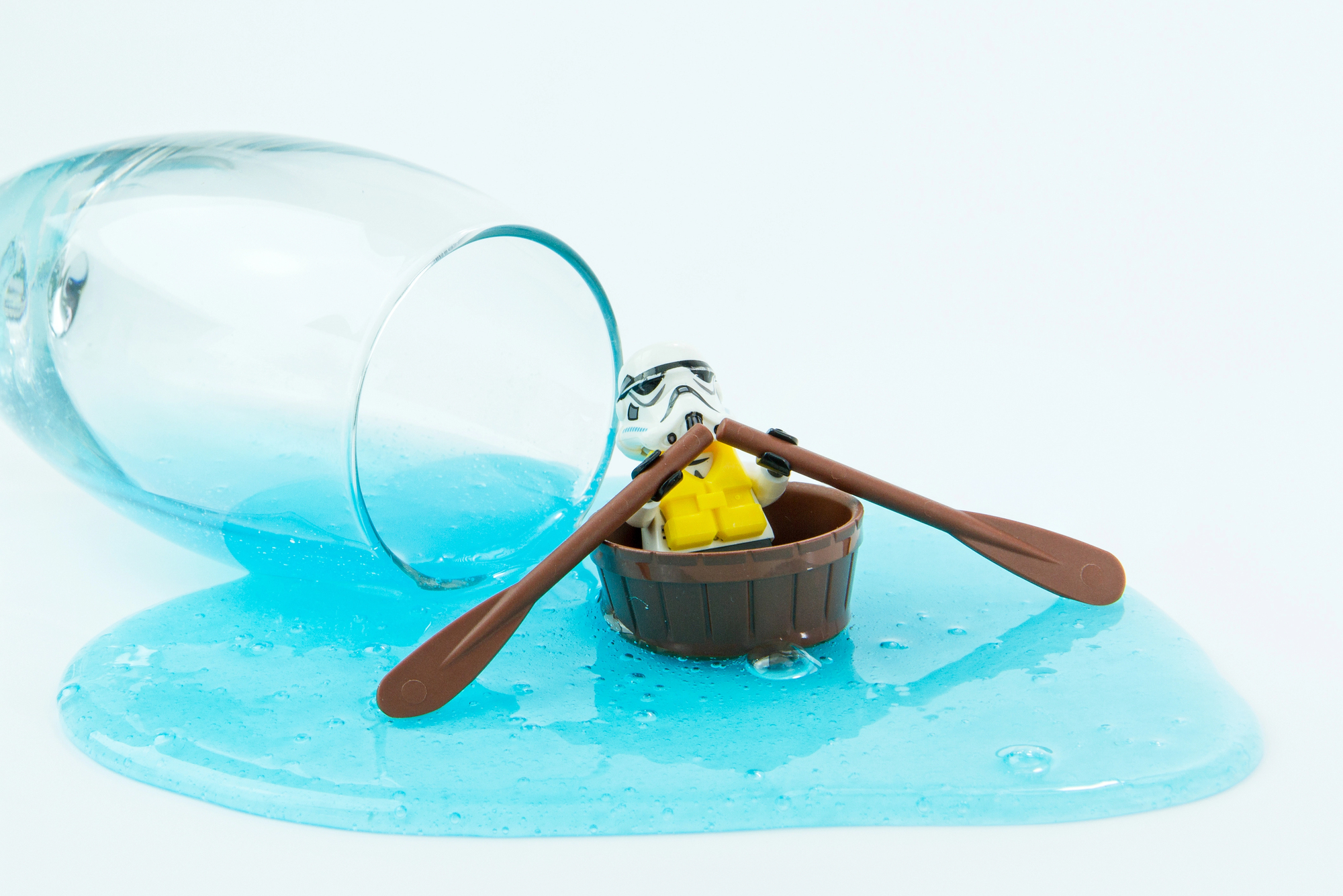
Mini paddle sets that came in cereal boxes were almost always the same design: a flat oval paddle, a length of elastic, a small rubber sphere. The elastic snapped within a week on a good run.
And yet the paddle itself stuck around — used as a drumstick, a backscratcher, a theatrical prop in whatever game got invented next — which is arguably more longevity than most actual toys managed.
Snap-Together Rocket Ships

The snap-together plastic rocket ship kits tucked into cereal boxes in the 1960s and early 70s arrived in three or four pieces, clicked together in under two minutes, and became permanent fixtures on bedroom shelves across the country. They existed in that specific moment when space travel felt new enough to be thrilling and distant enough to still be mythological.
The ones with chrome-painted noses lasted longest — the paint stayed on, the plastic stayed intact, and they looked credible enough to keep.
Sea Monkeys Advertisements
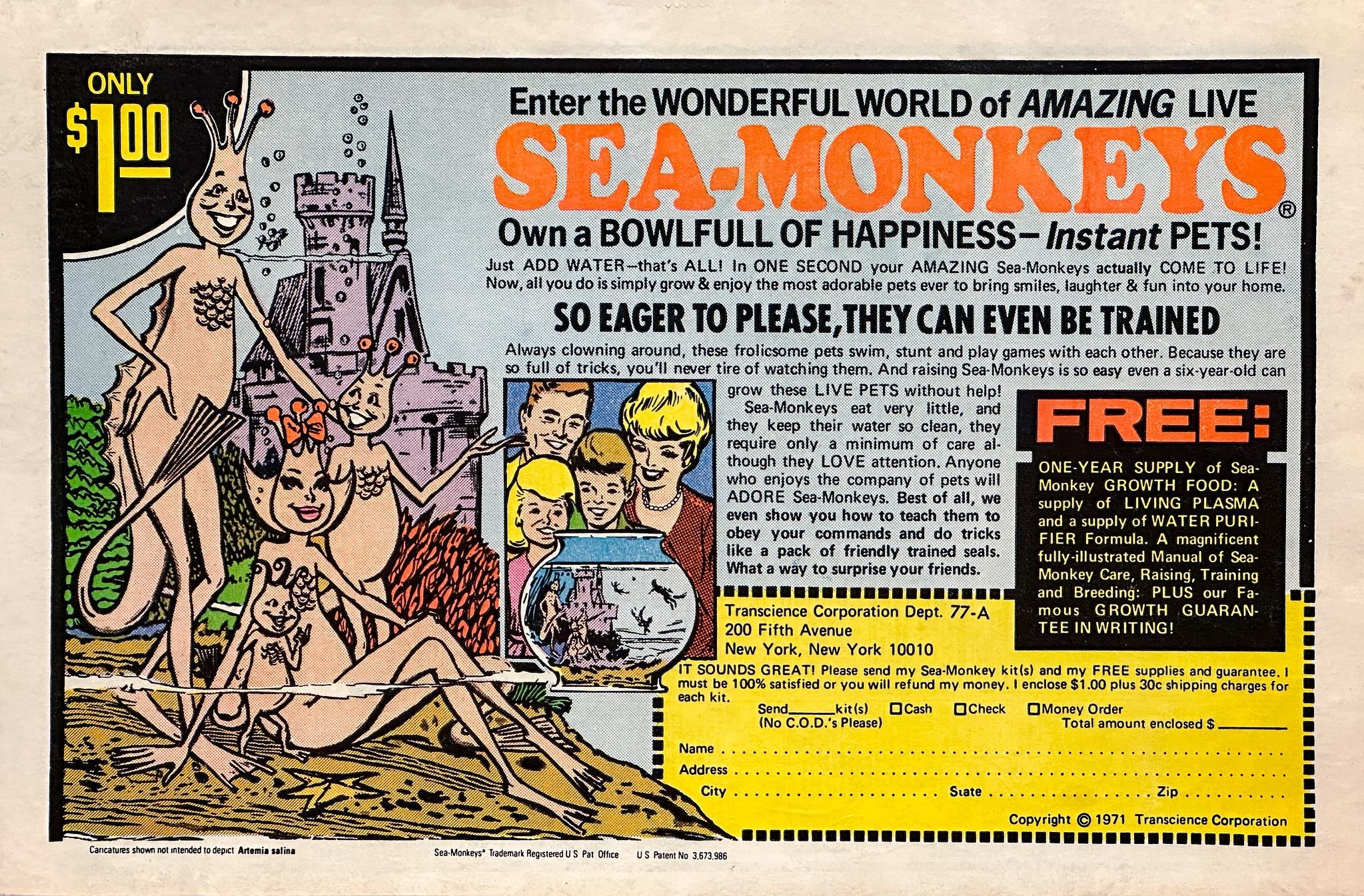
The Sea Monkeys ads that appeared on cereal boxes weren’t strictly a free toy inside the box — they were a mail-in offer, famously illustrated with a royal underwater family that bore no resemblance to the brine shrimp you’d actually receive. But generations of kids saved the boxtop, mailed it in, and waited by the mailbox with a sincerity that the final product, to put it charitably, did not reward.
The kit itself, once it arrived, somehow survived anyway: the tank, the powder packets, and the instruction sheet with its magnificent lies still intact.
Flip Books
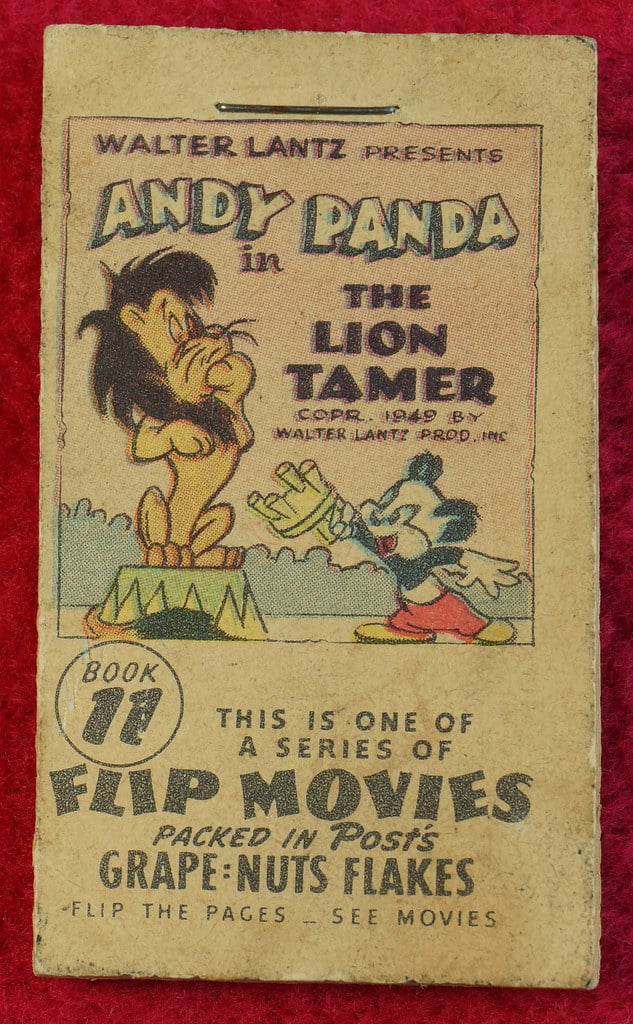
The tiny flip books that appeared as cereal prizes in the 1980s were the most underestimated item on this list. Roughly the size of a matchbook, printed on paper that could generously be called “recycled,” they showed a stick figure kicking something, or a car going around a corner, or an orb arcing through the air — fifteen frames of barely-there animation that became, in the hands of a bored eight-year-old, a first lesson in how movies actually work.
Some people kept them for decades without quite knowing why.
Mini Kaleidoscopes

A plastic kaleidoscope the length of a finger is not supposed to produce anything remarkable. And yet the ones that came in cereal boxes — filled with loose colored beads and two angled mirrors — made something genuinely beautiful every single time you pointed them at a light source, which is more than most objects can say.
They broke easily if dropped, but they survived intact in shirt pockets and pencil cases for years.
Whistle Rings

Whistle rings were exactly what they sound like and exactly as disruptive as you’d expect. A ring-shaped plastic band with a small chamber and a tiny aperture — blow across the top and it produced a reedy, piercing note that carried across a school cafeteria with remarkable efficiency.
Teachers hated them. Kids treasured them proportionally. Kellogg’s produced several variations across different decades, apparently indifferent to the domestic chaos they were funding.
Shooting Star Viewers

Star and constellation viewers — small cardboard or plastic tubes with a punched disc at one end — let you hold them up to a light and see a rough approximation of a constellation projected on the ceiling. They came in cereal boxes primarily during the space-race era of the 1960s, sometimes as a series you’d collect across multiple boxes.
The ones made with sturdier plastic tubes survived long enough to be genuinely nostalgic objects, which is a better fate than most cereal-box products could claim.
Silly Putty Knock-Offs
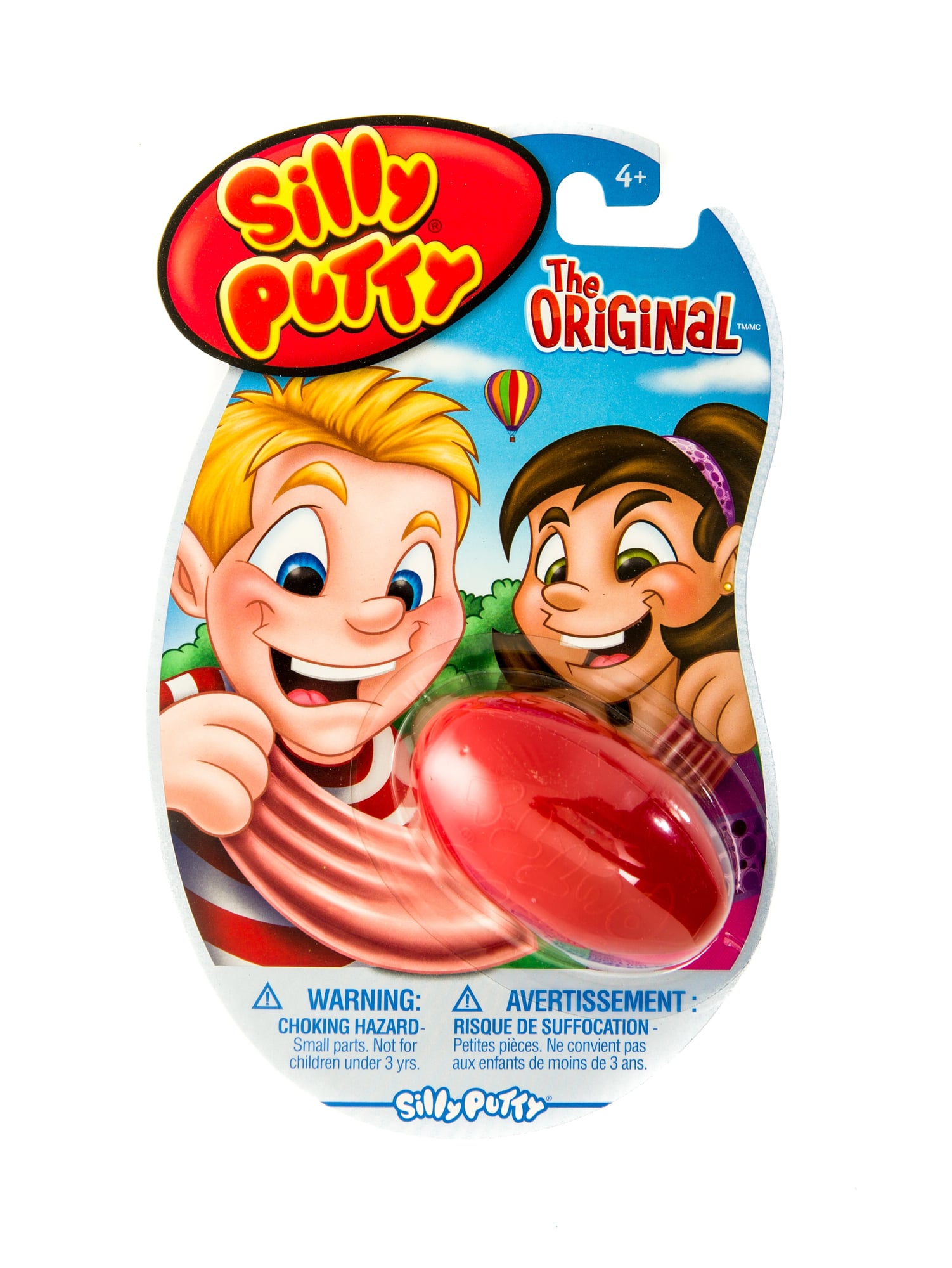
The silicone-based putty products that appeared in cereal boxes were never quite Silly Putty — that was a Crayola trademark — but they functioned the same way: stretched, bounced weakly, lifted newsprint images, and eventually dried into a hard lump if left without its wrapper. They lasted longest when kids actually put them back in the egg-shaped container, which happened less often than you’d think and more often than the parents expected.
Mini Board Games
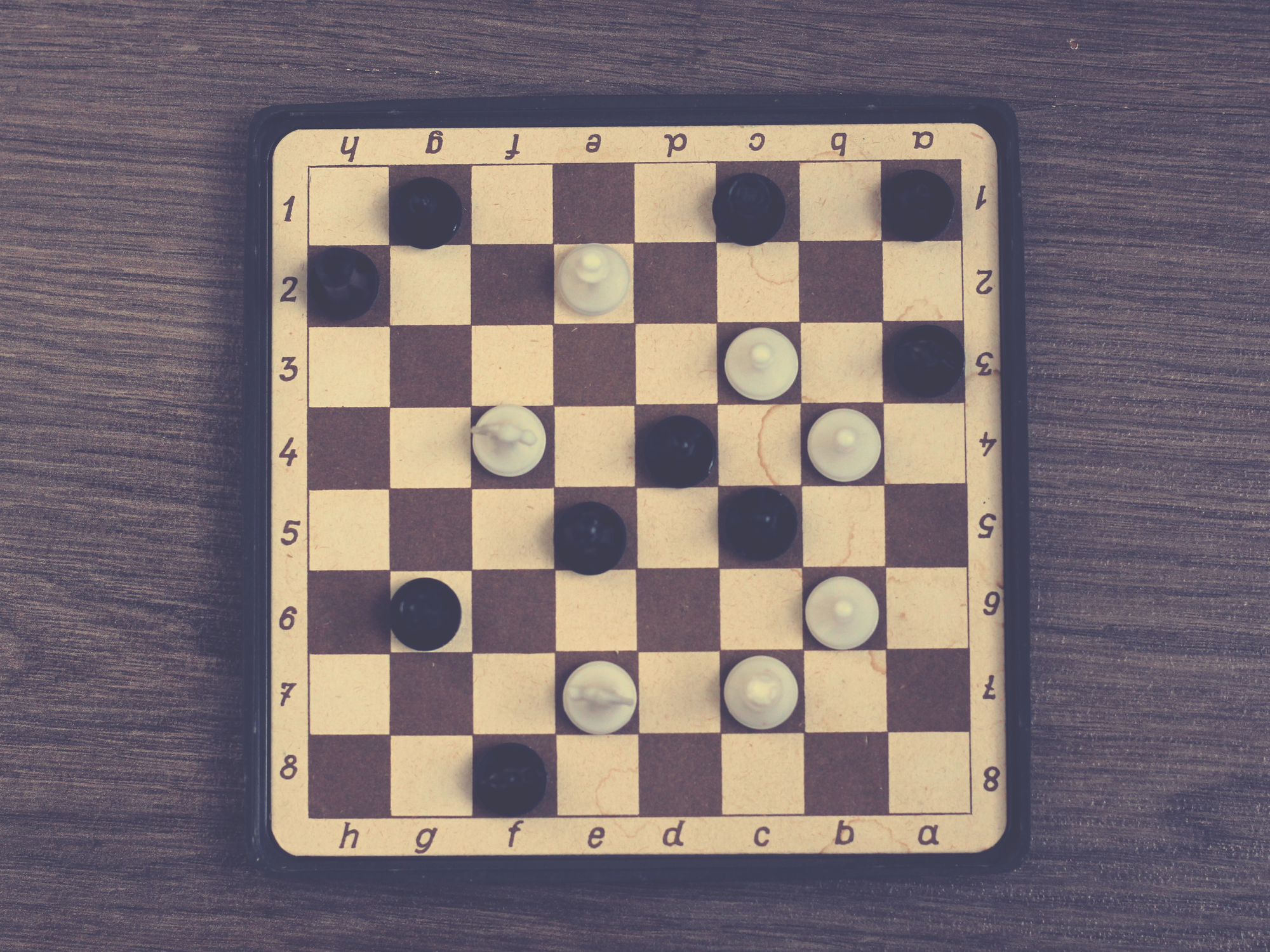
The condensed board game inserts that appeared in some cereal boxes — particularly from Post in the 1970s — were printed directly on cardboard panels that folded out from inside the box. You cut along the dotted lines, assembled the board, and used coins as playing pieces because no tokens were included.
It was a stripped-down, no-frills version of a game that cost nothing and lasted exactly as long as the cardboard held up, which, surprisingly, was sometimes years.
Plastic Submarines
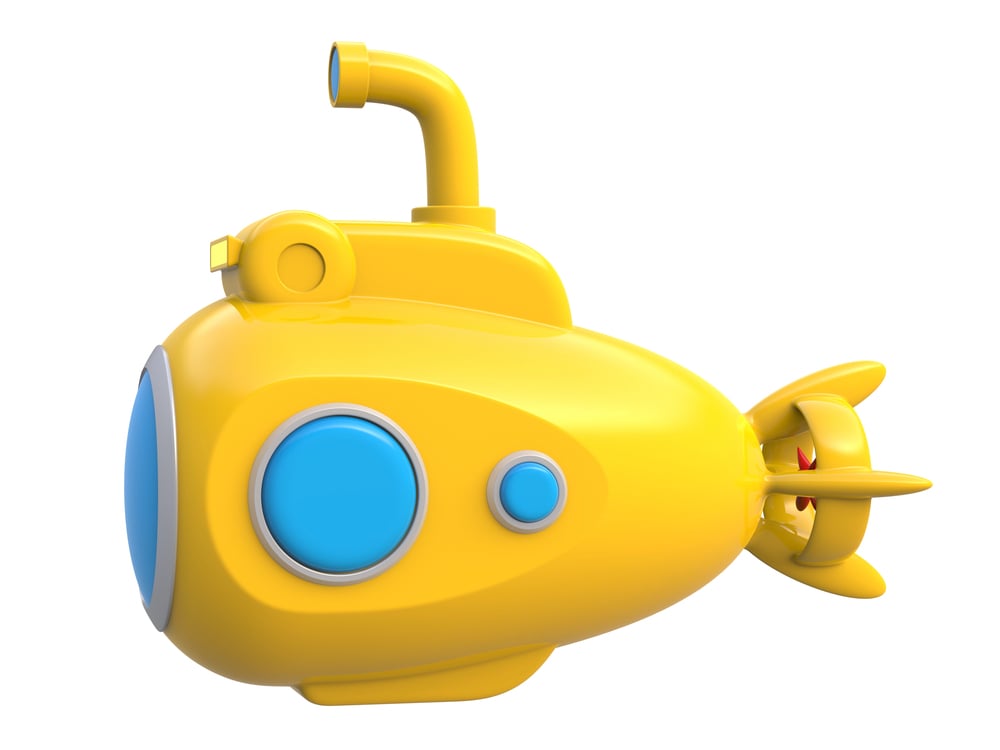
The baking powder-powered plastic submarines that sank and rose in a bathtub through a simple chemical reaction were among the most technically sophisticated things ever dropped into a cereal box. They worked reliably for months if you kept them dry between uses.
Kellogg’s famously distributed them in the 1950s under the name “Atomic Subs,” and they showed up in various iterations across the following decades — because the concept worked, and when something works at that scale, you don’t retire it.
Temporary Tattoos

Temporary tattoos in cereal boxes were a fixture of the 1990s, usually branded with the box mascot or a franchise tie-in — a Pokémon, a Looney Tunes character, a sports logo. They applied with water, lasted two to four days, and faded into a greenish smear that was somehow more satisfying than the original image.
The sheet itself, with its waxy backing and primary-color artwork, had a specific texture that people who grew up in that decade can still feel against their fingers without needing a reminder.
Sticker Sheets
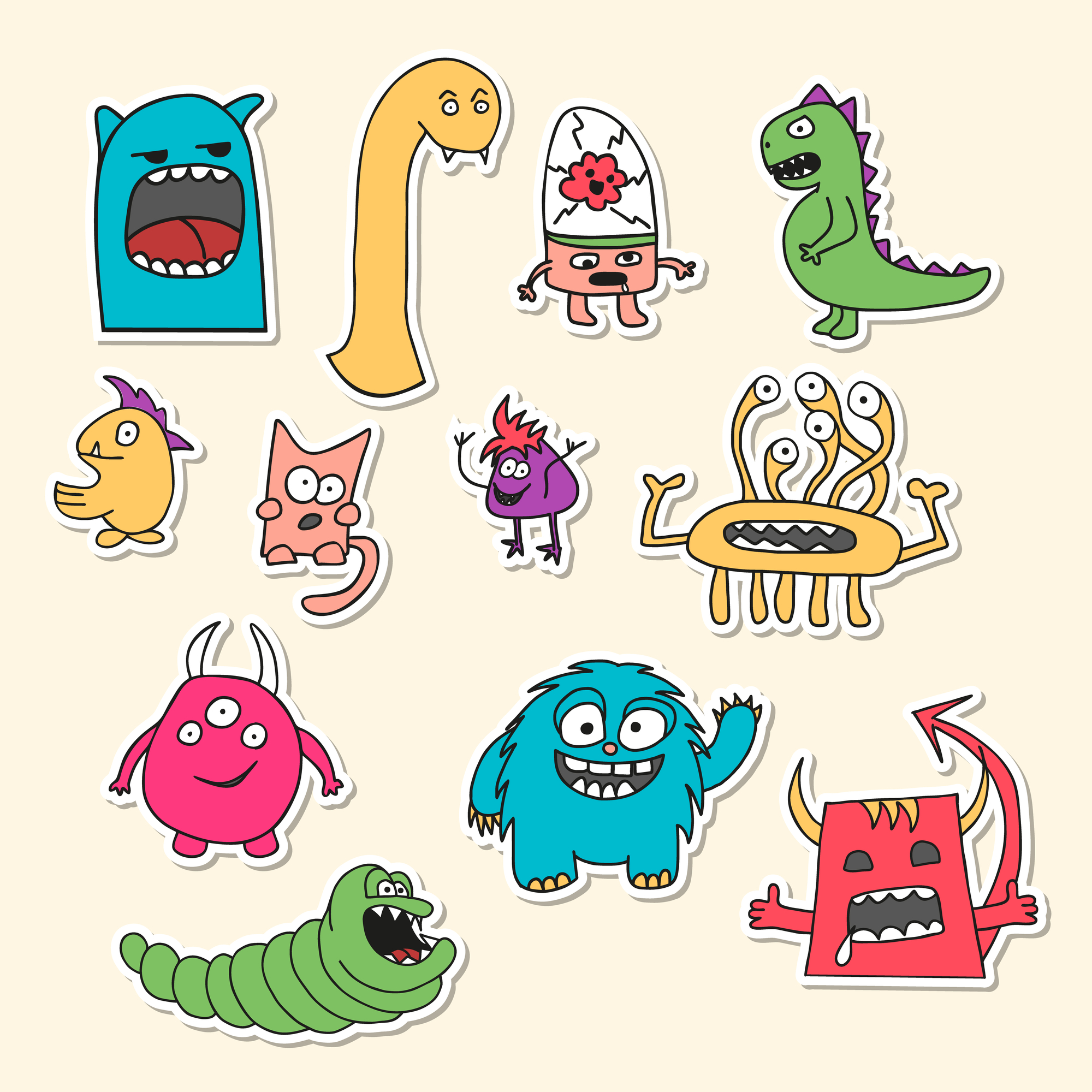
Sticker sheets from cereal boxes were indestructible in the way that only adhesive-backed paper can be. You peeled them, applied them to notebooks and headboards and the insides of lockers, and they stayed there — surviving scrubbing, repainting, and the general indignity of time — long after anyone remembered where they came from.
Some of the better ones, the holographic or foil-stamped sheets from the early 1990s, are still turning up in the margins of old textbooks.
Coin Replicas
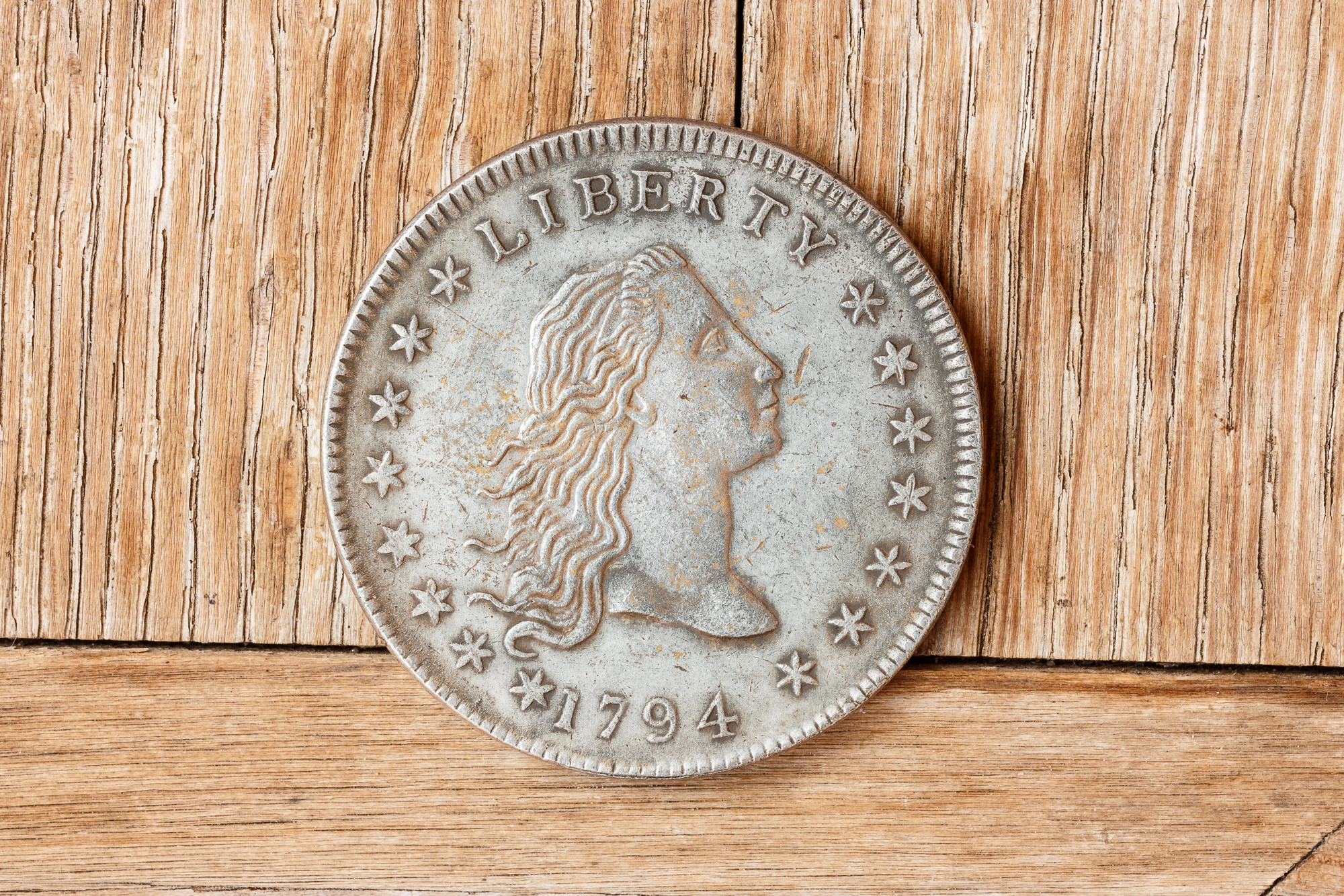
The replica coin sets that appeared in cereal boxes — usually paired with a historical theme, sometimes tied to a bicentennial promotion — were small, flat, and gold-tinted in a way that convinced absolutely no one they were real currency and convinced everyone they were worth keeping. Kids stored them in small velvet bags, or in the cardboard sleeves they came with, or loose in a drawer that also held rubber bands and dead batteries.
Turns out a lot of those collections are still intact.
Mini Puzzles

The miniature jigsaw puzzles that fit in the palm of your hand, printed on cardboard slightly thicker than a business card, came in 30 to 50 pieces and featured the box mascot or a scene from whatever licensed property was funding the promotion. They were maddening at that size — the pieces were identical in shape, the image gave you nothing to anchor to — and yet finishing them felt like an outsized accomplishment, because the difficulty was genuinely disproportionate to the object.
People kept them assembled inside small zip-lock bags for years.
Wrist Bands
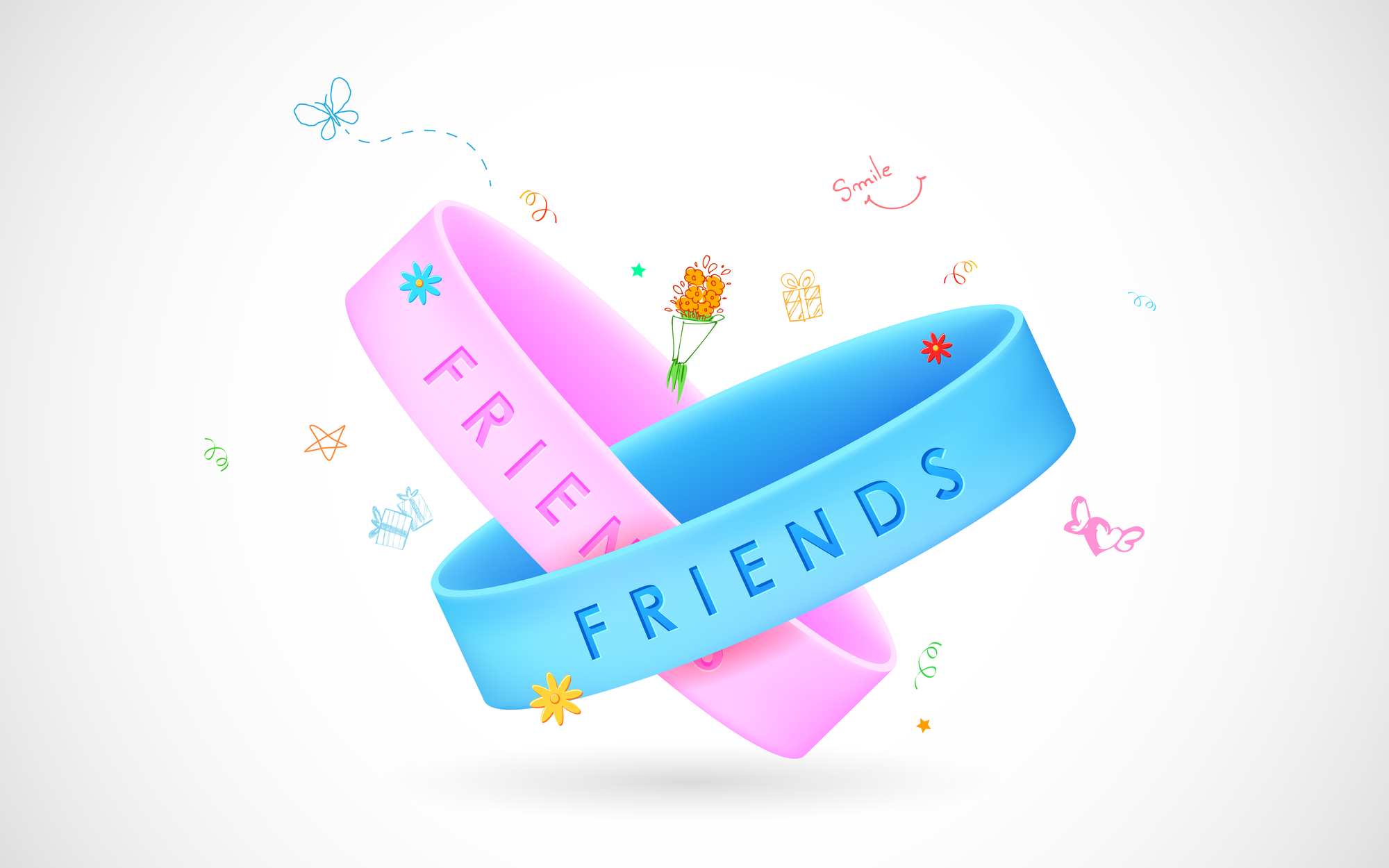
The rubber wrist bands that came in cereal boxes during the 1980s and early 90s were simple, slightly too stiff, and almost always neon. They did nothing except exist on your wrist and signal, to other kids, that you had eaten the right cereal that week.
Which, at a certain age, was enough: identity built from a strip of fluorescent rubber, worn until it snapped or faded or both, and kept in a drawer afterward just in case.
What the Plastic Actually Taught You
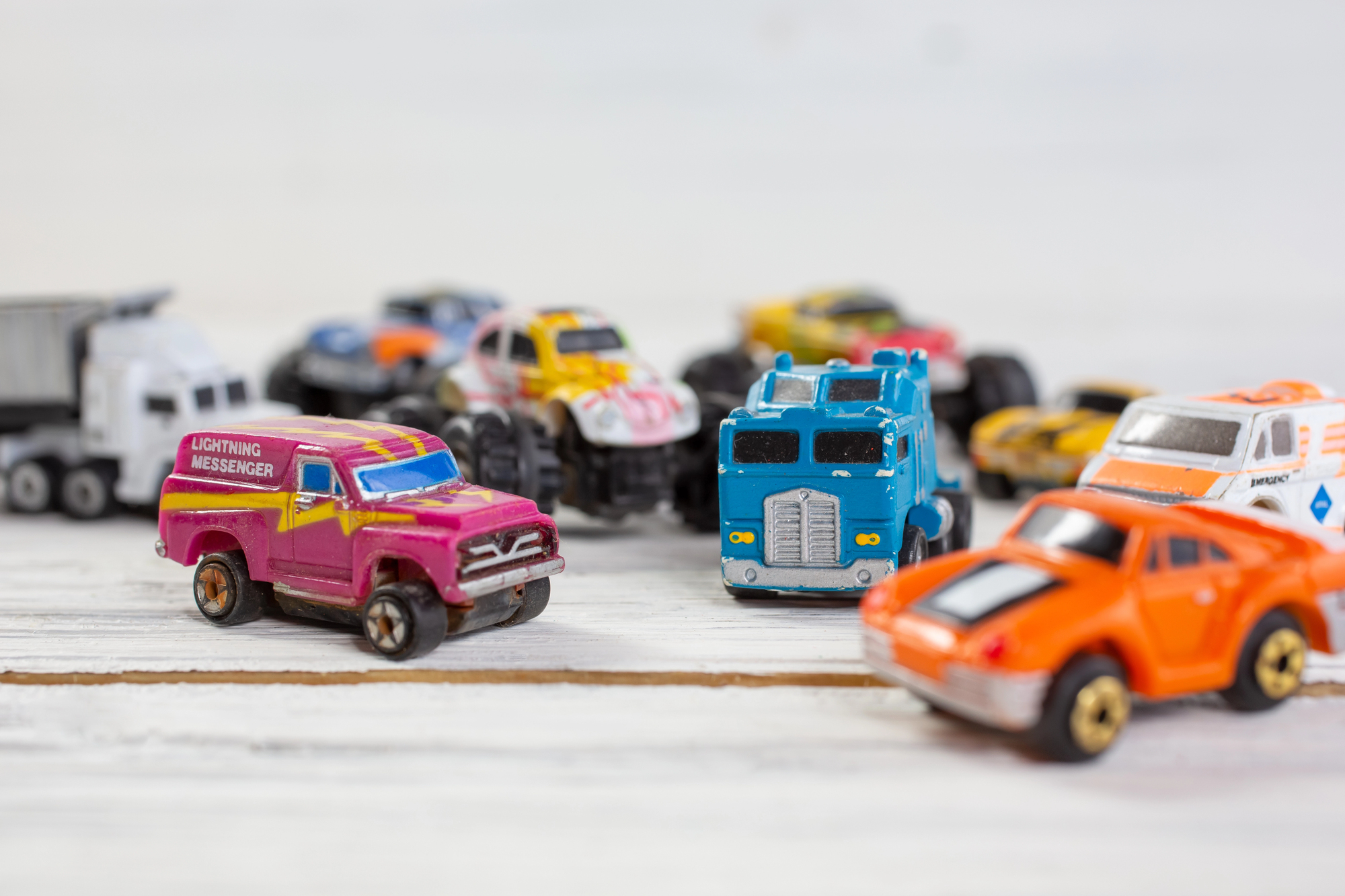
There’s something stubborn about the affection people carry for these objects — items that cost fractions of a cent to manufacture, shipped in bulk inside a cardboard box of processed grain, and designed to be forgotten within the week. And yet they weren’t forgotten.
The decoder ring didn’t decode anything important. The compass ring pointed vaguely northward.
The submarine worked exactly twice before the baking powder ran out. None of that is the point.
The point is that surprise still felt like abundance, and a thing given free with breakfast felt, against all logic, like it was chosen just for you — which is a feeling that no algorithm has yet figured out how to replicate.
More from Go2Tutors!

- The Romanov Crown Jewels and Their Tragic Fate
- 13 Historical Mysteries That Science Still Can’t Solve
- Famous Hoaxes That Fooled the World for Years
- 15 Child Stars with Tragic Adult Lives
- 16 Famous Jewelry Pieces in History
Like Go2Tutors’s content? Follow us on MSN.



