16 Facts About the Surprising Origins of Everyday Sayings
The phrases that slip out of your mouth every day carry stories you’ve probably never heard. That casual “sleep tight” you whisper to your kids, the “break a leg” you offer before someone’s big presentation, the “spill the beans” when gossip starts flowing — each one traveled through centuries of human experience before landing in your vocabulary.
These expressions feel natural because you’ve used them thousands of times, but their beginnings are anything but ordinary.
Sleep Tight

Medieval beds had rope supports, and while the ropes did sag with use, the connection to the phrase “sleep tight” is unsubstantiated. The phrase likely derives from the word “tight” meaning “soundly” or “securely” rather than from the literal practice of tightening bed ropes, and didn’t appear in written form until the mid-to-late 1800s, long after rope beds had fallen out of common use.
Break a Leg

Theater people are superstitious about wishing good luck directly. “Break a leg” became the reverse-psychology way to say it.
The bad wish was supposed to ensure the opposite happened.
Spill the Beans
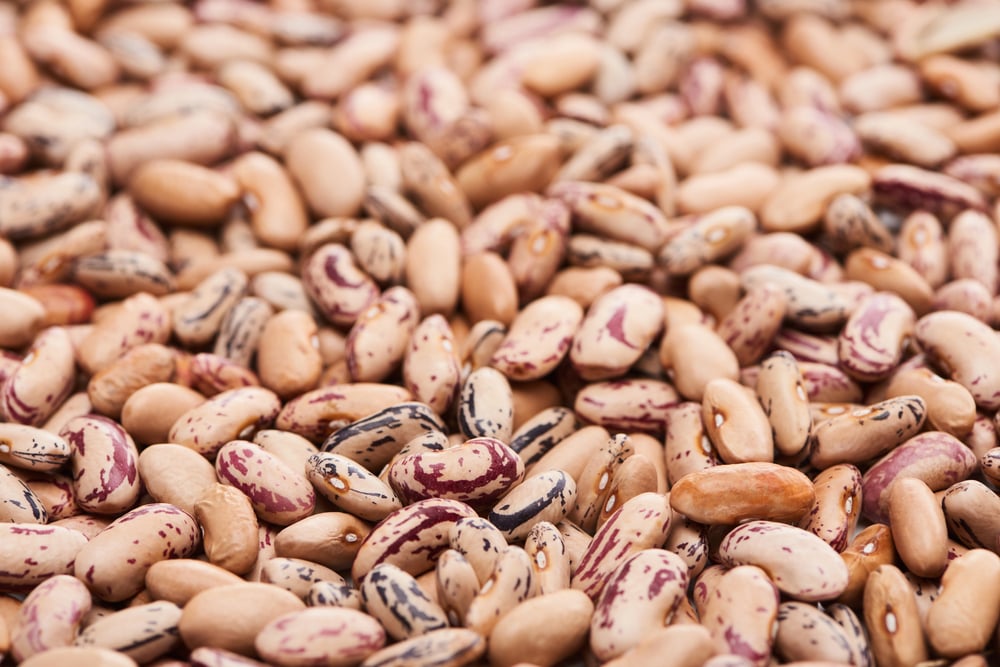
Ancient Greeks voted with beans — white for yes, black for no — and the process was meant to stay secret until the official count, but sometimes (whether by accident or on purpose, who really knows) someone would knock over the jar before the ceremony was complete, and all those carefully cast votes would scatter across the floor for everyone to see, which meant the results that were supposed to stay hidden were suddenly obvious to anyone standing nearby. So revealing a secret became spilling the beans.
And yet the phrase stuck long after bean-voting disappeared.
Bite the Bullet
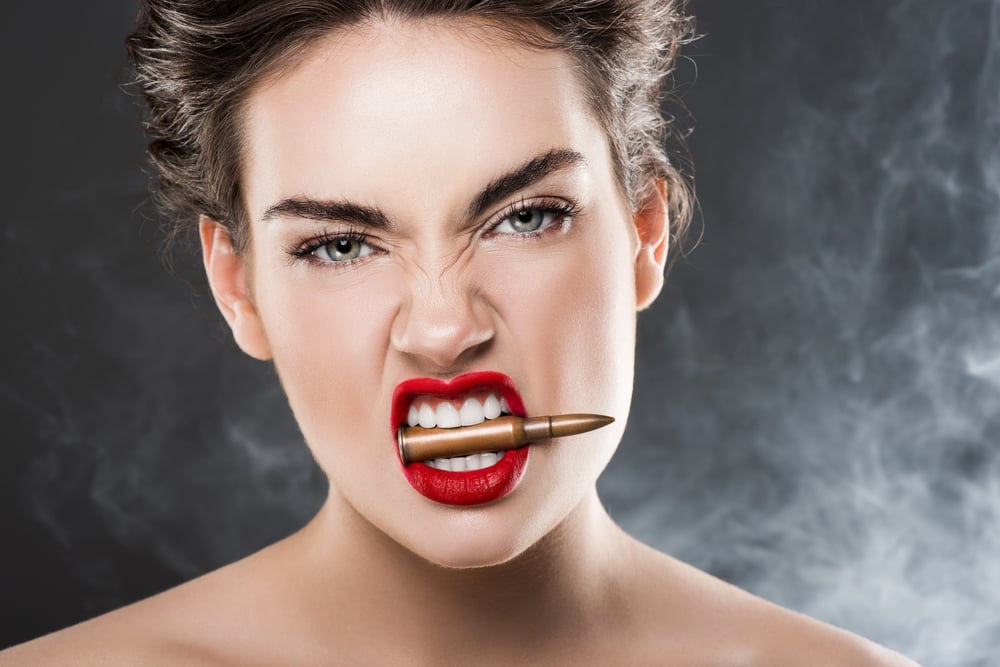
Surgery without anesthesia required something for patients to clench their teeth on. Bullets were hard enough and the right size.
Patients literally bit down on lead bullets during operations.
Rule of Thumb

Craftsmen use their thumbs for quick measurements — the width of an adult thumb is roughly one inch. The phrase has nothing to do with the false story about beating wives.
Just practical measuring that became a way to describe rough estimates.
Mad as a Hatter

Hat makers worked with mercury, which was used in felt processing, and prolonged exposure to mercury vapor does specific things to the human brain that aren’t pleasant to witness. The tremors came first — hands that couldn’t stay steady, speech that slurred at odd moments.
Then came the mood swings, the sudden rages, the conversations with people who weren’t there. It wasn’t madness in the dramatic sense people imagine.
More like watching someone’s personality slowly dissolve. The phrase caught on because hat makers were a visible trade, and their condition was unmistakable once you knew what to look for.
Cold Shoulder

Giving someone the cold shoulder started with medieval hospitality customs. Hot meals were served to welcome guests.
Leftover cold shoulder of mutton was given to unwanted visitors.
Barking Up the Wrong Tree

Hunting dogs would chase prey up trees and bark at the base to alert their owners. Sometimes the animal escaped while the dog kept barking at an empty tree.
The dog was literally barking up the wrong tree.
Don’t Throw the Baby Out with the Bathwater

Families shared bathwater in the Middle Ages, starting with the father, then other adults, then children, and finally babies, and by the time it was the baby’s turn, the water was so murky and dark that you could genuinely lose track of a small child in there, which meant that when someone finally went to dump out the dirty water, they had to be careful not to accidentally throw out the baby who might be hidden beneath all that grime and soap scum. The phrase became a warning about being too hasty when getting rid of something bad — you might accidentally discard something valuable in the process.
Even so, you have to wonder how often this actually happened.
Mind Your P’s and Q’s

This comes from taverns. Bartenders tracked drinks by marking P’s and Q’s on a slate — pints and quarts.
Customers needed to watch their tab carefully or risk being overcharged.
The Whole Nine Yards
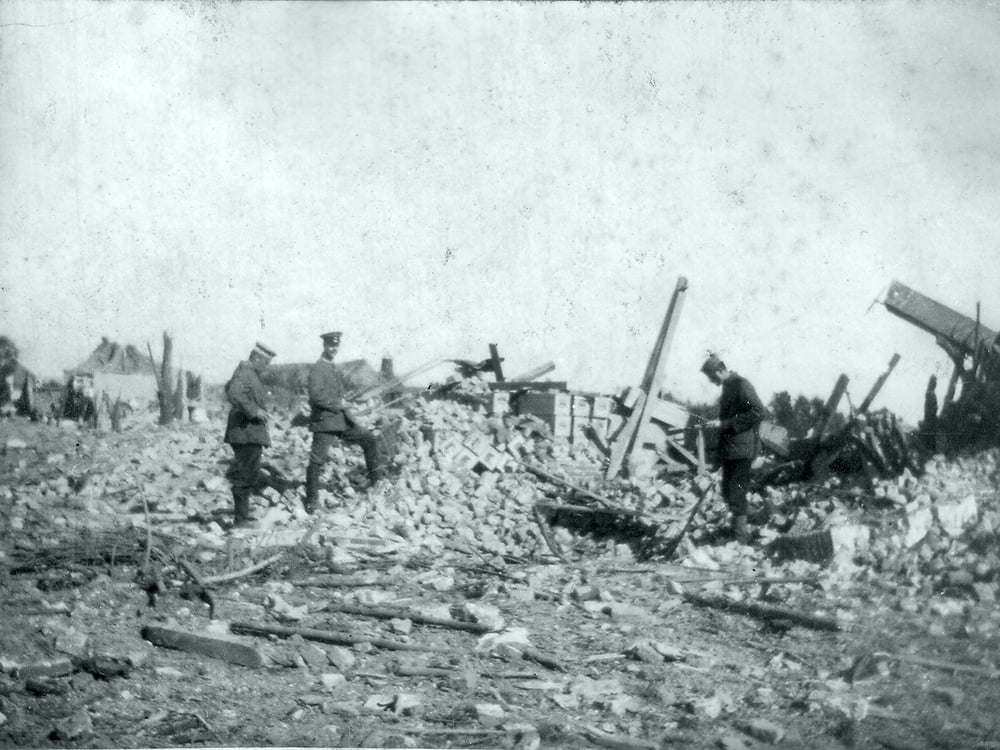
Fighter planes in World War II carried ammunition belts that measured exactly nine yards. When pilots used all their ammunition in an attack, they gave the enemy “the whole nine yards.”
Bury the Hatchet
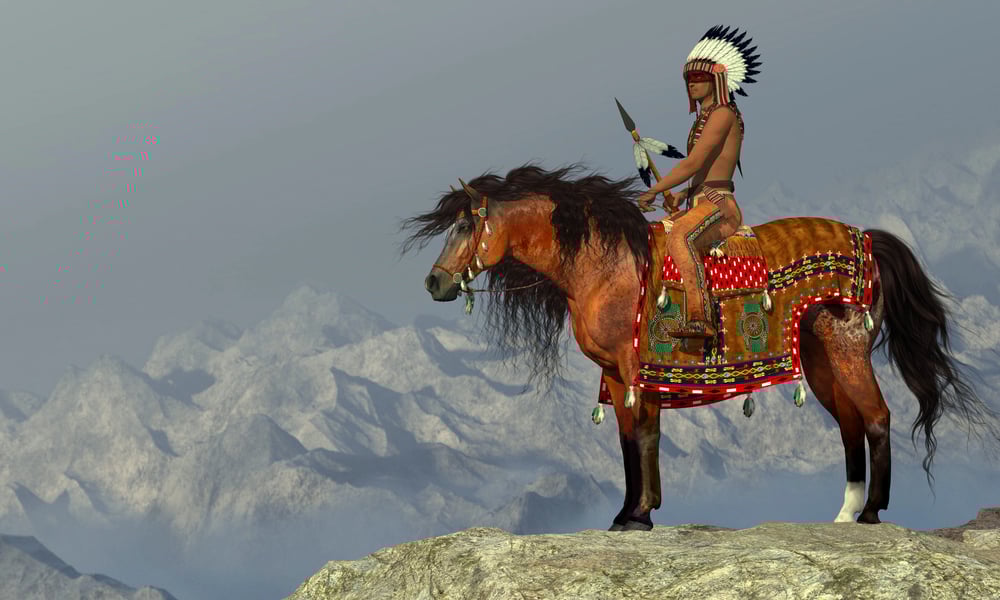
Peace ceremonies between Native American tribes involved literally burying weapons in the ground. The buried hatchet symbolized the end of conflict.
Europeans adopted the phrase when they learned about the custom.
Don’t Look a Gift Horse in the Mouth
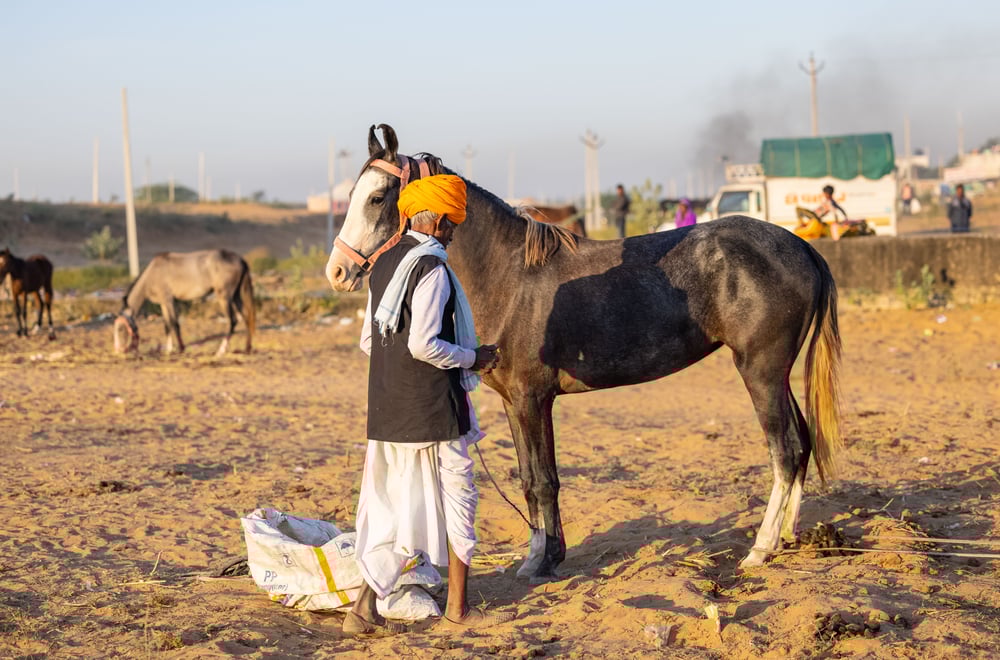
Horse traders check a horse’s teeth to determine its age and health — the condition of the teeth reveals everything about what you’re buying. But when someone gives you a horse as a gift, examining its teeth is considered rude.
You’re supposed to accept the generosity without questioning its value.
Saved by the Bell
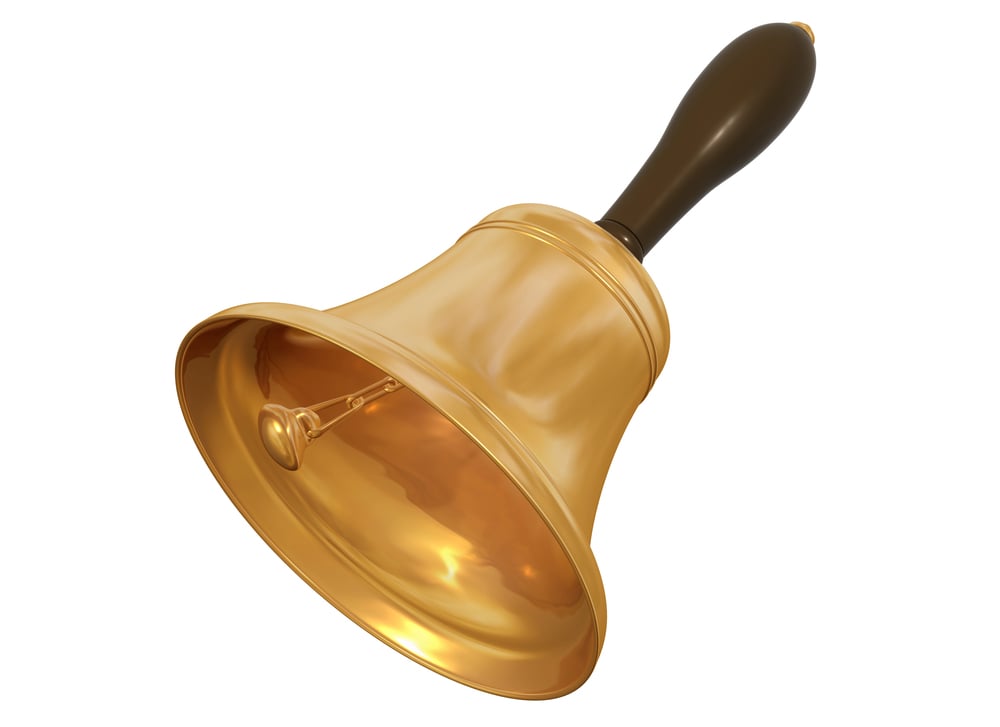
While the fear of being buried alive was real and safety coffins with bells were patented in the 19th century, there is no evidence anyone was ever actually saved by such devices. The phrase “saved by the bell” actually originated as boxing slang in the late 19th century, referring to a boxer being saved from defeat when the bell rang to end a round—not from being buried alive.
It’s Raining Cats and Dogs

The origin of this phrase is unknown. While one theory suggests it comes from dead animals being swept through streets during medieval storms, this explanation is unsubstantiated.
Other proposed origins include Norse mythology, an obsolete word meaning waterfall, or the phrase may simply have been used for its whimsical value. The phrase has appeared in written form since at least the 17th century, but its true source remains a mystery.
Cat Got Your Tongue
The true origin of this phrase is unknown. Popular theories claiming it comes from ancient punishments involving severed tongues fed to cats, or from the naval cat-o’-nine-tails whip, lack historical evidence to support them.
The phrase is surprisingly recent, appearing in written form no earlier than 1911, making these elaborate origin stories historically implausible.
Words That Traveled Through Time

These sayings survived because they captured something true about human experience, even when their original contexts disappeared completely. The medieval rope beds are gone, but people still need good sleep.
Mercury is banned from hat-making, but the phrase lives on because everyone recognizes that particular kind of irrational behavior. Language keeps what works and discards what doesn’t, which means every phrase in your daily vocabulary earned its place by being useful to thousands of people across hundreds of years.
More from Go2Tutors!

- The Romanov Crown Jewels and Their Tragic Fate
- 13 Historical Mysteries That Science Still Can’t Solve
- Famous Hoaxes That Fooled the World for Years
- 15 Child Stars with Tragic Adult Lives
- 16 Famous Jewelry Pieces in History
Like Go2Tutors’s content? Follow us on MSN.



