15 Regional Dishes That Confuse Outsiders
Food brings people together, though it can also leave visitors completely baffled. Each region develops culinary traditions using local ingredients in ways that seem logical to residents but utterly mystifying to everyone else.
These dishes carry stories of resourcefulness, cultural mixing, and sometimes pure stubbornness when it comes to cooking conventions. Here’s a list of 15 regional dishes that consistently perplex people from other places.
Rocky Mountain Oysters
The name suggests seafood, yet these Colorado specialties contain nothing from the ocean and originate at much higher elevations. Deep-fried bull calf parts get served with cocktail sauce — a testament to frontier creativity and the ranching philosophy of wasting absolutely nothing.
Visitors often enjoy several bites before someone explains what they’re actually consuming.
Pineapple Pizza

Hawaii’s contribution to pizza culture splits food lovers into warring factions worldwide. Sweet pineapple paired with savory cheese and ham strikes traditionalists as complete culinary blasphemy.
Millions defend this tropical innovation though, proving controversial dishes often become the most cherished ones.
Haggis

Scotland’s national dish stuffs sheep’s heart, liver, and lungs into the animal’s stomach lining along with oats and seasonings. The preparation sounds positively medieval to contemporary sensibilities — yet the result delivers surprising heartiness and robust flavor.
Cautious tourists frequently leave as enthusiastic converts to its rustic appeal.
Lutefisk

Midwest Norwegian-Americans maintain this traditional fish preparation despite soaking cod in lye for weeks. The process creates something gelatinous and translucent that literally bounces when dropped.
Even Norwegians find it curious that their American descendants remain so devoted to this particular ancestral custom.
Fernet-Branca

Argentina’s fascination with this bitter Italian digestif puzzles visitors expecting smoother drinks from a wine-centric nation. Buenos Aires locals mix it with Coca-Cola and consume it constantly — while tourists struggle finishing a single taste.
This herb-heavy liqueur has become so culturally embedded that bartenders stock it like any domestic spirit.
Vegemite

Australia’s breakfast staple tastes exactly like concentrated yeast extract because that’s precisely what it contains. The dark, intensely salty paste represents pure comfort food to Australians — though international visitors often recoil after one taste.
Success requires applying just a thin layer rather than spreading it thick like peanut butter.
Jellied Eels

London’s East End continues serving this working-class tradition of eels suspended in their own cooking liquid. The wobbly, aspic-like consistency and pronounced fishy taste challenge even adventurous diners from elsewhere.
Traditional pie and mash shops maintain the custom — despite waning popularity among younger generations.
Scrapple
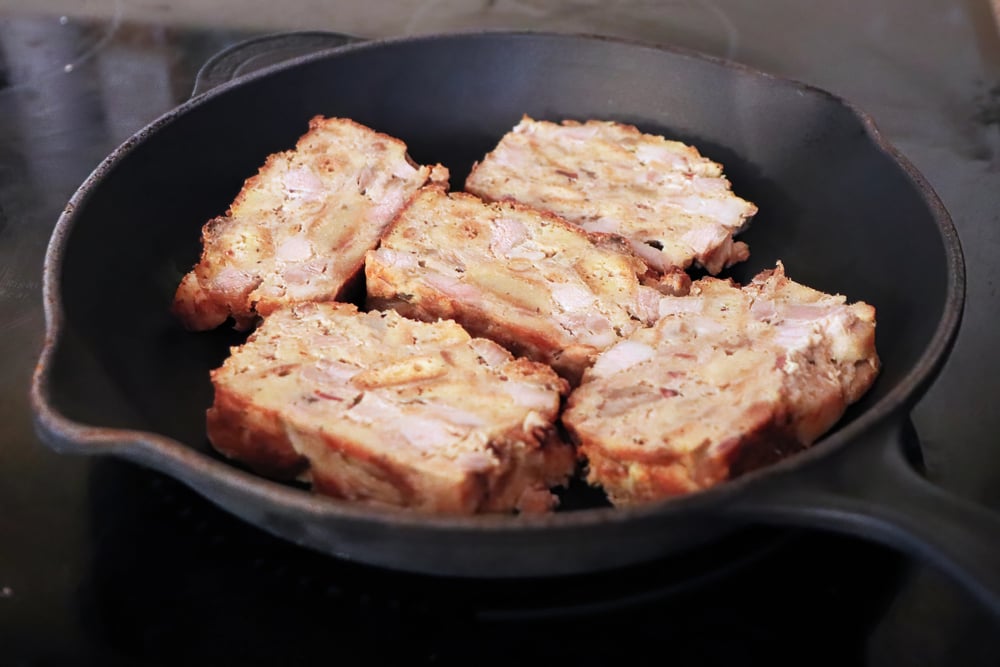
Pennsylvania Dutch territory produces this loaf combining pork scraps, cornmeal, and spices that get sliced and fried for breakfast. The name alone hints at humble origins — though locals defend it passionately against outside criticism.
It embodies the practical German immigrant philosophy of utilizing every single part of the animal.
Century Eggs

Chinese preservation techniques transform regular eggs over weeks or months using clay, ash, and lime until yolks become creamy and dark green. This process develops complex, cheese-like flavors that refined palates appreciate — but the appearance often stops newcomers immediately.
They’re genuinely considered delicacies despite resembling something from a nightmare.
Marmite

Britain’s yeast-based spread provokes equally intense reactions with its distinctive brown appearance and overwhelming saltiness. The manufacturer’s advertising openly acknowledges that people either adore it or despise it — very few remain neutral.
New Zealand produces a slightly different version that locals insist tastes far superior to the British original.
Head Cheese

This European-American creation involves cooking an entire pig’s head until meat separates, then setting everything in gelatin. Despite containing zero actual cheese, the name confuses anyone expecting dairy products.
German and Polish communities especially embrace this economical approach to using parts that other cultures typically waste.
Chitlins
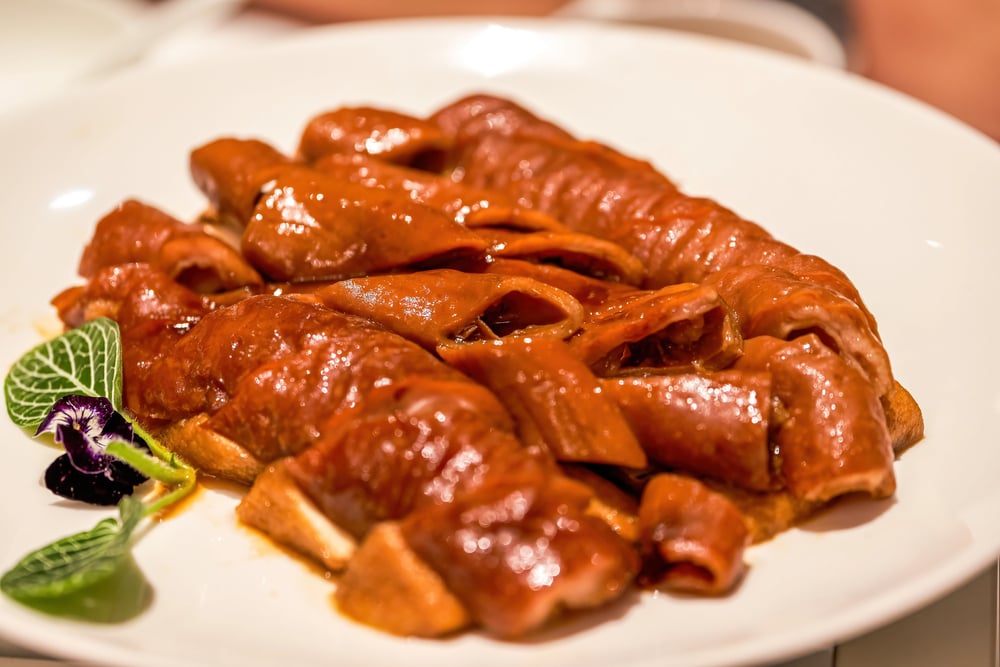
Southern tradition includes these cleaned and cooked pig intestines that demand extensive preparation plus careful cooking techniques. The aroma during preparation can overwhelm entire kitchens, but devoted enthusiasts insist proper seasoning creates culinary magic.
Many African American families preserve specific preparation methods across generations despite the labor-intensive requirements.
Surströmming

Sweden produces this fermented herring that many consider the planet’s most pungent food item. The odor can empty entire buildings, leading to strict outdoor consumption guidelines and airline transportation prohibitions.
Even native Swedes approach it carefully, typically accompanied by strong alcohol and traditional side dishes.
Geoduck

Pacific Northwest communities treasure these massive clams despite their unfortunate appearance and challenging pronunciation. The elongated, trunk-like siphon extends from shells weighing several pounds each.
Asian culinary traditions embrace them wholeheartedly, while many Americans remain suspicious of anything appearing so anatomically peculiar.
Biscuits and Gravy

Southern breakfast culture combines fluffy buttermilk biscuits with creamy sausage gravy that mystifies visitors from other areas. This substantial, carbohydrate-heavy meal seems designed for physical laborers rather than modern desk workers.
Northern visitors often struggle with both the concept and execution, sparking heated regional breakfast arguments.
The Global Table Continues Expanding

Regional cuisine reflects humanity’s beautiful cultural complexity, where comfort food for some becomes curiosity for others. These dishes persist because they connect communities to history, local ingredients, and cultural identity in ways transcending basic nutrition.
While travel increases and food cultures blend, distinctive regional specialties remind us that the most fascinating flavors frequently emerge from the most unexpected sources.
More from Go2Tutors!

- The Romanov Crown Jewels and Their Tragic Fate
- 13 Historical Mysteries That Science Still Can’t Solve
- Famous Hoaxes That Fooled the World for Years
- 15 Child Stars with Tragic Adult Lives
- 16 Famous Jewelry Pieces in History
Like Go2Tutors’s content? Follow us on MSN.