15 Healing Broths of Every Culture and Their Main Ingredients
When winter arrives and the first cold snap hits, something ancient kicks in. The body craves warmth that goes deeper than surface heat—the kind that settles into bones and stays there.
Every culture on earth figured this out thousands of years ago, each developing their own liquid medicine cabinet disguised as dinner. These aren’t just soups.
They’re comfort, grandmother’s wisdom, and nourishment all simmered into one bowl.
Chicken Soup
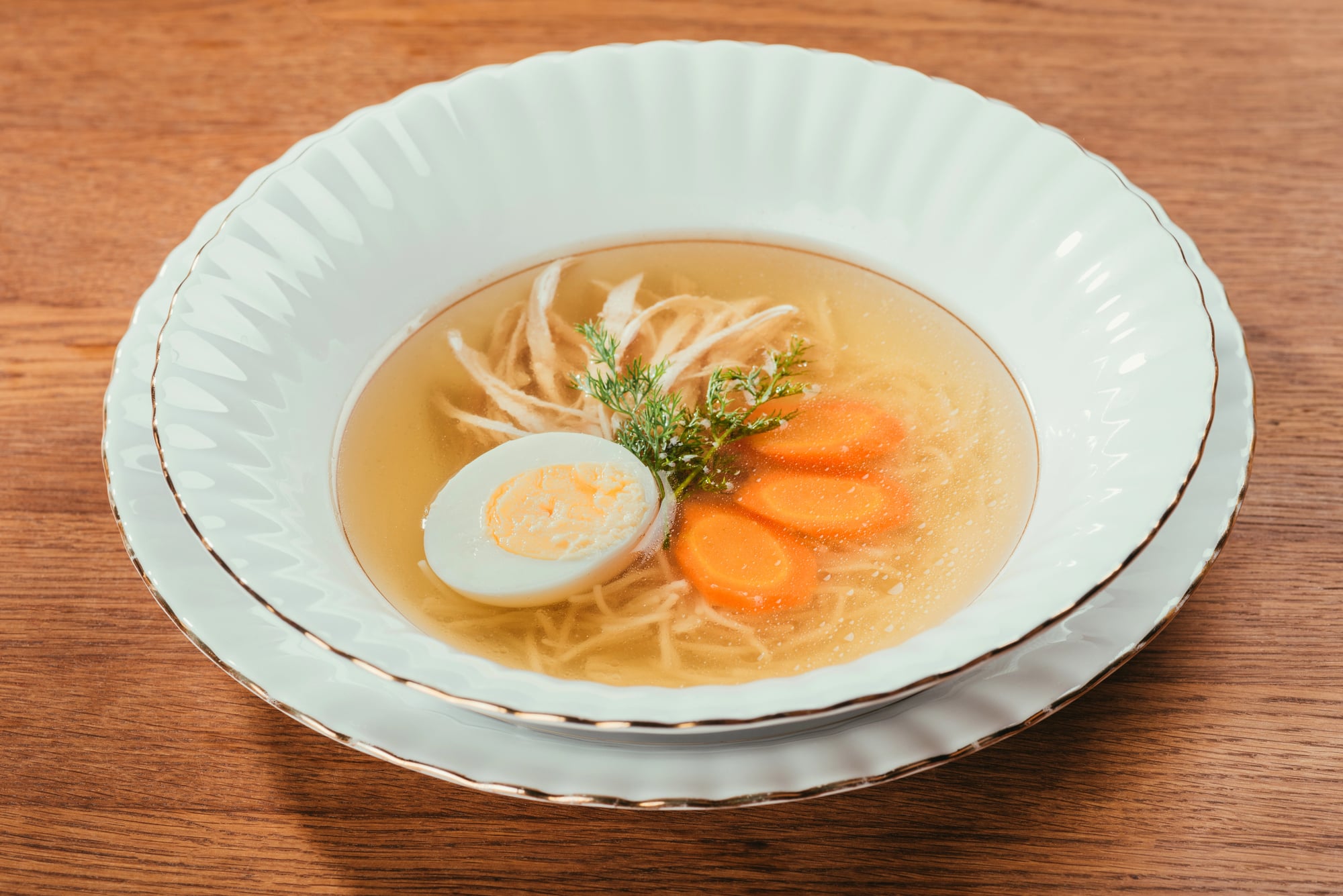
Jewish penicillin has been used traditionally for generations. The magic lives in the marrow-rich bones simmered for hours, releasing collagen and minerals.
Carrots, celery, onions, and fresh dill complete the formula, but the real benefit comes from the slow cooking process that breaks down cartilage into gelatin. Your grandmother understood the value of this one.
Bone Broth
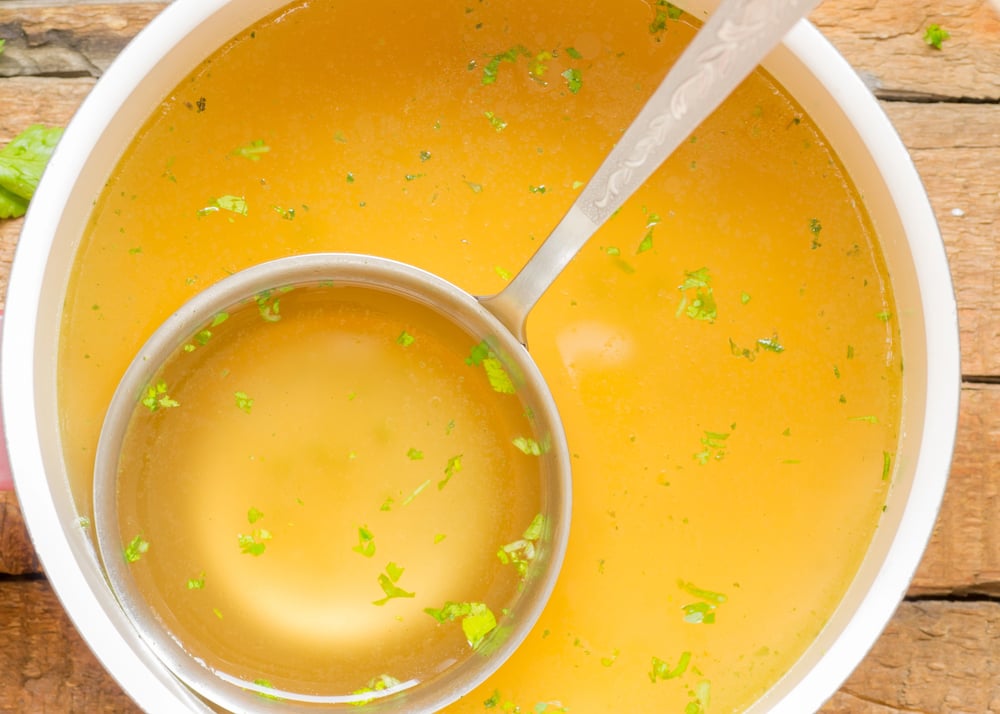
Traditional cultures never forgot what the paleo crowd later rediscovered. Beef, chicken, or pork bones get roasted first, then simmered with apple cider vinegar to extract calcium, magnesium, and phosphorus.
The collagen released is believed by some to help with joint health, though clinical evidence remains limited on this specific claim.
Miso Soup
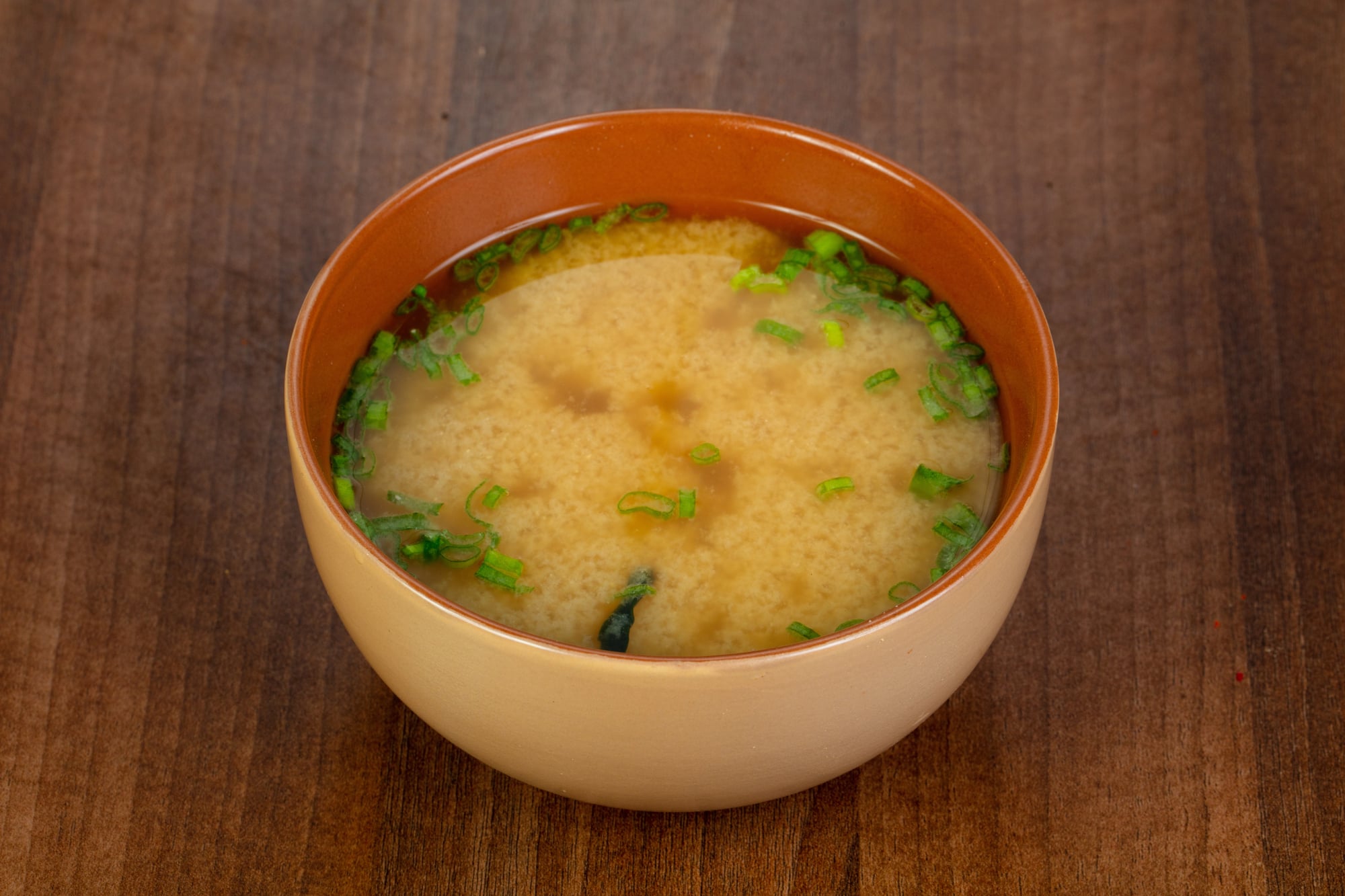
Fermented soybean paste holds compounds that scientists continue studying. The miso itself—aged anywhere from months to years—creates a complex ecosystem of beneficial bacteria that supports digestive health.
Add kombu seaweed for iodine, tofu for protein, and scallions for a sharp bite. The base is everything, and good miso tastes like the ocean met the earth and decided to stick around.
Pho
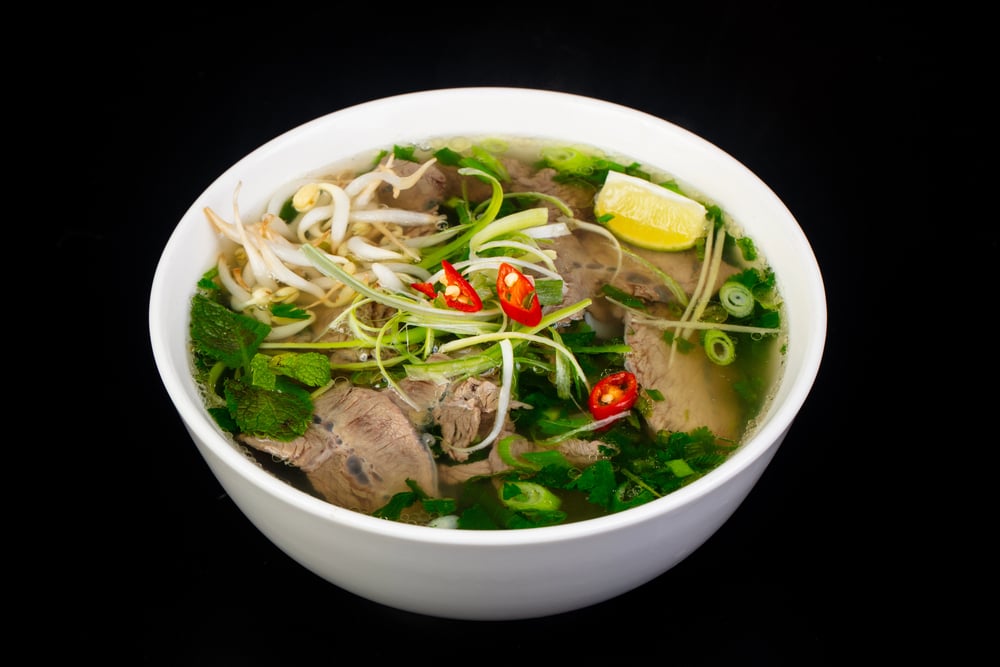
Vietnamese pho operates like liquid architecture, each component serving a purpose in the dish. Star anise, cinnamon, and cardamom pods simmer with beef bones for 12 hours minimum, creating a broth so aromatic it clears sinuses before the first sip.
Fresh herbs—cilantro, Thai basil, mint—arrive tableside because their volatile oils lose potency when cooked, and the Vietnamese understand that fresh ingredients deliver maximum nutritional value.
This combination provides comfort: the long cooking extracts minerals from those bones while the spices add warmth and flavor. Rice noodles make it substantial without being heavy.
The lime wedge provides vitamin C and citric acid that aids iron absorption from the beef.
Tom Kha Gai
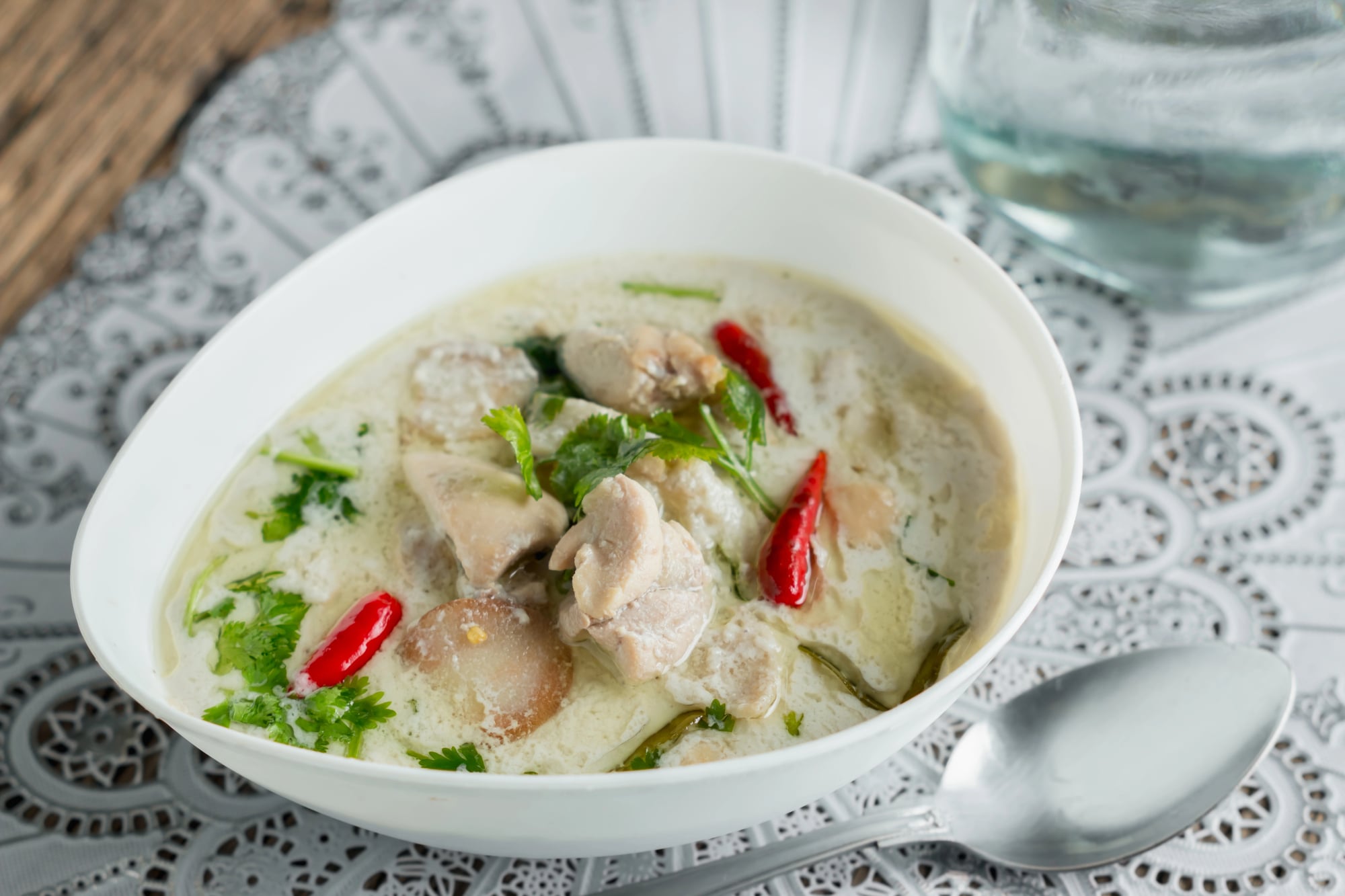
Thai coconut chicken soup contains ingredients traditionally believed to support health. Galangal root (not ginger, though they’re cousins) has been used traditionally for inflammation.
Lemongrass contains citral, which has documented antimicrobial properties, while kaffir lime leaves add aromatic oils. The coconut milk contains medium-chain fatty acids that the body processes differently than other fats.
Fish sauce and Thai chilies round out the ingredient list. The heat from the chilies may trigger endorphin release while capsaicin is believed to help clear congestion.
This isn’t fusion cooking—it’s traditional preparation that happens to taste incredible.
Congee
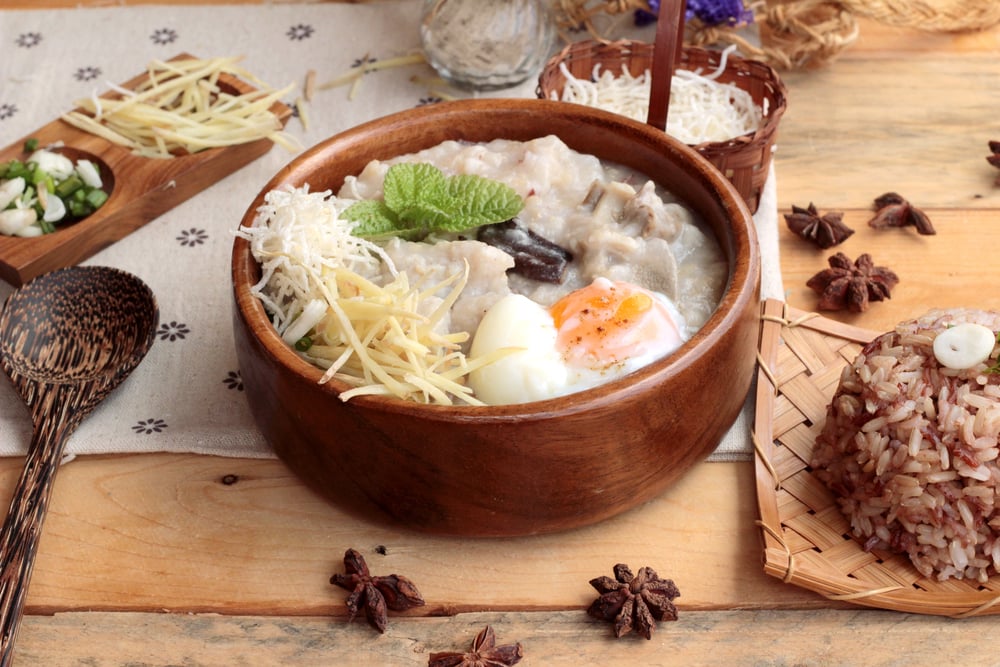
Rice porridge becomes easily digestible through patient cooking. The grains cook until they surrender completely, breaking down into a smooth base that’s gentle on sensitive digestive systems.
Traditional practitioners have long prescribed specific versions: ginger congee for nausea relief, goji berry congee for added nutrition, century egg congee for protein when solid food feels difficult.
The beauty lives in its adaptability. A sick stomach receives plain congee with minimal salt.
Recovery phases add shredded chicken or fish. The rice itself provides steady energy without shocking a compromised system.
Avgolemono
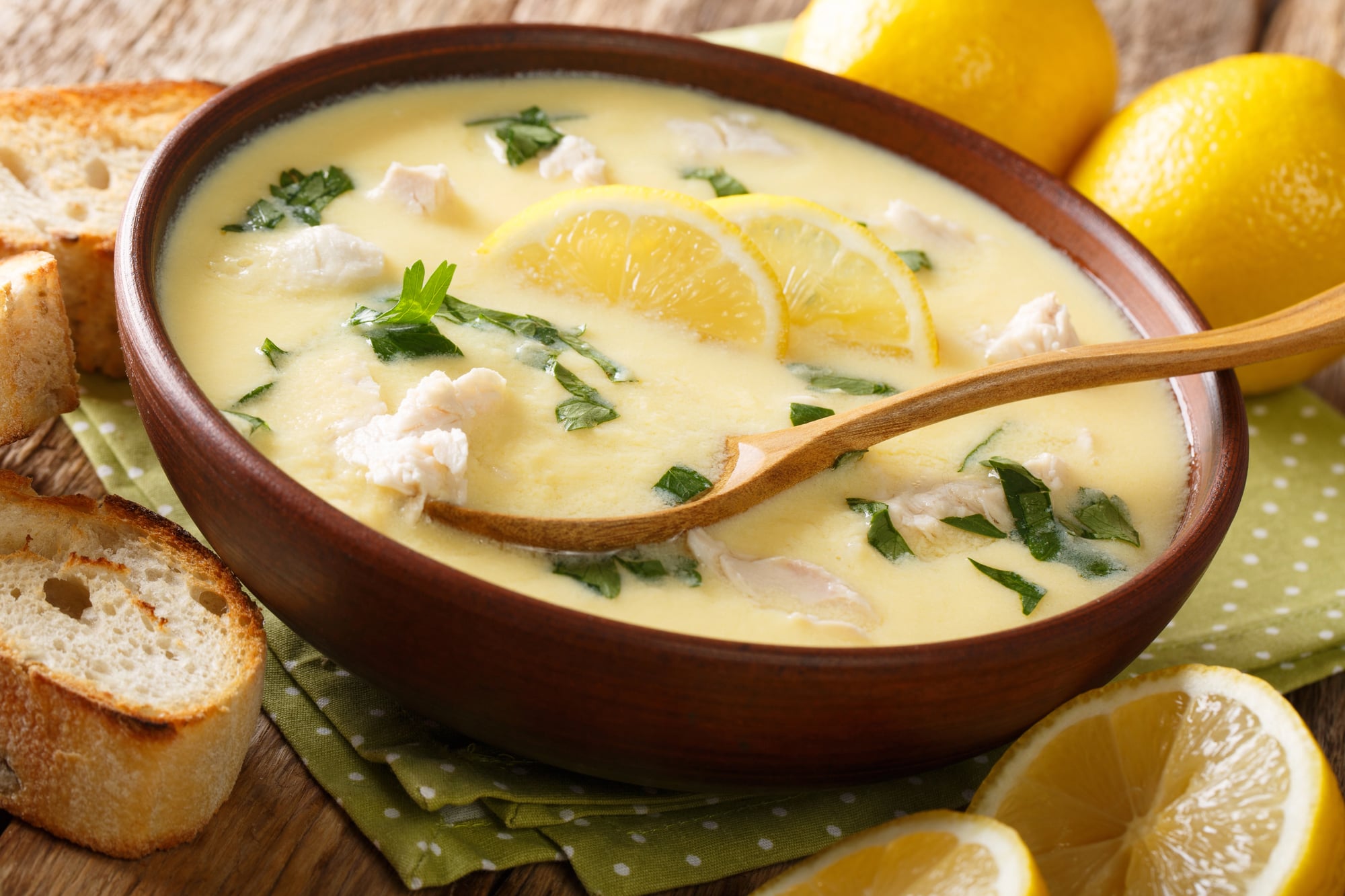
Greek egg-lemon soup achieves something remarkable: it tastes bright and creamy without using dairy. Chicken broth gets thickened with eggs tempered slowly to prevent curdling, then finished with fresh lemon juice that provides vitamin C.
Rice or orzo adds substance, but the magic happens in that careful temperature control that transforms raw eggs into silk. Lemon aids iron absorption and provides citrus bioflavonoids.
The eggs contribute complete protein and B vitamins. Simple ingredients combined with careful technique—and the Greeks knew what they were doing.
Samgyetang
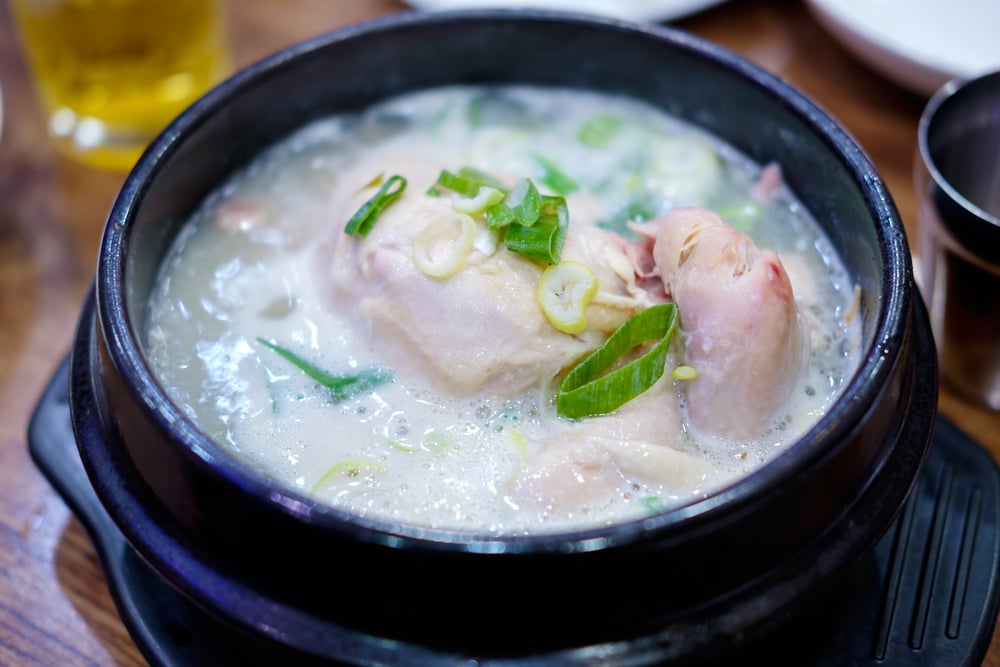
Korean ginseng chicken soup is taken seriously in traditional preparation. A whole young chicken gets stuffed with glutinous rice, jujube dates, garlic, and ginseng root, then simmered until the meat falls off the bone.
Ginseng has been used traditionally as an adaptogen believed to help manage stress and fatigue, though clinical evidence remains limited. Traditionally eaten during the hottest days of summer—the cultural logic being that internal warmth supports the body’s balance.
The glutinous rice breaks down completely, thickening the broth while adding complex carbohydrates for sustained energy. Jujube dates contribute natural sweetness and vitamins.
This is food prepared with intention and tradition.
Caldo de Pollo
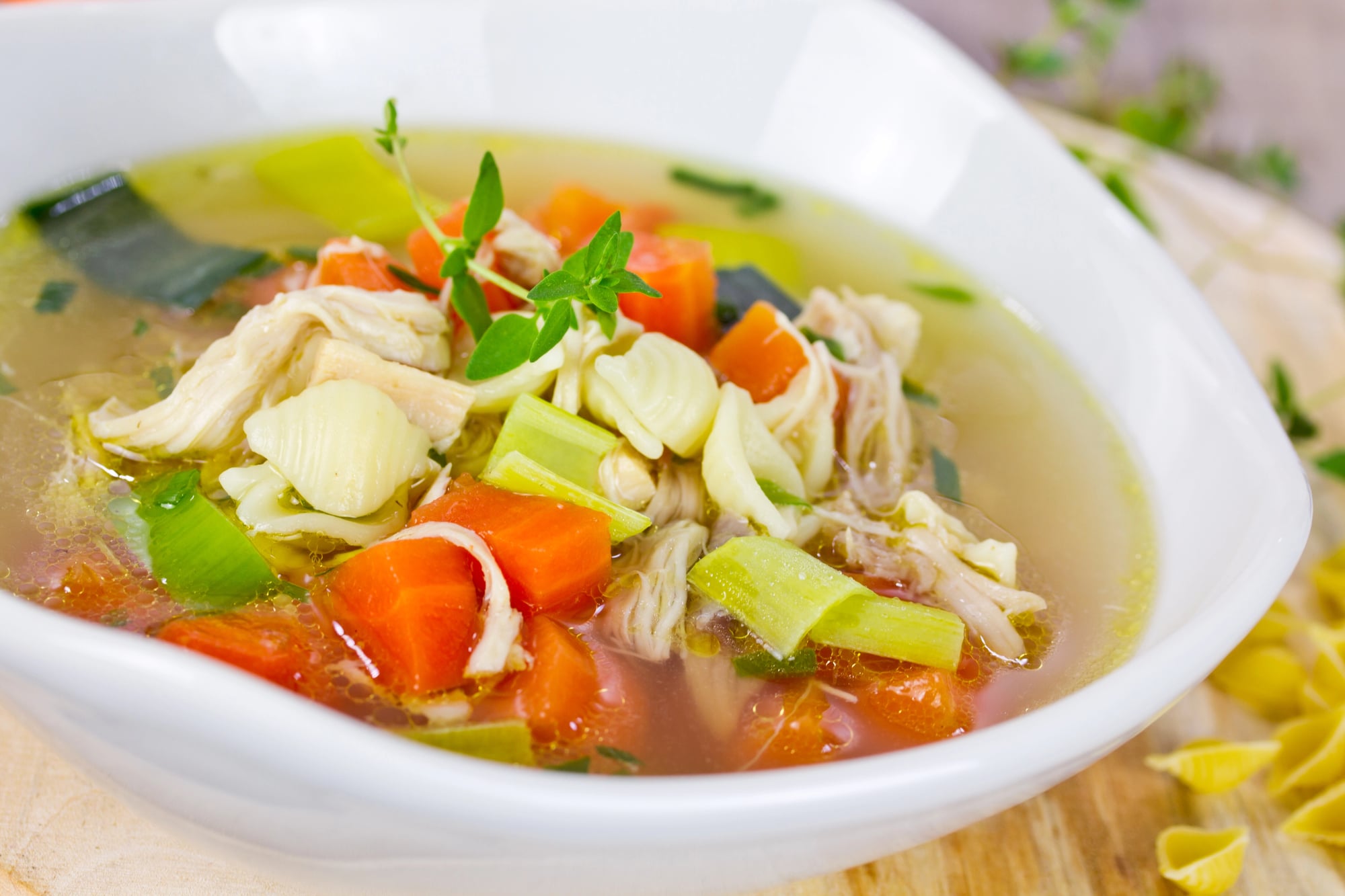
Mexican chicken soup extends beyond the basic formula. Whole chicken pieces simmer with white onion, garlic, and cilantro stems (not the leaves—those come later).
Vegetables arrive in order of cooking time: carrots first, then zucchini, finally cabbage that wilts just enough to stay slightly crunchy. The broth gets its character from charred vegetables—onions and tomatoes get blackened over open flame before joining the pot.
Lime juice, chopped cilantro, and diced onion arrive at the table because freshness matters. The char adds smoky depth while the fresh garnishes provide vitamin C and bright flavors that enliven tired taste buds.
Rice or noodles make it substantial, but the vegetables and herbs contribute nutritional value.
Stracciatella
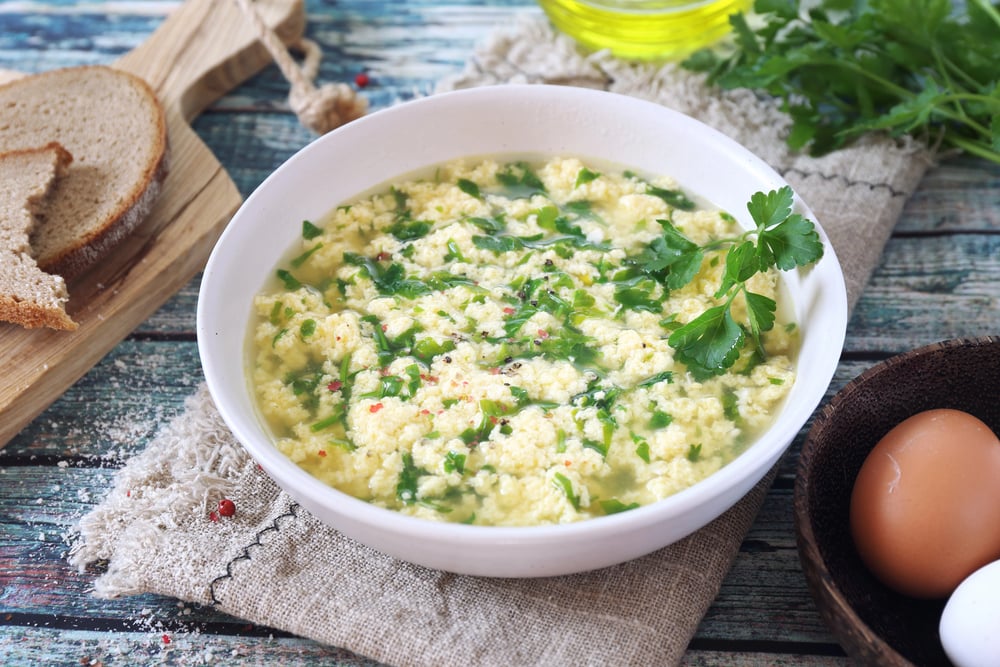
Italian egg drop soup proves that simple doesn’t mean basic. Parmesan gets whisked into beaten eggs, then slowly drizzled into simmering chicken broth while stirring constantly.
The result looks like torn rags—stracciatella means “little rags”—but tastes like liquid comfort. The cheese adds calcium and umami depth, while the eggs provide complete protein in easily digestible form.
Fresh parsley and a crack of black pepper finish it, but the technique creates the magic. Too fast and the eggs scramble.
Too slow and they don’t set properly. Italian grandmothers get this right every time, and their technique has been perfected over generations.
Canja de Galinha
DepositPhotos
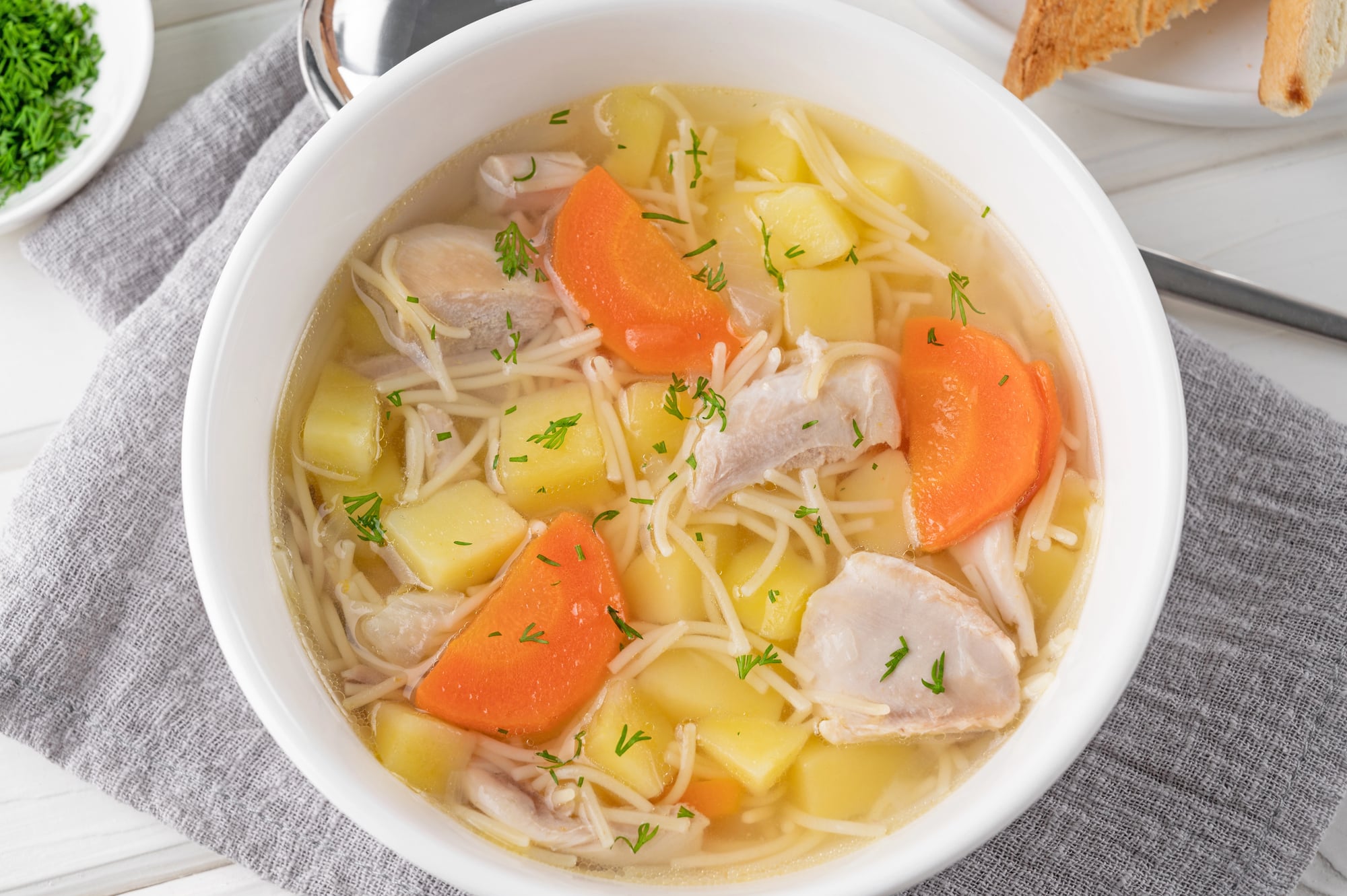
Portuguese chicken rice soup operates on the principle that simple flavors are appropriate during recovery. Chicken pieces simmer gently with rice until both break down into creamy comfort.
Lemon juice brightens the final bowl, while fresh parsley adds color and nutrients. The rice cooks until it becomes almost porridge-like, creating a texture that’s easy to consume when appetite is fragile.
The Portuguese add one crucial element: time. Nothing gets rushed.
The chicken releases its gelatin slowly, the rice breaks down gradually, and the final result tastes like someone cared enough to wait. That matters more than exotic ingredients.
Rasam
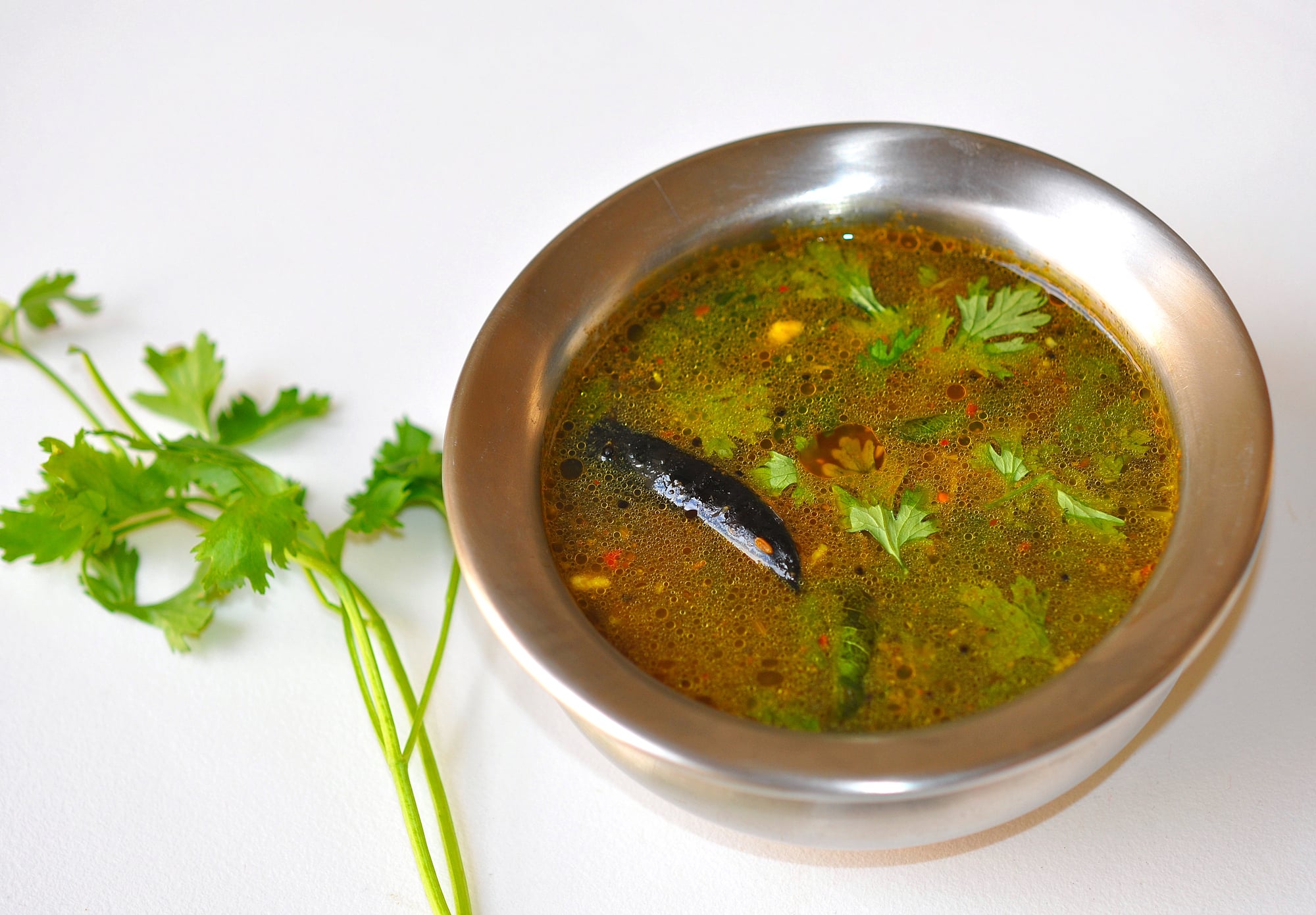
South Indian rasam operates as a flavorful soup course with traditional uses. Tamarind provides the sour base, balanced by jaggery’s sweetness and tempered with mustard seeds, curry leaves, and hing (asafoetida).
The spice blend—coriander, cumin, black pepper, and turmeric—creates warmth and flavor believed traditionally to support digestive health. Tomatoes add lycopene and fresh flavor, while the curry leaves provide compounds that have been studied for blood sugar support, though evidence remains limited.
The tempering process matters: spices get bloomed in hot oil to release their essential oils before joining the tamarind base. This isn’t just flavoring—it’s a traditional technique meant to activate the full potential of the ingredients.
Caldo Verde
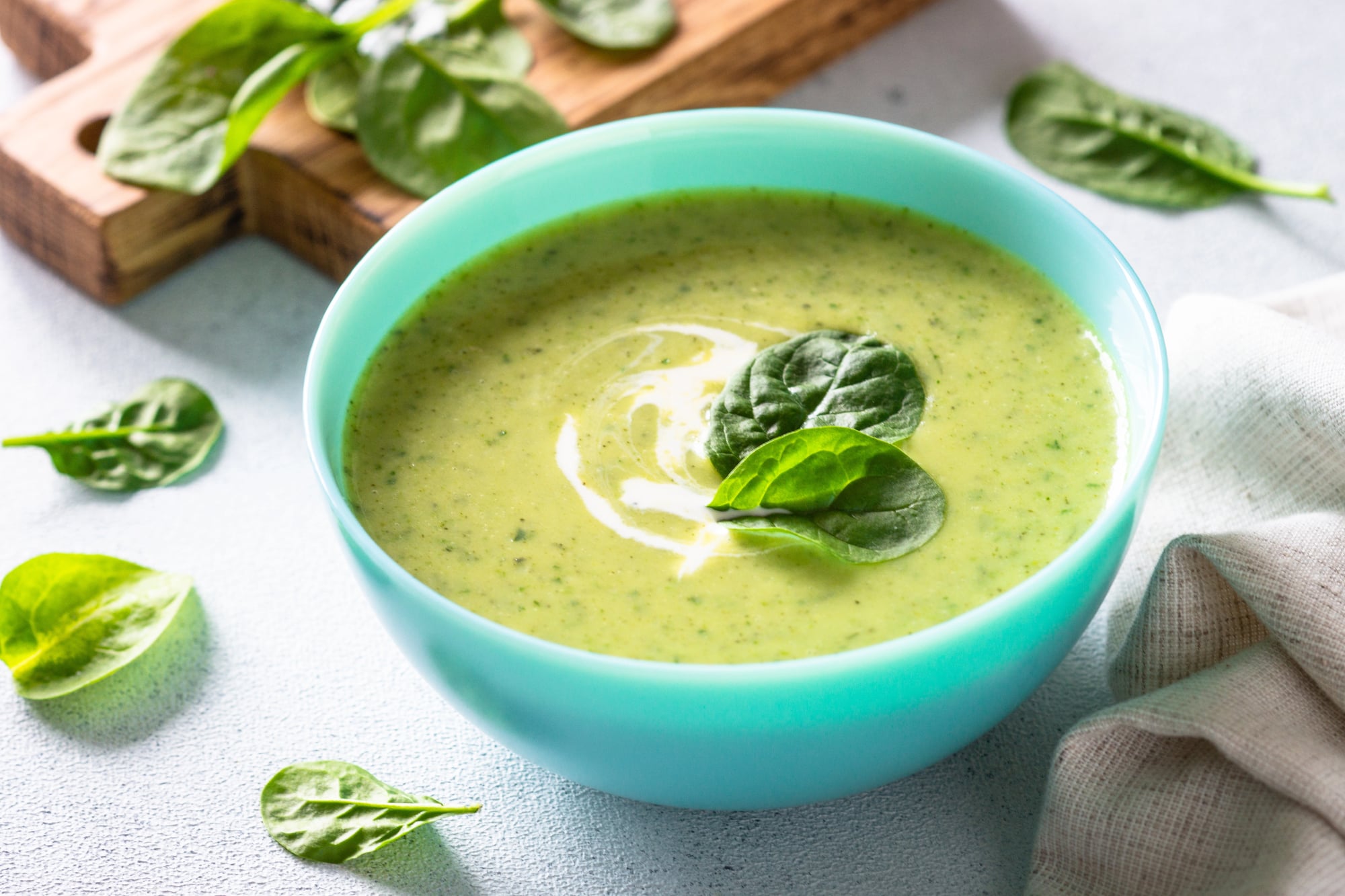
Portuguese kale soup builds comfort from humble ingredients. Potatoes get mashed directly in the pot to thicken the broth, while finely shredded kale (collard greens work too) wilts in the final minutes.
Chouriço adds smoky depth and protein, while the vegetables provide substantial nutrition. Kale provides vitamins A, C, and K, plus calcium and iron.
The technique creates the magic: olive oil gets heated until fragrant, garlic gets sautéed until golden, then everything else builds from there. The potatoes break down just enough to cloud the broth without becoming completely smooth.
Simple, satisfying, and exactly what the body benefits from when it’s tired.
Egg Drop Soup
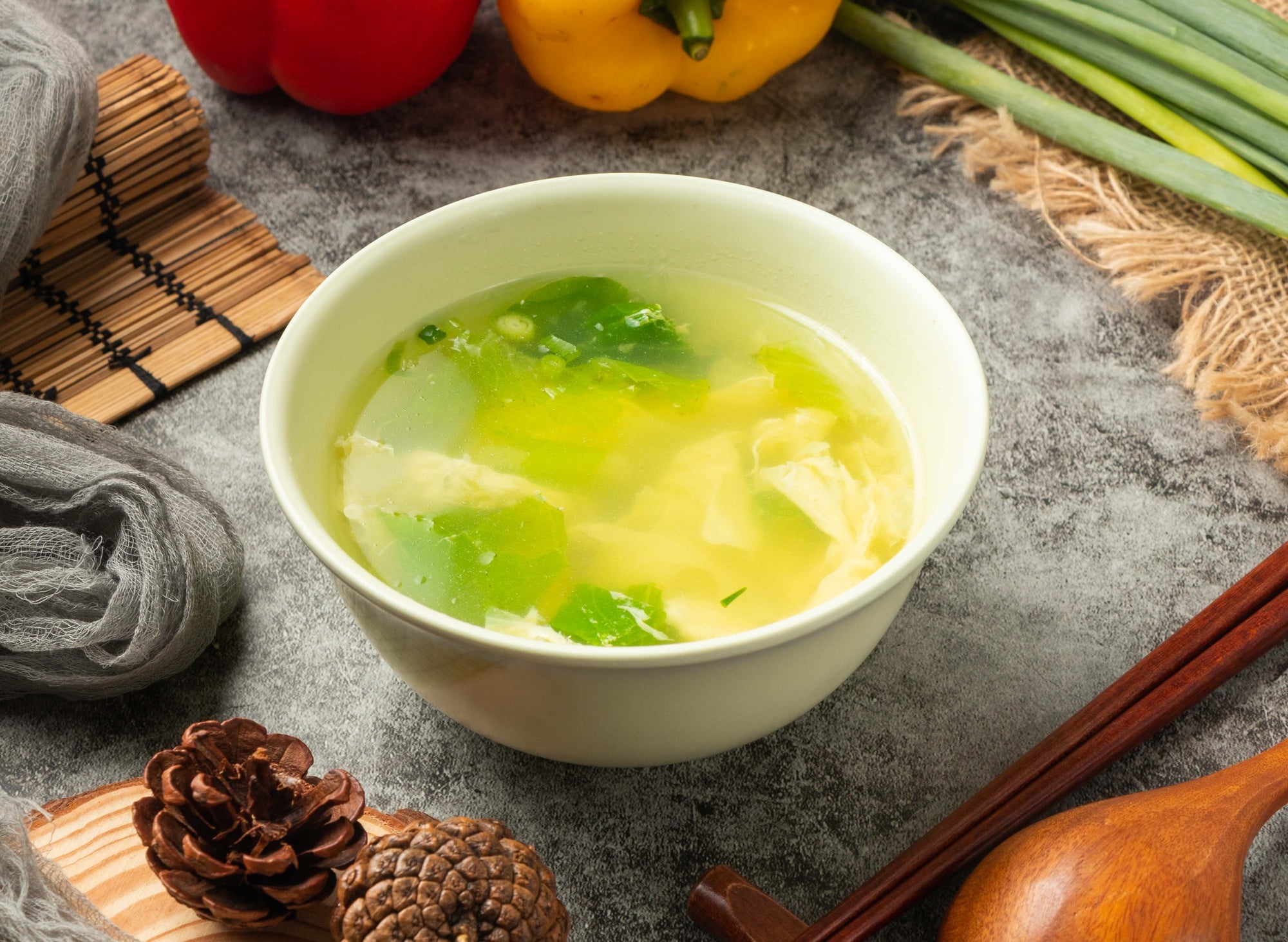
Chinese egg flower soup achieves elegance through restraint. Chicken stock gets seasoned with white pepper and a touch of sesame oil, then thickened slightly with cornstarch slurry.
Beaten eggs get drizzled in while stirring to create silky ribbons that cook instantly. Scallions add color and mild onion flavor, but the eggs remain the star.
The white pepper isn’t accidental—it provides different warmth than black pepper, gentle enough for recovering taste buds. The sesame oil adds healthy fats and nutty flavor that makes the simple broth feel complete.
This is comfort food that’s simple without trying too hard.
Sancocho
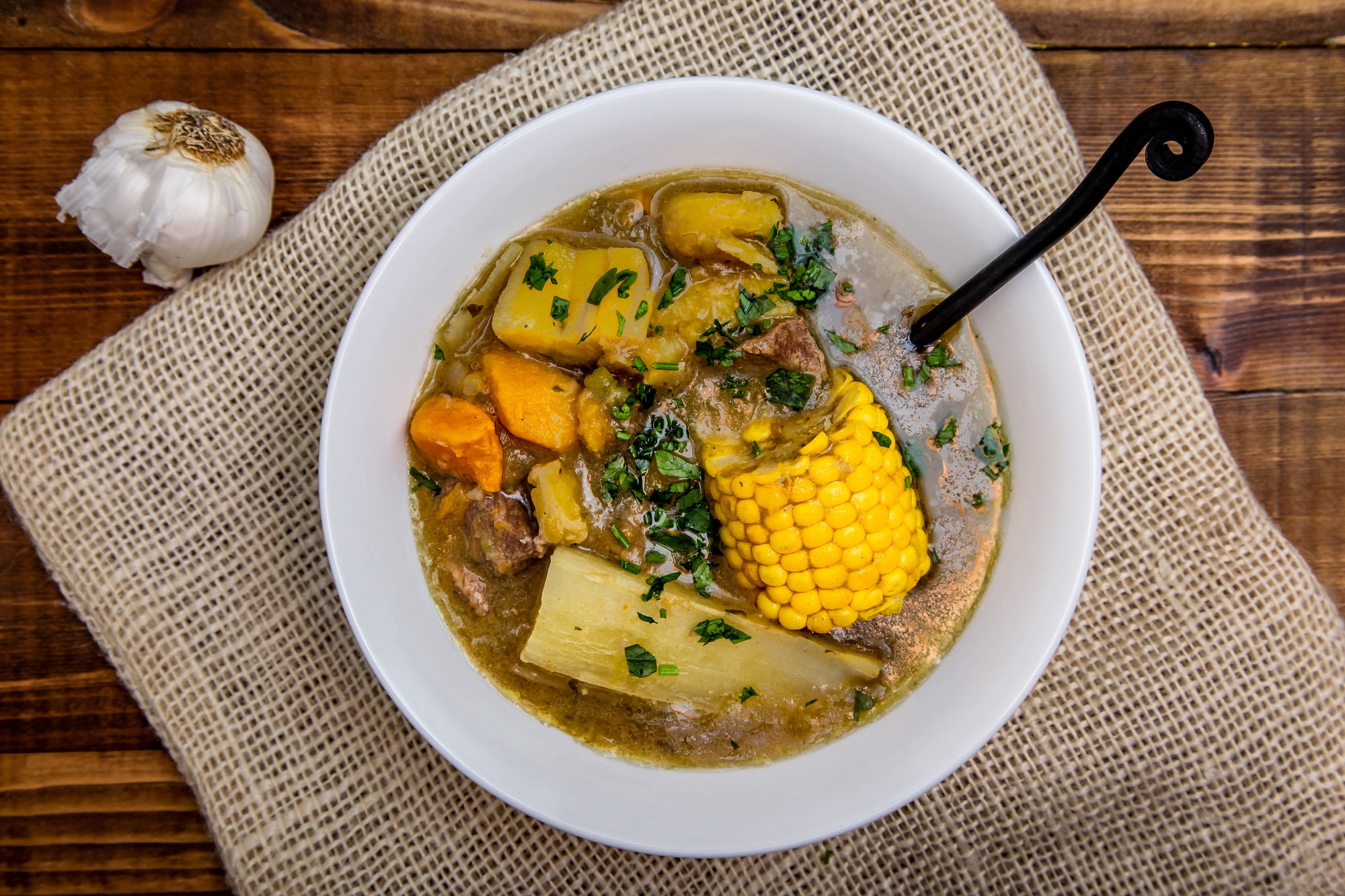
Dominican sancocho represents practical flexibility in soup form. Root vegetables—yuca, taro, plantain, pumpkin—simmer with multiple meats until everything surrenders to tenderness.
Cilantro, oregano, and garlic provide the flavor foundation, while the long cooking time melds everything into hearty comfort. The root vegetables provide complex carbohydrates and minerals, while the herbs add vitamins and nutrients.
The beauty lives in its flexibility: whatever vegetables are available, whatever meat needs using, everything contributes to the final result.
This is nourishing food born from practicality and perfected through generations.
The Kitchen as Source of Nourishment
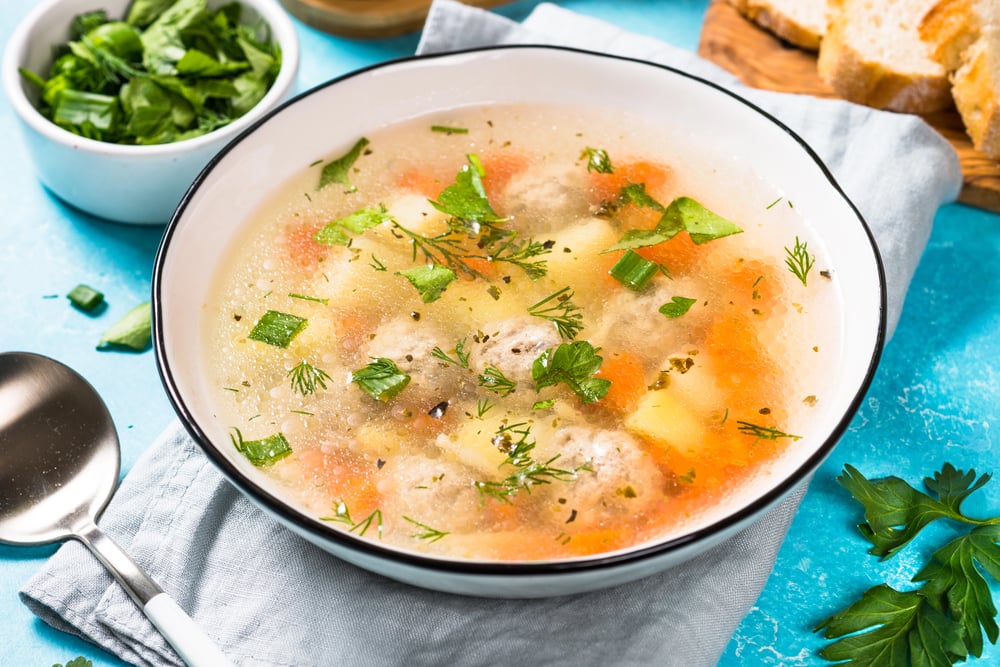
These broths represent something traditional cultures understood deeply: the value of slow-cooked, nutrient-rich food. While modern medicine has its place, these traditional preparations offer real nourishment through documented nutrients and time-tested combinations.
Not every healing requires a prescription—sometimes it just requires patience, good ingredients, and the wisdom to trust what generations of cooks knew all along: that the right soup at the right time provides genuine nourishment.
More from Go2Tutors!

- The Romanov Crown Jewels and Their Tragic Fate
- 13 Historical Mysteries That Science Still Can’t Solve
- Famous Hoaxes That Fooled the World for Years
- 15 Child Stars with Tragic Adult Lives
- 16 Famous Jewelry Pieces in History
Like Go2Tutors’s content? Follow us on MSN.



