Books Made from Unusual Materials
Books don’t always come bound in leather or printed on paper. Throughout history, people have written on whatever materials they could find or afford.
Some of these choices were practical. Others were ceremonial or artistic.
The result is a fascinating collection of reading materials that challenge what you think a book can be.
Stone and Clay Tablets
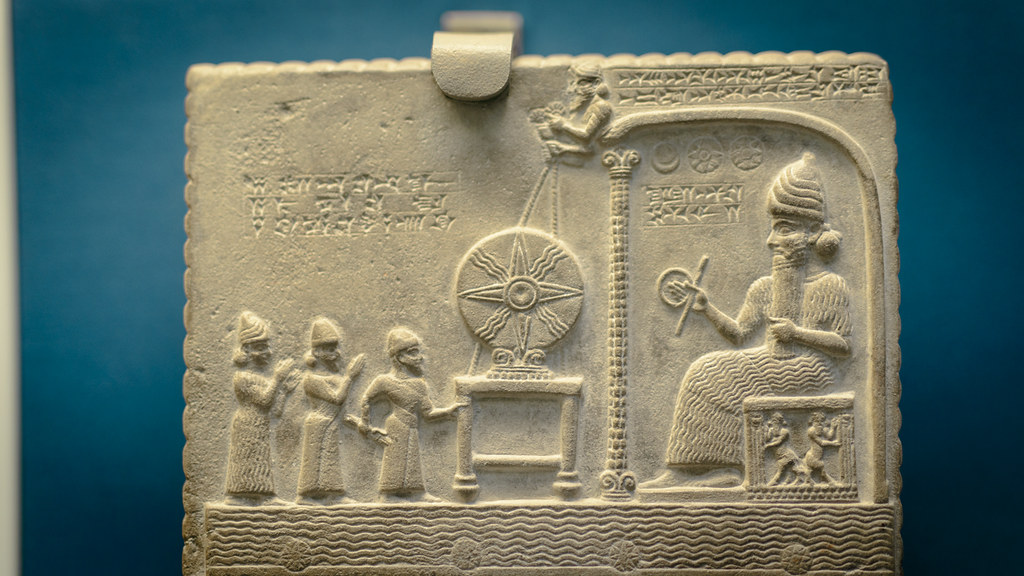
Back then, what we call books looked nothing like pages bound together. Wet clay got carved with tiny wedge marks by people in ancient Mesopotamia instead of using ink.
After shaping the words, sun or fire hardened each slab into something lasting. Business records sat beside grand stories on those lumps of earth.
One tale – about a king named Gilgamesh – outlived empires through these fired pieces. Other places chose rock over clay, even if hauling stone meant more effort.
Bamboo Strips

Long before sheets of paper spread across China, people penned words on slats of bamboo, bound by thread made of silk or rough hemp. Rolled into cylinders or pleated like folded cloth, these bundles moved easily from place to place.
Though slender, they held up well over time. For hundreds of years, thinkers and writers filled them with ideas, tales, records of the past.
Because each strip was tall and thin, writing ran down in tight columns, shaping how sentences lived on the page.
Metal Pages
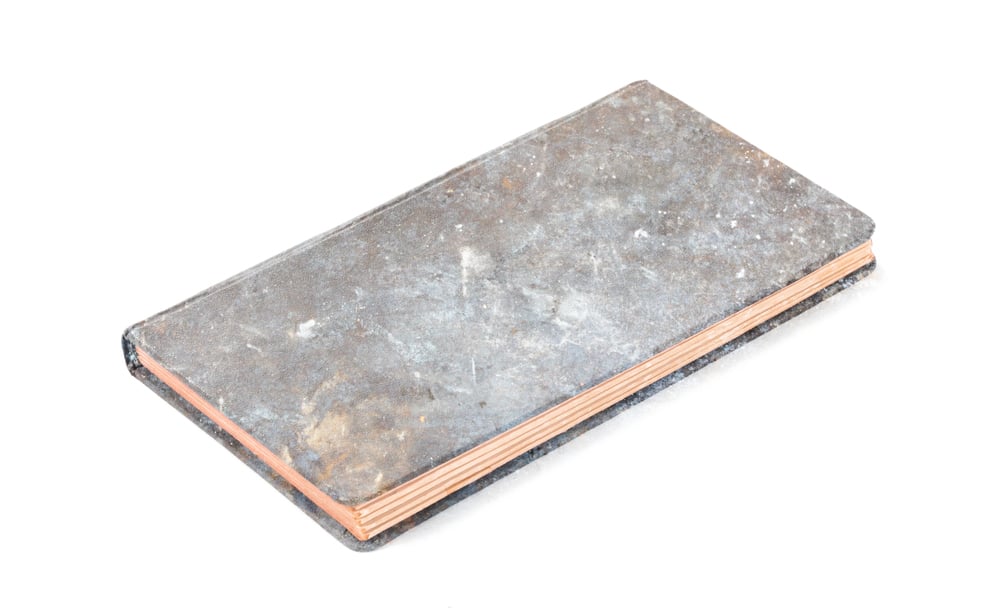
Some books were meant to outlast generations. Metal sheets, usually copper or lead, provided that permanence.
The ancient Romans inscribed legal codes on bronze tablets. Buddhist texts in Tibet were sometimes written on thin copper sheets.
Modern artists have created books from aluminum, steel, and other metals, treating them as sculptures as much as reading material. These books feel cold and heavy in your hands, but they resist fire, water, and decay.
Birch Bark Manuscripts
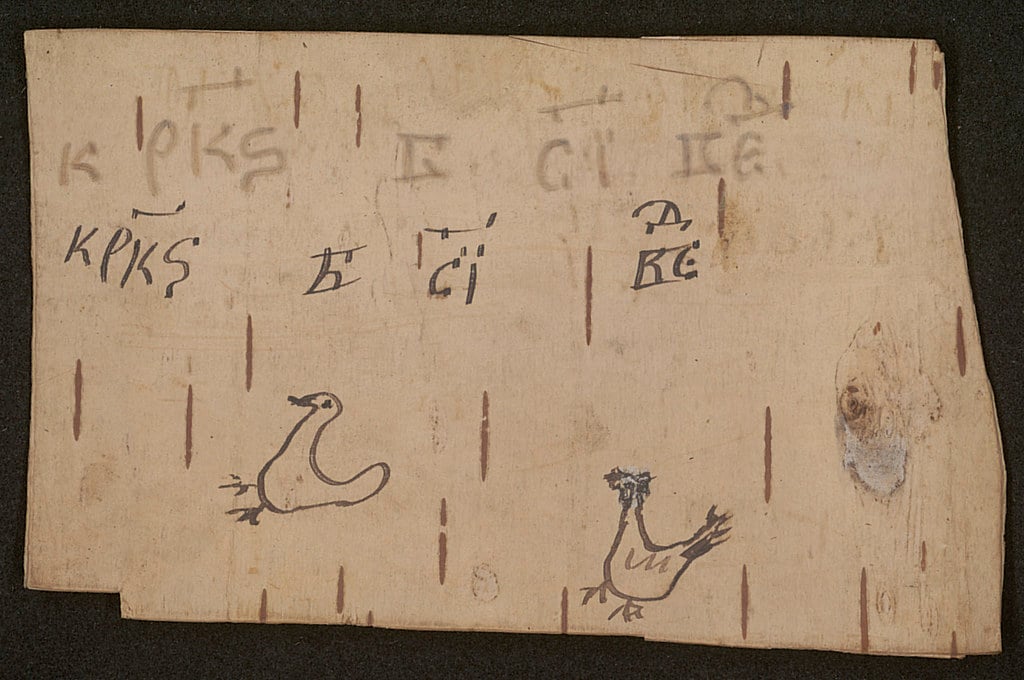
Birch forests gave villagers a surface to write on – peeling away layers of bark for messages. Old Indian writings, like those from Buddhism and Hinduism, found shelter there too.
Tough stuff, that bark; bugs stayed clear, it lasted long, plus folks always had some nearby. When monks in Russia ran short on parchment, they turned to these tree wraps for notes and records.
Even though the surface felt coarse, ink stuck without trouble, whether the sheets got bent or wound into scrolls.
Palm Leaves
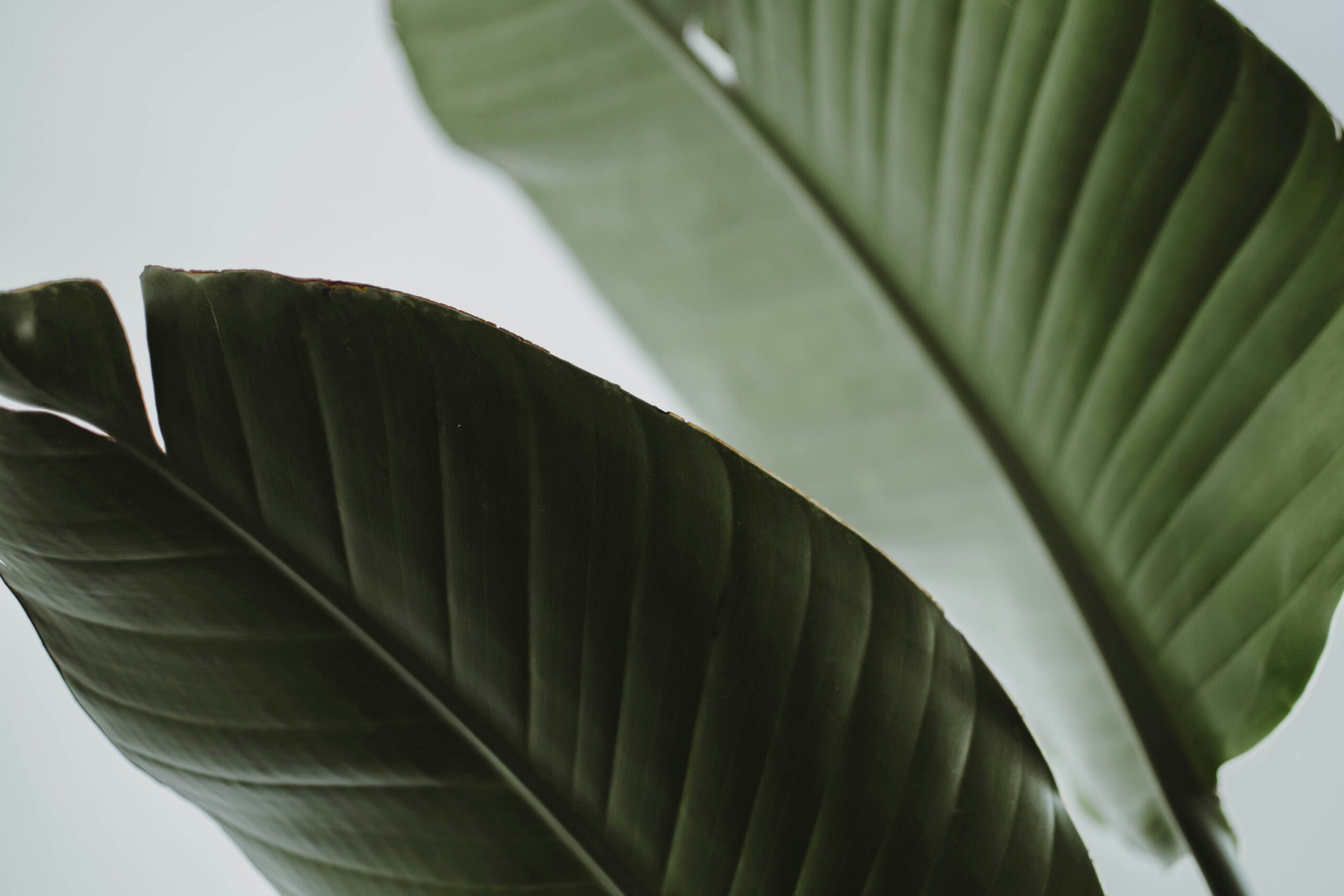
Across South and Southeast Asia, palm leaves became the standard writing surface for centuries. Scribes would treat the leaves, cut them into uniform strips, and use a stylus to etch letters into the surface.
Then they’d rub charcoal or ink into the grooves to make the text visible. The leaves were bound together with cord threaded through pits.
Buddhist sutras, Hindu texts, and historical chronicles all existed in this format. The books had a distinctive smell and required careful handling to prevent the brittle leaves from cracking.
Silk Books
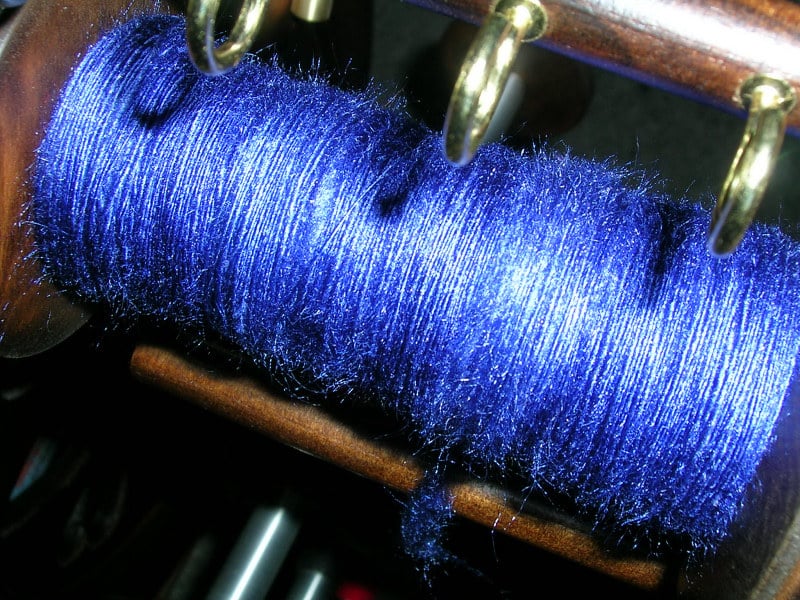
Silk provided a luxurious writing surface in ancient China. Before paper took over, wealthy patrons commissioned texts written on silk fabric.
The material accepted ink beautifully and could be rolled into compact scrolls. Archaeological discoveries have unearthed silk books from tombs, their texts still legible after two thousand years.
The cost limited silk books to important documents and texts meant for the elite. The texture and sheen gave these books a special quality that paper couldn’t match.
Wooden Pages
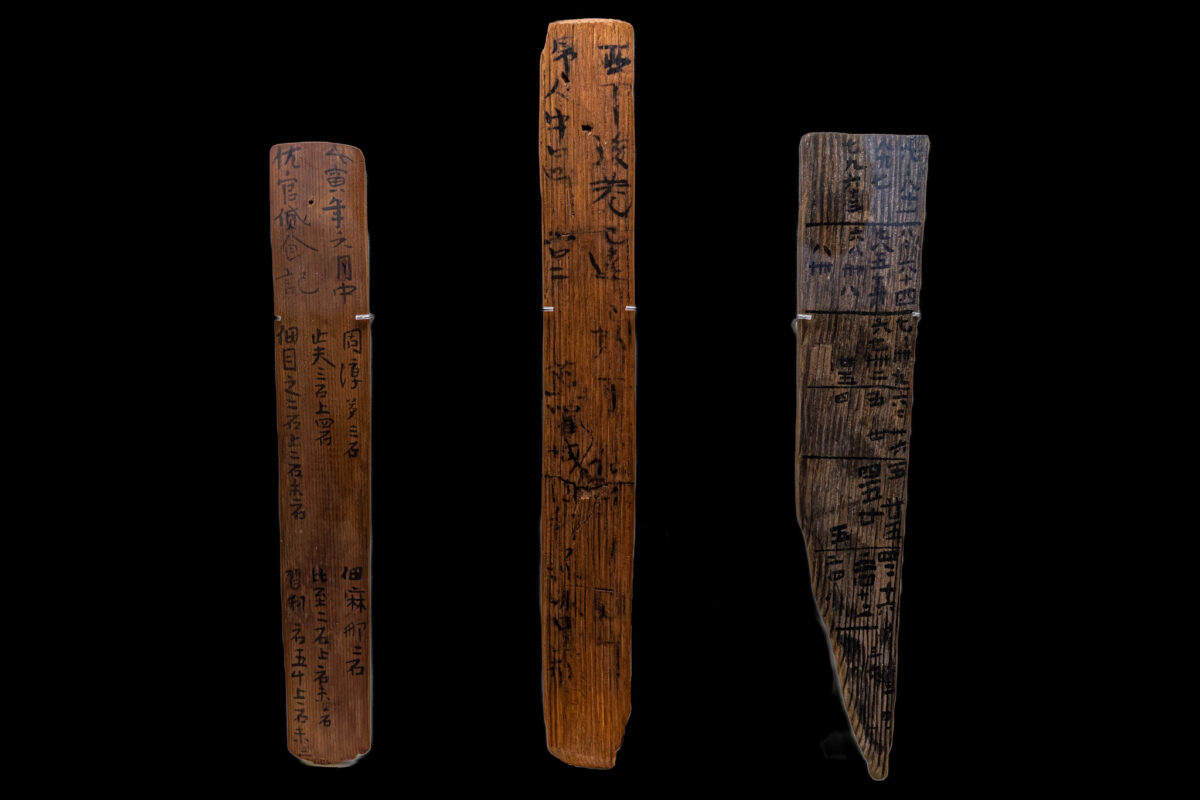
Wood served as both cover and content for some books. Medieval wax tablets used thin wooden boards coated with wax that you could write on with a stylus, then smooth over and reuse.
In Southeast Asia, Buddhist monks sometimes carved entire texts into wooden planks, creating printing blocks that could produce multiple copies. Some modern artists return to wood, carving poetry or stories into boards or creating books from thin wooden veneer.
Frozen Volumes
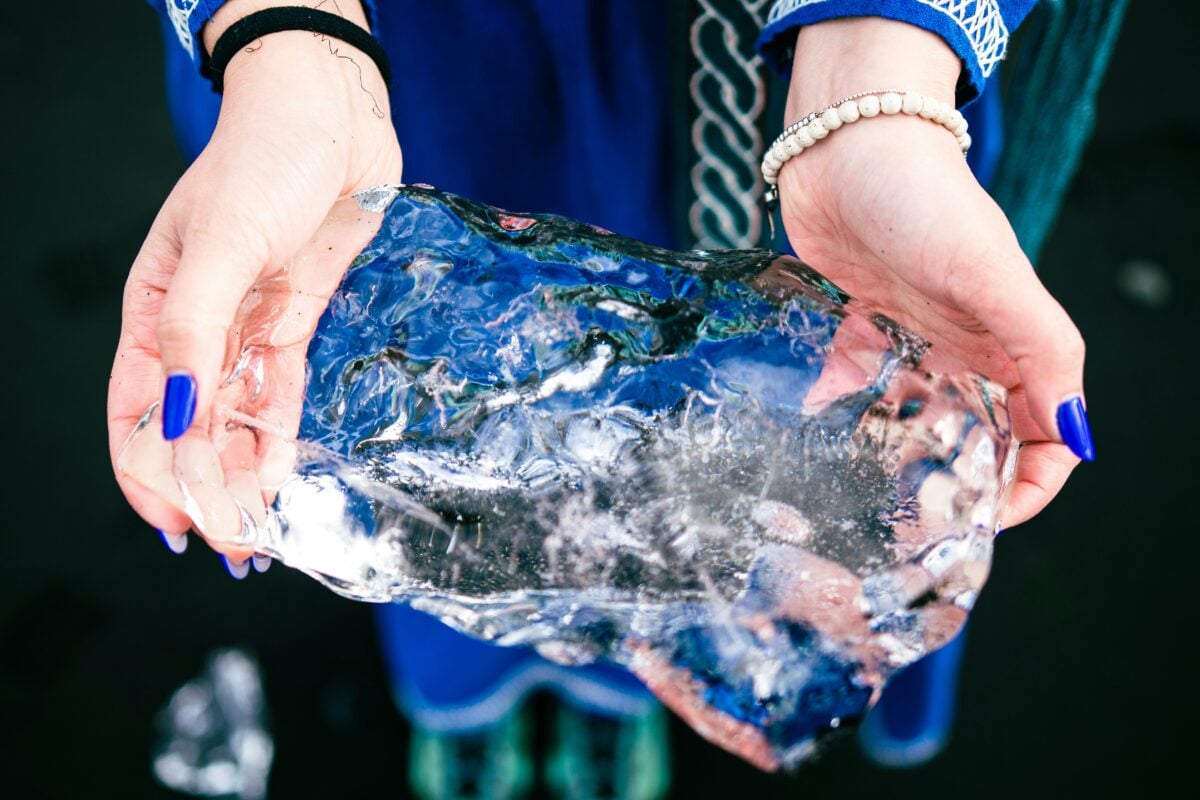
Artists have experimented with ice as a book material, creating temporary installations that melt away. These ice books make a statement about impermanence and the fleeting nature of knowledge.
The pages are clear or cloudy, depending on how the ice forms. You can read them before they disappear.
The concept challenges your assumptions about what books should preserve and how long they should last.
Chocolate Creations
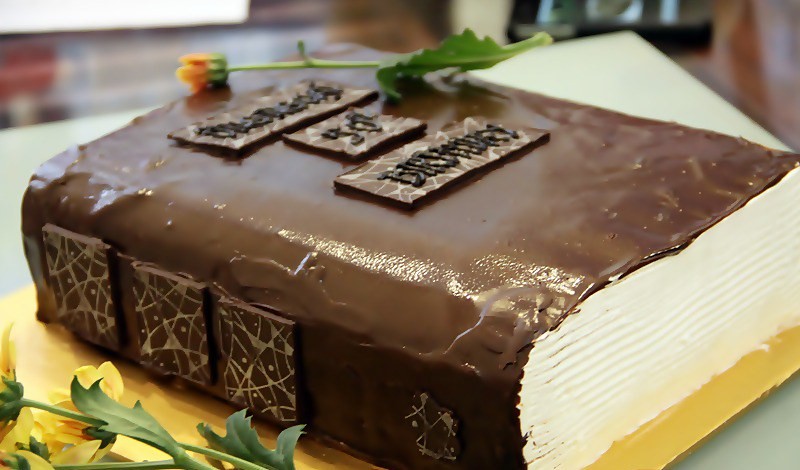
A few chocolatiers and artists have made books entirely from chocolate, with text written in contrasting chocolate or edible ink. These books serve as gifts, art pieces, or publicity stunts. You can read them, then eat them.
The material imposes strict limits—chocolate melts easily and attracts pests. But the novelty appeals to people who appreciate the absurd or the ephemeral.
Vellum and Parchment
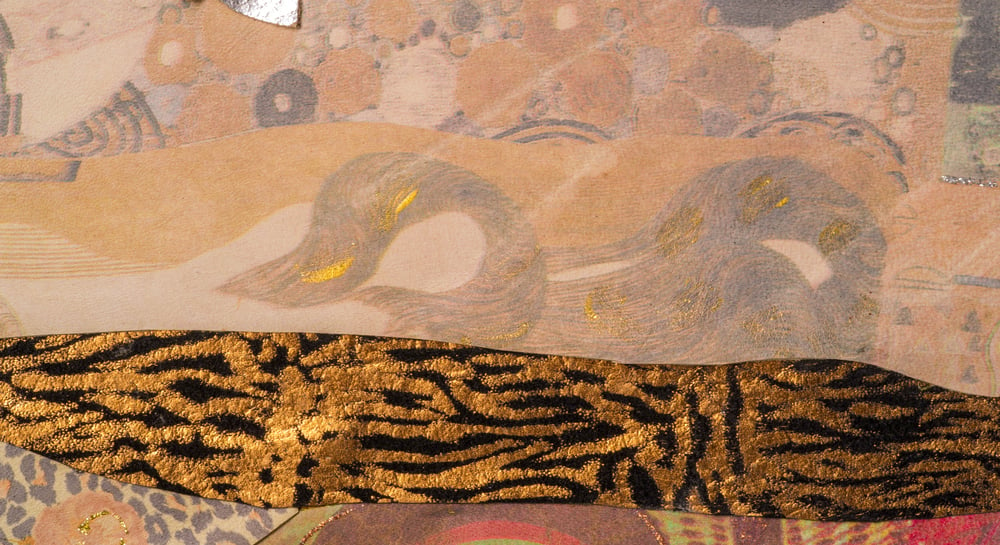
Animal skin transformed into vellum or parchment served as the primary writing surface in Europe for over a thousand years. Calfskin produced the finest vellum.
Sheepskin and goatskin made parchment. Preparing the skins required soaking, scraping, stretching, and treating with lime.
The result was a smooth, durable surface that held ink without leaking. Medieval manuscripts on vellum still exist in excellent condition.
The material was expensive, which made books rare and valuable.
Rice Paper Treats
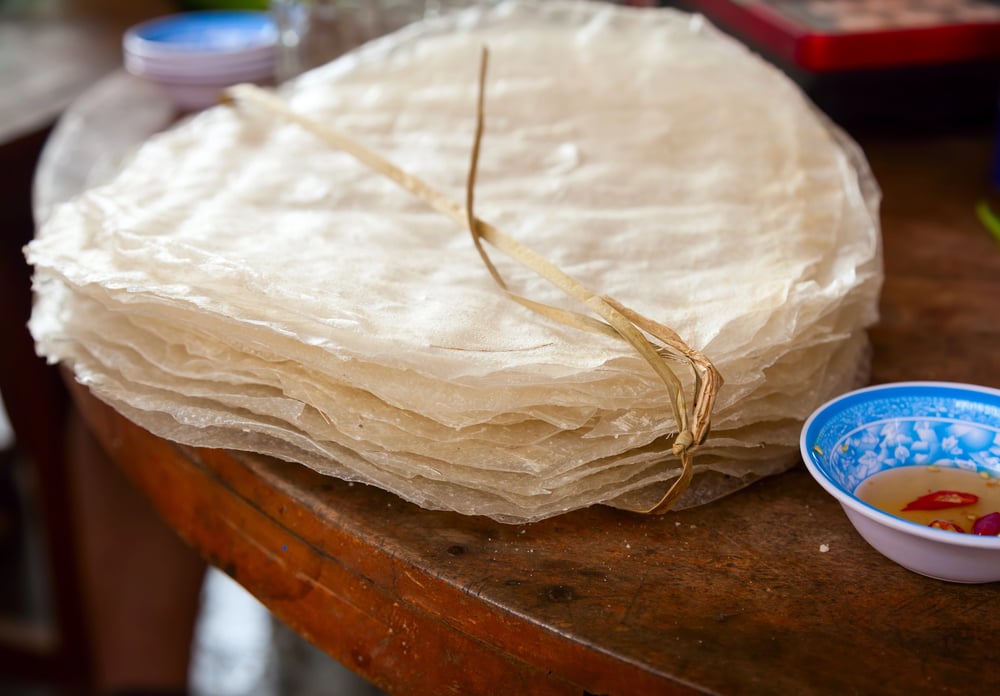
In Asia, some cookbooks and special occasion books use edible rice paper. The paper dissolves in water or your mouth, making the book a consumable experience.
Instructions for traditional medicines or recipes sometimes appeared on rice paper you could eat along with the remedy. Modern confectioners create edible books as desserts, printing images and text with food-grade ink on rice paper pages.
Fabric and Textile Bindings
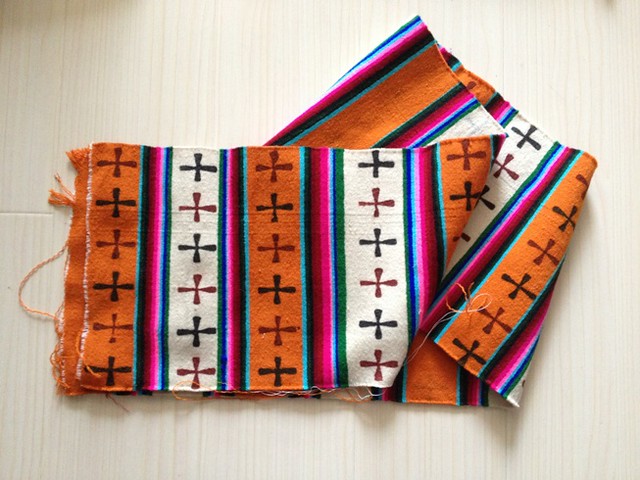
Cloth books have existed in various forms across cultures. Children’s books made from fabric withstand rough handling better than paper.
Traditional Asian culture produced accordion-style cloth books with painted or embroidered text. Modern textile artists create one-of-a-kind books using various fabrics, incorporating texture as part of the reading experience.
The material allows for folding, draping, and three-dimensional construction that paper can’t achieve.
Precious Metal Pages
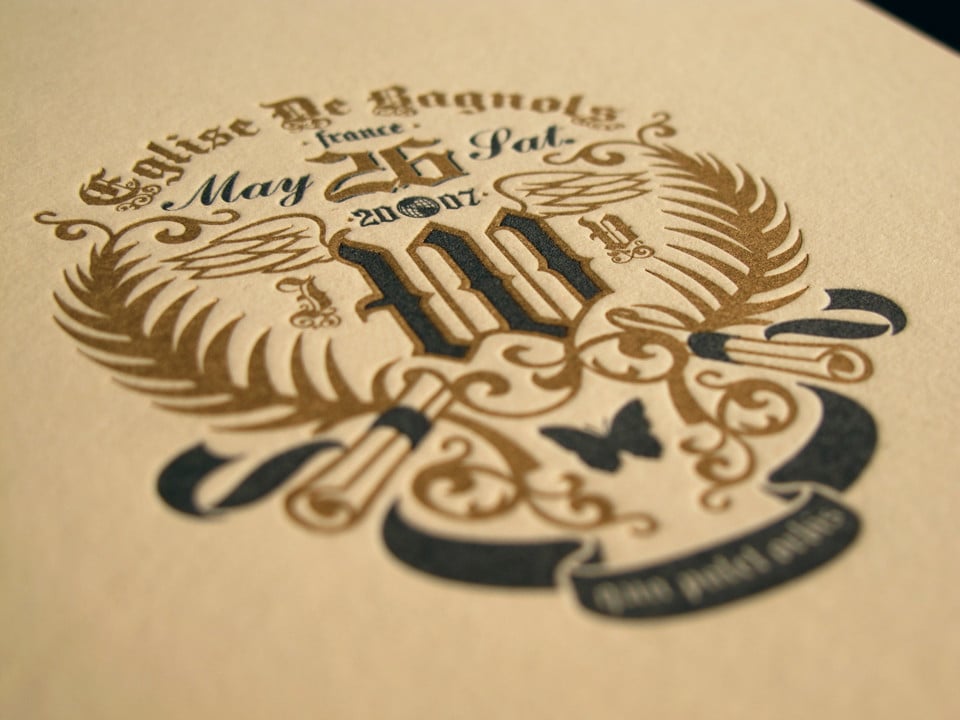
Gold and silver have held text throughout history, usually for sacred or commemorative purposes. Buddhist monasteries in Tibet created prayer books with gold ink on blackened paper or texts written on thin gold leaf.
European royalty commissioned books with illuminated pages containing actual gold leaf. These books demonstrated wealth and devotion simultaneously.
The metal never tarnishes or fades, preserving the text indefinitely.
Glass Sheets
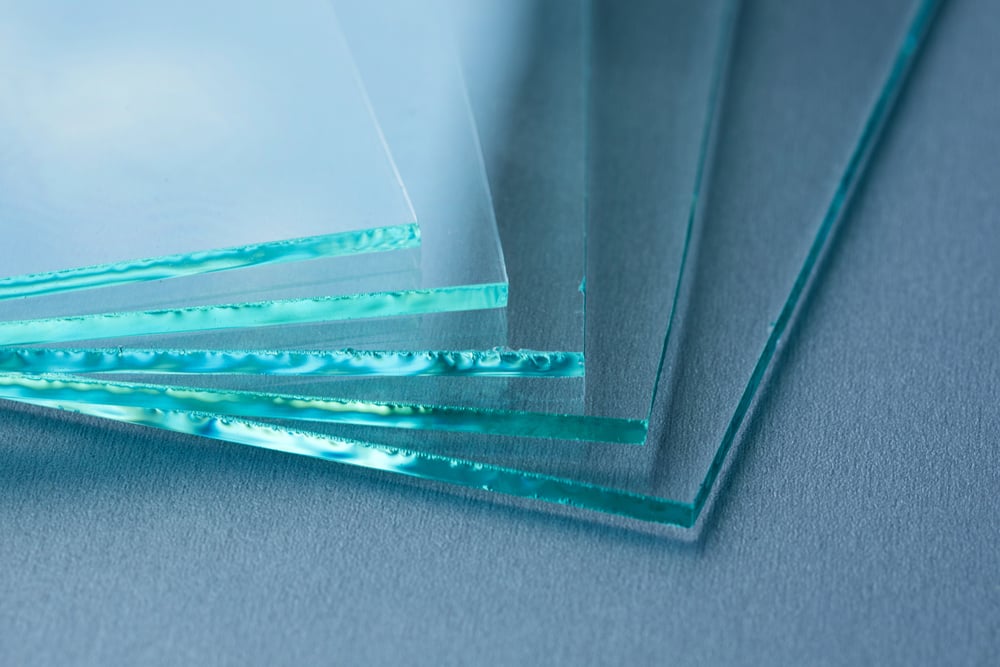
Some new art pieces turn glass into both cover and story. Instead of paper, words live on solid sheets that let eyes wander through layers. A person might spot letters stacked strangely when sunlight hits just right.
Because it cracks so easily, touching one feels like holding something alive. Museums show these sometimes, letting brightness shape how sentences appear.
Heavy loads and risk of shattering keep them rare on regular shelves.
What Remains
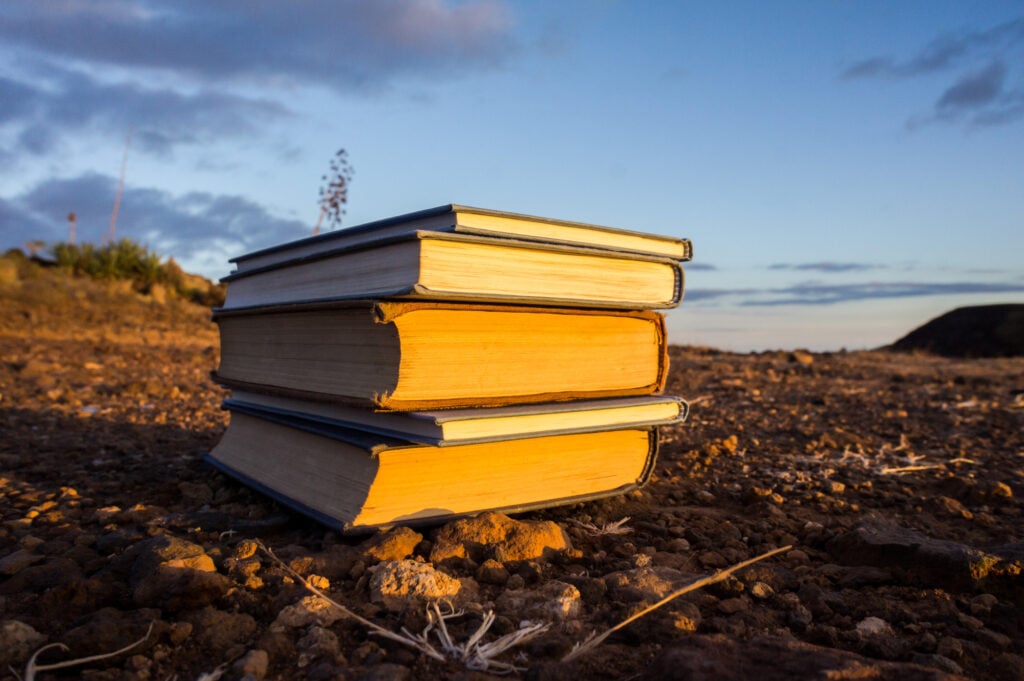
The way a page feels can hint at what matters most. When stuff is hard to get, pricey, or breaks fast, it shapes decisions anyway.
Sometimes the pick shows rank, ritual, or creative drive instead. A book’s body alters how hands turn its meaning.
A rock-solid slab stays put, meant only for one spot. Carried by hand, split stalks move where you go.
When pages feed the body, words fade after being seen. What something is shapes what it says.
More from Go2Tutors!

- The Romanov Crown Jewels and Their Tragic Fate
- 13 Historical Mysteries That Science Still Can’t Solve
- Famous Hoaxes That Fooled the World for Years
- 15 Child Stars with Tragic Adult Lives
- 16 Famous Jewelry Pieces in History
Like Go2Tutors’s content? Follow us on MSN.