27 Fossils Found by Amateurs That Rewrote Scientific Textbooks
There’s something quietly stubborn about the idea that the most important discoveries belong to credentialed experts in well-funded labs. Science has a long tradition of proving that wrong.
Some of the most consequential fossils ever unearthed were found by farmers, hikers, children, and curious retirees who just happened to be paying attention. These weren’t lucky flukes that scientists politely acknowledged before moving on — they were finds that cracked open entire fields, revised species timelines, and occasionally made paleontologists tear up their previous publications entirely.
What follows is a record of those moments: the discoveries that nobody planned for, made by people who weren’t supposed to make them.
Mary Anning’s Ichthyosaur
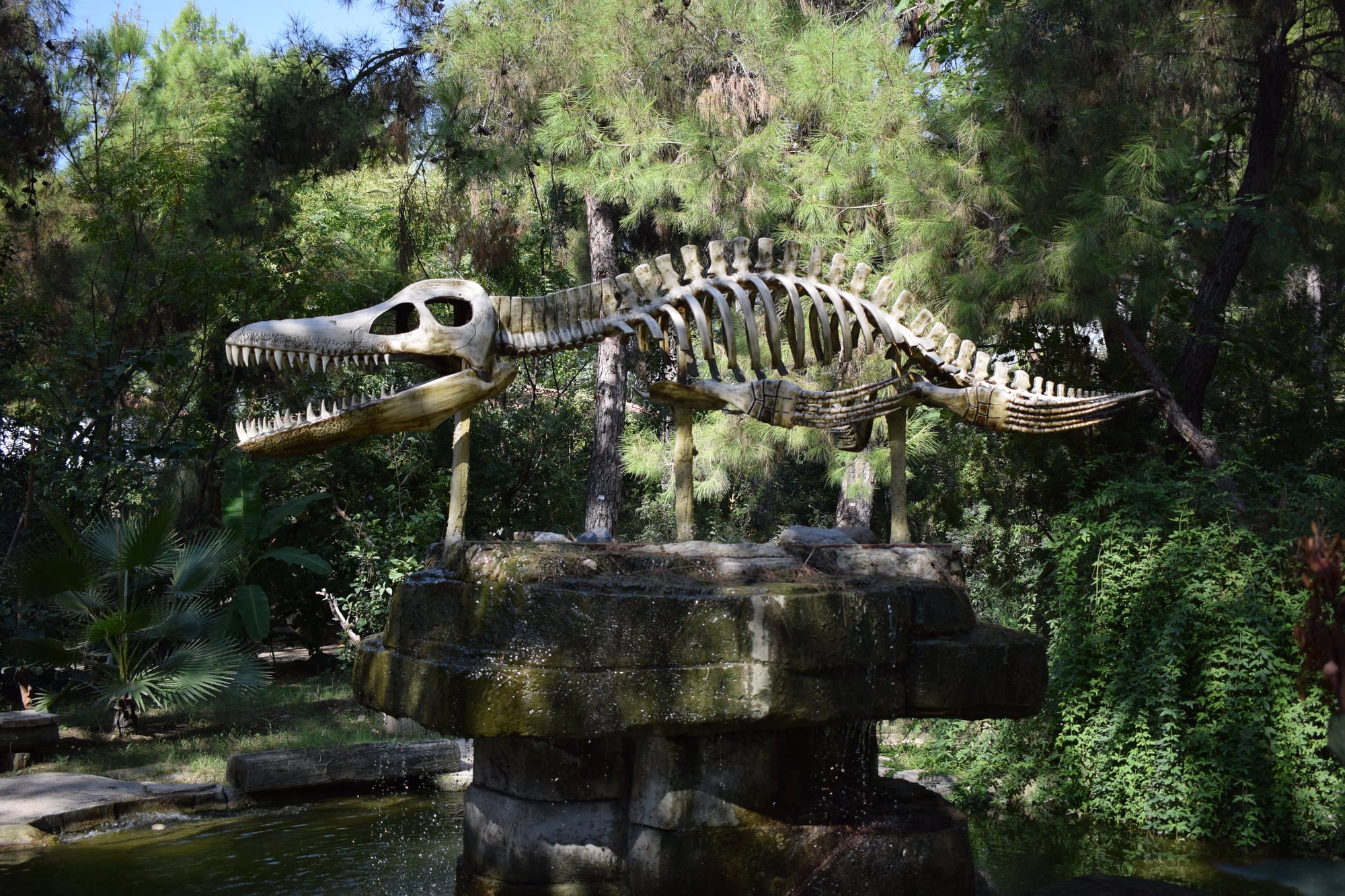
Mary Anning was twelve years old when she helped unearth the first complete ichthyosaur skeleton near Lyme Regis, England in 1811. The creature had no name yet, no category, no scientific context — and Anning, a working-class girl with no formal education, spent decades supplying the fossil record while credentialed men took the credit.
Her finds didn’t just fill a museum shelf; they forced a reckoning with the concept of extinction itself, which many natural philosophers had actively resisted.
The Coelacanth Confirmation
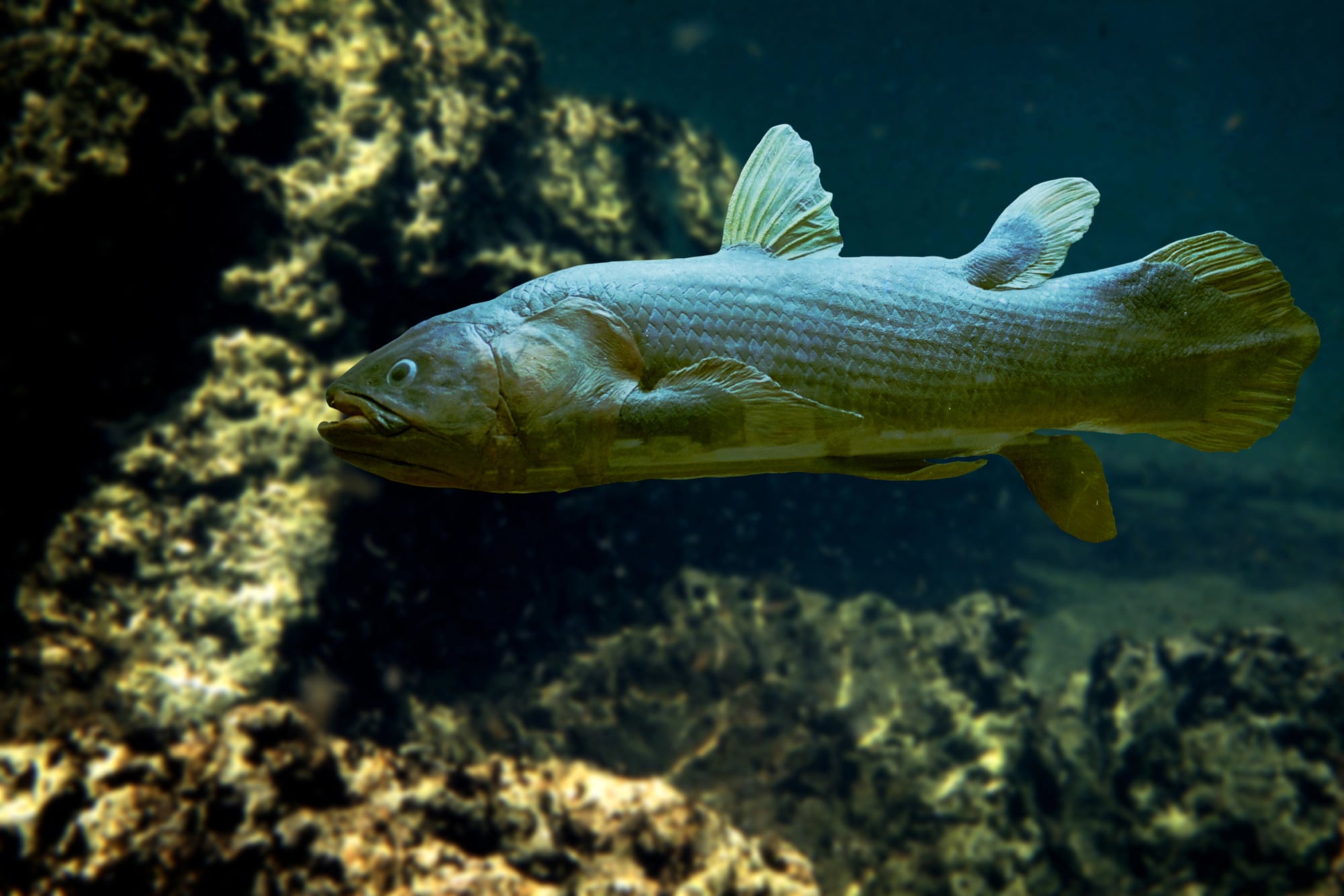
A South African museum curator named Marjorie Courtenay-Latimer spotted something wrong in a fisherman’s catch in 1938 — a strange blue-finned fish that didn’t match anything she knew. What she had was a coelacanth, a species the scientific world had declared extinct for 66 million years.
The fish was alive. The textbooks, as it turned out, were not.
Stan the T. Rex
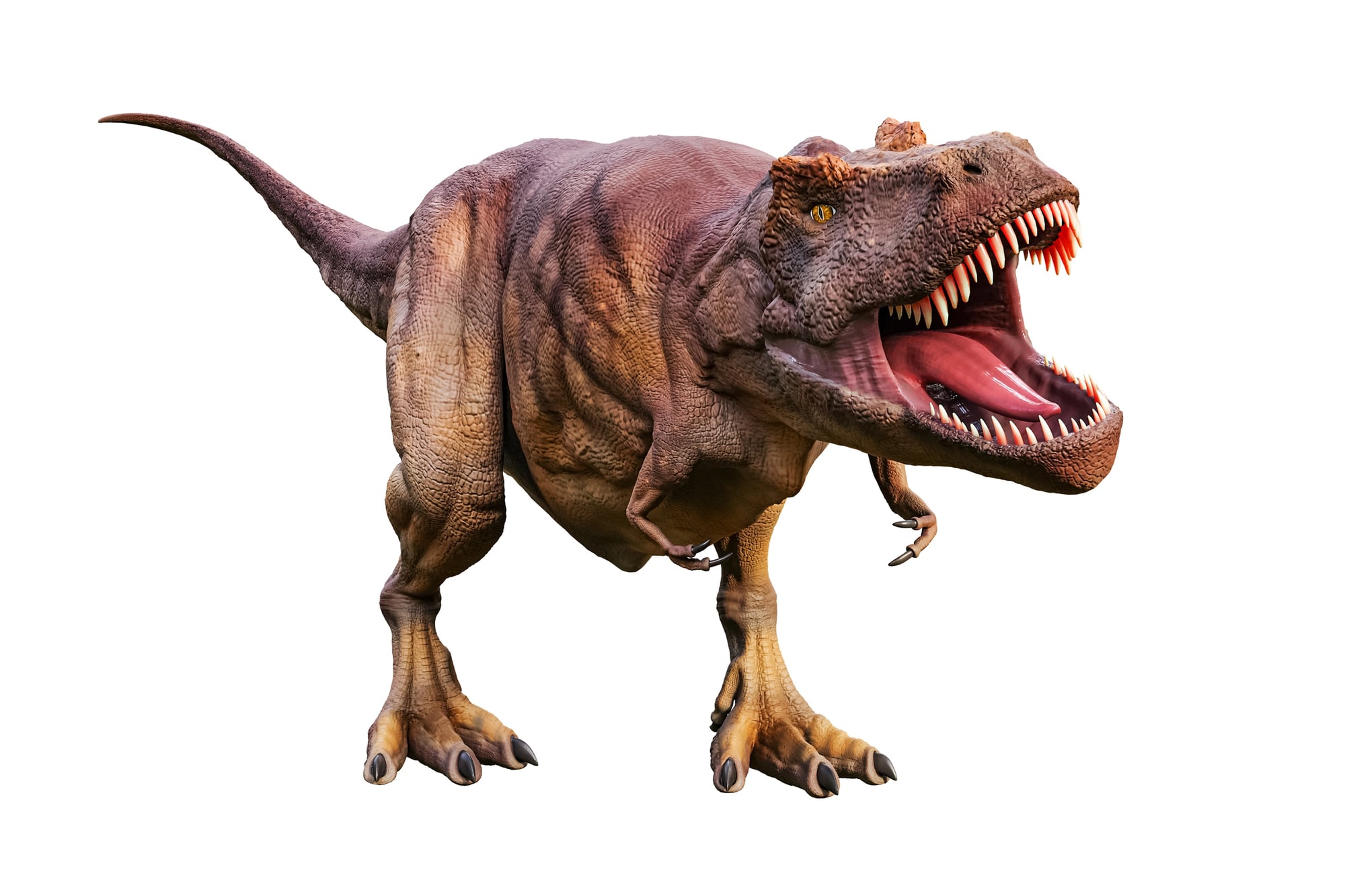
Stan was found in 1987 by an amateur fossil hunter named Stan Sacrison near Buffalo, South Dakota, on land that required permission to excavate. What followed (after the proper excavation permits were secured and professional paleontologists brought in) was one of the most complete Tyrannosaurus rex specimens ever recovered — over 190 bones, including a spectacularly preserved skull.
Stan reshaped what scientists understood about T. rex anatomy, bite mechanics, and the sheer physical punishment these animals apparently inflicted on each other.
The Lyme Regis Plesiosaur
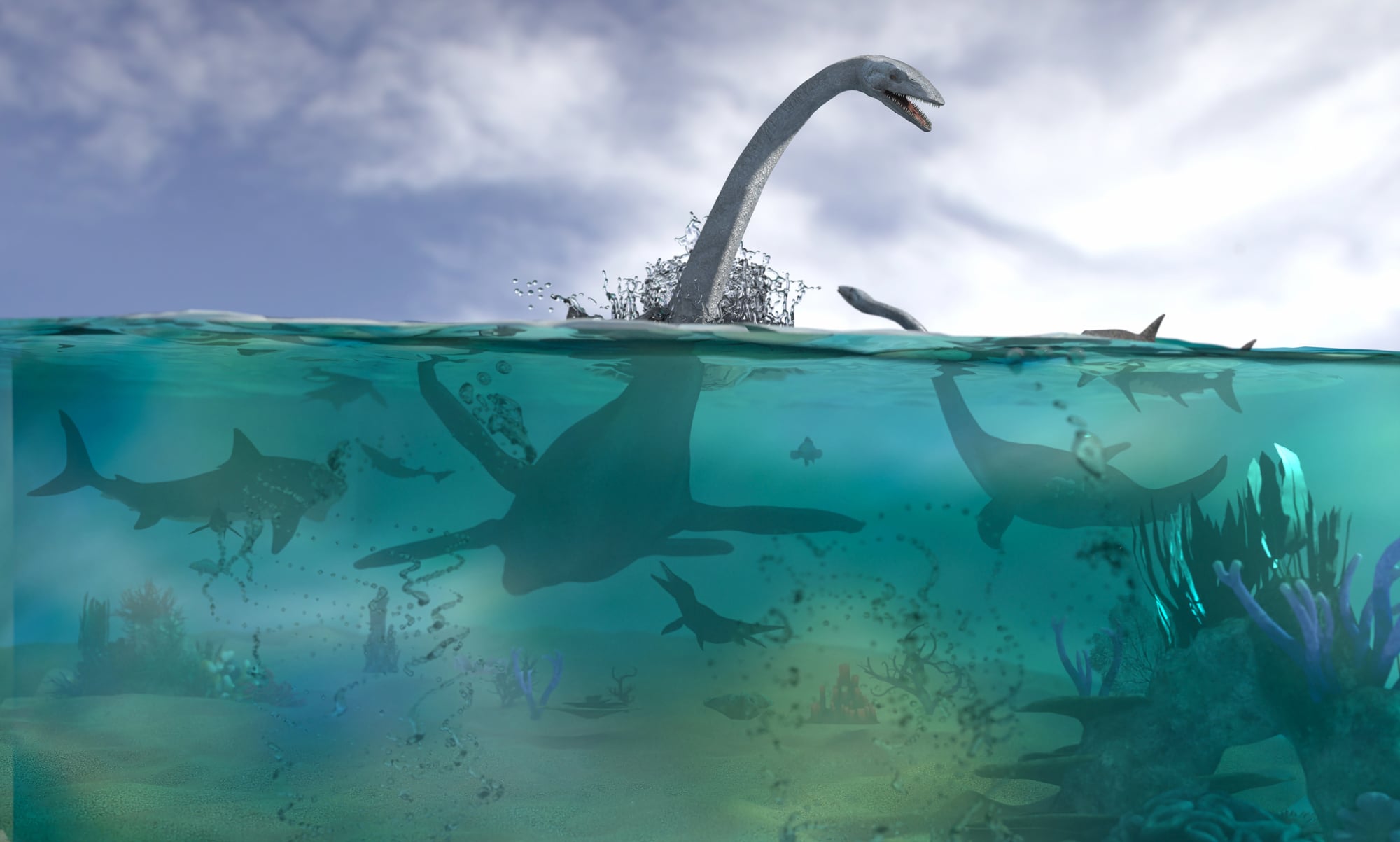
Anning appeared again here, because of course she did — finding the first complete plesiosaur skeleton in 1823, a creature so bizarre that the anatomist Georges Cuvier initially suspected it was a fake. The neck was almost comically long relative to the body, which is exactly the kind of thing that makes scientists nervous, and Cuvier said so publicly before reversing himself.
The specimen wasn’t a forgery; it was just a genuinely strange animal that hadn’t been seen before.
Turkana Boy
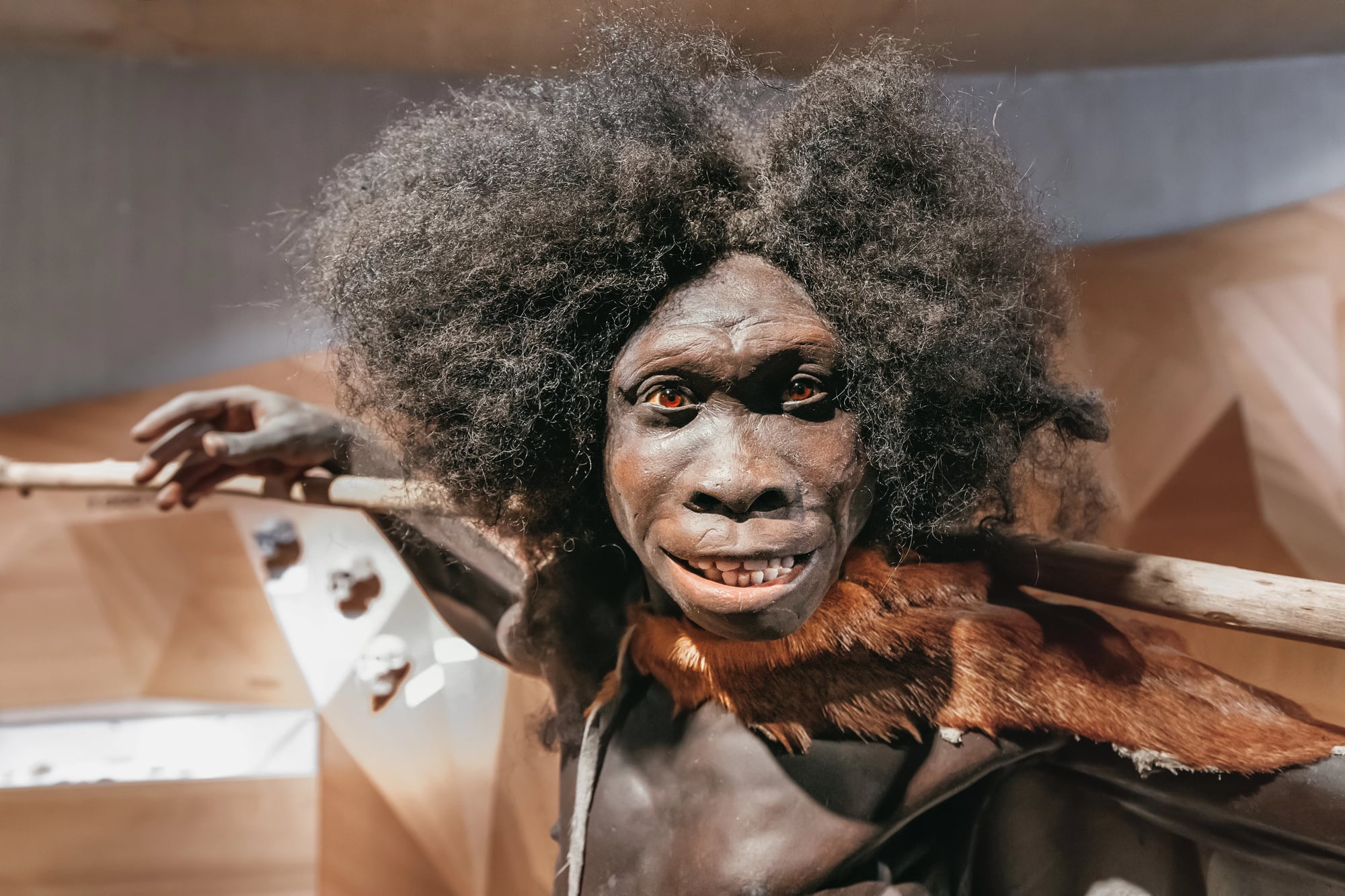
A team working with Richard Leakey found this extraordinary Homo erectus skeleton in 1984 near Lake Turkana in Kenya — but the initial surface find was made by Kamoya Kimeu, a self-taught fossil hunter who had no university degree and an unbroken record of finding things professionals missed. Turkana Boy remains one of the most complete early human skeletons ever discovered, dating to approximately 1.5 million years ago, and it redrew the picture of what our ancestors looked like and how they moved.
The Paluxy River Tracks
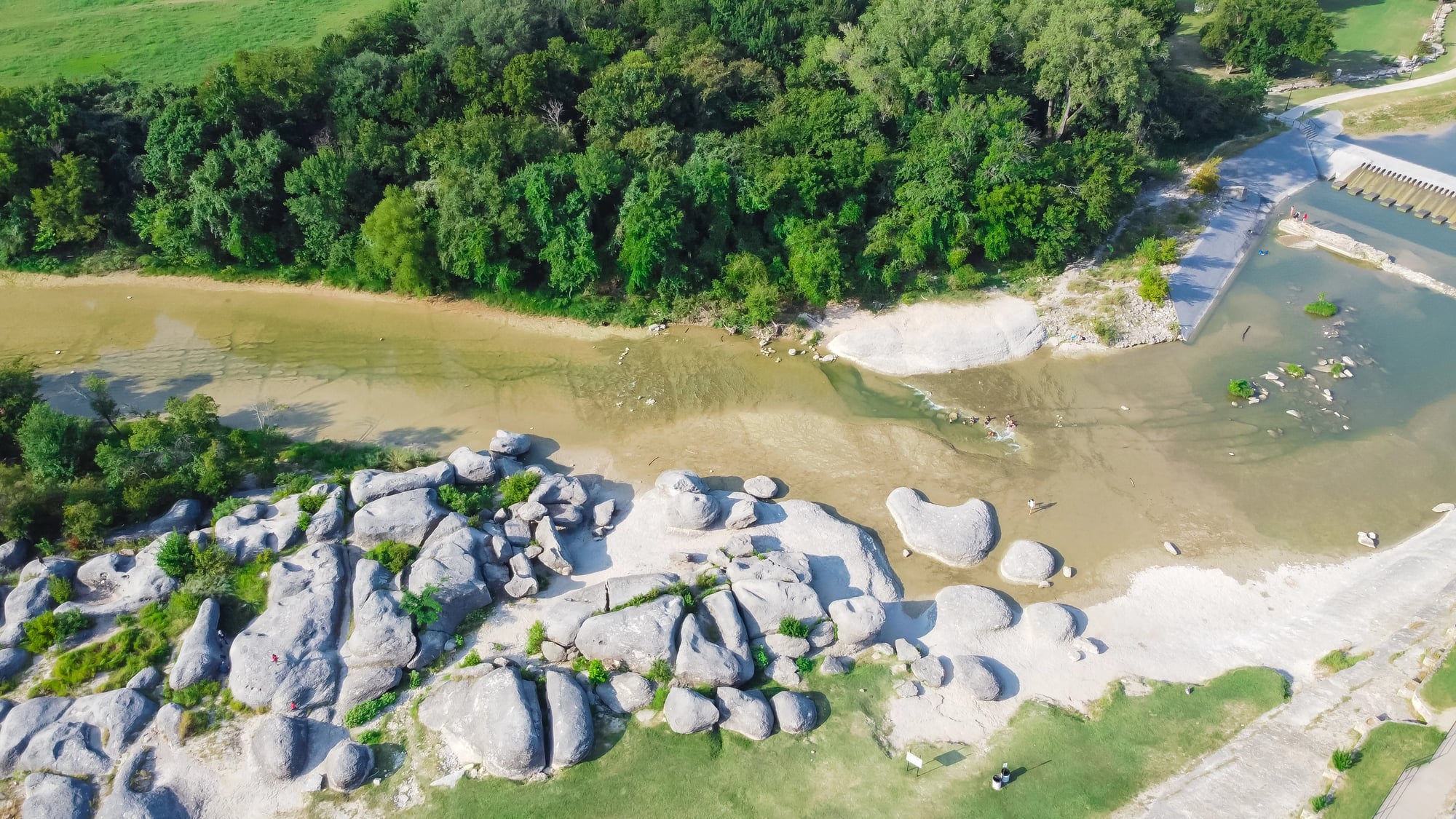
In 1909, a local farmer near Glen Rose, Texas, noticed enormous three-toed impressions in the riverbed of the Paluxy River, which turned out to be one of the most significant dinosaur trackways ever found in North America. The tracks preserved not just footprints but behavioral evidence — predator and prey moving through the same stretch of ancient mud, their paths crossing in ways that told a story no bones alone could tell.
Paleontologists had been theorizing about dinosaur locomotion for decades; the Paluxy riverbed handed them something they could read directly.
Eoraptor
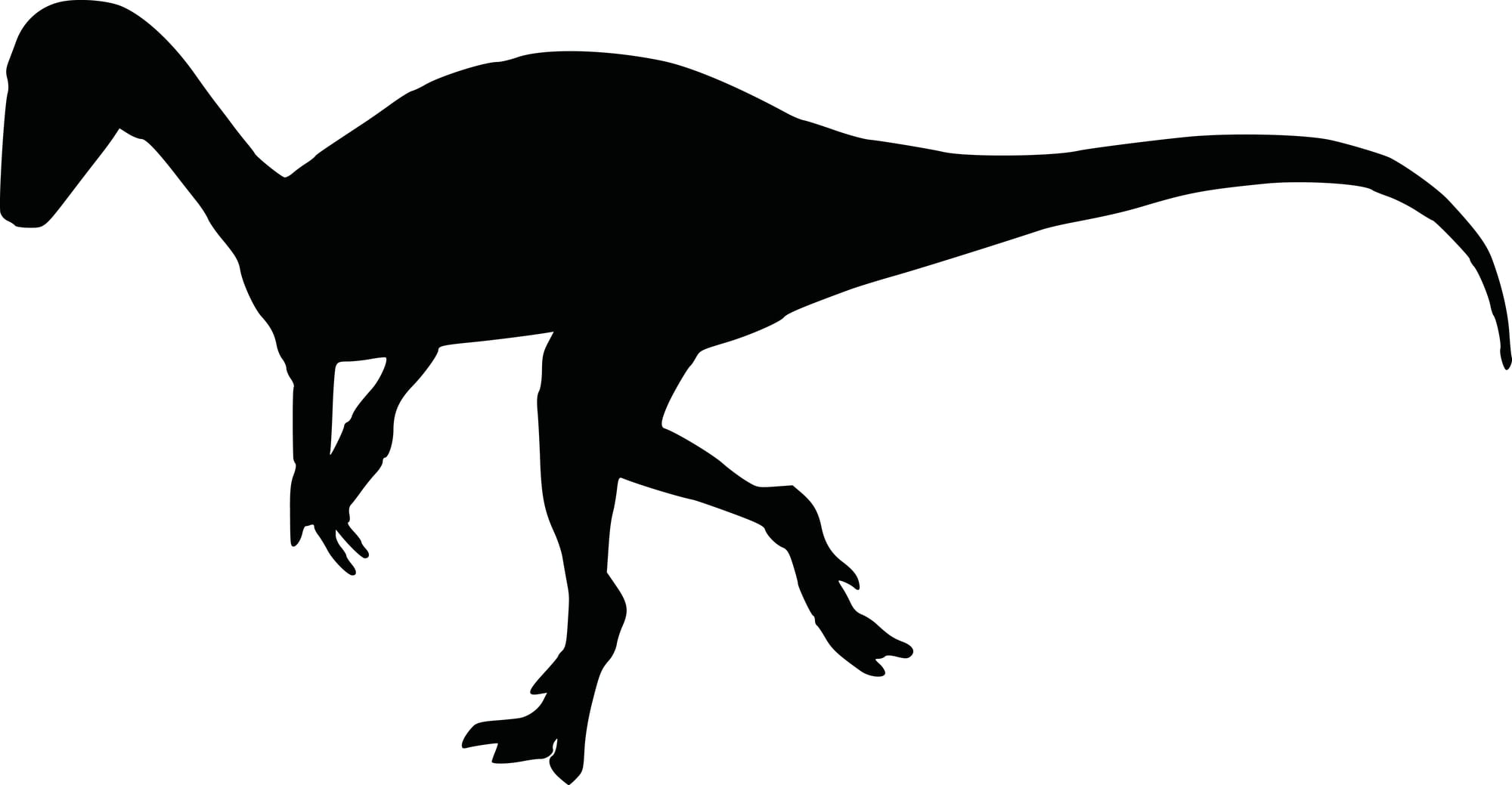
A college student named Ricardo Martínez found Eoraptor in 1991 in Argentina’s Ischigualasto Formation, and the discovery quietly detonated a section of the dinosaur family tree. Eoraptor was tiny, bipedal, and roughly 231 million years old — one of the earliest true dinosaurs ever identified, sitting so close to the base of the dinosaur lineage that its exact classification remains contested.
The find pushed back the understood origin point of dinosaurs and complicated what scientists thought they knew about early dinosaur diversity.
Lucy
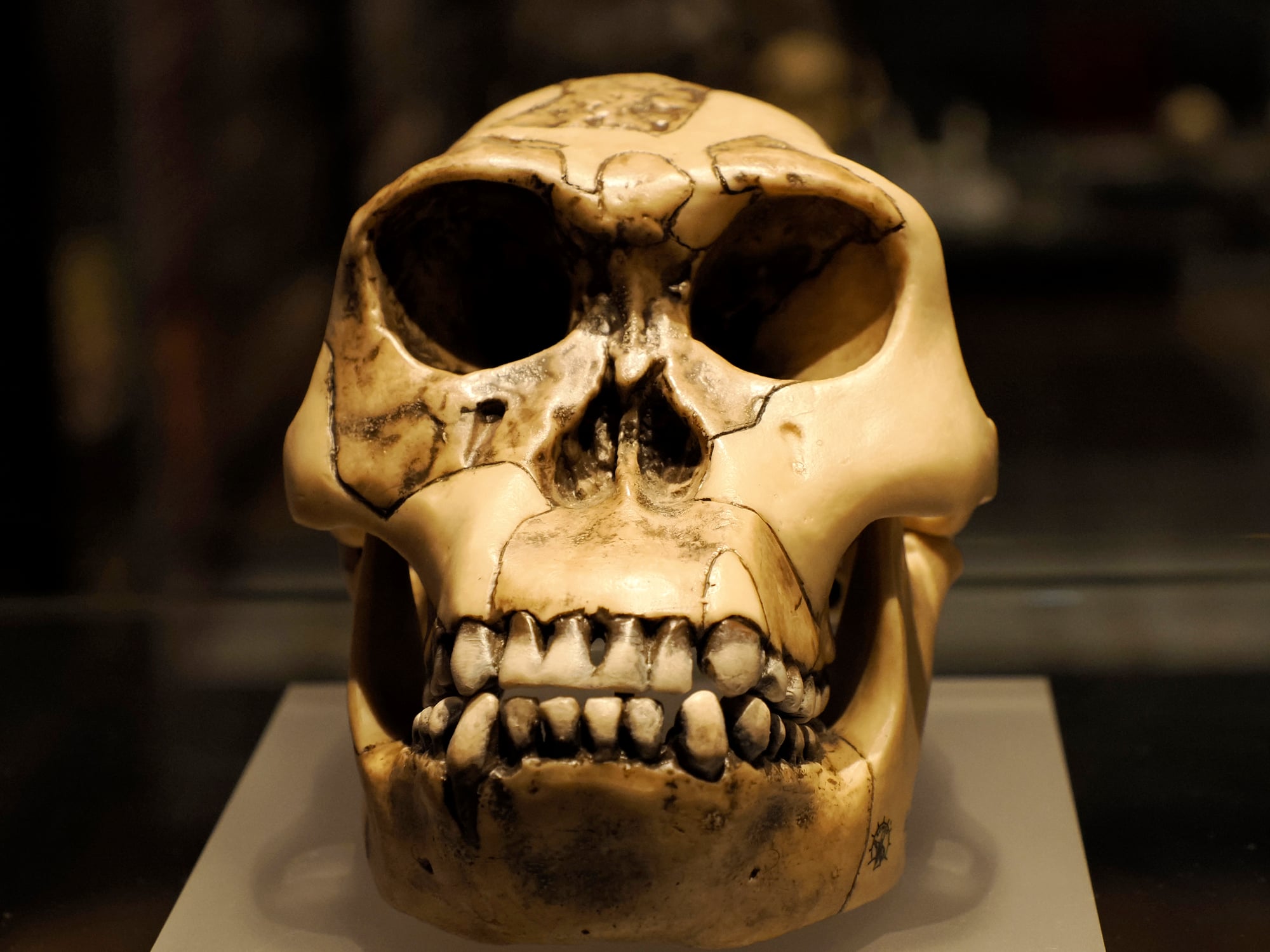
Lucy is probably the most famous fossil in the world, but her initial discovery in 1974 involved field crew member Tom Gray and paleoanthropologist Donald Johanson, the latter of whom was not a famous name at the time and was working in Ethiopia’s Afar region on what was then considered a secondary expedition site. The Australopithecus afarensis skeleton — roughly 3.2 million years old — demonstrated that upright walking evolved long before large brain size, which inverted the prevailing assumption that intelligence drove human evolution.
The song playing on the camp radio that night was “Lucy in the Sky with Diamonds,” which is how the fossil got her name.
The Burgess Shale Anomalocaris
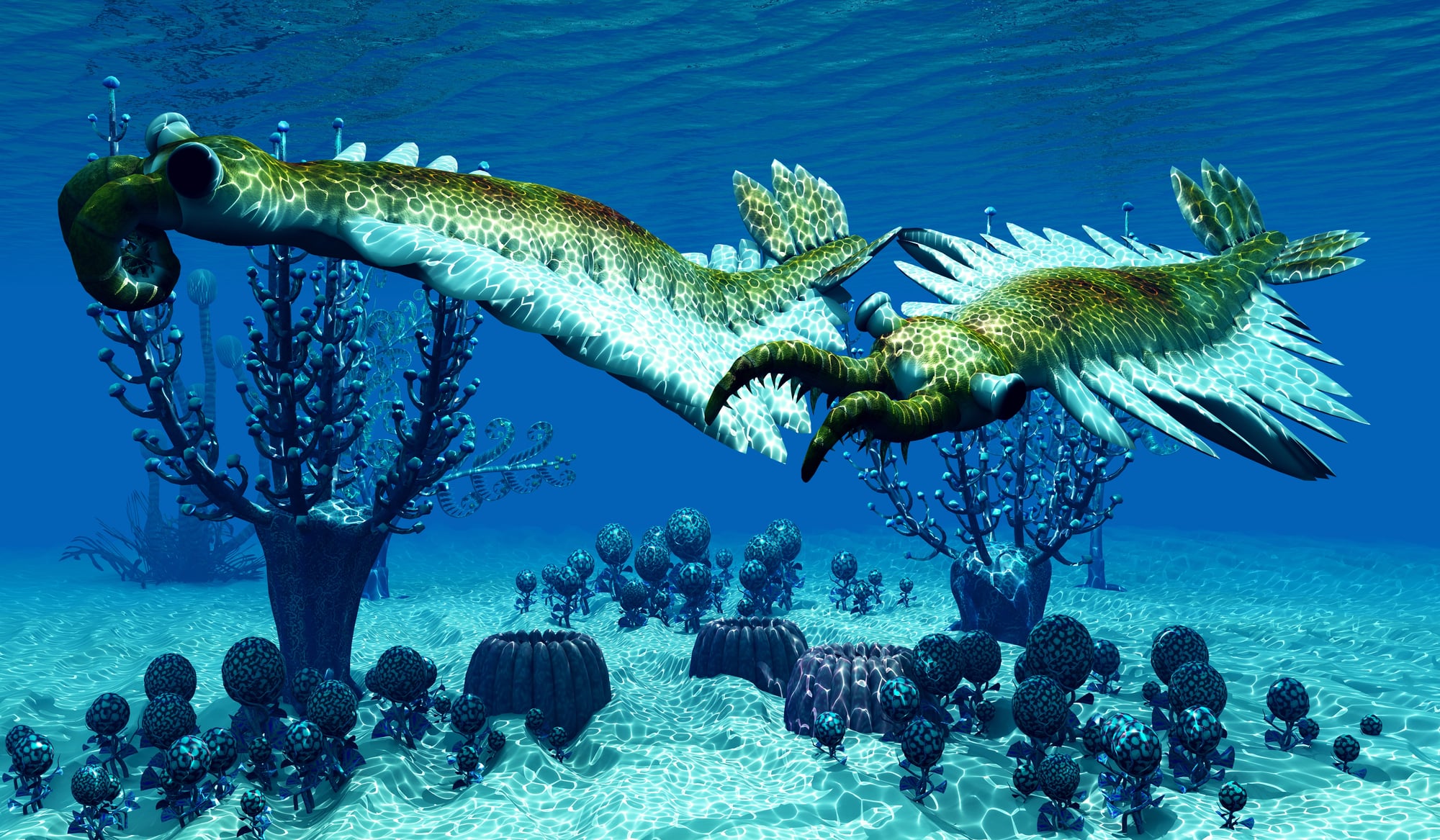
Charles Doolittle Walcott found the Burgess Shale in 1909 while working in British Columbia, Canada — according to the famous (possibly apocryphal) story, his horse stumbled on a chunk of shale that split open to reveal fossils. Walcott was actually a professional, but the Burgess Shale’s significance was massively underestimated for decades until amateur fossil hunters and revisiting scientists recognized what they were actually looking at: a snapshot of Cambrian marine life so complete and strange that it upended the understood narrative of early animal evolution.
Anomalocaris, a meter-long predator with circular jaws, was initially described as three separate animals before anyone assembled it correctly.
The Spinosaurus Clue
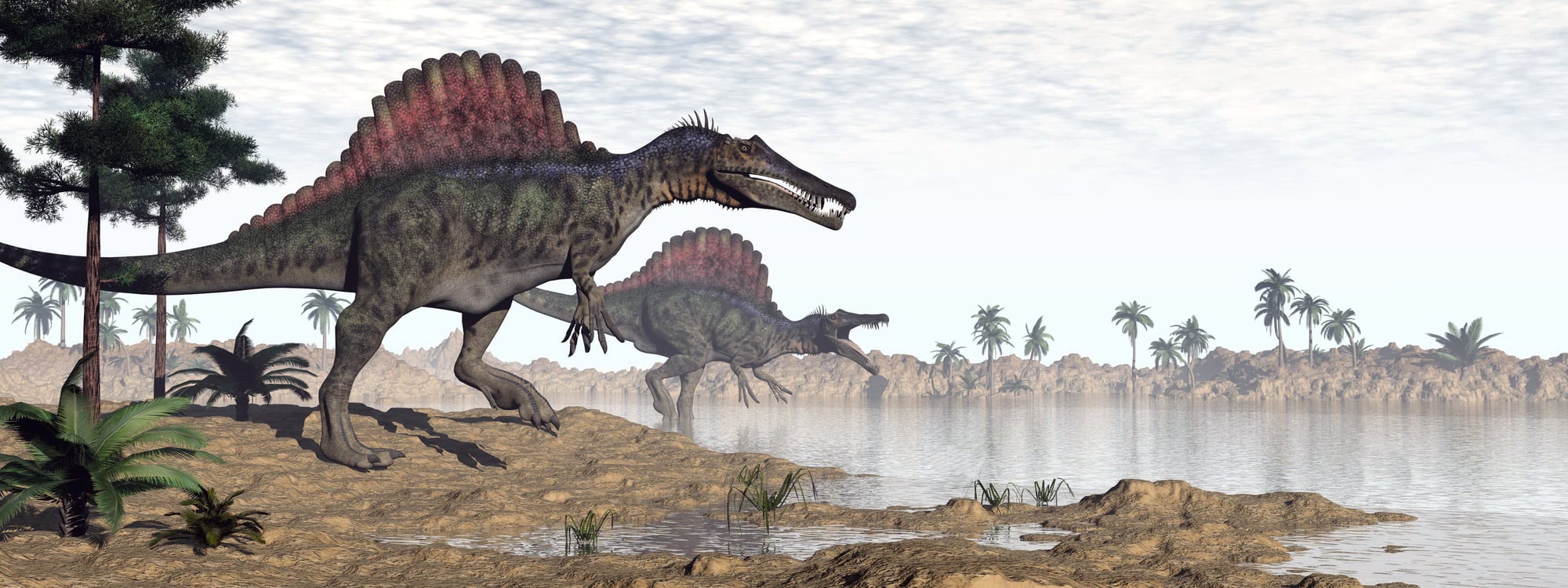
The critical evidence that Spinosaurus was a semi-aquatic predator came not from a museum expedition but from a fossil dealer and a Moroccan collector who brought specimens to the attention of researcher Nizar Ibrahim, who then tracked down additional material through a story that reads more like a detective novel than a scientific paper. Short, dense leg bones — the kind that help large aquatic animals stay submerged — were among the amateur-sourced specimens that transformed Spinosaurus from a large terrestrial predator into something genuinely without parallel.
Science had been arguing about Spinosaurus for over a century before these pieces forced a resolution.
Elasmotherium
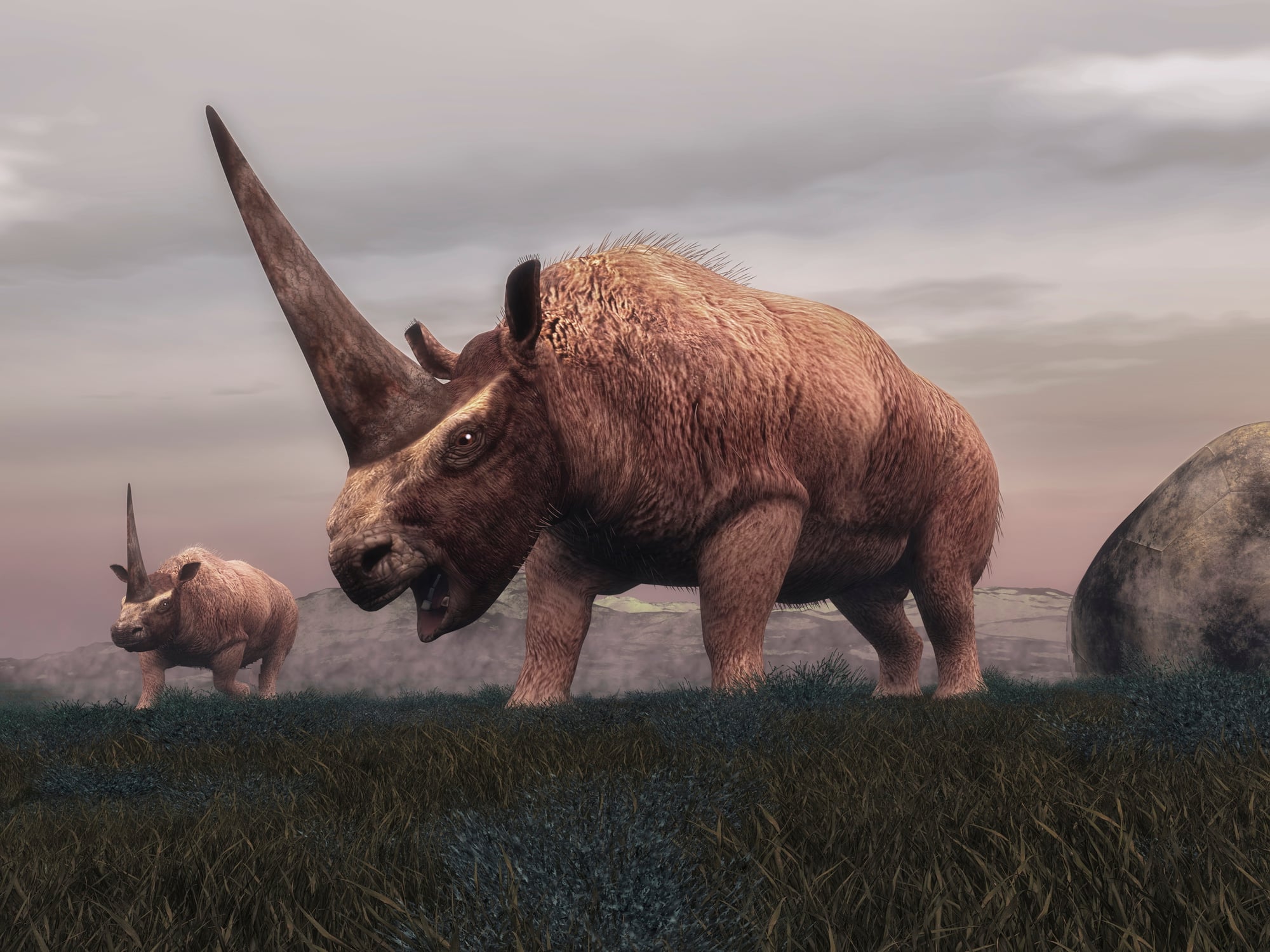
A Siberian farmer found the skull of what turned out to be Elasmotherium sibiricum — the giant Siberian unicorn — in the 1800s, and the find joined a growing pile of evidence that this enormous rhinoceros relative had survived much longer than previously believed. Later dating of specimens, including those found by non-specialists, pushed the extinction date to roughly 39,000 years ago, meaning early modern humans and this animal lived at the same time.
That overlap matters enormously for understanding what drove megafauna extinctions.
Helicoprion
The spiral-toothed whorl of Helicoprion baffled paleontologists for well over a century — and the first specimen was found by a Russian naturalist and amateur fossil collector named Alexander Karpinsky in the late 1800s in the Ural Mountains. The structure looked like a circular saw blade made of teeth, and nobody could agree where in the animal’s body it belonged.
The question wasn’t fully resolved until CT scanning of specimens held in Idaho’s collections revealed, in 2013, that the whorl sat entirely in the lower jaw — which means every reconstruction made before that point was wrong.
Mamenchisaurus
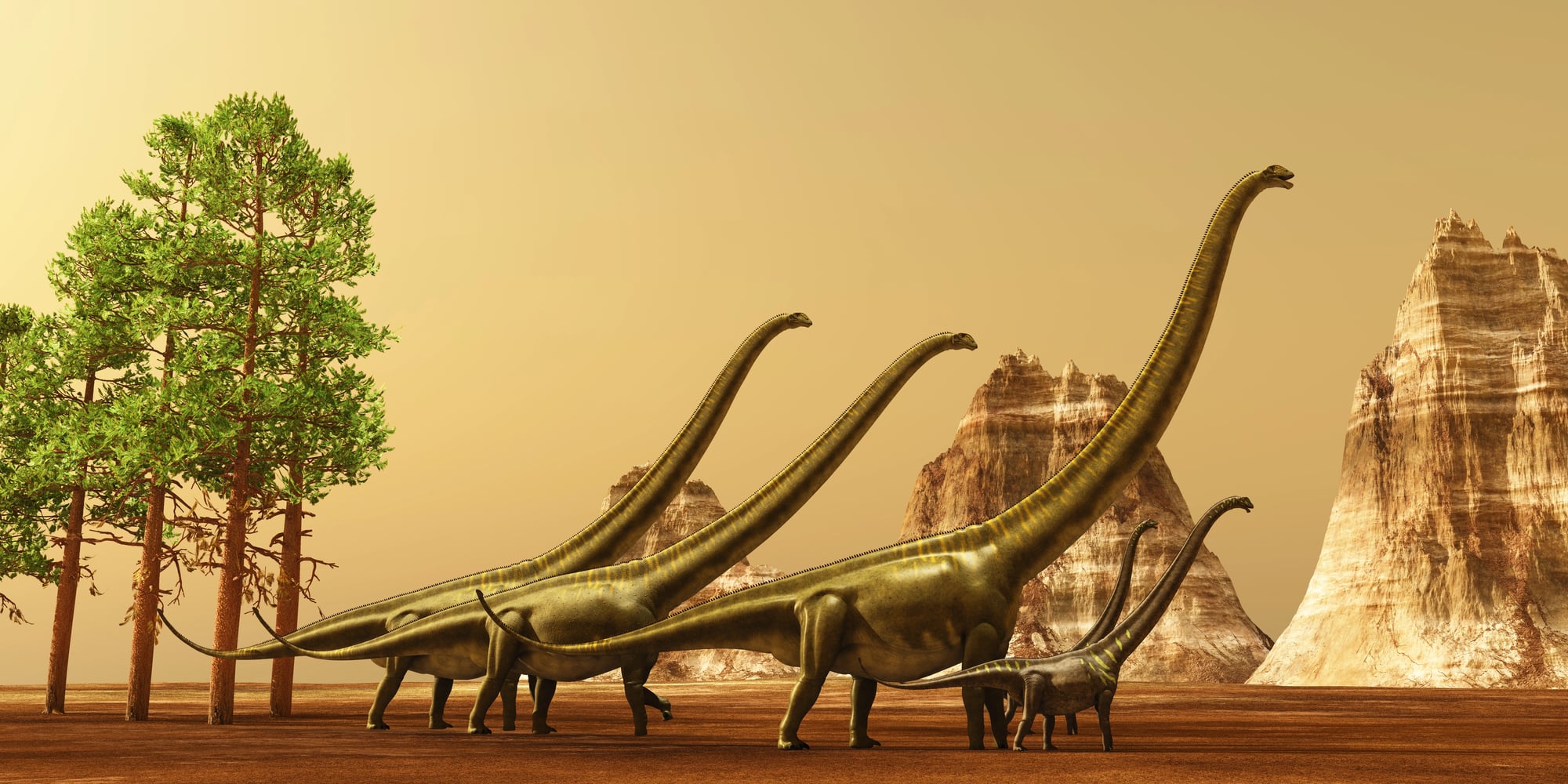
A construction worker accidentally unearthed Mamenchisaurus in 1952 during road construction in Sichuan Province, China, and handed over the bones — an act that turned out to matter considerably more than the road. The sauropod had a neck that accounted for nearly half its total body length, which remains one of the longest necks of any animal ever found, and its discovery helped scientists understand just how extreme dinosaur anatomy could become.
It also opened up Sichuan as a major fossil site that has continued producing significant finds ever since.
The Tanis Site Fish
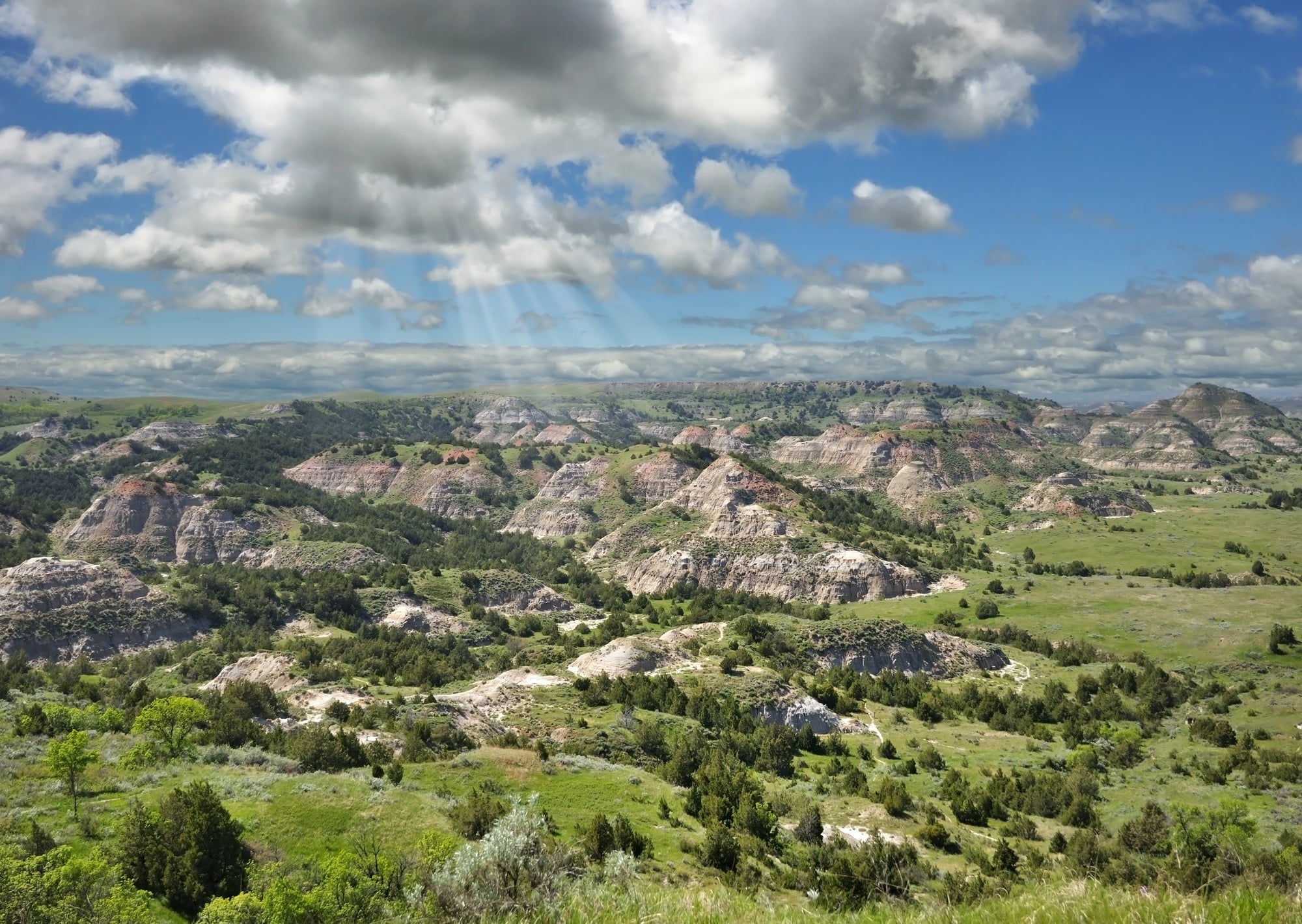
When paleontologist Robert DePalma began excavating the Tanis site in North Dakota, he was a graduate student working mostly alone in a remote location, and what he found was astonishing: a deposit preserving the immediate aftermath of the Chicxulub impact 66 million years ago. Paddlefish and sturgeon with impact spherules lodged in their gills — meaning they were alive when debris rained down from the asteroid strike.
The site was initially kept quiet for years, but when the findings were published, they provided the closest direct evidence ever found of the actual day the dinosaurs died.
Zuul Crurivastator
Two fossil hunters found the skull of Zuul crurivastator in Montana in 2014 and sold it to the Royal Ontario Museum, which led to the excavation of an extraordinarily complete ankylosaur skeleton — skin impressions, tail club, and all. The name means “destroyer of shins,” which is exactly the kind of thing paleontologists name a heavily armored animal with a bone-crushing tail.
The specimen provided new insight into ankylosaur soft tissue preservation and confirmed that the tail clubs were used actively in combat rather than just as passive defense.
Dilophosaurus
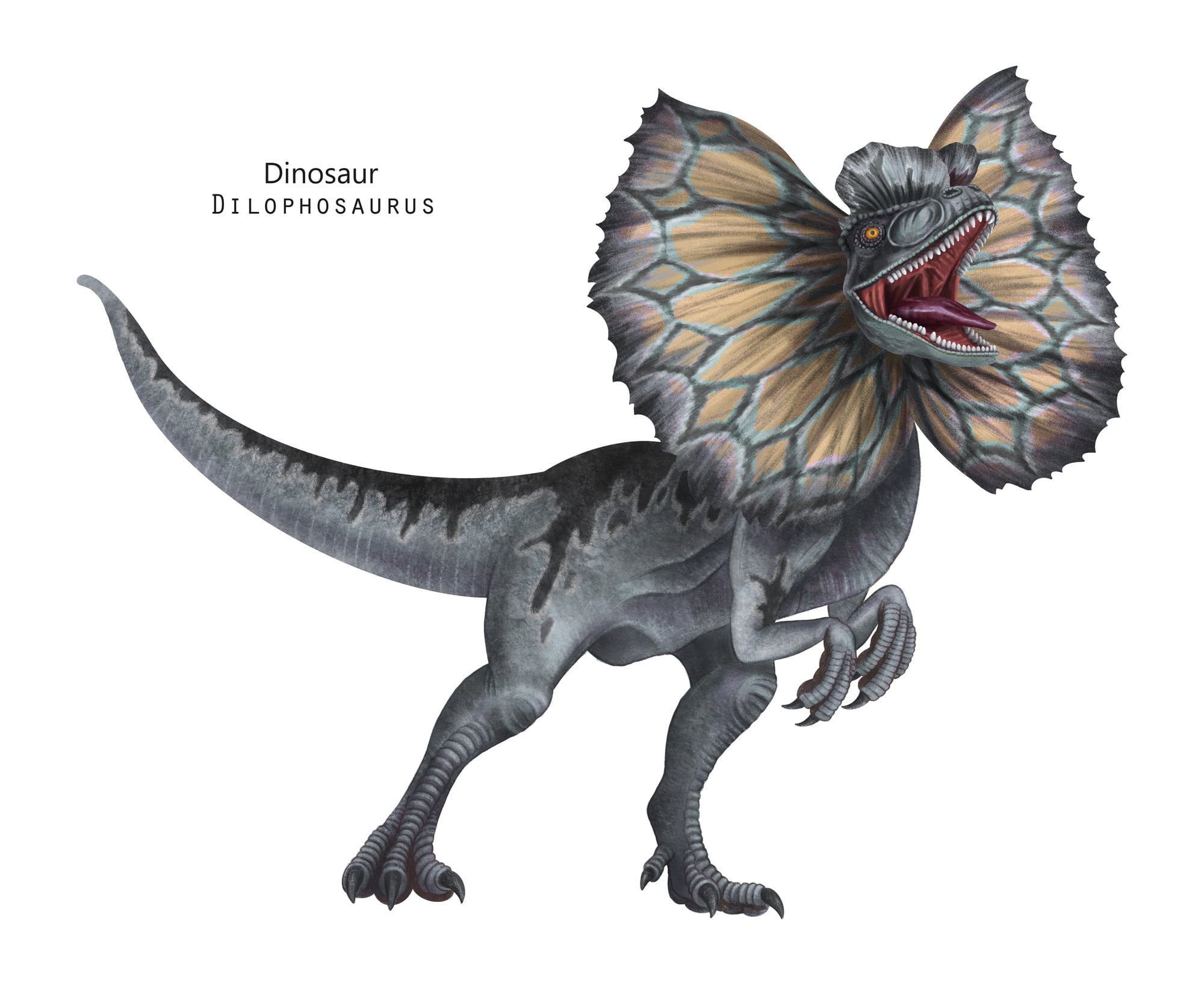
The first Dilophosaurus specimens were found in 1942 by a Navajo man named Jesse Williams on the Navajo Nation lands in Arizona, who guided paleontologist Sam Welles to the site. The double-crested predator that resulted from the discovery was the first large carnivorous dinosaur found in North America from the Early Jurassic, pushing back the record for large theropods considerably.
The crests baffled everyone at first — they’re structurally too fragile for combat, which meant the animal carried elaborate ornamentation purely for display, a concept that wasn’t widely accepted for dinosaurs in 1942.
The Flores Hobbit
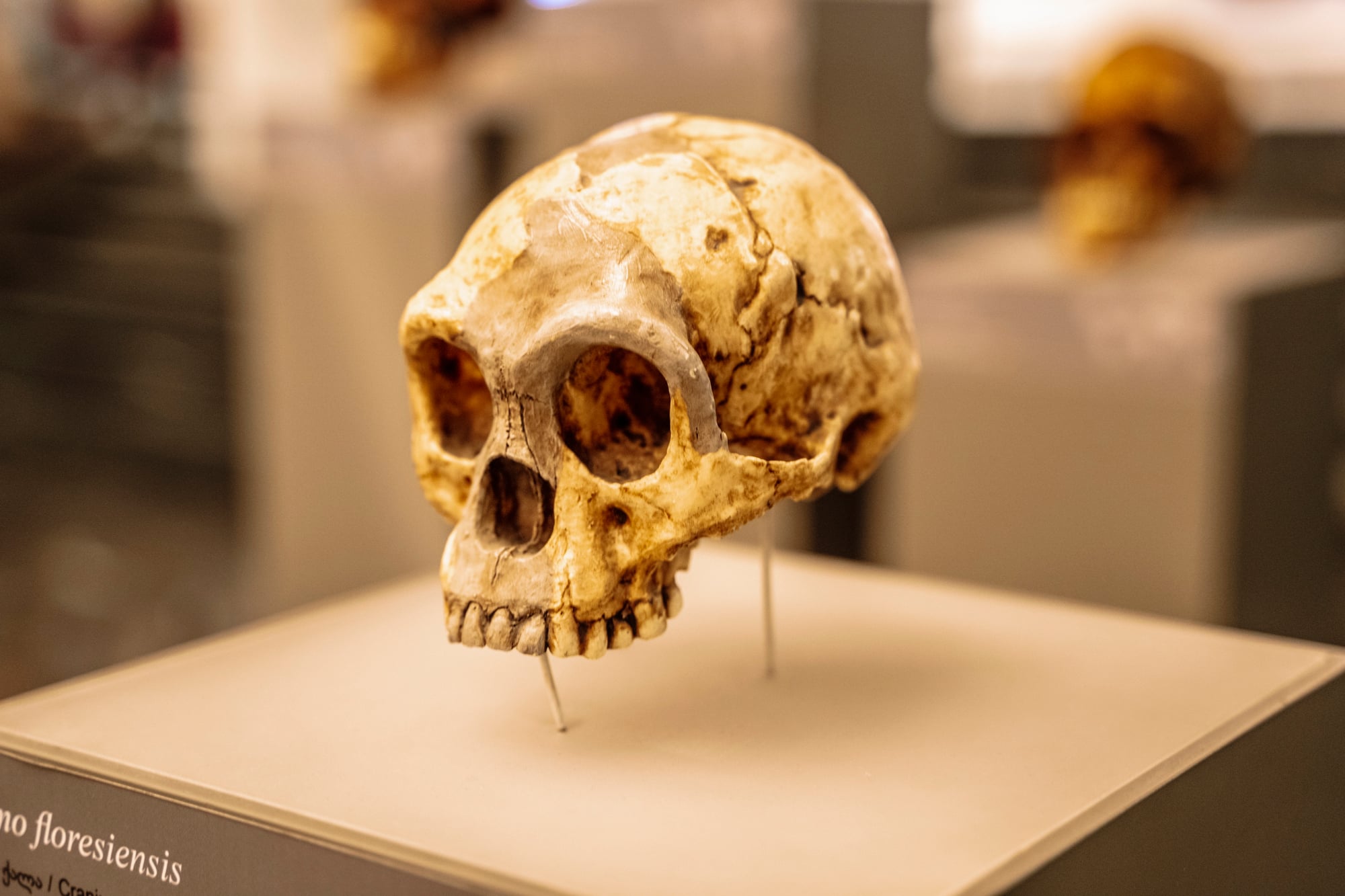
Local archaeologists and Indonesian scientists were excavating Liang Bua cave on the island of Flores in 2003 when they found the remains of Homo floresiensis — a tiny, small-brained hominin that survived until roughly 50,000 years ago. The find detonated decades of assumptions about human evolution, because a hominin with a brain roughly the size of a grapefruit was making stone tools and apparently hunting at roughly the same time Homo sapiens were spreading across the region.
Nobody had predicted it, and plenty of scientists initially refused to believe it.
The Iguanodon Teeth
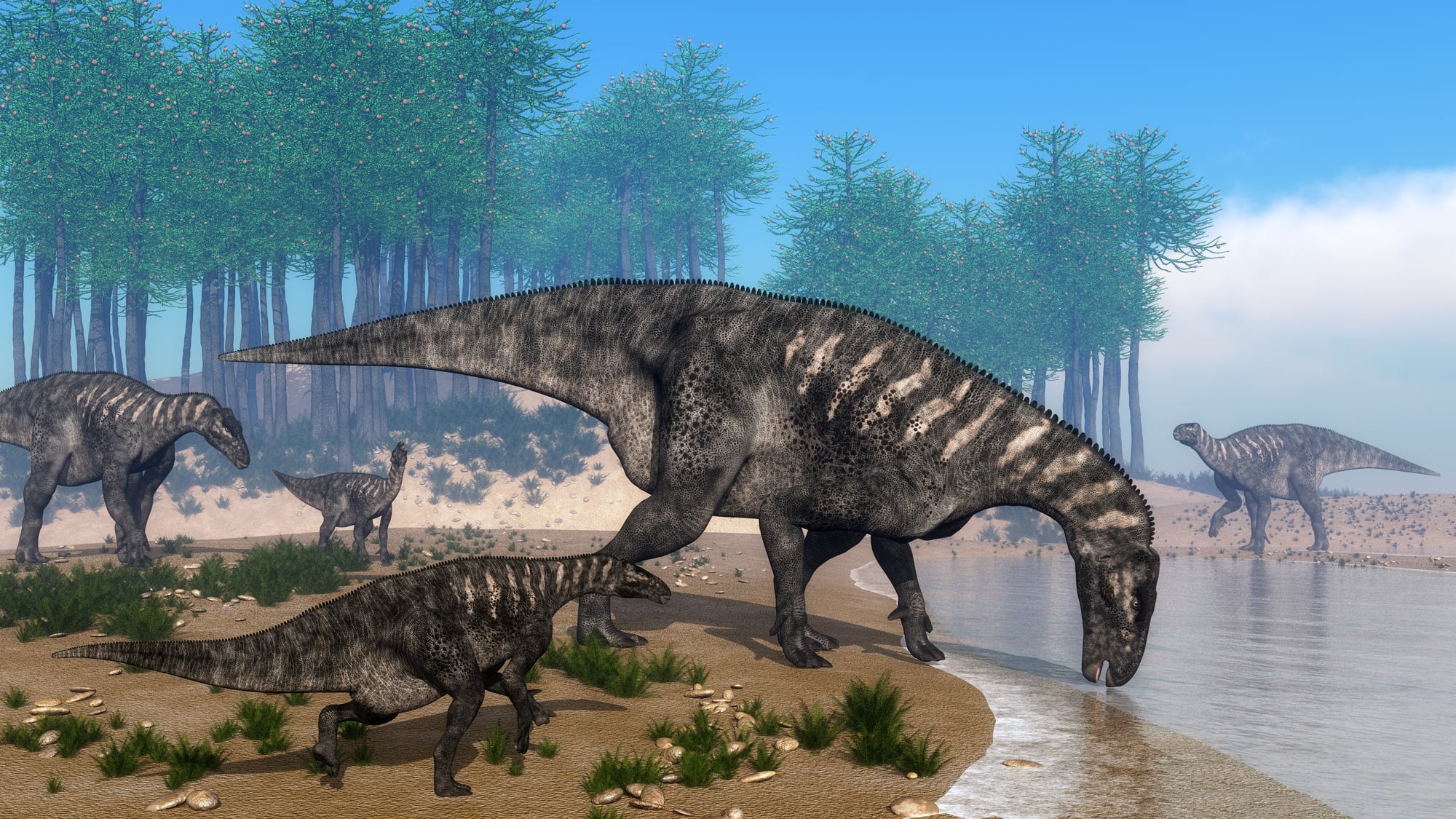
Mary Ann Mantell — wife of physician and amateur fossil collector Gideon Mantell — found unusual teeth in a pile of road gravel in Sussex, England, in 1822. Those teeth became the basis for the eventual description of Iguanodon, one of the first dinosaurs formally named.
The name itself came from the teeth’s resemblance to iguana teeth, scaled up to a size that suggested an animal approximately 60 feet long, which nobody at the time was remotely prepared to imagine.
Anchiornis
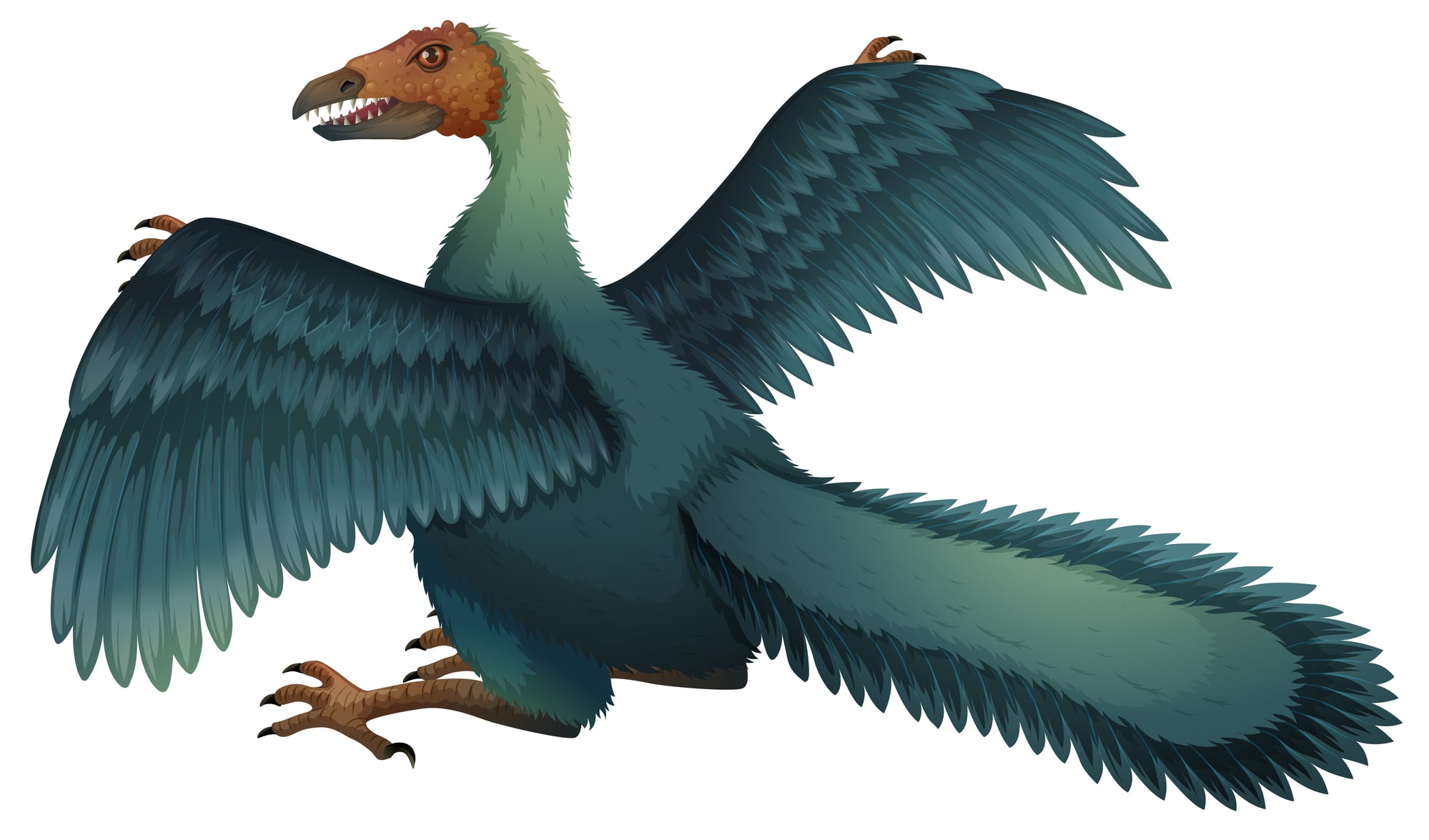
A farmer in Liaoning Province, China, found Anchiornis huxleyi and sold it to dealers before it reached scientists — a common and frustrating pattern in Chinese fossil discovery — but the specimen that eventually reached researchers was extraordinary. Anchiornis was a small, four-winged dinosaur from roughly 160 million years ago that filled a critical gap in the transition between non-avian dinosaurs and birds.
Melanosomes preserved in the feather impressions allowed scientists to reconstruct its coloring: a black-and-white body with a rufous crown, the first time anyone had ever determined the color of a Mesozoic dinosaur from direct fossil evidence.
The Montana Mummy
A rancher’s son named Charles Sternberg (who later became a professional, but started as an enthusiastic amateur digging with his father) contributed to the discovery of several “dinosaur mummies” in the early 1900s — specimens so well-preserved that skin, tendons, and soft tissue impressions remained intact. These weren’t just beautiful; they gave scientists direct evidence of dinosaur body shape that no skeleton alone could provide, including the revelation that some hadrosaurs were leaner and more athletic-looking than the barrel-shaped reconstructions that had been standard for decades.
Tiktaalik
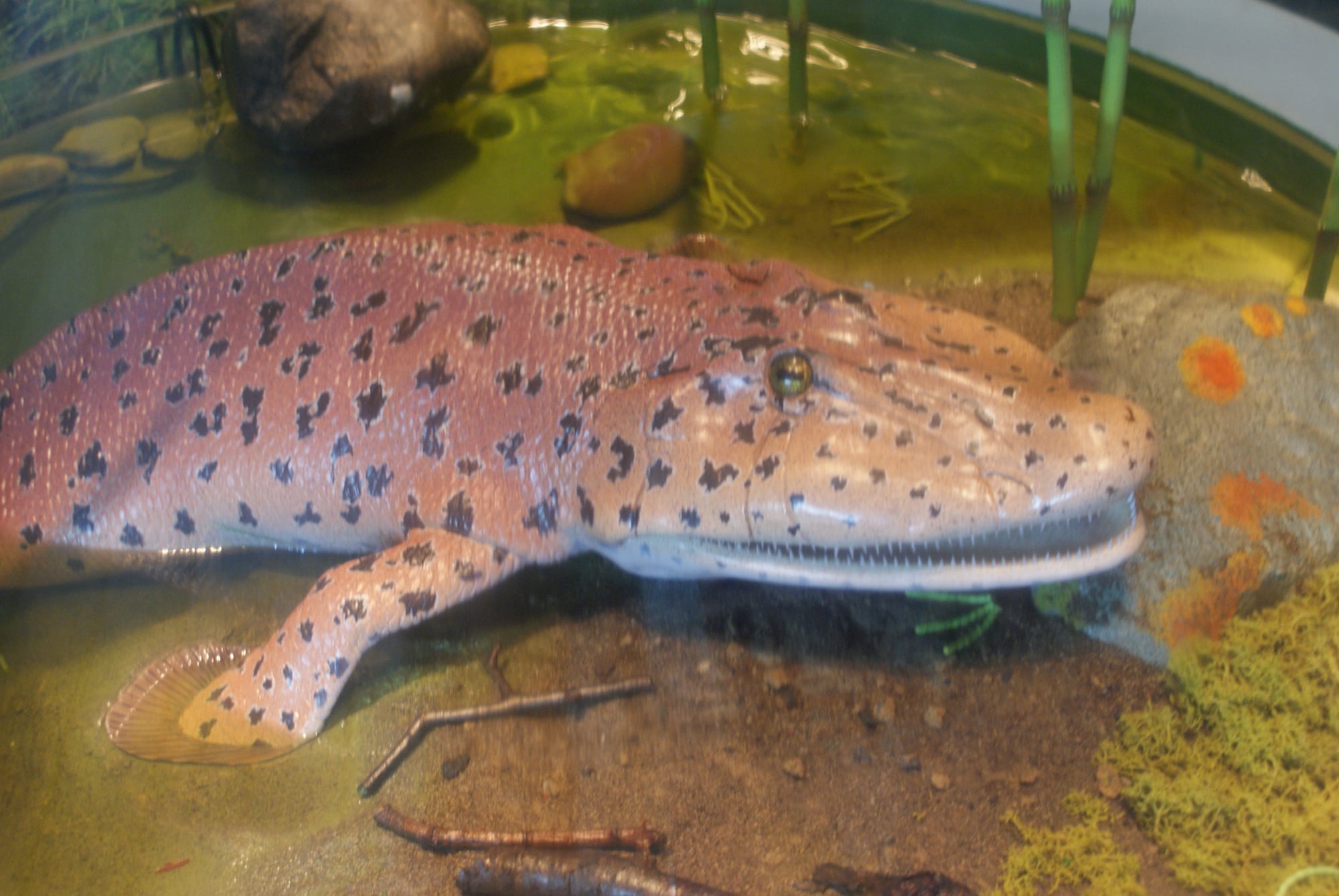
Tiktaalik roseae — the fish with proto-limbs that represents one of the most important transitional fossils ever found — was discovered in 2004 on Ellesmere Island in northern Canada by a team that included researchers who had predicted, based on geological data, that the right rock formations would be there. The actual physical discovery involved local Inuit guides and field workers without academic credentials who made the expedition logistically possible.
The fossil documented the transition from aquatic to terrestrial vertebrate life with a specificity that no previous find had achieved.
Megalodon Teeth in Your Backyard
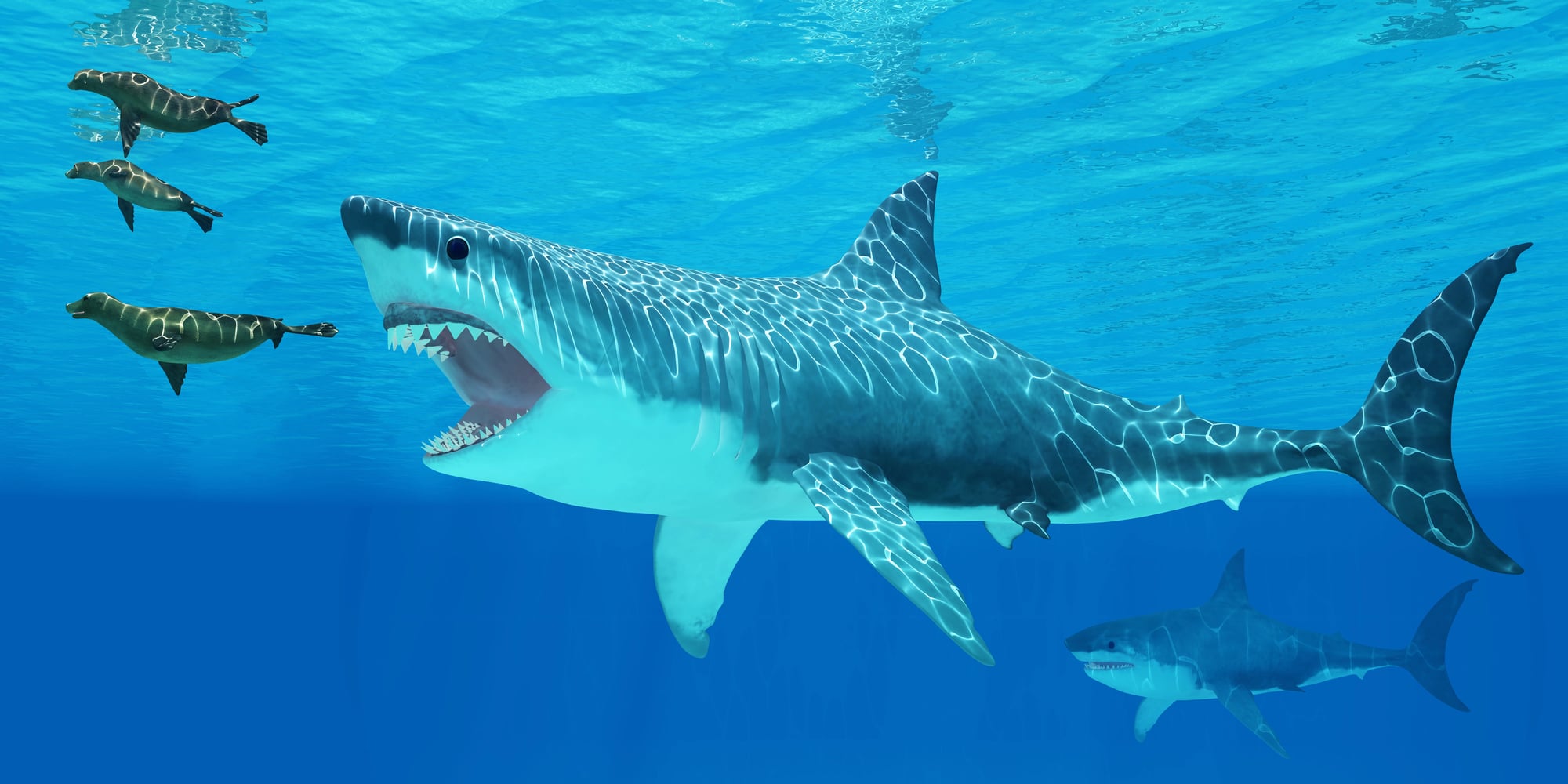
Megalodon teeth wash up on beaches along the eastern United States with enough regularity that beachcombers find them constantly — and it’s amateur collectors who have built the dataset that scientists rely on to understand the distribution, size range, and extinction timeline of the largest shark that ever lived. Teeth from adult megalodons can reach 7 inches long and turn up in river banks in South Carolina, tidal flats in Maryland, and dive sites off Florida.
The species went extinct roughly 3.6 million years ago, which beach walkers in Venice, Florida, have somehow been disproving one find at a time.
The Hadrosaur Mummy of North Dakota
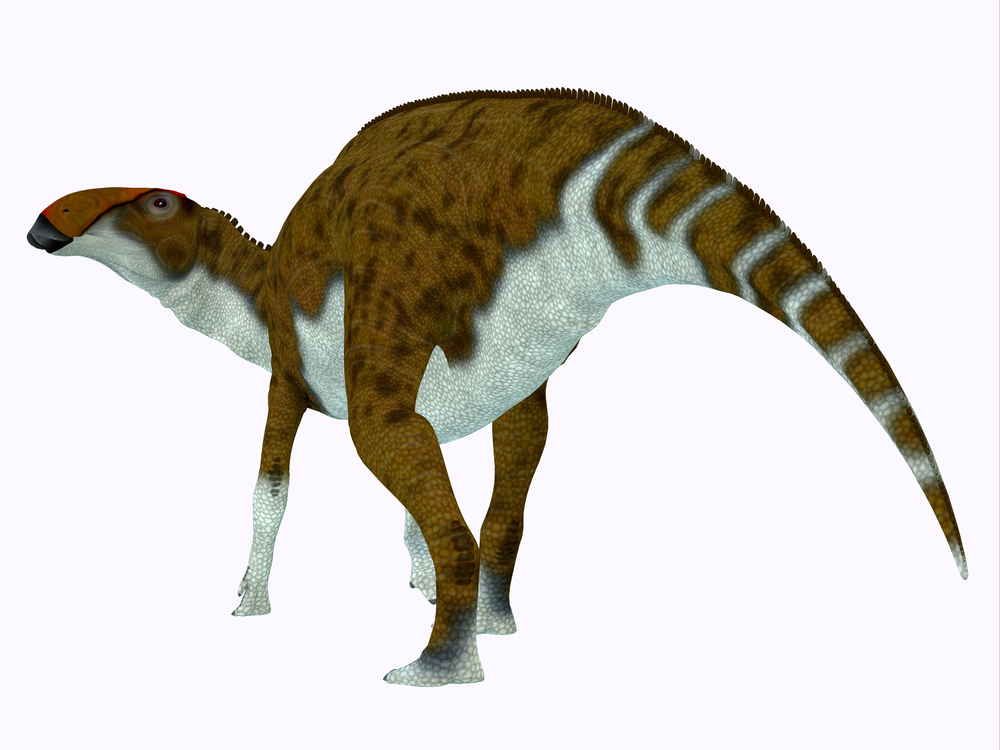
A seventeen-year-old named Tyler Lyson found a hadrosaur mummy on his family’s North Dakota farm in 1999 — one of the most spectacularly preserved dinosaur specimens ever recovered, later nicknamed “Dakota.” The skin impressions revealed that hadrosaurs had significantly more muscle mass than skeletal reconstructions had suggested, meaning they were faster, stronger, and physically more substantial than the science had assumed.
Lyson later became a professional paleontologist, which is probably the most on-brand career pivot in fossil history.
Archaeopteryx
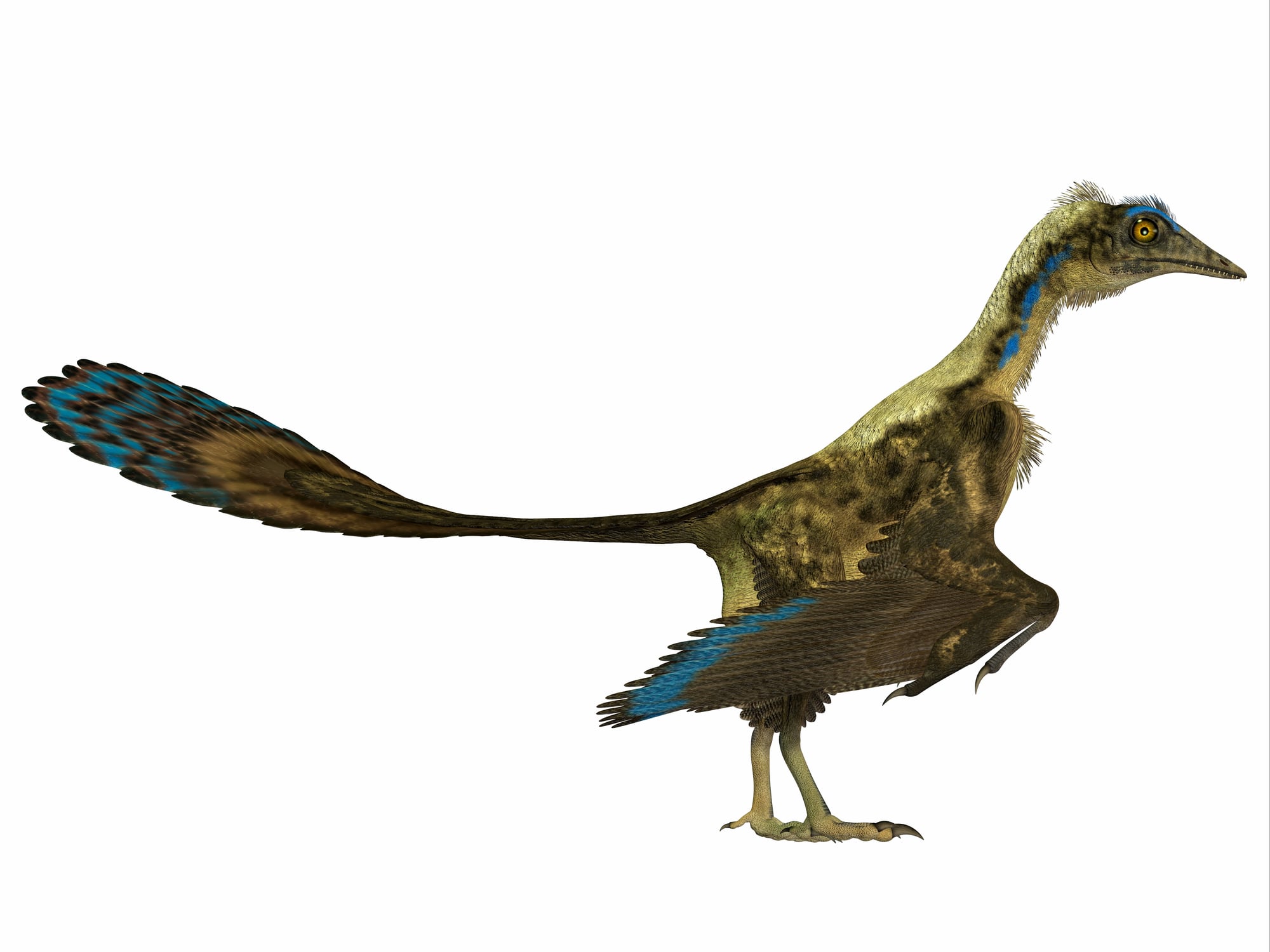
The first Archaeopteryx feather was found in 1861 in a limestone quarry in Solnhofen, Bavaria — by a quarry worker, not a scientist — and the complete skeleton that followed shortly after was purchased from a local physician. The creature landed in the middle of the debate that Darwin’s “On the Origin of Species” had just ignited two years earlier, and it arrived like a perfectly timed exhibit: a transitional form between reptiles and birds, with feathers and a wishbone alongside claws and teeth.
It’s still one of the most significant fossils ever discovered, and it came out of a working quarry.
The Colorado Stegosaurus
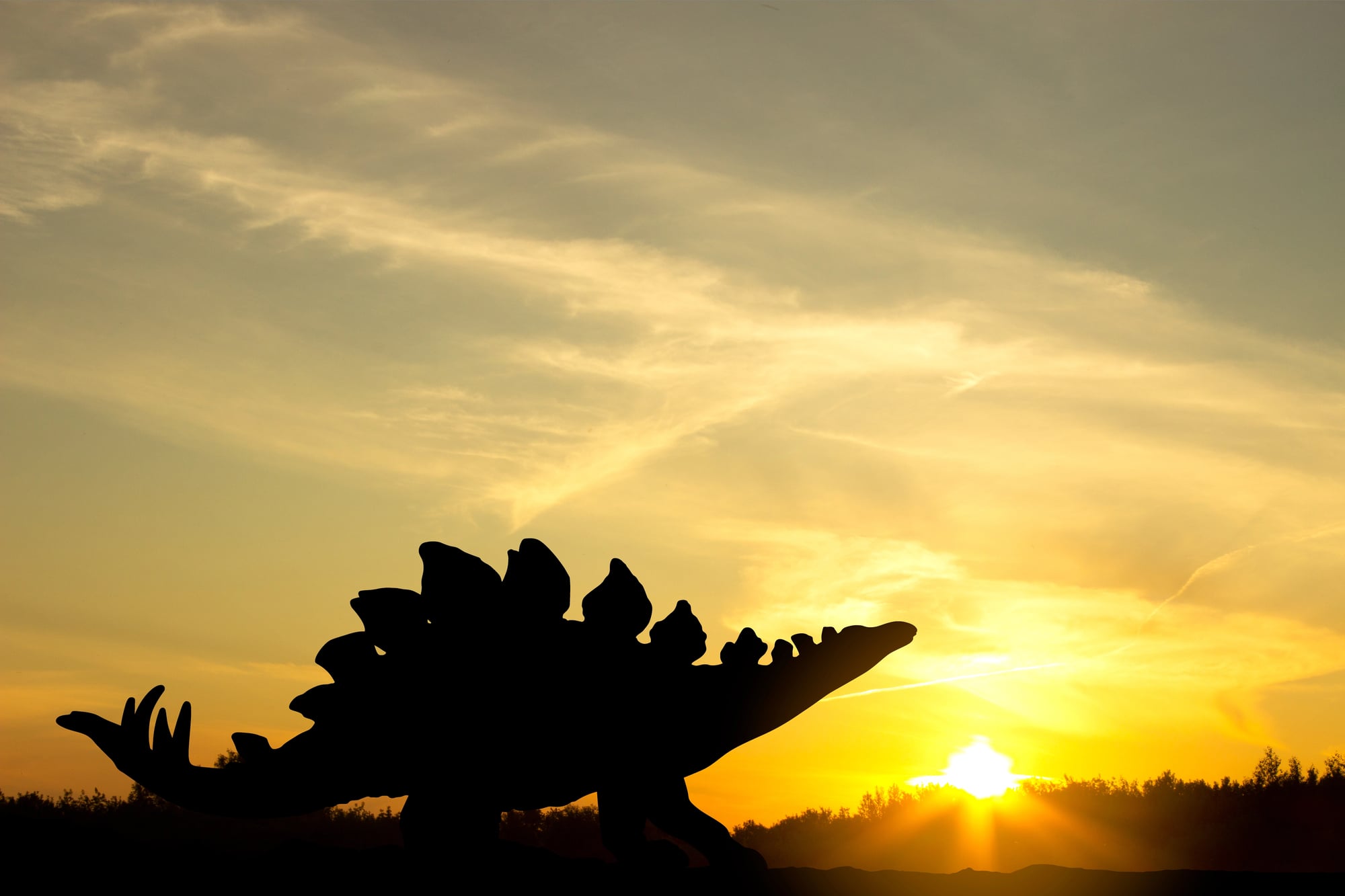
Marshall Felch was a rancher and self-taught fossil hunter who excavated Stegosaurus armatus from Garden Park, Colorado, in the 1870s and 1880s with such care and skill that professional paleontologist Othniel Charles Marsh described his work as some of the finest fossil preparation he had ever seen. The plates along the Stegosaurus’s back were initially thought to lie flat — it was Felch’s meticulous excavation that preserved their positioning and helped scientists eventually recognize that they stood upright.
What that actually meant for the animal’s thermoregulation and display is still debated, which is sort of the point: one careful rancher kept that argument alive.
Siats Meekerorum
Two paleontologists found Siats meekerorum — a massive predatory dinosaur from Utah — in 2008, but the critical initial scouting of the site was done by volunteer fossil hunters who had mapped the area years earlier and flagged it as promising. Siats was a megaraptoran — a group that had been poorly understood in North America — and its discovery suggested that large predatory dinosaurs suppressed smaller theropods like T. rex ancestors for tens of millions of years before the larger animals disappeared.
The ecosystem implications alone warranted years of follow-up work.
The Alberta Baby Dinosaurs
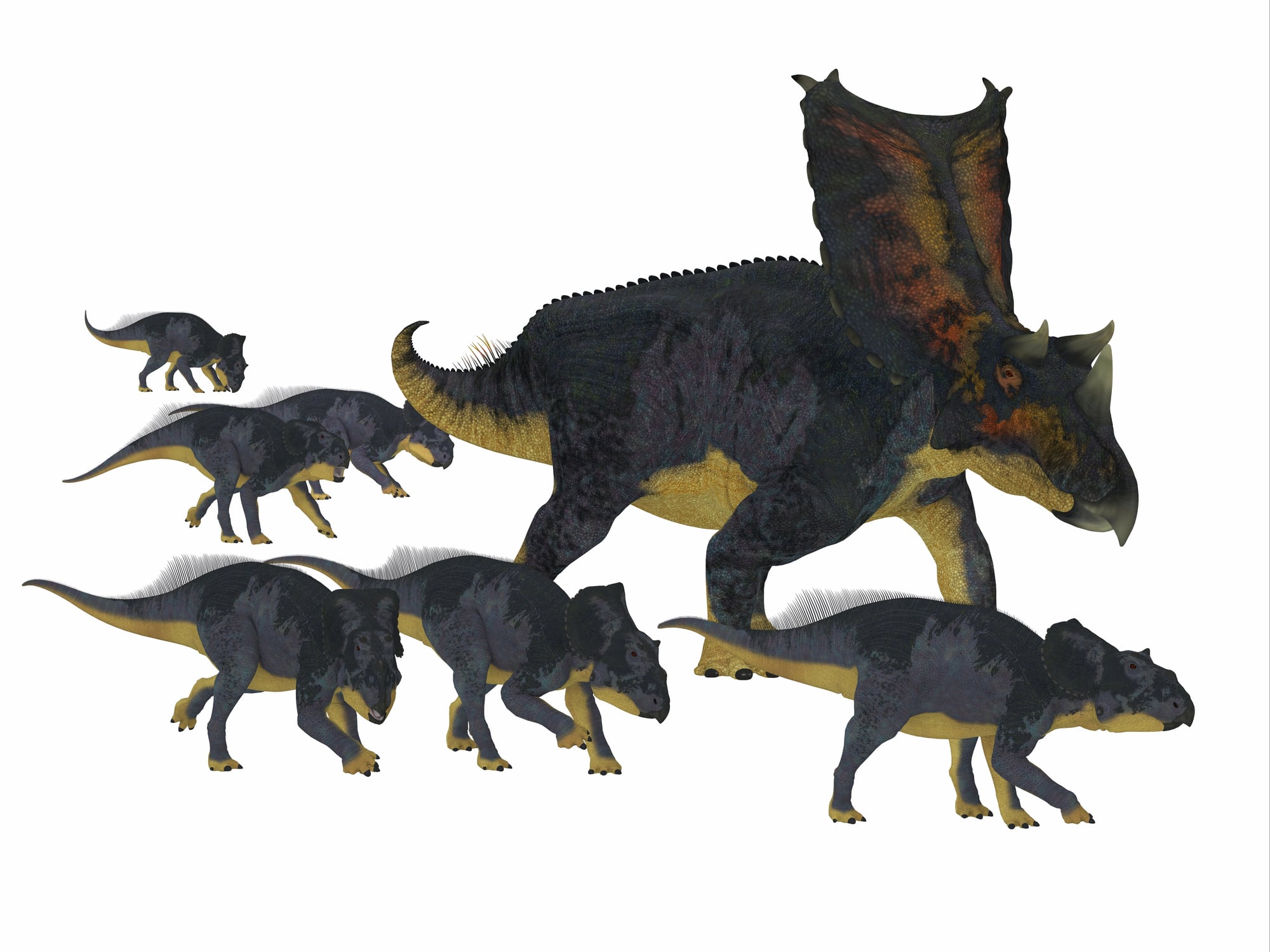
Philip Currie’s decades of work in Alberta’s Dinosaur Provincial Park benefited enormously from amateur collectors who had been picking over the badlands since the early twentieth century, and it was a combination of ranchers, farmers, and untrained enthusiasts who flagged bone beds that turned out to contain nesting sites and juvenile specimens. Baby dinosaur bones are notoriously fragile and small — professionals often walk right past them.
The amateur eye, which doesn’t know what it’s not supposed to see, sometimes finds exactly those things.
When Nobody Was Looking
The pattern here is almost too consistent to be coincidence. Again and again, the person who changes everything is someone who just showed up — a twelve-year-old on an English beach, a Siberian farmer, a ranch kid in North Dakota who thought he’d found something interesting.
Science, to its credit, has usually known what to do with these gifts once they arrived. The harder thing to square is how many discoveries might still be sitting in a drawer, or a river bank, or a field in Montana, waiting for someone without a PhD and without a grant to simply walk past at the right moment and stop.
More from Go2Tutors!

- The Romanov Crown Jewels and Their Tragic Fate
- 13 Historical Mysteries That Science Still Can’t Solve
- Famous Hoaxes That Fooled the World for Years
- 15 Child Stars with Tragic Adult Lives
- 16 Famous Jewelry Pieces in History
Like Go2Tutors’s content? Follow us on MSN.