16 Public Parks That Were Once Cemeteries
Cities grow, populations shift, and sometimes the places where we once laid our loved to rest become the places where we now play frisbee with our dogs. It’s a transformation that might seem strange at first, but it’s happened more often than you’d think across America.
From coast to coast, dozens of public parks have fascinating histories as former burial grounds. Here are 16 public parks that were once cemeteries.
Washington Square Park, New York City
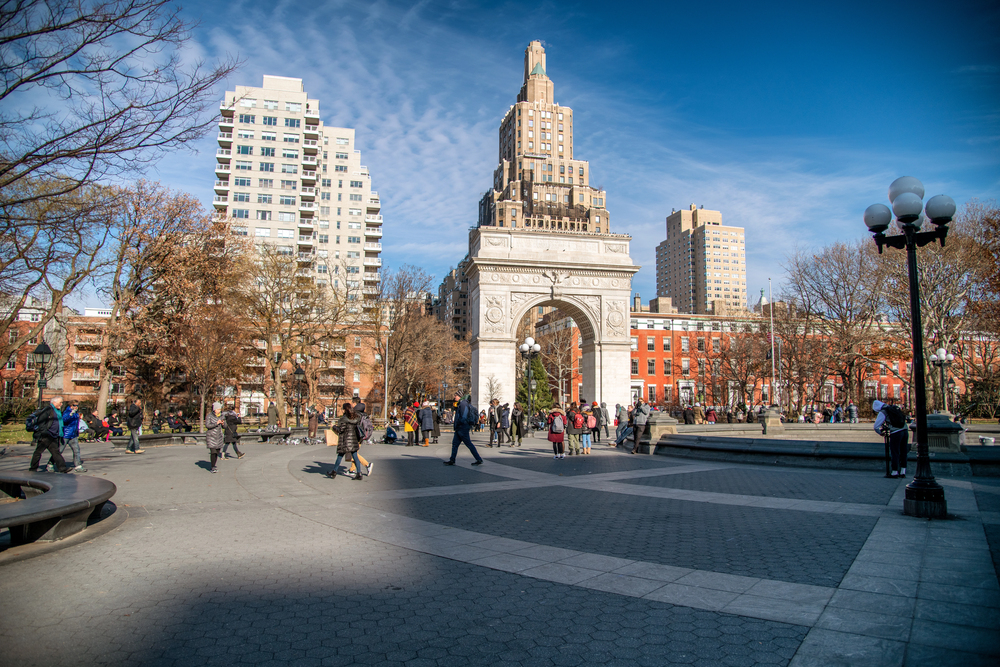
Washington Square Park in Manhattan wasn’t always the bustling hub of street performers and chess players it is today. From 1797 to 1825, this 10-acre space served as a potter’s field where over 20,000 people were buried.
Most were poor immigrants and victims of yellow fever epidemics who couldn’t afford proper burials elsewhere.
Dolores Park, San Francisco
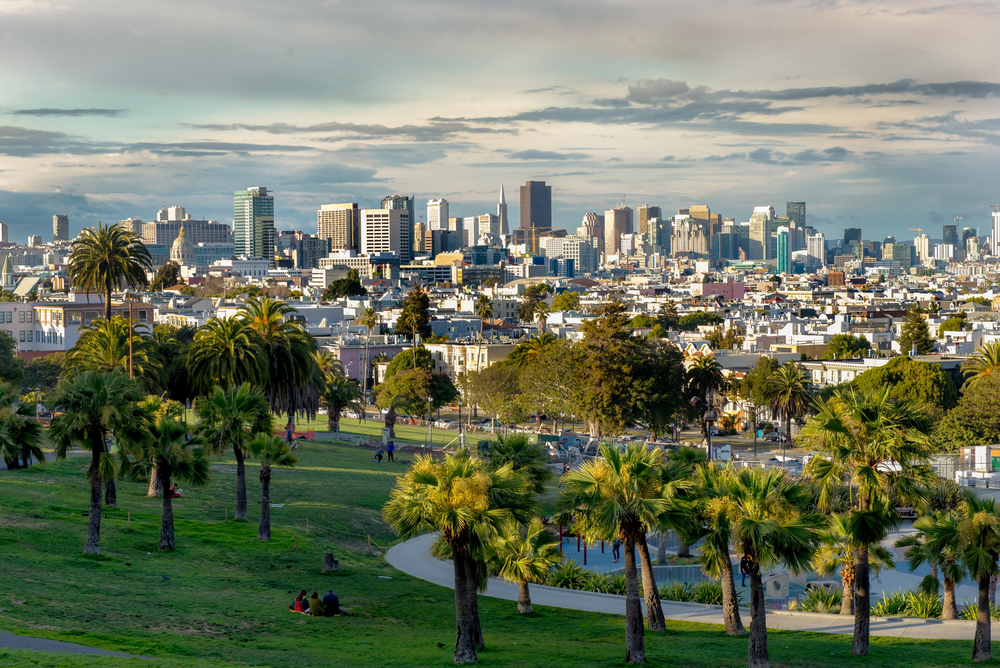
San Francisco’s beloved Dolores Park started as two separate Jewish cemeteries in the 1860s. When the city banned burials within city limits in 1900, most remains were moved to Colma, California.
The transformation into a park happened in 1905, though workers still occasionally discover forgotten graves during maintenance projects.
Lincoln Park, Chicago
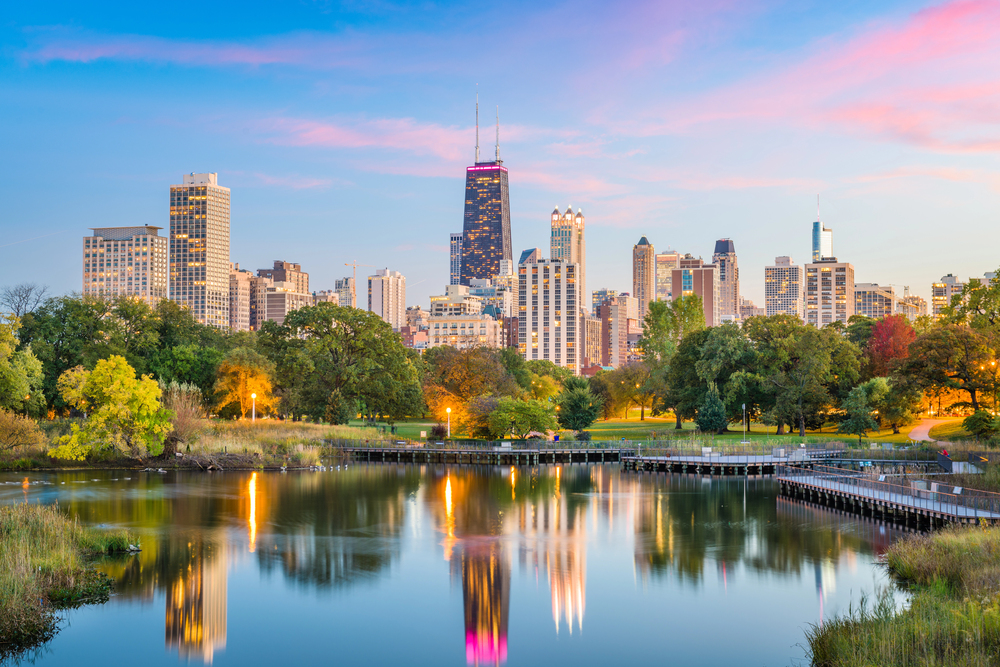
Chicago’s Lincoln Park began as the city cemetery in 1843, sprawling across what’s now some of the most expensive real estate in the city. The cemetery became overcrowded and unsanitary, leading to its closure in 1866.
Moving approximately 35,000 bodies was a massive undertaking that took years to complete, and the area became a park in 1872.
Meridian Hill Park, Washington D.C.
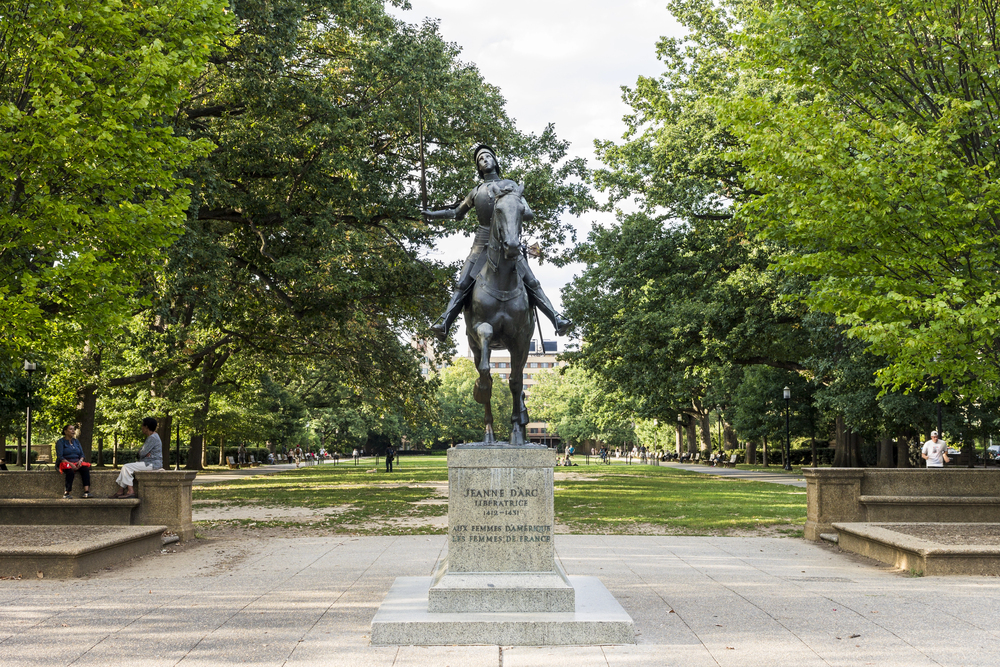
This formal park in Washington D.C. sits atop what was once Columbian Harmony Cemetery, established in 1859 as the city’s first integrated burial ground. The cemetery operated until 1894, when rapid urban development made the land too valuable for burials.
The elaborate terraced gardens and fountains that visitors enjoy today were built directly over the former graves.
Calvary Cemetery Park, Los Angeles
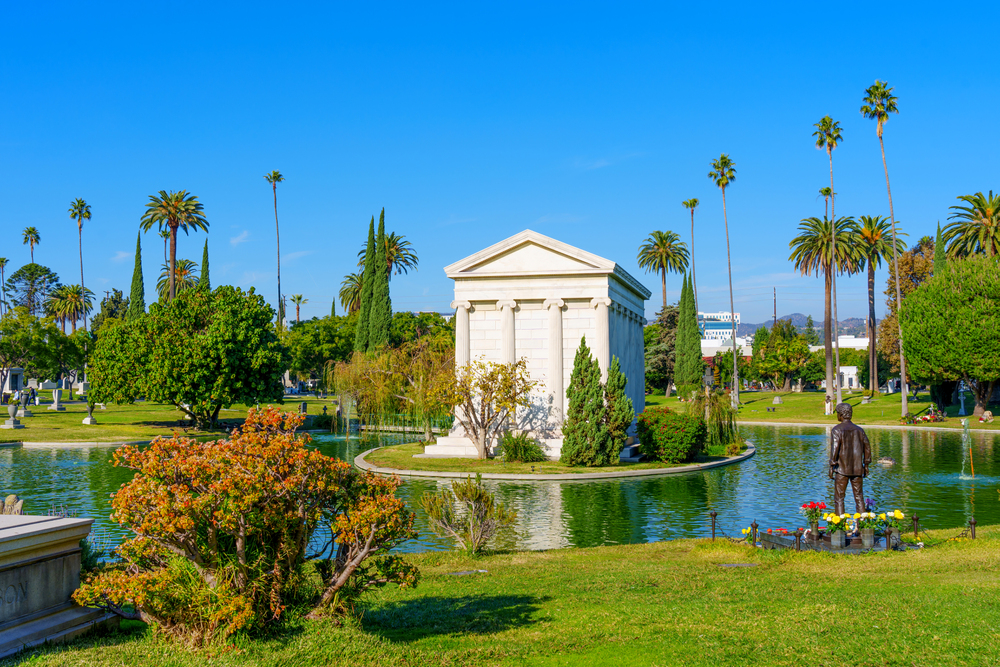
Los Angeles turned part of its original Calvary Cemetery into a public park in the 1920s. The cemetery had become surrounded by growing neighborhoods, and residents complained about the maintenance and appearance.
Rather than relocate all the graves, the city converted a section into parkland while keeping the active cemetery portion separate.
Piedmont Park, Atlanta
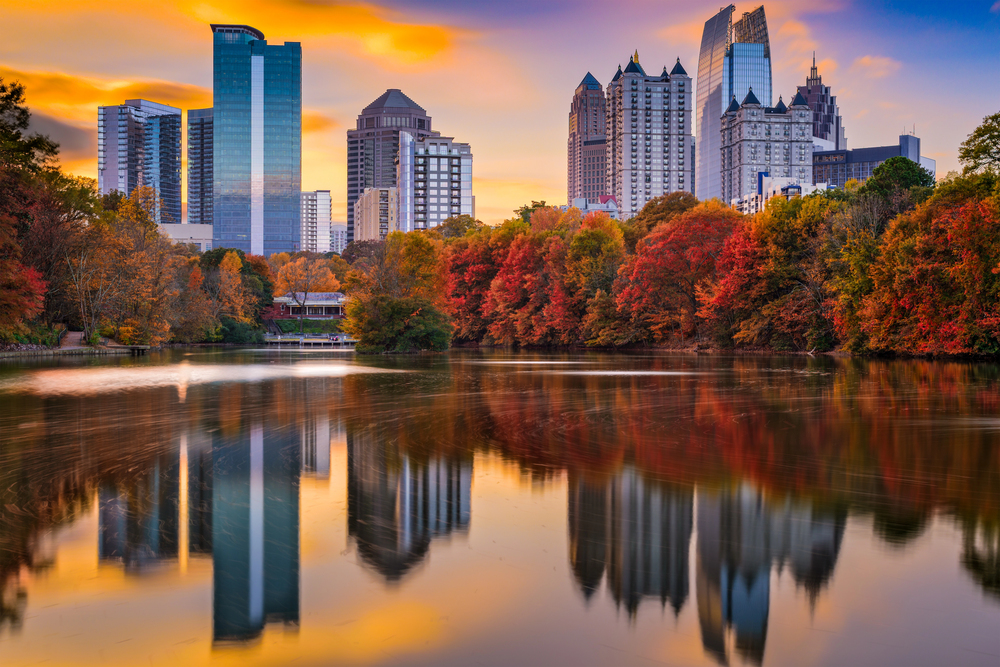
Atlanta’s premier park occupies land that once held part of Oakland Cemetery’s overflow area. During the late 1800s, this section housed temporary burials before bodies were moved to permanent plots.
When the 1895 Cotton States Exposition needed space, organizers chose this location, and it became a permanent park afterward.
Graceland Cemetery Park, Chicago
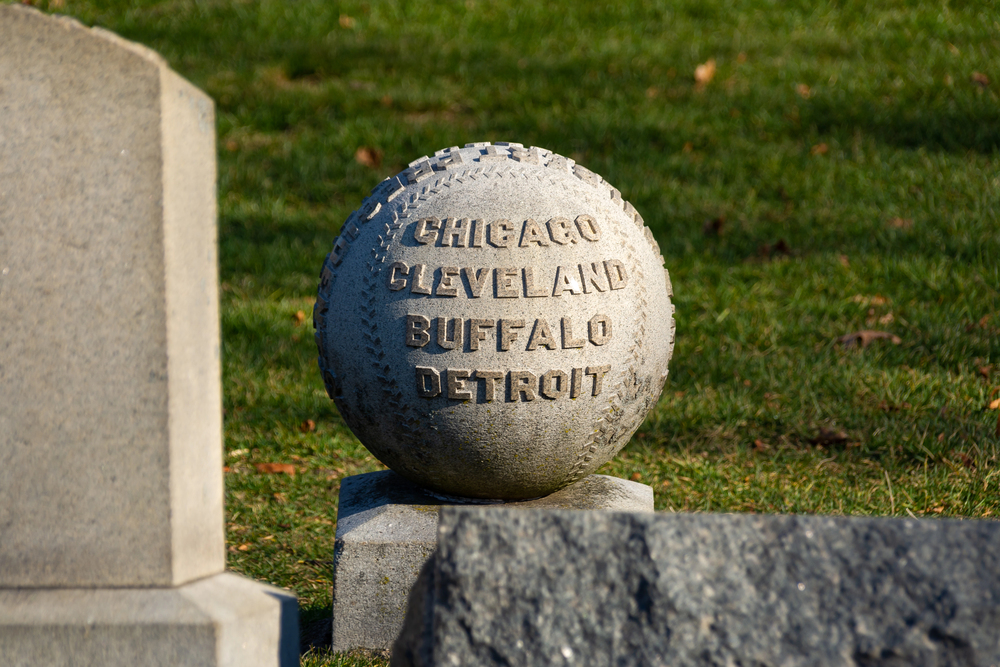
Not to be confused with the famous Graceland Cemetery that still operates, this small Chicago park was created from a defunct cemetery that couldn’t compete with larger, more prestigious burial grounds. The cemetery closed in the 1880s after just 20 years of operation, and the graves were relocated to make way for the neighborhood park.
Mount Auburn Cemetery Park, Cambridge

A section of Cambridge’s historic Mount Auburn Cemetery was converted into public parkland in the early 1900s. The original cemetery, established in 1831, was America’s first garden cemetery, but urban expansion made part of it impractical to maintain as a burial ground.
The park section retains the rolling hills and mature trees that made the cemetery famous.
Oak Hill Cemetery Park, Washington D.C.
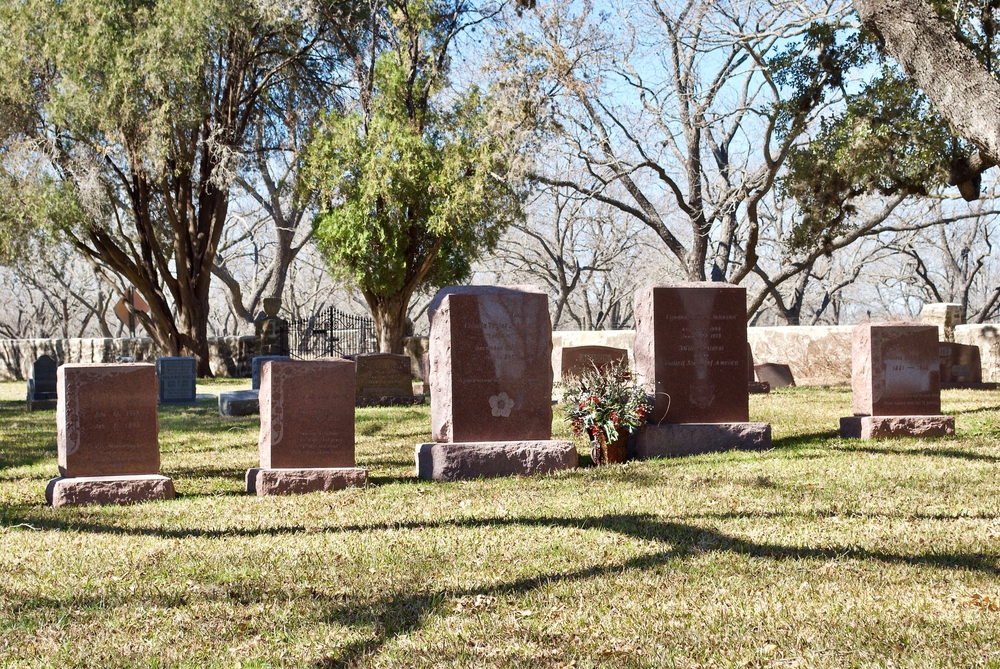
This small park in Georgetown was carved from the edge of Oak Hill Cemetery when the city needed green space for the growing neighborhood. The cemetery, established in 1849, donated the land in the 1920s with the condition that it remain a public park.
Visitors can still see the original cemetery’s stone walls bordering the park.
Woodlawn Cemetery Park, Detroit
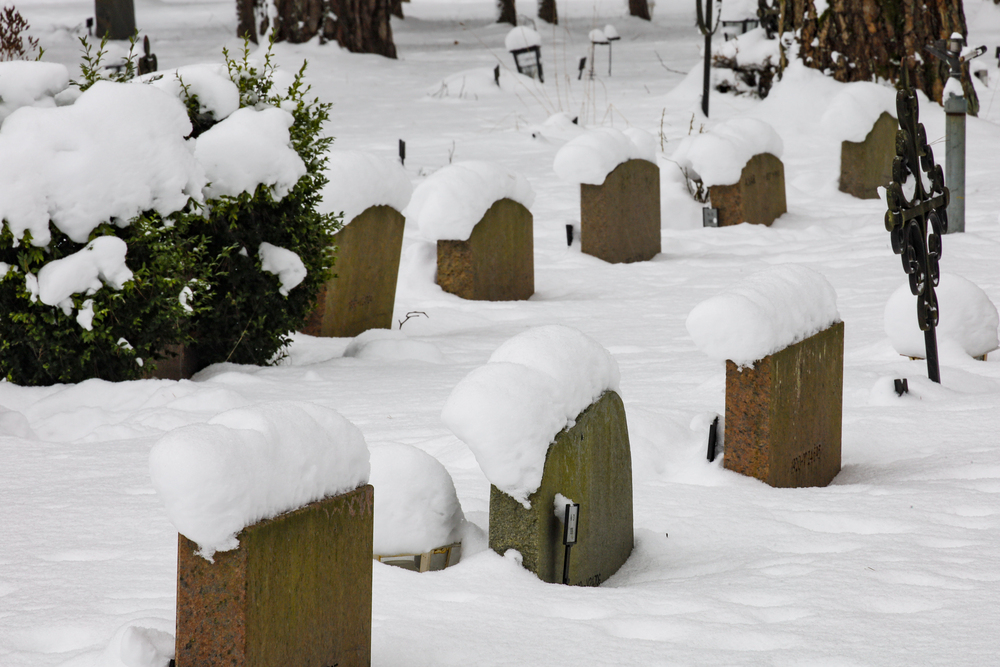
Detroit converted part of the historic Woodlawn Cemetery into a public park during the 1960s urban renewal efforts. The cemetery section had become neglected and overgrown, making it an eyesore in the improving neighborhood.
The city relocated the remaining graves and created a small community park with playground equipment and picnic areas.
Forest Home Cemetery Park, Milwaukee
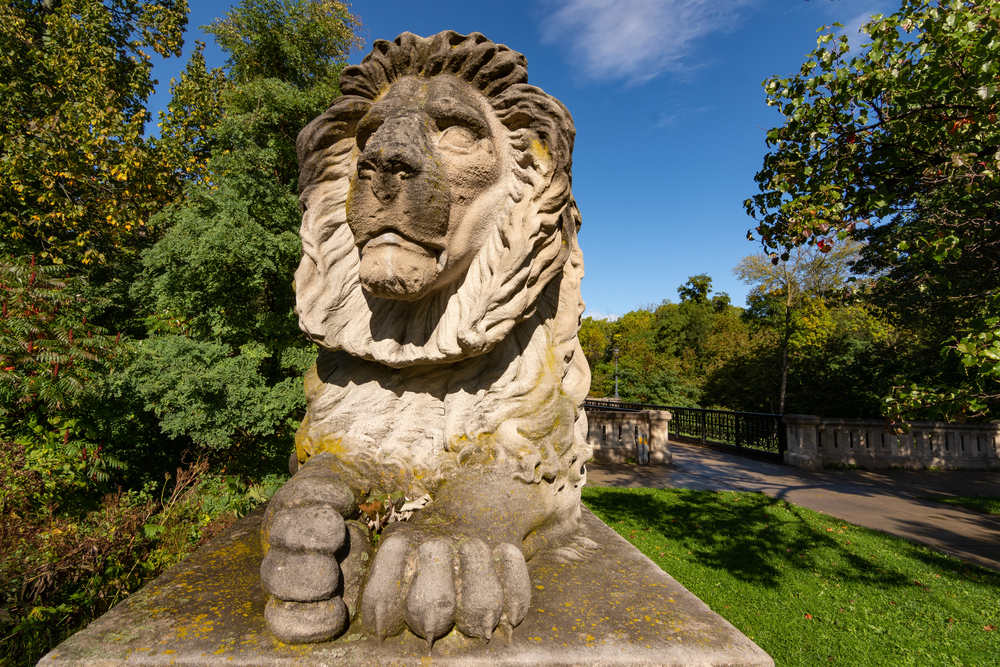
Milwaukee’s Forest Home Cemetery donated a section of its grounds to become a public park in the 1890s. The cemetery had purchased more land than it needed for burials, and the extra acreage became a neighborhood amenity.
The park maintains the cemetery’s original landscaping, including several large oak trees that are now over 150 years old.
Green-Wood Cemetery Park, Brooklyn

A small section of Brooklyn’s famous Green-Wood Cemetery was converted to public parkland in the 1920s when the cemetery needed to reconfigure its entrance. Rather than sell the land to developers, cemetery officials worked with the city to create a small park that would complement the historic cemetery’s garden-like atmosphere.
Riverside Cemetery Park, Denver

Denver transformed part of Riverside Cemetery into a public park during the 1930s as part of Depression-era public works projects. The cemetery had been damaged by flooding from the South Platte River, making some sections unsuitable for continued burials.
The Works Progress Administration helped convert the area into a riverside park with walking paths.
Elmwood Cemetery Park, Memphis
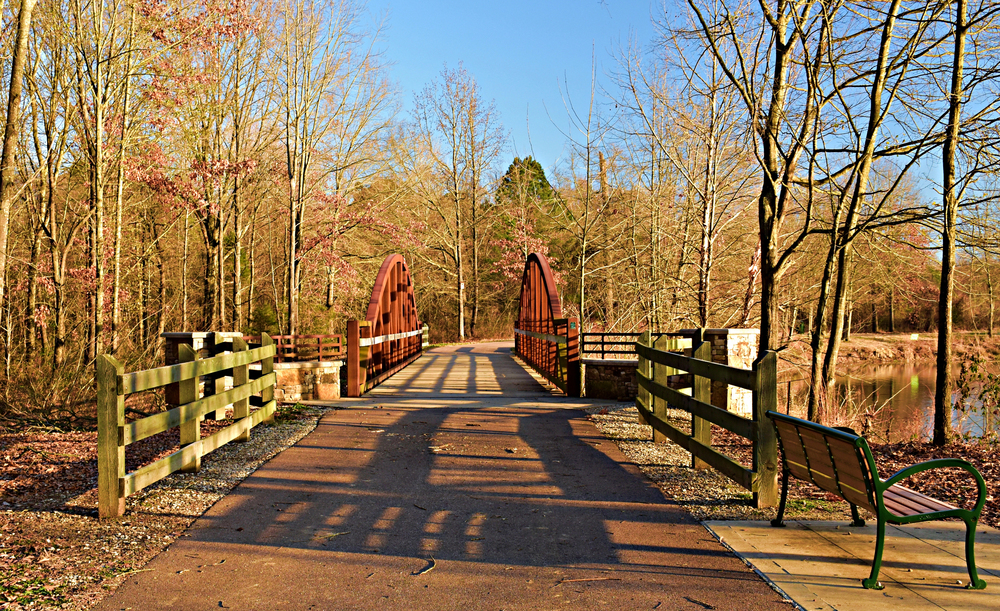
Memphis created this park from a section of historic Elmwood Cemetery that had become difficult to maintain. The cemetery, established in 1853, had expanded beyond its original boundaries, and the outlying areas were converted to public use in the 1940s.
The park retains many of the cemetery’s original magnolia trees and winding paths.
Laurel Hill Cemetery Park, Philadelphia
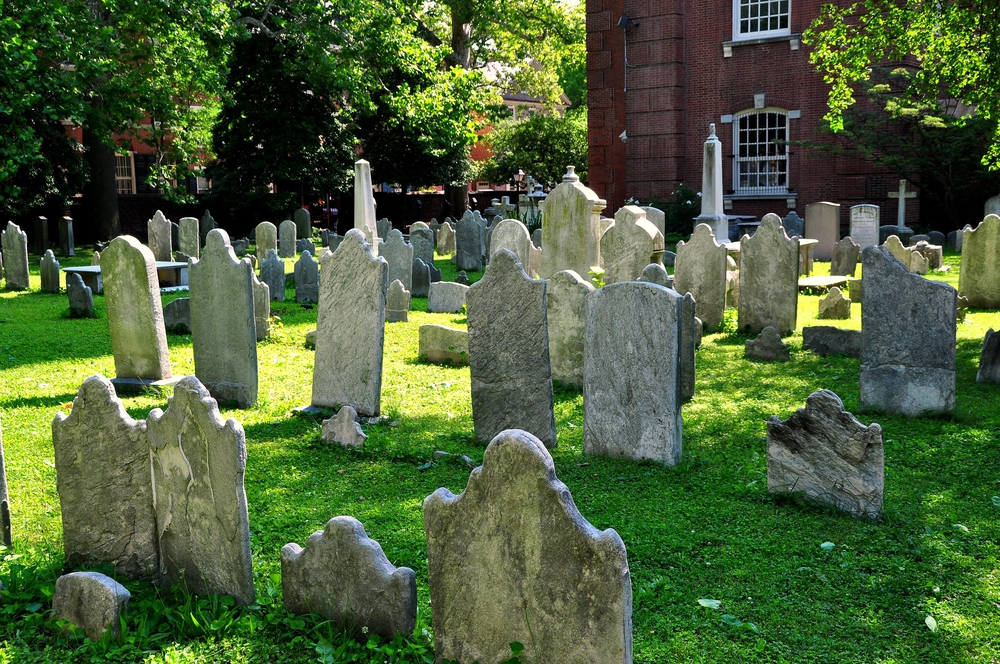
Part of Philadelphia’s Laurel Hill Cemetery became a public park when the cemetery reorganized its layout in the early 1900s. The cemetery, famous for its elaborate Victorian monuments, had grown in a haphazard way, and officials decided to streamline operations by converting some sections to public use while maintaining the historic core.
Cypress Hills Cemetery Park, Queens
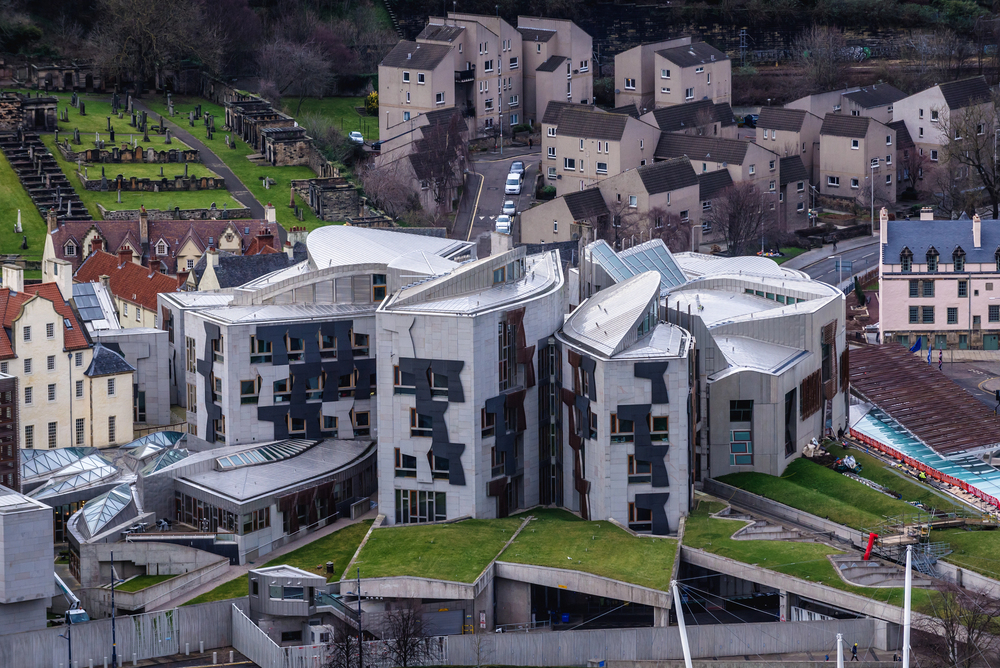
This Queens park was created from the edge of Cypress Hills Cemetery when the cemetery sold land to the city in the 1950s. The cemetery had overestimated its future needs when it was established in 1848, and the extra land became valuable for public recreation as the neighborhood developed around it.
Where the Past Meets the Present
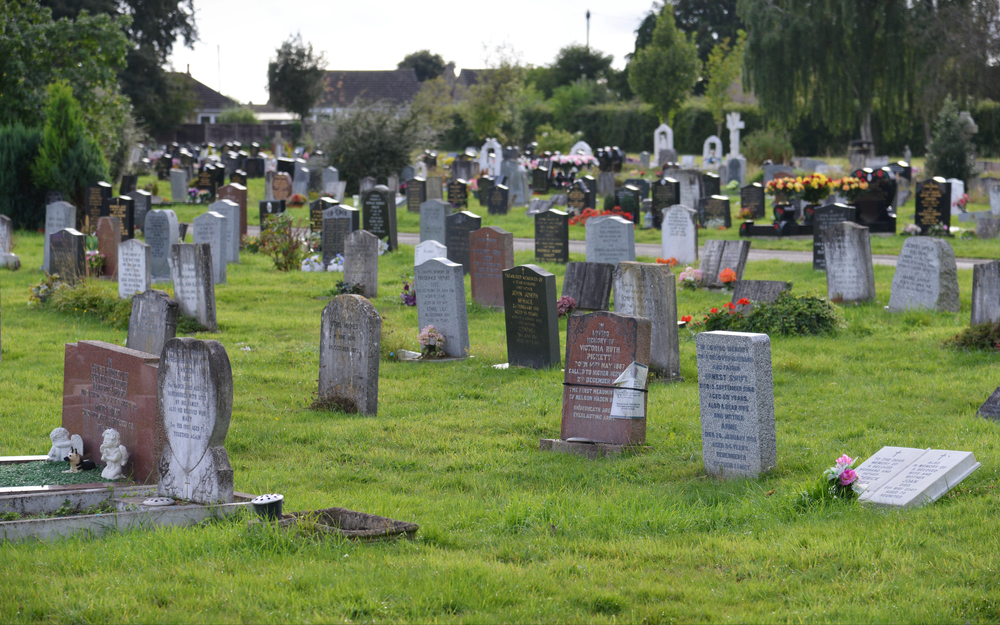
These parks represent more than just urban planning decisions – they’re reminders of how cities evolve and adapt over time. What once served as final resting places now provide recreation and green space for living communities.
While some people might find it unsettling to play soccer over former burial grounds, these transformations reflect the practical needs of growing cities and the continuous cycle of urban renewal. Next time you visit a city park, you might wonder what stories lie beneath the grass – and in these 16 cases, you’ll know the answer.
More from Go2Tutors!

- The Romanov Crown Jewels and Their Tragic Fate
- 13 Historical Mysteries That Science Still Can’t Solve
- Famous Hoaxes That Fooled the World for Years
- 15 Child Stars with Tragic Adult Lives
- 16 Famous Jewelry Pieces in History
Like Go2Tutors’s content? Follow us on MSN.



