15 Famous Brands That Started as Military Tech
The next time you slip on your Ray-Ban aviators, fire up your microwave, or hop into your Jeep, remember this: you’re using technology that once helped win wars. Military innovation has always been a driving force behind technological advancement, but what’s truly fascinating is how many of these battlefield breakthroughs eventually found their way into our everyday lives.
From radio communications to navigation systems, the military’s need for cutting-edge technology has produced some of the most iconic brands we know today. Here is a list of 15 famous brands that started as military technology before conquering the civilian world.
Jeep
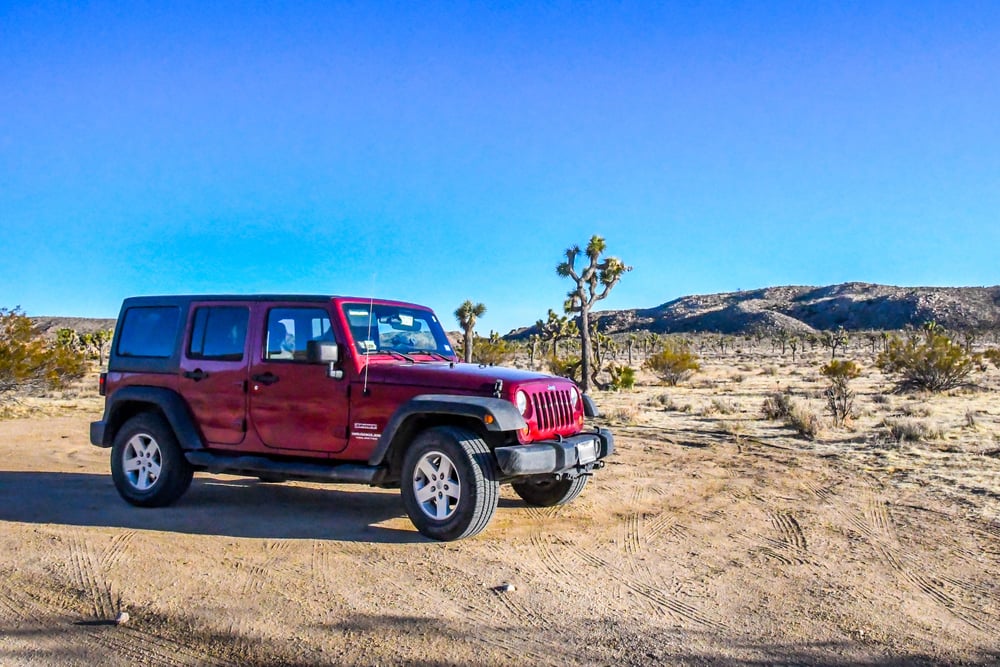
The Jeep story begins in 1940 when the U.S. Army desperately needed a lightweight reconnaissance vehicle that could handle any terrain. Willys-Overland won the contract with their Willys MB design, which became the primary light four-wheel-drive vehicle for U.S. Armed Forces during World War II.
General George C. Marshall called it “America’s greatest contribution to modern warfare,” while war correspondent Ernie Pyle described it as “faithful as a dog, as strong as a mule, and as agile as a goat”. After the war ended, Willys recognized the civilian potential and launched the CJ (Civilian Jeep) series in 1945, creating what would become the world’s most recognizable off-road brand.
Ray-Ban Aviators
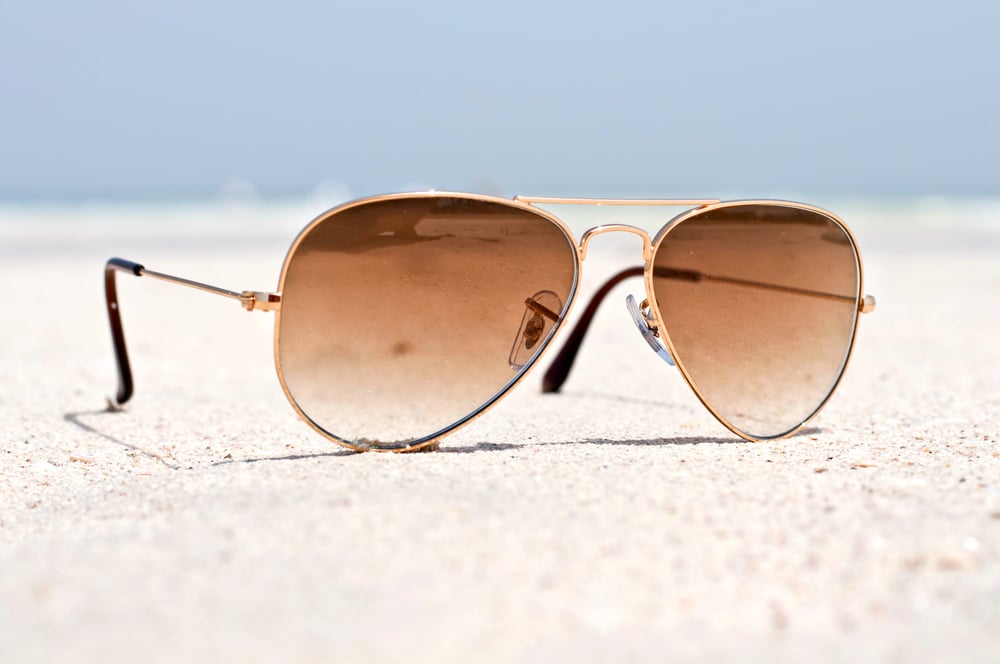
In 1929, U.S. Army Air Corps Colonel John A. Macready approached Bausch & Lomb to create aviation sunglasses that would reduce the intense glare pilots faced at high altitudes. The original goggles would fog up dangerously during flights, sometimes causing pilots’ eyes to freeze over.
The prototype, created in 1936 and known as “Anti-Glare,” featured plastic frames and green lenses that could cut out glare without obscuring vision. Ray-Ban Aviators hit the civilian market in 1937, with early advertisements promoting them as offering ‘real scientific glare protection’.
The iconic status was cemented when General Douglas MacArthur was photographed wearing them while landing on Philippine beaches in 1944.
Motorola
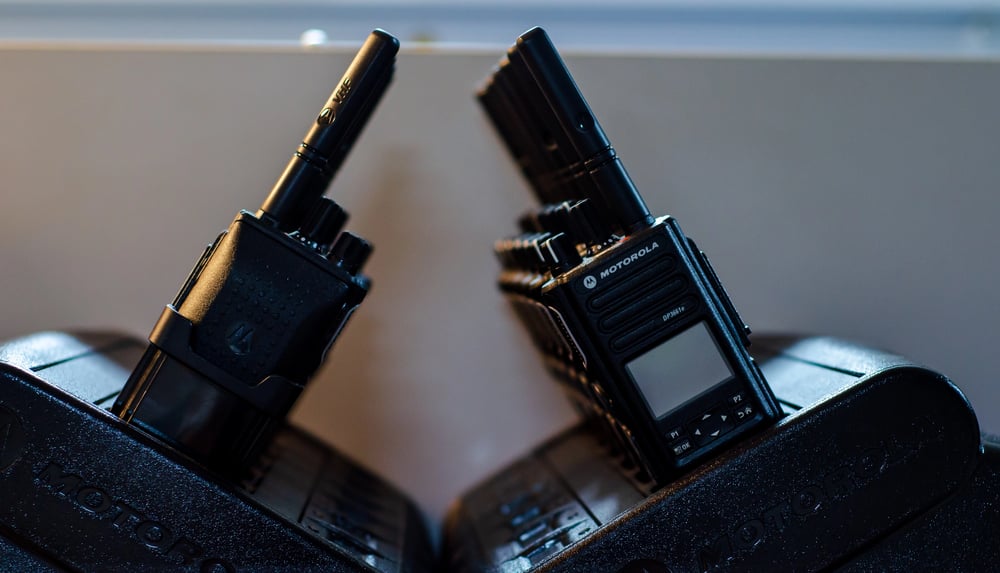
Motorola’s journey into military technology began in 1940 when the company introduced two-way radio communications products for police and military use. The most significant breakthrough came in 1943 with the invention of the FM Walkie-Talkie, which was carried by battlefield soldiers in special backpacks and could communicate over longer distances with far less static interference than AM-based systems.
This device became a decisive factor in many Allied victories during World War II. The company’s expertise in radio communications eventually led to their development of consumer electronics, including the first commercial cell phone in 1983, making them pioneers in both military and civilian communications.
GPS Technology
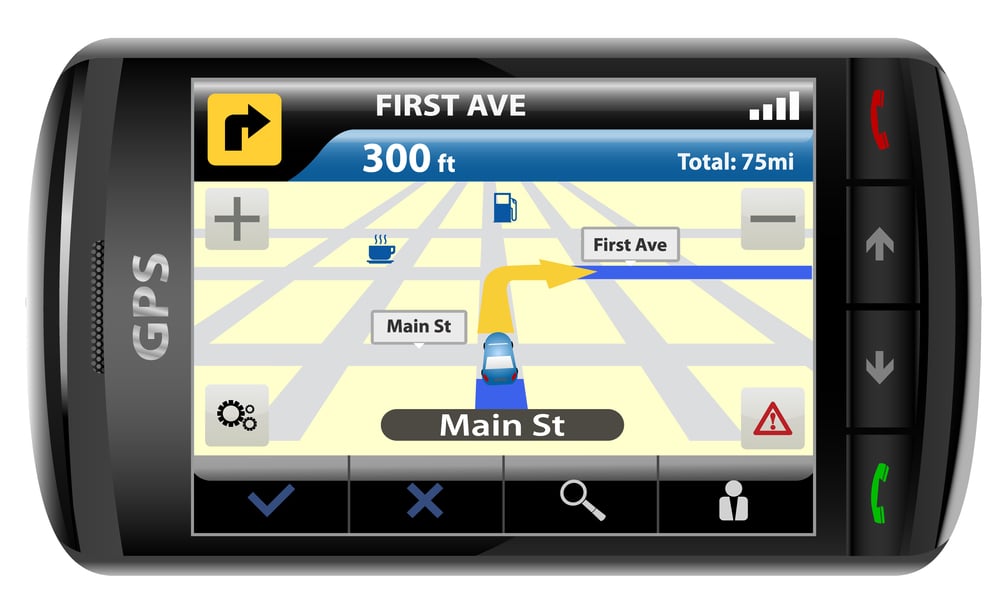
The Global Positioning System was developed in the 1970s by Department of Defense researchers and was built over the following two decades. Initially designed as a guidance and tracking system for fighter planes, boats, and missiles, the early handheld receivers weighed around 35 pounds.
President Ronald Reagan opened GPS for civil applications in 1983 after a Korean airliner that strayed off course was shot down by the Soviet Union, demonstrating the need for better navigational technology. The first consumer GPS receiver, the Magellan NAV 1000, didn’t hit the market until 1989, costing $3,000 and weighing 1.5 pounds.
Today, GPS is embedded in everything from smartphones to car navigation systems.
Microwave Ovens

Microwave technology was originally used as radar to help locate enemies during World War II. The cooking potential was discovered purely by accident when an engineer at defense contractor Raytheon Company noticed that a candy bar in his pocket had melted while conducting research on microwave radar technology.
This led to the realization that microwave equipment could be repurposed to heat and cook food. Raytheon filed the first patent for a microwave oven that same year, and the first commercial microwave was manufactured in 1954, about the size of a refrigerator.
Today, more than 90% of U.S. households own a microwave oven.
Duct Tape
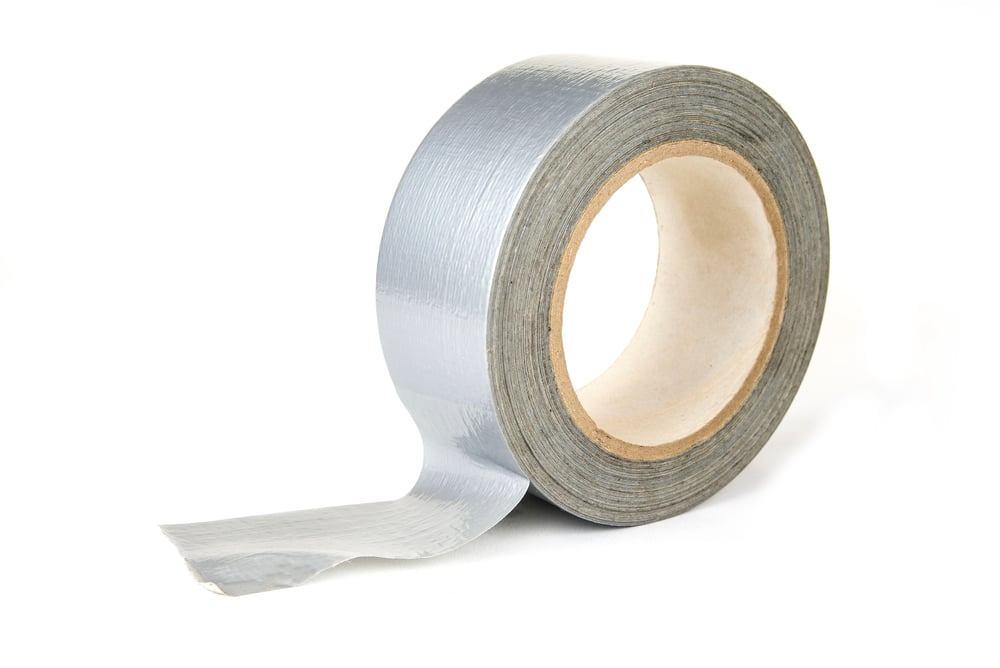
During World War II, the U.S. military needed a durable adhesive tape that could maintain its bond under harsh field conditions. Johnson & Johnson developed what was initially called ‘duck tape’ for its waterproof nature. Civilians began utilizing the product heavily during the postwar housing boom, when it was used to seal central air and heating systems.
The tape was used so extensively in ductwork that it was renamed and recolored to match the silver metallic color of HVAC systems. Multiple companies now manufacture various versions of this versatile adhesive tape that can seemingly fix anything.
M&M’s
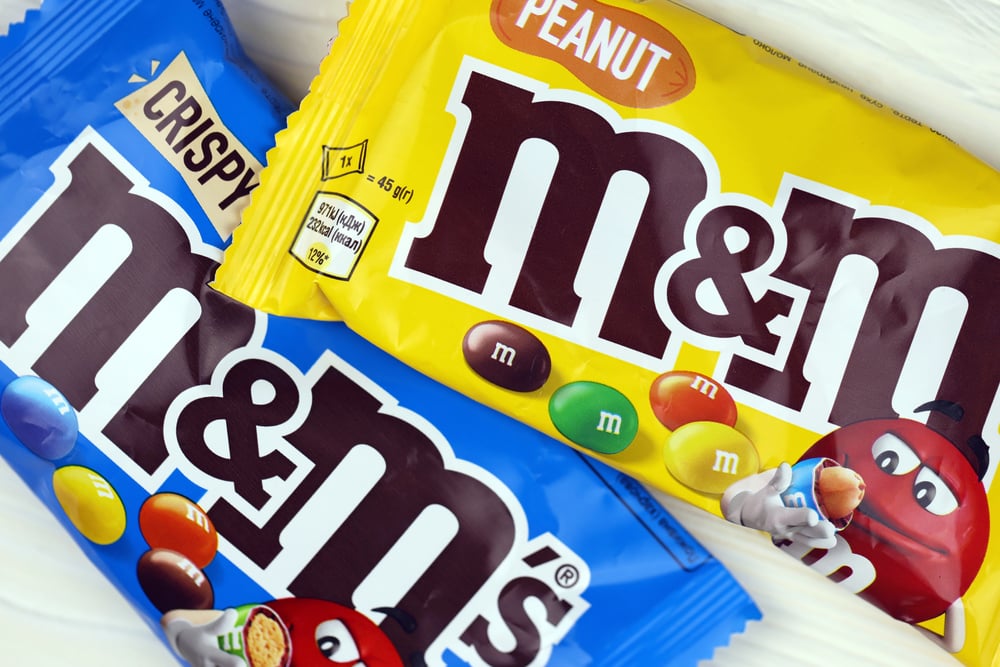
Mars invented the recipe for M&M’s during the Spanish Civil War, when Forrest Mars Sr. saw soldiers eating pieces of chocolate covered in a candy coating, which prevented them from melting in the sun. He observed this during a visit behind enemy lines and realized the practical benefits of the hard shell coating.
The candy-coated chocolate concept was perfect for military rations because it could withstand heat without melting in soldiers’ pockets or packs. Mars brought this idea back to the United States and developed it into the colorful candy we know today, which became standard in military rations before conquering the civilian candy market.
Weather Radar

The same radar technology used in weather forecasting was once used to save Allied lives in World War II. In the 1930s, researchers observed that aircraft could disrupt radio signals, leading to the use of radar as a means of detecting enemy planes during the war.
Some radar operators noticed that weather could cause interference with the readouts, and after the war, researchers fine-tuned the technology to detect severe storms and high winds earlier than ever before. This military detection system evolved into the sophisticated weather forecasting tools that help meteorologists predict storms and save civilian lives today.
Hugo Boss
Hugo Boss was a member of the Nazi Party and in 1928 became an official supplier of uniforms to organizations within the National Socialist party, including the Hitler Youth, Sturmabteilung paramilitary, and the SS. While this represents a dark chapter in the company’s history, it demonstrates how military and paramilitary uniform production formed the foundation of what would later become a global luxury fashion empire.
After World War II, the company pivoted to civilian menswear and eventually became one of the world’s most recognized fashion brands.
Banana Republic
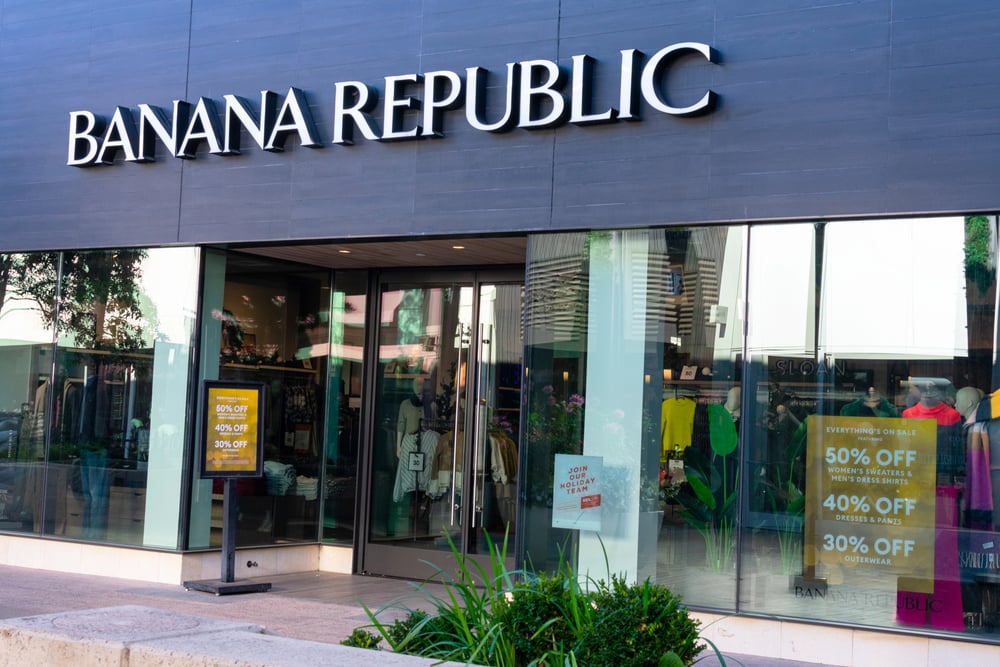
Banana Republic was founded by husband and wife team Mel and Patricia Ziegler in 1978, who began by repurposing and selling vintage military surplus clothing and safari wear. The clothing retailer later expanded to its own original lines and was acquired by Gap in 1983.
What started as a small operation selling actual military surplus gear evolved into a major fashion retailer that still maintains some of that utilitarian, adventure-ready aesthetic in its designs. The brand’s origins in military surplus helped establish the trend of incorporating military-inspired fashion into civilian wardrobes.
Volkswagen Beetle
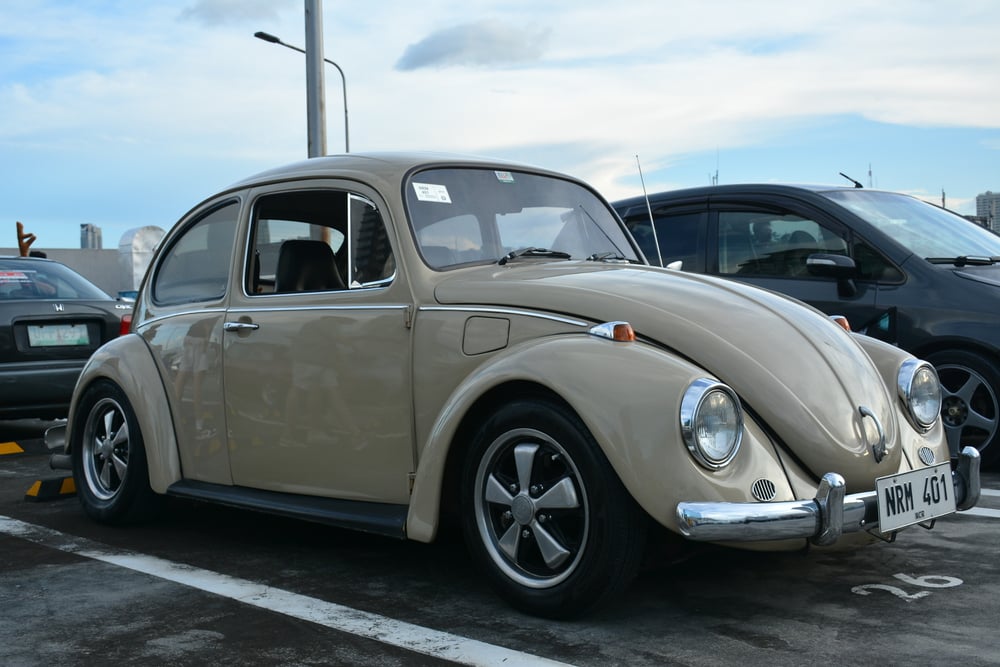
Porsche created the Volkswagen Beetle after Adolf Hitler expressed demand for a mass-market, sturdy, but cheap vehicle for Germany’s newly established road network. The first Beetle was manufactured in 1938. While initially conceived as a civilian vehicle, the Beetle’s development was closely tied to Nazi military infrastructure projects and the company’s wartime production shifted to military vehicles.
After the war, the Beetle became one of the world’s most beloved and long-lasting car designs, proving that good engineering can transcend its original political context.
Fanta

Fanta was first invented due to a trade embargo on importing Coca-Cola syrup into Nazi Germany during World War II. The then-head of Coca-Cola Deutschland decided to create a new drink made from ingredients actually available in the country at the time, such as whey and pomace.
This wartime beverage innovation was born out of necessity when international supply chains were disrupted by conflict. After the war, Coca-Cola retained the Fanta brand and developed it into one of the world’s most popular orange-flavored soft drinks.
Kotex
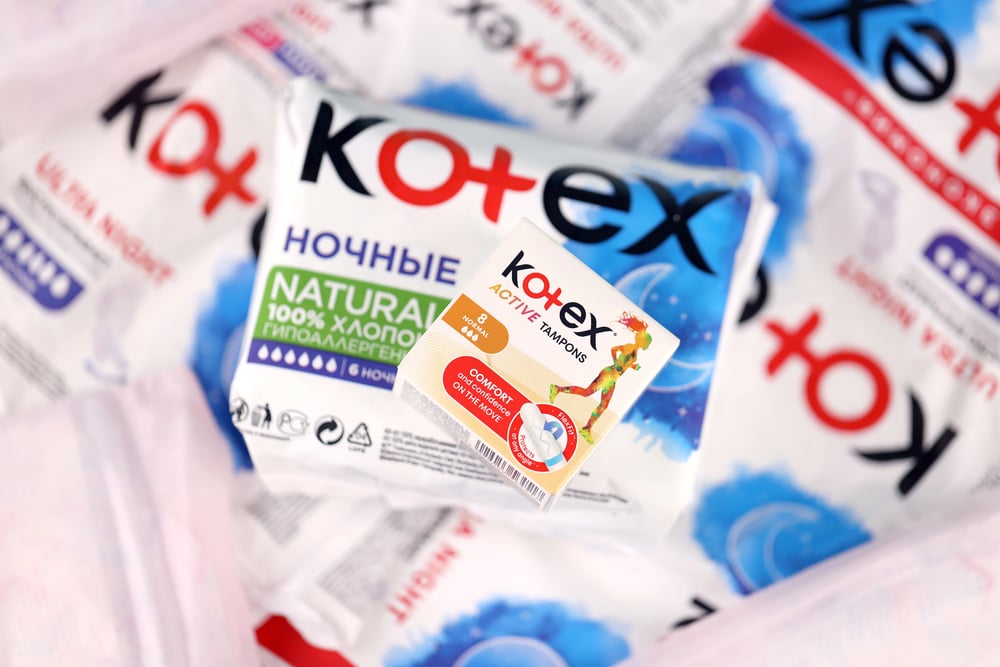
Kotex sanitary pads actually started out as medical gauze to treat soldiers during World War I. Nurses discovered that the super-absorbent bandages designed for battlefield wounds were also highly effective for feminine hygiene purposes.
After the war, Kimberly-Clark recognized the commercial potential of this discovery and adapted their medical gauze technology for the civilian women’s health market. This military medical innovation revolutionized feminine hygiene products and helped establish what became a multi-billion-dollar industry.
Aquascutum
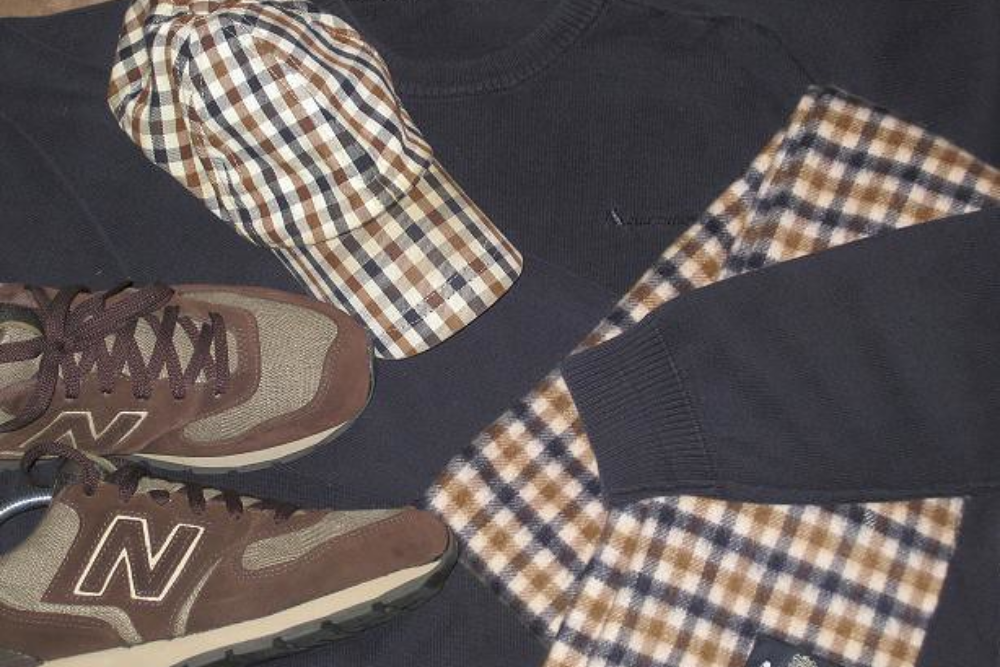
British army officers wore Aquascutum’s water-repellent grey raincoats during the Crimean War to help withstand the rain and mud in Russian trenches. The brand’s name is derived from Latin words ‘aqua,’ which means water, and ‘scutum,’ which translates as shield.
The company’s waterproof fabric technology was specifically developed to meet military needs in harsh weather conditions. This practical military outerwear later became a symbol of British elegance and sophistication, with the classic trench coat becoming a timeless fashion staple worn by everyone from Winston Churchill to modern celebrities.
Adidas and Puma
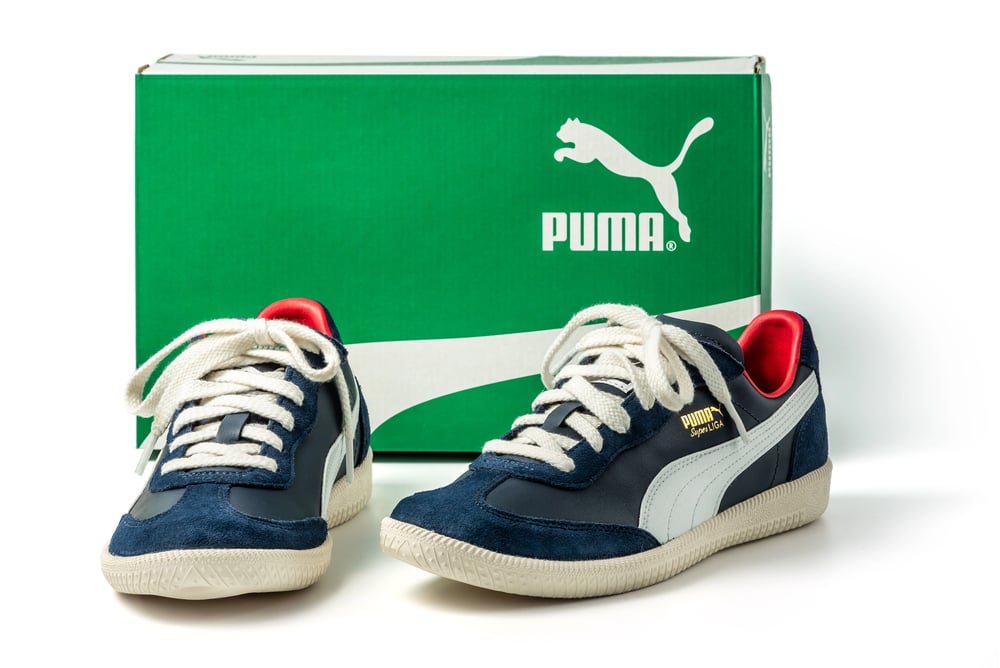
The founders of Adidas and Puma were two brothers (Adi and Rudolf) who were partners at the Dassler Brothers Sport Shoe company in the 1920s and even supplied shoes to gold medalists. During World War II, their company produced military boots and anti-tank weapons.
After the war and a bitter family feud, the brothers split their company into two competing firms: Adi founded Adidas while Rudolf created Puma. Both companies drew on their wartime experience in producing durable, high-performance footwear to create athletic shoes that would dominate the sports world.
Their military production background helped them understand the importance of durability and performance under extreme conditions.
From Battlefield to Mainstream
These brands prove that military necessity truly is the mother of invention. What started as solutions to wartime challenges evolved into products that defined entire industries and changed how we live, work, and play.
The next time you use any of these everyday items, you’re benefiting from innovations that once helped shape the course of history on battlefields around the world.
More from Go2Tutors!

- The Romanov Crown Jewels and Their Tragic Fate
- 13 Historical Mysteries That Science Still Can’t Solve
- Famous Hoaxes That Fooled the World for Years
- 15 Child Stars with Tragic Adult Lives
- 16 Famous Jewelry Pieces in History
Like Go2Tutors’s content? Follow us on MSN



