27 Old VHS Tapes Sitting in Boxes That Collectors Now Pay Handsomely For
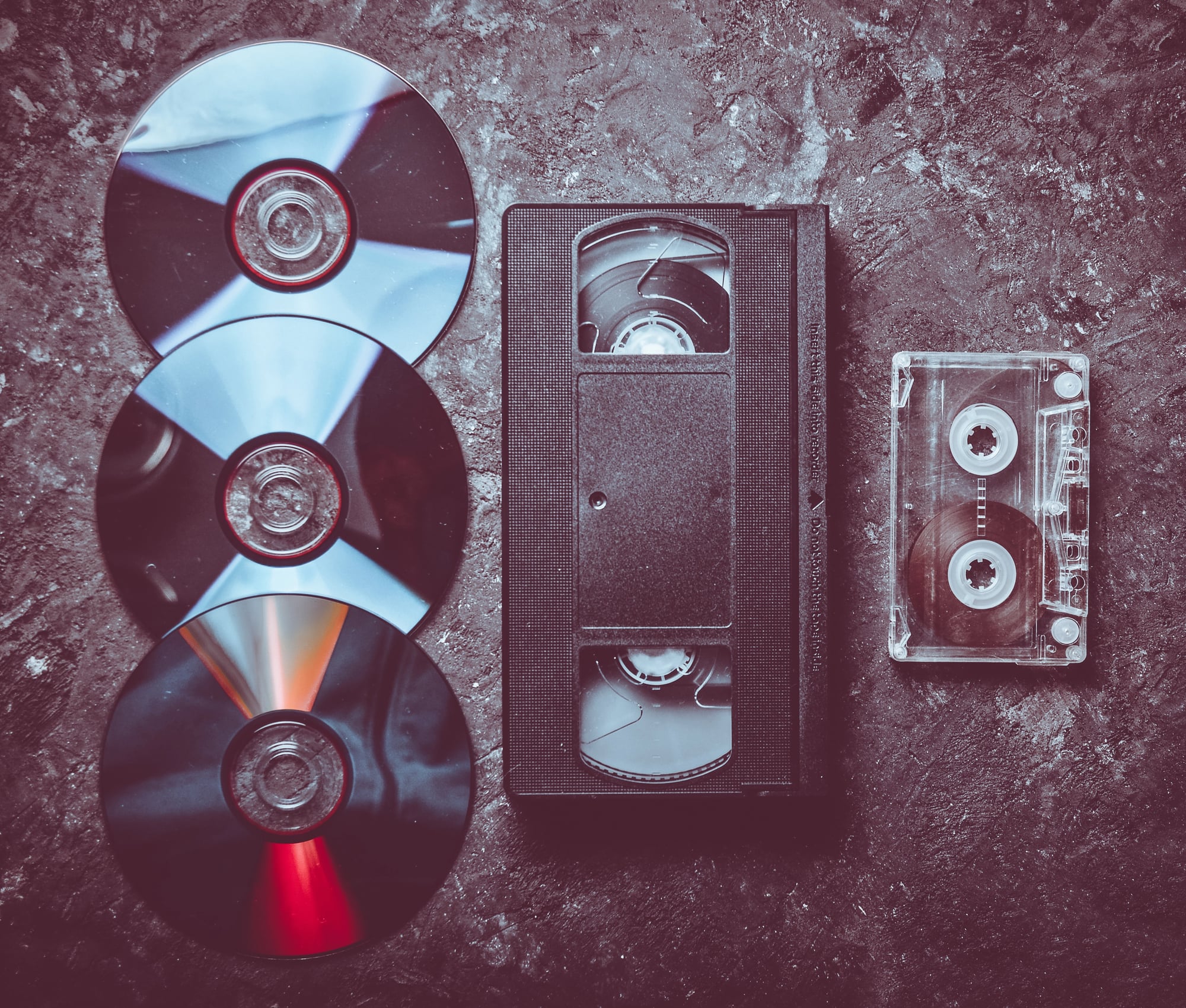
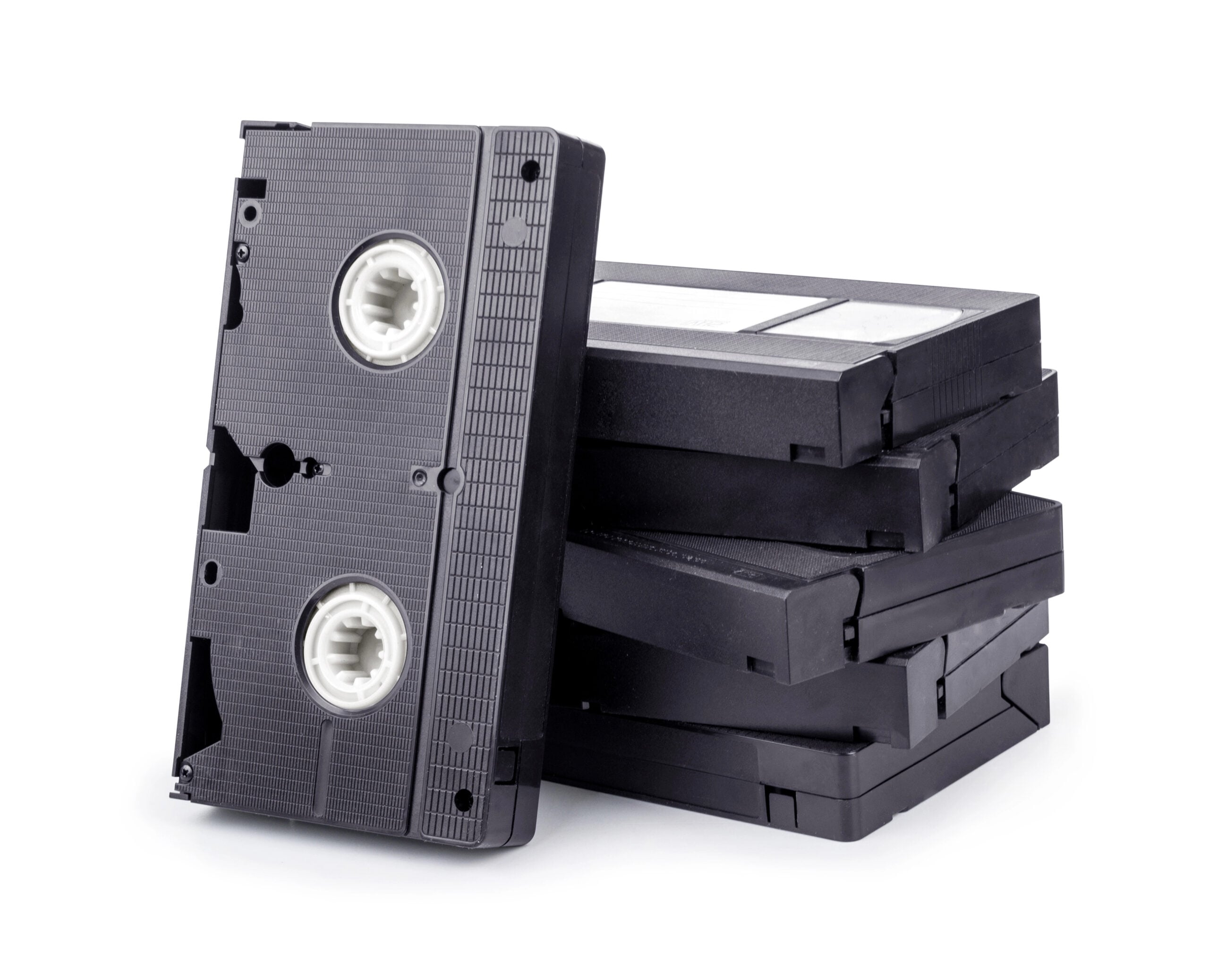
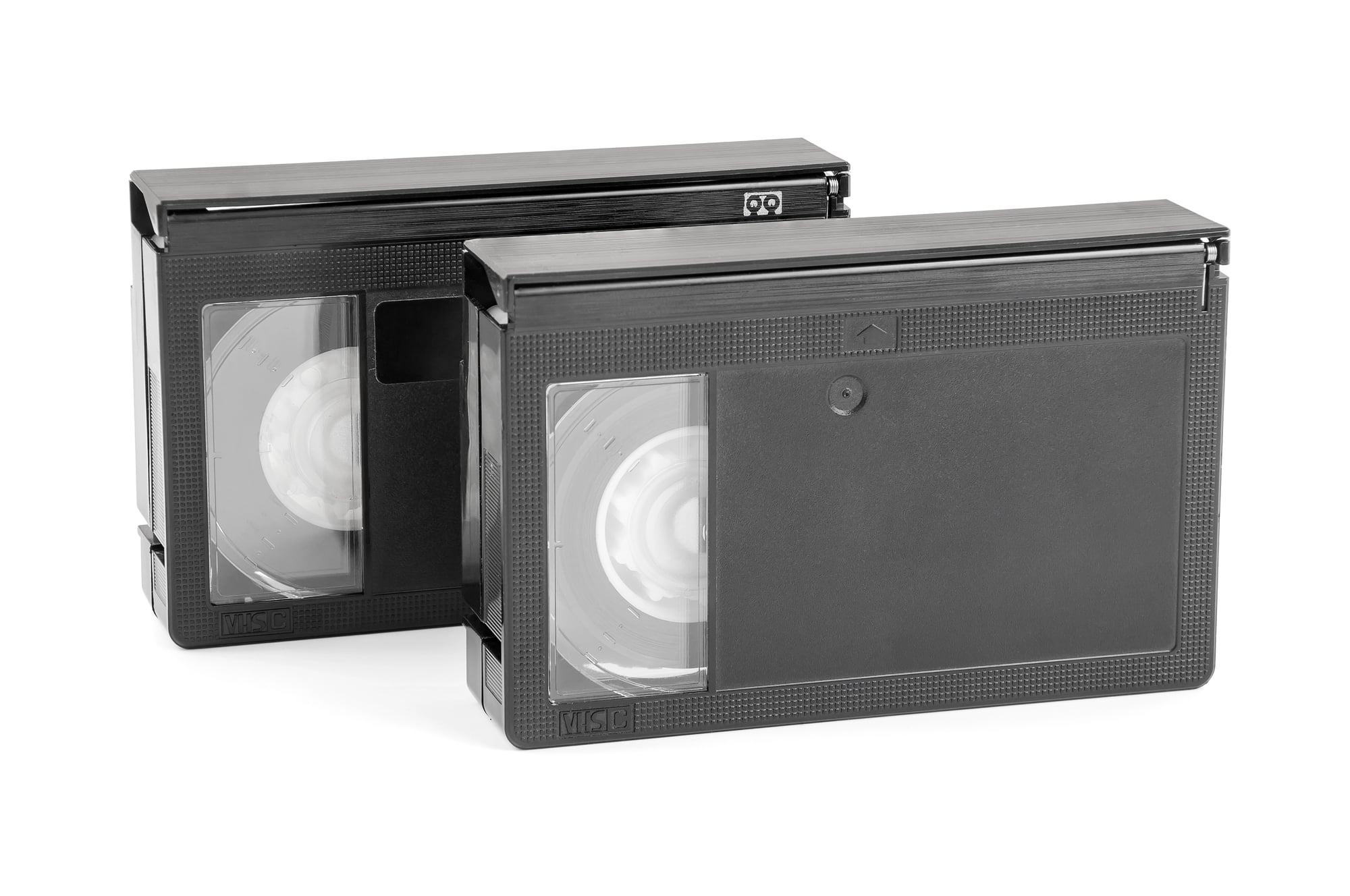
There’s a cardboard box in a lot of American attics right now — dusty, taped shut, maybe labeled “movies” in marker that’s faded to near-illegibility. Inside: a stack of black plastic cassettes that look like they belong in a landfill.
And yet, some of those tapes are quietly worth more than the furniture sitting next to them. The VHS collector market has grown into something real, strange, and surprisingly lucrative, driven by horror fans, nostalgia hunters, and people who simply can’t resist owning the physical object.
If you’ve got old tapes gathering dust, it might be worth knowing what’s actually in demand before you donate the whole box.
Halloween (1978, Media Home Entertainment)
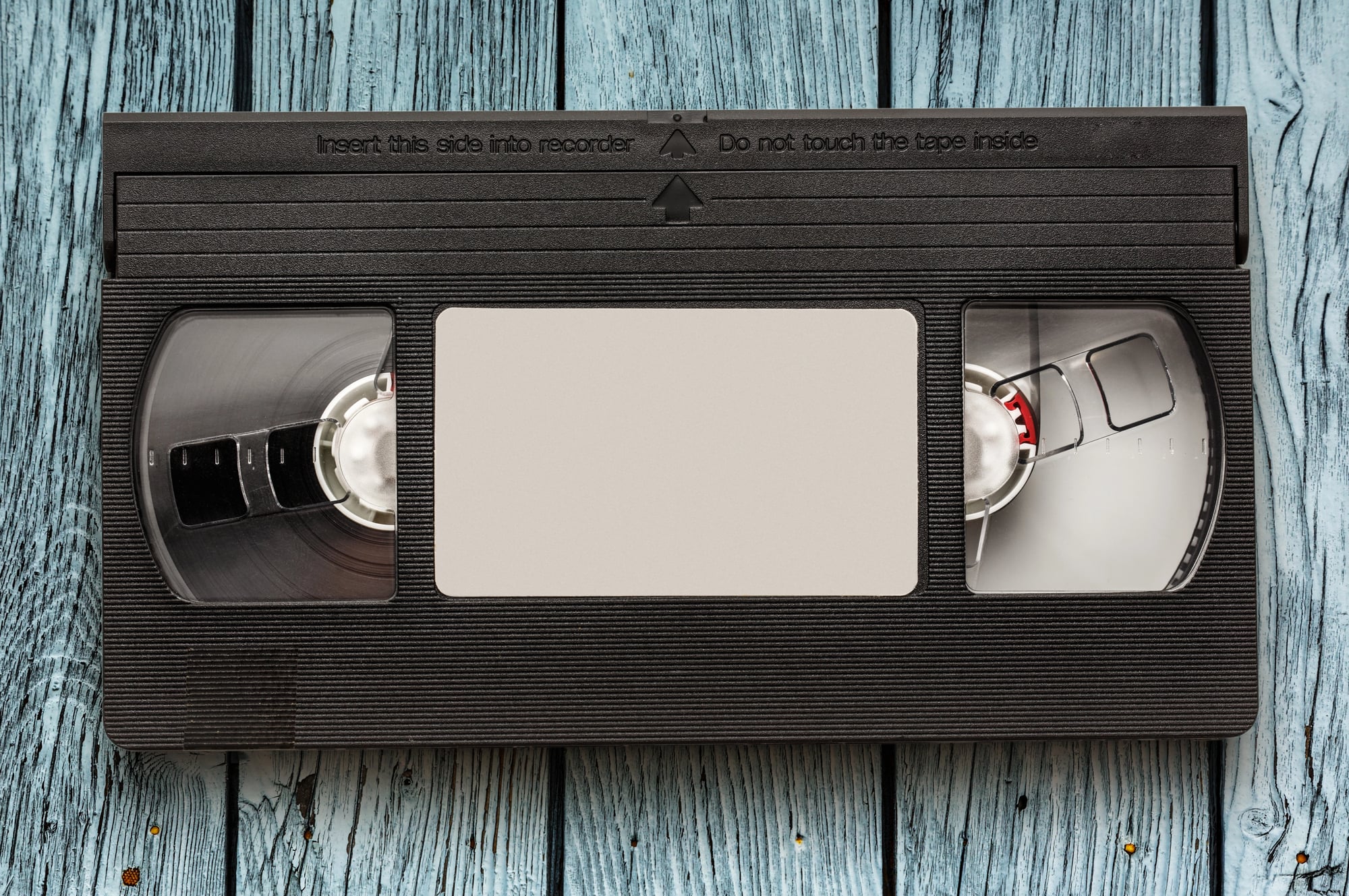
The early Media Home Entertainment release of John Carpenter’s Halloween is the one collectors fixate on. Not the later reprints — the original big-box clamshell edition, with its distinctive artwork and that particular shade of orange.
Copies in good condition have sold for several hundred dollars, with pristine sealed examples crossing into the thousands.
The Texas Chain Saw Massacre (1974, Wizard Video)

Wizard Video’s big-box releases are among the most sought-after tapes in the hobby, and their Texas Chain Saw Massacre edition sits near the top of that list. The oversized clamshell packaging, the lurid cover art — it’s the kind of object that feels forbidden just sitting on a shelf.
Collectors treat these like artifacts from a different era of American weirdness, which, to be fair, they are.
A Nightmare on Elm Street (1984, Media Home Entertainment)
The original Media Home Entertainment release of A Nightmare on Elm Street commands real money, particularly because condition matters enormously here — the clamshell cases crack, the artwork fades, and finding one that looks like it just came off a rental shelf in 1985 is genuinely difficult. Sealed copies have sold for over $1,000 at auction, which would have seemed deranged to anyone who bought it for $3 at a garage sale a decade ago.
Go figure.
Evil Dead (1981, Thorn EMI)
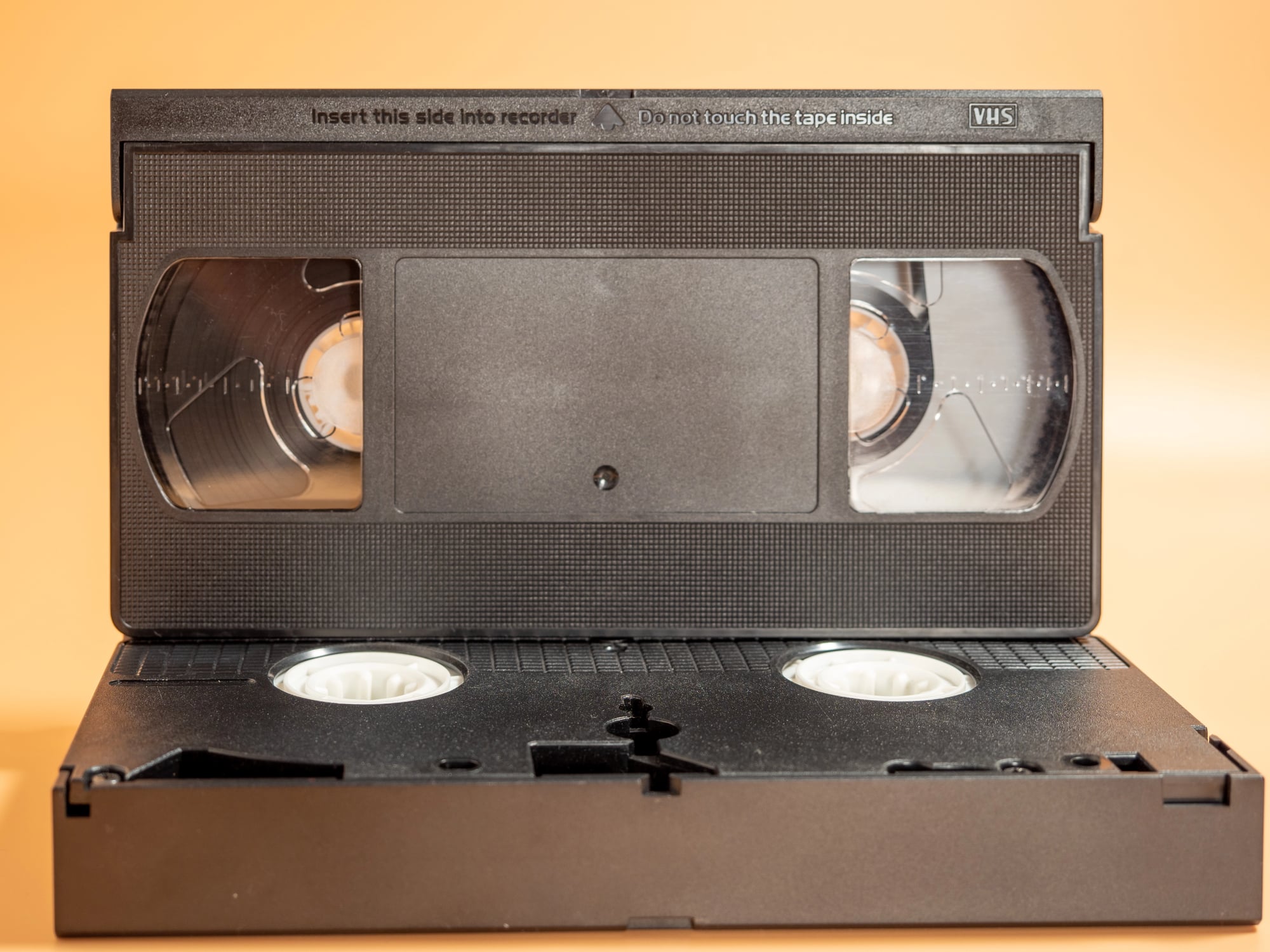
The Thorn EMI release of Sam Raimi’s Evil Dead is one of those tapes that exists at the intersection of horror history and collector obsession — and the prices reflect both. Early UK and US releases in their original packaging carry significant premiums, and the cover art alone has become iconic enough that reproductions circulate just for display.
The actual tape, though, is the thing people are paying for.
Faces of Death (1978)
Faces of Death is a tape that spent decades being passed around like contraband, which is exactly why surviving copies in good condition are harder to find than you’d expect. The collector market for mondo and exploitation titles has matured, and this one sits at the center of it — not because anyone necessarily wants to watch it, but because owning a clean original copy feels like holding a piece of genuinely transgressive American culture.
Friday the 13th (1980, Paramount Home Video)
Paramount’s original home video releases of the Friday the 13th franchise have been climbing steadily in value, with the first film’s original release being the most desirable. What makes this interesting is that the tape itself is common — millions were pressed — but finding one in collector-grade condition with intact artwork and a tight clamshell is a different matter entirely.
Condition, as always, is everything.
The Goonies (1985, Warner Home Video)
The Goonies lands in a different corner of the collector market: pure nostalgia, no horror attached. The Warner Home Video release is what people who grew up in the 1980s remember renting from video stores, and that emotional weight translates directly into dollars.
Sealed copies have surfaced at auction for prices that would surprise anyone who thinks of it as just a kids’ movie.
Bambi (1989 Black Diamond Disney Edition)
Disney’s Black Diamond VHS releases — named for the small diamond logo reading “The Classics” on the spine — have been the subject of enormous collector attention, and Bambi is among the most valuable. The prices that circulate online are sometimes inflated by misinformed eBay listings, but legitimate sales of sealed Black Diamond editions have confirmed real value.
The mythology around these tapes is bigger than the reality, but the reality is still pretty significant.
Beauty and the Beast (1992 Black Diamond Disney Edition)
Beauty and the Beast holds a particular place in the Black Diamond series because of its moment in Disney history — it was a genuine cultural event, and the home video release captured some of that energy. Sealed copies in original packaging have attracted serious bids, and the combination of condition, completeness, and Disney’s cultural gravity makes this one of the more defensible high-dollar purchases in the hobby.
Collectors know what they’re looking at.
The Little Mermaid (1989, Banned Cover Art Edition)
The Little Mermaid’s original VHS release circulated in multiple printings. A persistent urban legend claims an architectural detail in the castle illustration prompted a recall, but Disney has never officially confirmed this reason for the variations.
Surviving examples of earlier printings are harder to find than later releases, and this scarcity contributes to collector interest.
Star Wars (1977, CBS Fox Video)
The original 1977 Star Wars on CBS Fox Video predates George Lucas’s later revisionism, which matters enormously to collectors who want the film as it was originally released — Han shoots first, the effects are what they are, the crawl reads slightly differently. These tapes are time capsules as much as movies, and the market treats them accordingly.
A sealed copy is a meaningful find.
Back to the Future (1986, MCA Home Video)
Back to the Future’s original MCA Home Video release is one of those tapes that lives in two markets simultaneously: the general nostalgia collector and the dedicated VHS enthusiast. Both groups want it, which creates real price competition.
Sealed examples in original packaging have sold for amounts that would make Robert Zemeckis raise an eyebrow.
Clue (1985, Paramount Home Video)
Clue has undergone a remarkable cultural rehabilitation over the past two decades, moving from box-office disappointment to beloved cult classic with a devoted following that buys merchandise, attends screenings, and — yes — collects original VHS releases. The Paramount Home Video edition is the one people want, and the price has crept up quietly as the fanbase has grown.
It’s a slow burn kind of collectible, which suits the movie perfectly.
Maniac (1980, Magnum Entertainment)
William Lustig’s Maniac on Magnum Entertainment is a tape that lives in the grimy, beautiful corner of early-1980s horror that collectors find endlessly fascinating — the era when video stores stocked titles that had no business existing, in packaging designed to disturb anyone who walked past. The Magnum release, with its striking cover art, is the edition people seek out specifically.
Big-box copies in solid condition are not easy to find.
Cannibal Holocaust (1980)
Cannibal Holocaust was banned in multiple countries and seized by law enforcement in others, which gives surviving copies a provenance that’s simultaneously troubling and undeniably significant to serious collectors of extreme cinema. The tape’s legal history is part of what makes it collectible — it exists as evidence of a specific, confrontational moment in film culture.
Prices on original releases reflect both the scarcity and the notoriety.
Ghostbusters (1984, RCA Columbia)
Ghostbusters on RCA Columbia occupies the same nostalgic territory as The Goonies and Back to the Future — a title that defined what it felt like to rent a movie on a Friday night in the mid-1980s. The original release, particularly sealed, has real collector value, and the ongoing cultural presence of the franchise means new fans keep discovering the hobby through it.
Demand doesn’t seem to be softening.
Blood Feast (1963, Wizard Video)
Herschell Gordon Lewis’s Blood Feast — widely regarded as the first American splatter film — on Wizard Video’s big-box release is a foundational artifact for horror collectors. The tape itself is a document of how exploitation cinema found its way into living rooms, bypassing theatrical gatekeepers entirely.
Wizard Video’s packaging was always aggressively lurid, and this one is no exception.
Videodrome (1983, MCA Home Video)
Videodrome is one of those films that feels more prescient with every passing year, and collectors who appreciate both Cronenberg’s vision and the physical irony of owning it on VHS are willing to pay for original releases. The MCA Home Video edition, in good condition, commands a meaningful premium.
There’s something darkly appropriate about hunting for a physical tape of a film about the consuming power of video media.
The Silence of the Lambs (1991, Orion Home Video)
The original Orion Home Video release of The Silence of the Lambs is valuable for a combination of reasons: the film’s enduring cultural status, Orion’s subsequent bankruptcy (which complicates its release history), and the straightforward collector appetite for first pressings of landmark films. Sealed copies are particularly desirable, and the gap in price between a played copy and an untouched one is substantial.
Puppet Master (1989, Paramount Home Video)
The Full Moon Entertainment titles occupy a specific niche that collectors love — low-budget, high-concept horror from the era when direct-to-video was its own legitimate art form. Puppet Master’s original Paramount release is among the most requested, and the franchise’s dedicated fanbase ensures that interest never entirely evaporates.
These tapes feel like artifacts from a parallel film industry that existed entirely outside Hollywood.
Ninja III: The Domination (1984, Cannon Video)
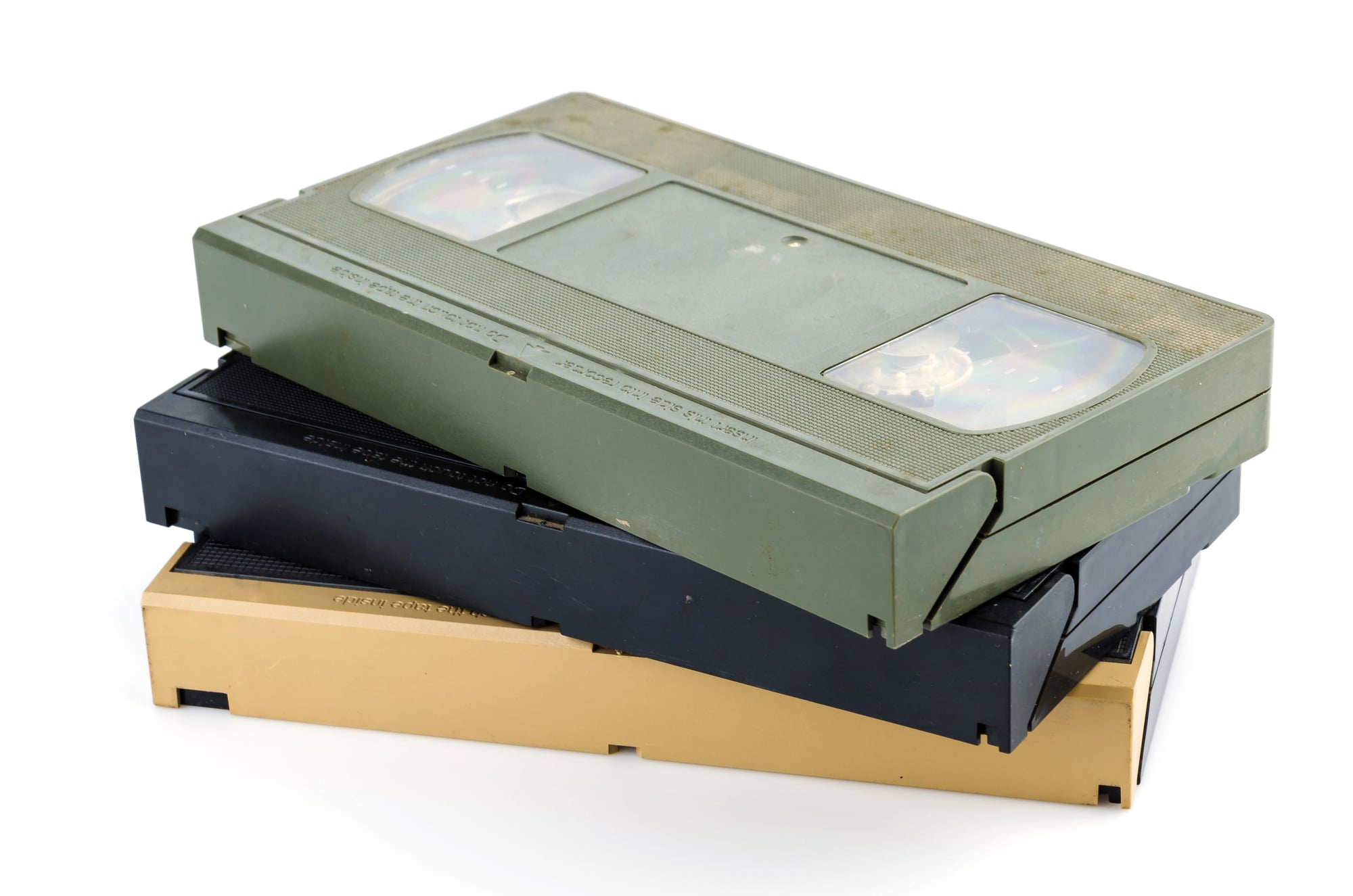
Cannon Films produced movies with a particular shameless energy that became its own aesthetic, and collectors who specialize in 1980s action and martial arts titles treat Cannon Video releases with real reverence. Ninja III: The Domination — a film that combines ninja action with possession horror in a way that defies genre logic — on original Cannon Video VHS is the kind of tape that makes enthusiasts genuinely excited.
It is not a film that apologizes for itself.
Riki-Oh: The Story of Ricky (1991)

Riki-Oh: The Story of Ricky arrived in American video stores with the kind of cover art that stopped rental browsers cold — vivid, extreme, completely committed to its own excess. Original English-language VHS releases are difficult to find in good condition partly because the tapes that existed got watched, hard, by everyone who discovered them.
A clean copy in original packaging is a legitimate collector’s item.
Troll 2 (1990, Epic Home Entertainment)
Troll 2 became famous for being famous as a bad film, which is a strange kind of cultural longevity — but the documentary Best Worst Movie gave it a genuine second life, and the collector interest that followed was real. The Epic Home Entertainment release is what people want, and the combination of ironic appreciation and sincere nostalgia has kept prices climbing steadily.
To be fair, there are worse reasons to collect something.
Night of the Living Dead (1968, Various Labels)
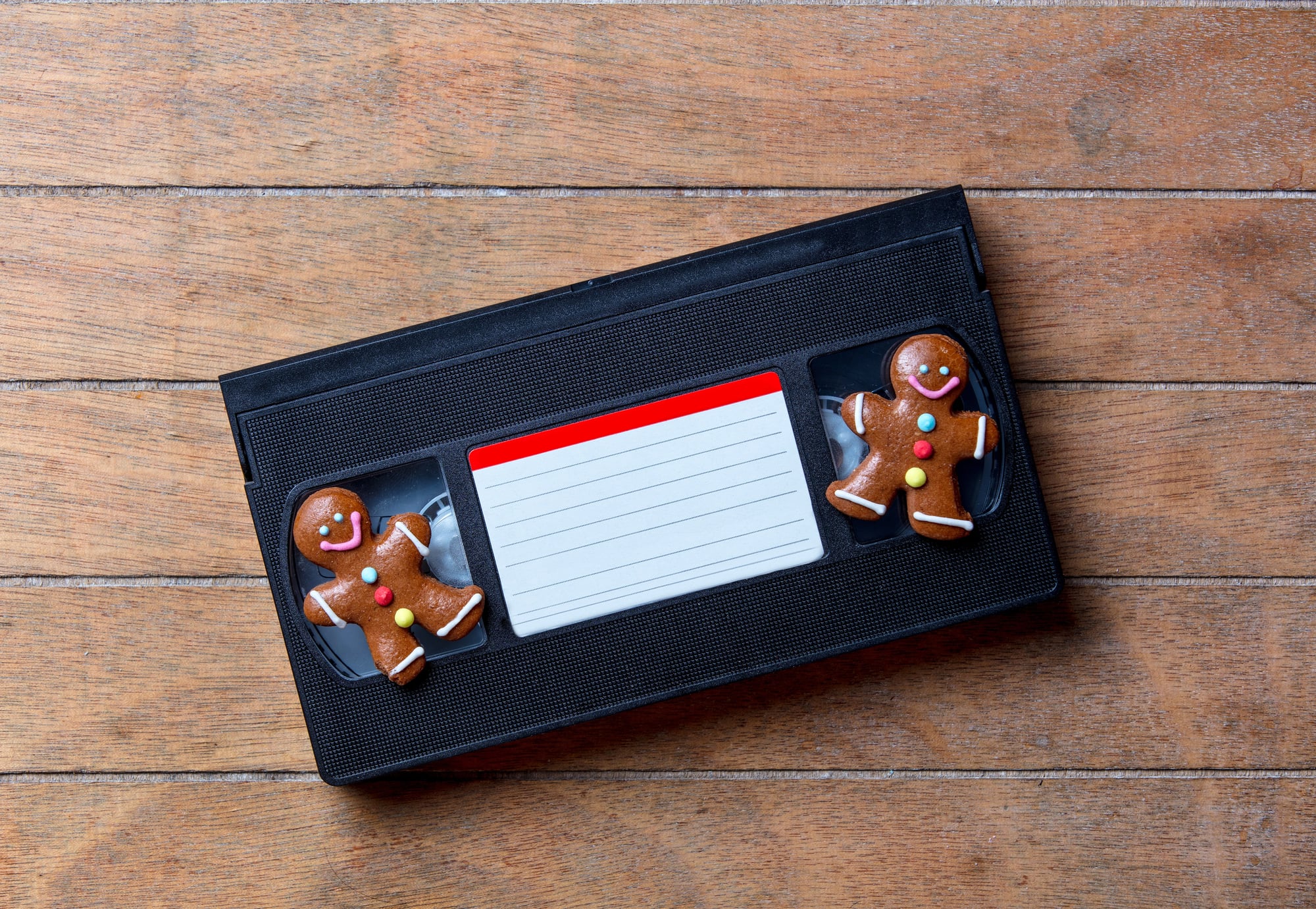
George Romero’s Night of the Living Dead fell into the public domain, which means it was released on VHS by practically every label that existed — but that abundance makes tracking down specific pressings interesting rather than redundant. Collectors target particular labels for their artwork, packaging quality, or historical significance.
The Gorgon Video release and several other early editions carry real premiums over the generic budget versions.
The Toxic Avenger (1984, Troma)
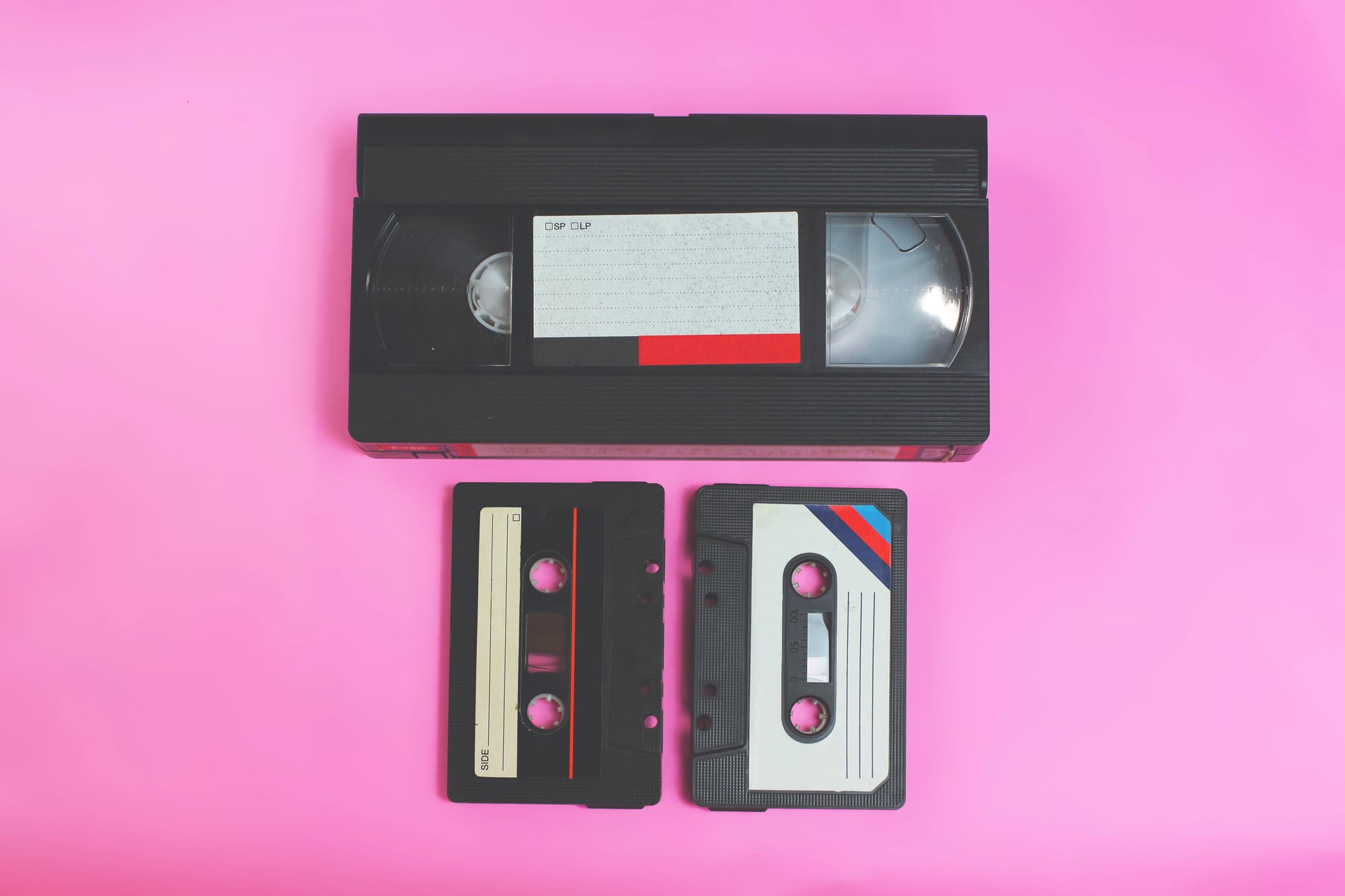
Troma Entertainment built its entire identity on being the independent studio that would release anything, and The Toxic Avenger is the flagship of that philosophy. Original VHS releases from Troma carry both collector value and a kind of institutional significance — owning one is owning a piece of independent film history, even if that history is covered in green slime.
The Troma fanbase is stubborn and loyal, which keeps demand steady.
Scarface (1983, MCA Home Video)
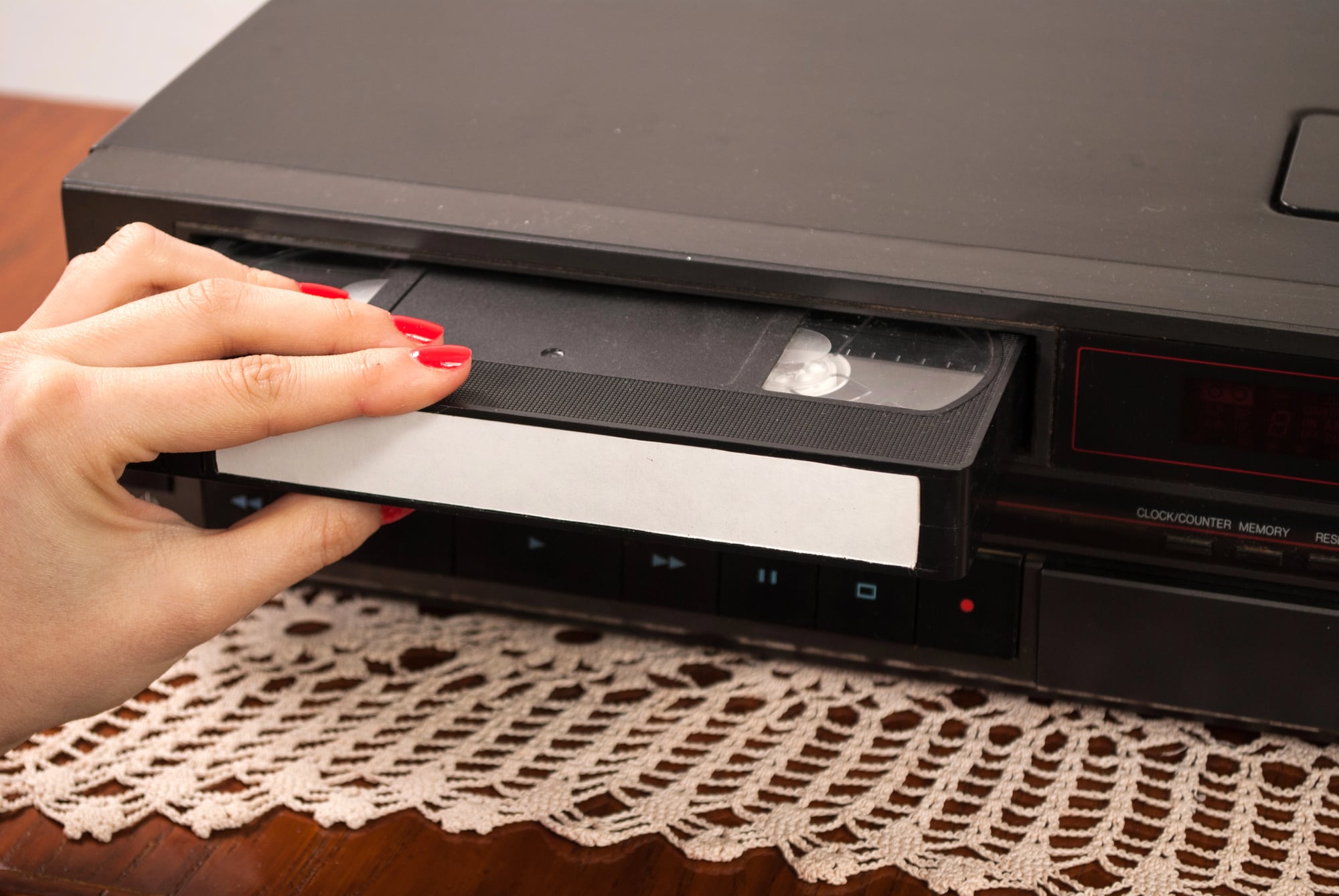
The original MCA Home Video release of Scarface has climbed into serious collector territory, driven by the film’s permanent place in American pop culture and the straightforward appeal of owning a first-pressing of something that iconic. Sealed copies are rare enough that finding one generates real auction competition.
The tape itself is practically irrelevant at this point — it’s the object people are buying.
Pee-wee’s Big Adventure (1985, Warner Home Video)
Pee-wee’s Big Adventure represents a specific kind of 1980s American eccentricity that doesn’t quite exist anymore, and collectors who prize that quality treat the original Warner Home Video release accordingly. Tim Burton’s debut feature, in its original home video packaging, is the kind of tape that surfaces at estate sales and immediately disappears into private collections.
The gap between what someone paid for it at a garage sale and what it fetches from a serious collector is, at this point, embarrassing.
What the Box in the Attic Might Actually Be Worth
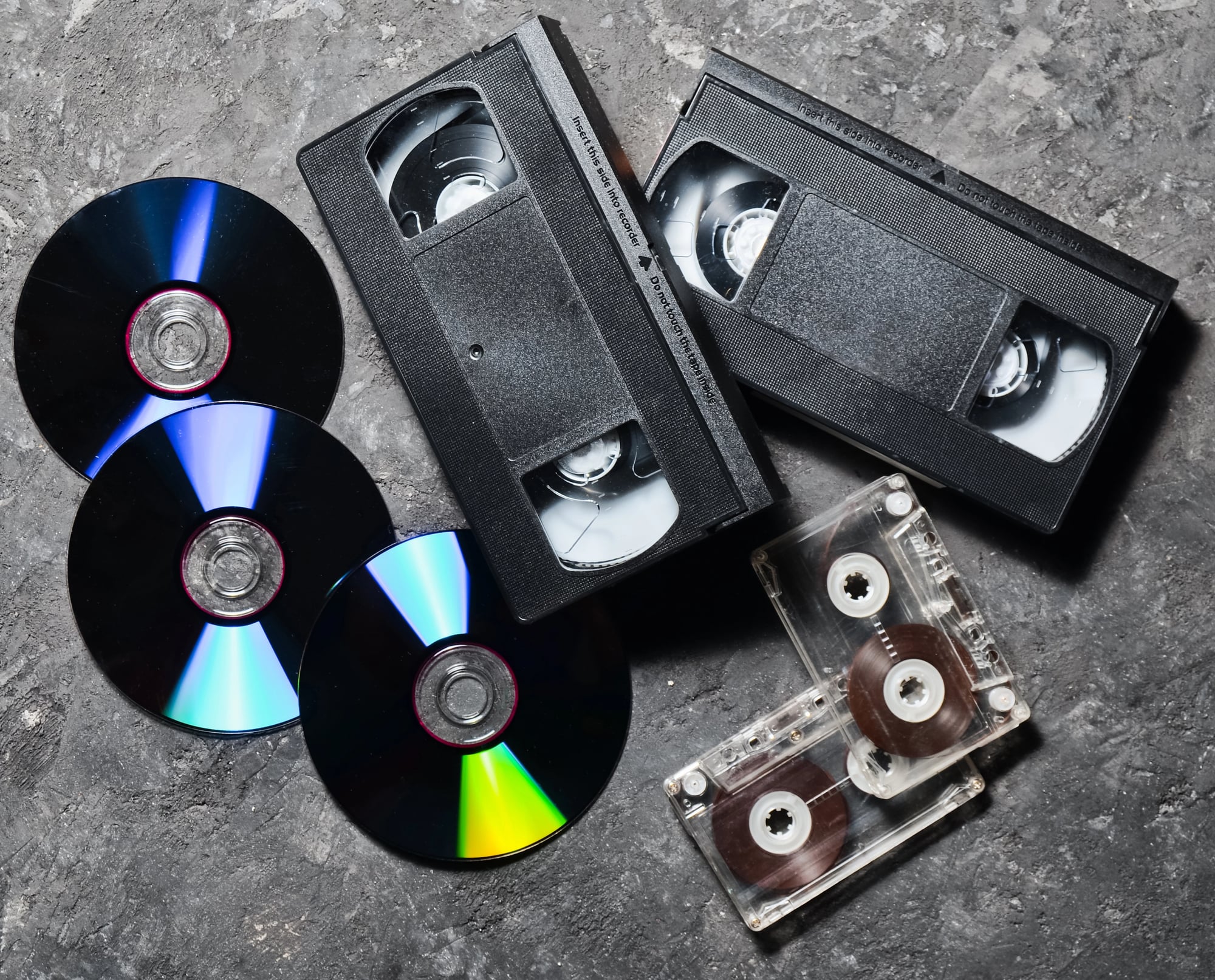
The VHS market is still sorting itself out — prices fluctuate, condition standards vary, and the line between a tape that’s genuinely valuable and one that just looks like it should be valuable is blurry enough to fool casual sellers. But the serious money is real, and it’s being spent by people who know exactly what they’re looking at.
Before the next garage sale, it might be worth pulling that box down from the shelf and looking at what’s actually inside — because the difference between a $3 tape and a $300 tape is sometimes nothing more than a clamshell case and forty years of scarcity.
More from Go2Tutors!

- The Romanov Crown Jewels and Their Tragic Fate
- 13 Historical Mysteries That Science Still Can’t Solve
- Famous Hoaxes That Fooled the World for Years
- 15 Child Stars with Tragic Adult Lives
- 16 Famous Jewelry Pieces in History
Like Go2Tutors’s content? Follow us on MSN.