27 Pieces of Jewelry Passed Down Through Families That Were Worth More Than Expected
Most families have a jewelry box tucked somewhere in a bedroom drawer — a collection of pieces that haven’t been worn in decades, handed down with varying degrees of ceremony and very little information. Nobody really knows what Grandma paid for the brooch, or whether the stones in the ring are real, or why she kept the plain silver bracelet separate from everything else.
The assumption is usually that it’s sentimental rather than valuable, which is a reasonable guess. It’s also frequently wrong. Estate appraisers and antique jewelry specialists consistently report the same pattern: families bring in pieces expecting to confirm they’re worth little and leave with a very different picture.
The jewelry market rewards age, craftsmanship, and rarity in ways that aren’t always obvious to the untrained eye, and the pieces most likely to be underestimated are often the ones that look the least impressive at first glance.
The Brooch Assumed to Be Costume Jewelry
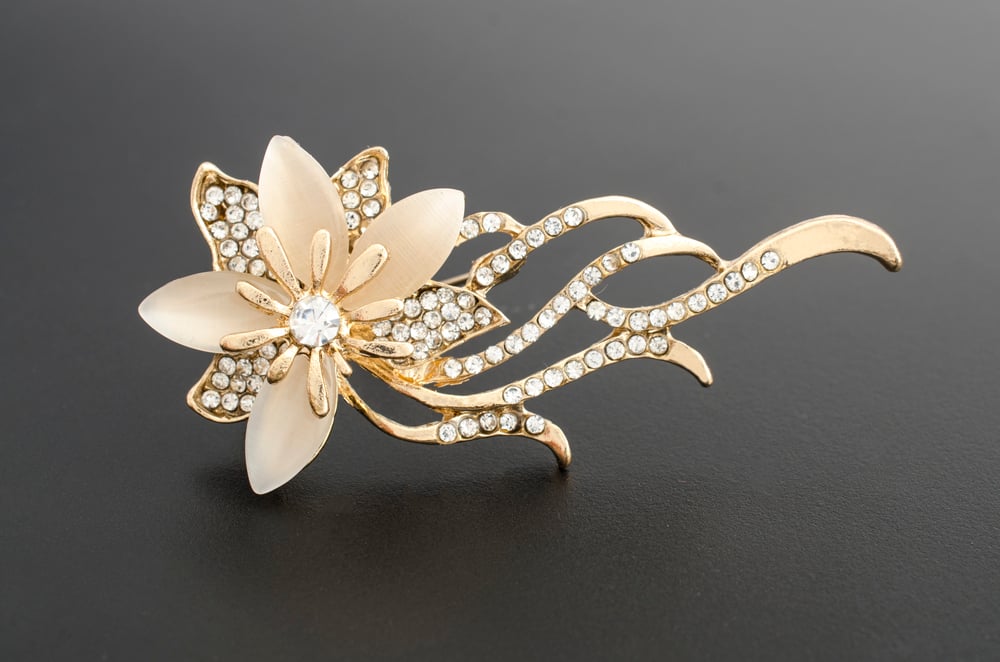
Victorian and Edwardian brooches are among the most commonly misidentified pieces in family collections. Their ornate, elaborate designs — scrollwork, floral motifs, paste settings — look theatrical to modern eyes, which leads many families to dismiss them as costume pieces.
A certified gemologist examining what a family described as “Grandma’s old clip” has revealed, on more than one occasion, a 15-carat gold brooch set with old mine cut diamonds worth several thousand dollars. The style that looks theatrical is often the indicator of genuine period craftsmanship rather than imitation.
The Ring With the Wrong Color Diamond
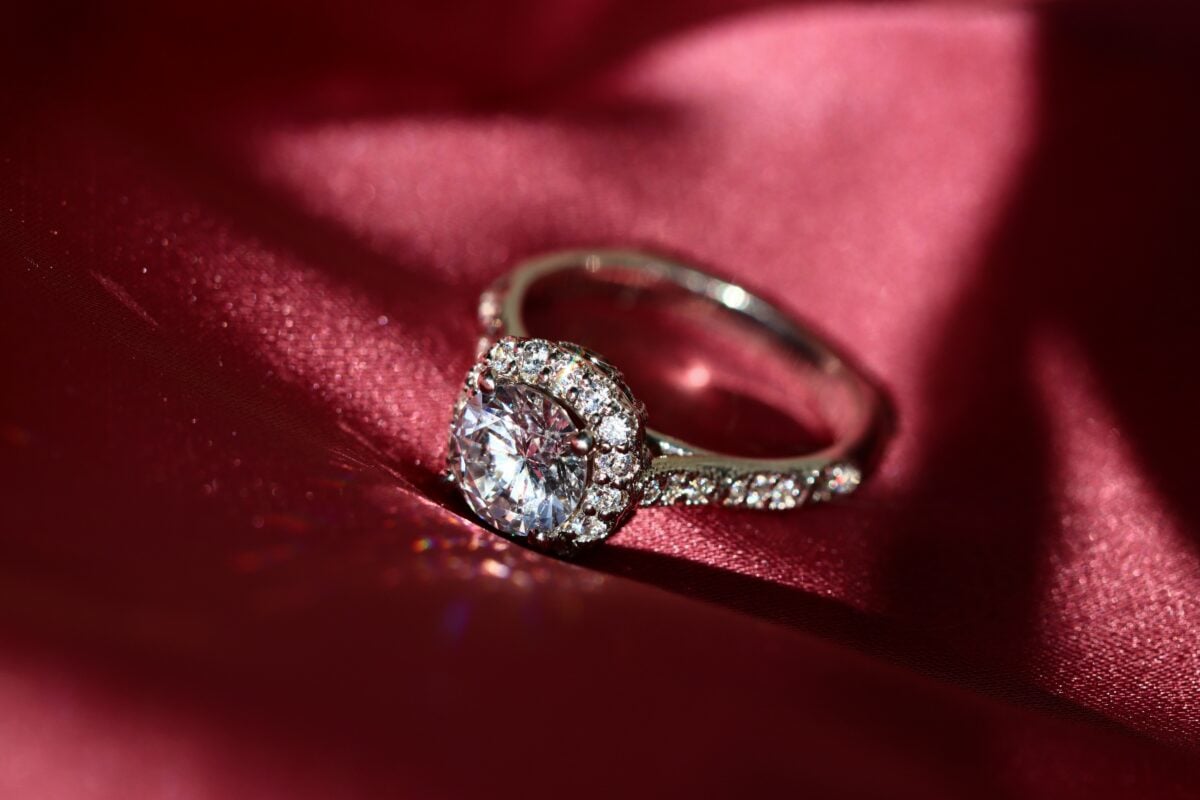
Old mine cut diamonds — the predecessor to the modern brilliant cut, produced primarily between the 1800s and early 1900s — are identifiable by their high crown, small table, and rounded squarish outline. Families often mistake them for inferior stones because they look different from modern diamonds: warmer, slightly yellower, sometimes appearing less brilliant under artificial light.
In natural light, they perform beautifully, and their hand-cut character makes them unique. An old mine cut diamond in a Victorian gold ring that a family considered “the plain one” has sold at auction for five to fifteen times the family’s estimate, depending on the stone’s carat weight and quality.
The Garnet Brooch That Wasn’t Red
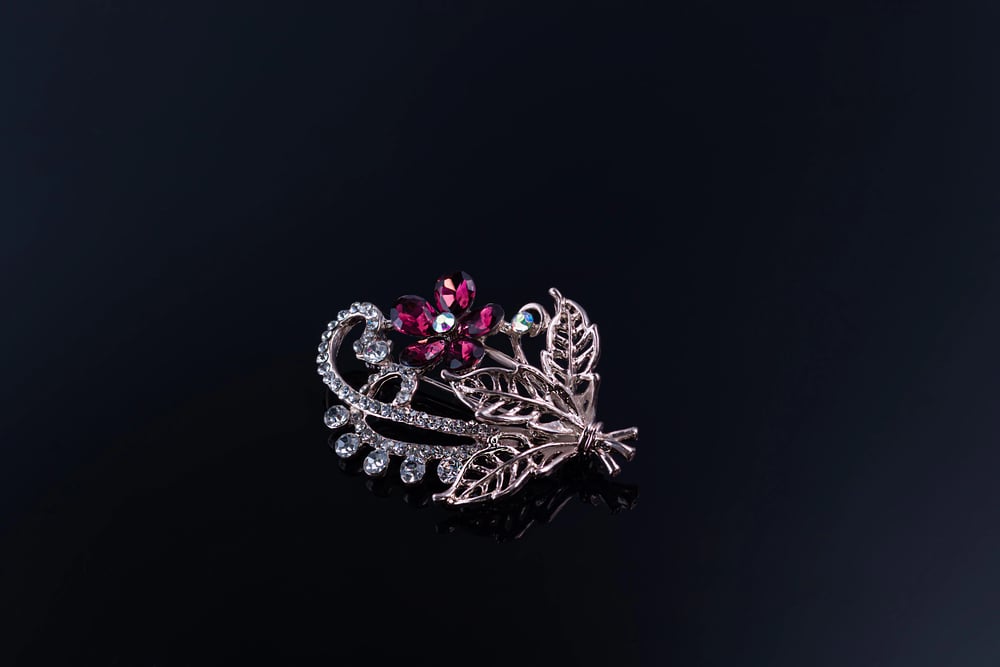
Most people understand garnets as deep red stones — inexpensive, common, and widely used in Victorian jewelry. The garnet family, however, includes varieties that have nothing to do with that assumption. Demantoid garnets, a vivid green variety first discovered in Russia’s Ural Mountains in 1868, have a fire that exceeds diamond and were highly prized by Imperial Russian jewelers.
A Victorian brooch set with what a family described as “some kind of green stones” has, upon professional examination, turned out to contain demantoid garnets worth $2,000 to $25,000 per carat depending on quality and size. One appraiser described examining a family piece with small demantoids: “I nearly fell off my chair.”
The Silver Bracelet That Turned Out to Be Platinum
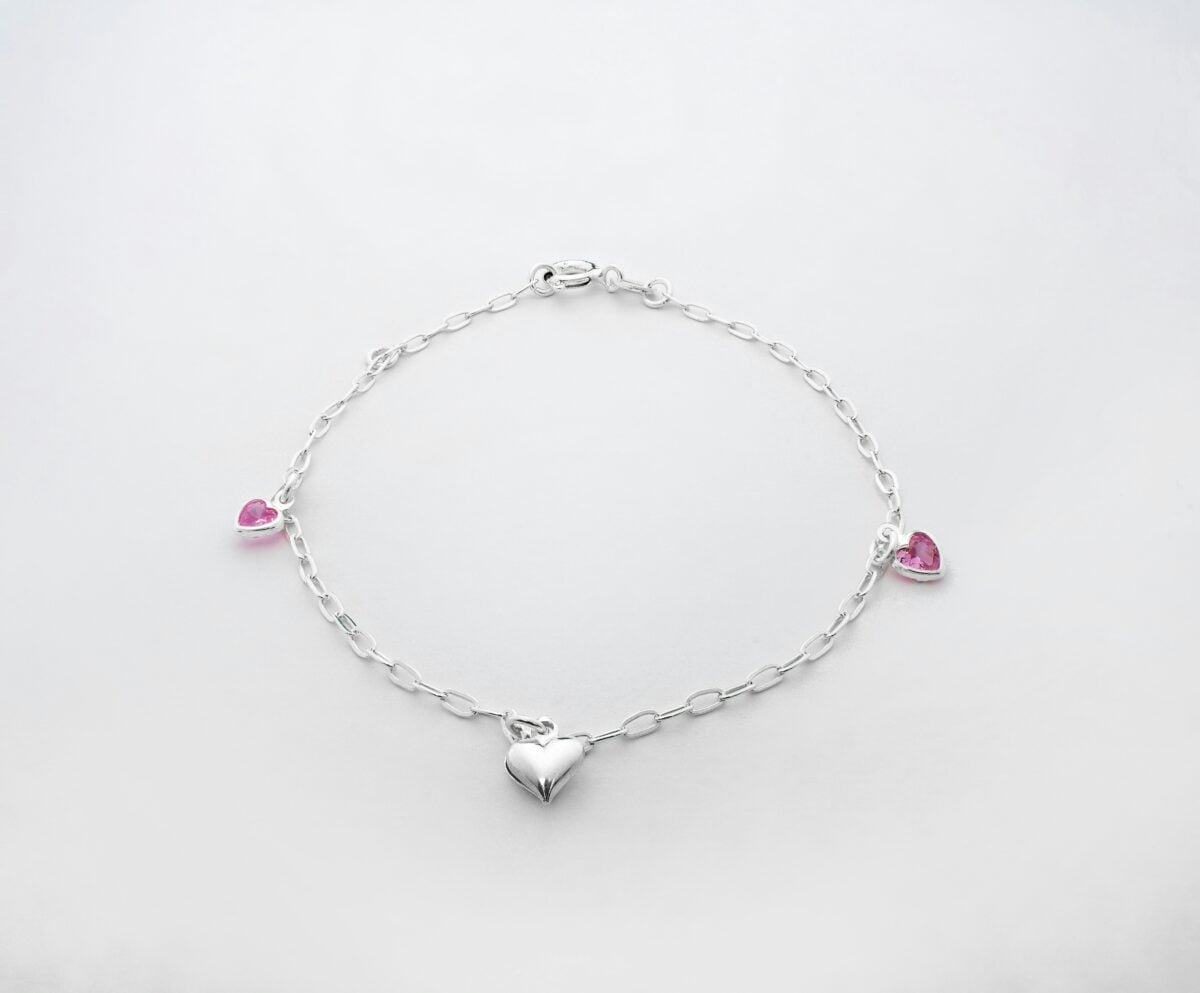
Platinum and silver are both gray-white metals that look similar at a casual glance. Platinum is considerably heavier and significantly more valuable, and it was the preferred metal for fine jewelry in the Edwardian era and through the Art Deco period. Families who inherited what they assumed was a plain silver bracelet have discovered, on closer inspection, that the weight was wrong for silver and the hallmarks indicated platinum — a finding that changes the value of the piece entirely.
A platinum Art Deco bracelet set with small diamonds that was about to be sold for scrap at a market stall was reappraised at several thousand dollars by a specialist who recognized the setting style.
The Natural Necklace Dismissed as Fake
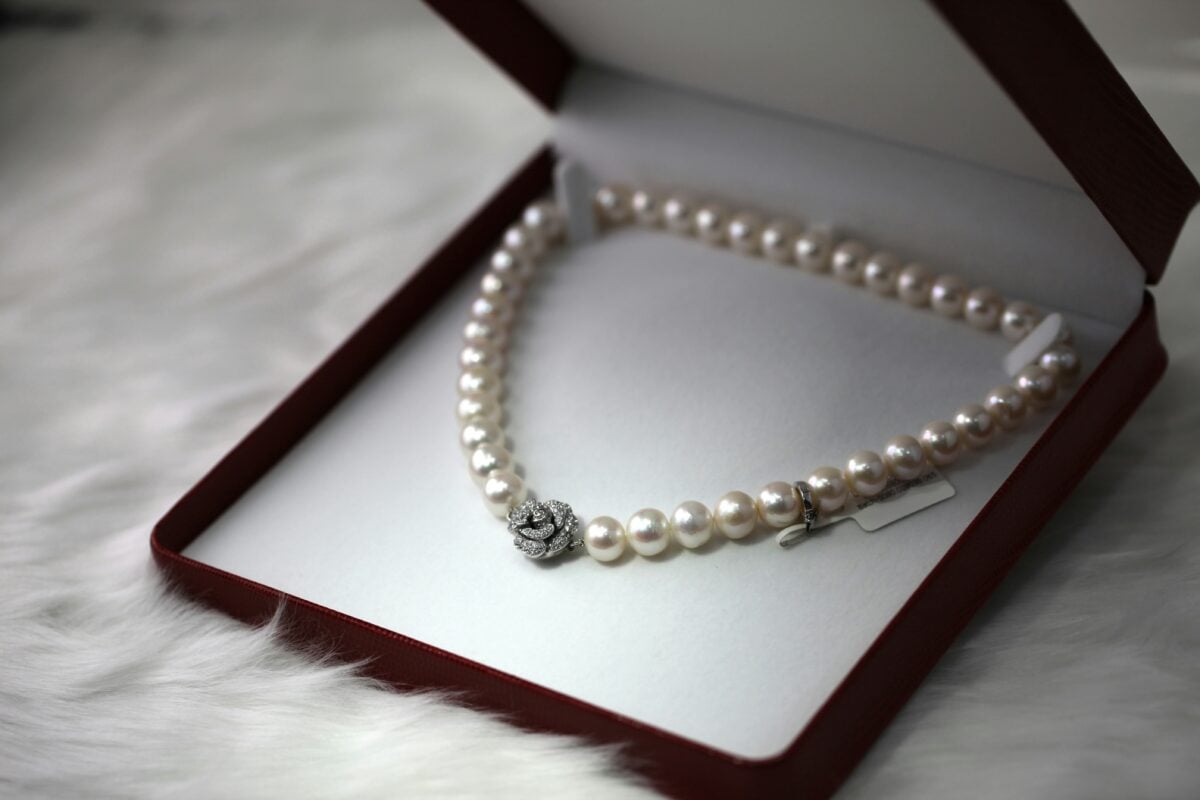
Natural pearls — formed without human intervention inside wild oysters — were among the most valuable gems in the world before the invention of cultured pearl farming in the early 20th century. A natural pearl chain in the late Victorian or Edwardian period represented extraordinary wealth.
The problem is that natural pearls and cultured pearls look virtually identical to the unaided eye. Families who inherited a “costume pearl chan” from an older relative have discovered, after professional testing, that the strand contains natural saltwater pearls worth tens of thousands of dollars. The test is simple — a specialist can distinguish them through X-ray analysis — but few families think to ask.
The Alexandrite Ring No One Could Identify
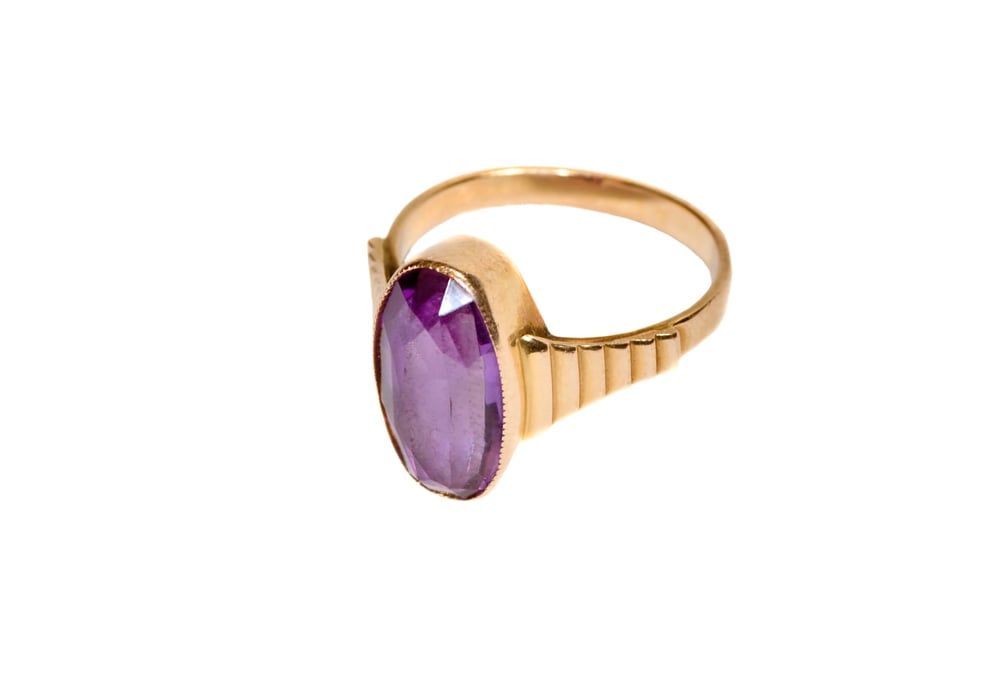
Alexandrite is one of the rarest gemstones in existence. It changes color depending on the light source — green to blue-green in daylight, red to purplish-red under incandescent light — a property that made it enormously fashionable in the 19th century. Families describing a ring with “a stone that looks different colors at different times” are sometimes holding original Russian alexandrite, mined from the now-depleted Ural Mountains source and worth $15,000 or more per carat in good quality.
The confusion between alexandrite and the much less valuable synthetic color-change sapphire requires laboratory testing to resolve, but the potential value makes the test worthwhile.
The Enamel Locket With the Hidden Portrait
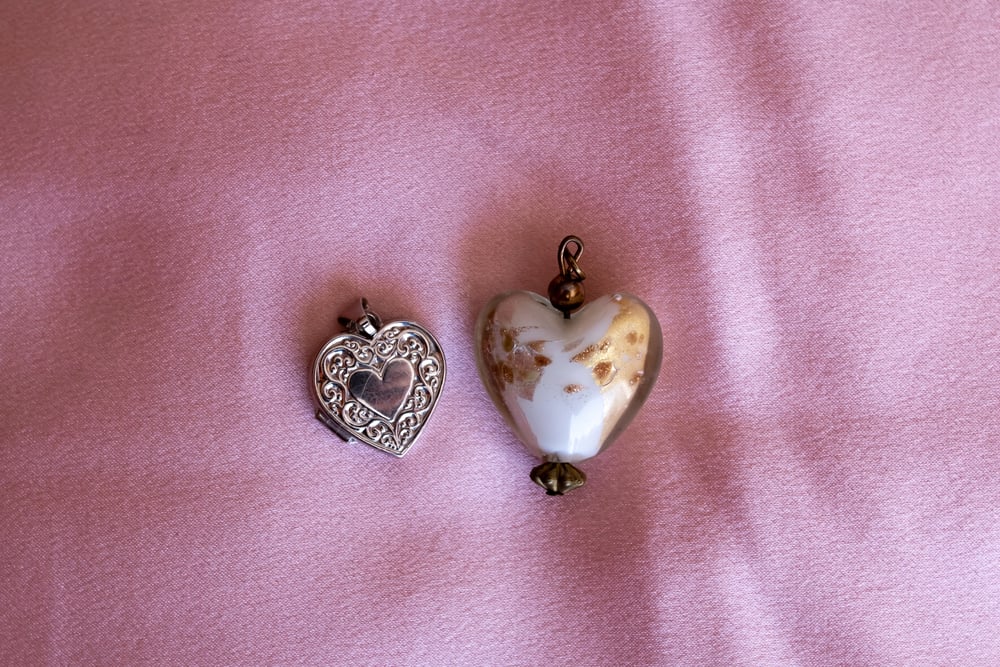
Victorian mourning lockets — made to hold photographs or miniature painted portraits of deceased loved ones — are considered a niche collector category, but exceptional examples command serious prices at auction. A locket in good condition containing a high-quality miniature portrait on ivory, with original hair compartment intact, is worth considerably more than a plain gold locket of the same weight.
Families who have dismissed these pieces as “sad old things” have found that specialist buyers in the Victorian mourning jewelry market prize them precisely for their completeness and intimacy, with the best examples selling for thousands at specialist sales.
The Art Deco Clip Brooch in a Miscellaneous Box
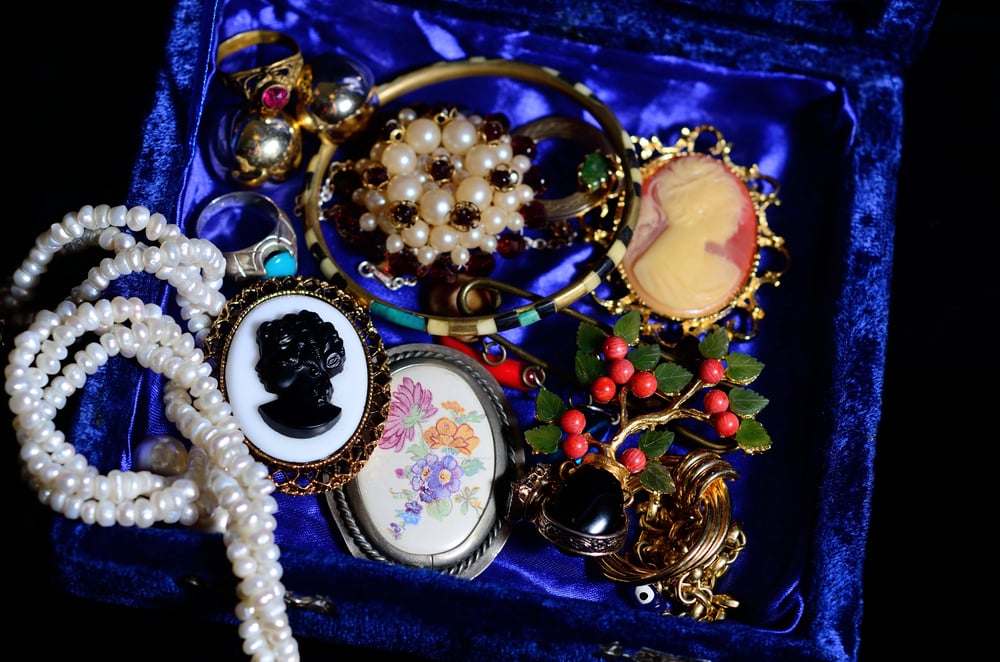
Art Deco clip brooches — geometric, bold, and designed to fasten to lapels and necklines — were produced in platinum and white gold set with diamonds and colored stones throughout the 1920s and 1930s. Their angular, unfussy style looked dated through much of the mid-20th century, which is why many ended up in “miscellaneous” drawers and estate boxes rather than regular wear.
The same style that made them unfashionable for decades now makes them highly sought by collectors and dealers. A pair of matched Art Deco diamond clip brooches in original condition regularly sells at auction for $8,000 to $30,000 depending on stone quality and maker.
The Mourning Ring With Hair Inside
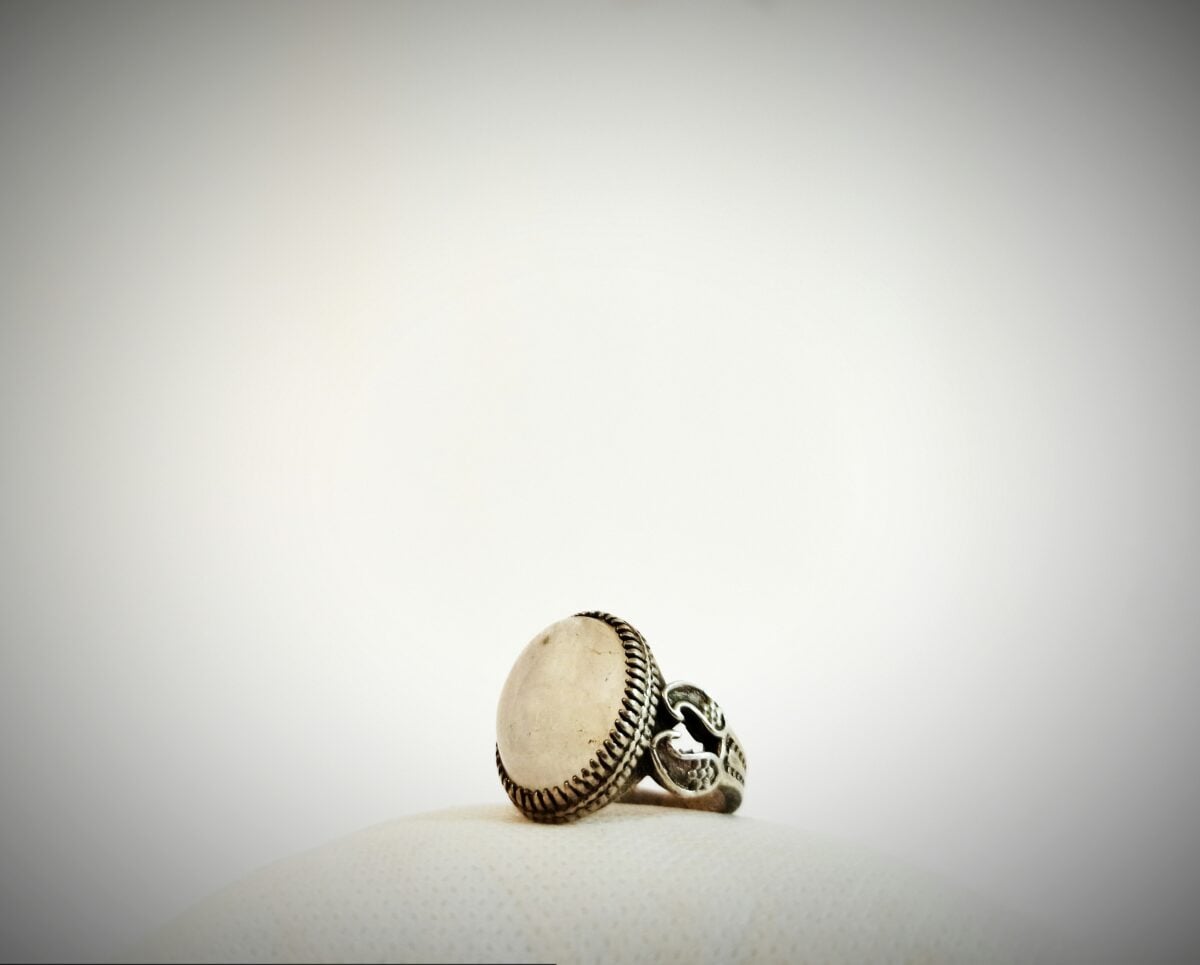
Georgian and early Victorian mourning rings — gold bands containing a compartment or window displaying a lock of hair from a deceased person — are among the most culturally specific objects in antique jewelry. They were produced in significant numbers during the Georgian period and most feature black enamel detailing, seed pearl borders, and inscriptions on the interior with the deceased’s name and date of death.
Families who find these pieces in estate jewelry and are unsure what to do with them are often surprised to learn that condition-dependent examples sell for $500 to $3,000, with unusually personal or documented examples reaching considerably higher at specialist sales.
The Cameo Set in Gold
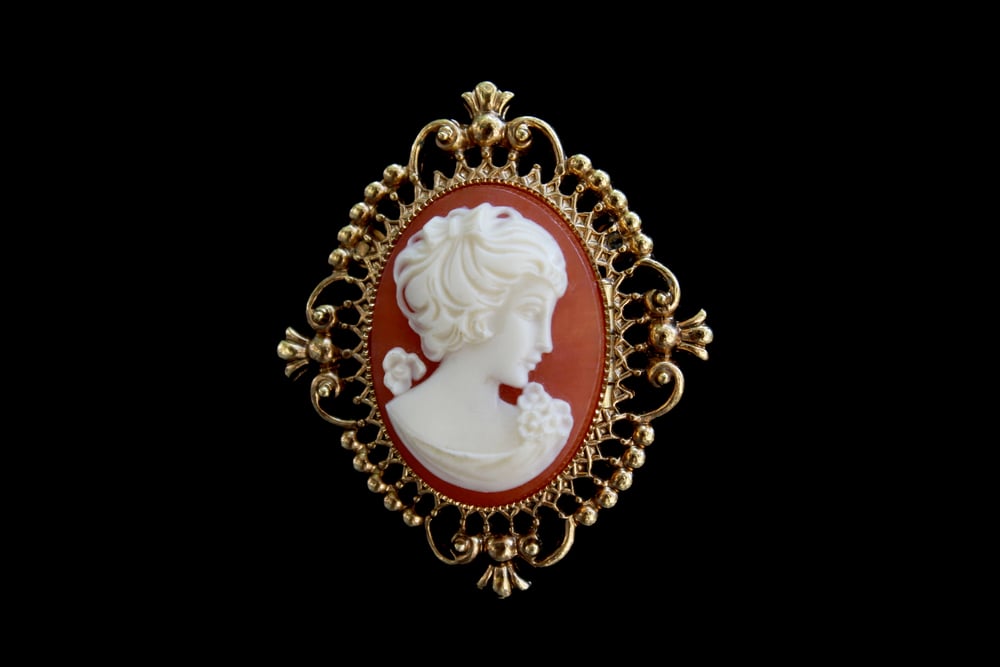
Carved shell cameos are ubiquitous in Victorian estate jewelry and most families with any antique pieces own at least one. The distinction that matters is the setting.
A cameo set in 9-carat gold with a simple mount is worth far less than the same-quality carving in an 18-carat gold mount with seed pearl border and articulated bail — details that indicate the piece was made for a wealthier original owner. The finest cameos are carved from hardstone rather than shell: sardonyx, agate, and layered onyx cameos with deeply detailed relief carving from the 18th and 19th centuries can sell for several thousand dollars, particularly when the carving depicts a mythological scene rather than a generic portrait.
The Emerald That Nobody Thought Was Real
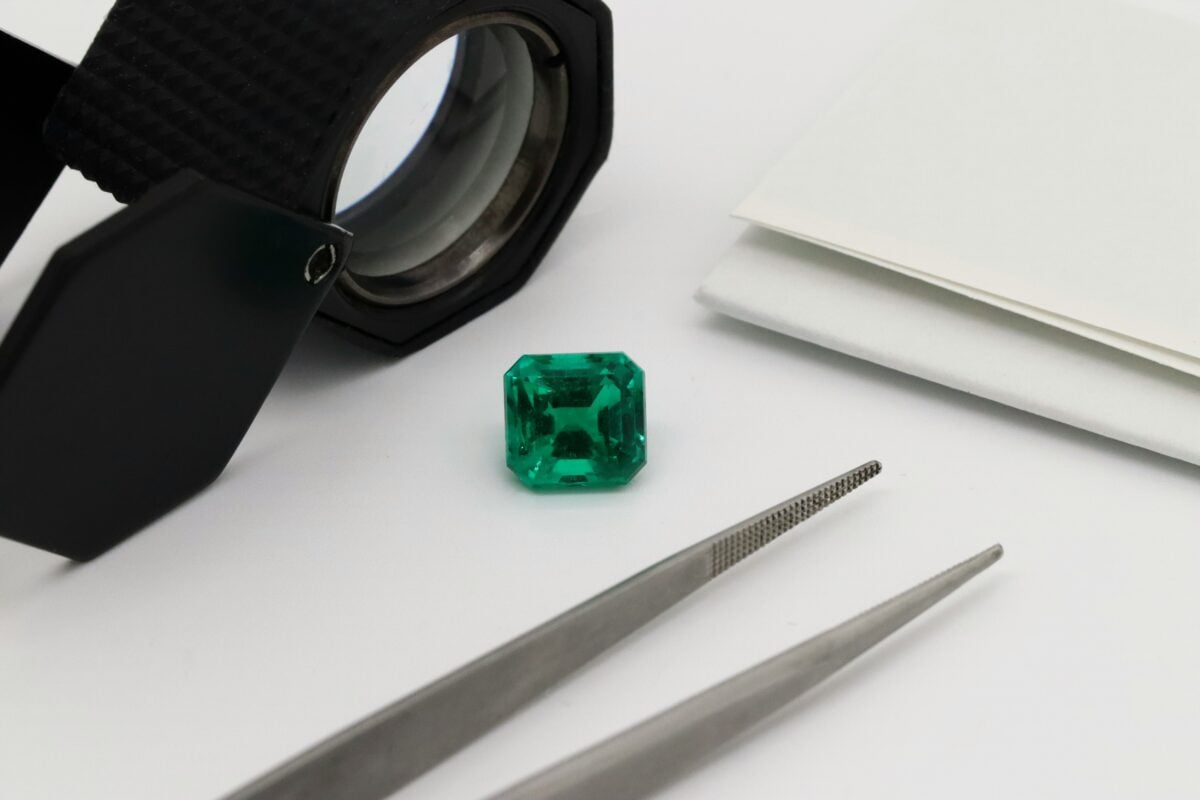
Colombian emeralds — particularly those from the Muzo and Chivor mines — have been among the world’s most valuable gemstones for centuries. A family emerald with obvious inclusions (called “jardin,” or garden, and entirely normal in natural emeralds) is frequently assumed to be synthetic or low-quality glass precisely because its inclusions are visible. Natural emeralds are almost always included.
A clean emerald is almost always synthetic. Families who have had their “fake green stone” examined by a gemologist have discovered genuine Colombian emeralds worth $3,000 to $20,000 per carat depending on color saturation, clarity, and the size and character of the stone.
The Seed Pearl Brooch From a Great-Grandmother’s Collection
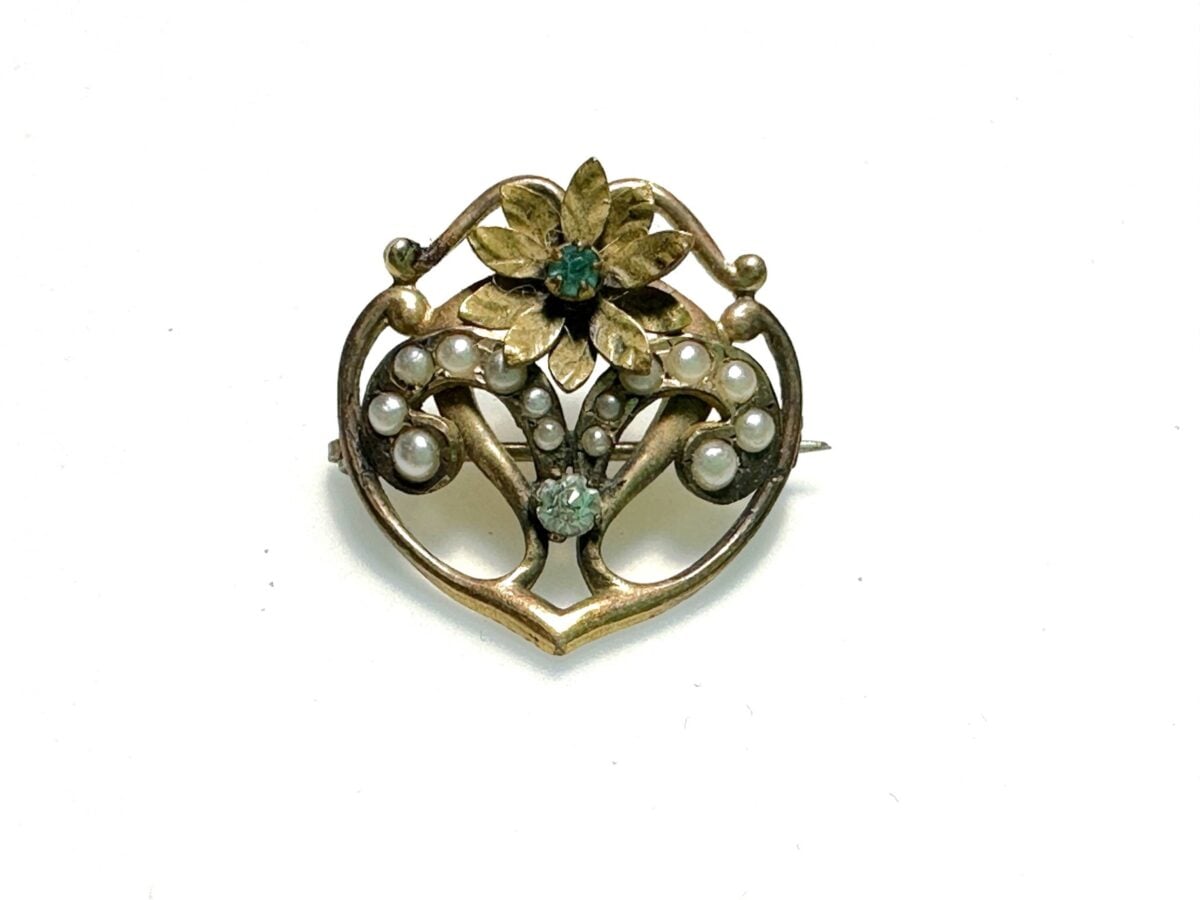
Seed pearl jewelry — intricate pieces made by stringing tiny natural pearls onto horse-hair thread in floral and bow designs — was highly fashionable in the Edwardian era and produced in large quantities by skilled craftspeople. The thread degrades over time, meaning intact examples in good condition are now relatively rare.
A seed pearl brooch or hair ornament in wearable condition, with original box or provenance, typically sells for $300 to $1,500 at auction, with exceptional large-scale examples in complete condition reaching $3,000 to $5,000.
The Signed Piece No One Noticed Was Signed
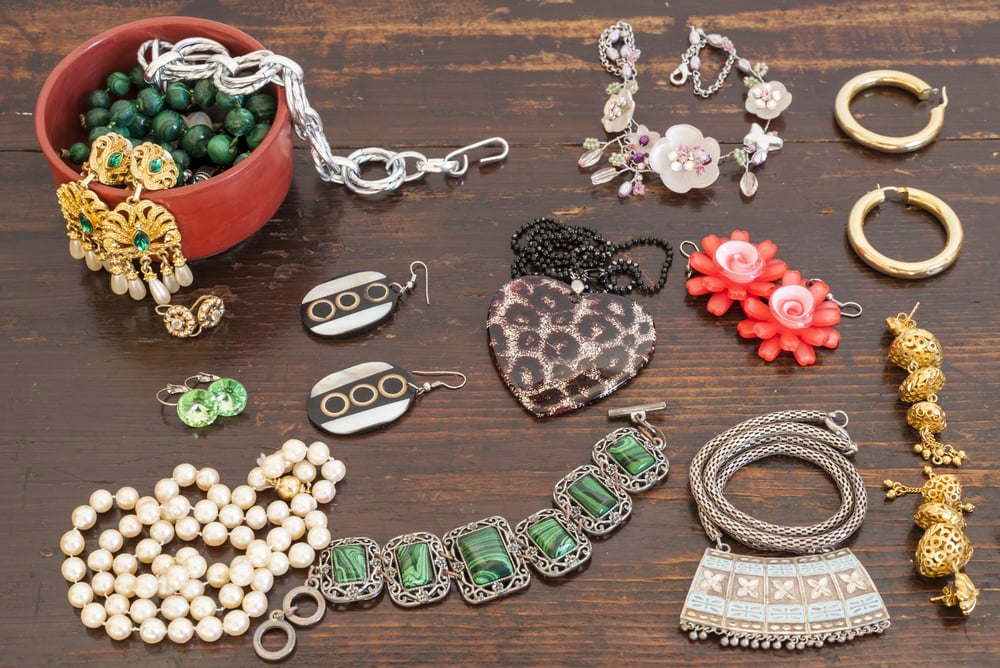
Maker’s marks on antique jewelry dramatically affect value, and many families overlook them entirely. A piece bearing the mark of a notable Victorian or Edwardian jeweler — Tiffany & Co., Cartier, Boucheron, Fabergé’s workmaster marks — is worth many times more than an unsigned piece of identical design and materials. The marks are typically stamped inside rings, on the reverse of brooches, or on the clasp of necklaces.
A family who brought in a plain gold locket for assessment and assumed it was unlabeled discovered the mark of a respected Victorian London jeweler inside the bail, adding several hundred dollars to its value instantly.
The Turquoise Parure From a Victorian Dressing Table
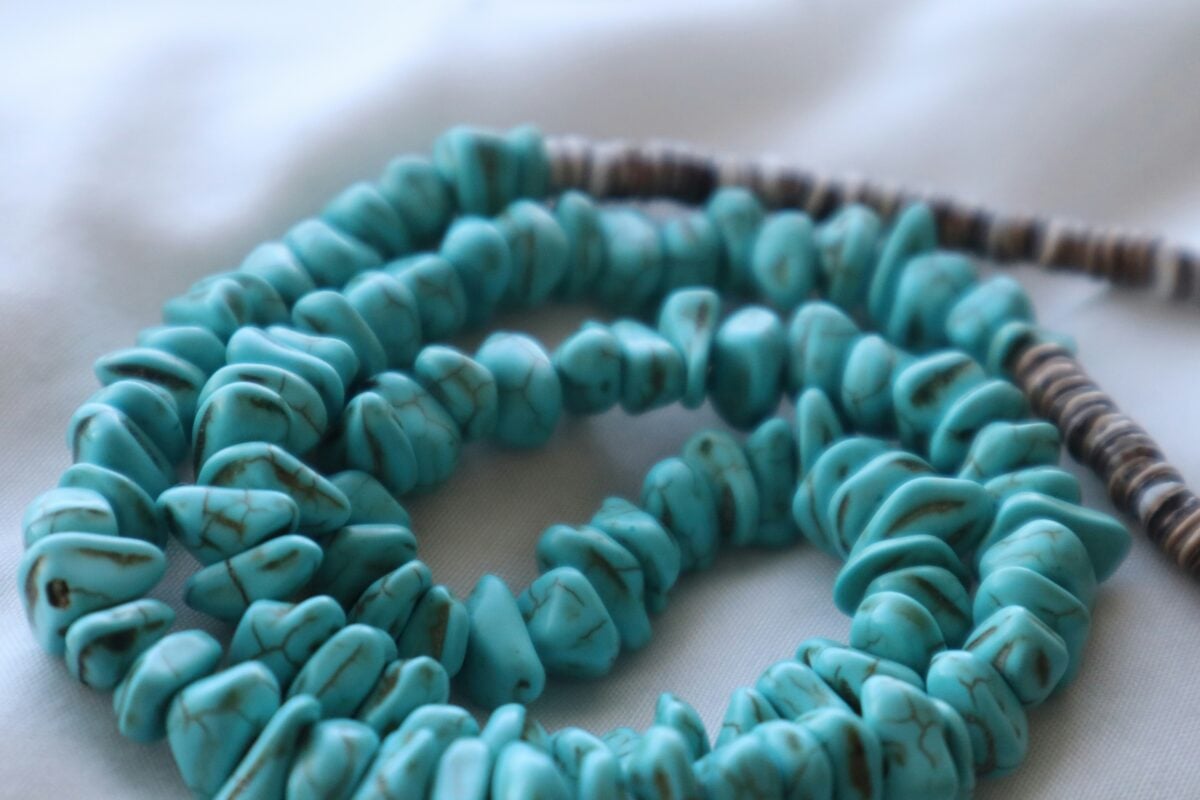
Victorian turquoise parures — matched sets including a necklace, earrings, brooch, and bracelet — were popular gifts for young women and were produced in large quantities from the 1840s through the 1890s. Their value depends significantly on the quality of the turquoise: the vivid, matrix-free Persian turquoise used in high-quality Victorian sets is now scarce, as the original Persian mines have largely been depleted.
A complete parure set with untreated natural turquoise in good color, in original fitted case, sells for $1,500 to $6,000 depending on condition and stone quality.
The Pale Aquamarine Thought to Be Glass
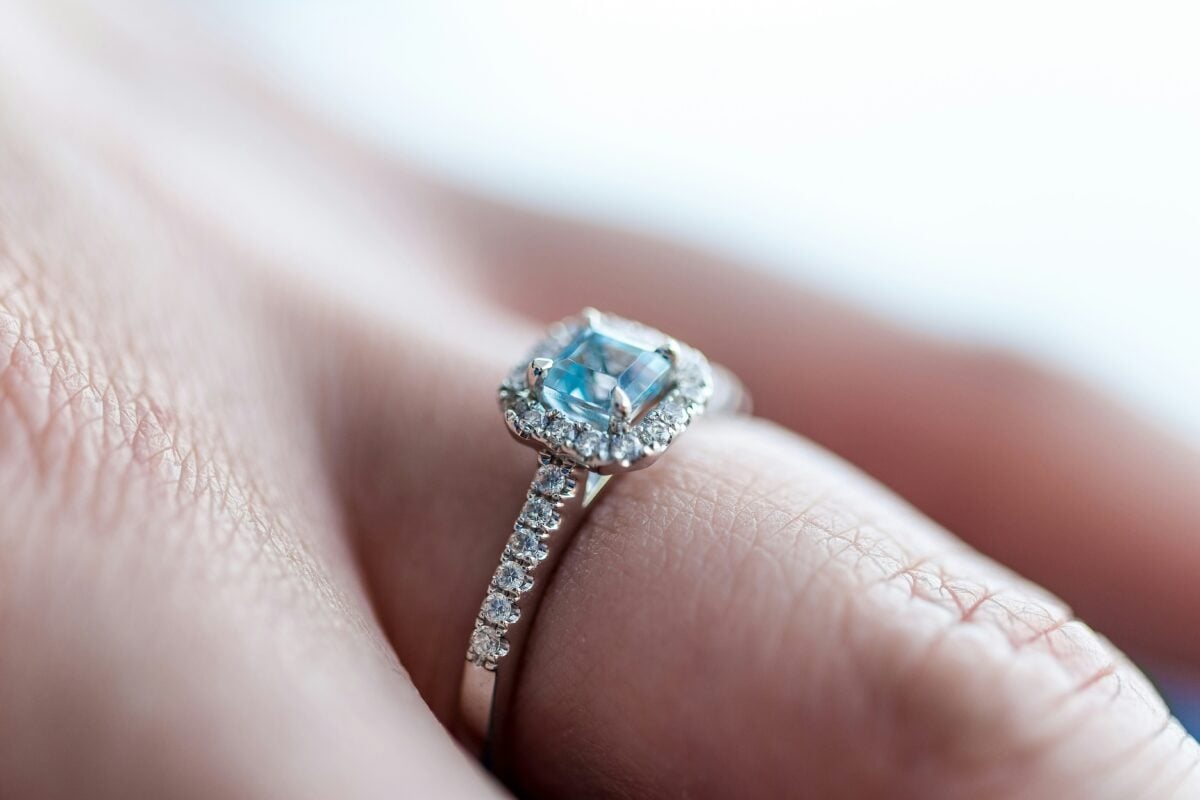
Aquamarines — the blue-green beryl variety — were particularly fashionable in the Edwardian period and Art Deco era, when their pale, cool color suited the platinum and white gold aesthetic of the time. Their transparency and light color make them easy to mistake for colored glass or synthetic stones, particularly in older pieces where the cutting is less precise.
Large aquamarines in good color and clarity are worth $100 to $1,000 per carat, with exceptional specimens considerably more. A family described their inherited aquamarine brooch as “a big blue piece of glass my great-aunt liked” before a gemologist confirmed both the stone and the Edwardian platinum setting.
The Coral Necklace Brought Back From Italy
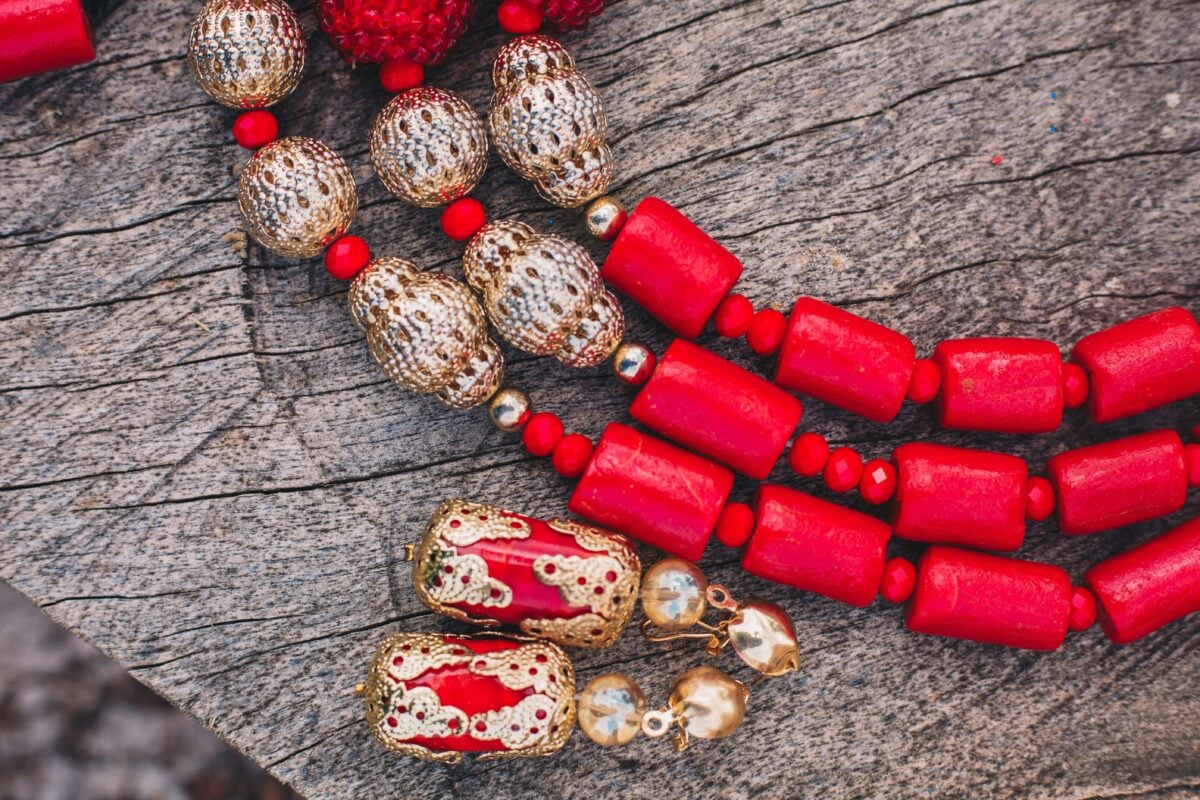
Italian coral jewelry — particularly deep red Mediterranean coral in cameo form or plain branch coral necklaces — was enormously popular among Victorian-era tourists to Naples and Sicily. The deep-water Mediterranean coral that was used in these pieces is now protected, making genuine antique pieces with original provenance increasingly valuable.
A multi-strand coral necklace with matched beads in good color, confirmed as genuine Mediterranean coral rather than dyed alternatives, sells for $500 to $4,000 depending on the quality and color saturation of the beads.
The Paste Rivière That Was Actually Georgian
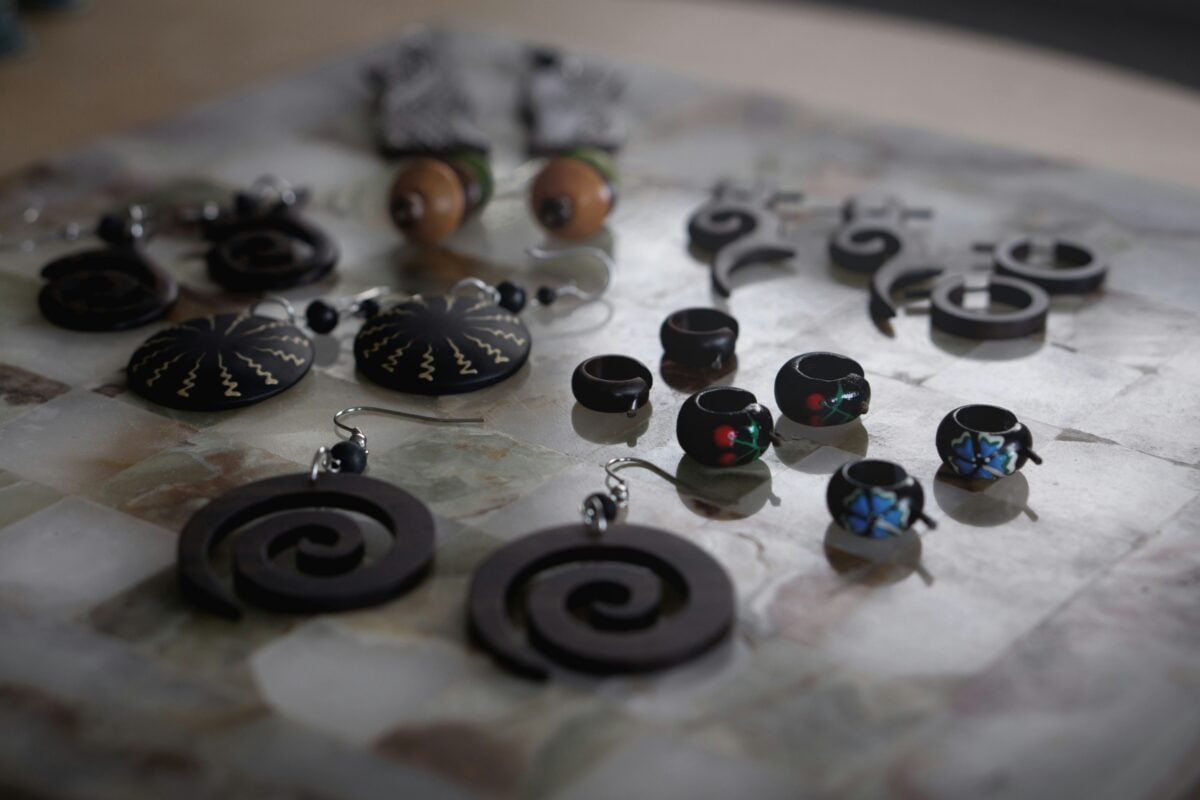
Paste jewelry — made with hand-cut lead crystal in silver or gold settings — was produced throughout the 18th century as a high-quality alternative to gemstones rather than as cheap imitation. Georgian paste rivières (graduated necklaces with matching earrings) were worn by aristocracy and middle-class women alike, and the best examples feature foil-backed stones in closed settings with exceptional sparkle.
A Georgian paste rivière in good condition, with original silver or gold setting, is worth $1,000 to $5,000 to specialist collectors, who value the craftsmanship and historical character of the pieces far above their material content.
The Signed Cartier Watch Assumed to Be Old
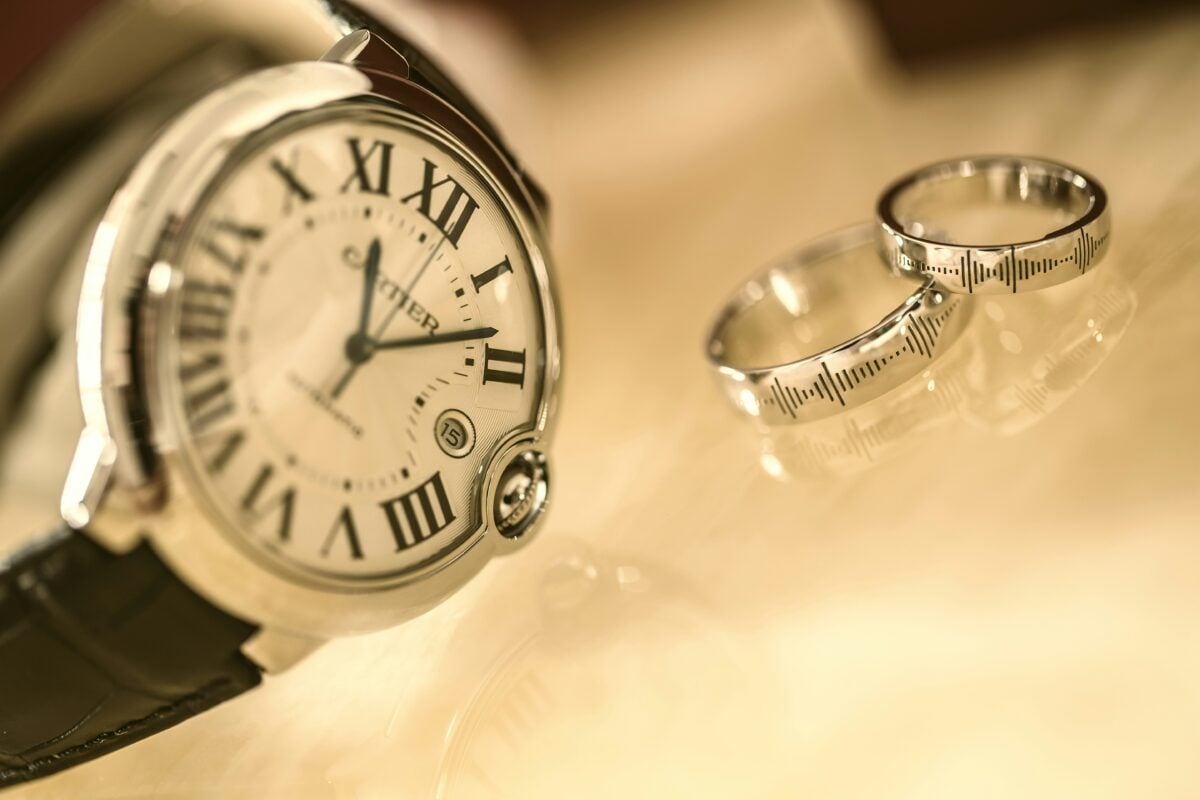
Vintage Cartier wristwatches — particularly the Tank, Santos, and Baignoire models produced in the mid-20th century — are among the most desirable items in the estate watch market. A family who dismissed a rectangular gold watch as “Grandpa’s old dresser piece” has on more than one occasion discovered a signed Cartier Tank in working condition worth $3,000 to $25,000 depending on the decade of production, metal, and whether documentation accompanies the piece.
The signed crown — the winding stem — is the first place specialists look.
The Ivory Netsuke Found With Japanese Pieces
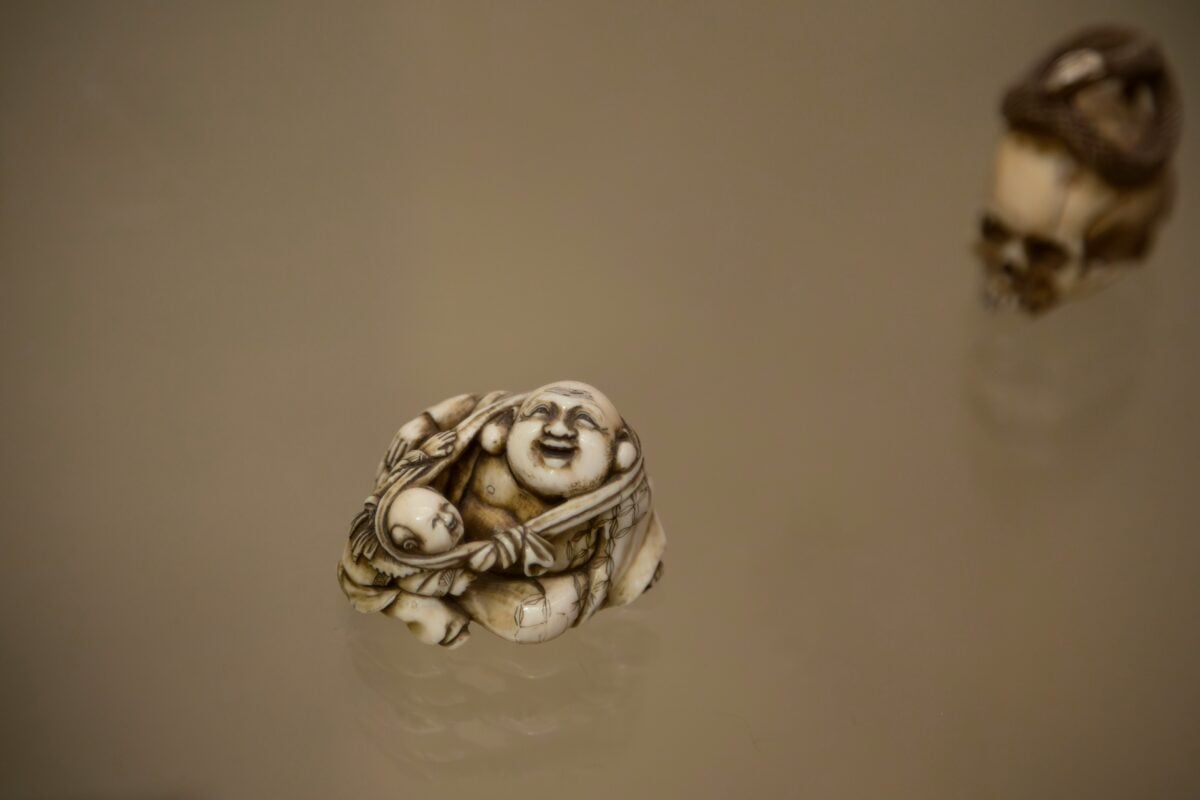
Japanese netsuke — small carved toggles used to secure pouches to kimono sashes — were collected extensively by Europeans and Americans during the Meiji era and frequently passed into Western family collections as charming oddities. Antique ivory netsuke from the Edo period (1603–1868) featuring exceptional carving are collector items worth $500 to $10,000 or more depending on the subject, the carver, and the quality of the work.
Trade in antique ivory is subject to legal restrictions in many jurisdictions, and owners should seek specialist legal and appraisal advice before attempting to sell.
The Jet Necklace From the Mourning Period
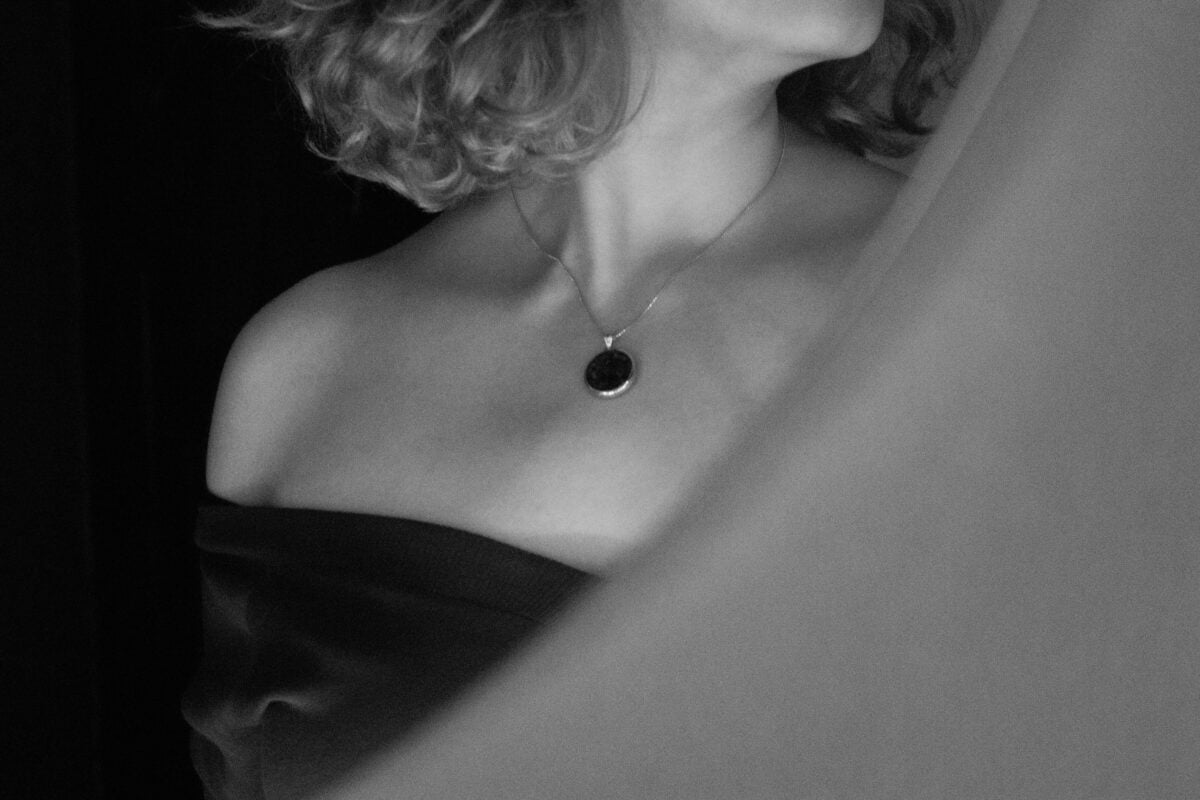
Whitby jet — a form of fossilized wood mined exclusively from the Yorkshire coast of England — was the material of choice for Victorian mourning jewelry after Queen Victoria wore it throughout her lengthy mourning for Prince Albert. Genuine Whitby jet is warm to the touch, lightweight, and produces a brown streak on unglazed porcelain — unlike French jet (black glass) and vulcanite, which are heavier and colder.
A genuine Whitby jet necklace or brooch in good condition from the Victorian period sells for $200 to $1,500, with large ornate pieces reaching $2,000 to $3,000 in specialist sales.
The Miniature Portrait Brooch From an Ancestor
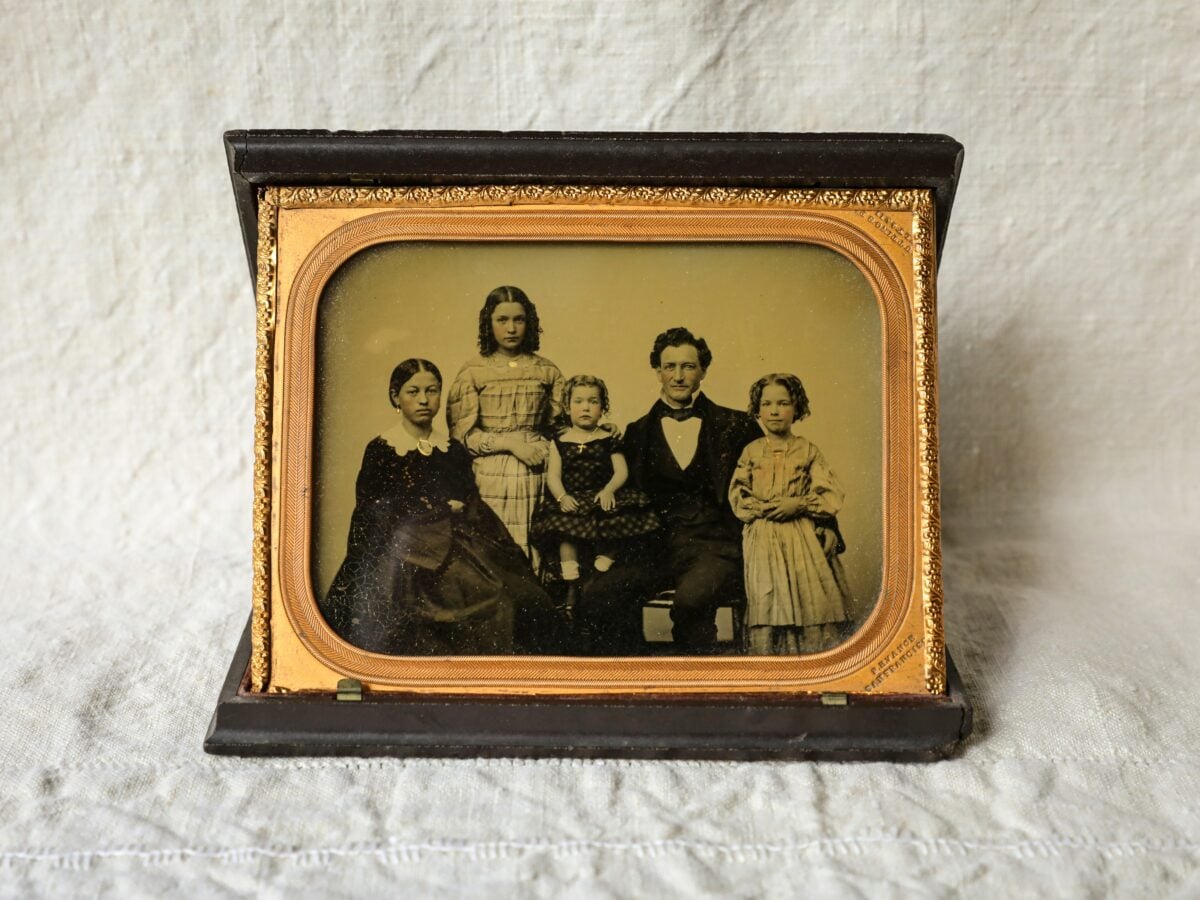
Portrait miniatures — small hand-painted portraits on ivory or vellum, often encased in gold or gold-filled oval brooches — were the standard format for personal portraiture before photography. Many families inherit them without knowing whose likeness they depict, which limits sentimental value but not necessarily financial value.
A well-executed late 18th or early 19th-century portrait miniature in a good gold frame is worth $500 to $5,000 at auction, with exceptional examples by named miniaturists reaching well beyond that.
The Scottish Pebble Brooch With No Setting Details
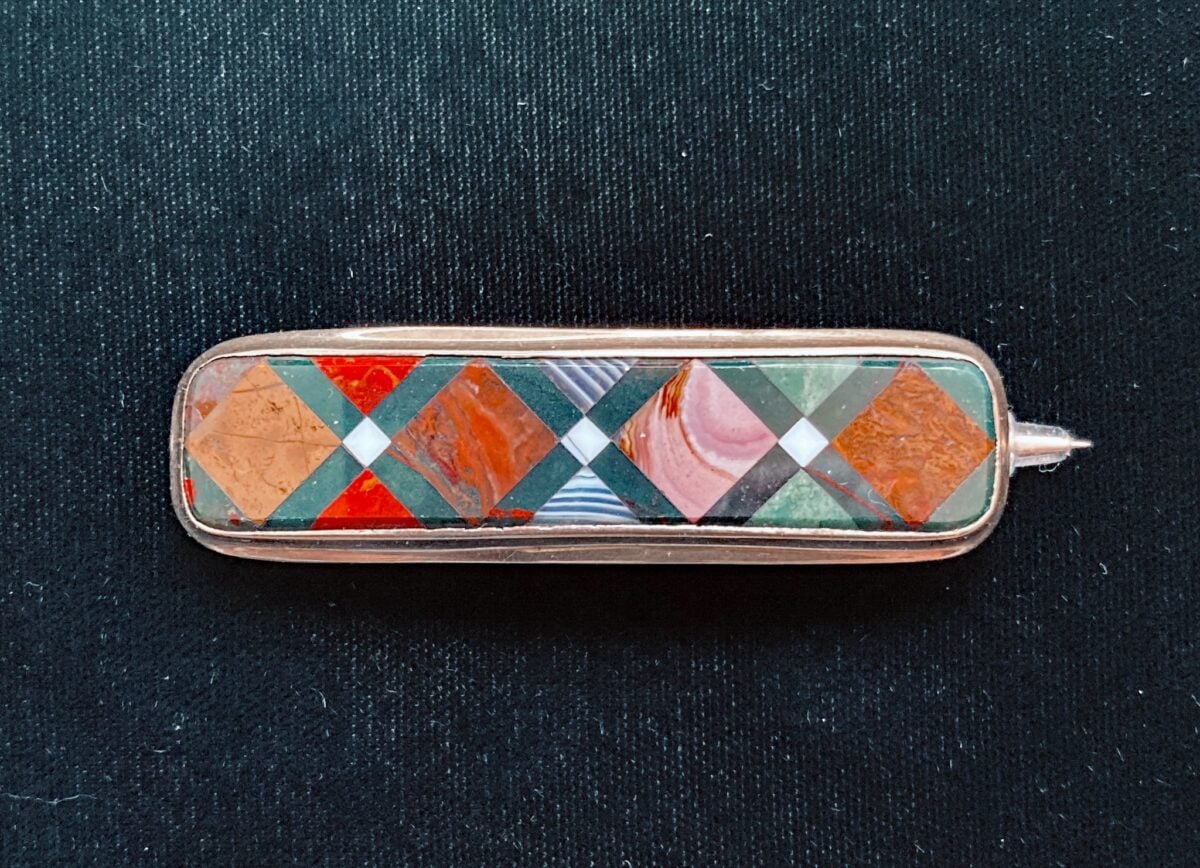
Scottish pebble jewelry — made from a combination of polished semi-precious stones including agate, bloodstone, cairngorm, and granite set in silver — was produced throughout the Victorian era and is a distinct and collectible category of antique jewelry. The appeal lies in the combination of natural stone colors, and the best examples use matched and contrasting stones in symmetrical designs.
A large, well-made Scottish pebble brooch in good silver setting, with no missing stones, sells for $200 to $800, with the most elaborate examples occasionally reaching $1,500 at specialist Scottish antique sales.
The Rose Gold Ring From the 1940s
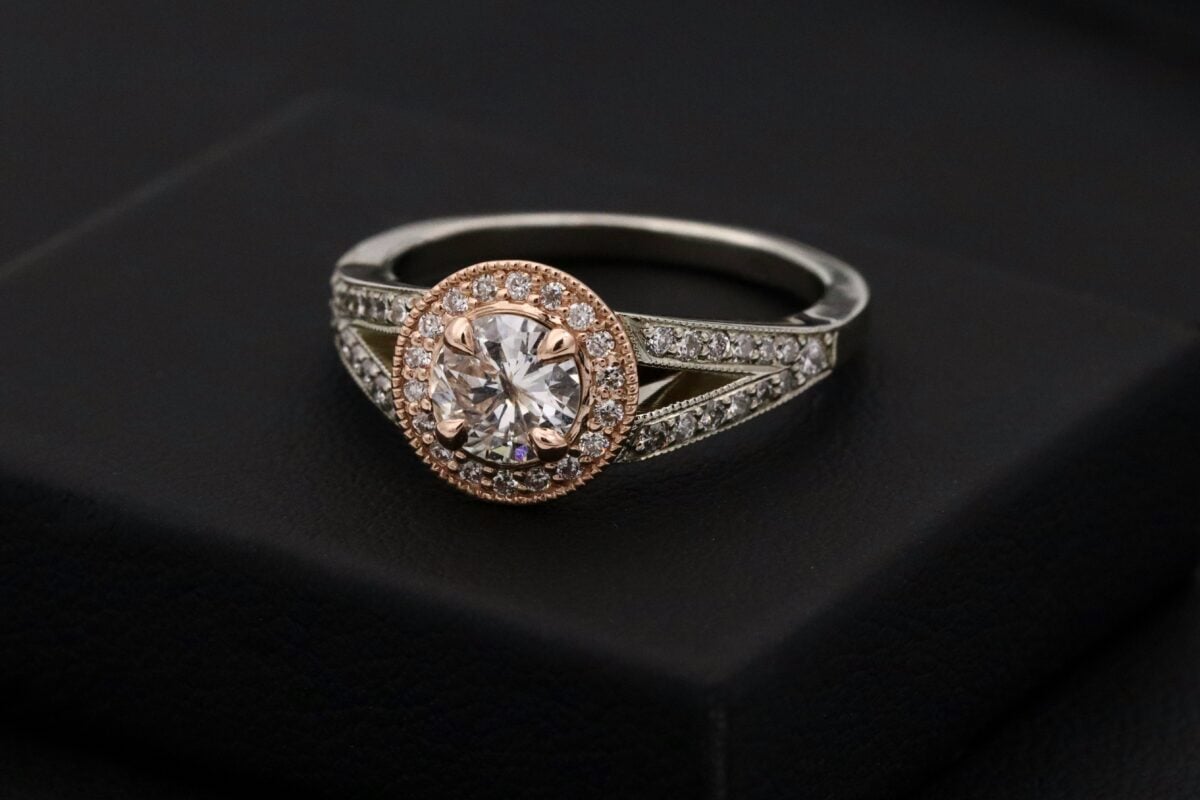
Retro jewelry — produced roughly from the late 1930s through the early 1950s — is characterized by bold, sculptural yellow and rose gold designs with large synthetic or semi-precious stones. The style looks excessive and theatrical to modern eyes, but the category has appreciated significantly among collectors who prize the craftsmanship and period character.
A substantial Retro rose gold cocktail ring with amethyst or aquamarine in good condition sells for $500 to $2,500 depending on the stone size and quality of the gold construction.
The Gold Thimble From a Sewing Box
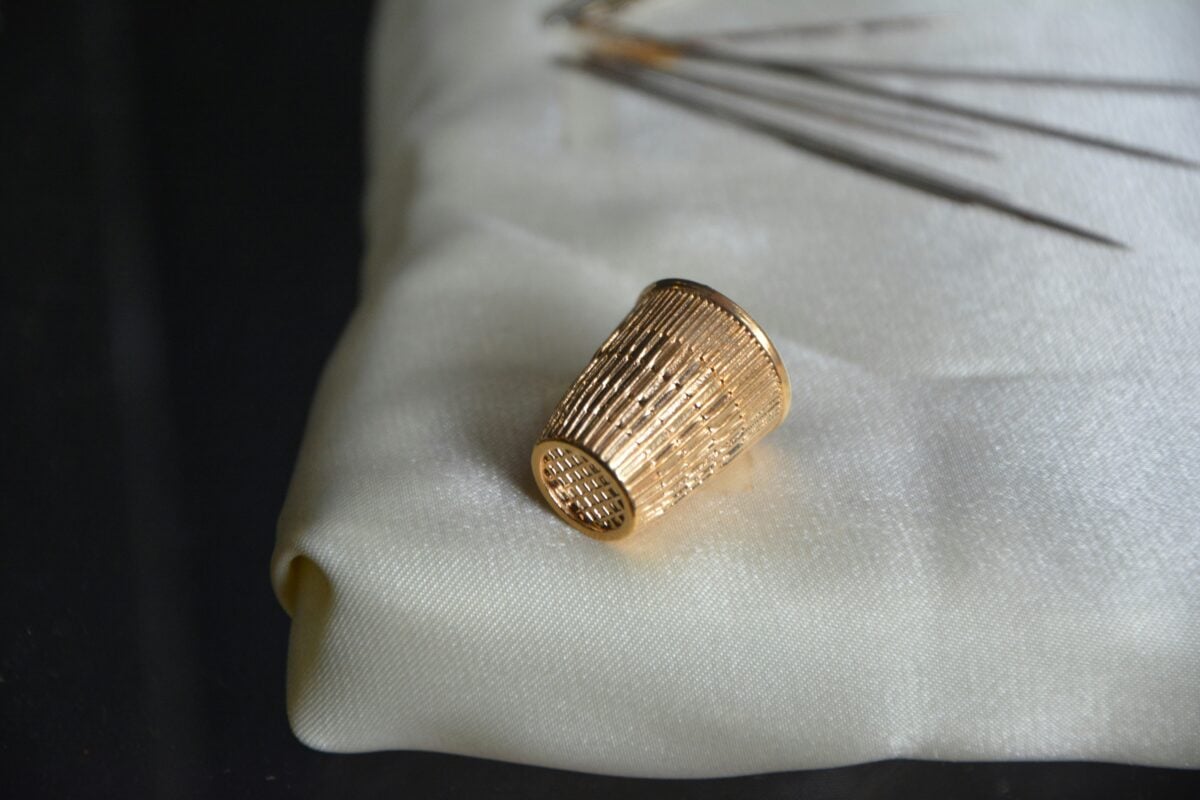
Gold thimbles — produced as luxury items throughout the 18th and 19th centuries, often engraved with floral or pictorial decoration — are a small but active collector category. A plain gold thimble is worth its melt value at minimum, but an engraved or enameled example from a named maker such as Charles Horner or Gabler Brothers commands a premium from specialist collectors.
Complete thimble-and-case sets in original fitted boxes sell for $200 to $1,500, and rare examples with enamel panels or gemstone borders have sold for considerably more at specialist sewing accessory sales.
The Amber Beads Assumed to Be Plastic
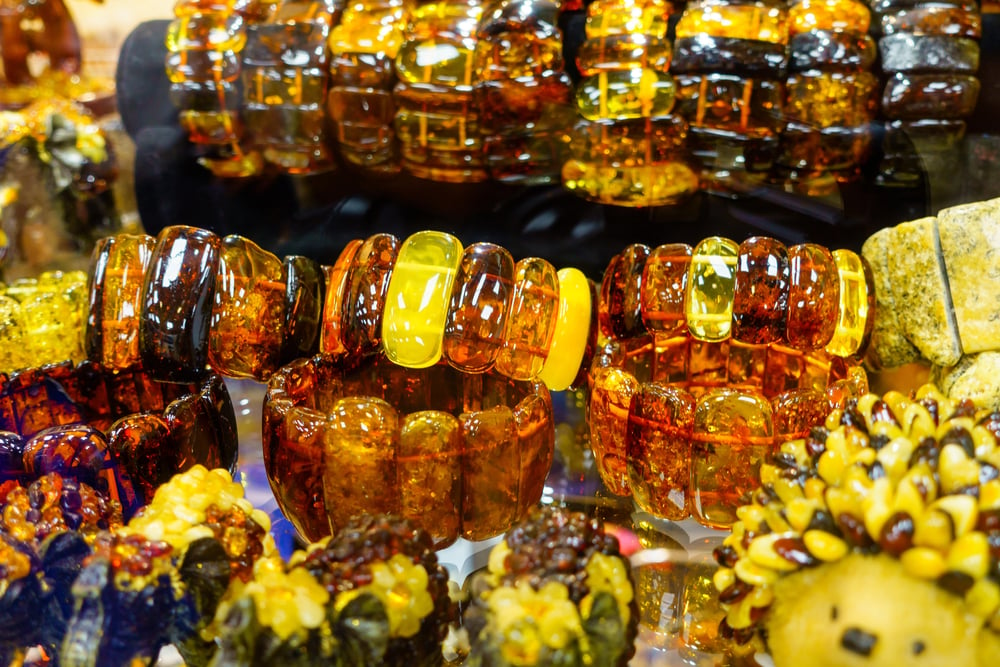
Genuine Baltic amber and plastic or phenolic resin imitations look similar but behave differently. Genuine amber is lighter than water, warm to the touch, and produces a distinctive pine or resinous smell when rubbed vigorously. A long strand of graduated Baltic amber beads, particularly those with visible inclusions of insects or plant matter, is worth $200 to $2,000 depending on clarity, bead size, and the nature of any inclusions.
The most valuable amber pieces contain well-preserved specimens of prehistoric insects and command serious prices in natural history and jewelry auctions.
The Filigree Bracelet That Turned Out to Be 18 Carat
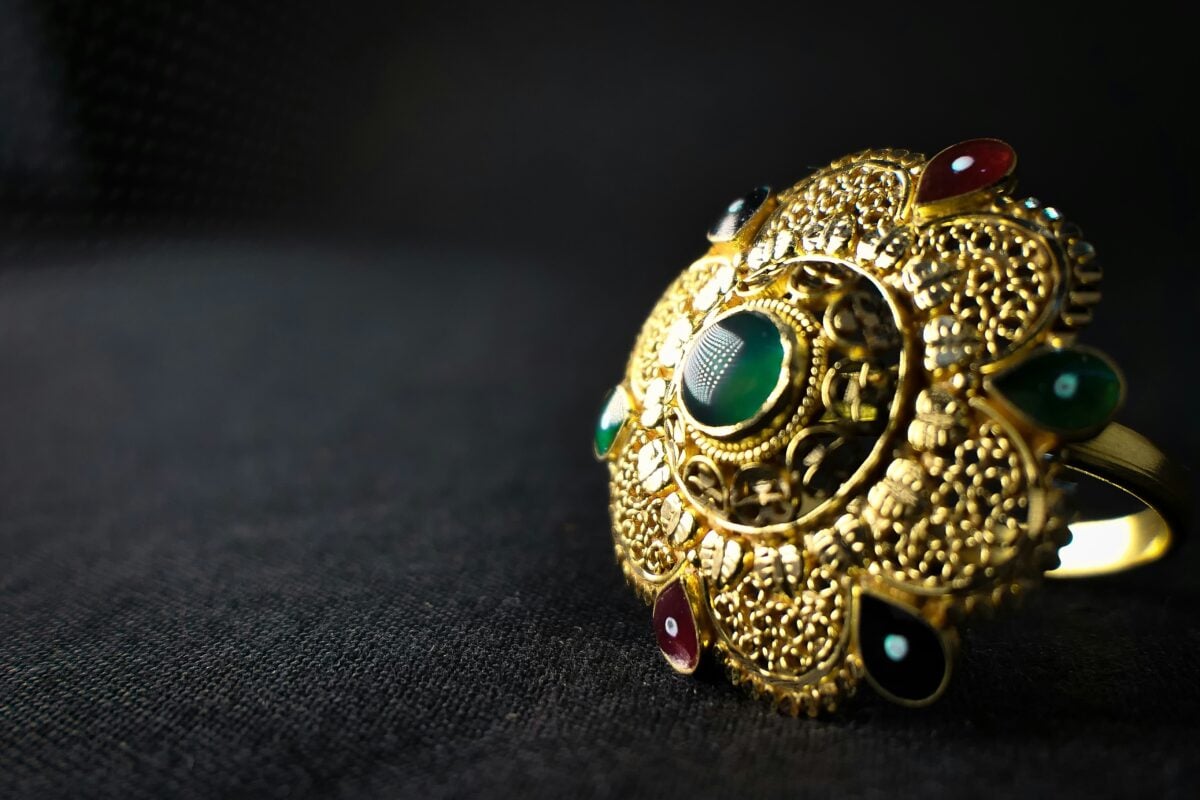
Gold filigree jewelry — made by twisting fine gold wire into lacy, decorative patterns — was produced extensively in Portugal, Spain, Italy, and the Middle East throughout the 19th and early 20th centuries. The delicate construction makes it look fragile and decorative rather than substantial, and families frequently underestimate the gold content of filigree pieces.
A substantial Portuguese gold filigree bracelet in good condition can contain significant gold content and sell for $600 to $2,500, with the craftsmanship adding value beyond the melt price alone.
The Lapis Lazuli Set From the 1920s
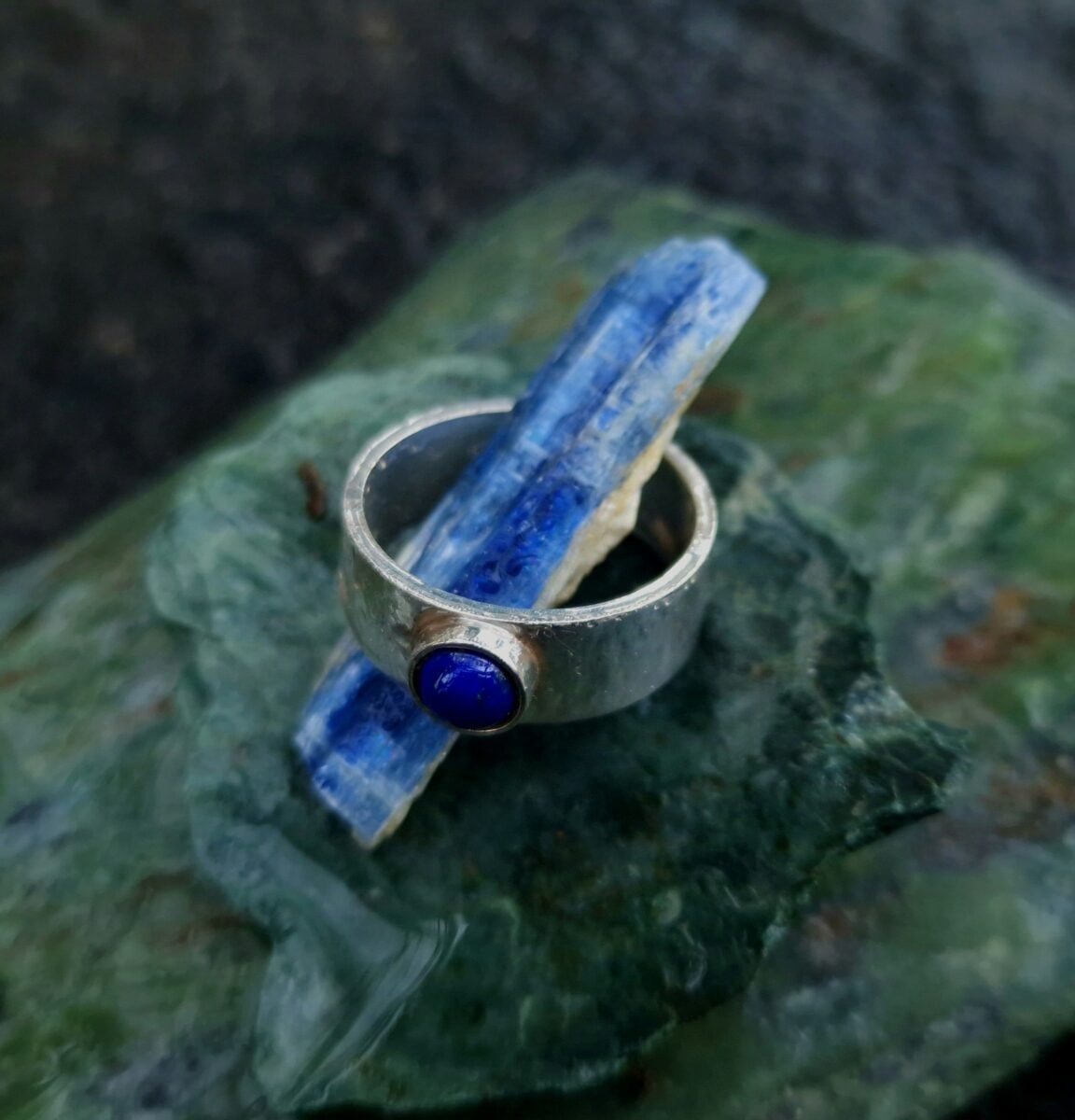
Deep blue lapis lazuli was fashionable in both Victorian and Art Deco jewelry, and high-quality pieces from the 1920s set in gold or platinum with diamond accents have appreciated as the Art Deco category has gained collector interest. A lapis lazuli and diamond ring or bracelet in original platinum Art Deco setting, in good condition, sells for $800 to $5,000 depending on the quality of the lapis, the diamond content, and whether any signed metalwork is present.
The Box Underneath the Box
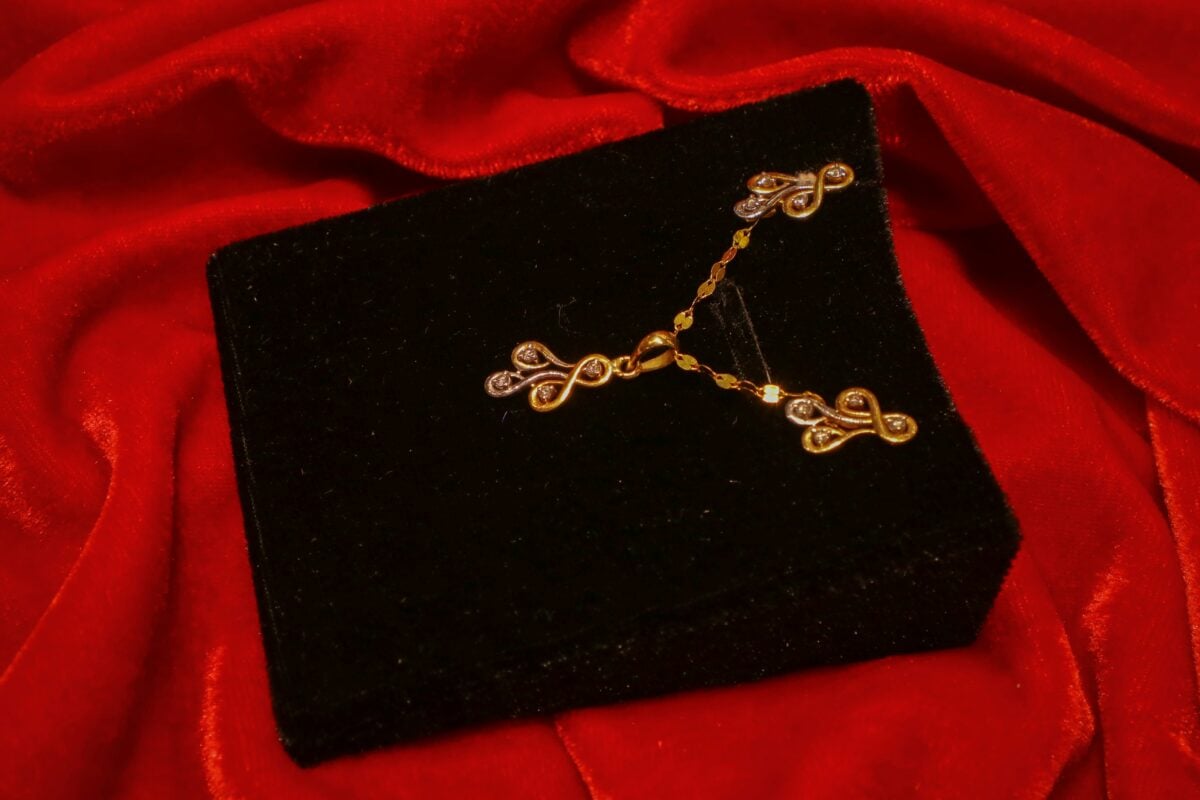
Estate appraisers report a consistent finding: the most valuable piece in a family jewelry collection is rarely the one displayed or discussed most. It is typically found in the lowest drawer, inside the most battered box, sometimes wrapped in tissue paper and assumed to be too fragile to wear.
The jewelry families most readily identify as important — the big statement piece, the one with the obvious stones — is often not the one that surprises them most at appraisal. It’s the overlooked piece from the relative nobody talked about, in the container nobody thought to open, that turns out to have a story nobody expected.
The Value of Not Knowing What You Have
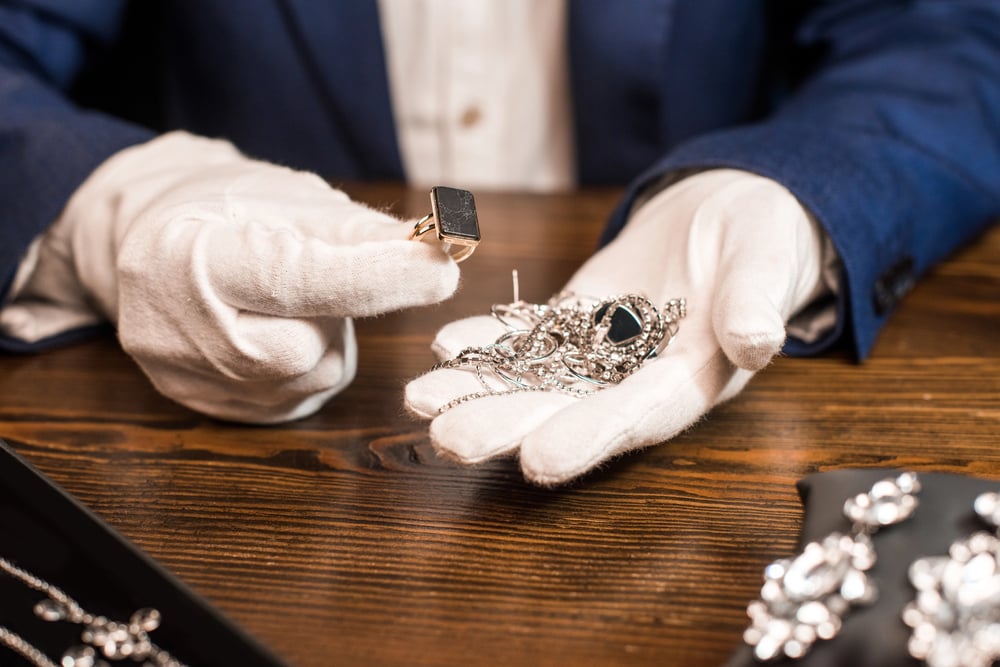
The consistent lesson across thousands of family jewelry appraisals is that uncertainty is not a reason to assume worthlessness — it’s a reason to find out. A piece that looks unimpressive, unfashionable, or oddly colored is not necessarily any of those things when examined by someone who knows what to look for.
The genuine Whitby jet and the black glass brooch look identical on a velvet tray. The demantoid garnet and the green glass stone in the back of a Victorian setting are impossible to distinguish without expertise.
What changes everything, in nearly every case, is simply asking.
More from Go2Tutors!

- The Romanov Crown Jewels and Their Tragic Fate
- 13 Historical Mysteries That Science Still Can’t Solve
- Famous Hoaxes That Fooled the World for Years
- 15 Child Stars with Tragic Adult Lives
- 16 Famous Jewelry Pieces in History
Like Go2Tutors’s content? Follow us on MSN.