27 Pieces Of Lost Knowledge From The Ancient World Never Recovered
Modern civilisation has a confidence problem. The assumption that because knowledge can be written down and backed up and digitised, it therefore cannot be permanently lost, is comfortable and almost certainly wrong.
The ancient world was full of knowledge that seemed equally durable — kept by institutions, recorded in texts, passed through apprenticeship lines — and then stopped existing. Not metaphorically stopped.
Actually stopped, so completely that what we know about some of it now amounts to the fact that we know almost nothing.
This is a list of things humanity knew and no longer knows. Some are practical.
Some are artistic. Some are mathematical.
All of them represent a permanent subtraction from what the human species understood about the world.
Greek Fire
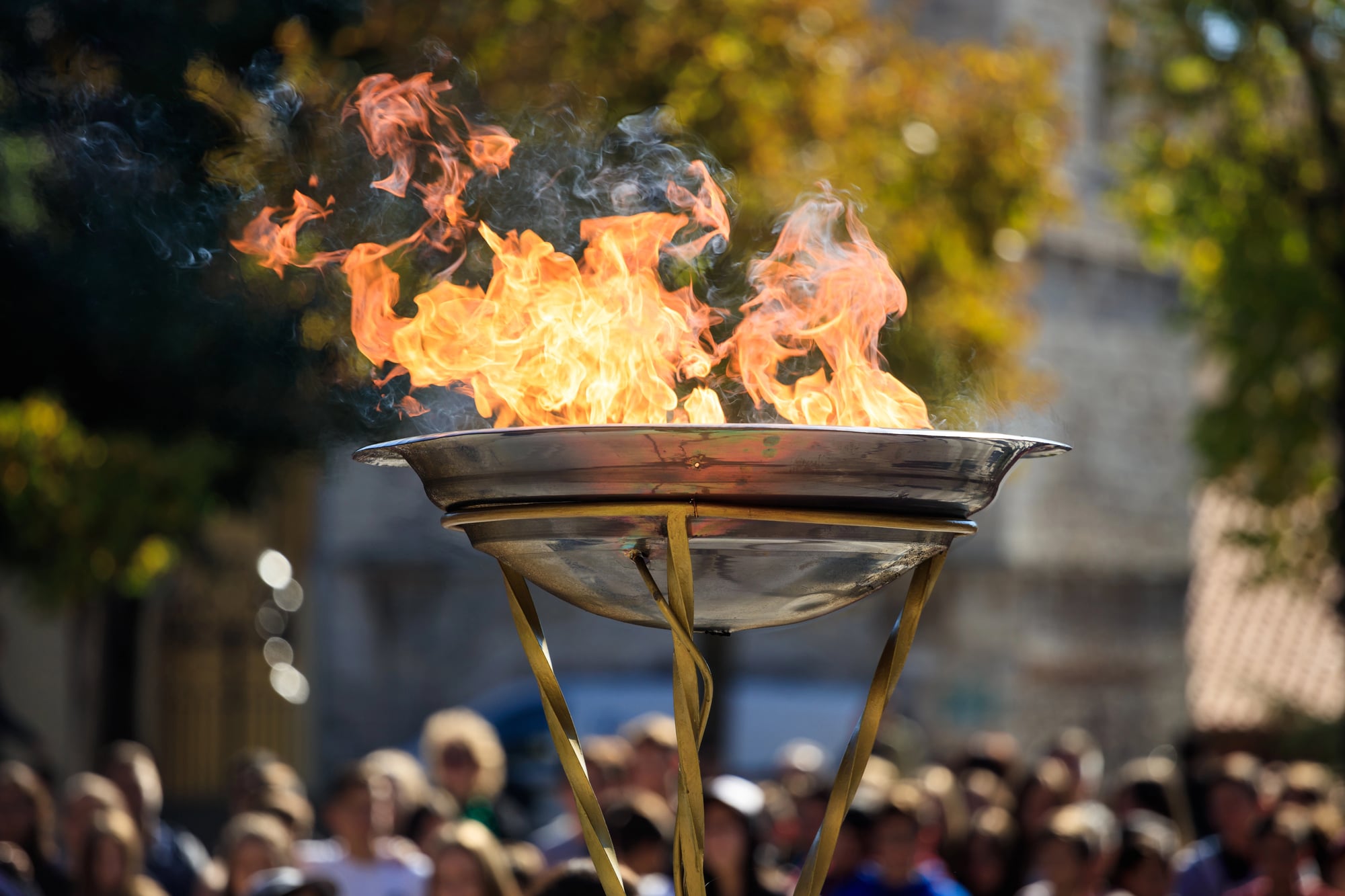
The Byzantine Empire’s most feared naval weapon burned on water, could not be extinguished by water, stuck to wood and fabric and skin, and gave Constantinople an unassailable naval advantage for centuries. It was deployed through bronze siphons on warships from the 7th century CE and kept the empire’s enemies at bay in multiple engagements that the Byzantines should not have won.
The formula was a closely guarded state secret, known only to a small number of engineers who were reportedly sworn to secrecy on pain of death. When Constantinople fell to the Ottomans in 1453, the formula fell with it.
Historians and chemists have spent centuries speculating about the ingredients — petroleum base, pine resin, naphtha, quicklime — but no modern formulation has been verified to match the historical descriptions. The secret has never been recovered.
Roman Concrete
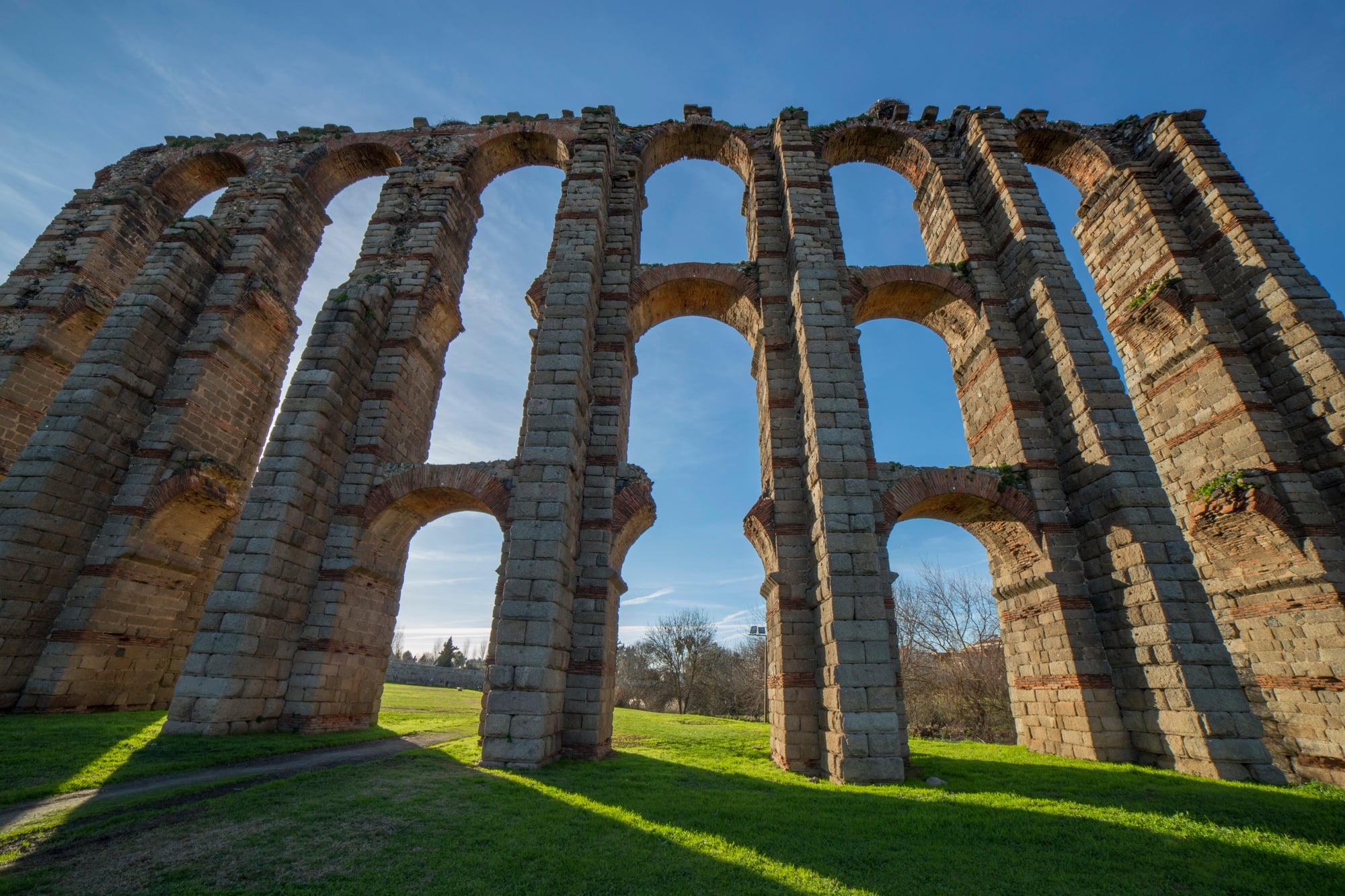
The Romans built structures from a concrete that has not merely survived 2,000 years of Mediterranean coastal exposure — it has demonstrably strengthened over that time. Modern concrete deteriorates when seawater enters its micro-fractures.
Roman marine concrete, made with volcanic ash from the Pozzuoli region near Naples, does the opposite: seawater permeates the material and triggers chemical reactions that grow new minerals inside the fractures, self-healing the structure.
Geologists who analysed Roman harbour structures in the 21st century found this process still actively occurring. The recipe was not formally documented in a way that survived the collapse of the Western Roman Empire in the 5th century CE, and despite modern science’s ability to analyse the finished product’s composition, the precise process for producing it remains incompletely understood.
Damascus Steel
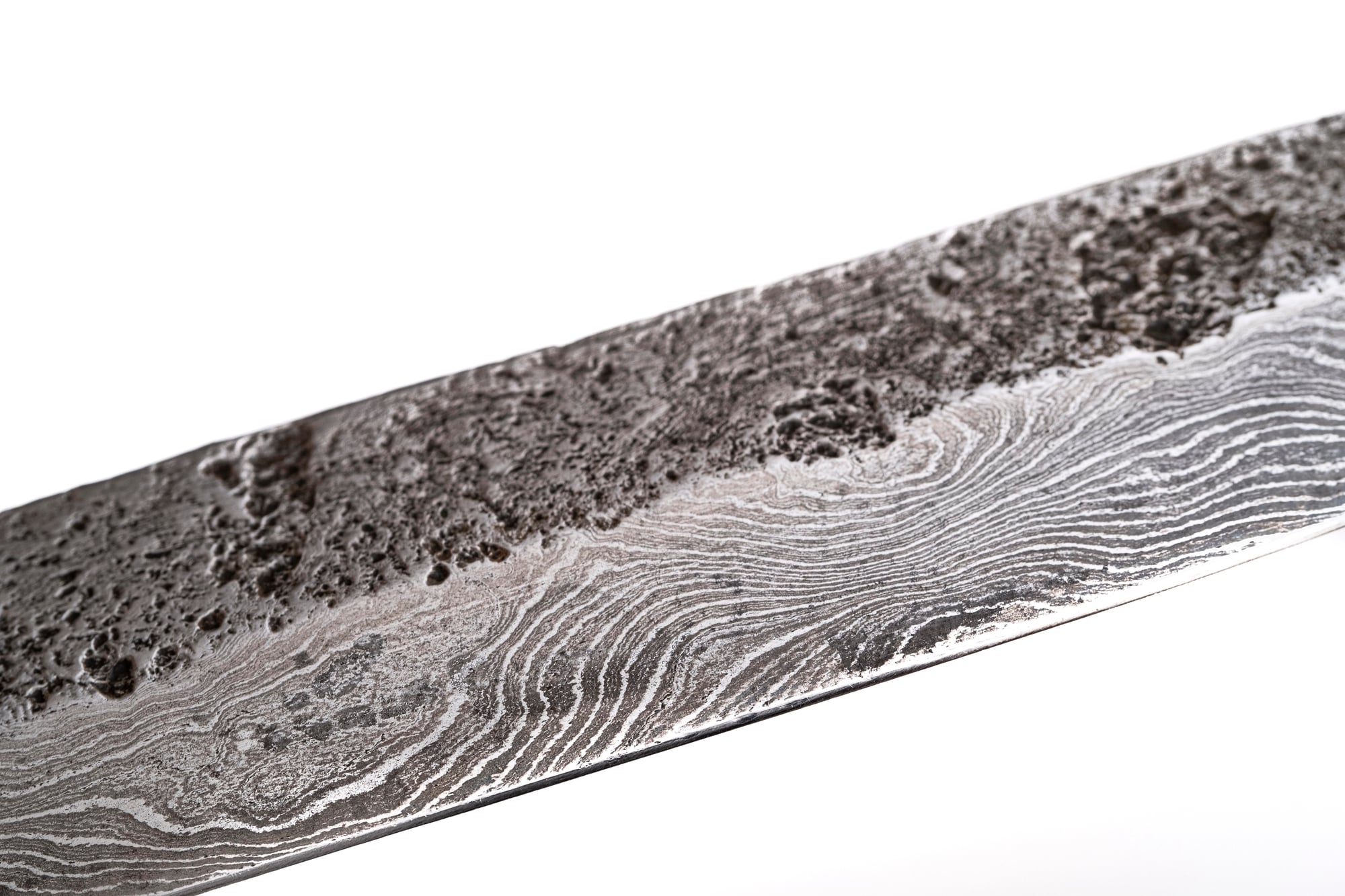
Damascus steel blades, forged primarily in the Middle East and traded across the ancient world between roughly the 3rd and 18th centuries CE, were legendary for their sharpness, their flexibility, and the distinctive wavy pattern visible on their surface. Modern metallurgical analysis has found carbon nanotubes inside Damascus steel — a structure thought to be a 21st-century nanotechnology discovery — suggesting that ancient smiths achieved nanoscale organisation of carbon in their metal without any theoretical understanding of what they were doing.
The technique was lost around 1750 when the specific ore sources from India that provided the trace impurities — including vanadium — required for the process were exhausted. When the raw material changed, the knowledge of how to work with it became useless, and it died with the last generation who had used it.
The Antikythera Mechanism’s Manufacturing Process
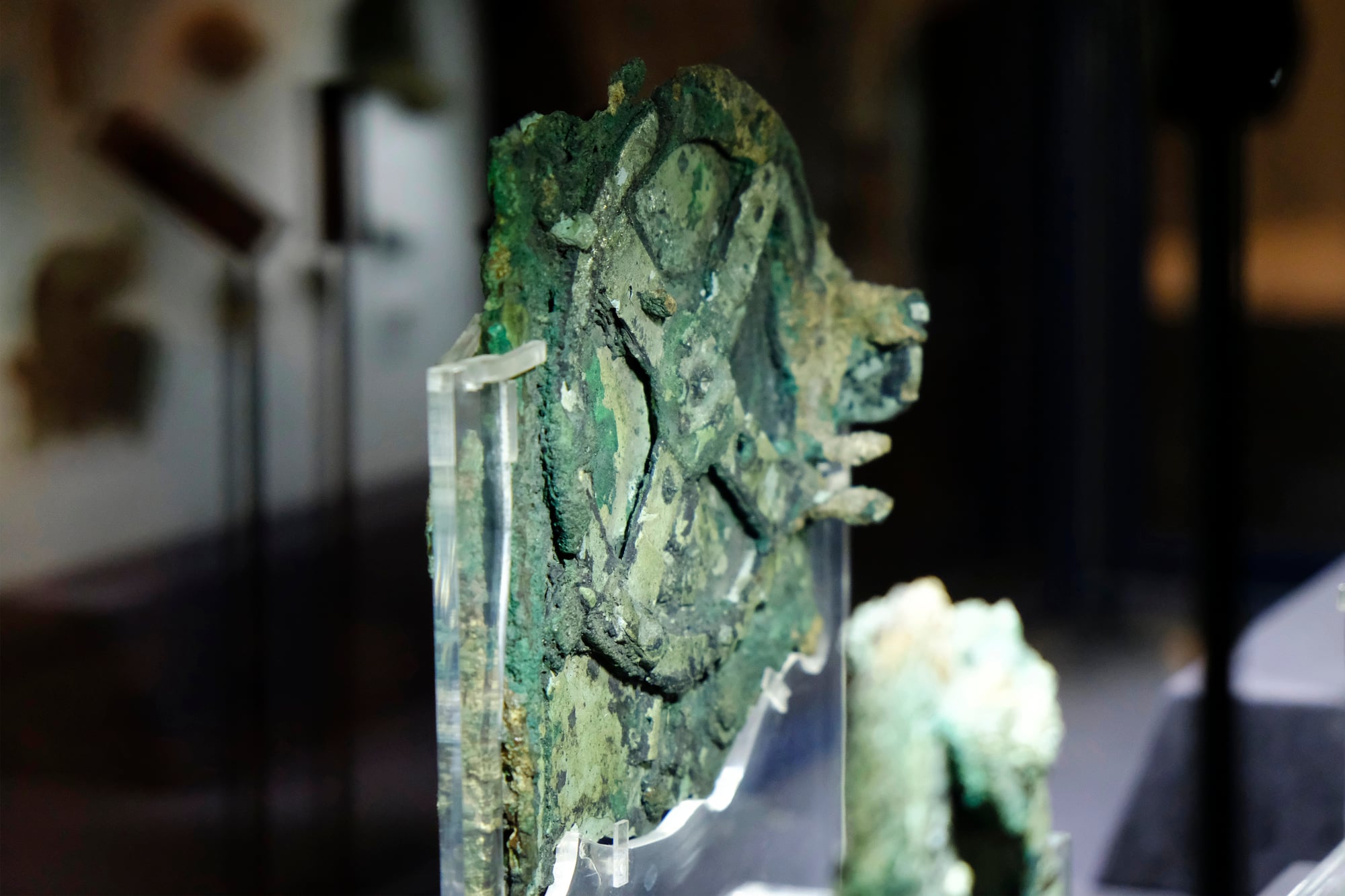
The Antikythera Mechanism itself was recovered from a shipwreck near the Greek island of Antikythera in 1901 and is now partially understood: it was a hand-cranked mechanical computer dating to around 100 BCE, containing at least 30 interlocking bronze gears that could predict solar and lunar eclipses, model the irregular orbit of the moon, track the positions of the known planets, and calculate the timing of the Olympic Games.
Nothing of comparable mechanical sophistication appears in the European historical record for 1,400 years afterward. What remains lost is the manufacturing process — the tooling, the techniques for cutting gears with teeth approximately one millimetre in size to the tolerances required for accurate astronomical calculation — and the theoretical framework that produced this object.
Who built it and why remains unknown.
The Stradivarius Sound

Between 1666 and 1737, Antonio Stradivari of Cremona built approximately 1,100 instruments — violins, violas, cellos — of which around 600 survive. They are worth several hundred thousand to several million dollars each, and they sound different from every instrument made before or since.
The difference is audible and measurable but not yet fully explained. Theories include the specific density of the wood, achieved because Stradivari was working during a sustained cold period in European climate history (the Little Ice Age) that produced unusually dense wood with particular acoustic properties, and the chemical treatments he applied to the wood, some of which researchers identified in the 21st century as fungal treatments.
The technique was a family secret known only to Stradivari and his sons Omobono and Francesco. When they died, it died with them, and no modern luthier has produced an instrument that is empirically indistinguishable from the originals.
The Inca Quipu Narrative System
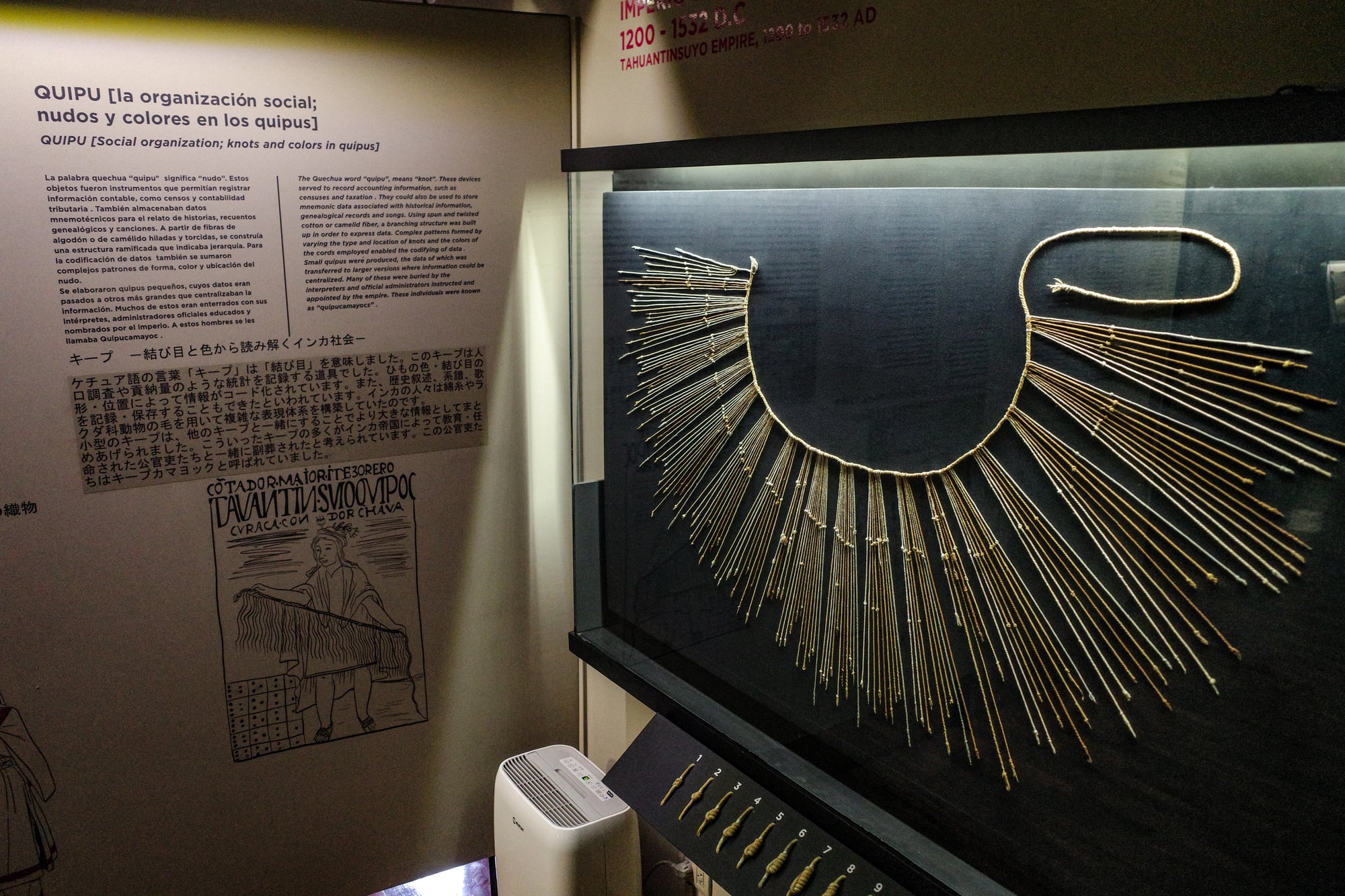
The Inca Empire administered a territory spanning four million square kilometres and millions of people without a written alphabet, using instead a system of knotted and coloured cords called quipu. Specialists called quipucamayocs encoded and read the quipu, tracking census data, tax records, supply chains, military information, and historical narratives across the empire.
Modern scholars have partially decoded the decimal counting system encoded in the knots — knot type, position, and colour representing numbers in a base-10 system — but a significant number of surviving quipu contain information that resists every attempt at translation using the numerical key.
The leading hypothesis is that these quipu encode narrative or non-numerical information in a system that only the quipucamayocs fully understood, and since the Spanish systematically destroyed quipu and killed or converted quipucamayocs, that system died before it could be documented.
The Archimedes Palimpsest
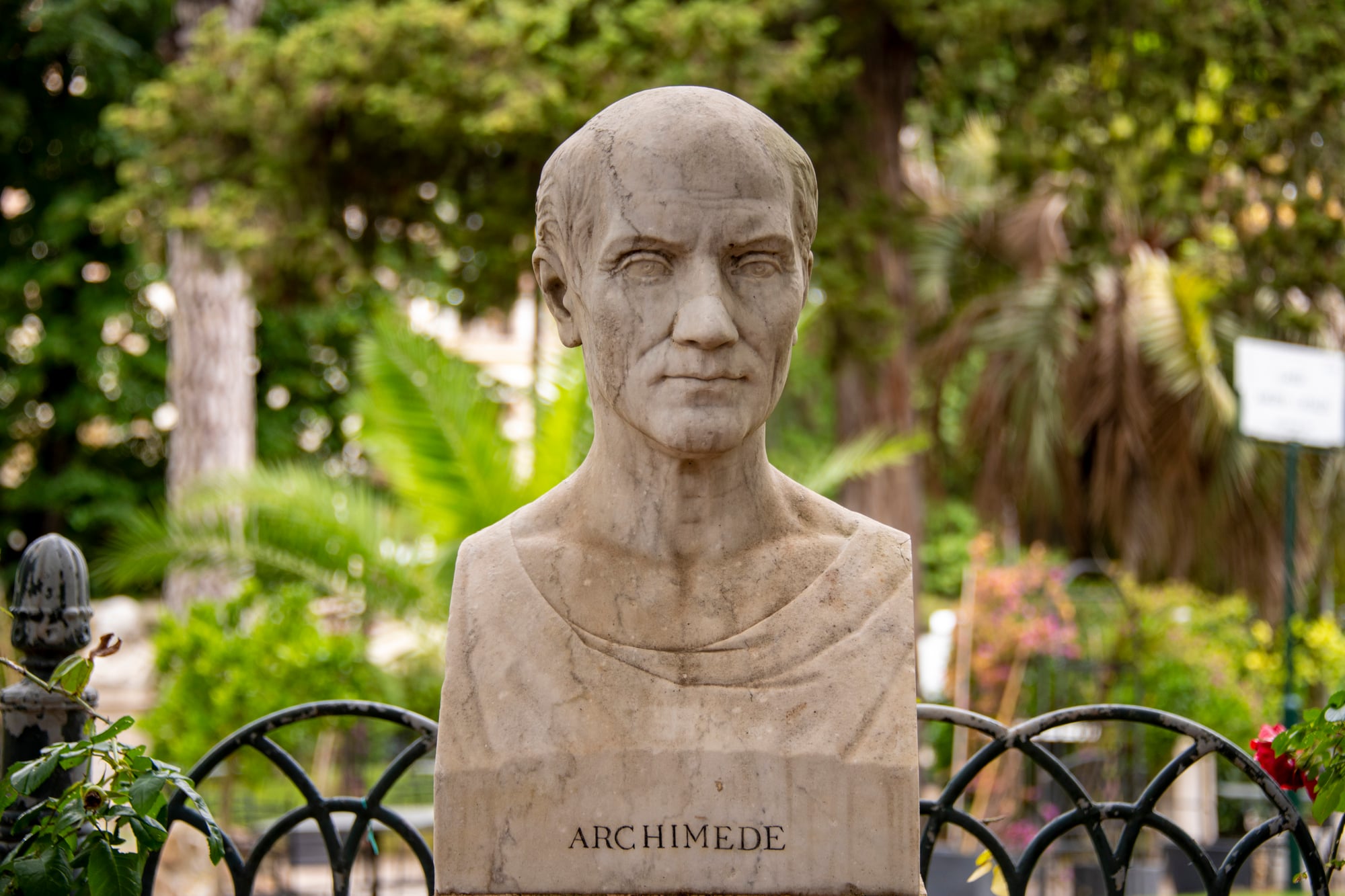
This is a partial loss rather than a total one, but it illustrates how precarious ancient knowledge actually was.
A 10th-century Byzantine manuscript contained several works by Archimedes, including a text called The Method — in which Archimedes described the mathematical techniques by which he derived his famous results, techniques that prefigure modern calculus by nearly two millennia.
In the 13th century, a monk scraped the mathematical text off the parchment and wrote Christian prayers over it — a standard practice for valuable parchment — and the underlying text was completely unknown until 1906, when it was partly recovered by scholars using the faint remaining ink traces.
Portions of The Method remain illegible and may always remain so. What other Archimedes works existed and were similarly scraped away is unknowable.
Etruscan Literature
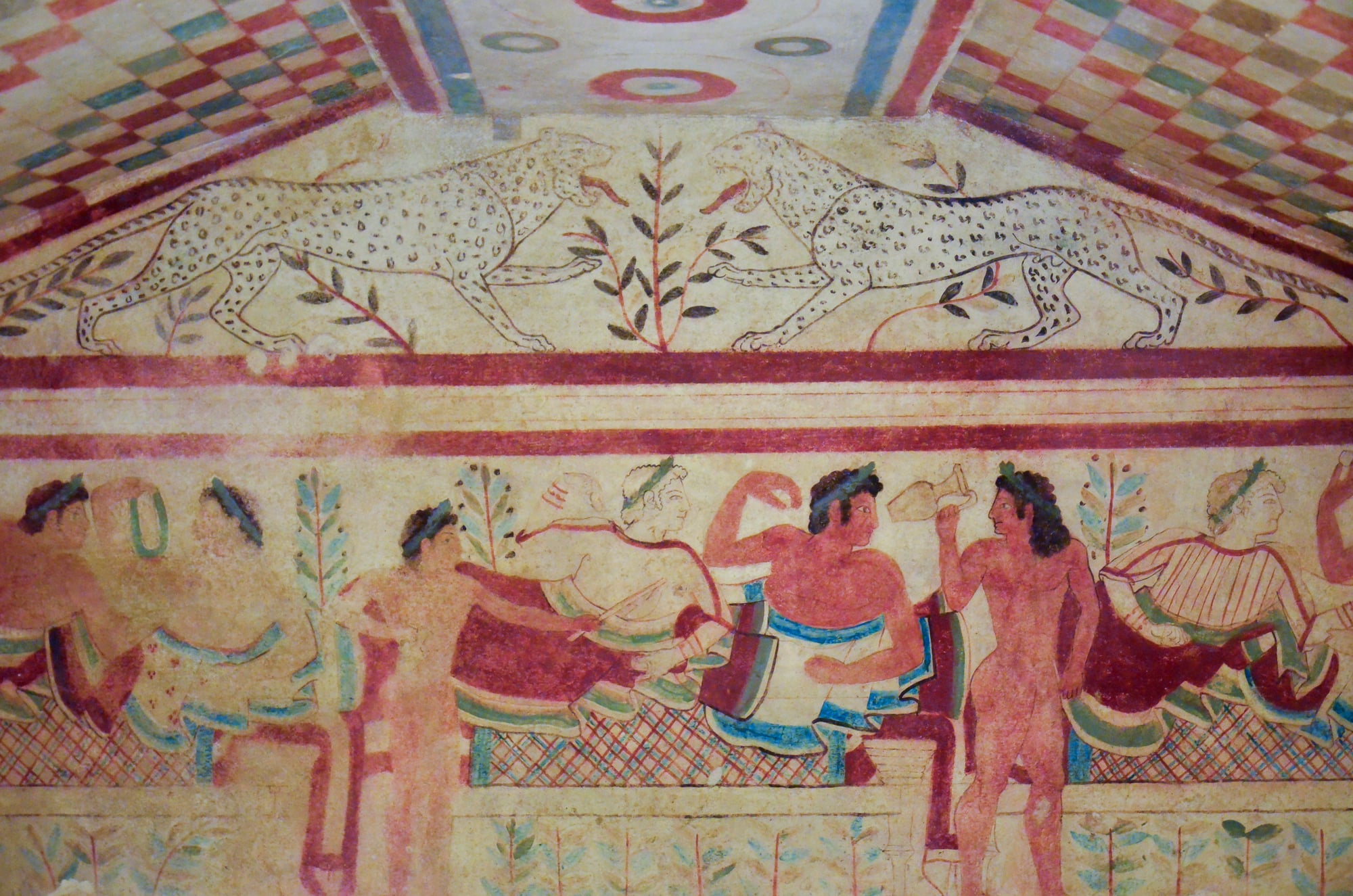
The Etruscans dominated central Italy before Rome rose to power and developed a sophisticated civilisation with their own writing system, their own literature, and their own religious traditions.
Their alphabet is readable — it is derived from Greek and scholars can pronounce Etruscan words — but without a bilingual text equivalent to the Rosetta Stone, most of what can be read cannot be translated.
What survives is primarily tomb inscriptions and short dedicatory texts. Any extended Etruscan literature — histories, religious texts, scientific observations, philosophical works — is gone entirely.
The Romans were aware of a significant Etruscan literary tradition: the emperor Claudius reportedly wrote a 20-volume history of the Etruscans, which has also not survived.
Hippocrates’ Complete Works
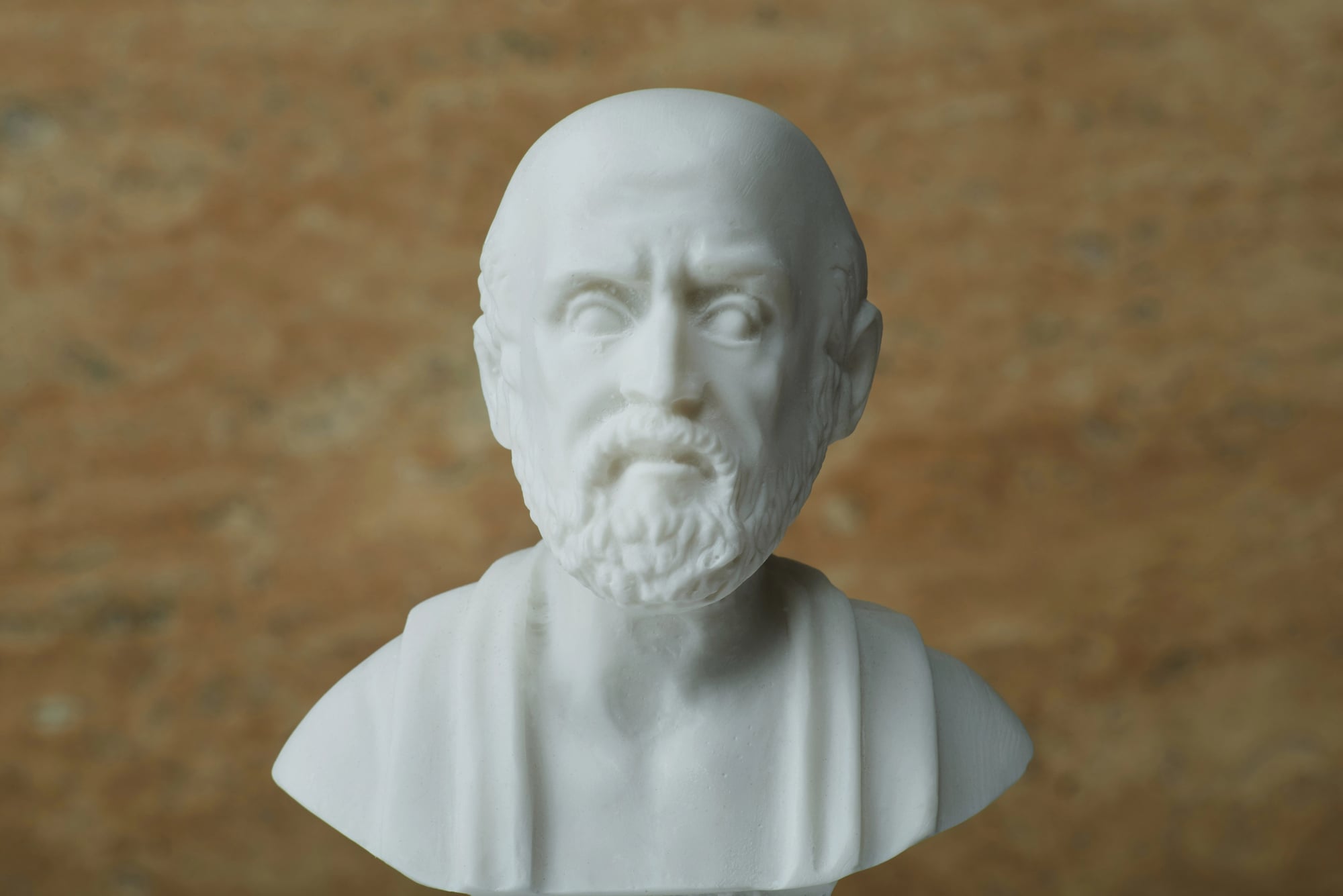
Hippocrates of Cos, the Greek physician who is conventionally considered the father of Western medicine, reportedly produced at least 70 texts.
The Hippocratic Corpus — the collection of texts attributed to him and his school — contains approximately 60 works. But ancient sources reference Hippocratic texts that do not appear in the surviving collection.
The corpus itself was assembled by librarians at Alexandria who may have included works by students and excluded others that seemed less relevant.
What Hippocrates himself actually wrote, how much of the original body of work has survived, and what the missing texts contained are questions without certain answers.
The portion of ancient Greek medical knowledge that did not make it into the surviving corpus is large enough that historians cannot fully reconstruct even the Hippocratic school’s complete diagnostic methods.
The Lost Books Of Aristotle
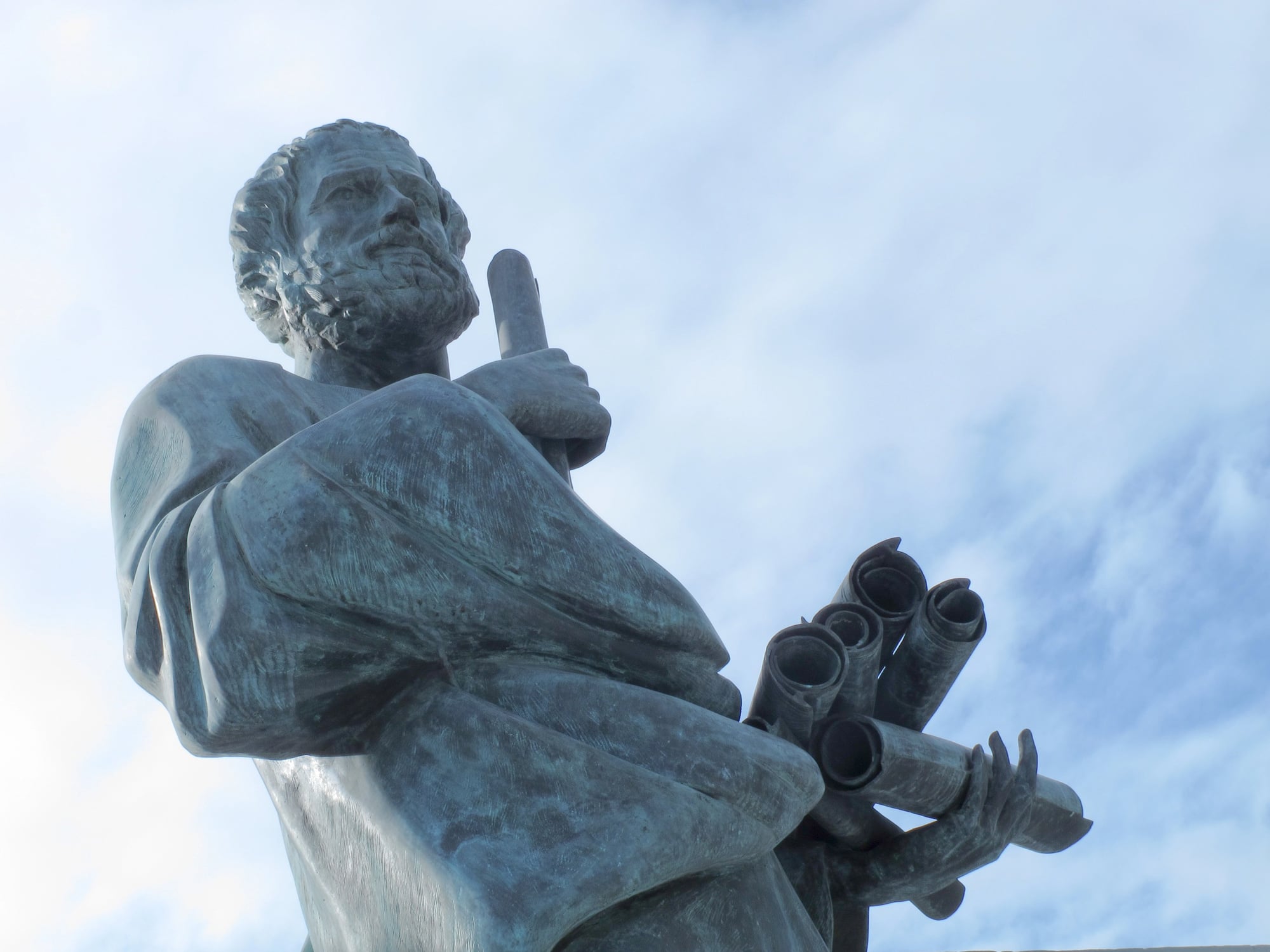
Ancient sources report that Aristotle produced approximately 200 works. Approximately 31 survive.
The lost works include dialogues described by Cicero as written in a “golden stream” of prose — a stylistic quality entirely absent from the surviving texts, which are primarily lecture notes and technical treatises.
The lost works included texts on comedy (only the Poetics’s section on tragedy survives), texts on poets and poetry, a history of philosophy, and dialogues that were apparently influential in antiquity.
The medieval Islamic philosophical tradition, which preserved and transmitted Aristotelian thought, worked with essentially the same incomplete corpus that modern scholars have.
A significant portion of Aristotle’s thought is simply gone.
The Complete Works Of Sappho
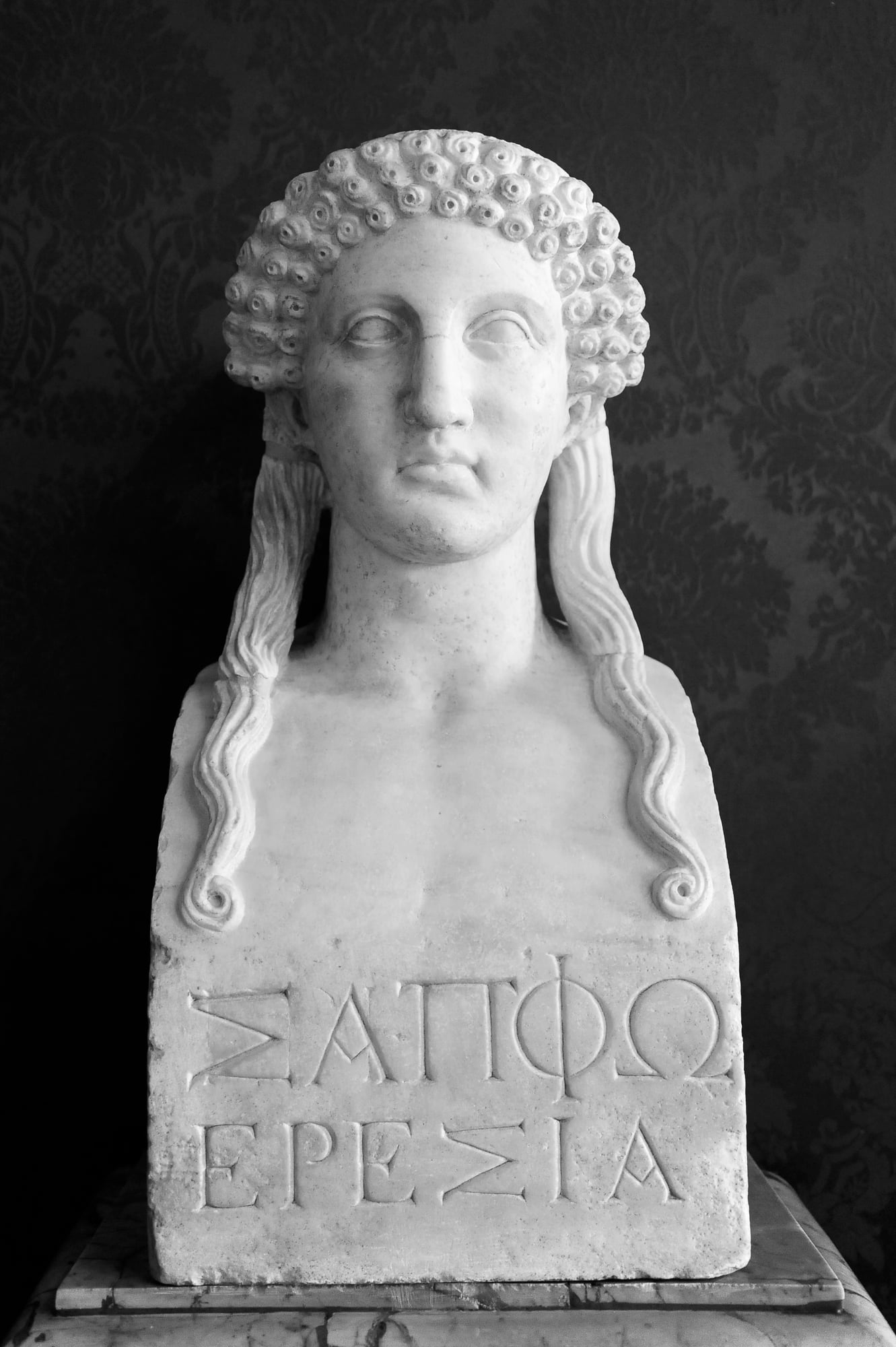
Sappho of Lesbos, the 6th-century BCE Greek lyric poet, was considered in antiquity to be among the greatest poets who had ever lived — Plato reportedly called her the “tenth Muse.”
She reportedly produced nine books of poetry. What survives is approximately 650 lines — two complete poems and fragments of everything else, most of them recovered from quotations in other ancient texts or from fragmentary papyri found in Egypt in the 19th and 20th centuries.
A significant Sappho poem was discovered as recently as 2014 on a papyrus in a private collection.
What proportion of her work survives is unknown, but the fragments that exist are considered among the finest lyric verse ever written, which implies that the scale of the loss is proportionally significant.
Hero Of Alexandria’s Automata
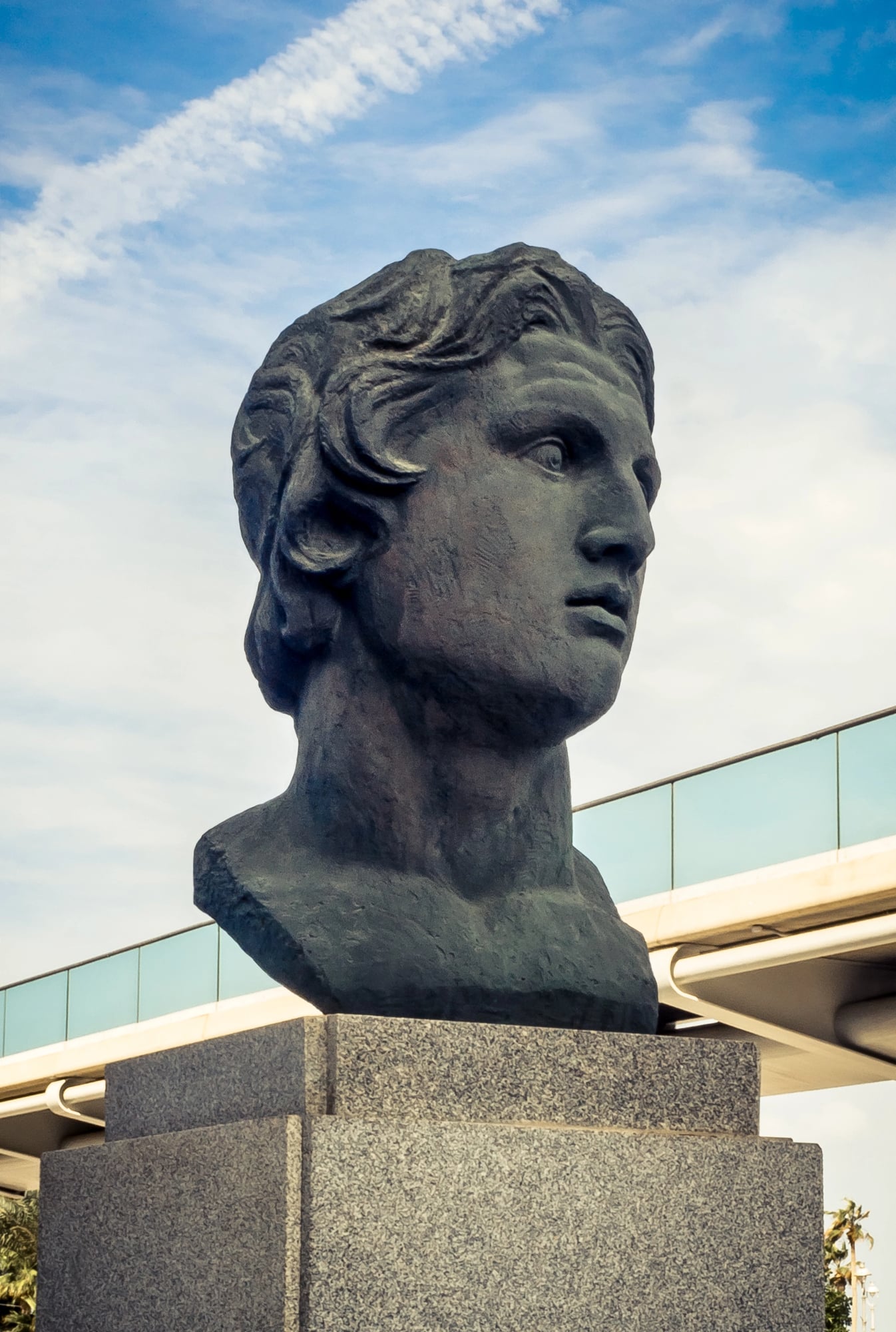
The 1st-century CE Greek mathematician and engineer Hero of Alexandria described in his surviving works a range of mechanical devices including self-opening temple doors powered by altar fires, coin-operated holy water dispensers, and theatrical automata that could perform a ten-minute mechanical play.
The designs he describes in surviving texts are extraordinary, but several texts that ancient sources attributed to Hero have not survived.
The specific engineering knowledge required to build some of the devices he describes — the tolerances required, the materials, the assembly methods — cannot be fully reconstructed from the descriptions alone.
Modern engineers have built approximations; none can verify whether their results match the originals.
The Silk Road Agricultural Knowledge
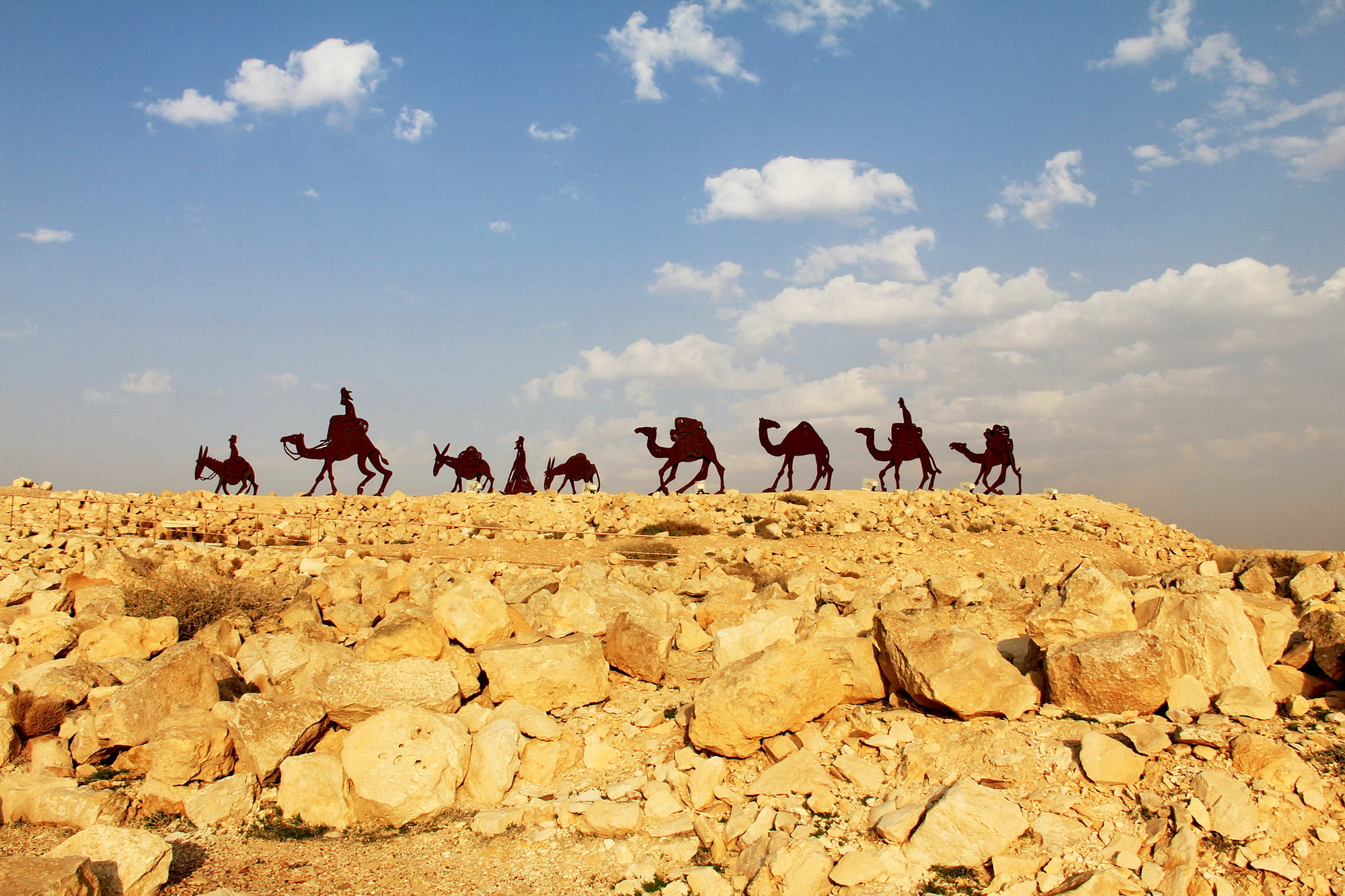
The Silk Road was not only a trade route for finished goods — it was the primary conduit through which agricultural knowledge, specific crop varieties, cultivation techniques, and plant medicines moved between China, Central Asia, Persia, and the Mediterranean world for roughly 1,500 years.
When the Mongol Empire fragmented and the land routes became less reliable, and then the sea routes offered faster trade, a significant portion of the accumulated agricultural knowledge that had moved along the Silk Road simply stopped transferring.
Specific cultivation methods for crops that thrived in arid conditions — techniques developed over centuries by Central Asian farmers — were not written down in transmissible form.
They died with the farming communities that practiced them.
The Knowledge Of The Mayan Codices
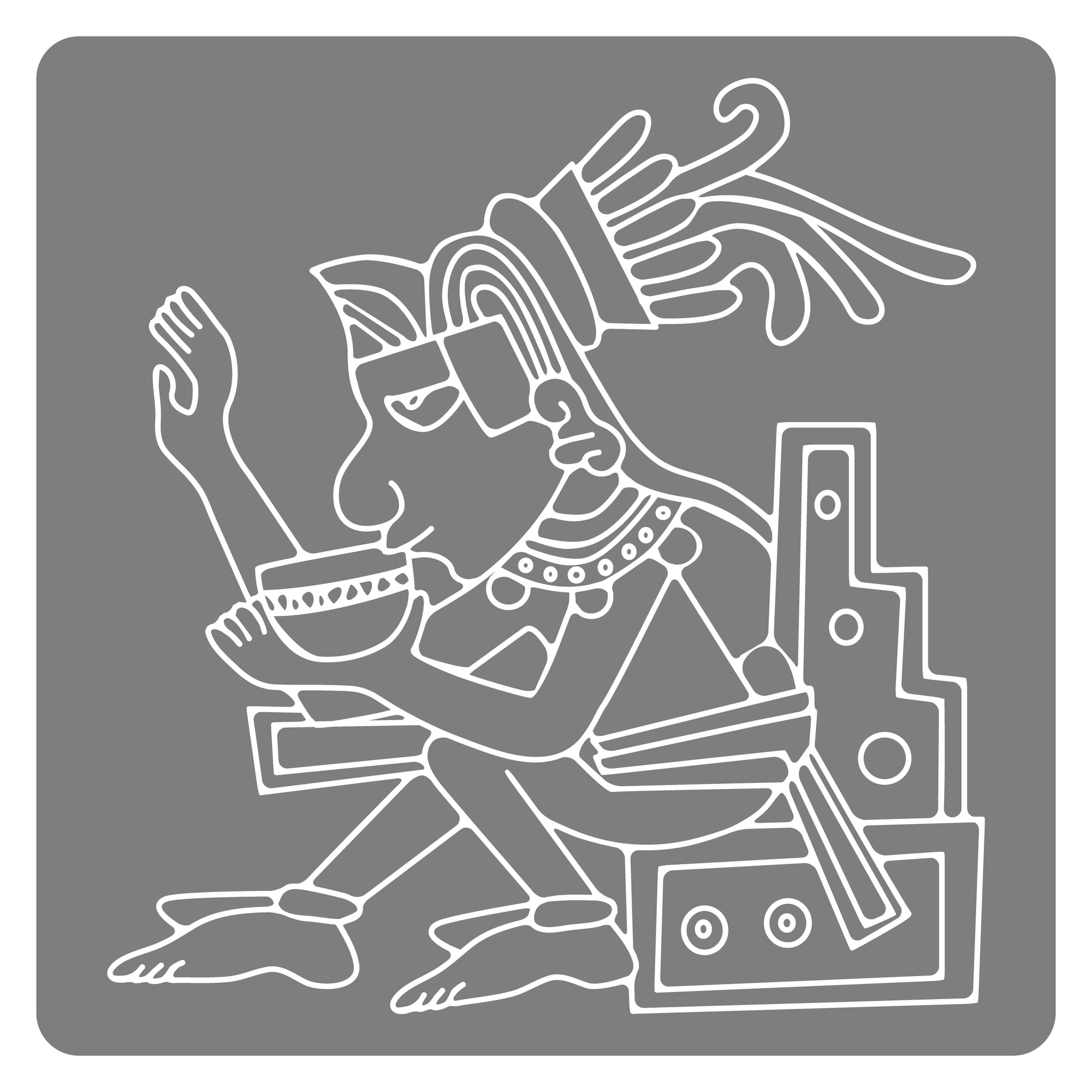
The Spanish bishop Diego de Landa ordered the burning of an unknown number of Mayan books in Maní, Yucatán, in July 1562.
He later partially documented the act with apparent regret, describing “a great number of books in their letters” that he burned because “they contained nothing in which were not to be seen superstition and lies of the devil.”
Only four Mayan codices are known to have survived, none of them from the Maya Classic period (roughly 250–900 CE), when Mayan astronomical, mathematical, and historical scholarship was at its height.
The astronomical knowledge encoded in the surviving codices is sophisticated enough that historians have no reliable way to estimate what the burned texts contained.
Archimedes’ Mechanical Devices
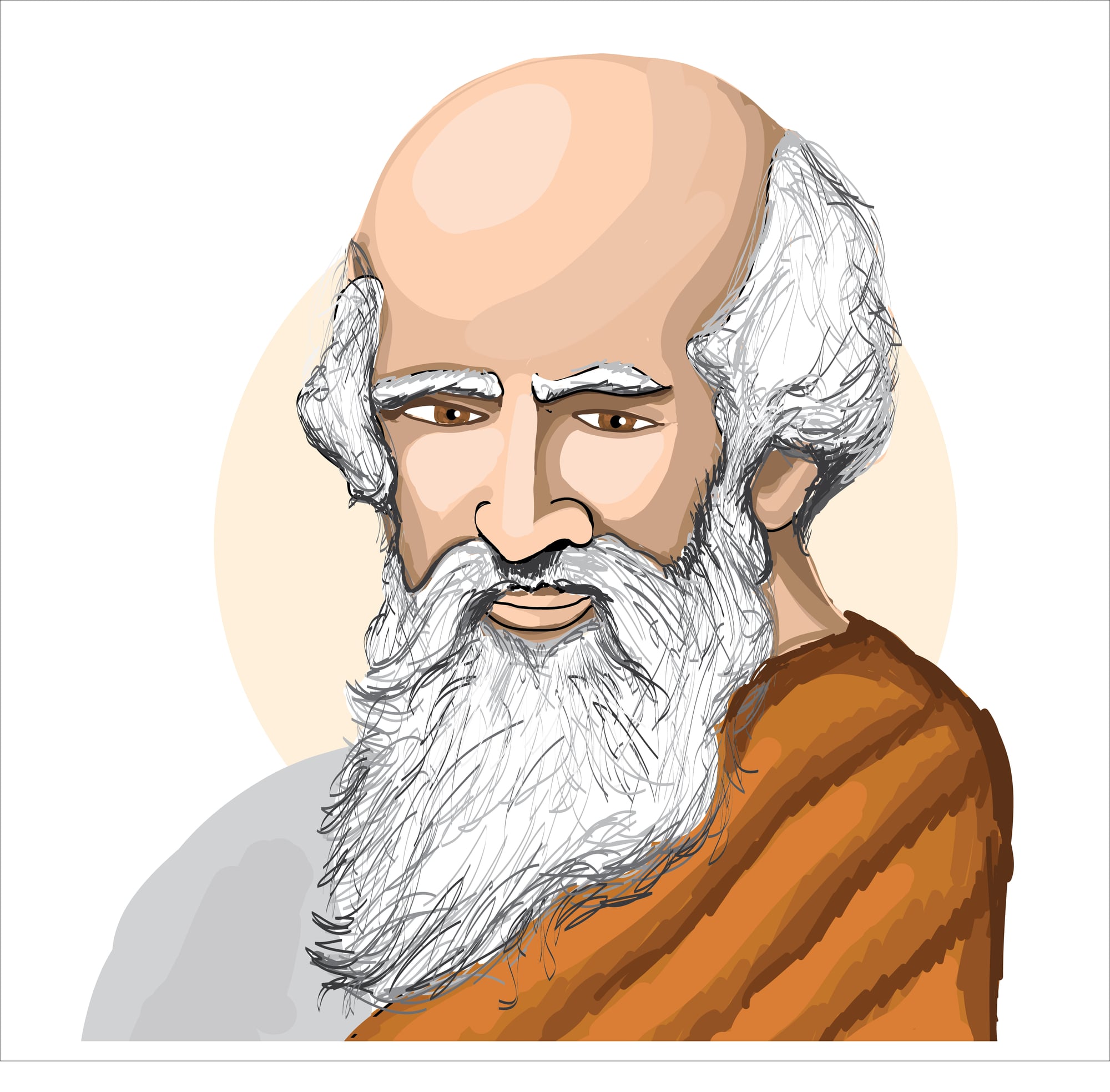
Archimedes of Syracuse, the 3rd-century BCE mathematician who produced some of the most advanced mathematics of the ancient world, was also a prolific mechanical engineer.
He reportedly designed the Archimedes Screw for irrigation, various levers and pulleys for the defence of Syracuse against Roman siege, and, according to some ancient sources, a mechanical model of the solar system.
The mechanical model is described in two different ancient texts but has never been found. Some historians believe it may have been the precursor technology to or an ancestor of the Antikythera Mechanism.
The general principles of Archimedean mechanical engineering survived, but the specific designs and the theoretical framework that connected his mathematics to his engineering were lost with the rest of the ancient scientific tradition.
Egyptian Embalming Compounds

The mummification process used by ancient Egyptian embalmers preserved human bodies for thousands of years in a way that modern preservation techniques cannot reliably replicate over equivalent timescales.
Chemical analysis of surviving mummies has identified compounds including resins, oils, and bituminous substances, and the specific ratios and application methods varied by period and by the status of the deceased.
Several substances identified in chemical analysis of mummies are not what the surviving textual records of Egyptian embalming describe, suggesting either that the textual records are incomplete or that they were deliberately vague to protect trade knowledge.
The complete formulations, application methods, and timing of treatment steps are unknown and have never been fully reconstructed.
Sogdian Trade Knowledge
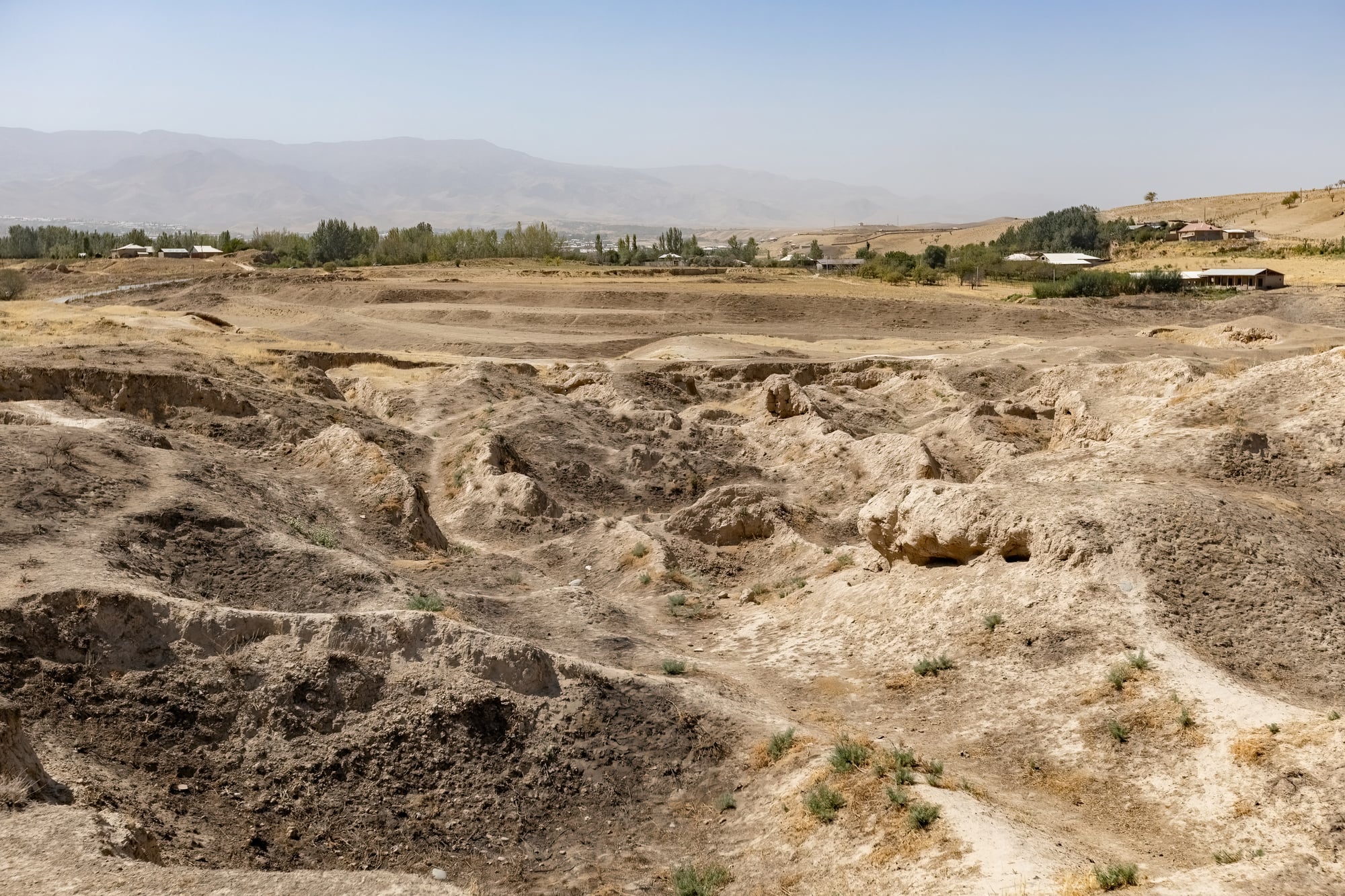
The Sogdians — an Eastern Iranian people who dominated the Silk Road trade routes for several centuries — accumulated detailed practical knowledge about the routes, the climate, the political conditions, the languages, and the commercial practices of the entire stretch from China to the Mediterranean.
Some of this knowledge survived in private letters found in a watchtower in northwest China in 1907 — a bundle of 4th-century CE correspondence from Sogdian merchants abandoned during a military emergency, the earliest surviving private letters in any Iranian language.
These documents offer a glimpse of what the accumulated Sogdian commercial knowledge looked like.
When Turkic expansion and the Islamic conquest of Central Asia ended the Sogdian trading network in the 7th and 8th centuries CE, the vast institutional knowledge they had developed over centuries of trade went with them.
The Pythagorean Inner Teaching

The Pythagorean school of 6th-century BCE Greek philosophy was divided between an outer group who knew the general teachings and an inner group of “mathematikoi” who were sworn to secrecy about the school’s core doctrines.
The general Pythagorean tradition — the theorem, the belief in numerical relationships underlying reality, the transmigration of souls — survived and was widely reported.
What the inner teaching contained beyond what the outer school knew has never been established.
Ancient sources disagreed; later accounts drew on earlier accounts that themselves drew on unreliable sources.
Whether there was a genuine secret teaching or whether the distinction was primarily organizational is unknown, and the inner circle died without transmitting whatever it was they know.
The Lost Plays Of Aeschylus
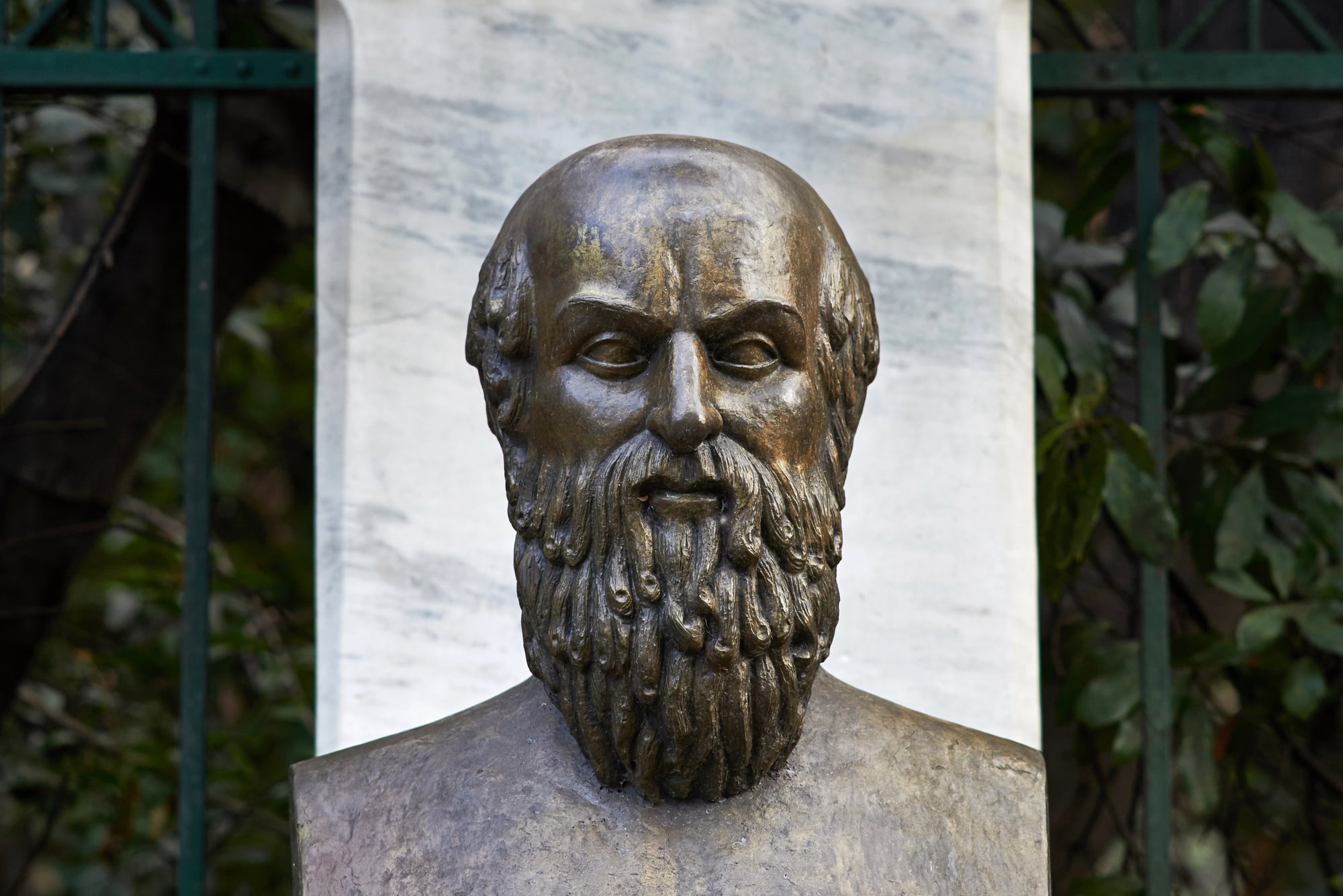
Aeschylus, the earliest of the three great Athenian tragic playwrights, reportedly wrote approximately 90 plays.
Seven survive. The three plays of the Oresteia that survive are considered among the greatest works of dramatic literature ever written, which means the scale of what is missing is potentially enormous.
Among the lost plays are the two sequels to his Prometheus Bound — Prometheus Unbound and Prometheus the Fire-Bringer — that would have completed one of the foundational narratives of Western literature.
Fragments quoted in other ancient texts give some sense of the lost plays’ language and some of their themes.
None of them can be recovered.
Linear A
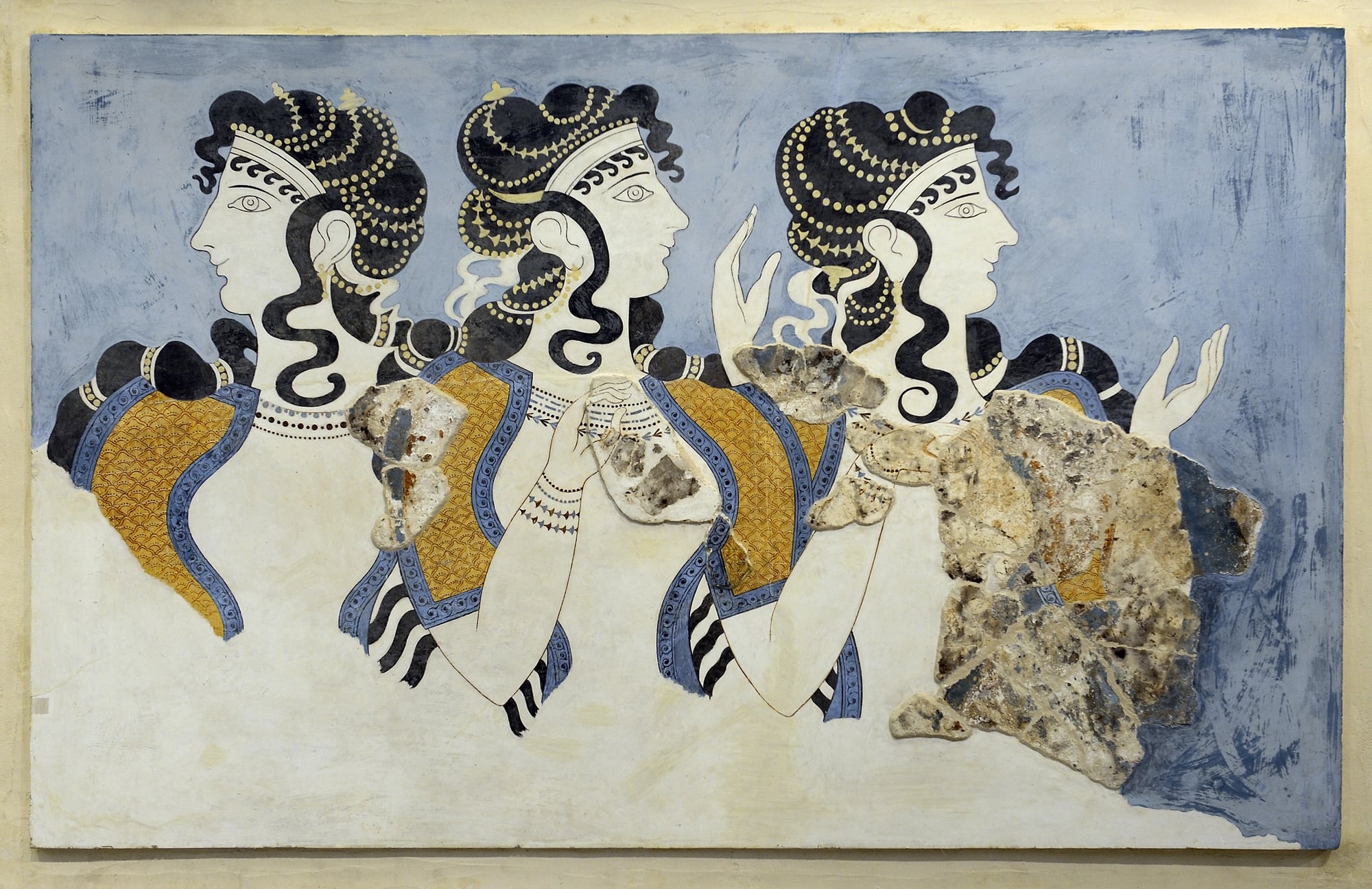
The undeciphered script of the Minoan civilisation of ancient Crete has been the subject of sustained scholarly attention since it was identified in the late 19th century, and it has not been decoded.
The related Linear B script — adapted from Linear A and used to write an early form of Greek — was deciphered in 1952 by Michael Ventris, which raised hopes that Linear A might follow.
It hasn’t.
The underlying language that Linear A encodes appears to be unrelated to Greek or to any other known language family, meaning that there is no linguistic foothold from which to approach the decipherment.
The Minoans traded throughout the eastern Mediterranean, built the palace complex at Knossos, and produced sophisticated art and administration, and essentially nothing they actually said in their own language can be read.
Sophocles’ Complete Works
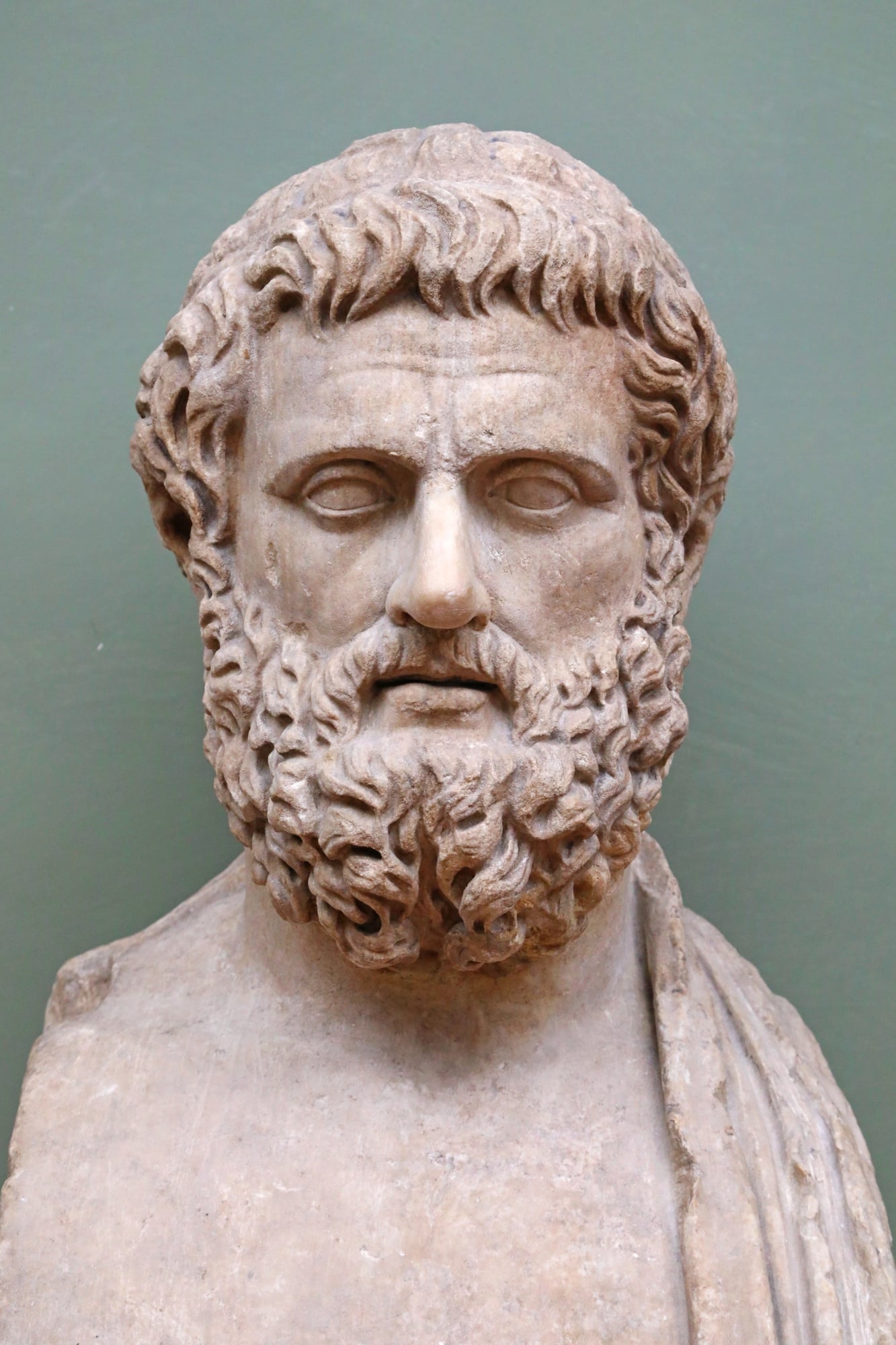
Sophocles, the second of the three great Athenian tragedians, reportedly wrote over 120 plays.
Seven complete plays survive, along with fragments. He won the most victories of any competitor at the Athenian dramatic festivals, suggesting an extraordinarily prolific and consistently excellent career.
Among the lost plays are texts that were considered major works in antiquity and that influenced later Greek and Roman writers extensively.
The Ichneutae, a satyr play, is the most extensively preserved of the lost texts — we have about 400 lines of it.
Of the other lost plays, some titles are known, some fragments survive, and most are simply gone.
The Fermentation Knowledge Of Koumiss

The nomadic peoples of the Eurasian steppes developed sophisticated knowledge of fermented mare’s milk — koumiss — as a dietary staple, a medicine, and a social ritual that sustained populations across one of the world’s most difficult environments.
This knowledge was entirely oral, carried within specific communities and social structures, and adapted to specific local conditions of climate, altitude, and animal husbandry.
When the communities that held it were displaced, absorbed, or destroyed by the successive waves of expansion that swept the steppes from antiquity to the early modern period, large portions of the accumulated practical knowledge were lost.
Which types of fermentation produced which effects, which conditions required which modifications, and the specific nutritional protocols used for various health applications were never fully documented.
The Iron Pillar Of Delhi’s Metallurgy

The Iron Pillar in Delhi, erected around 400 CE during the reign of Chandragupta II, stands 7 metres tall and has been exposed to the elements for 1,600 years with almost no rusting.
Modern metallurgical analysis has identified a thin layer of misawite — an iron-hydrogen-oxygen compound — on the surface that prevents further oxidation.
The process by which this layer was created — whether deliberately or as a consequence of the specific forging method used — is unknown.
The ancient Indian iron-working tradition that produced it did not document its processes in forms that survived, and the specific knowledge of why this particular pillar was more durable than any iron of comparable antiquity was not passed down as a separable piece of understanding.
The Complete Hipparchian Star Catalogue
Hipparchus of Nicaea, the 2nd-century BCE Greek astronomer who is considered the father of trigonometry and who discovered the precession of the equinoxes, produced a catalogue of the positions of approximately 850 stars that was reportedly the most accurate and comprehensive star catalogue of the ancient world.
The catalogue itself has not survived. What we know of it comes primarily from Claudius Ptolemy’s Almagest, which incorporated some of Hipparchus’s observations but also modified and extended them in ways that make it impossible to reconstruct exactly what Hipparchus originally recorded.
Analysis of a 2nd-century CE star globe found in the Kugel collection in Paris suggests it may encode a Hipparchian star catalogue, but the scholarly debate is ongoing and the original text remains lost.
Numa Pompilius’s Sacred Books

The Roman king Numa Pompilius, who reigned in the 7th century BCE, was traditionally credited with founding the Roman religious and ritual system — the sacred calendar, the priestly colleges, the ritual procedures of Roman religion.
He was reportedly buried with a set of books containing the basis for these institutions.
When the books were supposedly discovered in 181 BCE, the Roman senate ordered them burned as dangerous to Roman religion, without reading them publicly.
What those texts contained, whether they represented a genuine document tradition from the early Roman period or a later composition, is completely unknown.
The senate burned them precisely to prevent that question from being answerable.
The Catalogue Of Callimachus
Callimachus of Cyrene was the head of the Library of Alexandria in the 3rd century BCE and produced the Pinakes — a systematic catalogue of all works in the library, reportedly running to 120 volumes.
It contained not just titles and authors but also biographical information about authors, critical assessments of authenticity, and comparative notes on different editions of the same text.
The Pinakes would be the most valuable single document in the history of classical scholarship. It is almost entirely lost.
Fragments survive in quotations; the full text does not.
The contents of the Library of Alexandria could theoretically be partially reconstructed if the Pinakes survived — instead, both the catalogue and the works it catalogued are gone, and we don’t know exactly what we’re missing because the index to the missing material is also missing.
The Geometry Of Menelaus
Menelaus of Alexandria, the 1st-century CE Greek mathematician, wrote a work called the Spherica that developed spherical trigonometry — the mathematics of geometry on the surface of a sphere — to a level of sophistication that was not matched in Europe until the 16th century.
The Spherica survived only in Arabic translation; the original Greek text is lost.
Moreover, ancient sources reference additional mathematical works by Menelaus — including a work on the geometry of curved lines — that are lost in both Greek and Arabic.
This leaves historians unable to fully reconstruct even the contents of his known works, let alone estimate what was never preserved.
The Gap Between What We Know And What Existed
Ancient historians routinely referred to works that no longer survive — texts that they had read, that they quoted, that they described as influential — and that we cannot find.
The gap between what ancient writers reference and what ancient writers we can read is large, and has no clear bottom.
The historian Polybius described the contents of documents he had read; Cicero quoted works that no longer exist; Strabo described works on geography that have not been found.
Each of these references marks an edge of what is gone, but only the edge — behind each surviving reference may have been a larger tradition that left no other trace at all.
What makes the losses in this list particularly stark is that they were not theoretical or marginal knowledge.
They were the working knowledge of functioning civilisations — the weapons that won naval battles, the concrete that built harbours, the astronomical tools that tracked the sky, the medical traditions that treated patients.
They were lost not because they were unimportant but because the conditions that sustained their transmission — empires, trade routes, institutions, specific families — proved more fragile than the knowledge itself deserved.
More from Go2Tutors!

- The Romanov Crown Jewels and Their Tragic Fate
- 13 Historical Mysteries That Science Still Can’t Solve
- Famous Hoaxes That Fooled the World for Years
- 15 Child Stars with Tragic Adult Lives
- 16 Famous Jewelry Pieces in History
Like Go2Tutors’s content? Follow us on MSN.



